

The Market Updates
7k Publications

The Market Updates
Signaler
Bloquer l’utilisateur
Crypto Trader Since 2007.
5 Suivis
12.4K+ Abonnés
19.7K+ J’aime
Publications
Tous
Citations
Vidéos
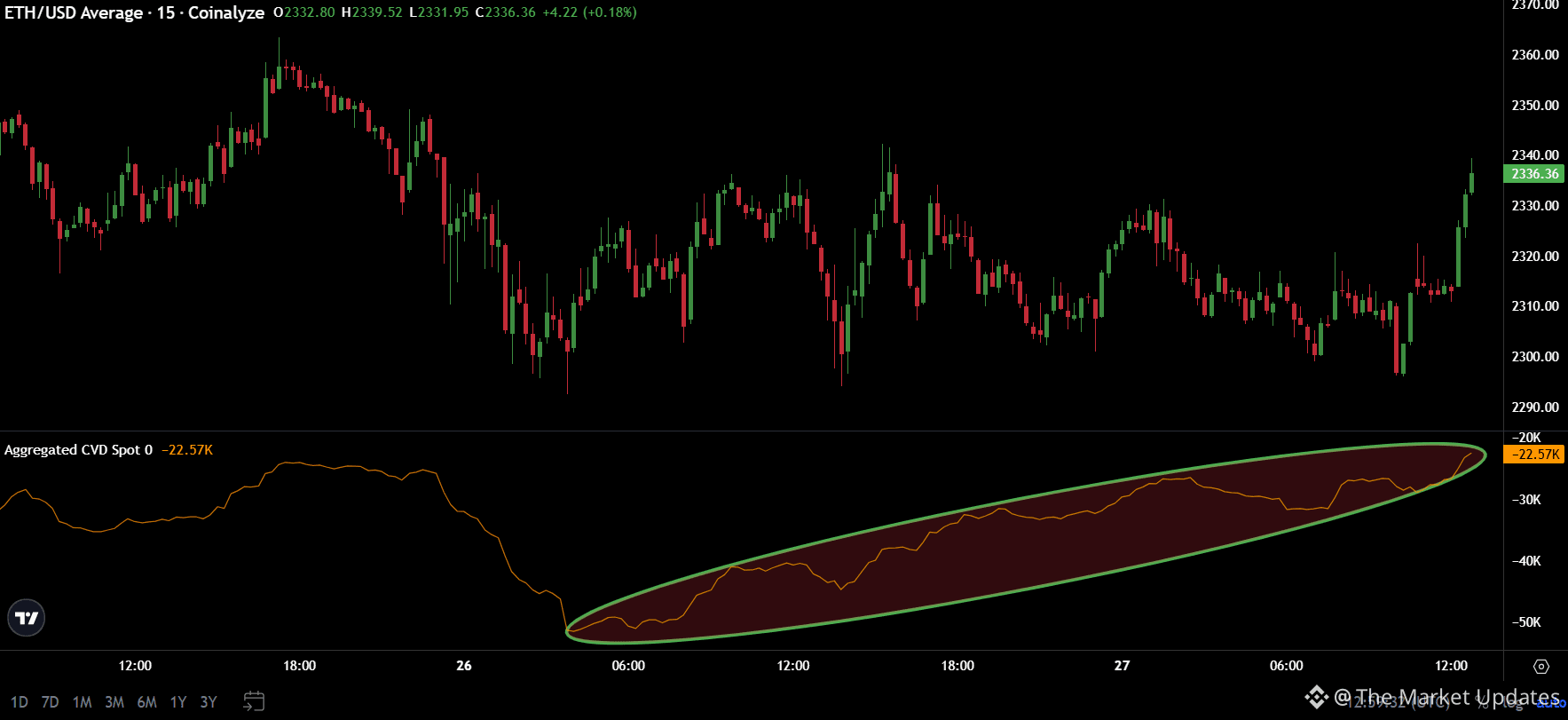
$ETH dips are getting bought.
Spot demand is rising while ETH is in consolidation.
We are very close to the bottom now.
$ETH dips are getting bought.
Spot demand is rising while ETH is in consolidation.
We are very close to the bottom now.
Spot demand is rising while ETH is in consolidation.
We are very close to the bottom now.
6
·
--
Haussier
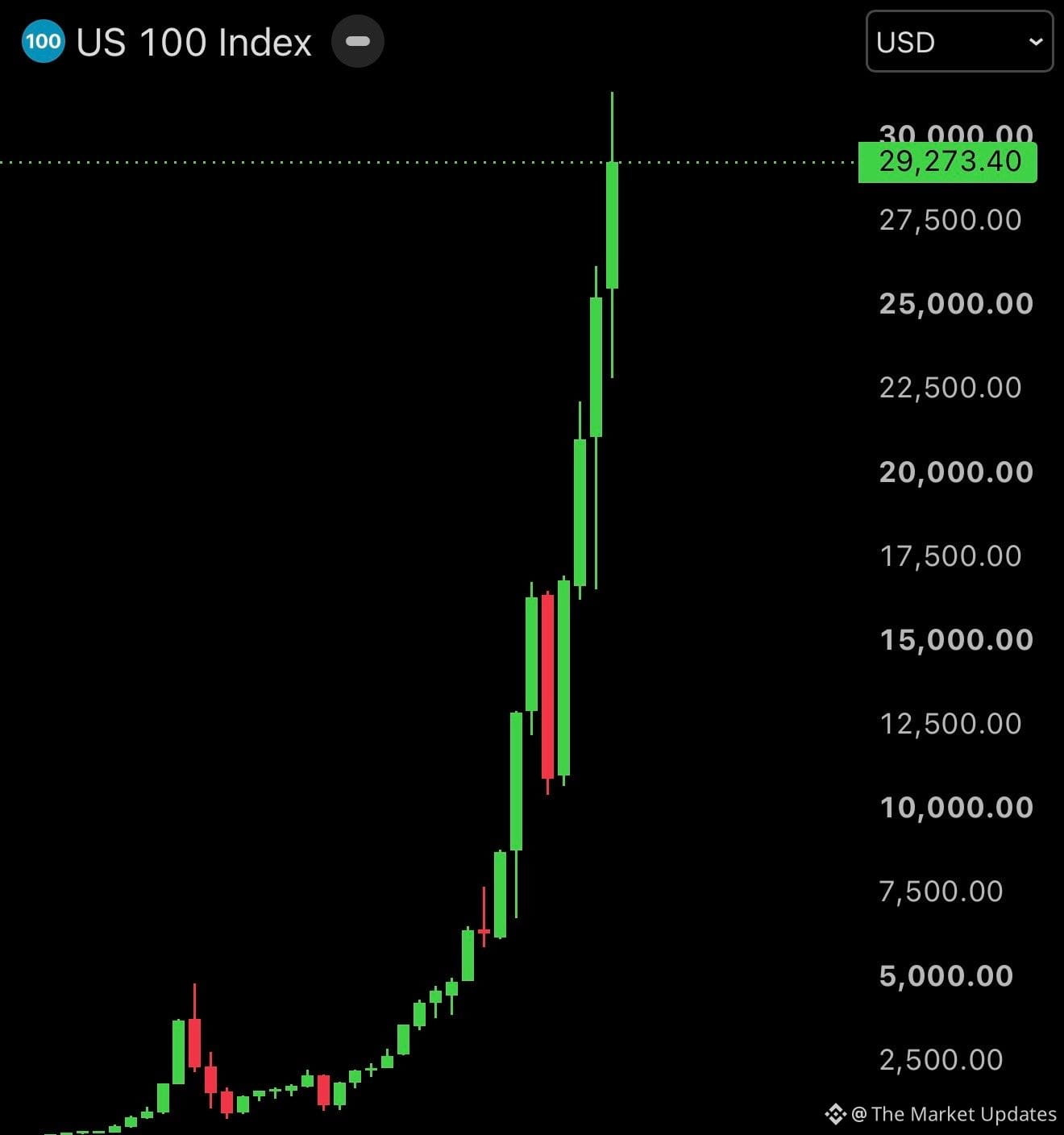
BREAKING: 🇺🇸 Janus Henderson launches the first tokenized fund tracking the Nasdaq-100.
One of the world's biggest stock indexes is now on the blockchain.
BREAKING: 🇺🇸 Janus Henderson launches the first tokenized fund tracking the Nasdaq-100.
One of the world's biggest stock indexes is now on the blockchain.
One of the world's biggest stock indexes is now on the blockchain.

5
🇸🇦🇮🇷 Saudi-led defense alliance gives Iran LAST CHANCE at diplomacy
Saudi, Pakistani, and Turkish security officials met Iranian leaders in Tehran as attacks on the Kingdom fuel fears of a wider regional war.
The 3 countries' “collective action” defense pact faced its first major test, but the talks produced NO announced deal to stop Houthi attacks.
With Trump threatening renewed strikes on Iran, the alliance is reportedly using diplomacy to pressure Tehran before potentially launching a joint military response.
Tehran is running out of time to avoid a regional faceoff in the midst of a global crisis.
Source: Iran International
🇸🇦🇮🇷 Saudi-led defense alliance gives Iran LAST CHANCE at diplomacy
Saudi, Pakistani, and Turkish security officials met Iranian leaders in Tehran as attacks on the Kingdom fuel fears of a wider regional war.
The 3 countries' “collective action” defense pact faced its first major test, but the talks produced NO announced deal to stop Houthi attacks.
With Trump threatening renewed strikes on Iran, the alliance is reportedly using diplomacy to pressure Tehran before potentially launching a joint military response.
Tehran is running out of time to avoid a regional faceoff in the midst of a global crisis.
Source: Iran International
Saudi, Pakistani, and Turkish security officials met Iranian leaders in Tehran as attacks on the Kingdom fuel fears of a wider regional war.
The 3 countries' “collective action” defense pact faced its first major test, but the talks produced NO announced deal to stop Houthi attacks.
With Trump threatening renewed strikes on Iran, the alliance is reportedly using diplomacy to pressure Tehran before potentially launching a joint military response.
Tehran is running out of time to avoid a regional faceoff in the midst of a global crisis.
Source: Iran International

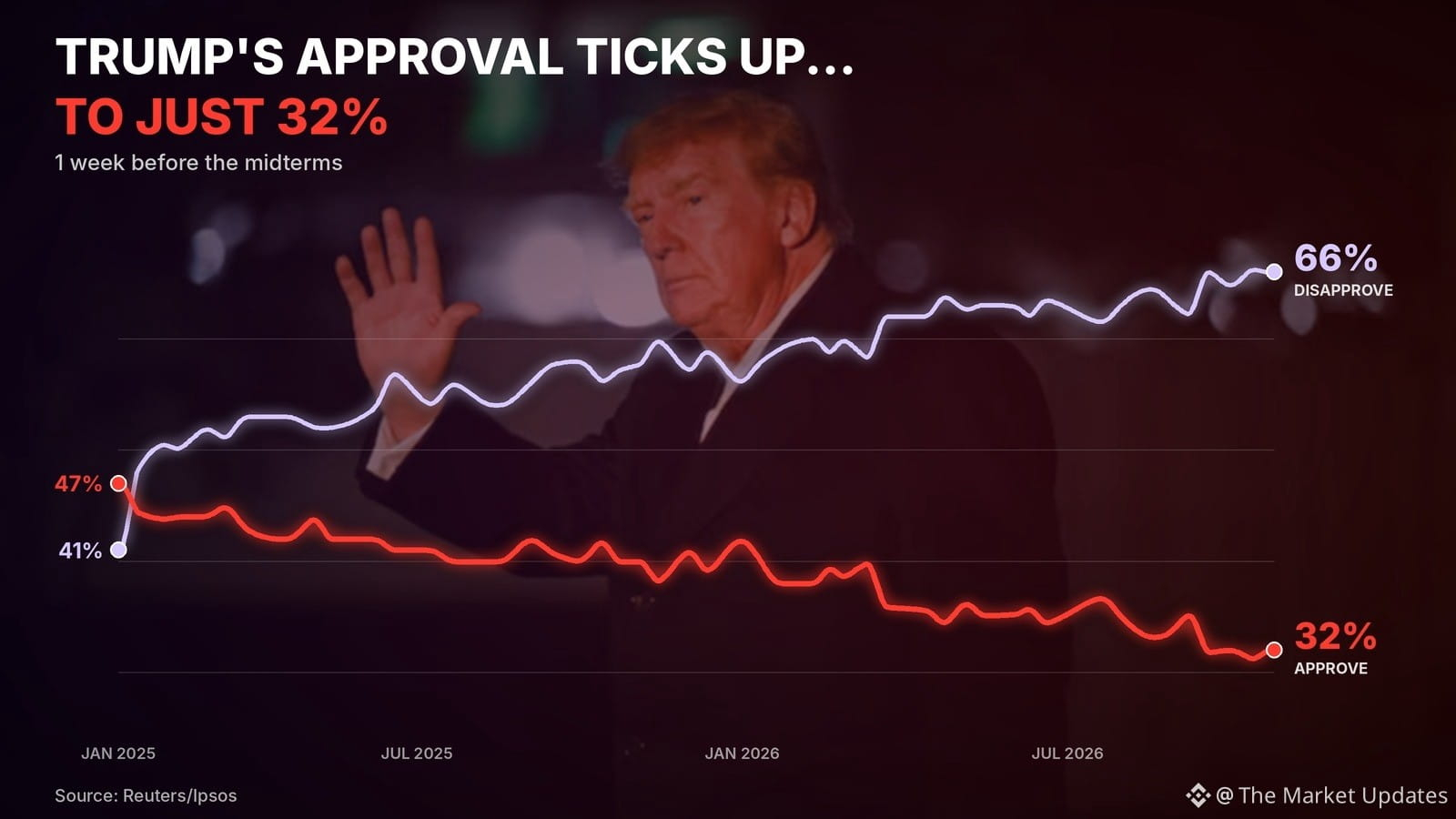
🇺🇸 Good news for Trump: his approval rating went UP this week.
Bad news: it went up to 32%.
That's just 1 point above last week's record low, with the midterms only a week away.
Voters also prefer Democrats for Congress by 11 points, 47% to 36%, in the latest Reuters/Ipsos poll.
Prices are doing most of the damage. Before Trump ordered strikes on Iran in February, voters trusted Republicans more on the economy.
Now gas is up, 73% say their cost of living is heading the wrong way, and Democrats lead on the economy 37% to 33%.
7 days to close an 11-point gap. No pressure.
Source: Reuters
🇺🇸 Good news for Trump: his approval rating went UP this week.
Bad news: it went up to 32%.
That's just 1 point above last week's record low, with the midterms only a week away.
Voters also prefer Democrats for Congress by 11 points, 47% to 36%, in the latest Reuters/Ipsos poll.
Prices are doing most of the damage. Before Trump ordered strikes on Iran in February, voters trusted Republicans more on the economy.
Now gas is up, 73% say their cost of living is heading the wrong way, and Democrats lead on the economy 37% to 33%.
7 days to close an 11-point gap. No pressure.
Source: Reuters
Bad news: it went up to 32%.
That's just 1 point above last week's record low, with the midterms only a week away.
Voters also prefer Democrats for Congress by 11 points, 47% to 36%, in the latest Reuters/Ipsos poll.
Prices are doing most of the damage. Before Trump ordered strikes on Iran in February, voters trusted Republicans more on the economy.
Now gas is up, 73% say their cost of living is heading the wrong way, and Democrats lead on the economy 37% to 33%.
7 days to close an 11-point gap. No pressure.
Source: Reuters
47
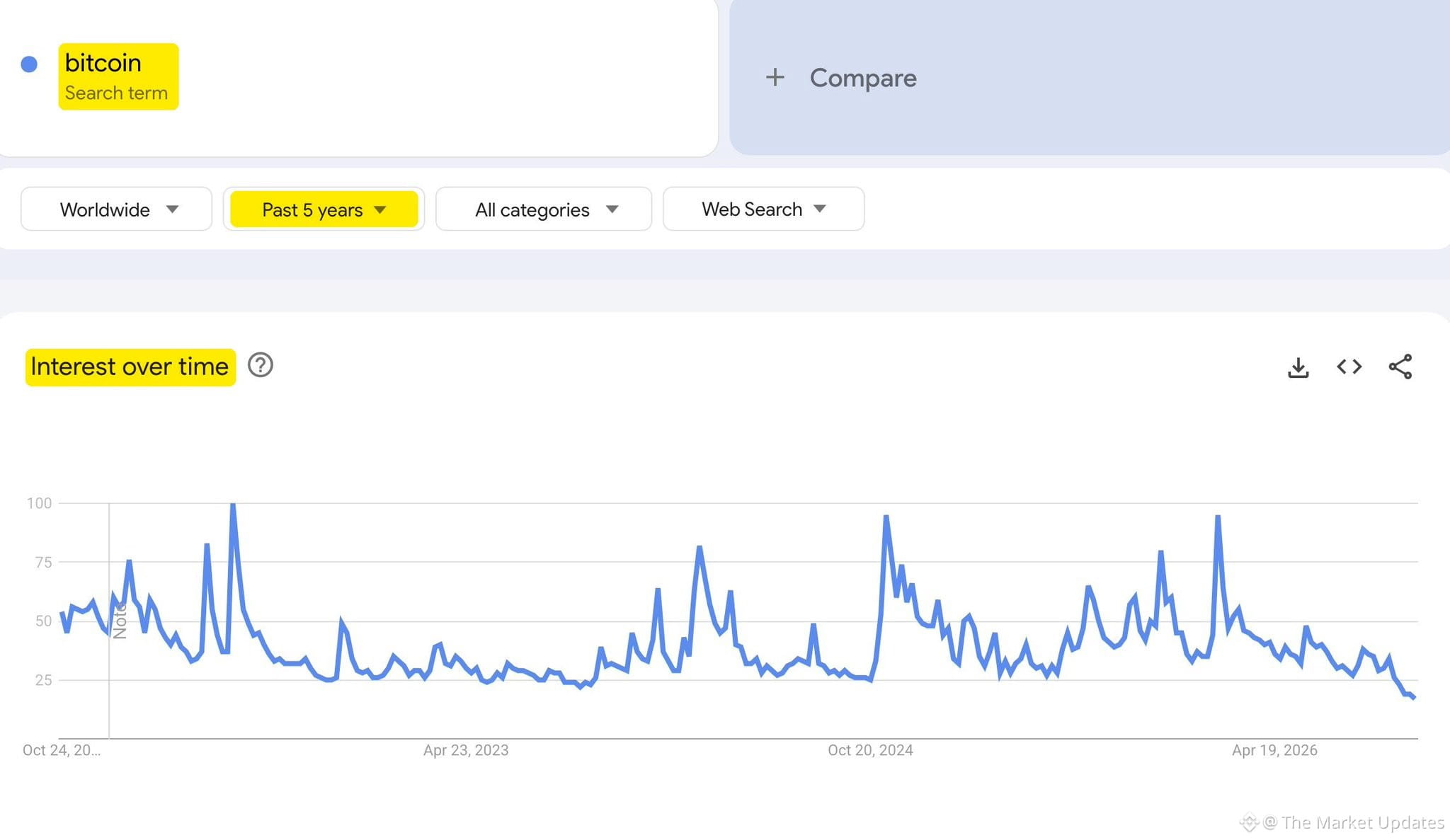
Google searches for "Bitcoin" have hit a 5-year low.
Retail has completely lost interest.
And that's exactly what makes me fucking bullish.
Google searches for "Bitcoin" have hit a 5-year low.
Retail has completely lost interest.
And that's exactly what makes me fucking bullish.
Retail has completely lost interest.
And that's exactly what makes me fucking bullish.
40
Vérifié
🇺🇲🇮🇷 The Iran war is STILL costing Americans at the pump
Americans have paid ~$471 more per person in fuel costs since the war began in late February. That’s ~8 times the global average of $60.
Globally, the fuel bill has ballooned to $468 billion.
The U.S. accounts for $160 billion of that total, followed by China at $54 billion.
The White House argues higher fuel prices are a small price to pay to prevent Iran from acquiring nuclear weapons.
The false simplicity of the trade-off may make for a nice soundbite, but it’s useless without a clear endgame.
Source: Reuters
🇺🇲🇮🇷 The Iran war is STILL costing Americans at the pump
Americans have paid ~$471 more per person in fuel costs since the war began in late February. That’s ~8 times the global average of $60.
Globally, the fuel bill has ballooned to $468 billion.
The U.S. accounts for $160 billion of that total, followed by China at $54 billion.
The White House argues higher fuel prices are a small price to pay to prevent Iran from acquiring nuclear weapons.
The false simplicity of the trade-off may make for a nice soundbite, but it’s useless without a clear endgame.
Source: Reuters
Americans have paid ~$471 more per person in fuel costs since the war began in late February. That’s ~8 times the global average of $60.
Globally, the fuel bill has ballooned to $468 billion.
The U.S. accounts for $160 billion of that total, followed by China at $54 billion.
The White House argues higher fuel prices are a small price to pay to prevent Iran from acquiring nuclear weapons.
The false simplicity of the trade-off may make for a nice soundbite, but it’s useless without a clear endgame.
Source: Reuters
856
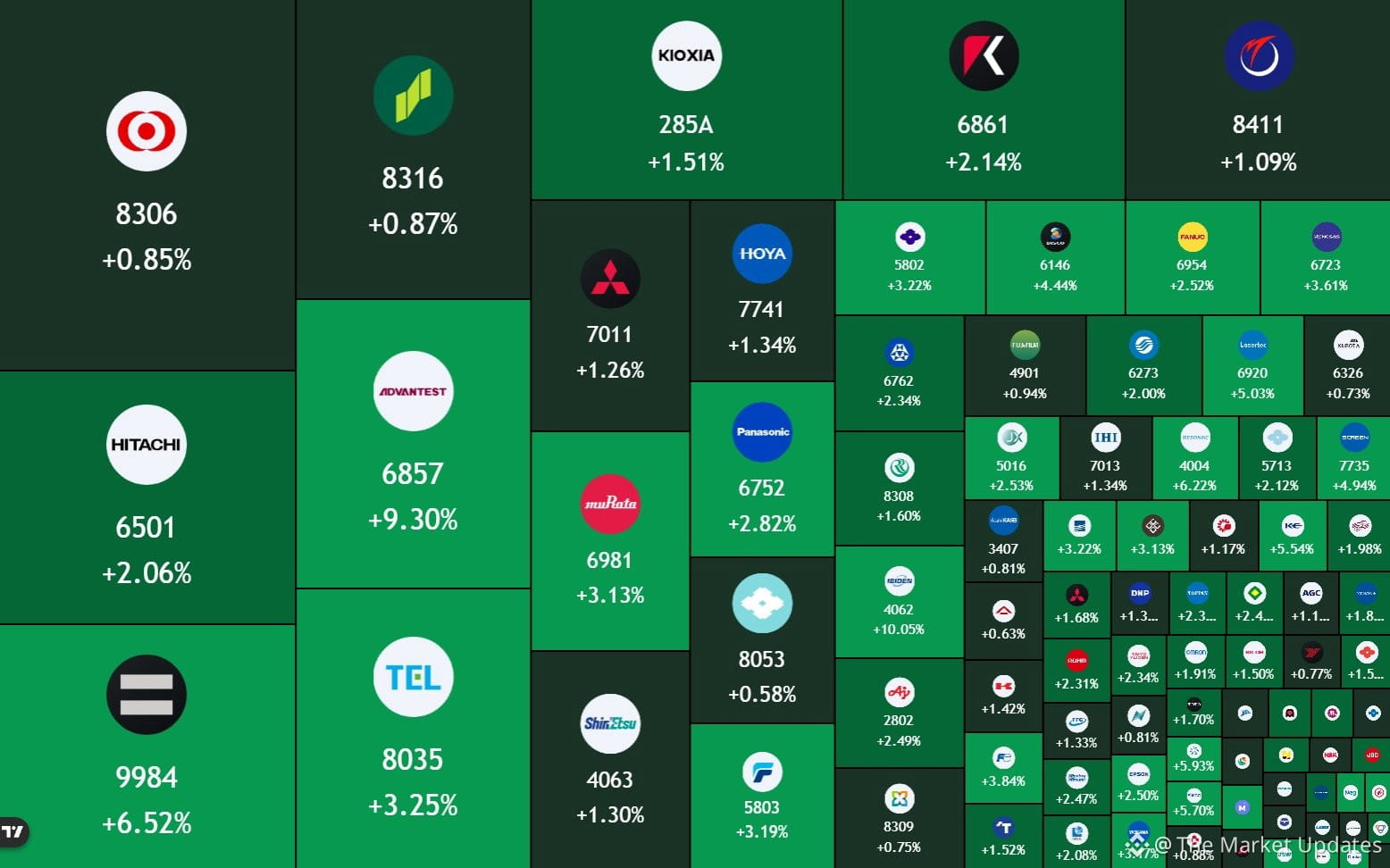
BREAKING: 🇯🇵 Over ¥27,075,000,000,000 ($172B) added to Japanese stocks as the NIKKEI surges +2.3%.
BREAKING: 🇯🇵 Over ¥27,075,000,000,000 ($172B) added to Japanese stocks as the NIKKEI surges +2.3%.
145
BREAKING: 🇺🇸 Ripple receives final US regulatory approval to establish a national trust bank.
Another win for crypto.
BREAKING: 🇺🇸 Ripple receives final US regulatory approval to establish a national trust bank.
Another win for crypto.
Another win for crypto.


260
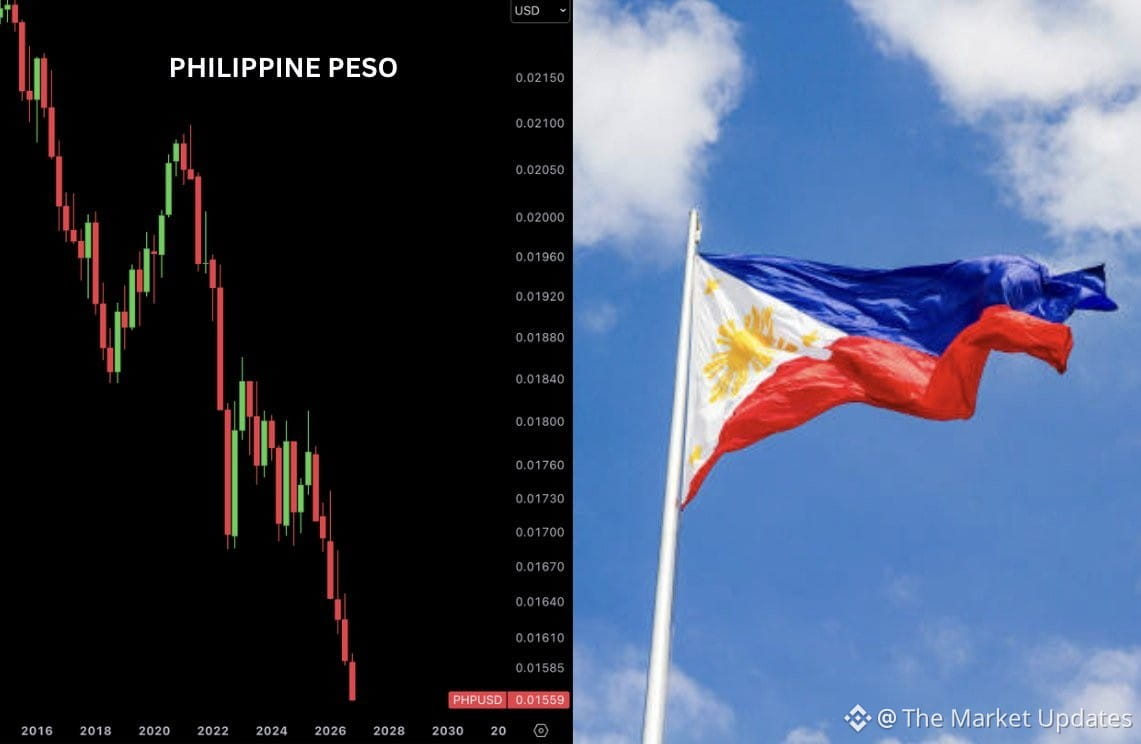
The Philippine Peso has crashed to a historic all time low
We are witnessing economic collapse in real time!
The Philippine Peso has crashed to a historic all time low
We are witnessing economic collapse in real time!
We are witnessing economic collapse in real time!
49
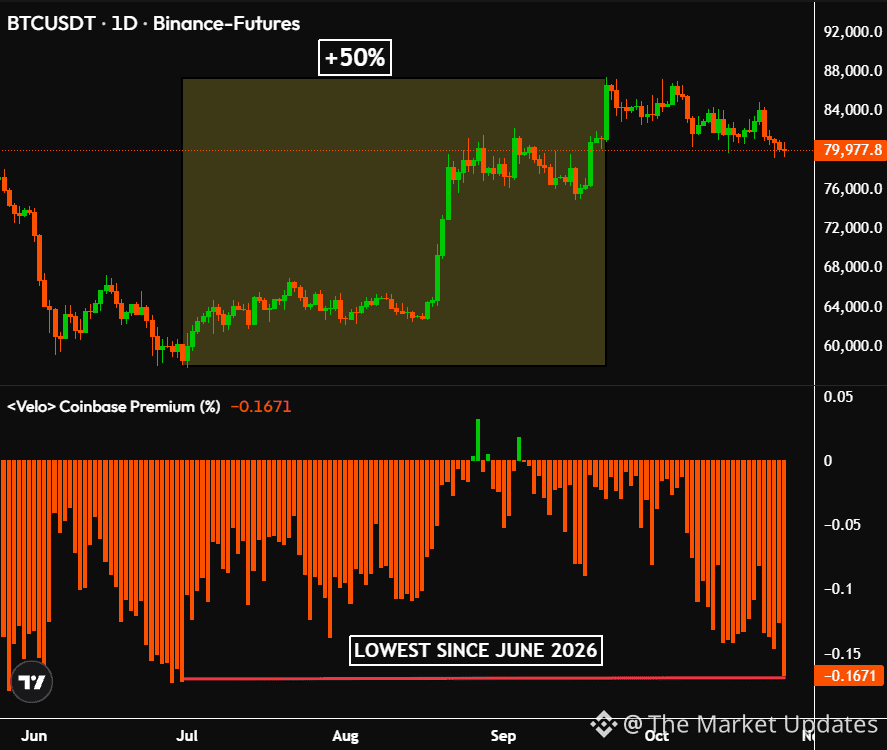
Coinbase Bitcoin Premium has now dropped to its lowest level since June 2026.
Last time it was this low, Bitcoin bottomed one day later and then pumped 50%.
Coinbase Bitcoin Premium has now dropped to its lowest level since June 2026.
Last time it was this low, Bitcoin bottomed one day later and then pumped 50%.
Last time it was this low, Bitcoin bottomed one day later and then pumped 50%.
57
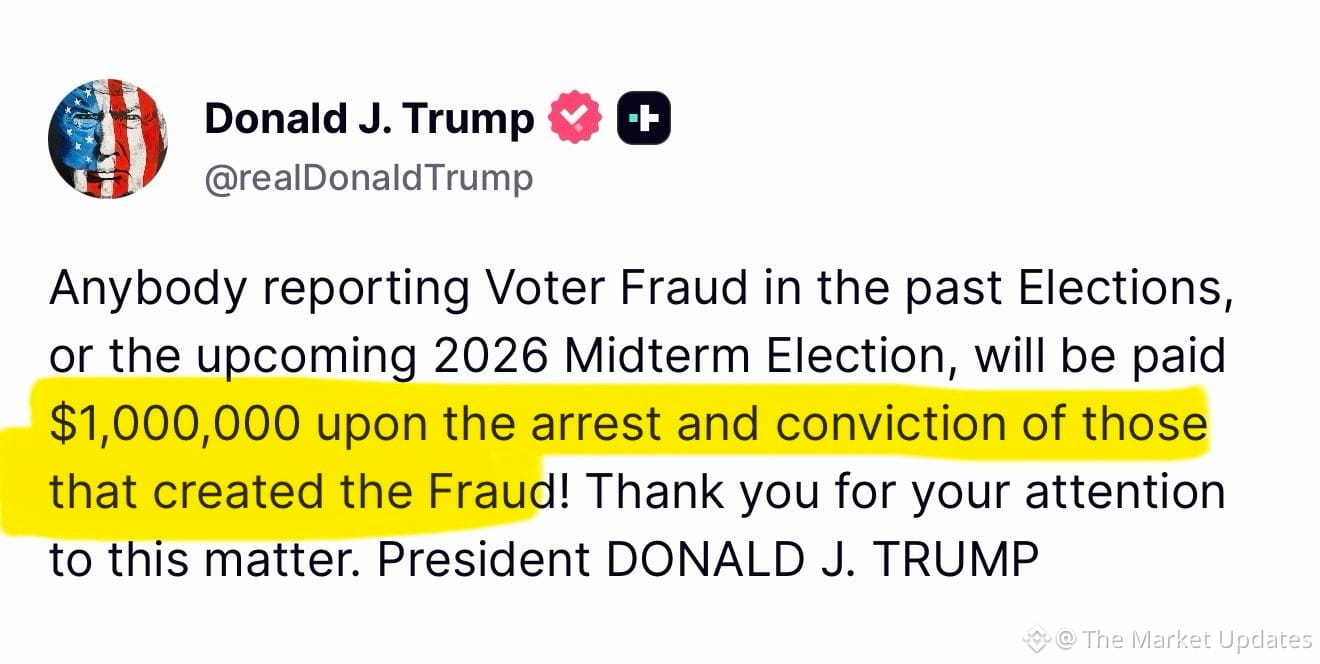
BREAKING: 🇺🇸 President Trump is offering $1,000,000 to anyone whose voter fraud report ends in a conviction.
Midterm elections are 8 days away.
BREAKING: 🇺🇸 President Trump is offering $1,000,000 to anyone whose voter fraud report ends in a conviction.
Midterm elections are 8 days away.
Midterm elections are 8 days away.
2
2.8k
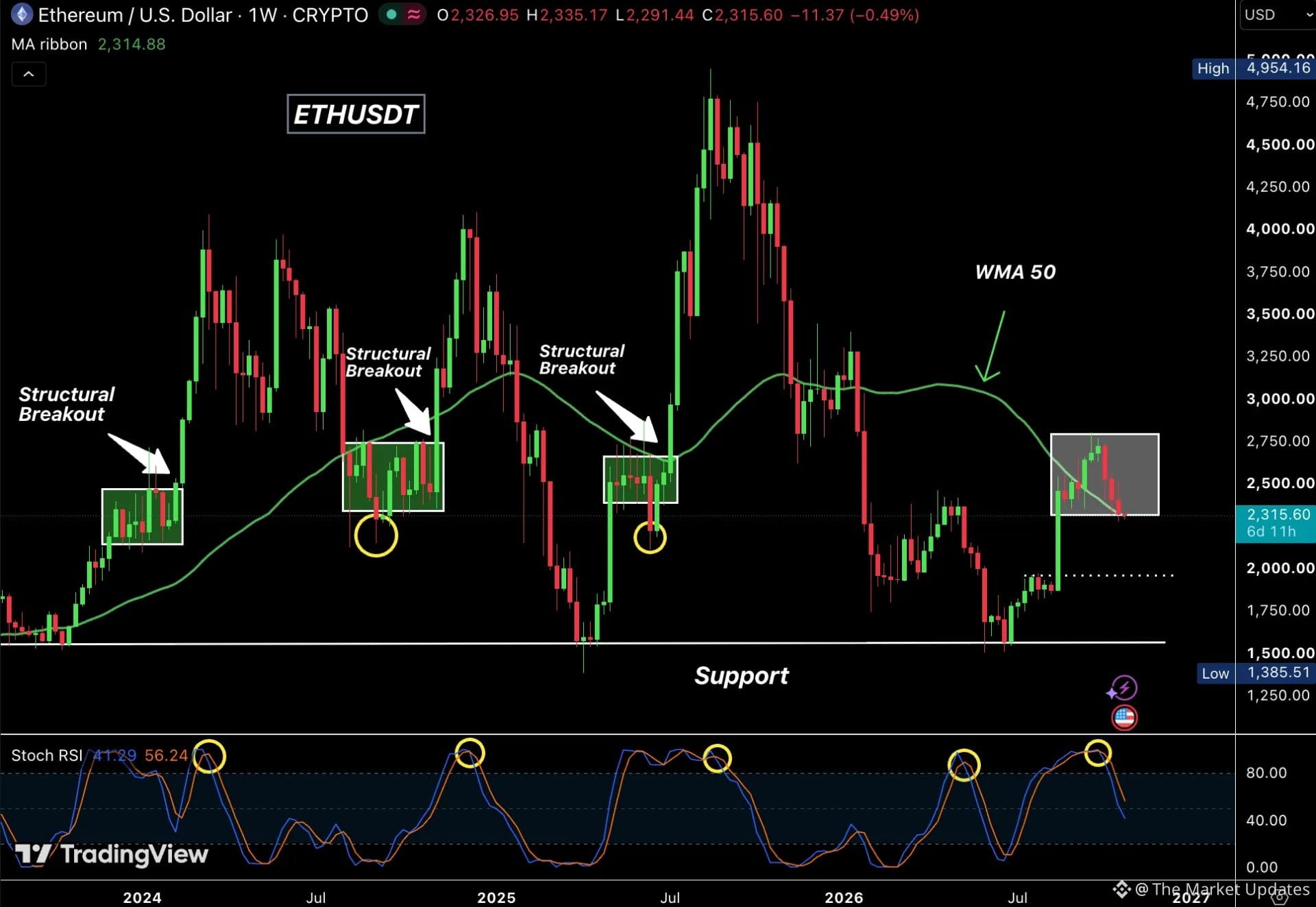
ETH Weekly Analysis
$ETH closed above the 1W MA50 for the 6th time, despite BTC Dominance surging above 60% and uncertainty across global markets.
It is still stuck between $2,300 and $2,800, testing both bulls and bears before its next big move.
The weekly Stoch RSI is showing bearish momentum, so another shakeout is possible if ETH loses $2,300.
Key levels:
- Support: $2,300. Lose it, and $1,900 is next.
- Resistance: $2,550 and $2,800.
ETH Weekly Analysis
$ETH closed above the 1W MA50 for the 6th time, despite BTC Dominance surging above 60% and uncertainty across global markets.
It is still stuck between $2,300 and $2,800, testing both bulls and bears before its next big move.
The weekly Stoch RSI is showing bearish momentum, so another shakeout is possible if ETH loses $2,300.
Key levels:
- Support: $2,300. Lose it, and $1,900 is next.
- Resistance: $2,550 and $2,800.
$ETH closed above the 1W MA50 for the 6th time, despite BTC Dominance surging above 60% and uncertainty across global markets.
It is still stuck between $2,300 and $2,800, testing both bulls and bears before its next big move.
The weekly Stoch RSI is showing bearish momentum, so another shakeout is possible if ETH loses $2,300.
Key levels:
- Support: $2,300. Lose it, and $1,900 is next.
- Resistance: $2,550 and $2,800.
33
BREAKING: Injective launches an index that tracks NVIDIA GPU rental prices and is tradable onchain with up to 10x
We really got a market for AI compute before GTA 6.
BREAKING: Injective launches an index that tracks NVIDIA GPU rental prices and is tradable onchain with up to 10x
We really got a market for AI compute before GTA 6.
We really got a market for AI compute before GTA 6.

169
Vérifié
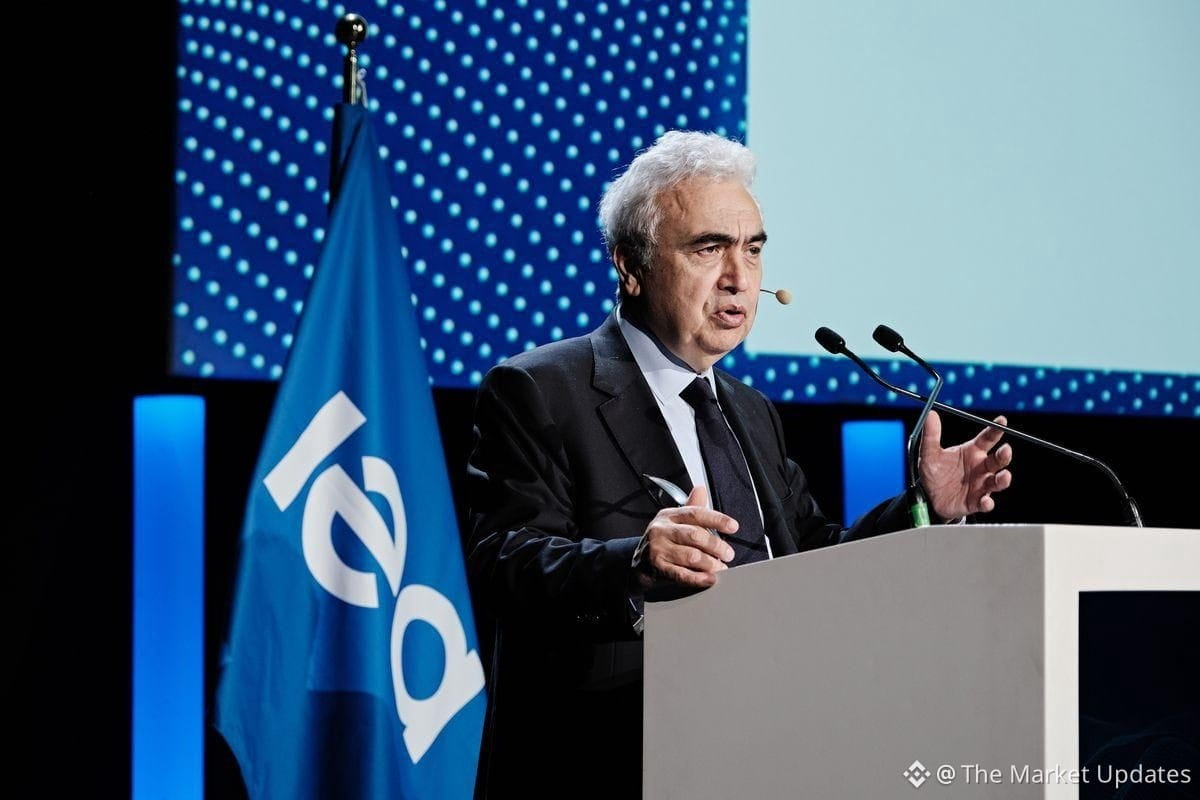
🇮🇷🇸🇦 The IEA’s boss doesn’t think energy markets will be back to normal next year.
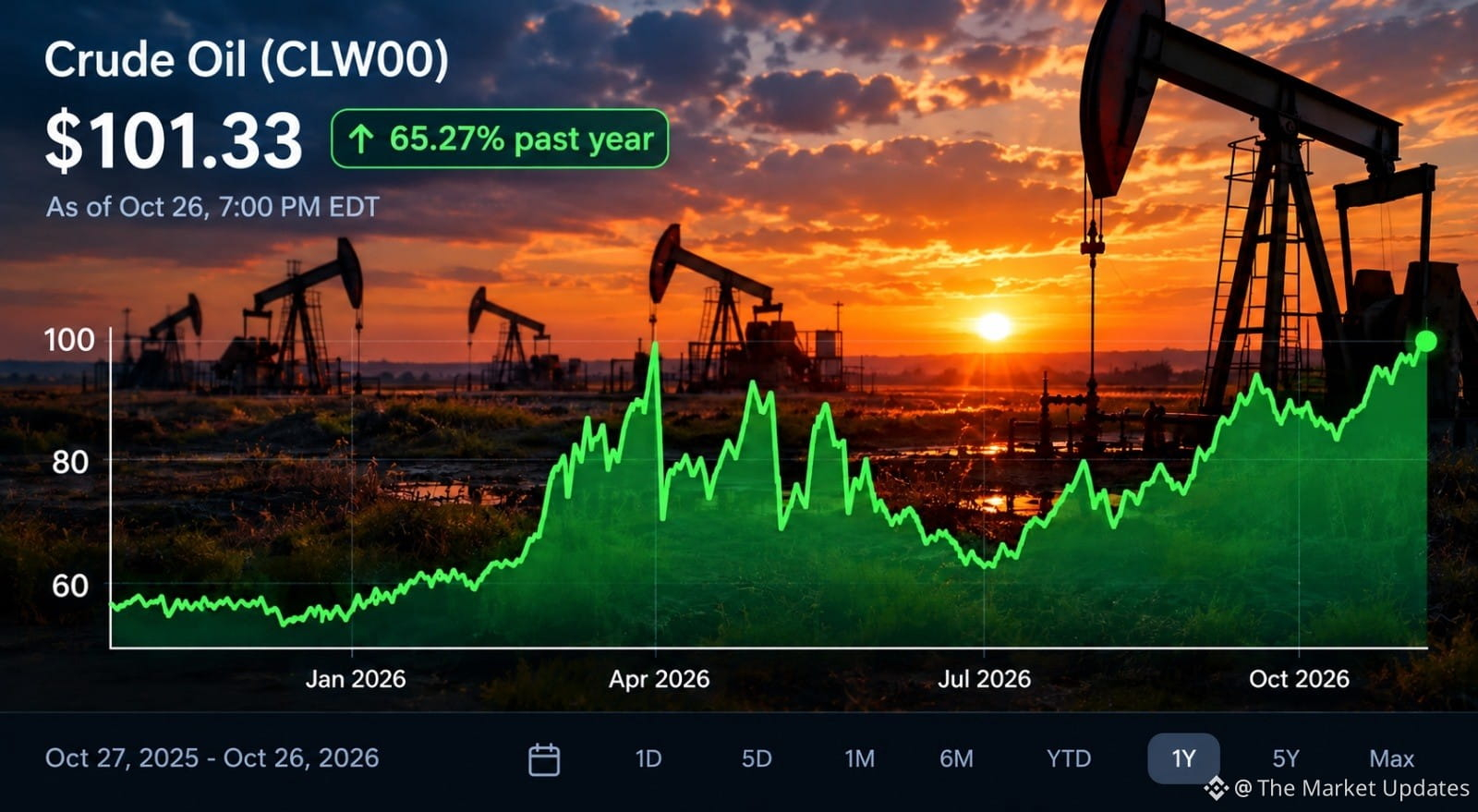
Oil shot up to $117 a barrel on Friday after more Houthi attacks on Saudi Arabia, the highest in almost 6 months, and it’s still about 59% pricier than before the war.
He says these prices might be manageable for some countries in Europe, but for a lot of others, oil near $120 is hitting their trade deficits hard.
And winter’s coming, so diesel demand for heating goes up just as several refineries go through their usual maintenance.
Europe’s gas supply is getting squeezed too, since it cut Russian imports and Qatar and the UAE can’t export as much as before.
So it’s gonna be a cold, pricey winter for plenty of countries.
Source: Reuters
🇮🇷🇸🇦 The IEA’s boss doesn’t think energy markets will be back to normal next year.
Oil shot up to $117 a barrel on Friday after more Houthi attacks on Saudi Arabia, the highest in almost 6 months, and it’s still about 59% pricier than before the war.
He says these prices might be manageable for some countries in Europe, but for a lot of others, oil near $120 is hitting their trade deficits hard.
And winter’s coming, so diesel demand for heating goes up just as several refineries go through their usual maintenance.
Europe’s gas supply is getting squeezed too, since it cut Russian imports and Qatar and the UAE can’t export as much as before.
So it’s gonna be a cold, pricey winter for plenty of countries.
Source: Reuters
Oil shot up to $117 a barrel on Friday after more Houthi attacks on Saudi Arabia, the highest in almost 6 months, and it’s still about 59% pricier than before the war.
He says these prices might be manageable for some countries in Europe, but for a lot of others, oil near $120 is hitting their trade deficits hard.
And winter’s coming, so diesel demand for heating goes up just as several refineries go through their usual maintenance.
Europe’s gas supply is getting squeezed too, since it cut Russian imports and Qatar and the UAE can’t export as much as before.
So it’s gonna be a cold, pricey winter for plenty of countries.
Source: Reuters
561
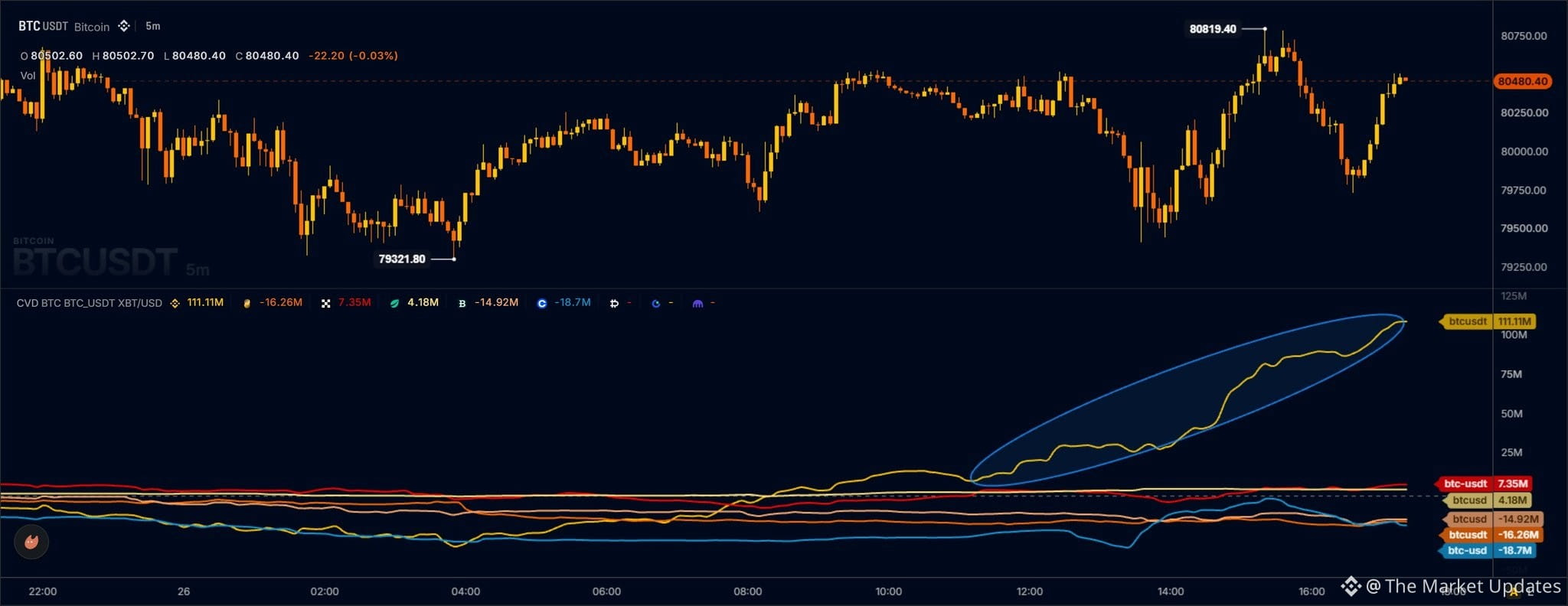
Binance whales are non-stop buying the $BTC dip.
Historically, when Binance bids, the crypto market rallies hard.
Binance whales are non-stop buying the $BTC dip.
Historically, when Binance bids, the crypto market rallies hard.
Historically, when Binance bids, the crypto market rallies hard.
47
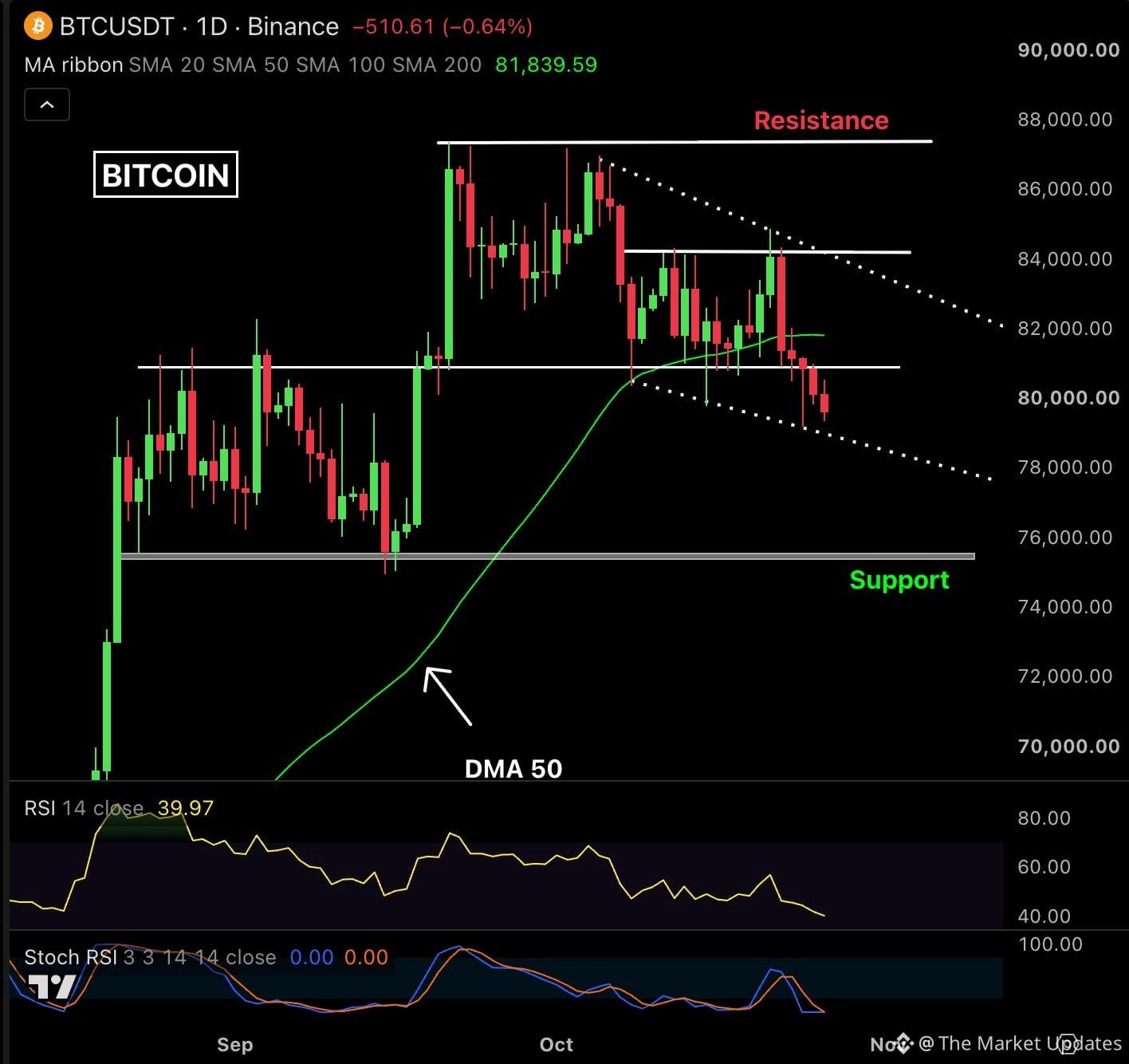
BITCOIN IS SHOWING SIGNS OF WEAKNESS.
Bitcoin has been falling for the last five days, and the daily chart is looking weak.
Price has dropped below the daily MA 50 near $81,800, and it needs to reclaim that level to keep the bullish case strong.
For now, $84,800 and $87,500 are the resistance levels to watch, and the support is around $75,000.
This week’s Israel election, FOMC decision, big tech earnings, U.S. PCE, GDP and midterm elections could all drive volatility.
If $BTC gets back above the daily MA 50, things could start looking better. A move above $85,000 would be another positive sign.
BITCOIN IS SHOWING SIGNS OF WEAKNESS.
Bitcoin has been falling for the last five days, and the daily chart is looking weak.
Price has dropped below the daily MA 50 near $81,800, and it needs to reclaim that level to keep the bullish case strong.
For now, $84,800 and $87,500 are the resistance levels to watch, and the support is around $75,000.
This week’s Israel election, FOMC decision, big tech earnings, U.S. PCE, GDP and midterm elections could all drive volatility.
If $BTC gets back above the daily MA 50, things could start looking better. A move above $85,000 would be another positive sign.
Bitcoin has been falling for the last five days, and the daily chart is looking weak.
Price has dropped below the daily MA 50 near $81,800, and it needs to reclaim that level to keep the bullish case strong.
For now, $84,800 and $87,500 are the resistance levels to watch, and the support is around $75,000.
This week’s Israel election, FOMC decision, big tech earnings, U.S. PCE, GDP and midterm elections could all drive volatility.
If $BTC gets back above the daily MA 50, things could start looking better. A move above $85,000 would be another positive sign.
1
39
BREAKING: 🇺🇸 CFTC Chair Mike Selig says they're working on new rules that would allow crypto exchanges to register with US regulators.
Crypto is finally getting CLARITY.
BREAKING: 🇺🇸 CFTC Chair Mike Selig says they're working on new rules that would allow crypto exchanges to register with US regulators.
Crypto is finally getting CLARITY.
Crypto is finally getting CLARITY.
1
19
·
--
Haussier
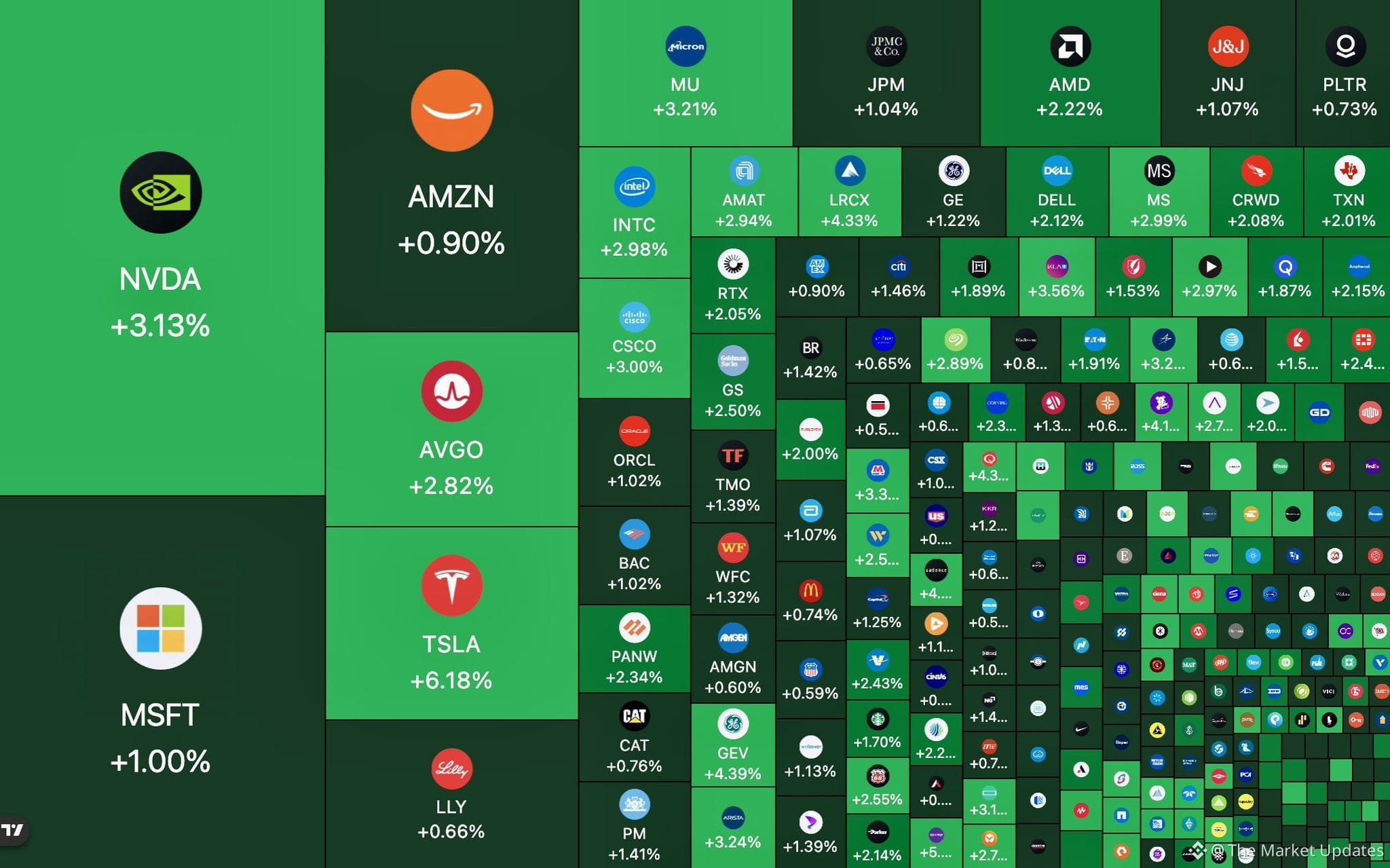
$750,000,000,000 added to the US stock market today after President Trump held off a strike on Iran.
$750,000,000,000 added to the US stock market today after President Trump held off a strike on Iran.
3
426
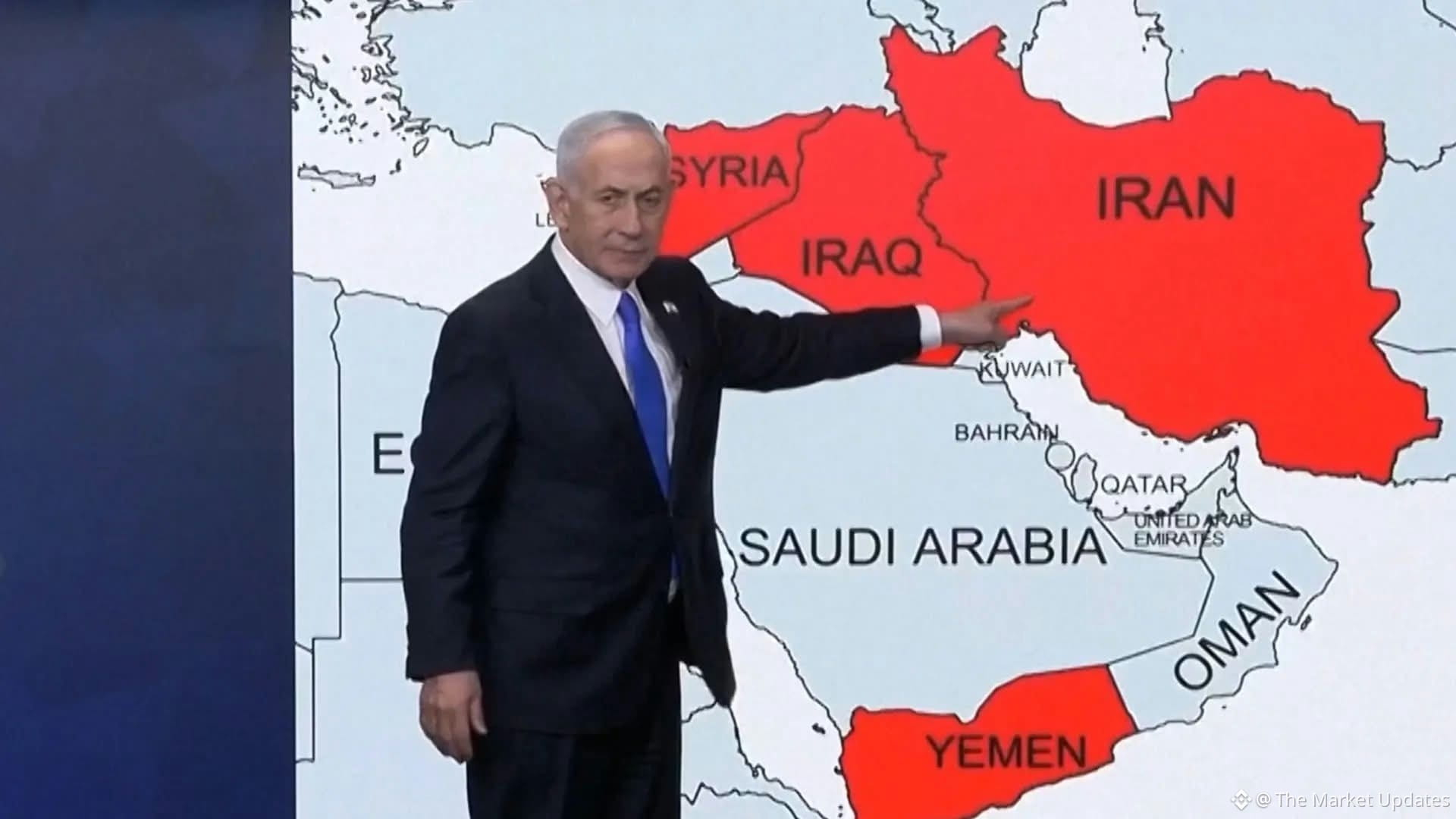
🇮🇱🇮🇷 Netanyahu is telling Israeli voters that re-electing him could mean RESTARTING the war with Iran.
On the eve of Israel's election, Netanyahu touted his relationship with Trump and pointed to the president's message urging Israelis to vote for him because “we have to finish the job that we started.”
Netanyahu went further, saying Trump is prepared to take action that could “finally” remove the Iranian threat, but suggested that partnership depends on him remaining prime minister.
He also said he has instructed Israel's military and Mossad to “bring down” Iran's regime.
Netanyahu's closing pitch is increasingly explicit: keep him in power, keep Trump as a partner, and FINISH the war against Iran.
Source: Reuters
🇮🇱🇮🇷 Netanyahu is telling Israeli voters that re-electing him could mean RESTARTING the war with Iran.
On the eve of Israel's election, Netanyahu touted his relationship with Trump and pointed to the president's message urging Israelis to vote for him because “we have to finish the job that we started.”
Netanyahu went further, saying Trump is prepared to take action that could “finally” remove the Iranian threat, but suggested that partnership depends on him remaining prime minister.
He also said he has instructed Israel's military and Mossad to “bring down” Iran's regime.
Netanyahu's closing pitch is increasingly explicit: keep him in power, keep Trump as a partner, and FINISH the war against Iran.
Source: Reuters
On the eve of Israel's election, Netanyahu touted his relationship with Trump and pointed to the president's message urging Israelis to vote for him because “we have to finish the job that we started.”
Netanyahu went further, saying Trump is prepared to take action that could “finally” remove the Iranian threat, but suggested that partnership depends on him remaining prime minister.
He also said he has instructed Israel's military and Mossad to “bring down” Iran's regime.
Netanyahu's closing pitch is increasingly explicit: keep him in power, keep Trump as a partner, and FINISH the war against Iran.
Source: Reuters
2
2.5k
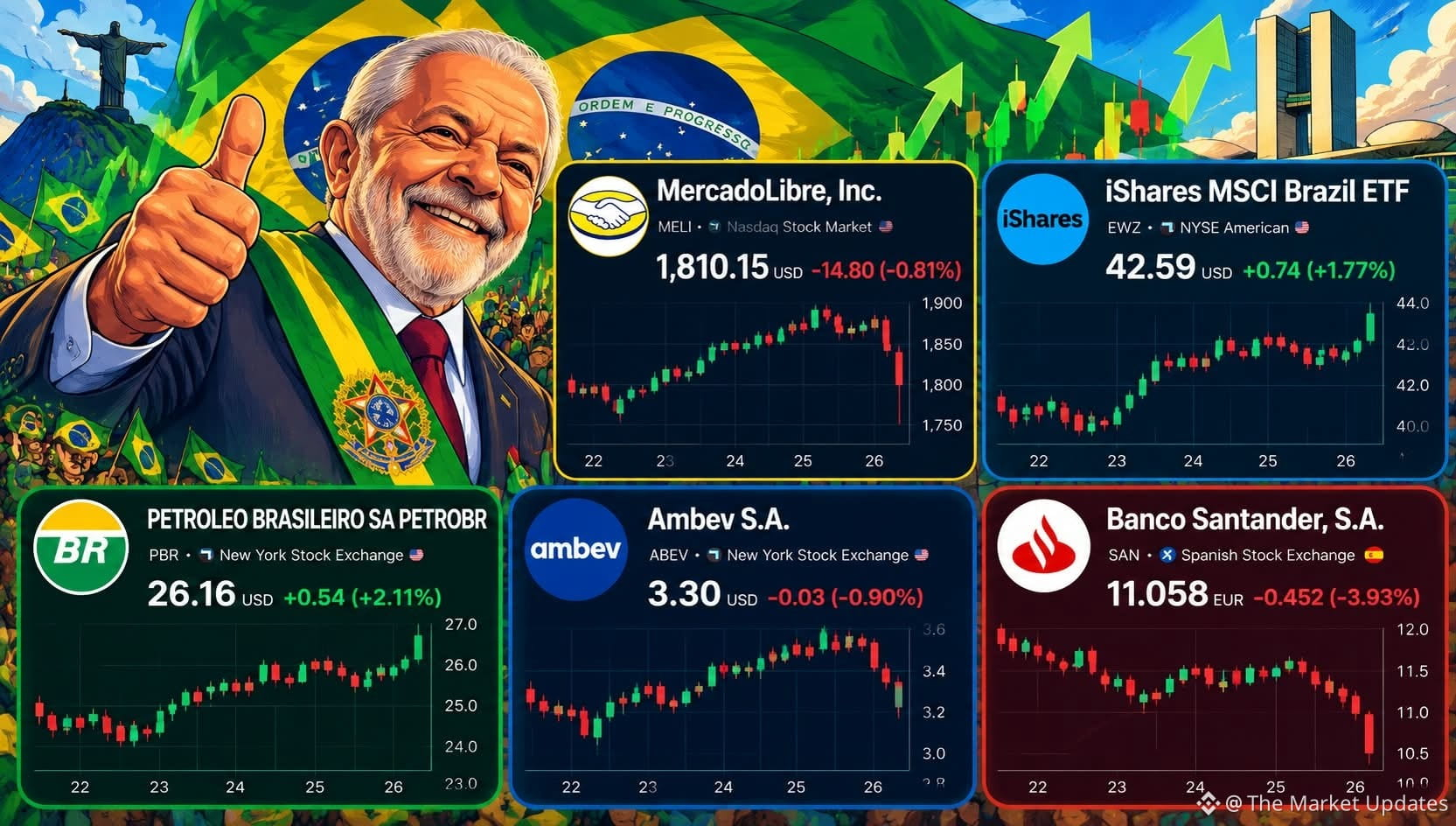
🚨🇧🇷 Brazilian markets are bracing for an HISTORIC selloff after Lula's surprise election victory...
Some Brazilian stocks are getting absolutely crushed before Wall Street even opens...
The iShares MSCI Brazil ETF is down 27% premarket, on course for its worst day in its 26-year history.
Brazilian financial giant XP is down more than 40%, while state-controlled oil producer Petrobras has plunged 25%.
MercadoLibre is down more than 10%, and Spanish banking giant Santander, heavily exposed to Brazil, has fallen over 3%.
Investors had piled into Brazilian assets after market-friendly Flávio Bolsonaro won the first round. Lula's comeback victory caught them badly off guard.
Now Brazil's stocks are plunging, and analysts expect the real and government bonds to come under pressure next.
Source: WSJ
🚨🇧🇷 Brazilian markets are bracing for an HISTORIC selloff after Lula's surprise election victory...
Some Brazilian stocks are getting absolutely crushed before Wall Street even opens...
The iShares MSCI Brazil ETF is down 27% premarket, on course for its worst day in its 26-year history.
Brazilian financial giant XP is down more than 40%, while state-controlled oil producer Petrobras has plunged 25%.
MercadoLibre is down more than 10%, and Spanish banking giant Santander, heavily exposed to Brazil, has fallen over 3%.
Investors had piled into Brazilian assets after market-friendly Flávio Bolsonaro won the first round. Lula's comeback victory caught them badly off guard.
Now Brazil's stocks are plunging, and analysts expect the real and government bonds to come under pressure next.
Source: WSJ
Some Brazilian stocks are getting absolutely crushed before Wall Street even opens...
The iShares MSCI Brazil ETF is down 27% premarket, on course for its worst day in its 26-year history.
Brazilian financial giant XP is down more than 40%, while state-controlled oil producer Petrobras has plunged 25%.
MercadoLibre is down more than 10%, and Spanish banking giant Santander, heavily exposed to Brazil, has fallen over 3%.
Investors had piled into Brazilian assets after market-friendly Flávio Bolsonaro won the first round. Lula's comeback victory caught them badly off guard.
Now Brazil's stocks are plunging, and analysts expect the real and government bonds to come under pressure next.
Source: WSJ
EWYB+2,97%
MELIUS+2,82%
29
Connectez-vous pour découvrir plus de contenu
Rejoignez la communauté mondiale des adeptes de cryptomonnaies sur Binance Square
⚡️ Suviez les dernières informations importantes sur les cryptomonnaies.
💬 Jugé digne de confiance par la plus grande plateforme d’échange de cryptomonnaies au monde.
👍 Découvrez les connaissances que partagent les créateurs vérifiés.
Adresse e-mail/Nº de téléphone