Đảng Dân chủ và chính quyền Trump cứng rắn về vấn đề giám sát DHS, không có dấu hiệu thỏa thuận để chấm dứt tình trạng đóng cửa chính phủ một phần
Các nhà lập pháp và Nhà Trắng không thể đạt được thỏa hiệp trong cuộc tranh cãi về giám sát các sĩ quan nhập cư liên bang, dẫn đến việc tạm dừng tài trợ cho Bộ An ninh Nội địa.
Đảng Dân chủ yêu cầu thay đổi cách thức hoạt động nhập cư sau vụ bắn chết công dân Mỹ Alex Pretti và Renee Good tại Minneapolis tháng trước, trong khi chính quyền Trump từ chối các yêu cầu về việc các sĩ quan phải tự nhận dạng rõ ràng và tháo khẩu trang trong các hoạt động.
Wall Street giant Apollo deepens crypto push with Morpho token deal
The asset manager overseeing more than $900 billion assets may buy up to 90 million MORPHO tokens as part of a partnership to support DeFi credit market, it said.
Apollo Global Management (APO) is moving deeper into crypto, striking a deal that could make the $938 billion asset manager a major token holder in a decentralized lending platform. The firm signed a cooperation agreement with the Morpho Association, the French non-profit organization behind the Morpho protocol, that allows Apollo and its affiliates to buy up 90 million tokens MORPHO tokens over the next four years. The purchases may take place through open-market buys, over-the-counter transactions and other arrangements, and are subject to ownership caps and transfer restrictions. Galaxy Digital UK acted as exclusive financial adviser to Morpho, according to the document. Beyond the token purchases, Apollo and Morpho said they will work together to support lending markets built on Morpho’s protocol. Morpho provides infrastructure for onchain lending markets and curator-managed vaults that allocate assets across them. The protocol is governed by holders of the MORPHO token. The 90 million token stake would translate to 9% of the protocol's governance token's total supply. The agreement adds to Apollo’s expanding blockchain footprint. Last year, the firm made a "seven-figure" investment in blockchain project PLUME, which focuses on bringing traditional financial products onchain. Apollo’s credit strategies have already been tokenized via third parties. Tokenization specialist Securitize issues ACRED, a token that gives exposure to the Apollo Diversified Credit Fund, while Anemoy offers ACRDX, which tracks Apollo’s global private and public credit strategies. The move comes as other asset managers test decentralized finance rails. Earlier this week, BlackRock, the world’s largest asset manager, saidit will make shares of its tokenized U.S. Treasury fund, BUIDL, tradable on decentralized exchange Uniswap and purchased an undisclosed amount of the protocol's governance token UNI $MORPHO
Michael Saylor tiếp tục gom Bitcoin giữa thị trường lao dốc
Michael Saylor, đồng sáng lập công ty nắm giữ Bitcoin Strategy, vừa phát tín hiệu sẽ mua thêm BTC, đánh dấu tuần thứ 12 liên tiếp doanh nghiệp này tích lũy Bitcoin bất chấp thị trường giảm mạnh.
Ngày 9/2, Strategy đã mua 1.142 BTC với tổng giá trị hơn 90 triệu USD. Sau thương vụ này, công ty đang nắm giữ 714.644 BTC, tương đương khoảng 49,3 tỷ USD theo giá thị trường tại thời điểm công bố. Đáng chú ý, đợt mua mới diễn ra trong bối cảnh Bitcoin đã giảm hơn 50% từ đỉnh lịch sử trên 125.000 USD, rơi xuống dưới mức giá vốn trung bình của Strategy là khoảng 76.000 USD/BTC. Dù vậy, công ty vẫn tiếp tục mua vào, trái ngược với nhận định trước đó của một số nhà phân tích rằng họ có thể tạm dừng hoặc bán ra khi thị trường suy yếu. Không chỉ thị trường crypto lao dốc, nhóm công ty “crypto treasury” cũng chịu áp lực lớn. Chỉ số mNAV (multiple on net asset value) – tức mức định giá cổ phiếu so với tổng giá trị tài sản ròng – của Strategy đã giảm xuống 0,90, tức thấp hơn 1. Khi mNAV trên 1, thị trường định giá doanh nghiệp cao hơn giá trị tài sản họ nắm giữ, giúp việc huy động vốn dễ dàng hơn. Ngược lại, mNAV dưới 1 cho thấy cổ phiếu đang bị định giá thấp hơn tài sản thực tế, gây khó khăn cho việc phát hành thêm cổ phiếu để mua crypto. Đầu tháng này, Strategy báo lỗ 12,4 tỷ USD trong quý IV, khiến giá cổ phiếu giảm khoảng 17%. Tuy nhiên, cổ phiếu đã phục hồi phần nào và đóng cửa ở mức 133,88 USD vào thứ Sáu. Chiến lược của Saylor cho thấy công ty vẫn kiên định với mô hình “Bitcoin treasury”, dù thị trường và cổ phiếu đang chịu áp lực lớn. $BTC
Thiếu quyền riêng tư đang kìm hãm thanh toán crypto
Changpeng Zhao (CZ), đồng sáng lập Binance, cho rằng việc thiếu quyền riêng tư trên blockchain là một trong những rào cản lớn nhất khiến crypto khó được chấp nhận rộng rãi như một phương tiện thanh toán.
Theo ông, tính minh bạch – vốn được xem là đặc trưng của hầu hết các blockchain – lại trở thành điểm yếu khi áp dụng vào thực tế doanh nghiệp. Ví dụ, nếu một công ty trả lương cho nhân viên bằng crypto onchain, bất kỳ ai cũng có thể kiểm tra địa chỉ ví và biết được mức lương của từng người. CZ cũng từng chia sẻ trong cuộc trò chuyện với nhà đầu tư Chamath Palihapitiya rằng sự minh bạch quá mức còn gây rủi ro về an ninh cá nhân. Khi thông tin tài sản bị lộ, người dùng có thể trở thành mục tiêu của lừa đảo hoặc tấn công.
Quan điểm này xuất hiện trong bối cảnh cộng đồng crypto đang nhắc lại tinh thần “cypherpunk” – triết lý đề cao quyền riêng tư, mã hóa và giao dịch ngang hàng không cần trung gian. Đây cũng là nền tảng tư tưởng góp phần tạo nên Bitcoin và các loại tiền điện tử đầu tiên. Avidan Abitbol, cựu chuyên gia phát triển kinh doanh của dự án Kaspa, cho rằng doanh nghiệp và tổ chức lớn sẽ khó chấp nhận crypto nếu không thể bảo mật giao dịch. Dữ liệu onchain có thể tiết lộ quy trình vận hành, mối quan hệ đối tác, bí mật thương mại và thậm chí tình hình tài chính của công ty. Theo ông, điều này không chỉ làm gia tăng nguy cơ bị cạnh tranh không lành mạnh mà còn khiến doanh nghiệp dễ trở thành mục tiêu của các hành vi lừa đảo. Tóm lại, nếu không cải thiện quyền riêng tư trên blockchain, việc sử dụng crypto như một phương tiện thanh toán phổ biến có thể vẫn còn nhiều trở ngại. $BNB #bnb #CZ
New World For Users And Brands As Ads Hit AI Chatbots
The introduction of advertisements and sponsored content in chatbots has spawned privacy concerns for AI users as brands scramble to stay relevant in a fast-changing online environment. ChatGPT developer OpenAI began showing ads in chatbot conversations for free and low-cost users to start balancing its hundreds of billions in spending commitments with new revenue sources. It swiftly came in for mockery from rival Anthropic, which has staked its reputation on safety and data security. Anthropic's advertisement broadcast during last week's Super Bowl showed a man asking advice from a conversational AI, which then shoehorns advertising copy for a dating site into its otherwise relevant response. OpenAI boss Sam Altman shot back that the clip was "clearly dishonest". Beyond OpenAI, Microsoft has been running contextual ads and sponsored content in its Copilot AI assistant since 2023. AI search engine Perplexity has been testing ads in the United States since 2024, while Google is also testing ads in the AI "overviews" its namesake search engine has been offering since last year. Google has repeatedly denied wanting to run ads in its Gemini chatbot, with Demis Hassabis -- head of the search giant's DeepMind AI arm -- saying that ads "have to be handled very carefully". "The most important thing" in AI is "trust in security and privacy, because you want to share potentially your life with that assistant," he added. OpenAI has sought to reassure users that ChatGPT's responses will not be modified by the ads, which are shown alongside conversations rather than being integrated into them. It has also promised not to sell user data to advertisers. AI companies are "concerned that selling ads will scare away users," said Nate Elliott, an analyst with US data firm Emarketer. But "when it's free, you're the product. It's a risk we're all more or less aware of already," said Jerome Malzac of AI consultancy Micropole. "We accept it because we find value in it." If that proves true, advertisers will be delighted to surf the AI wave as it crashes over the world's internet users. "It's going to be a game changer for the entire industry," said Justin Seibert, head of Direct Online Marketing. "We're already seeing how high the conversion rates (interactions resulting in a purchase) are for people that are coming in from ChatGPT and the other LLMs (large language models)," he added. AI assistants could account for up to two percent of the online advertising market by 2030, HSBC bank analysts suggested in a report. Many brands are already prioritising visibility on the new channel, including US supermarket chain Target and software maker Adobe. Beyond buying a spot on users' screens, companies are also pushing for their products to appear in chatbots' organic responses. The practice is known as GEO (Generative Engine Optimisation) -- an evolution of the Search Engine Optimisation strategy during the era of Google's dominance over the web. "We identified 90 rules that can make sure the content you create is valued by AI and spread to the right places," said Joan Burkovic, head of French GEO startup GetMint. The company already claims 100 clients, including fashion brand Lacoste. Malzac highlighted techniques like including references to scientific papers, adding a "frequently asked questions" section to your website, and posting information that's structured and regularly updated, Malzac said. "If your brand isn't referenced (by chatbots) it no longer exists" for some users, he warned.
Wall Street remains bullish on bitcoin while offshore traders retreat
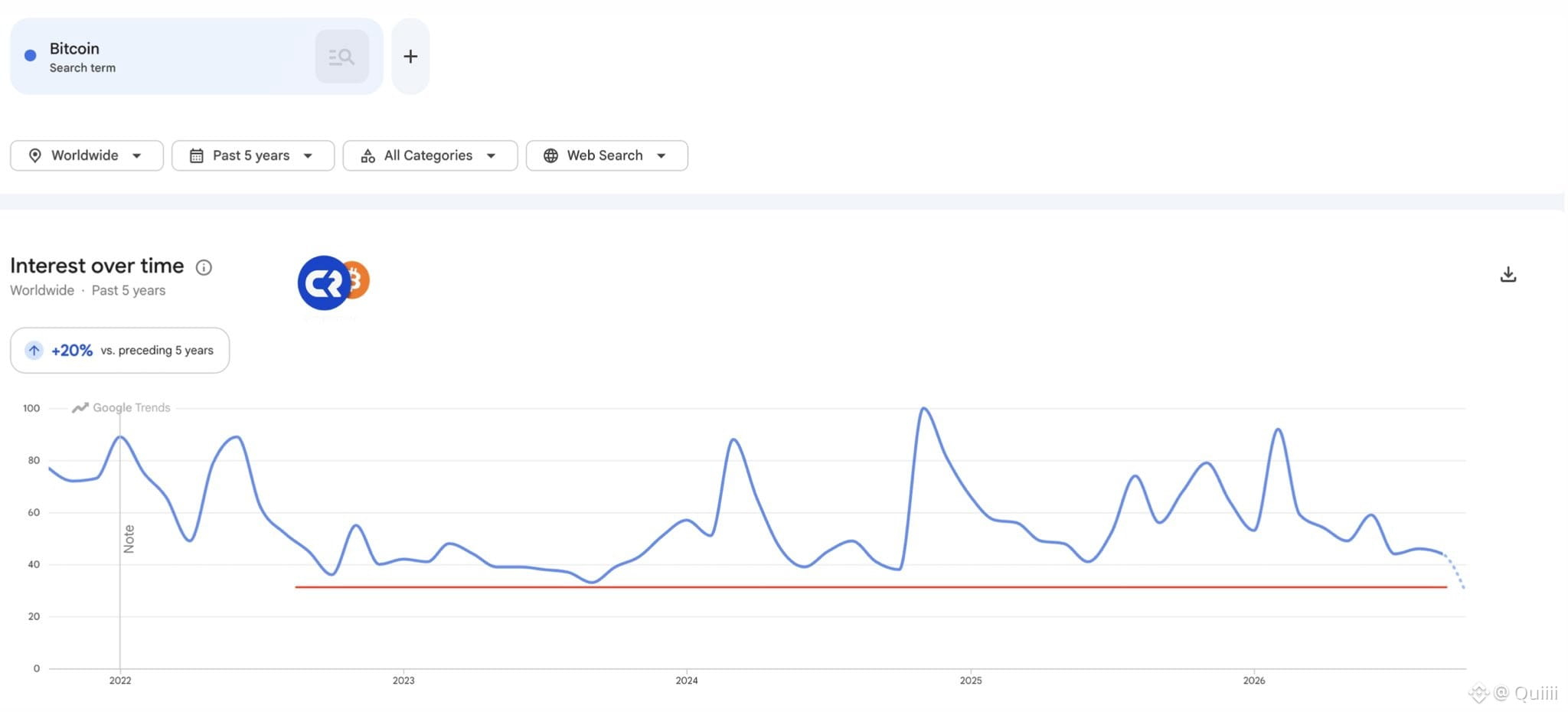
The difference in futures basis between CME and Deribit reflects varying risk appetite across regions. A divergence in global bitcoin BTC$68,994.93market sentiment is widening as U.S. institutional investors hold steady while offshore traders retreat from their positions. The gap is clearest in futures markets. CME, the go-to platform for hedge funds and institutional desks in the U.S., shows traders are still paying a premium to stay long on bitcoin, according to NYDIG’s head of research, Greg Cipolaro. This is evident on a one-month annualized basis, essentially the markup for futures over spot prices, which remains higher than on its offshore counterpart, Deribit. “The more pronounced drop in offshore basis suggests reduced appetite for leveraged long exposure,” Cipolaro wrote. “The widening spread between CME and Deribit basis functions as a real-time gauge of geographical risk appetite.” Bitcoin earlier this month fell to $60,000 before rebounding. Some pinned the selloff on rising concerns that quantum computing will undermine the system's cryptographic security. NYDIG found that the numbers don’t back up that explanation. For one, bitcoin’s performance has closely tracked that of publicly traded quantum-computing companies like IONQ Inc. (IONQ) and D-Wave Quantum Inc. (QBTS). If quantum risk were truly weighing on crypto, those stocks would be rising while bitcoin falls. Instead, they dropped together, pointing to a broader decline in appetite for long-term, future-driven assets. On top of that, search data on Google Trends shows interest for “quantum computing bitcoin” rises when the price of BTC rises.
BlackRock's digital assets head: Leverage-driven volatility threatens bitcoin’s narrative
Rampant speculation on crypto derivatives platforms is fueling volatility and risking bitcoin’s image as a stable hedge, says BlackRock’s digital assets chief.
NEW YORK — While BlackRock’s iShares Bitcoin ETF (IBIT) is among the most successful product launches in Wall Street history, the crypto market’s growing reliance on leverage could be doing long-term damage to bitcoin’s BTC$68,938.58institutional appeal, according to Robert Mitchnick, head of digital assets at BlackRock. During a conversation with Anthony Pompliano and investor Dan Tapiero at the Bitcoin Investor Week conference in New York on Thursday, Mitchnick said that while bitcoin’s fundamentals remain strong, excessive speculation — particularly on leveraged derivatives platforms — is introducing instability that threatens the asset’s positioning as a serious portfolio hedge. “These days where you have a tiny little thing that shouldn't have any price impact really at all — and if it does, should be small — like, for example, October 10th, some tariff-related thing, and next thing you know, [bitcoin] is down 20%,” Mitchnick said. “That’s because you get cascading liquidations and auto-deleveraging.” While bitcoin’s long-term value proposition as a “global, scarce, decentralized monetary asset” remains intact, Mitchnick warned that the asset’s short-term trading behavior is starting to look dangerously similar to “levered NASDAQ” — a perception that may deter conservative allocators from entering the space. “The facts are more on the side of how I characterized it,” he said, referring to bitcoin’s fundamental attributes. “But now the trading data, at least lately, looks very different, and the bar to adoption if it trades like levered NASDAQ is much, much, much higher.” Mitchnick also pushed back on the idea that exchange-traded funds (ETFs) like IBIT are contributing to volatility, pointing instead to perpetual futures platforms as the source of instability. “There’s a misperception out there that it’s a bunch of hedge funds in ETFs that are creating volatility and selling; that’s not what we’re seeing,” he said. “On a week that was tumultuous, obviously, in the bitcoin market, we had 0.2% of the fund redeem. If there actually were hedge funds massively unwinding trades… you would have seen billions. We saw many billions liquidated on these levered platforms.” Despite short-term turbulence, Mitchnick emphasized that BlackRock remains committed to digital assets as part of a broader financial transformation. “We see ourselves as having the role of a bridge… between traditional finance and the digital asset world,” he said. “Over time, there’s certainly going to continue to be a greater role for digital assets and this technology theme in general for many of our clients.”
XRP vượt mặt bitcoin và ether sau khi các nhà đầu tư đổ xô mua vào đợt sụt giá gần đây $XRP
XRP đã tăng 38% lên 1,55 USD kể từ mức thấp 1,12 USD vào ngày 6/2, vượt xa bitcoin và ether chỉ phục hồi khoảng 15%. Đà tăng mạnh này diễn ra sau khi có 192,37 triệu XRP được rút khỏi sàn Binance trong 3 ngày, cho thấy dấu hiệu tích lũy mạnh từ các nhà đầu tư sau đợt crash đầu tháng.
Nghiên cứu cho thấy WLFI có thể hoạt động như 'tín hiệu cảnh báo sớm' trong crypto
Nghiên cứu mới từ Amberdata cho thấy World Liberty Financial Token (WLFI) - token liên quan đến gia đình Trump - đã giảm mạnh hơn 5 giờ trước khi xảy ra sự kiện thanh lý crypto trị giá 69 tỷ USD vào ngày 10/10/2025. WLFI có thể đã báo hiệu sự sụp đổ thị trường lớn trước khi Bitcoin biến động, với khối lượng giao dịch tăng vọt lên 474 triệu USD - gấp 21,7 lần mức bình thường. $WLFI
Tom Lee trong cuộc phỏng vấn với Farokh Sarmad - người sáng lập Rug Radio cho biết, thị trường crypto hiện đang trải qua một đợt "mini winter", sẽ không phải là thị trường gấu dài hạn nhưng cần thời gian để tiêu hóa.
Ông khuyên các nhà đầu tư đừng chờ đợi đáy hoàn hảo mà hãy bắt đầu mua vào từng đợt ở các điểm thấp ngay bây giờ. Sự đau đớn có thể kéo dài từ vài tháng đến nửa năm, nhưng năm 2026 sẽ thấy được bước ngoặt rõ rệt.
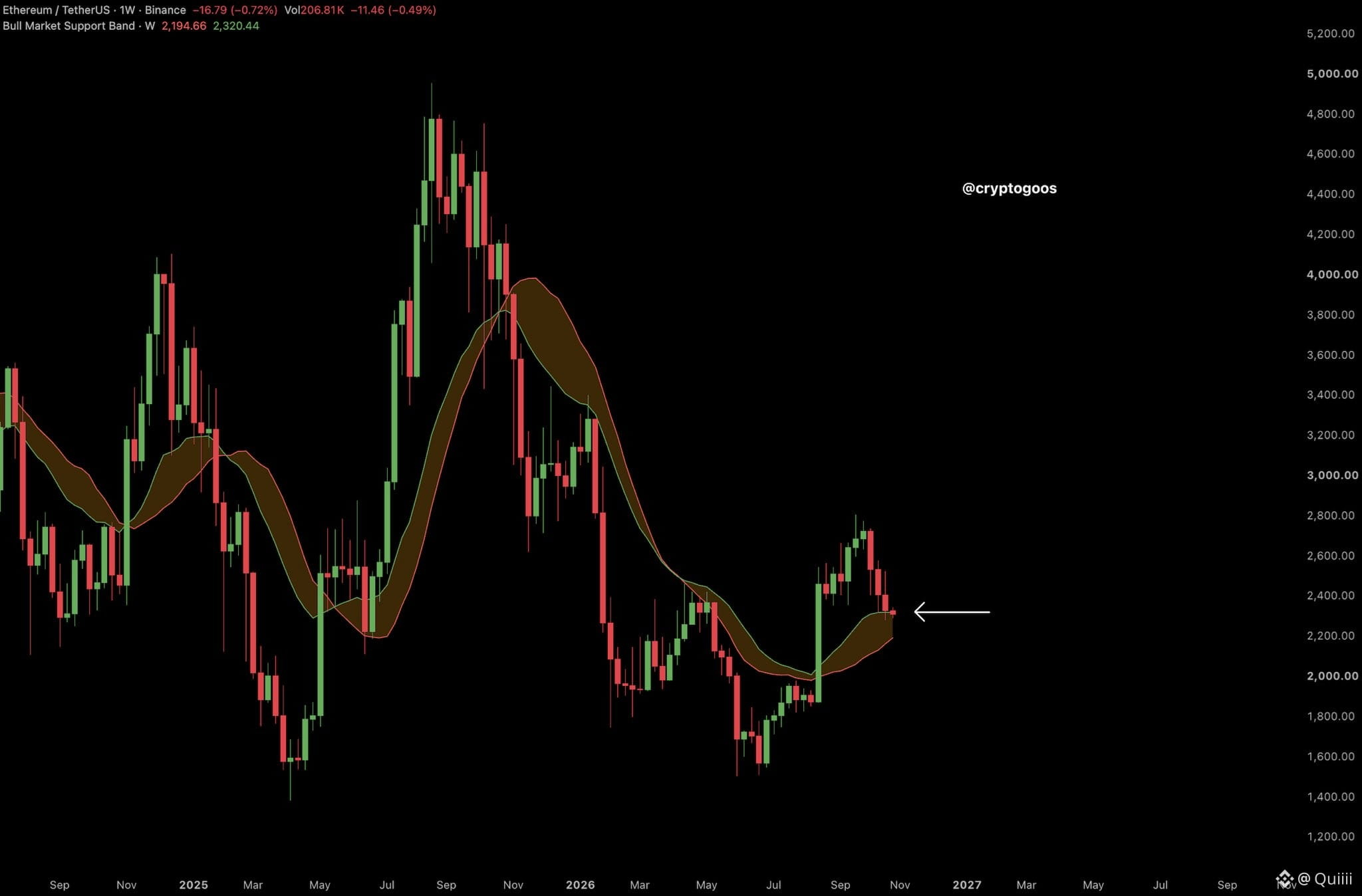
Ngoài ra, Tom Lee cho biết không hối hận vì đã mua ETH quá sớm, và khẳng định ETH hiện đang ở gần đáy (có thể giảm xuống dưới 1.800 USD hoặc 1.890 USD trong thời gian ngắn), nhưng trong lịch sử đã có 8 lần phục hồi theo hình chữ V. Về dài hạn, ETH là "câu chuyện của 15 năm tới" - nền tảng cơ sở cho stablecoin, AI và nền kinh tế sáng tạo.
Cuối cùng, Tom Lee một lần nữa dự đoán Bitcoin sẽ tăng lên 200.000-250.000 USD vào năm 2026, còn Ethereum theo tỷ lệ lịch sử sẽ đạt 12.000-22.000 USD. $ETH
Nhà đầu tư mạo hiểm Nic Carter gần đây trong một chương trình podcast cho biết, việc các nhà phát triển Bitcoin lâu dài không hành động trước mối đe dọa tiềm tàng từ điện toán lượng tử đối với Bitcoin, có thể khiến các tổ chức lớn nắm giữ lượng Bitcoin khổng lồ (như BlackRock) cảm thấy bất mãn, cuối cùng dẫn đến "sự tiếp quản của các tổ chức".
Nic Carter cảnh báo rằng các tổ chức sẽ không dung thứ cho việc các vấn đề bảo mật cốt lõi của Bitcoin bị bỏ qua lâu dài. "Nếu các nhà phát triển tiếp tục không làm gì cả, các tổ chức sẽ mất kiên nhẫn, sẽ sa thải các nhà phát triển hiện tại và thay thế bằng những nhà phát triển mới."
Biên bản Fed và PCE quan trọng sắp công bố, Tòa án Tối cao có thể lên tiếng về vụ thuế quan
Ngày 15 tháng 2, thị trường toàn cầu sẽ bước vào tuần “bão dữ liệu”. Fed sẽ công bố biên bản cuộc họp chính sách tiền tệ tháng 1 vào thứ Năm lúc 03:00 (giờ Việt Nam), thị trường sẽ tìm kiếm thêm manh mối về lộ trình cắt giảm lãi suất trong năm 2026; số liệu GDP quý 4 sơ bộ của Mỹ và chỉ số giá PCE cốt lõi được công bố vào thứ Sáu lúc 21:30 sẽ trở thành tâm điểm chú ý. Là chỉ số lạm phát ưa thích của Fed, nếu PCE cao hơn kỳ vọng, có thể ảnh hưởng đến nhịp độ nới lỏng chính sách trong năm nay. Về phía ngân hàng trung ương, nhiều quan chức Fed sẽ phát biểu dày đặc, RBA (Ngân hàng Dự trữ Australia) công bố biên bản họp, RBNZ (Ngân hàng Dự trữ New Zealand) công bố quyết định lãi suất. Thị trường dự báo chung rằng RBNZ sẽ giữ nguyên lãi suất, trong khi RBA có thể nhấn mạnh rủi ro lạm phát tăng trở lại. Về diễn biến tài sản, vàng giao ngay duy trì dao động ở mức cao, trong tuần có lúc giảm mạnh rồi phục hồi và đóng cửa tăng; dầu thô tăng mạnh rồi giảm trở lại, thị trường lan truyền thông tin OPEC+ có thể khôi phục tăng sản lượng từ tháng 4; diễn biến đồng USD trở thành biến số then chốt, nếu không tạo đáy mới, có thể duy trì tương đối mạnh trong bối cảnh phán quyết thuế quan đang đến gần. Đồng thời, nhu cầu trái phiếu kho bạc Mỹ tăng, có thể kích hoạt một đợt tái phân bổ tài sản mới. Về các sự kiện lớn, Tòa án Tối cao Hoa Kỳ sẽ công bố ý kiến vào ngày 20 tháng 2, trong đó bao gồm phán quyết liên quan đến chính sách thuế quan “Ngày Giải phóng” của Trump. Nếu phán quyết bất lợi, có thể gây ảnh hưởng lớn đến các biện pháp thuế quan liên quan, đồng thời tác động đến thương mại toàn cầu và tâm lý thị trường. Về mảng doanh nghiệp, mùa báo cáo tài chính đang đi vào giai đoạn cuối. Walmart sẽ công bố kết quả kinh doanh quý 4 năm tài chính, thị trường đặc biệt chú ý đến tăng trưởng mảng thương mại điện tử, ứng dụng AI và tác động từ thuế quan… Hướng dẫn (guidance) của họ có thể ảnh hưởng quan trọng đến tâm lý ngành bán lẻ và toàn thị trường.
As a first-year computer science student in Hanoi, Hoang Le started trading crypto from his university dorm room, egged on by his gamer friends who were making a killing. At one point his digital holdings swelled to $200,000 -- around 50 times the average annual income in Vietnam. But they crashed to zero when the bottom fell out of bitcoin and other cryptocurrencies in recent months. Getting wiped out "hurt a lot", he told AFP, but he also learned a valuable lesson: he has come to think of the losses as "tuition fees". "When profits were high, everyone became greedy," said Le, now 23, adding that "it was too good to be true". Unlike neighbouring China which has banned cryptocurrencies outright, communist Vietnam has allowed blockchain technology to develop in a legal grey area -- barring its use for payments but letting people speculate unimpeded. As a result the young-and-upwardly mobile country of 100 million has been at the forefront of crypto adoption, with an estimated 17 million people owning digital assets. Only India, the United States and Pakistan have seen more widespread usage, according to a 2025 ranking by the consultancy Chainalysis. But what once looked like first-mover advantage increasingly looks like a liability as investors stare down a crypto winter. The price of bitcoin has almost halved since hitting a record high above $126,000 in October, and other digital tokens have slid even further. Vietnamese crypto startups hawking everything from NFTs to blockchain-based lending and trading services have been hammered, with bankruptcies and layoffs roiling the industry. "Many companies have shut down because of this crisis," said Tran Xuan Tien, head of Ho Chi Minh City's blockchain association. He added that others are "downsizing and conserving capital to extend their runway". Nguyen The Vinh, co-founder of blockchain firm Ninety Eight, told AFP his company has laid off nearly one-third of its staff since last year. There was more "restructuring" to come, he added, given the gloomy outlook.
"The market will likely remain difficult for years, not just months, so we need backup plans." Until recently, Vietnam's crypto scene was a wild west, with highly speculative ventures and outright Ponzi schemes flourishing alongside startups offering legitimate products. The government warned about the dangers of crypto and broke up several huge scam operations, including one that allegedly swindled nearly $400 million from thousands of investors. But it did not move to crush the industry as Beijing did, instead opening "a window for domestic businesses to experiment", according to Tien. Under top leader To Lam, who has pursued sweeping growth-oriented reforms, Vietnam has formally embraced the blockchain industry and is gradually asserting control over the estimated $100 billion market. Last year it passed a law recognising digital currencies, bringing them under a regulatory framework for the first time. It came into effect last month but investors have questions about how it will be implemented. Hanoi has also announced a five-year crypto trading pilot programme, which will allow Vietnamese firms to issue digital assets. But lingering regulatory ambiguity has kept many firms based in the country from formally registering there, opting instead to file paperwork in places such as Singapore and Dubai. Vinh says some firms are folding and others downsizing or pivoting because of both the "prolonged downturn and an unclear legal framework". And new entities are struggling to gain traction as investor sentiment sours.
Huu, 24, said fundraising for his crypto-product startup has suddenly become much harder, and asked that only his first name be used for fear of hurting his business. Foreign investors were once enticed by promises of 400 and 500 percent returns, he said, but were now discovering they "might lose everything". "Over the past few months, things have gone downhill badly." Founders including Huu and Vinh said the current downturn is part of a natural business cycle, and stronger firms would eventually emerge offering better products. But that is cold comfort for the nearly 55 percent of individual Vietnamese crypto investors who according to one market analysis reported losses last year. In Vietnam, a lot of people trade crypto," Huu said. "When prices fall, people complain about losses and the overall mood becomes very gloomy."
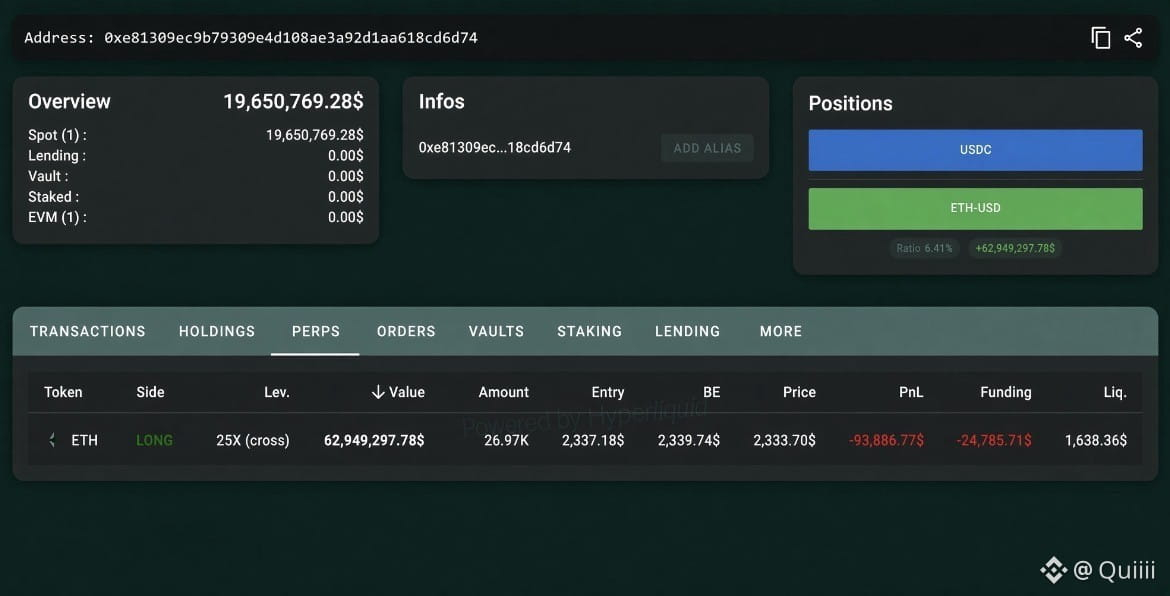
Theo giám sát của lookonchain, đại diện của "Cá voi nội bộ BTC OG" Garrett Jin đã bắt đầu bán tháo ETH một lần nữa: Anh ta vừa gửi 261.024 ETH (trị giá khoảng 543 triệu USD) vào Binance. $ETH
Theo dữ liệu từ Alternative, Bitcoin hôm nay đã từng tăng ngắn hạn lên trên 70.000 USD, nhưng chỉ số sợ hãi và tham lam của tiền điện tử vẫn tiếp tục giảm xuống 8 (hôm qua là 9), trung bình tuần trước là 7. Thị trường đã liên tục nhiều ngày ở trạng thái "cực kỳ sợ hãi", vẫn còn ảm đạm. $BTC
0G Foundation đang nâng cấp Foundation Validator node (Validator 0) sang hạ tầng mới được cải tiến. Những người đang stake với foundation Validator node cần undelegate và re-delegate sang validator mới trước ngày 20 tháng 2 năm 2026 để tiếp tục nhận phần thưởng staking.$0G