

PRO Crypto Tech
6.9k Publications

PRO Crypto Tech
 Compte Square Vérifié+
Signaler
Bloquer l’utilisateur
X - @ProCryptoTech | i Share My thoughts only. NFA

Creator of the Year

Creator Awards 2024

Level 2 Creator
30 Suivis
110.5K+ Abonnés
222.6K+ J’aime
5 Badges
Publications
Tous
Citations
Vidéos
PINNED
I Just Received Creator Of The Year 2023 Award Today From Binance Exchange 🔶🧡
It is a Great Honor & Achievement For All Of Us 🏆
Thanks For Your Support 🙏♥️🤝
I Just Received Creator Of The Year 2023 Award Today From Binance Exchange 🔶🧡
It is a Great Honor & Achievement For All Of Us 🏆
Thanks For Your Support 🙏♥️🤝
It is a Great Honor & Achievement For All Of Us 🏆
Thanks For Your Support 🙏♥️🤝


243
50
766
91.5k
PINNED
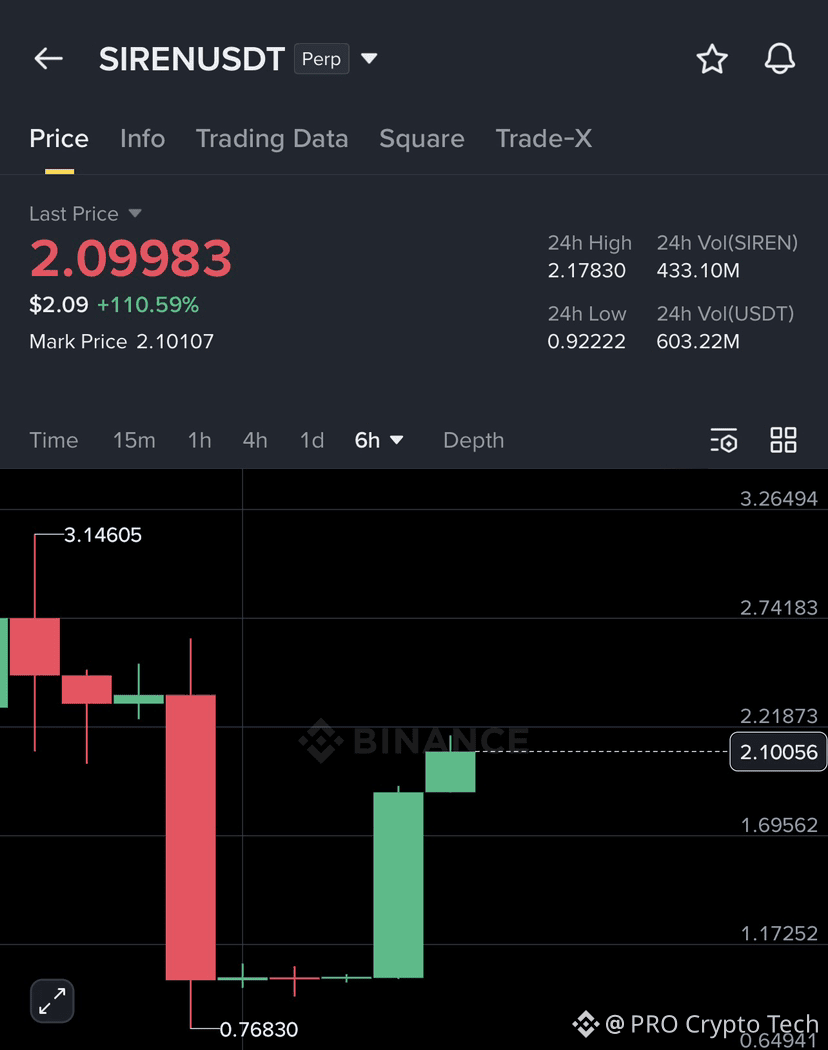
If you love your money 😁 don’t play with $SIREN 🤣😂
This Token Will Cook You 😁🫡⚡️
If you love your money 😁 don’t play with $SIREN 🤣😂
This Token Will Cook You 😁🫡⚡️
This Token Will Cook You 😁🫡⚡️
128
27
625
1.2M
99% of crypto traders buy the dip wrong.
They see red candles 🩸 panic buy immediately and then watch the price drop another 40%.
Sound familiar?
Buying the dip is NOT just clicking “buy” when prices fall.
.
It’s a skill. And most people never learn it.
In this post, I’ll show you exactly WHEN to buy the dip — so you stop catching falling knives and start catching opportunities.
First — what even IS “the dip”?
A dip is a temporary price pullback within an overall uptrend.
Key word: temporary.
Not every drop is a dip. Some drops are the beginning of a full-on bear market.
Your job is to tell the difference.
Here’s how to buy dips like a pro:
1️⃣ Wait for the knife to stop falling
Never buy just because the price dropped.
Wait for confirmation — a green candle close, a bounce off support, volume picking up.
Patience here saves you from buying too early.
2️⃣ Check the key support levels
Strong dip-buying zones are:
∙ Previous resistance turned support
∙ 200-day moving average
∙ Fibonacci retracement levels (0.382, 0.5, 0.618)
If price hits these zones AND shows reversal signals — that’s your entry.
3️⃣ Zoom out on the timeframe
A 1-hour chart dip might be a 1-day chart downtrend.
Always zoom out. If the higher timeframe trend is still bullish — the dip is your friend.
4️⃣ Don’t go all in at once
Split your buy into 2-3 entries.
Buy 30% at first support, 40% if it drops more, 30% on confirmation bounce.
This way you average in smartly instead of betting everything on one candle.
Red flags — when NOT to buy the dip:
🚩 News-driven crash (hack, regulation, project rug)
🚩 Volume spiking DOWN not up at support
🚩 Bitcoin in full breakdown mode
🚩 The project’s fundamentals have changed
Sometimes a dip is just the start of a collapse.
Know the difference.
Master this and the bull run will treat you very well. 🚀
Follow Us @ProCryptoTech For More Alpha 💓
99% of crypto traders buy the dip wrong.
They see red candles 🩸 panic buy immediately and then watch the price drop another 40%.
Sound familiar?
Buying the dip is NOT just clicking “buy” when prices fall.
.
It’s a skill. And most people never learn it.
In this post, I’ll show you exactly WHEN to buy the dip — so you stop catching falling knives and start catching opportunities.
First — what even IS “the dip”?
A dip is a temporary price pullback within an overall uptrend.
Key word: temporary.
Not every drop is a dip. Some drops are the beginning of a full-on bear market.
Your job is to tell the difference.
Here’s how to buy dips like a pro:
1️⃣ Wait for the knife to stop falling
Never buy just because the price dropped.
Wait for confirmation — a green candle close, a bounce off support, volume picking up.
Patience here saves you from buying too early.
2️⃣ Check the key support levels
Strong dip-buying zones are:
∙ Previous resistance turned support
∙ 200-day moving average
∙ Fibonacci retracement levels (0.382, 0.5, 0.618)
If price hits these zones AND shows reversal signals — that’s your entry.
3️⃣ Zoom out on the timeframe
A 1-hour chart dip might be a 1-day chart downtrend.
Always zoom out. If the higher timeframe trend is still bullish — the dip is your friend.
4️⃣ Don’t go all in at once
Split your buy into 2-3 entries.
Buy 30% at first support, 40% if it drops more, 30% on confirmation bounce.
This way you average in smartly instead of betting everything on one candle.
Red flags — when NOT to buy the dip:
🚩 News-driven crash (hack, regulation, project rug)
🚩 Volume spiking DOWN not up at support
🚩 Bitcoin in full breakdown mode
🚩 The project’s fundamentals have changed
Sometimes a dip is just the start of a collapse.
Know the difference.
Master this and the bull run will treat you very well. 🚀
Follow Us @PRO Crypto Tech For More Alpha 💓
They see red candles 🩸 panic buy immediately and then watch the price drop another 40%.
Sound familiar?
Buying the dip is NOT just clicking “buy” when prices fall.
.
It’s a skill. And most people never learn it.
In this post, I’ll show you exactly WHEN to buy the dip — so you stop catching falling knives and start catching opportunities.
First — what even IS “the dip”?
A dip is a temporary price pullback within an overall uptrend.
Key word: temporary.
Not every drop is a dip. Some drops are the beginning of a full-on bear market.
Your job is to tell the difference.
Here’s how to buy dips like a pro:
1️⃣ Wait for the knife to stop falling
Never buy just because the price dropped.
Wait for confirmation — a green candle close, a bounce off support, volume picking up.
Patience here saves you from buying too early.
2️⃣ Check the key support levels
Strong dip-buying zones are:
∙ Previous resistance turned support
∙ 200-day moving average
∙ Fibonacci retracement levels (0.382, 0.5, 0.618)
If price hits these zones AND shows reversal signals — that’s your entry.
3️⃣ Zoom out on the timeframe
A 1-hour chart dip might be a 1-day chart downtrend.
Always zoom out. If the higher timeframe trend is still bullish — the dip is your friend.
4️⃣ Don’t go all in at once
Split your buy into 2-3 entries.
Buy 30% at first support, 40% if it drops more, 30% on confirmation bounce.
This way you average in smartly instead of betting everything on one candle.
Red flags — when NOT to buy the dip:
🚩 News-driven crash (hack, regulation, project rug)
🚩 Volume spiking DOWN not up at support
🚩 Bitcoin in full breakdown mode
🚩 The project’s fundamentals have changed
Sometimes a dip is just the start of a collapse.
Know the difference.
Master this and the bull run will treat you very well. 🚀
Follow Us @PRO Crypto Tech For More Alpha 💓
2
2
673
Guys Guys Start Buying $ZEC & $ETH
{future}(ETHUSDT)
{future}(ZECUSDT)
Guys Guys Start Buying $ZEC & $ETH
2
1.6k
·
--
Haussier
Hey guys...!!!! 🫷🏻 I need your help today 🙏
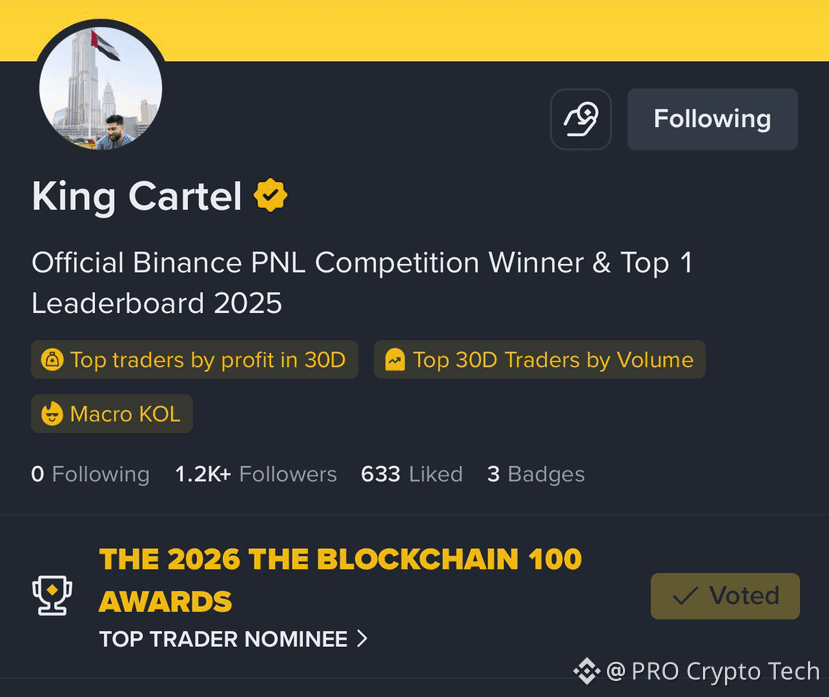
My Friend and favourite trader @KingCartel 👑 is currently in the Top 10 of the Binance Blockchain 100 Awards voting! 🔥
Let's show the power of our community 💪 and push him into the Top 5 by tomorrow! 🚀
Open Profile Here 👉 @KingCartel & Click on Vote Button 🗳️
Every single vote counts. Vote now and share with your friends! 🗳️💛
Follow him and learn from the best and you'll be on your way to becoming a profitable trader too 📈
#Binance #BlockchainAwards
Hey guys...!!!! 🫷🏻 I need your help today 🙏
My Friend and favourite trader @King Cartel 👑 is currently in the Top 10 of the Binance Blockchain 100 Awards voting! 🔥
Let's show the power of our community 💪 and push him into the Top 5 by tomorrow! 🚀
Open Profile Here 👉 @King Cartel & Click on Vote Button 🗳️
Every single vote counts. Vote now and share with your friends! 🗳️💛
Follow him and learn from the best and you'll be on your way to becoming a profitable trader too 📈
#Binance #BlockchainAwards
My Friend and favourite trader @King Cartel 👑 is currently in the Top 10 of the Binance Blockchain 100 Awards voting! 🔥
Let's show the power of our community 💪 and push him into the Top 5 by tomorrow! 🚀
Open Profile Here 👉 @King Cartel & Click on Vote Button 🗳️
Every single vote counts. Vote now and share with your friends! 🗳️💛
Follow him and learn from the best and you'll be on your way to becoming a profitable trader too 📈
#Binance #BlockchainAwards
1
1
925
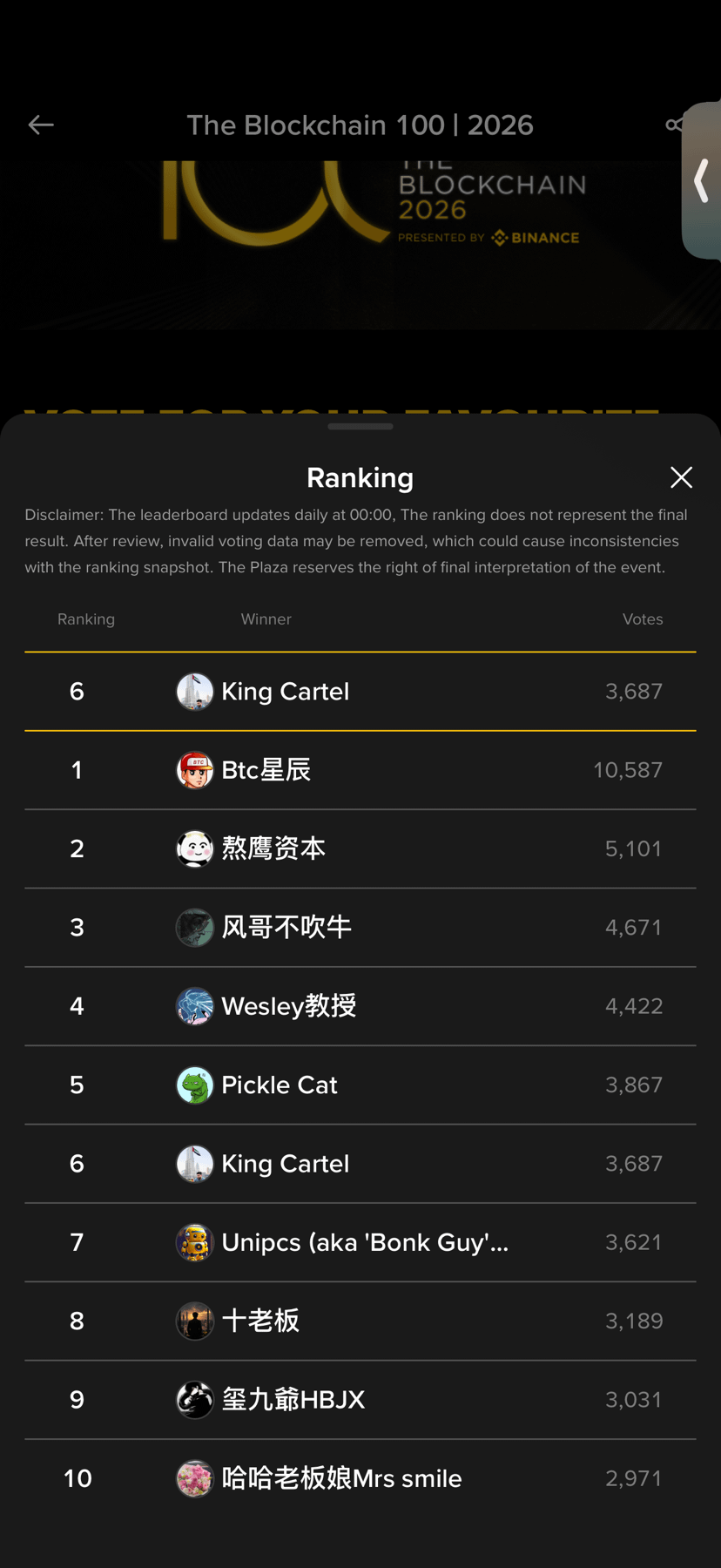
Top 5 Soon 🚀🚀🚀
Top 5 Soon 🚀🚀🚀

King Cartel
·
--
Top 6 World Wide
Now 1st Loading
Vote Here for Best Trader of the Year
Now 1st Loading
Vote Here for Best Trader of the Year
1
1
2
600
My Friend Sent me This 😀 Do You Think BTC Will Dump Like This
$BTC Downside Targets (Base / Worst Case)
• Oct below $80k / $70k
• Nov below $70k / $60k
December Big Move - Money Printing 🚀
{future}(BTCUSDT)
My Friend Sent me This 😀 Do You Think BTC Will Dump Like This
$BTC Downside Targets (Base / Worst Case)
• Oct below $80k / $70k
• Nov below $70k / $60k
December Big Move - Money Printing 🚀
$BTC Downside Targets (Base / Worst Case)
• Oct below $80k / $70k
• Nov below $70k / $60k
December Big Move - Money Printing 🚀
3
1k
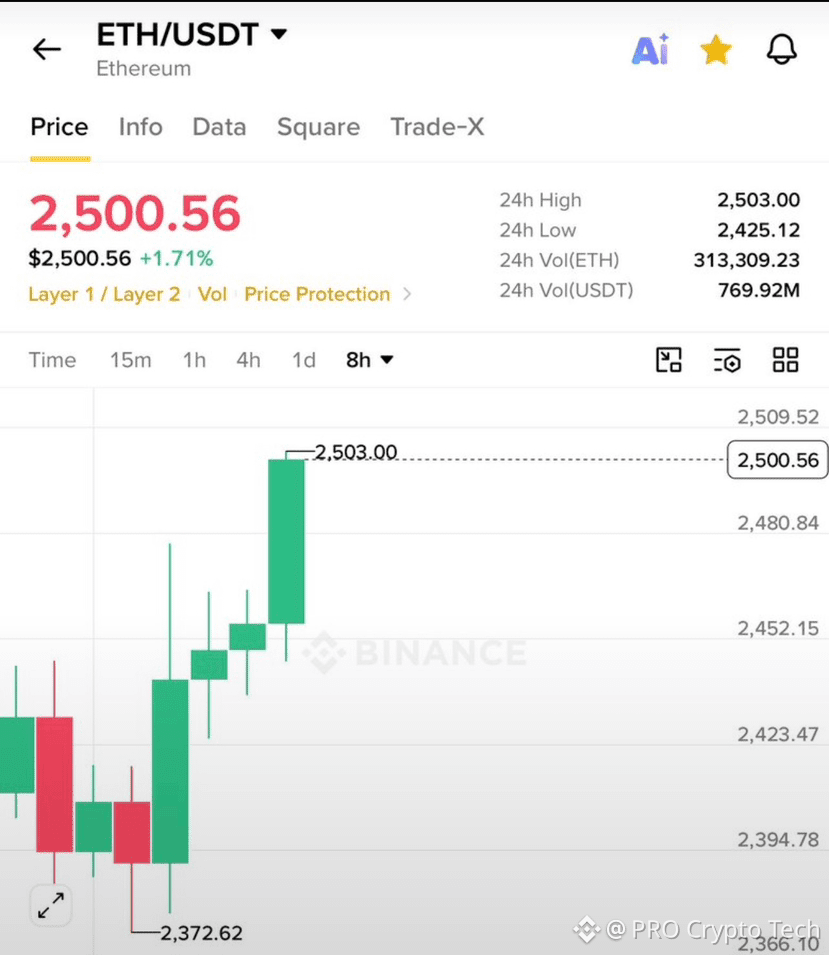
OK Guys! $ETH 2500$!!! is Here 😎
{future}(ETHUSDT)
OK Guys! $ETH 2500$!!! is Here 😎
PRO Crypto Tech
·
--
$ETH 2500$ Next!!!
2
497
·
--
Haussier
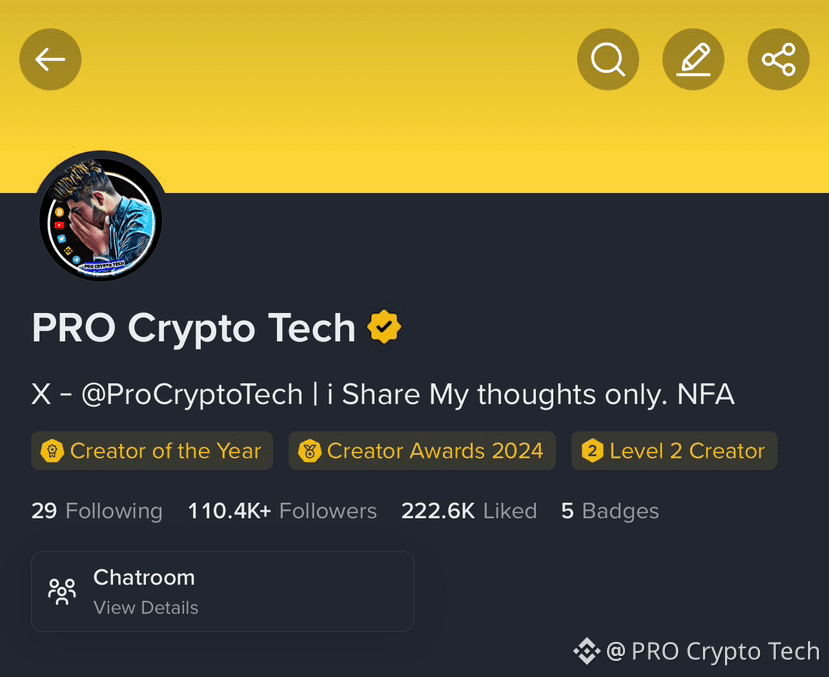
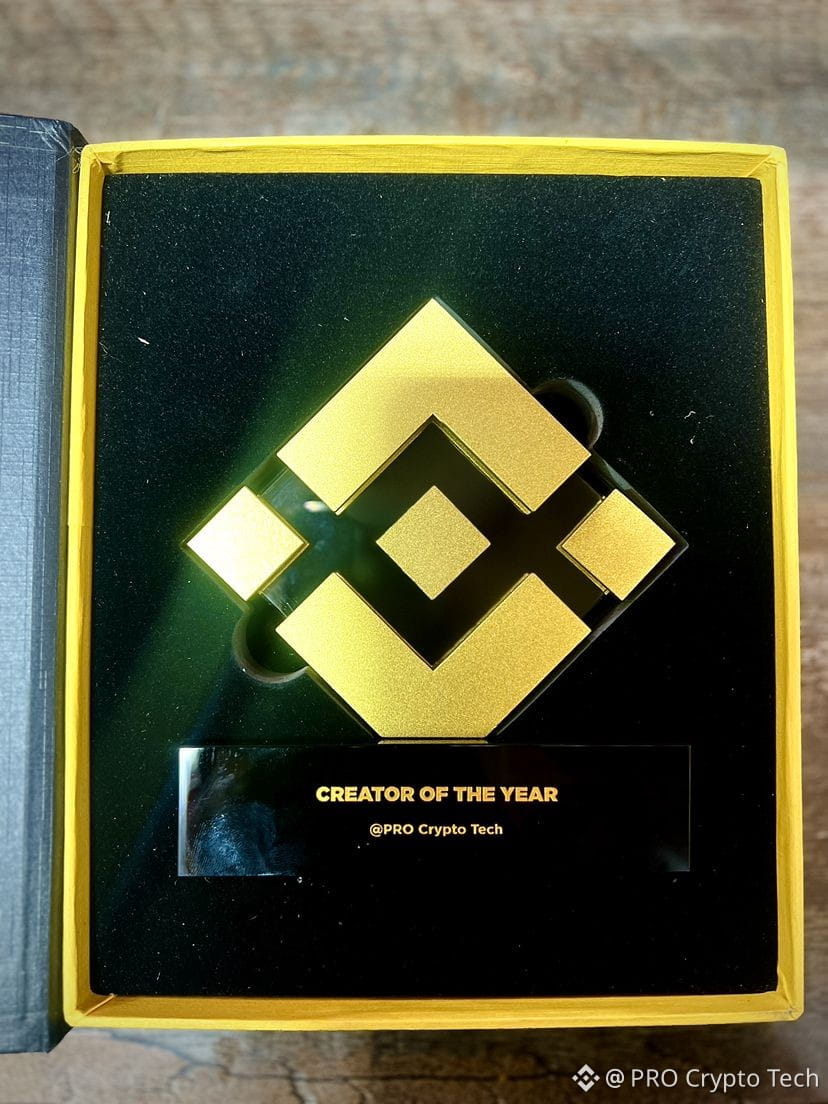
I Won Creator Of The Year Award in 2023 & 2024 🏆
I haven't Participated in 2025 Competition & Still Not Participated in This 2026 Because of Some Problems 😕🫣
I will Come Back Stronger 💪
I Won Creator Of The Year Award in 2023 & 2024 🏆
I haven't Participated in 2025 Competition & Still Not Participated in This 2026 Because of Some Problems 😕🫣
I will Come Back Stronger 💪
I haven't Participated in 2025 Competition & Still Not Participated in This 2026 Because of Some Problems 😕🫣
I will Come Back Stronger 💪
26
1
38
14.6k
·
--
Haussier
Vérifié
Your wallet is public. Your trades are public. Your AI agent’s data? Also public. 👀
That’s the problem blockchains never solved, until @nillionnetwork
With Covenants and its first release #DUSK live on Ethereum, Nillion lets data be stored AND computed while it stays encrypted. That’s blind computation. No one sees your data, yet the work still gets done.
Think about what that unlocks: private trading data, secure AI agents, high-value data on-chain without exposure.
I’m not just talking about it, I put real money behind $NIL Trade card below 👇
What excites you more: Covenants or the 7-era roadmap? Drop it below.
#nil $NIL @nillionnetwork
Your wallet is public. Your trades are public. Your AI agent’s data? Also public. 👀
That’s the problem blockchains never solved, until @Nillion
With Covenants and its first release #DUSK live on Ethereum, Nillion lets data be stored AND computed while it stays encrypted. That’s blind computation. No one sees your data, yet the work still gets done.
Think about what that unlocks: private trading data, secure AI agents, high-value data on-chain without exposure.
I’m not just talking about it, I put real money behind $NIL Trade card below 👇
What excites you more: Covenants or the 7-era roadmap? Drop it below.
#nil $NIL @Nillion
That’s the problem blockchains never solved, until @Nillion
With Covenants and its first release #DUSK live on Ethereum, Nillion lets data be stored AND computed while it stays encrypted. That’s blind computation. No one sees your data, yet the work still gets done.
Think about what that unlocks: private trading data, secure AI agents, high-value data on-chain without exposure.
I’m not just talking about it, I put real money behind $NIL Trade card below 👇
What excites you more: Covenants or the 7-era roadmap? Drop it below.
#nil $NIL @Nillion
1
7
1.7k
·
--
Haussier
Dear Peoples! But This Dips
$ETH $BTC $SOL
Dear Peoples! But This Dips
$ETH $BTC $SOL
$ETH $BTC $SOL
3
1.8k
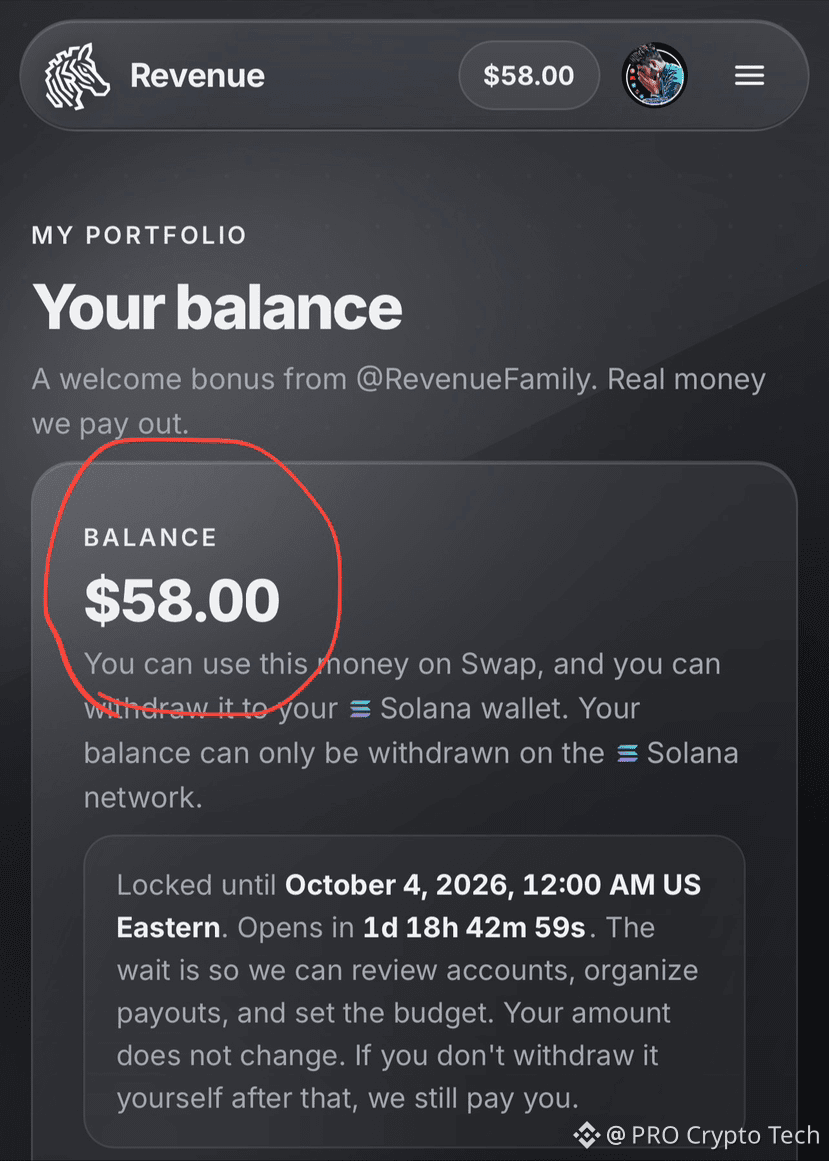
I Just Claimed My 58$ Free Airdrop & You can Claim This Tooo... 💸
Only 1 More Day Left in This Airdrop - Hurry Up Complete Easy Tasks in Just 1 min & Claim Free USDC Instant
I Shared Airdrop Detail in My Chat Group
Check Our Free PRO Army Chat Group & Join Airdrop Right Now ✅
Never Miss Easy Free Money 🔶🚀
I Just Claimed My 58$ Free Airdrop & You can Claim This Tooo... 💸
Only 1 More Day Left in This Airdrop - Hurry Up Complete Easy Tasks in Just 1 min & Claim Free USDC Instant
I Shared Airdrop Detail in My Chat Group
Check Our Free PRO Army Chat Group & Join Airdrop Right Now ✅
Never Miss Easy Free Money 🔶🚀
Only 1 More Day Left in This Airdrop - Hurry Up Complete Easy Tasks in Just 1 min & Claim Free USDC Instant
I Shared Airdrop Detail in My Chat Group
Check Our Free PRO Army Chat Group & Join Airdrop Right Now ✅
Never Miss Easy Free Money 🔶🚀
8
9
2.1k
·
--
Haussier
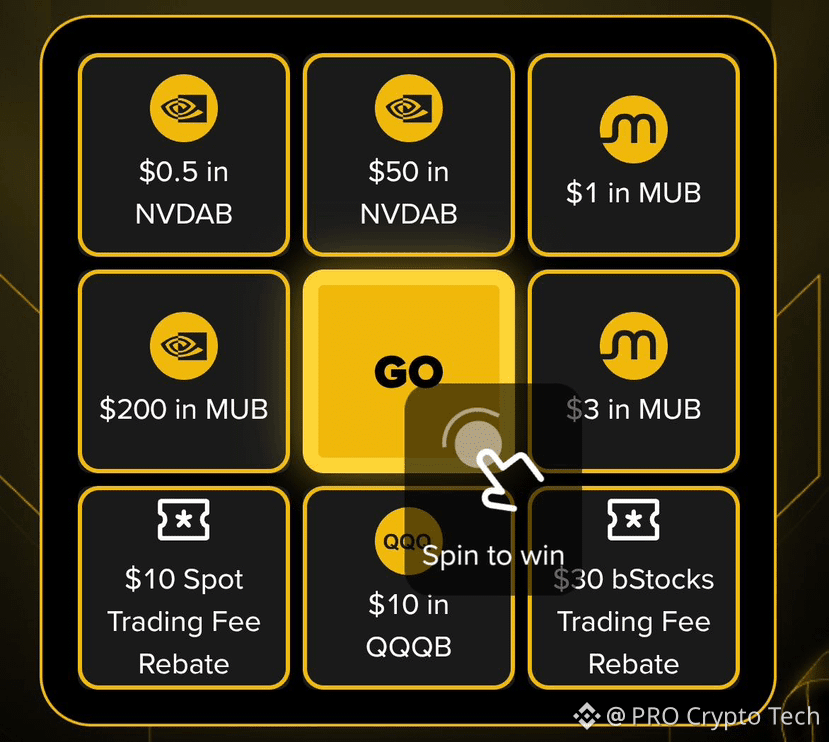
🏷️ Binance New Spin Offer Live! Win 0.5$ to 200$ Free 💸🚀
Offer Link:👇
[Campaign Link](https://www.binance.com/activity/chance/StocksWelcomeRewards?ref=PRO11) 👈
Go To "Stocks" Buy $5+ Any Stocks
Claim Spin Try Your Luck DONE
🏷️ Binance New Spin Offer Live! Win 0.5$ to 200$ Free 💸🚀
Offer Link:👇
Campaign Link 👈
Go To "Stocks" Buy $5+ Any Stocks
Claim Spin Try Your Luck DONE
Offer Link:👇
Campaign Link 👈
Go To "Stocks" Buy $5+ Any Stocks
Claim Spin Try Your Luck DONE
1
4
1.1k
·
--
Haussier
2
6
4.3k
·
--
Haussier
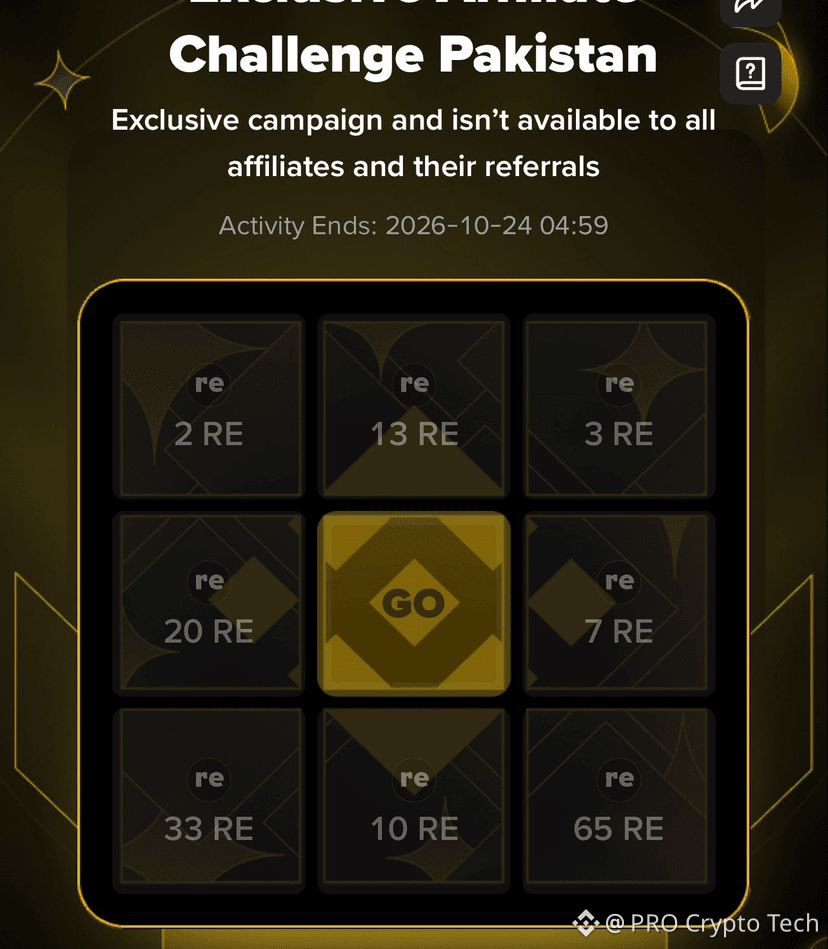
Good Airdrop For #Binance Users in Pakistan 🇵🇰
Win 10$ to 100$ in Binance 💸🎁🧧
Follow Simple Steps 👇
Create New Account With This Link 👉 [Signup Link](https://www.binance.com/activity/chance/ExclusiveSeptemberCampaignforPK?ref=PRO11)
Complete KYC & Go to Spin Page ⚡️
Complete Spin Task & Get Free Spins
Spin & Get Free Reward 🫰🚀
This offer is only for Pakistani new users
Good Airdrop For #Binance Users in Pakistan 🇵🇰
Win 10$ to 100$ in Binance 💸🎁🧧
Follow Simple Steps 👇
Create New Account With This Link 👉 Signup Link
Complete KYC & Go to Spin Page ⚡️
Complete Spin Task & Get Free Spins
Spin & Get Free Reward 🫰🚀
This offer is only for Pakistani new users
Win 10$ to 100$ in Binance 💸🎁🧧
Follow Simple Steps 👇
Create New Account With This Link 👉 Signup Link
Complete KYC & Go to Spin Page ⚡️
Complete Spin Task & Get Free Spins
Spin & Get Free Reward 🫰🚀
This offer is only for Pakistani new users
2
1.1k
·
--
Haussier
8
29
29.5k
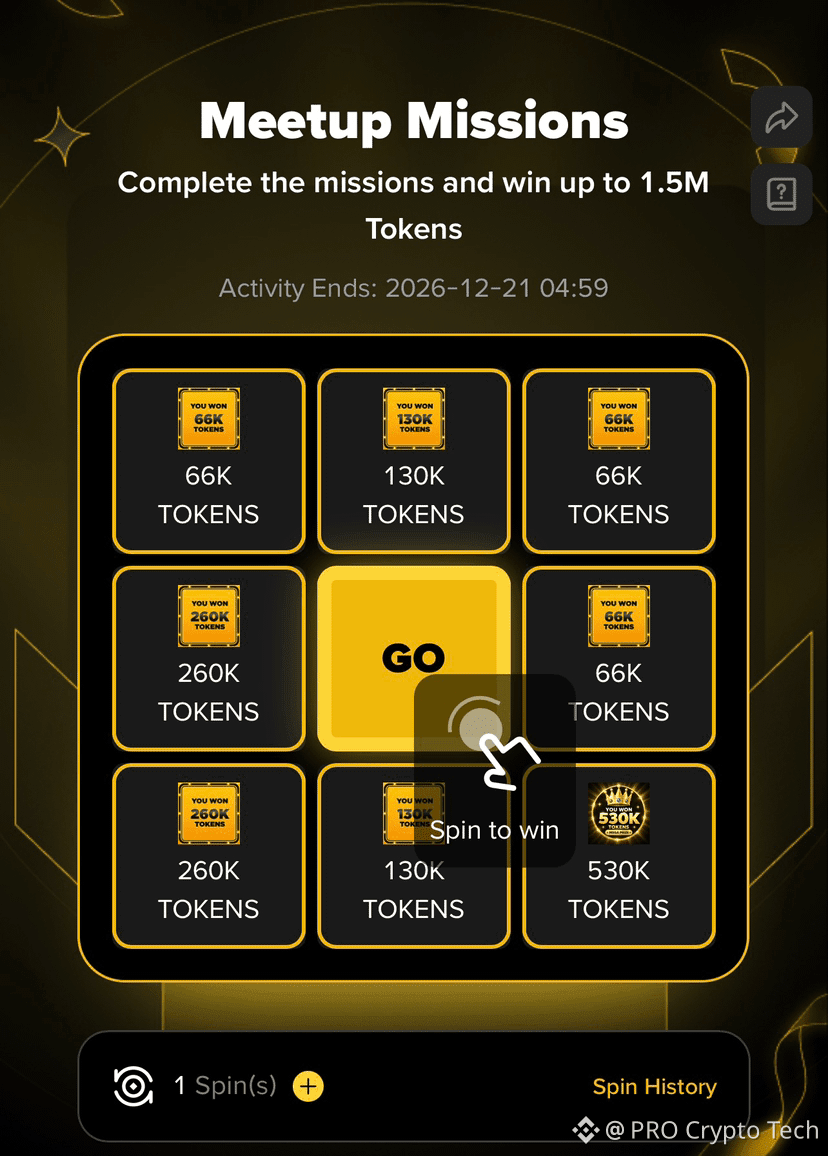
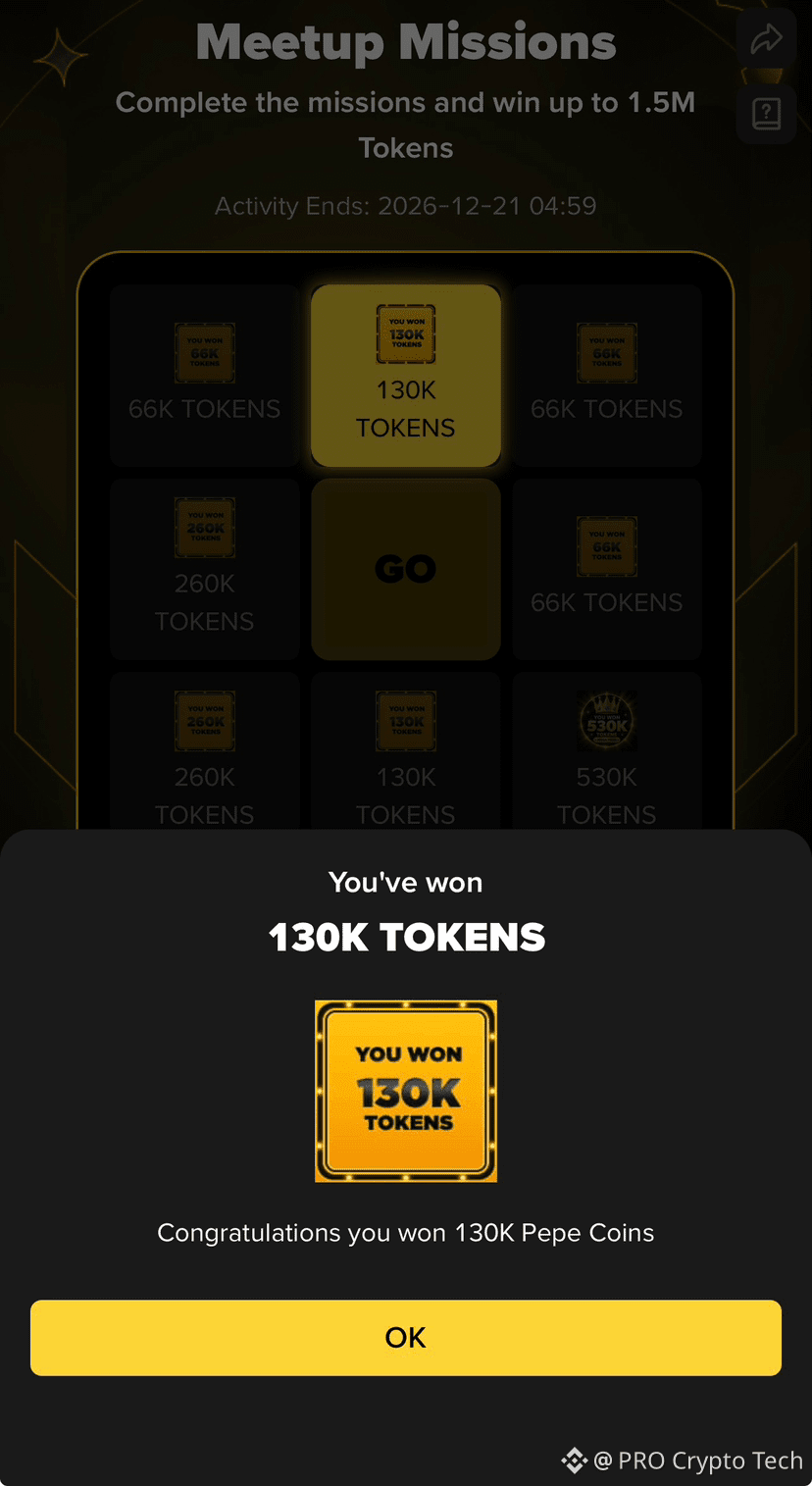
Binance x New Spin Event — Get 65k - 500k PEPE Token — For All Users
▶️ Event Link :- 👉👉 [Offer Link](https://www.binance.com/activity/chance/meetup-missions?ref=458120350) 👈👈
➡️ Regester & Do Convert 5$ Task
➡️ Claim & Spin
➡️ Done
Binance x New Spin Event — Get 65k - 500k PEPE Token — For All Users
▶️ Event Link :- 👉👉 Offer Link 👈👈
➡️ Regester & Do Convert 5$ Task
➡️ Claim & Spin
➡️ Done
▶️ Event Link :- 👉👉 Offer Link 👈👈
➡️ Regester & Do Convert 5$ Task
➡️ Claim & Spin
➡️ Done
5
3
1.2k
Connectez-vous pour découvrir plus de contenu
Rejoignez la communauté mondiale des adeptes de cryptomonnaies sur Binance Square
⚡️ Suviez les dernières informations importantes sur les cryptomonnaies.
💬 Jugé digne de confiance par la plus grande plateforme d’échange de cryptomonnaies au monde.
👍 Découvrez les connaissances que partagent les créateurs vérifiés.
Adresse e-mail/Nº de téléphone