

AzraCiv
8.3k Publications

AzraCiv
✊✨🦋Every action has a direct and opposite reaction

#BinanceTurns7 task 2

#BinanceTurns7
Ouvert au trading
Trade régulièrement
3 an(s)
4.1K+ Suivis
25.6K+ Abonnés
27.3K+ J’aime
2 Badges
Publications
Portefeuille
Tous
Citations
Vidéos
Direct

BrainRot
·
--
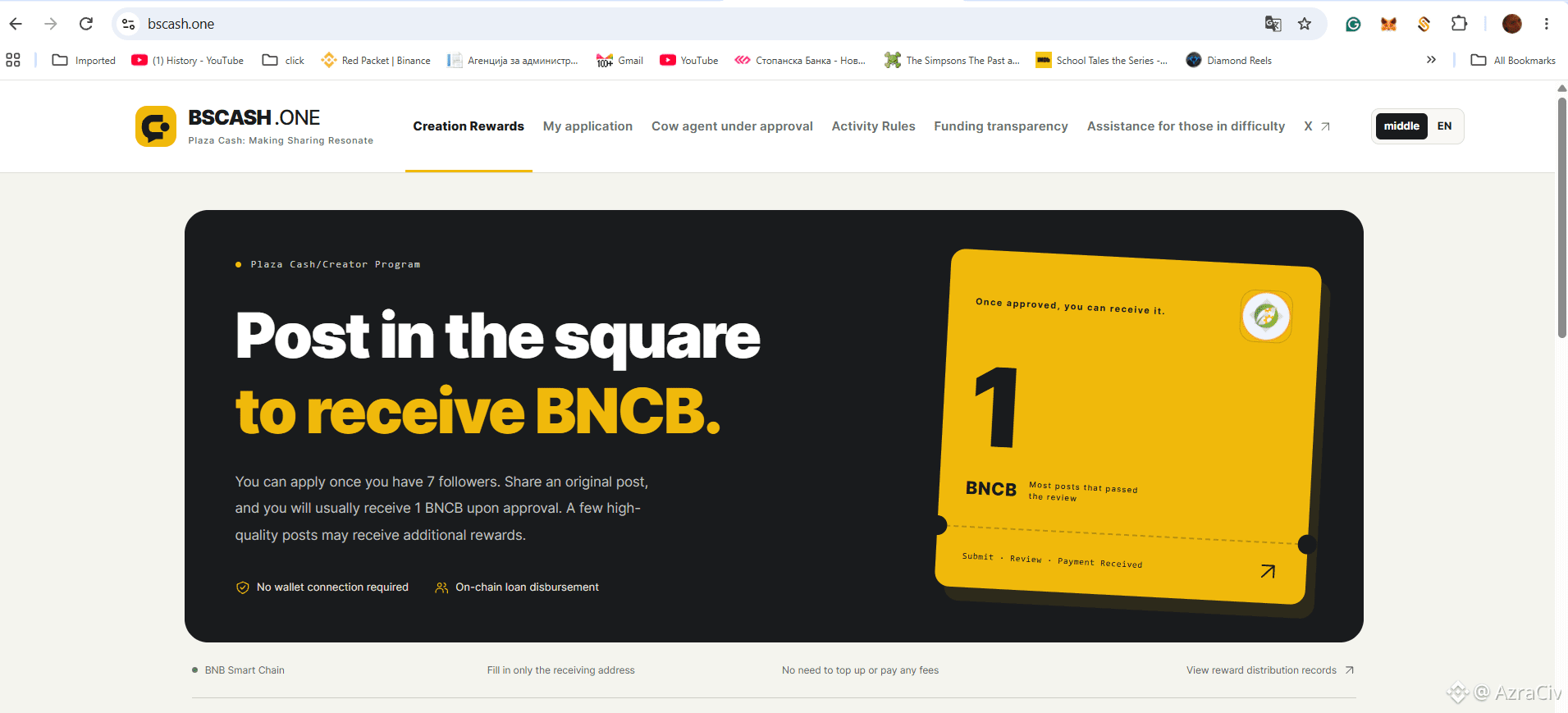
I am applying for a reward from the contest creator program of bscash . I do hold minimum of 1111
$CASH coins
0x324F74a4fd5D25186C74FAe255a5750B6A807777
👉bscash.one
Im not robot 🤖 I m human 😅
SR-64634AAA28C721BF789E3476
$CASH coins
0x324F74a4fd5D25186C74FAe255a5750B6A807777
👉bscash.one
Im not robot 🤖 I m human 😅
SR-64634AAA28C721BF789E3476

MrStar
·
--
[Revoir] 🎙️ Bull Run Started ? | $ETH to the Moon? | Crypto Talks $Bnb | Marvin
02 h 06 min 45 sec · 5.3k auditeurs


Binance News
·
--
Attacker Drains About $305,000 From Two Safe Multisig Wallets Via Aave v3 Adapter
An attacker drained about $305,000 from two Safe multisig wallets through a third-party adapter built on Aave v3. According to NS3.AI, Aave founder Stani Kulechov said the exploit did not affect Aave v3 contracts.
Blockchain security firm SlowMist said an access-control flaw allowed the attacker to use a fake Safe contract and pass the adapter's authorization check.
Blockchain security firm SlowMist said an access-control flaw allowed the attacker to use a fake Safe contract and pass the adapter's authorization check.

will win 张
·
--
$DOGE 版的《西游记》,第一集来啦😄
$ETH 链马斯克概念meme币小🐕🦺为原形
能否像当初$牛来 那样🔥呢?
$ETH 链马斯克概念meme币小🐕🦺为原形
能否像当初$牛来 那样🔥呢?
AzraCiv
·
--
🔥🔥🔥
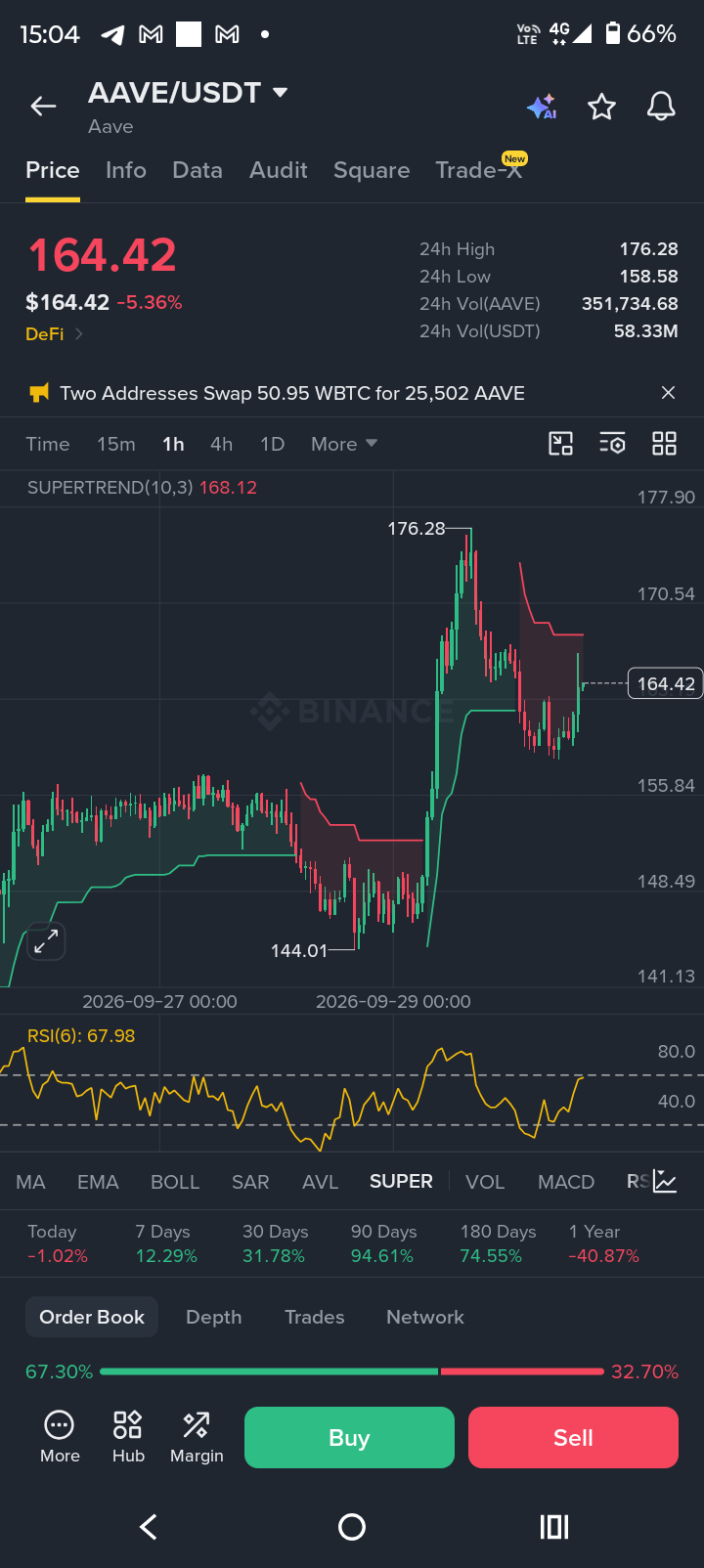
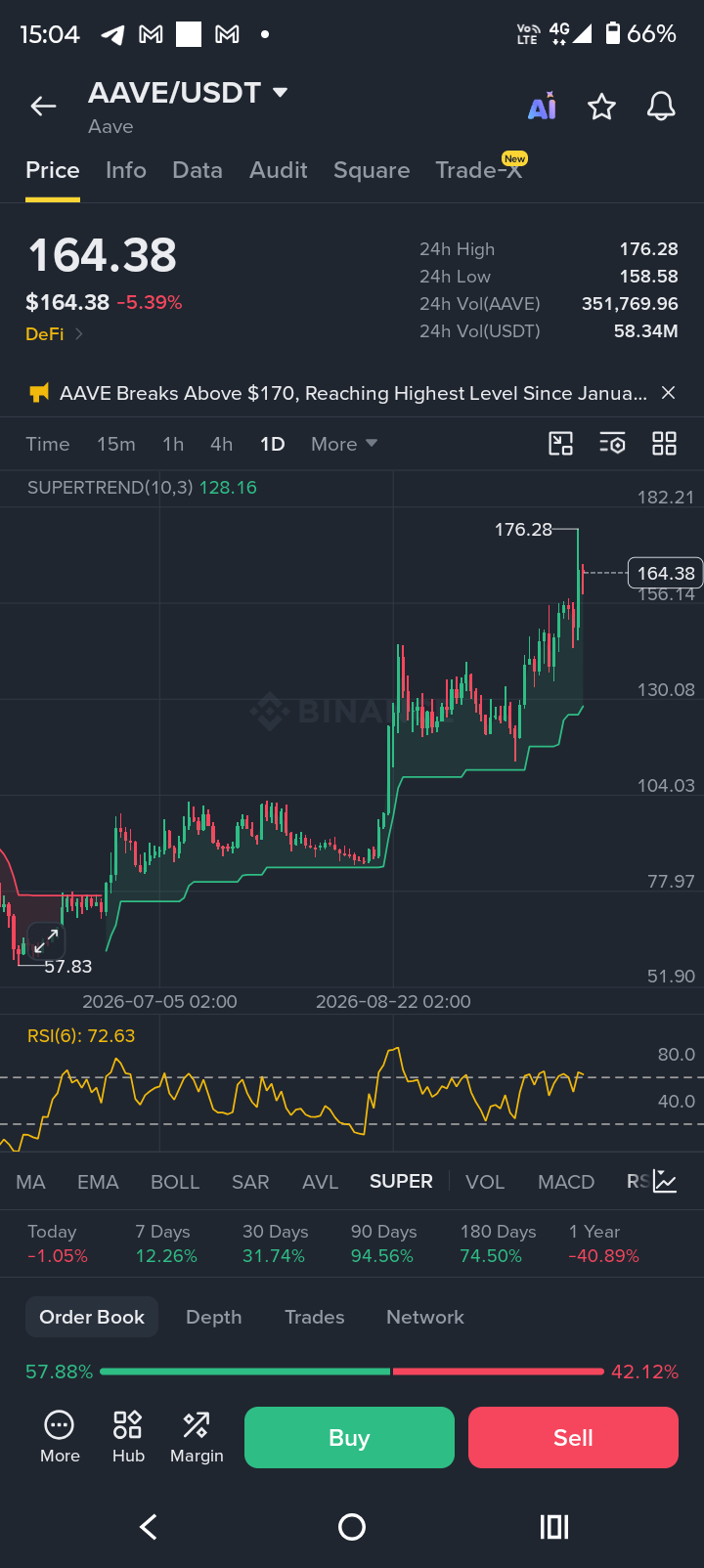
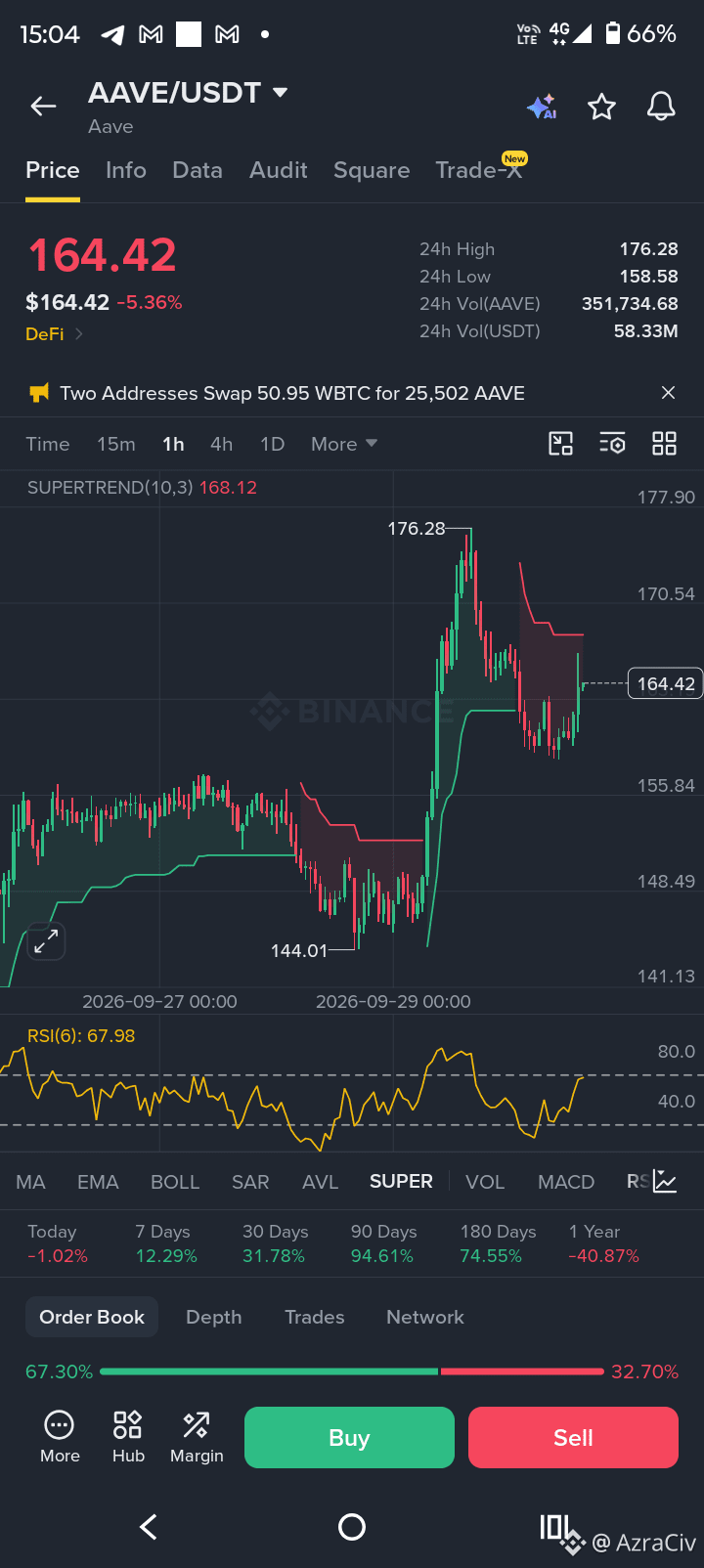
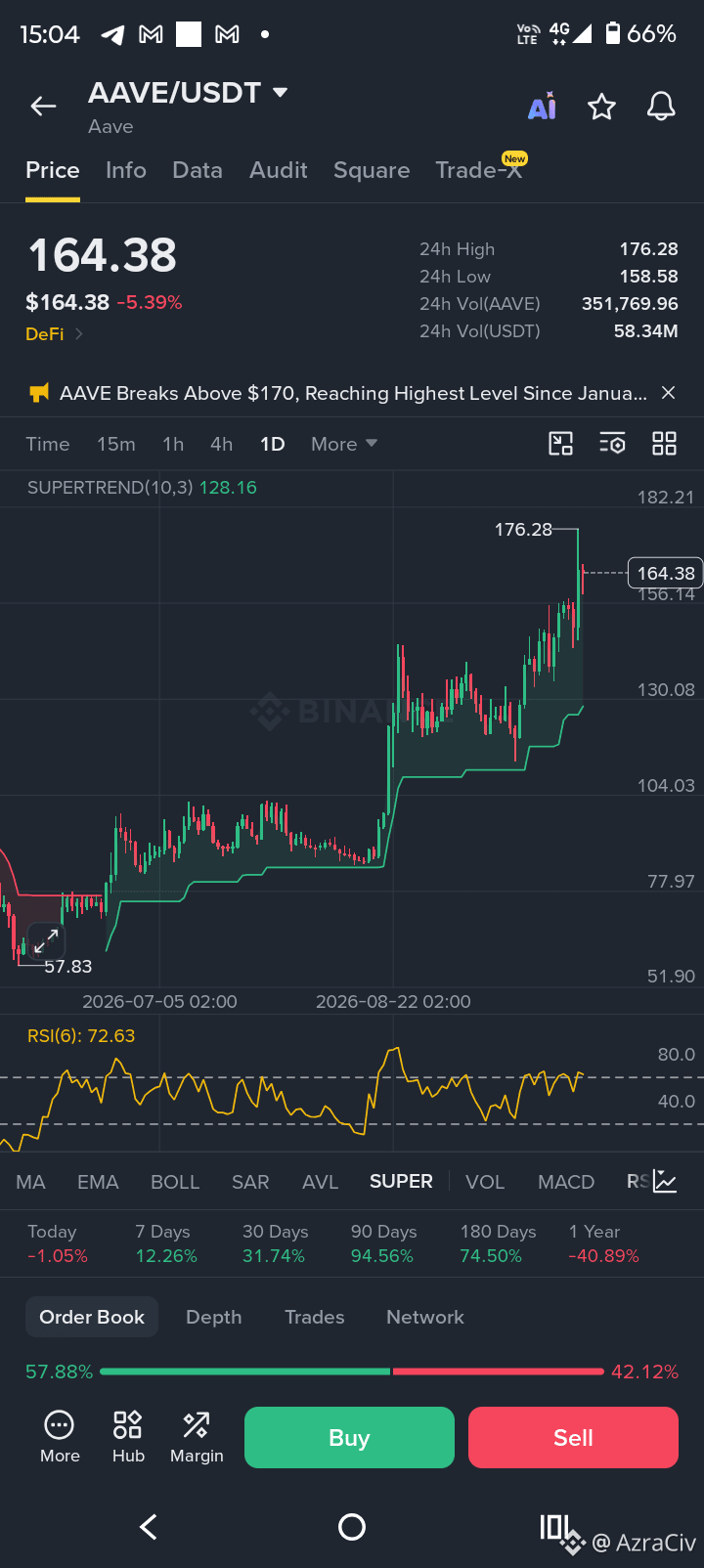
$AAVE has gone in full rocket mode or what ?
Just look t that beautifull uptrend building for days on the 1D chart ,
than $AAVE kissing the 174 for a moment
now hanging around 164 ..
It looks like a cat preparing to jump after eying it's target 🎯 😅
Brilliant 🔥
$AAVE has gone in full rocket mode or what ?
Just look t that beautifull uptrend building for days on the 1D chart ,
than $AAVE kissing the 174 for a moment
now hanging around 164 ..
It looks like a cat preparing to jump after eying it's target 🎯 😅
Brilliant 🔥
AzraCiv
·
--
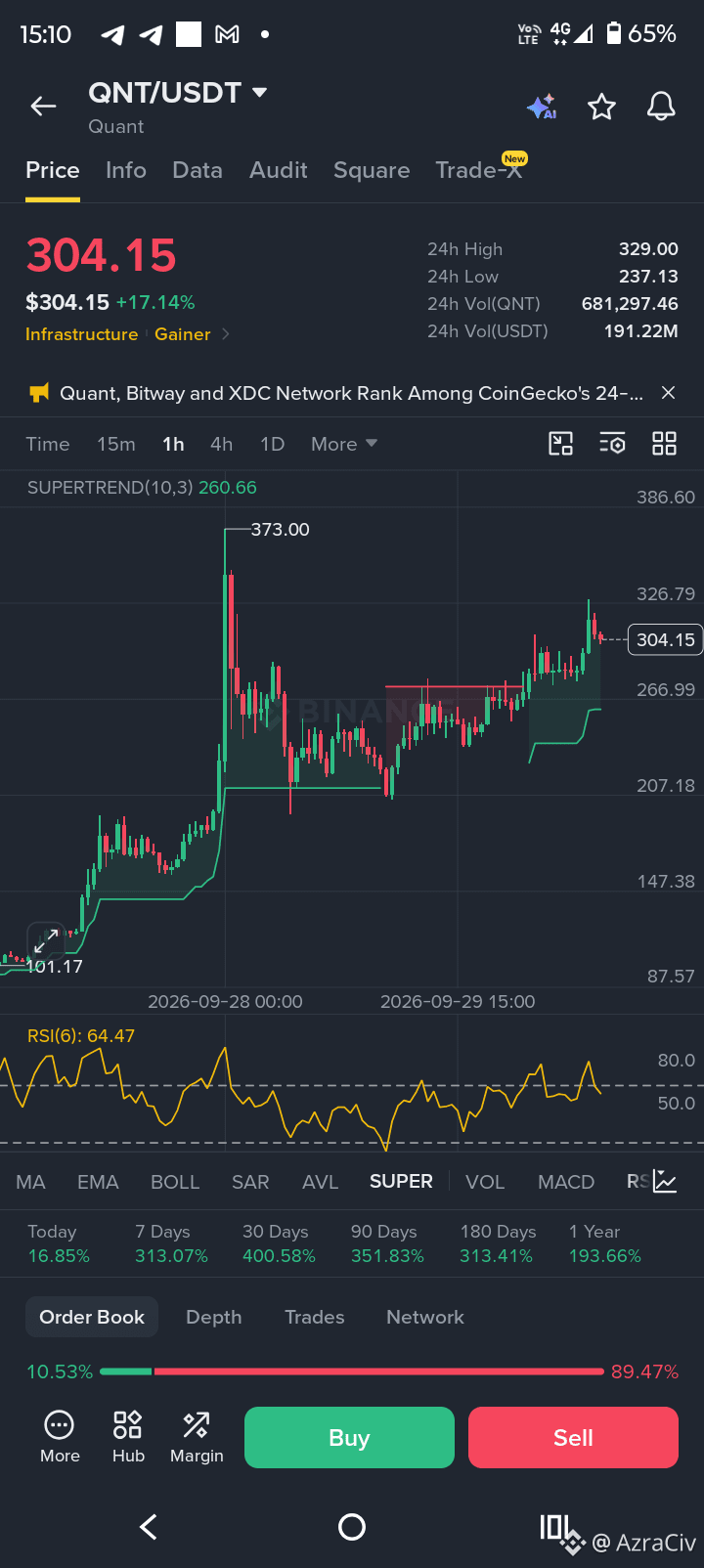
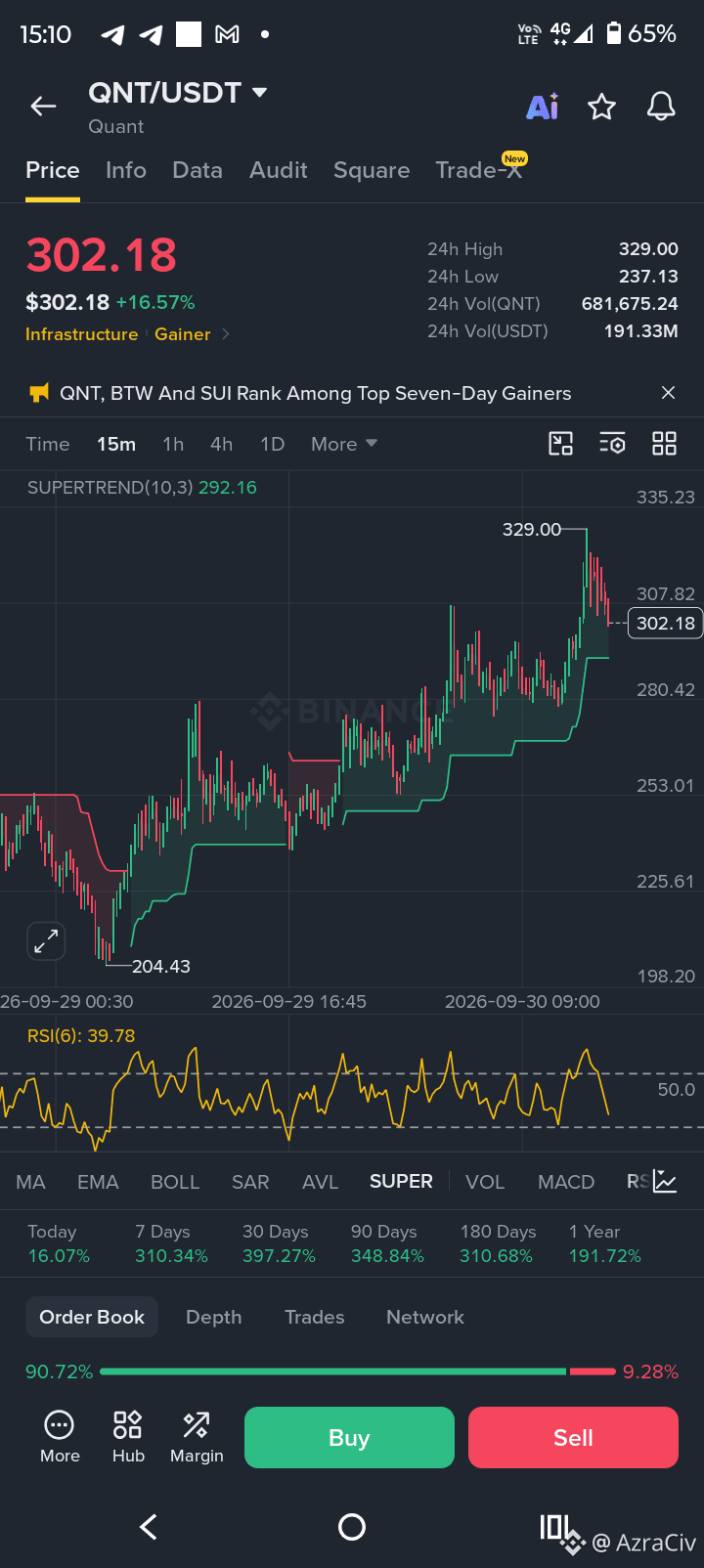
WhAT did I just say ?
$QNT haven't been this high since 2022!
I told you while it was still at 182 !
Just take a look what
QNT on eth did on Wallet !
It hit the price of $435 now trading back to $270 !
$QNT on the exchange also did great touching 374! It looks like it's going after it's own ATH - and that's above $400 !
$QNT haven't been this high since 2022!
I told you while it was still at 182 !
Just take a look what
QNT on eth did on Wallet !
It hit the price of $435 now trading back to $270 !
$QNT on the exchange also did great touching 374! It looks like it's going after it's own ATH - and that's above $400 !

CryptoMuseCreator
·
--
🇺🇦 А якщо взимку не буде світла та інтернету?
Це питання зараз звучить у багатьох українських родинах.
«Як я працюватиму? Як купувати їжу? Як годувати дітей, якщо не буде електрики та зв’язку?»
Я живу за Києвом під час війни, і для мене це питання не теоретичне.
Минулої зими, коли у мого домашнього провайдера зникав інтернет, я працювала з кафе. І я була далеко не одна.
Поруч із кафе знаходиться великий житловий комплекс, і багато його мешканців також приходили туди працювати. Люди сиділи з ноутбуками, заряджали телефони, проводили робочі дзвінки — просто тому, що вдома не було нормального зв’язку.
Тоді я особливо гостро зрозуміла: інтернет під час війни — це вже не просто комфорт. Для багатьох це можливість працювати, заробляти гроші та забезпечувати свою сім’ю.
І це вже не абстрактний страх.
23–24 вересня російські удари пошкодили та знищили частину телекомунікаційної інфраструктури Києва. За даними NV, було знищено обладнання CityHost, інфраструктуру MiroHost, пошкоджено вузли KIEVNET, Домонет, FAUST, Etherlink, UTELS та інших операторів. CityHost намагався аварійно перенести резервні копії на обладнання за кордоном.
За даними Мінцифри, перебої після атак торкнулися близько 100 тисяч домогосподарств у Києві та області.
Але чи означає це, що Україна залишиться без інтернету?
Не обов'язково.
Українська мережа не має одного «головного рубильника». Вона складається з великої кількості незалежних і резервованих вузлів.
Пошкодження окремих дата-центрів може спричинити локальні відключення, нестабільність та перевантаження, але не означає автоматичного зникнення інтернету по всій країні.
Найбільшою проблемою під час блекауту може стати навіть не відсутність сигналу, а перевантаження мобільної мережі.
Коли домашній Wi-Fi зникає, тисячі людей одночасно переходять на мобільний інтернет.
А що зі світлом?
Тут ситуація складніша.
Україна готується до зими 2026/27: ремонтуються пошкоджені потужності, розвивається розподілена генерація, накопичуються енергоресурси та встановлюються системи резервного живлення.
За даними уряду, вже відремонтовано 4,8 ГВт генеруючих потужностей, працює близько 1,8 ГВт розподіленої газової генерації, а до кінця року планується додати ще близько 800 МВт.
Для Києва окремо готуються резервні джерела тепла на випадок пошкодження окремих ТЕЦ та інших критичних об'єктів.
Тобто держава готується не до одного сценарію, а до можливості повторних атак і тривалих аварійних відключень.
Що це означає для звичайної сім'ї?
На мою думку, головна стратегія цієї зими — не чекати, поки станеться блекаут, а створити власну маленьку «систему резервування».
🔋 Powerbank для телефонів
⚡ Зарядна станція або інше резервне живлення
📡 Другий спосіб доступу до інтернету
📱 SIM-карти різних операторів
💵 Невеликий запас готівки $Cash
🥫 Запас продуктів і води
💊 Необхідні ліки
🔦 Ліхтарі та батарейки
📄 Офлайн-копії важливих документів і контактів
Для домашнього інтернету варто перевірити, чи працює ваш провайдер на xPON. Ця технологія може забезпечувати зв'язок навіть під час тривалого знеструмлення, якщо резервне живлення є у вас і на мережевому обладнанні провайдера.
Також варто заздалегідь завантажити карту Пунктів незламності та продумати, де можна буде попрацювати, зарядити техніку або отримати доступ до зв'язку.
А якщо робота критично залежить від інтернету — резервний провайдер або супутниковий зв'язок можуть стати не розкішшю, а частиною особистої інфраструктури.
І найважливіше
Я не знаю, якою буде ця зима.
Ніхто не може чесно гарантувати, що не буде тривалих блекаутів, пошкодження мереж чи нових атак.
Але я вже бачила минулої зими, як люди адаптуються.
Я бачила кафе, яке фактично перетворилося на маленький робочий хаб для мешканців сусіднього ЖК.
Люди не припинили працювати. Вони просто шукали місце, де є світло, інтернет і можливість зарядити ноутбук.
І саме тому сьогодні для мене питання цієї зими звучить уже не так:
«Що буде, якщо все вимкнуть?»
А так
«Що я можу зробити зараз, щоб моя сім'я могла прожити кілька днів автономно, навіть якщо світло, мобільний зв'язок чи інтернет тимчасово зникнуть?»
Можливо, нам не вдасться контролювати те, куди прилетить наступна ракета.
Але ми можемо контролювати те, наскільки готовими будемо до наслідків.
🇺🇦 Бережіть себе та своїх близьких. Ми вистоїмо!
#Ukraine #BinanceSquare #UkraineWar #energy #Internet
«Як я працюватиму? Як купувати їжу? Як годувати дітей, якщо не буде електрики та зв’язку?»
Я живу за Києвом під час війни, і для мене це питання не теоретичне.
Минулої зими, коли у мого домашнього провайдера зникав інтернет, я працювала з кафе. І я була далеко не одна.
Поруч із кафе знаходиться великий житловий комплекс, і багато його мешканців також приходили туди працювати. Люди сиділи з ноутбуками, заряджали телефони, проводили робочі дзвінки — просто тому, що вдома не було нормального зв’язку.
Тоді я особливо гостро зрозуміла: інтернет під час війни — це вже не просто комфорт. Для багатьох це можливість працювати, заробляти гроші та забезпечувати свою сім’ю.
І це вже не абстрактний страх.
23–24 вересня російські удари пошкодили та знищили частину телекомунікаційної інфраструктури Києва. За даними NV, було знищено обладнання CityHost, інфраструктуру MiroHost, пошкоджено вузли KIEVNET, Домонет, FAUST, Etherlink, UTELS та інших операторів. CityHost намагався аварійно перенести резервні копії на обладнання за кордоном.
За даними Мінцифри, перебої після атак торкнулися близько 100 тисяч домогосподарств у Києві та області.
Але чи означає це, що Україна залишиться без інтернету?
Не обов'язково.
Українська мережа не має одного «головного рубильника». Вона складається з великої кількості незалежних і резервованих вузлів.
Пошкодження окремих дата-центрів може спричинити локальні відключення, нестабільність та перевантаження, але не означає автоматичного зникнення інтернету по всій країні.
Найбільшою проблемою під час блекауту може стати навіть не відсутність сигналу, а перевантаження мобільної мережі.
Коли домашній Wi-Fi зникає, тисячі людей одночасно переходять на мобільний інтернет.
А що зі світлом?
Тут ситуація складніша.
Україна готується до зими 2026/27: ремонтуються пошкоджені потужності, розвивається розподілена генерація, накопичуються енергоресурси та встановлюються системи резервного живлення.
За даними уряду, вже відремонтовано 4,8 ГВт генеруючих потужностей, працює близько 1,8 ГВт розподіленої газової генерації, а до кінця року планується додати ще близько 800 МВт.
Для Києва окремо готуються резервні джерела тепла на випадок пошкодження окремих ТЕЦ та інших критичних об'єктів.
Тобто держава готується не до одного сценарію, а до можливості повторних атак і тривалих аварійних відключень.
Що це означає для звичайної сім'ї?
На мою думку, головна стратегія цієї зими — не чекати, поки станеться блекаут, а створити власну маленьку «систему резервування».
🔋 Powerbank для телефонів
⚡ Зарядна станція або інше резервне живлення
📡 Другий спосіб доступу до інтернету
📱 SIM-карти різних операторів
💵 Невеликий запас готівки $Cash
🥫 Запас продуктів і води
💊 Необхідні ліки
🔦 Ліхтарі та батарейки
📄 Офлайн-копії важливих документів і контактів
Для домашнього інтернету варто перевірити, чи працює ваш провайдер на xPON. Ця технологія може забезпечувати зв'язок навіть під час тривалого знеструмлення, якщо резервне живлення є у вас і на мережевому обладнанні провайдера.
Також варто заздалегідь завантажити карту Пунктів незламності та продумати, де можна буде попрацювати, зарядити техніку або отримати доступ до зв'язку.
А якщо робота критично залежить від інтернету — резервний провайдер або супутниковий зв'язок можуть стати не розкішшю, а частиною особистої інфраструктури.
І найважливіше
Я не знаю, якою буде ця зима.
Ніхто не може чесно гарантувати, що не буде тривалих блекаутів, пошкодження мереж чи нових атак.
Але я вже бачила минулої зими, як люди адаптуються.
Я бачила кафе, яке фактично перетворилося на маленький робочий хаб для мешканців сусіднього ЖК.
Люди не припинили працювати. Вони просто шукали місце, де є світло, інтернет і можливість зарядити ноутбук.
І саме тому сьогодні для мене питання цієї зими звучить уже не так:
«Що буде, якщо все вимкнуть?»
А так
«Що я можу зробити зараз, щоб моя сім'я могла прожити кілька днів автономно, навіть якщо світло, мобільний зв'язок чи інтернет тимчасово зникнуть?»
Можливо, нам не вдасться контролювати те, куди прилетить наступна ракета.
Але ми можемо контролювати те, наскільки готовими будемо до наслідків.
🇺🇦 Бережіть себе та своїх близьких. Ми вистоїмо!
#Ukraine #BinanceSquare #UkraineWar #energy #Internet

Aasim Majeed AMC
·
--
DAY 1 — TRADING PSYCHOLOGY: FOMO
FOMO = Fear Of Missing Out.
Every trader experiences it.
You see 2–3 bullish candles moving without you and suddenly think:
“I'm missing the trade!”
So you enter late without proper confirmation.
Then the market reverses… and your profit turns into a loss.
The same thing happens on sell trades.
FOMO can also come from watching other traders on Instagram showing their profits. You start thinking:
“He made this much. I should make it too.”
That mindset can destroy your account.
You cannot completely eliminate FOMO, but you can control it with rules.
My 3 important rules:
1️⃣ DAILY TRADE LIMIT
Set a maximum number of trades per day.
For example: 5 trades.
If you're a part-time trader, even 5 trades may be too much. Set a limit that fits your strategy.
2️⃣ DAILY PROFIT TARGET
Set a daily profit target.
Example: $100/day.
If you make your $100 on the first trade, STOP.
Don't take the next 4 trades just because you can.
3️⃣ DAILY MAX LOSS
Set a maximum loss for the day.
Example: -$50.
If you hit -$50, STOP TRADING.
No revenge trading. No trying to recover the loss.
Remember:
Daily TP ✅
Daily SL ✅
Daily Trade Limit ✅
If ANY ONE of these is reached → STOP TRADING FOR THE DAY.
You don't need to catch every move.
You need to protect your capital and your psychology.
FOMO may never completely disappear, but with discipline, you can make it much weaker.
Day 1 lesson:
DON'T CHASE THE MARKET.
LET THE MARKET COME TO YOUR SETUP.
$BTC $XAU $ZEC
@CZ is I'm right
#Binance #Learn
FOMO = Fear Of Missing Out.
Every trader experiences it.
You see 2–3 bullish candles moving without you and suddenly think:
“I'm missing the trade!”
So you enter late without proper confirmation.
Then the market reverses… and your profit turns into a loss.
The same thing happens on sell trades.
FOMO can also come from watching other traders on Instagram showing their profits. You start thinking:
“He made this much. I should make it too.”
That mindset can destroy your account.
You cannot completely eliminate FOMO, but you can control it with rules.
My 3 important rules:
1️⃣ DAILY TRADE LIMIT
Set a maximum number of trades per day.
For example: 5 trades.
If you're a part-time trader, even 5 trades may be too much. Set a limit that fits your strategy.
2️⃣ DAILY PROFIT TARGET
Set a daily profit target.
Example: $100/day.
If you make your $100 on the first trade, STOP.
Don't take the next 4 trades just because you can.
3️⃣ DAILY MAX LOSS
Set a maximum loss for the day.
Example: -$50.
If you hit -$50, STOP TRADING.
No revenge trading. No trying to recover the loss.
Remember:
Daily TP ✅
Daily SL ✅
Daily Trade Limit ✅
If ANY ONE of these is reached → STOP TRADING FOR THE DAY.
You don't need to catch every move.
You need to protect your capital and your psychology.
FOMO may never completely disappear, but with discipline, you can make it much weaker.
Day 1 lesson:
DON'T CHASE THE MARKET.
LET THE MARKET COME TO YOUR SETUP.
$BTC $XAU $ZEC
@CZ is I'm right
#Binance #Learn

Connectez-vous pour découvrir plus de contenu