

NotFoundBiel
2k Publications

NotFoundBiel
Signaler
Bloquer l’utilisateur
Trade fréquemment
5.7 an(s)
13 Suivis
1.3K+ Abonnés
1.5K+ J’aime
Publications
Tous
Direct
PINNED
·
--
Article
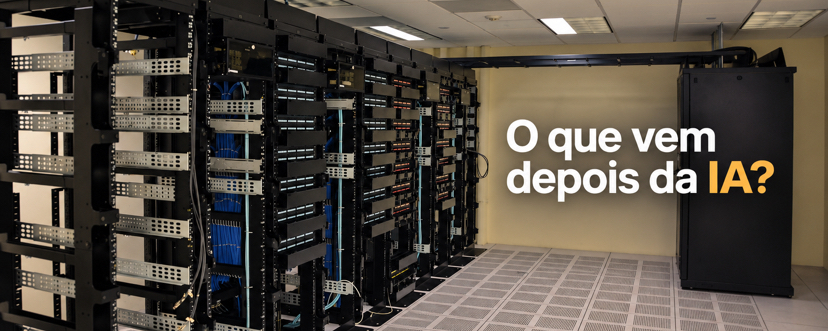
Além da IA: onde estão as próximas grandes oportunidades?Como desenvolvedor de tecnologia e dono de uma software house, tenho formação acadêmica orientada para Engenharia Blockchain. Uma das tecnologias que escolhi aprender para dominar melhor essa área foi justamente a Inteligência Artificial.
Como alguém formado e atuante na área, acredito que estamos passando por uma verdadeira metamorfose tecnológica. Minha visão para o avanço da Inteligência Artificial no longo prazo é otimista, mas acredito que algumas das maiores oportunidades podem estar justamente fora das empresas que hoje chamamos diretamente de empresas de IA.
Atualmente, muita gente está olhando principalmente para NVIDIA e para grandes nomes como OpenAI e Anthropic. Porém, existem inúmeros outros setores e empresas que podem crescer conforme a Inteligência Artificial evolui.
No Web3, por exemplo, estamos apostando alto na união dessas duas tecnologias. Nosso produto mais ambicioso atualmente reúne justamente Blockchain e Inteligência Artificial: um projeto futuro chamado FIN.
Outra área que desperta muito nosso interesse é a biotecnologia. Empresas como Moderna ($MRNA ) e Colossal Biosciences são exemplos interessantes. A Moderna vem desenvolvendo e testando vacinas terapêuticas personalizadas contra determinados tipos de câncer, enquanto a Colossal trabalha com genética e edição genética em projetos que buscam recriar características de espécies extintas.
Talvez, conforme essas tecnologias avancem, consigamos compreender melhor doenças, genética, evolução e até questões fundamentais sobre a própria vida.
Inteligência Artificial é muito mais do que um chatbot que legenda uma postagem de Instagram ou gera imagens criativas. Quando aplicada a determinados segmentos, ela pode despertar um potencial que até então permanecia praticamente oculto.
Por isso, acredito que algumas das áreas que merecem maior atenção, além das próprias empresas de IA, são Web3 + IA, saúde, medicina, biotecnologia e toda a infraestrutura necessária para sustentar essa evolução.
E existe uma camada que muitas vezes recebe menos atenção: quem fornece as condições para que a IA exista.
A $NVDA.US fornece poder computacional através de seus chips. A $ASML fornece sistemas de litografia fundamentais para fabricar semicondutores avançados. Além delas, existem empresas responsáveis por memória, energia, data centers, refrigeração, conectividade e inúmeros outros componentes dessa cadeia.
Por isso, acredito que o mercado de IA ainda deve avançar significativamente, mas parte do maior impacto poderá estar justamente nos fornecedores de infraestrutura e nas empresas capazes de transformar Inteligência Artificial em soluções.
Toda empresa gigante se torna relevante por um motivo relativamente simples: sua capacidade de resolver problemas. Quanto maior e mais importante o problema que ela consegue resolver, maior tende a ser sua relevância.
De forma resumida, essa é a minha análise: a IA será um dos grandes pivôs para encontrarmos novas soluções; a infraestrutura fornece as condições para que essa inteligência exista; e setores como saúde e finanças lidam justamente com alguns dos maiores problemas da humanidade.
Talvez as próximas grandes oportunidades da IA não estejam somente em quem constrói os modelos, mas também em quem fornece as ferramentas e em quem descobrir como utilizar essa inteligência para resolver problemas que ainda não conseguimos resolver.
#AIStocksWhatNext
{stock_us}(NVDA.US)
{stock_us}(ASML.US)
{stock_us}(MRNA.US)
Além da IA: onde estão as próximas grandes oportunidades?
Como desenvolvedor de tecnologia e dono de uma software house, tenho formação acadêmica orientada para Engenharia Blockchain. Uma das tecnologias que escolhi aprender para dominar melhor essa área foi justamente a Inteligência Artificial.
Como alguém formado e atuante na área, acredito que estamos passando por uma verdadeira metamorfose tecnológica. Minha visão para o avanço da Inteligência Artificial no longo prazo é otimista, mas acredito que algumas das maiores oportunidades podem estar justamente fora das empresas que hoje chamamos diretamente de empresas de IA.
Atualmente, muita gente está olhando principalmente para NVIDIA e para grandes nomes como OpenAI e Anthropic. Porém, existem inúmeros outros setores e empresas que podem crescer conforme a Inteligência Artificial evolui.
No Web3, por exemplo, estamos apostando alto na união dessas duas tecnologias. Nosso produto mais ambicioso atualmente reúne justamente Blockchain e Inteligência Artificial: um projeto futuro chamado FIN.
Outra área que desperta muito nosso interesse é a biotecnologia. Empresas como Moderna ($MRNA ) e Colossal Biosciences são exemplos interessantes. A Moderna vem desenvolvendo e testando vacinas terapêuticas personalizadas contra determinados tipos de câncer, enquanto a Colossal trabalha com genética e edição genética em projetos que buscam recriar características de espécies extintas.
Talvez, conforme essas tecnologias avancem, consigamos compreender melhor doenças, genética, evolução e até questões fundamentais sobre a própria vida.
Inteligência Artificial é muito mais do que um chatbot que legenda uma postagem de Instagram ou gera imagens criativas. Quando aplicada a determinados segmentos, ela pode despertar um potencial que até então permanecia praticamente oculto.
Por isso, acredito que algumas das áreas que merecem maior atenção, além das próprias empresas de IA, são Web3 + IA, saúde, medicina, biotecnologia e toda a infraestrutura necessária para sustentar essa evolução.
E existe uma camada que muitas vezes recebe menos atenção: quem fornece as condições para que a IA exista.
A $NVDA.US fornece poder computacional através de seus chips. A $ASML fornece sistemas de litografia fundamentais para fabricar semicondutores avançados. Além delas, existem empresas responsáveis por memória, energia, data centers, refrigeração, conectividade e inúmeros outros componentes dessa cadeia.
Por isso, acredito que o mercado de IA ainda deve avançar significativamente, mas parte do maior impacto poderá estar justamente nos fornecedores de infraestrutura e nas empresas capazes de transformar Inteligência Artificial em soluções.
Toda empresa gigante se torna relevante por um motivo relativamente simples: sua capacidade de resolver problemas. Quanto maior e mais importante o problema que ela consegue resolver, maior tende a ser sua relevância.
De forma resumida, essa é a minha análise: a IA será um dos grandes pivôs para encontrarmos novas soluções; a infraestrutura fornece as condições para que essa inteligência exista; e setores como saúde e finanças lidam justamente com alguns dos maiores problemas da humanidade.
Talvez as próximas grandes oportunidades da IA não estejam somente em quem constrói os modelos, mas também em quem fornece as ferramentas e em quem descobrir como utilizar essa inteligência para resolver problemas que ainda não conseguimos resolver.
#AIStocksWhatNext
Como alguém formado e atuante na área, acredito que estamos passando por uma verdadeira metamorfose tecnológica. Minha visão para o avanço da Inteligência Artificial no longo prazo é otimista, mas acredito que algumas das maiores oportunidades podem estar justamente fora das empresas que hoje chamamos diretamente de empresas de IA.
Atualmente, muita gente está olhando principalmente para NVIDIA e para grandes nomes como OpenAI e Anthropic. Porém, existem inúmeros outros setores e empresas que podem crescer conforme a Inteligência Artificial evolui.
No Web3, por exemplo, estamos apostando alto na união dessas duas tecnologias. Nosso produto mais ambicioso atualmente reúne justamente Blockchain e Inteligência Artificial: um projeto futuro chamado FIN.
Outra área que desperta muito nosso interesse é a biotecnologia. Empresas como Moderna ($MRNA ) e Colossal Biosciences são exemplos interessantes. A Moderna vem desenvolvendo e testando vacinas terapêuticas personalizadas contra determinados tipos de câncer, enquanto a Colossal trabalha com genética e edição genética em projetos que buscam recriar características de espécies extintas.
Talvez, conforme essas tecnologias avancem, consigamos compreender melhor doenças, genética, evolução e até questões fundamentais sobre a própria vida.
Inteligência Artificial é muito mais do que um chatbot que legenda uma postagem de Instagram ou gera imagens criativas. Quando aplicada a determinados segmentos, ela pode despertar um potencial que até então permanecia praticamente oculto.
Por isso, acredito que algumas das áreas que merecem maior atenção, além das próprias empresas de IA, são Web3 + IA, saúde, medicina, biotecnologia e toda a infraestrutura necessária para sustentar essa evolução.
E existe uma camada que muitas vezes recebe menos atenção: quem fornece as condições para que a IA exista.
A $NVDA.US fornece poder computacional através de seus chips. A $ASML fornece sistemas de litografia fundamentais para fabricar semicondutores avançados. Além delas, existem empresas responsáveis por memória, energia, data centers, refrigeração, conectividade e inúmeros outros componentes dessa cadeia.
Por isso, acredito que o mercado de IA ainda deve avançar significativamente, mas parte do maior impacto poderá estar justamente nos fornecedores de infraestrutura e nas empresas capazes de transformar Inteligência Artificial em soluções.
Toda empresa gigante se torna relevante por um motivo relativamente simples: sua capacidade de resolver problemas. Quanto maior e mais importante o problema que ela consegue resolver, maior tende a ser sua relevância.
De forma resumida, essa é a minha análise: a IA será um dos grandes pivôs para encontrarmos novas soluções; a infraestrutura fornece as condições para que essa inteligência exista; e setores como saúde e finanças lidam justamente com alguns dos maiores problemas da humanidade.
Talvez as próximas grandes oportunidades da IA não estejam somente em quem constrói os modelos, mas também em quem fornece as ferramentas e em quem descobrir como utilizar essa inteligência para resolver problemas que ainda não conseguimos resolver.
#AIStocksWhatNext
2
1
2
1.4k
·
--
📊 $SOL Technical Setup | Bullish (Long) 📊
🟢 Pair: $SOL
⚡ Market Bias: Bullish (Long)
━━━━━━━━━━━━━━━━━━━━━
📍 Entry Zone: $121
🎯 Target 1: $122.7457 (+1.44%)
🎯 Target 2: $124.4914 (+2.89%)
🎯 Target 3: $126.5862 (+4.62%)
⛔ Invalidation / Stop: $119.1379 (-1.54%)
━━━━━━━━━━━━━━━━━━━━━
📈 Technical Context:
4H bullish structure breakout above key moving averages with rising RSI momentum and positive order-flow volume.
👉 Follow on Square & Socials: @notfoundbiel for daily crypto market analyses!
$SOL #Crypto
📊 $SOL Technical Setup | Bullish (Long) 📊
🟢 Pair: $SOL
⚡ Market Bias: Bullish (Long)
━━━━━━━━━━━━━━━━━━━━━
📍 Entry Zone: $121
🎯 Target 1: $122.7457 (+1.44%)
🎯 Target 2: $124.4914 (+2.89%)
🎯 Target 3: $126.5862 (+4.62%)
⛔ Invalidation / Stop: $119.1379 (-1.54%)
━━━━━━━━━━━━━━━━━━━━━
📈 Technical Context:
4H bullish structure breakout above key moving averages with rising RSI momentum and positive order-flow volume.
👉 Follow on Square & Socials: @notfoundbiel for daily crypto market analyses!
$SOL #Crypto
🟢 Pair: $SOL
⚡ Market Bias: Bullish (Long)
━━━━━━━━━━━━━━━━━━━━━
📍 Entry Zone: $121
🎯 Target 1: $122.7457 (+1.44%)
🎯 Target 2: $124.4914 (+2.89%)
🎯 Target 3: $126.5862 (+4.62%)
⛔ Invalidation / Stop: $119.1379 (-1.54%)
━━━━━━━━━━━━━━━━━━━━━
📈 Technical Context:
4H bullish structure breakout above key moving averages with rising RSI momentum and positive order-flow volume.
👉 Follow on Square & Socials: @notfoundbiel for daily crypto market analyses!
$SOL #Crypto
2
·
--
In a stunning display of institutional conviction, Bitwise has extended its Solana purchases for the seventh consecutive day, defying recent price volatility. This relentless accumulation signals that smart money is not just watching the market but actively positioning for the next leg up, pushing their flagship Solana ETF product dangerously close to the critical $1.5 billion milestone. For traders, this is a clear signal that institutional demand is decoupling from short-term retail sentiment.
• 7-Day Streak: Bitwise has bought SOL for seven straight trading sessions.
• ETF Milestone: The product is nearing the $1.5B AUM threshold, a major liquidity catalyst.
• Institutional Signal: Heavy buying pressure suggests strong underlying demand despite market dips.
This sustained inflow into the Solana ETF is more than just a statistic; it represents a structural shift in how institutional capital views high-throughput L1s. With $BTC holding steady at $84,200, the broader market is stable, allowing altcoins like SOL to capture significant relative strength. The technical implications are bullish, as consistent ETF inflows often precede breakout moves by absorbing sell-side liquidity. If this trend continues, we could see a significant re-rating of Solana’s valuation relative to its peers.
Do you think this institutional accumulation will push SOL to new all-time highs, or is it a trap? Drop your analysis below! 👇
#BinanceSquare #CryptoNews #Bitcoin
In a stunning display of institutional conviction, Bitwise has extended its Solana purchases for the seventh consecutive day, defying recent price volatility. This relentless accumulation signals that smart money is not just watching the market but actively positioning for the next leg up, pushing their flagship Solana ETF product dangerously close to the critical $1.5 billion milestone. For traders, this is a clear signal that institutional demand is decoupling from short-term retail sentiment.
• 7-Day Streak: Bitwise has bought SOL for seven straight trading sessions.
• ETF Milestone: The product is nearing the $1.5B AUM threshold, a major liquidity catalyst.
• Institutional Signal: Heavy buying pressure suggests strong underlying demand despite market dips.
This sustained inflow into the Solana ETF is more than just a statistic; it represents a structural shift in how institutional capital views high-throughput L1s. With $BTC holding steady at $84,200, the broader market is stable, allowing altcoins like SOL to capture significant relative strength. The technical implications are bullish, as consistent ETF inflows often precede breakout moves by absorbing sell-side liquidity. If this trend continues, we could see a significant re-rating of Solana’s valuation relative to its peers.
Do you think this institutional accumulation will push SOL to new all-time highs, or is it a trap? Drop your analysis below! 👇
#BinanceSquare #CryptoNews #Bitcoin
• 7-Day Streak: Bitwise has bought SOL for seven straight trading sessions.
• ETF Milestone: The product is nearing the $1.5B AUM threshold, a major liquidity catalyst.
• Institutional Signal: Heavy buying pressure suggests strong underlying demand despite market dips.
This sustained inflow into the Solana ETF is more than just a statistic; it represents a structural shift in how institutional capital views high-throughput L1s. With $BTC holding steady at $84,200, the broader market is stable, allowing altcoins like SOL to capture significant relative strength. The technical implications are bullish, as consistent ETF inflows often precede breakout moves by absorbing sell-side liquidity. If this trend continues, we could see a significant re-rating of Solana’s valuation relative to its peers.
Do you think this institutional accumulation will push SOL to new all-time highs, or is it a trap? Drop your analysis below! 👇
#BinanceSquare #CryptoNews #Bitcoin

18
·
--
📊 $DOGE Technical Setup | Bullish (Long) 📊
🟢 Pair: $DOGE
⚡ Market Bias: Bullish (Long)
━━━━━━━━━━━━━━━━━━━━━
📍 Entry Zone: $0.09582
🎯 Target 1: $0.09747 (+1.72%)
🎯 Target 2: $0.09912 (+3.44%)
🎯 Target 3: $0.1011 (+5.51%)
⛔ Invalidation / Stop: $0.09406 (-1.84%)
━━━━━━━━━━━━━━━━━━━━━
📈 Technical Context:
4H bullish structure breakout above key moving averages with rising RSI momentum and positive order-flow volume.
👉 Follow on Square & Socials: @notfoundbiel for daily crypto market analyses!
$DOGE #Crypto
📊 $DOGE Technical Setup | Bullish (Long) 📊
🟢 Pair: $DOGE
⚡ Market Bias: Bullish (Long)
━━━━━━━━━━━━━━━━━━━━━
📍 Entry Zone: $0.09582
🎯 Target 1: $0.09747 (+1.72%)
🎯 Target 2: $0.09912 (+3.44%)
🎯 Target 3: $0.1011 (+5.51%)
⛔ Invalidation / Stop: $0.09406 (-1.84%)
━━━━━━━━━━━━━━━━━━━━━
📈 Technical Context:
4H bullish structure breakout above key moving averages with rising RSI momentum and positive order-flow volume.
👉 Follow on Square & Socials: @notfoundbiel for daily crypto market analyses!
$DOGE #Crypto
🟢 Pair: $DOGE
⚡ Market Bias: Bullish (Long)
━━━━━━━━━━━━━━━━━━━━━
📍 Entry Zone: $0.09582
🎯 Target 1: $0.09747 (+1.72%)
🎯 Target 2: $0.09912 (+3.44%)
🎯 Target 3: $0.1011 (+5.51%)
⛔ Invalidation / Stop: $0.09406 (-1.84%)
━━━━━━━━━━━━━━━━━━━━━
📈 Technical Context:
4H bullish structure breakout above key moving averages with rising RSI momentum and positive order-flow volume.
👉 Follow on Square & Socials: @notfoundbiel for daily crypto market analyses!
$DOGE #Crypto
11
·
--
Institutional narratives are shifting fast. While many traders assume that rising inflows into Bitcoin ETFs guarantee price appreciation, new data from CoinShares suggests the reality is far more complex. With $BTC currently trading at $84,332.85 (+0.90% in 24h), understanding the true nature of institutional demand is critical for navigating the current market cycle.
• **Basis Trades Distort Data:** Many inflows into products like IBIT are driven by arbitrage strategies (basis trades) rather than directional bets on price.
• **Demand is Unclear:** CoinShares notes that these flows offer clues to institutional activity but do not necessarily signal a bullish outlook.
• **Context is Key:** Traders must look beyond raw inflow numbers to gauge genuine conviction in the asset’s upside.
This distinction is vital for macro positioning. If a significant portion of ETF volume is neutral arbitrage rather than aggressive buying, the price support provided by institutional flows may be weaker than headlines suggest. For traders watching the $84k level, this implies that volume spikes should be analyzed alongside order book depth and derivative positioning to avoid false breakouts.
Do you believe ETF inflows are a reliable leading indicator for $BTC price action, or is it mostly noise? Drop your thoughts below! 👇
#BinanceSquare #CryptoNews #Bitcoin
Institutional narratives are shifting fast. While many traders assume that rising inflows into Bitcoin ETFs guarantee price appreciation, new data from CoinShares suggests the reality is far more complex. With $BTC currently trading at $84,332.85 (+0.90% in 24h), understanding the true nature of institutional demand is critical for navigating the current market cycle.
• **Basis Trades Distort Data:** Many inflows into products like IBIT are driven by arbitrage strategies (basis trades) rather than directional bets on price.
• **Demand is Unclear:** CoinShares notes that these flows offer clues to institutional activity but do not necessarily signal a bullish outlook.
• **Context is Key:** Traders must look beyond raw inflow numbers to gauge genuine conviction in the asset’s upside.
This distinction is vital for macro positioning. If a significant portion of ETF volume is neutral arbitrage rather than aggressive buying, the price support provided by institutional flows may be weaker than headlines suggest. For traders watching the $84k level, this implies that volume spikes should be analyzed alongside order book depth and derivative positioning to avoid false breakouts.
Do you believe ETF inflows are a reliable leading indicator for $BTC price action, or is it mostly noise? Drop your thoughts below! 👇
#BinanceSquare #CryptoNews #Bitcoin
• **Basis Trades Distort Data:** Many inflows into products like IBIT are driven by arbitrage strategies (basis trades) rather than directional bets on price.
• **Demand is Unclear:** CoinShares notes that these flows offer clues to institutional activity but do not necessarily signal a bullish outlook.
• **Context is Key:** Traders must look beyond raw inflow numbers to gauge genuine conviction in the asset’s upside.
This distinction is vital for macro positioning. If a significant portion of ETF volume is neutral arbitrage rather than aggressive buying, the price support provided by institutional flows may be weaker than headlines suggest. For traders watching the $84k level, this implies that volume spikes should be analyzed alongside order book depth and derivative positioning to avoid false breakouts.
Do you believe ETF inflows are a reliable leading indicator for $BTC price action, or is it mostly noise? Drop your thoughts below! 👇
#BinanceSquare #CryptoNews #Bitcoin

6
·
--
📊 $XRP Technical Setup | Bullish (Long) 📊
🟢 Pair: $XRP
⚡ Market Bias: Bullish (Long)
━━━━━━━━━━━━━━━━━━━━━
📍 Entry Zone: $1.554
🎯 Target 1: $1.5827 (+1.85%)
🎯 Target 2: $1.6113 (+3.69%)
🎯 Target 3: $1.6457 (+5.90%)
⛔ Invalidation / Stop: $1.5234 (-1.97%)
━━━━━━━━━━━━━━━━━━━━━
📈 Technical Context:
4H bullish structure breakout above key moving averages with rising RSI momentum and positive order-flow volume.
👉 Follow on Square & Socials: @notfoundbiel for daily crypto market analyses!
$XRP #Crypto
📊 $XRP Technical Setup | Bullish (Long) 📊
🟢 Pair: $XRP
⚡ Market Bias: Bullish (Long)
━━━━━━━━━━━━━━━━━━━━━
📍 Entry Zone: $1.554
🎯 Target 1: $1.5827 (+1.85%)
🎯 Target 2: $1.6113 (+3.69%)
🎯 Target 3: $1.6457 (+5.90%)
⛔ Invalidation / Stop: $1.5234 (-1.97%)
━━━━━━━━━━━━━━━━━━━━━
📈 Technical Context:
4H bullish structure breakout above key moving averages with rising RSI momentum and positive order-flow volume.
👉 Follow on Square & Socials: @notfoundbiel for daily crypto market analyses!
$XRP #Crypto
🟢 Pair: $XRP
⚡ Market Bias: Bullish (Long)
━━━━━━━━━━━━━━━━━━━━━
📍 Entry Zone: $1.554
🎯 Target 1: $1.5827 (+1.85%)
🎯 Target 2: $1.6113 (+3.69%)
🎯 Target 3: $1.6457 (+5.90%)
⛔ Invalidation / Stop: $1.5234 (-1.97%)
━━━━━━━━━━━━━━━━━━━━━
📈 Technical Context:
4H bullish structure breakout above key moving averages with rising RSI momentum and positive order-flow volume.
👉 Follow on Square & Socials: @notfoundbiel for daily crypto market analyses!
$XRP #Crypto
8
·
--
📊 $POL Technical Setup | Bullish (Long) 📊
🟢 Pair: $POL
⚡ Market Bias: Bullish (Long)
━━━━━━━━━━━━━━━━━━━━━
📍 Entry Zone: $0.12389
🎯 Target 1: $0.12749 (+2.91%)
🎯 Target 2: $0.13109 (+5.81%)
🎯 Target 3: $0.13541 (+9.30%)
⛔ Invalidation / Stop: $0.12005 (-3.10%)
━━━━━━━━━━━━━━━━━━━━━
📈 Technical Context:
4H bullish structure breakout above key moving averages with rising RSI momentum and positive order-flow volume.
👉 Follow on Square & Socials: @notfoundbiel for daily crypto market analyses!
$POL #Crypto
📊 $POL Technical Setup | Bullish (Long) 📊
🟢 Pair: $POL
⚡ Market Bias: Bullish (Long)
━━━━━━━━━━━━━━━━━━━━━
📍 Entry Zone: $0.12389
🎯 Target 1: $0.12749 (+2.91%)
🎯 Target 2: $0.13109 (+5.81%)
🎯 Target 3: $0.13541 (+9.30%)
⛔ Invalidation / Stop: $0.12005 (-3.10%)
━━━━━━━━━━━━━━━━━━━━━
📈 Technical Context:
4H bullish structure breakout above key moving averages with rising RSI momentum and positive order-flow volume.
👉 Follow on Square & Socials: @notfoundbiel for daily crypto market analyses!
$POL #Crypto
🟢 Pair: $POL
⚡ Market Bias: Bullish (Long)
━━━━━━━━━━━━━━━━━━━━━
📍 Entry Zone: $0.12389
🎯 Target 1: $0.12749 (+2.91%)
🎯 Target 2: $0.13109 (+5.81%)
🎯 Target 3: $0.13541 (+9.30%)
⛔ Invalidation / Stop: $0.12005 (-3.10%)
━━━━━━━━━━━━━━━━━━━━━
📈 Technical Context:
4H bullish structure breakout above key moving averages with rising RSI momentum and positive order-flow volume.
👉 Follow on Square & Socials: @notfoundbiel for daily crypto market analyses!
$POL #Crypto
7
·
--
The 9-to-5 trading era is officially over. New data from MEXC reveals a massive structural shift in global equity participation, with nearly half of all tokenized stock trading volume now occurring during pre-market, after-hours, and overnight sessions. This signals a profound decoupling from traditional U.S. market boundaries, driven by the 24/7 nature of crypto infrastructure. For traders, this means liquidity and price discovery are no longer confined to a single geographic timezone, creating new opportunities for those who can react faster than the traditional crowd.
• **Volume Shift:** 49.20% of tokenized stock volume occurred outside regular U.S. trading hours, surpassing the 40.26% seen during standard sessions.
• **User Explosion:** RealStocks users surged by 608% compared to May-June, with first-time traders increasing by 561%.
• **Sector Focus:** Semiconductors and memory stocks led trading volume, with NVIDIA seeing a 777.8% increase in RealStocks users during the earnings season.
This data highlights the accelerating convergence of TradFi and DeFi. As barriers to entry drop with 0-fee trading and extended hours, retail investors are gaining unprecedented access to global markets. The spike in NVIDIA activity around its earnings release demonstrates how tokenized assets allow for immediate reaction to news, bypassing the delays inherent in traditional brokerage systems. With $BTC holding steady at $84,358.01, the broader crypto ecosystem continues to serve as the engine for this financial innovation, providing the liquidity and speed necessary for these new asset classes to thrive.
Are you ready to trade stocks 24/7? Do you think tokenized equities will eventually overtake traditional brokerage volume? Drop your thoughts below! 👇
#BinanceSquare #CryptoNews #Bitcoin
The 9-to-5 trading era is officially over. New data from MEXC reveals a massive structural shift in global equity participation, with nearly half of all tokenized stock trading volume now occurring during pre-market, after-hours, and overnight sessions. This signals a profound decoupling from traditional U.S. market boundaries, driven by the 24/7 nature of crypto infrastructure. For traders, this means liquidity and price discovery are no longer confined to a single geographic timezone, creating new opportunities for those who can react faster than the traditional crowd.
• **Volume Shift:** 49.20% of tokenized stock volume occurred outside regular U.S. trading hours, surpassing the 40.26% seen during standard sessions.
• **User Explosion:** RealStocks users surged by 608% compared to May-June, with first-time traders increasing by 561%.
• **Sector Focus:** Semiconductors and memory stocks led trading volume, with NVIDIA seeing a 777.8% increase in RealStocks users during the earnings season.
This data highlights the accelerating convergence of TradFi and DeFi. As barriers to entry drop with 0-fee trading and extended hours, retail investors are gaining unprecedented access to global markets. The spike in NVIDIA activity around its earnings release demonstrates how tokenized assets allow for immediate reaction to news, bypassing the delays inherent in traditional brokerage systems. With $BTC holding steady at $84,358.01, the broader crypto ecosystem continues to serve as the engine for this financial innovation, providing the liquidity and speed necessary for these new asset classes to thrive.
Are you ready to trade stocks 24/7? Do you think tokenized equities will eventually overtake traditional brokerage volume? Drop your thoughts below! 👇
#BinanceSquare #CryptoNews #Bitcoin
• **Volume Shift:** 49.20% of tokenized stock volume occurred outside regular U.S. trading hours, surpassing the 40.26% seen during standard sessions.
• **User Explosion:** RealStocks users surged by 608% compared to May-June, with first-time traders increasing by 561%.
• **Sector Focus:** Semiconductors and memory stocks led trading volume, with NVIDIA seeing a 777.8% increase in RealStocks users during the earnings season.
This data highlights the accelerating convergence of TradFi and DeFi. As barriers to entry drop with 0-fee trading and extended hours, retail investors are gaining unprecedented access to global markets. The spike in NVIDIA activity around its earnings release demonstrates how tokenized assets allow for immediate reaction to news, bypassing the delays inherent in traditional brokerage systems. With $BTC holding steady at $84,358.01, the broader crypto ecosystem continues to serve as the engine for this financial innovation, providing the liquidity and speed necessary for these new asset classes to thrive.
Are you ready to trade stocks 24/7? Do you think tokenized equities will eventually overtake traditional brokerage volume? Drop your thoughts below! 👇
#BinanceSquare #CryptoNews #Bitcoin

1
·
--
📊 $APT Technical Setup | Bullish (Long) 📊
🟢 Pair: $APT
⚡ Market Bias: Bullish (Long)
━━━━━━━━━━━━━━━━━━━━━
📍 Entry Zone: $0.8378
🎯 Target 1: $0.86225 (+2.92%)
🎯 Target 2: $0.8867 (+5.84%)
🎯 Target 3: $0.91604 (+9.34%)
⛔ Invalidation / Stop: $0.81172 (-3.11%)
━━━━━━━━━━━━━━━━━━━━━
📈 Technical Context:
4H bullish structure breakout above key moving averages with rising RSI momentum and positive order-flow volume.
👉 Follow on Square & Socials: @notfoundbiel for daily crypto market analyses!
$APT #Crypto
📊 $APT Technical Setup | Bullish (Long) 📊
🟢 Pair: $APT
⚡ Market Bias: Bullish (Long)
━━━━━━━━━━━━━━━━━━━━━
📍 Entry Zone: $0.8378
🎯 Target 1: $0.86225 (+2.92%)
🎯 Target 2: $0.8867 (+5.84%)
🎯 Target 3: $0.91604 (+9.34%)
⛔ Invalidation / Stop: $0.81172 (-3.11%)
━━━━━━━━━━━━━━━━━━━━━
📈 Technical Context:
4H bullish structure breakout above key moving averages with rising RSI momentum and positive order-flow volume.
👉 Follow on Square & Socials: @notfoundbiel for daily crypto market analyses!
$APT #Crypto
🟢 Pair: $APT
⚡ Market Bias: Bullish (Long)
━━━━━━━━━━━━━━━━━━━━━
📍 Entry Zone: $0.8378
🎯 Target 1: $0.86225 (+2.92%)
🎯 Target 2: $0.8867 (+5.84%)
🎯 Target 3: $0.91604 (+9.34%)
⛔ Invalidation / Stop: $0.81172 (-3.11%)
━━━━━━━━━━━━━━━━━━━━━
📈 Technical Context:
4H bullish structure breakout above key moving averages with rising RSI momentum and positive order-flow volume.
👉 Follow on Square & Socials: @notfoundbiel for daily crypto market analyses!
$APT #Crypto
68
·
--
📊 $GRAM Technical Setup | Bearish (Short) 📊
🔴 Pair: $GRAM
⚡ Market Bias: Bearish (Short)
━━━━━━━━━━━━━━━━━━━━━
📍 Entry Zone: $1.577
🎯 Target 1: $1.5279 (+3.11%)
🎯 Target 2: $1.4789 (+6.22%)
🎯 Target 3: $1.42 (+9.96%)
⛔ Invalidation / Stop: $1.6293 (-3.32%)
━━━━━━━━━━━━━━━━━━━━━
📈 Technical Context:
4H bearish breakdown below major moving averages with strong selling pressure and negative momentum.
👉 Follow on Square & Socials: @notfoundbiel for daily crypto market analyses!
$GRAM #Crypto
📊 $GRAM Technical Setup | Bearish (Short) 📊
🔴 Pair: $GRAM
⚡ Market Bias: Bearish (Short)
━━━━━━━━━━━━━━━━━━━━━
📍 Entry Zone: $1.577
🎯 Target 1: $1.5279 (+3.11%)
🎯 Target 2: $1.4789 (+6.22%)
🎯 Target 3: $1.42 (+9.96%)
⛔ Invalidation / Stop: $1.6293 (-3.32%)
━━━━━━━━━━━━━━━━━━━━━
📈 Technical Context:
4H bearish breakdown below major moving averages with strong selling pressure and negative momentum.
👉 Follow on Square & Socials: @notfoundbiel for daily crypto market analyses!
$GRAM #Crypto
🔴 Pair: $GRAM
⚡ Market Bias: Bearish (Short)
━━━━━━━━━━━━━━━━━━━━━
📍 Entry Zone: $1.577
🎯 Target 1: $1.5279 (+3.11%)
🎯 Target 2: $1.4789 (+6.22%)
🎯 Target 3: $1.42 (+9.96%)
⛔ Invalidation / Stop: $1.6293 (-3.32%)
━━━━━━━━━━━━━━━━━━━━━
📈 Technical Context:
4H bearish breakdown below major moving averages with strong selling pressure and negative momentum.
👉 Follow on Square & Socials: @notfoundbiel for daily crypto market analyses!
$GRAM #Crypto
8
·
--
The momentum in US spot crypto ETFs is showing signs of a pause. After a massive $3.3 billion week, inflows dropped by approximately 80% on Monday, with Bitcoin and Ether funds attracting a combined $64.8 million. This sharp deceleration is a critical signal for traders, suggesting that while institutional interest remains, the aggressive buying pressure from the previous week has temporarily cooled. With $BTC trading at 84,030.50 (+1.29% in 24h), the market is currently digesting this flow shift, testing whether the recent rally has legs or if we are entering a consolidation phase.
• Inflows fell ~80% from Friday's peak to $64.8M on Monday.
• The previous week saw a historic $3.3B in net inflows.
• $BTC and ETH continue to lead the charge, maintaining positive streaks despite the slowdown.
This dip in daily inflows doesn't necessarily signal a bearish reversal, but rather a normalization of flow after an exceptional week. For $BTC, holding above the 84,000 level is crucial to maintain bullish sentiment. If inflows stabilize, we could see a breakout toward new highs; however, continued cooling may lead to sideways action as the market finds a new equilibrium. Keep an eye on Tuesday's flow data to confirm if this is a one-day blip or the start of a trend change.
Is this cooling a sign of profit-taking or just a breather before the next leg up? Drop your thoughts below! 👇
#BinanceSquare #CryptoNews #Bitcoin
The momentum in US spot crypto ETFs is showing signs of a pause. After a massive $3.3 billion week, inflows dropped by approximately 80% on Monday, with Bitcoin and Ether funds attracting a combined $64.8 million. This sharp deceleration is a critical signal for traders, suggesting that while institutional interest remains, the aggressive buying pressure from the previous week has temporarily cooled. With $BTC trading at 84,030.50 (+1.29% in 24h), the market is currently digesting this flow shift, testing whether the recent rally has legs or if we are entering a consolidation phase.
• Inflows fell ~80% from Friday's peak to $64.8M on Monday.
• The previous week saw a historic $3.3B in net inflows.
• $BTC and ETH continue to lead the charge, maintaining positive streaks despite the slowdown.
This dip in daily inflows doesn't necessarily signal a bearish reversal, but rather a normalization of flow after an exceptional week. For $BTC , holding above the 84,000 level is crucial to maintain bullish sentiment. If inflows stabilize, we could see a breakout toward new highs; however, continued cooling may lead to sideways action as the market finds a new equilibrium. Keep an eye on Tuesday's flow data to confirm if this is a one-day blip or the start of a trend change.
Is this cooling a sign of profit-taking or just a breather before the next leg up? Drop your thoughts below! 👇
#BinanceSquare #CryptoNews #Bitcoin
• Inflows fell ~80% from Friday's peak to $64.8M on Monday.
• The previous week saw a historic $3.3B in net inflows.
• $BTC and ETH continue to lead the charge, maintaining positive streaks despite the slowdown.
This dip in daily inflows doesn't necessarily signal a bearish reversal, but rather a normalization of flow after an exceptional week. For $BTC , holding above the 84,000 level is crucial to maintain bullish sentiment. If inflows stabilize, we could see a breakout toward new highs; however, continued cooling may lead to sideways action as the market finds a new equilibrium. Keep an eye on Tuesday's flow data to confirm if this is a one-day blip or the start of a trend change.
Is this cooling a sign of profit-taking or just a breather before the next leg up? Drop your thoughts below! 👇
#BinanceSquare #CryptoNews #Bitcoin

1
·
--
📊 $UNI Technical Setup | Bullish (Long) 📊
🟢 Pair: $UNI
⚡ Market Bias: Bullish (Long)
━━━━━━━━━━━━━━━━━━━━━
📍 Entry Zone: $9.066
🎯 Target 1: $9.3228 (+2.83%)
🎯 Target 2: $9.5796 (+5.67%)
🎯 Target 3: $9.8878 (+9.06%)
⛔ Invalidation / Stop: $8.7921 (-3.02%)
━━━━━━━━━━━━━━━━━━━━━
📈 Technical Context:
4H bullish structure breakout above key moving averages with rising RSI momentum and positive order-flow volume.
👉 Follow on Square & Socials: @notfoundbiel for daily crypto market analyses!
$UNI #Crypto
📊 $UNI Technical Setup | Bullish (Long) 📊
🟢 Pair: $UNI
⚡ Market Bias: Bullish (Long)
━━━━━━━━━━━━━━━━━━━━━
📍 Entry Zone: $9.066
🎯 Target 1: $9.3228 (+2.83%)
🎯 Target 2: $9.5796 (+5.67%)
🎯 Target 3: $9.8878 (+9.06%)
⛔ Invalidation / Stop: $8.7921 (-3.02%)
━━━━━━━━━━━━━━━━━━━━━
📈 Technical Context:
4H bullish structure breakout above key moving averages with rising RSI momentum and positive order-flow volume.
👉 Follow on Square & Socials: @notfoundbiel for daily crypto market analyses!
$UNI #Crypto
🟢 Pair: $UNI
⚡ Market Bias: Bullish (Long)
━━━━━━━━━━━━━━━━━━━━━
📍 Entry Zone: $9.066
🎯 Target 1: $9.3228 (+2.83%)
🎯 Target 2: $9.5796 (+5.67%)
🎯 Target 3: $9.8878 (+9.06%)
⛔ Invalidation / Stop: $8.7921 (-3.02%)
━━━━━━━━━━━━━━━━━━━━━
📈 Technical Context:
4H bullish structure breakout above key moving averages with rising RSI momentum and positive order-flow volume.
👉 Follow on Square & Socials: @notfoundbiel for daily crypto market analyses!
$UNI #Crypto
15
·
--
📊 $SUI Technical Setup | Bullish (Long) 📊
🟢 Pair: $SUI
⚡ Market Bias: Bullish (Long)
━━━━━━━━━━━━━━━━━━━━━
📍 Entry Zone: $1.1681
🎯 Target 1: $1.2035 (+3.03%)
🎯 Target 2: $1.2389 (+6.06%)
🎯 Target 3: $1.2814 (+9.70%)
⛔ Invalidation / Stop: $1.1303 (-3.24%)
━━━━━━━━━━━━━━━━━━━━━
📈 Technical Context:
4H bullish structure breakout above key moving averages with rising RSI momentum and positive order-flow volume.
👉 Follow on Square & Socials: @notfoundbiel for daily crypto market analyses!
$SUI #Crypto
📊 $SUI Technical Setup | Bullish (Long) 📊
🟢 Pair: $SUI
⚡ Market Bias: Bullish (Long)
━━━━━━━━━━━━━━━━━━━━━
📍 Entry Zone: $1.1681
🎯 Target 1: $1.2035 (+3.03%)
🎯 Target 2: $1.2389 (+6.06%)
🎯 Target 3: $1.2814 (+9.70%)
⛔ Invalidation / Stop: $1.1303 (-3.24%)
━━━━━━━━━━━━━━━━━━━━━
📈 Technical Context:
4H bullish structure breakout above key moving averages with rising RSI momentum and positive order-flow volume.
👉 Follow on Square & Socials: @notfoundbiel for daily crypto market analyses!
$SUI #Crypto
🟢 Pair: $SUI
⚡ Market Bias: Bullish (Long)
━━━━━━━━━━━━━━━━━━━━━
📍 Entry Zone: $1.1681
🎯 Target 1: $1.2035 (+3.03%)
🎯 Target 2: $1.2389 (+6.06%)
🎯 Target 3: $1.2814 (+9.70%)
⛔ Invalidation / Stop: $1.1303 (-3.24%)
━━━━━━━━━━━━━━━━━━━━━
📈 Technical Context:
4H bullish structure breakout above key moving averages with rising RSI momentum and positive order-flow volume.
👉 Follow on Square & Socials: @notfoundbiel for daily crypto market analyses!
$SUI #Crypto
19
·
--
🚨 LATEST MARKET UPDATE | $BNB
Greece gets first MiCA entrants as watchdog denies Binance-Lagarde claim
━━━━━━━━━━━━━━━━━━━━━
📌 KEY HIGHLIGHTS (TL;DR):
• Greece joined the EU MiCA register with four providers as HCMC expanded its denial of remarks attributed to officials in a report on Binance.
• Institutional flow and liquidity patterns are actively reacting to this news.
• Traders should closely watch key support and resistance zones for $BNB.
📊 MARKET IMPLICATIONS:
As volatility expands across the broader digital asset space, $BNB continues to be a central focal point for market momentum. Monitor order-book depth and funding rates for confirmation before entering high-leverage positions.
💬 COMMUNITY PULSE:
How do you see this impacting the market this week? Are you Bullish 🟢 or Bearish 🔴 on $BNB? Let us know in the comments below! 👇
━━━━━━━━━━━━━━━━━━━━━
$BNB #BinanceSquare #CryptoNews #Bitcoin
🚨 LATEST MARKET UPDATE | $BNB
Greece gets first MiCA entrants as watchdog denies Binance-Lagarde claim
━━━━━━━━━━━━━━━━━━━━━
📌 KEY HIGHLIGHTS (TL;DR):
• Greece joined the EU MiCA register with four providers as HCMC expanded its denial of remarks attributed to officials in a report on Binance.
• Institutional flow and liquidity patterns are actively reacting to this news.
• Traders should closely watch key support and resistance zones for $BNB .
📊 MARKET IMPLICATIONS:
As volatility expands across the broader digital asset space, $BNB continues to be a central focal point for market momentum. Monitor order-book depth and funding rates for confirmation before entering high-leverage positions.
💬 COMMUNITY PULSE:
How do you see this impacting the market this week? Are you Bullish 🟢 or Bearish 🔴 on $BNB ? Let us know in the comments below! 👇
━━━━━━━━━━━━━━━━━━━━━
$BNB #BinanceSquare #CryptoNews #Bitcoin
Greece gets first MiCA entrants as watchdog denies Binance-Lagarde claim
━━━━━━━━━━━━━━━━━━━━━
📌 KEY HIGHLIGHTS (TL;DR):
• Greece joined the EU MiCA register with four providers as HCMC expanded its denial of remarks attributed to officials in a report on Binance.
• Institutional flow and liquidity patterns are actively reacting to this news.
• Traders should closely watch key support and resistance zones for $BNB .
📊 MARKET IMPLICATIONS:
As volatility expands across the broader digital asset space, $BNB continues to be a central focal point for market momentum. Monitor order-book depth and funding rates for confirmation before entering high-leverage positions.
💬 COMMUNITY PULSE:
How do you see this impacting the market this week? Are you Bullish 🟢 or Bearish 🔴 on $BNB ? Let us know in the comments below! 👇
━━━━━━━━━━━━━━━━━━━━━
$BNB #BinanceSquare #CryptoNews #Bitcoin

·
--
📊 $ADA Technical Setup | Bullish (Long) 📊
🟢 Pair: $ADA
⚡ Market Bias: Bullish (Long)
━━━━━━━━━━━━━━━━━━━━━
📍 Entry Zone: $0.2529
🎯 Target 1: $0.2595 (+2.61%)
🎯 Target 2: $0.2661 (+5.22%)
🎯 Target 3: $0.27402 (+8.35%)
⛔ Invalidation / Stop: $0.24586 (-2.78%)
━━━━━━━━━━━━━━━━━━━━━
📈 Technical Context:
4H bullish structure breakout above key moving averages with rising RSI momentum and positive order-flow volume.
👉 Follow on Square & Socials: @notfoundbiel for daily crypto market analyses!
$ADA #Crypto
📊 $ADA Technical Setup | Bullish (Long) 📊
🟢 Pair: $ADA
⚡ Market Bias: Bullish (Long)
━━━━━━━━━━━━━━━━━━━━━
📍 Entry Zone: $0.2529
🎯 Target 1: $0.2595 (+2.61%)
🎯 Target 2: $0.2661 (+5.22%)
🎯 Target 3: $0.27402 (+8.35%)
⛔ Invalidation / Stop: $0.24586 (-2.78%)
━━━━━━━━━━━━━━━━━━━━━
📈 Technical Context:
4H bullish structure breakout above key moving averages with rising RSI momentum and positive order-flow volume.
👉 Follow on Square & Socials: @notfoundbiel for daily crypto market analyses!
$ADA #Crypto
🟢 Pair: $ADA
⚡ Market Bias: Bullish (Long)
━━━━━━━━━━━━━━━━━━━━━
📍 Entry Zone: $0.2529
🎯 Target 1: $0.2595 (+2.61%)
🎯 Target 2: $0.2661 (+5.22%)
🎯 Target 3: $0.27402 (+8.35%)
⛔ Invalidation / Stop: $0.24586 (-2.78%)
━━━━━━━━━━━━━━━━━━━━━
📈 Technical Context:
4H bullish structure breakout above key moving averages with rising RSI momentum and positive order-flow volume.
👉 Follow on Square & Socials: @notfoundbiel for daily crypto market analyses!
$ADA #Crypto
42
·
--
Institutional accumulation is accelerating at a pace that has traders on edge. BitMine is reportedly on track to capture 5% of the total Ether supply by early November, a massive milestone that signals deep conviction in the asset's long-term value. With Tom Lee leaving the door open for continued buying beyond this threshold, the market is watching closely to see if this corporate treasury strategy will trigger a new leg up in price.
• BitMine targets 5% of total $ETH supply by early November.
• Tom Lee hints at potential continued accumulation beyond the 5% mark.
• This institutional demand could significantly reduce circulating liquidity.
As $BTC holds steady near 83,874, the focus is shifting to altcoin strength driven by corporate treasuries. If BitMine hits this target, it validates the 'digital gold' narrative for $ETH, potentially attracting more institutional capital into the ecosystem. The reduction in available supply could create a powerful supply shock, especially if retail demand remains consistent.
Do you think BitMine will stop at 5%, or are we witnessing the start of a massive institutional squeeze on $ETH? Drop your predictions below! 👇
#BinanceSquare #CryptoNews #Bitcoin
Institutional accumulation is accelerating at a pace that has traders on edge. BitMine is reportedly on track to capture 5% of the total Ether supply by early November, a massive milestone that signals deep conviction in the asset's long-term value. With Tom Lee leaving the door open for continued buying beyond this threshold, the market is watching closely to see if this corporate treasury strategy will trigger a new leg up in price.
• BitMine targets 5% of total $ETH supply by early November.
• Tom Lee hints at potential continued accumulation beyond the 5% mark.
• This institutional demand could significantly reduce circulating liquidity.
As $BTC holds steady near 83,874, the focus is shifting to altcoin strength driven by corporate treasuries. If BitMine hits this target, it validates the 'digital gold' narrative for $ETH , potentially attracting more institutional capital into the ecosystem. The reduction in available supply could create a powerful supply shock, especially if retail demand remains consistent.
Do you think BitMine will stop at 5%, or are we witnessing the start of a massive institutional squeeze on $ETH ? Drop your predictions below! 👇
#BinanceSquare #CryptoNews #Bitcoin
• BitMine targets 5% of total $ETH supply by early November.
• Tom Lee hints at potential continued accumulation beyond the 5% mark.
• This institutional demand could significantly reduce circulating liquidity.
As $BTC holds steady near 83,874, the focus is shifting to altcoin strength driven by corporate treasuries. If BitMine hits this target, it validates the 'digital gold' narrative for $ETH , potentially attracting more institutional capital into the ecosystem. The reduction in available supply could create a powerful supply shock, especially if retail demand remains consistent.
Do you think BitMine will stop at 5%, or are we witnessing the start of a massive institutional squeeze on $ETH ? Drop your predictions below! 👇
#BinanceSquare #CryptoNews #Bitcoin

8
·
--
📊 $NEAR Technical Setup | Bearish (Short) 📊
🔴 Pair: $NEAR
⚡ Market Bias: Bearish (Short)
━━━━━━━━━━━━━━━━━━━━━
📍 Entry Zone: $4.746
🎯 Target 1: $4.5582 (+3.96%)
🎯 Target 2: $4.3704 (+7.91%)
🎯 Target 3: $4.145 (+12.66%)
⛔ Invalidation / Stop: $4.9463 (-4.22%)
━━━━━━━━━━━━━━━━━━━━━
📈 Technical Context:
4H bearish breakdown below major moving averages with strong selling pressure and negative momentum.
👉 Follow on Square & Socials: @notfoundbiel for daily crypto market analyses!
$NEAR #Crypto
📊 $NEAR Technical Setup | Bearish (Short) 📊
🔴 Pair: $NEAR
⚡ Market Bias: Bearish (Short)
━━━━━━━━━━━━━━━━━━━━━
📍 Entry Zone: $4.746
🎯 Target 1: $4.5582 (+3.96%)
🎯 Target 2: $4.3704 (+7.91%)
🎯 Target 3: $4.145 (+12.66%)
⛔ Invalidation / Stop: $4.9463 (-4.22%)
━━━━━━━━━━━━━━━━━━━━━
📈 Technical Context:
4H bearish breakdown below major moving averages with strong selling pressure and negative momentum.
👉 Follow on Square & Socials: @notfoundbiel for daily crypto market analyses!
$NEAR #Crypto
🔴 Pair: $NEAR
⚡ Market Bias: Bearish (Short)
━━━━━━━━━━━━━━━━━━━━━
📍 Entry Zone: $4.746
🎯 Target 1: $4.5582 (+3.96%)
🎯 Target 2: $4.3704 (+7.91%)
🎯 Target 3: $4.145 (+12.66%)
⛔ Invalidation / Stop: $4.9463 (-4.22%)
━━━━━━━━━━━━━━━━━━━━━
📈 Technical Context:
4H bearish breakdown below major moving averages with strong selling pressure and negative momentum.
👉 Follow on Square & Socials: @notfoundbiel for daily crypto market analyses!
$NEAR #Crypto
8
·
--
🚨 LATEST MARKET UPDATE | $BTC
Peter Brandt Names Stellar (XLM) as Long-Shot Crypto Pick
━━━━━━━━━━━━━━━━━━━━━
📌 KEY HIGHLIGHTS (TL;DR):
• Veteran commodity trader Peter Brandt has named Stellar (XLM) as a potential long-term winner, telling traders that the cryptocurrency could be a good "long shot" bet over the next several years as its price jumps nearly 7%.
• Institutional flow and liquidity patterns are actively reacting to this news.
• Traders should closely watch key support and resistance zones for $BTC.
📊 MARKET IMPLICATIONS:
As volatility expands across the broader digital asset space, $BTC continues to be a central focal point for market momentum. Monitor order-book depth and funding rates for confirmation before entering high-leverage positions.
💬 COMMUNITY PULSE:
How do you see this impacting the market this week? Are you Bullish 🟢 or Bearish 🔴 on $BTC? Let us know in the comments below! 👇
━━━━━━━━━━━━━━━━━━━━━
$BTC #BinanceSquare #CryptoNews #Bitcoin
🚨 LATEST MARKET UPDATE | $BTC
Peter Brandt Names Stellar (XLM) as Long-Shot Crypto Pick
━━━━━━━━━━━━━━━━━━━━━
📌 KEY HIGHLIGHTS (TL;DR):
• Veteran commodity trader Peter Brandt has named Stellar (XLM) as a potential long-term winner, telling traders that the cryptocurrency could be a good "long shot" bet over the next several years as its price jumps nearly 7%.
• Institutional flow and liquidity patterns are actively reacting to this news.
• Traders should closely watch key support and resistance zones for $BTC .
📊 MARKET IMPLICATIONS:
As volatility expands across the broader digital asset space, $BTC continues to be a central focal point for market momentum. Monitor order-book depth and funding rates for confirmation before entering high-leverage positions.
💬 COMMUNITY PULSE:
How do you see this impacting the market this week? Are you Bullish 🟢 or Bearish 🔴 on $BTC ? Let us know in the comments below! 👇
━━━━━━━━━━━━━━━━━━━━━
$BTC #BinanceSquare #CryptoNews #Bitcoin
Peter Brandt Names Stellar (XLM) as Long-Shot Crypto Pick
━━━━━━━━━━━━━━━━━━━━━
📌 KEY HIGHLIGHTS (TL;DR):
• Veteran commodity trader Peter Brandt has named Stellar (XLM) as a potential long-term winner, telling traders that the cryptocurrency could be a good "long shot" bet over the next several years as its price jumps nearly 7%.
• Institutional flow and liquidity patterns are actively reacting to this news.
• Traders should closely watch key support and resistance zones for $BTC .
📊 MARKET IMPLICATIONS:
As volatility expands across the broader digital asset space, $BTC continues to be a central focal point for market momentum. Monitor order-book depth and funding rates for confirmation before entering high-leverage positions.
💬 COMMUNITY PULSE:
How do you see this impacting the market this week? Are you Bullish 🟢 or Bearish 🔴 on $BTC ? Let us know in the comments below! 👇
━━━━━━━━━━━━━━━━━━━━━
$BTC #BinanceSquare #CryptoNews #Bitcoin

4
·
--
📊 $BNB Technical Setup | Bullish (Long) 📊
🟢 Pair: $BNB
⚡ Market Bias: Bullish (Long)
━━━━━━━━━━━━━━━━━━━━━
📍 Entry Zone: $768.41
🎯 Target 1: $776.1968 (+1.01%)
🎯 Target 2: $783.9836 (+2.03%)
🎯 Target 3: $793.3278 (+3.24%)
⛔ Invalidation / Stop: $760.1041 (-1.08%)
━━━━━━━━━━━━━━━━━━━━━
📈 Technical Context:
4H bullish structure breakout above key moving averages with rising RSI momentum and positive order-flow volume.
👉 Follow on Square & Socials: @notfoundbiel for daily crypto market analyses!
$BNB #Crypto
📊 $BNB Technical Setup | Bullish (Long) 📊
🟢 Pair: $BNB
⚡ Market Bias: Bullish (Long)
━━━━━━━━━━━━━━━━━━━━━
📍 Entry Zone: $768.41
🎯 Target 1: $776.1968 (+1.01%)
🎯 Target 2: $783.9836 (+2.03%)
🎯 Target 3: $793.3278 (+3.24%)
⛔ Invalidation / Stop: $760.1041 (-1.08%)
━━━━━━━━━━━━━━━━━━━━━
📈 Technical Context:
4H bullish structure breakout above key moving averages with rising RSI momentum and positive order-flow volume.
👉 Follow on Square & Socials: @notfoundbiel for daily crypto market analyses!
$BNB #Crypto
🟢 Pair: $BNB
⚡ Market Bias: Bullish (Long)
━━━━━━━━━━━━━━━━━━━━━
📍 Entry Zone: $768.41
🎯 Target 1: $776.1968 (+1.01%)
🎯 Target 2: $783.9836 (+2.03%)
🎯 Target 3: $793.3278 (+3.24%)
⛔ Invalidation / Stop: $760.1041 (-1.08%)
━━━━━━━━━━━━━━━━━━━━━
📈 Technical Context:
4H bullish structure breakout above key moving averages with rising RSI momentum and positive order-flow volume.
👉 Follow on Square & Socials: @notfoundbiel for daily crypto market analyses!
$BNB #Crypto
82
·
--
📊 $AVAX Technical Setup | Bullish (Long) 📊
🟢 Pair: $AVAX
⚡ Market Bias: Bullish (Long)
━━━━━━━━━━━━━━━━━━━━━
📍 Entry Zone: $11.227
🎯 Target 1: $11.5655 (+3.02%)
🎯 Target 2: $11.9041 (+6.03%)
🎯 Target 3: $12.3104 (+9.65%)
⛔ Invalidation / Stop: $10.8659 (-3.22%)
━━━━━━━━━━━━━━━━━━━━━
📈 Technical Context:
4H bullish structure breakout above key moving averages with rising RSI momentum and positive order-flow volume.
👉 Follow on Square & Socials: @notfoundbiel for daily crypto market analyses!
$AVAX #Crypto
📊 $AVAX Technical Setup | Bullish (Long) 📊
🟢 Pair: $AVAX
⚡ Market Bias: Bullish (Long)
━━━━━━━━━━━━━━━━━━━━━
📍 Entry Zone: $11.227
🎯 Target 1: $11.5655 (+3.02%)
🎯 Target 2: $11.9041 (+6.03%)
🎯 Target 3: $12.3104 (+9.65%)
⛔ Invalidation / Stop: $10.8659 (-3.22%)
━━━━━━━━━━━━━━━━━━━━━
📈 Technical Context:
4H bullish structure breakout above key moving averages with rising RSI momentum and positive order-flow volume.
👉 Follow on Square & Socials: @notfoundbiel for daily crypto market analyses!
$AVAX #Crypto
🟢 Pair: $AVAX
⚡ Market Bias: Bullish (Long)
━━━━━━━━━━━━━━━━━━━━━
📍 Entry Zone: $11.227
🎯 Target 1: $11.5655 (+3.02%)
🎯 Target 2: $11.9041 (+6.03%)
🎯 Target 3: $12.3104 (+9.65%)
⛔ Invalidation / Stop: $10.8659 (-3.22%)
━━━━━━━━━━━━━━━━━━━━━
📈 Technical Context:
4H bullish structure breakout above key moving averages with rising RSI momentum and positive order-flow volume.
👉 Follow on Square & Socials: @notfoundbiel for daily crypto market analyses!
$AVAX #Crypto
3
Connectez-vous pour découvrir plus de contenu
Rejoignez la communauté mondiale des adeptes de cryptomonnaies sur Binance Square
⚡️ Suviez les dernières informations importantes sur les cryptomonnaies.
💬 Jugé digne de confiance par la plus grande plateforme d’échange de cryptomonnaies au monde.
👍 Découvrez les connaissances que partagent les créateurs vérifiés.
Adresse e-mail/Nº de téléphone