

Mohamed7932
12.5k Publications

Mohamed7932
Signaler
Bloquer l’utilisateur
Tracking crypto news X@MohamedAdam7932
Ouvert au trading
Trade fréquemment
3.1 an(s)
1.4K+ Suivis
1.8K+ Abonnés
32.8K+ J’aime
Publications
Portefeuille
Tous
Citations
Vidéos
Direct
PINNED
·
--
Haussier
خطوة تنظيمية جديدة لـ Ripple!
أعلن براد غارلينغهاوس حصول Ripple National Trust Bank على الموافقة النهائية من OCC، وفقًا للتقارير الأخيرة.
🏦 الخطوة تعزز الإشراف الفيدرالي على خدمات حفظ الأصول الرقمية وإدارة احتياطيات $RLUSD، مع بقاء الرقابة التنظيمية لولاية نيويورك قائمة.
الرهان الأكبر: تعزيز ثقة المؤسسات في العملات المستقرة والبنية التحتية المالية القائمة على البلوكتشين.
هل نشهد مرحلة جديدة من تبنّي المؤسسات للأصول الرقمية؟
#XRP #RLUSD #Ripple
خطوة تنظيمية جديدة لـ Ripple!
أعلن براد غارلينغهاوس حصول Ripple National Trust Bank على الموافقة النهائية من OCC، وفقًا للتقارير الأخيرة.
🏦 الخطوة تعزز الإشراف الفيدرالي على خدمات حفظ الأصول الرقمية وإدارة احتياطيات $RLUSD، مع بقاء الرقابة التنظيمية لولاية نيويورك قائمة.
الرهان الأكبر: تعزيز ثقة المؤسسات في العملات المستقرة والبنية التحتية المالية القائمة على البلوكتشين.
هل نشهد مرحلة جديدة من تبنّي المؤسسات للأصول الرقمية؟
#XRP #RLUSD #Ripple
أعلن براد غارلينغهاوس حصول Ripple National Trust Bank على الموافقة النهائية من OCC، وفقًا للتقارير الأخيرة.
🏦 الخطوة تعزز الإشراف الفيدرالي على خدمات حفظ الأصول الرقمية وإدارة احتياطيات $RLUSD، مع بقاء الرقابة التنظيمية لولاية نيويورك قائمة.
الرهان الأكبر: تعزيز ثقة المؤسسات في العملات المستقرة والبنية التحتية المالية القائمة على البلوكتشين.
هل نشهد مرحلة جديدة من تبنّي المؤسسات للأصول الرقمية؟
#XRP #RLUSD #Ripple

1
59
PINNED
·
--
Haussier
أسبوع محوري للأسواق العالمية!
نتائج Amazon وIntel وSanDisk ستكشف مؤشرات مهمة حول زخم التكنولوجيا والذكاء الاصطناعي.
🇺🇸 الخميس: بيانات التضخم والنمو الأميركي قد تغيّر توقعات الفائدة.
🇯🇵 الجمعة: قرار بنك اليابان قد يؤثر في حركة الأسواق العالمية.
₿ ماذا عن العملات الرقمية؟ قد ترتفع التقلبات مع تغير توقعات الفائدة والسيولة وشهية المخاطرة.
⚠️ ترقّب البيانات، وأدر مخاطر صفقاتك بحذر.
#stocks #Crypto #Markets #AI
أسبوع محوري للأسواق العالمية!
نتائج Amazon وIntel وSanDisk ستكشف مؤشرات مهمة حول زخم التكنولوجيا والذكاء الاصطناعي.
🇺🇸 الخميس: بيانات التضخم والنمو الأميركي قد تغيّر توقعات الفائدة.
🇯🇵 الجمعة: قرار بنك اليابان قد يؤثر في حركة الأسواق العالمية.
₿ ماذا عن العملات الرقمية؟ قد ترتفع التقلبات مع تغير توقعات الفائدة والسيولة وشهية المخاطرة.
⚠️ ترقّب البيانات، وأدر مخاطر صفقاتك بحذر.
#stocks #Crypto #Markets #AI
نتائج Amazon وIntel وSanDisk ستكشف مؤشرات مهمة حول زخم التكنولوجيا والذكاء الاصطناعي.
🇺🇸 الخميس: بيانات التضخم والنمو الأميركي قد تغيّر توقعات الفائدة.
🇯🇵 الجمعة: قرار بنك اليابان قد يؤثر في حركة الأسواق العالمية.
₿ ماذا عن العملات الرقمية؟ قد ترتفع التقلبات مع تغير توقعات الفائدة والسيولة وشهية المخاطرة.
⚠️ ترقّب البيانات، وأدر مخاطر صفقاتك بحذر.
#stocks #Crypto #Markets #AI

1
1
4
·
--
Haussier
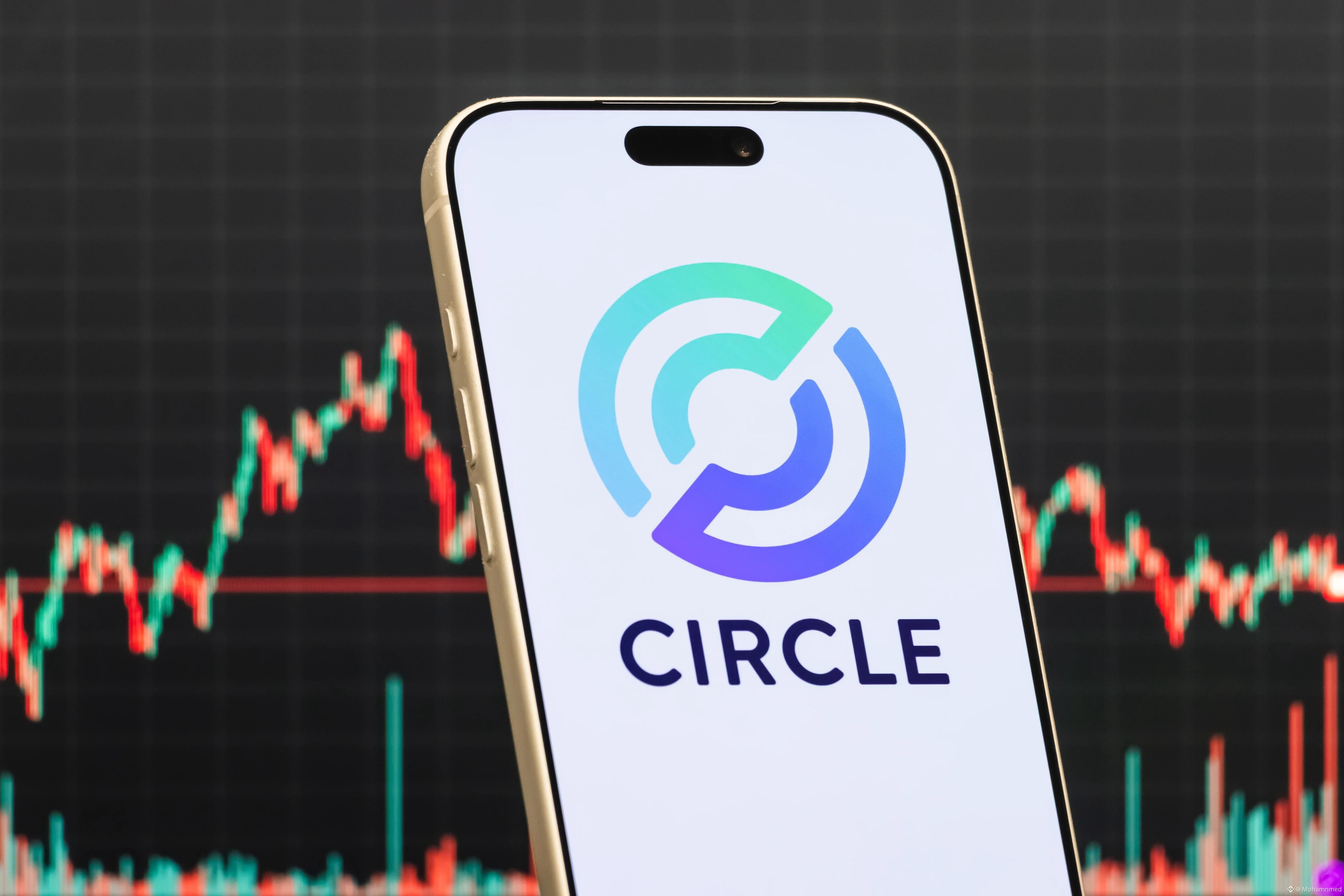
📈 كاثي وود تشتري أسهم Circle رغم تراجعها!
اشترت ARK Invest، بقيادة كاثي وود، نحو 65,615 سهمًا في Circle ($CRCL ) بقيمة تقارب 5.2 مليون دولار.
جاءت الصفقة بعد تراجع السهم بنسبة 7% يوم الاثنين، ليغلق عند 79.84 دولارًا.
هل ترى ARK Invest فرصة شراء في التراجع، أم أن الضغوط على Circle لم تنتهِ بعد؟
#CRCL #ArkInvest #crypto
📈 كاثي وود تشتري أسهم Circle رغم تراجعها!
اشترت ARK Invest، بقيادة كاثي وود، نحو 65,615 سهمًا في Circle ($CRCL ) بقيمة تقارب 5.2 مليون دولار.
جاءت الصفقة بعد تراجع السهم بنسبة 7% يوم الاثنين، ليغلق عند 79.84 دولارًا.
هل ترى ARK Invest فرصة شراء في التراجع، أم أن الضغوط على Circle لم تنتهِ بعد؟
#CRCL #ArkInvest #crypto
اشترت ARK Invest، بقيادة كاثي وود، نحو 65,615 سهمًا في Circle ($CRCL ) بقيمة تقارب 5.2 مليون دولار.
جاءت الصفقة بعد تراجع السهم بنسبة 7% يوم الاثنين، ليغلق عند 79.84 دولارًا.
هل ترى ARK Invest فرصة شراء في التراجع، أم أن الضغوط على Circle لم تنتهِ بعد؟
#CRCL #ArkInvest #crypto

1
7
·
--
Haussier
#BinancePick
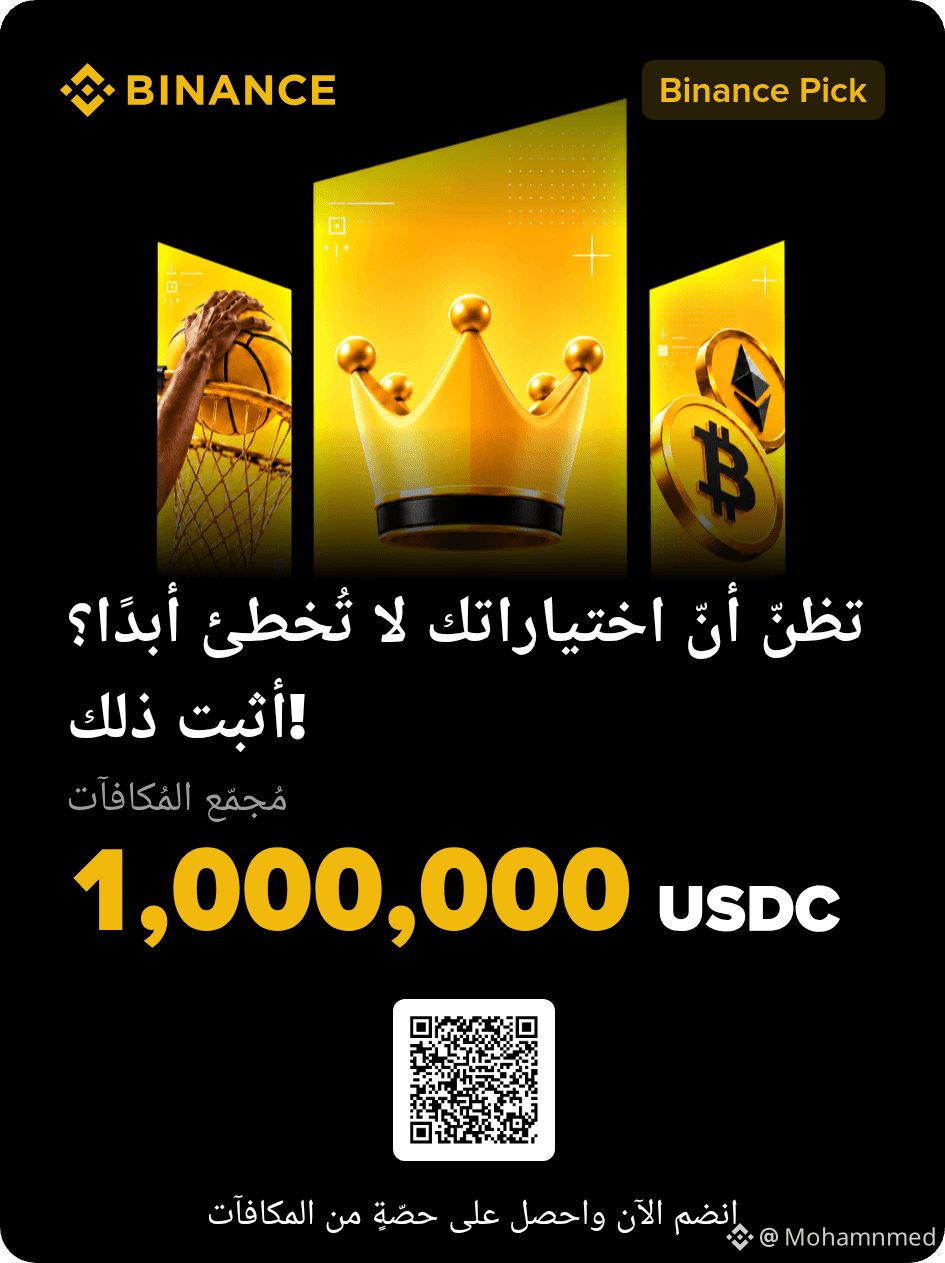
شارك في حملة #BinancePick على Binance Square!
📌 طريقة المشاركة: 1️⃣ افتح منصة Binance وانتقل إلى قسم Square. 2️⃣ أنشئ منشورًا جديدًا مرتبطًا بحملة BinancePick. 3️⃣ أضف الهاشتاغ #BinancePick إلى منشورك. 4️⃣ تأكد من أن المنشور يتجاوز 20 حرفًا ويلتزم بشروط الحملة. 5️⃣ جدّد مشاركتك يوميًا وفقًا لقواعد المهمة.
🎁 المكافأة المحتملة: +100 نقطة لكل مشاركة مستوفية للشروط، وفقًا لنظام الحملة.
⚠️ تنبيه مهم: الحصول على النقاط غير مضمون، ولا يعني نشر المحتوى بالضرورة استحقاق المكافأة؛ إذ يخضع ذلك لشروط الحملة وآلية التحقق والاحتساب لدى Binance.
احرص على نشر محتوى أصلي وذي صلة بالحملة، وراجع تفاصيل المهمة داخل Binance Square قبل المشاركة.
#BinancePick
شارك في حملة #BinancePick على Binance Square!
📌 طريقة المشاركة: 1️⃣ افتح منصة Binance وانتقل إلى قسم Square. 2️⃣ أنشئ منشورًا جديدًا مرتبطًا بحملة BinancePick. 3️⃣ أضف الهاشتاغ #BinancePick إلى منشورك. 4️⃣ تأكد من أن المنشور يتجاوز 20 حرفًا ويلتزم بشروط الحملة. 5️⃣ جدّد مشاركتك يوميًا وفقًا لقواعد المهمة.
🎁 المكافأة المحتملة: +100 نقطة لكل مشاركة مستوفية للشروط، وفقًا لنظام الحملة.
⚠️ تنبيه مهم: الحصول على النقاط غير مضمون، ولا يعني نشر المحتوى بالضرورة استحقاق المكافأة؛ إذ يخضع ذلك لشروط الحملة وآلية التحقق والاحتساب لدى Binance.
احرص على نشر محتوى أصلي وذي صلة بالحملة، وراجع تفاصيل المهمة داخل Binance Square قبل المشاركة.
شارك في حملة #BinancePick على Binance Square!
📌 طريقة المشاركة: 1️⃣ افتح منصة Binance وانتقل إلى قسم Square. 2️⃣ أنشئ منشورًا جديدًا مرتبطًا بحملة BinancePick. 3️⃣ أضف الهاشتاغ #BinancePick إلى منشورك. 4️⃣ تأكد من أن المنشور يتجاوز 20 حرفًا ويلتزم بشروط الحملة. 5️⃣ جدّد مشاركتك يوميًا وفقًا لقواعد المهمة.
🎁 المكافأة المحتملة: +100 نقطة لكل مشاركة مستوفية للشروط، وفقًا لنظام الحملة.
⚠️ تنبيه مهم: الحصول على النقاط غير مضمون، ولا يعني نشر المحتوى بالضرورة استحقاق المكافأة؛ إذ يخضع ذلك لشروط الحملة وآلية التحقق والاحتساب لدى Binance.
احرص على نشر محتوى أصلي وذي صلة بالحملة، وراجع تفاصيل المهمة داخل Binance Square قبل المشاركة.
1
1
·
--
Haussier
⚠️ هل يهدد الذكاء الاصطناعي نموذج أعمال Circle؟
خفضت ميزوهو السعر المستهدف لسهم Circle ($CRCL ) من 45 إلى 43 دولارًا، مع الإبقاء على تصنيف «أداء ضعيف».
المخاوف تتجاوز المنافسة التقليدية؛ إذ قد تدفع وكلاء الذكاء الاصطناعي المستخدمين نحو بدائل ذات عوائد أعلى، ما قد يضغط على إيرادات احتياطيات USDC بنسبة تتراوح بين 10% و20% على المدى المتوسط.
السؤال: هل يعيد الذكاء الاصطناعي رسم خريطة المنافسة في سوق العملات المستقرة؟
#Circle #USDC #AI
⚠️ هل يهدد الذكاء الاصطناعي نموذج أعمال Circle؟
خفضت ميزوهو السعر المستهدف لسهم Circle ($CRCL ) من 45 إلى 43 دولارًا، مع الإبقاء على تصنيف «أداء ضعيف».
المخاوف تتجاوز المنافسة التقليدية؛ إذ قد تدفع وكلاء الذكاء الاصطناعي المستخدمين نحو بدائل ذات عوائد أعلى، ما قد يضغط على إيرادات احتياطيات USDC بنسبة تتراوح بين 10% و20% على المدى المتوسط.
السؤال: هل يعيد الذكاء الاصطناعي رسم خريطة المنافسة في سوق العملات المستقرة؟
#Circle #USDC #AI
خفضت ميزوهو السعر المستهدف لسهم Circle ($CRCL ) من 45 إلى 43 دولارًا، مع الإبقاء على تصنيف «أداء ضعيف».
المخاوف تتجاوز المنافسة التقليدية؛ إذ قد تدفع وكلاء الذكاء الاصطناعي المستخدمين نحو بدائل ذات عوائد أعلى، ما قد يضغط على إيرادات احتياطيات USDC بنسبة تتراوح بين 10% و20% على المدى المتوسط.
السؤال: هل يعيد الذكاء الاصطناعي رسم خريطة المنافسة في سوق العملات المستقرة؟
#Circle #USDC #AI
1
2
·
--
Haussier
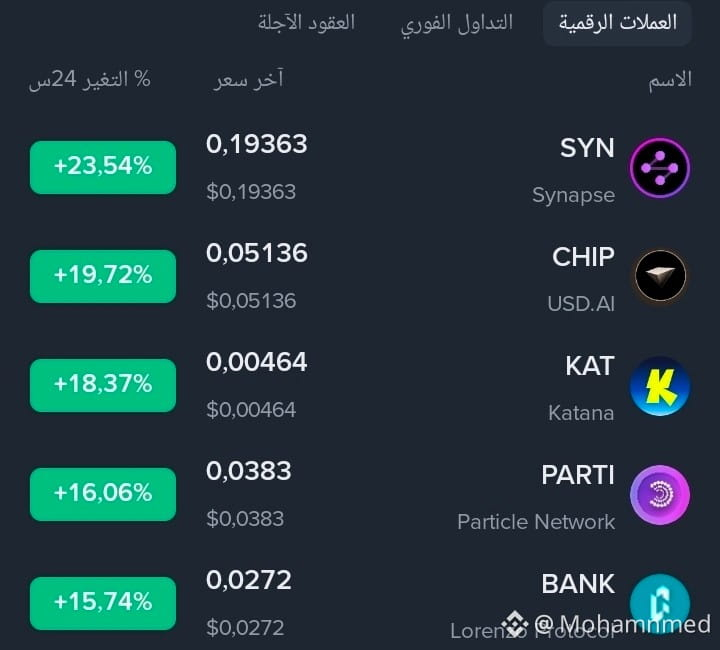
$PARTI
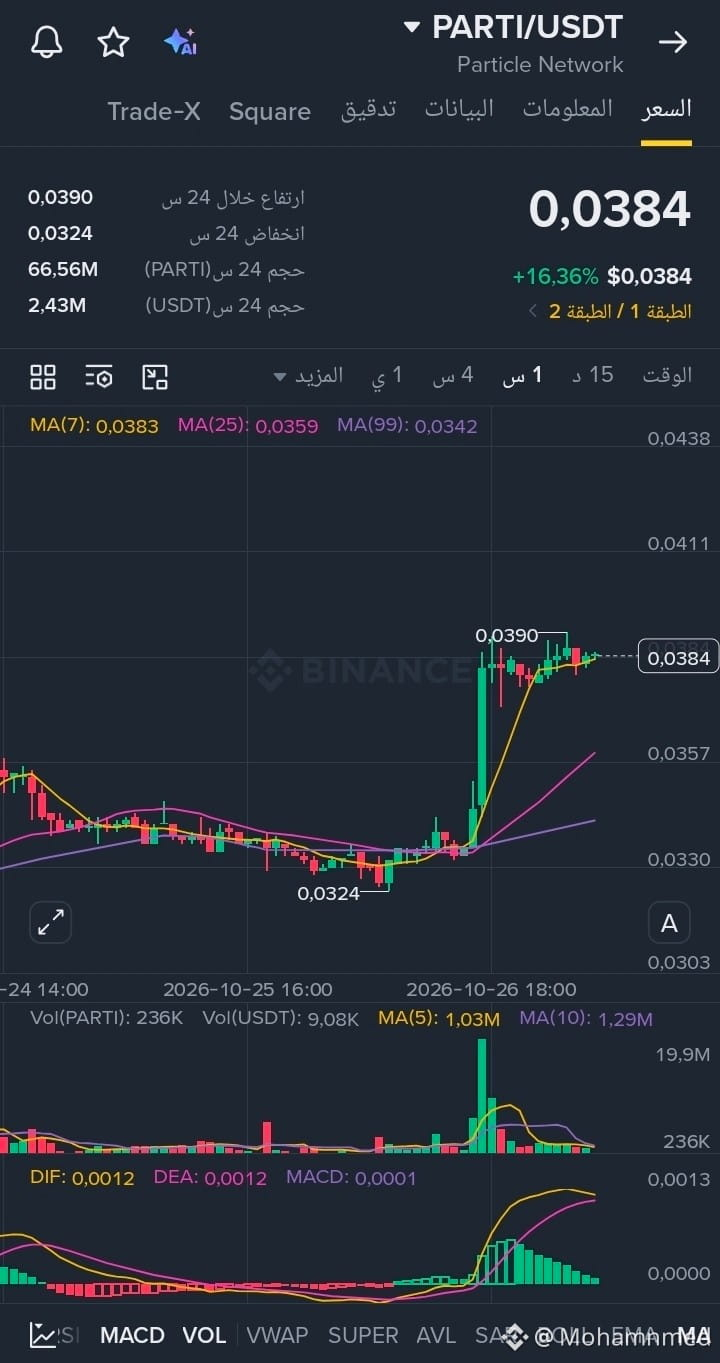
PARTI/USDT — LONG
السعر الحالي: 0.038
منطقة الدخول: 0.0370–0.0380
TP1: 0.0395
TP2: 0.0410
TP3: 0.0430
TP4: 0.0450
SL: 0.0355
التأكيد: الثبات فوق 0.0380 واختراق المقاومة يدعمان الصعود.
{future}(PARTIUSDT)
$PARTI
PARTI/USDT — LONG
السعر الحالي: 0.038
منطقة الدخول: 0.0370–0.0380
TP1: 0.0395
TP2: 0.0410
TP3: 0.0430
TP4: 0.0450
SL: 0.0355
التأكيد: الثبات فوق 0.0380 واختراق المقاومة يدعمان الصعود.
PARTI/USDT — LONG
السعر الحالي: 0.038
منطقة الدخول: 0.0370–0.0380
TP1: 0.0395
TP2: 0.0410
TP3: 0.0430
TP4: 0.0450
SL: 0.0355
التأكيد: الثبات فوق 0.0380 واختراق المقاومة يدعمان الصعود.
1
27
·
--
Haussier
🚀 بلاك روك تقترب أكثر من مستقبل التمويل الرقمي!
تتعاون SBI اليابانية وStartale لربط العملات المستقرة بالأصول المالية المُرمّزة، ضمن توجه يهدف إلى دمج الأسواق التقليدية مع البنية التحتية للبلوكشين.
ومع انضمام SBI وStartale إلى مبادرة Open Standard التي تضم BlackRock، تتسارع الجهود لربط العملات المستقرة بالدولار والين الياباني.
التحول الحقيقي ليس في إصدار الرموز فقط، بل في جعل الأصول المالية قابلة للتداول والتسوية على البلوكشين.
#blackRock #RWA #crypto
🚀 بلاك روك تقترب أكثر من مستقبل التمويل الرقمي!
تتعاون SBI اليابانية وStartale لربط العملات المستقرة بالأصول المالية المُرمّزة، ضمن توجه يهدف إلى دمج الأسواق التقليدية مع البنية التحتية للبلوكشين.
ومع انضمام SBI وStartale إلى مبادرة Open Standard التي تضم BlackRock، تتسارع الجهود لربط العملات المستقرة بالدولار والين الياباني.
التحول الحقيقي ليس في إصدار الرموز فقط، بل في جعل الأصول المالية قابلة للتداول والتسوية على البلوكشين.
#blackRock #RWA #crypto
تتعاون SBI اليابانية وStartale لربط العملات المستقرة بالأصول المالية المُرمّزة، ضمن توجه يهدف إلى دمج الأسواق التقليدية مع البنية التحتية للبلوكشين.
ومع انضمام SBI وStartale إلى مبادرة Open Standard التي تضم BlackRock، تتسارع الجهود لربط العملات المستقرة بالدولار والين الياباني.
التحول الحقيقي ليس في إصدار الرموز فقط، بل في جعل الأصول المالية قابلة للتداول والتسوية على البلوكشين.
#blackRock #RWA #crypto

1
28
·
--
Haussier
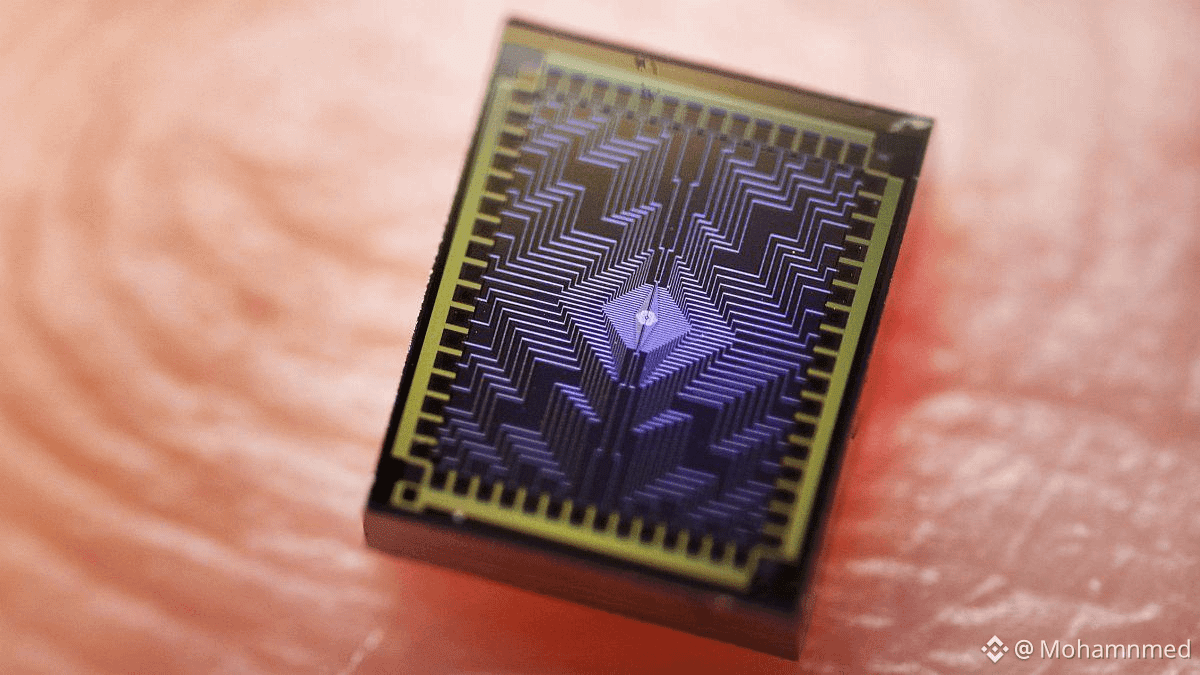
⚛️ Intel تراهن على مستقبل الحوسبة الكمومية.
وافقت Intel ($INTC ) على الاستحواذ على شركة Classiq المتخصصة في برمجيات الحوسبة الكمومية، في خطوة تستهدف بناء منظومة متكاملة تجمع بين الأجهزة والبرمجيات الكمومية.
الهدف؟ تعزيز موقع Intel في سوق قد يعيد تشكيل مستقبل الحوسبة والتكنولوجيا المتقدمة.
هل نشهد بداية سباق جديد للسيطرة على الحوسبة الكمومية؟
#INTC #QuantumComputing #AI
⚛️ Intel تراهن على مستقبل الحوسبة الكمومية.
وافقت Intel ($INTC ) على الاستحواذ على شركة Classiq المتخصصة في برمجيات الحوسبة الكمومية، في خطوة تستهدف بناء منظومة متكاملة تجمع بين الأجهزة والبرمجيات الكمومية.
الهدف؟ تعزيز موقع Intel في سوق قد يعيد تشكيل مستقبل الحوسبة والتكنولوجيا المتقدمة.
هل نشهد بداية سباق جديد للسيطرة على الحوسبة الكمومية؟
#INTC #QuantumComputing #AI
وافقت Intel ($INTC ) على الاستحواذ على شركة Classiq المتخصصة في برمجيات الحوسبة الكمومية، في خطوة تستهدف بناء منظومة متكاملة تجمع بين الأجهزة والبرمجيات الكمومية.
الهدف؟ تعزيز موقع Intel في سوق قد يعيد تشكيل مستقبل الحوسبة والتكنولوجيا المتقدمة.
هل نشهد بداية سباق جديد للسيطرة على الحوسبة الكمومية؟
#INTC #QuantumComputing #AI
1
41
·
--
Haussier
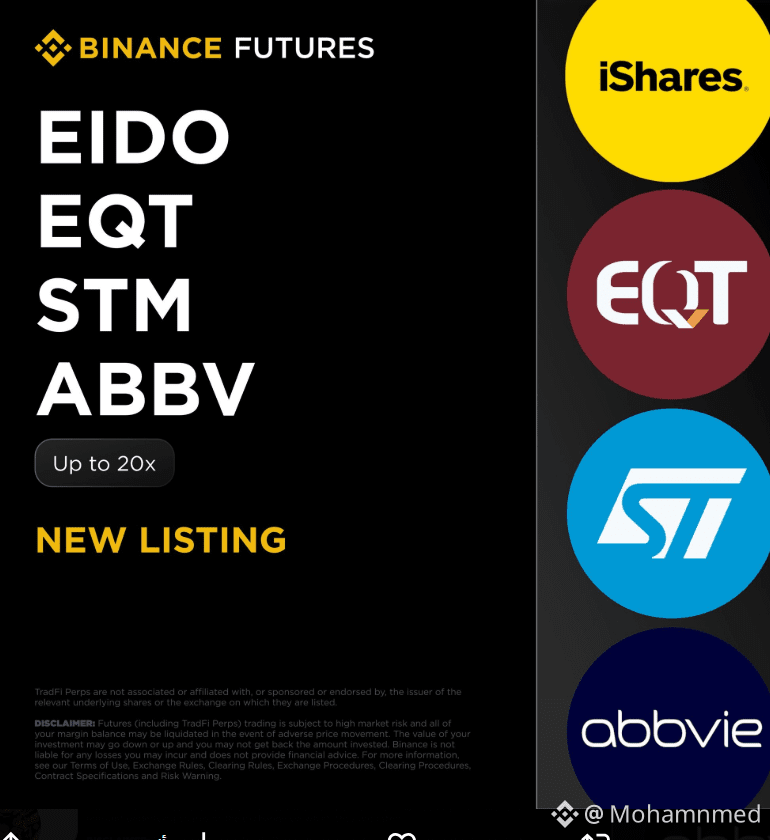
Binance Futures توسّع حضورها في الأسواق التقليدية!
أربعة عقود TradFi جديدة أصبحت متاحة للتداول على مدار الساعة، برافعة مالية تصل إلى 20x:
$EIDO — السوق الإندونيسي
$EQT — قطاع الطاقة
$STM — أشباه الموصلات
$ABBV — قطاع الأدوية
الخطوة الأهم: توسيع خيارات التداول لتشمل قطاعات تقليدية إلى جانب الكريبتو، دون التقيد بساعات الأسواق المعتادة.
⚠️ تداول العقود برافعة مالية ينطوي على مخاطر مرتفعة.
هل تصبح عقود TradFi منافسًا قويًا لعقود الكريبتو؟
#Binance #TradFi #BinanceFutures
Binance Futures توسّع حضورها في الأسواق التقليدية!
أربعة عقود TradFi جديدة أصبحت متاحة للتداول على مدار الساعة، برافعة مالية تصل إلى 20x:
$EIDO — السوق الإندونيسي
$EQT — قطاع الطاقة
$STM — أشباه الموصلات
$ABBV — قطاع الأدوية
الخطوة الأهم: توسيع خيارات التداول لتشمل قطاعات تقليدية إلى جانب الكريبتو، دون التقيد بساعات الأسواق المعتادة.
⚠️ تداول العقود برافعة مالية ينطوي على مخاطر مرتفعة.
هل تصبح عقود TradFi منافسًا قويًا لعقود الكريبتو؟
#Binance #TradFi #BinanceFutures
أربعة عقود TradFi جديدة أصبحت متاحة للتداول على مدار الساعة، برافعة مالية تصل إلى 20x:
$EIDO — السوق الإندونيسي
$EQT — قطاع الطاقة
$STM — أشباه الموصلات
$ABBV — قطاع الأدوية
الخطوة الأهم: توسيع خيارات التداول لتشمل قطاعات تقليدية إلى جانب الكريبتو، دون التقيد بساعات الأسواق المعتادة.
⚠️ تداول العقود برافعة مالية ينطوي على مخاطر مرتفعة.
هل تصبح عقود TradFi منافسًا قويًا لعقود الكريبتو؟
#Binance #TradFi #BinanceFutures
1
73
·
--
Haussier
الفرق الحقيقي تصنعه ثلاثة أمور:
🔹 تحليل قبل الدخول.
🔹 إدارة مخاطر تحمي رأس المال.
🔹 انضباط للالتزام بالخطة.
تذكّر: ليس هدفك اقتناص كل حركة في السوق، بل اتخاذ قرارات أفضل على المدى الطويل.
كيف تدير مخاطرك عندما يتحرك السوق بسرعة؟
الفرق الحقيقي تصنعه ثلاثة أمور:
🔹 تحليل قبل الدخول.
🔹 إدارة مخاطر تحمي رأس المال.
🔹 انضباط للالتزام بالخطة.
تذكّر: ليس هدفك اقتناص كل حركة في السوق، بل اتخاذ قرارات أفضل على المدى الطويل.
كيف تدير مخاطرك عندما يتحرك السوق بسرعة؟
🔹 تحليل قبل الدخول.
🔹 إدارة مخاطر تحمي رأس المال.
🔹 انضباط للالتزام بالخطة.
تذكّر: ليس هدفك اقتناص كل حركة في السوق، بل اتخاذ قرارات أفضل على المدى الطويل.
كيف تدير مخاطرك عندما يتحرك السوق بسرعة؟
1
6
·
--
Haussier
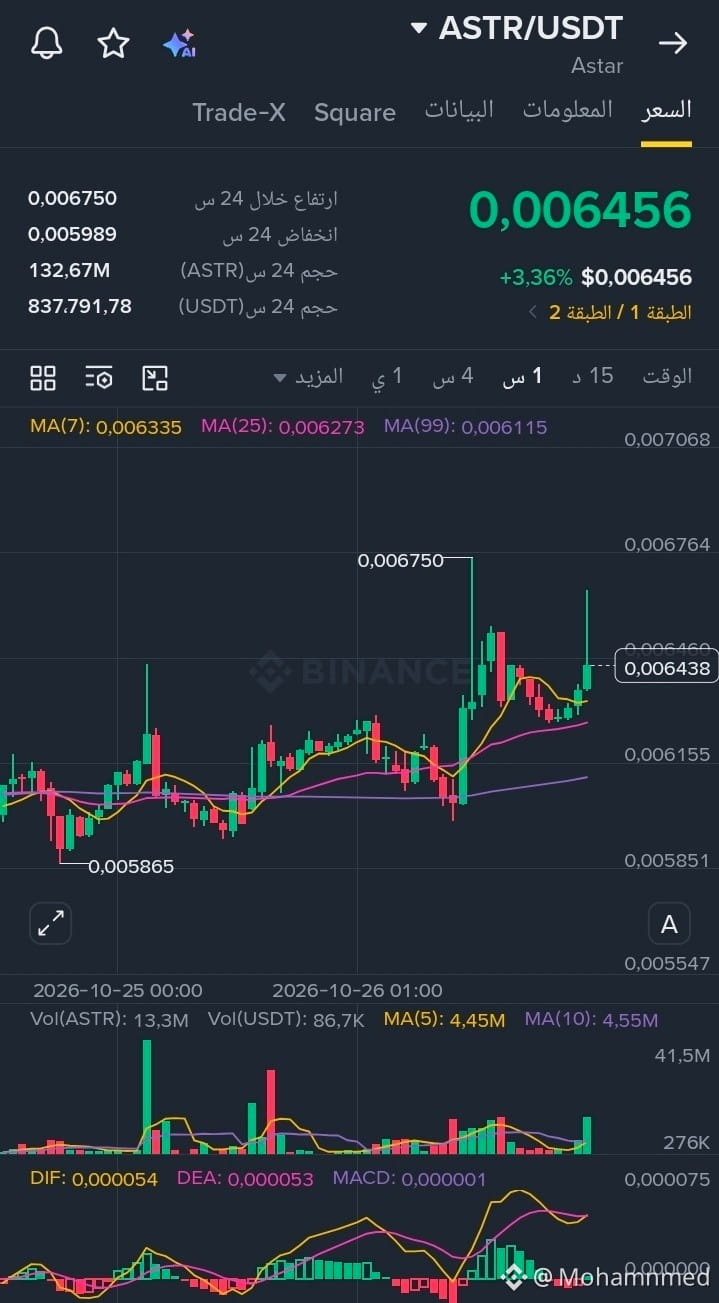
$ASTR
ASTR/USDT — LONG
سعر الدخول: 0.00645
Entry Zone: 0.00635–0.00645
TP1: 0.00655
TP2: 0.00670
TP3: 0.00685
TP4: 0.00700
Stop Loss (SL): 0.00620
التأكيد: يُفضّل الثبات فوق 0.00645 مع اختراق مقاومة قريبة وإعادة اختبار ناجحة.
{future}(ASTRUSDT)
$ASTR
ASTR/USDT — LONG
سعر الدخول: 0.00645
Entry Zone: 0.00635–0.00645
TP1: 0.00655
TP2: 0.00670
TP3: 0.00685
TP4: 0.00700
Stop Loss (SL): 0.00620
التأكيد: يُفضّل الثبات فوق 0.00645 مع اختراق مقاومة قريبة وإعادة اختبار ناجحة.
ASTR/USDT — LONG
سعر الدخول: 0.00645
Entry Zone: 0.00635–0.00645
TP1: 0.00655
TP2: 0.00670
TP3: 0.00685
TP4: 0.00700
Stop Loss (SL): 0.00620
التأكيد: يُفضّل الثبات فوق 0.00645 مع اختراق مقاومة قريبة وإعادة اختبار ناجحة.
1
2
·
--
Baissier
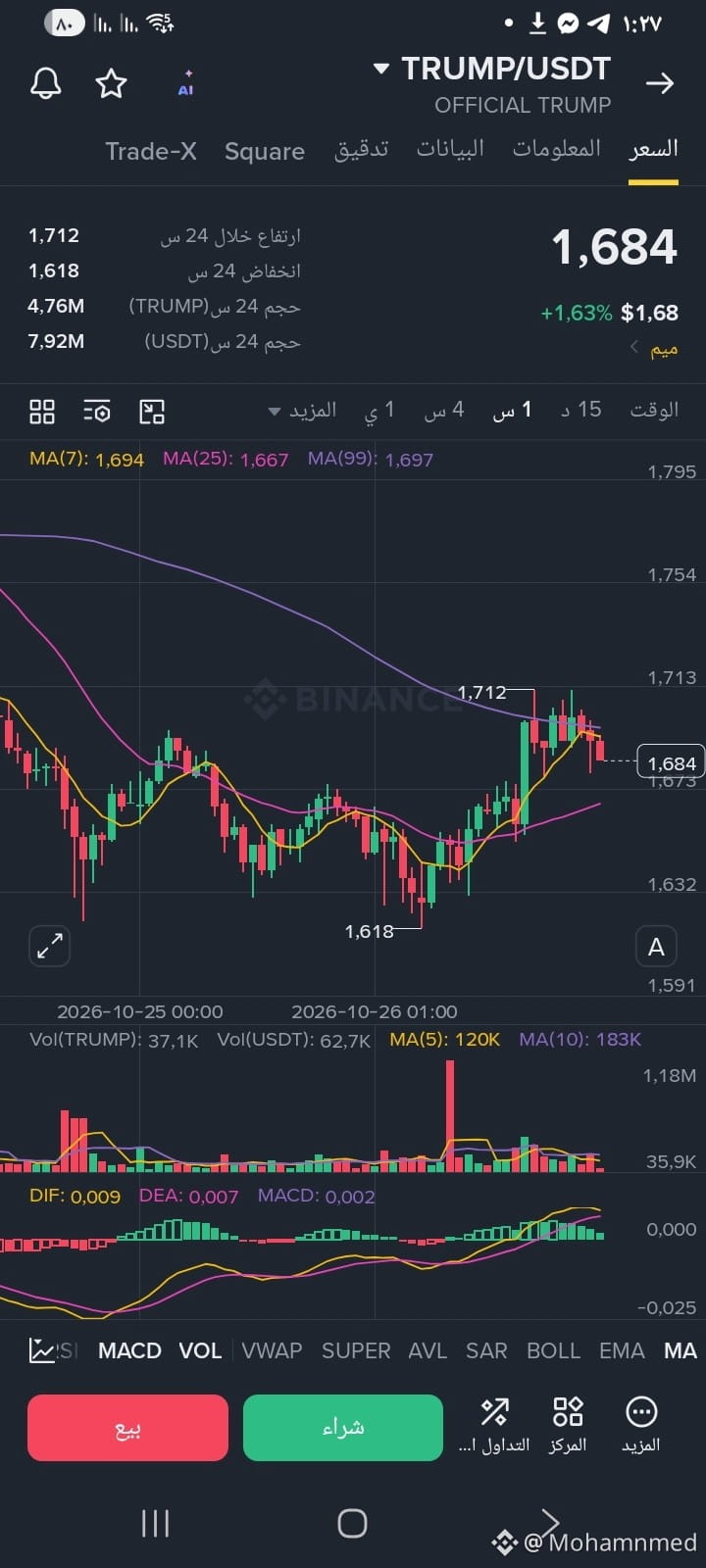
$TRUMP
TRUMP/USDT — SHORT
السعر الحالي: 1.68
منطقة الدخول: 1.68–1.72 بعد تأكيد الرفض.
TP1: 1.64
TP2: 1.60
TP3: 1.55
TP4: 1.50
وقف الخسارة (SL): 1.75
{future}(TRUMPUSDT)
$TRUMP
TRUMP/USDT — SHORT
السعر الحالي: 1.68
منطقة الدخول: 1.68–1.72 بعد تأكيد الرفض.
TP1: 1.64
TP2: 1.60
TP3: 1.55
TP4: 1.50
وقف الخسارة (SL): 1.75
TRUMP/USDT — SHORT
السعر الحالي: 1.68
منطقة الدخول: 1.68–1.72 بعد تأكيد الرفض.
TP1: 1.64
TP2: 1.60
TP3: 1.55
TP4: 1.50
وقف الخسارة (SL): 1.75
1
2
·
--
Haussier
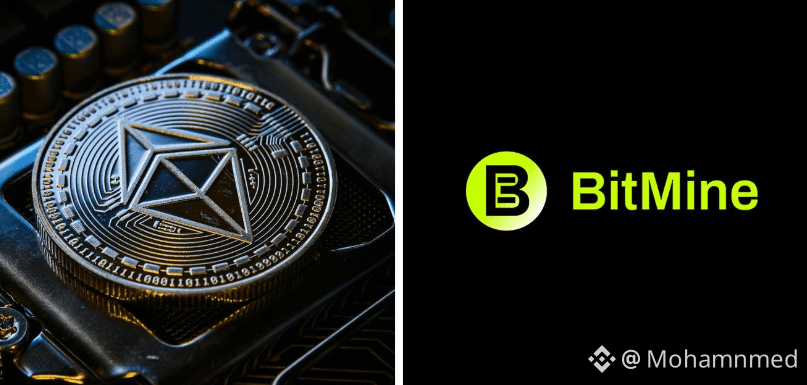
🚀 Bitmine ترسل رسالة ثقة قوية إلى السوق
إعادة شراء 2.04 مليون سهم بقيمة 45.9 مليون دولار، بالتزامن مع مواصلة زيادة احتياطياتها من ETH.
عندما تشتري الشركة أسهمها وتزيد استثماراتها في الإيثريوم في الوقت نفسه، فهي لا تتحدث عن الثقة فحسب، بل تُترجمها إلى أفعال.
#Bitmine #ETH #Crypto #Web3 #DigitalAssets
🚀 Bitmine ترسل رسالة ثقة قوية إلى السوق
إعادة شراء 2.04 مليون سهم بقيمة 45.9 مليون دولار، بالتزامن مع مواصلة زيادة احتياطياتها من ETH.
عندما تشتري الشركة أسهمها وتزيد استثماراتها في الإيثريوم في الوقت نفسه، فهي لا تتحدث عن الثقة فحسب، بل تُترجمها إلى أفعال.
#Bitmine #ETH #Crypto #Web3 #DigitalAssets
إعادة شراء 2.04 مليون سهم بقيمة 45.9 مليون دولار، بالتزامن مع مواصلة زيادة احتياطياتها من ETH.
عندما تشتري الشركة أسهمها وتزيد استثماراتها في الإيثريوم في الوقت نفسه، فهي لا تتحدث عن الثقة فحسب، بل تُترجمها إلى أفعال.
#Bitmine #ETH #Crypto #Web3 #DigitalAssets
2
8
·
--
Haussier
UBS: الفضة قد تصل إلى 80 دولارًا للأونصة بحلول 2027
رغم الضغوط قصيرة الأجل الناتجة عن قوة الدولار وتشديد السياسة النقدية، يرى بنك UBS أن النظرة المستقبلية للفضة لا تزال إيجابية.
ويستند هذا التفاؤل إلى النمو المتسارع في الطلب المرتبط بمراكز البيانات والبنية التحتية للذكاء الاصطناعي، إلى جانب استمرار العجز في المعروض ومحدودية نمو الإنتاج العالمي.
ومع استمرار الفضة في تسجيل عجز سنوي في السوق، تظل من أبرز السلع المرشحة للاستفادة من موجة التوسع التقني العالمية. 🚀📈 $XAG
#Silver #Aİ #UBS #Commodities #DataCentersForAI
UBS: الفضة قد تصل إلى 80 دولارًا للأونصة بحلول 2027
رغم الضغوط قصيرة الأجل الناتجة عن قوة الدولار وتشديد السياسة النقدية، يرى بنك UBS أن النظرة المستقبلية للفضة لا تزال إيجابية.
ويستند هذا التفاؤل إلى النمو المتسارع في الطلب المرتبط بمراكز البيانات والبنية التحتية للذكاء الاصطناعي، إلى جانب استمرار العجز في المعروض ومحدودية نمو الإنتاج العالمي.
ومع استمرار الفضة في تسجيل عجز سنوي في السوق، تظل من أبرز السلع المرشحة للاستفادة من موجة التوسع التقني العالمية. 🚀📈 $XAG
#Silver #Aİ #UBS #Commodities #DataCentersForAI
رغم الضغوط قصيرة الأجل الناتجة عن قوة الدولار وتشديد السياسة النقدية، يرى بنك UBS أن النظرة المستقبلية للفضة لا تزال إيجابية.
ويستند هذا التفاؤل إلى النمو المتسارع في الطلب المرتبط بمراكز البيانات والبنية التحتية للذكاء الاصطناعي، إلى جانب استمرار العجز في المعروض ومحدودية نمو الإنتاج العالمي.
ومع استمرار الفضة في تسجيل عجز سنوي في السوق، تظل من أبرز السلع المرشحة للاستفادة من موجة التوسع التقني العالمية. 🚀📈 $XAG
#Silver #Aİ #UBS #Commodities #DataCentersForAI

1
14
·
--
Haussier
خطوة مهمة لـ HYPE وقطاع المشتقات الرقمية:
تدرس شركة Kraken عبر ذراعها المنظمة Bitnomial إطلاق عقود دائمة (Perpetual Futures) لعملائها في الولايات المتحدة على Hyperliquid، بانتظار الموافقات التنظيمية.
في حال الموافقة، قد يشكل ذلك دفعة قوية لتبني المنتجات اللامركزية داخل السوق الأمريكي. 🚀📈
#Hyperliquid #HYPE #Kraken #Crypto
خطوة مهمة لـ HYPE وقطاع المشتقات الرقمية:
تدرس شركة Kraken عبر ذراعها المنظمة Bitnomial إطلاق عقود دائمة (Perpetual Futures) لعملائها في الولايات المتحدة على Hyperliquid، بانتظار الموافقات التنظيمية.
في حال الموافقة، قد يشكل ذلك دفعة قوية لتبني المنتجات اللامركزية داخل السوق الأمريكي. 🚀📈
#Hyperliquid #HYPE #Kraken #Crypto
تدرس شركة Kraken عبر ذراعها المنظمة Bitnomial إطلاق عقود دائمة (Perpetual Futures) لعملائها في الولايات المتحدة على Hyperliquid، بانتظار الموافقات التنظيمية.
في حال الموافقة، قد يشكل ذلك دفعة قوية لتبني المنتجات اللامركزية داخل السوق الأمريكي. 🚀📈
#Hyperliquid #HYPE #Kraken #Crypto

1
4
·
--
Haussier
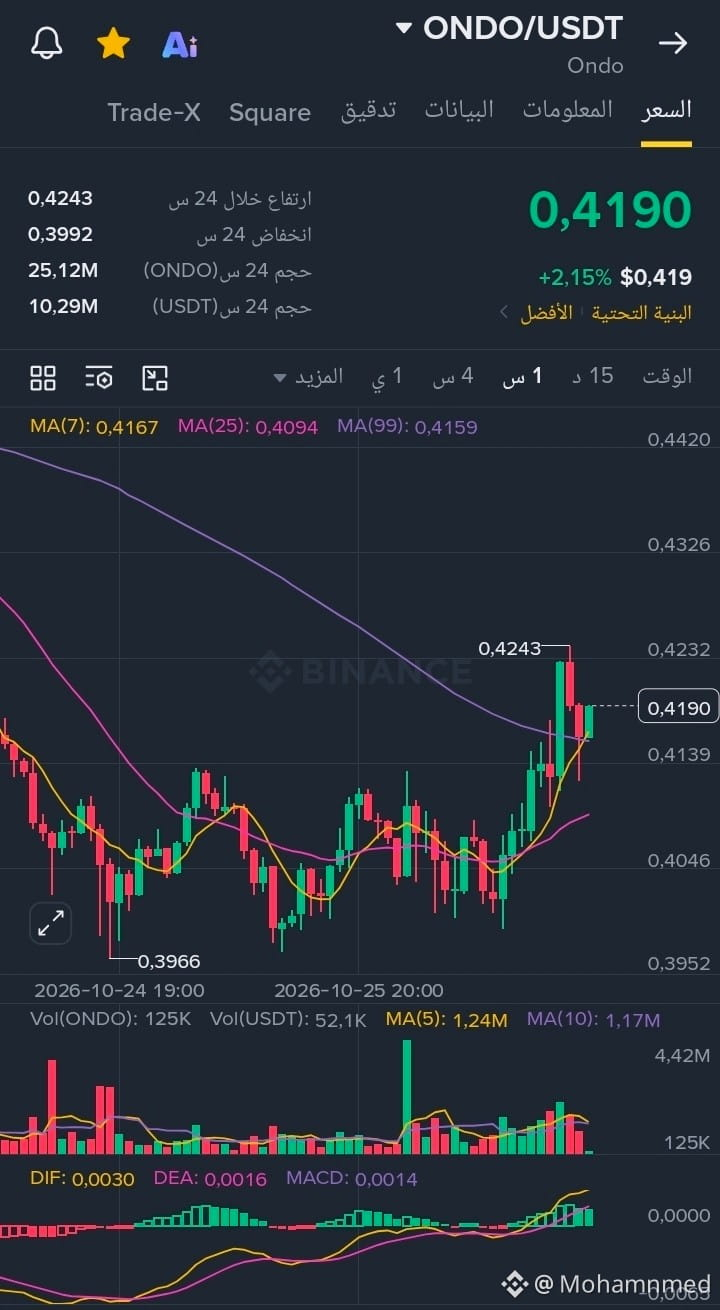
$ONDO
ONDO/USDT — LONG
Entry: 0.412 – 0.420
TP1: 0.430
TP2: 0.442
TP3: 0.455
TP4: 0.470
SL: 0.402
التأكيد: ثبات السعر فوق منطقة الدخول واختراق 0.430.
⚠️ التزم بوقف الخسارة ولا تطارد السعر.
{future}(ONDOUSDT)
$ONDO
ONDO/USDT — LONG
Entry: 0.412 – 0.420
TP1: 0.430
TP2: 0.442
TP3: 0.455
TP4: 0.470
SL: 0.402
التأكيد: ثبات السعر فوق منطقة الدخول واختراق 0.430.
⚠️ التزم بوقف الخسارة ولا تطارد السعر.
ONDO/USDT — LONG
Entry: 0.412 – 0.420
TP1: 0.430
TP2: 0.442
TP3: 0.455
TP4: 0.470
SL: 0.402
التأكيد: ثبات السعر فوق منطقة الدخول واختراق 0.430.
⚠️ التزم بوقف الخسارة ولا تطارد السعر.
1
4
·
--
Haussier
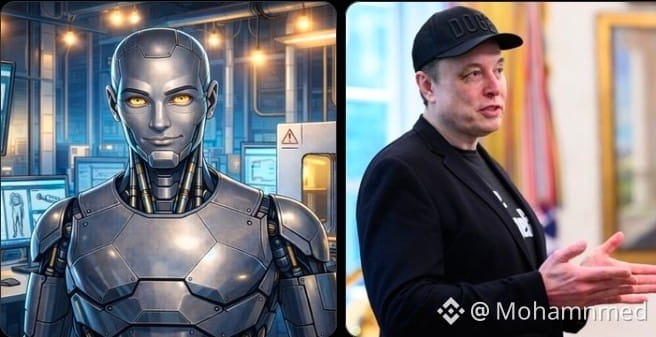
هل يقترب عصر اندماج شركات الذكاء الاصطناعي؟
يحذّر إيلون ماسك من موجة اندماجات وخروج من السوق بين شركات «السحابة المتخصصة بالذكاء الاصطناعي» (Neoclouds)، فيما تتوقع Gartner أن أكثر من 80% من مزودي هذه الخدمات قد يفقدون استقلالهم بحلول 2030.
📌 الرسالة للمستثمرين: المنافسة لن تُحسم بعدد الشركات، بل بقدرتها على توفير الحوسبة بكفاءة، وخفض التكاليف، وتحقيق أرباح مستدامة.
هل سنشهد احتكارًا أكبر للبنية التحتية للذكاء الاصطناعي؟
$NVDA $TSLA $AKT
#AI #CloudComputing #ElonMusk
هل يقترب عصر اندماج شركات الذكاء الاصطناعي؟
يحذّر إيلون ماسك من موجة اندماجات وخروج من السوق بين شركات «السحابة المتخصصة بالذكاء الاصطناعي» (Neoclouds)، فيما تتوقع Gartner أن أكثر من 80% من مزودي هذه الخدمات قد يفقدون استقلالهم بحلول 2030.
📌 الرسالة للمستثمرين: المنافسة لن تُحسم بعدد الشركات، بل بقدرتها على توفير الحوسبة بكفاءة، وخفض التكاليف، وتحقيق أرباح مستدامة.
هل سنشهد احتكارًا أكبر للبنية التحتية للذكاء الاصطناعي؟
$NVDA $TSLA $AKT
#AI #CloudComputing #ElonMusk
يحذّر إيلون ماسك من موجة اندماجات وخروج من السوق بين شركات «السحابة المتخصصة بالذكاء الاصطناعي» (Neoclouds)، فيما تتوقع Gartner أن أكثر من 80% من مزودي هذه الخدمات قد يفقدون استقلالهم بحلول 2030.
📌 الرسالة للمستثمرين: المنافسة لن تُحسم بعدد الشركات، بل بقدرتها على توفير الحوسبة بكفاءة، وخفض التكاليف، وتحقيق أرباح مستدامة.
هل سنشهد احتكارًا أكبر للبنية التحتية للذكاء الاصطناعي؟
$NVDA $TSLA $AKT
#AI #CloudComputing #ElonMusk
1
9
·
--
Haussier
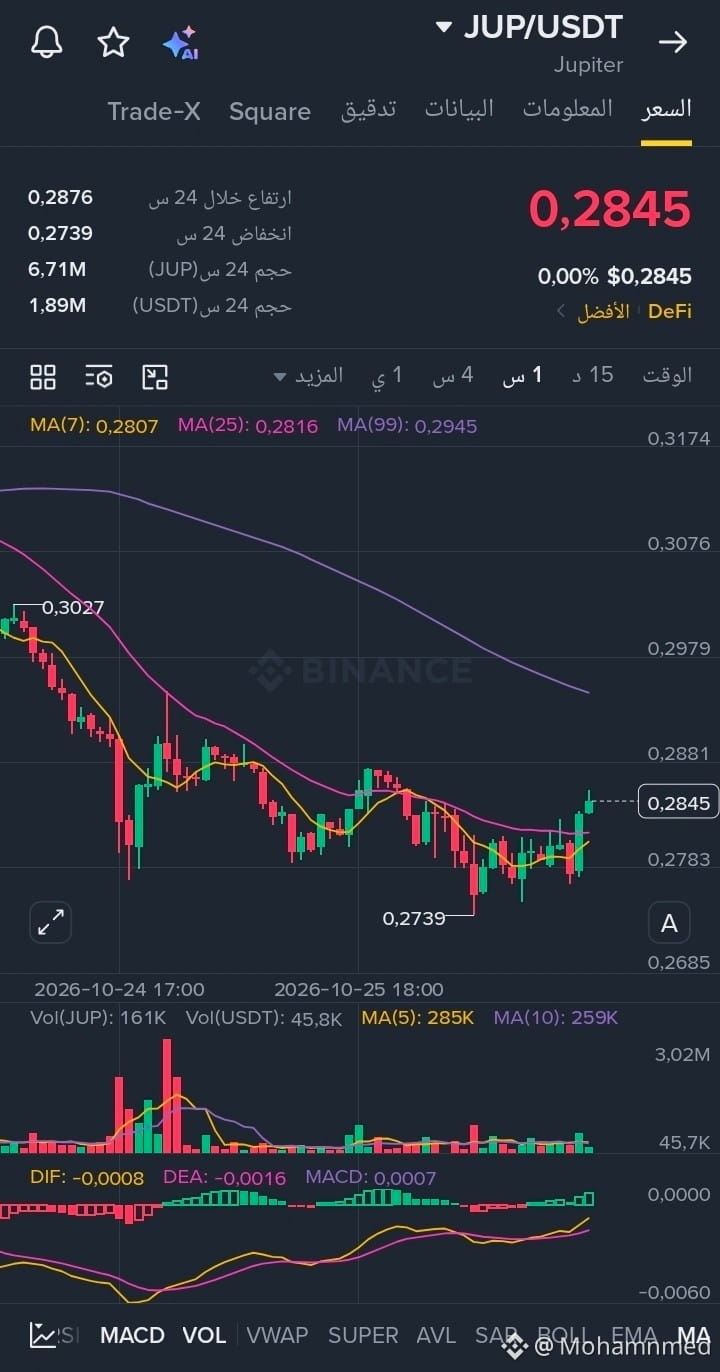
$JUP
JUP/USDT — LONG
Entry: 0.280–0.284
TP1: 0.290
TP2: 0.298
TP3: 0.308
TP4: 0.320
Stop Loss: 0.272
التأكيد: الدخول بعد ارتداد واضح وتأكيد الزخم الشرائي. إغلاق السعر دون 0.272 يُبطل السيناريو.
إدارة الصفقة: أمّن الأرباح تدريجيًا، ولا تطارد السعر. المخاطرة أولًا، والرافعة بحذر.
{future}(JUPUSDT)
$JUP
JUP/USDT — LONG
Entry: 0.280–0.284
TP1: 0.290
TP2: 0.298
TP3: 0.308
TP4: 0.320
Stop Loss: 0.272
التأكيد: الدخول بعد ارتداد واضح وتأكيد الزخم الشرائي. إغلاق السعر دون 0.272 يُبطل السيناريو.
إدارة الصفقة: أمّن الأرباح تدريجيًا، ولا تطارد السعر. المخاطرة أولًا، والرافعة بحذر.
JUP/USDT — LONG
Entry: 0.280–0.284
TP1: 0.290
TP2: 0.298
TP3: 0.308
TP4: 0.320
Stop Loss: 0.272
التأكيد: الدخول بعد ارتداد واضح وتأكيد الزخم الشرائي. إغلاق السعر دون 0.272 يُبطل السيناريو.
إدارة الصفقة: أمّن الأرباح تدريجيًا، ولا تطارد السعر. المخاطرة أولًا، والرافعة بحذر.
1
5
Connectez-vous pour découvrir plus de contenu
Rejoignez la communauté mondiale des adeptes de cryptomonnaies sur Binance Square
⚡️ Suviez les dernières informations importantes sur les cryptomonnaies.
💬 Jugé digne de confiance par la plus grande plateforme d’échange de cryptomonnaies au monde.
👍 Découvrez les connaissances que partagent les créateurs vérifiés.
Adresse e-mail/Nº de téléphone
Sujets d’actualité
BinancePick
3.3M vues
161,908 mentions
Join #EarningsSeason: Predict Earnings on Binance Pick, Share Your Take on Binance Square!
Binance Square Official
·417 mentions J’aime
·344.7k vues
EarningsSeason
5.4M vues
26,590 mentions
StrategySkipsBitcoinPurchasesSpends$205MOnSTRCBuybacks
102 vues
6 mentions