

清灵 BNB
6.9k Publications

清灵 BNB
Signaler
Bloquer l’utilisateur
Crypto Trader | Sharing Market Insights , Trends |
Trade régulièrement
5 an(s)
8 Suivis
3.0K+ Abonnés
22.1K+ J’aime
Publications
Tous
Citations
PINNED
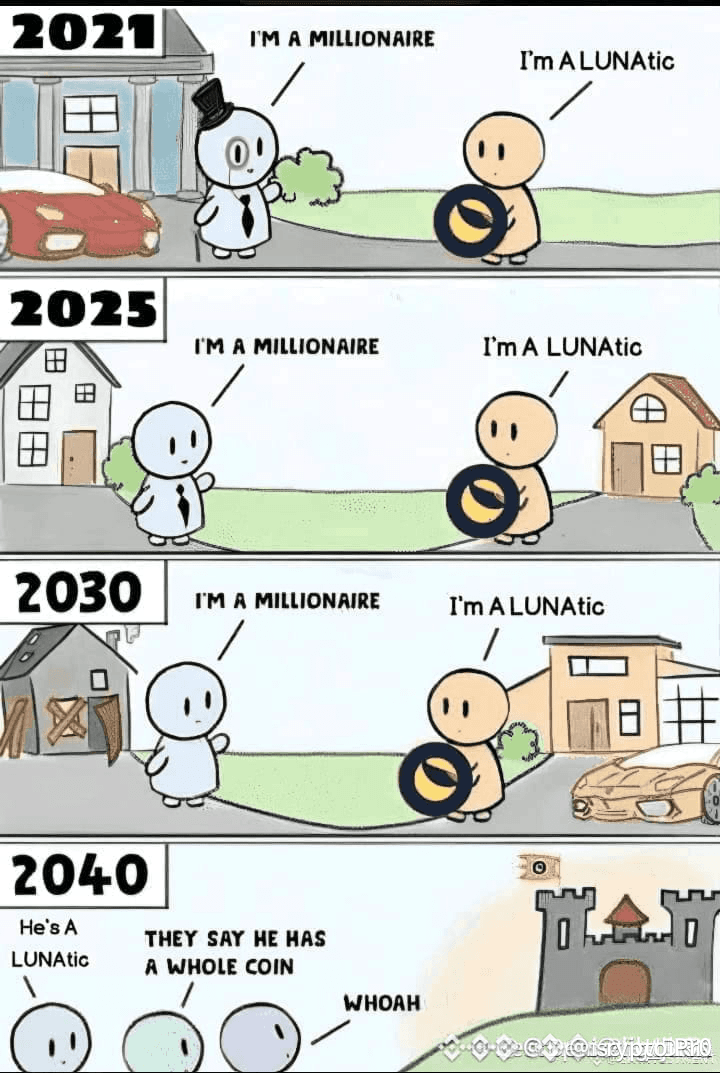
PINNED
·
--
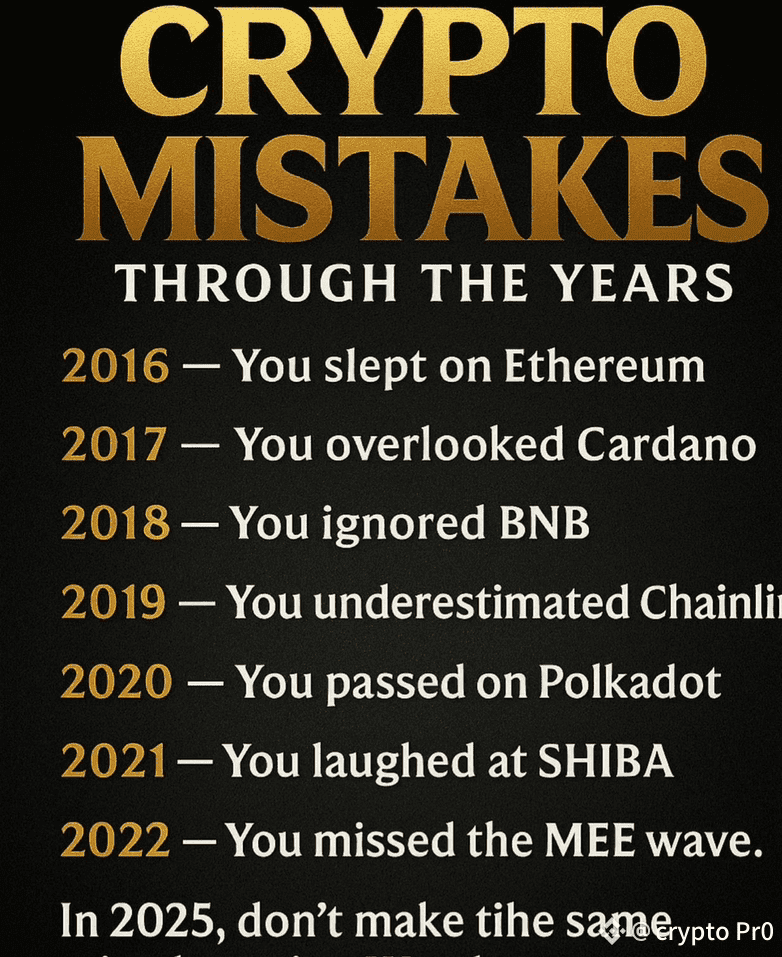
You missed ETH at $8 in 2016.
Ignored #ADA at $0.03 in 2017.
Skipped $BNB at $24 in 2018.
Slept on $LINK at $4.50 in 2019.
Passed on $DOT under $10 in 2020.
Laughed at $SHIB before it 1000x’d in 2021.
Overlooked MEE at $0.03 in 2022.
2025 — Will you miss again?
Stay sharp. Watch closely.
You missed ETH at $8 in 2016.
Ignored #ADA at $0.03 in 2017.
Skipped $BNB at $24 in 2018.
Slept on $LINK at $4.50 in 2019.
Passed on $DOT under $10 in 2020.
Laughed at $SHIB before it 1000x’d in 2021.
Overlooked MEE at $0.03 in 2022.
2025 — Will you miss again?
Stay sharp. Watch closely.
Ignored #ADA at $0.03 in 2017.
Skipped $BNB at $24 in 2018.
Slept on $LINK at $4.50 in 2019.
Passed on $DOT under $10 in 2020.
Laughed at $SHIB before it 1000x’d in 2021.
Overlooked MEE at $0.03 in 2022.
2025 — Will you miss again?
Stay sharp. Watch closely.
201
134
390
840.2k
·
--
If altseason really wakes up again, these 5 are staying on my watchlist. 👀📈
$UNI → $12–$25
$INJ → $12–$18
$ICP → $10–$12
$AVAX → $10–$20
$SUI → $3–$5
Different narratives and different ecosystems, but each could have room to move if fresh liquidity returns to altcoins.
Which one would you pick for the strongest comeback? 🔥
#Altcoins #CryptoUniverseOfficial
If altseason really wakes up again, these 5 are staying on my watchlist. 👀📈
$UNI → $12–$25
$INJ → $12–$18
$ICP → $10–$12
$AVAX → $10–$20
$SUI → $3–$5
Different narratives and different ecosystems, but each could have room to move if fresh liquidity returns to altcoins.
Which one would you pick for the strongest comeback? 🔥
#Altcoins #CryptoUniverseOfficial
$UNI → $12–$25
$INJ → $12–$18
$ICP → $10–$12
$AVAX → $10–$20
$SUI → $3–$5
Different narratives and different ecosystems, but each could have room to move if fresh liquidity returns to altcoins.
Which one would you pick for the strongest comeback? 🔥
#Altcoins #CryptoUniverseOfficial

4
147
·
--
🚨 BREAKING: CLARITY ACT STALLS IN THE SENATE 🇺🇸
The CLARITY Act has reportedly hit a major roadblock after a Senate procedural vote failed to reach the 60-vote threshold needed to advance.
🏛️ Reported vote: 50–49
⚖️ The crypto market-structure push now faces another delay
📈 Traders are watching closely for the market reaction
With regulatory uncertainty back in focus, could volatility be about to pick up again? 👀
$SKYAI $BULLA $IOST
#USSenateBlocksClarityAct #CryptoNews #Crypto
🚨 BREAKING: CLARITY ACT STALLS IN THE SENATE 🇺🇸
The CLARITY Act has reportedly hit a major roadblock after a Senate procedural vote failed to reach the 60-vote threshold needed to advance.
🏛️ Reported vote: 50–49
⚖️ The crypto market-structure push now faces another delay
📈 Traders are watching closely for the market reaction
With regulatory uncertainty back in focus, could volatility be about to pick up again? 👀
$SKYAI $BULLA $IOST
#USSenateBlocksClarityAct #CryptoNews #Crypto
The CLARITY Act has reportedly hit a major roadblock after a Senate procedural vote failed to reach the 60-vote threshold needed to advance.
🏛️ Reported vote: 50–49
⚖️ The crypto market-structure push now faces another delay
📈 Traders are watching closely for the market reaction
With regulatory uncertainty back in focus, could volatility be about to pick up again? 👀
$SKYAI $BULLA $IOST
#USSenateBlocksClarityAct #CryptoNews #Crypto
3
102
·
--
🚨 BREAKING: CLARITY ACT FAILS TO SECURE 60 VOTES
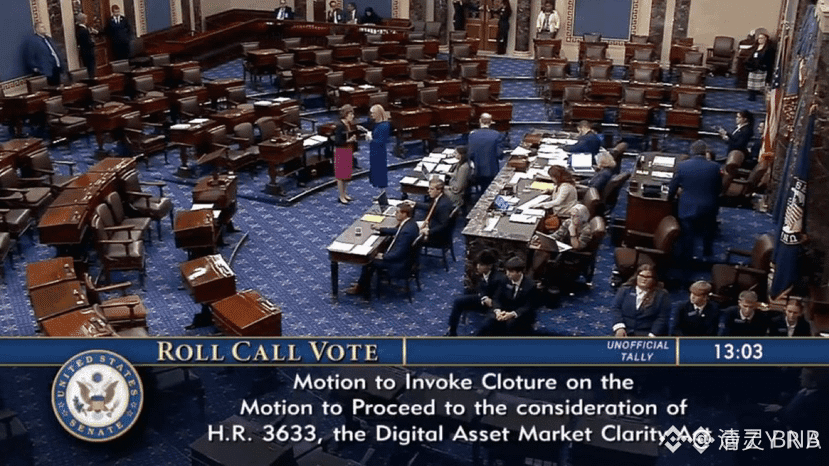
The CLARITY Act did not receive the 60 votes required to advance through the Senate’s procedural hurdle.
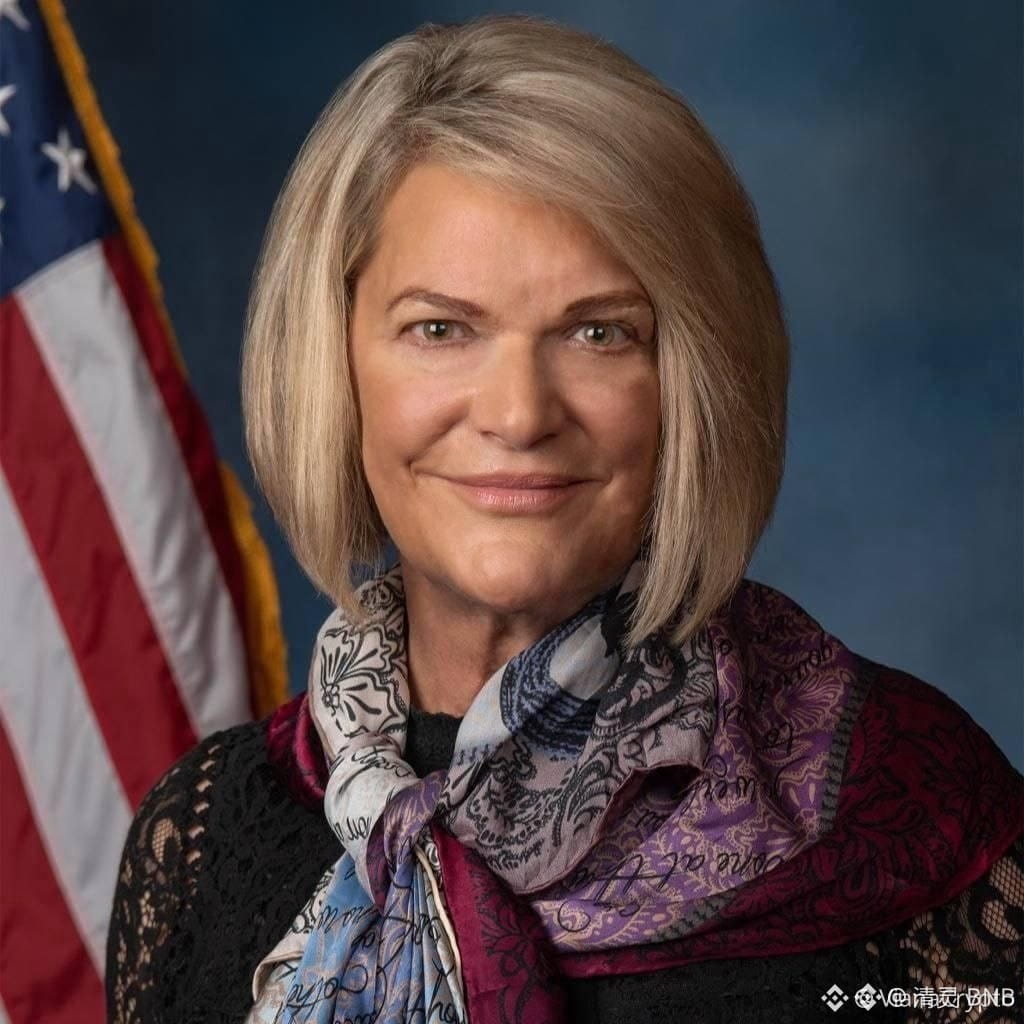
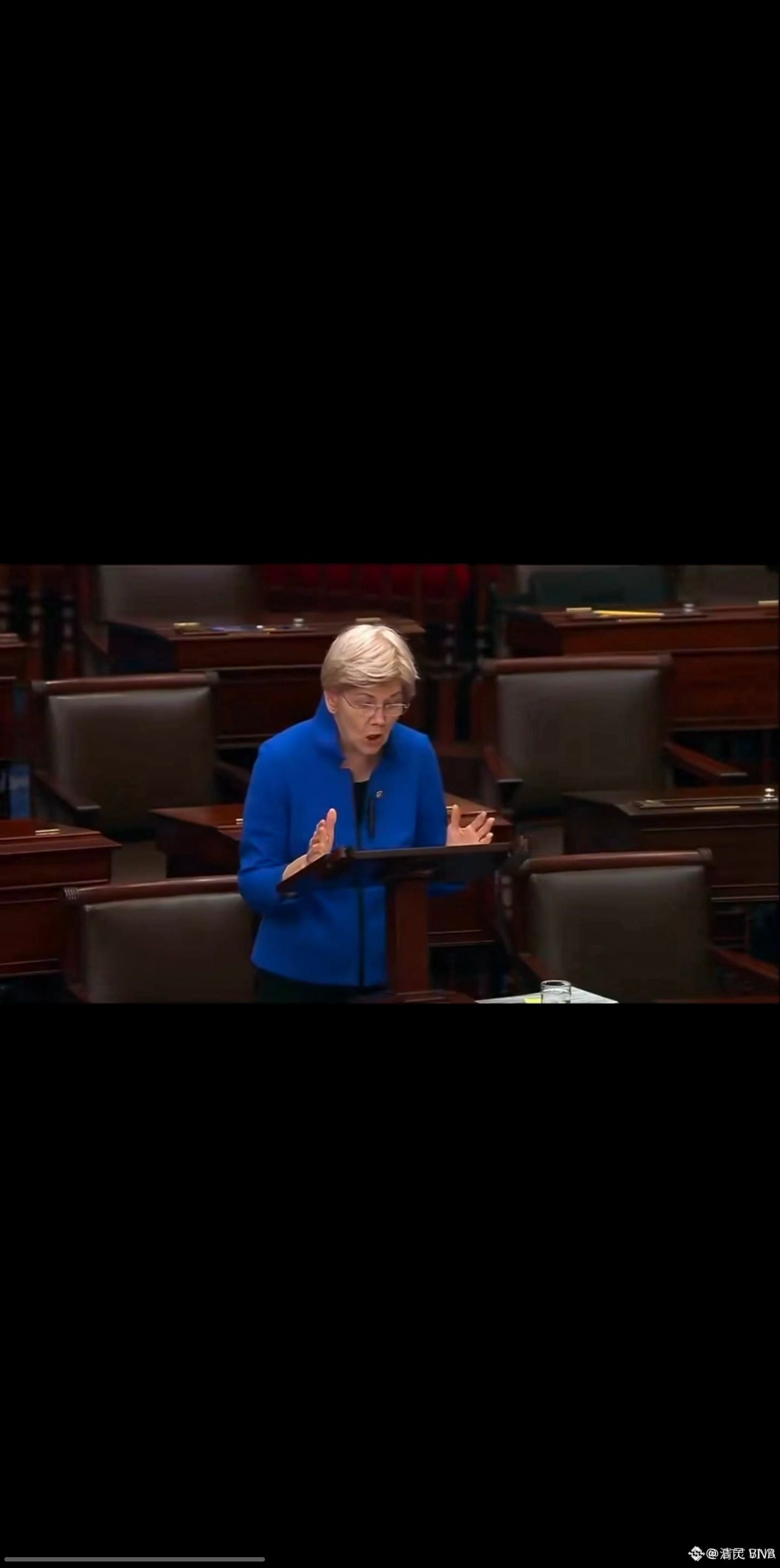
Sen. Elizabeth Warren has opposed the legislation and raised concerns about the potential risks she believes it could create for the U.S. financial system.
The setback keeps crypto regulation in the spotlight and leaves the bill’s next steps uncertain.
$BNB
#USSenateBlocksClarityAct #FedRateWatch #ClarityActOddsHalveOnPolymarket
🚨 BREAKING: CLARITY ACT FAILS TO SECURE 60 VOTES
The CLARITY Act did not receive the 60 votes required to advance through the Senate’s procedural hurdle.
Sen. Elizabeth Warren has opposed the legislation and raised concerns about the potential risks she believes it could create for the U.S. financial system.
The setback keeps crypto regulation in the spotlight and leaves the bill’s next steps uncertain.
$BNB
#USSenateBlocksClarityAct #FedRateWatch #ClarityActOddsHalveOnPolymarket
The CLARITY Act did not receive the 60 votes required to advance through the Senate’s procedural hurdle.
Sen. Elizabeth Warren has opposed the legislation and raised concerns about the potential risks she believes it could create for the U.S. financial system.
The setback keeps crypto regulation in the spotlight and leaves the bill’s next steps uncertain.
$BNB
#USSenateBlocksClarityAct #FedRateWatch #ClarityActOddsHalveOnPolymarket
2
100
·
--
The CLARITY Act falling short of the 60-vote threshold isn’t just another political delay — it keeps uncertainty hanging over crypto.
Builders are still waiting for clearer rules. Exchanges still lack a fully defined path, while institutions have to factor regulatory uncertainty into their decisions.
For me, $BTC’s reaction matters more than the headline itself.
If Bitcoin holds its range, traders may treat this as another frustrating delay. But if key support breaks with strong volume, the news could add to broader risk-off pressure.
Crypto’s regulatory story isn’t necessarily over.
It just lost more time — and in a thin-liquidity market, delays can matter.
$BTC
#ClarityActOddsHalveOnPolymarket #Bitcoin #FedRateWatch #BitcoinSlidesTo76000
The CLARITY Act falling short of the 60-vote threshold isn’t just another political delay — it keeps uncertainty hanging over crypto.
Builders are still waiting for clearer rules. Exchanges still lack a fully defined path, while institutions have to factor regulatory uncertainty into their decisions.
For me, $BTC’s reaction matters more than the headline itself.
If Bitcoin holds its range, traders may treat this as another frustrating delay. But if key support breaks with strong volume, the news could add to broader risk-off pressure.
Crypto’s regulatory story isn’t necessarily over.
It just lost more time — and in a thin-liquidity market, delays can matter.
$BTC
#ClarityActOddsHalveOnPolymarket #Bitcoin #FedRateWatch #BitcoinSlidesTo76000
Builders are still waiting for clearer rules. Exchanges still lack a fully defined path, while institutions have to factor regulatory uncertainty into their decisions.
For me, $BTC’s reaction matters more than the headline itself.
If Bitcoin holds its range, traders may treat this as another frustrating delay. But if key support breaks with strong volume, the news could add to broader risk-off pressure.
Crypto’s regulatory story isn’t necessarily over.
It just lost more time — and in a thin-liquidity market, delays can matter.
$BTC
#ClarityActOddsHalveOnPolymarket #Bitcoin #FedRateWatch #BitcoinSlidesTo76000
2
71
·
--
🚨 BREAKING: CLARITY ACT FACES A FRESH ROADBLOCK 🇺🇸
$BTC $BNB $XRP
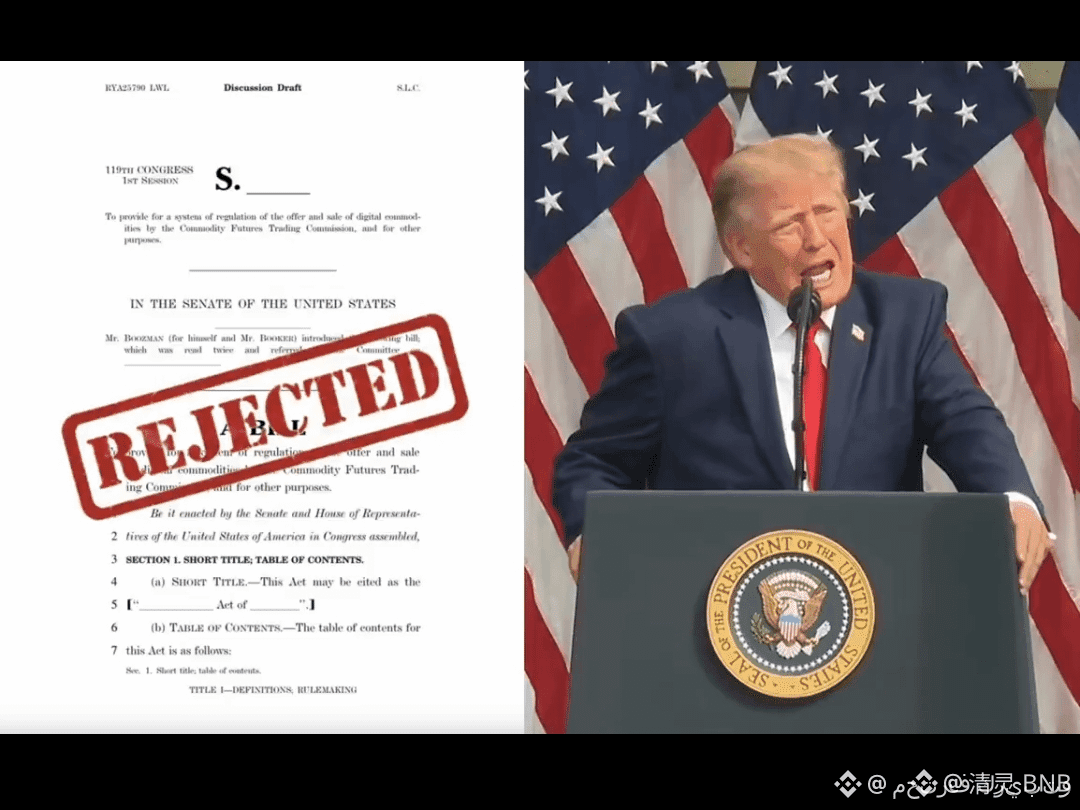
Democrats have reportedly declined to support advancing the CLARITY Act ahead of the scheduled Senate vote.
If Republicans hold around 53 votes, that would still be short of the 60 needed to clear the procedural hurdle.
That puts the bill’s immediate path forward under serious pressure and keeps U.S. crypto regulatory uncertainty in focus.
Traders are now watching closely for any reaction across Bitcoin and the wider crypto market. 👀
#CLARITYAct #CryptoNews
🚨 BREAKING: CLARITY ACT FACES A FRESH ROADBLOCK 🇺🇸
$BTC $BNB $XRP
Democrats have reportedly declined to support advancing the CLARITY Act ahead of the scheduled Senate vote.
If Republicans hold around 53 votes, that would still be short of the 60 needed to clear the procedural hurdle.
That puts the bill’s immediate path forward under serious pressure and keeps U.S. crypto regulatory uncertainty in focus.
Traders are now watching closely for any reaction across Bitcoin and the wider crypto market. 👀
#CLARITYAct #CryptoNews
$BTC $BNB $XRP
Democrats have reportedly declined to support advancing the CLARITY Act ahead of the scheduled Senate vote.
If Republicans hold around 53 votes, that would still be short of the 60 needed to clear the procedural hurdle.
That puts the bill’s immediate path forward under serious pressure and keeps U.S. crypto regulatory uncertainty in focus.
Traders are now watching closely for any reaction across Bitcoin and the wider crypto market. 👀
#CLARITYAct #CryptoNews
2
58
·
--
🐸 $PEPE IS QUIET… BUT FOR HOW LONG? 👀
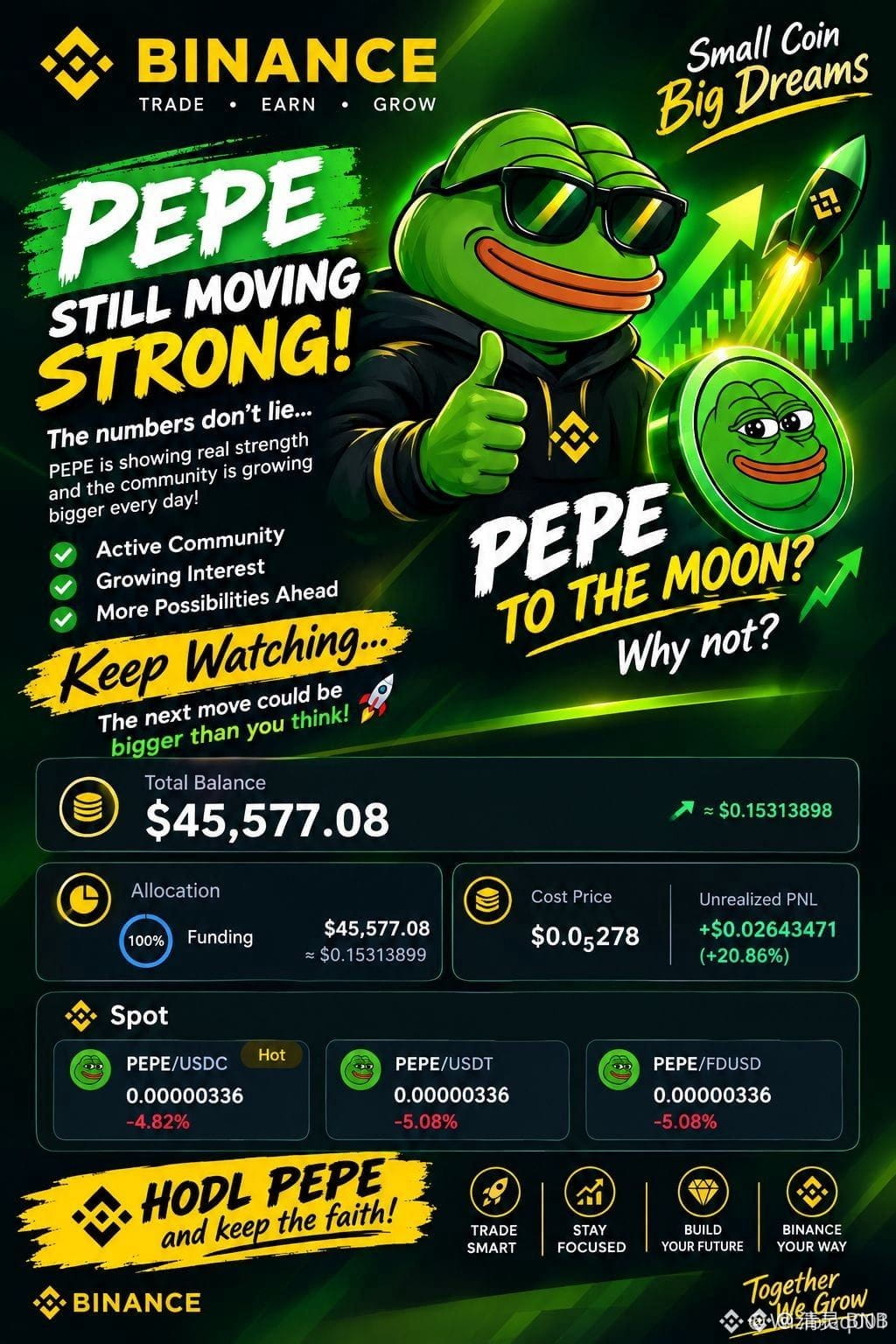
The market may be red today, but $PEPE is still catching my attention. Its community remains active, and one strong shift in meme-coin momentum could quickly bring the spotlight back.
I’m watching closely and staying patient. No chasing — risk management comes first.
🔥 $PEPE — tiny frog, massive dreams.
Do you think PEPE has another big run left? 🐸🚀
#PEPE #Binance #Crypto #MemeCoin #PEPEArmy #CryptoCommunity
🐸 $PEPE IS QUIET… BUT FOR HOW LONG? 👀
The market may be red today, but $PEPE is still catching my attention. Its community remains active, and one strong shift in meme-coin momentum could quickly bring the spotlight back.
I’m watching closely and staying patient. No chasing — risk management comes first.
🔥 $PEPE — tiny frog, massive dreams.
Do you think PEPE has another big run left? 🐸🚀
#PEPE #Binance #Crypto #MemeCoin #PEPEArmy #CryptoCommunity
The market may be red today, but $PEPE is still catching my attention. Its community remains active, and one strong shift in meme-coin momentum could quickly bring the spotlight back.
I’m watching closely and staying patient. No chasing — risk management comes first.
🔥 $PEPE — tiny frog, massive dreams.
Do you think PEPE has another big run left? 🐸🚀
#PEPE #Binance #Crypto #MemeCoin #PEPEArmy #CryptoCommunity
2
42
·
--
🚨 RED SEA TRADE ROUTES BACK IN FOCUS
Yemen relies heavily on imported food and wheat because conflict, limited farmland and climate pressures have constrained domestic production.
Ukraine has been an important grain supplier to global markets, raising questions about how further Red Sea disruptions could affect commercial shipping and food supplies to Yemen.
Could rising regional tensions put more pressure on these critical trade routes? 👀
$XLM $HYPE $XRP
🚨 RED SEA TRADE ROUTES BACK IN FOCUS
Yemen relies heavily on imported food and wheat because conflict, limited farmland and climate pressures have constrained domestic production.
Ukraine has been an important grain supplier to global markets, raising questions about how further Red Sea disruptions could affect commercial shipping and food supplies to Yemen.
Could rising regional tensions put more pressure on these critical trade routes? 👀
$XLM $HYPE $XRP
Yemen relies heavily on imported food and wheat because conflict, limited farmland and climate pressures have constrained domestic production.
Ukraine has been an important grain supplier to global markets, raising questions about how further Red Sea disruptions could affect commercial shipping and food supplies to Yemen.
Could rising regional tensions put more pressure on these critical trade routes? 👀
$XLM $HYPE $XRP


115
·
--
🚨 CRYPTO IS BACK IN THE SPOTLIGHT
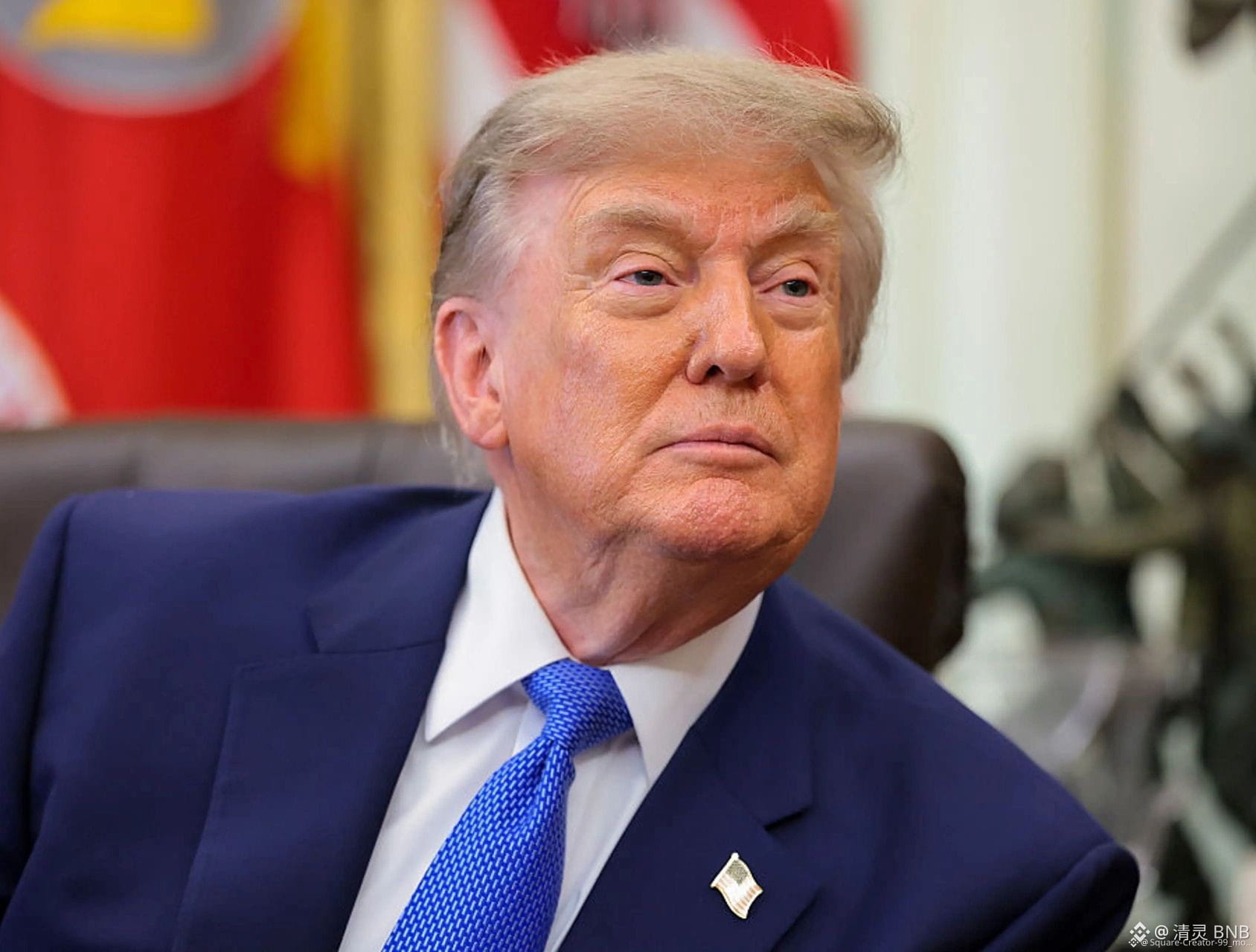
$SYN is showing a massive move, while $LSK and $ZEC are also pushing higher as traders react to Trump’s latest crypto comments.
Trump described crypto as “very powerful” and highlighted Bitcoin’s growing use. Coming after yesterday’s CLARITY Act developments, his comments are getting plenty of attention from the market.
The bigger question remains: when will the U.S. finally get clear and straightforward crypto rules?
$SYN $LSK $ZEC
#TrumpCryptoSupport #BullMarket
🚨 CRYPTO IS BACK IN THE SPOTLIGHT
$SYN is showing a massive move, while $LSK and $ZEC are also pushing higher as traders react to Trump’s latest crypto comments.
Trump described crypto as “very powerful” and highlighted Bitcoin’s growing use. Coming after yesterday’s CLARITY Act developments, his comments are getting plenty of attention from the market.
The bigger question remains: when will the U.S. finally get clear and straightforward crypto rules?
$SYN $LSK $ZEC
#TrumpCryptoSupport #BullMarket
$SYN is showing a massive move, while $LSK and $ZEC are also pushing higher as traders react to Trump’s latest crypto comments.
Trump described crypto as “very powerful” and highlighted Bitcoin’s growing use. Coming after yesterday’s CLARITY Act developments, his comments are getting plenty of attention from the market.
The bigger question remains: when will the U.S. finally get clear and straightforward crypto rules?
$SYN $LSK $ZEC
#TrumpCryptoSupport #BullMarket
200
·
--
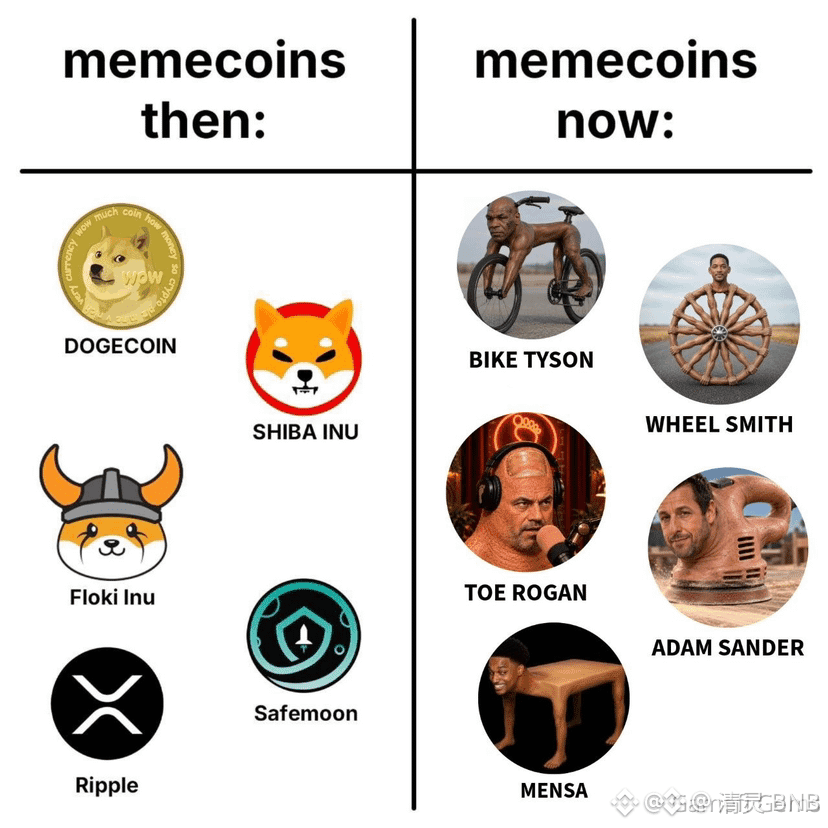
Meme coins can move fast, but the risk moves just as fast. 👀
Their prices are often driven by community hype, trending narratives and speculation. Some manage to build strong communities and survive for years, while others fade as soon as attention disappears.
Before jumping into any meme coin, check the market cap, liquidity, token distribution and smart-contract risks. Never let hype replace research.
#FedRateWatch #Meme #MemeToDream
Meme coins can move fast, but the risk moves just as fast. 👀
Their prices are often driven by community hype, trending narratives and speculation. Some manage to build strong communities and survive for years, while others fade as soon as attention disappears.
Before jumping into any meme coin, check the market cap, liquidity, token distribution and smart-contract risks. Never let hype replace research.
#FedRateWatch #Meme #MemeToDream
Their prices are often driven by community hype, trending narratives and speculation. Some manage to build strong communities and survive for years, while others fade as soon as attention disappears.
Before jumping into any meme coin, check the market cap, liquidity, token distribution and smart-contract risks. Never let hype replace research.
#FedRateWatch #Meme #MemeToDream
30
·
--
5 altcoins I’m keeping a close eye on for the next big market expansion 👀
$ONDO → $1.50–$2.50
$FET → $0.80–$1.50
$WLD → $1.50–$3.00
$SEI → $0.15–$0.30
$APT → $3–$6
These are my target zones, not guaranteed “moon” calls. If liquidity returns and altcoins regain momentum, these are the ranges I’ll be watching.
Which one are you backing from here? 🚀
#Altcoins #CryptoUniverseOfficial
5 altcoins I’m keeping a close eye on for the next big market expansion 👀
$ONDO → $1.50–$2.50
$FET → $0.80–$1.50
$WLD → $1.50–$3.00
$SEI → $0.15–$0.30
$APT → $3–$6
These are my target zones, not guaranteed “moon” calls. If liquidity returns and altcoins regain momentum, these are the ranges I’ll be watching.
Which one are you backing from here? 🚀
#Altcoins #CryptoUniverseOfficial
$ONDO → $1.50–$2.50
$FET → $0.80–$1.50
$WLD → $1.50–$3.00
$SEI → $0.15–$0.30
$APT → $3–$6
These are my target zones, not guaranteed “moon” calls. If liquidity returns and altcoins regain momentum, these are the ranges I’ll be watching.
Which one are you backing from here? 🚀
#Altcoins #CryptoUniverseOfficial

261
·
--
🚀 CATHIE WOOD DROPS A HUGE STARSHIP NUMBER
Cathie Wood says a single Starship launch could eventually generate around $1 BILLION in revenue.
If SpaceX reached Elon Musk’s goal of up to 10,000 flights per year by 2030, that math would imply a massive $10 TRILLION in annual revenue.
If those ambitious assumptions ever become reality, today’s talk of a $1.8T SpaceX valuation could look very different in hindsight. 👀
$SPCXB
🚀 CATHIE WOOD DROPS A HUGE STARSHIP NUMBER
Cathie Wood says a single Starship launch could eventually generate around $1 BILLION in revenue.
If SpaceX reached Elon Musk’s goal of up to 10,000 flights per year by 2030, that math would imply a massive $10 TRILLION in annual revenue.
If those ambitious assumptions ever become reality, today’s talk of a $1.8T SpaceX valuation could look very different in hindsight. 👀
$SPCXB
Cathie Wood says a single Starship launch could eventually generate around $1 BILLION in revenue.
If SpaceX reached Elon Musk’s goal of up to 10,000 flights per year by 2030, that math would imply a massive $10 TRILLION in annual revenue.
If those ambitious assumptions ever become reality, today’s talk of a $1.8T SpaceX valuation could look very different in hindsight. 👀
$SPCXB


65
·
--
😂 MEME COIN SEASON IS BACK? DEGEN MODE ACTIVATED!
The unofficial meme coin rulebook:
1. No FA — just vibes
2. No TA — green candles are enough 😂
3. No strategy — buy, hope, and watch the chaos
$DOGE, $PEPE, $SHIB, $FLOKI…
One green candle and suddenly everyone is a market genius. 🧠🚀
One red candle and it’s “crypto is a scam!” 😭
Not financial advice — just financial entertainment. 😂
Which meme coin is sitting in your bag right now? 👇
#BinanceSquare #MemeCoins #DOGE #PEPE #SHIB #Crypto #DYOR
😂 MEME COIN SEASON IS BACK? DEGEN MODE ACTIVATED!
The unofficial meme coin rulebook:
1. No FA — just vibes
2. No TA — green candles are enough 😂
3. No strategy — buy, hope, and watch the chaos
$DOGE, $PEPE, $SHIB, $FLOKI…
One green candle and suddenly everyone is a market genius. 🧠🚀
One red candle and it’s “crypto is a scam!” 😭
Not financial advice — just financial entertainment. 😂
Which meme coin is sitting in your bag right now? 👇
#BinanceSquare #MemeCoins #DOGE #PEPE #SHIB #Crypto #DYOR
The unofficial meme coin rulebook:
1. No FA — just vibes
2. No TA — green candles are enough 😂
3. No strategy — buy, hope, and watch the chaos
$DOGE, $PEPE, $SHIB, $FLOKI…
One green candle and suddenly everyone is a market genius. 🧠🚀
One red candle and it’s “crypto is a scam!” 😭
Not financial advice — just financial entertainment. 😂
Which meme coin is sitting in your bag right now? 👇
#BinanceSquare #MemeCoins #DOGE #PEPE #SHIB #Crypto #DYOR

149
·
--
The day $SHIB hits $4, I’m buying the whole iPhone series 😂🚀
The day $SHIB hits $4, I’m buying the whole iPhone series 😂🚀

1
300
·
--
Vérifié
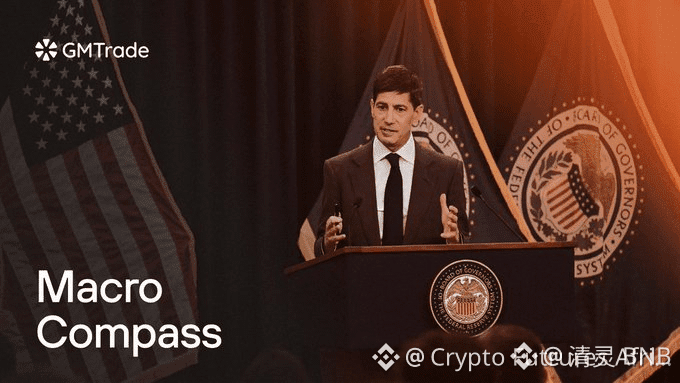
🚨 #FedRateWatch — ALL EYES ON THE FED 🇺🇸
September 16 is a major day for markets.
The FOMC rate decision and projections arrive at 2:00 PM ET, followed by the Fed chair’s press conference at 2:30 PM ET.
Markets are heavily focused on the possibility of a 25 bps rate hike. But the decision itself is only part of the story.
The real focus will be the dot plot and the Fed’s guidance: is this a one-time move, or could more tightening follow?
Expect volatility around the announcement. 👀
$AKE $CROSS $SYN
#FOMC #FedRateWatch #Crypto
🚨 #FedRateWatch — ALL EYES ON THE FED 🇺🇸
September 16 is a major day for markets.
The FOMC rate decision and projections arrive at 2:00 PM ET, followed by the Fed chair’s press conference at 2:30 PM ET.
Markets are heavily focused on the possibility of a 25 bps rate hike. But the decision itself is only part of the story.
The real focus will be the dot plot and the Fed’s guidance: is this a one-time move, or could more tightening follow?
Expect volatility around the announcement. 👀
$AKE $CROSS $SYN
#FOMC #FedRateWatch #Crypto
September 16 is a major day for markets.
The FOMC rate decision and projections arrive at 2:00 PM ET, followed by the Fed chair’s press conference at 2:30 PM ET.
Markets are heavily focused on the possibility of a 25 bps rate hike. But the decision itself is only part of the story.
The real focus will be the dot plot and the Fed’s guidance: is this a one-time move, or could more tightening follow?
Expect volatility around the announcement. 👀
$AKE $CROSS $SYN
#FOMC #FedRateWatch #Crypto
698
·
--
I’m waiting for these coins to make their moon move 🚀🚀
$ZEC → $25,000
$DOT → $10
$LSK → $5
$LSK is already making serious noise… which one moves next? 👀🔥
I’m waiting for these coins to make their moon move 🚀🚀
$ZEC → $25,000
$DOT → $10
$LSK → $5
$LSK is already making serious noise… which one moves next? 👀🔥
$ZEC → $25,000
$DOT → $10
$LSK → $5
$LSK is already making serious noise… which one moves next? 👀🔥

400
·
--
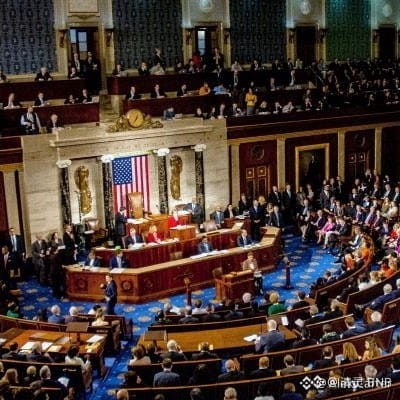
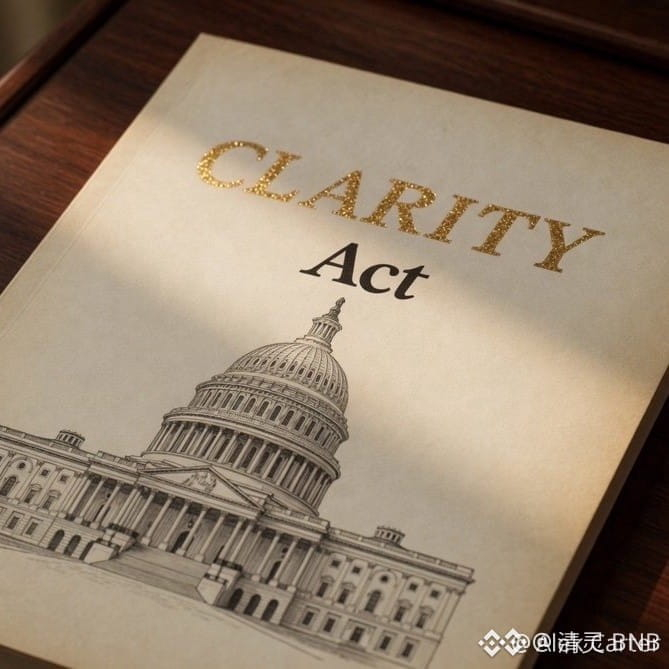
🚨 CLARITY ACT HITS A MAJOR SENATE ROADBLOCK 🇺🇸
The latest Senate vote reportedly ended 49–50, falling short of the 60 votes required to advance the legislation.
After months of negotiations, the path toward a clearer U.S. crypto market structure is uncertain once again.
This doesn’t necessarily end the broader push for crypto regulation, but it represents a significant setback for this attempt to move the bill forward.
Now the market turns its attention to what comes next. 👀
#FedRateWatch #ClarityActOddsHalveOnPolymarket #CryptoNews
🚨 CLARITY ACT HITS A MAJOR SENATE ROADBLOCK 🇺🇸
The latest Senate vote reportedly ended 49–50, falling short of the 60 votes required to advance the legislation.
After months of negotiations, the path toward a clearer U.S. crypto market structure is uncertain once again.
This doesn’t necessarily end the broader push for crypto regulation, but it represents a significant setback for this attempt to move the bill forward.
Now the market turns its attention to what comes next. 👀
#FedRateWatch #ClarityActOddsHalveOnPolymarket #CryptoNews
The latest Senate vote reportedly ended 49–50, falling short of the 60 votes required to advance the legislation.
After months of negotiations, the path toward a clearer U.S. crypto market structure is uncertain once again.
This doesn’t necessarily end the broader push for crypto regulation, but it represents a significant setback for this attempt to move the bill forward.
Now the market turns its attention to what comes next. 👀
#FedRateWatch #ClarityActOddsHalveOnPolymarket #CryptoNews
66
·
--
Saw +2% and thought, “Ahh, another normal pump.” 😂
Checked again 2 minutes later… +50% 💀🚀
Bro wasn’t pumping — bro had a PhD in ALPHA. 😂
Basically my story with $BULLA, $LSK & $龙虾.
#Crypto #Altcoins
Saw +2% and thought, “Ahh, another normal pump.” 😂
Checked again 2 minutes later… +50% 💀🚀
Bro wasn’t pumping — bro had a PhD in ALPHA. 😂
Basically my story with $BULLA, $LSK & $龙虾.
#Crypto #Altcoins
Checked again 2 minutes later… +50% 💀🚀
Bro wasn’t pumping — bro had a PhD in ALPHA. 😂
Basically my story with $BULLA, $LSK & $龙虾.
#Crypto #Altcoins

1
46
·
--
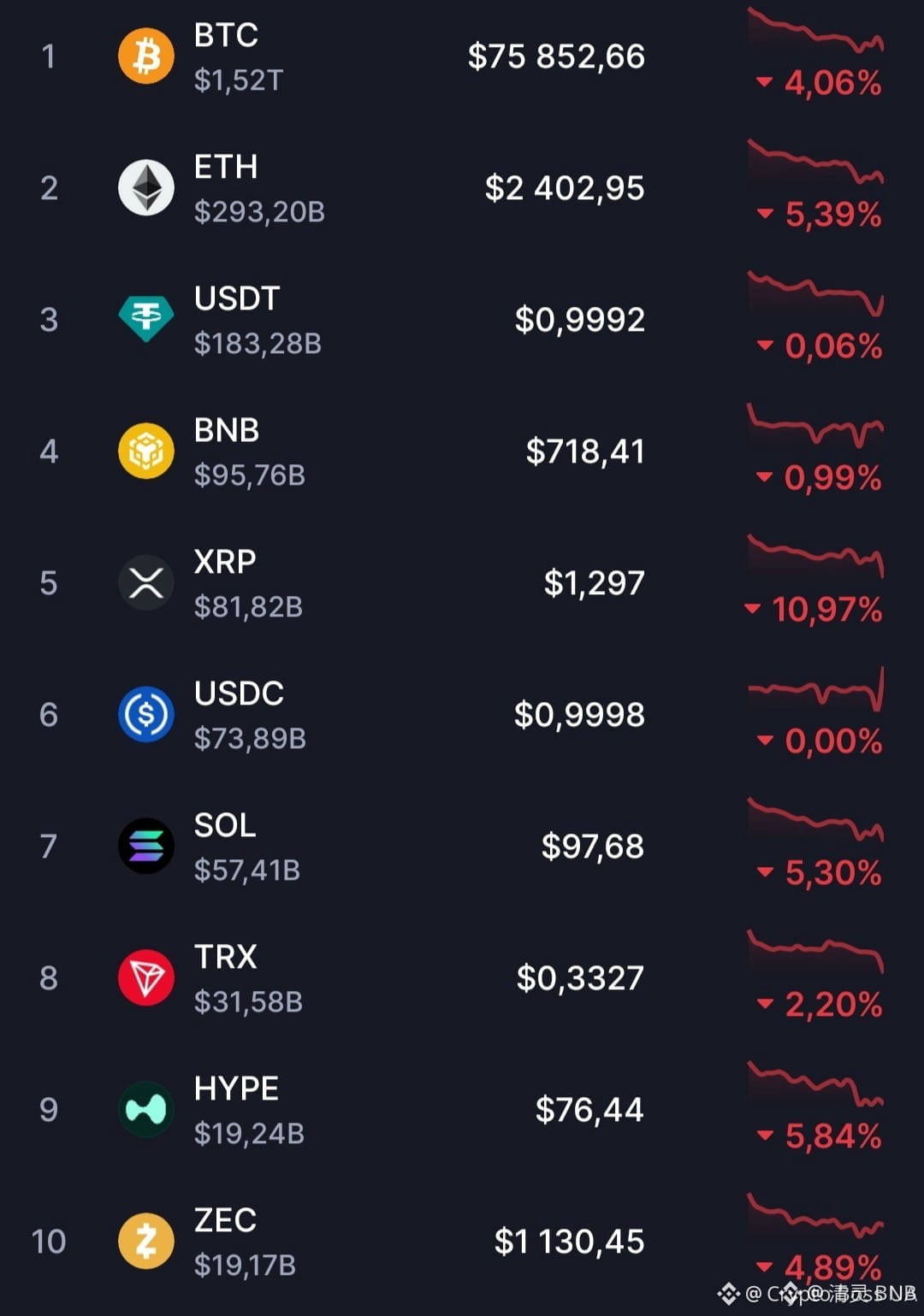
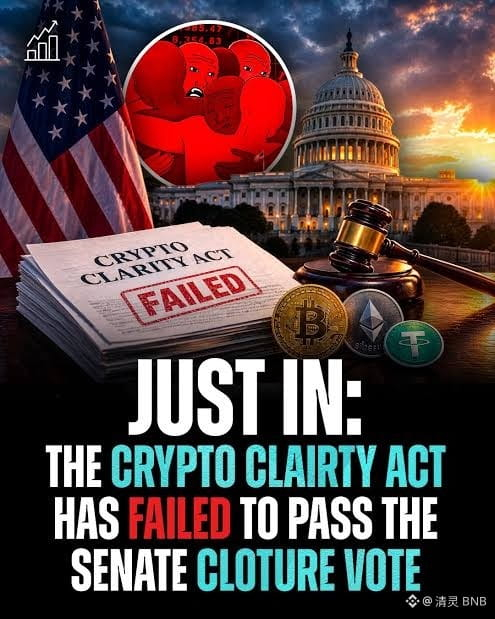
🚨 CRYPTO REACTS AS THE CLARITY ACT HITS A ROADBLOCK
This is how the crypto market is reacting after the latest news, with selling pressure and uncertainty returning across the market. 📉📊
The U.S. Senate held a procedural vote on the CLARITY Act, but the effort reportedly failed to secure the 60 votes needed to move forward.
The setback means the bill cannot advance through this procedural step for now. However, a failed cloture vote does not necessarily mean the legislation is permanently dead or automatically removed for the entire year.
For crypto traders, the bigger story now is uncertainty. Watch $BTC closely and expect volatility as the market digests the regulatory news.
#CryptoNews #CLARITYAct
🚨 CRYPTO REACTS AS THE CLARITY ACT HITS A ROADBLOCK
This is how the crypto market is reacting after the latest news, with selling pressure and uncertainty returning across the market. 📉📊
The U.S. Senate held a procedural vote on the CLARITY Act, but the effort reportedly failed to secure the 60 votes needed to move forward.
The setback means the bill cannot advance through this procedural step for now. However, a failed cloture vote does not necessarily mean the legislation is permanently dead or automatically removed for the entire year.
For crypto traders, the bigger story now is uncertainty. Watch $BTC closely and expect volatility as the market digests the regulatory news.
#CryptoNews #CLARITYAct
This is how the crypto market is reacting after the latest news, with selling pressure and uncertainty returning across the market. 📉📊
The U.S. Senate held a procedural vote on the CLARITY Act, but the effort reportedly failed to secure the 60 votes needed to move forward.
The setback means the bill cannot advance through this procedural step for now. However, a failed cloture vote does not necessarily mean the legislation is permanently dead or automatically removed for the entire year.
For crypto traders, the bigger story now is uncertainty. Watch $BTC closely and expect volatility as the market digests the regulatory news.
#CryptoNews #CLARITYAct
1
207
Connectez-vous pour découvrir plus de contenu
Rejoignez la communauté mondiale des adeptes de cryptomonnaies sur Binance Square
⚡️ Suviez les dernières informations importantes sur les cryptomonnaies.
💬 Jugé digne de confiance par la plus grande plateforme d’échange de cryptomonnaies au monde.
👍 Découvrez les connaissances que partagent les créateurs vérifiés.
Adresse e-mail/Nº de téléphone