
Gnashhh
2.7k Publications

Gnashhh
Signaler
Bloquer l’utilisateur
Ở đâu cũng có content!
Trade fréquemment
5.9 an(s)
254 Suivis
1.3K+ Abonnés
4.6K+ J’aime
Publications
Tous
Citations
Vidéos
Direct
·
--
Haussier
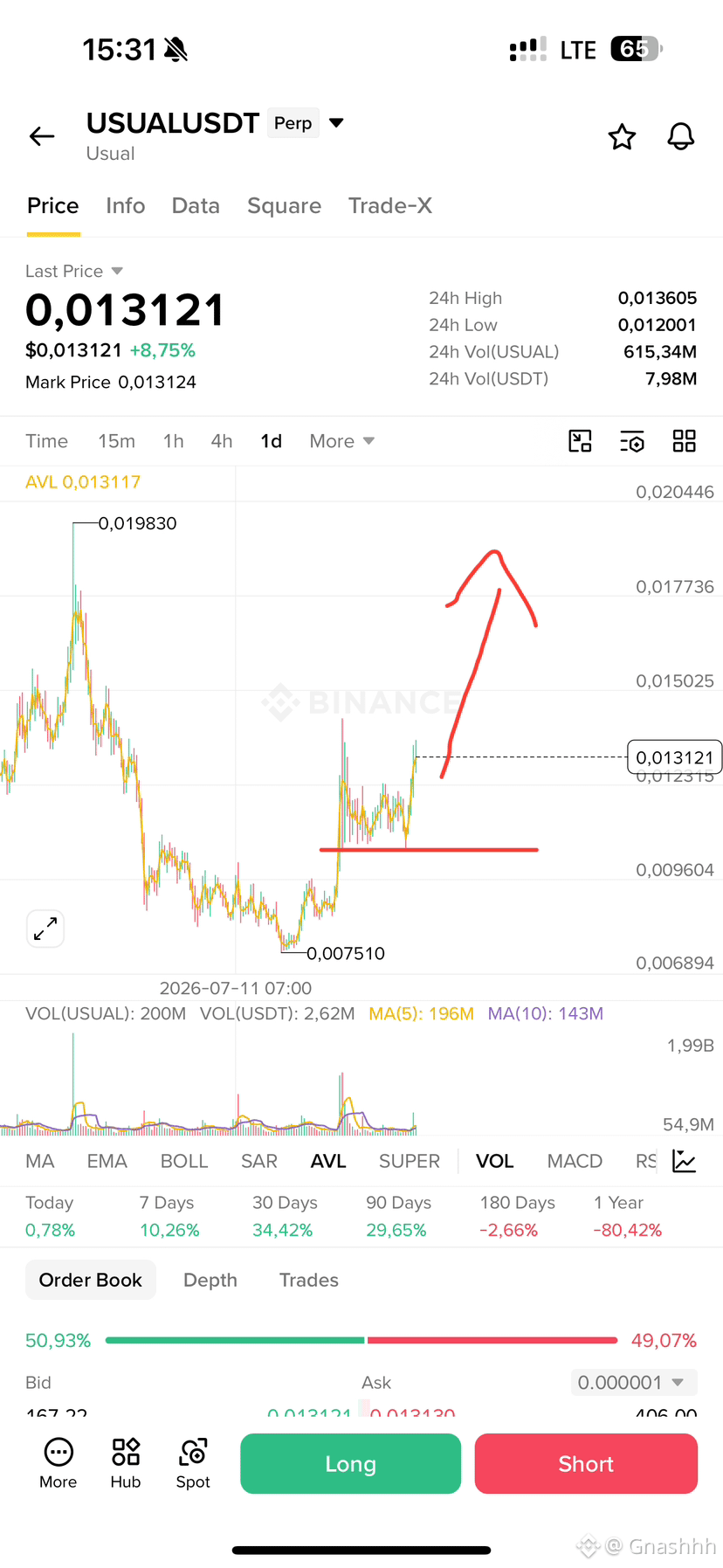
$USUAL semble haussier. Cassure du triangle à l’issue d’une séance quotidienne + retest réussi. 📊
Entrée : 0.01300
SL : 0.01030
TP : 0.02600
Jeu RWA à 25 M$, +73% par rapport au plus bas de juillet, et déjà +30% sur 30 jours.
En baisse de 99% par rapport au plus haut historique (ATH). Est-ce le début d’un retournement plus important ?
Opinions personnelles uniquement. Ceci ne constitue pas un conseil financier. Tradez à vos propres risques. Faites vos propres recherches (DYOR).
{future}(USUALUSDT)
$USUAL semble haussier. Cassure du triangle à l’issue d’une séance quotidienne + retest réussi. 📊
Entrée : 0.01300
SL : 0.01030
TP : 0.02600
Jeu RWA à 25 M$, +73% par rapport au plus bas de juillet, et déjà +30% sur 30 jours.
En baisse de 99% par rapport au plus haut historique (ATH). Est-ce le début d’un retournement plus important ?
Opinions personnelles uniquement. Ceci ne constitue pas un conseil financier. Tradez à vos propres risques. Faites vos propres recherches (DYOR).
Entrée : 0.01300
SL : 0.01030
TP : 0.02600
Jeu RWA à 25 M$, +73% par rapport au plus bas de juillet, et déjà +30% sur 30 jours.
En baisse de 99% par rapport au plus haut historique (ATH). Est-ce le début d’un retournement plus important ?
Opinions personnelles uniquement. Ceci ne constitue pas un conseil financier. Tradez à vos propres risques. Faites vos propres recherches (DYOR).
2
690
·
--
Haussier
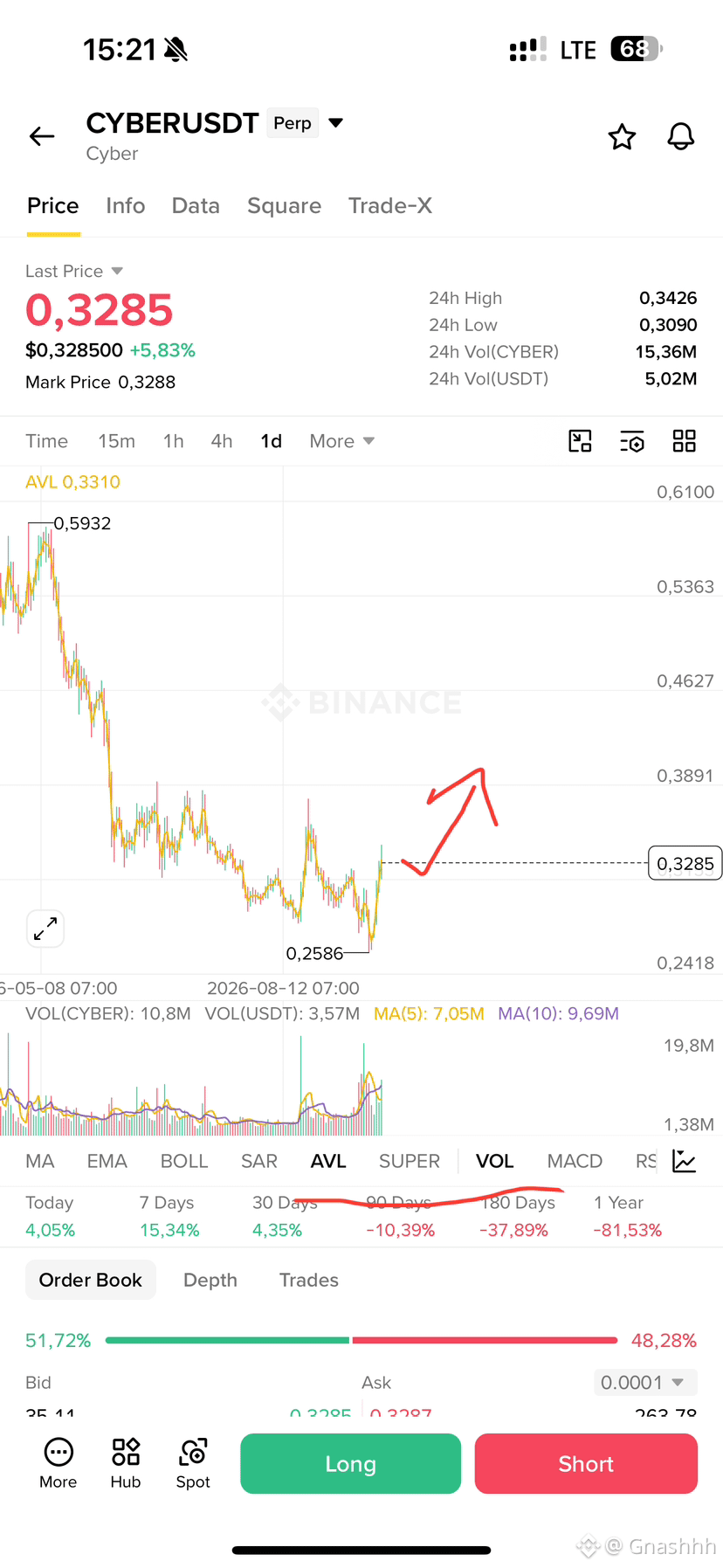
$CYBER Enfin, j’ai enfin réussi à sortir du canal de baisse dans lequel il était coincé depuis décembre 2025.
La bougie de cassure semble plutôt solide, avec aussi un volume qui repart à la hausse. Mais je ne poursuis pas ce mouvement.
Le niveau clé pour moi, c’est 0,3280. Si cette ancienne résistance tient comme support, la structure pourrait commencer à passer d’une tendance baissière à une phase de retournement.
Je préférerais attendre une retest autour de 0,30–0,31 avant d’envisager une entrée.
$CYBER La liquidité reste assez faible, donc je préfère laisser le setup venir à moi plutôt que de FOMO après la cassure.
Opinions personnelles uniquement. Ce n’est pas un conseil financier. Vous tradez à vos propres risques. Faites vos propres recherches (DYOR).
{future}(CYBERUSDT)
$CYBER Enfin, j’ai enfin réussi à sortir du canal de baisse dans lequel il était coincé depuis décembre 2025.
La bougie de cassure semble plutôt solide, avec aussi un volume qui repart à la hausse. Mais je ne poursuis pas ce mouvement.
Le niveau clé pour moi, c’est 0,3280. Si cette ancienne résistance tient comme support, la structure pourrait commencer à passer d’une tendance baissière à une phase de retournement.
Je préférerais attendre une retest autour de 0,30–0,31 avant d’envisager une entrée.
$CYBER La liquidité reste assez faible, donc je préfère laisser le setup venir à moi plutôt que de FOMO après la cassure.
Opinions personnelles uniquement. Ce n’est pas un conseil financier. Vous tradez à vos propres risques. Faites vos propres recherches (DYOR).
La bougie de cassure semble plutôt solide, avec aussi un volume qui repart à la hausse. Mais je ne poursuis pas ce mouvement.
Le niveau clé pour moi, c’est 0,3280. Si cette ancienne résistance tient comme support, la structure pourrait commencer à passer d’une tendance baissière à une phase de retournement.
Je préférerais attendre une retest autour de 0,30–0,31 avant d’envisager une entrée.
$CYBER La liquidité reste assez faible, donc je préfère laisser le setup venir à moi plutôt que de FOMO après la cassure.
Opinions personnelles uniquement. Ce n’est pas un conseil financier. Vous tradez à vos propres risques. Faites vos propres recherches (DYOR).
1
2
909
·
--
Haussier
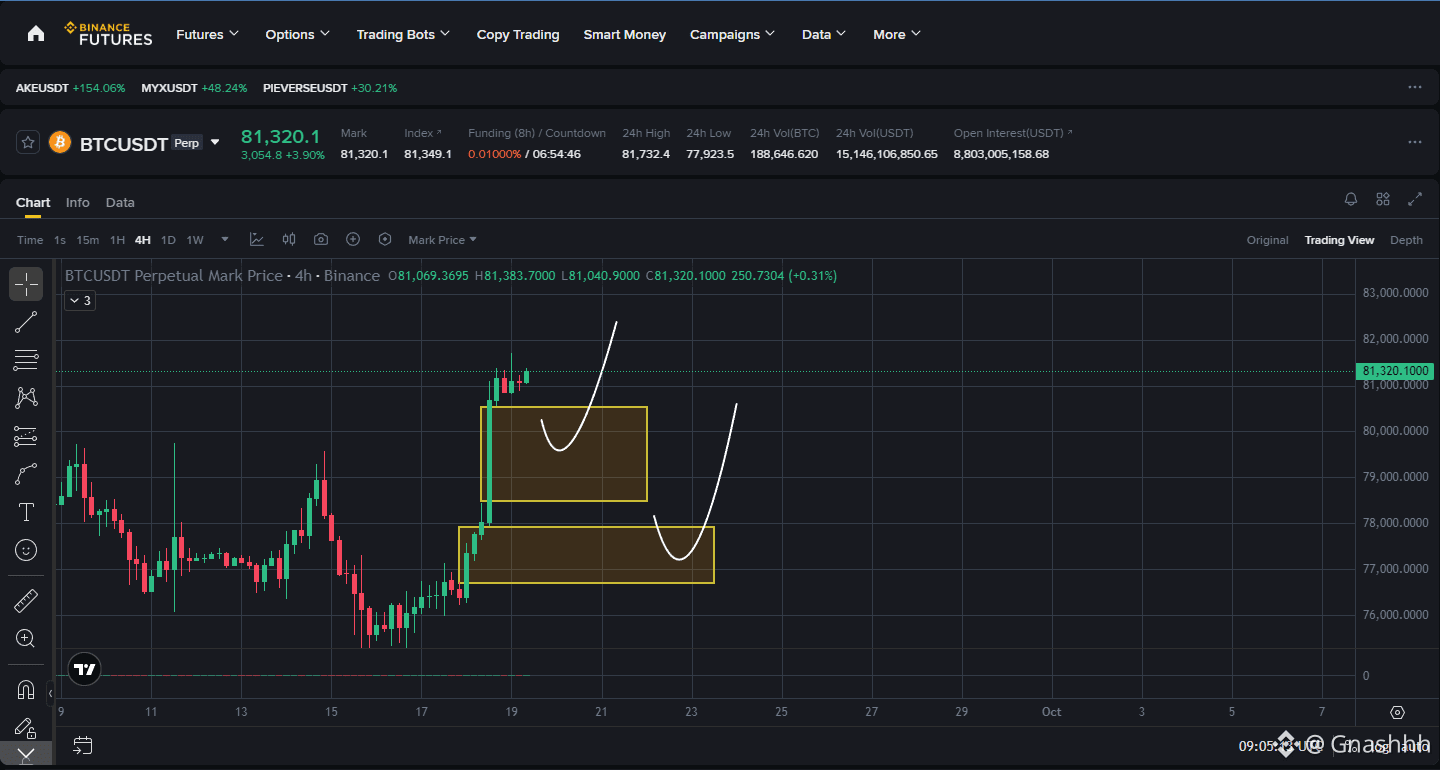
$BTC 4H Plan de trading
$BTC a formé 2x FVG 4H après le fort mouvement à la hausse.
🟧 Attends que le prix revienne dans l’un des FVG 4H
→ Ne poursuis pas la hausse.
🔎 Une fois que le prix entre dans la zone, passe à un timeframe inférieur
→ Surveille la réaction et attends que la structure haussière se forme à nouveau.
📈 Ne considère une transaction qu’après confirmation
→ Par exemple, un plus bas plus haut suivi d’une cassure de la structure baissière à court terme.
🛑 Sans confirmation = reste en dehors
→ Si le premier FVG ne donne aucun setup, attends le second.
TL;DR :
FVG 4H → Retracement → Confirmation de la structure en plus petit timeframe → Ensuite seulement envisager la transaction.
Sans confirmation = pas d’entrée.
Avis personnels uniquement. Ceci n’est pas un conseil financier. Trade à tes propres risques. DYOR.
{future}(BTCUSDT)
$BTC 4H Plan de trading
$BTC a formé 2x FVG 4H après le fort mouvement à la hausse.
🟧 Attends que le prix revienne dans l’un des FVG 4H
→ Ne poursuis pas la hausse.
🔎 Une fois que le prix entre dans la zone, passe à un timeframe inférieur
→ Surveille la réaction et attends que la structure haussière se forme à nouveau.
📈 Ne considère une transaction qu’après confirmation
→ Par exemple, un plus bas plus haut suivi d’une cassure de la structure baissière à court terme.
🛑 Sans confirmation = reste en dehors
→ Si le premier FVG ne donne aucun setup, attends le second.
TL;DR :
FVG 4H → Retracement → Confirmation de la structure en plus petit timeframe → Ensuite seulement envisager la transaction.
Sans confirmation = pas d’entrée.
Avis personnels uniquement. Ceci n’est pas un conseil financier. Trade à tes propres risques. DYOR.
$BTC a formé 2x FVG 4H après le fort mouvement à la hausse.
🟧 Attends que le prix revienne dans l’un des FVG 4H
→ Ne poursuis pas la hausse.
🔎 Une fois que le prix entre dans la zone, passe à un timeframe inférieur
→ Surveille la réaction et attends que la structure haussière se forme à nouveau.
📈 Ne considère une transaction qu’après confirmation
→ Par exemple, un plus bas plus haut suivi d’une cassure de la structure baissière à court terme.
🛑 Sans confirmation = reste en dehors
→ Si le premier FVG ne donne aucun setup, attends le second.
TL;DR :
FVG 4H → Retracement → Confirmation de la structure en plus petit timeframe → Ensuite seulement envisager la transaction.
Sans confirmation = pas d’entrée.
Avis personnels uniquement. Ceci n’est pas un conseil financier. Trade à tes propres risques. DYOR.
1
374
·
--
Haussier
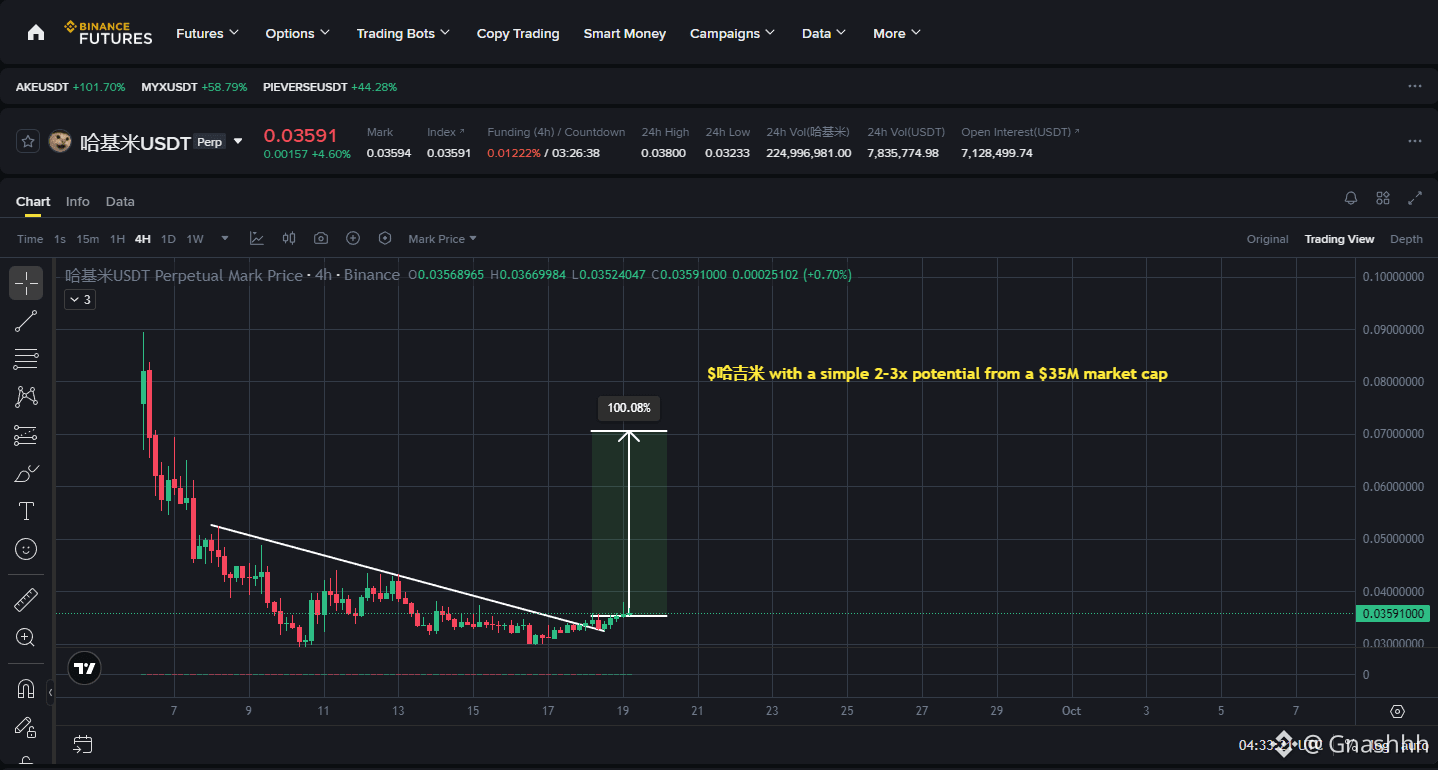
TENIR BON $哈基米 avec le potentiel d’un gain simple de x2 à x3 compte tenu de la capitalisation boursière actuelle de 35 M$
Opinions personnelles uniquement. Ce n’est pas un conseil financier. Tradez à vos propres risques. Faites vos propres recherches (DYOR).
{future}(哈基米USDT)
TENIR BON $哈基米 avec le potentiel d’un gain simple de x2 à x3 compte tenu de la capitalisation boursière actuelle de 35 M$
Opinions personnelles uniquement. Ce n’est pas un conseil financier. Tradez à vos propres risques. Faites vos propres recherches (DYOR).
Opinions personnelles uniquement. Ce n’est pas un conseil financier. Tradez à vos propres risques. Faites vos propres recherches (DYOR).
Gnashhh
·
--
Haussier$哈基米 - Une reprise du marché sans un nom familier issu du récit chinois ne semble tout simplement pas complète.
Il est temps de faire un énorme pump. 🚀
Opinions personnelles uniquement. Ce n’est pas un conseil financier. Tradez à vos propres risques. Faites vos propres recherches (DYOR).
$牛来 $我踏马来了
Il est temps de faire un énorme pump. 🚀
Opinions personnelles uniquement. Ce n’est pas un conseil financier. Tradez à vos propres risques. Faites vos propres recherches (DYOR).
$牛来 $我踏马来了
1
670
·
--
Haussier
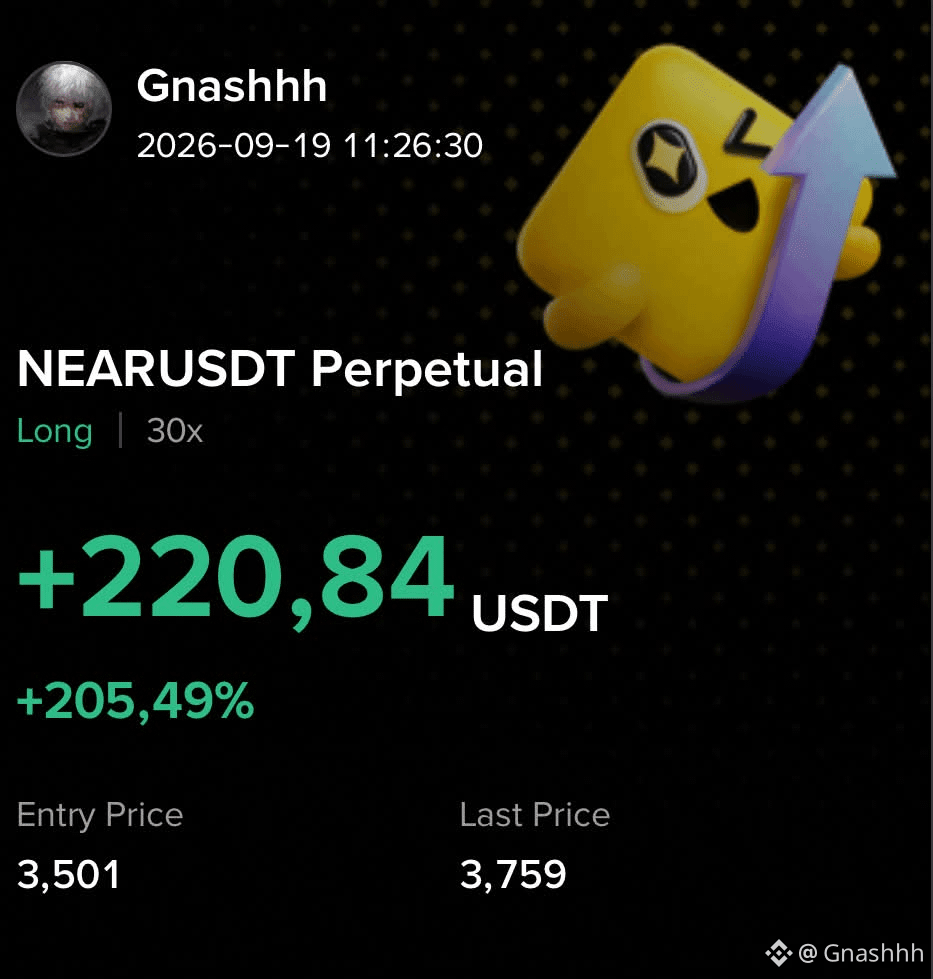
Continuez à faire du DCA $NEAR et à conserver jusqu’à l’introduction en bourse d’Anthropic ce mois d’octobre. 🚀
Opinions personnelles uniquement. Ceci ne constitue pas un conseil financier. Échangez à vos propres risques. Faites vos recherches (DYOR).
{future}(NEARUSDT)
Continuez à faire du DCA $NEAR et à conserver jusqu’à l’introduction en bourse d’Anthropic ce mois d’octobre. 🚀
Opinions personnelles uniquement. Ceci ne constitue pas un conseil financier. Échangez à vos propres risques. Faites vos recherches (DYOR).
Opinions personnelles uniquement. Ceci ne constitue pas un conseil financier. Échangez à vos propres risques. Faites vos recherches (DYOR).
Gnashhh
·
--
Haussier$ONE $NEAR $UNI - toutes ces pièces OG ont récemment affiché quelques mouvements positifs.
Vous êtes plutôt long ou short sur quelque chose en ce moment ?
Avis personnels uniquement. Ceci ne constitue pas un conseil financier. Tradez à vos propres risques. Faites vos propres recherches (DYOR).
Vous êtes plutôt long ou short sur quelque chose en ce moment ?
Avis personnels uniquement. Ceci ne constitue pas un conseil financier. Tradez à vos propres risques. Faites vos propres recherches (DYOR).
3
1.4k
·
--
Haussier
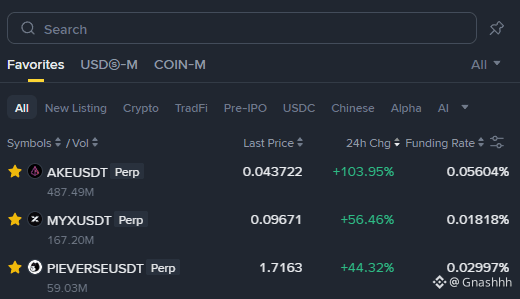
$AKE $MYX $PIEVERSE
Est-ce enfin la saison de la pièce Alpha, les gars ?
Je regrette presque d’avoir mis seulement 100 $ dans chacune. Déjà en hausse de 10–15 % sur elles. LOL.
Opinions personnelles seulement. Pas un conseil financier. Tradez à vos propres risques. Faites vos propres recherches (DYOR).
{future}(PIEVERSEUSDT)
{future}(MYXUSDT)
{future}(AKEUSDT)
$AKE $MYX $PIEVERSE
Est-ce enfin la saison de la pièce Alpha, les gars ?
Je regrette presque d’avoir mis seulement 100 $ dans chacune. Déjà en hausse de 10–15 % sur elles. LOL.
Opinions personnelles seulement. Pas un conseil financier. Tradez à vos propres risques. Faites vos propres recherches (DYOR).
Est-ce enfin la saison de la pièce Alpha, les gars ?
Je regrette presque d’avoir mis seulement 100 $ dans chacune. Déjà en hausse de 10–15 % sur elles. LOL.
Opinions personnelles seulement. Pas un conseil financier. Tradez à vos propres risques. Faites vos propres recherches (DYOR).
1
4.1k
·
--
Haussier
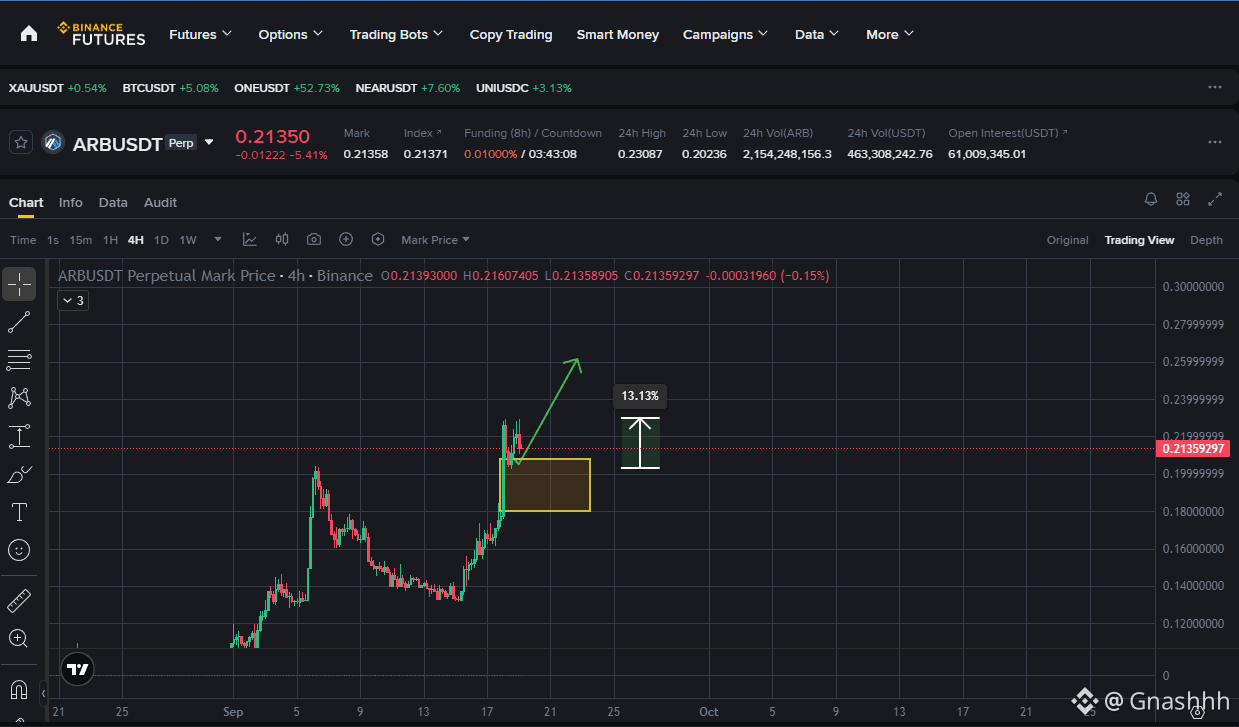
+ ~13% facile avec $ARB => Terminé
Il est temps de se concentrer sur $IO n $哈基米
Opinions personnelles uniquement. Ce n’est pas un conseil financier. Faites du trading à vos propres risques. Faites vos propres recherches (DYOR).
{future}(哈基米USDT)
{future}(IOUSDT)
{future}(ARBUSDT)
+ ~13% facile avec $ARB => Terminé
Il est temps de se concentrer sur $IO n $哈基米
Opinions personnelles uniquement. Ce n’est pas un conseil financier. Faites du trading à vos propres risques. Faites vos propres recherches (DYOR).
Il est temps de se concentrer sur $IO n $哈基米
Opinions personnelles uniquement. Ce n’est pas un conseil financier. Faites du trading à vos propres risques. Faites vos propres recherches (DYOR).
5
1.1k
·
--
Haussier
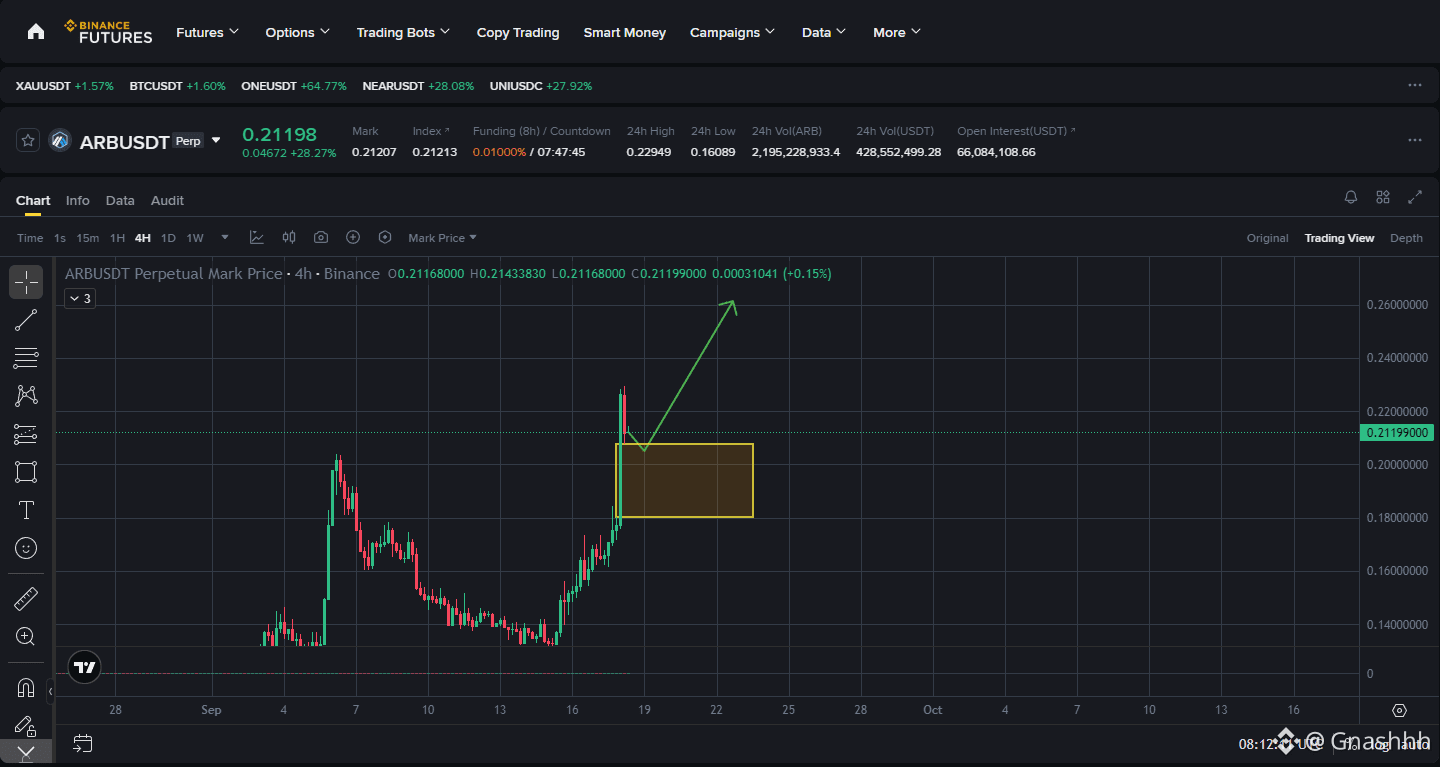
$ARB - Une énorme pompe arrive !
Le prix est actuellement en train de franchir en continuation de la structure haussière. Attendez un repli vers la zone de déséquilibre (mise en évidence en orange) et recherchez une confirmation de retournement haussier sur un plus petit time frame afin d’identifier une opportunité de trading.
Opinions personnelles uniquement. Ceci n’est pas un conseil financier. Tradez à vos propres risques. Renseignez-vous par vous-même (DYOR).
{future}(ARBUSDT)
$ARB - Une énorme pompe arrive !
Le prix est actuellement en train de franchir en continuation de la structure haussière. Attendez un repli vers la zone de déséquilibre (mise en évidence en orange) et recherchez une confirmation de retournement haussier sur un plus petit time frame afin d’identifier une opportunité de trading.
Opinions personnelles uniquement. Ceci n’est pas un conseil financier. Tradez à vos propres risques. Renseignez-vous par vous-même (DYOR).
Le prix est actuellement en train de franchir en continuation de la structure haussière. Attendez un repli vers la zone de déséquilibre (mise en évidence en orange) et recherchez une confirmation de retournement haussier sur un plus petit time frame afin d’identifier une opportunité de trading.
Opinions personnelles uniquement. Ceci n’est pas un conseil financier. Tradez à vos propres risques. Renseignez-vous par vous-même (DYOR).
2
896
·
--
Haussier
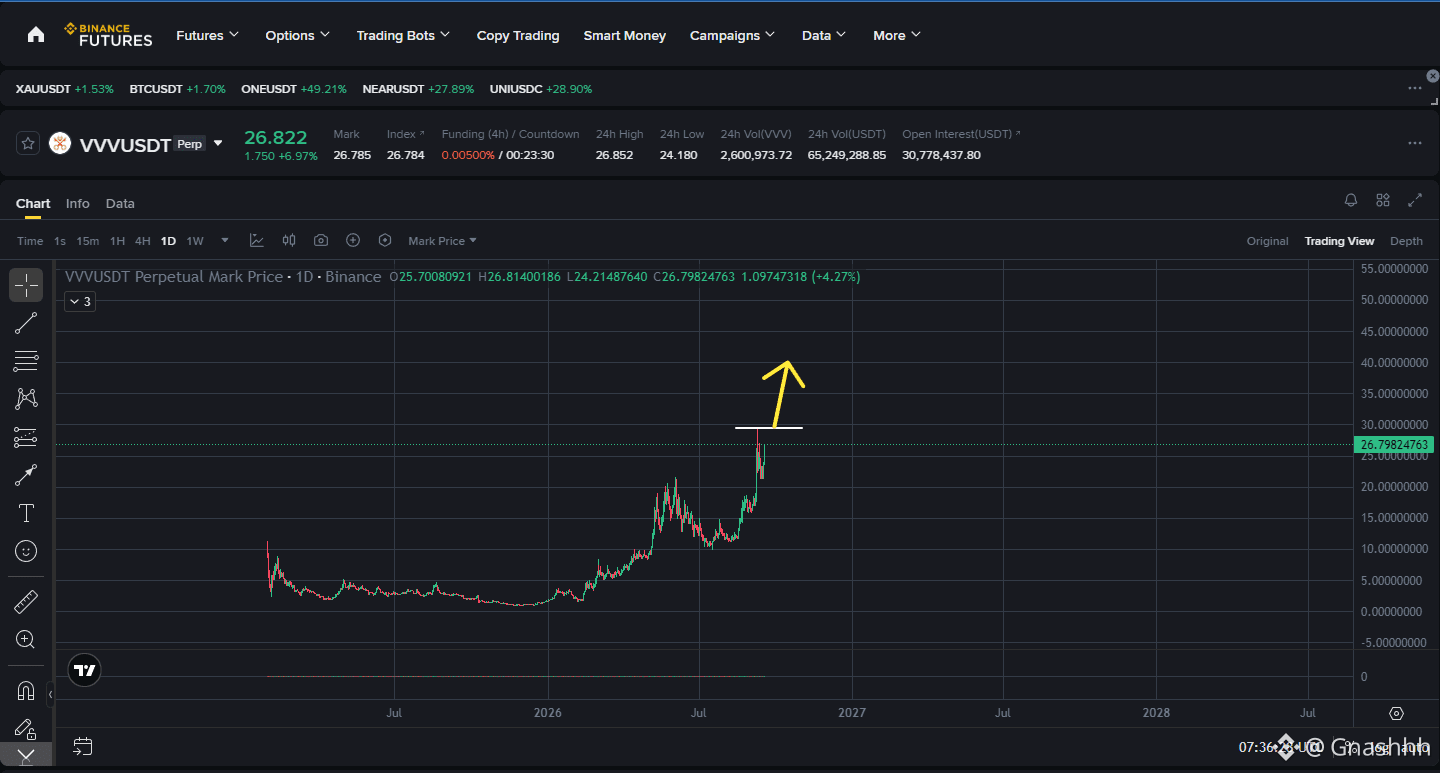
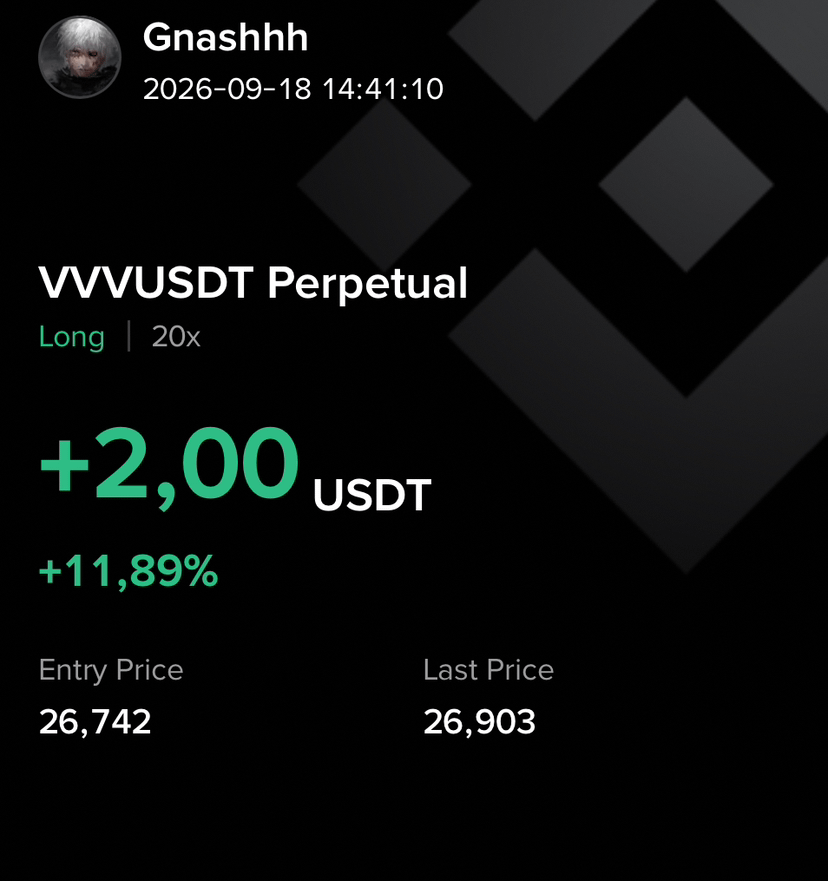
$VVV a l’air carrément dingue en cassant la découverte des prix
Rupture vers la lune bientôt.
Testez une petite taille à 26,973.
Opinions personnelles uniquement. Ce n’est pas un conseil financier. Tradez à vos propres risques. Faites vos propres recherches (DYOR). {future}(VVVUSDT)
$VVV a l’air carrément dingue en cassant la découverte des prix
Rupture vers la lune bientôt.
Testez une petite taille à 26,973.
Opinions personnelles uniquement. Ce n’est pas un conseil financier. Tradez à vos propres risques. Faites vos propres recherches (DYOR).
Rupture vers la lune bientôt.
Testez une petite taille à 26,973.
Opinions personnelles uniquement. Ce n’est pas un conseil financier. Tradez à vos propres risques. Faites vos propres recherches (DYOR).
2
621
·
--
Haussier
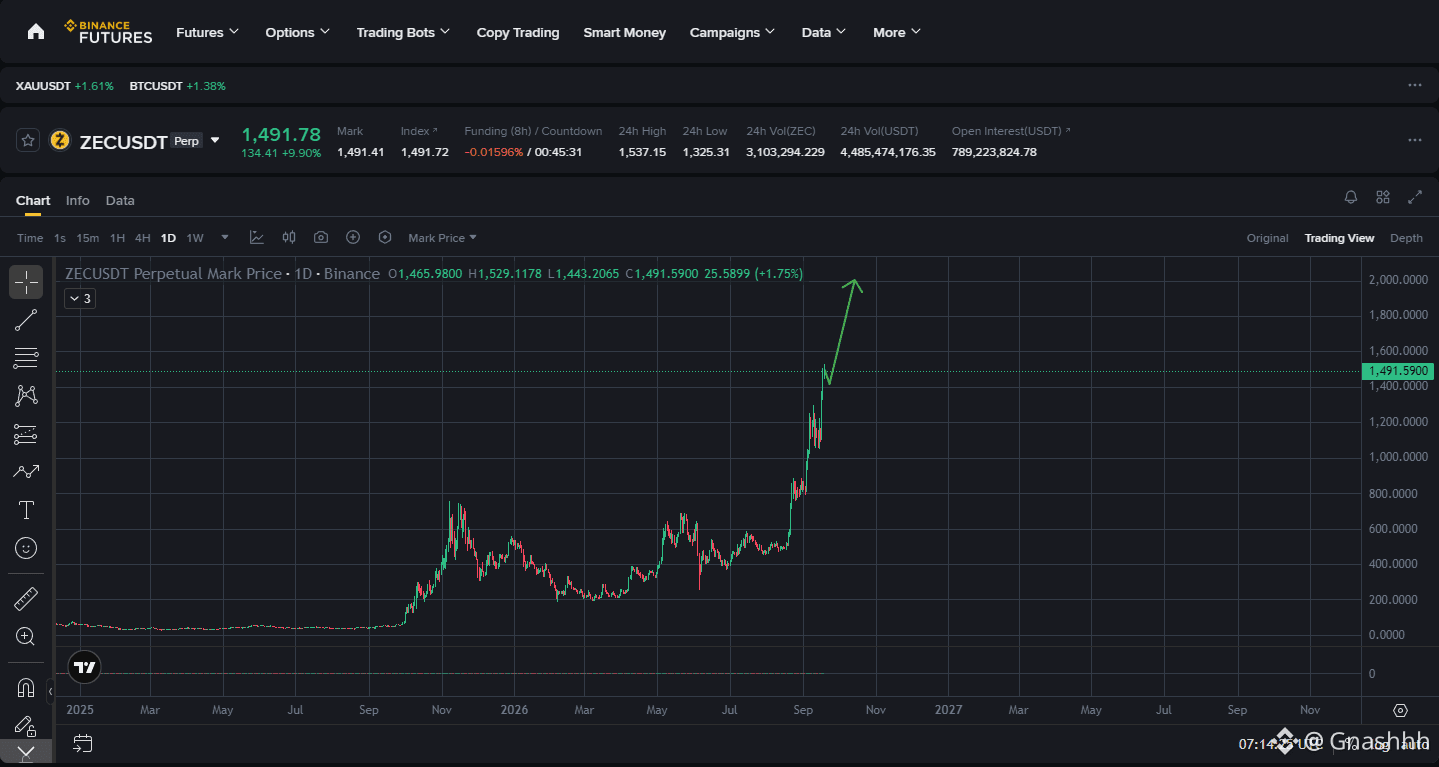
Est-ce que le $ZEC peut vraiment atteindre 2K, les gars ?
Les derniers 1–2 jours n’ont pas été très bons pour les nouvelles des marchés financiers, surtout avec les dernières évolutions autour du CLARITY Act.
Mais le marché montre encore quelques mouvements franchement positifs, avec les OG coins en tête d’un fort rebond.
$ARB $APT
Avis personnels seulement. Ce n’est pas un conseil financier. Tradez à vos propres risques. DYOR.
{future}(APTUSDT)
{future}(ARBUSDT)
{future}(ZECUSDT)
Est-ce que le $ZEC peut vraiment atteindre 2K, les gars ?
Les derniers 1–2 jours n’ont pas été très bons pour les nouvelles des marchés financiers, surtout avec les dernières évolutions autour du CLARITY Act.
Mais le marché montre encore quelques mouvements franchement positifs, avec les OG coins en tête d’un fort rebond.
$ARB $APT
Avis personnels seulement. Ce n’est pas un conseil financier. Tradez à vos propres risques. DYOR.
Les derniers 1–2 jours n’ont pas été très bons pour les nouvelles des marchés financiers, surtout avec les dernières évolutions autour du CLARITY Act.
Mais le marché montre encore quelques mouvements franchement positifs, avec les OG coins en tête d’un fort rebond.
$ARB $APT
Avis personnels seulement. Ce n’est pas un conseil financier. Tradez à vos propres risques. DYOR.
1
3k
·
--
Haussier
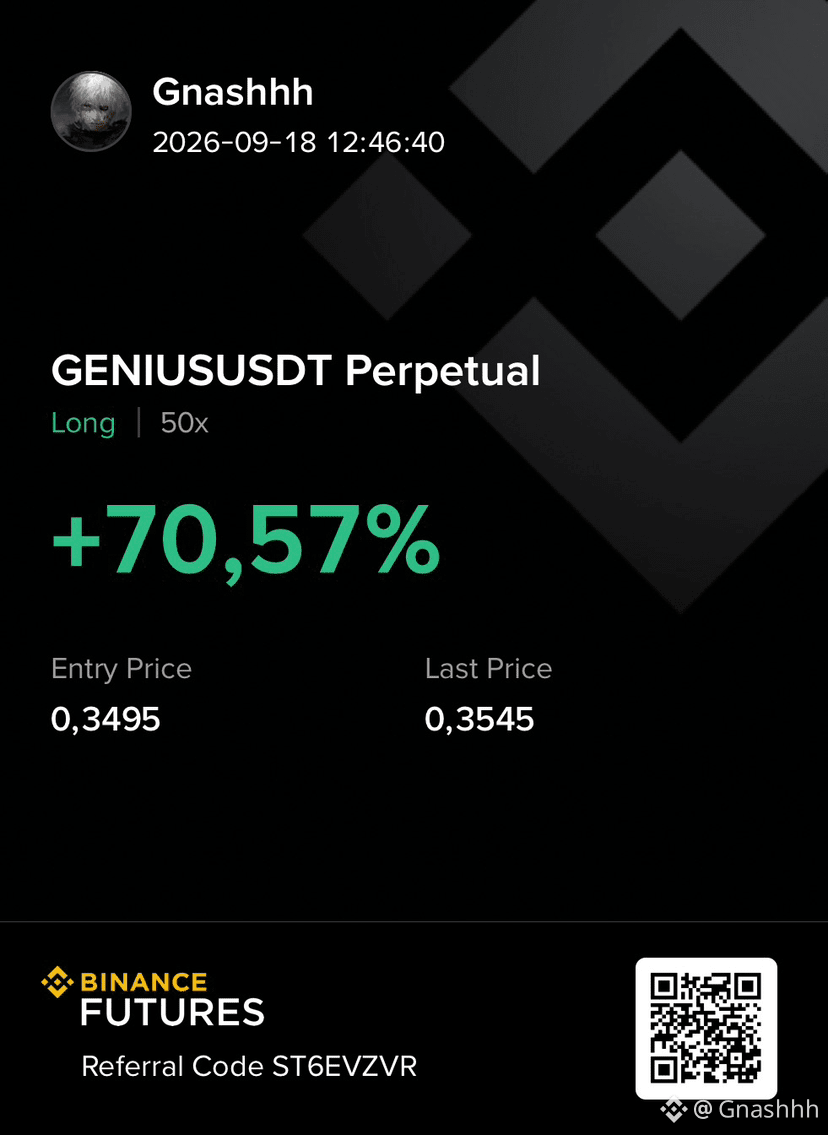
Gros profit avec $GENIUS ?
Je dois prendre mes gains (TP) ou déplacer le SL = à l’équilibre (Be) ? Les gars !
Faites vos recherches (DYOR). Pas de conseil financier (NFA)
{future}(GENIUSUSDT)
Gros profit avec $GENIUS ?
Je dois prendre mes gains (TP) ou déplacer le SL = à l’équilibre (Be) ? Les gars !
Faites vos recherches (DYOR). Pas de conseil financier (NFA)
Je dois prendre mes gains (TP) ou déplacer le SL = à l’équilibre (Be) ? Les gars !
Faites vos recherches (DYOR). Pas de conseil financier (NFA)
Gnashhh
·
--
HaussierAvec CZ qui dit ça, vous avez déjà fait des projets, vous ?
Je surveille plus particulièrement $GENIUS .
Pensez-vous qu’on peut s’attendre à un rebond au cours des 1–2 prochaines semaines à partir de 0,35 ?
Avis personnels uniquement. Pas un conseil financier. Faites du trading à vos propres risques. Renseignez-vous par vous-même (DYOR).
Je surveille plus particulièrement $GENIUS .
Pensez-vous qu’on peut s’attendre à un rebond au cours des 1–2 prochaines semaines à partir de 0,35 ?
Avis personnels uniquement. Pas un conseil financier. Faites du trading à vos propres risques. Renseignez-vous par vous-même (DYOR).
2
529
·
--
Haussier
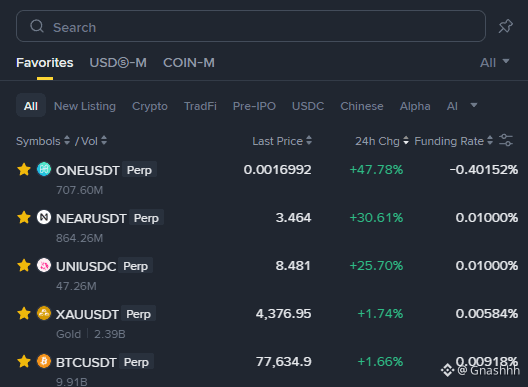
$ONE $NEAR $UNI - toutes ces pièces OG ont récemment affiché quelques mouvements positifs.
Vous êtes plutôt long ou short sur quelque chose en ce moment ?
Avis personnels uniquement. Ceci ne constitue pas un conseil financier. Tradez à vos propres risques. Faites vos propres recherches (DYOR).
{future}(UNIUSDT)
{future}(NEARUSDT)
{future}(ONEUSDT)
$ONE $NEAR $UNI - toutes ces pièces OG ont récemment affiché quelques mouvements positifs.
Vous êtes plutôt long ou short sur quelque chose en ce moment ?
Avis personnels uniquement. Ceci ne constitue pas un conseil financier. Tradez à vos propres risques. Faites vos propres recherches (DYOR).
Vous êtes plutôt long ou short sur quelque chose en ce moment ?
Avis personnels uniquement. Ceci ne constitue pas un conseil financier. Tradez à vos propres risques. Faites vos propres recherches (DYOR).
2
1
2
3.4k
·
--
Haussier
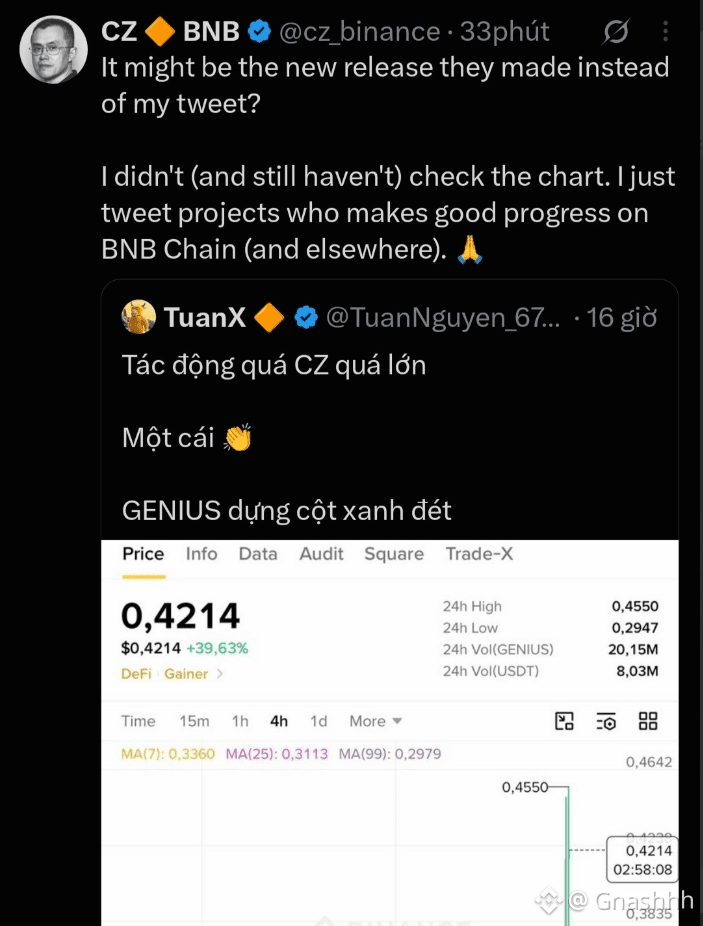
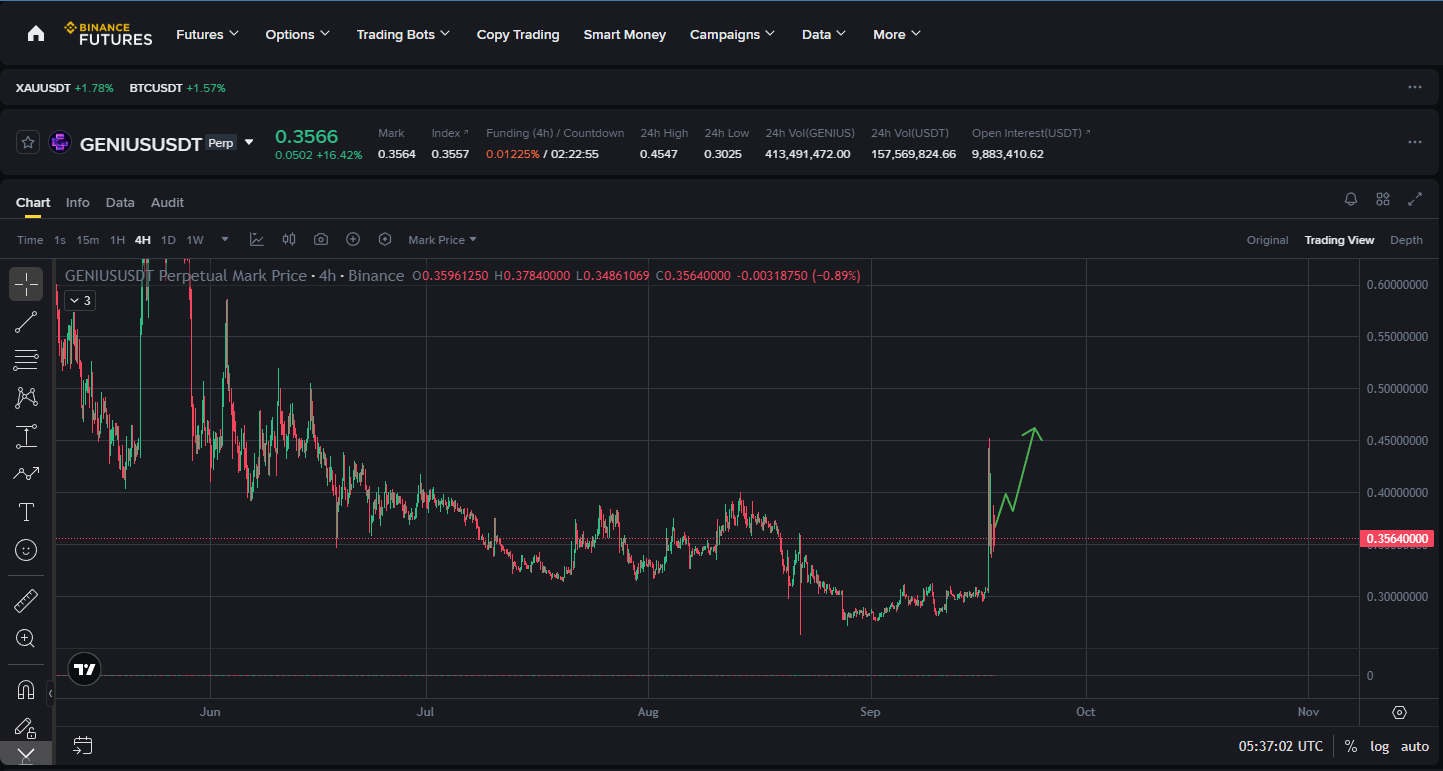
Avec CZ qui dit ça, vous avez déjà fait des projets, vous ?
Je surveille plus particulièrement $GENIUS .
Pensez-vous qu’on peut s’attendre à un rebond au cours des 1–2 prochaines semaines à partir de 0,35 ?
Avis personnels uniquement. Pas un conseil financier. Faites du trading à vos propres risques. Renseignez-vous par vous-même (DYOR).
{future}(GENIUSUSDT)
Avec CZ qui dit ça, vous avez déjà fait des projets, vous ?
Je surveille plus particulièrement $GENIUS .
Pensez-vous qu’on peut s’attendre à un rebond au cours des 1–2 prochaines semaines à partir de 0,35 ?
Avis personnels uniquement. Pas un conseil financier. Faites du trading à vos propres risques. Renseignez-vous par vous-même (DYOR).
Je surveille plus particulièrement $GENIUS .
Pensez-vous qu’on peut s’attendre à un rebond au cours des 1–2 prochaines semaines à partir de 0,35 ?
Avis personnels uniquement. Pas un conseil financier. Faites du trading à vos propres risques. Renseignez-vous par vous-même (DYOR).
1
2
1.1k
·
--
Haussier
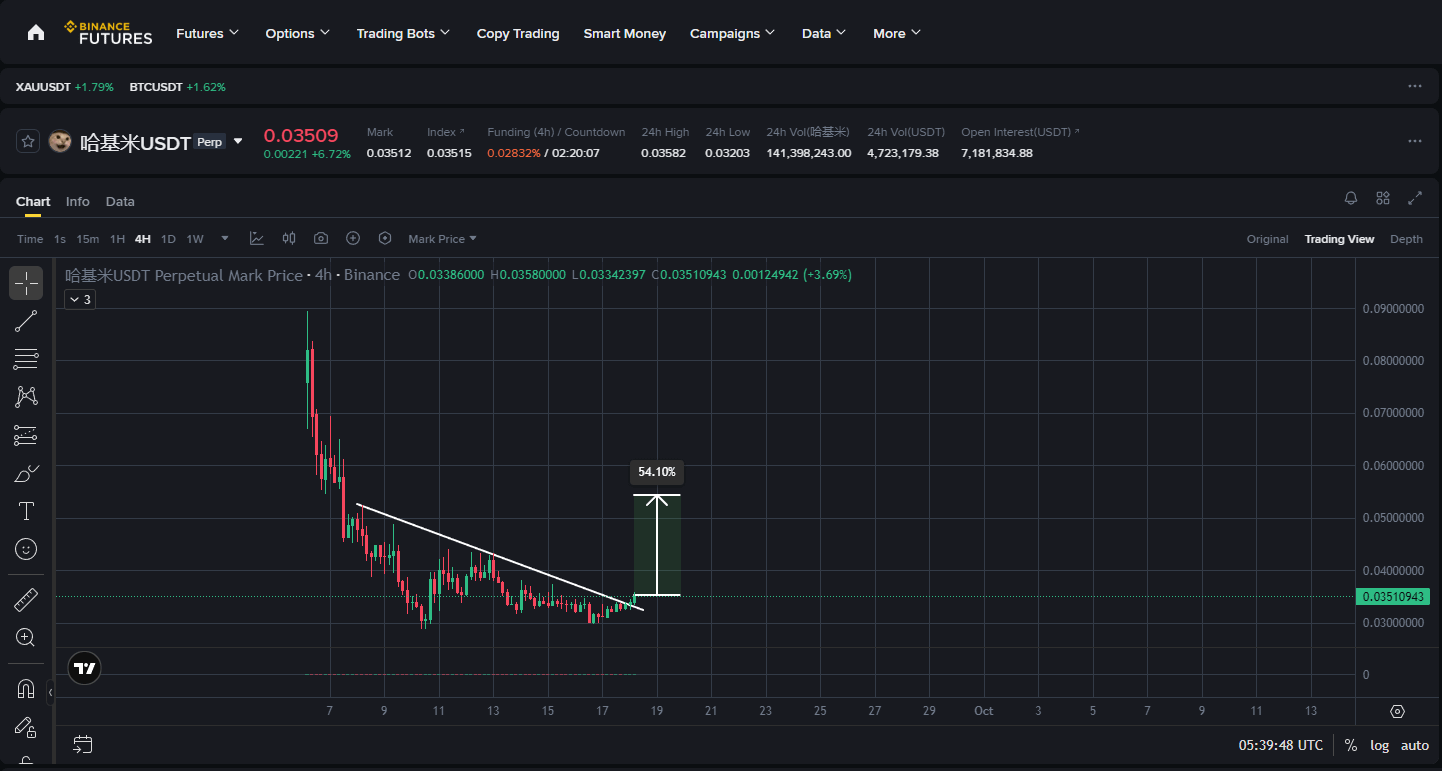
$哈基米 - Une reprise du marché sans un nom familier issu du récit chinois ne semble tout simplement pas complète.
Il est temps de faire un énorme pump. 🚀
Opinions personnelles uniquement. Ce n’est pas un conseil financier. Tradez à vos propres risques. Faites vos propres recherches (DYOR).
$牛来 $我踏马来了
{future}(我踏马来了USDT)
{future}(牛来USDT)
{future}(哈基米USDT)
$哈基米 - Une reprise du marché sans un nom familier issu du récit chinois ne semble tout simplement pas complète.
Il est temps de faire un énorme pump. 🚀
Opinions personnelles uniquement. Ce n’est pas un conseil financier. Tradez à vos propres risques. Faites vos propres recherches (DYOR).
$牛来 $我踏马来了
Il est temps de faire un énorme pump. 🚀
Opinions personnelles uniquement. Ce n’est pas un conseil financier. Tradez à vos propres risques. Faites vos propres recherches (DYOR).
$牛来 $我踏马来了
1
1
1
3k
·
--
Haussier
L’introduction en bourse d’Anthropic arrive au grand public ce mois d’octobre, et le récit autour de l’IA pourrait bien s’enflammer.
Quels projets/coins d’IA chargez-vous ?
$NEAR , $TAO , $VIRTUAL ...
Vu à quel point ces projets sont actifs en ce moment, je garde NEAR sous le coude comme un candidat possible au leadership.
Qu’en pensez-vous ?
Opinions personnelles uniquement. Pas un conseil financier. Faites vos propres recherches. Tradez à vos risques et périls. DYOR.
{future}(VIRTUALUSDT)
{future}(TAOUSDT)
{future}(NEARUSDT)
L’introduction en bourse d’Anthropic arrive au grand public ce mois d’octobre, et le récit autour de l’IA pourrait bien s’enflammer.
Quels projets/coins d’IA chargez-vous ?
$NEAR , $TAO , $VIRTUAL ...
Vu à quel point ces projets sont actifs en ce moment, je garde NEAR sous le coude comme un candidat possible au leadership.
Qu’en pensez-vous ?
Opinions personnelles uniquement. Pas un conseil financier. Faites vos propres recherches. Tradez à vos risques et périls. DYOR.
Quels projets/coins d’IA chargez-vous ?
$NEAR , $TAO , $VIRTUAL ...
Vu à quel point ces projets sont actifs en ce moment, je garde NEAR sous le coude comme un candidat possible au leadership.
Qu’en pensez-vous ?
Opinions personnelles uniquement. Pas un conseil financier. Faites vos propres recherches. Tradez à vos risques et périls. DYOR.
2
1.3k
·
--
Baissier
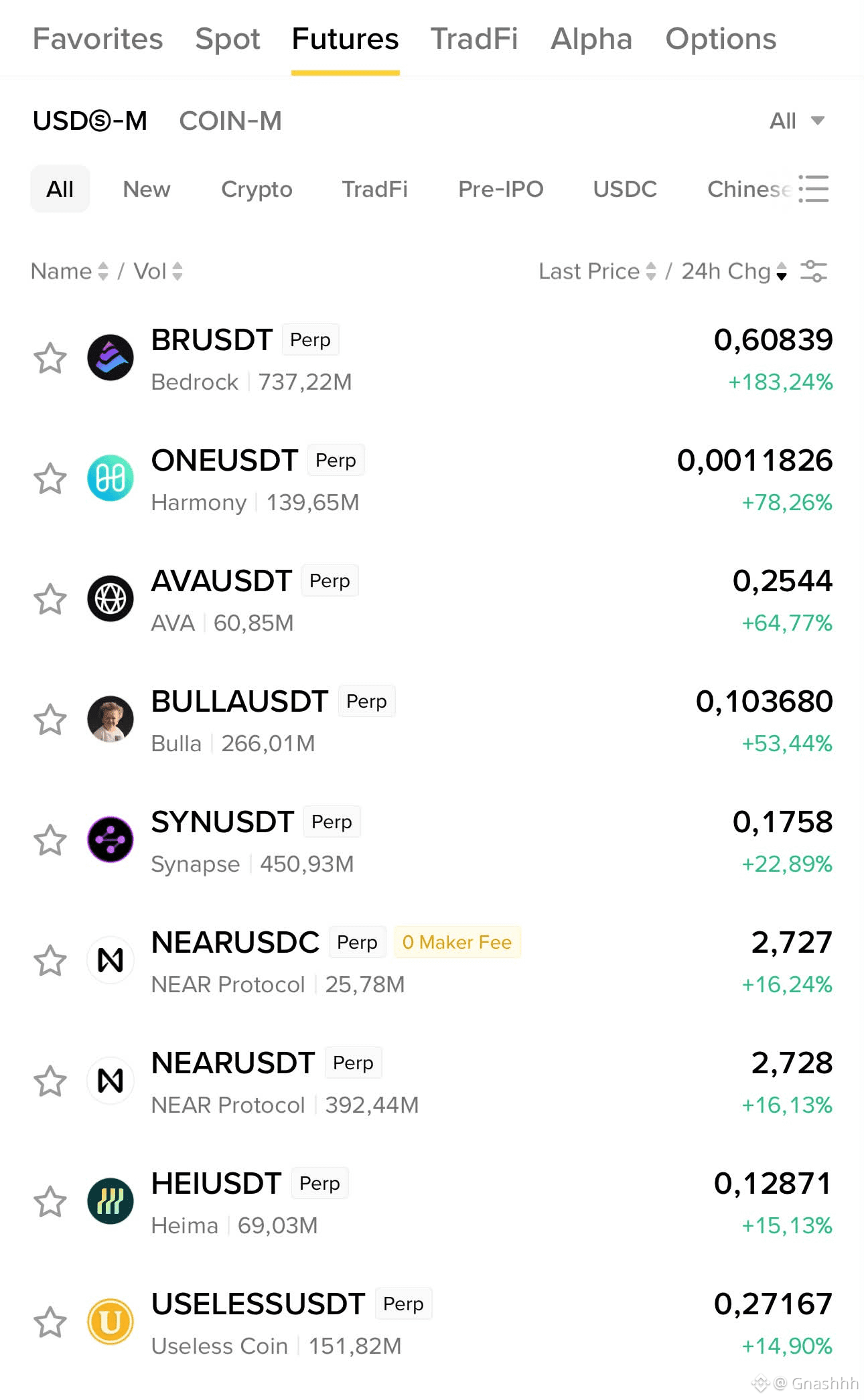
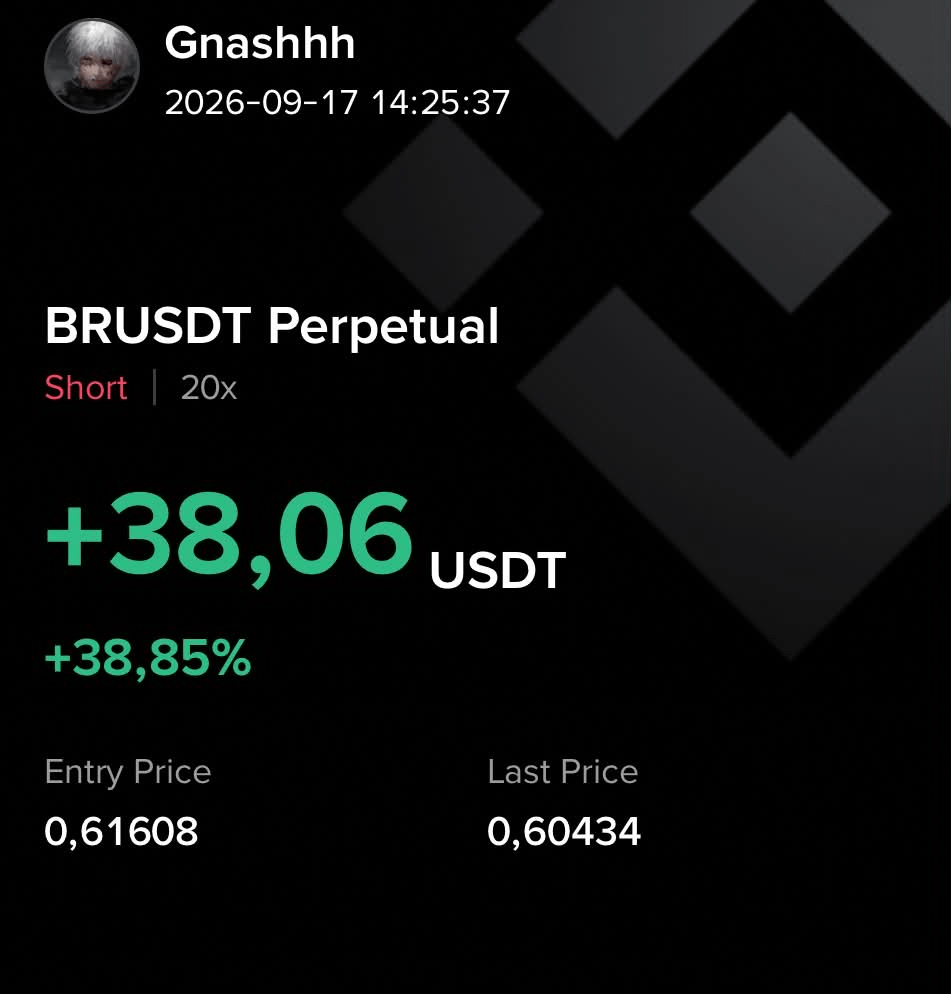
J’avais tellement la FOMO en shortant $BR que j’ai complètement oublié $USELESS et $SYN
Je dois continuer à garder le short, les gars ?
Avis personnels seulement. Ce n’est pas un conseil financier. Vous tradez à vos propres risques. Faites vos propres recherches (DYOR).
{future}(SYNUSDT)
{future}(USELESSUSDT)
{future}(BRUSDT)
J’avais tellement la FOMO en shortant $BR que j’ai complètement oublié $USELESS et $SYN
Je dois continuer à garder le short, les gars ?
Avis personnels seulement. Ce n’est pas un conseil financier. Vous tradez à vos propres risques. Faites vos propres recherches (DYOR).
Je dois continuer à garder le short, les gars ?
Avis personnels seulement. Ce n’est pas un conseil financier. Vous tradez à vos propres risques. Faites vos propres recherches (DYOR).
2
2.3k
·
--
Baissier
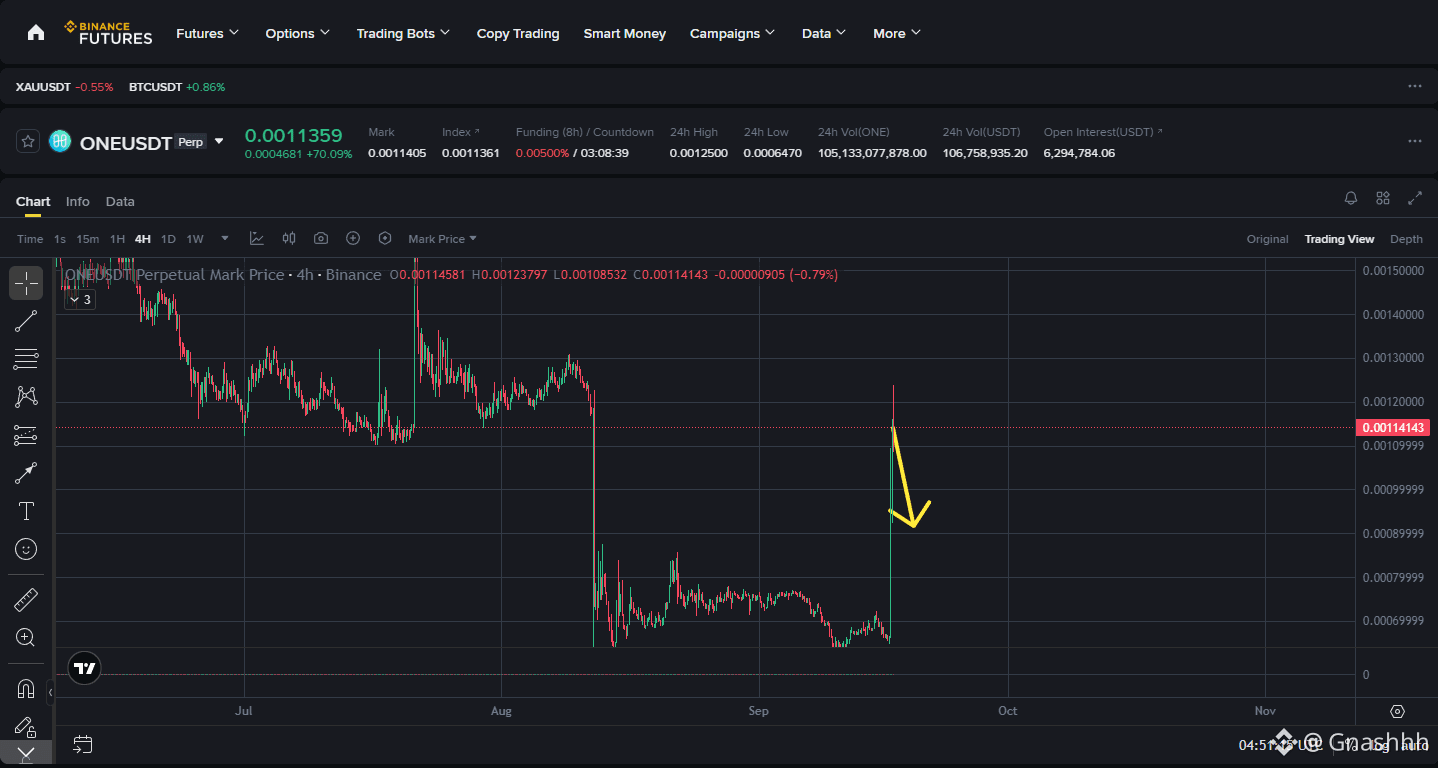
$ONE est issu du récit du Sharding de la couche 1, mais s’est contenté d’opérer un virage majeur vers la tendance à l’IA.
Pas étonnant qu’il soit en pleine forme et qu’il monte fort ces derniers jours.
Mais cette lancée a-t-elle enfin commencé à se calmer ?
Opinions personnelles uniquement. Pas un conseil financier. Tradez à vos propres risques. DYOR.
{future}(ONEUSDT)
$ONE est issu du récit du Sharding de la couche 1, mais s’est contenté d’opérer un virage majeur vers la tendance à l’IA.
Pas étonnant qu’il soit en pleine forme et qu’il monte fort ces derniers jours.
Mais cette lancée a-t-elle enfin commencé à se calmer ?
Opinions personnelles uniquement. Pas un conseil financier. Tradez à vos propres risques. DYOR.
Pas étonnant qu’il soit en pleine forme et qu’il monte fort ces derniers jours.
Mais cette lancée a-t-elle enfin commencé à se calmer ?
Opinions personnelles uniquement. Pas un conseil financier. Tradez à vos propres risques. DYOR.
1
8
2.6k
·
--
Haussier
La narration coréenne n’est pas encore terminée.
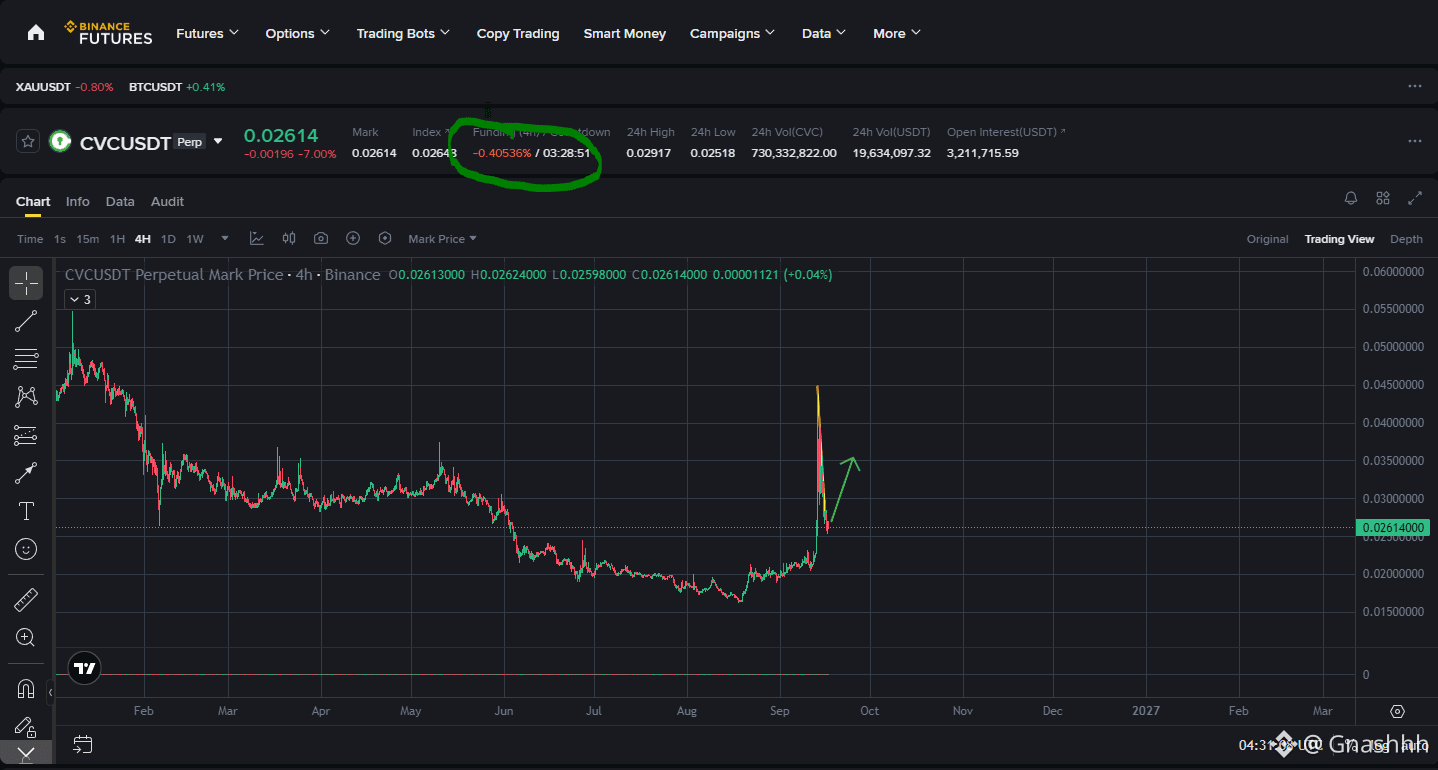
$CVC J’ajoute personnellement ici une autre entrée DCA. Le financement est fortement négatif.
Je vise toujours le même TP qu’avant.
Qu’en pensez-vous ?
Avis personnels uniquement. Pas un conseil financier. Faites du trading à vos propres risques. Faites vos propres recherches (DYOR).
{future}(CVCUSDT)
La narration coréenne n’est pas encore terminée.
$CVC J’ajoute personnellement ici une autre entrée DCA. Le financement est fortement négatif.
Je vise toujours le même TP qu’avant.
Qu’en pensez-vous ?
Avis personnels uniquement. Pas un conseil financier. Faites du trading à vos propres risques. Faites vos propres recherches (DYOR).
$CVC J’ajoute personnellement ici une autre entrée DCA. Le financement est fortement négatif.
Je vise toujours le même TP qu’avant.
Qu’en pensez-vous ?
Avis personnels uniquement. Pas un conseil financier. Faites du trading à vos propres risques. Faites vos propres recherches (DYOR).
Gnashhh
·
--
Haussier$CVC - Récit coréen
Belle entrée pour rebondir !
Ne manquez pas la bête !
Avis personnels uniquement. Ce n’est pas un conseil financier. Tradez à vos propres risques. Faites vos propres recherches (DYOR).
Belle entrée pour rebondir !
Ne manquez pas la bête !
Avis personnels uniquement. Ce n’est pas un conseil financier. Tradez à vos propres risques. Faites vos propres recherches (DYOR).
2
1.1k
·
--
Haussier
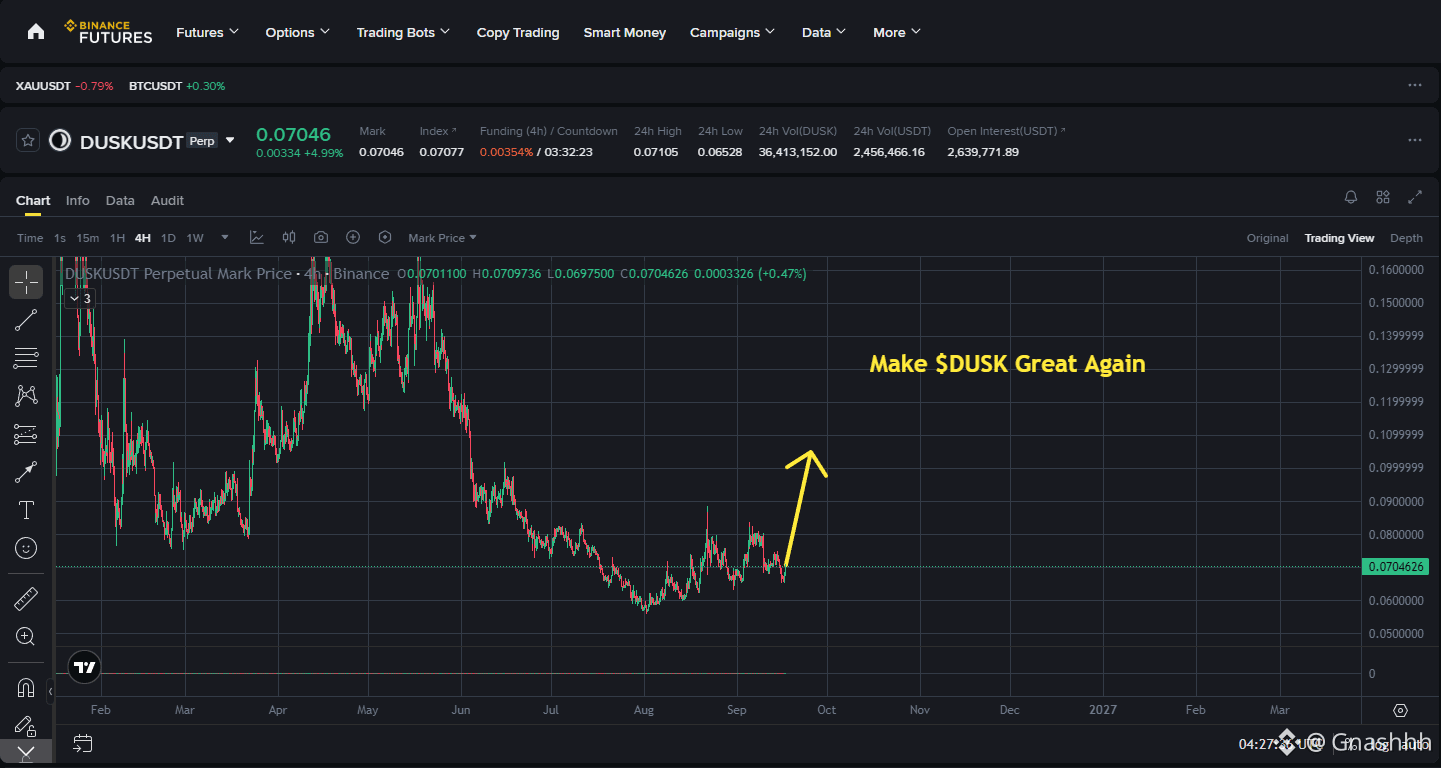
$DUSK est l’un des projets de confidentialité que le marché semble avoir négligé depuis assez longtemps.
On dirait que tout est enfin aligné.
Un énorme pump d’environ 30% serait-il en approche ?
Avis personnels uniquement. Pas un conseil financier. Faites du trading à vos propres risques. Faites vos propres recherches (DYOR). {future}(DUSKUSDT)
$DUSK est l’un des projets de confidentialité que le marché semble avoir négligé depuis assez longtemps.
On dirait que tout est enfin aligné.
Un énorme pump d’environ 30% serait-il en approche ?
Avis personnels uniquement. Pas un conseil financier. Faites du trading à vos propres risques. Faites vos propres recherches (DYOR).
On dirait que tout est enfin aligné.
Un énorme pump d’environ 30% serait-il en approche ?
Avis personnels uniquement. Pas un conseil financier. Faites du trading à vos propres risques. Faites vos propres recherches (DYOR).
4
1.9k
·
--
Haussier
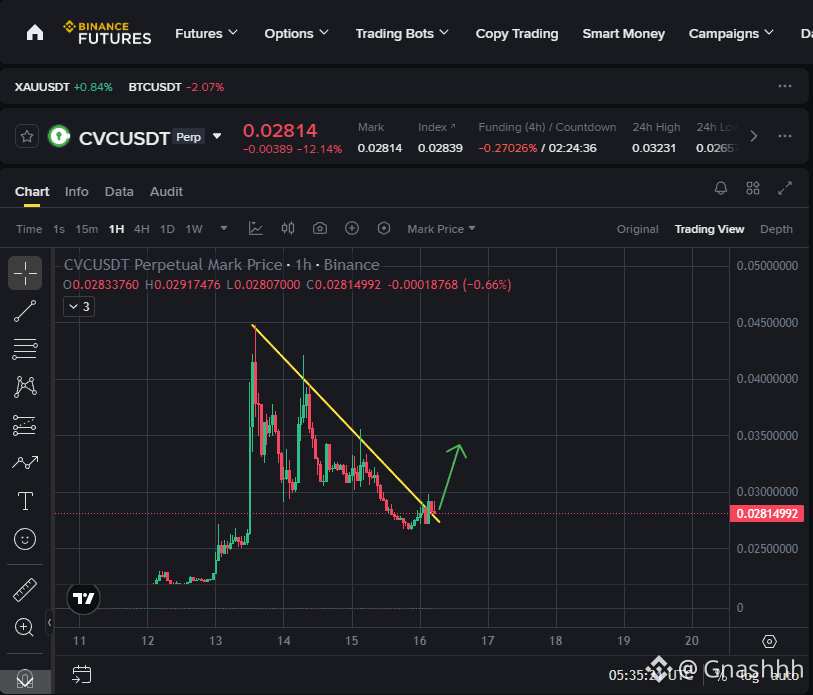
$CVC - Récit coréen
Belle entrée pour rebondir !
Ne manquez pas la bête !
Avis personnels uniquement. Ce n’est pas un conseil financier. Tradez à vos propres risques. Faites vos propres recherches (DYOR). {future}(CVCUSDT)
$CVC - Récit coréen
Belle entrée pour rebondir !
Ne manquez pas la bête !
Avis personnels uniquement. Ce n’est pas un conseil financier. Tradez à vos propres risques. Faites vos propres recherches (DYOR).
Belle entrée pour rebondir !
Ne manquez pas la bête !
Avis personnels uniquement. Ce n’est pas un conseil financier. Tradez à vos propres risques. Faites vos propres recherches (DYOR).
1
1
1.3k
Connectez-vous pour découvrir plus de contenu
Rejoignez la communauté mondiale des adeptes de cryptomonnaies sur Binance Square
⚡️ Suviez les dernières informations importantes sur les cryptomonnaies.
💬 Jugé digne de confiance par la plus grande plateforme d’échange de cryptomonnaies au monde.
👍 Découvrez les connaissances que partagent les créateurs vérifiés.
Adresse e-mail/Nº de téléphone
Sujets d’actualité
SaylorHintsStrategyBitcoinBuy
2.3M vues
12,385 mentions
#saylorhintsstrategybitcoinbuy
🚨 SAYLOR VIENT DE LÂCHER L’INDICE DU DIMANCHE SUR $BTC 👀
Michael Saylor a de nouveau reposté son graphique habituel sur Bitcoin.
Si l’histoire se répète, ces petits points orange pourraient signaler qu’un autre achat de Strategy BTC est en préparation. 🟠
Et quand Saylor achète, le marché le remarque.
🐋 Importantes réserves de BTC
💰 Stratégie d’accumulation continue
📈 Possibilité d’un regain de sentiment à court terme
Mais voici le point clé :
Un repost N’EST PAS une confirmation d’achat.
Le vrai signal arrive quand Strategy annonce officiellement la transaction.
🔥 Si un autre gros achat de BTC est annoncé, le marché réagira-t-il cette fois-ci ?
Ou l’accumulation de Saylor devient-elle tellement routinière que les traders réagissent à peine ?
👀 Surveillez l’annonce.
$MSTRB
#BTC #strategy #crypto #BitcoinNews
sdatta
·5 mentions J’aime
·6.1k vues
BOJRaisesRatesTo31YearHigh
249,098 vues
3,252 mentions
BuffettStepsDownAsBerkshireChairman
120,402 vues
1,742 mentions