
H A S S A A N
11.1k Publications
H A S S A A N
Signaler
Bloquer l’utilisateur
Hold dreams, take risks.
Ouvert au trading
Trade régulièrement
2.3 an(s)
104 Suivis
19.3K+ Abonnés
82.7K+ J’aime
Publications
Portefeuille
Tous
Citations
Vidéos
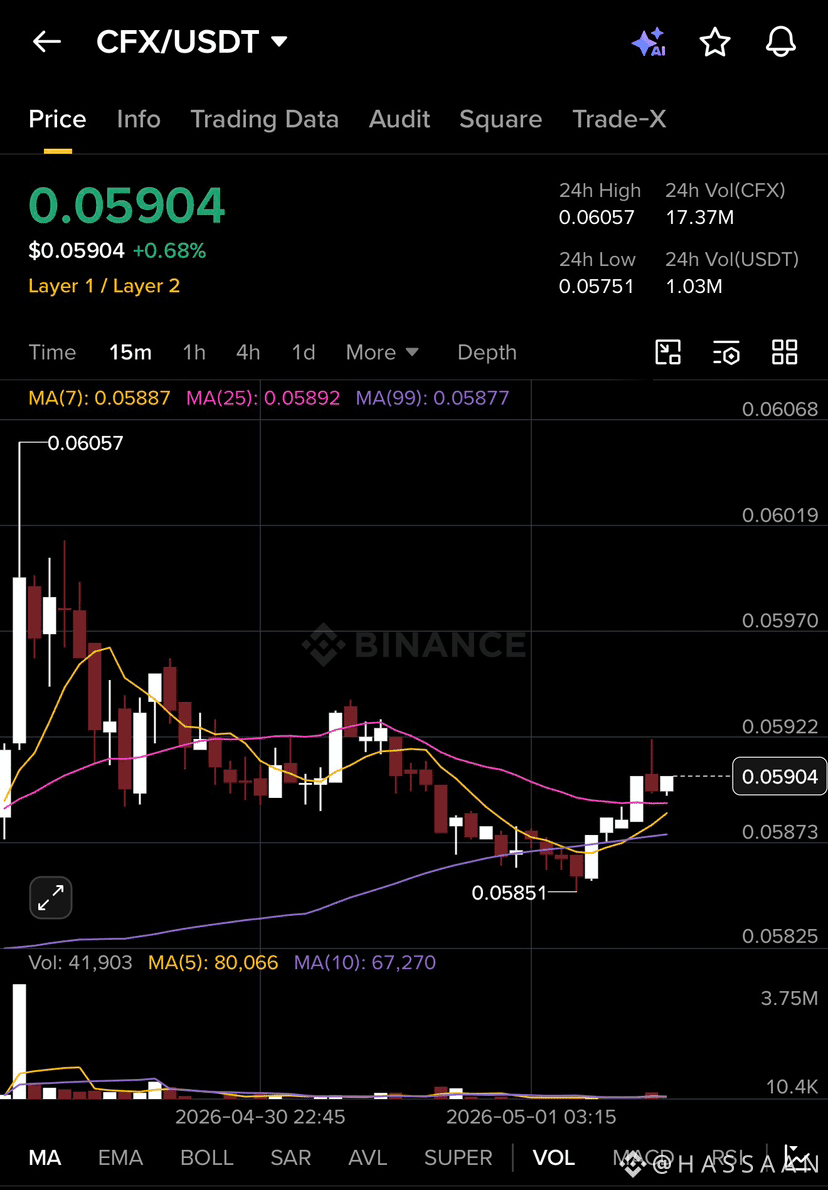
$CFX commence à monter.
Le prix monte pas à pas, se maintient solide lors des replis.
Plus d'acheteurs arrivent alors que le volume augmente.
On dirait que quelque chose de plus grand se prépare ici.
$CFX commence à monter.
Le prix monte pas à pas, se maintient solide lors des replis.
Plus d'acheteurs arrivent alors que le volume augmente.
On dirait que quelque chose de plus grand se prépare ici.
Le prix monte pas à pas, se maintient solide lors des replis.
Plus d'acheteurs arrivent alors que le volume augmente.
On dirait que quelque chose de plus grand se prépare ici.
1
774
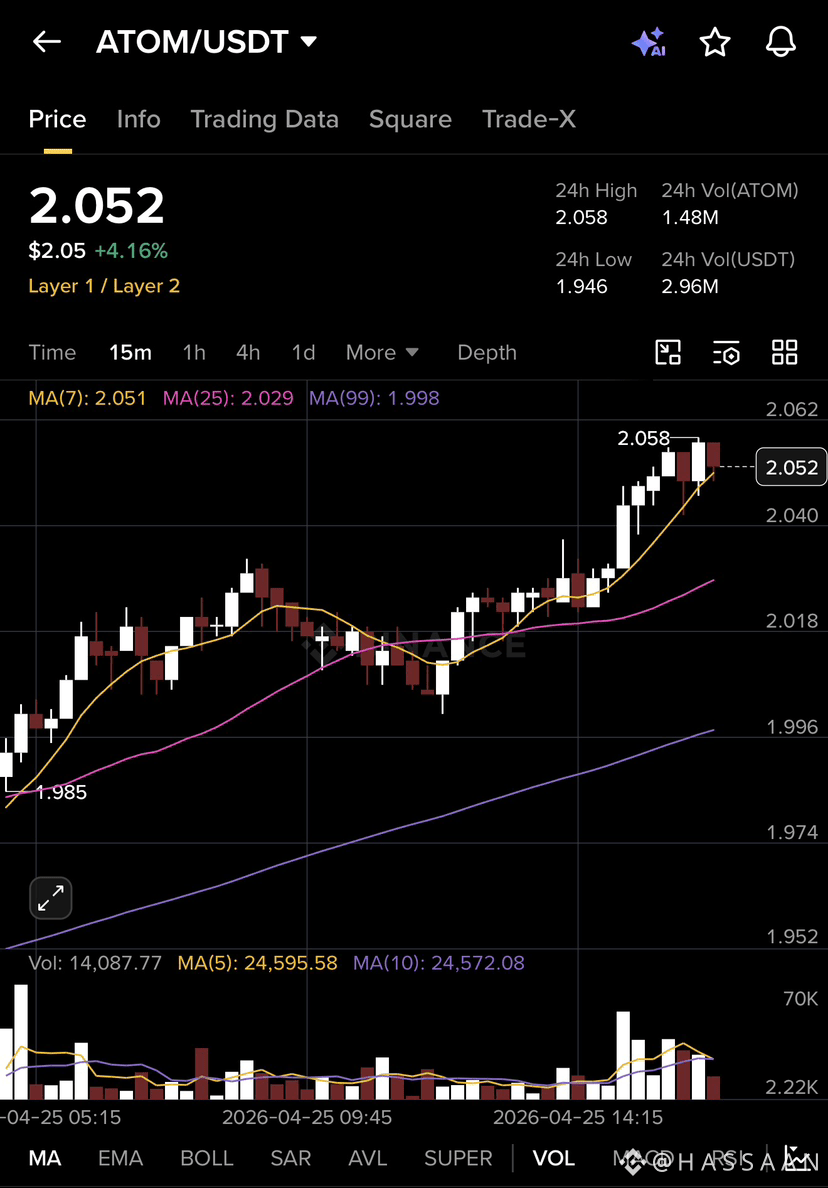
$ATOM monte bien.
Le prix continue de grimper avec une force constante.
Le volume augmente alors que de plus en plus d'acheteurs entrent en scène.
On dirait que ça pourrait continuer à pousser plus haut.
$ATOM monte bien.
Le prix continue de grimper avec une force constante.
Le volume augmente alors que de plus en plus d'acheteurs entrent en scène.
On dirait que ça pourrait continuer à pousser plus haut.
Le prix continue de grimper avec une force constante.
Le volume augmente alors que de plus en plus d'acheteurs entrent en scène.
On dirait que ça pourrait continuer à pousser plus haut.
656
·
--
Haussier
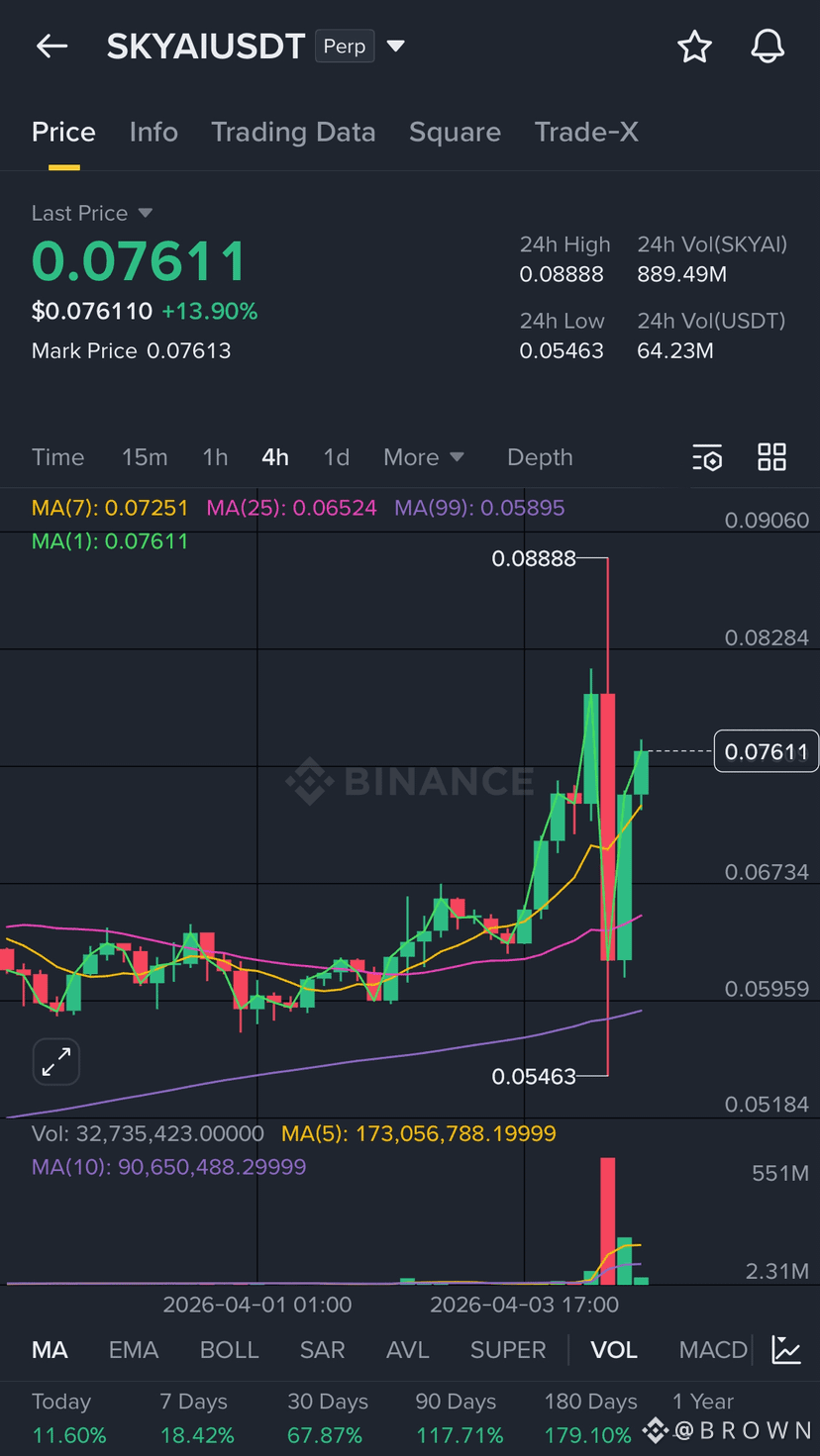
$SKYAI – L'élan s'estompe à la résistance, mise en place d'une vente à découvert
Rejet net après le pic, longue mèche supérieure + volume de vente élevé montre l'offre qui s'installe. Le prix a du mal à reprendre des sommets.
Plan de trading Vente à découvert $SKYAI (max 10x)
Entrée : 0.0735 – 0.0780
SL : 0.082
TP : 0.0680
TP : 0.0625
TP : 0.0570
Mouvement rapide vers le haut, faible continuation, épuisement classique. S'il ne peut pas maintenir au-dessus de la plage médiane, la liquidité à la baisse sera probablement sollicitée ensuite.
Trade $SKYAI ici 👇
$SKYAI – L'élan s'estompe à la résistance, mise en place d'une vente à découvert
Rejet net après le pic, longue mèche supérieure + volume de vente élevé montre l'offre qui s'installe. Le prix a du mal à reprendre des sommets.
Plan de trading Vente à découvert $SKYAI (max 10x)
Entrée : 0.0735 – 0.0780
SL : 0.082
TP : 0.0680
TP : 0.0625
TP : 0.0570
Mouvement rapide vers le haut, faible continuation, épuisement classique. S'il ne peut pas maintenir au-dessus de la plage médiane, la liquidité à la baisse sera probablement sollicitée ensuite.
Trade $SKYAI ici 👇
Rejet net après le pic, longue mèche supérieure + volume de vente élevé montre l'offre qui s'installe. Le prix a du mal à reprendre des sommets.
Plan de trading Vente à découvert $SKYAI (max 10x)
Entrée : 0.0735 – 0.0780
SL : 0.082
TP : 0.0680
TP : 0.0625
TP : 0.0570
Mouvement rapide vers le haut, faible continuation, épuisement classique. S'il ne peut pas maintenir au-dessus de la plage médiane, la liquidité à la baisse sera probablement sollicitée ensuite.
Trade $SKYAI ici 👇
1
230
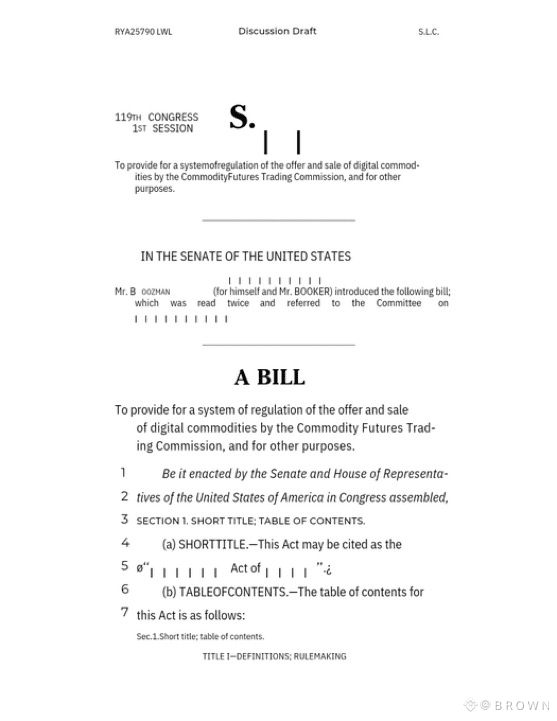
🚨 On dirait un tournant.
La loi CLARITY serait apparemment sur le point de se conclure dans les heures qui viennent.
Des années d'incertitude... potentiellement remplacées par des règles claires du jour au lendemain.
Si cela se concrétise, ce n'est pas juste une nouvelle — c'est une infrastructure pour la prochaine phase.
Les marchés n'attendent pas la clarté.
Ils ajustent les prix dès que cela arrive.
Restez prêt.
🚨 On dirait un tournant.
La loi CLARITY serait apparemment sur le point de se conclure dans les heures qui viennent.
Des années d'incertitude... potentiellement remplacées par des règles claires du jour au lendemain.
Si cela se concrétise, ce n'est pas juste une nouvelle — c'est une infrastructure pour la prochaine phase.
Les marchés n'attendent pas la clarté.
Ils ajustent les prix dès que cela arrive.
Restez prêt.
La loi CLARITY serait apparemment sur le point de se conclure dans les heures qui viennent.
Des années d'incertitude... potentiellement remplacées par des règles claires du jour au lendemain.
Si cela se concrétise, ce n'est pas juste une nouvelle — c'est une infrastructure pour la prochaine phase.
Les marchés n'attendent pas la clarté.
Ils ajustent les prix dès que cela arrive.
Restez prêt.
1
2
359
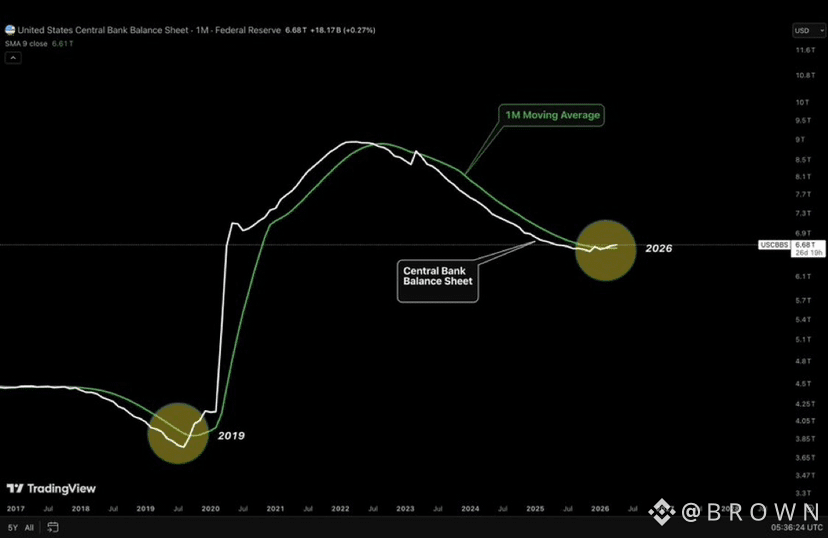
LA LIQUIDITÉ EST SUR LE POINT DE REVENIR !!
En 2019, la Fed a commencé à élargir son bilan et à injecter de l'argent dans le système. Les marchés ont adoré.
Depuis la fin du QT en décembre 2025, la Fed a déjà injecté 160 milliards de dollars.
Plus d'argent dans le système signifie plus de réserves dans les banques. Plus de réserves signifient plus d'argent qui circule sur les marchés. Et historiquement, cela a été très bon pour les actions et les crypto-monnaies.
LA LIQUIDITÉ EST SUR LE POINT DE REVENIR !!
En 2019, la Fed a commencé à élargir son bilan et à injecter de l'argent dans le système. Les marchés ont adoré.
Depuis la fin du QT en décembre 2025, la Fed a déjà injecté 160 milliards de dollars.
Plus d'argent dans le système signifie plus de réserves dans les banques. Plus de réserves signifient plus d'argent qui circule sur les marchés. Et historiquement, cela a été très bon pour les actions et les crypto-monnaies.
En 2019, la Fed a commencé à élargir son bilan et à injecter de l'argent dans le système. Les marchés ont adoré.
Depuis la fin du QT en décembre 2025, la Fed a déjà injecté 160 milliards de dollars.
Plus d'argent dans le système signifie plus de réserves dans les banques. Plus de réserves signifient plus d'argent qui circule sur les marchés. Et historiquement, cela a été très bon pour les actions et les crypto-monnaies.
3
402
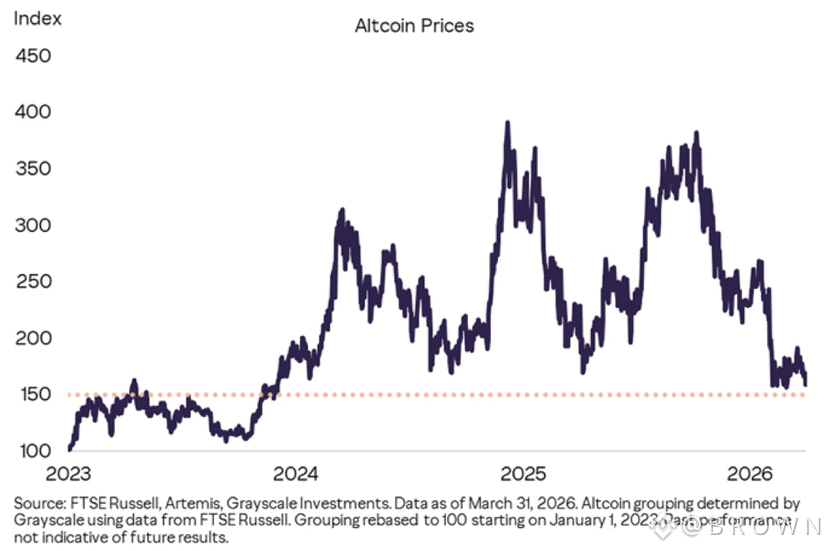
🔥 MISE À JOUR:
Des altcoins leaders, y compris $ETH, $SOL, $LINK, $SUI, et $AVAX , pourraient offrir un point d'entrée intéressant alors qu'ils se négocient près de leurs plus bas sur plusieurs années, selon Grayscale.
🔥 MISE À JOUR:
Des altcoins leaders, y compris $ETH, $SOL, $LINK, $SUI, et $AVAX , pourraient offrir un point d'entrée intéressant alors qu'ils se négocient près de leurs plus bas sur plusieurs années, selon Grayscale.
Des altcoins leaders, y compris $ETH, $SOL, $LINK, $SUI, et $AVAX , pourraient offrir un point d'entrée intéressant alors qu'ils se négocient près de leurs plus bas sur plusieurs années, selon Grayscale.
3
418
·
--
Haussier
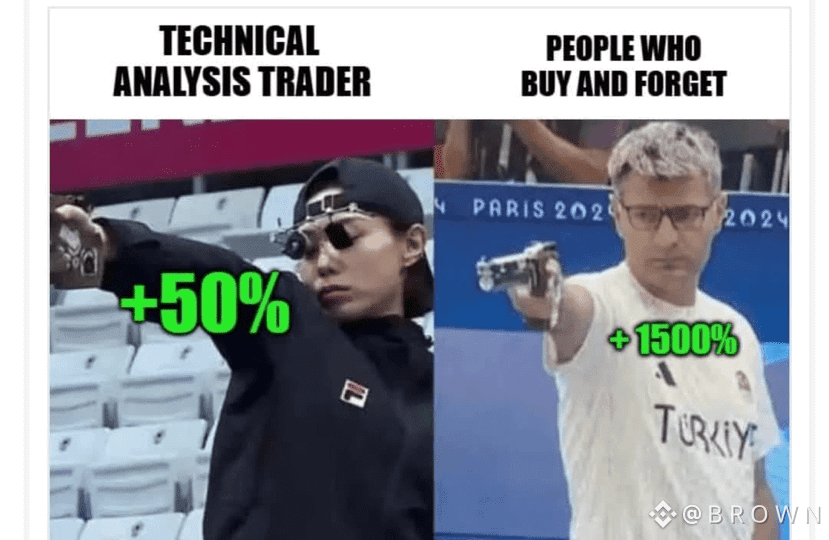
Arrêtez de sauter dans et hors de chaque mouvement.
Choisissez une thèse en laquelle vous croyez, engagez-vous à celle-ci et laissez-la se dérouler.
#TradingTales #TradeToWin
Arrêtez de sauter dans et hors de chaque mouvement.
Choisissez une thèse en laquelle vous croyez, engagez-vous à celle-ci et laissez-la se dérouler.
#TradingTales #TradeToWin
Choisissez une thèse en laquelle vous croyez, engagez-vous à celle-ci et laissez-la se dérouler.
#TradingTales #TradeToWin
8
207
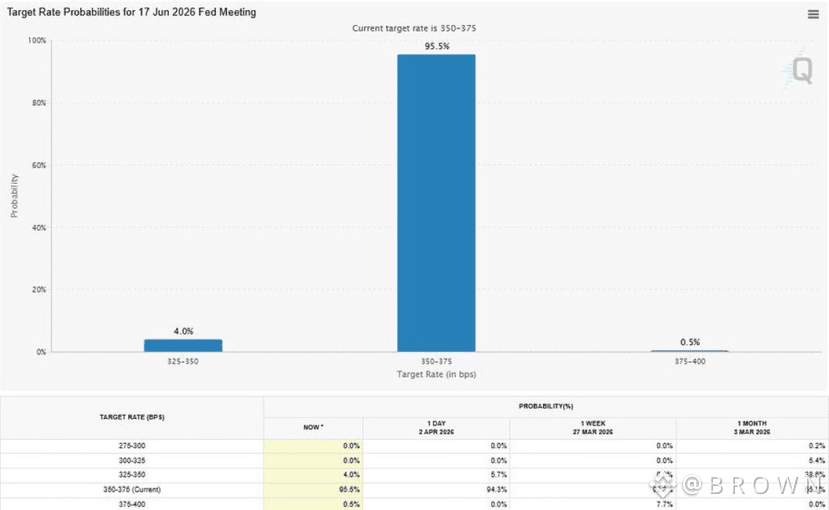
Des données solides sur les emplois non agricoles viennent de renforcer les attentes de maintien de la Fed.
Les marchés estiment maintenant à 95,5% la probabilité que la Réserve fédérale maintienne les taux inchangés.
Les réductions de taux continuent d'être repoussées plus loin.
Des données solides sur les emplois non agricoles viennent de renforcer les attentes de maintien de la Fed.
Les marchés estiment maintenant à 95,5% la probabilité que la Réserve fédérale maintienne les taux inchangés.
Les réductions de taux continuent d'être repoussées plus loin.
Les marchés estiment maintenant à 95,5% la probabilité que la Réserve fédérale maintienne les taux inchangés.
Les réductions de taux continuent d'être repoussées plus loin.
10
281
Les RWAs sont toujours l'un des rares secteurs montrant une réelle traction en ce moment.
Les actifs tokenisés s'élèvent à environ 26,7 milliards de dollars, avec les bons du Trésor américain en tête du flux. Alors que la plupart du marché ralentit, le capital continue de se diriger vers des actifs du monde réel sur la chaîne.
Vue mise à jour :
→ Valeur des actifs distribués : ~26,71 milliards de dollars (+2,31 % sur 30 jours)
→ Valeur des actifs représentés : ~345,07 milliards de dollars
Ce n'est pas une question de narration — c'est du capital à la recherche de stabilité et de rendement.
$ONDO $CFG
Les RWAs sont toujours l'un des rares secteurs montrant une réelle traction en ce moment.
Les actifs tokenisés s'élèvent à environ 26,7 milliards de dollars, avec les bons du Trésor américain en tête du flux. Alors que la plupart du marché ralentit, le capital continue de se diriger vers des actifs du monde réel sur la chaîne.
Vue mise à jour :
→ Valeur des actifs distribués : ~26,71 milliards de dollars (+2,31 % sur 30 jours)
→ Valeur des actifs représentés : ~345,07 milliards de dollars
Ce n'est pas une question de narration — c'est du capital à la recherche de stabilité et de rendement.
$ONDO $CFG
Les actifs tokenisés s'élèvent à environ 26,7 milliards de dollars, avec les bons du Trésor américain en tête du flux. Alors que la plupart du marché ralentit, le capital continue de se diriger vers des actifs du monde réel sur la chaîne.
Vue mise à jour :
→ Valeur des actifs distribués : ~26,71 milliards de dollars (+2,31 % sur 30 jours)
→ Valeur des actifs représentés : ~345,07 milliards de dollars
Ce n'est pas une question de narration — c'est du capital à la recherche de stabilité et de rendement.
$ONDO $CFG
Has the season started?
33%
Or is it too early?
67%
3 Votes • Vote fermé
10
716
·
--
Haussier
🔥 NOUVEAUTÉ :
Le fondateur de Binance, CZ, s'apprête à lancer son livre "La liberté de l'argent" la semaine prochaine.
#CZ
🔥 NOUVEAUTÉ :
Le fondateur de Binance, CZ, s'apprête à lancer son livre "La liberté de l'argent" la semaine prochaine.
#CZ
Le fondateur de Binance, CZ, s'apprête à lancer son livre "La liberté de l'argent" la semaine prochaine.
#CZ

9
173
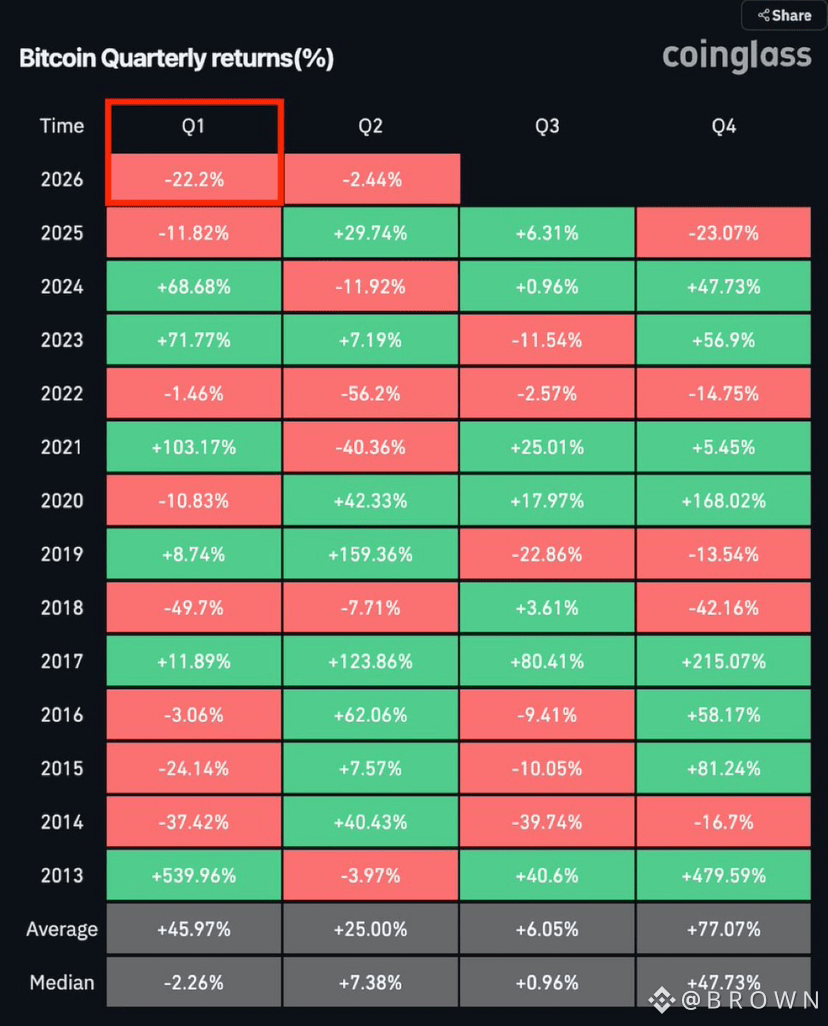
Bitcoin vient de conclure son pire T1 en 8 ans.
8 ANS.
Bitcoin vient de conclure son pire T1 en 8 ans.
8 ANS.
8 ANS.
7
203
🚨EN DIRECT🚨
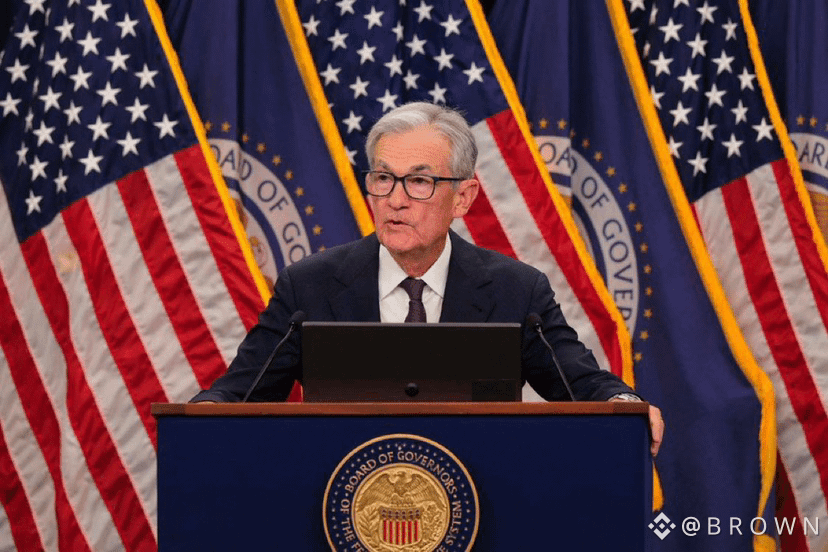
🇺🇸 Le chômage aux États-Unis est de 4,3%
Attentes : 4,4%
🚨EN DIRECT🚨
🇺🇸 Le chômage aux États-Unis est de 4,3%
Attentes : 4,4%
🇺🇸 Le chômage aux États-Unis est de 4,3%
Attentes : 4,4%
10
273
·
--
Haussier
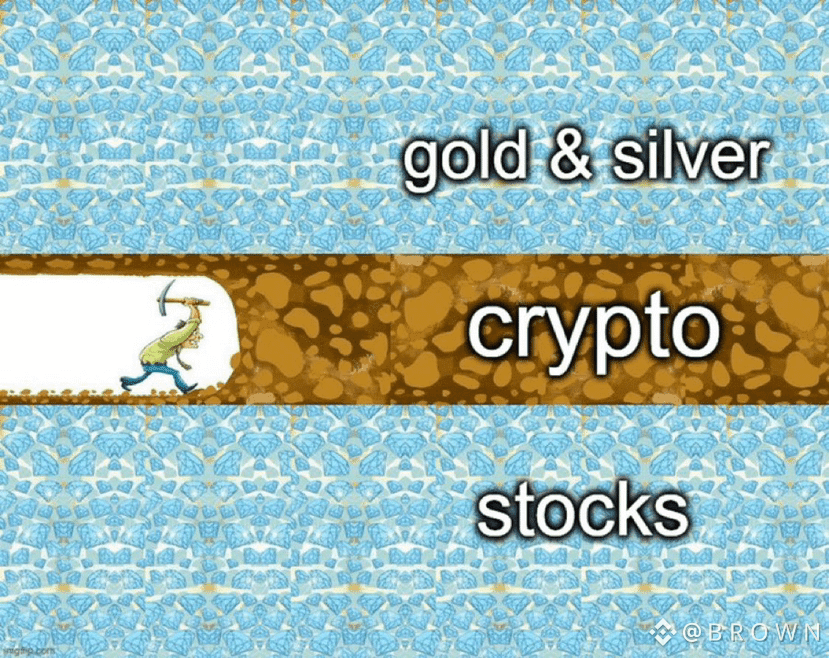
Crypto après le premier président pro-crypto.
Crypto après le premier président pro-crypto.
7
77
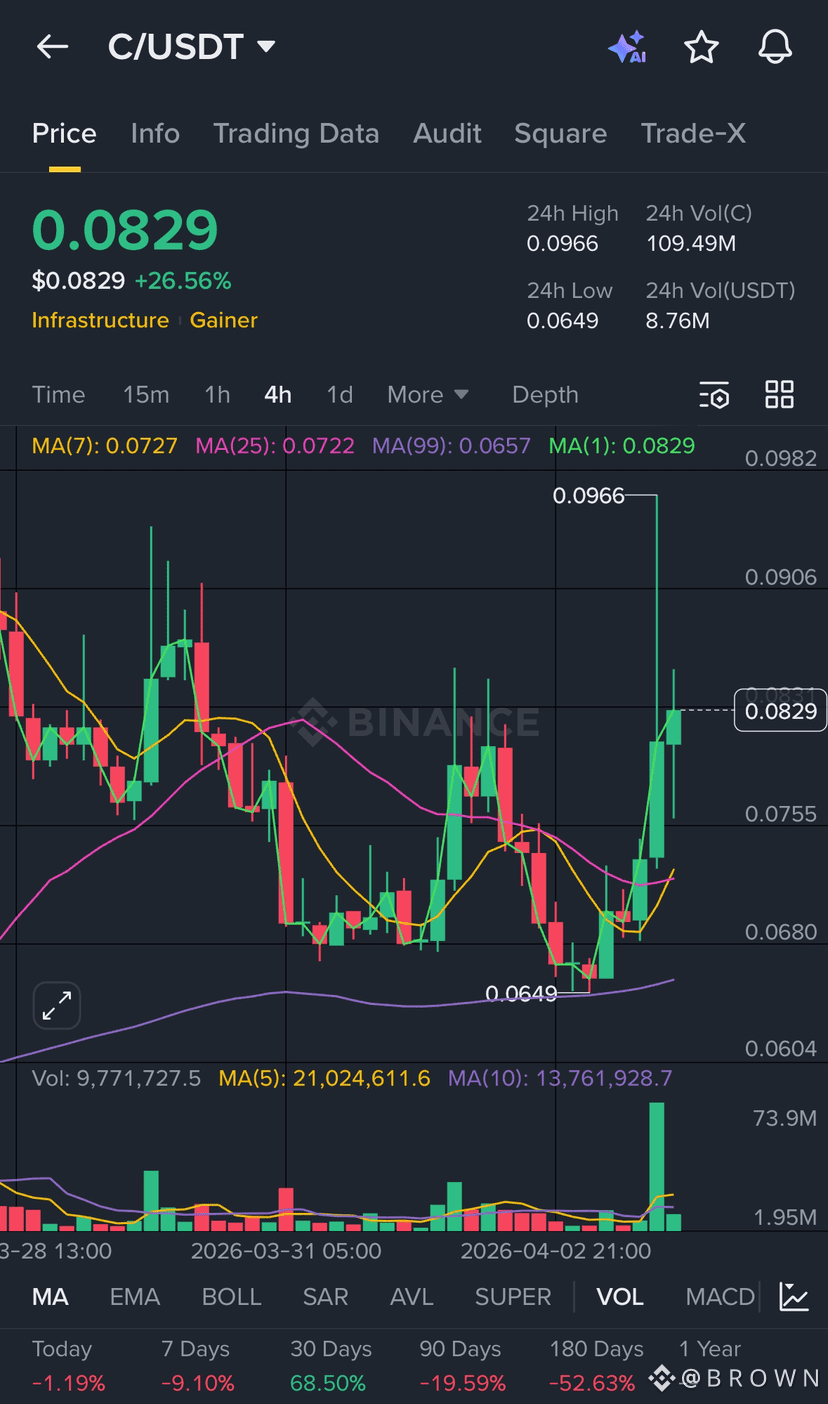
$C forte réaction après les creux et l'élan a rapidement repris.
Rebond propre depuis la zone de 0,065 et maintenant repoussant au-dessus de 0,08+ avec un volume qui entre. Ce mouvement montre que les acheteurs sont à nouveau actifs.
Je ne poursuis pas ce pic, mais s'il se maintient au-dessus du support, cela pourrait se construire en une solide continuité.
On dirait que la force précoce revient !!
🤟🏻❤️🔥
{spot}(CUSDT)
$C forte réaction après les creux et l'élan a rapidement repris.
Rebond propre depuis la zone de 0,065 et maintenant repoussant au-dessus de 0,08+ avec un volume qui entre. Ce mouvement montre que les acheteurs sont à nouveau actifs.
Je ne poursuis pas ce pic, mais s'il se maintient au-dessus du support, cela pourrait se construire en une solide continuité.
On dirait que la force précoce revient !!
🤟🏻❤️🔥
Rebond propre depuis la zone de 0,065 et maintenant repoussant au-dessus de 0,08+ avec un volume qui entre. Ce mouvement montre que les acheteurs sont à nouveau actifs.
Je ne poursuis pas ce pic, mais s'il se maintient au-dessus du support, cela pourrait se construire en une solide continuité.
On dirait que la force précoce revient !!
🤟🏻❤️🔥
7
158
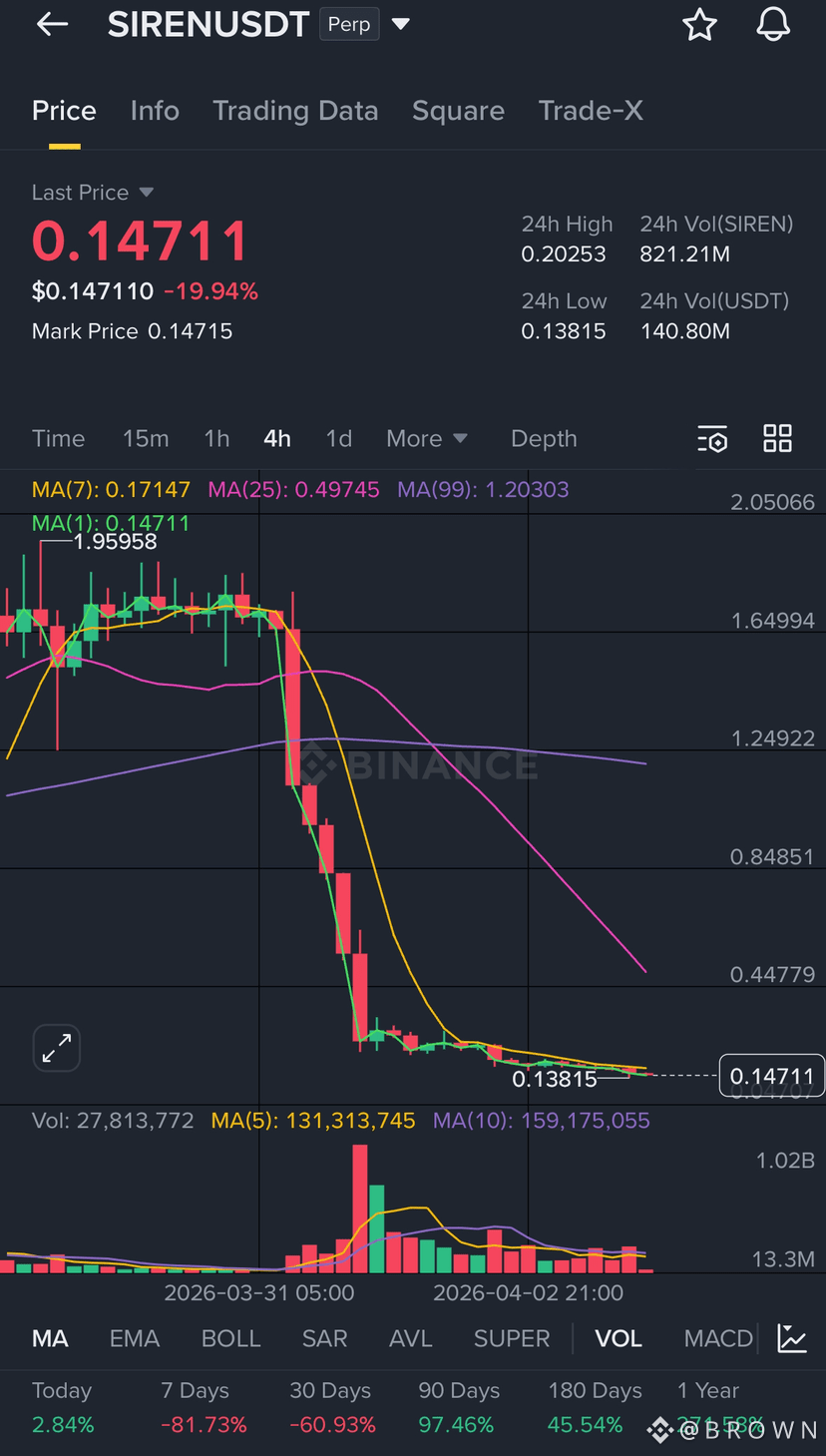
$SIREN commence à ralentir après cette forte chute.
Le prix se stabilise près des bas, et vous pouvez voir la pression de vente diminuer un peu. Pas encore fort, mais c'est généralement ainsi que commencent les bases précoces.
Je ne me précipite pas, mais je surveille de près un changement de momentum.
Si cela tient et se développe, nous pourrions voir une récupération décente 👀
🚨🤌🏻
{future}(SIRENUSDT)
$SIREN commence à ralentir après cette forte chute.
Le prix se stabilise près des bas, et vous pouvez voir la pression de vente diminuer un peu. Pas encore fort, mais c'est généralement ainsi que commencent les bases précoces.
Je ne me précipite pas, mais je surveille de près un changement de momentum.
Si cela tient et se développe, nous pourrions voir une récupération décente 👀
🚨🤌🏻
Le prix se stabilise près des bas, et vous pouvez voir la pression de vente diminuer un peu. Pas encore fort, mais c'est généralement ainsi que commencent les bases précoces.
Je ne me précipite pas, mais je surveille de près un changement de momentum.
Si cela tient et se développe, nous pourrions voir une récupération décente 👀
🚨🤌🏻
2
6
506
·
--
Haussier
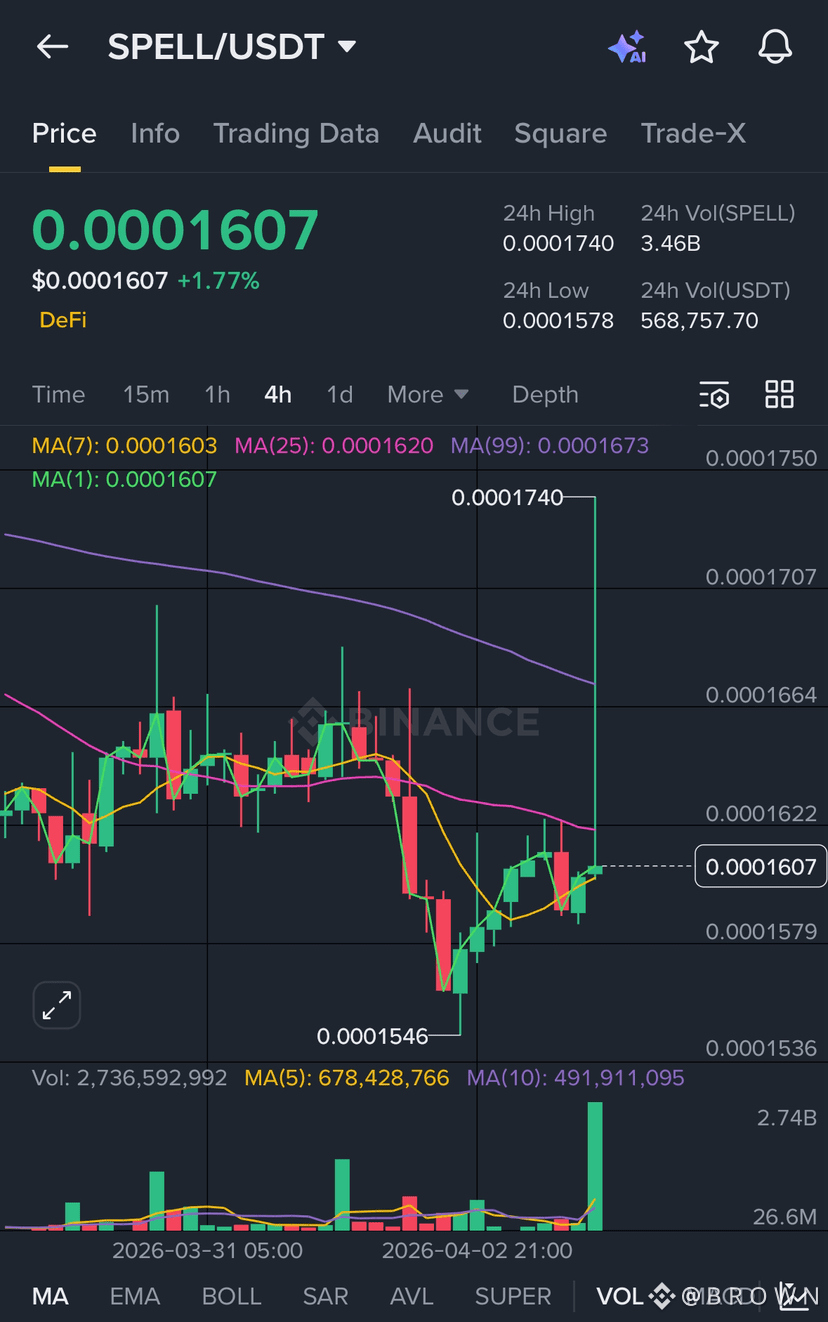
$SPELL montrant des signes de vie après cette baisse, mais nécessite encore une confirmation.
Beau rebond depuis la zone 0.000154, et en train de récupérer la structure à court terme. Le pic de volume est intéressant, mais le prix reste sous la résistance.
Pour moi, c'est une attente d'une rupture claire avant de devenir confiant.
Les premiers signes sont là, juste pas encore complètement là
✨🧞♂️
{spot}(SPELLUSDT)
$SPELL montrant des signes de vie après cette baisse, mais nécessite encore une confirmation.
Beau rebond depuis la zone 0.000154, et en train de récupérer la structure à court terme. Le pic de volume est intéressant, mais le prix reste sous la résistance.
Pour moi, c'est une attente d'une rupture claire avant de devenir confiant.
Les premiers signes sont là, juste pas encore complètement là
✨🧞♂️
Beau rebond depuis la zone 0.000154, et en train de récupérer la structure à court terme. Le pic de volume est intéressant, mais le prix reste sous la résistance.
Pour moi, c'est une attente d'une rupture claire avant de devenir confiant.
Les premiers signes sont là, juste pas encore complètement là
✨🧞♂️
6
249
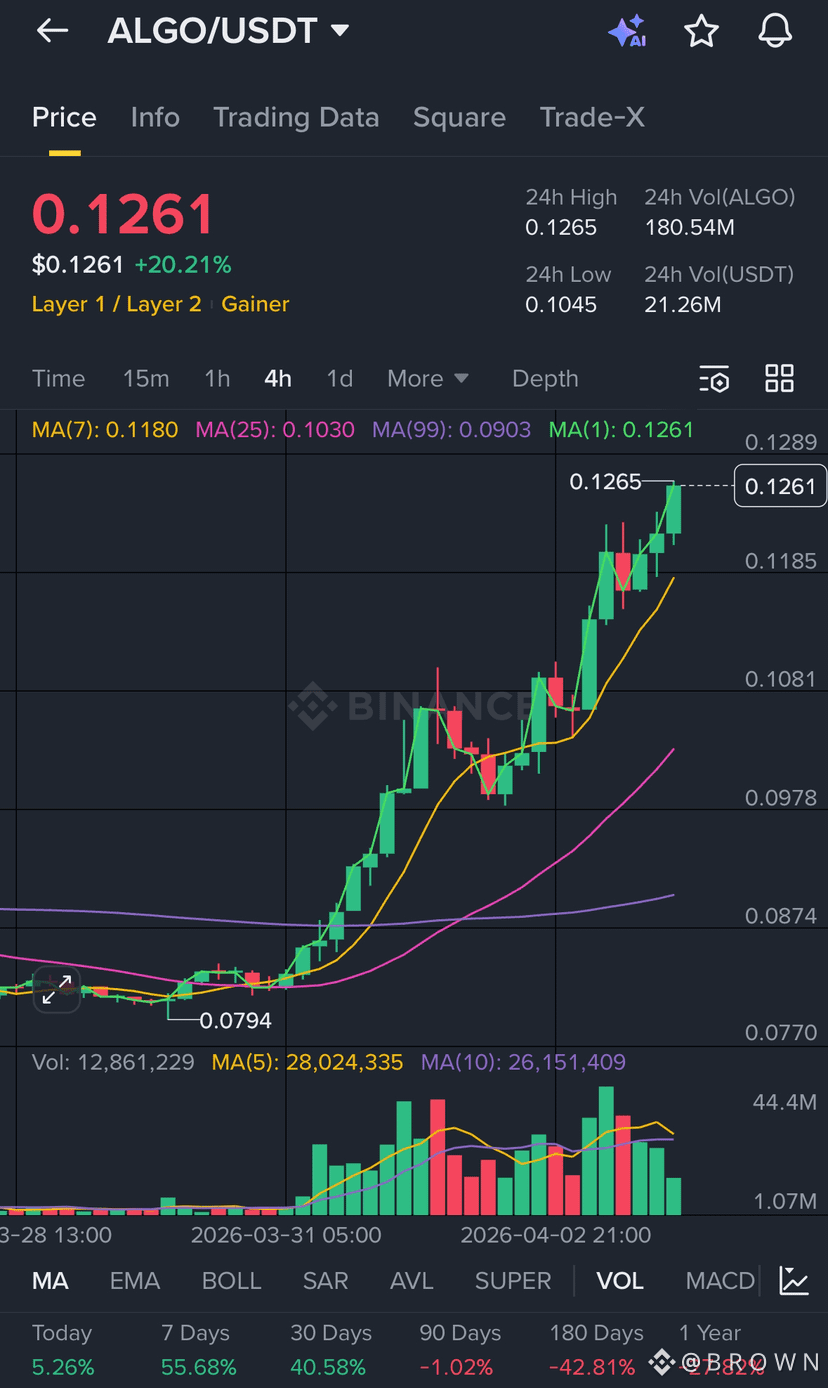
$ALGO tendance propre, forte dynamique et aucun signe de ralentissement pour le moment.
Belle rupture de la zone 0.08 et maintenant en train de pousser vers de nouveaux sommets autour de 0.126. La structure est solide, des sommets plus élevés, des creux plus élevés, les acheteurs sont pleinement en contrôle.
Je ne poursuis pas cette extension, les replis vers le support sont là où je suis intéressé.
Tant que cela tient, cela peut continuer à monter 👀
{spot}(ALGOUSDT)
$ALGO tendance propre, forte dynamique et aucun signe de ralentissement pour le moment.
Belle rupture de la zone 0.08 et maintenant en train de pousser vers de nouveaux sommets autour de 0.126. La structure est solide, des sommets plus élevés, des creux plus élevés, les acheteurs sont pleinement en contrôle.
Je ne poursuis pas cette extension, les replis vers le support sont là où je suis intéressé.
Tant que cela tient, cela peut continuer à monter 👀
Belle rupture de la zone 0.08 et maintenant en train de pousser vers de nouveaux sommets autour de 0.126. La structure est solide, des sommets plus élevés, des creux plus élevés, les acheteurs sont pleinement en contrôle.
Je ne poursuis pas cette extension, les replis vers le support sont là où je suis intéressé.
Tant que cela tient, cela peut continuer à monter 👀
6
214
·
--
Haussier
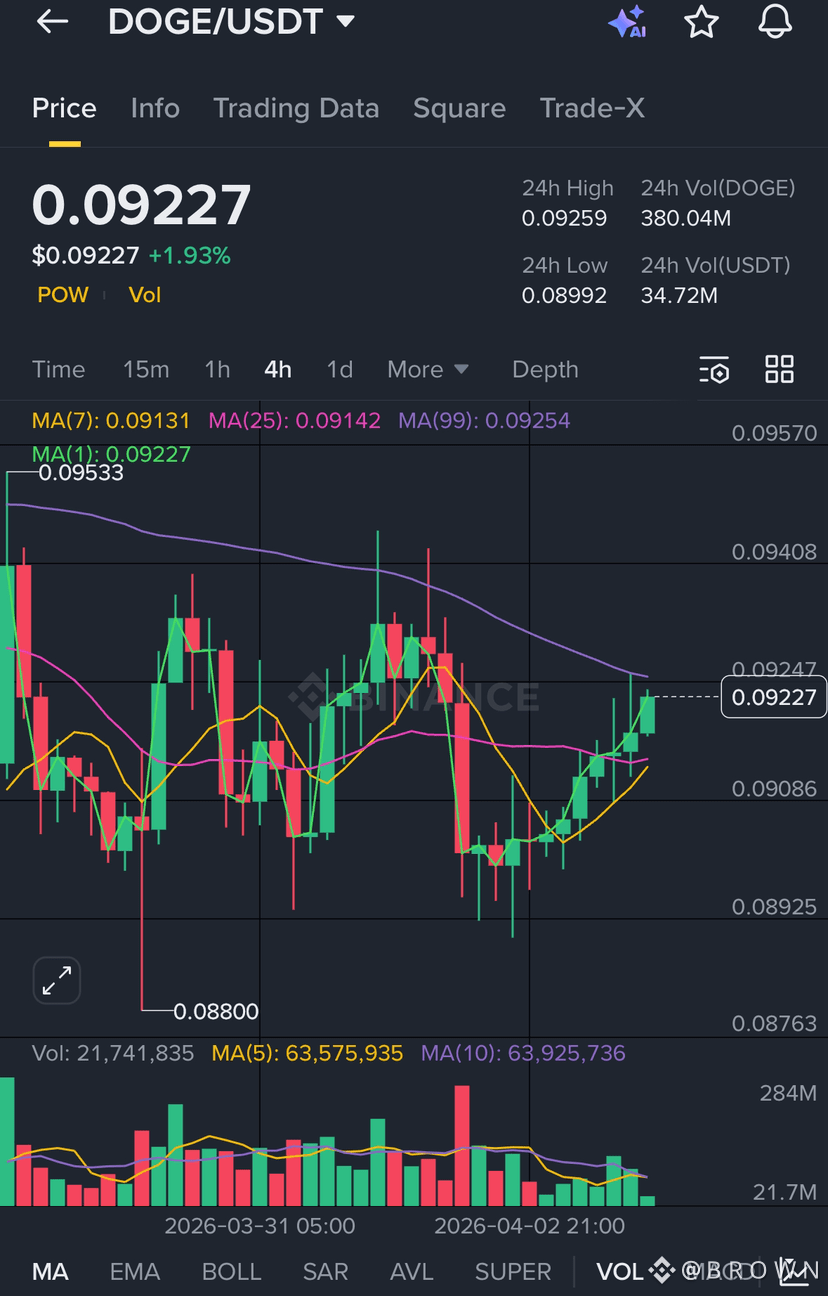
$DOGE commençant à se recroqueviller ici après avoir maintenu cette zone de 0,088 de manière satisfaisante.
Lente remontée au-dessus de 0,092, et vous pouvez voir l'élan se construire avec des creux plus élevés se formant. Rien d'explosif pour l'instant, mais la structure s'améliore.
Je traiterais toujours cela comme une plage jusqu'à ce que nous obtenions une rupture claire au-dessus de la résistance.
Patience ici, mais cela commence à avoir meilleure allure 👀
🐕🐕
{spot}(DOGEUSDT)
$DOGE commençant à se recroqueviller ici après avoir maintenu cette zone de 0,088 de manière satisfaisante.
Lente remontée au-dessus de 0,092, et vous pouvez voir l'élan se construire avec des creux plus élevés se formant. Rien d'explosif pour l'instant, mais la structure s'améliore.
Je traiterais toujours cela comme une plage jusqu'à ce que nous obtenions une rupture claire au-dessus de la résistance.
Patience ici, mais cela commence à avoir meilleure allure 👀
🐕🐕
Lente remontée au-dessus de 0,092, et vous pouvez voir l'élan se construire avec des creux plus élevés se formant. Rien d'explosif pour l'instant, mais la structure s'améliore.
Je traiterais toujours cela comme une plage jusqu'à ce que nous obtenions une rupture claire au-dessus de la résistance.
Patience ici, mais cela commence à avoir meilleure allure 👀
🐕🐕
5
169
·
--
Baissier
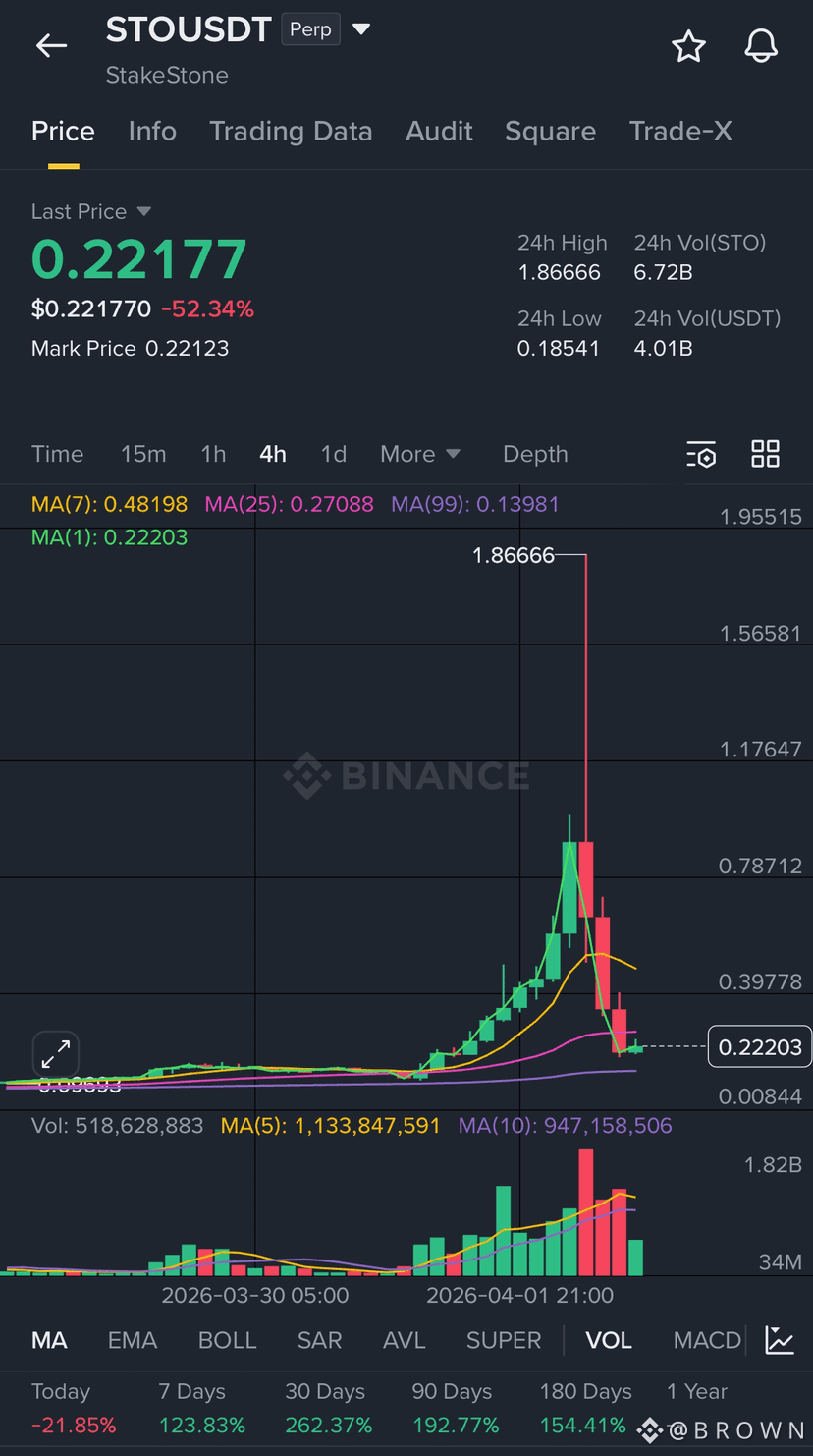
Je me suis réveillé, j'ai ouvert le graphique… et ouais, ça a fait une différence.
$STO assis autour de 0,22 $ après cette chute…
-50 % de baisse, tout droit vers le bas.
Pas le temps de trop réfléchir, je suis en perte.
Mais c'est le vrai côté du trading.
Des pompes rapides, des corrections encore plus rapides.
Une chose en tête :
👉 Restez concentré.
Pas de panique, pas de chasse.
Cette perte ?
Je ne vais pas la clôturer comme ça.
👉 Nous ajustons
👉 Nous exécutons
👉 Nous reprenons correctement
Aujourd'hui, il ne s'agit pas d'émotions.
Il s'agit de discipline et de configurations claires.
Nous avons été pris dans le mouvement,
maintenant nous bougeons plus intelligemment. 💰
$STO
{spot}(STOUSDT)
Je me suis réveillé, j'ai ouvert le graphique… et ouais, ça a fait une différence.
$STO assis autour de 0,22 $ après cette chute…
-50 % de baisse, tout droit vers le bas.
Pas le temps de trop réfléchir, je suis en perte.
Mais c'est le vrai côté du trading.
Des pompes rapides, des corrections encore plus rapides.
Une chose en tête :
👉 Restez concentré.
Pas de panique, pas de chasse.
Cette perte ?
Je ne vais pas la clôturer comme ça.
👉 Nous ajustons
👉 Nous exécutons
👉 Nous reprenons correctement
Aujourd'hui, il ne s'agit pas d'émotions.
Il s'agit de discipline et de configurations claires.
Nous avons été pris dans le mouvement,
maintenant nous bougeons plus intelligemment. 💰
$STO
$STO assis autour de 0,22 $ après cette chute…
-50 % de baisse, tout droit vers le bas.
Pas le temps de trop réfléchir, je suis en perte.
Mais c'est le vrai côté du trading.
Des pompes rapides, des corrections encore plus rapides.
Une chose en tête :
👉 Restez concentré.
Pas de panique, pas de chasse.
Cette perte ?
Je ne vais pas la clôturer comme ça.
👉 Nous ajustons
👉 Nous exécutons
👉 Nous reprenons correctement
Aujourd'hui, il ne s'agit pas d'émotions.
Il s'agit de discipline et de configurations claires.
Nous avons été pris dans le mouvement,
maintenant nous bougeons plus intelligemment. 💰
$STO
2
1
14
641
·
--
Baissier
🚨 UN AUTRE JOUR ROUGE DANS LES MARCHÉS
Des trillions effacés aujourd'hui dans les actions & crypto.
Le pétrole explose.
Tout cela suit l'annonce de Trump selon laquelle l'Opération Epic Fury se poursuivra pendant encore 2-3 semaines.
Le creux n'est probablement PAS atteint.
Nous devrions voir une autre poussée à la baisse pour la crypto.
$40,000-$50,000 serait une opportunité d'achat incroyable si nous y arrivons.
🚨 UN AUTRE JOUR ROUGE DANS LES MARCHÉS
Des trillions effacés aujourd'hui dans les actions & crypto.
Le pétrole explose.
Tout cela suit l'annonce de Trump selon laquelle l'Opération Epic Fury se poursuivra pendant encore 2-3 semaines.
Le creux n'est probablement PAS atteint.
Nous devrions voir une autre poussée à la baisse pour la crypto.
$40,000-$50,000 serait une opportunité d'achat incroyable si nous y arrivons.
Des trillions effacés aujourd'hui dans les actions & crypto.
Le pétrole explose.
Tout cela suit l'annonce de Trump selon laquelle l'Opération Epic Fury se poursuivra pendant encore 2-3 semaines.
Le creux n'est probablement PAS atteint.
Nous devrions voir une autre poussée à la baisse pour la crypto.
$40,000-$50,000 serait une opportunité d'achat incroyable si nous y arrivons.

1
13
1.8k
Connectez-vous pour découvrir plus de contenu
Rejoignez la communauté mondiale des adeptes de cryptomonnaies sur Binance Square
⚡️ Suviez les dernières informations importantes sur les cryptomonnaies.
💬 Jugé digne de confiance par la plus grande plateforme d’échange de cryptomonnaies au monde.
👍 Découvrez les connaissances que partagent les créateurs vérifiés.
Adresse e-mail/Nº de téléphone
Sujets d’actualité
USAugustPPIRisesLessThanExpected
14,221 vues
394 mentions
🚨 PPI US AUG : En hausse moins que prévu ! Positif pour la crypto ? 🚀
PPI +0,4% MoM comme prévu, mais le PPI CORE n’est qu’à +0,2% contre +0,3% attendu — ça se refroidit !
Ce que ça signifie :
• L’inflation des prix de gros est plus faible que redouté
• La probabilité de hausse des taux par la Fed est désormais à 62% — mais des signaux plus “dovish” arrivent
• Les révisions du Core PCE sont attendues à la baisse — positif
• Le BTC a généralement tendance à bondir avec un PPI plus faible
Réunion de la Fed les 15-16 septembre — le marché s’attend maintenant à une pause, pas à une hausse ?
Est-ce le feu vert pour un rallye au T4 ?
#Bitcoin #PPI #Fed #CryptoNews #BTC#usaugustppiriseslessthanexpected
True News
·1 mentions J’aime
·1.2k vues
SECApprovesNasdaqTexasCommodityTrustRule
11,079 vues
346 mentions
ECBRaisesRatesSecondTimeTo2.5%
7,425 vues
248 mentions