

MAYA_
41k Publications

MAYA_
 Compte Square Vérifié+
Signaler
Bloquer l’utilisateur
Alhamdulillah always and forever.
Trade régulièrement
4 an(s)
1.1K+ Suivis
46.7K+ Abonnés
202.9K+ J’aime
Publications
Tous
Citations
Vidéos
Direct
PINNED



·
--
$NVDA.US
$NVDA.US

WOLF 狼
·
--
CLAIM $BNB REWARD GIVE AWAY TODAY
FOLLOW & WIN 🎁🎉
Engagement matters, and loyalty should always be rewarded. I’m dropping a quick reward for everyone who keeps our comment section active and supportive.💕
Make sure your notifications are turned on, hit that like button, and stay tuned for the next update. 💯
Let's keep the momentum alive and growing! ✨
$BNB
FOLLOW & WIN 🎁🎉
Engagement matters, and loyalty should always be rewarded. I’m dropping a quick reward for everyone who keeps our comment section active and supportive.💕
Make sure your notifications are turned on, hit that like button, and stay tuned for the next update. 💯
Let's keep the momentum alive and growing! ✨
$BNB

NVDAUS+1,45%
386




·
--
$AAPLB
$AAPLB

Emmaa alex02
·
--
✨ Quiet vibes, lucky surprise 🧧
SOL Red Packet just landed. 🎁
Who’s catching it? 👀🤩
SOL Red Packet just landed. 🎁
Who’s catching it? 👀🤩

150
·
--
$AAPLB
$AAPLB

Cryptology_7
·
--
🇨🇳 𝗛𝗮𝗽𝗽𝘆 𝗖𝗵𝗶𝗻𝗮 𝗡𝗮𝘁𝗶𝗼𝗻𝗮𝗹 𝗗𝗮𝘆 🇨🇳 𝗕𝗼𝗿𝗱𝗲𝗿𝘀 𝗺𝗮𝘆 𝗱𝗶𝘃𝗶𝗱𝗲 𝗻𝗮𝘁𝗶𝗼𝗻𝘀, 𝗯𝘂𝘁 𝗯𝗹𝗼𝗰𝗸𝗰𝗵𝗮𝗶𝗻 𝗰𝗼𝗻𝗻𝗲𝗰𝘁𝘀 𝗽𝗲𝗼𝗽𝗹𝗲 𝘁𝗵𝗿𝗼𝘂𝗴𝗵 𝗮 𝘀𝗵𝗮𝗿𝗲𝗱 𝗱𝗶𝗴𝗶𝘁𝗮𝗹 𝗳𝘂𝘁𝘂𝗿𝗲. 🪩
Bitcoin in China: Estimates put China national Bitcoin holdings at approximately 194,000 $BTC This refers to estimated national holdings, not individual investors. 📊
#BTC走势分析 #October #Cryptology_7
Bitcoin in China: Estimates put China national Bitcoin holdings at approximately 194,000 $BTC This refers to estimated national holdings, not individual investors. 📊
#BTC走势分析 #October #Cryptology_7

140
·
--
Baissier
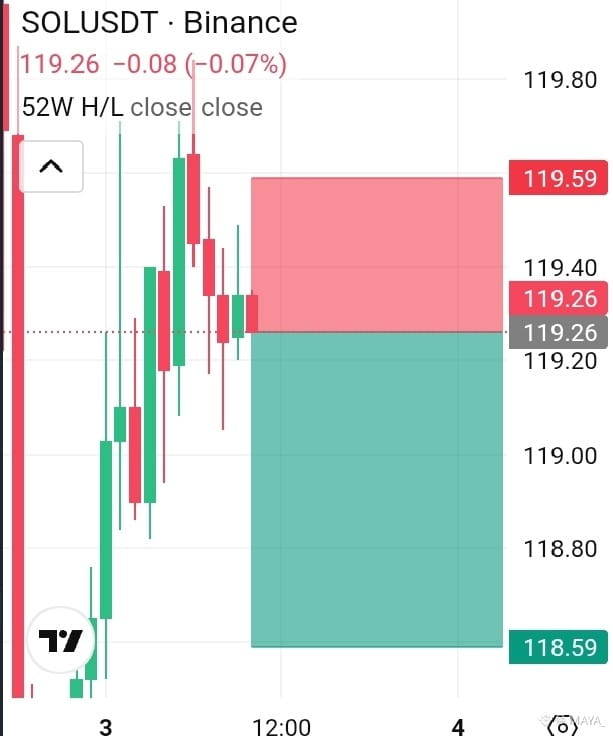
$SOL SHORT 🔴
Those with a risk-taking mindset might consider a short entry at 119.26 with a tight 1% margin, provided the 119.59 level holds. Alternatively, a breakout at 118.59 would confirm a major or definitive short position.
If the price breaks above the 119.59 level, conservative traders could consider entering new long positions. Mark my words—SOL is set for a sharp decline; the market is currently controlled by major players, and the trend is our best friend.
$SOL SHORT 🔴
Those with a risk-taking mindset might consider a short entry at 119.26 with a tight 1% margin, provided the 119.59 level holds. Alternatively, a breakout at 118.59 would confirm a major or definitive short position.
If the price breaks above the 119.59 level, conservative traders could consider entering new long positions. Mark my words—SOL is set for a sharp decline; the market is currently controlled by major players, and the trend is our best friend.
Those with a risk-taking mindset might consider a short entry at 119.26 with a tight 1% margin, provided the 119.59 level holds. Alternatively, a breakout at 118.59 would confirm a major or definitive short position.
If the price breaks above the 119.59 level, conservative traders could consider entering new long positions. Mark my words—SOL is set for a sharp decline; the market is currently controlled by major players, and the trend is our best friend.
257
·
--
#BTC
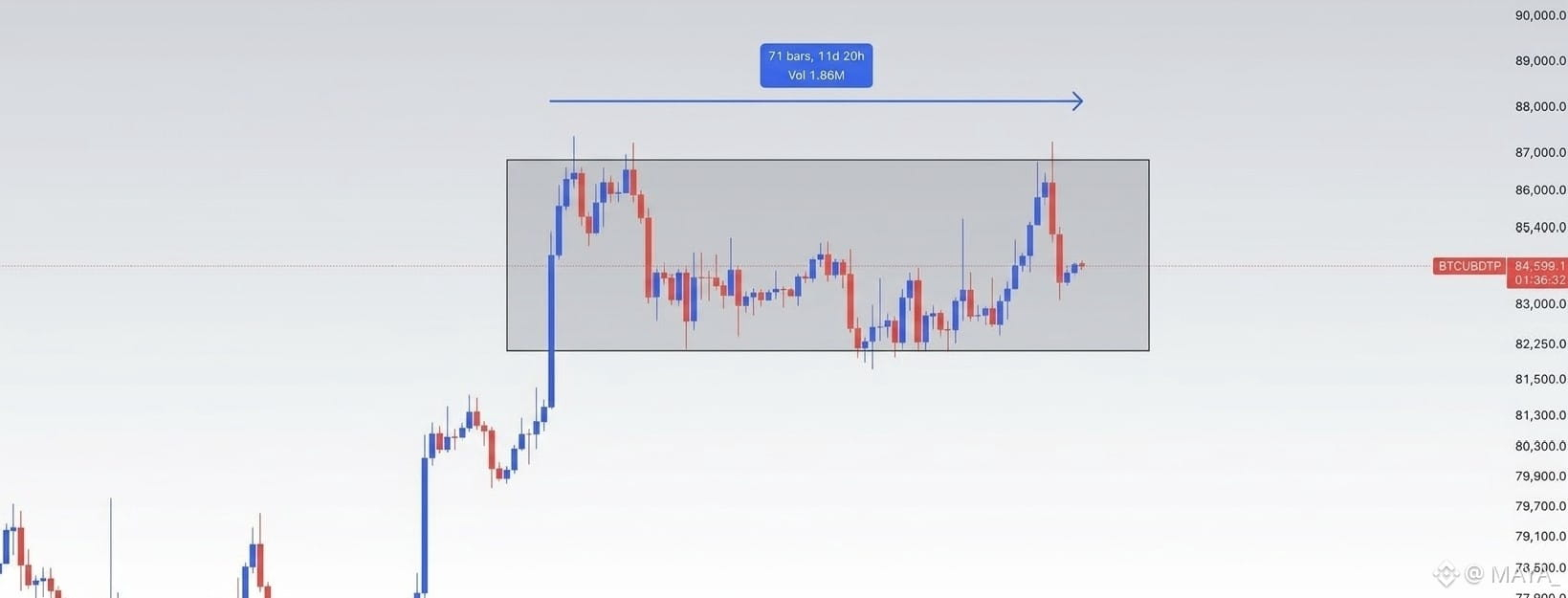
$BTC has been stuck in the same area for 11 days and 20 hours now. Despite several attempts to move higher, price still hasn’t shown a clear direction. The longer this range continues, the more important the eventual breakout becomes.
#BTC
$BTC has been stuck in the same area for 11 days and 20 hours now. Despite several attempts to move higher, price still hasn’t shown a clear direction. The longer this range continues, the more important the eventual breakout becomes.
$BTC has been stuck in the same area for 11 days and 20 hours now. Despite several attempts to move higher, price still hasn’t shown a clear direction. The longer this range continues, the more important the eventual breakout becomes.
5
234
·
--

Article
DID BTC REALLY BREAK OUT?One thought keeps crossing my mind, did BTC actually intend to break out of the range, or did it merely lure in breakout buyers before reversing course?
BTC had risen nearly 5% since the start of the month. At the time, the move looked quite convincing. Breaking above the range highs, an influx of buyers, building momentum—it all suggested that a breakout might finally be on the cards.
But then came that sudden, aggressive sell-off.
And that’s where things get interesting.
Many who went long upon seeing the breakout likely assumed that holding above the range highs would trigger a continuation. But the market didn't play out that way. The price slipped back below the range highs, putting the positions of those who entered late under pressure.
A failed breakout isn't just about chart patterns; psychology plays a major role, too.
One group of traders goes long on the breakout. If the price subsequently falls back below that breakout level, the very same area shifts from being support to a zone of pressure. Some hold their positions, some exit at their stop-loss, and others panic and bail out early.
So, my focus has shifted elsewhere now.
$85K.
If BTC closes below this level, it would be more logical to view this entire attempt as a failed breakout. That brings the old range back into the picture—and with the range comes the focus on the range lows.
This is where I want to exercise some patience.
Because, rather than going long in the middle of the range, I find the prospect of a deviation below the lows more compelling. Specifically, if BTC sweeps liquidity below the $80K–$82K zone and then reclaims it, I’ll look for a swing long setup.
However, I’m not married to this idea.
If bearish momentum truly breaks the $80K–$82K zone and buyers fail to show a meaningful response, I see no reason to force a long position. In that scenario, I’ll shift my focus lower, to the $77K–$75K area. Interestingly, while everyone usually looks for confirmation during a breakout, the real opportunity sometimes emerges only after a breakout fails.
It is not yet clear if that is exactly what BTC is doing right now.
It might just hover within the range again, or perhaps sweep the lows before moving back up. Alternatively, the bearish move could go a bit deeper this time.
That is why, for me, reacting to the market is more important than making predictions right now.
I am closely watching three things: how the price closes below $85K, how buyers behave in the $80K–$82K zone, and whether BTC can quickly reclaim the level if it drops below the range lows.
After all, when the market convinces everyone to look in one direction, it is worth pausing to consider: are we truly witnessing a trend, or are we just seeing a play for liquidity?
$BTC
{future}(BTCUSDT)
#BitcoinParesGainsAfterRallyTo$86.5K
DID BTC REALLY BREAK OUT?
One thought keeps crossing my mind, did BTC actually intend to break out of the range, or did it merely lure in breakout buyers before reversing course?
BTC had risen nearly 5% since the start of the month. At the time, the move looked quite convincing. Breaking above the range highs, an influx of buyers, building momentum—it all suggested that a breakout might finally be on the cards.
But then came that sudden, aggressive sell-off.
And that’s where things get interesting.
Many who went long upon seeing the breakout likely assumed that holding above the range highs would trigger a continuation. But the market didn't play out that way. The price slipped back below the range highs, putting the positions of those who entered late under pressure.
A failed breakout isn't just about chart patterns; psychology plays a major role, too.
One group of traders goes long on the breakout. If the price subsequently falls back below that breakout level, the very same area shifts from being support to a zone of pressure. Some hold their positions, some exit at their stop-loss, and others panic and bail out early.
So, my focus has shifted elsewhere now.
$85K.
If BTC closes below this level, it would be more logical to view this entire attempt as a failed breakout. That brings the old range back into the picture—and with the range comes the focus on the range lows.
This is where I want to exercise some patience.
Because, rather than going long in the middle of the range, I find the prospect of a deviation below the lows more compelling. Specifically, if BTC sweeps liquidity below the $80K–$82K zone and then reclaims it, I’ll look for a swing long setup.
However, I’m not married to this idea.
If bearish momentum truly breaks the $80K–$82K zone and buyers fail to show a meaningful response, I see no reason to force a long position. In that scenario, I’ll shift my focus lower, to the $77K–$75K area. Interestingly, while everyone usually looks for confirmation during a breakout, the real opportunity sometimes emerges only after a breakout fails.
It is not yet clear if that is exactly what BTC is doing right now.
It might just hover within the range again, or perhaps sweep the lows before moving back up. Alternatively, the bearish move could go a bit deeper this time.
That is why, for me, reacting to the market is more important than making predictions right now.
I am closely watching three things: how the price closes below $85K, how buyers behave in the $80K–$82K zone, and whether BTC can quickly reclaim the level if it drops below the range lows.
After all, when the market convinces everyone to look in one direction, it is worth pausing to consider: are we truly witnessing a trend, or are we just seeing a play for liquidity?
$BTC
#BitcoinParesGainsAfterRallyTo$86.5K
BTC had risen nearly 5% since the start of the month. At the time, the move looked quite convincing. Breaking above the range highs, an influx of buyers, building momentum—it all suggested that a breakout might finally be on the cards.
But then came that sudden, aggressive sell-off.
And that’s where things get interesting.
Many who went long upon seeing the breakout likely assumed that holding above the range highs would trigger a continuation. But the market didn't play out that way. The price slipped back below the range highs, putting the positions of those who entered late under pressure.
A failed breakout isn't just about chart patterns; psychology plays a major role, too.
One group of traders goes long on the breakout. If the price subsequently falls back below that breakout level, the very same area shifts from being support to a zone of pressure. Some hold their positions, some exit at their stop-loss, and others panic and bail out early.
So, my focus has shifted elsewhere now.
$85K.
If BTC closes below this level, it would be more logical to view this entire attempt as a failed breakout. That brings the old range back into the picture—and with the range comes the focus on the range lows.
This is where I want to exercise some patience.
Because, rather than going long in the middle of the range, I find the prospect of a deviation below the lows more compelling. Specifically, if BTC sweeps liquidity below the $80K–$82K zone and then reclaims it, I’ll look for a swing long setup.
However, I’m not married to this idea.
If bearish momentum truly breaks the $80K–$82K zone and buyers fail to show a meaningful response, I see no reason to force a long position. In that scenario, I’ll shift my focus lower, to the $77K–$75K area. Interestingly, while everyone usually looks for confirmation during a breakout, the real opportunity sometimes emerges only after a breakout fails.
It is not yet clear if that is exactly what BTC is doing right now.
It might just hover within the range again, or perhaps sweep the lows before moving back up. Alternatively, the bearish move could go a bit deeper this time.
That is why, for me, reacting to the market is more important than making predictions right now.
I am closely watching three things: how the price closes below $85K, how buyers behave in the $80K–$82K zone, and whether BTC can quickly reclaim the level if it drops below the range lows.
After all, when the market convinces everyone to look in one direction, it is worth pausing to consider: are we truly witnessing a trend, or are we just seeing a play for liquidity?
$BTC
#BitcoinParesGainsAfterRallyTo$86.5K
1
4
320
·
--
SEC says more crypto regulatory proposals are coming.
This could be an important development for the market. New proposals may bring more clarity around how crypto assets and related platforms are regulated in the U.S.
Now, the details matter.
$AAPLB $GOOGL.US
SEC says more crypto regulatory proposals are coming.
This could be an important development for the market. New proposals may bring more clarity around how crypto assets and related platforms are regulated in the U.S.
Now, the details matter.
$AAPLB $GOOGL.US
This could be an important development for the market. New proposals may bring more clarity around how crypto assets and related platforms are regulated in the U.S.
Now, the details matter.
$AAPLB $GOOGL.US

9
892
·
--
$TLM BREAKOUT🟢
SPOT / FUTURE BUY 🟢
{future}(TLMUSDT)
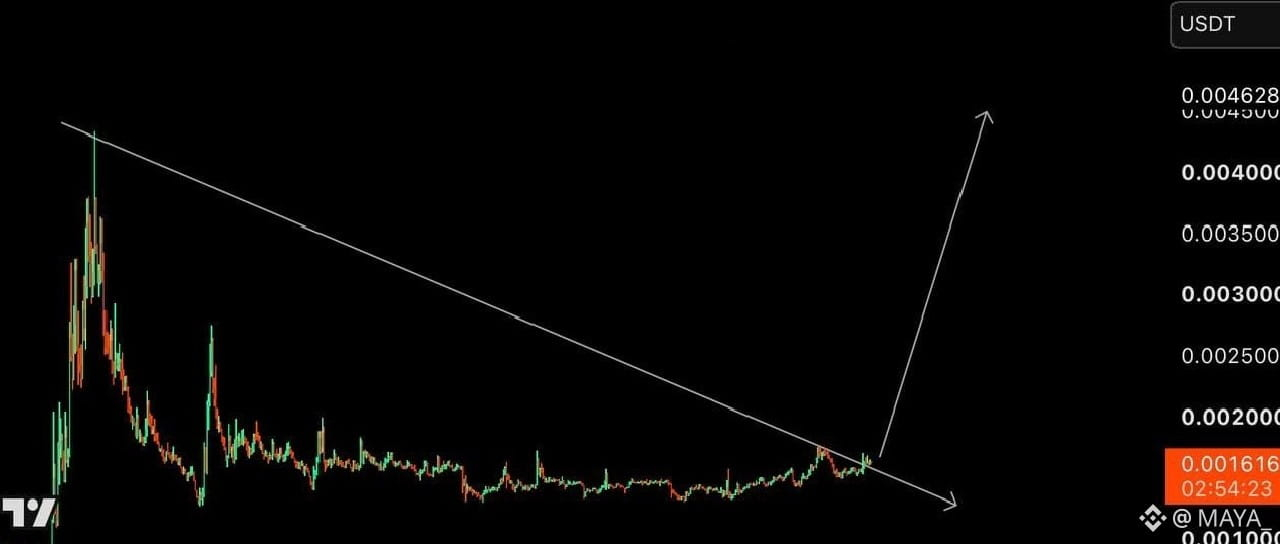
TLM is finally pushing above the descending trendline on the 4H chart. The breakout is looking interesting, but I’d still want to see some confirmation and acceptance above the level. If momentum holds, the next area on the chart comes near $0.0045.
$TLM BREAKOUT🟢
SPOT / FUTURE BUY 🟢
TLM is finally pushing above the descending trendline on the 4H chart. The breakout is looking interesting, but I’d still want to see some confirmation and acceptance above the level. If momentum holds, the next area on the chart comes near $0.0045.
SPOT / FUTURE BUY 🟢
TLM is finally pushing above the descending trendline on the 4H chart. The breakout is looking interesting, but I’d still want to see some confirmation and acceptance above the level. If momentum holds, the next area on the chart comes near $0.0045.
6
892


·
--
$RECALL GIVE ME GOLD CANDLE
SPOT BUY 🟢
TARGET : 0.06+ 🟢🚀
{alpha}(84530x1f16e03c1a5908818f47f6ee7bb16690b40d0671)
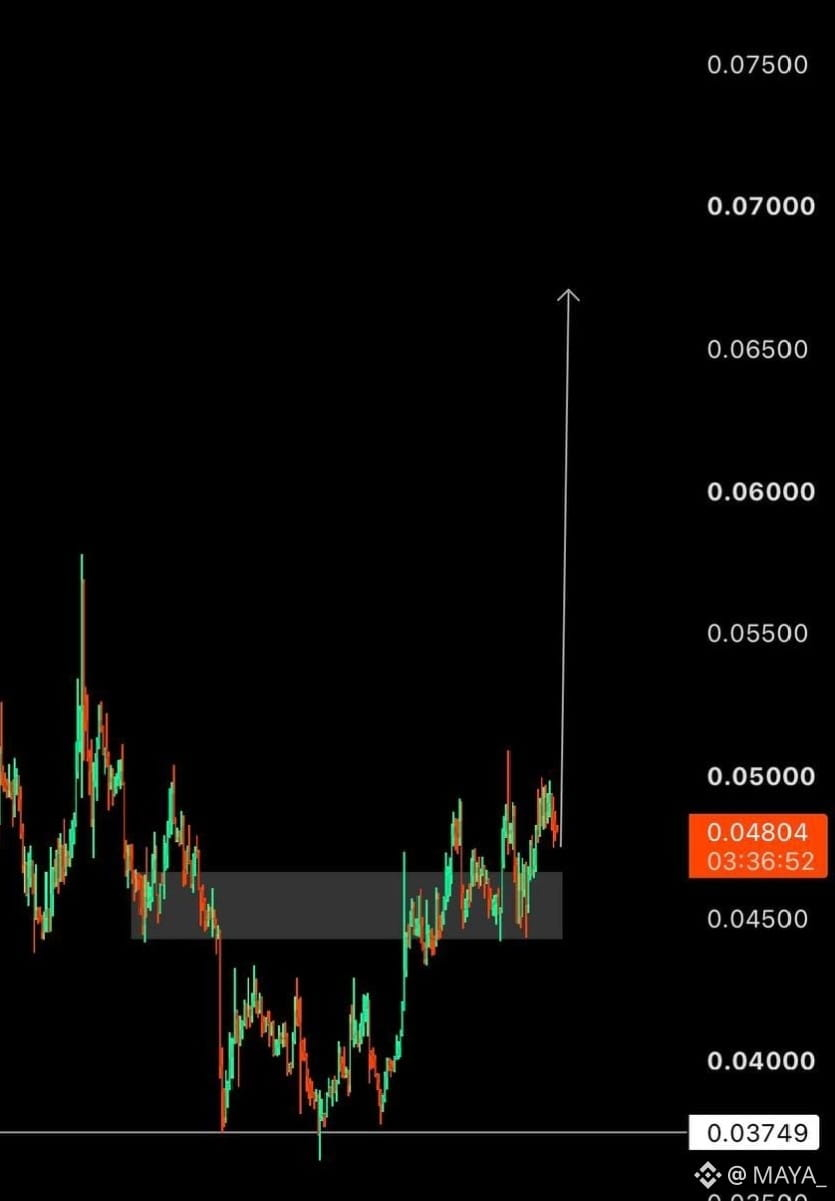
$RECALL is holding the $0.045–$0.048 zone nicely, and price is now pushing around the upper side of the range. If buyers can keep this structure intact, I’m watching the move toward $0.060 first, with the chart showing a bigger upside area around $0.068. Still watching how price reacts here.
$RECALL GIVE ME GOLD CANDLE
SPOT BUY 🟢
TARGET : 0.06+ 🟢🚀
$RECALL is holding the $0.045–$0.048 zone nicely, and price is now pushing around the upper side of the range. If buyers can keep this structure intact, I’m watching the move toward $0.060 first, with the chart showing a bigger upside area around $0.068. Still watching how price reacts here.
SPOT BUY 🟢
TARGET : 0.06+ 🟢🚀
$RECALL is holding the $0.045–$0.048 zone nicely, and price is now pushing around the upper side of the range. If buyers can keep this structure intact, I’m watching the move toward $0.060 first, with the chart showing a bigger upside area around $0.068. Still watching how price reacts here.
4
217
·
--
Vérifié
One thing that caught my eye is that Citigroup has once again raised its 12-month price target for Bitcoin. They have increased the figure from the previous $82,000 to $113,000. The target for Ethereum has also been raised to $3,028.
What I find interesting is that they are attributing this shift to factors like institutional demand, fund inflows into Bitcoin ETFs, and the recovery of the crypto market. However, it is important to keep in mind that the $113,000 figure is not a guaranteed outcome; it is simply Citigroup's current market estimate.
In short, while the target has indeed been raised, the ultimate question remains: how will the market actually perform?
One thing that caught my eye is that Citigroup has once again raised its 12-month price target for Bitcoin. They have increased the figure from the previous $82,000 to $113,000. The target for Ethereum has also been raised to $3,028.
What I find interesting is that they are attributing this shift to factors like institutional demand, fund inflows into Bitcoin ETFs, and the recovery of the crypto market. However, it is important to keep in mind that the $113,000 figure is not a guaranteed outcome; it is simply Citigroup's current market estimate.
In short, while the target has indeed been raised, the ultimate question remains: how will the market actually perform?
What I find interesting is that they are attributing this shift to factors like institutional demand, fund inflows into Bitcoin ETFs, and the recovery of the crypto market. However, it is important to keep in mind that the $113,000 figure is not a guaranteed outcome; it is simply Citigroup's current market estimate.
In short, while the target has indeed been raised, the ultimate question remains: how will the market actually perform?

1.6k
59
133
1.6k
·
--
Yes, Republicans in the US Senate have indeed introduced a new crypto tax bill, dubbed the ADAPT Act. Senator Steve Daines introduced it.
The bill calls for several major changes — such as tax breaks for purchases made with stablecoins, tax breaks for network fees under $10, and clear tax rules for mining and staking income. But it’s worth remembering that this is just a proposed bill. It would need to pass both the Senate and the House and be signed by the president to become law.
$NVDAB $AAPLB $NVDA.US
Yes, Republicans in the US Senate have indeed introduced a new crypto tax bill, dubbed the ADAPT Act. Senator Steve Daines introduced it.
The bill calls for several major changes — such as tax breaks for purchases made with stablecoins, tax breaks for network fees under $10, and clear tax rules for mining and staking income. But it’s worth remembering that this is just a proposed bill. It would need to pass both the Senate and the House and be signed by the president to become law.
$NVDAB $AAPLB $NVDA.US
The bill calls for several major changes — such as tax breaks for purchases made with stablecoins, tax breaks for network fees under $10, and clear tax rules for mining and staking income. But it’s worth remembering that this is just a proposed bill. It would need to pass both the Senate and the House and be signed by the president to become law.
$NVDAB $AAPLB $NVDA.US
2
281
·
--
$AVAX 🟢🟢
{future}(AVAXUSDT)
AVAX is starting to look pretty interesting on the higher timeframe.
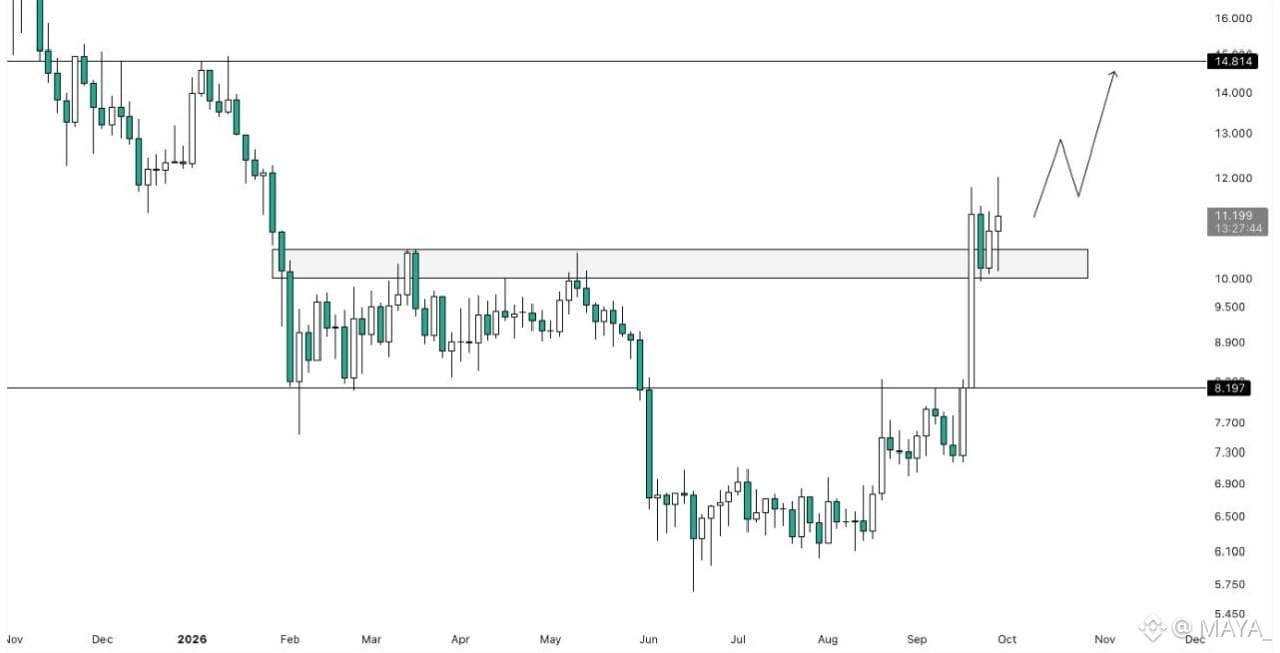
What caught my attention is that the bearish structure has already been invalidated, and price has also managed to reclaim an important resistance level. We broke above the highs of this roughly 4-month accumulation range, came back to retest that area, and now price is bouncing from it.
So for me, the next thing to watch is pretty simple: can AVAX actually hold above the grey zone and build acceptance there?
If that happens, I think the structure opens the door for a move toward $14.8. Still, I’d rather see that confirmation first than get ahead of the move.
$AVAX 🟢🟢
AVAX is starting to look pretty interesting on the higher timeframe.
What caught my attention is that the bearish structure has already been invalidated, and price has also managed to reclaim an important resistance level. We broke above the highs of this roughly 4-month accumulation range, came back to retest that area, and now price is bouncing from it.
So for me, the next thing to watch is pretty simple: can AVAX actually hold above the grey zone and build acceptance there?
If that happens, I think the structure opens the door for a move toward $14.8. Still, I’d rather see that confirmation first than get ahead of the move.
AVAX is starting to look pretty interesting on the higher timeframe.
What caught my attention is that the bearish structure has already been invalidated, and price has also managed to reclaim an important resistance level. We broke above the highs of this roughly 4-month accumulation range, came back to retest that area, and now price is bouncing from it.
So for me, the next thing to watch is pretty simple: can AVAX actually hold above the grey zone and build acceptance there?
If that happens, I think the structure opens the door for a move toward $14.8. Still, I’d rather see that confirmation first than get ahead of the move.
4
542
·
--
#BTC 👇👇👇
Something about BTC’s Q3 performance caught my attention.
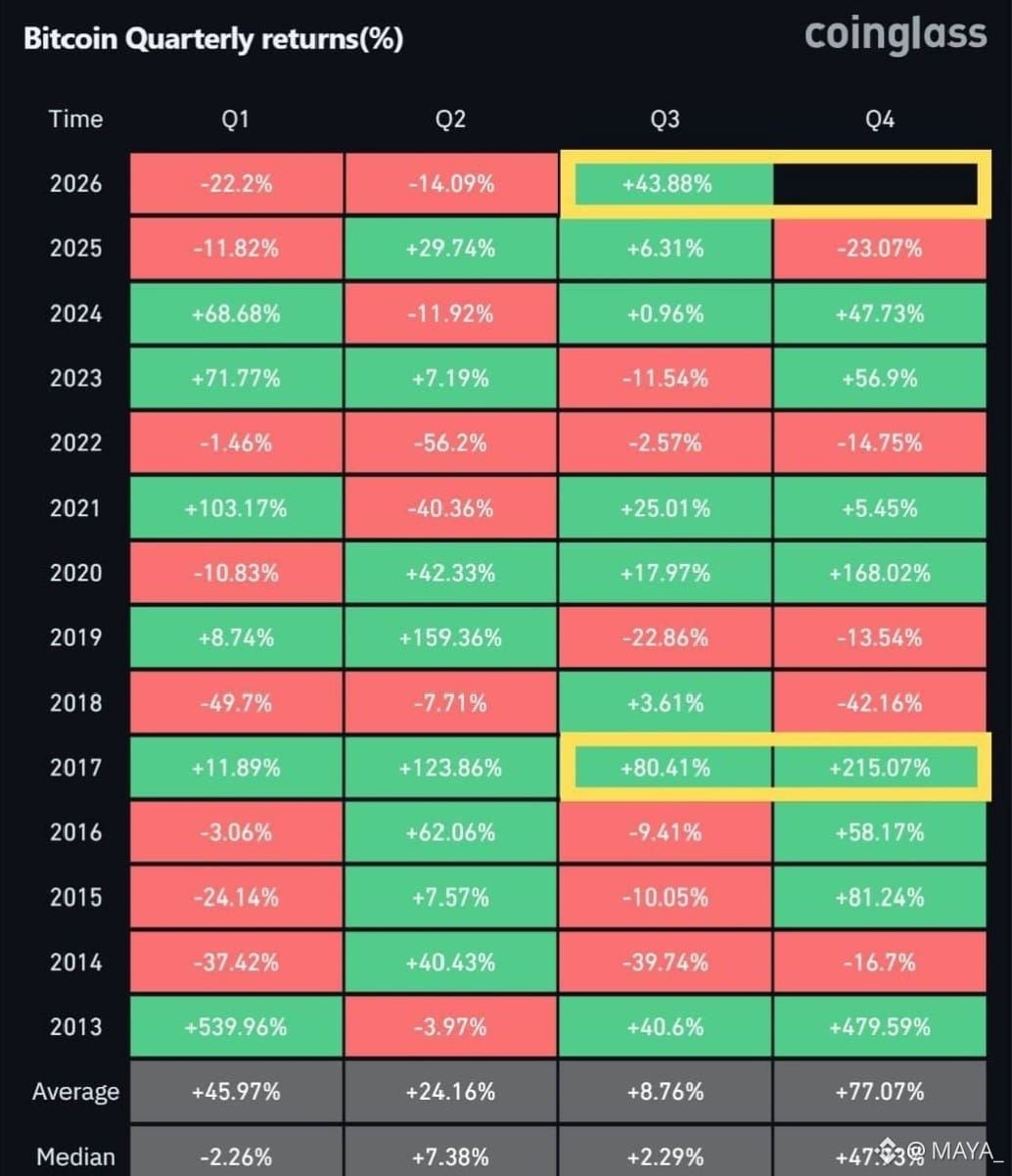
It’s reportedly shaping up to be the second-strongest Q3 in Bitcoin’s history. The last time we saw a Q3 this strong was back in 2017, and what happened afterward is obviously hard to ignore. Q4 went on to deliver a massive rally. But I don’t want to treat history like a guarantee. Markets love to rhyme, but they don’t always repeat.
Still, Q4 has historically been one of Bitcoin’s stronger quarters, and with this kind of Q3 behind us, I’m definitely watching closely to see whether the seasonal pattern shows up again.
$NVDA.US
{stock_us}(NVDA.US)
$AAPL.US
{stock_us}(AAPL.US)
$BTC
{future}(BTCUSDT)
#BTC 👇👇👇
Something about BTC’s Q3 performance caught my attention.
It’s reportedly shaping up to be the second-strongest Q3 in Bitcoin’s history. The last time we saw a Q3 this strong was back in 2017, and what happened afterward is obviously hard to ignore. Q4 went on to deliver a massive rally. But I don’t want to treat history like a guarantee. Markets love to rhyme, but they don’t always repeat.
Still, Q4 has historically been one of Bitcoin’s stronger quarters, and with this kind of Q3 behind us, I’m definitely watching closely to see whether the seasonal pattern shows up again.
$NVDA.US
$AAPL.US
$BTC
Something about BTC’s Q3 performance caught my attention.
It’s reportedly shaping up to be the second-strongest Q3 in Bitcoin’s history. The last time we saw a Q3 this strong was back in 2017, and what happened afterward is obviously hard to ignore. Q4 went on to deliver a massive rally. But I don’t want to treat history like a guarantee. Markets love to rhyme, but they don’t always repeat.
Still, Q4 has historically been one of Bitcoin’s stronger quarters, and with this kind of Q3 behind us, I’m definitely watching closely to see whether the seasonal pattern shows up again.
$NVDA.US
$AAPL.US
$BTC
3
219
·
--
$BTC 100k SOON 🟢
$BTC FALLING WEDGE WATCH🟢🟢
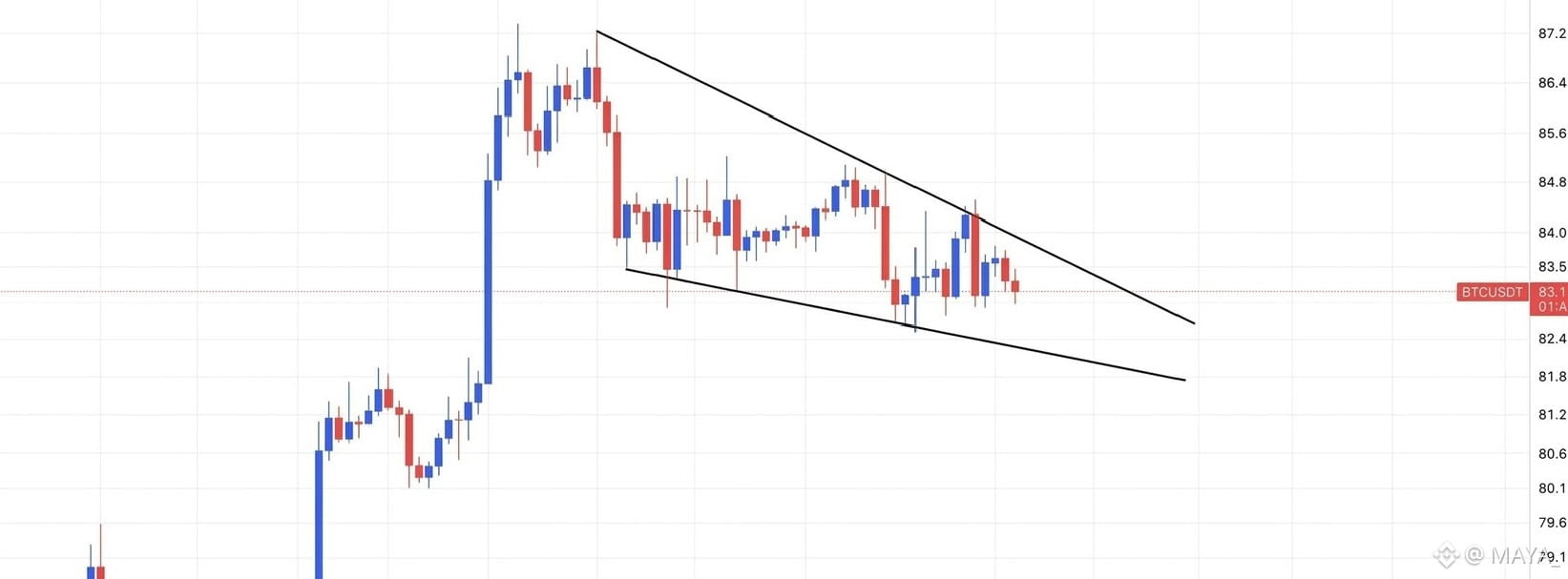
BTC is trading inside a falling wedge, and honestly, this setup is getting interesting.
The bullish case is pretty simple: if price breaks above the wedge and then successfully retests the breakout zone, that could open the door for a much stronger move higher.
Now we just need confirmation.
$BTC 100k SOON 🟢
$BTC FALLING WEDGE WATCH🟢🟢
BTC is trading inside a falling wedge, and honestly, this setup is getting interesting.
The bullish case is pretty simple: if price breaks above the wedge and then successfully retests the breakout zone, that could open the door for a much stronger move higher.
Now we just need confirmation.
$BTC FALLING WEDGE WATCH🟢🟢
BTC is trading inside a falling wedge, and honestly, this setup is getting interesting.
The bullish case is pretty simple: if price breaks above the wedge and then successfully retests the breakout zone, that could open the door for a much stronger move higher.
Now we just need confirmation.

1.3k
32
111
1.3k
Connectez-vous pour découvrir plus de contenu
Rejoignez la communauté mondiale des adeptes de cryptomonnaies sur Binance Square
⚡️ Suviez les dernières informations importantes sur les cryptomonnaies.
💬 Jugé digne de confiance par la plus grande plateforme d’échange de cryptomonnaies au monde.
👍 Découvrez les connaissances que partagent les créateurs vérifiés.
Adresse e-mail/Nº de téléphone
Sujets d’actualité
BitcoinRejectedAt$87K
412 vues
20 mentions
$BTC Update 🚨 🐼 Skip THIS Warning at Your Own Risk ⚠️
BTC is knocking on 87K like it already owns the place 😂Bulls are awake… but BTC usually likes to shake a few people out before the real move.
Overall, BTC is breaking out and the higher-timeframe picture is still bullish. The 4H and daily structure are strong, price is holding above the major averages, and momentum is still supporting the move.
83K was honestly a beautiful buy location. That was the area where risk/reward made sense. Anyone who bought there is already sitting enjoying profit
Now come to main
BTC is sitting right under the previous high around 87K. So I would not be surprised if we first see a little downside liquidity grab, flush some late longs, and then BTC decides whether it wants the real breakout.
For today’s scalp, This is my Plan 👇
BTC SHORT scalp Entry: 86,550–86,900
TP1: 85,650
TP2: 84,850
TP3: 84,050
SL: 87,800
I only like this if we get a proper rejection near the highs. No blind shorting.
For the bigger picture, I’m still bullish as long as the 82.5K–83K area keeps holding. If BTC gets a clean breakout and starts accepting above 87.4K, then this whole short idea is invalid and the next bullish leg becomes much more interesting.
SO BASICALLY OCTOBER HISTORICAL IS BULLISH MONTH FOR BITCOIN.
ALWAYS DYOR
Panda Traders
·29 mentions J’aime
·12.5k vues
FedOctoberRateHikeOddsFallTo17%
3,095 vues
103 mentions
NvidiaHitsRecordHighUp2.4%
415 vues
69 mentions