

Muhammad Awais Mallick
227 Publications

Muhammad Awais Mallick
Signaler
Bloquer l’utilisateur
Ouvert au trading
Trade régulièrement
5.7 an(s)
109 Suivis
2.0K+ Abonnés
164 J’aime
Publications
Portefeuille
Tous
Citations
Direct
🎙️ $Dusk to the moon
Dusk is Like Relatives.
Fin
01 h 24 min 14 sec
58
0
0
#dusk $DUSK @Dusk_Foundation What if a single blockchain could run two parallel transaction models one public one private settled by the same validators at the same time?
That's the quieter innovation inside @Dusk that gets less attention than its privacy branding.
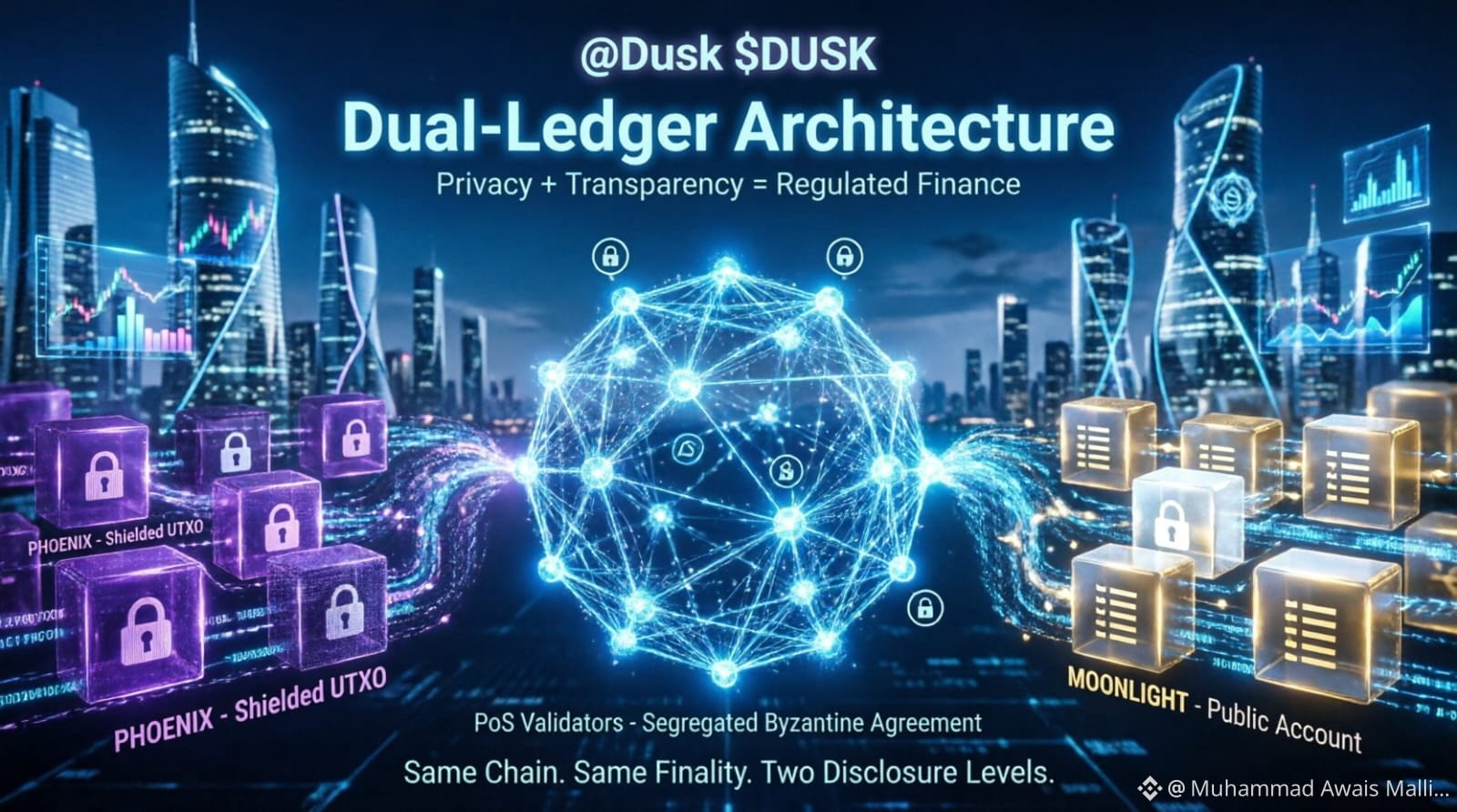
Dusk's architecture separates transactions into Phoenix (shielded, UTXO style for confidential transfers and XSC assets) and Moonlight (transparent account based, for staking and public operations).
Both are secured by Dusk's Proof-of-Stake consensus historically built on a Segregated Byzantine Agreement model designed for fast finality and high validator participation rather than energy intensive mining.
Consider a validator staking DUSK their stake and rewards run through the transparent Moonlight ledger for accountability while a separate transaction issuing confidential securities to shareholders runs through Phoenix shielded from public view. Same chain same finality guarantees two very different disclosure levels depending on the use case.
This dual model design is a genuine architectural bet instead of bolting privacy onto an existing public chain (like mixers or side protocols do).
Dusk built disclosure flexibility into consensus from day one. That's a harder engineering problem but arguably a more durable one for regulated finance.
Should more L1s adopt this dual ledger approach instead of retrofitting privacy after launch?
#dusk $DUSK @Dusk What if a single blockchain could run two parallel transaction models one public one private settled by the same validators at the same time?
That's the quieter innovation inside @Dusk that gets less attention than its privacy branding.
Dusk's architecture separates transactions into Phoenix (shielded, UTXO style for confidential transfers and XSC assets) and Moonlight (transparent account based, for staking and public operations).
Both are secured by Dusk's Proof-of-Stake consensus historically built on a Segregated Byzantine Agreement model designed for fast finality and high validator participation rather than energy intensive mining.
Consider a validator staking DUSK their stake and rewards run through the transparent Moonlight ledger for accountability while a separate transaction issuing confidential securities to shareholders runs through Phoenix shielded from public view. Same chain same finality guarantees two very different disclosure levels depending on the use case.
This dual model design is a genuine architectural bet instead of bolting privacy onto an existing public chain (like mixers or side protocols do).
Dusk built disclosure flexibility into consensus from day one. That's a harder engineering problem but arguably a more durable one for regulated finance.
Should more L1s adopt this dual ledger approach instead of retrofitting privacy after launch?
That's the quieter innovation inside @Dusk that gets less attention than its privacy branding.
Dusk's architecture separates transactions into Phoenix (shielded, UTXO style for confidential transfers and XSC assets) and Moonlight (transparent account based, for staking and public operations).
Both are secured by Dusk's Proof-of-Stake consensus historically built on a Segregated Byzantine Agreement model designed for fast finality and high validator participation rather than energy intensive mining.
Consider a validator staking DUSK their stake and rewards run through the transparent Moonlight ledger for accountability while a separate transaction issuing confidential securities to shareholders runs through Phoenix shielded from public view. Same chain same finality guarantees two very different disclosure levels depending on the use case.
This dual model design is a genuine architectural bet instead of bolting privacy onto an existing public chain (like mixers or side protocols do).
Dusk built disclosure flexibility into consensus from day one. That's a harder engineering problem but arguably a more durable one for regulated finance.
Should more L1s adopt this dual ledger approach instead of retrofitting privacy after launch?
1
3
274
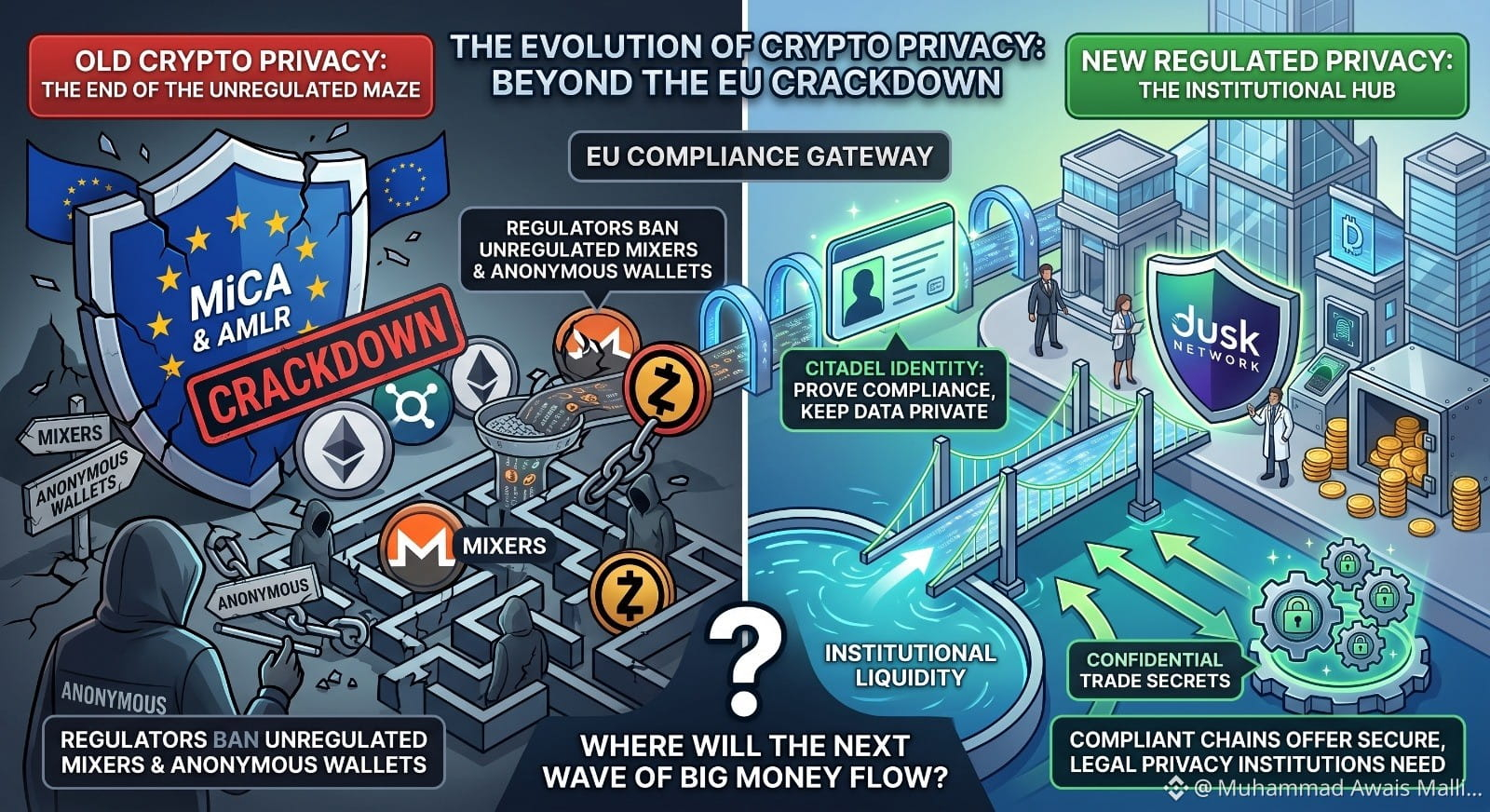
Is the EU killing crypto privacy, or just forcing it to
evolve?
Right now, the market is panicking. With the EU’s broader
MiCA rules and the strict new AMLR (Anti-Money Laundering Regulation) cracking
down hard on mixers and anonymous wallets, people think privacy in Web3 is
dead.
A lot of investors are looking at this crackdown and writing
off privacy chains like $DUSK. But they are missing the bigger picture.
Old-school crypto privacy was about hiding everything from
everyone. Regulators will never accept that. But Dusk isn't fighting the system
it is building the exact type of secure, legal privacy that big institutions
actually need.
Think about it: massive corporations want to use blockchain
to trade assets, but they cannot let their competitors see all their financial
secrets on a public ledger. Here is how Dusk’s tech solves this:
· Citadel Identity: This lets users prove they meet legal rules (like passing KYC) without storing personal data in a central database for hackers to steal. You prove you are legally compliant, but your actual identity and data stay private.
· Piecrust & Smart Contracts: Their network lets companies issue and trade Real-World Assets (RWAs) legally, while keeping their business amounts and balances completely
secret.
The truth is, trillions of dollars in institutional money won't enter Web3 without strict legal compliance. But that money also won't
enter if businesses have to expose all their trade secrets to the public.
This isn't about pushing out everyday retail investors. It's about building the only type of privacy that will survive the regulatory
crackdown and actually bring massive, real-world liquidity into the crypto space.
What do you guys think? Will the next wave of big money flow into legal, regulated privacy chains, or will the old, unregulated privacy coins find a way to survive?
#dusk $DUSK @Dusk_Foundation
Is the EU killing crypto privacy, or just forcing it to
evolve?
Right now, the market is panicking. With the EU’s broader
MiCA rules and the strict new AMLR (Anti-Money Laundering Regulation) cracking
down hard on mixers and anonymous wallets, people think privacy in Web3 is
dead.
A lot of investors are looking at this crackdown and writing
off privacy chains like $DUSK . But they are missing the bigger picture.
Old-school crypto privacy was about hiding everything from
everyone. Regulators will never accept that. But Dusk isn't fighting the system
it is building the exact type of secure, legal privacy that big institutions
actually need.
Think about it: massive corporations want to use blockchain
to trade assets, but they cannot let their competitors see all their financial
secrets on a public ledger. Here is how Dusk’s tech solves this:
· Citadel Identity: This lets users prove they meet legal rules (like passing KYC) without storing personal data in a central database for hackers to steal. You prove you are legally compliant, but your actual identity and data stay private.
· Piecrust & Smart Contracts: Their network lets companies issue and trade Real-World Assets (RWAs) legally, while keeping their business amounts and balances completely
secret.
The truth is, trillions of dollars in institutional money won't enter Web3 without strict legal compliance. But that money also won't
enter if businesses have to expose all their trade secrets to the public.
This isn't about pushing out everyday retail investors. It's about building the only type of privacy that will survive the regulatory
crackdown and actually bring massive, real-world liquidity into the crypto space.
What do you guys think? Will the next wave of big money flow into legal, regulated privacy chains, or will the old, unregulated privacy coins find a way to survive?
#dusk $DUSK @Dusk
evolve?
Right now, the market is panicking. With the EU’s broader
MiCA rules and the strict new AMLR (Anti-Money Laundering Regulation) cracking
down hard on mixers and anonymous wallets, people think privacy in Web3 is
dead.
A lot of investors are looking at this crackdown and writing
off privacy chains like $DUSK . But they are missing the bigger picture.
Old-school crypto privacy was about hiding everything from
everyone. Regulators will never accept that. But Dusk isn't fighting the system
it is building the exact type of secure, legal privacy that big institutions
actually need.
Think about it: massive corporations want to use blockchain
to trade assets, but they cannot let their competitors see all their financial
secrets on a public ledger. Here is how Dusk’s tech solves this:
· Citadel Identity: This lets users prove they meet legal rules (like passing KYC) without storing personal data in a central database for hackers to steal. You prove you are legally compliant, but your actual identity and data stay private.
· Piecrust & Smart Contracts: Their network lets companies issue and trade Real-World Assets (RWAs) legally, while keeping their business amounts and balances completely
secret.
The truth is, trillions of dollars in institutional money won't enter Web3 without strict legal compliance. But that money also won't
enter if businesses have to expose all their trade secrets to the public.
This isn't about pushing out everyday retail investors. It's about building the only type of privacy that will survive the regulatory
crackdown and actually bring massive, real-world liquidity into the crypto space.
What do you guys think? Will the next wave of big money flow into legal, regulated privacy chains, or will the old, unregulated privacy coins find a way to survive?
#dusk $DUSK @Dusk
1
3.2k
🎙️ Just $Dusk in Future! 💕
Fin
01 h 07 min 41 sec
23
DUSKUSDT
Perp
Market/Short
1
0
Trading sur 30 j de 7.5K USDT en $DUSK
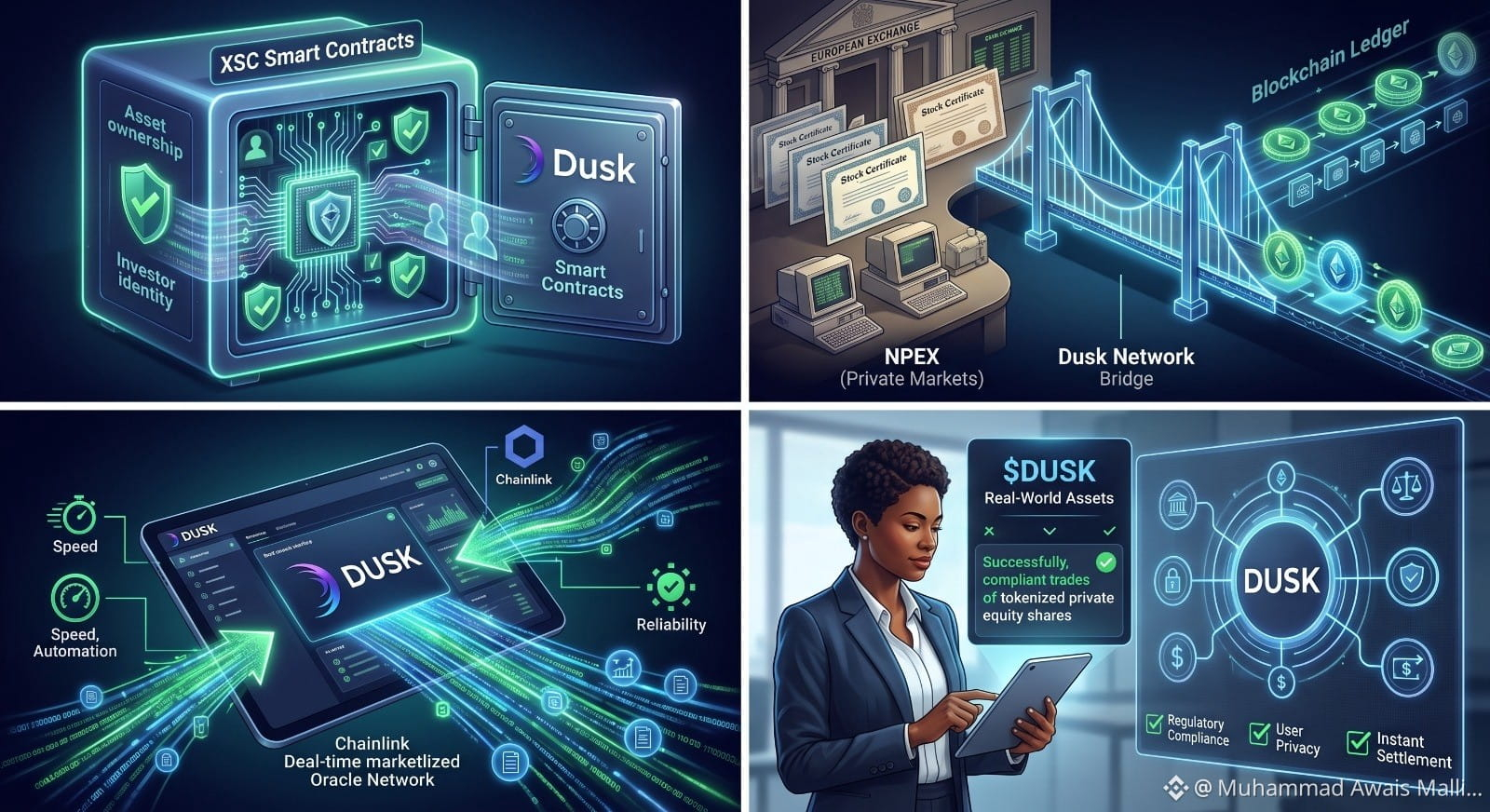
While many crypto projects just sell a good story, $DUSK is actually putting its tech to the ultimate test by partnering with NPEX, a real European stock exchange for private markets. Handling real-world stocks on the blockchain is incredibly hard. You have to follow strict laws, protect user privacy, and prove exactly who owns what—which is way harder than just launching a basic crypto token.
Dusk is stepping up to this challenge by using its private XSC smart contracts. These contracts ensure that only legally approved investors can hold these assets, all while keeping their sensitive data completely secure. On top of this, Dusk is teaming up with Chainlink to bring in safe market data, making traditional finance steps faster, cheaper, and fully automatic.
For Dusk, this partnership isn't just marketing hype. It is a massive stress test to prove that their blockchain can actually handle the strict rules of traditional banking. By executing on these promises, Dusk is showing it has what it takes to lead the way for Real-World Assets.
#dusk $DUSK @Dusk_Foundation
While many crypto projects just sell a good story, $DUSK is actually putting its tech to the ultimate test by partnering with NPEX, a real European stock exchange for private markets. Handling real-world stocks on the blockchain is incredibly hard. You have to follow strict laws, protect user privacy, and prove exactly who owns what—which is way harder than just launching a basic crypto token.
Dusk is stepping up to this challenge by using its private XSC smart contracts. These contracts ensure that only legally approved investors can hold these assets, all while keeping their sensitive data completely secure. On top of this, Dusk is teaming up with Chainlink to bring in safe market data, making traditional finance steps faster, cheaper, and fully automatic.
For Dusk, this partnership isn't just marketing hype. It is a massive stress test to prove that their blockchain can actually handle the strict rules of traditional banking. By executing on these promises, Dusk is showing it has what it takes to lead the way for Real-World Assets.
#dusk $DUSK @Dusk
Dusk is stepping up to this challenge by using its private XSC smart contracts. These contracts ensure that only legally approved investors can hold these assets, all while keeping their sensitive data completely secure. On top of this, Dusk is teaming up with Chainlink to bring in safe market data, making traditional finance steps faster, cheaper, and fully automatic.
For Dusk, this partnership isn't just marketing hype. It is a massive stress test to prove that their blockchain can actually handle the strict rules of traditional banking. By executing on these promises, Dusk is showing it has what it takes to lead the way for Real-World Assets.
#dusk $DUSK @Dusk
1
298
I used privacy coins for years until my exchange delisted them overnight with almost no warning and that experience made me nervous about the whole privacy coin category.
Regulators saw full anonymity as a red flag no way to trace anything so exchanges just cut ties to avoid risk. That background is exactly why @Dusk caught my attention differently. Dusk uses a transaction model called Phoenix which keeps transaction details private by default but is structured so compliance and selective disclosure are possible when legally required, instead of blocking all visibility forever like older privacy coins did.
I went back and compared this against how Monero and Zcash operate and the difference in design philosophy is clear
Dusk was built from day one thinking about financial regulation not added later as damage control. This matters a lot if you actually want your holdings to survive future exchange policy changes instead of getting quietly delisted again. $DUSK is not trying to be the most anonymous coin on the market, it is trying to be the most usable private coin inside a regulated financial system. #dusk
After watching privacy coins get delisted one by one do you think auditable privacy is the only version that survives long term?
#dusk $DUSK @Dusk_Foundation
I used privacy coins for years until my exchange delisted them overnight with almost no warning and that experience made me nervous about the whole privacy coin category.
Regulators saw full anonymity as a red flag no way to trace anything so exchanges just cut ties to avoid risk. That background is exactly why @Dusk caught my attention differently. Dusk uses a transaction model called Phoenix which keeps transaction details private by default but is structured so compliance and selective disclosure are possible when legally required, instead of blocking all visibility forever like older privacy coins did.
I went back and compared this against how Monero and Zcash operate and the difference in design philosophy is clear
Dusk was built from day one thinking about financial regulation not added later as damage control. This matters a lot if you actually want your holdings to survive future exchange policy changes instead of getting quietly delisted again. $DUSK is not trying to be the most anonymous coin on the market, it is trying to be the most usable private coin inside a regulated financial system. #dusk
After watching privacy coins get delisted one by one do you think auditable privacy is the only version that survives long term?
#dusk $DUSK @Dusk
Regulators saw full anonymity as a red flag no way to trace anything so exchanges just cut ties to avoid risk. That background is exactly why @Dusk caught my attention differently. Dusk uses a transaction model called Phoenix which keeps transaction details private by default but is structured so compliance and selective disclosure are possible when legally required, instead of blocking all visibility forever like older privacy coins did.
I went back and compared this against how Monero and Zcash operate and the difference in design philosophy is clear
Dusk was built from day one thinking about financial regulation not added later as damage control. This matters a lot if you actually want your holdings to survive future exchange policy changes instead of getting quietly delisted again. $DUSK is not trying to be the most anonymous coin on the market, it is trying to be the most usable private coin inside a regulated financial system. #dusk
After watching privacy coins get delisted one by one do you think auditable privacy is the only version that survives long term?
#dusk $DUSK @Dusk

2
1
154
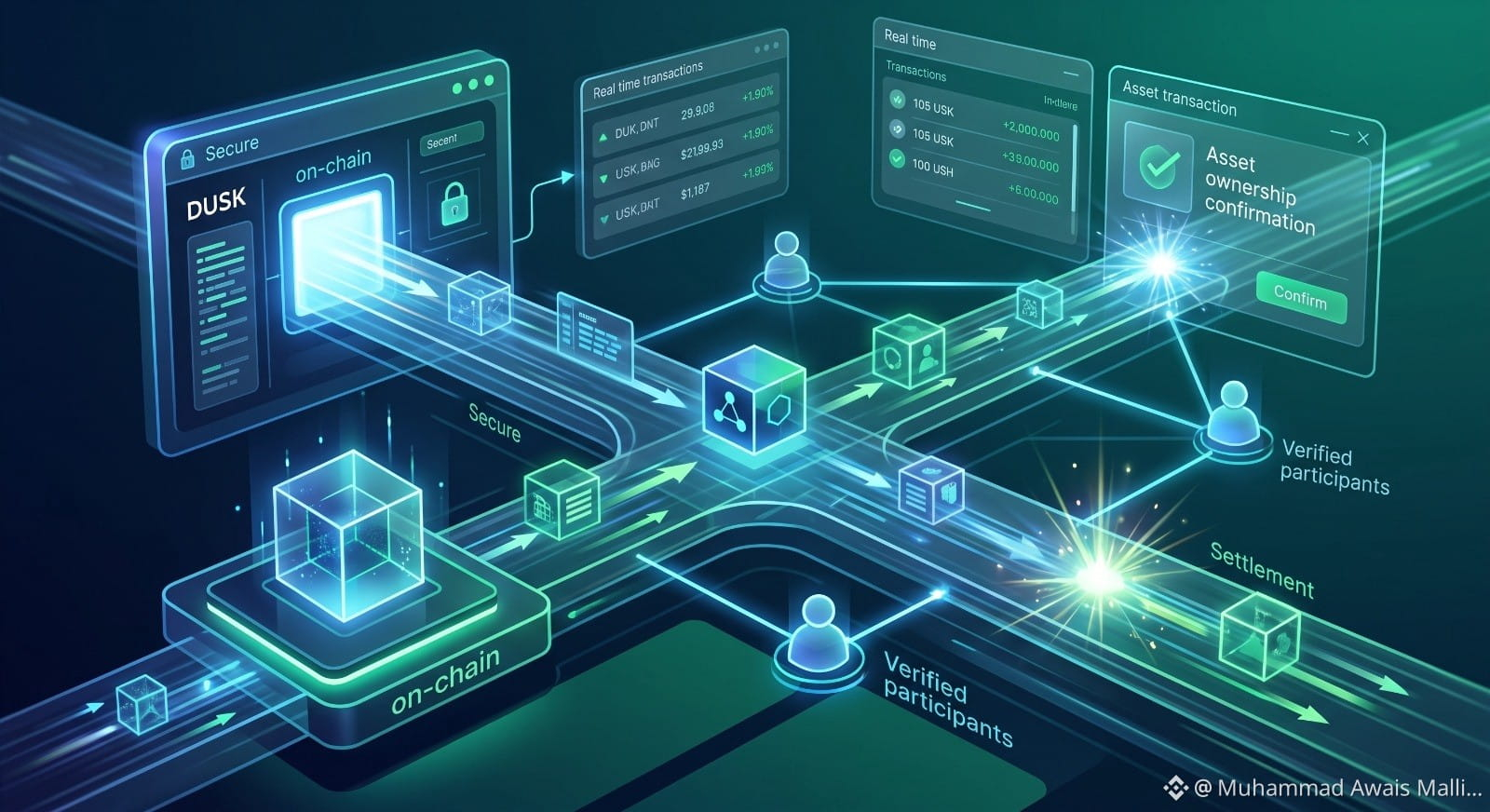
I grew up watching my father deal with paperwork every time he wanted to buy or sell shares of a small private company signatures brokers weeks of waiting. So when I read about the NPEX partnership with @Dusk it actually meant something to me personally. NPEX is a Dutch exchange holding real licenses MTF, broker and ECS and it has tokenized more than 300 million euros worth of traditional securities directly on the Dusk chain.
This is not a random RWA narrative coin claiming things on a pitch deck this is a licensed exchange actually moving real assets on chain and letting them trade with blockchain speed instead of old paperwork speed.
I looked at how settlement works here, records go on chain directly, so there is no multi day waiting period like my father used to deal with. What makes this different from other RWA projects I have looked at is the regulatory backing behind it, NPEX is not experimenting quietly, it is operating live. Holding $DUSK means holding exposure to the token securing the chain that a real regulated exchange chose to build on and that is a very different risk profile than most speculative tokens. #dusk
Would you trust tokenized shares more if a licensed exchange not just a crypto startup was running the show?
#dusk $DUSK @Dusk_Foundation
{future}(DUSKUSDT)
I grew up watching my father deal with paperwork every time he wanted to buy or sell shares of a small private company signatures brokers weeks of waiting. So when I read about the NPEX partnership with @Dusk it actually meant something to me personally. NPEX is a Dutch exchange holding real licenses MTF, broker and ECS and it has tokenized more than 300 million euros worth of traditional securities directly on the Dusk chain.
This is not a random RWA narrative coin claiming things on a pitch deck this is a licensed exchange actually moving real assets on chain and letting them trade with blockchain speed instead of old paperwork speed.
I looked at how settlement works here, records go on chain directly, so there is no multi day waiting period like my father used to deal with. What makes this different from other RWA projects I have looked at is the regulatory backing behind it, NPEX is not experimenting quietly, it is operating live. Holding $DUSK means holding exposure to the token securing the chain that a real regulated exchange chose to build on and that is a very different risk profile than most speculative tokens. #dusk
Would you trust tokenized shares more if a licensed exchange not just a crypto startup was running the show?
#dusk $DUSK @Dusk
This is not a random RWA narrative coin claiming things on a pitch deck this is a licensed exchange actually moving real assets on chain and letting them trade with blockchain speed instead of old paperwork speed.
I looked at how settlement works here, records go on chain directly, so there is no multi day waiting period like my father used to deal with. What makes this different from other RWA projects I have looked at is the regulatory backing behind it, NPEX is not experimenting quietly, it is operating live. Holding $DUSK means holding exposure to the token securing the chain that a real regulated exchange chose to build on and that is a very different risk profile than most speculative tokens. #dusk
Would you trust tokenized shares more if a licensed exchange not just a crypto startup was running the show?
#dusk $DUSK @Dusk
1
2.6k
Buried in TermMax's docs: Curators earn through "Spread Capture" (profiting off rate differences across markets) and "Performance Fees" under what they call "Strict Supervision" — timelocked oversight on vault parameters. #TermMax
Institutional names running these vaults include MEV Capital, Keyrock, and Edge Capital among others. Their income model doesn't touch the points system at all it's spread and fees, generated whether or not a single retail wallet is farming XP that week. Depositors into their vaults do earn pre-mine/XP through the Curator's matched orders, but the Curator's own economics are already usage-based, revenue-based live today.
That's a genuinely different incentive structure sitting inside the same protocol as the check-in campaigns from Post 1. One side runs on real spread capture. The other runs on wallet taps.
If TermMax's long-term token value comes from Curator-generated protocol revenue, is the pre-TGE points race even measuring the thing that will matter in six months?
#termmax @termmax
Buried in TermMax's docs: Curators earn through "Spread Capture" (profiting off rate differences across markets) and "Performance Fees" under what they call "Strict Supervision" — timelocked oversight on vault parameters. #TermMax
Institutional names running these vaults include MEV Capital, Keyrock, and Edge Capital among others. Their income model doesn't touch the points system at all it's spread and fees, generated whether or not a single retail wallet is farming XP that week. Depositors into their vaults do earn pre-mine/XP through the Curator's matched orders, but the Curator's own economics are already usage-based, revenue-based live today.
That's a genuinely different incentive structure sitting inside the same protocol as the check-in campaigns from Post 1. One side runs on real spread capture. The other runs on wallet taps.
If TermMax's long-term token value comes from Curator-generated protocol revenue, is the pre-TGE points race even measuring the thing that will matter in six months?
#termmax @TermMax
Institutional names running these vaults include MEV Capital, Keyrock, and Edge Capital among others. Their income model doesn't touch the points system at all it's spread and fees, generated whether or not a single retail wallet is farming XP that week. Depositors into their vaults do earn pre-mine/XP through the Curator's matched orders, but the Curator's own economics are already usage-based, revenue-based live today.
That's a genuinely different incentive structure sitting inside the same protocol as the check-in campaigns from Post 1. One side runs on real spread capture. The other runs on wallet taps.
If TermMax's long-term token value comes from Curator-generated protocol revenue, is the pre-TGE points race even measuring the thing that will matter in six months?
#termmax @TermMax
Real yield
0%
Pros > XP!
0%
Long term?
0%
0 Votes • Vote fermé
2
1.5k
I got into crypto privacy coins in 2021 because I did not like that anyone could open Etherscan and see my whole wallet history my salary my trades everything open like a diary. But privacy coins had one big problem no bank or regulator wanted to touch them so I could never use them for anything real. That is when I found @Dusk_Foundation .
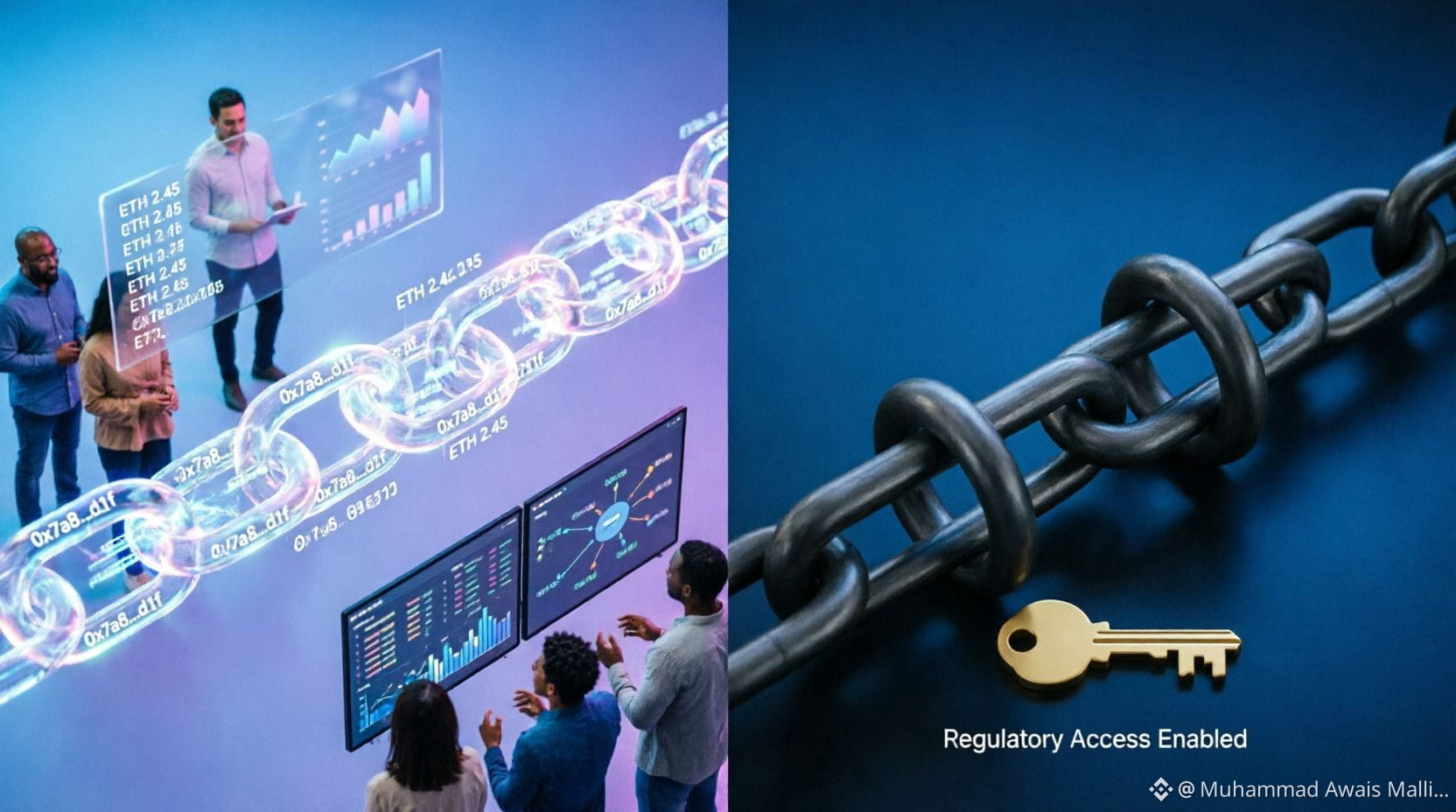
Dusk Network is a layer-1 blockchain built for confidential smart contracts and it runs on something called the XSC standard short for Confidential Security Contract. What impressed me was the idea itself transactions stay private from the public but if a regulator needs to check something they can still get access through proper permission. It is not privacy for hiding it is privacy for protection and that is a different mindset compared to older privacy coins I used before.
I read through the basics of how XSC works for issuing security tokens on chain and it clicked why banks and licensed exchanges could actually use this instead of avoiding it. Holding $DUSK feels less like a bet on hype and more like a bet on infrastructure that traditional finance can legally plug into.
Do you think financial markets will only trust blockchains that can prove compliance not just decentralization?
#dusk $DUSK @Dusk_Foundation
I got into crypto privacy coins in 2021 because I did not like that anyone could open Etherscan and see my whole wallet history my salary my trades everything open like a diary. But privacy coins had one big problem no bank or regulator wanted to touch them so I could never use them for anything real. That is when I found @Dusk .
Dusk Network is a layer-1 blockchain built for confidential smart contracts and it runs on something called the XSC standard short for Confidential Security Contract. What impressed me was the idea itself transactions stay private from the public but if a regulator needs to check something they can still get access through proper permission. It is not privacy for hiding it is privacy for protection and that is a different mindset compared to older privacy coins I used before.
I read through the basics of how XSC works for issuing security tokens on chain and it clicked why banks and licensed exchanges could actually use this instead of avoiding it. Holding $DUSK feels less like a bet on hype and more like a bet on infrastructure that traditional finance can legally plug into.
Do you think financial markets will only trust blockchains that can prove compliance not just decentralization?
#dusk $DUSK @Dusk
Dusk Network is a layer-1 blockchain built for confidential smart contracts and it runs on something called the XSC standard short for Confidential Security Contract. What impressed me was the idea itself transactions stay private from the public but if a regulator needs to check something they can still get access through proper permission. It is not privacy for hiding it is privacy for protection and that is a different mindset compared to older privacy coins I used before.
I read through the basics of how XSC works for issuing security tokens on chain and it clicked why banks and licensed exchanges could actually use this instead of avoiding it. Holding $DUSK feels less like a bet on hype and more like a bet on infrastructure that traditional finance can legally plug into.
Do you think financial markets will only trust blockchains that can prove compliance not just decentralization?
#dusk $DUSK @Dusk
1
2
3.4k
I spent my evening going down a rabbit hole comparing how traditional stock exchanges settle trades versus what @Dusk_Foundation is building and honestly it changed how I think about "RWA" as a buzzword.
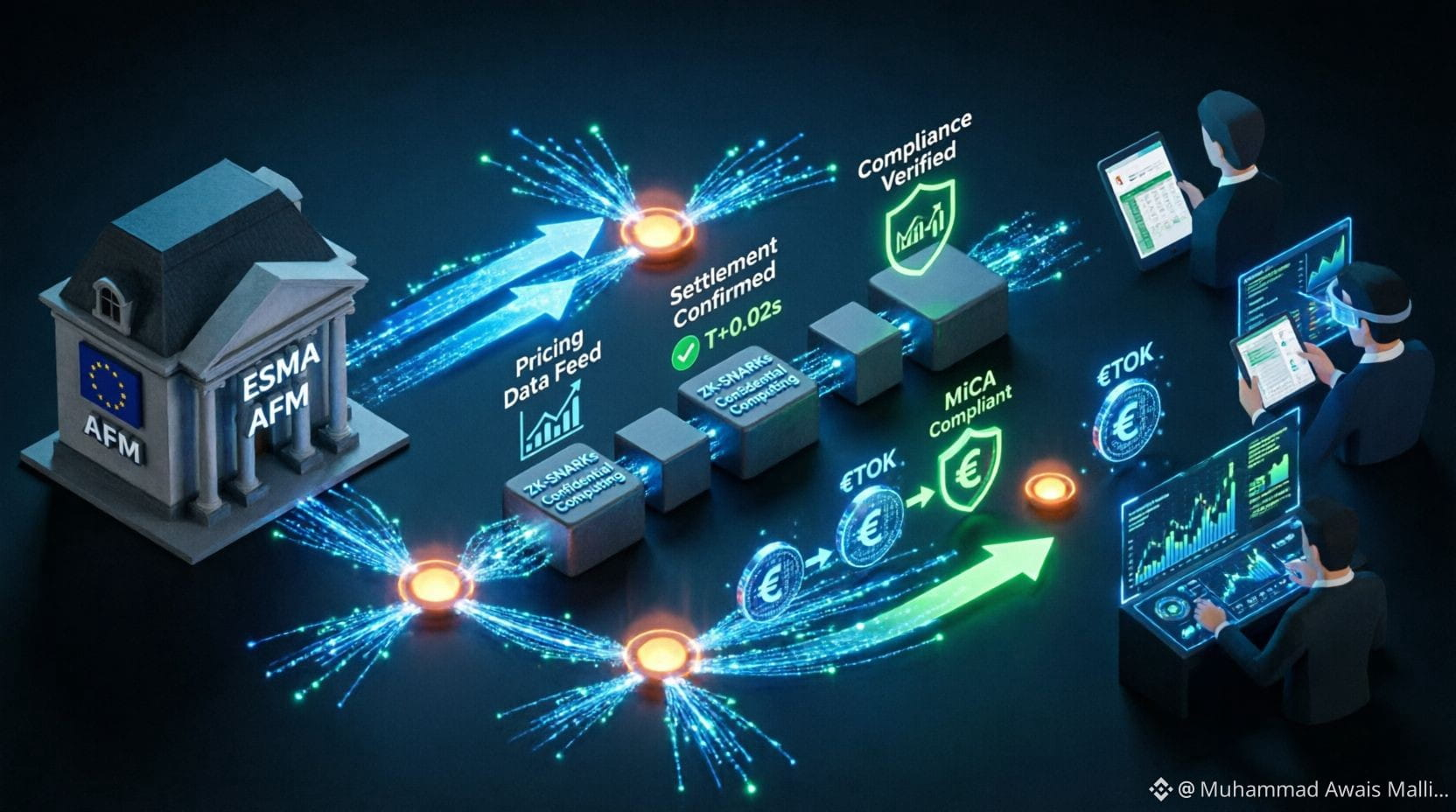
Most tokenization projects wrap an asset and call it a day. Dusk did something different it partnered with Chainlink to plug NPEX an AFM regulated Dutch exchange licensed as an MTF, Broker and ECSP, directly into its chain. NPEX already has 200M+ EUR raised and 17,500+ active investors, and the plan is to bring 300M+ EUR of real assets onchain through this integration.
Chainlink CCIP becomes the settlement bridge for these tokenized securities while Chainlink DataLink and Data Streams push official low latency NPEX pricing straight into smart contracts meaning the exchange itself becomes a verified onchain data publisher.
Thats the part people miss: privacy chains usually struggle with institutional trust because regulators need auditability, not opacity. Dusk's whole architecture zero-knowledge proofs plus an EVM-compatible layer is built so compliance and confidentiality are not opposites. Think of it like a bank vault with a glass wall regulators can look through, but the public can not.
If regulated European securities can settle onchain with this level of compliance baked in, what's actually stopping traditional finance from moving faster into Web3 is it the tech or the regulation
#dusk $DUSK
I spent my evening going down a rabbit hole comparing how traditional stock exchanges settle trades versus what @Dusk is building and honestly it changed how I think about "RWA" as a buzzword.
Most tokenization projects wrap an asset and call it a day. Dusk did something different it partnered with Chainlink to plug NPEX an AFM regulated Dutch exchange licensed as an MTF, Broker and ECSP, directly into its chain. NPEX already has 200M+ EUR raised and 17,500+ active investors, and the plan is to bring 300M+ EUR of real assets onchain through this integration.
Chainlink CCIP becomes the settlement bridge for these tokenized securities while Chainlink DataLink and Data Streams push official low latency NPEX pricing straight into smart contracts meaning the exchange itself becomes a verified onchain data publisher.
Thats the part people miss: privacy chains usually struggle with institutional trust because regulators need auditability, not opacity. Dusk's whole architecture zero-knowledge proofs plus an EVM-compatible layer is built so compliance and confidentiality are not opposites. Think of it like a bank vault with a glass wall regulators can look through, but the public can not.
If regulated European securities can settle onchain with this level of compliance baked in, what's actually stopping traditional finance from moving faster into Web3 is it the tech or the regulation
#dusk $DUSK
Most tokenization projects wrap an asset and call it a day. Dusk did something different it partnered with Chainlink to plug NPEX an AFM regulated Dutch exchange licensed as an MTF, Broker and ECSP, directly into its chain. NPEX already has 200M+ EUR raised and 17,500+ active investors, and the plan is to bring 300M+ EUR of real assets onchain through this integration.
Chainlink CCIP becomes the settlement bridge for these tokenized securities while Chainlink DataLink and Data Streams push official low latency NPEX pricing straight into smart contracts meaning the exchange itself becomes a verified onchain data publisher.
Thats the part people miss: privacy chains usually struggle with institutional trust because regulators need auditability, not opacity. Dusk's whole architecture zero-knowledge proofs plus an EVM-compatible layer is built so compliance and confidentiality are not opposites. Think of it like a bank vault with a glass wall regulators can look through, but the public can not.
If regulated European securities can settle onchain with this level of compliance baked in, what's actually stopping traditional finance from moving faster into Web3 is it the tech or the regulation
#dusk $DUSK
2
3.2k
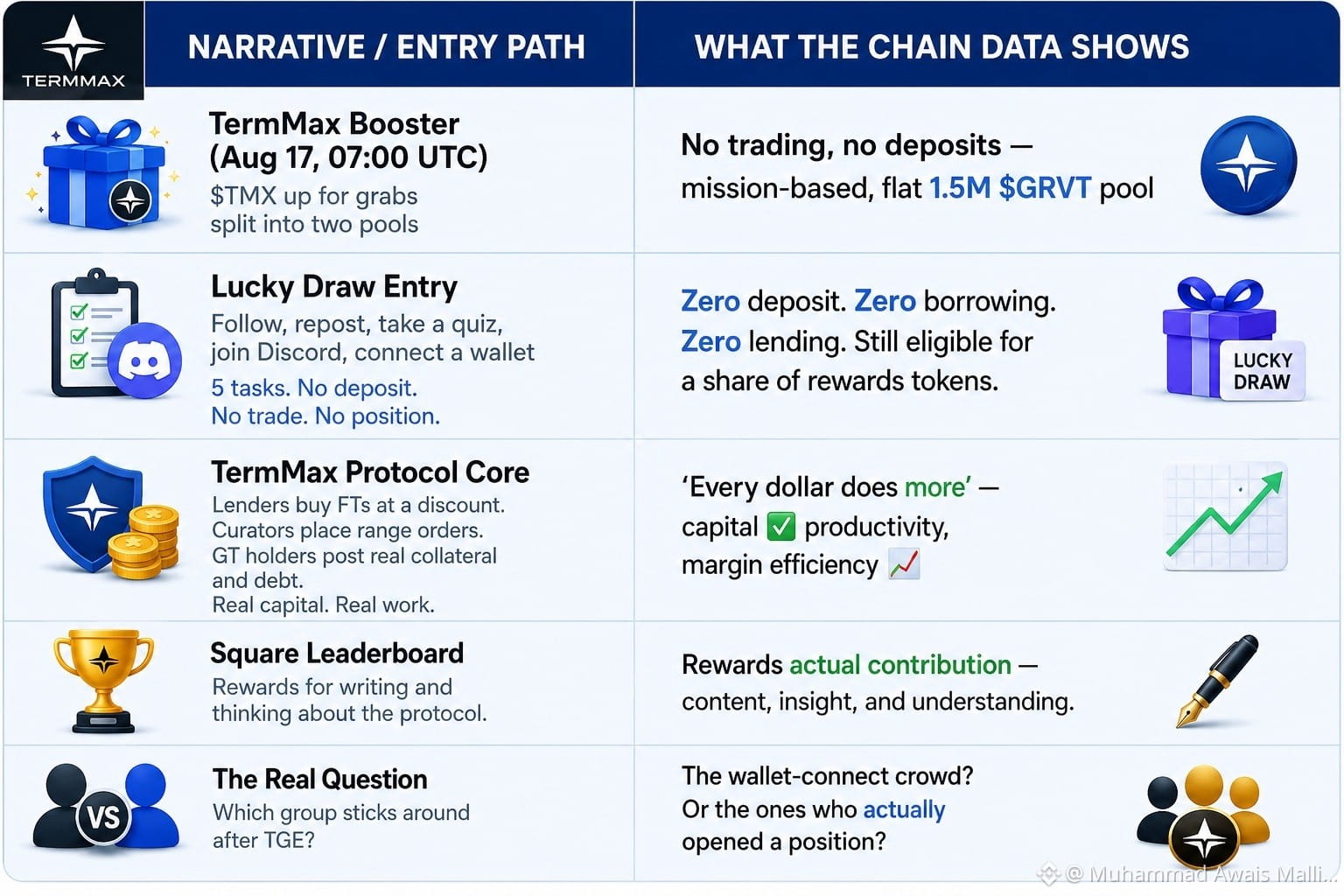
The TermMax Booster went live in Binance Wallet on August 17, 07:00 UTC TermMax up for grabs split into two pools. One side is a lucky draw: follow repost take a quiz join Discord connect a wallet. No deposit no trade no position. Just tap through five tasks and you're in the draw.
Read the lucky draw terms twice this morning, then went back and reread how the actual protocol works, and something didn't sit right. TermMax's whole design is built around real capital doing real work lenders buying FTs at a discount curators placing range orders across markets, GT holders carrying actual collateral and debt. The fixed-rate model only means anything if someone is posting real liquidity behind it.
But the easiest way into the reward pool right now needs none of that. Zero deposit zero borrowing, zero lending and you're still eligible for a share of rewards tokens.
Paused with my coffee halfway through typing this, going back and forth. Is this just normal top-of-funnel growth get people in the door first worry about depth later? Or does it quietly send the message that showing up matters more than actually using the thing you're rewarding people for using?
The Square leaderboard side is different that one actually rewards writing and thinking about the protocol. But the mission pool is pure attention no skin in the game.
Curious which group sticks around after TGE the wallet-connect crowd, or the ones who actually opened a position.
#termmax @termmax
The TermMax Booster went live in Binance Wallet on August 17, 07:00 UTC TermMax up for grabs split into two pools. One side is a lucky draw: follow repost take a quiz join Discord connect a wallet. No deposit no trade no position. Just tap through five tasks and you're in the draw.
Read the lucky draw terms twice this morning, then went back and reread how the actual protocol works, and something didn't sit right. TermMax's whole design is built around real capital doing real work lenders buying FTs at a discount curators placing range orders across markets, GT holders carrying actual collateral and debt. The fixed-rate model only means anything if someone is posting real liquidity behind it.
But the easiest way into the reward pool right now needs none of that. Zero deposit zero borrowing, zero lending and you're still eligible for a share of rewards tokens.
Paused with my coffee halfway through typing this, going back and forth. Is this just normal top-of-funnel growth get people in the door first worry about depth later? Or does it quietly send the message that showing up matters more than actually using the thing you're rewarding people for using?
The Square leaderboard side is different that one actually rewards writing and thinking about the protocol. But the mission pool is pure attention no skin in the game.
Curious which group sticks around after TGE the wallet-connect crowd, or the ones who actually opened a position.
#termmax @TermMax
Read the lucky draw terms twice this morning, then went back and reread how the actual protocol works, and something didn't sit right. TermMax's whole design is built around real capital doing real work lenders buying FTs at a discount curators placing range orders across markets, GT holders carrying actual collateral and debt. The fixed-rate model only means anything if someone is posting real liquidity behind it.
But the easiest way into the reward pool right now needs none of that. Zero deposit zero borrowing, zero lending and you're still eligible for a share of rewards tokens.
Paused with my coffee halfway through typing this, going back and forth. Is this just normal top-of-funnel growth get people in the door first worry about depth later? Or does it quietly send the message that showing up matters more than actually using the thing you're rewarding people for using?
The Square leaderboard side is different that one actually rewards writing and thinking about the protocol. But the mission pool is pure attention no skin in the game.
Curious which group sticks around after TGE the wallet-connect crowd, or the ones who actually opened a position.
#termmax @TermMax
1
2
4.1k
#dusk $DUSK @Dusk_Foundation
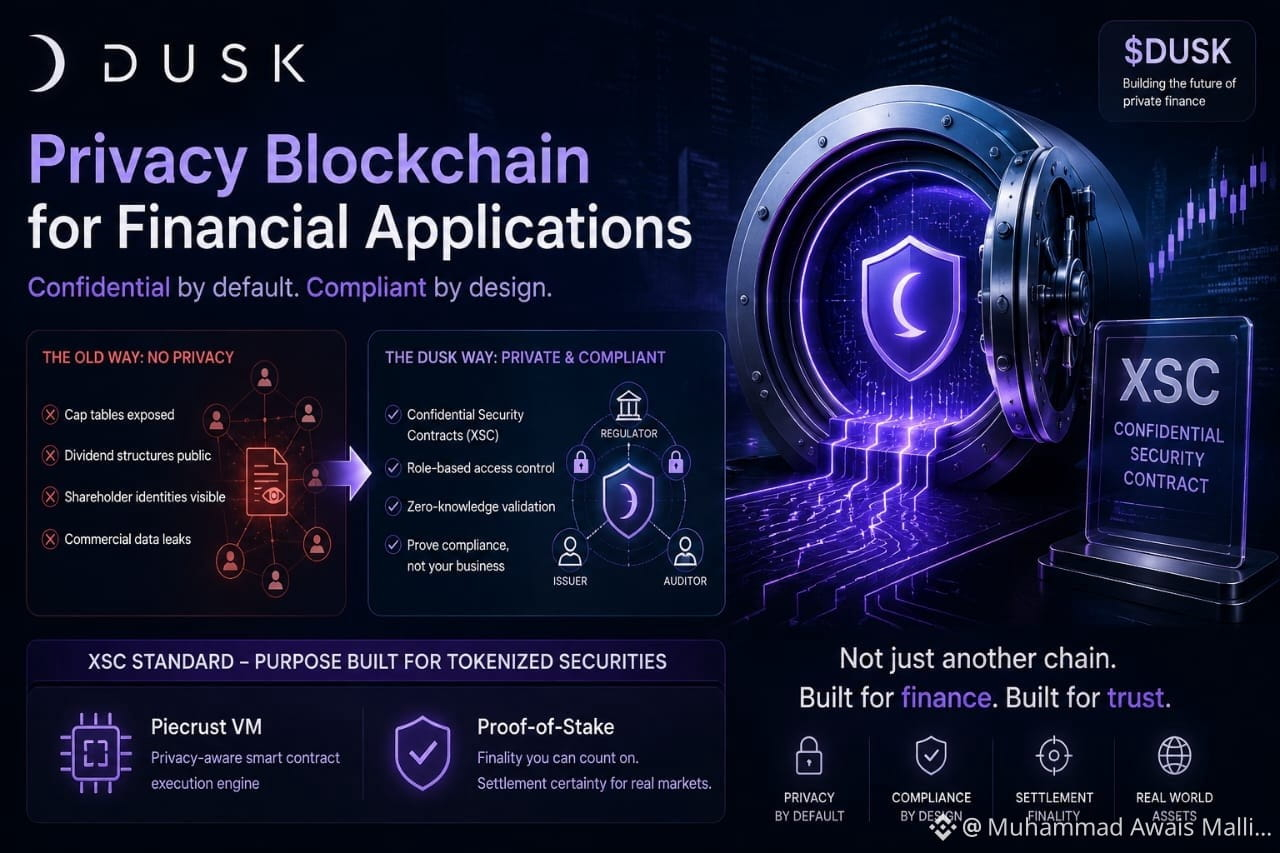
I have been trying to understand why Dusk calls itself a "privacy blockchain for financial applications" instead of just another DeFi chain and the answer is really in one thing: the XSC standard. XSC stands for Confidential Security Contract and its not just marketing its a purpose built framework for issuing tokenized securities that need to stay compliant while keeping sensitive deal terms private. Picture a company issuing equity onchain: with a normal smart contract cap tables dividend structures and shareholder identities would be exposed to anyone reading the chain. XSC flips that by using role-based access and zero-knowledge validation so a regulator or auditor can verify a transaction is legitimate without the public seeing who holds what or how much. Thats the actual hard problem in RWA tokenization not "can we put an asset onchain" but "can we do it without breaking securities law or leaking commercially sensitive data." Dusk pairs this with its Piecrust VM and a Proof-of-Stake consensus built for settlement finality since financial markets can not tolerate probabilistic finality the way casual DeFi can. It's a very different design philosophy from chains that bolt privacy on as an afterthought. If confidentiality and compliance can actually coexist at the protocol level like this why do so many other chains still treat them as a tradeoff instead of solving for both?
#dusk $DUSK @Dusk
I have been trying to understand why Dusk calls itself a "privacy blockchain for financial applications" instead of just another DeFi chain and the answer is really in one thing: the XSC standard. XSC stands for Confidential Security Contract and its not just marketing its a purpose built framework for issuing tokenized securities that need to stay compliant while keeping sensitive deal terms private. Picture a company issuing equity onchain: with a normal smart contract cap tables dividend structures and shareholder identities would be exposed to anyone reading the chain. XSC flips that by using role-based access and zero-knowledge validation so a regulator or auditor can verify a transaction is legitimate without the public seeing who holds what or how much. Thats the actual hard problem in RWA tokenization not "can we put an asset onchain" but "can we do it without breaking securities law or leaking commercially sensitive data." Dusk pairs this with its Piecrust VM and a Proof-of-Stake consensus built for settlement finality since financial markets can not tolerate probabilistic finality the way casual DeFi can. It's a very different design philosophy from chains that bolt privacy on as an afterthought. If confidentiality and compliance can actually coexist at the protocol level like this why do so many other chains still treat them as a tradeoff instead of solving for both?
I have been trying to understand why Dusk calls itself a "privacy blockchain for financial applications" instead of just another DeFi chain and the answer is really in one thing: the XSC standard. XSC stands for Confidential Security Contract and its not just marketing its a purpose built framework for issuing tokenized securities that need to stay compliant while keeping sensitive deal terms private. Picture a company issuing equity onchain: with a normal smart contract cap tables dividend structures and shareholder identities would be exposed to anyone reading the chain. XSC flips that by using role-based access and zero-knowledge validation so a regulator or auditor can verify a transaction is legitimate without the public seeing who holds what or how much. Thats the actual hard problem in RWA tokenization not "can we put an asset onchain" but "can we do it without breaking securities law or leaking commercially sensitive data." Dusk pairs this with its Piecrust VM and a Proof-of-Stake consensus built for settlement finality since financial markets can not tolerate probabilistic finality the way casual DeFi can. It's a very different design philosophy from chains that bolt privacy on as an afterthought. If confidentiality and compliance can actually coexist at the protocol level like this why do so many other chains still treat them as a tradeoff instead of solving for both?
2
1
1.9k
#dusk $DUSK @Dusk_Foundation
The more I study Dusk, the more I think “privacy” can be misleading when we use it too broadly.
For institutional finance, privacy is not always about hiding everything. It’s about controlling who can see what while still being able to prove the rules were followed.
That’s what caught my attention about Dusk.
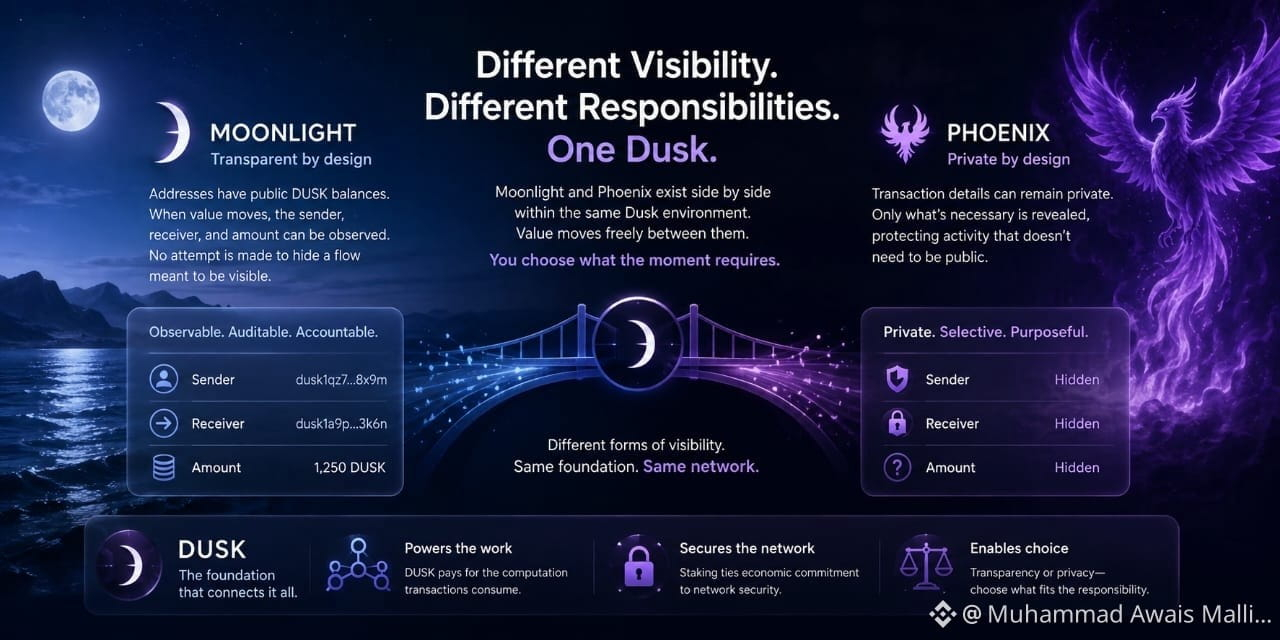
Moonlight supports transparent public accounts, while Phoenix handles confidential shielded transfers. Then theres Citadel built around identity access and selective disclosure.
Together they point to something interesting: transparency and confidentiality do not have to be opposites. They can be different visibility modes depending on what a transaction actually needs.
XSC fits into this picture too. The Confidential Security Contract Standard is designed around confidential smart contracts that can adapt to privacy and compliance requirements.
For tokenized securities that could be important. Issuers may need controlled transfers and investor eligibility checks while keeping individual positions private without giving up verifiable settlement.
Thats my main takeaway from researching Dusk so far.
Permanent visibility is often treated as a strength of public blockchains. But when the asset is regulated or commercially sensitive that same visibility can become a liability.
@Dusk is not simply asking institutions to “trust privacy.” Its trying to bring privacy, identity and settlement into the same framework.
Could selective disclosure become a bigger adoption driver for institutional blockchain finance than pure anonymity?
#dusk $DUSK @Dusk
The more I study Dusk, the more I think “privacy” can be misleading when we use it too broadly.
For institutional finance, privacy is not always about hiding everything. It’s about controlling who can see what while still being able to prove the rules were followed.
That’s what caught my attention about Dusk.
Moonlight supports transparent public accounts, while Phoenix handles confidential shielded transfers. Then theres Citadel built around identity access and selective disclosure.
Together they point to something interesting: transparency and confidentiality do not have to be opposites. They can be different visibility modes depending on what a transaction actually needs.
XSC fits into this picture too. The Confidential Security Contract Standard is designed around confidential smart contracts that can adapt to privacy and compliance requirements.
For tokenized securities that could be important. Issuers may need controlled transfers and investor eligibility checks while keeping individual positions private without giving up verifiable settlement.
Thats my main takeaway from researching Dusk so far.
Permanent visibility is often treated as a strength of public blockchains. But when the asset is regulated or commercially sensitive that same visibility can become a liability.
@Dusk is not simply asking institutions to “trust privacy.” Its trying to bring privacy, identity and settlement into the same framework.
Could selective disclosure become a bigger adoption driver for institutional blockchain finance than pure anonymity?
The more I study Dusk, the more I think “privacy” can be misleading when we use it too broadly.
For institutional finance, privacy is not always about hiding everything. It’s about controlling who can see what while still being able to prove the rules were followed.
That’s what caught my attention about Dusk.
Moonlight supports transparent public accounts, while Phoenix handles confidential shielded transfers. Then theres Citadel built around identity access and selective disclosure.
Together they point to something interesting: transparency and confidentiality do not have to be opposites. They can be different visibility modes depending on what a transaction actually needs.
XSC fits into this picture too. The Confidential Security Contract Standard is designed around confidential smart contracts that can adapt to privacy and compliance requirements.
For tokenized securities that could be important. Issuers may need controlled transfers and investor eligibility checks while keeping individual positions private without giving up verifiable settlement.
Thats my main takeaway from researching Dusk so far.
Permanent visibility is often treated as a strength of public blockchains. But when the asset is regulated or commercially sensitive that same visibility can become a liability.
@Dusk is not simply asking institutions to “trust privacy.” Its trying to bring privacy, identity and settlement into the same framework.
Could selective disclosure become a bigger adoption driver for institutional blockchain finance than pure anonymity?
1
1
226
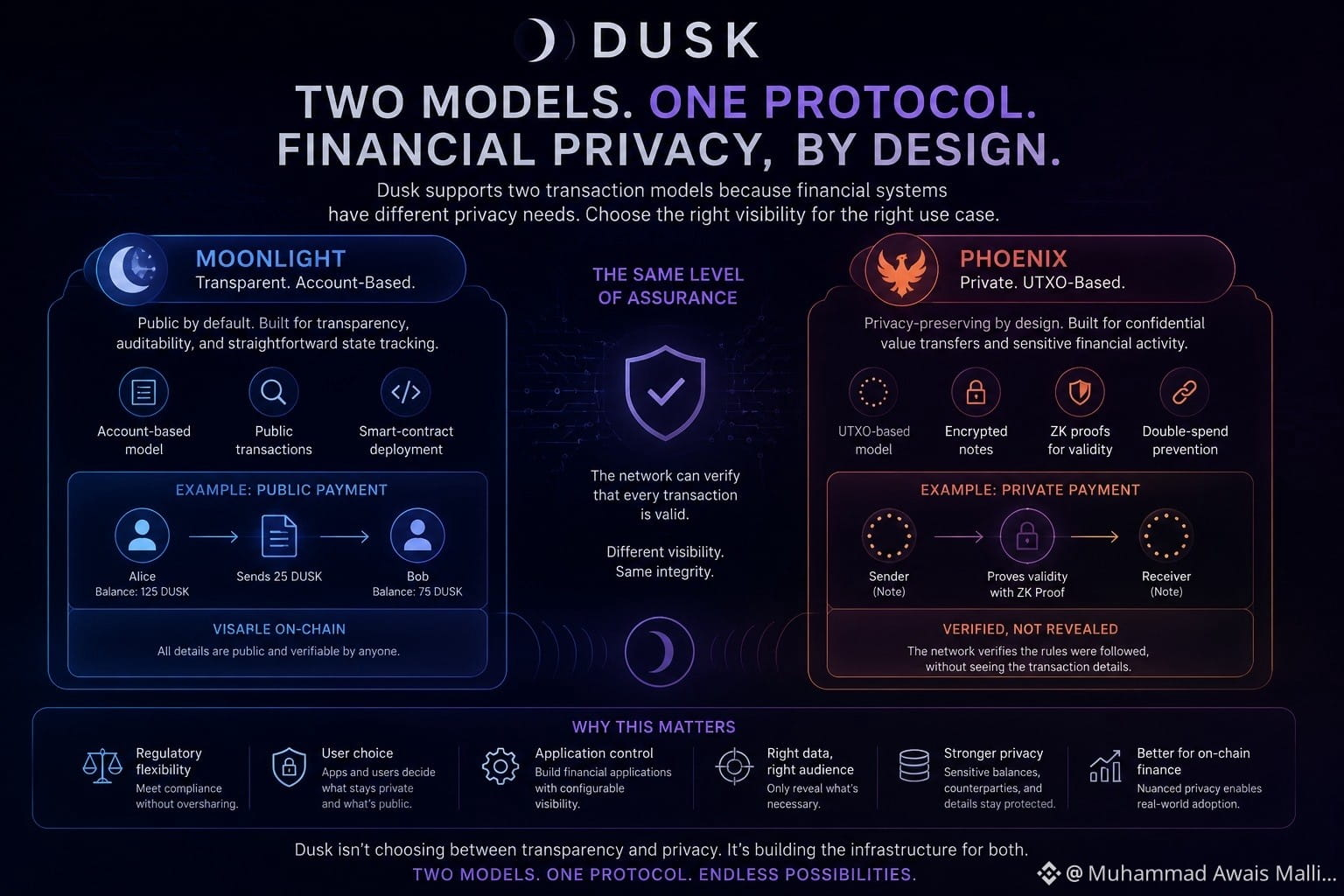
$DUSK uses a design choice I find especially relevant for finance: Dusk supports two transaction models instead of forcing every user into the same visibility model. Moonlight is transparent and account-based, while Phoenix is UTXO-based and can support obfuscated transactions through zero-knowledge proofs.
Why does that matter? Financial systems do not have one universal privacy requirement. Some activity benefits from public account-style execution and straightforward state tracking. Other activity may involve balances, counterparties, or transaction details that should remain confidential while still proving that ownership, sufficient funds, fee payment, and double-spend prevention rules were satisfied.
Phoenix approaches this by using notes, commitments, nullifiers, encryption, and ZK proofs. The network can verify that a private transaction is valid without learning all of the underlying transaction data. Moonlight, by contrast, provides a familiar public account model for transactions and smart-contract deployment. This dual approach is more nuanced than saying “everything should be private.” Dusk is effectively arguing that a financial blockchain should support different disclosure requirements at the protocol level. Combined with XSC and Dusk’s confidential smart-contract direction, that could give applications more control over what becomes public and what stays protected. For regulated on-chain finance, configurable visibility may be more useful than either total transparency or total opacity.
#dusk @Dusk_Foundation
$DUSK uses a design choice I find especially relevant for finance: Dusk supports two transaction models instead of forcing every user into the same visibility model. Moonlight is transparent and account-based, while Phoenix is UTXO-based and can support obfuscated transactions through zero-knowledge proofs.
Why does that matter? Financial systems do not have one universal privacy requirement. Some activity benefits from public account-style execution and straightforward state tracking. Other activity may involve balances, counterparties, or transaction details that should remain confidential while still proving that ownership, sufficient funds, fee payment, and double-spend prevention rules were satisfied.
Phoenix approaches this by using notes, commitments, nullifiers, encryption, and ZK proofs. The network can verify that a private transaction is valid without learning all of the underlying transaction data. Moonlight, by contrast, provides a familiar public account model for transactions and smart-contract deployment. This dual approach is more nuanced than saying “everything should be private.” Dusk is effectively arguing that a financial blockchain should support different disclosure requirements at the protocol level. Combined with XSC and Dusk’s confidential smart-contract direction, that could give applications more control over what becomes public and what stays protected. For regulated on-chain finance, configurable visibility may be more useful than either total transparency or total opacity.
#dusk @Dusk
Why does that matter? Financial systems do not have one universal privacy requirement. Some activity benefits from public account-style execution and straightforward state tracking. Other activity may involve balances, counterparties, or transaction details that should remain confidential while still proving that ownership, sufficient funds, fee payment, and double-spend prevention rules were satisfied.
Phoenix approaches this by using notes, commitments, nullifiers, encryption, and ZK proofs. The network can verify that a private transaction is valid without learning all of the underlying transaction data. Moonlight, by contrast, provides a familiar public account model for transactions and smart-contract deployment. This dual approach is more nuanced than saying “everything should be private.” Dusk is effectively arguing that a financial blockchain should support different disclosure requirements at the protocol level. Combined with XSC and Dusk’s confidential smart-contract direction, that could give applications more control over what becomes public and what stays protected. For regulated on-chain finance, configurable visibility may be more useful than either total transparency or total opacity.
#dusk @Dusk
1
1
3.5k
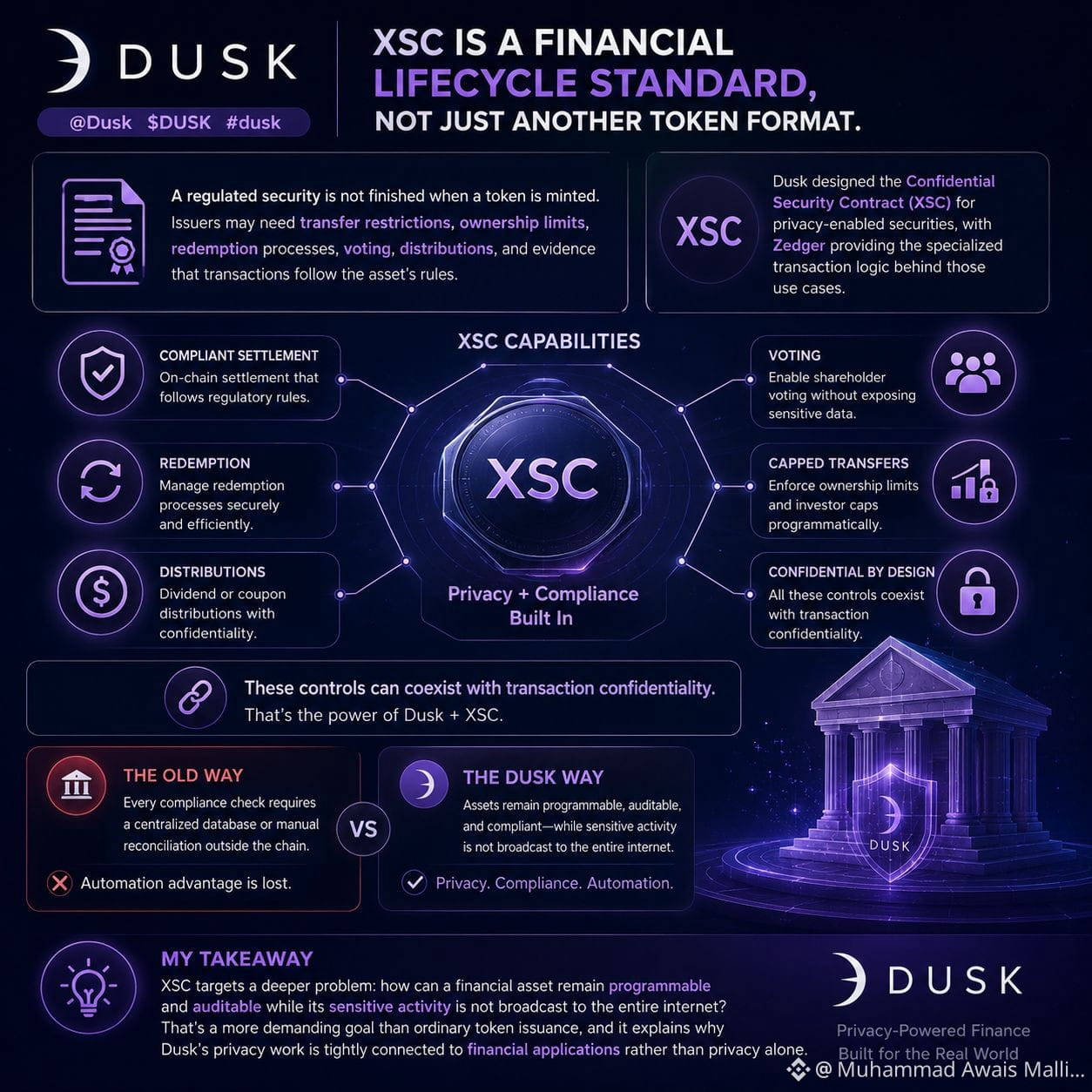
@Dusk_Foundation becomes more compelling when XSC is viewed as a financial lifecycle standard instead of just another token format. A regulated security is not finished when a token is minted. Issuers may need transfer restrictions, ownership limits, redemption processes, voting, distributions, and evidence that transactions follow the asset’s rules. $DUSK designed the Confidential Security Contract, or XSC, for privacy-enabled securities, with Zedger providing the specialized transaction logic behind those use cases. Official Dusk material describes capabilities such as compliant settlement, security redemption, dividend distribution, voting, and capped transfers. The important point is that these controls can coexist with transaction confidentiality.
That changes the discussion around tokenized real-world assets. Putting a representation of a bond or equity on-chain is relatively simple. Managing that instrument through its full regulated lifecycle is harder. If every compliance check requires a centralized database or manual reconciliation outside the chain, much of blockchain’s automation advantage disappears.
My takeaway from researching #dusk is that XSC targets this deeper problem: how can a financial asset remain programmable and auditable while its sensitive activity is not broadcast to the entire internet? That is a more demanding goal than ordinary token issuance, and it explains why Dusk’s privacy work is tightly connected to financial applications rather than privacy alone.
#dusk
{future}(DUSKUSDT)
@Dusk becomes more compelling when XSC is viewed as a financial lifecycle standard instead of just another token format. A regulated security is not finished when a token is minted. Issuers may need transfer restrictions, ownership limits, redemption processes, voting, distributions, and evidence that transactions follow the asset’s rules. $DUSK designed the Confidential Security Contract, or XSC, for privacy-enabled securities, with Zedger providing the specialized transaction logic behind those use cases. Official Dusk material describes capabilities such as compliant settlement, security redemption, dividend distribution, voting, and capped transfers. The important point is that these controls can coexist with transaction confidentiality.
That changes the discussion around tokenized real-world assets. Putting a representation of a bond or equity on-chain is relatively simple. Managing that instrument through its full regulated lifecycle is harder. If every compliance check requires a centralized database or manual reconciliation outside the chain, much of blockchain’s automation advantage disappears.
My takeaway from researching #dusk is that XSC targets this deeper problem: how can a financial asset remain programmable and auditable while its sensitive activity is not broadcast to the entire internet? That is a more demanding goal than ordinary token issuance, and it explains why Dusk’s privacy work is tightly connected to financial applications rather than privacy alone.
#dusk
That changes the discussion around tokenized real-world assets. Putting a representation of a bond or equity on-chain is relatively simple. Managing that instrument through its full regulated lifecycle is harder. If every compliance check requires a centralized database or manual reconciliation outside the chain, much of blockchain’s automation advantage disappears.
My takeaway from researching #dusk is that XSC targets this deeper problem: how can a financial asset remain programmable and auditable while its sensitive activity is not broadcast to the entire internet? That is a more demanding goal than ordinary token issuance, and it explains why Dusk’s privacy work is tightly connected to financial applications rather than privacy alone.
#dusk
2
2
4.9k
·
--
Haussier
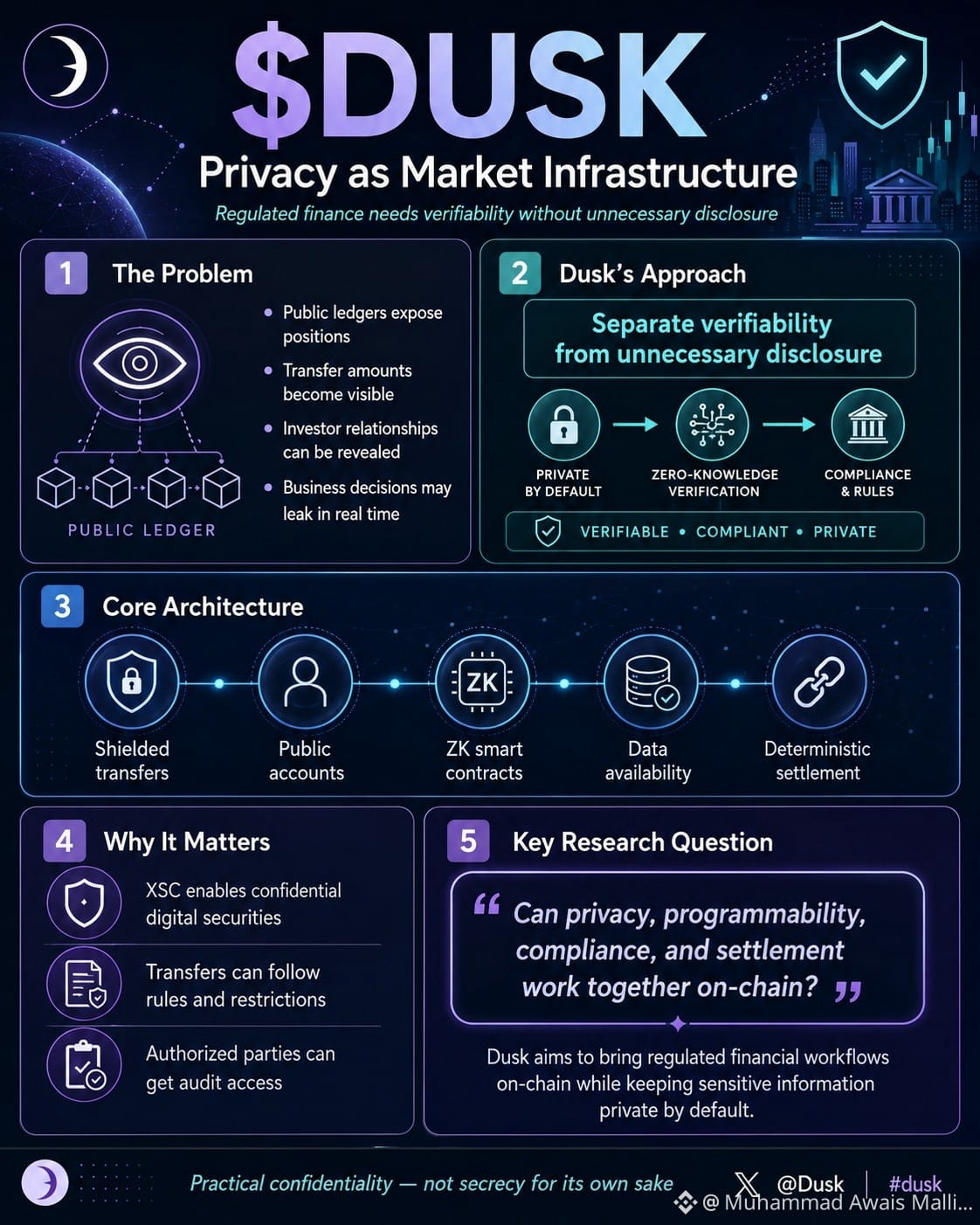
$DUSK is interesting to study because it treats privacy as market infrastructure rather than a cosmetic blockchain feature. Public ledgers are excellent for verification, but regulated finance cannot expose every position, transfer amount, investor relationship, or business decision to everyone in real time. Dusk’s Layer-1 design tries to separate verifiability from unnecessary disclosure. The project’s XSC, or Confidential Security Contract standard, was designed around privacy-enabled digital securities, while the broader network uses zero-knowledge technology and confidential transaction flows. That combination matters because financial assets have rules: ownership may need verification, transfers can face restrictions, and authorized parties may require audit access. A useful privacy system therefore cannot simply hide everything; it needs controlled visibility.
Dusk’s current architecture reflects that idea. Its native L1 combines shielded transfers, public accounts, ZK smart contracts, data availability, and deterministic settlement. In my view, the key research question is not whether privacy sounds attractive, but whether privacy, programmability, compliance, and settlement can operate together without forcing institutions back to off-chain processes. That is the practical problem Dusk is attempting to solve: bring regulated financial workflows on-chain while keeping sensitive information from becoming public by default. The architecture is therefore aimed at practical confidentiality, not secrecy for its own sake.
@Dusk_Foundation #dusk
$DUSK is interesting to study because it treats privacy as market infrastructure rather than a cosmetic blockchain feature. Public ledgers are excellent for verification, but regulated finance cannot expose every position, transfer amount, investor relationship, or business decision to everyone in real time. Dusk’s Layer-1 design tries to separate verifiability from unnecessary disclosure. The project’s XSC, or Confidential Security Contract standard, was designed around privacy-enabled digital securities, while the broader network uses zero-knowledge technology and confidential transaction flows. That combination matters because financial assets have rules: ownership may need verification, transfers can face restrictions, and authorized parties may require audit access. A useful privacy system therefore cannot simply hide everything; it needs controlled visibility.
Dusk’s current architecture reflects that idea. Its native L1 combines shielded transfers, public accounts, ZK smart contracts, data availability, and deterministic settlement. In my view, the key research question is not whether privacy sounds attractive, but whether privacy, programmability, compliance, and settlement can operate together without forcing institutions back to off-chain processes. That is the practical problem Dusk is attempting to solve: bring regulated financial workflows on-chain while keeping sensitive information from becoming public by default. The architecture is therefore aimed at practical confidentiality, not secrecy for its own sake.
@Dusk #dusk
Dusk’s current architecture reflects that idea. Its native L1 combines shielded transfers, public accounts, ZK smart contracts, data availability, and deterministic settlement. In my view, the key research question is not whether privacy sounds attractive, but whether privacy, programmability, compliance, and settlement can operate together without forcing institutions back to off-chain processes. That is the practical problem Dusk is attempting to solve: bring regulated financial workflows on-chain while keeping sensitive information from becoming public by default. The architecture is therefore aimed at practical confidentiality, not secrecy for its own sake.
@Dusk #dusk
3
231
Connectez-vous pour découvrir plus de contenu
Rejoignez la communauté mondiale des adeptes de cryptomonnaies sur Binance Square
⚡️ Suviez les dernières informations importantes sur les cryptomonnaies.
💬 Jugé digne de confiance par la plus grande plateforme d’échange de cryptomonnaies au monde.
👍 Découvrez les connaissances que partagent les créateurs vérifiés.
Adresse e-mail/Nº de téléphone
Sujets d’actualité
MetaMaskExitsLidoValidatorsAfterSecurityIncident
15,366 vues
397 mentions
🚨 METAMASK JUST STARTED EXITING ETH VALIDATORS AFTER A SECURITY INCIDENT.
MetaMask says an ongoing security incident hit part of its infrastructure, forcing it to proactively exit affected validators from its non-custodial staking operations. The company says it has found no immediate threat to MetaMask wallets so far.
The key detail?
These validators are tied to Lido staking, and the exit process may temporarily remove ETH from staking while the investigation continues. Lido-related reports say the full exit, withdrawal and re-entry cycle could take up to roughly 45 days.
That means the market should separate two things:
Wallet users are not currently being told they’re at immediate risk.
But validator infrastructure clearly was serious enough to trigger an emergency exit.
And when one of Ethereum’s biggest wallet brands starts pulling validators as a precaution, traders pay attention.
Security incidents don’t need stolen funds to become market-moving.
Sometimes the reaction itself is the signal. 👀
$ETH $LDO
#metamaskexitslidovalidatorsaftersecurityincident
KimHotbae
·0 mentions J’aime
·2.5k vues
MicronBeatsEarningsLiftsGuidance
13,674 vues
352 mentions
CFTCSubmitsTwoEventContractRulesToWhiteHouse
12,340 vues
333 mentions