
Peter_Parker0
19.1k Publications

Peter_Parker0
 Compte Square Vérifié+
Signaler
Bloquer l’utilisateur
Crypto trader|Market sniper Spot & Futures| TA wizard | Risk-first Altcoin gems|Bullish vibes only #CryptoTrading $BTC|Twitter|Cryptocobain032
Ouvert au trading
Trade fréquemment
2.5 an(s)
719 Suivis
45.7K+ Abonnés
48.9K+ J’aime
Publications
Portefeuille
Tous
Citations
Vidéos
Direct
Vérifié
Le CPI américain s’apprête à devenir l’événement principal du marché.
Les attentes d’inflation d’août attirent déjà l’attention :
• CPI global : +0,4 % MoM | +3,4 % YoY
• CPI cœur : +0,2 % MoM | +2,4 % YoY
Avec un prix moyen de l’essence à 4,192 $/gallon et un baril de pétrole brut qui se négocie au-dessus de 100 $, les risques inflationnistes restent élevés. Le dernier indice des prix à la production (PPI) est également ressorti chaud : +0,4 % MoM et +5,4 % YoY, ce qui ajoute un autre signal d’alerte.
Les marchés intègrent actuellement environ 70 % de probabilité d’une hausse de 25 pb de la Fed lors de la réunion des 15–16 septembre.
La réaction pourrait être agressive.
🔥 CPI chaud : Rendements plus élevés + dollar plus fort → pression sur les actions, la crypto et potentiellement l’or.
❄️ CPI froid : Rendements plus bas + dollar plus faible → rallye de soulagement possible sur l’ensemble des actifs à risque.
Une publication d’inflation. Plusieurs marchés en risque.
De quel côté êtes-vous positionné ?
#CPIWatch
$RAYSOL
{future}(RAYSOLUSDT)
$4
{future}(4USDT)
$MEME
{future}(MEMEUSDT)
Le CPI américain s’apprête à devenir l’événement principal du marché.
Les attentes d’inflation d’août attirent déjà l’attention :
• CPI global : +0,4 % MoM | +3,4 % YoY
• CPI cœur : +0,2 % MoM | +2,4 % YoY
Avec un prix moyen de l’essence à 4,192 $/gallon et un baril de pétrole brut qui se négocie au-dessus de 100 $, les risques inflationnistes restent élevés. Le dernier indice des prix à la production (PPI) est également ressorti chaud : +0,4 % MoM et +5,4 % YoY, ce qui ajoute un autre signal d’alerte.
Les marchés intègrent actuellement environ 70 % de probabilité d’une hausse de 25 pb de la Fed lors de la réunion des 15–16 septembre.
La réaction pourrait être agressive.
🔥 CPI chaud : Rendements plus élevés + dollar plus fort → pression sur les actions, la crypto et potentiellement l’or.
❄️ CPI froid : Rendements plus bas + dollar plus faible → rallye de soulagement possible sur l’ensemble des actifs à risque.
Une publication d’inflation. Plusieurs marchés en risque.
De quel côté êtes-vous positionné ?
#CPIWatch
$RAYSOL
$4
$MEME
Les attentes d’inflation d’août attirent déjà l’attention :
• CPI global : +0,4 % MoM | +3,4 % YoY
• CPI cœur : +0,2 % MoM | +2,4 % YoY
Avec un prix moyen de l’essence à 4,192 $/gallon et un baril de pétrole brut qui se négocie au-dessus de 100 $, les risques inflationnistes restent élevés. Le dernier indice des prix à la production (PPI) est également ressorti chaud : +0,4 % MoM et +5,4 % YoY, ce qui ajoute un autre signal d’alerte.
Les marchés intègrent actuellement environ 70 % de probabilité d’une hausse de 25 pb de la Fed lors de la réunion des 15–16 septembre.
La réaction pourrait être agressive.
🔥 CPI chaud : Rendements plus élevés + dollar plus fort → pression sur les actions, la crypto et potentiellement l’or.
❄️ CPI froid : Rendements plus bas + dollar plus faible → rallye de soulagement possible sur l’ensemble des actifs à risque.
Une publication d’inflation. Plusieurs marchés en risque.
De quel côté êtes-vous positionné ?
#CPIWatch
$RAYSOL
$4
$MEME

1
610
#CPIWatch
Les créations d’emplois hors secteur agricole se sont révélées plus solides que prévu, et le marché tourne désormais son attention vers l’IPC. C’est là que les choses deviennent intéressantes.
Un bon rapport sur l’emploi peut donner à la Fed plus de latitude pour maintenir les taux plus élevés plus longtemps, mais je ne pense pas qu’un seul point de données suffise à supposer une hausse des taux. La vraie question est de savoir si l’inflation montre aussi un regain de vigueur. Si l’IPC ressort plus chaud que prévu, le récit du « plus élevé plus longtemps » pourrait se renforcer et mettre sous pression les actifs à risque, tandis que l’or pourrait subir une volatilité à court terme lorsque les rendements et le dollar réagiront.
Mon avis pour l’instant est plutôt baissier, prudemment, sur les actions si l’IPC surprend à la hausse, mais je préférerais attendre les chiffres réels plutôt que d’échanger sur le seul titre.
Pour l’or, je surveille la façon dont le prix réagit à la publication de l’IPC et le mouvement qui suit sur les rendements. Un IPC plus faible pourrait rapidement faire basculer le ton vers des attentes de baisses de taux.
Pas d’entrées à l’aveugle. Les données d’abord, la confirmation ensuite.
Quelle est votre décision — maintien ou hausse de la Fed ? Plutôt haussier ou baissier ?
DYOR. Pas de conseil financier.
$RAYSOL
{future}(RAYSOLUSDT)
$哈基米
{future}(哈基米USDT)
$PUFFER
{alpha}(560x87d00066cf131ff54b72b134a217d5401e5392b6)
#CPIWatch
Les créations d’emplois hors secteur agricole se sont révélées plus solides que prévu, et le marché tourne désormais son attention vers l’IPC. C’est là que les choses deviennent intéressantes.
Un bon rapport sur l’emploi peut donner à la Fed plus de latitude pour maintenir les taux plus élevés plus longtemps, mais je ne pense pas qu’un seul point de données suffise à supposer une hausse des taux. La vraie question est de savoir si l’inflation montre aussi un regain de vigueur. Si l’IPC ressort plus chaud que prévu, le récit du « plus élevé plus longtemps » pourrait se renforcer et mettre sous pression les actifs à risque, tandis que l’or pourrait subir une volatilité à court terme lorsque les rendements et le dollar réagiront.
Mon avis pour l’instant est plutôt baissier, prudemment, sur les actions si l’IPC surprend à la hausse, mais je préférerais attendre les chiffres réels plutôt que d’échanger sur le seul titre.
Pour l’or, je surveille la façon dont le prix réagit à la publication de l’IPC et le mouvement qui suit sur les rendements. Un IPC plus faible pourrait rapidement faire basculer le ton vers des attentes de baisses de taux.
Pas d’entrées à l’aveugle. Les données d’abord, la confirmation ensuite.
Quelle est votre décision — maintien ou hausse de la Fed ? Plutôt haussier ou baissier ?
DYOR. Pas de conseil financier.
$RAYSOL
$哈基米
$PUFFER
Les créations d’emplois hors secteur agricole se sont révélées plus solides que prévu, et le marché tourne désormais son attention vers l’IPC. C’est là que les choses deviennent intéressantes.
Un bon rapport sur l’emploi peut donner à la Fed plus de latitude pour maintenir les taux plus élevés plus longtemps, mais je ne pense pas qu’un seul point de données suffise à supposer une hausse des taux. La vraie question est de savoir si l’inflation montre aussi un regain de vigueur. Si l’IPC ressort plus chaud que prévu, le récit du « plus élevé plus longtemps » pourrait se renforcer et mettre sous pression les actifs à risque, tandis que l’or pourrait subir une volatilité à court terme lorsque les rendements et le dollar réagiront.
Mon avis pour l’instant est plutôt baissier, prudemment, sur les actions si l’IPC surprend à la hausse, mais je préférerais attendre les chiffres réels plutôt que d’échanger sur le seul titre.
Pour l’or, je surveille la façon dont le prix réagit à la publication de l’IPC et le mouvement qui suit sur les rendements. Un IPC plus faible pourrait rapidement faire basculer le ton vers des attentes de baisses de taux.
Pas d’entrées à l’aveugle. Les données d’abord, la confirmation ensuite.
Quelle est votre décision — maintien ou hausse de la Fed ? Plutôt haussier ou baissier ?
DYOR. Pas de conseil financier.
$RAYSOL
$哈基米
$PUFFER
Hold 🙌
25%
Hike 👟
0%
Bullish 💚
75%
Bearish ❤️
0%
4 Votes • Vote fermé
1
294
🎙️ Construire la place de Binance, détenir du BNB|Au réveil, les votes ont tout viré au vert… un repli technique ? Parlons-en~

Fin
04 h 59 min 34 sec
9.4k
47
55
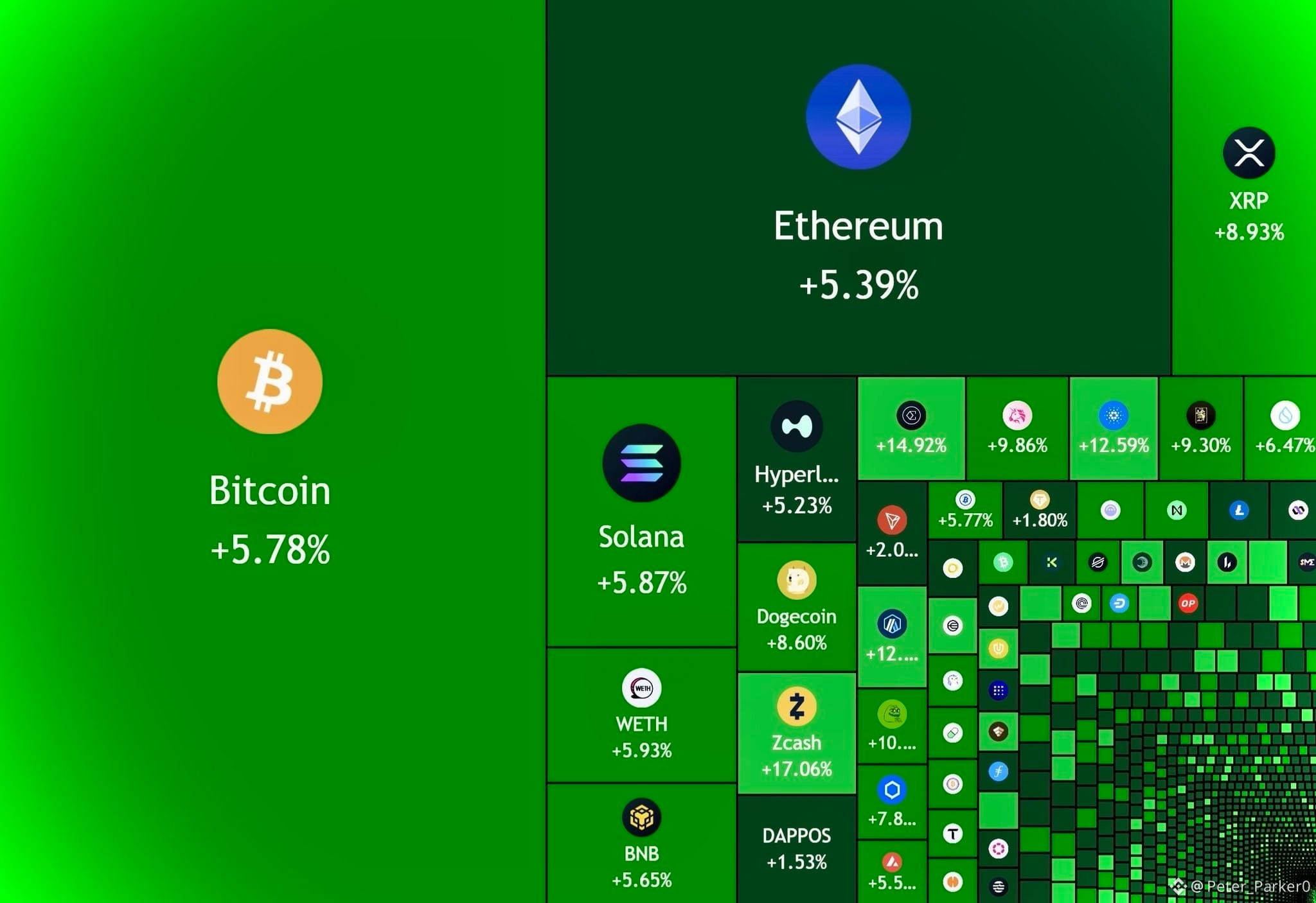
🚨 JUST IN: 135 MILLIARDS DE DOLLARS DÉFERLENT SUR LA CRYPTO EN 24 HEURES !
Le marché se réveille TRÈS FORT. 🔥 Le Bitcoin fonce vers 81 K$, tandis que les principales altcoins explosent dans tout le secteur.
Est-ce le début de la prochaine énorme vague de crypto ? 👀🚀
$USELESS
{future}(USELESSUSDT)
$BULLA
{future}(BULLAUSDT)
$MarsCoin
{future}(MARSCOINUSDT)
#USISMServicesRisesTo55.4InAugust #USWeeklyInitialJoblessClaimsRiseTo206000 #EtherXRPETFInflowStreaksEnd #PredictionMarketsPutCLARITYAct2026OddsAt15%
🚨 JUST IN: 135 MILLIARDS DE DOLLARS DÉFERLENT SUR LA CRYPTO EN 24 HEURES !
Le marché se réveille TRÈS FORT. 🔥 Le Bitcoin fonce vers 81 K$, tandis que les principales altcoins explosent dans tout le secteur.
Est-ce le début de la prochaine énorme vague de crypto ? 👀🚀
$USELESS
$BULLA
$MarsCoin
#USISMServicesRisesTo55.4InAugust #USWeeklyInitialJoblessClaimsRiseTo206000 #EtherXRPETFInflowStreaksEnd #PredictionMarketsPutCLARITYAct2026OddsAt15%
Le marché se réveille TRÈS FORT. 🔥 Le Bitcoin fonce vers 81 K$, tandis que les principales altcoins explosent dans tout le secteur.
Est-ce le début de la prochaine énorme vague de crypto ? 👀🚀
$USELESS
$BULLA
$MarsCoin
#USISMServicesRisesTo55.4InAugust #USWeeklyInitialJoblessClaimsRiseTo206000 #EtherXRPETFInflowStreaksEnd #PredictionMarketsPutCLARITYAct2026OddsAt15%
1
490
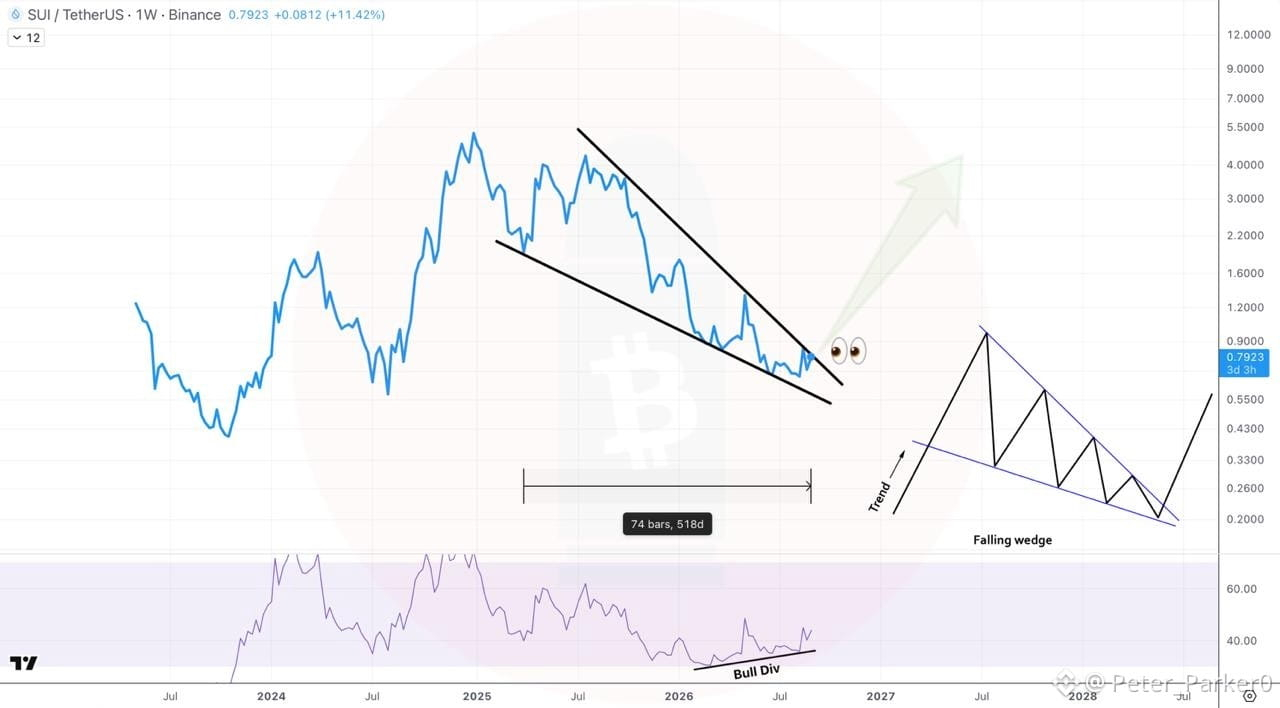
🚨 SUI SE TASSE ENORMEMENT POUR UN MOUVEMENT MAJEUR !
Le graphique hebdomadaire clignote un triangle descendant, tandis que le RSI signale une divergence haussière potentielle. 👀
Après une longue période de compression, SUI pourrait être sur le point de préparer un puissant retournement de tendance. Une cassure confirmée du triangle pourrait ouvrir la voie à une expansion sérieuse à la hausse.
Patience pour l’instant… explosion plus tard ? 🔥
$SUI — Êtes-vous prêt pour la cassure ? 🚀
{future}(SUIUSDT)
#SECNewCryptoRulesAimToBringFirmsBackToUS
🚨 SUI SE TASSE ENORMEMENT POUR UN MOUVEMENT MAJEUR !
Le graphique hebdomadaire clignote un triangle descendant, tandis que le RSI signale une divergence haussière potentielle. 👀
Après une longue période de compression, SUI pourrait être sur le point de préparer un puissant retournement de tendance. Une cassure confirmée du triangle pourrait ouvrir la voie à une expansion sérieuse à la hausse.
Patience pour l’instant… explosion plus tard ? 🔥
$SUI — Êtes-vous prêt pour la cassure ? 🚀
#SECNewCryptoRulesAimToBringFirmsBackToUS
Le graphique hebdomadaire clignote un triangle descendant, tandis que le RSI signale une divergence haussière potentielle. 👀
Après une longue période de compression, SUI pourrait être sur le point de préparer un puissant retournement de tendance. Une cassure confirmée du triangle pourrait ouvrir la voie à une expansion sérieuse à la hausse.
Patience pour l’instant… explosion plus tard ? 🔥
$SUI — Êtes-vous prêt pour la cassure ? 🚀
#SECNewCryptoRulesAimToBringFirmsBackToUS
2
685
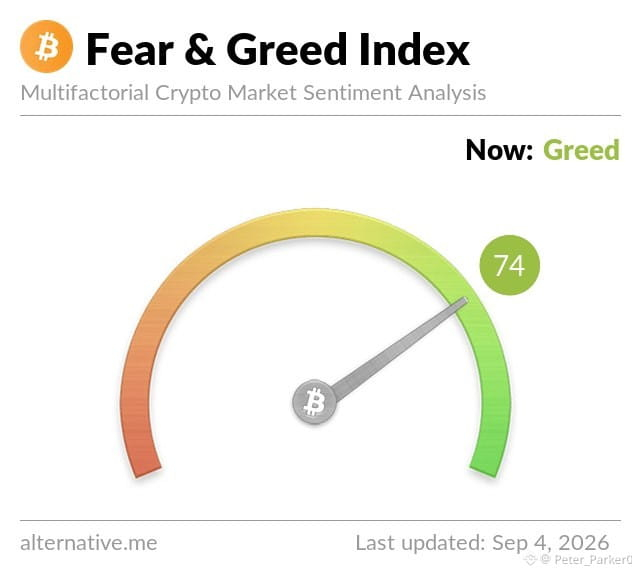
📊 Indice de peur et de cupidité des cryptos : 74 — CUPIDITÉ 🔥
Le BTC se maintient autour de 81 264 $, et la cupidité prend le contrôle du marché ! 👀
La grande question : la hausse ne fait que commencer, ou tout le monde devient-il trop à l’aise ? 🚀⚠️
$MarsCoin $BTC $BNB
📊 Indice de peur et de cupidité des cryptos : 74 — CUPIDITÉ 🔥
Le BTC se maintient autour de 81 264 $, et la cupidité prend le contrôle du marché ! 👀
La grande question : la hausse ne fait que commencer, ou tout le monde devient-il trop à l’aise ? 🚀⚠️
$MarsCoin $BTC $BNB
Le BTC se maintient autour de 81 264 $, et la cupidité prend le contrôle du marché ! 👀
La grande question : la hausse ne fait que commencer, ou tout le monde devient-il trop à l’aise ? 🚀⚠️
$MarsCoin $BTC $BNB
311
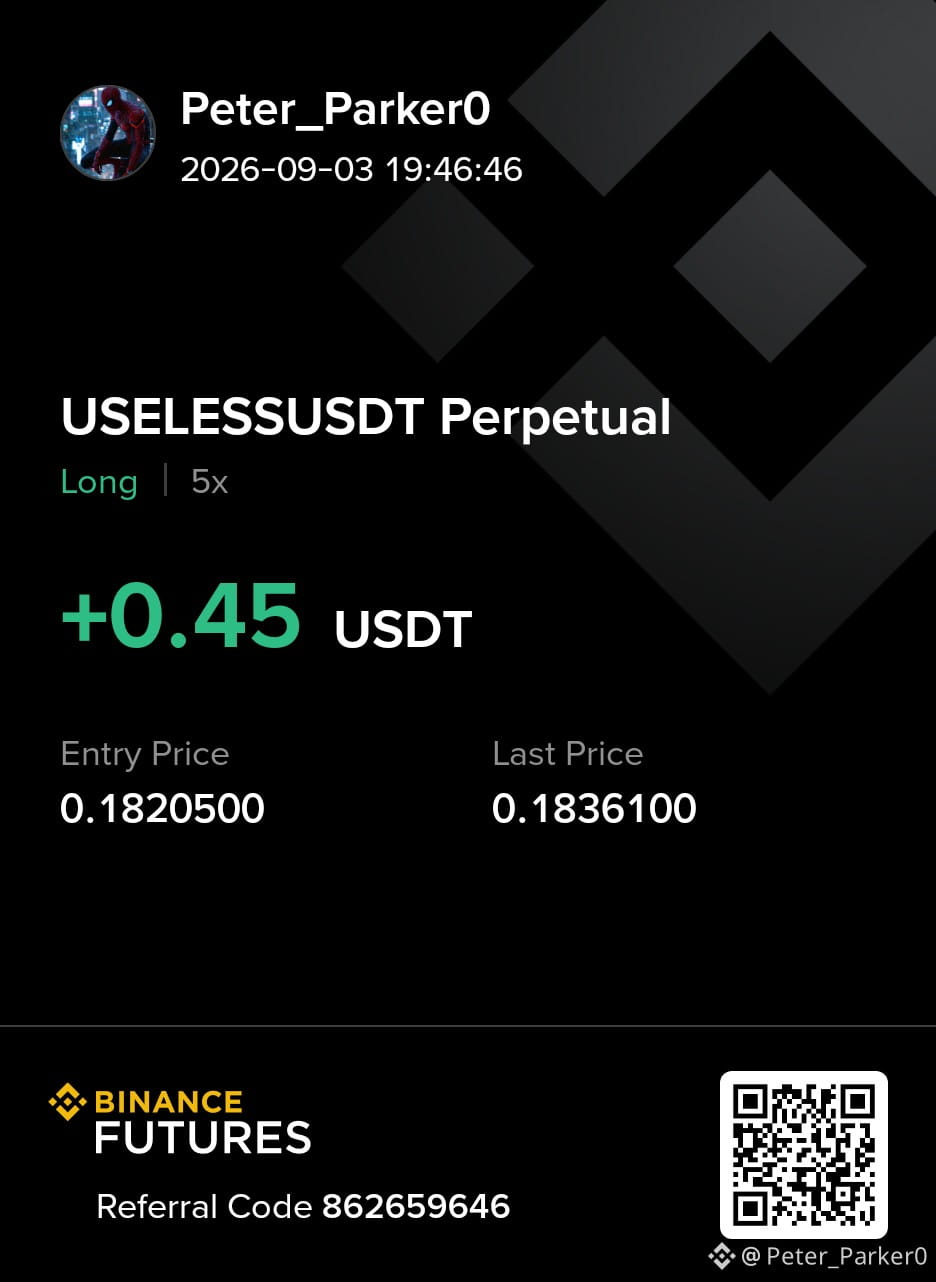
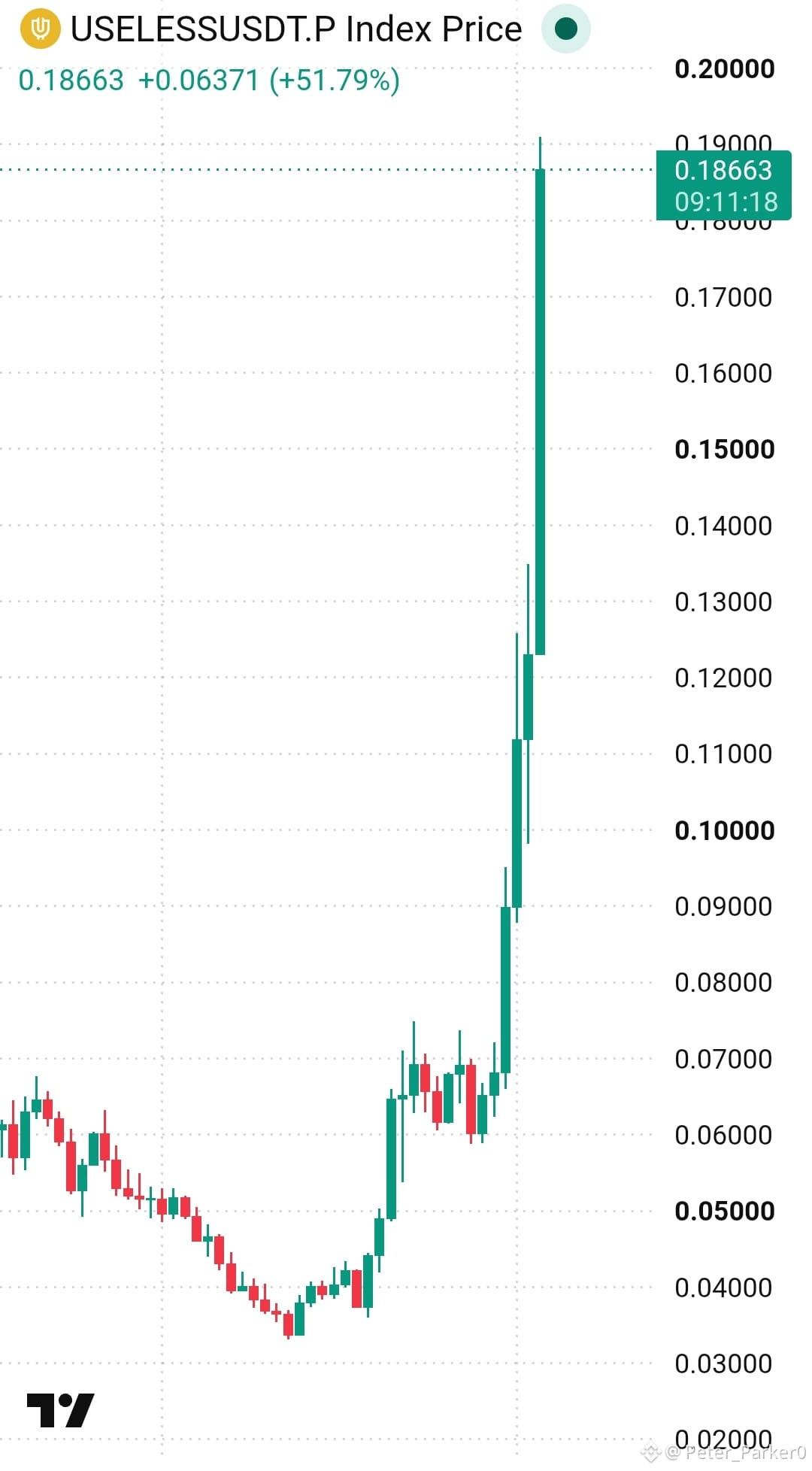
$USELESS IS ENTRANT DANS DE NOUVEAUX SOMMETS
Entrée : 0.1665 – 0.1690
TP1 : 0.1710
TP2 : 0.1730
TP3 : 0.1750
Stop Loss : 0.1635
Forte dynamique haussière avec des plus hauts et des plus bas plus élevés. Se maintenir au-dessus de 0.1660 garde le scénario haussier actif.
Acheter et Trader
$USELESS
$USELESS IS ENTRANT DANS DE NOUVEAUX SOMMETS
Entrée : 0.1665 – 0.1690
TP1 : 0.1710
TP2 : 0.1730
TP3 : 0.1750
Stop Loss : 0.1635
Forte dynamique haussière avec des plus hauts et des plus bas plus élevés. Se maintenir au-dessus de 0.1660 garde le scénario haussier actif.
Acheter et Trader
$USELESS
Entrée : 0.1665 – 0.1690
TP1 : 0.1710
TP2 : 0.1730
TP3 : 0.1750
Stop Loss : 0.1635
Forte dynamique haussière avec des plus hauts et des plus bas plus élevés. Se maintenir au-dessus de 0.1660 garde le scénario haussier actif.
Acheter et Trader
$USELESS
2
297
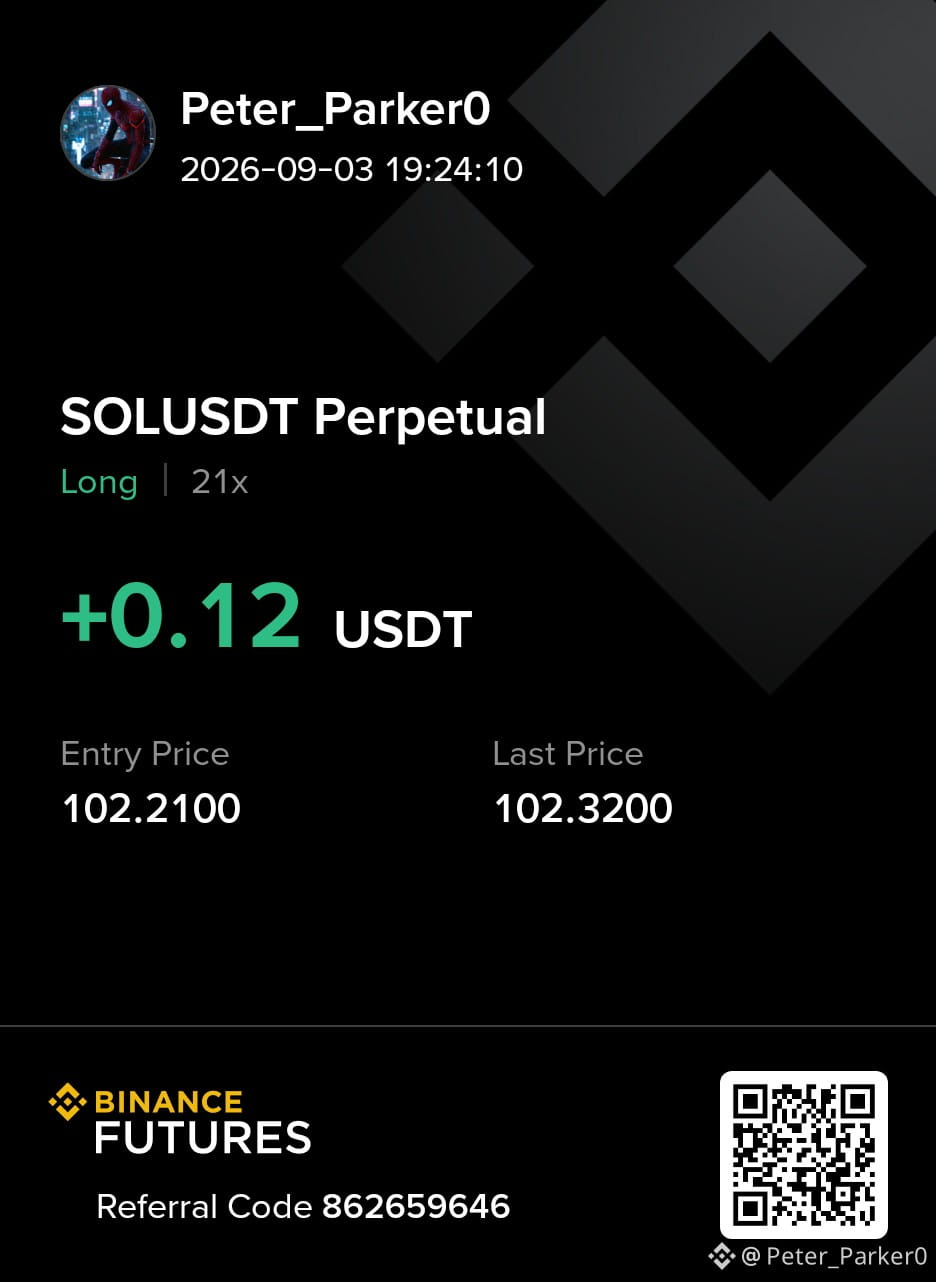
$SOL — Grande longue configuration 🚨🔥
Zone d’entrée : 100 $ / 101 $
Stop loss : 101.8 $
Objectifs :
104 $
107 $
110
$SOL — Grande longue configuration 🚨🔥
Zone d’entrée : 100 $ / 101 $
Stop loss : 101.8 $
Objectifs :
104 $
107 $
110
Zone d’entrée : 100 $ / 101 $
Stop loss : 101.8 $
Objectifs :
104 $
107 $
110
1
188
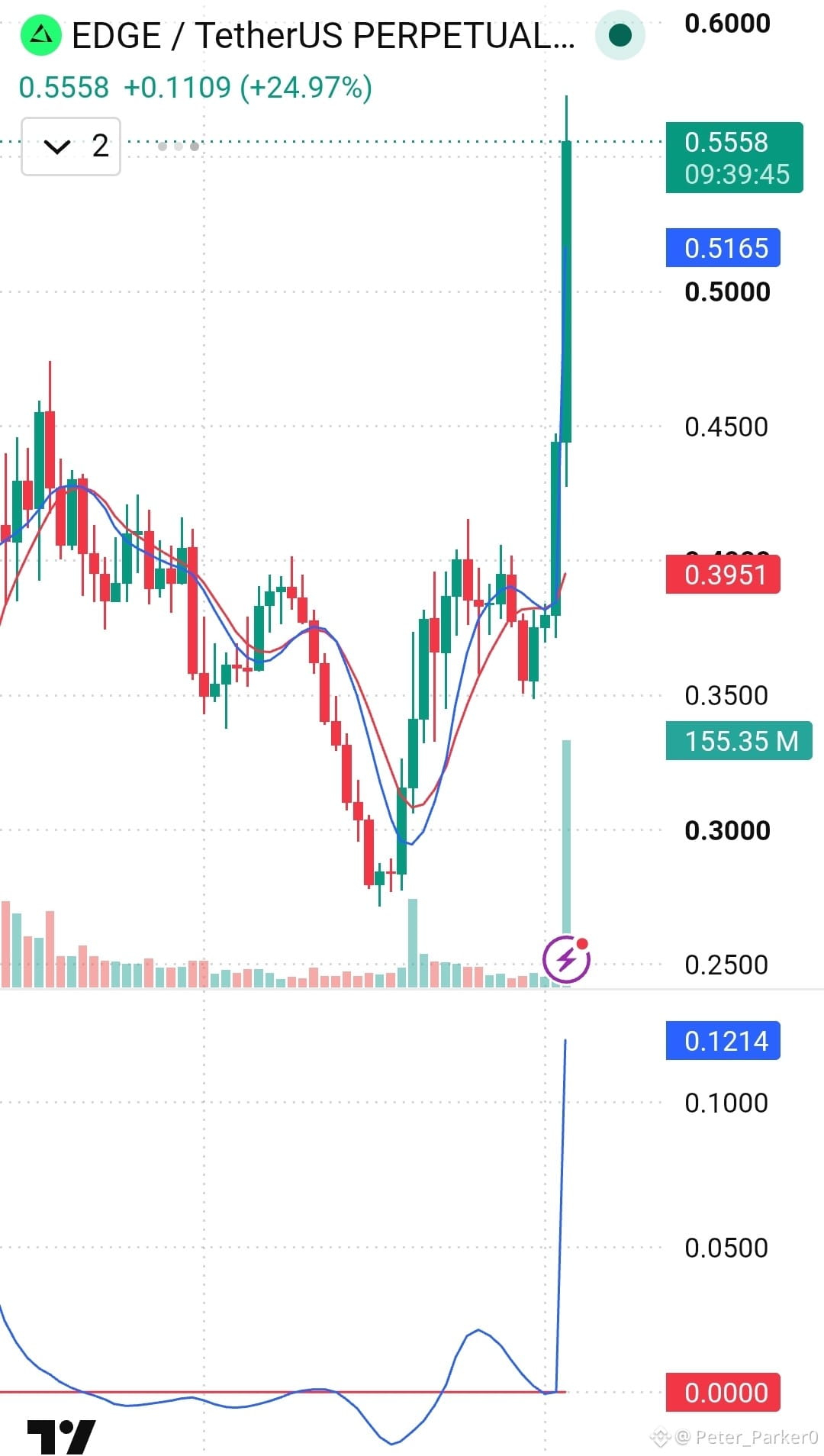
$EDGE affiche une forte dynamique haussière, et les acheteurs gardent encore le contrôle après le mouvement brutal à la hausse.
📍 Zone d’entrée : 0.5448 – 0.5475
🎯 TP1 : 0.5690
🎯 TP2 : 0.5900
🛑 Stop Loss : 0.5000
L’important est de savoir si EDGE peut maintenir le support autour de la zone d’entrée. Si les acheteurs continuent de défendre cette zone, une nouvelle impulsion vers les niveaux de résistance plus élevés pourrait suivre.
Voyons si $EDGE continue sur sa lancée.
{future}(EDGEUSDT)
$AKE
$EDGE affiche une forte dynamique haussière, et les acheteurs gardent encore le contrôle après le mouvement brutal à la hausse.
📍 Zone d’entrée : 0.5448 – 0.5475
🎯 TP1 : 0.5690
🎯 TP2 : 0.5900
🛑 Stop Loss : 0.5000
L’important est de savoir si EDGE peut maintenir le support autour de la zone d’entrée. Si les acheteurs continuent de défendre cette zone, une nouvelle impulsion vers les niveaux de résistance plus élevés pourrait suivre.
Voyons si $EDGE continue sur sa lancée.
$AKE
📍 Zone d’entrée : 0.5448 – 0.5475
🎯 TP1 : 0.5690
🎯 TP2 : 0.5900
🛑 Stop Loss : 0.5000
L’important est de savoir si EDGE peut maintenir le support autour de la zone d’entrée. Si les acheteurs continuent de défendre cette zone, une nouvelle impulsion vers les niveaux de résistance plus élevés pourrait suivre.
Voyons si $EDGE continue sur sa lancée.
$AKE
1
337
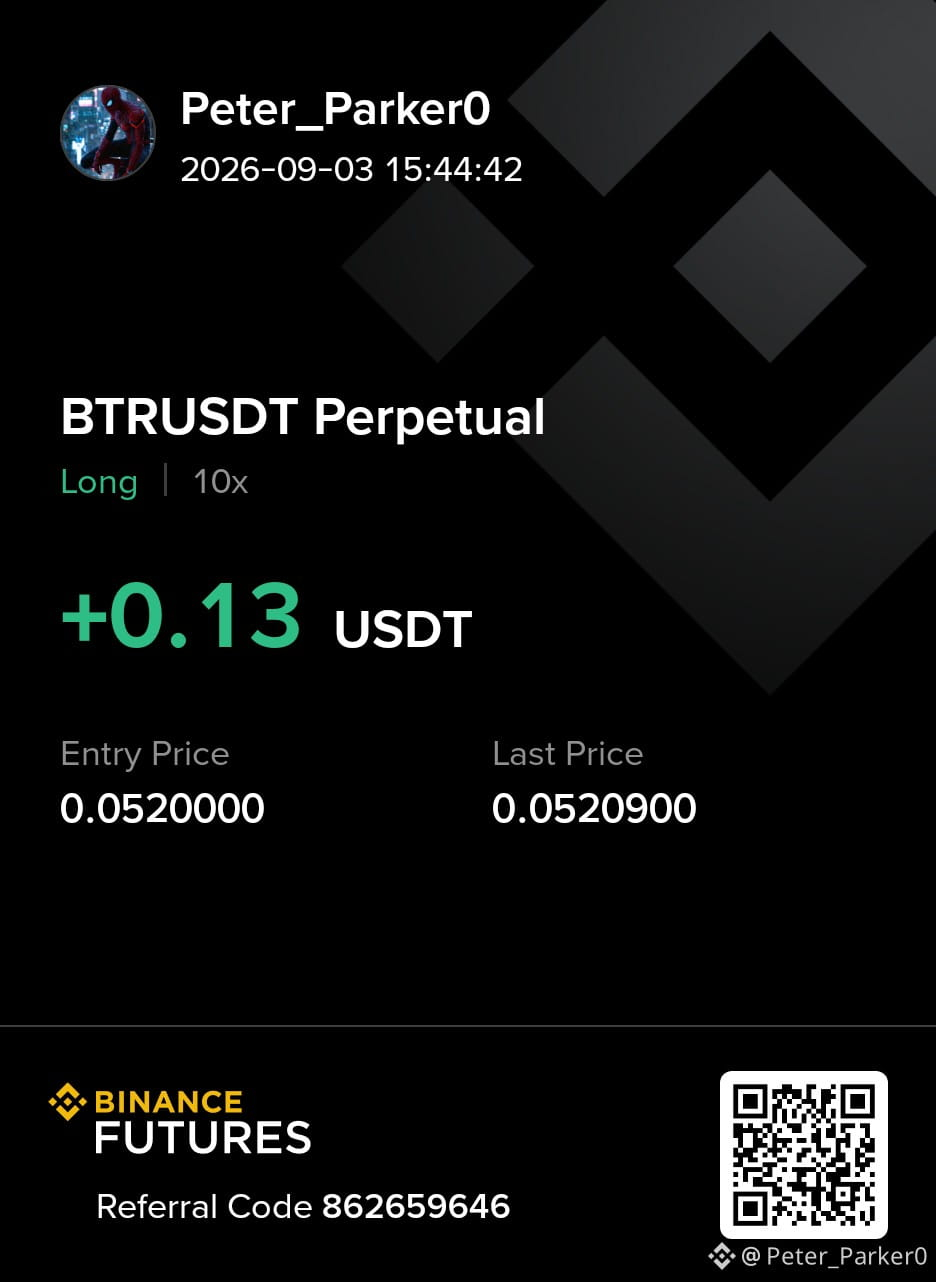
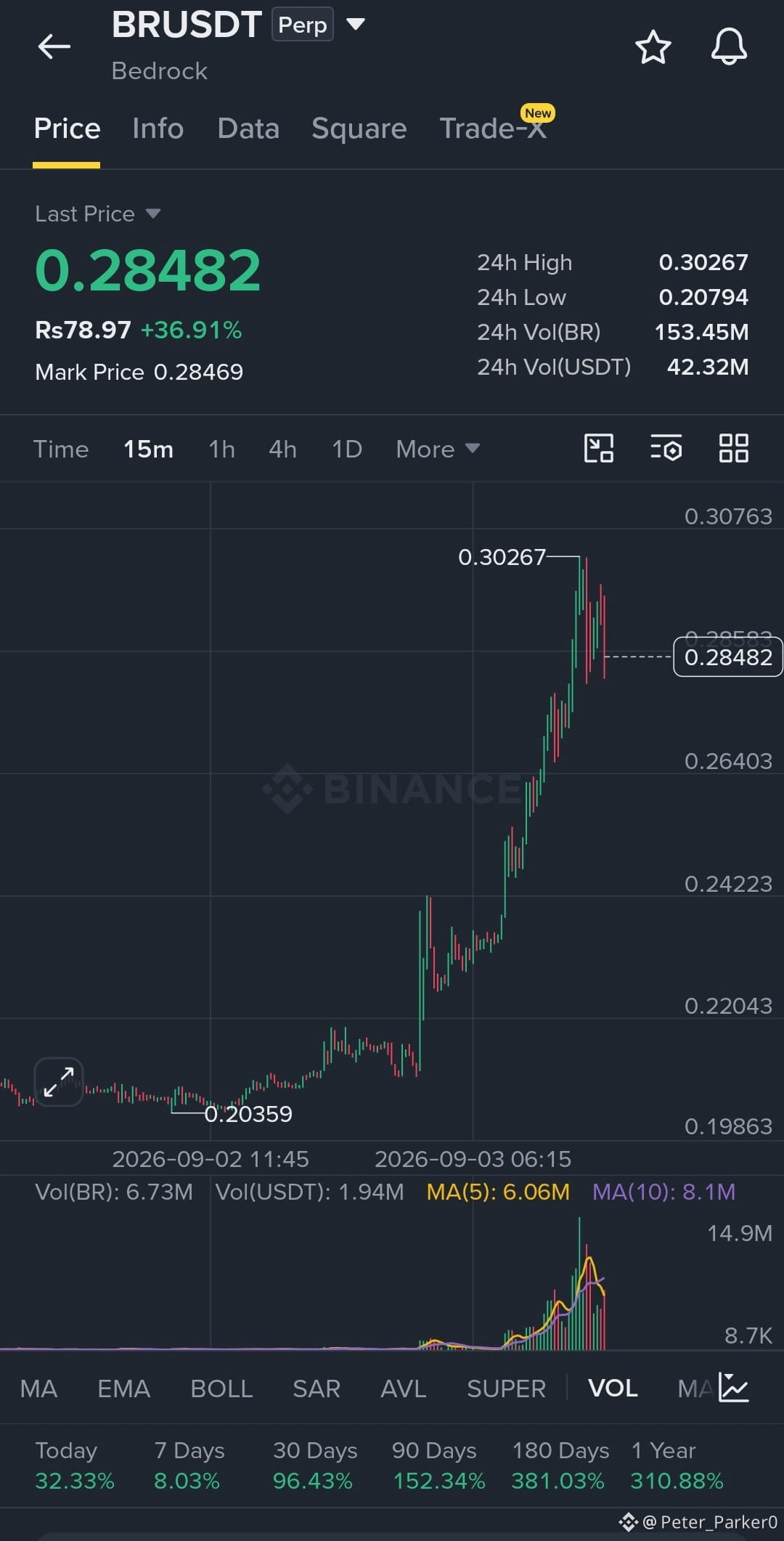
Les gars, je suis en position Long sur $BTR
prix d’entrée 0.052⛔
stop Loss 0.05130
Tp1 0.06
allons trader sur $BTR $AKE
Les gars, je suis en position Long sur $BTR
prix d’entrée 0.052⛔
stop Loss 0.05130
Tp1 0.06
allons trader sur $BTR $AKE
prix d’entrée 0.052⛔
stop Loss 0.05130
Tp1 0.06
allons trader sur $BTR $AKE
1
198
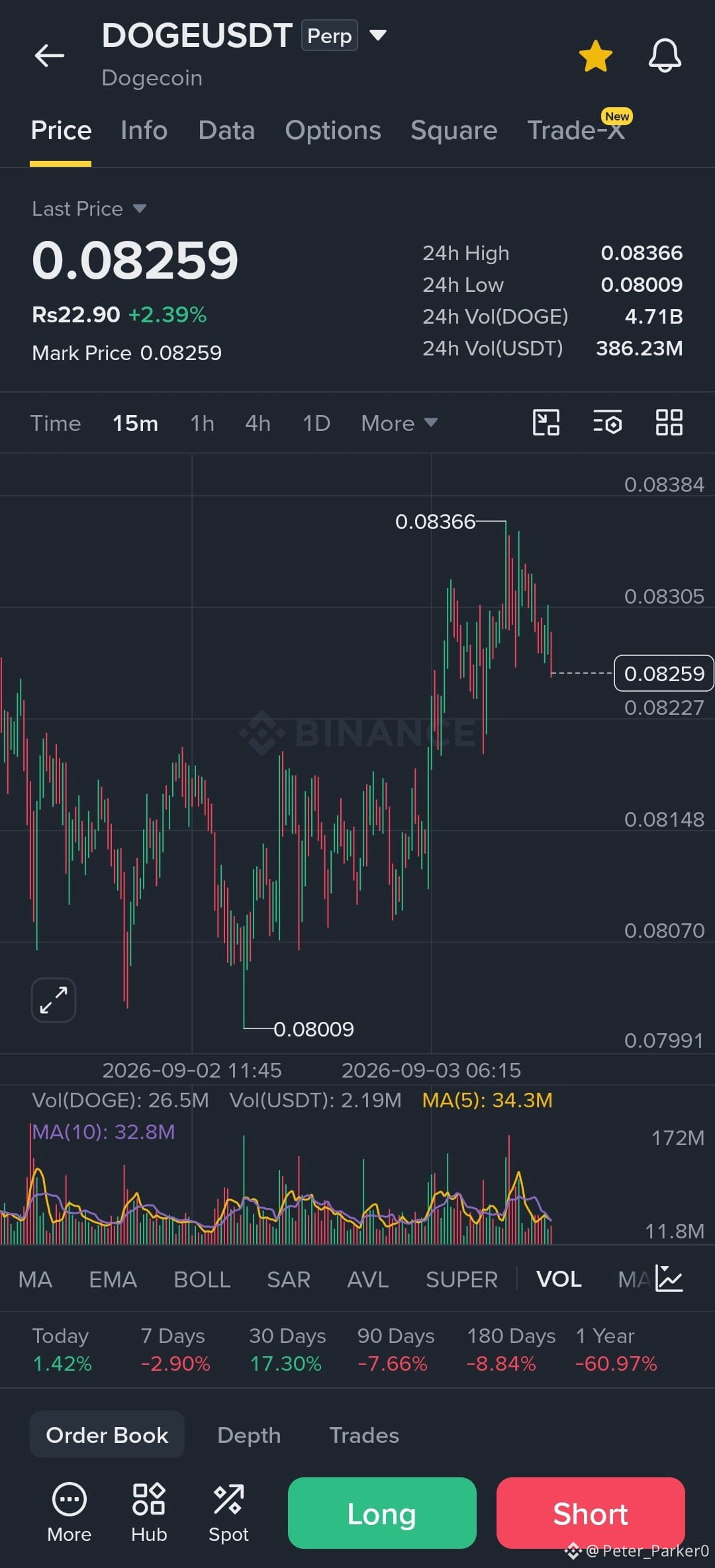
Qui ici pense que $DOGE atteindra 1 $ ?
$AKE
{future}(AKEUSDT)
$BTR
{future}(BTRUSDT)
Qui ici pense que $DOGE atteindra 1 $ ?
$AKE
$BTR
$AKE
$BTR
2
307
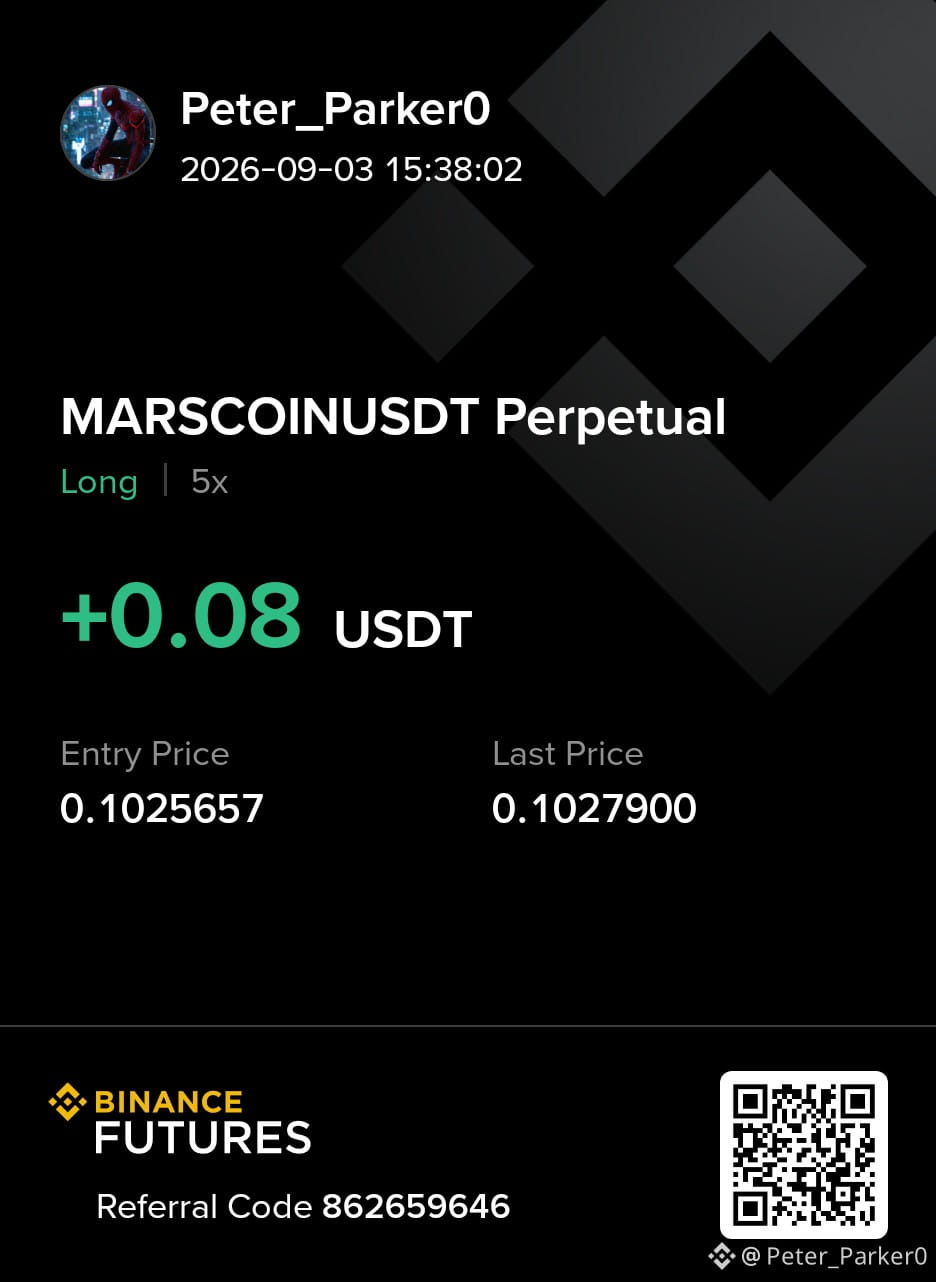
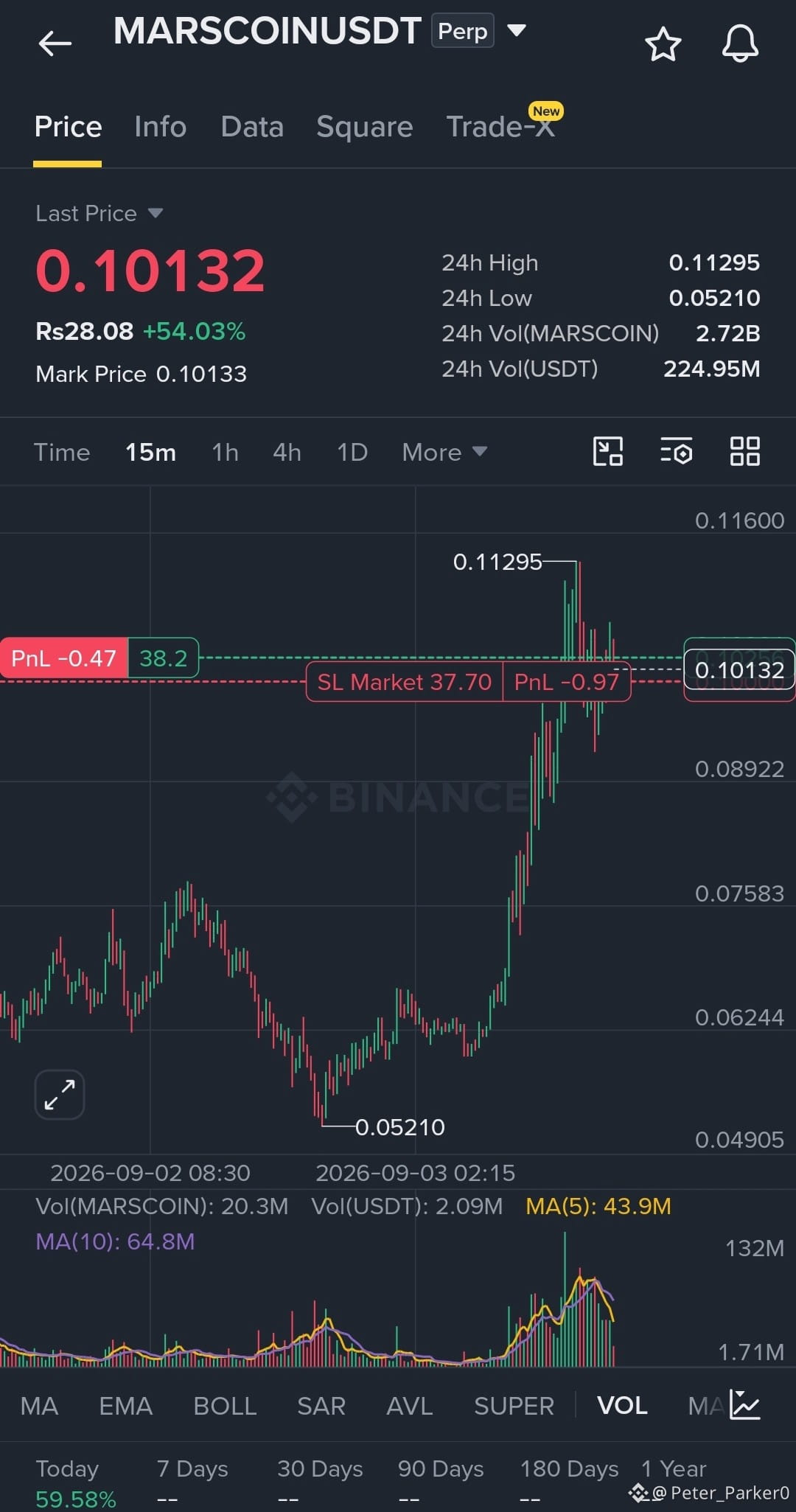
Les gars, je mise long sur $MarsCoin avec 5x de levier
entrée ⛔ 0.102
stop Loss 😠 0.1
allons trader sur $MarsCoin
Les gars, je mise long sur $MarsCoin avec 5x de levier
entrée ⛔ 0.102
stop Loss 😠 0.1
allons trader sur $MarsCoin
entrée ⛔ 0.102
stop Loss 😠 0.1
allons trader sur $MarsCoin
1
505
Partiellement vrai
🚨 JUST IN: 🇺🇸 Le président Trump dit que la Bourse est en train de MONTER ! 📈🔥
Les marchés écoutent. Les acheteurs (bulls) se réveillent, et l’appétit pour le risque pourrait être prêt à exploser.
Wall Street va-t-elle tenir la hausse ? 👀🚀
$TRUMP
{future}(TRUMPUSDT)
$XAG
{future}(XAGUSDT)
$AKE
{future}(AKEUSDT)
🚨 JUST IN: 🇺🇸 Le président Trump dit que la Bourse est en train de MONTER ! 📈🔥
Les marchés écoutent. Les acheteurs (bulls) se réveillent, et l’appétit pour le risque pourrait être prêt à exploser.
Wall Street va-t-elle tenir la hausse ? 👀🚀
$TRUMP
$XAG
$AKE
Les marchés écoutent. Les acheteurs (bulls) se réveillent, et l’appétit pour le risque pourrait être prêt à exploser.
Wall Street va-t-elle tenir la hausse ? 👀🚀
$TRUMP
$XAG
$AKE

1.9k
🚨 LE MARCHÉ DES FUTURES EST EN FEU ! 🚀🔥
Le tableau des plus forts progresse de façon spectaculaire, alors qu’un nouvel élan de momentum afflue sur plusieurs paires de futures à faible capitalisation. AKEUSDT mène la danse avec un énorme +73,44%, tandis que TUSDT suit avec +36,78%.
📈 Les meilleurs mouvements du moment :
🔥 $AKE — +73,44%
⚡ $T — +36,78%
🚀 $MUBARAK — +29,34%
💥 $BULLA — +27,02%
🌊 $CLOUSDT — +24,47%
Ce type de momentum vert agressif apporte généralement une énorme volatilité, des balayages de liquidité et une prise de profits rapide. Les haussiers dominent clairement le classement, mais après de tels mouvements verticaux, poursuivre sans réfléchir peut être dangereux.
👀 Le bon réflexe : surveiller la consolidation, les retests de supports clés et la confirmation de cassure avant de s’y lancer.
De quelle pièce de cette liste suivez-vous la prochaine explosion de mouvement ? 🔥📊
#SaudiSaysIranAttackedShipInHormuz
🚨 LE MARCHÉ DES FUTURES EST EN FEU ! 🚀🔥
Le tableau des plus forts progresse de façon spectaculaire, alors qu’un nouvel élan de momentum afflue sur plusieurs paires de futures à faible capitalisation. AKEUSDT mène la danse avec un énorme +73,44%, tandis que TUSDT suit avec +36,78%.
📈 Les meilleurs mouvements du moment :
🔥 $AKE — +73,44%
⚡ $T — +36,78%
🚀 $MUBARAK — +29,34%
💥 $BULLA — +27,02%
🌊 $CLOUSDT — +24,47%
Ce type de momentum vert agressif apporte généralement une énorme volatilité, des balayages de liquidité et une prise de profits rapide. Les haussiers dominent clairement le classement, mais après de tels mouvements verticaux, poursuivre sans réfléchir peut être dangereux.
👀 Le bon réflexe : surveiller la consolidation, les retests de supports clés et la confirmation de cassure avant de s’y lancer.
De quelle pièce de cette liste suivez-vous la prochaine explosion de mouvement ? 🔥📊
#SaudiSaysIranAttackedShipInHormuz
Le tableau des plus forts progresse de façon spectaculaire, alors qu’un nouvel élan de momentum afflue sur plusieurs paires de futures à faible capitalisation. AKEUSDT mène la danse avec un énorme +73,44%, tandis que TUSDT suit avec +36,78%.
📈 Les meilleurs mouvements du moment :
🔥 $AKE — +73,44%
⚡ $T — +36,78%
🚀 $MUBARAK — +29,34%
💥 $BULLA — +27,02%
🌊 $CLOUSDT — +24,47%
Ce type de momentum vert agressif apporte généralement une énorme volatilité, des balayages de liquidité et une prise de profits rapide. Les haussiers dominent clairement le classement, mais après de tels mouvements verticaux, poursuivre sans réfléchir peut être dangereux.
👀 Le bon réflexe : surveiller la consolidation, les retests de supports clés et la confirmation de cassure avant de s’y lancer.
De quelle pièce de cette liste suivez-vous la prochaine explosion de mouvement ? 🔥📊
#SaudiSaysIranAttackedShipInHormuz
🔹 $AKE — +73.44%
38%
🔹 $T — +36.78%
0%
🔹 $MUBARAK — +29.34%
25%
🔹 $BULLA / $CLO — +27% / +24%
37%
8 Votes • Vote fermé
717
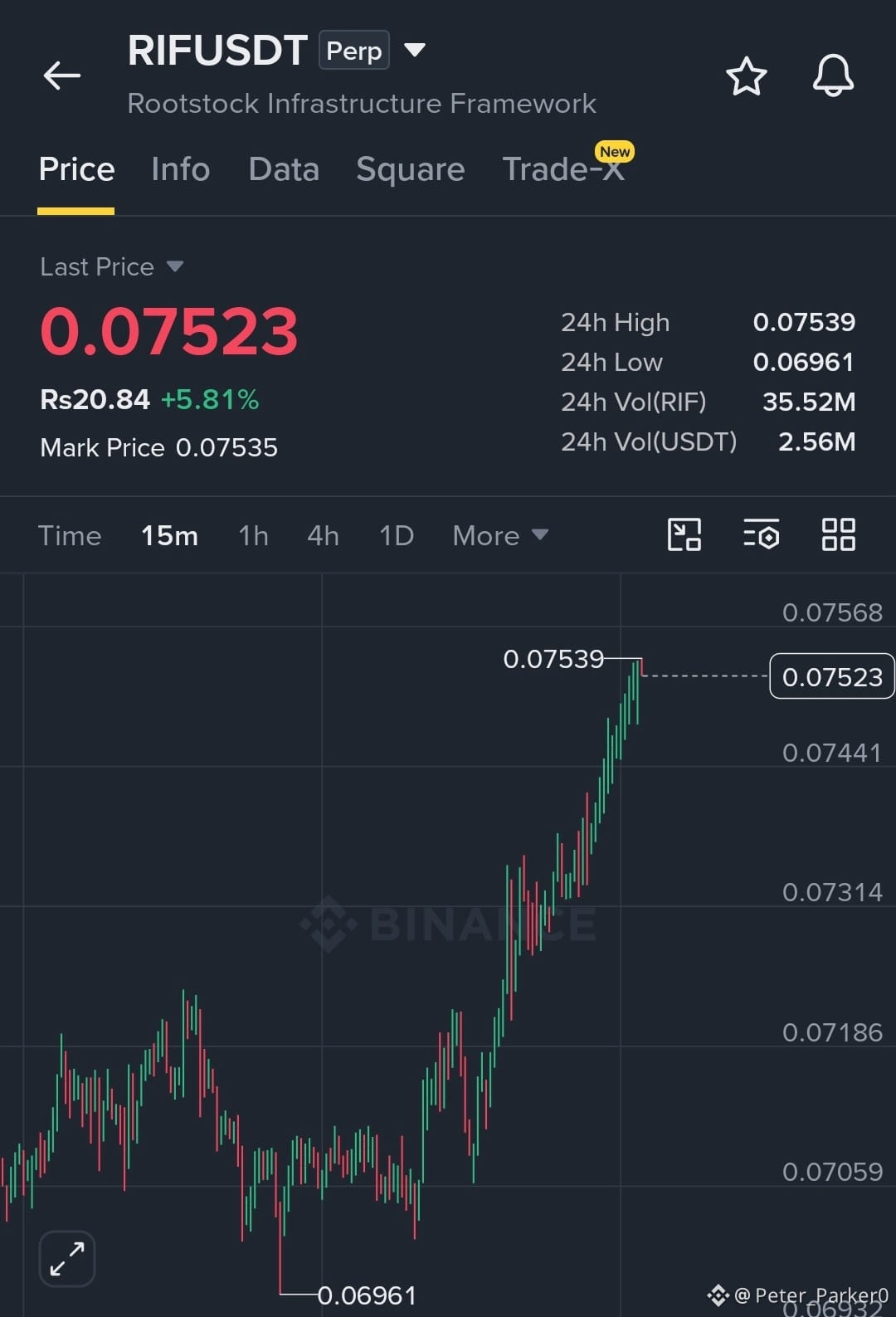
$RIF USDT montre une forte continuation haussière après une récupération agressive depuis les plus récents plus bas.
Les acheteurs ont pris le contrôle de la structure à court terme, poussant le prix vers le plus haut de 0.07539. L’élan reste positif, mais un repli contrôlé vers une zone de support offrirait une entrée longue plus propre.
EP
0.07410 – 0.07360
TP
TP1 0.07540
TP2 0.07620
TP3 0.07700
SL
0.07290
Le graphique montre un changement clair de la structure du marché après que RIF ait formé une base près de 0.06961 et ait commencé à afficher des plus hauts plus élevés avec un fort déplacement vers le haut. La dernière impulsion haussière a absorbé la pression de vente à proximité et a atteint le précédent plus haut intraday, signalant un flux d’ordres haussier actif. Au lieu de courir après le pic actuel, le meilleur angle consiste à surveiller un repli vers la zone 0.07410–0.07360, où l’ancienne résistance pourrait potentiellement se transformer en demande. Si les acheteurs défendent cette zone et que l’élan revient, la liquidité située au-dessus de 0.07539 devient l’objectif immédiat. Une cassure maintenue au-dessus de ce niveau pourrait déclencher une continuation supplémentaire vers les objectifs plus élevés. Le scénario perd de sa force si le prix passe sous 0.07290 et échoue à reconquérir la zone de demande.
Allons-y $RIF
{future}(RIFUSDT)
#USAugADPJobsSmallestGainSinceJan
#SolanaFallsOver3%
#CFTCSeeksToDismissCMEMotionInPerpFutures
#HangSengCloses18PointsLower
#IRGCSaysTwoTankersHitByMinesInHormuz
$RIF USDT montre une forte continuation haussière après une récupération agressive depuis les plus récents plus bas.
Les acheteurs ont pris le contrôle de la structure à court terme, poussant le prix vers le plus haut de 0.07539. L’élan reste positif, mais un repli contrôlé vers une zone de support offrirait une entrée longue plus propre.
EP
0.07410 – 0.07360
TP
TP1 0.07540
TP2 0.07620
TP3 0.07700
SL
0.07290
Le graphique montre un changement clair de la structure du marché après que RIF ait formé une base près de 0.06961 et ait commencé à afficher des plus hauts plus élevés avec un fort déplacement vers le haut. La dernière impulsion haussière a absorbé la pression de vente à proximité et a atteint le précédent plus haut intraday, signalant un flux d’ordres haussier actif. Au lieu de courir après le pic actuel, le meilleur angle consiste à surveiller un repli vers la zone 0.07410–0.07360, où l’ancienne résistance pourrait potentiellement se transformer en demande. Si les acheteurs défendent cette zone et que l’élan revient, la liquidité située au-dessus de 0.07539 devient l’objectif immédiat. Une cassure maintenue au-dessus de ce niveau pourrait déclencher une continuation supplémentaire vers les objectifs plus élevés. Le scénario perd de sa force si le prix passe sous 0.07290 et échoue à reconquérir la zone de demande.
Allons-y $RIF
#USAugADPJobsSmallestGainSinceJan
#SolanaFallsOver3%
#CFTCSeeksToDismissCMEMotionInPerpFutures
#HangSengCloses18PointsLower
#IRGCSaysTwoTankersHitByMinesInHormuz
Les acheteurs ont pris le contrôle de la structure à court terme, poussant le prix vers le plus haut de 0.07539. L’élan reste positif, mais un repli contrôlé vers une zone de support offrirait une entrée longue plus propre.
EP
0.07410 – 0.07360
TP
TP1 0.07540
TP2 0.07620
TP3 0.07700
SL
0.07290
Le graphique montre un changement clair de la structure du marché après que RIF ait formé une base près de 0.06961 et ait commencé à afficher des plus hauts plus élevés avec un fort déplacement vers le haut. La dernière impulsion haussière a absorbé la pression de vente à proximité et a atteint le précédent plus haut intraday, signalant un flux d’ordres haussier actif. Au lieu de courir après le pic actuel, le meilleur angle consiste à surveiller un repli vers la zone 0.07410–0.07360, où l’ancienne résistance pourrait potentiellement se transformer en demande. Si les acheteurs défendent cette zone et que l’élan revient, la liquidité située au-dessus de 0.07539 devient l’objectif immédiat. Une cassure maintenue au-dessus de ce niveau pourrait déclencher une continuation supplémentaire vers les objectifs plus élevés. Le scénario perd de sa force si le prix passe sous 0.07290 et échoue à reconquérir la zone de demande.
Allons-y $RIF
#USAugADPJobsSmallestGainSinceJan
#SolanaFallsOver3%
#CFTCSeeksToDismissCMEMotionInPerpFutures
#HangSengCloses18PointsLower
#IRGCSaysTwoTankersHitByMinesInHormuz
169
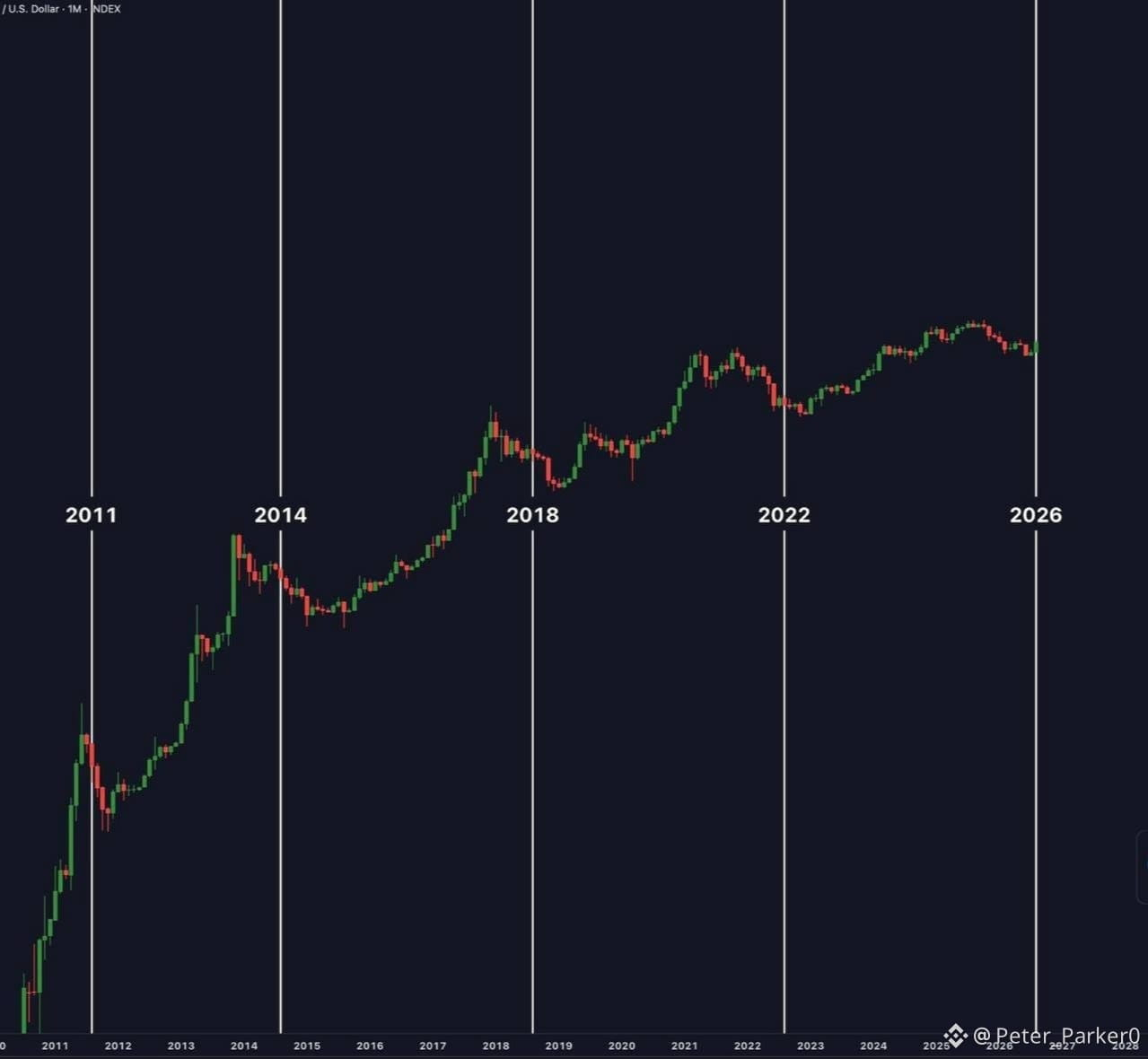
BITCOIN EST SUR LE POINT D’ENREGISTRER LE PREMIER AOÛT VERT DE TOUS LES TEMPS DURANT UN MARCHÉ BAISSIER !
$BTC $AKE $MUBARAK
BITCOIN EST SUR LE POINT D’ENREGISTRER LE PREMIER AOÛT VERT DE TOUS LES TEMPS DURANT UN MARCHÉ BAISSIER !
$BTC $AKE $MUBARAK
$BTC $AKE $MUBARAK
147
🚨 LE MARCHÉ CRYPTO SAIGNE FORT ! 🚨
La liste des perdants devient complètement rouge alors que d’importantes pressions de vente s’abattent sur le marché.
🔻 $BTR : -45,08%
🔻 #CRDO -22,22%
🔻 $TUT : -20,55%
🔻 $STAR : -19,43%
🔻 $CYS
{future}(CYSUSDT)
-17,82%
⚠️ La panique monte, les liquidations pourraient s’accélérer et la volatilité devient complètement folle.
Ces grosses baisses sont-elles une opportunité d’achat… ou une autre jambe de baisse est-elle en train d’arriver ? 👀🔥
🚨 LE MARCHÉ CRYPTO SAIGNE FORT ! 🚨
La liste des perdants devient complètement rouge alors que d’importantes pressions de vente s’abattent sur le marché.
🔻 $BTR : -45,08%
🔻 #CRDO -22,22%
🔻 $TUT : -20,55%
🔻 $STAR : -19,43%
🔻 $CYS
-17,82%
⚠️ La panique monte, les liquidations pourraient s’accélérer et la volatilité devient complètement folle.
Ces grosses baisses sont-elles une opportunité d’achat… ou une autre jambe de baisse est-elle en train d’arriver ? 👀🔥
La liste des perdants devient complètement rouge alors que d’importantes pressions de vente s’abattent sur le marché.
🔻 $BTR : -45,08%
🔻 #CRDO -22,22%
🔻 $TUT : -20,55%
🔻 $STAR : -19,43%
🔻 $CYS
-17,82%
⚠️ La panique monte, les liquidations pourraient s’accélérer et la volatilité devient complètement folle.
Ces grosses baisses sont-elles une opportunité d’achat… ou une autre jambe de baisse est-elle en train d’arriver ? 👀🔥
1️⃣ $BTR — -45.08%
31%
2️⃣ $CRDO — -22.22%
1%
3️⃣ $TUT — -20.55%
62%
4️⃣ $STAR — -19.43%
6%
83 Votes • Vote fermé
1
3.6k
🚨🔥 LES GAGNANTS BINANCE FUTURES DEVIENNENT ABSOLUMENT FOLLES ! 🔥🚨
Le marché des futures s’emballe à toute vitesse, et aujourd’hui, le classement affiche une dynamique très impressionnante. 📈⚡
🥇 $AKE USDT → +54,52%
Prix : 0.013499
{future}(AKEUSDT)
🥈 $MAGMA USDT → +45,86%
Prix : 0.55470
🥉 $TUSDT → +38,96%
Prix : 0.005008
🔥 $BULLAUSDT → +31,50%
Prix : 0.022958
🚀 $CLO USDT → +28,69%
Prix : 0.17520
C’est exactement le genre de classement qui attire immédiatement l’attention d’un trader. Plusieurs contrats affichent déjà des gains à deux chiffres, et AKE mène le mouvement avec plus de 50% en 24 heures.
Mais voilà où je resterais sur mes gardes 👀
Une grosse bougie verte peut déclencher un FOMO agressif, tandis que les longs en retard peuvent servir de liquidité pour le prochain repli. La question la plus importante n’est pas seulement « quelle pièce a pump ? » — c’est de savoir si ces mouvements peuvent tenir leurs zones de cassure, maintenir le volume et construire une structure sur des unités de temps plus élevées au lieu de rendre tout le mouvement.
⚠️ Ne poursuis pas aveuglément les bougies verticales.
Je préfère surveiller : ➡️ Cassure + re-test
➡️ Mise en place d’un support solide
➡️ Volume soutenu
➡️ Plus hauts / plus bas
➡️ Rejet des zones de liquidité évidentes
Si l’élan continue, ces gagnants pourraient rester au centre de l’attention. Mais si les acheteurs perdent le contrôle, la volatilité peut devenir brutale tout aussi rapidement.
Les futures bougent. La liquidité tourne. La prochaine cassure est peut-être déjà en train de se former. 👀🔥
🚨🔥 LES GAGNANTS BINANCE FUTURES DEVIENNENT ABSOLUMENT FOLLES ! 🔥🚨
Le marché des futures s’emballe à toute vitesse, et aujourd’hui, le classement affiche une dynamique très impressionnante. 📈⚡
🥇 $AKE USDT → +54,52%
Prix : 0.013499
🥈 $MAGMA USDT → +45,86%
Prix : 0.55470
🥉 $TUSDT → +38,96%
Prix : 0.005008
🔥 $BULLAUSDT → +31,50%
Prix : 0.022958
🚀 $CLO USDT → +28,69%
Prix : 0.17520
C’est exactement le genre de classement qui attire immédiatement l’attention d’un trader. Plusieurs contrats affichent déjà des gains à deux chiffres, et AKE mène le mouvement avec plus de 50% en 24 heures.
Mais voilà où je resterais sur mes gardes 👀
Une grosse bougie verte peut déclencher un FOMO agressif, tandis que les longs en retard peuvent servir de liquidité pour le prochain repli. La question la plus importante n’est pas seulement « quelle pièce a pump ? » — c’est de savoir si ces mouvements peuvent tenir leurs zones de cassure, maintenir le volume et construire une structure sur des unités de temps plus élevées au lieu de rendre tout le mouvement.
⚠️ Ne poursuis pas aveuglément les bougies verticales.
Je préfère surveiller : ➡️ Cassure + re-test
➡️ Mise en place d’un support solide
➡️ Volume soutenu
➡️ Plus hauts / plus bas
➡️ Rejet des zones de liquidité évidentes
Si l’élan continue, ces gagnants pourraient rester au centre de l’attention. Mais si les acheteurs perdent le contrôle, la volatilité peut devenir brutale tout aussi rapidement.
Les futures bougent. La liquidité tourne. La prochaine cassure est peut-être déjà en train de se former. 👀🔥
Le marché des futures s’emballe à toute vitesse, et aujourd’hui, le classement affiche une dynamique très impressionnante. 📈⚡
🥇 $AKE USDT → +54,52%
Prix : 0.013499
🥈 $MAGMA USDT → +45,86%
Prix : 0.55470
🥉 $TUSDT → +38,96%
Prix : 0.005008
🔥 $BULLAUSDT → +31,50%
Prix : 0.022958
🚀 $CLO USDT → +28,69%
Prix : 0.17520
C’est exactement le genre de classement qui attire immédiatement l’attention d’un trader. Plusieurs contrats affichent déjà des gains à deux chiffres, et AKE mène le mouvement avec plus de 50% en 24 heures.
Mais voilà où je resterais sur mes gardes 👀
Une grosse bougie verte peut déclencher un FOMO agressif, tandis que les longs en retard peuvent servir de liquidité pour le prochain repli. La question la plus importante n’est pas seulement « quelle pièce a pump ? » — c’est de savoir si ces mouvements peuvent tenir leurs zones de cassure, maintenir le volume et construire une structure sur des unités de temps plus élevées au lieu de rendre tout le mouvement.
⚠️ Ne poursuis pas aveuglément les bougies verticales.
Je préfère surveiller : ➡️ Cassure + re-test
➡️ Mise en place d’un support solide
➡️ Volume soutenu
➡️ Plus hauts / plus bas
➡️ Rejet des zones de liquidité évidentes
Si l’élan continue, ces gagnants pourraient rester au centre de l’attention. Mais si les acheteurs perdent le contrôle, la volatilité peut devenir brutale tout aussi rapidement.
Les futures bougent. La liquidité tourne. La prochaine cassure est peut-être déjà en train de se former. 👀🔥
🟢 $AKE — +54.5%
50%
🟠 $MAGMA — +45.9%
25%
🟣 $T — +39.0%
13%
🔵 $CLOUD — +28.7%
12%
16 Votes • Vote fermé
2
1.6k
🚨 $ASTER est à un niveau décisif ! 🚨
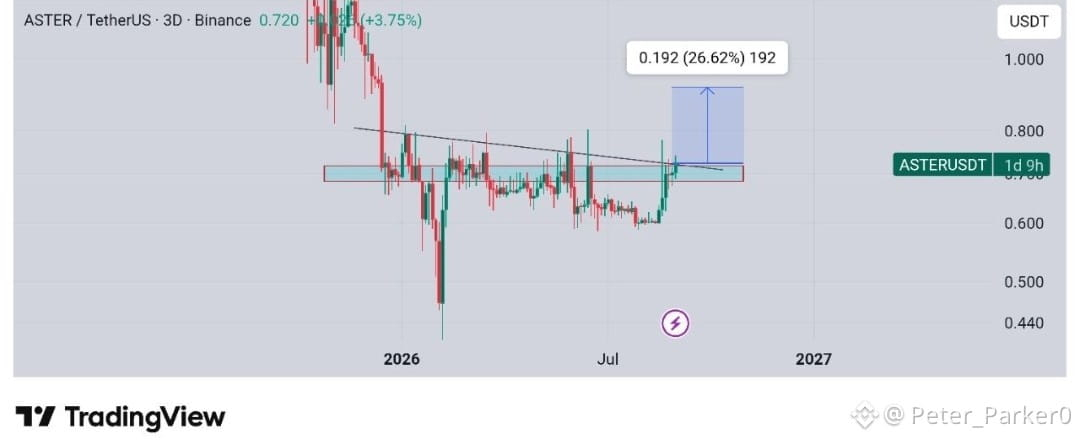
$ASTER se réveille enfin après avoir passé des mois coincée à l’intérieur d’une large fourchette d’accumulation. Le graphique 3D montre désormais un changement structurel sérieux : le prix est revenu dans la zone majeure de résistance / offre à 0,70–0,72 $, tandis que la tendance baissière descendante qui contrôlait la baisse précédente est désormais remise en question.
C’est le niveau que je surveille de très près. 👀
Une cassure 3D nette et une clôture en chandelier au-dessus de 0,72–0,73 $, surtout avec une hausse du volume, pourraient complètement changer la structure du marché et transformer cette longue consolidation en un mouvement de reprise bien plus important.
📈 Scénario haussier :
Si ASTER récupère de façon décisive la zone de résistance, la prochaine grande zone haussière se situe autour de 0,80 $, puis la région projetée par le graphique à 0,90–0,92 $ — soit environ un mouvement de 26 % depuis la zone actuelle.
Mais il y a un autre côté à cette configuration. ⚠️
Si le prix est rejeté autour de 0,70–0,72 $, je m’attendrais à une nouvelle chasse de liquidité vers les parties basses de la fourchette. Cela signifie qu’il pourrait être risqué de poursuivre le premier chandelier de cassure ; je préférerais voir une confirmation, une acceptation au-dessus de la résistance, et des acheteurs qui défendent la cassure.
🔥 La partie intéressante : ASTER a déjà passé beaucoup de temps à construire cette structure. Plus la compression dure, plus l’expansion éventuelle peut devenir explosive.
0,72 $ est le champ de bataille.
Cassure et maintien → l’élan peut s’accélérer.
Rejet → la consolidation pourrait continuer.
Je surveille très attentivement la prochaine clôture en 3D. Ce pourrait être le moment où ASTER décide enfin dans quelle direction courir. 🚀
$MAGMA
{future}(MAGMAUSDT)
🚨 $ASTER est à un niveau décisif ! 🚨
$ASTER se réveille enfin après avoir passé des mois coincée à l’intérieur d’une large fourchette d’accumulation. Le graphique 3D montre désormais un changement structurel sérieux : le prix est revenu dans la zone majeure de résistance / offre à 0,70–0,72 $, tandis que la tendance baissière descendante qui contrôlait la baisse précédente est désormais remise en question.
C’est le niveau que je surveille de très près. 👀
Une cassure 3D nette et une clôture en chandelier au-dessus de 0,72–0,73 $, surtout avec une hausse du volume, pourraient complètement changer la structure du marché et transformer cette longue consolidation en un mouvement de reprise bien plus important.
📈 Scénario haussier :
Si ASTER récupère de façon décisive la zone de résistance, la prochaine grande zone haussière se situe autour de 0,80 $, puis la région projetée par le graphique à 0,90–0,92 $ — soit environ un mouvement de 26 % depuis la zone actuelle.
Mais il y a un autre côté à cette configuration. ⚠️
Si le prix est rejeté autour de 0,70–0,72 $, je m’attendrais à une nouvelle chasse de liquidité vers les parties basses de la fourchette. Cela signifie qu’il pourrait être risqué de poursuivre le premier chandelier de cassure ; je préférerais voir une confirmation, une acceptation au-dessus de la résistance, et des acheteurs qui défendent la cassure.
🔥 La partie intéressante : ASTER a déjà passé beaucoup de temps à construire cette structure. Plus la compression dure, plus l’expansion éventuelle peut devenir explosive.
0,72 $ est le champ de bataille.
Cassure et maintien → l’élan peut s’accélérer.
Rejet → la consolidation pourrait continuer.
Je surveille très attentivement la prochaine clôture en 3D. Ce pourrait être le moment où ASTER décide enfin dans quelle direction courir. 🚀
$MAGMA
$ASTER se réveille enfin après avoir passé des mois coincée à l’intérieur d’une large fourchette d’accumulation. Le graphique 3D montre désormais un changement structurel sérieux : le prix est revenu dans la zone majeure de résistance / offre à 0,70–0,72 $, tandis que la tendance baissière descendante qui contrôlait la baisse précédente est désormais remise en question.
C’est le niveau que je surveille de très près. 👀
Une cassure 3D nette et une clôture en chandelier au-dessus de 0,72–0,73 $, surtout avec une hausse du volume, pourraient complètement changer la structure du marché et transformer cette longue consolidation en un mouvement de reprise bien plus important.
📈 Scénario haussier :
Si ASTER récupère de façon décisive la zone de résistance, la prochaine grande zone haussière se situe autour de 0,80 $, puis la région projetée par le graphique à 0,90–0,92 $ — soit environ un mouvement de 26 % depuis la zone actuelle.
Mais il y a un autre côté à cette configuration. ⚠️
Si le prix est rejeté autour de 0,70–0,72 $, je m’attendrais à une nouvelle chasse de liquidité vers les parties basses de la fourchette. Cela signifie qu’il pourrait être risqué de poursuivre le premier chandelier de cassure ; je préférerais voir une confirmation, une acceptation au-dessus de la résistance, et des acheteurs qui défendent la cassure.
🔥 La partie intéressante : ASTER a déjà passé beaucoup de temps à construire cette structure. Plus la compression dure, plus l’expansion éventuelle peut devenir explosive.
0,72 $ est le champ de bataille.
Cassure et maintien → l’élan peut s’accélérer.
Rejet → la consolidation pourrait continuer.
Je surveille très attentivement la prochaine clôture en 3D. Ce pourrait être le moment où ASTER décide enfin dans quelle direction courir. 🚀
$MAGMA
1
228
Connectez-vous pour découvrir plus de contenu
Rejoignez la communauté mondiale des adeptes de cryptomonnaies sur Binance Square
⚡️ Suviez les dernières informations importantes sur les cryptomonnaies.
💬 Jugé digne de confiance par la plus grande plateforme d’échange de cryptomonnaies au monde.
👍 Découvrez les connaissances que partagent les créateurs vérifiés.
Adresse e-mail/Nº de téléphone
Sujets d’actualité
SECReceivesGrayscaleLitecoinTrustETFFiling
39,394 vues
798 mentions
💎 L’attention institutionnelle atteint Litecoin
Le dépôt de l’ETF de Grayscale a placé le $LTC dans une conversation plus large. Pour les traders au comptant, des évolutions comme celle-ci sont un rappel d’étudier les actifs solides avant toute entrée.
#secreceivesgrayscalelitecointrustetffiling
CryptoMahibaloch
·1 mentions J’aime
·1.1k vues
ClarityActFacesProceduralVoteSept15
153,468 vues
1,750 mentions
US10YearTreasuryYieldNears5%
51,993 vues
949 mentions