

Jesantmark
374 Publications

Jesantmark
Signaler
Bloquer l’utilisateur
In God I trust
Ouvert au trading
Trade régulièrement
3 an(s)
735 Suivis
254 Abonnés
512 J’aime
Publications
Portefeuille
Tous
Citations
Vidéos
·
--

Article
Depression is rising in ChinaDepressive symptoms are on the increase in China, both over the life course and across cohorts. As Tingshuai Ge, Frans Johannes van Leeuwen, Quanbao Jiang and Liliya Leopold indicate, disparities in depressive symptoms by gender, education, and household registration status (hukou) have increased with age but narrowed across cohorts.
In China, mental health is rapidly emerging as a significant public health concern. The lifetime prevalence of mental disorders in China is about 17 percent, and over 90 percent of the people concerned never receive treatment (Huang et al., 2019; Lu et al., 2021). However, the Chinese sociocultural context appears increasingly challenging for mental health.
Challenges to mental health seem to accumulate throughout the life course of Chinese people. During adolescence, academic pressure constitutes a primary stressor. Upon leaving university, college students face intense competition in the job market. At the career stages, they contend with elevated work-related stress and financial pressures. As individuals progress into middle age, this stress coincides with the onset of physical health decline and burdensome familial obligations. In older age, people experience an accumulation of chronic diseases and disabilities.
Cohorts born under different sociohistorical conditions may face unique stressors. The early life of generations born before 1949 was marked by periods of ongoing war, while the cohorts born between 1959 and 1961 spent their formative years during one of the country’s most severe famines. The cohorts born between 1962 and 1965 belonged to the Chinese baby boom generation, those born between 1966 and 1976 experienced educational disruptions, and those born in 1978 and thereafter grew up in a context of rapid advancement of marketization, urbanization, and globalization. In 1980, the one-child policy was officially implemented. Those growing up since the 1990s have experienced increasing competition in education and employment.
In a recent study (Ge et al., 2025), we used data from a nationally representative longitudinal survey to investigate the life course trajectories and social change in mental health in China, while also looking at differences in these processes by gender, education, and household registration (hukou) status.
Data and methods
We analyzed data from four waves of the China Family Panel Studies (CFPS), conducted from 2012 to 2020 across 25 provinces (municipalities or autonomous regions) in China. Mental health was assessed using six negative mental states experienced by individuals in the previous week, such as feeling depressed, having difficulty doing anything, poor sleep, feeling lonely, feeling sad, and feeling unable to keep up with their lives. Each question offered four options ranging from “Almost never” (0) to “Most of the time” (3). The depressive symptoms score (0-18) was derived by summing the total scores of the six questions and was standardized, with a higher score indicating higher levels of symptoms. Hierarchical linear regression models were employed in this study.
Age, cohort and gender patterns
As visible from the left panel in Figure 1, depressive symptoms gradually increased over the life course and across cohorts. The average increase with age over the observation period (2012-2020) was 26 percent of a standard deviation across all cohorts. Yet, age-related increase in depressive symptoms has intensified across cohorts.
Conclusions
In sum, we found an increase in depressive symptoms with age and across cohorts in China. Disparities by gender, education, and hukou status increase with age, less so across cohorts, though at higher overall levels of depressive symptoms. Our results suggest that the mental health of Chinese people is continuously challenged throughout the life course. With the profound transformation of Chinese society, the younger generations have encountered a heightened array of mental health challenges. Differences in available resources may contribute to increasing mental health inequalities with age, while China’s recent policies on gender equality, educational opportunities, and urban-rural resources have helped narrow such inequalities in recent cohorts.
These findings also reveal that mental health shows very different patterns in China compared to what we know from Western countries, particularly in terms of life course patterns and disparities based on gender and rural–urban divisions.
Sources
Ge, Tingshuai, Frans Johannes Van Leeuwen, Quanbao Jiang, and Liliya Leopold. (2025). Mental Health in China: Social Change in Life Course Trajectories. Population and Development Review, https://doi.org/10.1111/padr.12684.
Huang, Yueqin, Yu Wang, Hong Wang, Zhaorui Liu, Xin Yu, Jie Yan, Yaqin Yu, et al. (2019). Prevalence of Mental Disorders in China: A Cross-Sectional Epidemiological Study. The Lancet Psychiatry 6 (3): 211–24.
Lu, Jin, Xiufeng Xu, Yueqin Huang, Tao Li, Chao Ma, Guangming Xu, Huifang Yin, et al. (2021). Prevalence of Depressive Disorders and Treatment in China: A Cross-Sectional Epidemiological Study. The Lancet Psychiatry 8 (11): 981–90.
Tingshuai Ge, Frans Johannes van Leeuwen, Quanbao Jiang & Liliya Leopold (June 30th, 2025). Depression is rising in China. Available in: https://www.niussp.org/health-and-mortality/depression-is-rising-in-china/.
Depression is rising in China
Depressive symptoms are on the increase in China, both over the life course and across cohorts. As Tingshuai Ge, Frans Johannes van Leeuwen, Quanbao Jiang and Liliya Leopold indicate, disparities in depressive symptoms by gender, education, and household registration status (hukou) have increased with age but narrowed across cohorts.
In China, mental health is rapidly emerging as a significant public health concern. The lifetime prevalence of mental disorders in China is about 17 percent, and over 90 percent of the people concerned never receive treatment (Huang et al., 2019; Lu et al., 2021). However, the Chinese sociocultural context appears increasingly challenging for mental health.
Challenges to mental health seem to accumulate throughout the life course of Chinese people. During adolescence, academic pressure constitutes a primary stressor. Upon leaving university, college students face intense competition in the job market. At the career stages, they contend with elevated work-related stress and financial pressures. As individuals progress into middle age, this stress coincides with the onset of physical health decline and burdensome familial obligations. In older age, people experience an accumulation of chronic diseases and disabilities.
Cohorts born under different sociohistorical conditions may face unique stressors. The early life of generations born before 1949 was marked by periods of ongoing war, while the cohorts born between 1959 and 1961 spent their formative years during one of the country’s most severe famines. The cohorts born between 1962 and 1965 belonged to the Chinese baby boom generation, those born between 1966 and 1976 experienced educational disruptions, and those born in 1978 and thereafter grew up in a context of rapid advancement of marketization, urbanization, and globalization. In 1980, the one-child policy was officially implemented. Those growing up since the 1990s have experienced increasing competition in education and employment.
In a recent study (Ge et al., 2025), we used data from a nationally representative longitudinal survey to investigate the life course trajectories and social change in mental health in China, while also looking at differences in these processes by gender, education, and household registration (hukou) status.
Data and methods
We analyzed data from four waves of the China Family Panel Studies (CFPS), conducted from 2012 to 2020 across 25 provinces (municipalities or autonomous regions) in China. Mental health was assessed using six negative mental states experienced by individuals in the previous week, such as feeling depressed, having difficulty doing anything, poor sleep, feeling lonely, feeling sad, and feeling unable to keep up with their lives. Each question offered four options ranging from “Almost never” (0) to “Most of the time” (3). The depressive symptoms score (0-18) was derived by summing the total scores of the six questions and was standardized, with a higher score indicating higher levels of symptoms. Hierarchical linear regression models were employed in this study.
Age, cohort and gender patterns
As visible from the left panel in Figure 1, depressive symptoms gradually increased over the life course and across cohorts. The average increase with age over the observation period (2012-2020) was 26 percent of a standard deviation across all cohorts. Yet, age-related increase in depressive symptoms has intensified across cohorts.
Conclusions
In sum, we found an increase in depressive symptoms with age and across cohorts in China. Disparities by gender, education, and hukou status increase with age, less so across cohorts, though at higher overall levels of depressive symptoms. Our results suggest that the mental health of Chinese people is continuously challenged throughout the life course. With the profound transformation of Chinese society, the younger generations have encountered a heightened array of mental health challenges. Differences in available resources may contribute to increasing mental health inequalities with age, while China’s recent policies on gender equality, educational opportunities, and urban-rural resources have helped narrow such inequalities in recent cohorts.
These findings also reveal that mental health shows very different patterns in China compared to what we know from Western countries, particularly in terms of life course patterns and disparities based on gender and rural–urban divisions.
Sources
Ge, Tingshuai, Frans Johannes Van Leeuwen, Quanbao Jiang, and Liliya Leopold. (2025). Mental Health in China: Social Change in Life Course Trajectories. Population and Development Review, https://doi.org/10.1111/padr.12684.
Huang, Yueqin, Yu Wang, Hong Wang, Zhaorui Liu, Xin Yu, Jie Yan, Yaqin Yu, et al. (2019). Prevalence of Mental Disorders in China: A Cross-Sectional Epidemiological Study. The Lancet Psychiatry 6 (3): 211–24.
Lu, Jin, Xiufeng Xu, Yueqin Huang, Tao Li, Chao Ma, Guangming Xu, Huifang Yin, et al. (2021). Prevalence of Depressive Disorders and Treatment in China: A Cross-Sectional Epidemiological Study. The Lancet Psychiatry 8 (11): 981–90.
Tingshuai Ge, Frans Johannes van Leeuwen, Quanbao Jiang & Liliya Leopold (June 30th, 2025). Depression is rising in China. Available in: https://www.niussp.org/health-and-mortality/depression-is-rising-in-china/.
In China, mental health is rapidly emerging as a significant public health concern. The lifetime prevalence of mental disorders in China is about 17 percent, and over 90 percent of the people concerned never receive treatment (Huang et al., 2019; Lu et al., 2021). However, the Chinese sociocultural context appears increasingly challenging for mental health.
Challenges to mental health seem to accumulate throughout the life course of Chinese people. During adolescence, academic pressure constitutes a primary stressor. Upon leaving university, college students face intense competition in the job market. At the career stages, they contend with elevated work-related stress and financial pressures. As individuals progress into middle age, this stress coincides with the onset of physical health decline and burdensome familial obligations. In older age, people experience an accumulation of chronic diseases and disabilities.
Cohorts born under different sociohistorical conditions may face unique stressors. The early life of generations born before 1949 was marked by periods of ongoing war, while the cohorts born between 1959 and 1961 spent their formative years during one of the country’s most severe famines. The cohorts born between 1962 and 1965 belonged to the Chinese baby boom generation, those born between 1966 and 1976 experienced educational disruptions, and those born in 1978 and thereafter grew up in a context of rapid advancement of marketization, urbanization, and globalization. In 1980, the one-child policy was officially implemented. Those growing up since the 1990s have experienced increasing competition in education and employment.
In a recent study (Ge et al., 2025), we used data from a nationally representative longitudinal survey to investigate the life course trajectories and social change in mental health in China, while also looking at differences in these processes by gender, education, and household registration (hukou) status.
Data and methods
We analyzed data from four waves of the China Family Panel Studies (CFPS), conducted from 2012 to 2020 across 25 provinces (municipalities or autonomous regions) in China. Mental health was assessed using six negative mental states experienced by individuals in the previous week, such as feeling depressed, having difficulty doing anything, poor sleep, feeling lonely, feeling sad, and feeling unable to keep up with their lives. Each question offered four options ranging from “Almost never” (0) to “Most of the time” (3). The depressive symptoms score (0-18) was derived by summing the total scores of the six questions and was standardized, with a higher score indicating higher levels of symptoms. Hierarchical linear regression models were employed in this study.
Age, cohort and gender patterns
As visible from the left panel in Figure 1, depressive symptoms gradually increased over the life course and across cohorts. The average increase with age over the observation period (2012-2020) was 26 percent of a standard deviation across all cohorts. Yet, age-related increase in depressive symptoms has intensified across cohorts.
Conclusions
In sum, we found an increase in depressive symptoms with age and across cohorts in China. Disparities by gender, education, and hukou status increase with age, less so across cohorts, though at higher overall levels of depressive symptoms. Our results suggest that the mental health of Chinese people is continuously challenged throughout the life course. With the profound transformation of Chinese society, the younger generations have encountered a heightened array of mental health challenges. Differences in available resources may contribute to increasing mental health inequalities with age, while China’s recent policies on gender equality, educational opportunities, and urban-rural resources have helped narrow such inequalities in recent cohorts.
These findings also reveal that mental health shows very different patterns in China compared to what we know from Western countries, particularly in terms of life course patterns and disparities based on gender and rural–urban divisions.
Sources
Ge, Tingshuai, Frans Johannes Van Leeuwen, Quanbao Jiang, and Liliya Leopold. (2025). Mental Health in China: Social Change in Life Course Trajectories. Population and Development Review, https://doi.org/10.1111/padr.12684.
Huang, Yueqin, Yu Wang, Hong Wang, Zhaorui Liu, Xin Yu, Jie Yan, Yaqin Yu, et al. (2019). Prevalence of Mental Disorders in China: A Cross-Sectional Epidemiological Study. The Lancet Psychiatry 6 (3): 211–24.
Lu, Jin, Xiufeng Xu, Yueqin Huang, Tao Li, Chao Ma, Guangming Xu, Huifang Yin, et al. (2021). Prevalence of Depressive Disorders and Treatment in China: A Cross-Sectional Epidemiological Study. The Lancet Psychiatry 8 (11): 981–90.
Tingshuai Ge, Frans Johannes van Leeuwen, Quanbao Jiang & Liliya Leopold (June 30th, 2025). Depression is rising in China. Available in: https://www.niussp.org/health-and-mortality/depression-is-rising-in-china/.
140
·
--
Vérifié
Ya llegó a Colombia 🇨🇴 Escanea el QR de cualquier tienda, paga en pesos. Binance hace el resto.
Ya llegó a Colombia 🇨🇴 Escanea el QR de cualquier tienda, paga en pesos. Binance hace el resto.

247
·
--
Vérifié

Article
Jeeves arrives in ArgentinaJeeves will begin operations in the country and will offer a comprehensive solution that combines international accounts, corporate cards, expense management, cross-border payments, treasury operations, and tools for trading with stablecoins.
The crypto ecosystem continues to grow in Argentina . In that regard, a new player is entering the local market: Jeeves, a global financial platform designed for corporate payments and based on stablecoin technology.
The company will begin operations in the country and will offer a comprehensive solution that combines international accounts, corporate cards, expense management, cross-border payments, treasury operations, and tools for operating with stablecoins.
The proposal is aimed at both Argentine companies that need to manage their finances in different currencies and markets, and international companies that make payments to suppliers and contractors in the country. In turn, the platform allows CFOs and finance teams to centralize payments, expenses, and treasury transactions, with greater control and visibility.
"Argentina is a huge opportunity because there is strong adoption of stablecoins," said Dileep Thazhmon, founder and CEO of Jeeves.
On the other hand, Jeeves provides access to accounts in dollars and euros without the need to establish an entity in the United States, as well as enabling programmatic payments with stablecoins in more than 190 countries.
“Argentina represents a very important launch. Not only is it the first country where we've expanded in two years, but it's also the first where we're doing so on a large scale. It's a huge opportunity because one of Argentina's most unique characteristics is its strong adoption of stablecoins . It's one of the markets with the highest adoption of this type of asset, which makes it very convenient for us to launch our product here,” said Dileep Thazhmon, founder and CEO of Jeeves, during a visit to the country that included a meeting with journalists, in which LA NACION participated.
Along those lines, the executive highlighted the “global mindset” of Argentine companies and entrepreneurs, a key aspect for the adoption and use of stablecoins. Their arrival in the country also coincides with significant expansion in various Latin American countries, such as Brazil, Colombia, and Mexico.
The local plan, in detail
As part of its local strategy, Jeeves projects exceeding 100 enterprise clients in the country by 2026 and reaching an annualized volume of US$500 million processed using stablecoins. It will also open offices in Buenos Aires and expand its team to support the development of its operations.
To that end, the company brought on Federico Javin as Head of Stablecoin Growth . Based in Buenos Aires, the executive will be in charge of Jeeves' global strategy related to digital dollars.
“Argentina has already undergone a de facto digital dollarization. The next step is to integrate these flows with enterprise-level tools that allow for managing treasury, expenses, and international payments from a single platform,” Javin commented.
Currently, Jeeves has a local team of seven people and is looking for new collaborators. “We could end the year with 20 or even 25 people,” Javin stated.
Regarding his action plan, Javin highlighted three central pillars: building a product aligned with the country's characteristics; forming a solid team , with a focus on data analysis and product design; and marketing.
On the other hand, Thazhmon stated that, as the business grows, the goal is to become “increasingly involved with regulators.” “So far, we haven’t spoken directly with regulators. The way our operation in Argentina is structured is that we work with a fully regulated local partner. That partner has the corresponding licenses and can receive the funds. Once that deposit is made, the funds are sent to a stablecoin wallet , and from there, our infrastructure comes into play,” he explained.
Along these lines, Jeeves pointed out that regulatory advances will be key to driving greater consolidation of the industry and highlighted the role of the Genius Act and the Clarity Act .
Specifically, the Genius Act—passed by the U.S. Congress in July 2025—establishes a regulatory framework for stablecoins. Meanwhile, the Clarity Act is a bill that aims to regulate and bring predictability to the cryptocurrency market as a whole.
“The Genius Act was the big change that made this more acceptable. Stablecoin technology had been around for seven or eight years, but the regulation wasn't clear. The question was: Can we use it? Can we combine it with traditional banking infrastructure? Can we integrate it with certain services?” Thazhmon noted.
He added: “I think many regulators are using the Genius Act as a kind of model or reference point for how to regulate these types of operations for companies in their own countries. That's why we work very closely with regulators in Brazil, Mexico, and other markets.”
Source:
Menghini, V. (July 23th, 2026). The strong adoption of stablecoins is driving the arrival of a global financial platform in Argentina. LA NACION. Available on: https://www.lanacion.com.ar/economia/IA/la-fuerte-adopcion-de-stablecoins-impulsa-el-desembarco-de-una-plataforma-financiera-global-en-la-nid23072026/
Jeeves arrives in Argentina
Jeeves will begin operations in the country and will offer a comprehensive solution that combines international accounts, corporate cards, expense management, cross-border payments, treasury operations, and tools for trading with stablecoins.
The crypto ecosystem continues to grow in Argentina . In that regard, a new player is entering the local market: Jeeves, a global financial platform designed for corporate payments and based on stablecoin technology.
The company will begin operations in the country and will offer a comprehensive solution that combines international accounts, corporate cards, expense management, cross-border payments, treasury operations, and tools for operating with stablecoins.
The proposal is aimed at both Argentine companies that need to manage their finances in different currencies and markets, and international companies that make payments to suppliers and contractors in the country. In turn, the platform allows CFOs and finance teams to centralize payments, expenses, and treasury transactions, with greater control and visibility.
"Argentina is a huge opportunity because there is strong adoption of stablecoins," said Dileep Thazhmon, founder and CEO of Jeeves.
On the other hand, Jeeves provides access to accounts in dollars and euros without the need to establish an entity in the United States, as well as enabling programmatic payments with stablecoins in more than 190 countries.
“Argentina represents a very important launch. Not only is it the first country where we've expanded in two years, but it's also the first where we're doing so on a large scale. It's a huge opportunity because one of Argentina's most unique characteristics is its strong adoption of stablecoins . It's one of the markets with the highest adoption of this type of asset, which makes it very convenient for us to launch our product here,” said Dileep Thazhmon, founder and CEO of Jeeves, during a visit to the country that included a meeting with journalists, in which LA NACION participated.
Along those lines, the executive highlighted the “global mindset” of Argentine companies and entrepreneurs, a key aspect for the adoption and use of stablecoins. Their arrival in the country also coincides with significant expansion in various Latin American countries, such as Brazil, Colombia, and Mexico.
The local plan, in detail
As part of its local strategy, Jeeves projects exceeding 100 enterprise clients in the country by 2026 and reaching an annualized volume of US$500 million processed using stablecoins. It will also open offices in Buenos Aires and expand its team to support the development of its operations.
To that end, the company brought on Federico Javin as Head of Stablecoin Growth . Based in Buenos Aires, the executive will be in charge of Jeeves' global strategy related to digital dollars.
“Argentina has already undergone a de facto digital dollarization. The next step is to integrate these flows with enterprise-level tools that allow for managing treasury, expenses, and international payments from a single platform,” Javin commented.
Currently, Jeeves has a local team of seven people and is looking for new collaborators. “We could end the year with 20 or even 25 people,” Javin stated.
Regarding his action plan, Javin highlighted three central pillars: building a product aligned with the country's characteristics; forming a solid team , with a focus on data analysis and product design; and marketing.
On the other hand, Thazhmon stated that, as the business grows, the goal is to become “increasingly involved with regulators.” “So far, we haven’t spoken directly with regulators. The way our operation in Argentina is structured is that we work with a fully regulated local partner. That partner has the corresponding licenses and can receive the funds. Once that deposit is made, the funds are sent to a stablecoin wallet , and from there, our infrastructure comes into play,” he explained.
Along these lines, Jeeves pointed out that regulatory advances will be key to driving greater consolidation of the industry and highlighted the role of the Genius Act and the Clarity Act .
Specifically, the Genius Act—passed by the U.S. Congress in July 2025—establishes a regulatory framework for stablecoins. Meanwhile, the Clarity Act is a bill that aims to regulate and bring predictability to the cryptocurrency market as a whole.
“The Genius Act was the big change that made this more acceptable. Stablecoin technology had been around for seven or eight years, but the regulation wasn't clear. The question was: Can we use it? Can we combine it with traditional banking infrastructure? Can we integrate it with certain services?” Thazhmon noted.
He added: “I think many regulators are using the Genius Act as a kind of model or reference point for how to regulate these types of operations for companies in their own countries. That's why we work very closely with regulators in Brazil, Mexico, and other markets.”
Source:
Menghini, V. (July 23th, 2026). The strong adoption of stablecoins is driving the arrival of a global financial platform in Argentina. LA NACION. Available on: https://www.lanacion.com.ar/economia/IA/la-fuerte-adopcion-de-stablecoins-impulsa-el-desembarco-de-una-plataforma-financiera-global-en-la-nid23072026/
The crypto ecosystem continues to grow in Argentina . In that regard, a new player is entering the local market: Jeeves, a global financial platform designed for corporate payments and based on stablecoin technology.
The company will begin operations in the country and will offer a comprehensive solution that combines international accounts, corporate cards, expense management, cross-border payments, treasury operations, and tools for operating with stablecoins.
The proposal is aimed at both Argentine companies that need to manage their finances in different currencies and markets, and international companies that make payments to suppliers and contractors in the country. In turn, the platform allows CFOs and finance teams to centralize payments, expenses, and treasury transactions, with greater control and visibility.
"Argentina is a huge opportunity because there is strong adoption of stablecoins," said Dileep Thazhmon, founder and CEO of Jeeves.
On the other hand, Jeeves provides access to accounts in dollars and euros without the need to establish an entity in the United States, as well as enabling programmatic payments with stablecoins in more than 190 countries.
“Argentina represents a very important launch. Not only is it the first country where we've expanded in two years, but it's also the first where we're doing so on a large scale. It's a huge opportunity because one of Argentina's most unique characteristics is its strong adoption of stablecoins . It's one of the markets with the highest adoption of this type of asset, which makes it very convenient for us to launch our product here,” said Dileep Thazhmon, founder and CEO of Jeeves, during a visit to the country that included a meeting with journalists, in which LA NACION participated.
Along those lines, the executive highlighted the “global mindset” of Argentine companies and entrepreneurs, a key aspect for the adoption and use of stablecoins. Their arrival in the country also coincides with significant expansion in various Latin American countries, such as Brazil, Colombia, and Mexico.
The local plan, in detail
As part of its local strategy, Jeeves projects exceeding 100 enterprise clients in the country by 2026 and reaching an annualized volume of US$500 million processed using stablecoins. It will also open offices in Buenos Aires and expand its team to support the development of its operations.
To that end, the company brought on Federico Javin as Head of Stablecoin Growth . Based in Buenos Aires, the executive will be in charge of Jeeves' global strategy related to digital dollars.
“Argentina has already undergone a de facto digital dollarization. The next step is to integrate these flows with enterprise-level tools that allow for managing treasury, expenses, and international payments from a single platform,” Javin commented.
Currently, Jeeves has a local team of seven people and is looking for new collaborators. “We could end the year with 20 or even 25 people,” Javin stated.
Regarding his action plan, Javin highlighted three central pillars: building a product aligned with the country's characteristics; forming a solid team , with a focus on data analysis and product design; and marketing.
On the other hand, Thazhmon stated that, as the business grows, the goal is to become “increasingly involved with regulators.” “So far, we haven’t spoken directly with regulators. The way our operation in Argentina is structured is that we work with a fully regulated local partner. That partner has the corresponding licenses and can receive the funds. Once that deposit is made, the funds are sent to a stablecoin wallet , and from there, our infrastructure comes into play,” he explained.
Along these lines, Jeeves pointed out that regulatory advances will be key to driving greater consolidation of the industry and highlighted the role of the Genius Act and the Clarity Act .
Specifically, the Genius Act—passed by the U.S. Congress in July 2025—establishes a regulatory framework for stablecoins. Meanwhile, the Clarity Act is a bill that aims to regulate and bring predictability to the cryptocurrency market as a whole.
“The Genius Act was the big change that made this more acceptable. Stablecoin technology had been around for seven or eight years, but the regulation wasn't clear. The question was: Can we use it? Can we combine it with traditional banking infrastructure? Can we integrate it with certain services?” Thazhmon noted.
He added: “I think many regulators are using the Genius Act as a kind of model or reference point for how to regulate these types of operations for companies in their own countries. That's why we work very closely with regulators in Brazil, Mexico, and other markets.”
Source:
Menghini, V. (July 23th, 2026). The strong adoption of stablecoins is driving the arrival of a global financial platform in Argentina. LA NACION. Available on: https://www.lanacion.com.ar/economia/IA/la-fuerte-adopcion-de-stablecoins-impulsa-el-desembarco-de-una-plataforma-financiera-global-en-la-nid23072026/
115
·
--
Vérifié

Article
BitMEX,the exchange thatinvented perpetual shares, isclosing.BitMEX, co-founded by Arthur Hayes in 2014, redefined the global cryptocurrency market by introducing the 100x leveraged perpetual swap.
BitMEX,the crypto derivatives platform that permanently transformed the structure ofthe global market by inventing the perpetualswap, announced onThursday that it will cease operations on September 23.
“Today,with a heavy heart,we announce that the BitMEXexchangewill cease operations, effective September 23, 2026 at 04:00:00UTC,” the platform informed users. “As oftoday,we strongly encourage all usersto close their positions and withdrawtheirfunds assoon as possible.”
Userswho do not withdrawtheir assets before the deadlinewill face automatic financial penalties, asthe exchangewill charge a monthly maintenance fee of $50 or an annualized levy of1%on their assets,the exchange indicated in an emailto account holders,the publication noted.
BitMEX's decision to shut down comes after years of ceding the perpetual businessit pioneered to more agile centralized rivals and a newwave of decentralized derivatives platforms, asliquidity, market makers and whales migrated to platformswith deeper order books, more listings and fewerlegal burdens.
The exchange hasimmediately halted all newaccount registrationsfollowing a strategic reviewofthe business by its parent company, HDRGlobalTrading Limited. The liquidation ends an 11-yearrun forthe Seychelles-based platform,which debuted in 2014 and pioneered the essential infrastructure for modern digital asset derivatives trading.
The liquidation necessitates an immediate reduction ofrisk acrossthe entire system. While standard tradingwill continue forthe next fewweeks,the platform will implement strict limits onAugust 26 to prevent usersfrom opening newpositions. Between that date and the end of September,traderswillsystematically close all remaining open contractsto ensure an orderly market closure.
The main challenge BitMEXfacesis howuser assets are transferred, as network congestion on the Bitcoin blockchain could cause significant withdrawal delays. However,the company's current proof ofreservesindicatesthat the platform's liabilitiesfully cover customer assets.
This exit marksthe end of an 11-yeartrajectory forthe digital asset derivatives market,which maintained an impeccable security record and did not lose userfunds due to hacks orsmart contract exploitations, despite facing years of intense regulatory action by global authorities.
The news comesjust threeweeks after BitMEXlostits chief executive officer, chief financial officer, and head of growth.
The cryptocurrency exchange and derivativestrading platform was co-founded in 2014 byArthur Hayes, BenDelo, and Samuel Reed. In 2020, BitMEXwas accused of failing to implement adequate anti-money laundering measures and subsequently pleaded guilty to the charges. Hayes,Delo, and Reed resigned shortly aftertheUnited States filed criminal charges.
At its peak during the 2019 market expansion,the exchange handled over $1trillion in annualtrading volume, capturing approximately 57%ofthe global crypto derivatives market share.Daily trading volumesreached as high as $8 billion in July 2018, breaking industry records by exceeding one million bitcoinstraded daily (worth over $8 billion at the time).
Source:
Acuna O. (july 23th, 2026). BitMEX,the exchange thatinvented perpetual shares, isclosing. CoinDesk. Available on: https://www.coindesk.com/es/markets/2026/07/23/bitmex-s-11-year-run-comes-to-an-end-notifies-users-it-is-ending-operations-in-by-sept-23.
BitMEX,the exchange thatinvented perpetual shares, isclosing.
BitMEX, co-founded by Arthur Hayes in 2014, redefined the global cryptocurrency market by introducing the 100x leveraged perpetual swap.
BitMEX,the crypto derivatives platform that permanently transformed the structure ofthe global market by inventing the perpetualswap, announced onThursday that it will cease operations on September 23.
“Today,with a heavy heart,we announce that the BitMEXexchangewill cease operations, effective September 23, 2026 at 04:00:00UTC,” the platform informed users. “As oftoday,we strongly encourage all usersto close their positions and withdrawtheirfunds assoon as possible.”
Userswho do not withdrawtheir assets before the deadlinewill face automatic financial penalties, asthe exchangewill charge a monthly maintenance fee of $50 or an annualized levy of1%on their assets,the exchange indicated in an emailto account holders,the publication noted.
BitMEX's decision to shut down comes after years of ceding the perpetual businessit pioneered to more agile centralized rivals and a newwave of decentralized derivatives platforms, asliquidity, market makers and whales migrated to platformswith deeper order books, more listings and fewerlegal burdens.
The exchange hasimmediately halted all newaccount registrationsfollowing a strategic reviewofthe business by its parent company, HDRGlobalTrading Limited. The liquidation ends an 11-yearrun forthe Seychelles-based platform,which debuted in 2014 and pioneered the essential infrastructure for modern digital asset derivatives trading.
The liquidation necessitates an immediate reduction ofrisk acrossthe entire system. While standard tradingwill continue forthe next fewweeks,the platform will implement strict limits onAugust 26 to prevent usersfrom opening newpositions. Between that date and the end of September,traderswillsystematically close all remaining open contractsto ensure an orderly market closure.
The main challenge BitMEXfacesis howuser assets are transferred, as network congestion on the Bitcoin blockchain could cause significant withdrawal delays. However,the company's current proof ofreservesindicatesthat the platform's liabilitiesfully cover customer assets.
This exit marksthe end of an 11-yeartrajectory forthe digital asset derivatives market,which maintained an impeccable security record and did not lose userfunds due to hacks orsmart contract exploitations, despite facing years of intense regulatory action by global authorities.
The news comesjust threeweeks after BitMEXlostits chief executive officer, chief financial officer, and head of growth.
The cryptocurrency exchange and derivativestrading platform was co-founded in 2014 byArthur Hayes, BenDelo, and Samuel Reed. In 2020, BitMEXwas accused of failing to implement adequate anti-money laundering measures and subsequently pleaded guilty to the charges. Hayes,Delo, and Reed resigned shortly aftertheUnited States filed criminal charges.
At its peak during the 2019 market expansion,the exchange handled over $1trillion in annualtrading volume, capturing approximately 57%ofthe global crypto derivatives market share.Daily trading volumesreached as high as $8 billion in July 2018, breaking industry records by exceeding one million bitcoinstraded daily (worth over $8 billion at the time).
Source:
Acuna O. (july 23th, 2026). BitMEX,the exchange thatinvented perpetual shares, isclosing. CoinDesk. Available on: https://www.coindesk.com/es/markets/2026/07/23/bitmex-s-11-year-run-comes-to-an-end-notifies-users-it-is-ending-operations-in-by-sept-23.
BitMEX,the crypto derivatives platform that permanently transformed the structure ofthe global market by inventing the perpetualswap, announced onThursday that it will cease operations on September 23.
“Today,with a heavy heart,we announce that the BitMEXexchangewill cease operations, effective September 23, 2026 at 04:00:00UTC,” the platform informed users. “As oftoday,we strongly encourage all usersto close their positions and withdrawtheirfunds assoon as possible.”
Userswho do not withdrawtheir assets before the deadlinewill face automatic financial penalties, asthe exchangewill charge a monthly maintenance fee of $50 or an annualized levy of1%on their assets,the exchange indicated in an emailto account holders,the publication noted.
BitMEX's decision to shut down comes after years of ceding the perpetual businessit pioneered to more agile centralized rivals and a newwave of decentralized derivatives platforms, asliquidity, market makers and whales migrated to platformswith deeper order books, more listings and fewerlegal burdens.
The exchange hasimmediately halted all newaccount registrationsfollowing a strategic reviewofthe business by its parent company, HDRGlobalTrading Limited. The liquidation ends an 11-yearrun forthe Seychelles-based platform,which debuted in 2014 and pioneered the essential infrastructure for modern digital asset derivatives trading.
The liquidation necessitates an immediate reduction ofrisk acrossthe entire system. While standard tradingwill continue forthe next fewweeks,the platform will implement strict limits onAugust 26 to prevent usersfrom opening newpositions. Between that date and the end of September,traderswillsystematically close all remaining open contractsto ensure an orderly market closure.
The main challenge BitMEXfacesis howuser assets are transferred, as network congestion on the Bitcoin blockchain could cause significant withdrawal delays. However,the company's current proof ofreservesindicatesthat the platform's liabilitiesfully cover customer assets.
This exit marksthe end of an 11-yeartrajectory forthe digital asset derivatives market,which maintained an impeccable security record and did not lose userfunds due to hacks orsmart contract exploitations, despite facing years of intense regulatory action by global authorities.
The news comesjust threeweeks after BitMEXlostits chief executive officer, chief financial officer, and head of growth.
The cryptocurrency exchange and derivativestrading platform was co-founded in 2014 byArthur Hayes, BenDelo, and Samuel Reed. In 2020, BitMEXwas accused of failing to implement adequate anti-money laundering measures and subsequently pleaded guilty to the charges. Hayes,Delo, and Reed resigned shortly aftertheUnited States filed criminal charges.
At its peak during the 2019 market expansion,the exchange handled over $1trillion in annualtrading volume, capturing approximately 57%ofthe global crypto derivatives market share.Daily trading volumesreached as high as $8 billion in July 2018, breaking industry records by exceeding one million bitcoinstraded daily (worth over $8 billion at the time).
Source:
Acuna O. (july 23th, 2026). BitMEX,the exchange thatinvented perpetual shares, isclosing. CoinDesk. Available on: https://www.coindesk.com/es/markets/2026/07/23/bitmex-s-11-year-run-comes-to-an-end-notifies-users-it-is-ending-operations-in-by-sept-23.
60
·
--
Vérifié

Article
Binance exige a comerciantes P2P en Venezuela actualizar sus datos laborales.Los usuarios del exchange tienen sus propios plazos para presentar la documentación en la plataforma.
La medida surge tras el posible lanzamiento de una tarjeta Binance en el país.
La recolección de información laboral responde a normativas internacionales.
El exchange de bitcoin (BTC) y criptomonedas Binance comenzó a enviar notificaciones preventivas a sus comerciantes P2P en Venezuela, solicitando la actualización obligatoria de sus datos de empleo para mantener la operatividad completa de sus cuentas.
La notificación digital llega directamente a los teléfonos de los usuarios venezolanos, informó la firma Cointable.app.
El mensaje alerta de forma explícita sobre un requerimiento inmediato para evitar restricciones operativas en el uso del servicio. El exchange señala textualmente: «Acción necesaria: Actualizar la información laboral». Asimismo, el mensaje dentro del aplicativo indica: «Actualiza tu información laboral antes de la fecha límite para mantener el acceso completo a tu cuenta. Pulsa aquí para actualizarla ahora».
Esta solicitud puede responder al cumplimiento de las normativas internacionales de conoce a tu cliente (KYC) y prevención de blanqueo de capitales (AML). Estas reglas obligan a las instituciones financieras a verificar la identidad real y el origen del dinero de sus usuarios.
En cuanto a la actualización de datos laborales, el exchange no estableció una fecha límite única para todos los usuarios. Según Cointable.app, cada cuenta dispone de un plazo individual específico para consignar la documentación requerida.
La posible llegada de una tarjeta de Binance
Esta exigencia surge en un contexto de expectativa tras la publicación de un video en la cuenta de X de Binance. En dicha pieza audiovisual se aprecia, mediante un efecto de desenfoque conocido como blur, la interfaz de lo que aparenta ser una tarjeta de Binance para el mercado venezolano, como lo expuso CriptoNoticias.
A esta señal corporativa se suman las declaraciones de la abogada especialista en criptomonedas Ana Ojeda. La jurista aseguró que este movimiento contemplaría la entrada de una tarjeta respaldada por Mastercard y la obtención de una licencia formal para operar en Venezuela.
Por su parte, el especialista en desarrollo de negocios Kevin Hernández proyectó un impacto en el mercado local tras señalar que «Binance va a poner a dormir a las opciones reguladas de Venezuela pronto», al tiempo que añadió que la empresa «entrará con todo, y con todo me refiero licencia».
Fuente:
https://www.criptonoticias.com/comunidad/binance-comerciantes-p2p-venezuela-actualizar-datos-laborales/
Binance exige a comerciantes P2P en Venezuela actualizar sus datos laborales.
Los usuarios del exchange tienen sus propios plazos para presentar la documentación en la plataforma.
La medida surge tras el posible lanzamiento de una tarjeta Binance en el país.
La recolección de información laboral responde a normativas internacionales.
El exchange de bitcoin (BTC) y criptomonedas Binance comenzó a enviar notificaciones preventivas a sus comerciantes P2P en Venezuela, solicitando la actualización obligatoria de sus datos de empleo para mantener la operatividad completa de sus cuentas.
La notificación digital llega directamente a los teléfonos de los usuarios venezolanos, informó la firma Cointable.app.
El mensaje alerta de forma explícita sobre un requerimiento inmediato para evitar restricciones operativas en el uso del servicio. El exchange señala textualmente: «Acción necesaria: Actualizar la información laboral». Asimismo, el mensaje dentro del aplicativo indica: «Actualiza tu información laboral antes de la fecha límite para mantener el acceso completo a tu cuenta. Pulsa aquí para actualizarla ahora».
Esta solicitud puede responder al cumplimiento de las normativas internacionales de conoce a tu cliente (KYC) y prevención de blanqueo de capitales (AML). Estas reglas obligan a las instituciones financieras a verificar la identidad real y el origen del dinero de sus usuarios.
En cuanto a la actualización de datos laborales, el exchange no estableció una fecha límite única para todos los usuarios. Según Cointable.app, cada cuenta dispone de un plazo individual específico para consignar la documentación requerida.
La posible llegada de una tarjeta de Binance
Esta exigencia surge en un contexto de expectativa tras la publicación de un video en la cuenta de X de Binance. En dicha pieza audiovisual se aprecia, mediante un efecto de desenfoque conocido como blur, la interfaz de lo que aparenta ser una tarjeta de Binance para el mercado venezolano, como lo expuso CriptoNoticias.
A esta señal corporativa se suman las declaraciones de la abogada especialista en criptomonedas Ana Ojeda. La jurista aseguró que este movimiento contemplaría la entrada de una tarjeta respaldada por Mastercard y la obtención de una licencia formal para operar en Venezuela.
Por su parte, el especialista en desarrollo de negocios Kevin Hernández proyectó un impacto en el mercado local tras señalar que «Binance va a poner a dormir a las opciones reguladas de Venezuela pronto», al tiempo que añadió que la empresa «entrará con todo, y con todo me refiero licencia».
Fuente:
https://www.criptonoticias.com/comunidad/binance-comerciantes-p2p-venezuela-actualizar-datos-laborales/
La medida surge tras el posible lanzamiento de una tarjeta Binance en el país.
La recolección de información laboral responde a normativas internacionales.
El exchange de bitcoin (BTC) y criptomonedas Binance comenzó a enviar notificaciones preventivas a sus comerciantes P2P en Venezuela, solicitando la actualización obligatoria de sus datos de empleo para mantener la operatividad completa de sus cuentas.
La notificación digital llega directamente a los teléfonos de los usuarios venezolanos, informó la firma Cointable.app.
El mensaje alerta de forma explícita sobre un requerimiento inmediato para evitar restricciones operativas en el uso del servicio. El exchange señala textualmente: «Acción necesaria: Actualizar la información laboral». Asimismo, el mensaje dentro del aplicativo indica: «Actualiza tu información laboral antes de la fecha límite para mantener el acceso completo a tu cuenta. Pulsa aquí para actualizarla ahora».
Esta solicitud puede responder al cumplimiento de las normativas internacionales de conoce a tu cliente (KYC) y prevención de blanqueo de capitales (AML). Estas reglas obligan a las instituciones financieras a verificar la identidad real y el origen del dinero de sus usuarios.
En cuanto a la actualización de datos laborales, el exchange no estableció una fecha límite única para todos los usuarios. Según Cointable.app, cada cuenta dispone de un plazo individual específico para consignar la documentación requerida.
La posible llegada de una tarjeta de Binance
Esta exigencia surge en un contexto de expectativa tras la publicación de un video en la cuenta de X de Binance. En dicha pieza audiovisual se aprecia, mediante un efecto de desenfoque conocido como blur, la interfaz de lo que aparenta ser una tarjeta de Binance para el mercado venezolano, como lo expuso CriptoNoticias.
A esta señal corporativa se suman las declaraciones de la abogada especialista en criptomonedas Ana Ojeda. La jurista aseguró que este movimiento contemplaría la entrada de una tarjeta respaldada por Mastercard y la obtención de una licencia formal para operar en Venezuela.
Por su parte, el especialista en desarrollo de negocios Kevin Hernández proyectó un impacto en el mercado local tras señalar que «Binance va a poner a dormir a las opciones reguladas de Venezuela pronto», al tiempo que añadió que la empresa «entrará con todo, y con todo me refiero licencia».
Fuente:
https://www.criptonoticias.com/comunidad/binance-comerciantes-p2p-venezuela-actualizar-datos-laborales/
5
31
8k
·
--
Tasa de inflación en Latinoamérica durante el primer semestre de 2026.
Tasa de inflación en Latinoamérica durante el primer semestre de 2026.
1
1k
·
--

Article
Venezuela earthquakes kill at least 32, with 700 injured, as buildings destroyed across CaracasSummary
Back-to-back earthquakes have killed at least 32 people in Venezuela, with at least 700 injured, acting President Delcy Rodríguez saysThe US Geological Survey earlier calculated a 44% chance of more than 10,000 fatalities, and a 30% chance of more than 100,000Rescuers in the capital are searching through the rubble for survivors and people have been heard calling for helpBuildings are without power and the metro system is completely closed, reports the BBC's Vanessa Silva from CaracasThe quakes, which had magnitudes of 7.2 and 7.5, hit an area west of the capital, and could be felt as far away as Bogota, ColombiaVenezuela was celebrating a national holiday, and many people were at home when the quakes struck at 18:04 local time (23:04 BST)
Rodríguez thanks Trump for US support
Venezuela's interim president Delcy Rodríguez has thanked US President Donald Trump in a social media post, saying he has been in constant contact with the Venezuelan authorities.
In a statement shared on Facebook she says that the US government have offered support and solidarity to Venezuela.
It is one of a series of messages Rodríguez has shared thanking other leaders for their support. She has also thanked Indian PM Narendra Modi and Chile's President José Antonio Kast among others.
Trump said in a post on Truth Social earlier that the US "stands ready, willing, and able to help", adding that he had "instructed all agencies of our government to get ready to move quickly".
At least 32 dead and around 700 injured - interim president
At least 32 people have died in the earthquake and some 700 people are injured, according to Venezuela's interim president Delcy Rodríguez.
These are the first figures that she has given regarding the number of deaths. We'll bring you more updates when we get them.
Three killed by collapsed buildings in Baruta municipality - mayor
Three people have been killed after two buildings collapsed in Baruta, a municipality in Caracas, according to its mayor Darwin González.
In a post on X, González wrote that the other residents had been rescued and the injured were being treated.
As a reminder, authorities have not given a rough estimate of the death toll, though there are fears that the number could be very high.
The USGS earlier calculated a 44% chance of more than 10,000 fatalities, and a 30% chance of more than 100,000 after the second main quake.
Source. BBC.
Venezuela earthquakes kill at least 32, with 700 injured, as buildings destroyed across Caracas
Summary
Back-to-back earthquakes have killed at least 32 people in Venezuela, with at least 700 injured, acting President Delcy Rodríguez saysThe US Geological Survey earlier calculated a 44% chance of more than 10,000 fatalities, and a 30% chance of more than 100,000Rescuers in the capital are searching through the rubble for survivors and people have been heard calling for helpBuildings are without power and the metro system is completely closed, reports the BBC's Vanessa Silva from CaracasThe quakes, which had magnitudes of 7.2 and 7.5, hit an area west of the capital, and could be felt as far away as Bogota, ColombiaVenezuela was celebrating a national holiday, and many people were at home when the quakes struck at 18:04 local time (23:04 BST)
Rodríguez thanks Trump for US support
Venezuela's interim president Delcy Rodríguez has thanked US President Donald Trump in a social media post, saying he has been in constant contact with the Venezuelan authorities.
In a statement shared on Facebook she says that the US government have offered support and solidarity to Venezuela.
It is one of a series of messages Rodríguez has shared thanking other leaders for their support. She has also thanked Indian PM Narendra Modi and Chile's President José Antonio Kast among others.
Trump said in a post on Truth Social earlier that the US "stands ready, willing, and able to help", adding that he had "instructed all agencies of our government to get ready to move quickly".
At least 32 dead and around 700 injured - interim president
At least 32 people have died in the earthquake and some 700 people are injured, according to Venezuela's interim president Delcy Rodríguez.
These are the first figures that she has given regarding the number of deaths. We'll bring you more updates when we get them.
Three killed by collapsed buildings in Baruta municipality - mayor
Three people have been killed after two buildings collapsed in Baruta, a municipality in Caracas, according to its mayor Darwin González.
In a post on X, González wrote that the other residents had been rescued and the injured were being treated.
As a reminder, authorities have not given a rough estimate of the death toll, though there are fears that the number could be very high.
The USGS earlier calculated a 44% chance of more than 10,000 fatalities, and a 30% chance of more than 100,000 after the second main quake.
Source. BBC.
Back-to-back earthquakes have killed at least 32 people in Venezuela, with at least 700 injured, acting President Delcy Rodríguez saysThe US Geological Survey earlier calculated a 44% chance of more than 10,000 fatalities, and a 30% chance of more than 100,000Rescuers in the capital are searching through the rubble for survivors and people have been heard calling for helpBuildings are without power and the metro system is completely closed, reports the BBC's Vanessa Silva from CaracasThe quakes, which had magnitudes of 7.2 and 7.5, hit an area west of the capital, and could be felt as far away as Bogota, ColombiaVenezuela was celebrating a national holiday, and many people were at home when the quakes struck at 18:04 local time (23:04 BST)
Rodríguez thanks Trump for US support
Venezuela's interim president Delcy Rodríguez has thanked US President Donald Trump in a social media post, saying he has been in constant contact with the Venezuelan authorities.
In a statement shared on Facebook she says that the US government have offered support and solidarity to Venezuela.
It is one of a series of messages Rodríguez has shared thanking other leaders for their support. She has also thanked Indian PM Narendra Modi and Chile's President José Antonio Kast among others.
Trump said in a post on Truth Social earlier that the US "stands ready, willing, and able to help", adding that he had "instructed all agencies of our government to get ready to move quickly".
At least 32 dead and around 700 injured - interim president
At least 32 people have died in the earthquake and some 700 people are injured, according to Venezuela's interim president Delcy Rodríguez.
These are the first figures that she has given regarding the number of deaths. We'll bring you more updates when we get them.
Three killed by collapsed buildings in Baruta municipality - mayor
Three people have been killed after two buildings collapsed in Baruta, a municipality in Caracas, according to its mayor Darwin González.
In a post on X, González wrote that the other residents had been rescued and the injured were being treated.
As a reminder, authorities have not given a rough estimate of the death toll, though there are fears that the number could be very high.
The USGS earlier calculated a 44% chance of more than 10,000 fatalities, and a 30% chance of more than 100,000 after the second main quake.
Source. BBC.
293
·
--

Article
Crypto winter is here.The "crypto winter" is a prolonged bear market cycle where digital asset prices stagnate or fall sharply from their highs, accompanied by strong pessimism, low trading volume, and layoffs in the industry. The market has faced a sustained contraction that has significantly reduced global market capitalization, marking consecutive months of declining trading volumes and dragging down major cryptocurrencies. To understand how investors and enthusiasts can identify and navigate these cycles, here's a breakdown of this market phase.
📌Market Context: The market entered a sustained downturn following a contraction in total market capitalization, which saw the sector fall approximately 45% from its previous peaks, marking consecutive quarter-over-quarter declines.
📌Impact on Assets: Leading cryptocurrencies such as Bitcoin (BTC) and Ethereum (ETH) have experienced significant corrections, while stablecoins have maintained their parity, acting as a liquidity anchor in the ecosystem.
📌Duration: Historically, these periods typically last an average of 12 to 13 months, with analysts debating the exact turning point for market recovery.
Crypto winter is here.
The "crypto winter" is a prolonged bear market cycle where digital asset prices stagnate or fall sharply from their highs, accompanied by strong pessimism, low trading volume, and layoffs in the industry. The market has faced a sustained contraction that has significantly reduced global market capitalization, marking consecutive months of declining trading volumes and dragging down major cryptocurrencies. To understand how investors and enthusiasts can identify and navigate these cycles, here's a breakdown of this market phase.
📌Market Context: The market entered a sustained downturn following a contraction in total market capitalization, which saw the sector fall approximately 45% from its previous peaks, marking consecutive quarter-over-quarter declines.
📌Impact on Assets: Leading cryptocurrencies such as Bitcoin (BTC) and Ethereum (ETH) have experienced significant corrections, while stablecoins have maintained their parity, acting as a liquidity anchor in the ecosystem.
📌Duration: Historically, these periods typically last an average of 12 to 13 months, with analysts debating the exact turning point for market recovery.
📌Market Context: The market entered a sustained downturn following a contraction in total market capitalization, which saw the sector fall approximately 45% from its previous peaks, marking consecutive quarter-over-quarter declines.
📌Impact on Assets: Leading cryptocurrencies such as Bitcoin (BTC) and Ethereum (ETH) have experienced significant corrections, while stablecoins have maintained their parity, acting as a liquidity anchor in the ecosystem.
📌Duration: Historically, these periods typically last an average of 12 to 13 months, with analysts debating the exact turning point for market recovery.
150
·
--
$BTC Price on Bitcoin Pizza Day 🍕
Today: $77,000
2025: $110,568
2024: $70,190
2023: $26,774
2022: $29,492
2021: $37,340
2020: $9,060
2019: $7,958
2018: $8,355
2017: $2,109
2016: $439
2015: $241
2014: $523
2013: $123
2012: $5.10
2011: $6.12
2010: $0.004
$BTC Price on Bitcoin Pizza Day 🍕
Today: $77,000
2025: $110,568
2024: $70,190
2023: $26,774
2022: $29,492
2021: $37,340
2020: $9,060
2019: $7,958
2018: $8,355
2017: $2,109
2016: $439
2015: $241
2014: $523
2013: $123
2012: $5.10
2011: $6.12
2010: $0.004
Today: $77,000
2025: $110,568
2024: $70,190
2023: $26,774
2022: $29,492
2021: $37,340
2020: $9,060
2019: $7,958
2018: $8,355
2017: $2,109
2016: $439
2015: $241
2014: $523
2013: $123
2012: $5.10
2011: $6.12
2010: $0.004
88
·
--

Article
NNSA Removes Highly Enriched Uranium from Venezuela, Reducing Risk to South America and the U.S.A.The safe removal of all enriched uranium from Venezuela sends another signal to the world of a restored and renewed Venezuela. Thanks to President Trump’s decisive leadership, the teams finished in months what would have normally taken years.
WASHINGTON — In a win for America, Venezuela, and the world, the U.S. Department of Energy’s National Nuclear Security Administration (DOE/NNSA), working with partners, completed the removal of all remaining enriched uranium from a legacy research reactor in Venezuela.
“The safe removal of all enriched uranium from Venezuela sends another signal to the world of a restored and renewed Venezuela,” said Brandon Williams, NNSA Administrator. “Thanks to President Trump’s decisive leadership, the dedicated teams on the ground completed in months what would have normally taken years.”
President Trump and Secretary of State Rubio’s three-phase plan for Venezuela fast-tracked the retirement of this nuclear risk, marking another historic milestone for DOE. Following DOE Secretary Wright’s visit to Venezuela in February, in a matter of weeks, NNSA’s Office of Defense Nuclear Nonproliferation (DNN) worked with Department of State personnel in Washington and Caracas alongside experts from the United Kingdom, the Venezuelan Ministry of Science and Technology, and the International Atomic Energy Agency (IAEA) to prepare for a site assessment to inform removal planning.
For decades, the RV-1 reactor supported physics and nuclear research. Once that work finished in 1991, its uranium, enriched above the crucial 20 percent threshold, became surplus material.
NNSA technical experts overseeing the loading of nuclear fuel into the specialized spent nuclear fuel cask.
To secure this surplus material, the DNN team and technical experts from the Venezuelan Institute for Scientific Research safely removed 13.5 kilograms (about 30 pounds) of uranium from the RV-1 reactor less than six weeks after their initial site visit. Working in close cooperation with the IAEA throughout, the team securely packaged the uranium into a spent fuel cask.
The group then escorted the material 100 miles overland to a Venezuelan port. There, they transferred the cargo to a specialized carrier supplied by the U.K.’s Nuclear Transport Solutions. The vessel carried the material to the United States arriving on U.S. shores in early May. Upon arrival, U.S. teams unloaded the casks and transported them to the Savannah River Site (SRS) for processing and reuse.
Dr. Matt Napoli, DNN’s Deputy Administrator, traveled to Venezuela to oversee the operation.
“I couldn’t be prouder of the men and women who carried out this vital mission,” Dr. Napoli said. “NNSA’s long history in removing nuclear material and the team’s extensive know-how were key to this success. I would also like to extend my appreciation to our Venezuelan partners for finalizing this material removal and establishing the foundation for future cooperation.”
The people of DNN and its predecessor offices have decades of experience in removing nuclear material from around the globe and ensuring that it cannot be used to threaten the world with nuclear terrorism. Since 1996, they have removed or confirmed the disposition of over 7,350 kilograms (16,250 pounds) of highly enriched uranium and plutonium from dozens of countries.
The DOE Office of Environmental Management took custody of the material at SRS. There, technicians will process the material at the H-Canyon chemical separations facility to obtain high-assay low-enriched uranium for America’s nuclear renaissance.
“Thanks to President Trump’s decisive leadership, the dedicated teams on the ground completed in months what would have normally taken years.”
— Brandon Williams, NNSA Administrator.
Source: U.S Department of Energy (May, 8th 2026). NNSA Removes Highly Enriched Uranium from Venezuela, Reducing Risk to South America and the U.S. Homeland.
Available in: https://www.energy.gov/nnsa/articles/nnsa-removes-highly-enriched-uranium-venezuela-reducing-risk-south-america-and-us
NNSA Removes Highly Enriched Uranium from Venezuela, Reducing Risk to South America and the U.S.A.
The safe removal of all enriched uranium from Venezuela sends another signal to the world of a restored and renewed Venezuela. Thanks to President Trump’s decisive leadership, the teams finished in months what would have normally taken years.
WASHINGTON — In a win for America, Venezuela, and the world, the U.S. Department of Energy’s National Nuclear Security Administration (DOE/NNSA), working with partners, completed the removal of all remaining enriched uranium from a legacy research reactor in Venezuela.
“The safe removal of all enriched uranium from Venezuela sends another signal to the world of a restored and renewed Venezuela,” said Brandon Williams, NNSA Administrator. “Thanks to President Trump’s decisive leadership, the dedicated teams on the ground completed in months what would have normally taken years.”
President Trump and Secretary of State Rubio’s three-phase plan for Venezuela fast-tracked the retirement of this nuclear risk, marking another historic milestone for DOE. Following DOE Secretary Wright’s visit to Venezuela in February, in a matter of weeks, NNSA’s Office of Defense Nuclear Nonproliferation (DNN) worked with Department of State personnel in Washington and Caracas alongside experts from the United Kingdom, the Venezuelan Ministry of Science and Technology, and the International Atomic Energy Agency (IAEA) to prepare for a site assessment to inform removal planning.
For decades, the RV-1 reactor supported physics and nuclear research. Once that work finished in 1991, its uranium, enriched above the crucial 20 percent threshold, became surplus material.
NNSA technical experts overseeing the loading of nuclear fuel into the specialized spent nuclear fuel cask.
To secure this surplus material, the DNN team and technical experts from the Venezuelan Institute for Scientific Research safely removed 13.5 kilograms (about 30 pounds) of uranium from the RV-1 reactor less than six weeks after their initial site visit. Working in close cooperation with the IAEA throughout, the team securely packaged the uranium into a spent fuel cask.
The group then escorted the material 100 miles overland to a Venezuelan port. There, they transferred the cargo to a specialized carrier supplied by the U.K.’s Nuclear Transport Solutions. The vessel carried the material to the United States arriving on U.S. shores in early May. Upon arrival, U.S. teams unloaded the casks and transported them to the Savannah River Site (SRS) for processing and reuse.
Dr. Matt Napoli, DNN’s Deputy Administrator, traveled to Venezuela to oversee the operation.
“I couldn’t be prouder of the men and women who carried out this vital mission,” Dr. Napoli said. “NNSA’s long history in removing nuclear material and the team’s extensive know-how were key to this success. I would also like to extend my appreciation to our Venezuelan partners for finalizing this material removal and establishing the foundation for future cooperation.”
The people of DNN and its predecessor offices have decades of experience in removing nuclear material from around the globe and ensuring that it cannot be used to threaten the world with nuclear terrorism. Since 1996, they have removed or confirmed the disposition of over 7,350 kilograms (16,250 pounds) of highly enriched uranium and plutonium from dozens of countries.
The DOE Office of Environmental Management took custody of the material at SRS. There, technicians will process the material at the H-Canyon chemical separations facility to obtain high-assay low-enriched uranium for America’s nuclear renaissance.
“Thanks to President Trump’s decisive leadership, the dedicated teams on the ground completed in months what would have normally taken years.”
— Brandon Williams, NNSA Administrator.
Source: U.S Department of Energy (May, 8th 2026). NNSA Removes Highly Enriched Uranium from Venezuela, Reducing Risk to South America and the U.S. Homeland.
Available in: https://www.energy.gov/nnsa/articles/nnsa-removes-highly-enriched-uranium-venezuela-reducing-risk-south-america-and-us
WASHINGTON — In a win for America, Venezuela, and the world, the U.S. Department of Energy’s National Nuclear Security Administration (DOE/NNSA), working with partners, completed the removal of all remaining enriched uranium from a legacy research reactor in Venezuela.
“The safe removal of all enriched uranium from Venezuela sends another signal to the world of a restored and renewed Venezuela,” said Brandon Williams, NNSA Administrator. “Thanks to President Trump’s decisive leadership, the dedicated teams on the ground completed in months what would have normally taken years.”
President Trump and Secretary of State Rubio’s three-phase plan for Venezuela fast-tracked the retirement of this nuclear risk, marking another historic milestone for DOE. Following DOE Secretary Wright’s visit to Venezuela in February, in a matter of weeks, NNSA’s Office of Defense Nuclear Nonproliferation (DNN) worked with Department of State personnel in Washington and Caracas alongside experts from the United Kingdom, the Venezuelan Ministry of Science and Technology, and the International Atomic Energy Agency (IAEA) to prepare for a site assessment to inform removal planning.
For decades, the RV-1 reactor supported physics and nuclear research. Once that work finished in 1991, its uranium, enriched above the crucial 20 percent threshold, became surplus material.
NNSA technical experts overseeing the loading of nuclear fuel into the specialized spent nuclear fuel cask.
To secure this surplus material, the DNN team and technical experts from the Venezuelan Institute for Scientific Research safely removed 13.5 kilograms (about 30 pounds) of uranium from the RV-1 reactor less than six weeks after their initial site visit. Working in close cooperation with the IAEA throughout, the team securely packaged the uranium into a spent fuel cask.
The group then escorted the material 100 miles overland to a Venezuelan port. There, they transferred the cargo to a specialized carrier supplied by the U.K.’s Nuclear Transport Solutions. The vessel carried the material to the United States arriving on U.S. shores in early May. Upon arrival, U.S. teams unloaded the casks and transported them to the Savannah River Site (SRS) for processing and reuse.
Dr. Matt Napoli, DNN’s Deputy Administrator, traveled to Venezuela to oversee the operation.
“I couldn’t be prouder of the men and women who carried out this vital mission,” Dr. Napoli said. “NNSA’s long history in removing nuclear material and the team’s extensive know-how were key to this success. I would also like to extend my appreciation to our Venezuelan partners for finalizing this material removal and establishing the foundation for future cooperation.”
The people of DNN and its predecessor offices have decades of experience in removing nuclear material from around the globe and ensuring that it cannot be used to threaten the world with nuclear terrorism. Since 1996, they have removed or confirmed the disposition of over 7,350 kilograms (16,250 pounds) of highly enriched uranium and plutonium from dozens of countries.
The DOE Office of Environmental Management took custody of the material at SRS. There, technicians will process the material at the H-Canyon chemical separations facility to obtain high-assay low-enriched uranium for America’s nuclear renaissance.
“Thanks to President Trump’s decisive leadership, the dedicated teams on the ground completed in months what would have normally taken years.”
— Brandon Williams, NNSA Administrator.
Source: U.S Department of Energy (May, 8th 2026). NNSA Removes Highly Enriched Uranium from Venezuela, Reducing Risk to South America and the U.S. Homeland.
Available in: https://www.energy.gov/nnsa/articles/nnsa-removes-highly-enriched-uranium-venezuela-reducing-risk-south-america-and-us
1
684
·
--

Article
Earth's Population Has Surpassed The Planet's Capacity, Study SuggestsThe human population has already grown too large and demanding for Earth to sustainably support at current consumption levels, a new study warns.
Based on more than two centuries of population data, a team led by Corey Bradshaw of Flinders University in Australia found humanity is living well beyond the bounds of what our planet can support long-term.
Ecologists describe the ability of an environment to sustain a species' population as its "carrying capacity". It's an estimate of the number of individuals from any given species that can survive long-term, based on the resources at hand and the rate at which those resources regenerate.
Our own species, Homo sapiens, is particularly good at pushing the limits of what that carrying capacity might be, with our penchant for finding technological solutions to overcome the natural limitations of resource renewal – especially by exploiting fossil fuels.
Interestingly, the term "carrying capacity" has its origins in the late 1800s shipping industry, when coal-powered ships were replacing those propelled by wind. It was first used to calculate the amount of cargo one of the new ships could carry, without displacing the essential coal and water needed to actually power the ship, or the crew necessary to operate it.
It was this transition to fossil fuels in shipping and other industries that fundamentally enabled rapid population growth in the 20th century – something we're all being reminded of as the US-Iran War sends the global fuel supply and the global populations that rely on it into shock. Earth's current population sits at roughly 8.3 billion.
"Today's economies, predicated on uninterrupted growth, apparently do not recognize the regenerative constraints of sustained population expansion, because fossil fuels artificially make up the difference," the team writes.
Bradshaw and team have created an evidence-based estimate of human carrying capacity, using models of ecological growth to track the changes in population size and growth rates across the past two centuries, globally and regionally.
They differentiate between the maximum carrying capacity – the theoretical, absolute limit, regardless of how much famine, disease, and war come with it – and the optimum carrying capacity, where the population size is both sustainable and meets a minimum standard of living.
"It means that adding more people no longer translates into faster growth. When we examined this phase, we found the global population is likely to peak somewhere between 11.7 and 12.4 billion people by the late 2060s or 2070s if current trends hold."
Around 12 billion is the absolute maximum estimated carrying capacity, but it's far from the optimum at our current levels of resource consumption, which Bradshaw and team calculate to be 2.5 billion.
This is the first study to investigate the relationships between the per capita rate of population change and the long-term mean population size.
It revealed that human societies have shifted from a trend where more people meant a higher rate of population growth, to one where the curve began to flatten: that is, with greater population sizes, the rate of increase declined.
But even with these slower rates of growth, our population is already far above the sustainable carrying capacity given by Bradshaw and team's models.
The gap between their optimum number of 2.5 billion and our current population size of 8.3 billion may help explain the problems with overconsumption our species currently faces.
For instance, in January this year, the UN announced the world is in a state of water bankruptcy. Animal populations are crashing due to their inability to compete with us for resources or to keep up with our appetites.
And our reliance on fossil fuels to increase Earth's carrying capacity in the short-term – to create the fertilizers that feed our crops, for instance, and to power our busy lives – is obviously not panning out too well for us, either. Fossil fuels are also driving human-caused climate change that is disrupting ecosystems and natural resources globally.
Notably, the study suggests variations in global temperature anomaly, ecological footprint, and total emissions are better explained by increasing population size than by increasing per-capita consumption.
"The planet's life support systems are already under strain and without rapid shifts in how we use energy, land, and food, billions of people will face increasing instability," Bradshaw says. "Our study shows these limits are not theoretical but unfolding right now."
But while the study paints a rather suffocating picture of human life on Earth, the researchers say time is not up yet.
"The Earth cannot sustain the future human population, or even today's, without a major overhaul of socio-cultural practices for using land, water, energy, biodiversity, and other resources," the study's authors write.
"Smaller populations with lower consumption create better outcomes for both people and the planet," Bradshaw says. "The window to act is narrowing, but meaningful change is still achievable if nations work together."
As with any global-scale modeling, there are limitations. There are far too many variables unfolding on Earth at all times for scientists to account for everything that affects population sizes, rate of change, and carrying capacity, so these numbers should be taken as estimates that are valid only within the limits of the datasets they were based on.
Carrying capacity also has troubling ethical implications: not all humans on Earth have the same opportunities, or consume the same resources, and discussions around population control measures are often fraught with racism and ableism.
"The tragedy is that human endeavor has short-circuited the ultimately inevitable corrective feedback loops carrying capacity imposes, without replacing them with humane and environmentally friendly corrective feedbacks," the authors conclude.
The research was published in Environmental Research Letters.
Earth's Population Has Surpassed The Planet's Capacity, Study Suggests
The human population has already grown too large and demanding for Earth to sustainably support at current consumption levels, a new study warns.
Based on more than two centuries of population data, a team led by Corey Bradshaw of Flinders University in Australia found humanity is living well beyond the bounds of what our planet can support long-term.
Ecologists describe the ability of an environment to sustain a species' population as its "carrying capacity". It's an estimate of the number of individuals from any given species that can survive long-term, based on the resources at hand and the rate at which those resources regenerate.
Our own species, Homo sapiens, is particularly good at pushing the limits of what that carrying capacity might be, with our penchant for finding technological solutions to overcome the natural limitations of resource renewal – especially by exploiting fossil fuels.
Interestingly, the term "carrying capacity" has its origins in the late 1800s shipping industry, when coal-powered ships were replacing those propelled by wind. It was first used to calculate the amount of cargo one of the new ships could carry, without displacing the essential coal and water needed to actually power the ship, or the crew necessary to operate it.
It was this transition to fossil fuels in shipping and other industries that fundamentally enabled rapid population growth in the 20th century – something we're all being reminded of as the US-Iran War sends the global fuel supply and the global populations that rely on it into shock. Earth's current population sits at roughly 8.3 billion.
"Today's economies, predicated on uninterrupted growth, apparently do not recognize the regenerative constraints of sustained population expansion, because fossil fuels artificially make up the difference," the team writes.
Bradshaw and team have created an evidence-based estimate of human carrying capacity, using models of ecological growth to track the changes in population size and growth rates across the past two centuries, globally and regionally.
They differentiate between the maximum carrying capacity – the theoretical, absolute limit, regardless of how much famine, disease, and war come with it – and the optimum carrying capacity, where the population size is both sustainable and meets a minimum standard of living.
"It means that adding more people no longer translates into faster growth. When we examined this phase, we found the global population is likely to peak somewhere between 11.7 and 12.4 billion people by the late 2060s or 2070s if current trends hold."
Around 12 billion is the absolute maximum estimated carrying capacity, but it's far from the optimum at our current levels of resource consumption, which Bradshaw and team calculate to be 2.5 billion.
This is the first study to investigate the relationships between the per capita rate of population change and the long-term mean population size.
It revealed that human societies have shifted from a trend where more people meant a higher rate of population growth, to one where the curve began to flatten: that is, with greater population sizes, the rate of increase declined.
But even with these slower rates of growth, our population is already far above the sustainable carrying capacity given by Bradshaw and team's models.
The gap between their optimum number of 2.5 billion and our current population size of 8.3 billion may help explain the problems with overconsumption our species currently faces.
For instance, in January this year, the UN announced the world is in a state of water bankruptcy. Animal populations are crashing due to their inability to compete with us for resources or to keep up with our appetites.
And our reliance on fossil fuels to increase Earth's carrying capacity in the short-term – to create the fertilizers that feed our crops, for instance, and to power our busy lives – is obviously not panning out too well for us, either. Fossil fuels are also driving human-caused climate change that is disrupting ecosystems and natural resources globally.
Notably, the study suggests variations in global temperature anomaly, ecological footprint, and total emissions are better explained by increasing population size than by increasing per-capita consumption.
"The planet's life support systems are already under strain and without rapid shifts in how we use energy, land, and food, billions of people will face increasing instability," Bradshaw says. "Our study shows these limits are not theoretical but unfolding right now."
But while the study paints a rather suffocating picture of human life on Earth, the researchers say time is not up yet.
"The Earth cannot sustain the future human population, or even today's, without a major overhaul of socio-cultural practices for using land, water, energy, biodiversity, and other resources," the study's authors write.
"Smaller populations with lower consumption create better outcomes for both people and the planet," Bradshaw says. "The window to act is narrowing, but meaningful change is still achievable if nations work together."
As with any global-scale modeling, there are limitations. There are far too many variables unfolding on Earth at all times for scientists to account for everything that affects population sizes, rate of change, and carrying capacity, so these numbers should be taken as estimates that are valid only within the limits of the datasets they were based on.
Carrying capacity also has troubling ethical implications: not all humans on Earth have the same opportunities, or consume the same resources, and discussions around population control measures are often fraught with racism and ableism.
"The tragedy is that human endeavor has short-circuited the ultimately inevitable corrective feedback loops carrying capacity imposes, without replacing them with humane and environmentally friendly corrective feedbacks," the authors conclude.
The research was published in Environmental Research Letters.
Based on more than two centuries of population data, a team led by Corey Bradshaw of Flinders University in Australia found humanity is living well beyond the bounds of what our planet can support long-term.
Ecologists describe the ability of an environment to sustain a species' population as its "carrying capacity". It's an estimate of the number of individuals from any given species that can survive long-term, based on the resources at hand and the rate at which those resources regenerate.
Our own species, Homo sapiens, is particularly good at pushing the limits of what that carrying capacity might be, with our penchant for finding technological solutions to overcome the natural limitations of resource renewal – especially by exploiting fossil fuels.
Interestingly, the term "carrying capacity" has its origins in the late 1800s shipping industry, when coal-powered ships were replacing those propelled by wind. It was first used to calculate the amount of cargo one of the new ships could carry, without displacing the essential coal and water needed to actually power the ship, or the crew necessary to operate it.
It was this transition to fossil fuels in shipping and other industries that fundamentally enabled rapid population growth in the 20th century – something we're all being reminded of as the US-Iran War sends the global fuel supply and the global populations that rely on it into shock. Earth's current population sits at roughly 8.3 billion.
"Today's economies, predicated on uninterrupted growth, apparently do not recognize the regenerative constraints of sustained population expansion, because fossil fuels artificially make up the difference," the team writes.
Bradshaw and team have created an evidence-based estimate of human carrying capacity, using models of ecological growth to track the changes in population size and growth rates across the past two centuries, globally and regionally.
They differentiate between the maximum carrying capacity – the theoretical, absolute limit, regardless of how much famine, disease, and war come with it – and the optimum carrying capacity, where the population size is both sustainable and meets a minimum standard of living.
"It means that adding more people no longer translates into faster growth. When we examined this phase, we found the global population is likely to peak somewhere between 11.7 and 12.4 billion people by the late 2060s or 2070s if current trends hold."
Around 12 billion is the absolute maximum estimated carrying capacity, but it's far from the optimum at our current levels of resource consumption, which Bradshaw and team calculate to be 2.5 billion.
This is the first study to investigate the relationships between the per capita rate of population change and the long-term mean population size.
It revealed that human societies have shifted from a trend where more people meant a higher rate of population growth, to one where the curve began to flatten: that is, with greater population sizes, the rate of increase declined.
But even with these slower rates of growth, our population is already far above the sustainable carrying capacity given by Bradshaw and team's models.
The gap between their optimum number of 2.5 billion and our current population size of 8.3 billion may help explain the problems with overconsumption our species currently faces.
For instance, in January this year, the UN announced the world is in a state of water bankruptcy. Animal populations are crashing due to their inability to compete with us for resources or to keep up with our appetites.
And our reliance on fossil fuels to increase Earth's carrying capacity in the short-term – to create the fertilizers that feed our crops, for instance, and to power our busy lives – is obviously not panning out too well for us, either. Fossil fuels are also driving human-caused climate change that is disrupting ecosystems and natural resources globally.
Notably, the study suggests variations in global temperature anomaly, ecological footprint, and total emissions are better explained by increasing population size than by increasing per-capita consumption.
"The planet's life support systems are already under strain and without rapid shifts in how we use energy, land, and food, billions of people will face increasing instability," Bradshaw says. "Our study shows these limits are not theoretical but unfolding right now."
But while the study paints a rather suffocating picture of human life on Earth, the researchers say time is not up yet.
"The Earth cannot sustain the future human population, or even today's, without a major overhaul of socio-cultural practices for using land, water, energy, biodiversity, and other resources," the study's authors write.
"Smaller populations with lower consumption create better outcomes for both people and the planet," Bradshaw says. "The window to act is narrowing, but meaningful change is still achievable if nations work together."
As with any global-scale modeling, there are limitations. There are far too many variables unfolding on Earth at all times for scientists to account for everything that affects population sizes, rate of change, and carrying capacity, so these numbers should be taken as estimates that are valid only within the limits of the datasets they were based on.
Carrying capacity also has troubling ethical implications: not all humans on Earth have the same opportunities, or consume the same resources, and discussions around population control measures are often fraught with racism and ableism.
"The tragedy is that human endeavor has short-circuited the ultimately inevitable corrective feedback loops carrying capacity imposes, without replacing them with humane and environmentally friendly corrective feedbacks," the authors conclude.
The research was published in Environmental Research Letters.
133
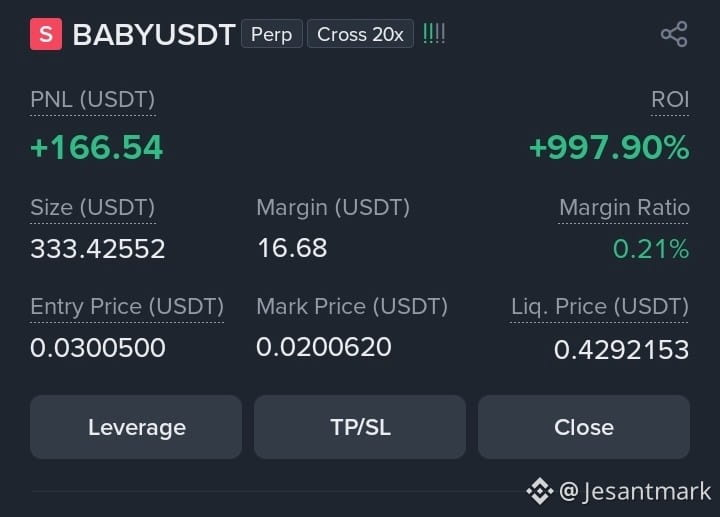
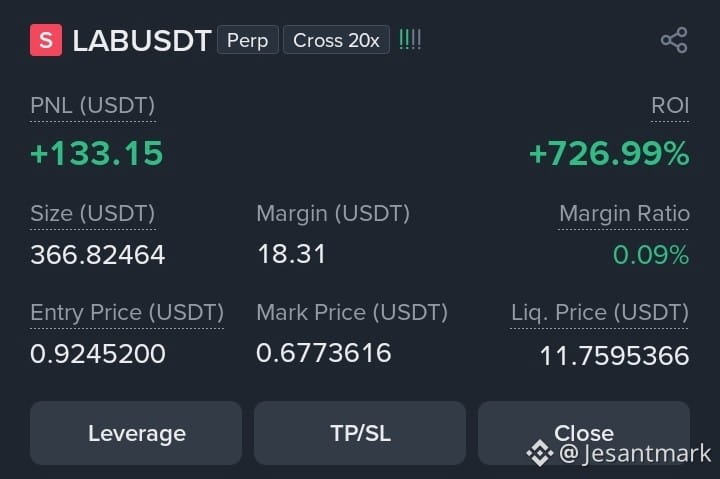
·
--
According to CoinGlass data, in the last 24 hours, 107,964 traders liquidated, and the total liquidations reached $435.63 million.
The largest single liquidation order occurred on Binance - ETHUSDT for a value of $11.98M.
According to CoinGlass data, in the last 24 hours, 107,964 traders liquidated, and the total liquidations reached $435.63 million.
The largest single liquidation order occurred on Binance - ETHUSDT for a value of $11.98M.
The largest single liquidation order occurred on Binance - ETHUSDT for a value of $11.98M.
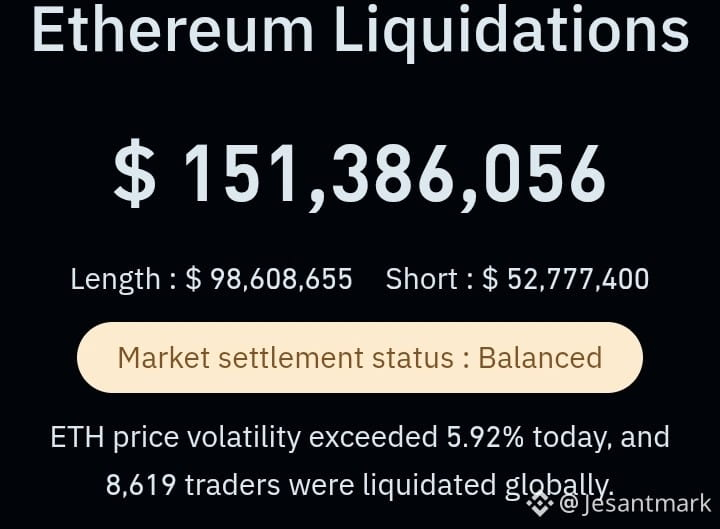
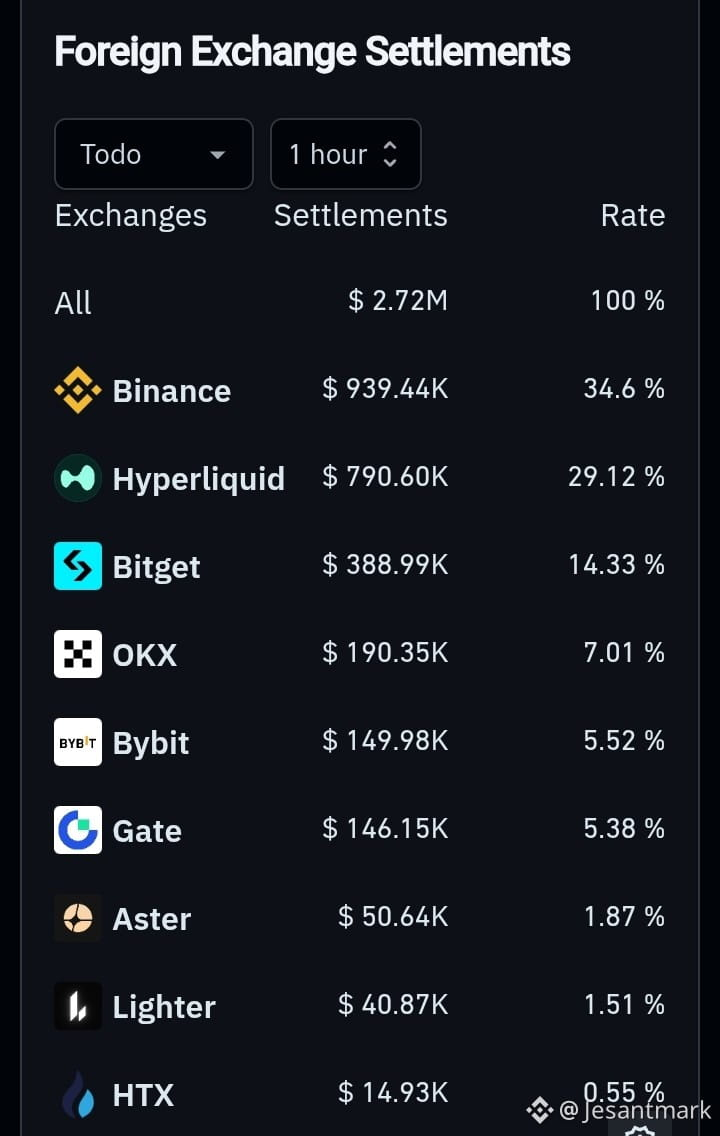
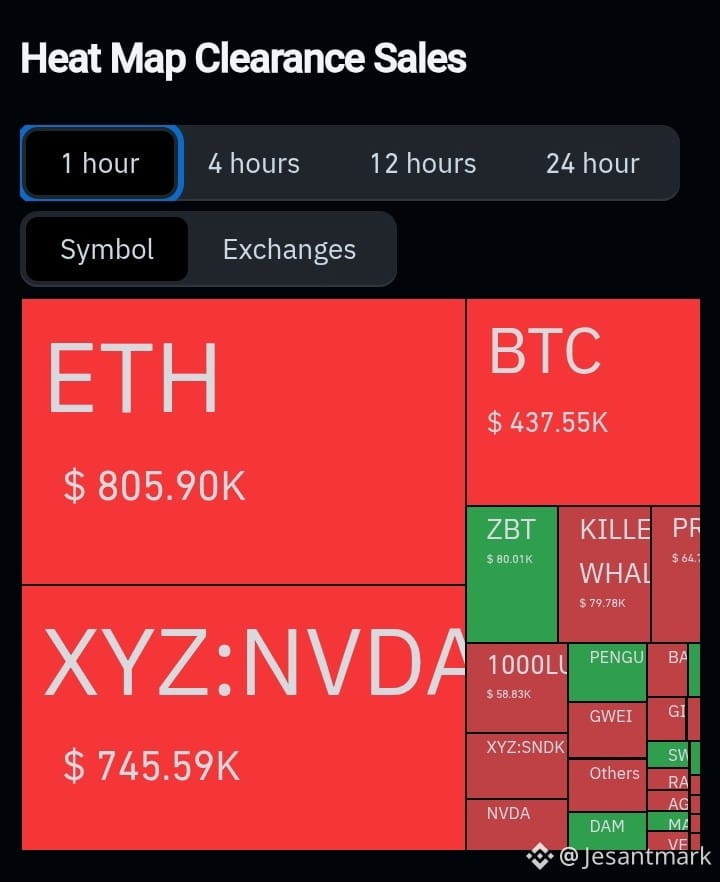
106
·
--
UPDATE: 🇺🇸🇨🇳 The American economy loses between $400 to $600 billion every year due to China’s intellectual property theft.
In January of this year, a Google engineer was convicted of stealing artificial intelligence secrets for the Chinese government.
It has been described as the largest transfer of wealth in human history, and it should be stopped.
{spot}(BTCUSDT)
UPDATE: 🇺🇸🇨🇳 The American economy loses between $400 to $600 billion every year due to China’s intellectual property theft.
In January of this year, a Google engineer was convicted of stealing artificial intelligence secrets for the Chinese government.
It has been described as the largest transfer of wealth in human history, and it should be stopped.
In January of this year, a Google engineer was convicted of stealing artificial intelligence secrets for the Chinese government.
It has been described as the largest transfer of wealth in human history, and it should be stopped.
230
·
--
CONGRESS JUST INTRODUCED A BIPARTISAN BILL TO CREATE NEW NATIONAL PAYMENTS LICENSES FOR #BITCOIN AND CRYPTO
BTC COMPANIES WOULD HAVE DIRECT ACCESS TO THE FEDERAL RESERVE
CONGRESS JUST INTRODUCED A BIPARTISAN BILL TO CREATE NEW NATIONAL PAYMENTS LICENSES FOR #BITCOIN AND CRYPTO
BTC COMPANIES WOULD HAVE DIRECT ACCESS TO THE FEDERAL RESERVE
BTC COMPANIES WOULD HAVE DIRECT ACCESS TO THE FEDERAL RESERVE


1
97
·
--
$CHIP is up for it"s second consecutive day. It's on fire.
$CHIP is up for it"s second consecutive day. It's on fire.
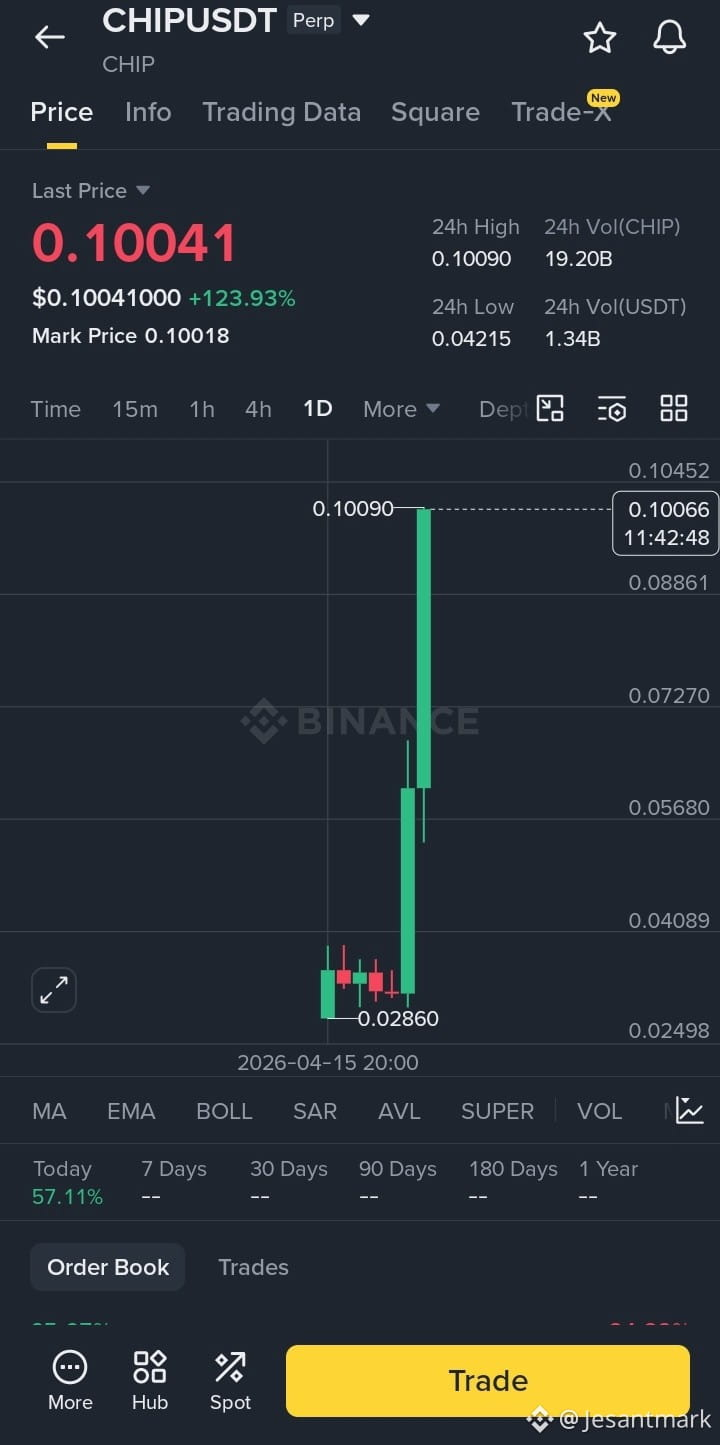
534
·
--
According to CoinGlass data, in the last 24 hours, 100,474 traders liquidated, and the total liquidations reached $417.23 million.
The largest single liquidation order occurred on Binance - BTCUSDT for a value of $4.93M.
$CHIP
According to CoinGlass data, in the last 24 hours, 100,474 traders liquidated, and the total liquidations reached $417.23 million.
The largest single liquidation order occurred on Binance - BTCUSDT for a value of $4.93M.
$CHIP
The largest single liquidation order occurred on Binance - BTCUSDT for a value of $4.93M.
$CHIP


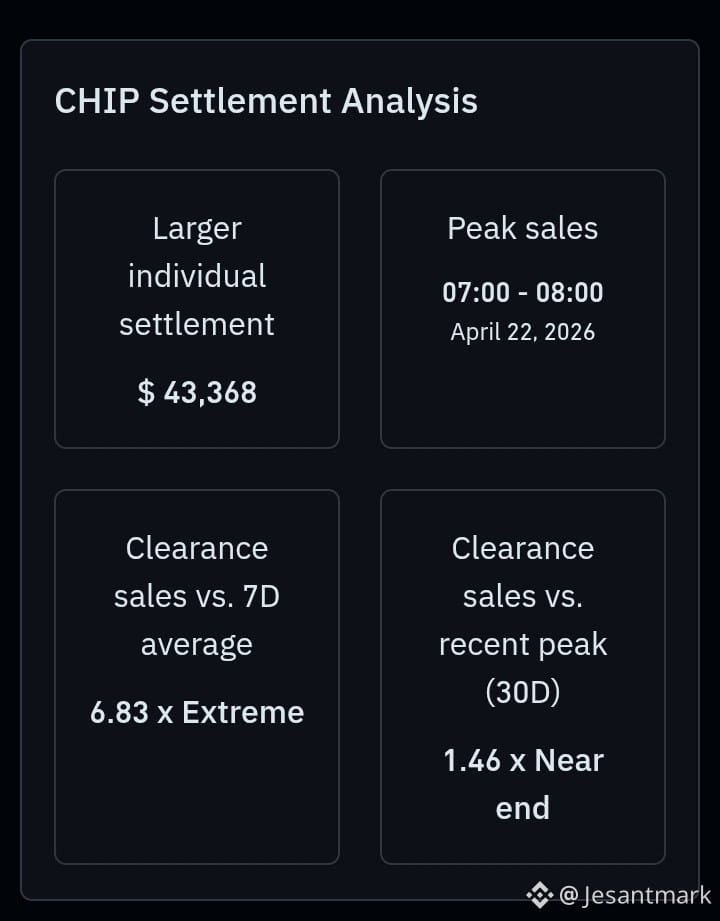
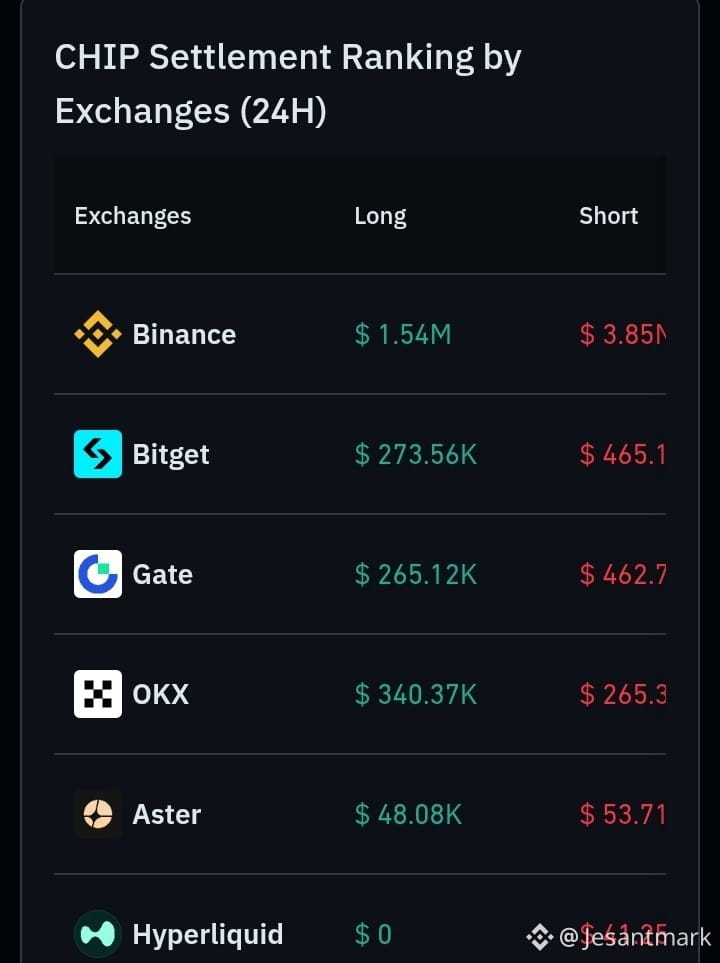
93
·
--
According to CoinGlass data, in the last 24 hours, 107,517 traders liquidated, and the total liquidations reached $274.72 million. The largest single liquidation order occurred in Hyperliquid - BTC-USD for a value of $6.43M. The volatility of the EDU price exceeded 109.78% today, and 1,723 traders were liquidated globally.
According to CoinGlass data, in the last 24 hours, 107,517 traders liquidated, and the total liquidations reached $274.72 million. The largest single liquidation order occurred in Hyperliquid - BTC-USD for a value of $6.43M. The volatility of the EDU price exceeded 109.78% today, and 1,723 traders were liquidated globally.
2
1
633
Connectez-vous pour découvrir plus de contenu
Rejoignez la communauté mondiale des adeptes de cryptomonnaies sur Binance Square
⚡️ Suviez les dernières informations importantes sur les cryptomonnaies.
💬 Jugé digne de confiance par la plus grande plateforme d’échange de cryptomonnaies au monde.
👍 Découvrez les connaissances que partagent les créateurs vérifiés.
Adresse e-mail/Nº de téléphone
Sujets d’actualité
FOMCWatch
8.9M vues
26,717 mentions
TradFi News | Warsh Must Explain Why the Fed Is Holding This Week While Keeping a December Hike Alive
Binance News
·2 mentions J’aime
·382 vues
EthereumDropsBelow$2300
2,772 vues
92 mentions
KoreaRulingPartyToGatherViewsOnVirtualAssetTaxDelay
0 vues
0 mentions