

Jeeva_jvan
6.9k Publications

Jeeva_jvan
 Compte Square Vérifié+
Signaler
Bloquer l’utilisateur
Web3 Strategist | 8M Views, Narratives to Alpha, Founder - Web3 Marketing Mavericks, NFTs, Memecoins, Market Psychology | Yaadhum Oore Yaavarum Kelir #DYOR
Ouvert au trading
Trade fréquemment
5.6 an(s)
357 Suivis
43.1K+ Abonnés
33.7K+ J’aime
Publications
Portefeuille
Tous
Citations
Vidéos
Direct
PINNED
·
--
Haussier
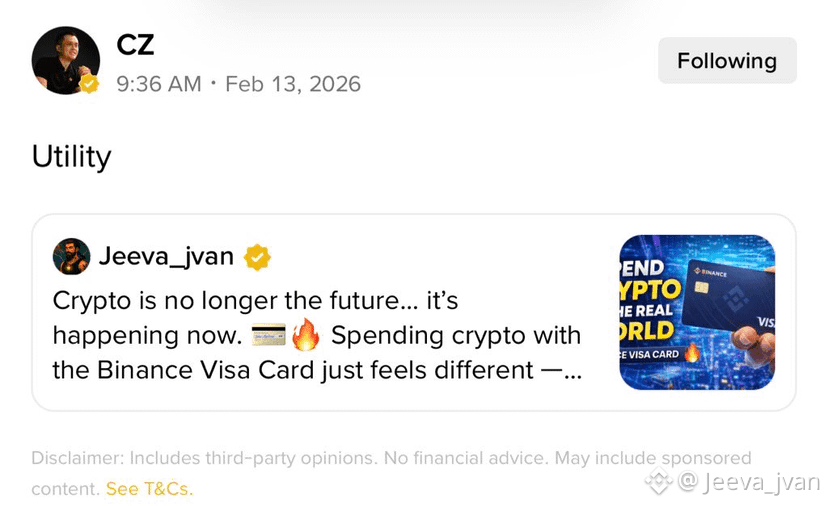
Moments like this made my day 🥹🔥
CZ shared my post — truly grateful for the support!
Thank you Binance and the Binance Square team 💛🚀 @CZ @Binance_Square_Official
#Binance #CZ #BinanceSquare #crypto #Community
Moments like this made my day 🥹🔥
CZ shared my post — truly grateful for the support!
Thank you Binance and the Binance Square team 💛🚀 @CZ @Binance_Square_Official
#Binance #CZ #BinanceSquare #crypto #Community
CZ shared my post — truly grateful for the support!
Thank you Binance and the Binance Square team 💛🚀 @CZ @Binance_Square_Official
#Binance #CZ #BinanceSquare #crypto #Community
14
3
86
748
PINNED
·
--
Haussier
Vérifié
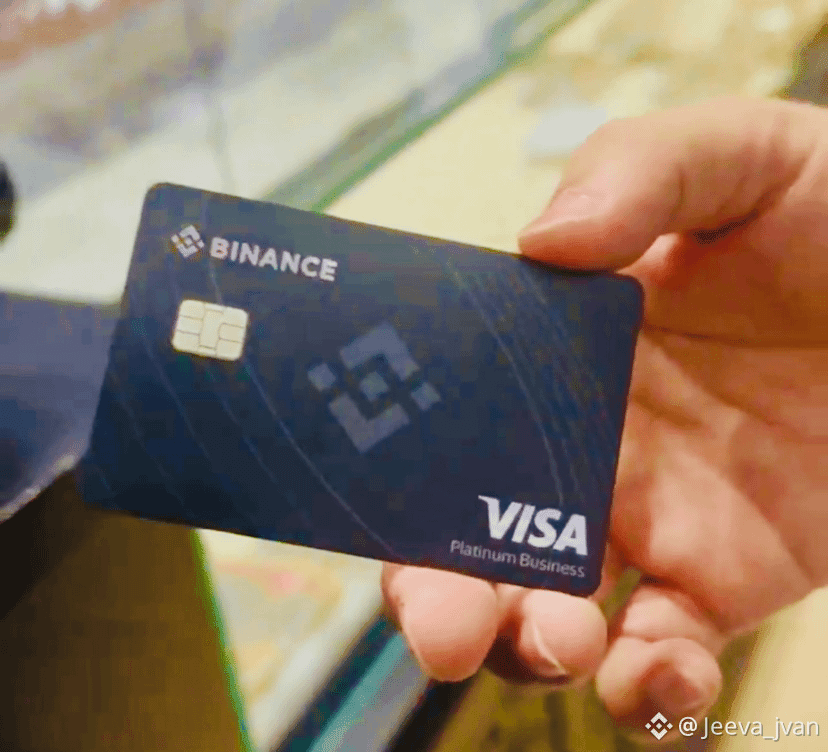
Crypto is no longer the future… it’s happening now. 💳🔥
Spending crypto with the Binance Visa Card just feels different — fast, simple, and global. This is how Web3 connects to the real world.
BNB isn’t just a token… it’s utility. 💛
#BNB #Binance #Crypto #Web3 #FutureOfPayments $BNB
{future}(BNBUSDT)
Crypto is no longer the future… it’s happening now. 💳🔥
Spending crypto with the Binance Visa Card just feels different — fast, simple, and global. This is how Web3 connects to the real world.
BNB isn’t just a token… it’s utility. 💛
#BNB #Binance #Crypto #Web3 #FutureOfPayments $BNB
Spending crypto with the Binance Visa Card just feels different — fast, simple, and global. This is how Web3 connects to the real world.
BNB isn’t just a token… it’s utility. 💛
#BNB #Binance #Crypto #Web3 #FutureOfPayments $BNB

505
211
556
41.4k
·
--
Haussier
Vérifié
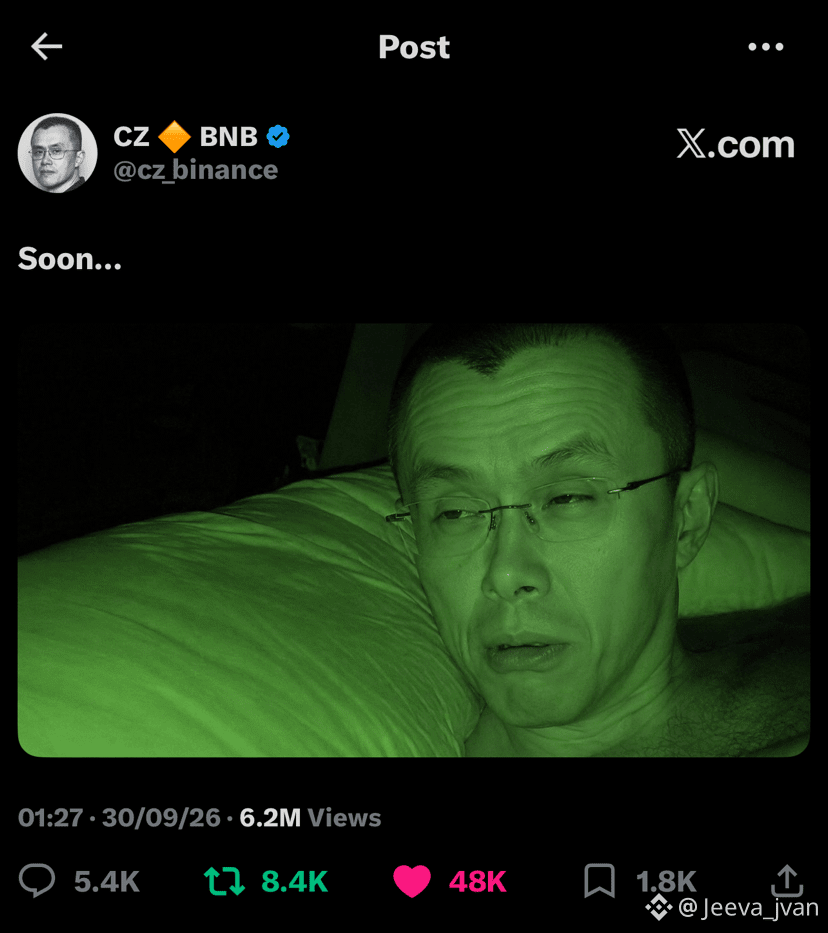
Just Hype 🔥
AI + BNB integration
Big BNB utility upgrade
Something completely unexpecte
17 heure(s) restante(s)
2
402
·
--
Trading sur 30 j de 19.2K USDT en $TRUMP
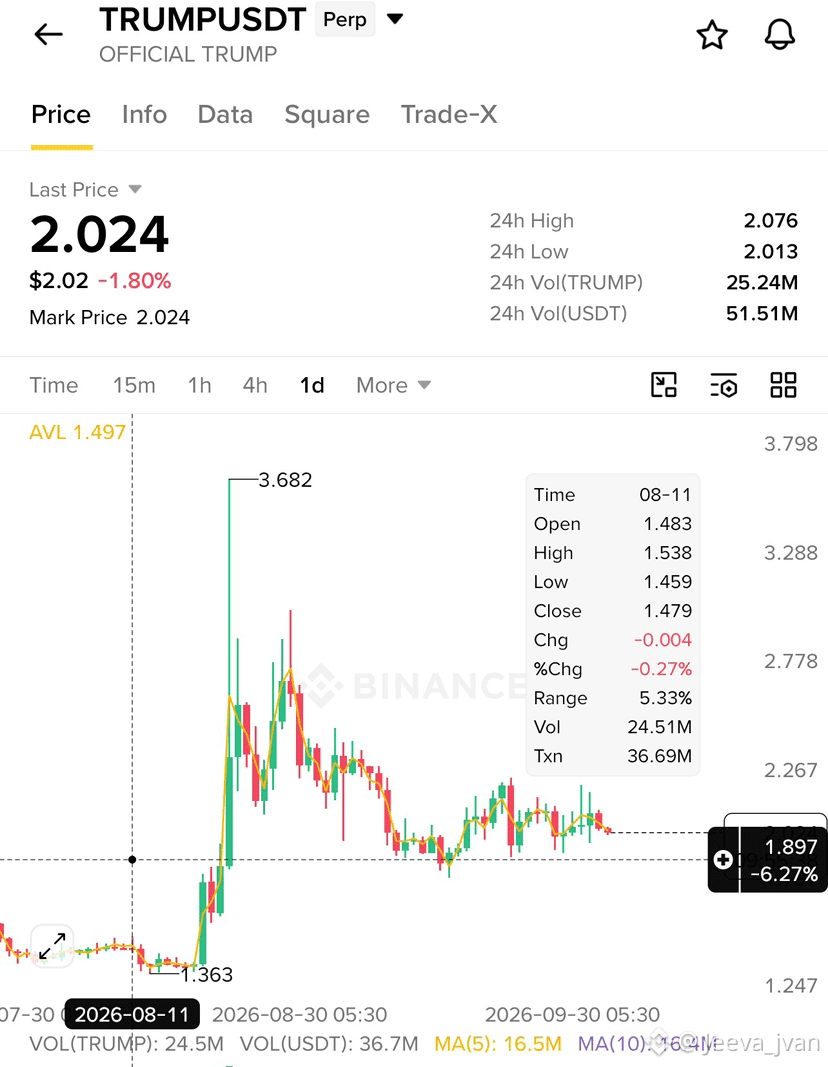
TRUMP looks like it’s building up for something. 👀
This zone is getting interesting — watch the range carefully. A breakout or breakdown could come fast.
Don’t chase. Wait for confirmation. DYOR.
#TRUMP #TRUMPUSDT #Crypto #Trading #DYOR $TRUMP
TRUMP looks like it’s building up for something. 👀
This zone is getting interesting — watch the range carefully. A breakout or breakdown could come fast.
Don’t chase. Wait for confirmation. DYOR.
#TRUMP #TRUMPUSDT #Crypto #Trading #DYOR $TRUMP
This zone is getting interesting — watch the range carefully. A breakout or breakdown could come fast.
Don’t chase. Wait for confirmation. DYOR.
#TRUMP #TRUMPUSDT #Crypto #Trading #DYOR $TRUMP
600
·
--
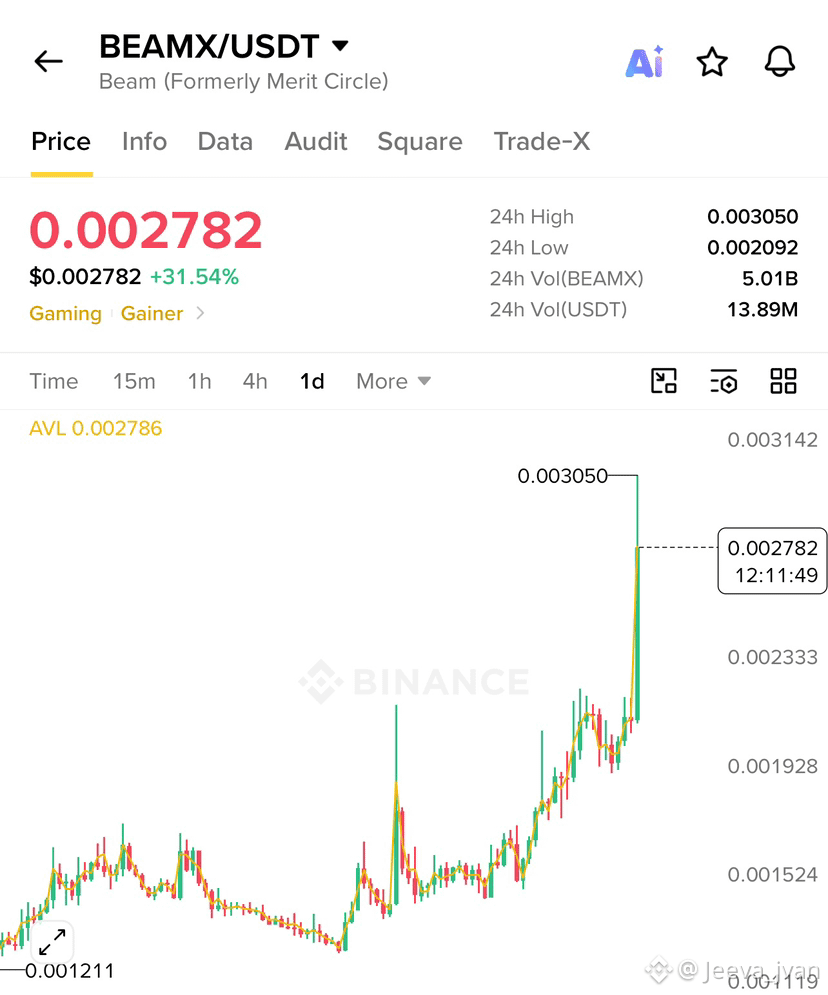
BEAMX/USDT — Opportunity Entry
BEAMX is showing strong momentum, but RSI is already in the overbought zone, so chasing the current pump can be risky.
Entry Zone: 0.00240 – 0.00260
Aggressive Entry: 0.00265 – 0.00278
TP1: 0.00305
TP2: 0.00335
TP3: 0.00380
Stop Loss: 0.00215
If price pulls back and holds the entry zone, it could offer a better risk/reward setup. Don’t chase a vertical candle.
#DYOR — Not financial advice.$BEAMX
#BEAMX #Crypto #Altcoins #jeevajvan
{future}(BEAMXUSDT)
BEAMX/USDT — Opportunity Entry
BEAMX is showing strong momentum, but RSI is already in the overbought zone, so chasing the current pump can be risky.
Entry Zone: 0.00240 – 0.00260
Aggressive Entry: 0.00265 – 0.00278
TP1: 0.00305
TP2: 0.00335
TP3: 0.00380
Stop Loss: 0.00215
If price pulls back and holds the entry zone, it could offer a better risk/reward setup. Don’t chase a vertical candle.
#DYOR — Not financial advice.$BEAMX
#BEAMX #Crypto #Altcoins #jeevajvan
BEAMX is showing strong momentum, but RSI is already in the overbought zone, so chasing the current pump can be risky.
Entry Zone: 0.00240 – 0.00260
Aggressive Entry: 0.00265 – 0.00278
TP1: 0.00305
TP2: 0.00335
TP3: 0.00380
Stop Loss: 0.00215
If price pulls back and holds the entry zone, it could offer a better risk/reward setup. Don’t chase a vertical candle.
#DYOR — Not financial advice.$BEAMX
#BEAMX #Crypto #Altcoins #jeevajvan
280
·
--
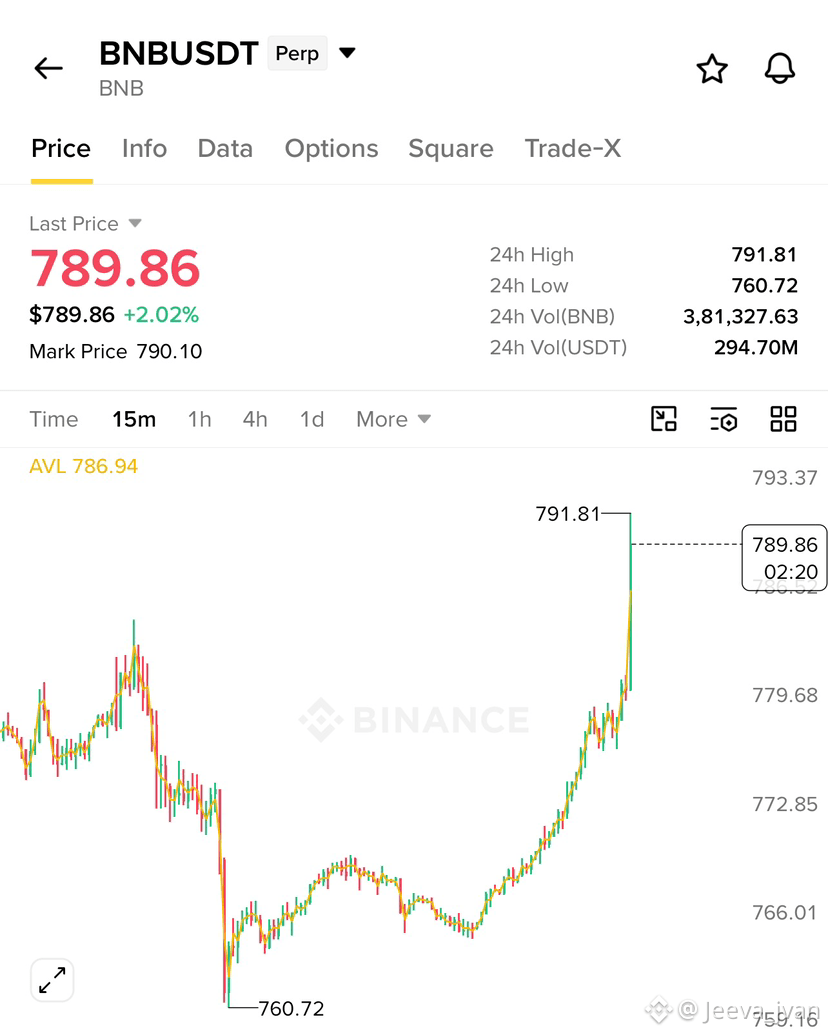
BNB is moving like digital gold these days.
Strong momentum, strong demand, and no signs of slowing down. 🚀
#BNB #Crypto #BNBUSDT #DYOR #jeevajvan $BNB
{future}(BNBUSDT)
BNB is moving like digital gold these days.
Strong momentum, strong demand, and no signs of slowing down. 🚀
#BNB #Crypto #BNBUSDT #DYOR #jeevajvan $BNB
Strong momentum, strong demand, and no signs of slowing down. 🚀
#BNB #Crypto #BNBUSDT #DYOR #jeevajvan $BNB
5
1.9k
·
--
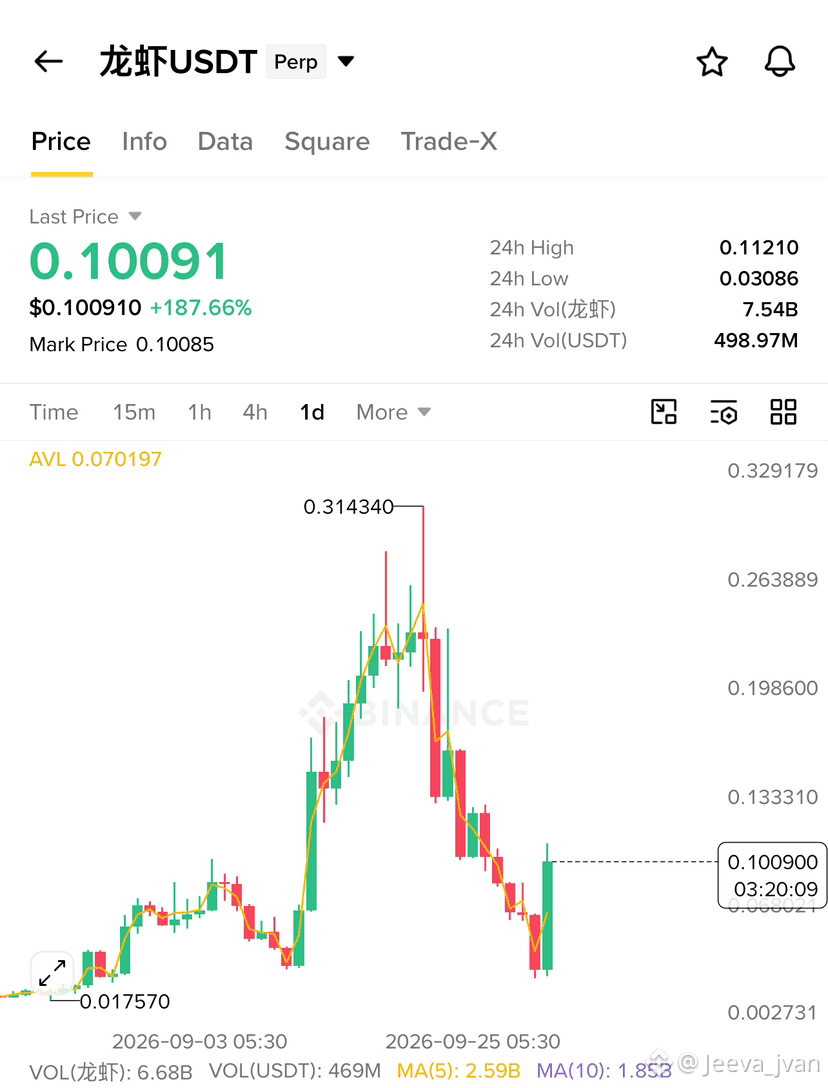
🚀 Bullish setup: +187% in 24H with massive volume. The bounce from the lows is getting attention — now the key is whether it can hold above 0.10 and build momentum.
0.10 is the battlefield. 👀 #EntryOpportunity #Binance #dyor #BTC #bnb
🚀 Bullish setup: +187% in 24H with massive volume. The bounce from the lows is getting attention — now the key is whether it can hold above 0.10 and build momentum.
0.10 is the battlefield. 👀 #EntryOpportunity #Binance #dyor #BTC #bnb
0.10 is the battlefield. 👀 #EntryOpportunity #Binance #dyor #BTC #bnb
2
2.8k
·
--
Vérifié
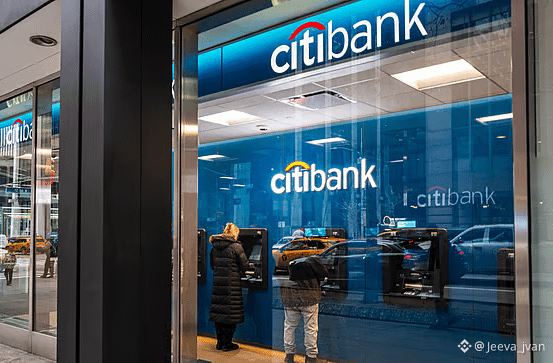
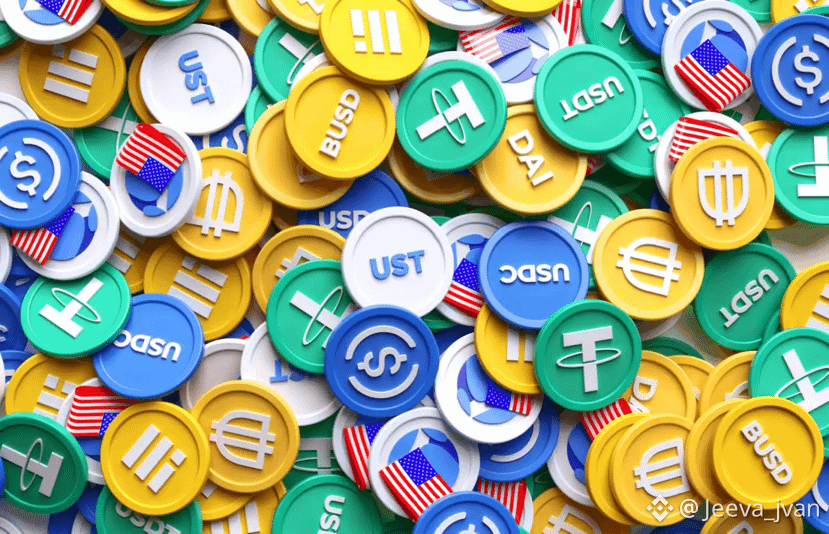
Citigroup is exploring stablecoin payments with Coinbase to help corporate clients make faster, more efficient payments.
Traditional banking meets crypto innovation. The future of payments is evolving!
#Crypto #Coinbase #Stablecoins #Citigroup #jeevajvan
Citigroup is exploring stablecoin payments with Coinbase to help corporate clients make faster, more efficient payments.
Traditional banking meets crypto innovation. The future of payments is evolving!
#Crypto #Coinbase #Stablecoins #Citigroup #jeevajvan
Traditional banking meets crypto innovation. The future of payments is evolving!
#Crypto #Coinbase #Stablecoins #Citigroup #jeevajvan
1
1
1.2k
·
--
Article
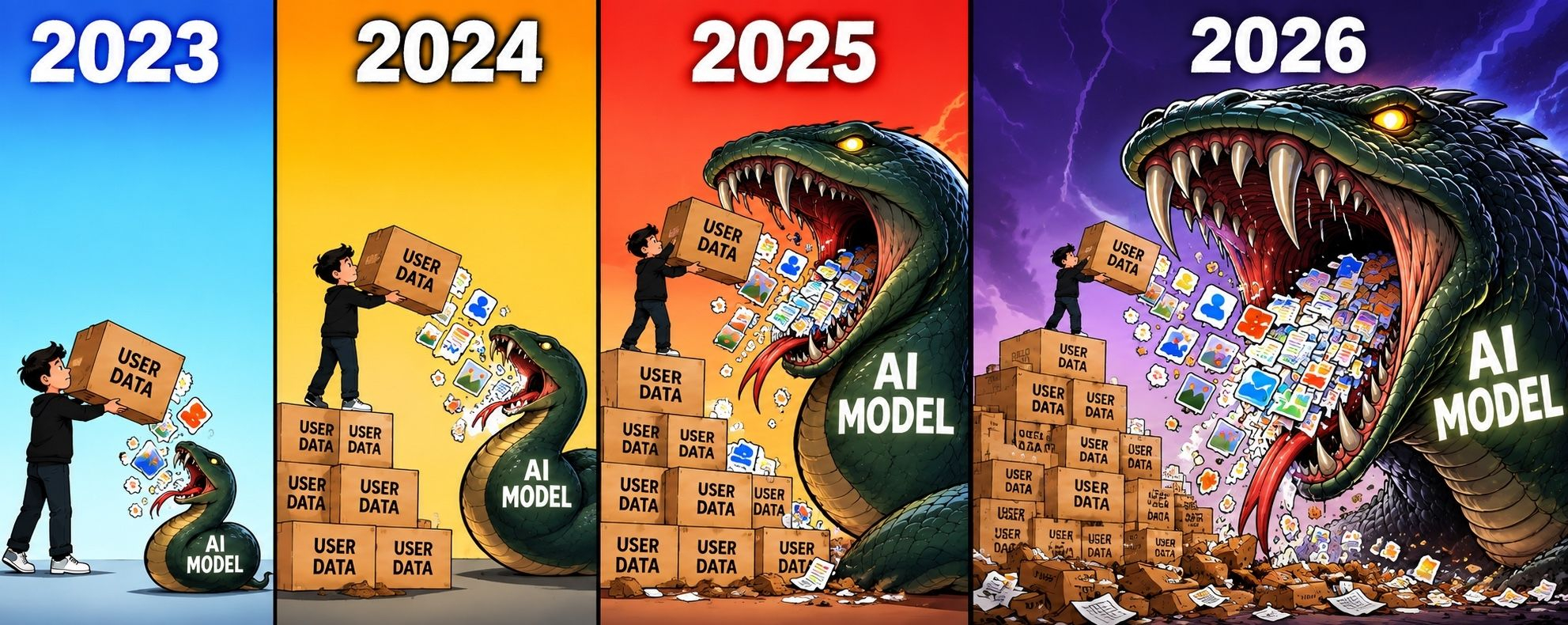
AI's Growing Hunger for Data: From a Small Model to a Digital MonsterIn 2023, AI was just getting started. By 2026, it has become a giant that needs more and more data to grow.
The real power of AI isn't just computing. It's the data we feed it. Every image, text, video, and interaction helps train smarter models.
But here's the big question: As AI becomes more powerful, how much of our data will it need next?
The future of AI will depend not only on how smart models become, but also on how responsibly we manage the data behind them.
#AI #ArtificialIntelligence #data #Web3 #jeevajvan
AI's Growing Hunger for Data: From a Small Model to a Digital Monster
In 2023, AI was just getting started. By 2026, it has become a giant that needs more and more data to grow.
The real power of AI isn't just computing. It's the data we feed it. Every image, text, video, and interaction helps train smarter models.
But here's the big question: As AI becomes more powerful, how much of our data will it need next?
The future of AI will depend not only on how smart models become, but also on how responsibly we manage the data behind them.
#AI #ArtificialIntelligence #data #Web3 #jeevajvan
The real power of AI isn't just computing. It's the data we feed it. Every image, text, video, and interaction helps train smarter models.
But here's the big question: As AI becomes more powerful, how much of our data will it need next?
The future of AI will depend not only on how smart models become, but also on how responsibly we manage the data behind them.
#AI #ArtificialIntelligence #data #Web3 #jeevajvan
8
1
44
22.2k
·
--
🏦 Banks can stop. Payments shouldn’t.
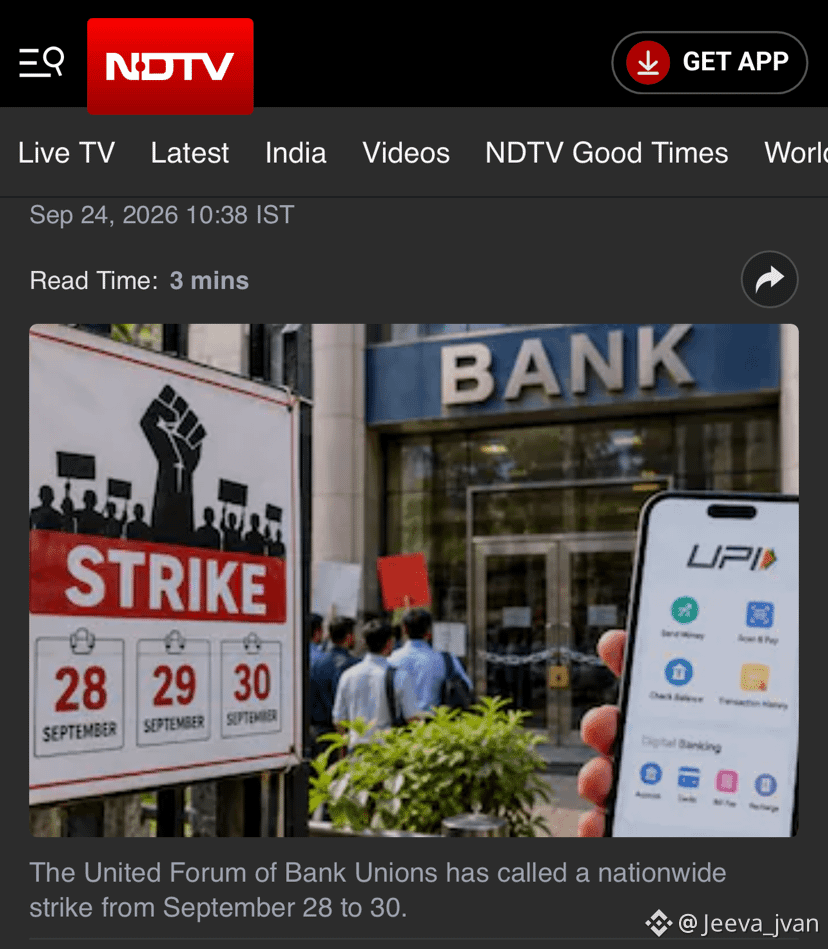
India is heading into a 3-day bank strike from Sept 28–30, which may disrupt some physical banking services.
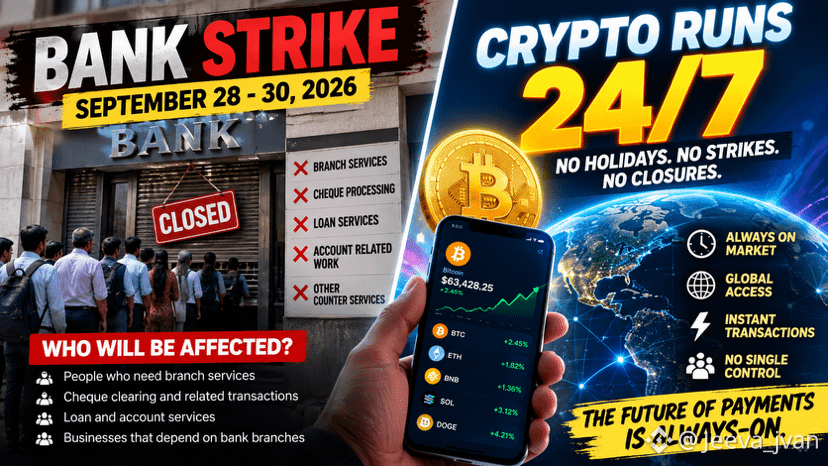
This highlights one of crypto’s biggest ideas: a 24/7, global financial network that doesn’t depend on bank branch hours.
No weekend. No holiday. No waiting for Monday.
The future of payments is always-on. 🌍₿ #btc #ETC #xrp #sol #bankstrike
🏦 Banks can stop. Payments shouldn’t.
India is heading into a 3-day bank strike from Sept 28–30, which may disrupt some physical banking services.
This highlights one of crypto’s biggest ideas: a 24/7, global financial network that doesn’t depend on bank branch hours.
No weekend. No holiday. No waiting for Monday.
The future of payments is always-on. 🌍₿ #btc #ETC #xrp #sol #bankstrike
India is heading into a 3-day bank strike from Sept 28–30, which may disrupt some physical banking services.
This highlights one of crypto’s biggest ideas: a 24/7, global financial network that doesn’t depend on bank branch hours.
No weekend. No holiday. No waiting for Monday.
The future of payments is always-on. 🌍₿ #btc #ETC #xrp #sol #bankstrike
3
1.9k
·
--
Haussier
CZ has taken every step to push crypto forward globally — from supporting governments exploring adoption to helping bring crypto to new communities.
From being called a “scam” to becoming part of the future, the industry has come a long way. Crypto adoption continues to grow. @BNB_Chain @CZ 👏👏💛💛💛Binance #Binance #BinanceSquare #bnb #blockchain #crypto
CZ has taken every step to push crypto forward globally — from supporting governments exploring adoption to helping bring crypto to new communities.
From being called a “scam” to becoming part of the future, the industry has come a long way. Crypto adoption continues to grow. @BNB Chain @CZ 👏👏💛💛💛Binance #Binance #BinanceSquare #bnb #blockchain #crypto
From being called a “scam” to becoming part of the future, the industry has come a long way. Crypto adoption continues to grow. @BNB Chain @CZ 👏👏💛💛💛Binance #Binance #BinanceSquare #bnb #blockchain #crypto

1
1
9
5.7k
·
--
Haussier
Trading sur 30 j de 4.5K USDT en $BTC
TIM DRAPER: APPLE & META SHOULD HOLD BITCOIN
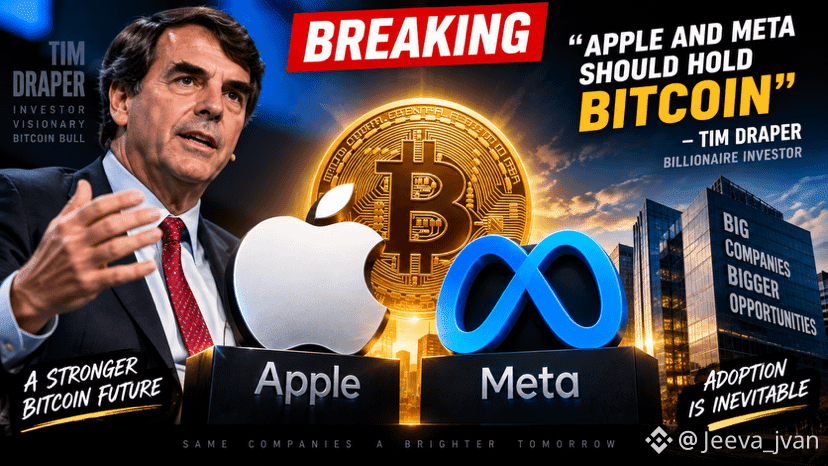
Billionaire investor Tim Draper says it’s “irresponsible” for giants like Apple and Meta to hold zero Bitcoin on their balance sheets.
His message is simple:
Big companies should start treating BTC as a treasury asset.
Apple + Meta + Bitcoin…
Could this become the next major corporate Bitcoin story? 👀
#Bitcoin #BTC #Apple #Meta #jeevajvan $BTC
TIM DRAPER: APPLE & META SHOULD HOLD BITCOIN
Billionaire investor Tim Draper says it’s “irresponsible” for giants like Apple and Meta to hold zero Bitcoin on their balance sheets.
His message is simple:
Big companies should start treating BTC as a treasury asset.
Apple + Meta + Bitcoin…
Could this become the next major corporate Bitcoin story? 👀
#Bitcoin #BTC #Apple #Meta #jeevajvan $BTC
Billionaire investor Tim Draper says it’s “irresponsible” for giants like Apple and Meta to hold zero Bitcoin on their balance sheets.
His message is simple:
Big companies should start treating BTC as a treasury asset.
Apple + Meta + Bitcoin…
Could this become the next major corporate Bitcoin story? 👀
#Bitcoin #BTC #Apple #Meta #jeevajvan $BTC
1
2
2.5k
·
--
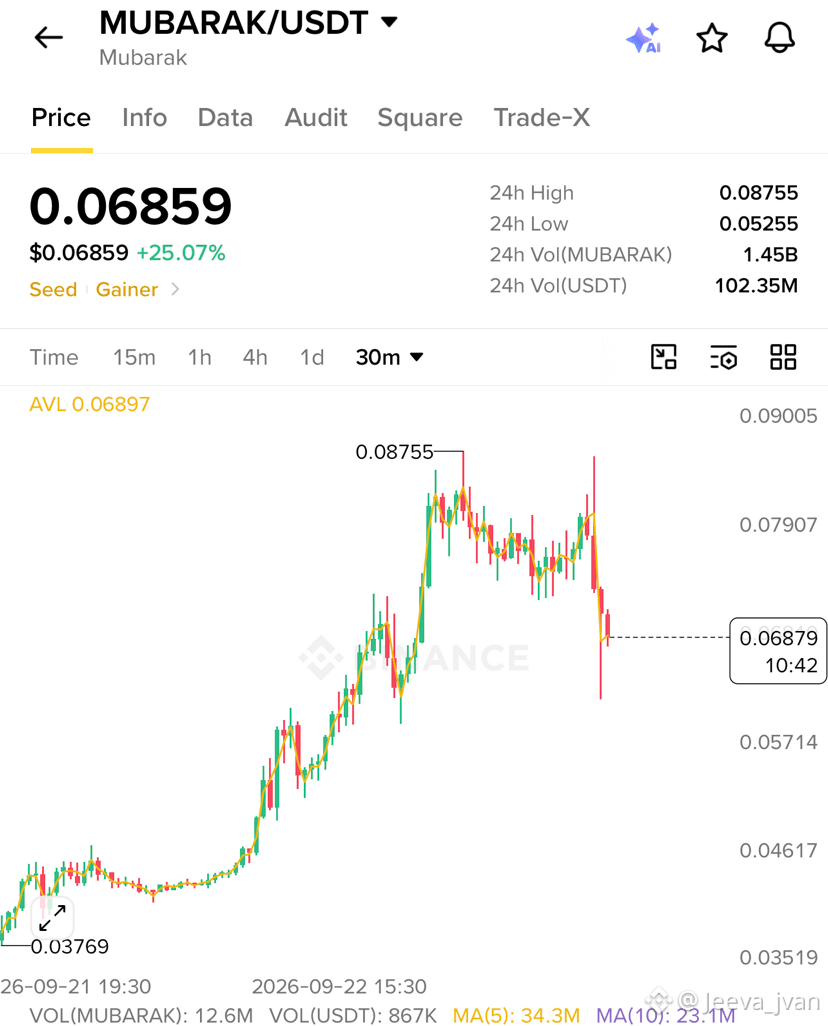
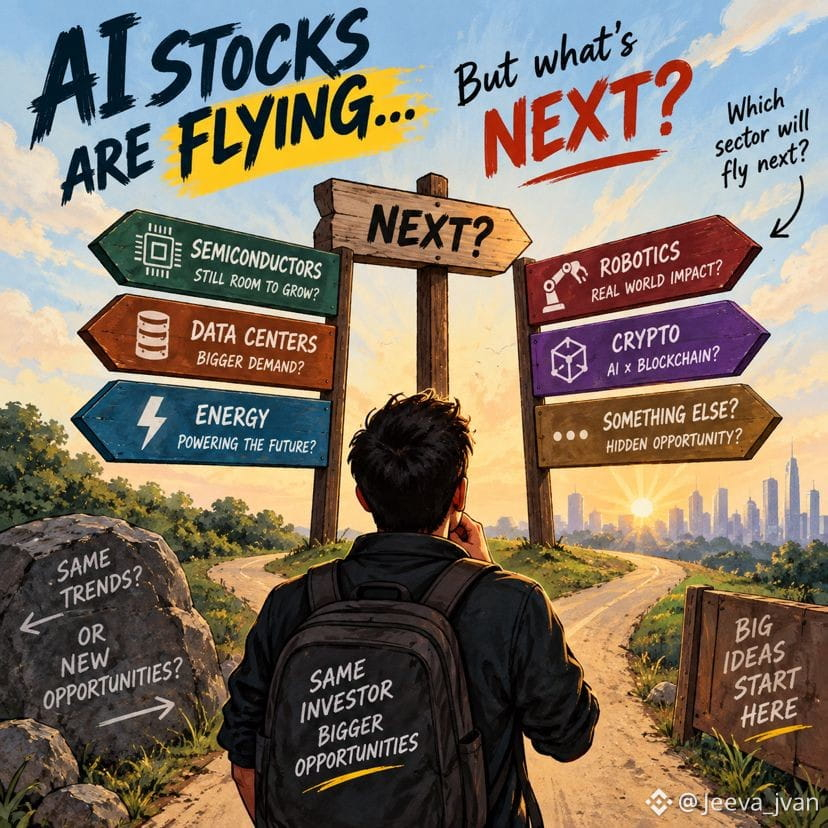
AI stocks are flying 🚀 But what comes after AI?
Semiconductors? Energy? Data centers? Robotics? Crypto?
What’s your next AI-related opportunity?
#AIStocksWhatNext #AI #bstock #Binance
AI stocks are flying 🚀 But what comes after AI?
Semiconductors? Energy? Data centers? Robotics? Crypto?
What’s your next AI-related opportunity?
#AIStocksWhatNext #AI #bstock #Binance
Semiconductors? Energy? Data centers? Robotics? Crypto?
What’s your next AI-related opportunity?
#AIStocksWhatNext #AI #bstock #Binance
7
6
421

·
--
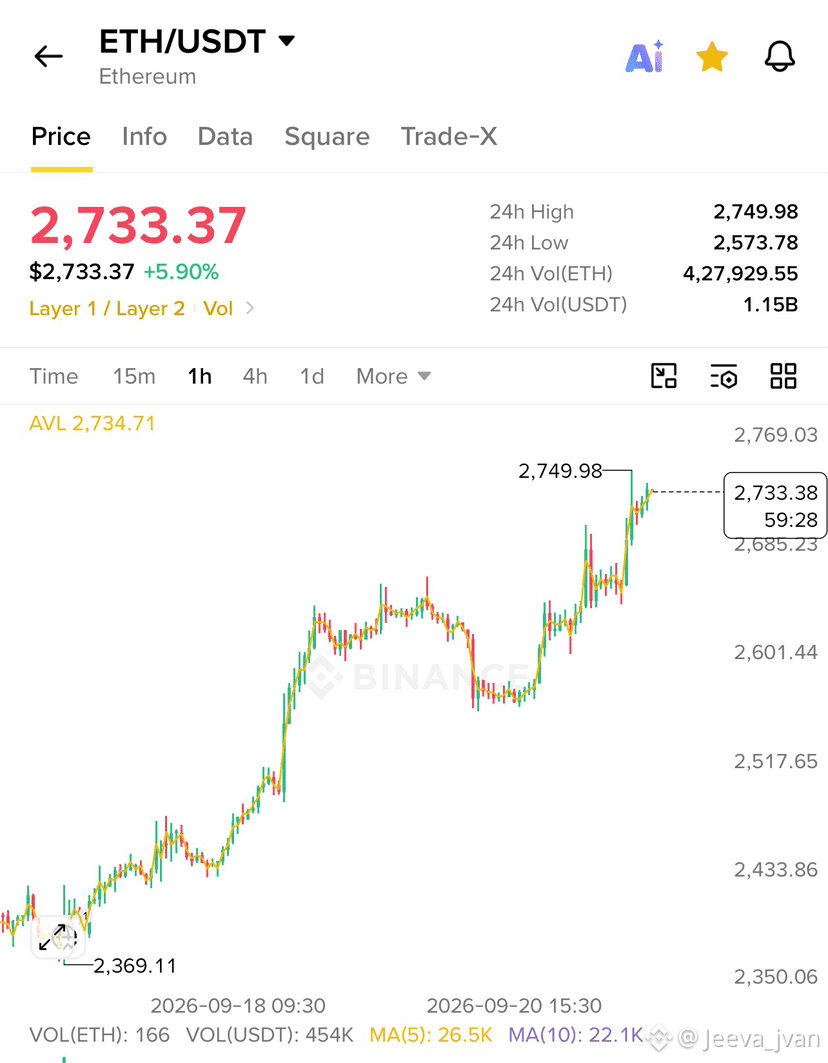
ETH $8K SOON?
BitMine keeps accumulating ETH, while Tom Lee sees major upside potential for Ethereum.
ETH is showing renewed momentum — and if this trend continues, $8,000 is back on the radar.
ETH season may be heating up.
#Ethereum #ETH #Crypto #Altcoins #jeevajvan $ETH
{future}(ETHUSDT)
ETH $8K SOON?
BitMine keeps accumulating ETH, while Tom Lee sees major upside potential for Ethereum.
ETH is showing renewed momentum — and if this trend continues, $8,000 is back on the radar.
ETH season may be heating up.
#Ethereum #ETH #Crypto #Altcoins #jeevajvan $ETH
BitMine keeps accumulating ETH, while Tom Lee sees major upside potential for Ethereum.
ETH is showing renewed momentum — and if this trend continues, $8,000 is back on the radar.
ETH season may be heating up.
#Ethereum #ETH #Crypto #Altcoins #jeevajvan $ETH
1
3
2.7k
Connectez-vous pour découvrir plus de contenu
Rejoignez la communauté mondiale des adeptes de cryptomonnaies sur Binance Square
⚡️ Suviez les dernières informations importantes sur les cryptomonnaies.
💬 Jugé digne de confiance par la plus grande plateforme d’échange de cryptomonnaies au monde.
👍 Découvrez les connaissances que partagent les créateurs vérifiés.
Adresse e-mail/Nº de téléphone
Sujets d’actualité
BNBSurpasses$790
13,581 vues
114 mentions
$BNB strategic long plan -> FOCUS NOW
BNB has created 2 strong lows after taking out internal liquidity
I'm expecting a move towards swing high $815-$830 and looking for a long on a retest of the green box
#BNBSurpasses$790 #bnb
Ghost Writer
·5 mentions J’aime
·6.5k vues
ZamaRises15.99%ToIntradayHigh$0.09
9,294 vues
92 mentions
BitcoinSpotETFsDraw$6.34BInflowsInQ3
4,612 vues
78 mentions