

Ghost Writer
7.8k Publications
Ghost Writer
Signaler
Bloquer l’utilisateur
Research & summarize the latest Crypto market news | BNB Holder | Web 3 Airdrop | X: @GhostxWriterx
Ouvert au trading
Trade régulièrement
5.6 an(s)
764 Suivis
16.2K+ Abonnés
24.8K+ J’aime
Publications
Portefeuille
Tous
Citations
Vidéos
Direct
PINNED
·
--
Haussier
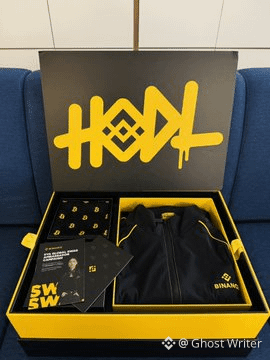
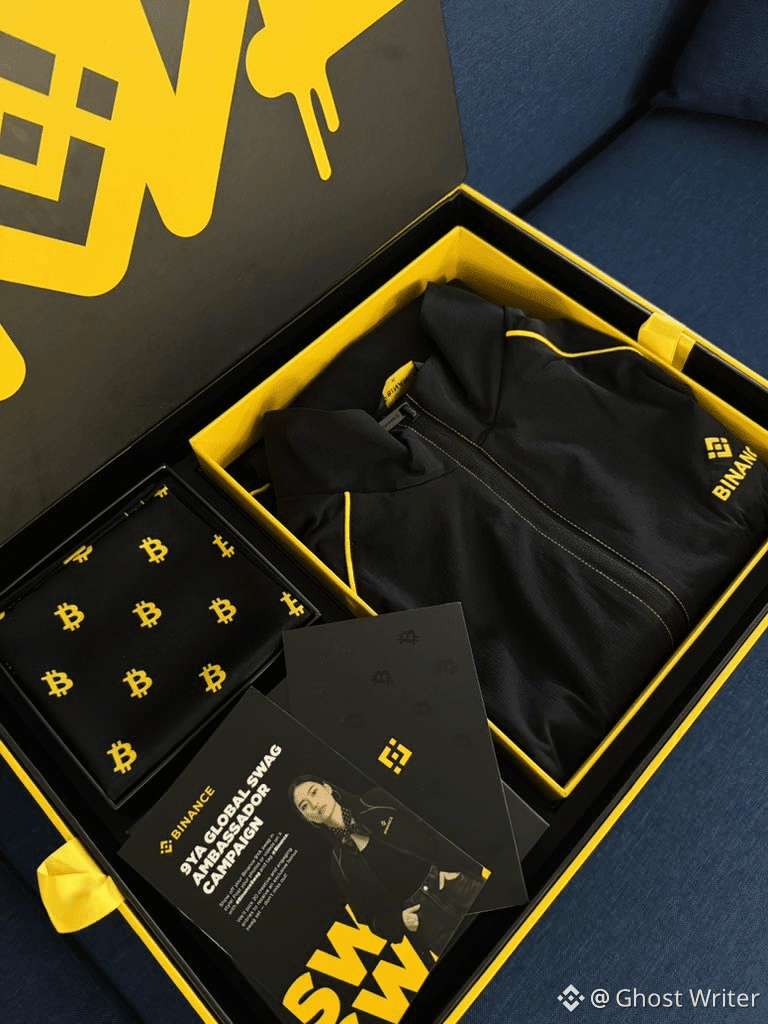
Thanks @Binance_Vietnam , @Binance_Square_Official for the beautiful 9YA swag box 🎁
Keep building on Square then you can get many guys
#GiftBoxes #crypto
Thanks @Binance Vietnam , @Binance Square Official for the beautiful 9YA swag box 🎁
Keep building on Square then you can get many guys
#GiftBoxes #crypto
Keep building on Square then you can get many guys
#GiftBoxes #crypto
38
4
108
31.3k
·
--
Haussier
Có một điều mình ngày càng đánh giá cao ở @Binance_Vietnam : họ không chỉ xây sản phẩm cho thị trường crypto, mà đang chủ động góp phần đưa kiến thức và công nghệ blockchain đến gần hơn với thị trường tài chính Việt Nam 🇻🇳
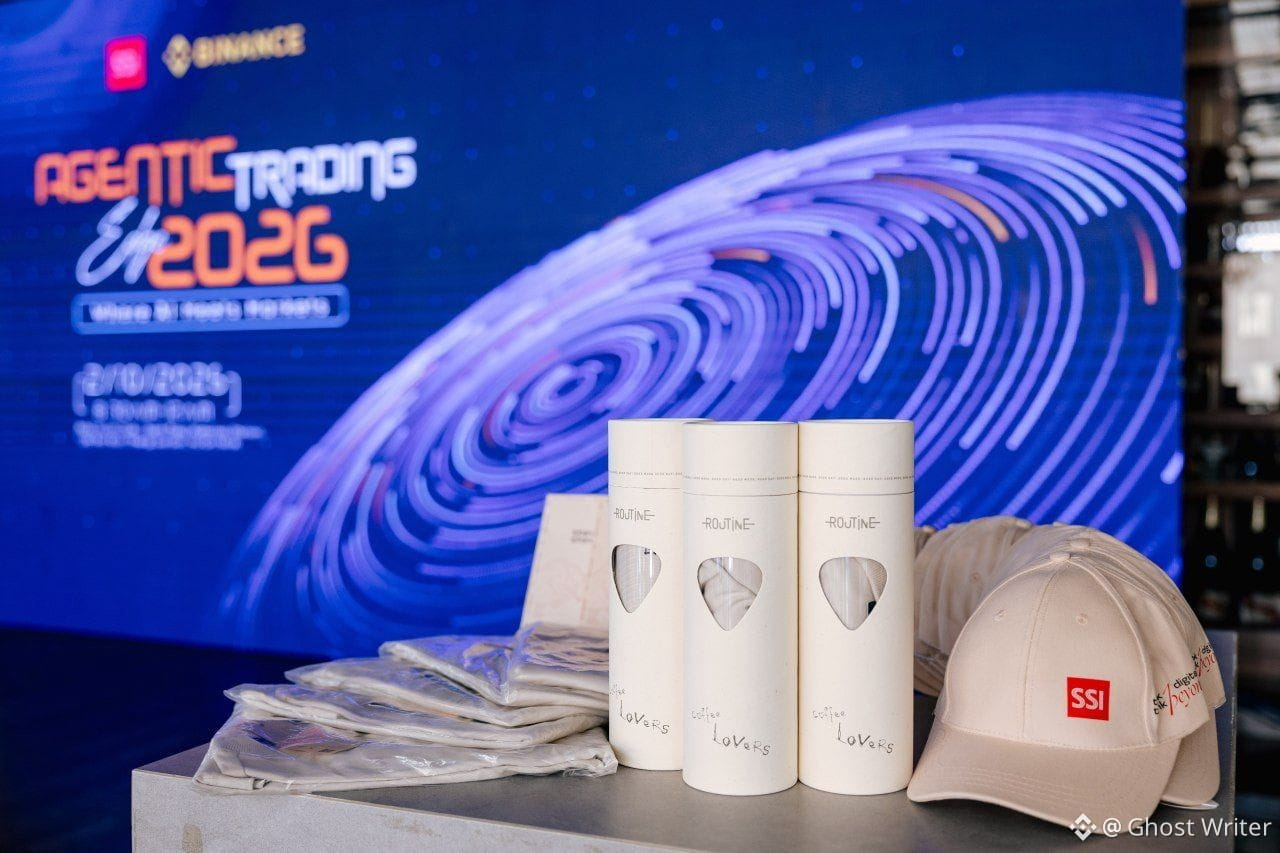
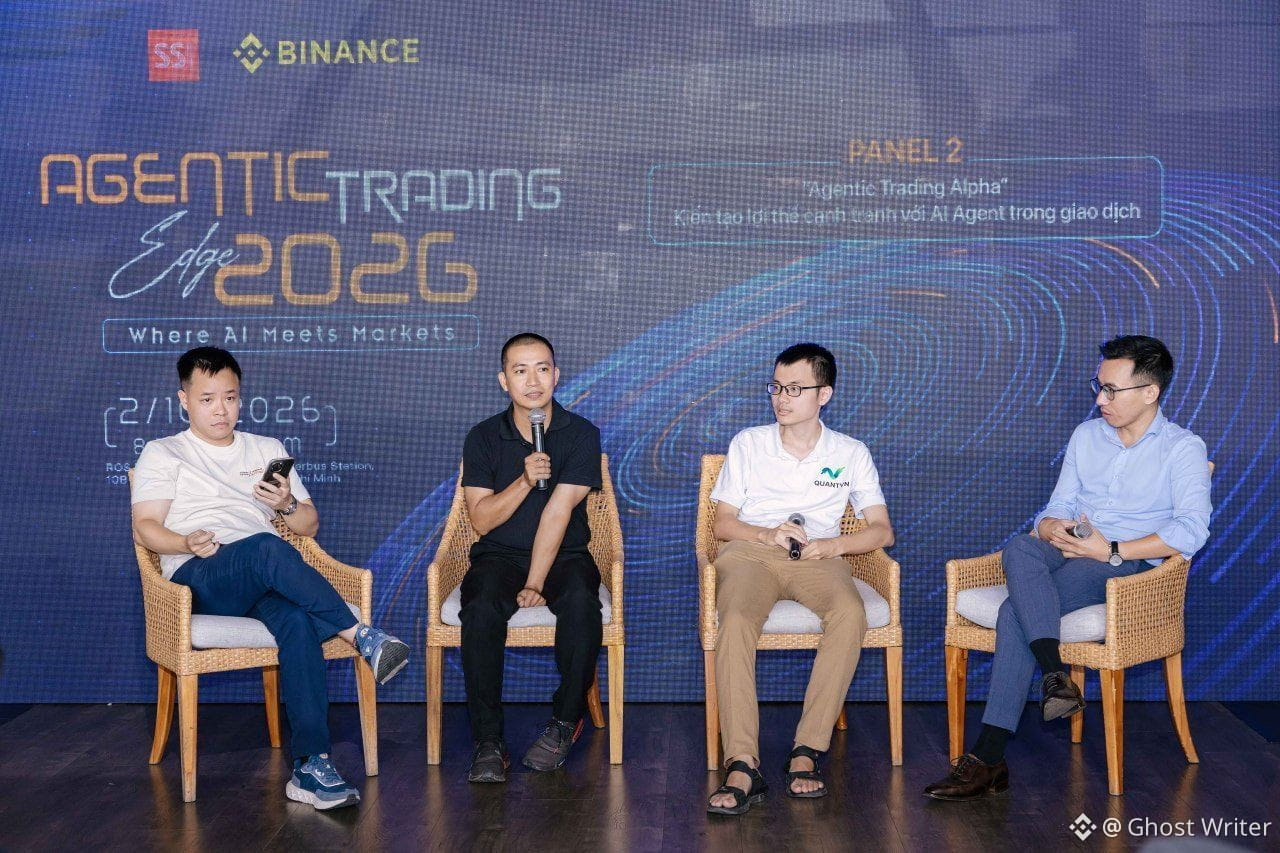
Vừa tham dự Agentic Trading Edge 2026 – “Where AI Meets Markets”, mình ấn tượng với cách Binance tiếp tục đồng hành cùng SSI - lần thứ hai - để kết nối tài chính truyền thống, tài sản số và AI Agent.
Đặc biệt, Binance Agent OS Showcase khiến mình chú ý. Thay vì AI chỉ “trả lời câu hỏi”, Agent OS hướng tới việc kết nối AI với dữ liệu thị trường, giao dịch, ví và các năng lực tài chính thông qua quyền được người dùng kiểm soát.
Với mình, giá trị lớn nhất của những sự kiện như thế này không nằm ở một demo công nghệ của $BNB
Nó nằm ở việc kiến thức mới được đưa vào đúng cộng đồng, đúng bối cảnh và có sự kết nối với những tổ chức tài chính hàng đầu như SSI.
Nếu blockchain là hạ tầng mới, thì những cuộc đối thoại như hôm nay chính là cách Việt Nam học cách xây dựng, ứng dụng và làm chủ hạ tầng đó.
#Binance #Vietnam #VietnamPilotsCryptoAssetMarket
Có một điều mình ngày càng đánh giá cao ở @Binance Vietnam : họ không chỉ xây sản phẩm cho thị trường crypto, mà đang chủ động góp phần đưa kiến thức và công nghệ blockchain đến gần hơn với thị trường tài chính Việt Nam 🇻🇳
Vừa tham dự Agentic Trading Edge 2026 – “Where AI Meets Markets”, mình ấn tượng với cách Binance tiếp tục đồng hành cùng SSI - lần thứ hai - để kết nối tài chính truyền thống, tài sản số và AI Agent.
Đặc biệt, Binance Agent OS Showcase khiến mình chú ý. Thay vì AI chỉ “trả lời câu hỏi”, Agent OS hướng tới việc kết nối AI với dữ liệu thị trường, giao dịch, ví và các năng lực tài chính thông qua quyền được người dùng kiểm soát.
Với mình, giá trị lớn nhất của những sự kiện như thế này không nằm ở một demo công nghệ của $BNB
Nó nằm ở việc kiến thức mới được đưa vào đúng cộng đồng, đúng bối cảnh và có sự kết nối với những tổ chức tài chính hàng đầu như SSI.
Nếu blockchain là hạ tầng mới, thì những cuộc đối thoại như hôm nay chính là cách Việt Nam học cách xây dựng, ứng dụng và làm chủ hạ tầng đó.
#Binance #Vietnam #VietnamPilotsCryptoAssetMarket
Vừa tham dự Agentic Trading Edge 2026 – “Where AI Meets Markets”, mình ấn tượng với cách Binance tiếp tục đồng hành cùng SSI - lần thứ hai - để kết nối tài chính truyền thống, tài sản số và AI Agent.
Đặc biệt, Binance Agent OS Showcase khiến mình chú ý. Thay vì AI chỉ “trả lời câu hỏi”, Agent OS hướng tới việc kết nối AI với dữ liệu thị trường, giao dịch, ví và các năng lực tài chính thông qua quyền được người dùng kiểm soát.
Với mình, giá trị lớn nhất của những sự kiện như thế này không nằm ở một demo công nghệ của $BNB
Nó nằm ở việc kiến thức mới được đưa vào đúng cộng đồng, đúng bối cảnh và có sự kết nối với những tổ chức tài chính hàng đầu như SSI.
Nếu blockchain là hạ tầng mới, thì những cuộc đối thoại như hôm nay chính là cách Việt Nam học cách xây dựng, ứng dụng và làm chủ hạ tầng đó.
#Binance #Vietnam #VietnamPilotsCryptoAssetMarket

1
1
562
·
--
Haussier
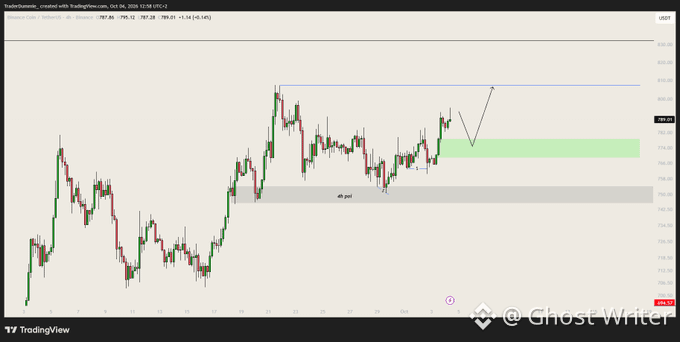
$BNB strategic long plan -> FOCUS NOW
BNB has created 2 strong lows after taking out internal liquidity
I'm expecting a move towards swing high $815-$830 and looking for a long on a retest of the green box
#BNBSurpasses$790 #bnb
$BNB strategic long plan -> FOCUS NOW
BNB has created 2 strong lows after taking out internal liquidity
I'm expecting a move towards swing high $815-$830 and looking for a long on a retest of the green box
#BNBSurpasses$790 #bnb
BNB has created 2 strong lows after taking out internal liquidity
I'm expecting a move towards swing high $815-$830 and looking for a long on a retest of the green box
#BNBSurpasses$790 #bnb
8
14.1k
·
--
Haussier
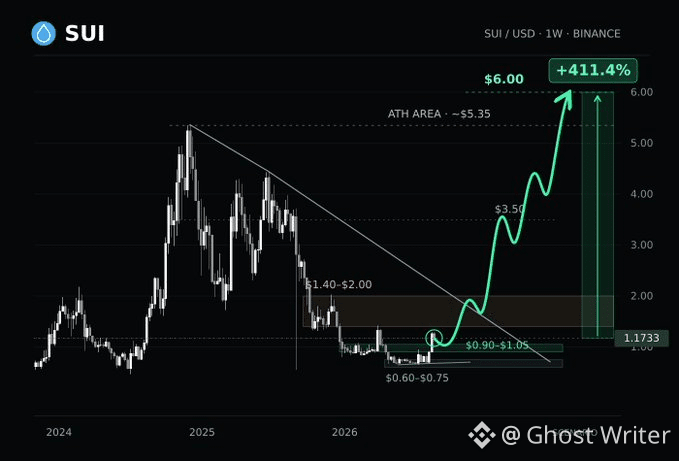
💧 $SUI : FROM THE BASE TO NEW HIGHS & MY $6 ROADMAP
Sui has bounced from the $0.60–$0.75 area. My bullish scenario targets a return to the previous high, then an extension toward $6.
The first test is whether buyers can defend $0.90–$1.05 on a pullback.
Next comes $1.40–$2.00 and the descending resistance trendline. Reclaiming that structure would strengthen the case for $3.50, followed by $4.40.
Only after clearing those levels would the historical high around $5.35 come into focus. Break it and hold the retest, and $6 becomes my extension target.
That’s approximately 411.4% above the chart’s $1.1733 price.
A weekly close below $0.60 invalidates this bullish setup. Each reclaim has to earn the next target.
{spot}(SUIUSDT)
{future}(SUIUSDT)
#sui #SUI🔥
💧 $SUI : FROM THE BASE TO NEW HIGHS & MY $6 ROADMAP
Sui has bounced from the $0.60–$0.75 area. My bullish scenario targets a return to the previous high, then an extension toward $6.
The first test is whether buyers can defend $0.90–$1.05 on a pullback.
Next comes $1.40–$2.00 and the descending resistance trendline. Reclaiming that structure would strengthen the case for $3.50, followed by $4.40.
Only after clearing those levels would the historical high around $5.35 come into focus. Break it and hold the retest, and $6 becomes my extension target.
That’s approximately 411.4% above the chart’s $1.1733 price.
A weekly close below $0.60 invalidates this bullish setup. Each reclaim has to earn the next target.
#sui #SUI🔥
Sui has bounced from the $0.60–$0.75 area. My bullish scenario targets a return to the previous high, then an extension toward $6.
The first test is whether buyers can defend $0.90–$1.05 on a pullback.
Next comes $1.40–$2.00 and the descending resistance trendline. Reclaiming that structure would strengthen the case for $3.50, followed by $4.40.
Only after clearing those levels would the historical high around $5.35 come into focus. Break it and hold the retest, and $6 becomes my extension target.
That’s approximately 411.4% above the chart’s $1.1733 price.
A weekly close below $0.60 invalidates this bullish setup. Each reclaim has to earn the next target.
#sui #SUI🔥
3
1
672
·
--
Haussier
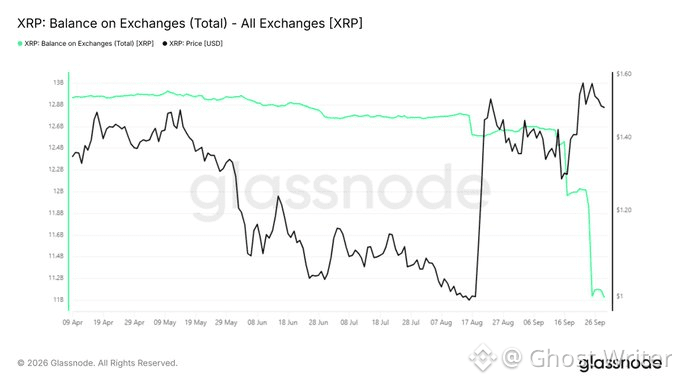
Something interesting is happening with $XRP supply.
Around 1.6B XRP left exchanges in just two weeks.
Exchange balances have now fallen from roughly 12.9B to 11B since April.
At the same time, spot XRP ETFs are holding around 1.16B tokens.
That’s a lot of supply moving away from places where it can be sold immediately.
Price gets most of the attention.
I’m more interested in how much liquid supply is quietly disappearing.
{spot}(XRPUSDT)
{future}(XRPUSDT)
#xrp #TrendingTopic
Something interesting is happening with $XRP supply.
Around 1.6B XRP left exchanges in just two weeks.
Exchange balances have now fallen from roughly 12.9B to 11B since April.
At the same time, spot XRP ETFs are holding around 1.16B tokens.
That’s a lot of supply moving away from places where it can be sold immediately.
Price gets most of the attention.
I’m more interested in how much liquid supply is quietly disappearing.
#xrp #TrendingTopic
Around 1.6B XRP left exchanges in just two weeks.
Exchange balances have now fallen from roughly 12.9B to 11B since April.
At the same time, spot XRP ETFs are holding around 1.16B tokens.
That’s a lot of supply moving away from places where it can be sold immediately.
Price gets most of the attention.
I’m more interested in how much liquid supply is quietly disappearing.
#xrp #TrendingTopic
1
5
1k
·
--
Baissier
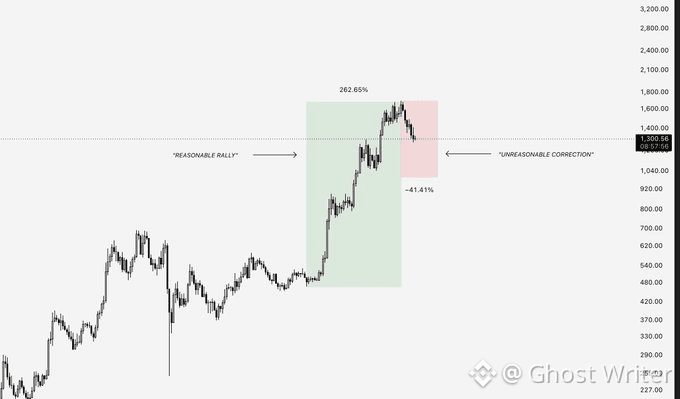
Watch everyone lose their shit if $ZEC pulls back below $1,000.
It went from $400 to $1,700 in a matter of weeks.
Apparently that part is perfectly reasonable. But give some of it back and suddenly everyone needs to rethink their entire thesis on it.
At $1,000, it would still be up 150% from $400.
But nobody will say a word about that.
They’ll measure everything from $1,700 and talk about how much it’s lost.
We’ve watched it rally for weeks with very little reversion. A correction shouldn’t suddenly be some unimaginable event.
#SECHaltsCryptoETFReviewsAmidFundingLapse
#ZcashETFPostsFirstWeeklyOutflow$93.6M
#zec
Watch everyone lose their shit if $ZEC pulls back below $1,000.
It went from $400 to $1,700 in a matter of weeks.
Apparently that part is perfectly reasonable. But give some of it back and suddenly everyone needs to rethink their entire thesis on it.
At $1,000, it would still be up 150% from $400.
But nobody will say a word about that.
They’ll measure everything from $1,700 and talk about how much it’s lost.
We’ve watched it rally for weeks with very little reversion. A correction shouldn’t suddenly be some unimaginable event.
#SECHaltsCryptoETFReviewsAmidFundingLapse
#ZcashETFPostsFirstWeeklyOutflow$93.6M
#zec
It went from $400 to $1,700 in a matter of weeks.
Apparently that part is perfectly reasonable. But give some of it back and suddenly everyone needs to rethink their entire thesis on it.
At $1,000, it would still be up 150% from $400.
But nobody will say a word about that.
They’ll measure everything from $1,700 and talk about how much it’s lost.
We’ve watched it rally for weeks with very little reversion. A correction shouldn’t suddenly be some unimaginable event.
#SECHaltsCryptoETFReviewsAmidFundingLapse
#ZcashETFPostsFirstWeeklyOutflow$93.6M
#zec
3
2
1k
·
--
Haussier
Vérifié
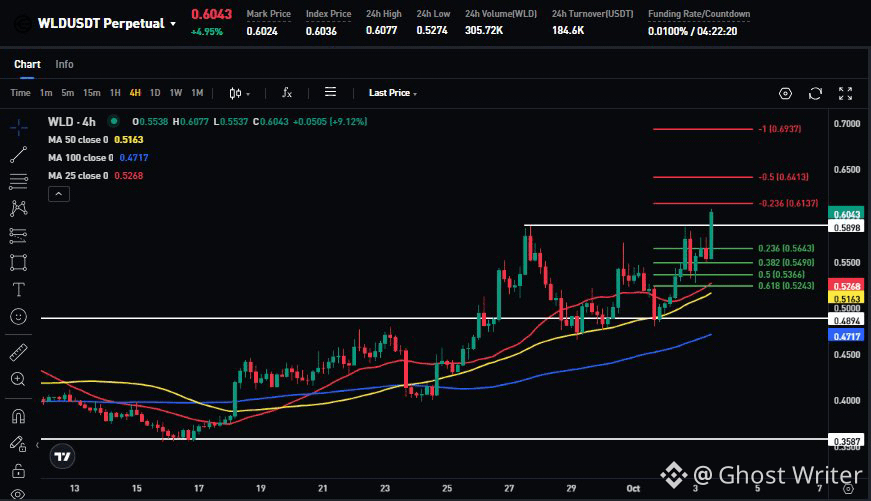
$WLD IS PUMPING ⚡
The move comes as World pushes its proof-of-human narrative for AI agents, with World ID designed to help services verify that a real person initiated a request without exposing personal data.
As AI-agent activity grows, the distinction between humans and bots is becoming increasingly relevant.
If it holds above $0.58, the next major resistance levels are $0.64 and $0.69.
{future}(WLDUSDT)
#wld #FedOctoberRateHikeOddsFallTo17%
$WLD IS PUMPING ⚡
The move comes as World pushes its proof-of-human narrative for AI agents, with World ID designed to help services verify that a real person initiated a request without exposing personal data.
As AI-agent activity grows, the distinction between humans and bots is becoming increasingly relevant.
If it holds above $0.58, the next major resistance levels are $0.64 and $0.69.
#wld #FedOctoberRateHikeOddsFallTo17%
The move comes as World pushes its proof-of-human narrative for AI agents, with World ID designed to help services verify that a real person initiated a request without exposing personal data.
As AI-agent activity grows, the distinction between humans and bots is becoming increasingly relevant.
If it holds above $0.58, the next major resistance levels are $0.64 and $0.69.
#wld #FedOctoberRateHikeOddsFallTo17%
1
3
3.6k
·
--
Haussier
Trading sur 30 j de 1K USDT en $NEAR
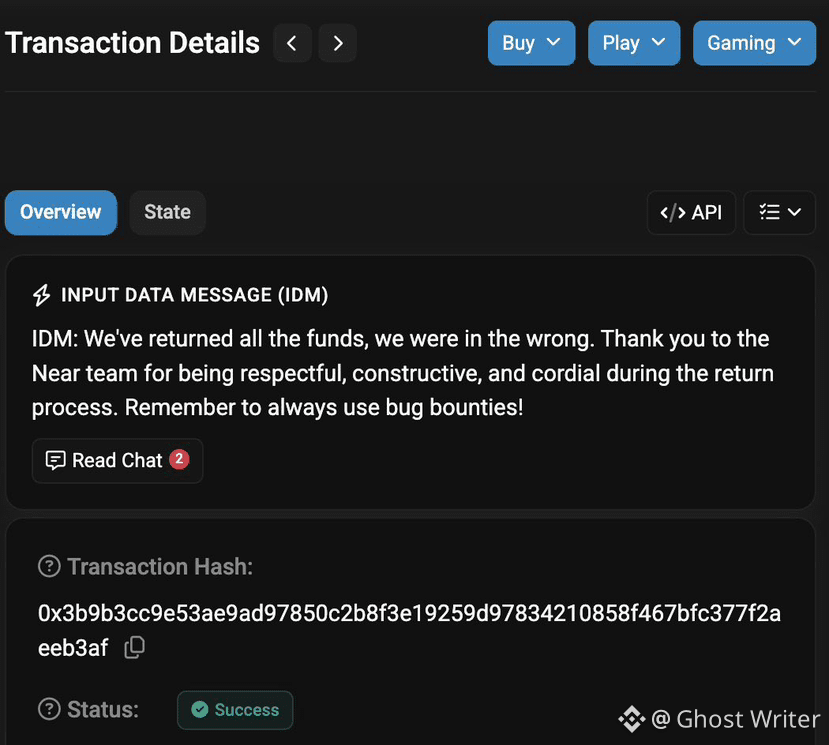
🚨LATEST: $NEAR Intents’ $3.8M hacker has RETURNED every dollar.
Less than 24 hours after NEAR Intents publicly identified the alleged exploiter and gave them 48 hours to return the funds, the attacker sent the full $3.8M back.
The hacker also left an on-chain message acknowledging they were “in the wrong,” thanking the team for handling the return respectfully and urging NEAR to use bug bounties instead.
NEAR says the investigation is now being stopped following the full recovery.
{future}(NEARUSDT)
#near
🚨LATEST: $NEAR Intents’ $3.8M hacker has RETURNED every dollar.
Less than 24 hours after NEAR Intents publicly identified the alleged exploiter and gave them 48 hours to return the funds, the attacker sent the full $3.8M back.
The hacker also left an on-chain message acknowledging they were “in the wrong,” thanking the team for handling the return respectfully and urging NEAR to use bug bounties instead.
NEAR says the investigation is now being stopped following the full recovery.
#near
Less than 24 hours after NEAR Intents publicly identified the alleged exploiter and gave them 48 hours to return the funds, the attacker sent the full $3.8M back.
The hacker also left an on-chain message acknowledging they were “in the wrong,” thanking the team for handling the return respectfully and urging NEAR to use bug bounties instead.
NEAR says the investigation is now being stopped following the full recovery.
#near

2
960
·
--
Haussier
Trading sur 30 j de 1K USDT en $NEAR
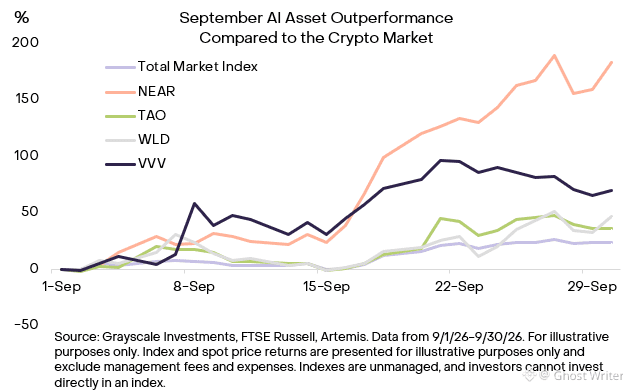
September belonged to crypto x artificial intelligence (AI):
$NEAR up 183%
$VVV up 70%
$WLD up 47%
$TAO up 37%
Grayscale's Artificial Intelligence Crypto Sector returned 54% for the month, versus 24% for the broader crypto market. The move may reflect growing interest in blockchain as potential infrastructure for AI.
{future}(NEARUSDT)
{future}(TAOUSDT)
{future}(WLDUSDT)
#SECProposesCryptoCustodyRules #wld #AI
September belonged to crypto x artificial intelligence (AI):
$NEAR up 183%
$VVV up 70%
$WLD up 47%
$TAO up 37%
Grayscale's Artificial Intelligence Crypto Sector returned 54% for the month, versus 24% for the broader crypto market. The move may reflect growing interest in blockchain as potential infrastructure for AI.
#SECProposesCryptoCustodyRules #wld #AI
$NEAR up 183%
$VVV up 70%
$WLD up 47%
$TAO up 37%
Grayscale's Artificial Intelligence Crypto Sector returned 54% for the month, versus 24% for the broader crypto market. The move may reflect growing interest in blockchain as potential infrastructure for AI.
#SECProposesCryptoCustodyRules #wld #AI
5
10
5.5k
·
--
Haussier
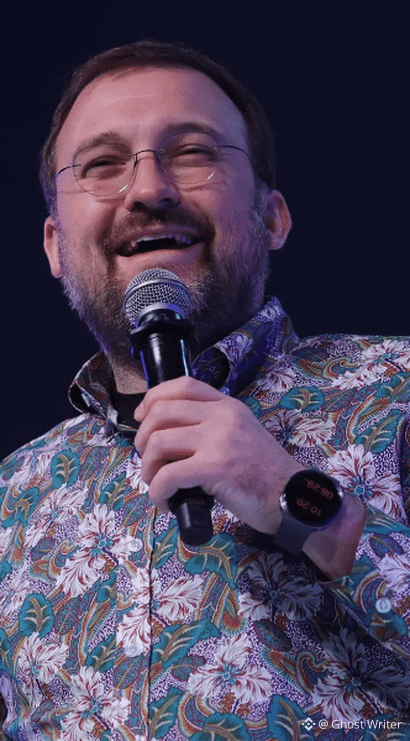
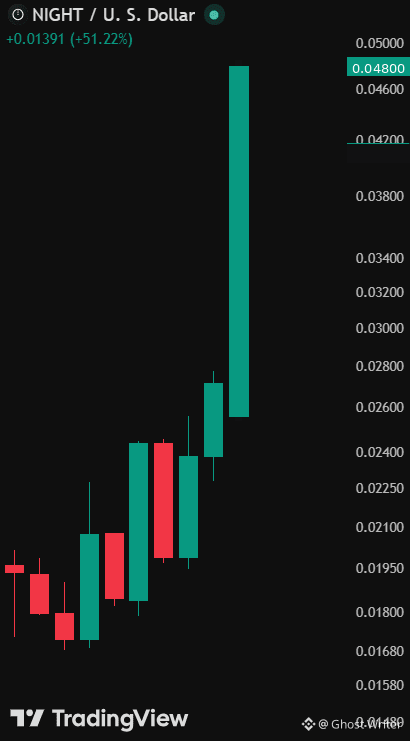
BULLISH: Charles Hoskinson’s Cardano privacy project Midnight $NIGHT surged 159% through September and early October.
Altseason. 🚀 $NIGHT will be the next $ADA
{future}(ADAUSDT)
{future}(NIGHTUSDT)
#night @Midnight Network
BULLISH: Charles Hoskinson’s Cardano privacy project Midnight $NIGHT surged 159% through September and early October.
Altseason. 🚀 $NIGHT will be the next $ADA
#night @Midnight Network
Altseason. 🚀 $NIGHT will be the next $ADA
#night @Midnight Network
2
465
·
--
Haussier
$XRP
I'm not asking this question for nothing.
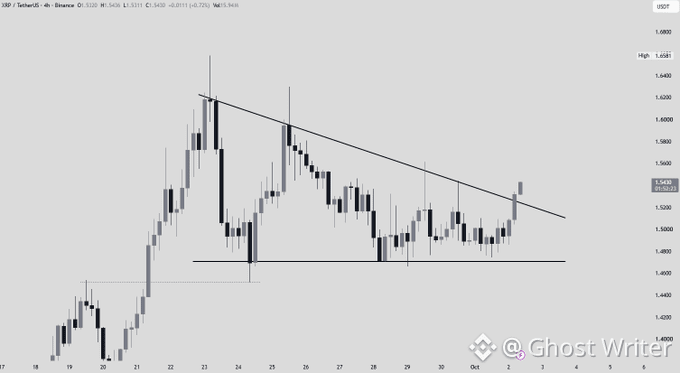
XRP has broken the downtrend on the 4-hour timeframe, but a more significant breakout is imminent.
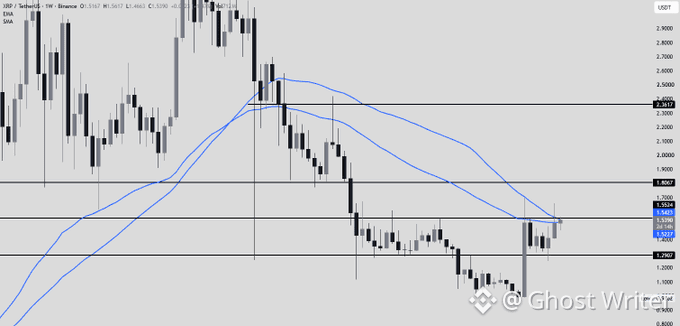
On the weekly chart, it has reached a key resistance level and is beginning to test both the 50-week moving average.
A weekly close above these levels could trigger a very strong upward move for $XRP.
In my opinion, the time is near.
In case of a weekly breakout, the next targets: $1.80-$2.36 #XRPPostsFirstThreeGreenMonthsInQ3 #xrp
{spot}(XRPUSDT)
{future}(XRPUSDT)
$XRP
I'm not asking this question for nothing.
XRP has broken the downtrend on the 4-hour timeframe, but a more significant breakout is imminent.
On the weekly chart, it has reached a key resistance level and is beginning to test both the 50-week moving average.
A weekly close above these levels could trigger a very strong upward move for $XRP .
In my opinion, the time is near.
In case of a weekly breakout, the next targets: $1.80-$2.36 #XRPPostsFirstThreeGreenMonthsInQ3 #xrp
I'm not asking this question for nothing.
XRP has broken the downtrend on the 4-hour timeframe, but a more significant breakout is imminent.
On the weekly chart, it has reached a key resistance level and is beginning to test both the 50-week moving average.
A weekly close above these levels could trigger a very strong upward move for $XRP .
In my opinion, the time is near.
In case of a weekly breakout, the next targets: $1.80-$2.36 #XRPPostsFirstThreeGreenMonthsInQ3 #xrp
3
856
·
--
Haussier
Small things add up to big things 💵
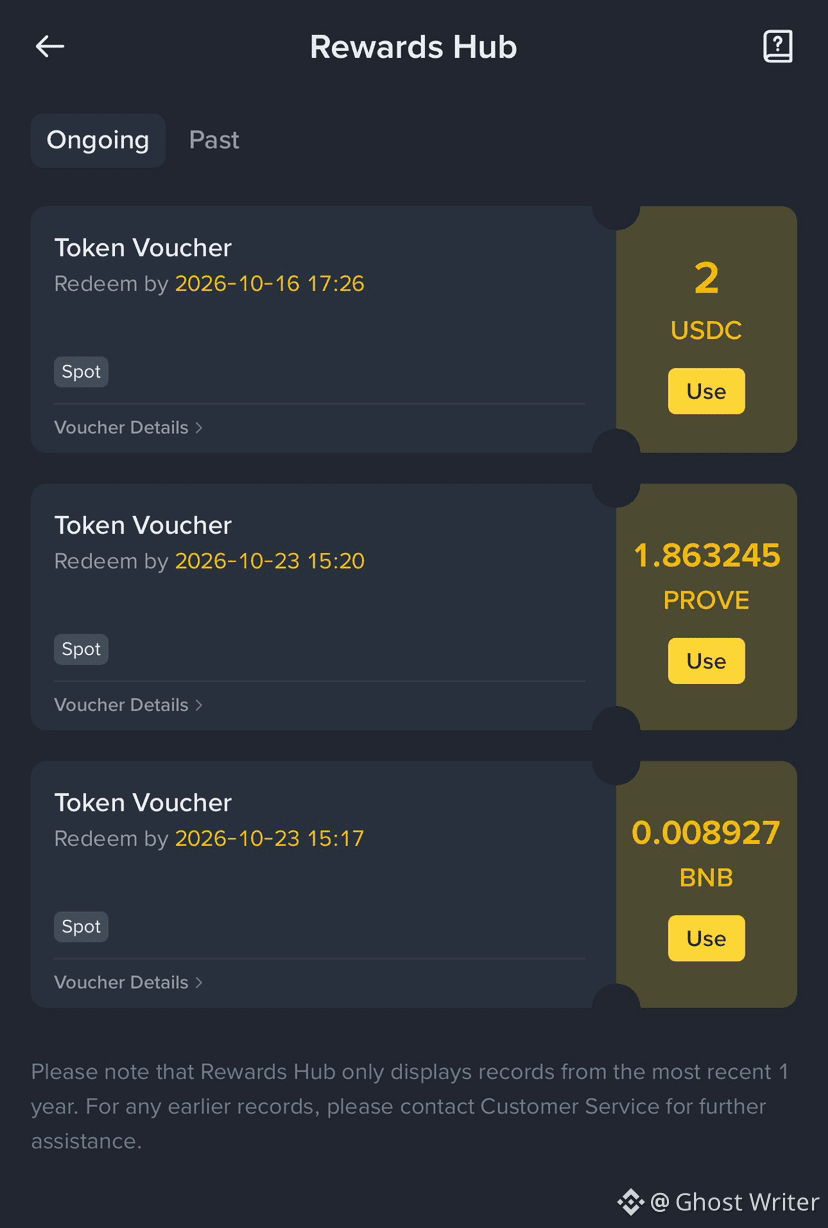
Today I received another voucher from Binance. Although it's a small amount, it helps me maintain my passion in this field
$BNB
#NFPWatch #BNBChainTokenizedStocksTop$1BAt30%Share
Small things add up to big things 💵
Today I received another voucher from Binance. Although it's a small amount, it helps me maintain my passion in this field
$BNB
#NFPWatch #BNBChainTokenizedStocksTop$1BAt30%Share
Today I received another voucher from Binance. Although it's a small amount, it helps me maintain my passion in this field
$BNB
#NFPWatch #BNBChainTokenizedStocksTop$1BAt30%Share
2
490
·
--
Haussier
$DEXE Spot Analysis ✅
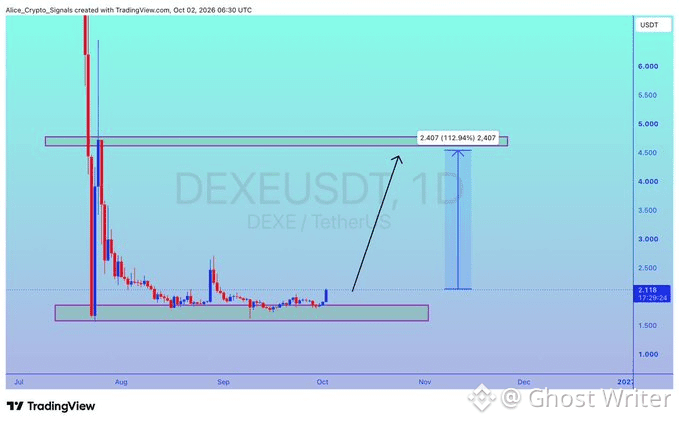
After the massive correction, I’m watching $1.60–$2.10 as a potential reversal zone. 👀
If $DEXE shows strength and confirms a reversal from this range, $3–4 is the long-term target area I’ll be watching. 📈🚀
Remember, DEXE previously dropped from around $48 to $1.20, so this is a high-volatility, high-risk setup. ⚠️
Sharp moves in either direction are possible — manage risk accordingly.
{spot}(DEXEUSDT)
{future}(DEXEUSDT)
#dexe #TrendingTopic
$DEXE Spot Analysis ✅
After the massive correction, I’m watching $1.60–$2.10 as a potential reversal zone. 👀
If $DEXE shows strength and confirms a reversal from this range, $3–4 is the long-term target area I’ll be watching. 📈🚀
Remember, DEXE previously dropped from around $48 to $1.20, so this is a high-volatility, high-risk setup. ⚠️
Sharp moves in either direction are possible — manage risk accordingly.
#dexe #TrendingTopic
After the massive correction, I’m watching $1.60–$2.10 as a potential reversal zone. 👀
If $DEXE shows strength and confirms a reversal from this range, $3–4 is the long-term target area I’ll be watching. 📈🚀
Remember, DEXE previously dropped from around $48 to $1.20, so this is a high-volatility, high-risk setup. ⚠️
Sharp moves in either direction are possible — manage risk accordingly.
#dexe #TrendingTopic
1
385
·
--
Haussier
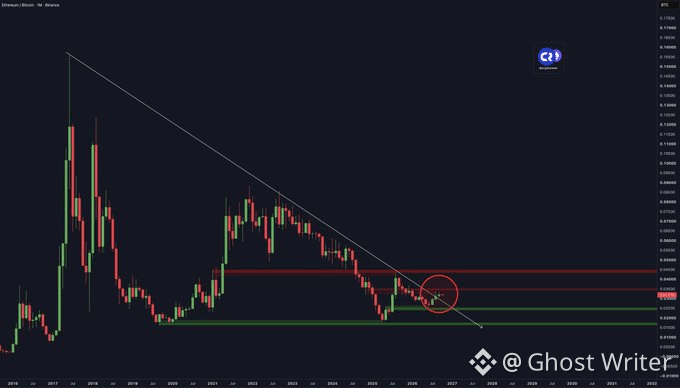
$ETH vs $BTC just confirmed a 9-YEAR monthly breakout 🚀
This Ethereum bull market will be WILD!
#BitcoinRisesToward$85K
#EthereumFoundationLaunchesZkAPIOnMainnet
$ETH vs $BTC just confirmed a 9-YEAR monthly breakout 🚀
This Ethereum bull market will be WILD!
#BitcoinRisesToward$85K
#EthereumFoundationLaunchesZkAPIOnMainnet
This Ethereum bull market will be WILD!
#BitcoinRisesToward$85K
#EthereumFoundationLaunchesZkAPIOnMainnet
247
·
--
Haussier
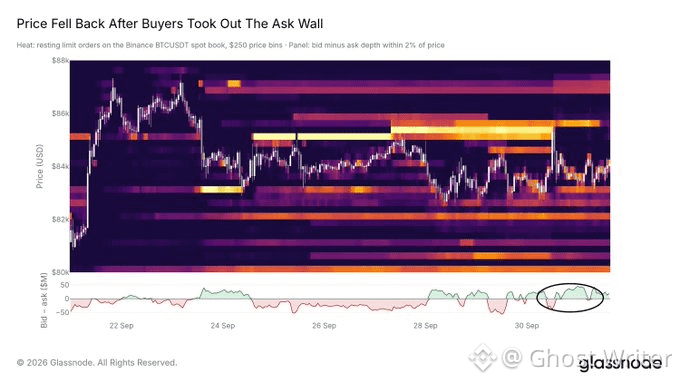
🚨NEW: $BTC buyers have cleared the $85K sell wall after nearly a week of attempts, leaving thinner resistance above that could let price climb faster, per @Glassnode
🚨NEW: $BTC buyers have cleared the $85K sell wall after nearly a week of attempts, leaving thinner resistance above that could let price climb faster, per @Glassnode
334
·
--
Haussier
$AAVE 🐋 WHALE WATCH :SMART MONEY ROTATION ALERT
Whales are officially buying $AAVE.
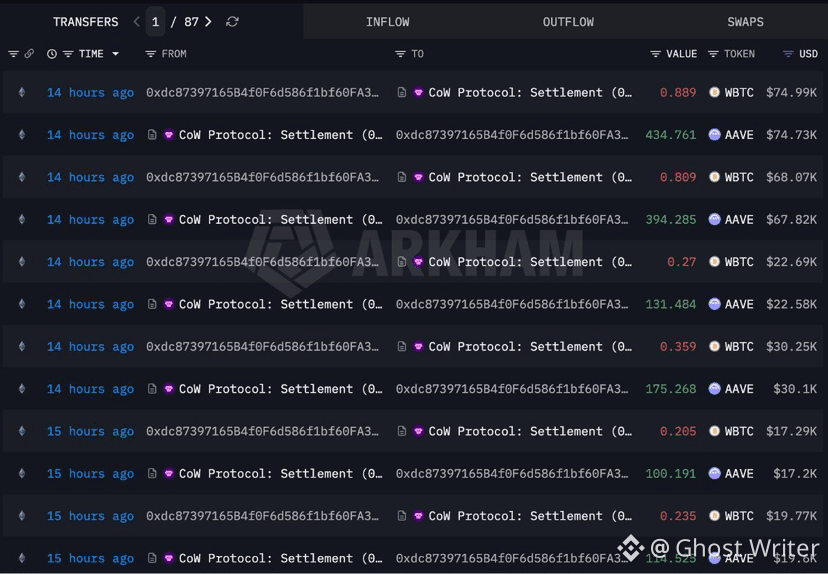
Just caught two massive wallets swapping exactly 50.95 $WBTC ($4.26M) for 25502 $AAVE today.
When you see liquidity clusters shift from Bitcoin into blue chip DeFi at this scale you pay attention.
The institutional order flow is speaking loud and clear. Are you positioned for the next leg up ?
{future}(AAVEUSDT)
#NEARFallsToAround$4.70Down14% #crypto
$AAVE 🐋 WHALE WATCH :SMART MONEY ROTATION ALERT
Whales are officially buying $AAVE .
Just caught two massive wallets swapping exactly 50.95 $WBTC ($4.26M) for 25502 $AAVE today.
When you see liquidity clusters shift from Bitcoin into blue chip DeFi at this scale you pay attention.
The institutional order flow is speaking loud and clear. Are you positioned for the next leg up ?
#NEARFallsToAround$4.70Down14% #crypto
Whales are officially buying $AAVE .
Just caught two massive wallets swapping exactly 50.95 $WBTC ($4.26M) for 25502 $AAVE today.
When you see liquidity clusters shift from Bitcoin into blue chip DeFi at this scale you pay attention.
The institutional order flow is speaking loud and clear. Are you positioned for the next leg up ?
#NEARFallsToAround$4.70Down14% #crypto
1
513
·
--
Haussier
You can only choose ONE:
$1,000,000 today in cash
OR
Go back to 2011 with everything you know about crypto and $10,000 in your bank account
• Follow me @GhostWriter
• Vote & Comment "Bitcoin" below 👇🏼
You can only choose ONE:
$1,000,000 today in cash
OR
Go back to 2011 with everything you know about crypto and $10,000 in your bank account
• Follow me @Ghost Writer
• Vote & Comment "Bitcoin" below 👇🏼
$1,000,000 today in cash
OR
Go back to 2011 with everything you know about crypto and $10,000 in your bank account
• Follow me @Ghost Writer
• Vote & Comment "Bitcoin" below 👇🏼
$1,000,000 today
Go back to 2011
3 jour(s) restant(s)
2.8k
7
132
2.8k
·
--
Baissier
$ZEC has had a hell of a run 😖
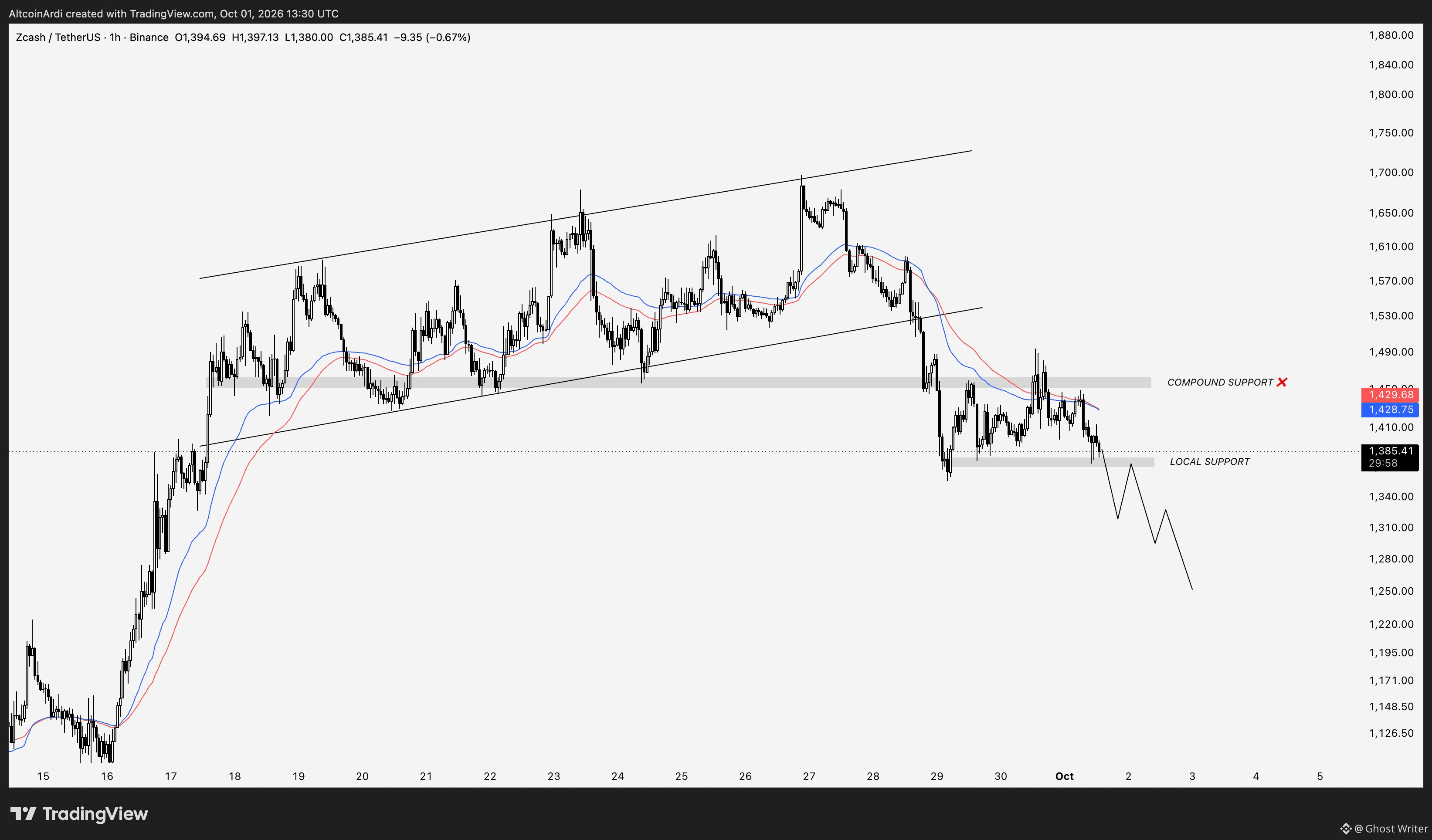
But I think the next move is into the $1,200s to clean out the liquidity below.
$1,380 is the local base I’m watching.
Once that goes, I’ll see you all down there.$ZEC has had a hell of a run.
But I think the next move is into the $1,200s to clean out the liquidity below.
$1,380 is the local base I’m watching.
Once that goes, I’ll see you all down there.
{spot}(ZECUSDT)
{future}(ZECUSDT)
#zec #ZECUSDT
$ZEC has had a hell of a run 😖
But I think the next move is into the $1,200s to clean out the liquidity below.
$1,380 is the local base I’m watching.
Once that goes, I’ll see you all down there.$ZEC has had a hell of a run.
But I think the next move is into the $1,200s to clean out the liquidity below.
$1,380 is the local base I’m watching.
Once that goes, I’ll see you all down there.
#zec #ZECUSDT
But I think the next move is into the $1,200s to clean out the liquidity below.
$1,380 is the local base I’m watching.
Once that goes, I’ll see you all down there.$ZEC has had a hell of a run.
But I think the next move is into the $1,200s to clean out the liquidity below.
$1,380 is the local base I’m watching.
Once that goes, I’ll see you all down there.
#zec #ZECUSDT
2
1
866
·
--
Baissier
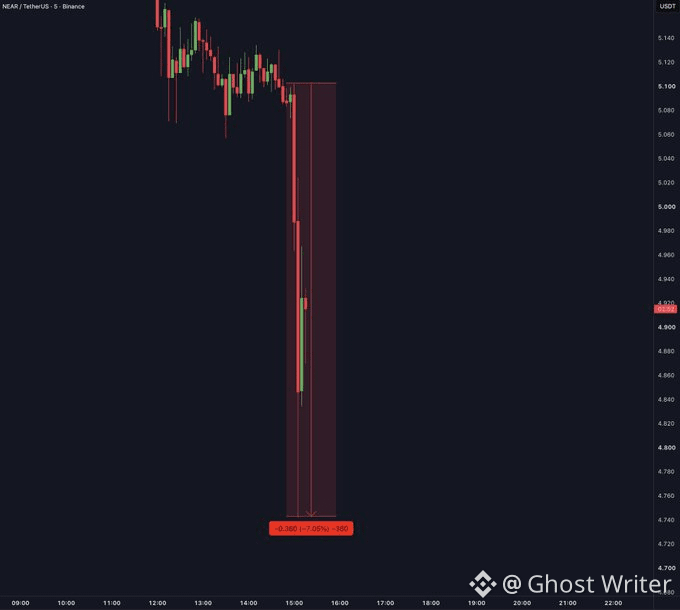
BREAKING: $NEAR dumps 7% within 10 minutes after NEAR Intents was reportedly exploited for $3.8M
NEAR Intents has been exploited for approximately $3.8M.
The incident was linked to a bug involving its Omni eposit/withdrawal infrastructure and smart contract.
$NEAR dropped nearly 10% following the exploit, while NEAR Intents has paused services and said affected users will be fully compensated.
The NEAR blockchain itself was not reported as the direct target.
{spot}(NEARUSDT)
{future}(NEARUSDT)
#Near #TrendingTopic
BREAKING: $NEAR dumps 7% within 10 minutes after NEAR Intents was reportedly exploited for $3.8M
NEAR Intents has been exploited for approximately $3.8M.
The incident was linked to a bug involving its Omni eposit/withdrawal infrastructure and smart contract.
$NEAR dropped nearly 10% following the exploit, while NEAR Intents has paused services and said affected users will be fully compensated.
The NEAR blockchain itself was not reported as the direct target.
#Near #TrendingTopic
NEAR Intents has been exploited for approximately $3.8M.
The incident was linked to a bug involving its Omni eposit/withdrawal infrastructure and smart contract.
$NEAR dropped nearly 10% following the exploit, while NEAR Intents has paused services and said affected users will be fully compensated.
The NEAR blockchain itself was not reported as the direct target.
#Near #TrendingTopic

Ghost Writer
·
--
Haussier$NEAR is getting very close to its ATH 👀
In a bull market, I believe $NEAR could reach $19
More than 200M NEAR changed hands over the past 24 hours, pushing trading volume above $1B.
That comes as #Near continues to attract attention following its ETF launch and major tokenomics developments.
#BitcoinClears$85200
In a bull market, I believe $NEAR could reach $19
More than 200M NEAR changed hands over the past 24 hours, pushing trading volume above $1B.
That comes as #Near continues to attract attention following its ETF launch and major tokenomics developments.
#BitcoinClears$85200
1
3
953
Connectez-vous pour découvrir plus de contenu
Rejoignez la communauté mondiale des adeptes de cryptomonnaies sur Binance Square
⚡️ Suviez les dernières informations importantes sur les cryptomonnaies.
💬 Jugé digne de confiance par la plus grande plateforme d’échange de cryptomonnaies au monde.
👍 Découvrez les connaissances que partagent les créateurs vérifiés.
Adresse e-mail/Nº de téléphone
Sujets d’actualité
DriftHackVictimsBeginClaims
469 vues
49 mentions
#drifthackvictimsbeginclaims Drift finally rolling out DFX claims for April 1 exploit victims
📈
Time to see if users can actually get their funds back or if this is just another ghost story
👻$DRIFT $US $BR
Rajo C
·0 mentions J’aime
·829 vues
SolanaTokenizedStockVolumeTops$4.4BInSeptember
604 vues
13 mentions
BitcoinSpotETFsDraw$6.34BInflowsInQ3
8,359 vues
121 mentions