

Fyndrac
11 Publications

Fyndrac
Signaler
Bloquer l’utilisateur
Ouvert au trading
Trade fréquemment
1.5 an(s)
2 Suivis
5 Abonnés
7 J’aime
Publications
Portefeuille
·
--
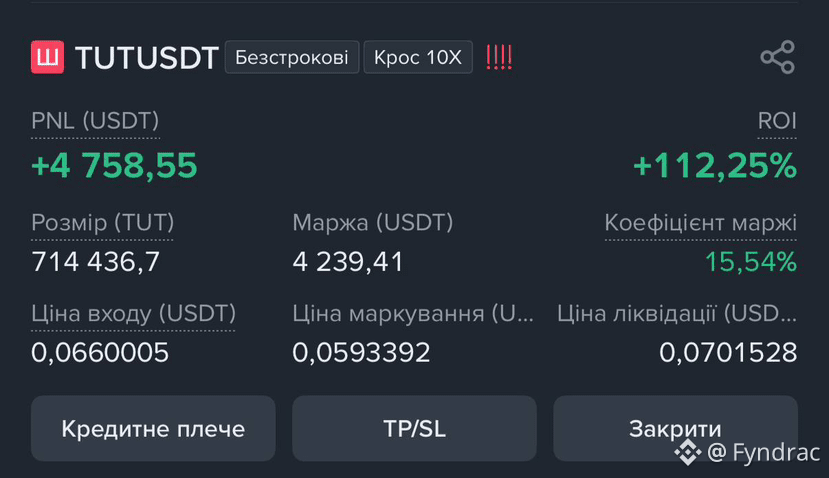
🚨 THIS ONE PAID.
$TUT trade closed the way I wanted.
+$4,758 PNL
+112% ROI
Caught the move from around $0.066 and let it play out.
Thinking about posting my next setup here before I enter.
Want the next signal? 👀
#crypto #Trading
🚨 THIS ONE PAID.
$TUT trade closed the way I wanted.
+$4,758 PNL
+112% ROI
Caught the move from around $0.066 and let it play out.
Thinking about posting my next setup here before I enter.
Want the next signal? 👀
#crypto #Trading
$TUT trade closed the way I wanted.
+$4,758 PNL
+112% ROI
Caught the move from around $0.066 and let it play out.
Thinking about posting my next setup here before I enter.
Want the next signal? 👀
#crypto #Trading
37
·
--
The more I look at @termmax , the less I think the main story is “fixed rates”.
For me it’s more about knowing what I’m getting into before I open a position.
With variable borrowing, the numbers can look good today and completely different a few weeks later. If rates move, the whole trade changes with them.
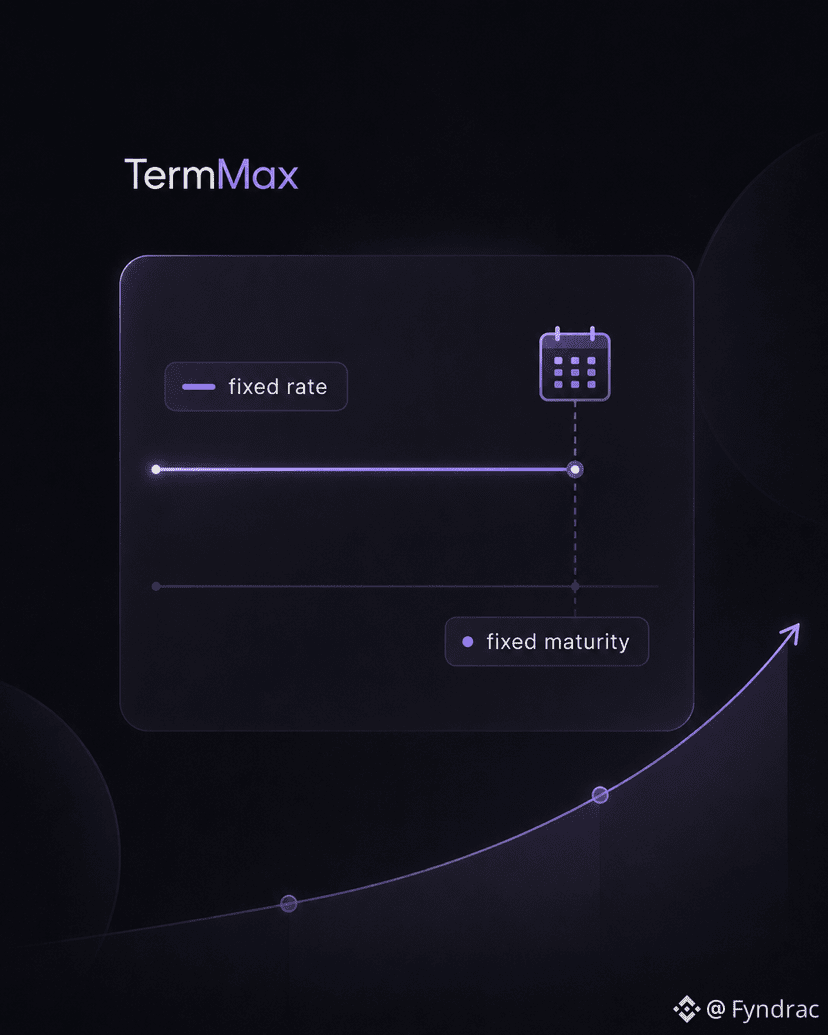
With TermMax, I know the rate and the maturity from the start.
That makes it much easier to answer simple questions before entering:
How much will this actually cost me?
How long am I holding it?
What return do I need for the trade to even be worth it?
That’s the part I find useful.
Not because fixed rates are always better. They aren’t.
But having a clear cost and a clear end date is something DeFi still doesn’t make simple enough.
Sometimes the best feature isn’t a crazy APY.
It’s just being able to plan properly.
@termmax #TermMax
The more I look at @TermMax , the less I think the main story is “fixed rates”.
For me it’s more about knowing what I’m getting into before I open a position.
With variable borrowing, the numbers can look good today and completely different a few weeks later. If rates move, the whole trade changes with them.
With TermMax, I know the rate and the maturity from the start.
That makes it much easier to answer simple questions before entering:
How much will this actually cost me?
How long am I holding it?
What return do I need for the trade to even be worth it?
That’s the part I find useful.
Not because fixed rates are always better. They aren’t.
But having a clear cost and a clear end date is something DeFi still doesn’t make simple enough.
Sometimes the best feature isn’t a crazy APY.
It’s just being able to plan properly.
@TermMax #TermMax
For me it’s more about knowing what I’m getting into before I open a position.
With variable borrowing, the numbers can look good today and completely different a few weeks later. If rates move, the whole trade changes with them.
With TermMax, I know the rate and the maturity from the start.
That makes it much easier to answer simple questions before entering:
How much will this actually cost me?
How long am I holding it?
What return do I need for the trade to even be worth it?
That’s the part I find useful.
Not because fixed rates are always better. They aren’t.
But having a clear cost and a clear end date is something DeFi still doesn’t make simple enough.
Sometimes the best feature isn’t a crazy APY.
It’s just being able to plan properly.
@TermMax #TermMax
93
·
--
Haussier
🚨 $ETH 100X LONG SIGNAL
ETH is finally waking up.
Entry: $2,340–$2,355
🎯 TP1: $2,420
🎯 TP2: $2,500
🎯 TP3: $2,620
🛑 SL: $2,325
⚡ Leverage: 100X
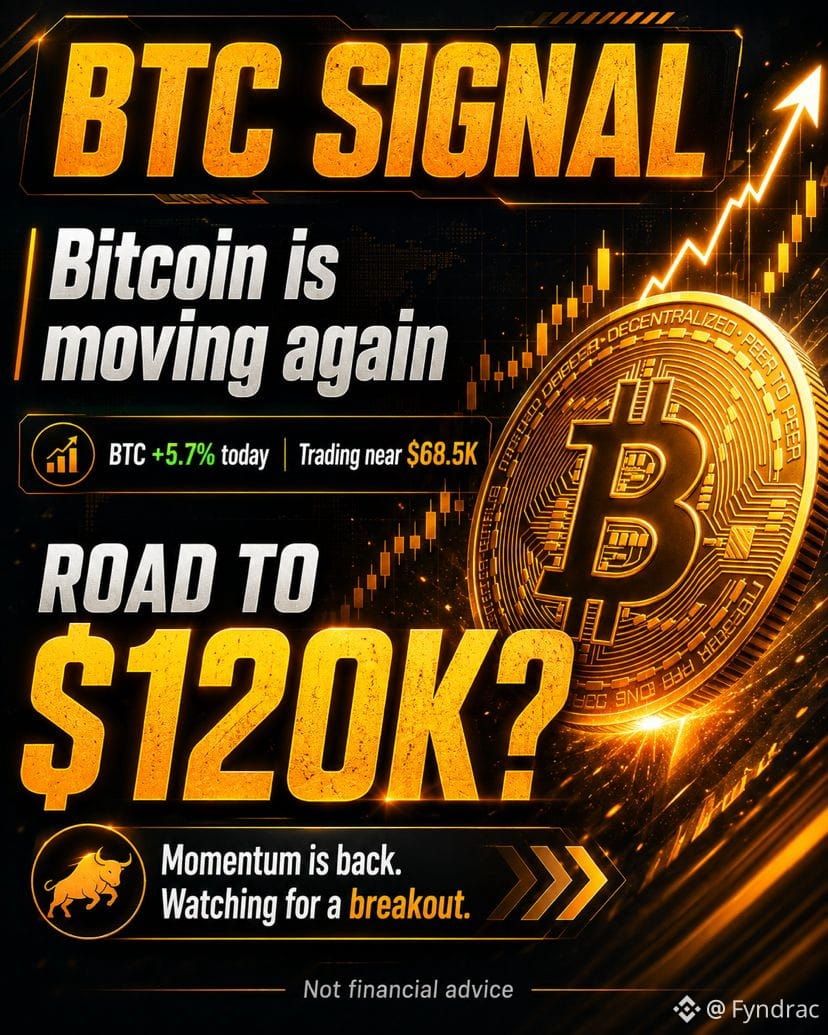
BTC already made its move. Now ETH is starting to catch up.
If this momentum holds, I think the rotation into alts could get very aggressive very fast.
$2,500 next. 👀
#ETH #Ethereum #Altseason #Crypto
{future}(ETHUSDT)
🚨 $ETH 100X LONG SIGNAL
ETH is finally waking up.
Entry: $2,340–$2,355
🎯 TP1: $2,420
🎯 TP2: $2,500
🎯 TP3: $2,620
🛑 SL: $2,325
⚡ Leverage: 100X
BTC already made its move. Now ETH is starting to catch up.
If this momentum holds, I think the rotation into alts could get very aggressive very fast.
$2,500 next. 👀
#ETH #Ethereum #Altseason #Crypto
ETH is finally waking up.
Entry: $2,340–$2,355
🎯 TP1: $2,420
🎯 TP2: $2,500
🎯 TP3: $2,620
🛑 SL: $2,325
⚡ Leverage: 100X
BTC already made its move. Now ETH is starting to catch up.
If this momentum holds, I think the rotation into alts could get very aggressive very fast.
$2,500 next. 👀
#ETH #Ethereum #Altseason #Crypto
103
·
--
Haussier
One thing about @termmax that I didn’t pay much attention to at first is Alpha.
The usual problem with leverage is pretty obvious: you can be right about the direction and still get liquidated before the move actually happens.
TermMax takes a different approach here.
With Alpha, you can take leveraged long/short exposure without the usual margin calls. The cost is paid upfront as a premium, so the risk is much easier to understand before opening the position.
I actually like this model more than constantly watching a liquidation price move around.
You still have to be right on the trade, obviously. It doesn’t remove risk.
But knowing the cost of the position from the start makes leverage feel a lot less messy.
That’s the kind of DeFi feature I find useful — not because it promises more profit, but because it makes the downside easier to plan around.
@termmax #TermMax
One thing about @TermMax that I didn’t pay much attention to at first is Alpha.
The usual problem with leverage is pretty obvious: you can be right about the direction and still get liquidated before the move actually happens.
TermMax takes a different approach here.
With Alpha, you can take leveraged long/short exposure without the usual margin calls. The cost is paid upfront as a premium, so the risk is much easier to understand before opening the position.
I actually like this model more than constantly watching a liquidation price move around.
You still have to be right on the trade, obviously. It doesn’t remove risk.
But knowing the cost of the position from the start makes leverage feel a lot less messy.
That’s the kind of DeFi feature I find useful — not because it promises more profit, but because it makes the downside easier to plan around.
@TermMax #TermMax
The usual problem with leverage is pretty obvious: you can be right about the direction and still get liquidated before the move actually happens.
TermMax takes a different approach here.
With Alpha, you can take leveraged long/short exposure without the usual margin calls. The cost is paid upfront as a premium, so the risk is much easier to understand before opening the position.
I actually like this model more than constantly watching a liquidation price move around.
You still have to be right on the trade, obviously. It doesn’t remove risk.
But knowing the cost of the position from the start makes leverage feel a lot less messy.
That’s the kind of DeFi feature I find useful — not because it promises more profit, but because it makes the downside easier to plan around.
@TermMax #TermMax
78
·
--
I’ve been digging a bit deeper into @termmax and the thing that makes the most sense to me is the predictability.
A lot of DeFi lending looks attractive until rates start moving and suddenly the position you opened a few weeks ago has completely different economics.
With TermMax you can lock a fixed rate and a maturity date from the start.
That sounds like a small detail, but for anyone actually borrowing or running a leveraged strategy, it changes a lot. You know what the money costs, you know when the position expires, and you can calculate the trade before entering instead of hoping rates stay favorable.
I also like that they’re trying to make leverage less annoying. Normally you end up doing several transactions just to build the position you wanted in the first place. Having that flow simplified is genuinely useful.
Not saying fixed rates are always better than variable ones — sometimes they won’t be. But having the choice is the interesting part.
That’s probably why I’m paying more attention to @termmax now. It feels like a product built around an actual DeFi problem rather than just another place advertising a big APY.
#TermMax
I’ve been digging a bit deeper into @TermMax and the thing that makes the most sense to me is the predictability.
A lot of DeFi lending looks attractive until rates start moving and suddenly the position you opened a few weeks ago has completely different economics.
With TermMax you can lock a fixed rate and a maturity date from the start.
That sounds like a small detail, but for anyone actually borrowing or running a leveraged strategy, it changes a lot. You know what the money costs, you know when the position expires, and you can calculate the trade before entering instead of hoping rates stay favorable.
I also like that they’re trying to make leverage less annoying. Normally you end up doing several transactions just to build the position you wanted in the first place. Having that flow simplified is genuinely useful.
Not saying fixed rates are always better than variable ones — sometimes they won’t be. But having the choice is the interesting part.
That’s probably why I’m paying more attention to @TermMax now. It feels like a product built around an actual DeFi problem rather than just another place advertising a big APY.
#TermMax
A lot of DeFi lending looks attractive until rates start moving and suddenly the position you opened a few weeks ago has completely different economics.
With TermMax you can lock a fixed rate and a maturity date from the start.
That sounds like a small detail, but for anyone actually borrowing or running a leveraged strategy, it changes a lot. You know what the money costs, you know when the position expires, and you can calculate the trade before entering instead of hoping rates stay favorable.
I also like that they’re trying to make leverage less annoying. Normally you end up doing several transactions just to build the position you wanted in the first place. Having that flow simplified is genuinely useful.
Not saying fixed rates are always better than variable ones — sometimes they won’t be. But having the choice is the interesting part.
That’s probably why I’m paying more attention to @TermMax now. It feels like a product built around an actual DeFi problem rather than just another place advertising a big APY.
#TermMax
79
·
--
Haussier
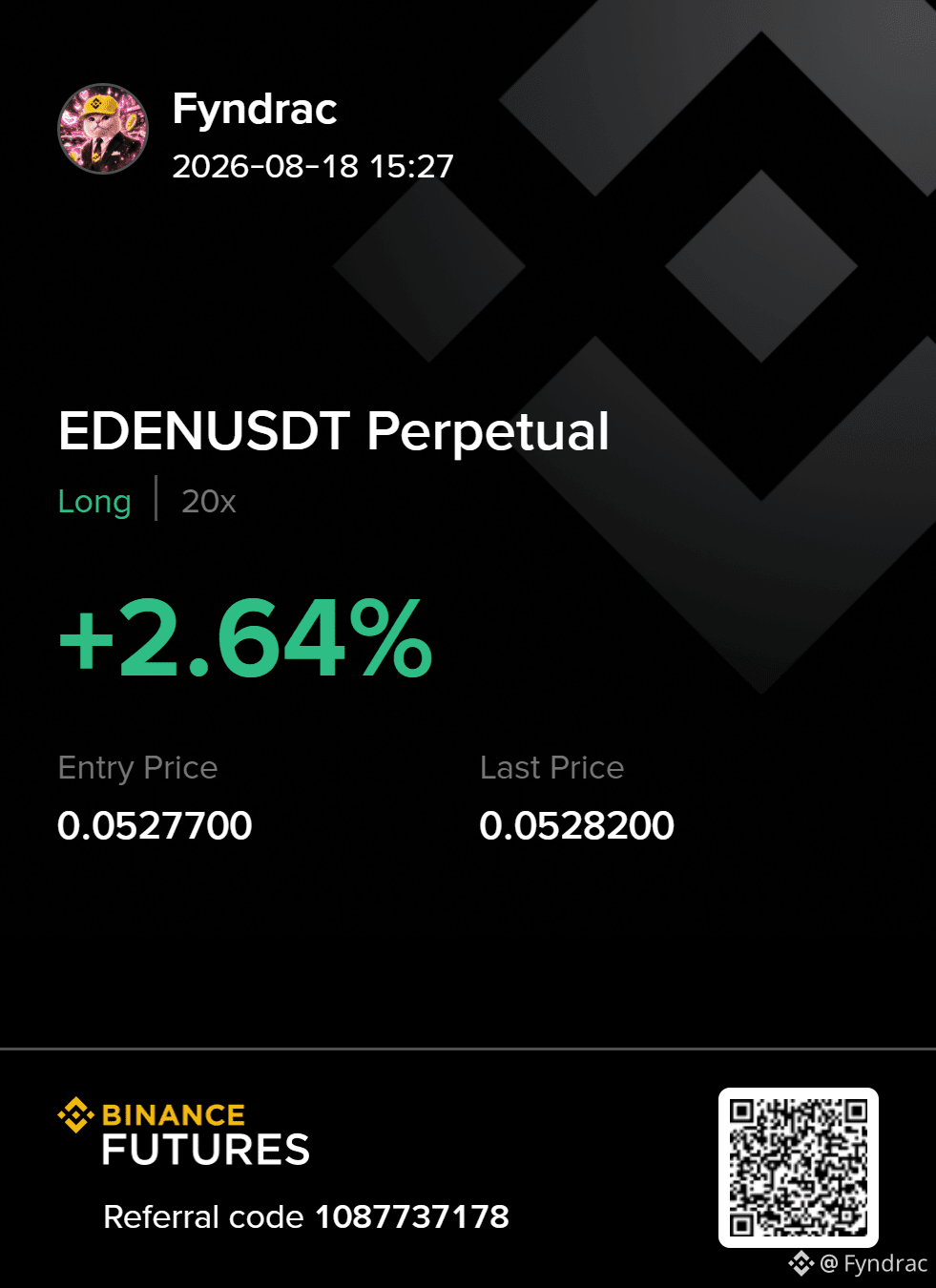
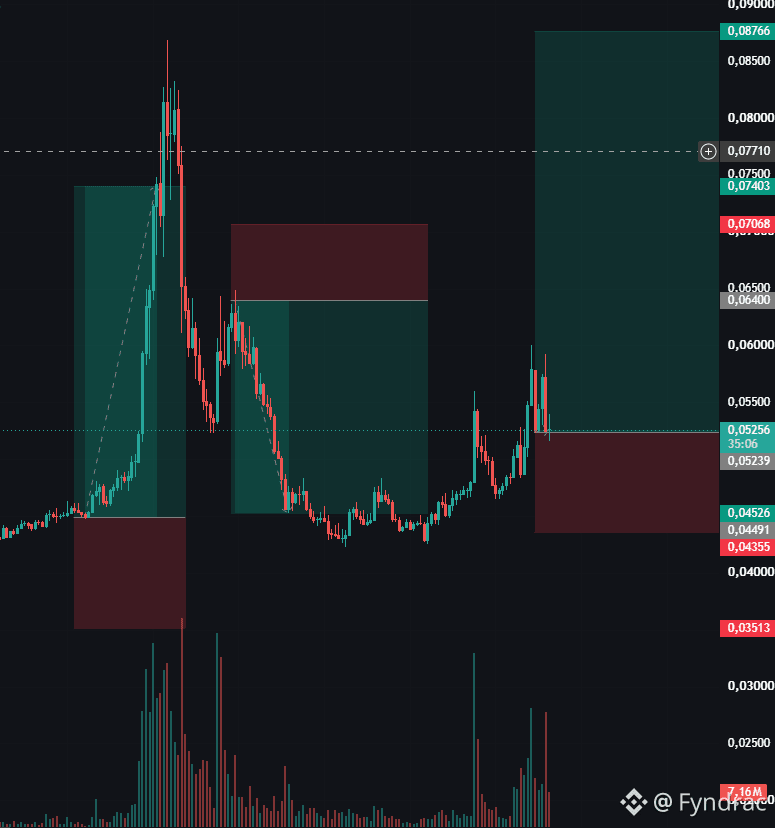
🚨 $EDEN looks ready for a move
Been watching this chart for a while and now it’s finally starting to wake up.
Price is holding around 0.052–0.053, volume is coming back, and if this area stays strong I think we could see a pretty fast push higher.
The levels I’m watching are simple:
0.064 → 0.077 → 0.087
Below 0.043–0.044 the setup starts looking much worse to me.
Not saying it’s guaranteed to pump, but this is one of those charts I’d rather notice before the move than after everyone starts posting about it.
Keeping $EDEN on my screen. 👀
#EDEN #Crypto #Trading
{future}(EDENUSDT)
🚨 $EDEN looks ready for a move
Been watching this chart for a while and now it’s finally starting to wake up.
Price is holding around 0.052–0.053, volume is coming back, and if this area stays strong I think we could see a pretty fast push higher.
The levels I’m watching are simple:
0.064 → 0.077 → 0.087
Below 0.043–0.044 the setup starts looking much worse to me.
Not saying it’s guaranteed to pump, but this is one of those charts I’d rather notice before the move than after everyone starts posting about it.
Keeping $EDEN on my screen. 👀
#EDEN #Crypto #Trading
Been watching this chart for a while and now it’s finally starting to wake up.
Price is holding around 0.052–0.053, volume is coming back, and if this area stays strong I think we could see a pretty fast push higher.
The levels I’m watching are simple:
0.064 → 0.077 → 0.087
Below 0.043–0.044 the setup starts looking much worse to me.
Not saying it’s guaranteed to pump, but this is one of those charts I’d rather notice before the move than after everyone starts posting about it.
Keeping $EDEN on my screen. 👀
#EDEN #Crypto #Trading
109
·
--

Article
How Much Does Luck Really Matter?I’ve been thinking about luck a lot lately.
Not in the “manifest it and everything will work out” kind of way. More in the practical sense: how much of success is actually under our control, and how much depends on being in the right place at the right time.
This feels especially obvious in crypto and business.
People like clean stories. Someone becomes successful, and later the explanation is usually simple: they worked harder, they were smarter, they took more risks.
Maybe.
But sometimes they also just got lucky.
And I don’t think admitting that makes their success less real.
Luck in crypto is impossible to ignore
Crypto is probably one of the clearest examples.
Two people can spend the same amount of time researching, take similar risks, and still end up with completely different results because they entered the market at different moments.
One person finds a project early, before anyone talks about it.
Another finds it after it already did 20x.
The first person can look like a genius afterwards, even if the original decision was partly random.
Maybe he saw one tweet.
Maybe someone mentioned the token in a private chat.
Maybe he was just exploring the right ecosystem that week.
That doesn’t mean skill is useless.
If you understand markets better, manage risk and know how to research, you obviously improve your chances.
But there is still a huge difference between improving your chances and controlling the outcome.
You can do everything “correctly” and still lose money.
You can also make a pretty average decision and accidentally catch one of the best trades of the year.
That part makes people uncomfortable, because we want success to be predictable.
It isn’t.
Business has the same problem
Business is a little less obvious, but the same thing happens there.
You can create a great product when nobody needs it yet.
You can create an average product exactly when demand suddenly appears.
You can work on something for a year and struggle to get users, then one person with the right audience mentions it and everything changes.
Or the opposite can happen.
A competitor launches first.
Regulation changes.
A payment provider blocks your region.
The market collapses right when you need funding.
A potential investor loses interest for reasons that have nothing to do with you.
A lot of business success depends on things you can influence, but not fully control.
That’s why I don’t really believe in:
Hard work = success
For me it looks more like:
skill × work × timing × environment × attempts × luck
And the annoying part is that you can be strong in almost everything and still get destroyed by one bad variable.
Where you live changes how much luck you need
This part is probably discussed even less.
Your country is basically one of the first random things that happens to you.
You don’t choose it.
But it can affect almost everything that comes later.
Imagine two people building the same online business.
One lives somewhere with easy banking, stable laws, access to Stripe, good infrastructure, investors nearby and a passport that allows them to travel almost anywhere.
The other lives somewhere with banking restrictions, unstable regulations, visa problems, weaker salaries and limited access to international services.
They can be equally talented.
They can work equally hard.
But they are not starting from the same position.
One person can spend most of his energy building the product.
The other might first need to figure out how to receive payments, how to register a company abroad, how to travel, how to move money legally, or how to access services that are simply unavailable in his country.
That doesn’t mean success is impossible.
It means the margin for bad luck becomes smaller.
If your starting environment is already difficult, you often need more things to go right just to reach the same starting line as someone else.
That is a form of luck too.
Can you succeed without luck?
I don’t think you can completely remove it.
There will always be randomness.
But I think you can make yourself less dependent on it.
The biggest mistake is needing one specific thing to work.
One startup.
One token.
One investor.
One client.
One connection.
If your entire future depends on one outcome, then luck controls almost everything.
But if you keep creating good attempts, the situation changes.
Build more things.
Talk to more people.
Test ideas faster.
Publish your work.
Learn skills that are useful in different markets.
Keep enough money to survive mistakes.
Stay around long enough to see more opportunities.
You still need luck.
But now you’re giving it more chances to happen.
That’s probably the biggest difference.
You cannot force a good opportunity to appear.
But you can make sure you are still there when it does.
Can effort compensate for bad luck?
Sometimes.
But not always in a fair way.
If someone starts with money, good connections, a strong passport and a stable environment, you might need much more effort to reach the same position.
Not 10% more.
Maybe 3x more.
Maybe 10x more attempts.
That sounds harsh, but I think it’s closer to reality than pretending everyone starts equally.
At the same time, effort has one thing going for it: it compounds.
A failed project can teach you sales.
Another one can teach you distribution.
Another one can introduce you to someone important.
Another one can show you which market you actually understand.
Eventually one project works.
From the outside, people usually only notice the one that worked.
Then they say:
“Wow, he got lucky.”
And maybe he did.
But they didn’t see the five years of failed attempts that made that lucky moment possible.
Maybe luck is not something you wait for
I don’t think success is fully controllable.
And I don’t think pretending otherwise is useful.
Some people genuinely get better timing.
Some people are born into better environments.
Some people meet the right person at the perfect moment.
That happens.
But there is still a difference between waiting for luck and building a life where luck has more opportunities to reach you.
You can’t control which project works.
You can control how many serious projects you try.
You can’t control whether someone important notices your work.
You can control whether your work is visible.
You can’t control market cycles.
You can control whether you survive long enough to experience another one.
So maybe the goal isn’t to become “lucky.”
Maybe the goal is to need less luck every year.
More skills.
More experience.
More connections.
More capital.
More attempts.
Luck will always be there.
You just don’t want it to be the only thing keeping you alive.
And if I had to reduce the whole idea to one sentence, it would probably be this:
You can’t control the roll, but you can earn more chances to roll the dice.
#Luck #Success #Crypto #Entrepreneurs #Business
How Much Does Luck Really Matter?
I’ve been thinking about luck a lot lately.
Not in the “manifest it and everything will work out” kind of way. More in the practical sense: how much of success is actually under our control, and how much depends on being in the right place at the right time.
This feels especially obvious in crypto and business.
People like clean stories. Someone becomes successful, and later the explanation is usually simple: they worked harder, they were smarter, they took more risks.
Maybe.
But sometimes they also just got lucky.
And I don’t think admitting that makes their success less real.
Luck in crypto is impossible to ignore
Crypto is probably one of the clearest examples.
Two people can spend the same amount of time researching, take similar risks, and still end up with completely different results because they entered the market at different moments.
One person finds a project early, before anyone talks about it.
Another finds it after it already did 20x.
The first person can look like a genius afterwards, even if the original decision was partly random.
Maybe he saw one tweet.
Maybe someone mentioned the token in a private chat.
Maybe he was just exploring the right ecosystem that week.
That doesn’t mean skill is useless.
If you understand markets better, manage risk and know how to research, you obviously improve your chances.
But there is still a huge difference between improving your chances and controlling the outcome.
You can do everything “correctly” and still lose money.
You can also make a pretty average decision and accidentally catch one of the best trades of the year.
That part makes people uncomfortable, because we want success to be predictable.
It isn’t.
Business has the same problem
Business is a little less obvious, but the same thing happens there.
You can create a great product when nobody needs it yet.
You can create an average product exactly when demand suddenly appears.
You can work on something for a year and struggle to get users, then one person with the right audience mentions it and everything changes.
Or the opposite can happen.
A competitor launches first.
Regulation changes.
A payment provider blocks your region.
The market collapses right when you need funding.
A potential investor loses interest for reasons that have nothing to do with you.
A lot of business success depends on things you can influence, but not fully control.
That’s why I don’t really believe in:
Hard work = success
For me it looks more like:
skill × work × timing × environment × attempts × luck
And the annoying part is that you can be strong in almost everything and still get destroyed by one bad variable.
Where you live changes how much luck you need
This part is probably discussed even less.
Your country is basically one of the first random things that happens to you.
You don’t choose it.
But it can affect almost everything that comes later.
Imagine two people building the same online business.
One lives somewhere with easy banking, stable laws, access to Stripe, good infrastructure, investors nearby and a passport that allows them to travel almost anywhere.
The other lives somewhere with banking restrictions, unstable regulations, visa problems, weaker salaries and limited access to international services.
They can be equally talented.
They can work equally hard.
But they are not starting from the same position.
One person can spend most of his energy building the product.
The other might first need to figure out how to receive payments, how to register a company abroad, how to travel, how to move money legally, or how to access services that are simply unavailable in his country.
That doesn’t mean success is impossible.
It means the margin for bad luck becomes smaller.
If your starting environment is already difficult, you often need more things to go right just to reach the same starting line as someone else.
That is a form of luck too.
Can you succeed without luck?
I don’t think you can completely remove it.
There will always be randomness.
But I think you can make yourself less dependent on it.
The biggest mistake is needing one specific thing to work.
One startup.
One token.
One investor.
One client.
One connection.
If your entire future depends on one outcome, then luck controls almost everything.
But if you keep creating good attempts, the situation changes.
Build more things.
Talk to more people.
Test ideas faster.
Publish your work.
Learn skills that are useful in different markets.
Keep enough money to survive mistakes.
Stay around long enough to see more opportunities.
You still need luck.
But now you’re giving it more chances to happen.
That’s probably the biggest difference.
You cannot force a good opportunity to appear.
But you can make sure you are still there when it does.
Can effort compensate for bad luck?
Sometimes.
But not always in a fair way.
If someone starts with money, good connections, a strong passport and a stable environment, you might need much more effort to reach the same position.
Not 10% more.
Maybe 3x more.
Maybe 10x more attempts.
That sounds harsh, but I think it’s closer to reality than pretending everyone starts equally.
At the same time, effort has one thing going for it: it compounds.
A failed project can teach you sales.
Another one can teach you distribution.
Another one can introduce you to someone important.
Another one can show you which market you actually understand.
Eventually one project works.
From the outside, people usually only notice the one that worked.
Then they say:
“Wow, he got lucky.”
And maybe he did.
But they didn’t see the five years of failed attempts that made that lucky moment possible.
Maybe luck is not something you wait for
I don’t think success is fully controllable.
And I don’t think pretending otherwise is useful.
Some people genuinely get better timing.
Some people are born into better environments.
Some people meet the right person at the perfect moment.
That happens.
But there is still a difference between waiting for luck and building a life where luck has more opportunities to reach you.
You can’t control which project works.
You can control how many serious projects you try.
You can’t control whether someone important notices your work.
You can control whether your work is visible.
You can’t control market cycles.
You can control whether you survive long enough to experience another one.
So maybe the goal isn’t to become “lucky.”
Maybe the goal is to need less luck every year.
More skills.
More experience.
More connections.
More capital.
More attempts.
Luck will always be there.
You just don’t want it to be the only thing keeping you alive.
And if I had to reduce the whole idea to one sentence, it would probably be this:
You can’t control the roll, but you can earn more chances to roll the dice.
#Luck #Success #Crypto #Entrepreneurs #Business
Not in the “manifest it and everything will work out” kind of way. More in the practical sense: how much of success is actually under our control, and how much depends on being in the right place at the right time.
This feels especially obvious in crypto and business.
People like clean stories. Someone becomes successful, and later the explanation is usually simple: they worked harder, they were smarter, they took more risks.
Maybe.
But sometimes they also just got lucky.
And I don’t think admitting that makes their success less real.
Luck in crypto is impossible to ignore
Crypto is probably one of the clearest examples.
Two people can spend the same amount of time researching, take similar risks, and still end up with completely different results because they entered the market at different moments.
One person finds a project early, before anyone talks about it.
Another finds it after it already did 20x.
The first person can look like a genius afterwards, even if the original decision was partly random.
Maybe he saw one tweet.
Maybe someone mentioned the token in a private chat.
Maybe he was just exploring the right ecosystem that week.
That doesn’t mean skill is useless.
If you understand markets better, manage risk and know how to research, you obviously improve your chances.
But there is still a huge difference between improving your chances and controlling the outcome.
You can do everything “correctly” and still lose money.
You can also make a pretty average decision and accidentally catch one of the best trades of the year.
That part makes people uncomfortable, because we want success to be predictable.
It isn’t.
Business has the same problem
Business is a little less obvious, but the same thing happens there.
You can create a great product when nobody needs it yet.
You can create an average product exactly when demand suddenly appears.
You can work on something for a year and struggle to get users, then one person with the right audience mentions it and everything changes.
Or the opposite can happen.
A competitor launches first.
Regulation changes.
A payment provider blocks your region.
The market collapses right when you need funding.
A potential investor loses interest for reasons that have nothing to do with you.
A lot of business success depends on things you can influence, but not fully control.
That’s why I don’t really believe in:
Hard work = success
For me it looks more like:
skill × work × timing × environment × attempts × luck
And the annoying part is that you can be strong in almost everything and still get destroyed by one bad variable.
Where you live changes how much luck you need
This part is probably discussed even less.
Your country is basically one of the first random things that happens to you.
You don’t choose it.
But it can affect almost everything that comes later.
Imagine two people building the same online business.
One lives somewhere with easy banking, stable laws, access to Stripe, good infrastructure, investors nearby and a passport that allows them to travel almost anywhere.
The other lives somewhere with banking restrictions, unstable regulations, visa problems, weaker salaries and limited access to international services.
They can be equally talented.
They can work equally hard.
But they are not starting from the same position.
One person can spend most of his energy building the product.
The other might first need to figure out how to receive payments, how to register a company abroad, how to travel, how to move money legally, or how to access services that are simply unavailable in his country.
That doesn’t mean success is impossible.
It means the margin for bad luck becomes smaller.
If your starting environment is already difficult, you often need more things to go right just to reach the same starting line as someone else.
That is a form of luck too.
Can you succeed without luck?
I don’t think you can completely remove it.
There will always be randomness.
But I think you can make yourself less dependent on it.
The biggest mistake is needing one specific thing to work.
One startup.
One token.
One investor.
One client.
One connection.
If your entire future depends on one outcome, then luck controls almost everything.
But if you keep creating good attempts, the situation changes.
Build more things.
Talk to more people.
Test ideas faster.
Publish your work.
Learn skills that are useful in different markets.
Keep enough money to survive mistakes.
Stay around long enough to see more opportunities.
You still need luck.
But now you’re giving it more chances to happen.
That’s probably the biggest difference.
You cannot force a good opportunity to appear.
But you can make sure you are still there when it does.
Can effort compensate for bad luck?
Sometimes.
But not always in a fair way.
If someone starts with money, good connections, a strong passport and a stable environment, you might need much more effort to reach the same position.
Not 10% more.
Maybe 3x more.
Maybe 10x more attempts.
That sounds harsh, but I think it’s closer to reality than pretending everyone starts equally.
At the same time, effort has one thing going for it: it compounds.
A failed project can teach you sales.
Another one can teach you distribution.
Another one can introduce you to someone important.
Another one can show you which market you actually understand.
Eventually one project works.
From the outside, people usually only notice the one that worked.
Then they say:
“Wow, he got lucky.”
And maybe he did.
But they didn’t see the five years of failed attempts that made that lucky moment possible.
Maybe luck is not something you wait for
I don’t think success is fully controllable.
And I don’t think pretending otherwise is useful.
Some people genuinely get better timing.
Some people are born into better environments.
Some people meet the right person at the perfect moment.
That happens.
But there is still a difference between waiting for luck and building a life where luck has more opportunities to reach you.
You can’t control which project works.
You can control how many serious projects you try.
You can’t control whether someone important notices your work.
You can control whether your work is visible.
You can’t control market cycles.
You can control whether you survive long enough to experience another one.
So maybe the goal isn’t to become “lucky.”
Maybe the goal is to need less luck every year.
More skills.
More experience.
More connections.
More capital.
More attempts.
Luck will always be there.
You just don’t want it to be the only thing keeping you alive.
And if I had to reduce the whole idea to one sentence, it would probably be this:
You can’t control the roll, but you can earn more chances to roll the dice.
#Luck #Success #Crypto #Entrepreneurs #Business
75
·
--
Most DeFi lending works fine — until rates suddenly move against you.
That’s one of the reasons I’ve been looking more closely at @TermMax.
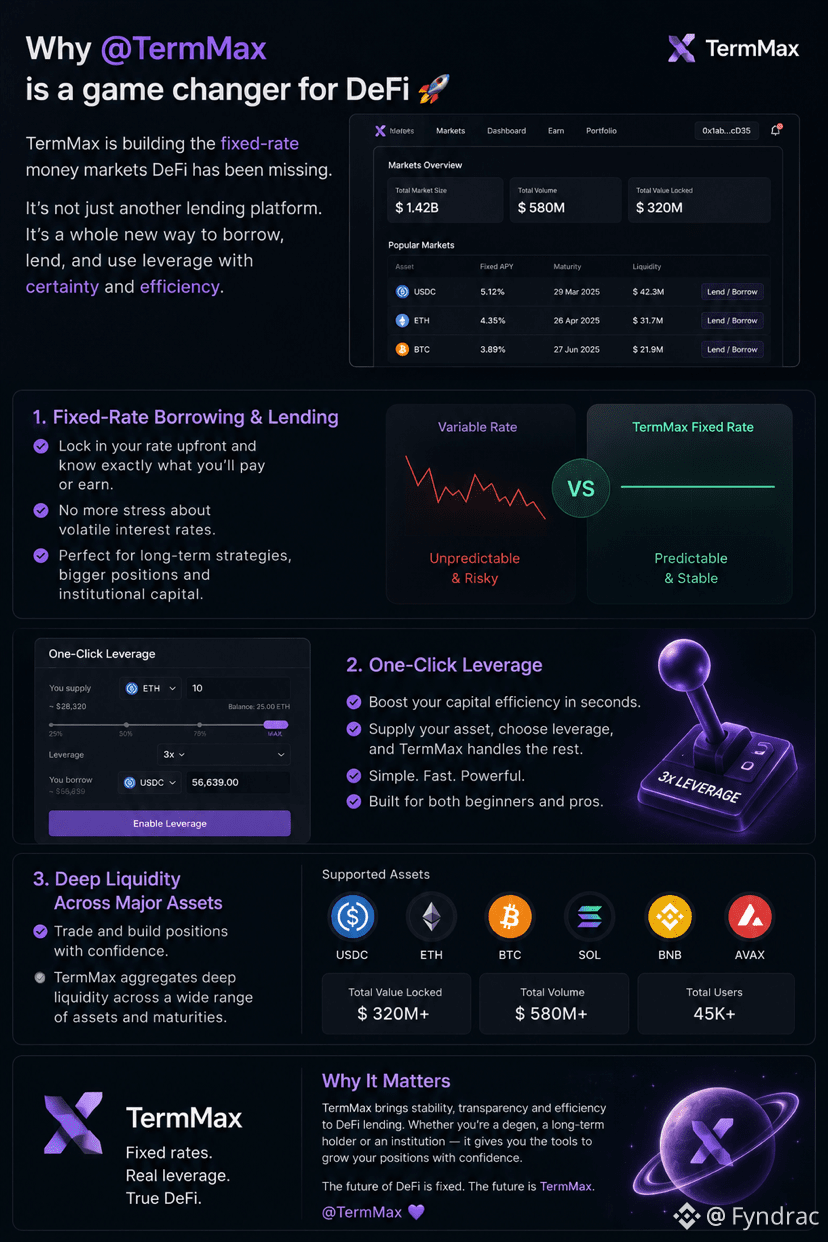
The idea is simple: instead of borrowing without knowing how your rate might change next week, you can lock in a fixed rate until maturity. You know the cost of the position before you even open it.
For example, if I want liquidity without selling my ETH, I can borrow against it and calculate my borrowing cost in advance instead of constantly watching variable rates.
TermMax also makes leveraged strategies easier to manage with one-click leverage. Normally, building a leveraged position means several separate transactions — borrow, swap, deposit, repeat. Here, a lot of that complexity can be reduced to a much simpler flow.
That’s what makes the product interesting to me.
It’s not just about chasing the highest APY. It’s about making DeFi positions more predictable:
• fixed borrowing costs
• clear maturity dates
• easier leverage management
• less uncertainty when planning a strategy
For anyone actually using DeFi rather than just holding tokens, that kind of predictability can be genuinely useful.
Curious to see how @termmax develops from here. #termmax
Most DeFi lending works fine — until rates suddenly move against you.
That’s one of the reasons I’ve been looking more closely at @TermMax.
The idea is simple: instead of borrowing without knowing how your rate might change next week, you can lock in a fixed rate until maturity. You know the cost of the position before you even open it.
For example, if I want liquidity without selling my ETH, I can borrow against it and calculate my borrowing cost in advance instead of constantly watching variable rates.
TermMax also makes leveraged strategies easier to manage with one-click leverage. Normally, building a leveraged position means several separate transactions — borrow, swap, deposit, repeat. Here, a lot of that complexity can be reduced to a much simpler flow.
That’s what makes the product interesting to me.
It’s not just about chasing the highest APY. It’s about making DeFi positions more predictable:
• fixed borrowing costs
• clear maturity dates
• easier leverage management
• less uncertainty when planning a strategy
For anyone actually using DeFi rather than just holding tokens, that kind of predictability can be genuinely useful.
Curious to see how @TermMax develops from here. #termmax
That’s one of the reasons I’ve been looking more closely at @TermMax.
The idea is simple: instead of borrowing without knowing how your rate might change next week, you can lock in a fixed rate until maturity. You know the cost of the position before you even open it.
For example, if I want liquidity without selling my ETH, I can borrow against it and calculate my borrowing cost in advance instead of constantly watching variable rates.
TermMax also makes leveraged strategies easier to manage with one-click leverage. Normally, building a leveraged position means several separate transactions — borrow, swap, deposit, repeat. Here, a lot of that complexity can be reduced to a much simpler flow.
That’s what makes the product interesting to me.
It’s not just about chasing the highest APY. It’s about making DeFi positions more predictable:
• fixed borrowing costs
• clear maturity dates
• easier leverage management
• less uncertainty when planning a strategy
For anyone actually using DeFi rather than just holding tokens, that kind of predictability can be genuinely useful.
Curious to see how @TermMax develops from here. #termmax
1
82
·
--
#termmax @termmax
Been looking into @termmax lately and the fixed-rate model is probably the part I like most.
Instead of constantly worrying about borrowing rates changing, you can lock in a rate until maturity and know your cost upfront. Add one-click leverage on top of that and it makes managing a DeFi position feel a lot more straightforward.
Definitely a project I’m keeping an eye on.
#termmax @TermMax
Been looking into @TermMax lately and the fixed-rate model is probably the part I like most.
Instead of constantly worrying about borrowing rates changing, you can lock in a rate until maturity and know your cost upfront. Add one-click leverage on top of that and it makes managing a DeFi position feel a lot more straightforward.
Definitely a project I’m keeping an eye on.
Been looking into @TermMax lately and the fixed-rate model is probably the part I like most.
Instead of constantly worrying about borrowing rates changing, you can lock in a rate until maturity and know your cost upfront. Add one-click leverage on top of that and it makes managing a DeFi position feel a lot more straightforward.
Definitely a project I’m keeping an eye on.
1
79
Connectez-vous pour découvrir plus de contenu
Rejoignez la communauté mondiale des adeptes de cryptomonnaies sur Binance Square
⚡️ Suviez les dernières informations importantes sur les cryptomonnaies.
💬 Jugé digne de confiance par la plus grande plateforme d’échange de cryptomonnaies au monde.
👍 Découvrez les connaissances que partagent les créateurs vérifiés.
Adresse e-mail/Nº de téléphone
Sujets d’actualité
BinanceLaunchesBinanceIntelligence
802,469 vues
5,027 mentions
#binancelaunchesbinanceintelligence 🚨 WHAT IF THE NEXT BIG EXCHANGE BATTLE ISN’T ABOUT FEES? 👀
Binance just made a bigger move than adding another AI chatbot.
With Binance Intelligence, AI is moving deeper into the exchange — from understanding market data to building trading workflows. 🤖⚡
The real question is:
Who has the best liquidity?
Or who has the smartest AI layer?
If users can research, test ideas and manage trading workflows without switching between different tools, the exchange itself could become a financial assistant.
That could be a much bigger shift than it looks today.
If Binance Intelligence drives more users, more strategies and more trading activity, $BNB could become one of the tokens to watch. 👀
Is Binance building the future of AI-powered finance?
$BNB
#binancelaunchesbinanceintelligence #BinanceAI #CryptoAI #AITrading
Suleman Khan Haqqani
·37 mentions J’aime
·34.5k vues
BTCFallsBelow$84K
45,637 vues
142 mentions
DubaiVARAIssuesReserveAssetAuditCircular
16,844 vues
573 mentions