
SARFARAZ WORLDD
105 Publications

SARFARAZ WORLDD
Signaler
Bloquer l’utilisateur
Crypto Simplified for Everyone Breaking News | Price Updates Pi Network Bitcoin Altcoins Reels Knowledge Profit Turn on
Ouvert au trading
Trade régulièrement
3.1 an(s)
11 Suivis
18 Abonnés
55 J’aime
Publications
Portefeuille
Tous
Citations
Vidéos
Article
Voir la traduction
Binance Tightens Restrictions on MEXC: 2026 Essential Compliance GuideRegulatory scrutiny across global exchanges just reached a critical turning point as Binance tightens restrictions on transfers connected to MEXC. Following a Primary Money Laundering Concern designation under FinCEN frameworks, direct and indirect transaction corridors between these platforms face immediate operational blocks. Protecting your capital and maintaining account standing now requires a clear understanding of exchange risk boundaries.
1. 🚫 Outbound Transfer Blocks: Direct Flow Halts
Binance is actively declining direct withdrawal attempts routed toward known MEXC deposit addresses. This measure prevents liquidity from exiting into venues designated as elevated regulatory liabilities under anti-money laundering (AML) protocols. If you initiate a transfer to an address linked to MEXC, the transaction will be automatically rejected and canceled.
• Strategy: Always verify destination wallet ownership before executing withdrawals to avoid having your assets temporarily frozen in automated review queues.
[Insert Banner/Image: Graphic demonstrating a canceled withdrawal alert banner on a mobile trading dashboard]
2. 🔍 Inbound Flagging: Deep On-Chain Screening
Depositing crypto into Binance from MEXC wallets now triggers immediate automated compliance reviews. High-grade blockchain analytics tools map transaction hops, meaning incoming tokens tied to high-risk pools are marked for source-of-funds verification. If the transaction history raises flags, your deposit will be held pending manual compliance clearance.
• 2026 Insight: Centralized exchanges now deploy real-time taint analysis that traces deposits across several wallet hops, not just direct sender addresses.
[Insert Banner/Image: Visual flow chart showing on-chain taint analysis tracing a deposit from source to exchange review]
3. ⚠️ Account Standing Risks: Freeze and Closure Warnings
Interacting with flagged exchange pools exposes user accounts to tiered administrative sanctions. Depending on exposure volume and transaction frequency, penalties range from temporary withdrawal locks to complete account termination. Preserving your access to primary liquidity hubs requires strictly separating routine trading funds from unverified sources.
• Pro-Tip: Never attempt to test small transfers between restricted exchanges, as single small-balance interactions can trigger systemic compliance audits.
[Insert Banner/Image: Infographic outlining Binance compliance status levels from clear to restricted]
4. 🔀 Intermediary Pitfalls: Hop Transfers Do Not Work
Routing tokens through a personal software wallet or decentralized bridge does not bypass exchange compliance algorithms. Modern transaction clustering models identify intermediary transit wallets that pass funds through within short time windows. Attempting to mask the origin through a single-hop intermediary often increases the risk score assigned to your wallet.
• Why use it: Understanding blockchain transparency prevents traders from wasting network gas fees on transfers that still trigger automated account restrictions.
[Insert Banner/Image: Diagram showing an intermediary private wallet failing a cluster check between two exchange addresses]
5. 🛡️ Self-Custodial Isolation: Clean Wallet Hygiene
Safeguarding your assets across multiple exchanges requires building a disciplined air-gapped wallet strategy. Use dedicated hardware or self-custody wallets for off-exchange storage, ensuring your primary centralized accounts interact only with clean, self-sovereign keys. Establishing distinct addresses for separate activities prevents cross-contamination across your broader portfolio.
• Strategy: Dedicate individual on-chain addresses to specific centralized platforms so that activity on one venue never impacts the compliance rating of another.
[Insert Banner/Image: Clean setup guide illustrating segregated self-custody hardware wallets linked to separate platforms]
6. 📋 Compliance Documentation: Preparing Proof of Funds
If your incoming transaction gets flagged, resolving the restriction requires providing comprehensive source-of-funds documentation. Users must supply unedited transaction histories, signed wallet messages, or trade receipts establishing legitimate ownership of the deposited capital. Responding promptly with verifiable logs is the fastest way to restore full account functionality.
• Pro-Tip: Export and store monthly CSV transaction histories and withdrawal receipts from all platforms to maintain an accessible paper trail.
✅ Final Thoughts
Crypto compliance standards continue to accelerate, making proactive account risk management just as vital as charting your trades. Preserving full access to your funds means staying informed on regulatory shifts, practicing strict wallet hygiene, and respecting platform policies. Treat security, compliance, and self-custody as non-negotiable foundations of your trading routine.
Have you started separating your exchange activity with dedicated private wallets, or are you still relying on direct transfers? Share your experience in the comments!
BNBBTC ETHSOL
#BinanceSquare #cryptoTrading #CryptoCompliance
Binance Tightens Restrictions on MEXC: 2026 Essential Compliance Guide
Regulatory scrutiny across global exchanges just reached a critical turning point as Binance tightens restrictions on transfers connected to MEXC. Following a Primary Money Laundering Concern designation under FinCEN frameworks, direct and indirect transaction corridors between these platforms face immediate operational blocks. Protecting your capital and maintaining account standing now requires a clear understanding of exchange risk boundaries.
1. 🚫 Outbound Transfer Blocks: Direct Flow Halts
Binance is actively declining direct withdrawal attempts routed toward known MEXC deposit addresses. This measure prevents liquidity from exiting into venues designated as elevated regulatory liabilities under anti-money laundering (AML) protocols. If you initiate a transfer to an address linked to MEXC, the transaction will be automatically rejected and canceled.
• Strategy: Always verify destination wallet ownership before executing withdrawals to avoid having your assets temporarily frozen in automated review queues.
[Insert Banner/Image: Graphic demonstrating a canceled withdrawal alert banner on a mobile trading dashboard]
2. 🔍 Inbound Flagging: Deep On-Chain Screening
Depositing crypto into Binance from MEXC wallets now triggers immediate automated compliance reviews. High-grade blockchain analytics tools map transaction hops, meaning incoming tokens tied to high-risk pools are marked for source-of-funds verification. If the transaction history raises flags, your deposit will be held pending manual compliance clearance.
• 2026 Insight: Centralized exchanges now deploy real-time taint analysis that traces deposits across several wallet hops, not just direct sender addresses.
[Insert Banner/Image: Visual flow chart showing on-chain taint analysis tracing a deposit from source to exchange review]
3. ⚠️ Account Standing Risks: Freeze and Closure Warnings
Interacting with flagged exchange pools exposes user accounts to tiered administrative sanctions. Depending on exposure volume and transaction frequency, penalties range from temporary withdrawal locks to complete account termination. Preserving your access to primary liquidity hubs requires strictly separating routine trading funds from unverified sources.
• Pro-Tip: Never attempt to test small transfers between restricted exchanges, as single small-balance interactions can trigger systemic compliance audits.
[Insert Banner/Image: Infographic outlining Binance compliance status levels from clear to restricted]
4. 🔀 Intermediary Pitfalls: Hop Transfers Do Not Work
Routing tokens through a personal software wallet or decentralized bridge does not bypass exchange compliance algorithms. Modern transaction clustering models identify intermediary transit wallets that pass funds through within short time windows. Attempting to mask the origin through a single-hop intermediary often increases the risk score assigned to your wallet.
• Why use it: Understanding blockchain transparency prevents traders from wasting network gas fees on transfers that still trigger automated account restrictions.
[Insert Banner/Image: Diagram showing an intermediary private wallet failing a cluster check between two exchange addresses]
5. 🛡️ Self-Custodial Isolation: Clean Wallet Hygiene
Safeguarding your assets across multiple exchanges requires building a disciplined air-gapped wallet strategy. Use dedicated hardware or self-custody wallets for off-exchange storage, ensuring your primary centralized accounts interact only with clean, self-sovereign keys. Establishing distinct addresses for separate activities prevents cross-contamination across your broader portfolio.
• Strategy: Dedicate individual on-chain addresses to specific centralized platforms so that activity on one venue never impacts the compliance rating of another.
[Insert Banner/Image: Clean setup guide illustrating segregated self-custody hardware wallets linked to separate platforms]
6. 📋 Compliance Documentation: Preparing Proof of Funds
If your incoming transaction gets flagged, resolving the restriction requires providing comprehensive source-of-funds documentation. Users must supply unedited transaction histories, signed wallet messages, or trade receipts establishing legitimate ownership of the deposited capital. Responding promptly with verifiable logs is the fastest way to restore full account functionality.
• Pro-Tip: Export and store monthly CSV transaction histories and withdrawal receipts from all platforms to maintain an accessible paper trail.
✅ Final Thoughts
Crypto compliance standards continue to accelerate, making proactive account risk management just as vital as charting your trades. Preserving full access to your funds means staying informed on regulatory shifts, practicing strict wallet hygiene, and respecting platform policies. Treat security, compliance, and self-custody as non-negotiable foundations of your trading routine.
Have you started separating your exchange activity with dedicated private wallets, or are you still relying on direct transfers? Share your experience in the comments!
BNBBTC ETHSOL
#BinanceSquare #cryptoTrading #CryptoCompliance
56
Article
Le Bitcoin se maintient à 74 000 $ malgré le rebond de la finance traditionnelle : guide de survie crypto 2026Le Bitcoin se maintient à 74 000 $ malgré le rebond de la finance traditionnelle : guide de survie crypto 2026
Le Bitcoin stagne près du seuil crucial des 74 000 $, à la traîne d’un rebond de Wall Street porté par la technologie, après qu’un indice des prix à la consommation (IPC) étonnamment élevé a bouleversé les prévisions macroéconomiques générales. Dans le même temps, l’appétit des investisseurs institutionnels continue de s’essouffler : les ETF Bitcoin au comptant américains enregistrent quatre jours consécutifs de sorties nettes, sous l’effet notamment d’une série de huit jours de rachats dans l’IBIT de BlackRock. Comprendre le bras de fer entre les rachats institutionnels, les pressions macroéconomiques et le soutien sur la chaîne est essentiel pour évoluer dans le contexte actuel d’un marché à haut risque.
Le Bitcoin se maintient à 74 000 $ malgré le rebond de la finance traditionnelle : guide de survie crypto 2026
Le Bitcoin se maintient à 74 000 $ malgré le rebond de la finance traditionnelle : guide de survie crypto 2026
Le Bitcoin stagne près du seuil crucial des 74 000 $, à la traîne d’un rebond de Wall Street porté par la technologie, après qu’un indice des prix à la consommation (IPC) étonnamment élevé a bouleversé les prévisions macroéconomiques générales. Dans le même temps, l’appétit des investisseurs institutionnels continue de s’essouffler : les ETF Bitcoin au comptant américains enregistrent quatre jours consécutifs de sorties nettes, sous l’effet notamment d’une série de huit jours de rachats dans l’IBIT de BlackRock. Comprendre le bras de fer entre les rachats institutionnels, les pressions macroéconomiques et le soutien sur la chaîne est essentiel pour évoluer dans le contexte actuel d’un marché à haut risque.
Le Bitcoin stagne près du seuil crucial des 74 000 $, à la traîne d’un rebond de Wall Street porté par la technologie, après qu’un indice des prix à la consommation (IPC) étonnamment élevé a bouleversé les prévisions macroéconomiques générales. Dans le même temps, l’appétit des investisseurs institutionnels continue de s’essouffler : les ETF Bitcoin au comptant américains enregistrent quatre jours consécutifs de sorties nettes, sous l’effet notamment d’une série de huit jours de rachats dans l’IBIT de BlackRock. Comprendre le bras de fer entre les rachats institutionnels, les pressions macroéconomiques et le soutien sur la chaîne est essentiel pour évoluer dans le contexte actuel d’un marché à haut risque.
104
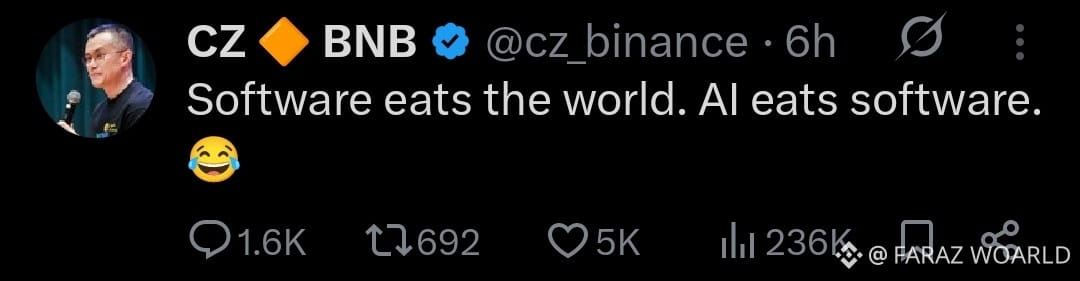
NOUVEAU : @cz_binance DIT "LE LOGICIEL MANGE LE MONDE. L'IA MANGE LE LOGICIEL. 😂"
NOUVEAU : @cz_binance DIT "LE LOGICIEL MANGE LE MONDE. L'IA MANGE LE LOGICIEL. 😂"
2
58
DERNIÈRE MINUTE : 🇺🇸 La Réserve fédérale suspend les baisses de taux d'intérêt, reste à 3,50 - 3,75%.
#FedWatch
DERNIÈRE MINUTE : 🇺🇸 La Réserve fédérale suspend les baisses de taux d'intérêt, reste à 3,50 - 3,75%.
#FedWatch
#FedWatch
3

Article
usaÀ LA UNE : 🇺🇸 La Maison Blanche déclare "L'Amérique est le capital crypto du monde"
usa
À LA UNE : 🇺🇸 La Maison Blanche déclare "L'Amérique est le capital crypto du monde"
3
JUSTE EN: 🇺🇸 Maison Blanche: “Les États-Unis sont maintenant le capital mondial de la crypto”
JUSTE EN: 🇺🇸 Maison Blanche: “Les États-Unis sont maintenant le capital mondial de la crypto”
1
66
1
1


加密之王1688
·
--
20:37 Rapport nocturne sur la cryptomonnaie | Capitalisation totale : 3,21 billions de dollars (−0,8 %), BTC à 91 850 dollars (+0,96 %) rebond en V, ETH à 3 132 dollars (−0,27 %) maintient son soutien, indice d'humeur à 26 (extrême peur). Points clés : Après une liquidation de 461 millions de dollars en 24 heures, la pression de vente s'est atténuée, les sorties de fonds des ETF se réduisent ; XRP en tête des principales cryptomonnaies, les Meme coins en forte hausse hebdomadaire. Stratégie : Surveiller les niveaux de soutien à 90 000 dollars et 3 050 dollars, positionnement léger avant les données de l'emploi, privilégier les principales cryptomonnaies résistantes et les actifs suivis par les institutions. #Rebond après le creux #BTC Rebond en V #Flux de fonds des ETF #非农行情 #BTC #bnb
🚦 DONNÉES INITIALES DES DEMANDES DE CHÔMAGE AUX ÉTATS-UNIS👇
Réel : 214K
Prévision : 224K
Précédent : 224K
🚦 DONNÉES INITIALES DES DEMANDES DE CHÔMAGE AUX ÉTATS-UNIS👇
Réel : 214K
Prévision : 224K
Précédent : 224K
Réel : 214K
Prévision : 224K
Précédent : 224K
1
🚦 RAPPEL : 🚦
🇺🇸 Les données sur les demandes d'allocations chômage initiales aux États-Unis seront publiées aujourd'hui à 8h30 ET (19h00 IST)
Attentes : 225 000
#BTCRebound90kNext?
🚦 RAPPEL : 🚦
🇺🇸 Les données sur les demandes d'allocations chômage initiales aux États-Unis seront publiées aujourd'hui à 8h30 ET (19h00 IST)
Attentes : 225 000
#BTCRebound90kNext?
🇺🇸 Les données sur les demandes d'allocations chômage initiales aux États-Unis seront publiées aujourd'hui à 8h30 ET (19h00 IST)
Attentes : 225 000
#BTCRebound90kNext?
2
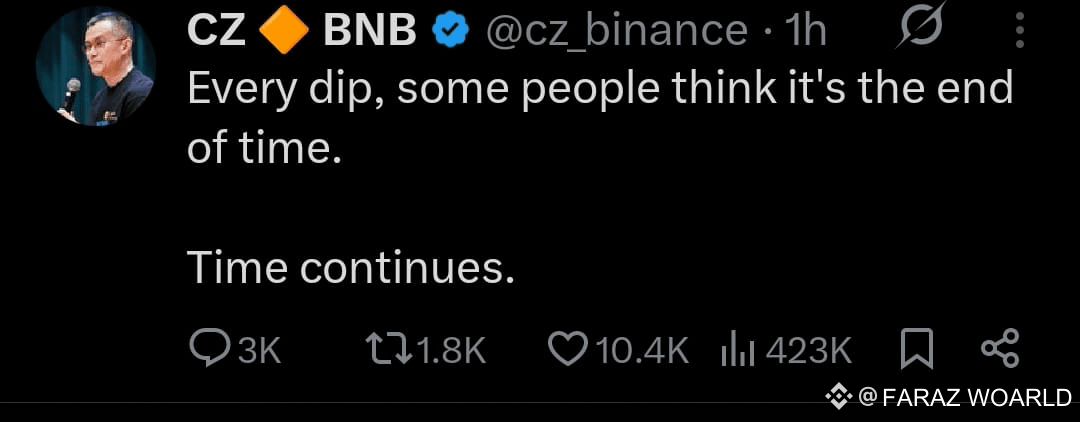
Chaque plongée, certaines personnes pensent que c'est la fin du temps.
Le temps continue.
Chaque plongée, certaines personnes pensent que c'est la fin du temps.
Le temps continue.
Le temps continue.
1
161
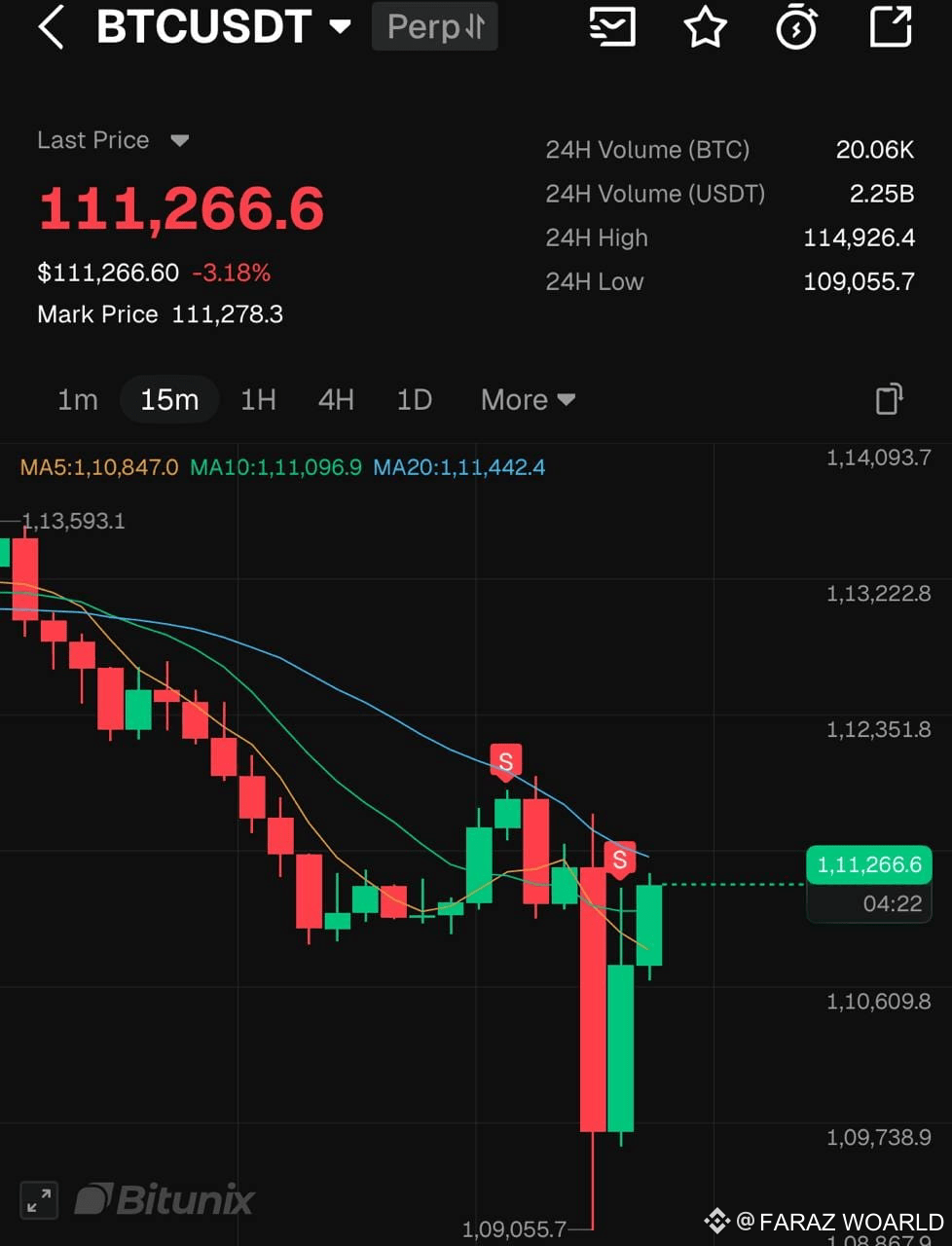
Aa gye na market vhe , bolra tha audio mei and reel mei .. market m liquidité khaynge longs walo ki phele ..
L'expérience de trading basée sur les nouvelles se fait uniquement .. sinon allez dans les graphiques avec les techniques ..
Comme où est la liquidation et quelle est la tendance ..
Au niveau mondial, le trading basé sur les nouvelles aide beaucoup et avoir de l'expérience pour faire des pertes au préalable c'est encore plus 😃 ..
liquidation khaye h ab sirf sl khate hai 🤣🦾
1
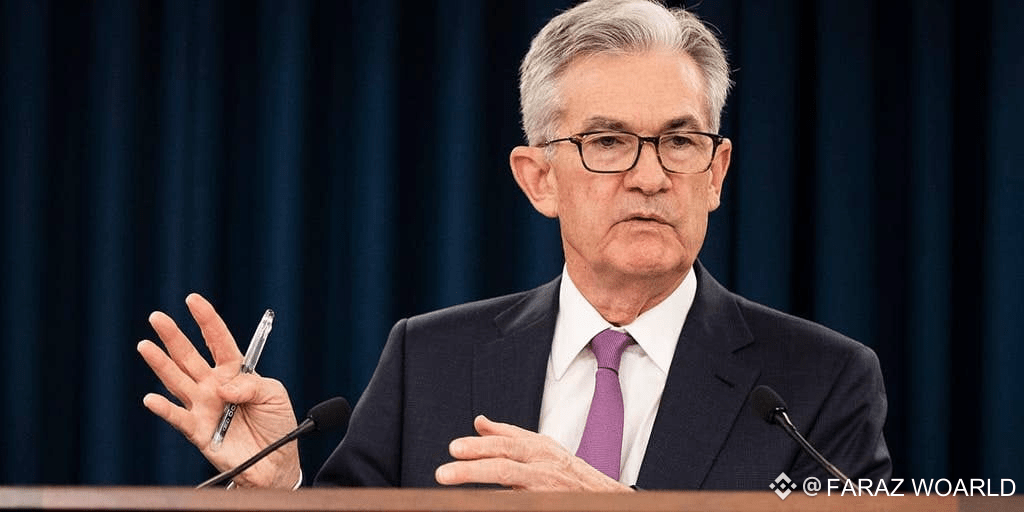
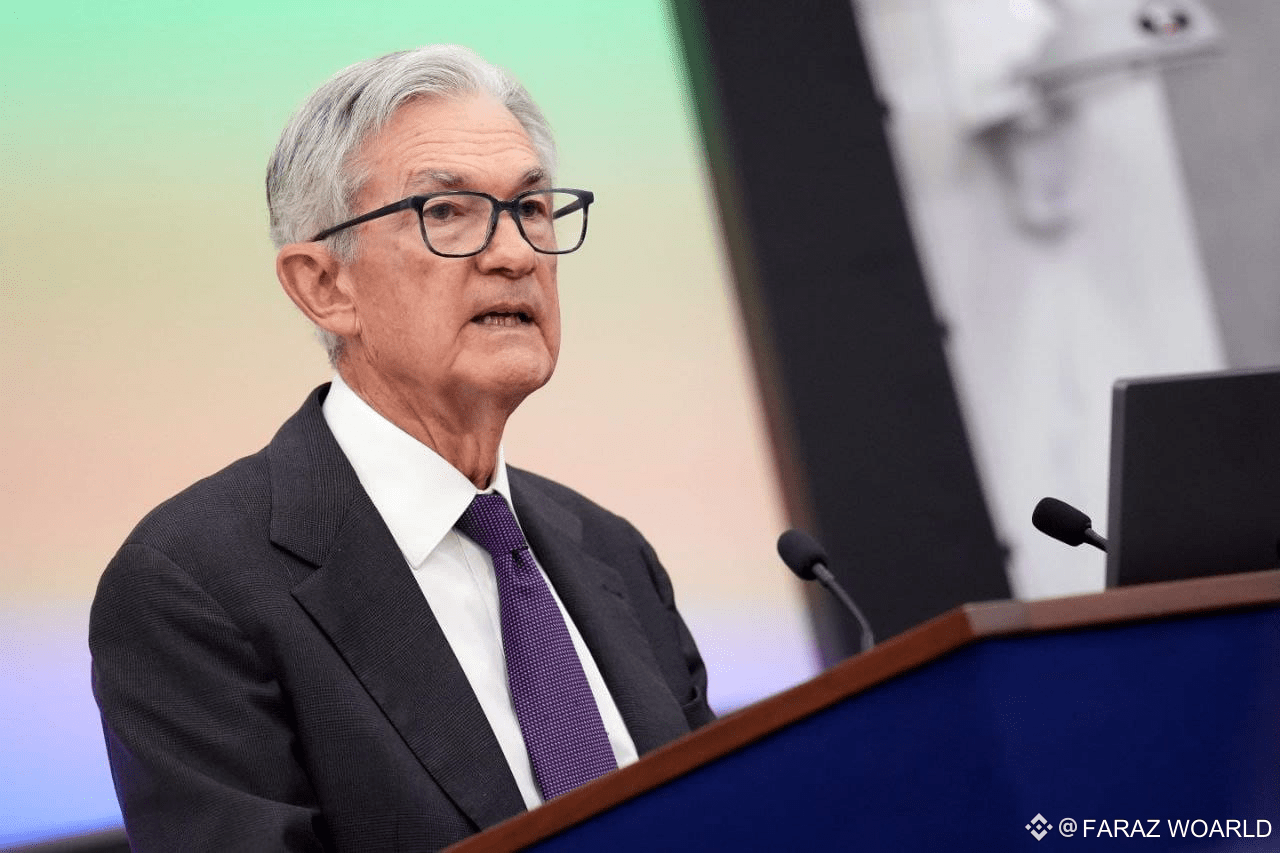
À LA UNE : 🇺🇸 Le président de la Fed, Jerome Powell, déclare que les tarifs du président Trump entraînent "une inflation globale plus élevée."
À LA UNE : 🇺🇸 Le président de la Fed, Jerome Powell, déclare que les tarifs du président Trump entraînent "une inflation globale plus élevée."
🚨DERNIÈRE MINUTE
🇺🇸 La Réserve fédérale réduit les taux d'intérêt de 25 points de base
🚨DERNIÈRE MINUTE
🇺🇸 La Réserve fédérale réduit les taux d'intérêt de 25 points de base
🇺🇸 La Réserve fédérale réduit les taux d'intérêt de 25 points de base
1
49
🇺🇸 FLUX D'ETF : Les ETF BTC au comptant aux États-Unis ont connu des entrées de 20,3 millions de dollars, tandis que les ETF ETH ont enregistré une sortie de 127,4 millions de dollars le 23 octobre.
🇺🇸 FLUX D'ETF : Les ETF BTC au comptant aux États-Unis ont connu des entrées de 20,3 millions de dollars, tandis que les ETF ETH ont enregistré une sortie de 127,4 millions de dollars le 23 octobre.
1
MISE À JOUR : 🇺🇸 Flux des ETF Spot aux États-Unis (20 octobre)
📉 Bitcoin : -372 BTC (40M $)
📉 Ethereum : -36 600 ETH (146M $)
📈 Solana : +143 790 SOL (27M $)
MISE À JOUR : 🇺🇸 Flux des ETF Spot aux États-Unis (20 octobre)
📉 Bitcoin : -372 BTC (40M $)
📉 Ethereum : -36 600 ETH (146M $)
📈 Solana : +143 790 SOL (27M $)
📉 Bitcoin : -372 BTC (40M $)
📉 Ethereum : -36 600 ETH (146M $)
📈 Solana : +143 790 SOL (27M $)
3
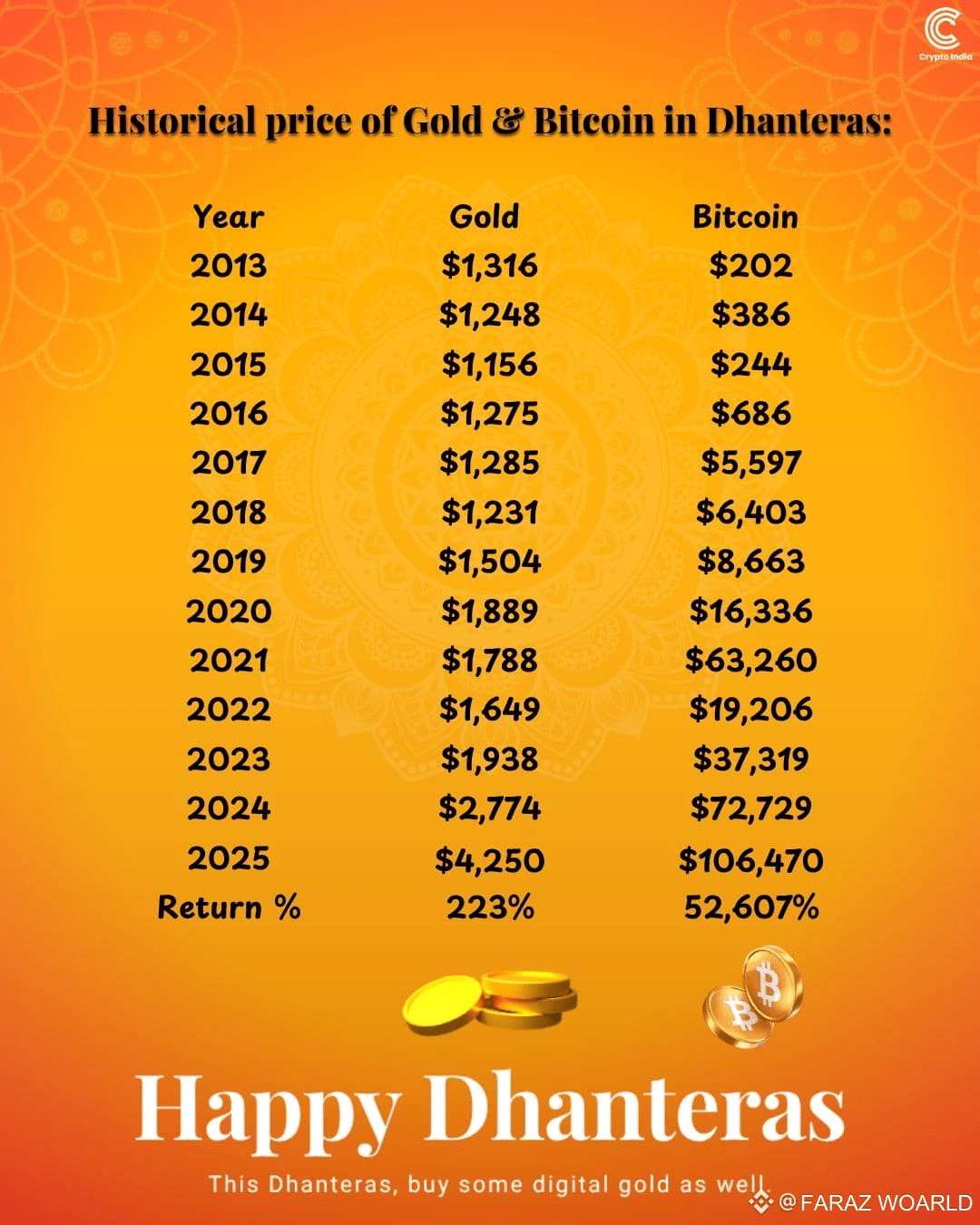
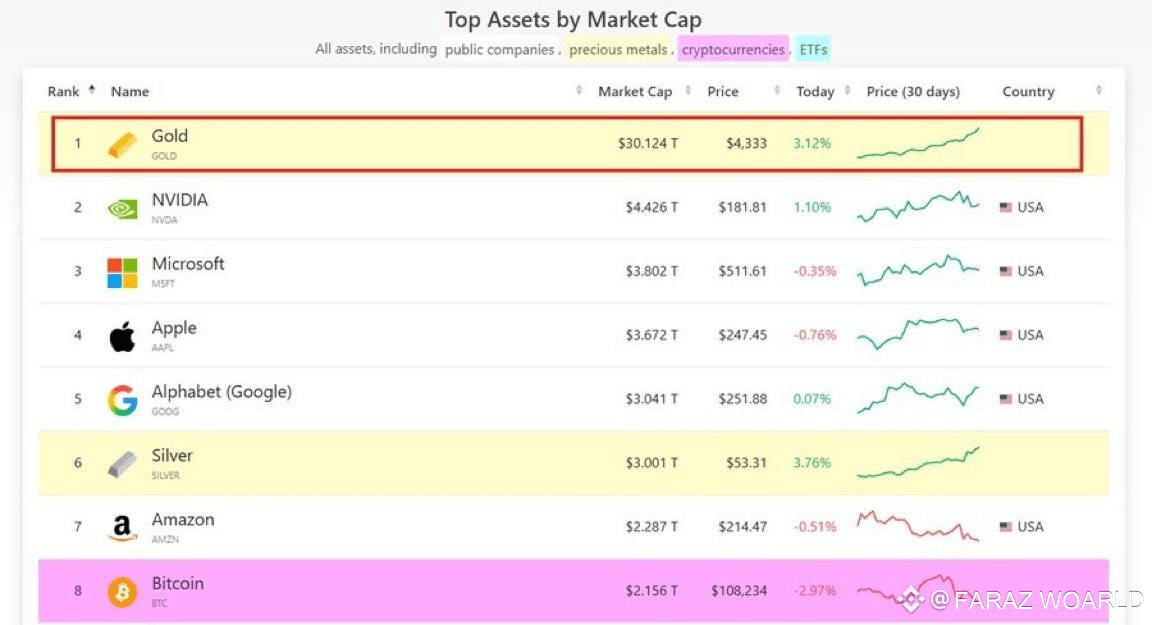
📌 L'or devient officiellement le premier actif de l'histoire à atteindre 30 TRILLIONS de dollars de capitalisation boursière.
📌 L'or devient officiellement le premier actif de l'histoire à atteindre 30 TRILLIONS de dollars de capitalisation boursière.
2
À L'ACTUALITÉ : 🇺🇸 Le président de la SEC, Paul Atkins, déclare que la crypto-monnaie et la tokenisation sont « la priorité numéro un » pour l'agence.
À L'ACTUALITÉ : 🇺🇸 Le président de la SEC, Paul Atkins, déclare que la crypto-monnaie et la tokenisation sont « la priorité numéro un » pour l'agence.

1
1
28
Connectez-vous pour découvrir plus de contenu
Rejoignez la communauté mondiale des adeptes de cryptomonnaies sur Binance Square
⚡️ Suviez les dernières informations importantes sur les cryptomonnaies.
💬 Jugé digne de confiance par la plus grande plateforme d’échange de cryptomonnaies au monde.
👍 Découvrez les connaissances que partagent les créateurs vérifiés.
Adresse e-mail/Nº de téléphone
Sujets d’actualité
WhatWillDriveCryptoandStocks’NextRebound?
4,572 vues
143 mentions
Le bitcoin passe sous les 70 000 dollars alors que l’indice du dollar atteint un sommet en 19 mois
Binance News
·8 mentions J’aime
·8.3k vues
Anthropic’s6xIPODemandSignalsPotentialRecordRaise
1,447 vues
65 mentions
HuangExitNvidiaStrategyInFocus
138,757 vues
1,365 mentions