

yousef eskander
991 Publications

yousef eskander
Signaler
Bloquer l’utilisateur
يوسف اسكندر | yousef eskander باحث ومحلل مالي موثق. حاصل على ماجستير في المالية والاستثمار، وكاتب رأي في شبكة الجزيرة نت

Détenteur pour STG
Trade fréquemment
3.9 an(s)
2 Suivis
11.3K+ Abonnés
3.4K+ J’aime
Publications
Tous
Citations
Vidéos
Direct
PINNED
قال الله تعالى "يَمْحَقُ اللَّهُ الرِّبَا وَيُرْبِي الصَّدَقَاتِ"
العقود الآجلة ربا
الخيارات ربا
ال simple earn ربا
ألا قد بلغت اللهم فاشهد ... شاركها ليتبلغ الجميع وكل انسان سيحاسب وحده
،يمحق اللهُ الرِّبا: يقضي عليه بالإتلاف، أو بنزع البركة، أو بصرفه فيما يضرّه في الحرام.
وَيُرْبِي الصَّدَقَاتِ يُنمّيها ويزيدها ويُكثرها، وقُرِئَ: يُربي، أو يُرابي، المعنى واحد، فهو سبحانه يُبارك في الصَّدقات ويُنميها لأهلها، كما في الحديث الصَّحيح: ما من عبدٍ يتصدَّق بعدل تمرةٍ من كسبٍ طيبٍ -ولا يقبل اللهُ إلا الطَّيب- إلا تقبَّلها اللهُ بيمينه ويُربِّيها لصاحبها حتى تكون مثل الجبل، وفي روايةٍ: أعظم من الجبل.
$BTC
$ETH
$BNB
قال الله تعالى "يَمْحَقُ اللَّهُ الرِّبَا وَيُرْبِي الصَّدَقَاتِ"
العقود الآجلة ربا
الخيارات ربا
ال simple earn ربا
ألا قد بلغت اللهم فاشهد ... شاركها ليتبلغ الجميع وكل انسان سيحاسب وحده
،يمحق اللهُ الرِّبا: يقضي عليه بالإتلاف، أو بنزع البركة، أو بصرفه فيما يضرّه في الحرام.
وَيُرْبِي الصَّدَقَاتِ يُنمّيها ويزيدها ويُكثرها، وقُرِئَ: يُربي، أو يُرابي، المعنى واحد، فهو سبحانه يُبارك في الصَّدقات ويُنميها لأهلها، كما في الحديث الصَّحيح: ما من عبدٍ يتصدَّق بعدل تمرةٍ من كسبٍ طيبٍ -ولا يقبل اللهُ إلا الطَّيب- إلا تقبَّلها اللهُ بيمينه ويُربِّيها لصاحبها حتى تكون مثل الجبل، وفي روايةٍ: أعظم من الجبل.
$BTC
$ETH
$BNB
العقود الآجلة ربا
الخيارات ربا
ال simple earn ربا
ألا قد بلغت اللهم فاشهد ... شاركها ليتبلغ الجميع وكل انسان سيحاسب وحده
،يمحق اللهُ الرِّبا: يقضي عليه بالإتلاف، أو بنزع البركة، أو بصرفه فيما يضرّه في الحرام.
وَيُرْبِي الصَّدَقَاتِ يُنمّيها ويزيدها ويُكثرها، وقُرِئَ: يُربي، أو يُرابي، المعنى واحد، فهو سبحانه يُبارك في الصَّدقات ويُنميها لأهلها، كما في الحديث الصَّحيح: ما من عبدٍ يتصدَّق بعدل تمرةٍ من كسبٍ طيبٍ -ولا يقبل اللهُ إلا الطَّيب- إلا تقبَّلها اللهُ بيمينه ويُربِّيها لصاحبها حتى تكون مثل الجبل، وفي روايةٍ: أعظم من الجبل.
$BTC
$ETH
$BNB
45
28
145
189
·
--
Haussier
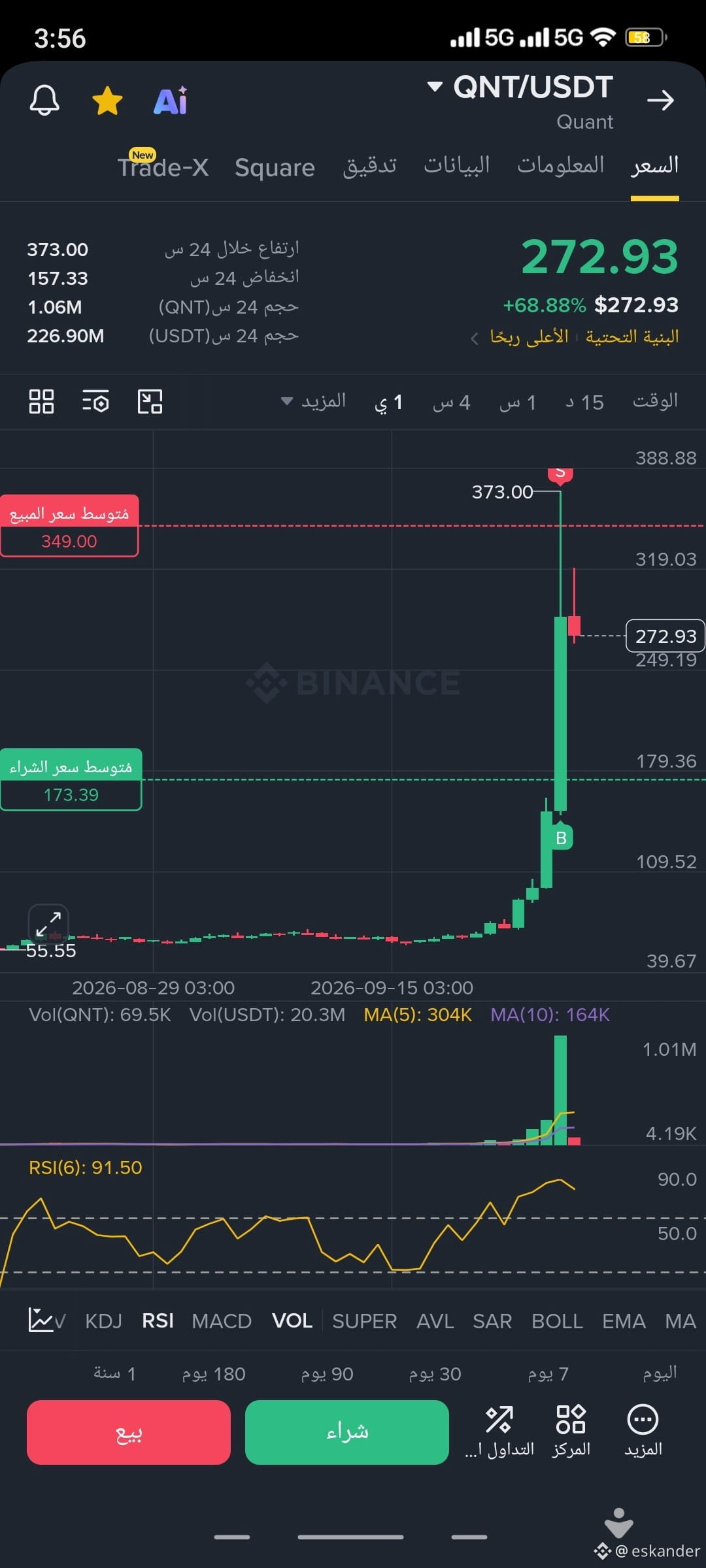
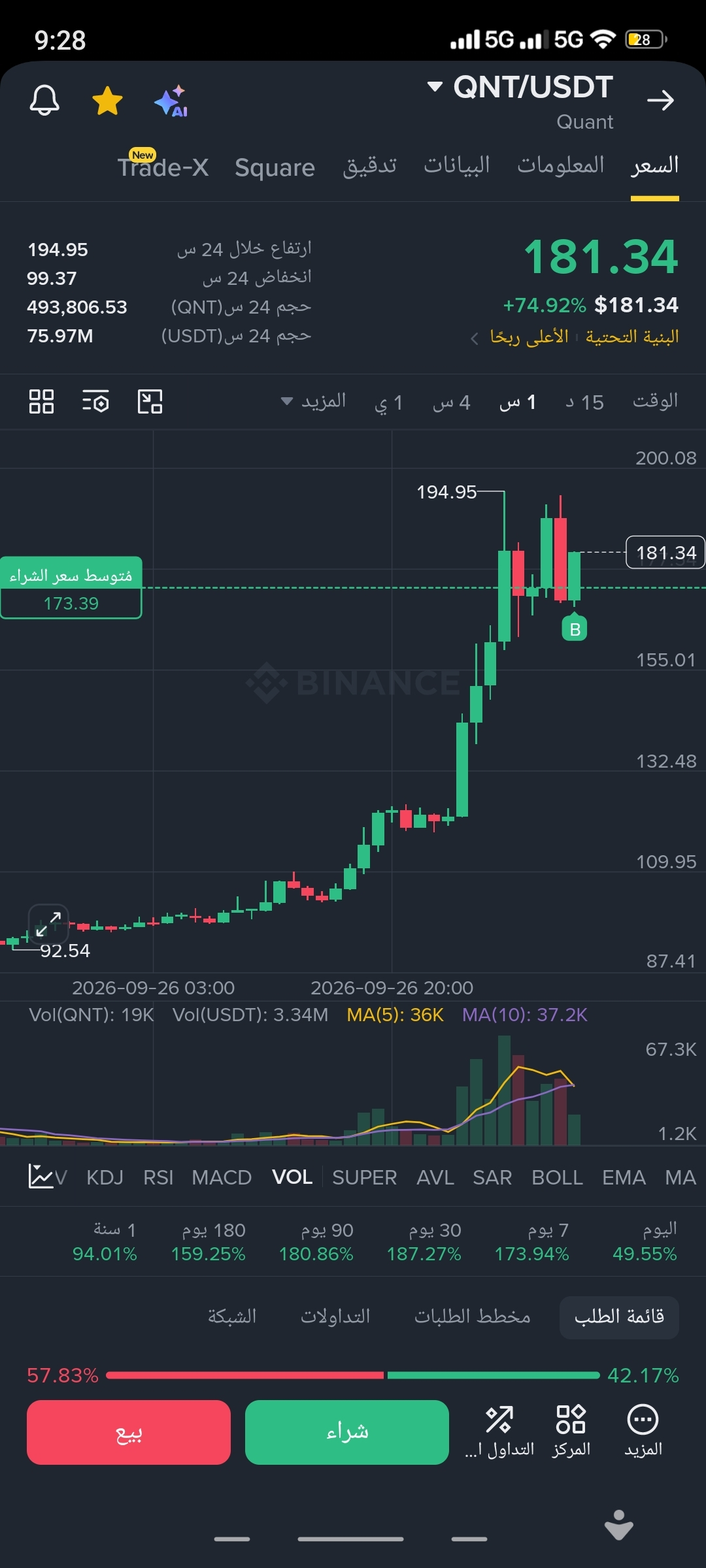
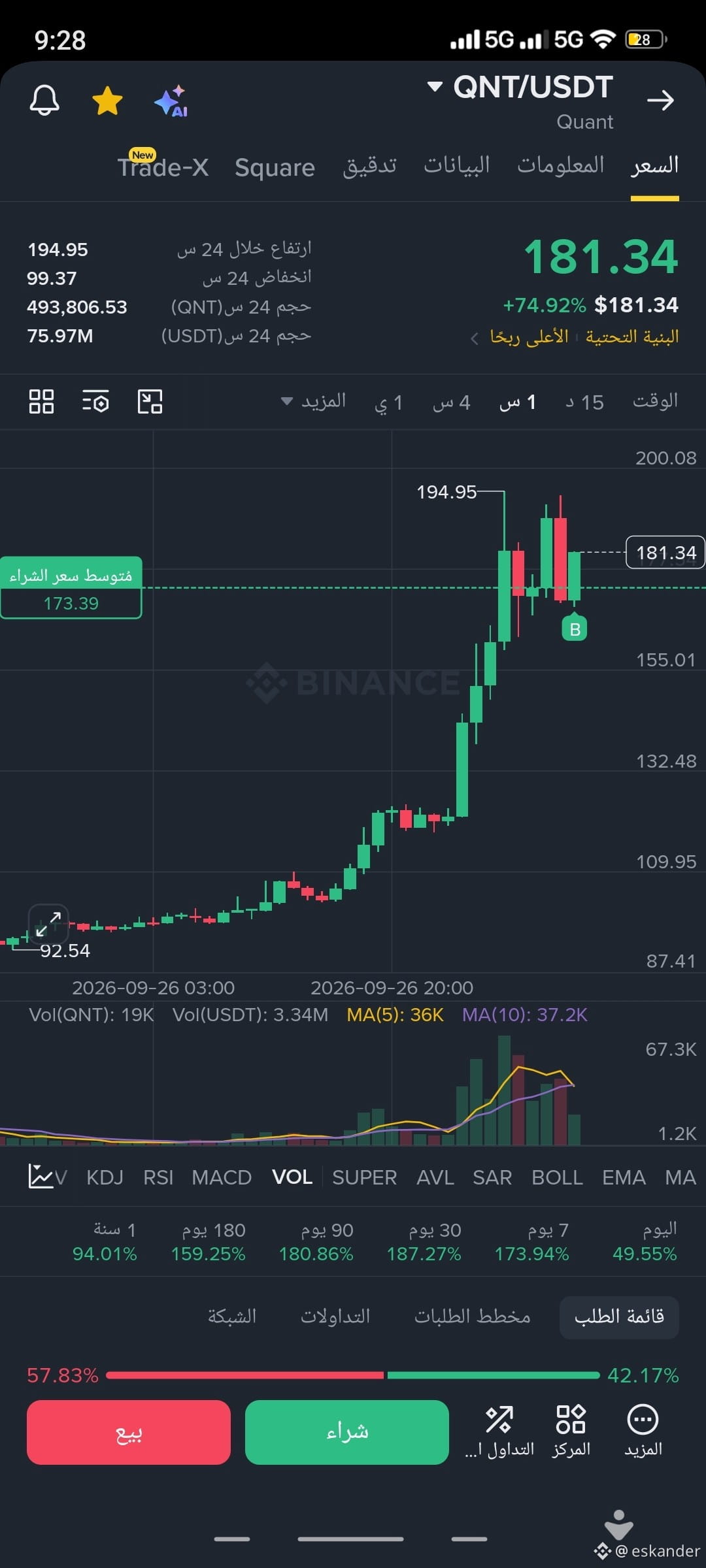
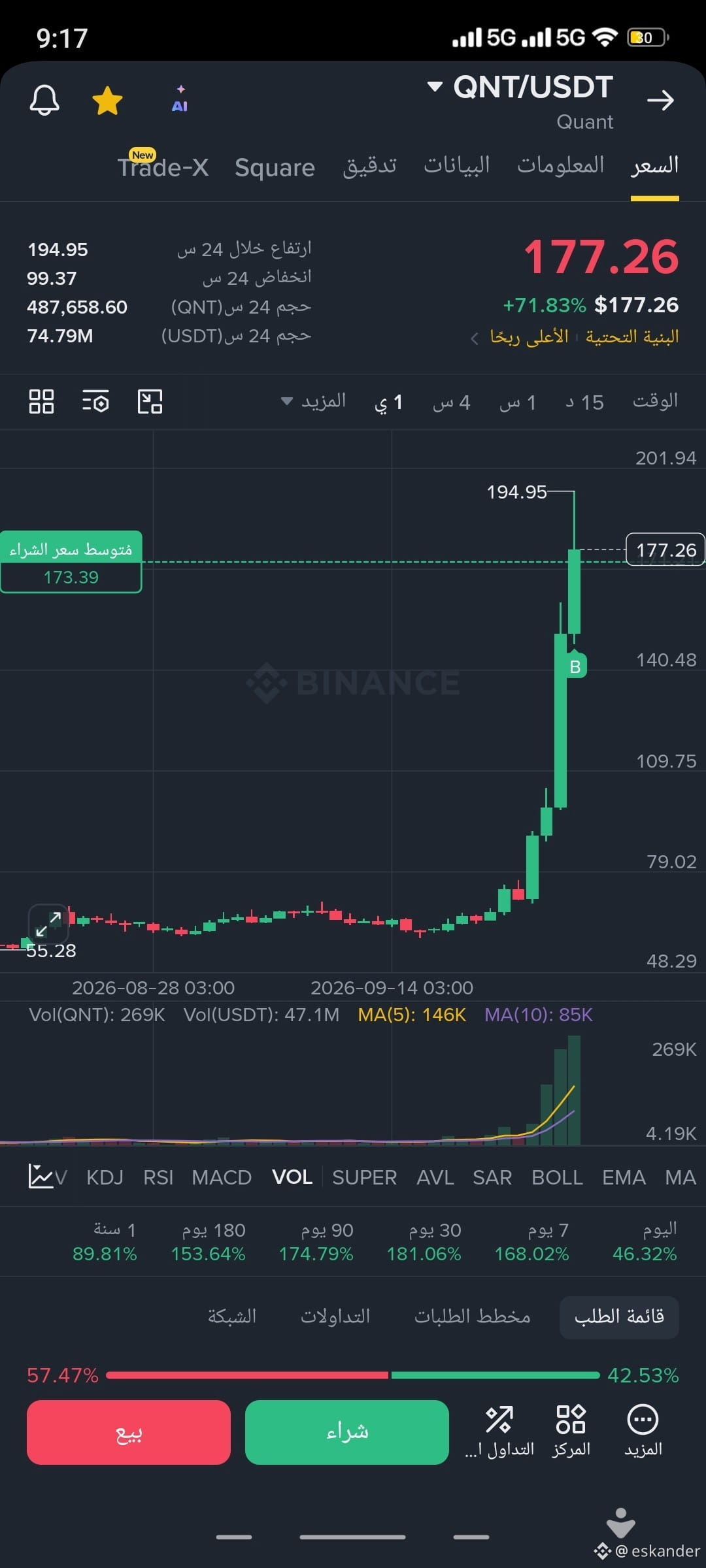
بفضل من الله وما أوتيته عن علم مني ربح ممتاز في $QNT QNT
الآن دخلنا على عملة $THE وبالله التوفيق من قبل ومن بعد
راقب البيتكوين جيدا فهو الملك وهذه ليست دعوة للشراء او البيع
بفضل من الله وما أوتيته عن علم مني ربح ممتاز في $QNT QNT
الآن دخلنا على عملة $THE وبالله التوفيق من قبل ومن بعد
راقب البيتكوين جيدا فهو الملك وهذه ليست دعوة للشراء او البيع
الآن دخلنا على عملة $THE وبالله التوفيق من قبل ومن بعد
راقب البيتكوين جيدا فهو الملك وهذه ليست دعوة للشراء او البيع
2
6
4k
305
·
--
Haussier
2
1
275
Vérifié
Article
Cyber: Is the Project Evolving from a Social Network into an AI Infrastructure for Crypto?Cyber, formerly known as CyberConnect, has undergone a significant transformation over the past period. After initially being associated with the concept of decentralized social networks, the project is now placing greater emphasis on building infrastructure that combines blockchain networks, data, and artificial intelligence, with a particular focus on the cryptocurrency sector.
This transformation gives CYBER a different story from the one associated with the token at launch, particularly as the team is now focusing on Cyber Network, its AI products, and the Surf platform.
The importance of the project lies in the fact that it is not built around a single concept. Instead, it is attempting to develop three interconnected layers. The first is Cyber Network, a Layer 2 network built on Ethereum using the OP Stack. The second is Cyber AI, which provides specialized cryptocurrency data and artificial intelligence infrastructure. The third is Surf, a platform that turns this data into tools and products for users, developers, and businesses.
Cyber Network: Strong Technology, but Limited Economic Activity
Cyber Network is designed as a low-cost blockchain network and incorporates technologies such as CyberGraph, CyberDB, and CyberAccount, with the goal of supporting social applications, AI applications, and blockchain-based data.
However, when moving from the technical side to the actual numbers, an important weakness becomes visible.
According to L2BEAT, Cyber's Total Value Secured is around $2.67 million, while DeFiLlama shows that the value held in decentralized finance applications on the network remains extremely small.
This distinction is important.
Having approximately $2.67 million in assets associated with the network does not necessarily mean that Cyber has an economy of that size. A significant portion of this value is related to CYBER itself, while the liquidity actually being used in decentralized applications remains limited.
This raises one of the project's biggest questions:
Can Cyber Network attract genuine applications, users, liquidity, and economic activity, or will its technological infrastructure remain significantly larger than the economy built on top of it?
Cyber AI: The Most Interesting Part of the Project
Perhaps the most important development within Cyber is its growing focus on artificial intelligence.
Cyber is not attempting to build another general-purpose AI model. Instead, it is focusing on providing specialized cryptocurrency data, including blockchain data, prices, wallets, news, social information, and project-related data.
This is important because general-purpose AI can answer many questions about cryptocurrencies, but it faces a different challenge when dealing with constantly changing market and blockchain data.
The real questions for a crypto user may not be:
What is Bitcoin?
They may instead be:
What is happening on-chain right now? Which wallets are moving? How is liquidity changing? What news is affecting a particular project? What relationship exists between market movements and on-chain activity?
This is where the quality, depth, and freshness of data become critical.
Surf: The Project's Biggest Bet
Among Cyber's products, Surf appears to be one of the most important components of its current strategy because it represents the interface through which Cyber's infrastructure and data are transformed into an actual product.
Surf says its platform provides data covering more than 23,000 projects, together with market, blockchain, wallet, news, and analytical data, as well as research tools and developer APIs.
More importantly, the project is attempting to move beyond a product designed solely for individual users and toward infrastructure that can be integrated into other platforms and businesses.
This is where Surf's partnership with South Korean exchange Bithumb, announced in September 2026, becomes particularly relevant. Surf stated that its AI technology has been integrated into Bithumb's user experience. The company says Bithumb has more than 8 million users, while the system covers hundreds of markets and processes substantial amounts of market and analytical data.
These figures should be understood as figures reported by Surf itself rather than as independently audited measurements of users or usage.
Nevertheless, the importance of the partnership is not simply the number of users. It is the nature of the integration.
If Surf can provide AI, data, and analytical infrastructure to major cryptocurrency platforms, its business model becomes fundamentally different from that of another crypto-analysis application.
Developer Activity Provides Another Signal
There are also indications of interest from developers.
Surf has stated that 819 builders created more than 1,200 applications over a short period using Surf Studio, with access to blockchain and market data without having to build the underlying infrastructure from scratch.
These figures are also reported by the project itself and should therefore not be interpreted as definitive proof of broad and sustainable adoption.
However, they illustrate the direction Cyber is pursuing.
Instead of making Surf simply an AI assistant for individual users, the project wants to establish a data and intelligence layer that developers can use to build new applications.
Where Does CYBER Fit into All of This?
This is arguably the most important question in the entire analysis.
Surf and Cyber AI could become highly successful, and the platform could attract more users and businesses. But that does not automatically mean that CYBER will benefit to the same extent.
The token already has several functions within the ecosystem, including governance, staking, network security, and other infrastructure-related uses. CYBER is also used in certain Surf reward mechanisms.
But the more important question is:
Will the growth of Surf and Cyber AI create sustained and direct demand for CYBER?
That relationship has not yet been fully established.
This distinction matters because a project can build successful commercial products while the connection between the success of those products and the value of its token remains relatively limited.
Token Supply Is Another Factor to Watch
CYBER has a maximum supply of 100 million tokens. A substantial portion of the supply has already been unlocked, but the unlocking schedule has not yet completely finished, with some vesting continuing into future years.
Therefore, anyone analyzing CYBER should not look only at the currently circulating supply. The tokens that can enter the market in the future also matter.
The next scheduled unlock in October 2026 is relatively small compared with the total supply, but the continuing vesting schedule makes future supply an important factor to monitor.
The Main Contradiction in Cyber
The interesting contradiction is that the strongest part of Cyber today may not be the part showing the greatest economic activity on-chain.
Cyber Network remains relatively small in terms of liquidity and economic activity, while the AI and Surf narrative appears more active in terms of products, partnerships, and expansion.
This makes the future of the project dependent on its ability to connect these components.
If Cyber can make Surf and Cyber AI significant sources of activity within its broader ecosystem and convert that activity into genuine demand for CYBER, the relationship between the products and the token becomes much clearer.
If, however, the AI products succeed independently while the need for CYBER remains limited, the products could benefit from their own success without that success necessarily translating into equivalent value for the token.
Conclusion
Cyber today is no longer the same project the market knew at its launch. It has evolved from an initial focus on decentralized social networking toward an ecosystem combining blockchain, data, and artificial intelligence.
There are clear strengths: an operational Layer 2 network, specialized data infrastructure, an actual AI product, the growing Surf research and analysis platform, developer tools, and the Bithumb integration, which gives the project an important institutional distribution channel.
At the same time, there are weaknesses that cannot be ignored. These include relatively low economic activity on Cyber Network compared with the project's ambitions, limited decentralized liquidity, ongoing token unlocks, and—most importantly—the still-developing relationship between the success of Cyber's AI products and demand for the CYBER token.
Therefore, the key question for Cyber in the coming period is not simply whether the project can build good products.
The more important question is:
Can Cyber convert the success of those products into sustainable economic activity across its ecosystem and genuine utility and demand for CYBER?
That will determine whether the project's transformation from a social-focused blockchain project into an ecosystem combining AI, data, and blockchain represents a fundamental evolution—or simply a change in narrative.
Yousef Eskander
General Manager
Himalayan Horizons for Import and Export
Certified Financial and Economic Analyst
#CYPER
#bitcoin
Cyber: Is the Project Evolving from a Social Network into an AI Infrastructure for Crypto?
Cyber, formerly known as CyberConnect, has undergone a significant transformation over the past period. After initially being associated with the concept of decentralized social networks, the project is now placing greater emphasis on building infrastructure that combines blockchain networks, data, and artificial intelligence, with a particular focus on the cryptocurrency sector.
This transformation gives CYBER a different story from the one associated with the token at launch, particularly as the team is now focusing on Cyber Network, its AI products, and the Surf platform.
The importance of the project lies in the fact that it is not built around a single concept. Instead, it is attempting to develop three interconnected layers. The first is Cyber Network, a Layer 2 network built on Ethereum using the OP Stack. The second is Cyber AI, which provides specialized cryptocurrency data and artificial intelligence infrastructure. The third is Surf, a platform that turns this data into tools and products for users, developers, and businesses.
Cyber Network: Strong Technology, but Limited Economic Activity
Cyber Network is designed as a low-cost blockchain network and incorporates technologies such as CyberGraph, CyberDB, and CyberAccount, with the goal of supporting social applications, AI applications, and blockchain-based data.
However, when moving from the technical side to the actual numbers, an important weakness becomes visible.
According to L2BEAT, Cyber's Total Value Secured is around $2.67 million, while DeFiLlama shows that the value held in decentralized finance applications on the network remains extremely small.
This distinction is important.
Having approximately $2.67 million in assets associated with the network does not necessarily mean that Cyber has an economy of that size. A significant portion of this value is related to CYBER itself, while the liquidity actually being used in decentralized applications remains limited.
This raises one of the project's biggest questions:
Can Cyber Network attract genuine applications, users, liquidity, and economic activity, or will its technological infrastructure remain significantly larger than the economy built on top of it?
Cyber AI: The Most Interesting Part of the Project
Perhaps the most important development within Cyber is its growing focus on artificial intelligence.
Cyber is not attempting to build another general-purpose AI model. Instead, it is focusing on providing specialized cryptocurrency data, including blockchain data, prices, wallets, news, social information, and project-related data.
This is important because general-purpose AI can answer many questions about cryptocurrencies, but it faces a different challenge when dealing with constantly changing market and blockchain data.
The real questions for a crypto user may not be:
What is Bitcoin?
They may instead be:
What is happening on-chain right now? Which wallets are moving? How is liquidity changing? What news is affecting a particular project? What relationship exists between market movements and on-chain activity?
This is where the quality, depth, and freshness of data become critical.
Surf: The Project's Biggest Bet
Among Cyber's products, Surf appears to be one of the most important components of its current strategy because it represents the interface through which Cyber's infrastructure and data are transformed into an actual product.
Surf says its platform provides data covering more than 23,000 projects, together with market, blockchain, wallet, news, and analytical data, as well as research tools and developer APIs.
More importantly, the project is attempting to move beyond a product designed solely for individual users and toward infrastructure that can be integrated into other platforms and businesses.
This is where Surf's partnership with South Korean exchange Bithumb, announced in September 2026, becomes particularly relevant. Surf stated that its AI technology has been integrated into Bithumb's user experience. The company says Bithumb has more than 8 million users, while the system covers hundreds of markets and processes substantial amounts of market and analytical data.
These figures should be understood as figures reported by Surf itself rather than as independently audited measurements of users or usage.
Nevertheless, the importance of the partnership is not simply the number of users. It is the nature of the integration.
If Surf can provide AI, data, and analytical infrastructure to major cryptocurrency platforms, its business model becomes fundamentally different from that of another crypto-analysis application.
Developer Activity Provides Another Signal
There are also indications of interest from developers.
Surf has stated that 819 builders created more than 1,200 applications over a short period using Surf Studio, with access to blockchain and market data without having to build the underlying infrastructure from scratch.
These figures are also reported by the project itself and should therefore not be interpreted as definitive proof of broad and sustainable adoption.
However, they illustrate the direction Cyber is pursuing.
Instead of making Surf simply an AI assistant for individual users, the project wants to establish a data and intelligence layer that developers can use to build new applications.
Where Does CYBER Fit into All of This?
This is arguably the most important question in the entire analysis.
Surf and Cyber AI could become highly successful, and the platform could attract more users and businesses. But that does not automatically mean that CYBER will benefit to the same extent.
The token already has several functions within the ecosystem, including governance, staking, network security, and other infrastructure-related uses. CYBER is also used in certain Surf reward mechanisms.
But the more important question is:
Will the growth of Surf and Cyber AI create sustained and direct demand for CYBER?
That relationship has not yet been fully established.
This distinction matters because a project can build successful commercial products while the connection between the success of those products and the value of its token remains relatively limited.
Token Supply Is Another Factor to Watch
CYBER has a maximum supply of 100 million tokens. A substantial portion of the supply has already been unlocked, but the unlocking schedule has not yet completely finished, with some vesting continuing into future years.
Therefore, anyone analyzing CYBER should not look only at the currently circulating supply. The tokens that can enter the market in the future also matter.
The next scheduled unlock in October 2026 is relatively small compared with the total supply, but the continuing vesting schedule makes future supply an important factor to monitor.
The Main Contradiction in Cyber
The interesting contradiction is that the strongest part of Cyber today may not be the part showing the greatest economic activity on-chain.
Cyber Network remains relatively small in terms of liquidity and economic activity, while the AI and Surf narrative appears more active in terms of products, partnerships, and expansion.
This makes the future of the project dependent on its ability to connect these components.
If Cyber can make Surf and Cyber AI significant sources of activity within its broader ecosystem and convert that activity into genuine demand for CYBER, the relationship between the products and the token becomes much clearer.
If, however, the AI products succeed independently while the need for CYBER remains limited, the products could benefit from their own success without that success necessarily translating into equivalent value for the token.
Conclusion
Cyber today is no longer the same project the market knew at its launch. It has evolved from an initial focus on decentralized social networking toward an ecosystem combining blockchain, data, and artificial intelligence.
There are clear strengths: an operational Layer 2 network, specialized data infrastructure, an actual AI product, the growing Surf research and analysis platform, developer tools, and the Bithumb integration, which gives the project an important institutional distribution channel.
At the same time, there are weaknesses that cannot be ignored. These include relatively low economic activity on Cyber Network compared with the project's ambitions, limited decentralized liquidity, ongoing token unlocks, and—most importantly—the still-developing relationship between the success of Cyber's AI products and demand for the CYBER token.
Therefore, the key question for Cyber in the coming period is not simply whether the project can build good products.
The more important question is:
Can Cyber convert the success of those products into sustainable economic activity across its ecosystem and genuine utility and demand for CYBER?
That will determine whether the project's transformation from a social-focused blockchain project into an ecosystem combining AI, data, and blockchain represents a fundamental evolution—or simply a change in narrative.
Yousef Eskander
General Manager
Himalayan Horizons for Import and Export
Certified Financial and Economic Analyst
#CYPER
#bitcoin
This transformation gives CYBER a different story from the one associated with the token at launch, particularly as the team is now focusing on Cyber Network, its AI products, and the Surf platform.
The importance of the project lies in the fact that it is not built around a single concept. Instead, it is attempting to develop three interconnected layers. The first is Cyber Network, a Layer 2 network built on Ethereum using the OP Stack. The second is Cyber AI, which provides specialized cryptocurrency data and artificial intelligence infrastructure. The third is Surf, a platform that turns this data into tools and products for users, developers, and businesses.
Cyber Network: Strong Technology, but Limited Economic Activity
Cyber Network is designed as a low-cost blockchain network and incorporates technologies such as CyberGraph, CyberDB, and CyberAccount, with the goal of supporting social applications, AI applications, and blockchain-based data.
However, when moving from the technical side to the actual numbers, an important weakness becomes visible.
According to L2BEAT, Cyber's Total Value Secured is around $2.67 million, while DeFiLlama shows that the value held in decentralized finance applications on the network remains extremely small.
This distinction is important.
Having approximately $2.67 million in assets associated with the network does not necessarily mean that Cyber has an economy of that size. A significant portion of this value is related to CYBER itself, while the liquidity actually being used in decentralized applications remains limited.
This raises one of the project's biggest questions:
Can Cyber Network attract genuine applications, users, liquidity, and economic activity, or will its technological infrastructure remain significantly larger than the economy built on top of it?
Cyber AI: The Most Interesting Part of the Project
Perhaps the most important development within Cyber is its growing focus on artificial intelligence.
Cyber is not attempting to build another general-purpose AI model. Instead, it is focusing on providing specialized cryptocurrency data, including blockchain data, prices, wallets, news, social information, and project-related data.
This is important because general-purpose AI can answer many questions about cryptocurrencies, but it faces a different challenge when dealing with constantly changing market and blockchain data.
The real questions for a crypto user may not be:
What is Bitcoin?
They may instead be:
What is happening on-chain right now? Which wallets are moving? How is liquidity changing? What news is affecting a particular project? What relationship exists between market movements and on-chain activity?
This is where the quality, depth, and freshness of data become critical.
Surf: The Project's Biggest Bet
Among Cyber's products, Surf appears to be one of the most important components of its current strategy because it represents the interface through which Cyber's infrastructure and data are transformed into an actual product.
Surf says its platform provides data covering more than 23,000 projects, together with market, blockchain, wallet, news, and analytical data, as well as research tools and developer APIs.
More importantly, the project is attempting to move beyond a product designed solely for individual users and toward infrastructure that can be integrated into other platforms and businesses.
This is where Surf's partnership with South Korean exchange Bithumb, announced in September 2026, becomes particularly relevant. Surf stated that its AI technology has been integrated into Bithumb's user experience. The company says Bithumb has more than 8 million users, while the system covers hundreds of markets and processes substantial amounts of market and analytical data.
These figures should be understood as figures reported by Surf itself rather than as independently audited measurements of users or usage.
Nevertheless, the importance of the partnership is not simply the number of users. It is the nature of the integration.
If Surf can provide AI, data, and analytical infrastructure to major cryptocurrency platforms, its business model becomes fundamentally different from that of another crypto-analysis application.
Developer Activity Provides Another Signal
There are also indications of interest from developers.
Surf has stated that 819 builders created more than 1,200 applications over a short period using Surf Studio, with access to blockchain and market data without having to build the underlying infrastructure from scratch.
These figures are also reported by the project itself and should therefore not be interpreted as definitive proof of broad and sustainable adoption.
However, they illustrate the direction Cyber is pursuing.
Instead of making Surf simply an AI assistant for individual users, the project wants to establish a data and intelligence layer that developers can use to build new applications.
Where Does CYBER Fit into All of This?
This is arguably the most important question in the entire analysis.
Surf and Cyber AI could become highly successful, and the platform could attract more users and businesses. But that does not automatically mean that CYBER will benefit to the same extent.
The token already has several functions within the ecosystem, including governance, staking, network security, and other infrastructure-related uses. CYBER is also used in certain Surf reward mechanisms.
But the more important question is:
Will the growth of Surf and Cyber AI create sustained and direct demand for CYBER?
That relationship has not yet been fully established.
This distinction matters because a project can build successful commercial products while the connection between the success of those products and the value of its token remains relatively limited.
Token Supply Is Another Factor to Watch
CYBER has a maximum supply of 100 million tokens. A substantial portion of the supply has already been unlocked, but the unlocking schedule has not yet completely finished, with some vesting continuing into future years.
Therefore, anyone analyzing CYBER should not look only at the currently circulating supply. The tokens that can enter the market in the future also matter.
The next scheduled unlock in October 2026 is relatively small compared with the total supply, but the continuing vesting schedule makes future supply an important factor to monitor.
The Main Contradiction in Cyber
The interesting contradiction is that the strongest part of Cyber today may not be the part showing the greatest economic activity on-chain.
Cyber Network remains relatively small in terms of liquidity and economic activity, while the AI and Surf narrative appears more active in terms of products, partnerships, and expansion.
This makes the future of the project dependent on its ability to connect these components.
If Cyber can make Surf and Cyber AI significant sources of activity within its broader ecosystem and convert that activity into genuine demand for CYBER, the relationship between the products and the token becomes much clearer.
If, however, the AI products succeed independently while the need for CYBER remains limited, the products could benefit from their own success without that success necessarily translating into equivalent value for the token.
Conclusion
Cyber today is no longer the same project the market knew at its launch. It has evolved from an initial focus on decentralized social networking toward an ecosystem combining blockchain, data, and artificial intelligence.
There are clear strengths: an operational Layer 2 network, specialized data infrastructure, an actual AI product, the growing Surf research and analysis platform, developer tools, and the Bithumb integration, which gives the project an important institutional distribution channel.
At the same time, there are weaknesses that cannot be ignored. These include relatively low economic activity on Cyber Network compared with the project's ambitions, limited decentralized liquidity, ongoing token unlocks, and—most importantly—the still-developing relationship between the success of Cyber's AI products and demand for the CYBER token.
Therefore, the key question for Cyber in the coming period is not simply whether the project can build good products.
The more important question is:
Can Cyber convert the success of those products into sustainable economic activity across its ecosystem and genuine utility and demand for CYBER?
That will determine whether the project's transformation from a social-focused blockchain project into an ecosystem combining AI, data, and blockchain represents a fundamental evolution—or simply a change in narrative.
Yousef Eskander
General Manager
Himalayan Horizons for Import and Export
Certified Financial and Economic Analyst
#CYPER
#bitcoin
2
2
642
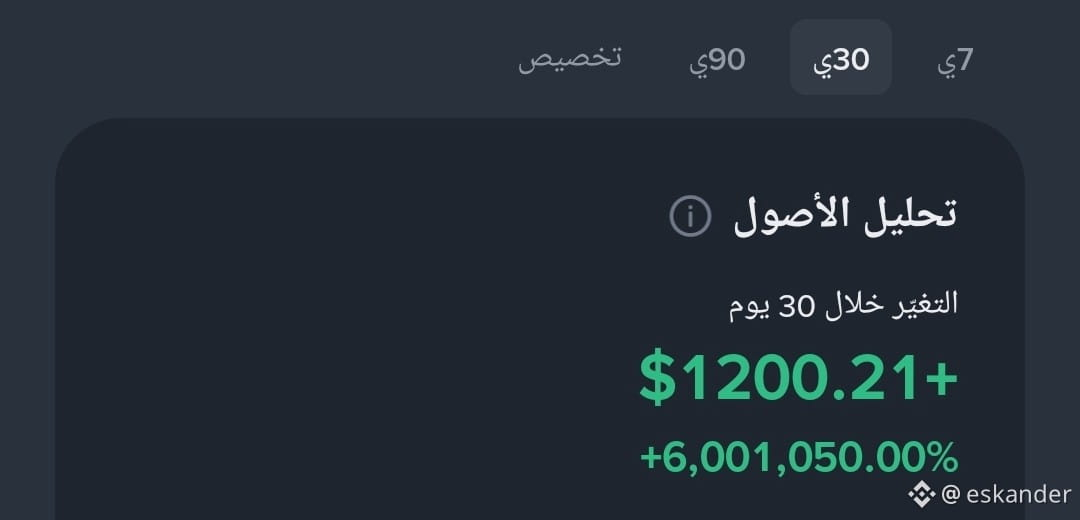
حكمة اليوم .. كثير النط قليل الصيد اتمنى لكم التوفيق جميعا
$CYBER
$SOL
$BONK
حكمة اليوم .. كثير النط قليل الصيد اتمنى لكم التوفيق جميعا
$CYBER
$SOL
$BONK
$CYBER
$SOL
$BONK
1
448
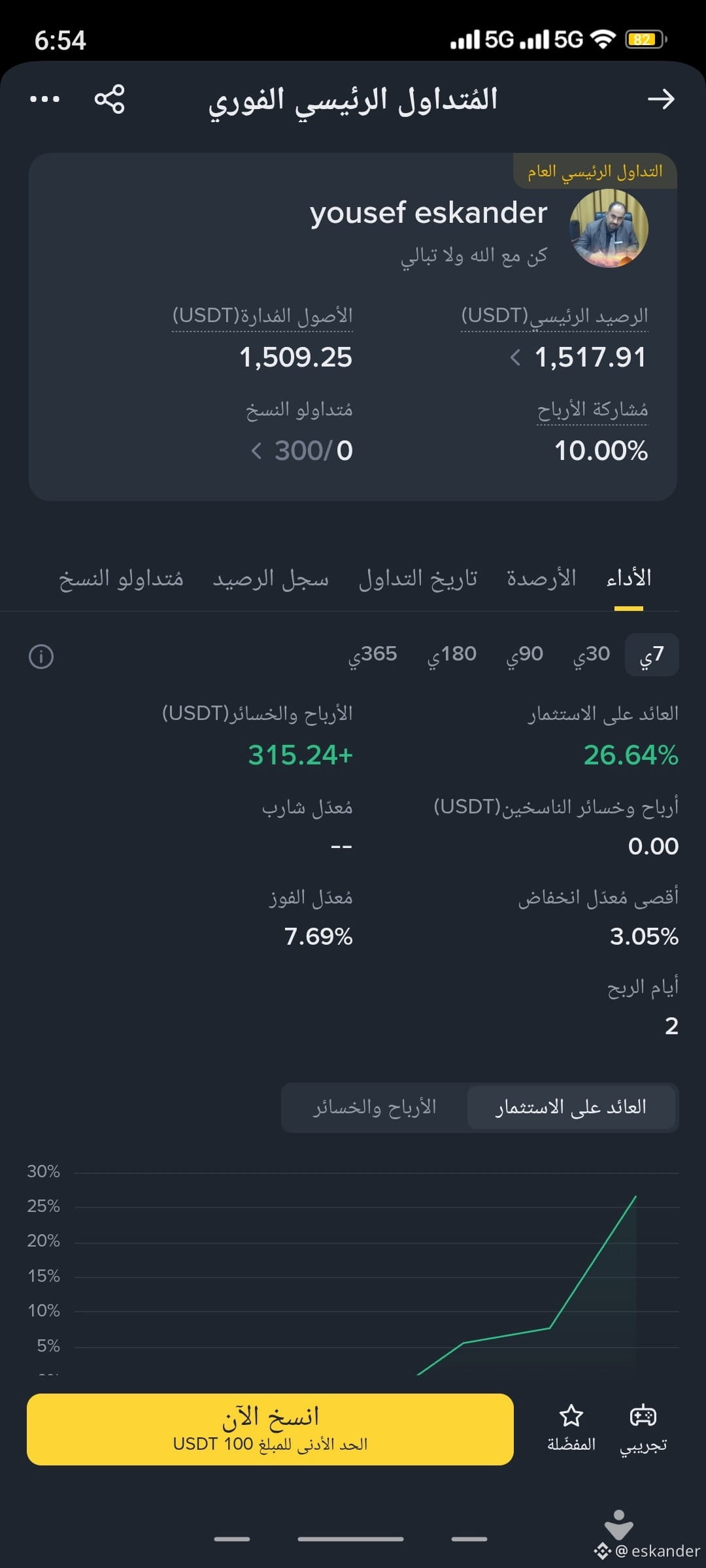
الصبر مفتاح الفرج لمن يرغب نسخ التداول الارقام تتحدث
$NEAR
مع ارتفاع البيتكوين والايثيريوم ما هي خطوتنا القادمة
الصبر مفتاح الفرج لمن يرغب نسخ التداول الارقام تتحدث
$NEAR
مع ارتفاع البيتكوين والايثيريوم ما هي خطوتنا القادمة
$NEAR
مع ارتفاع البيتكوين والايثيريوم ما هي خطوتنا القادمة
1
241
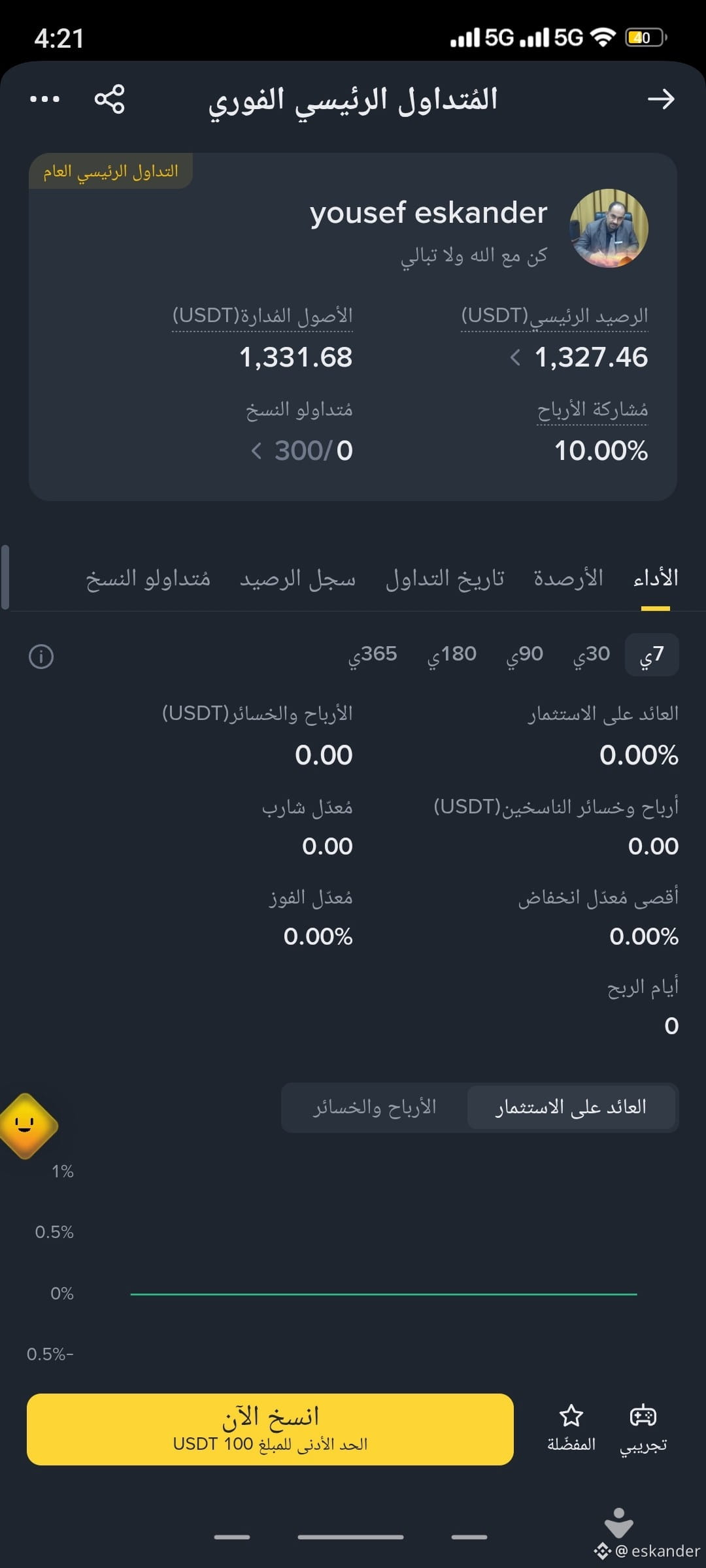
اللي بيحب يجرب يتداول معي نسخ انشاء الله ما راح يندم جرب ب 100 دولار الحد الادنى وانشالله فالكم الربح طبعا تاريخ اطلاق محفظة النسخ الآن 27/7/2026
$BTC
$ETH
$SOL
اللي بيحب يجرب يتداول معي نسخ انشاء الله ما راح يندم جرب ب 100 دولار الحد الادنى وانشالله فالكم الربح طبعا تاريخ اطلاق محفظة النسخ الآن 27/7/2026
$BTC
$ETH
$SOL
$BTC
$ETH
$SOL
1
1
317
Vérifié
أعلنت منصة بينانس عن إزالة وإيقاف تداول العملات التالية من السوق الفوري، وذلك بعد أحدث مراجعة دورية للمشاريع:
ALCX (Alchemix)
ARDR (Ardor)
NFP (NFPrompt)
POND (Marlin)
موعد الإزالة:
10 يوليو 2026، الساعة 03:00 صباحًا (UTC).
إذا كنت تحتفظ بأي من هذه العملات على بينانس، فمن الأفضل مراجعة وضع استثمارك واتخاذ الإجراء المناسب قبل موعد الإزالة.
أعلنت منصة بينانس عن إزالة وإيقاف تداول العملات التالية من السوق الفوري، وذلك بعد أحدث مراجعة دورية للمشاريع:
ALCX (Alchemix)
ARDR (Ardor)
NFP (NFPrompt)
POND (Marlin)
موعد الإزالة:
10 يوليو 2026، الساعة 03:00 صباحًا (UTC).
إذا كنت تحتفظ بأي من هذه العملات على بينانس، فمن الأفضل مراجعة وضع استثمارك واتخاذ الإجراء المناسب قبل موعد الإزالة.
ALCX (Alchemix)
ARDR (Ardor)
NFP (NFPrompt)
POND (Marlin)
موعد الإزالة:
10 يوليو 2026، الساعة 03:00 صباحًا (UTC).
إذا كنت تحتفظ بأي من هذه العملات على بينانس، فمن الأفضل مراجعة وضع استثمارك واتخاذ الإجراء المناسب قبل موعد الإزالة.

2
327
·
--
Baissier
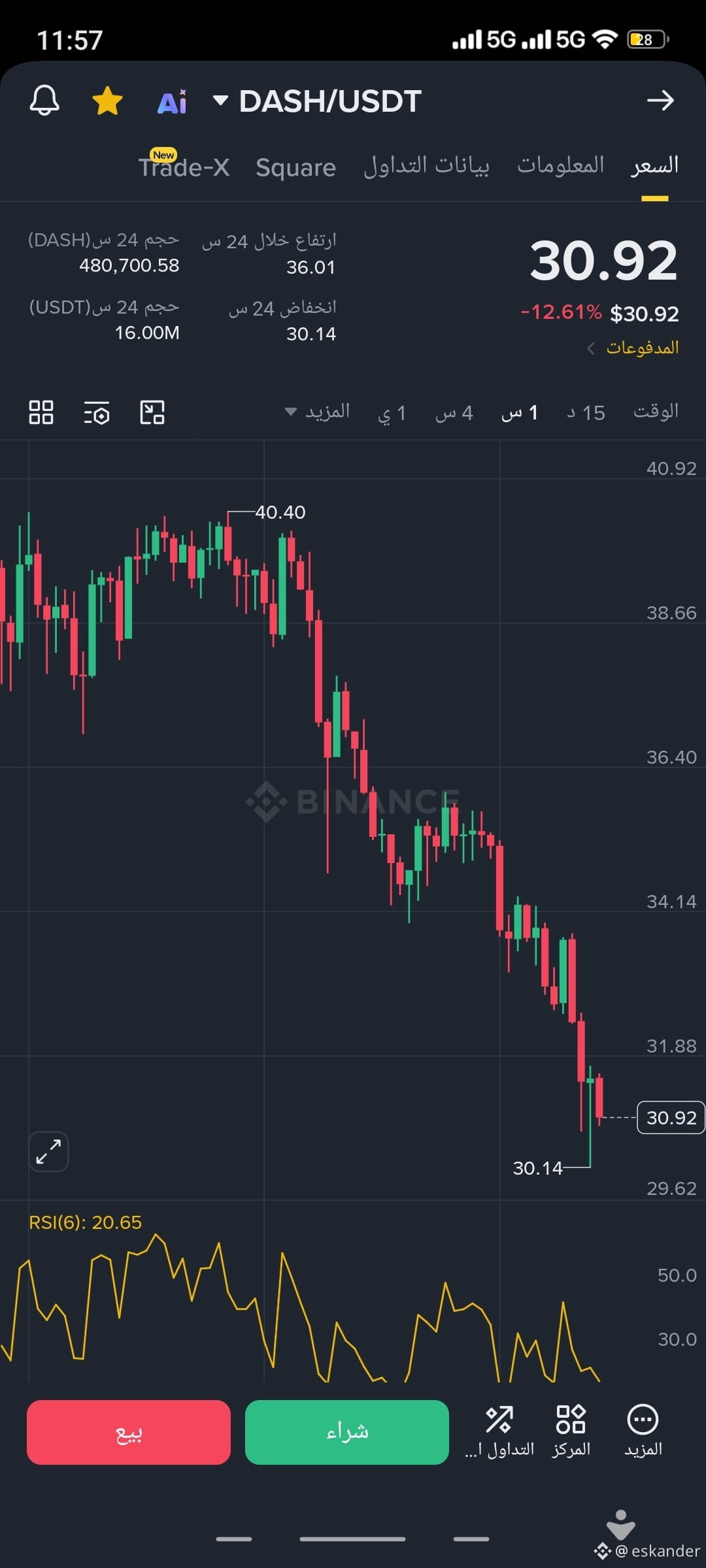
$DASH
اذا كسرت ال 30 سترونها في ال 23 في الساعات القادمة
$DASH
اذا كسرت ال 30 سترونها في ال 23 في الساعات القادمة
اذا كسرت ال 30 سترونها في ال 23 في الساعات القادمة
1
5
6.4k
$ZEC
حكينا ساعات
$ZEC
حكينا ساعات
حكينا ساعات
yousef eskander
·
--
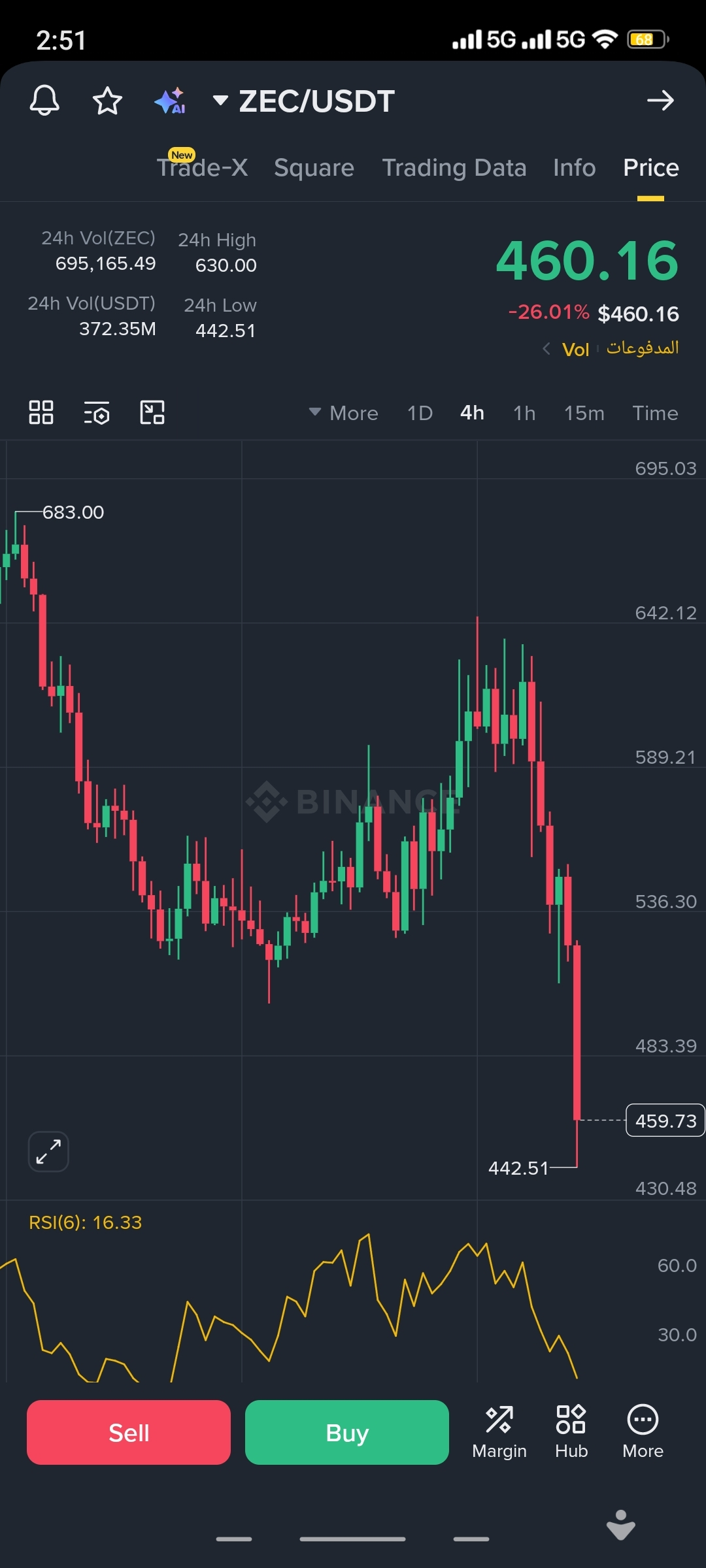
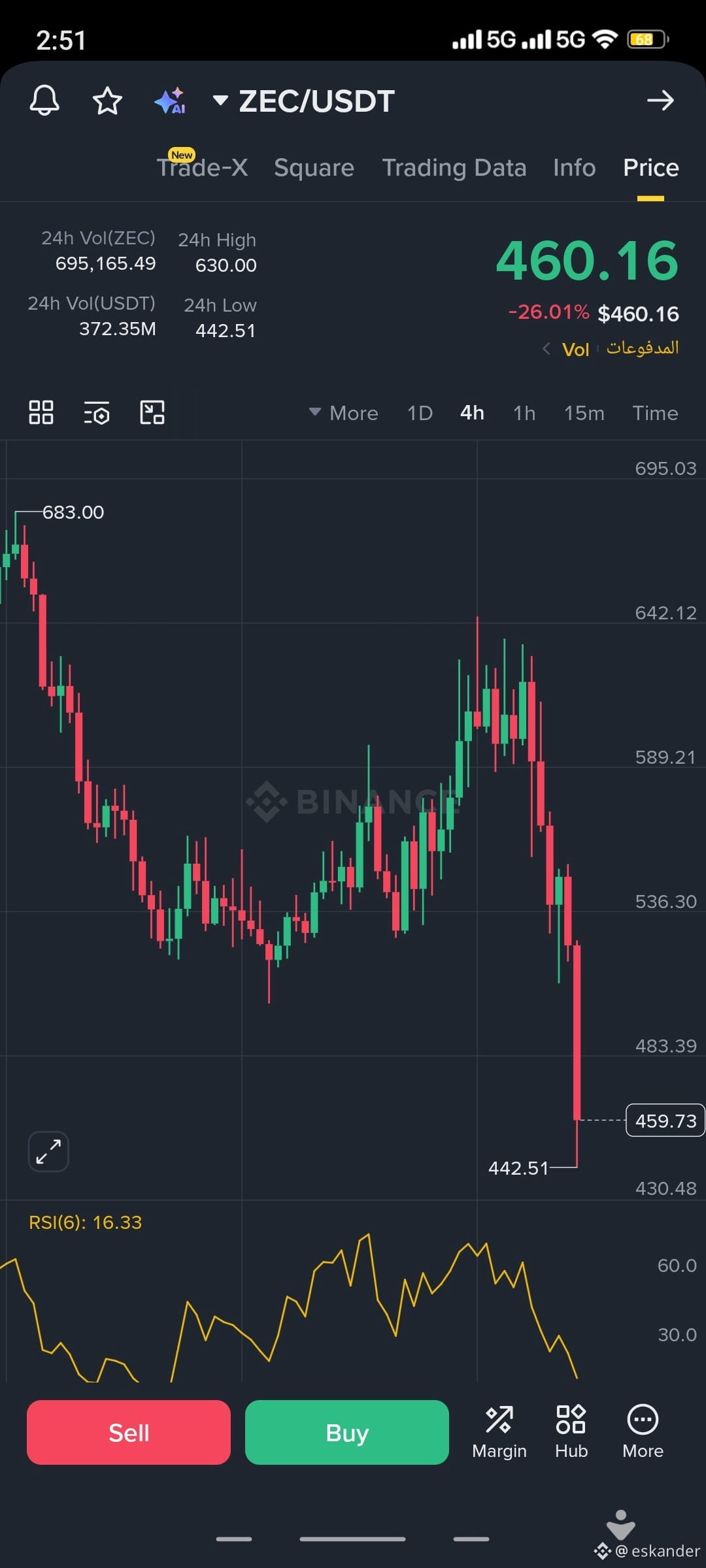
مجزرة zec اصعب من مجزرة البرامكة
ستهبط الى اقل من 400 خلال ساعات وليس ايام
اذا هبطت عن 400 ستصل 301 ثم ترتد
dyor
ستهبط الى اقل من 400 خلال ساعات وليس ايام
اذا هبطت عن 400 ستصل 301 ثم ترتد
dyor
4
1
266
مجزرة zec اصعب من مجزرة البرامكة
ستهبط الى اقل من 400 خلال ساعات وليس ايام
اذا هبطت عن 400 ستصل 301 ثم ترتد
dyor
مجزرة zec اصعب من مجزرة البرامكة
ستهبط الى اقل من 400 خلال ساعات وليس ايام
اذا هبطت عن 400 ستصل 301 ثم ترتد
dyor
ستهبط الى اقل من 400 خلال ساعات وليس ايام
اذا هبطت عن 400 ستصل 301 ثم ترتد
dyor
1
10
3k
·
--
Haussier
$HEMI تم سحب طلبات بيع كثيرة على هيمي اظن ان التجميع انتهى والانطلاق قريب
dyor
بشرط استمرار ارتفاع بيتكوين وايثيريوم
$HEMI تم سحب طلبات بيع كثيرة على هيمي اظن ان التجميع انتهى والانطلاق قريب
dyor
بشرط استمرار ارتفاع بيتكوين وايثيريوم
dyor
بشرط استمرار ارتفاع بيتكوين وايثيريوم
1
396
Article
اتفاق الخليج وبريطانيا.. شراكة تتجاوز النفطمقالي اليوم
يوسف اسكندر
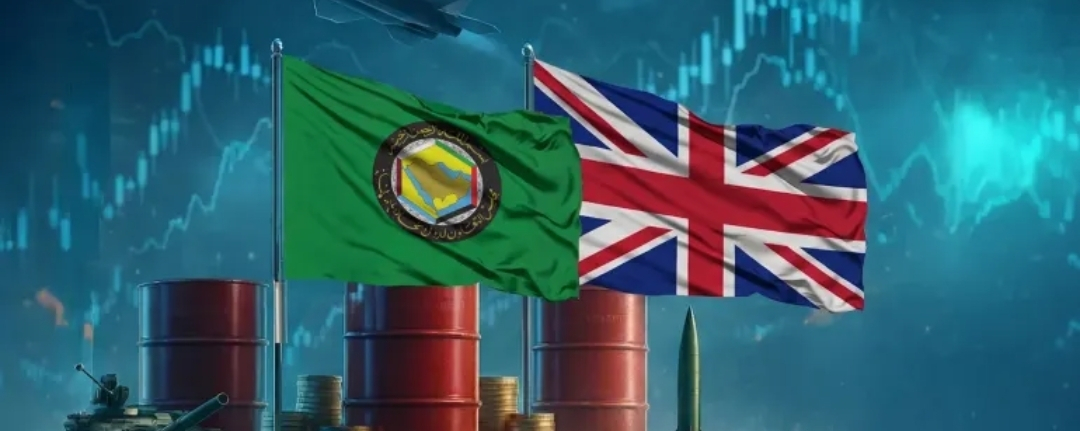
الكاتب: نجحت بريطانيا ودول الخليج في التوصل إلى اتفاق تجارة حرة يعد من أكبر الاتفاقات الاقتصادية التي يبرمها الطرفان خلال السنوات الأخيرة (الجزيرة)
بعد سنوات من التفاوض.. كيف نجح مجلس التعاون الخليجي وبريطانيا في إبرام اتفاق تجاري بهذه الضخامة؟
في وقت يشهد فيه العالم اضطرابات اقتصادية متلاحقة وتحولات جيوسياسية متسارعة، نجحت المملكة المتحدة، ودول مجلس التعاون الخليجي في التوصل إلى اتفاق تجارة حرة يعد من أكبر الاتفاقات الاقتصادية التي يبرمها الطرفان خلال السنوات الأخيرة، بعد مفاوضات استمرت أربع سنوات كاملة.
الاتفاق الذي يشمل قطر، والسعودية، والإمارات العربية المتحدة، والكويت، والبحرين، وعمان لا يمثل مجرد تفاهم حول الرسوم الجمركية، بل يعكس تحولات أعمق في شكل العلاقات الاقتصادية الدولية، وفي موقع الخليج داخل الاقتصاد العالمي الجديد.
ووفق ما أعلنته الحكومة البريطانية، فإن الاتفاق من المتوقع أن يضيف نحو 3.7 مليارات جنيه إسترليني سنويا (نحو 5 مليارات دولار أمريكي) إلى الاقتصاد البريطاني، مع إزالة مئات الملايين من الجنيهات من الرسوم الجمركية على قطاعات تشمل الغذاء والتقنية والمعدات الطبية والخدمات. لكن الأهمية الحقيقية للاتفاق لا تكمن في الأرقام وحدها، بل في توقيته وطبيعته السياسية والاقتصادية.
الحكومة البريطانية تسعى منذ سنوات إلى إثبات قدرتها على بناء شراكات تجارية كبرى خارج الإطار الأوروبي، خصوصا مع المناطق التي تمتلك سيولة مالية مرتفعة ونموا اقتصاديا متسارعا مثل الخليج
ورغم التباينات السياسية التي شهدتها المنطقة الخليجية خلال السنوات الماضية، فإن الاتفاق أظهر أن المصالح الاقتصادية الإستراتيجية لا تزال قادرة على دفع دول المجلس نحو العمل الجماعي عندما يتعلق الأمر بالشراكات الدولية الكبرى.
بريطانيا تبحث عن عالم ما بعد "بريكست"
من الجانب البريطاني، يبدو الاتفاق جزءا من إستراتيجية أوسع لإعادة تموضع لندن اقتصاديا بعد خروجها من الاتحاد الأوروبي.
فالحكومة البريطانية تسعى منذ سنوات إلى إثبات قدرتها على بناء شراكات تجارية كبرى خارج الإطار الأوروبي، خصوصا مع المناطق التي تمتلك سيولة مالية مرتفعة ونموا اقتصاديا متسارعا مثل الخليج.
ولذلك جاء التركيز البريطاني واضحا على:
توسيع الصادرات.
دعم الخدمات المالية.
تسهيل حركة البيانات.
وزيادة حضور الشركات البريطانية في الأسواق الخليجية.
كما أن توقيت الإعلان يحمل دلالة سياسية داخليا، إذ تواجه الحكومة البريطانية ضغوطا اقتصادية متزايدة وتراجعا في الشعبية، ما يجعل الاتفاق يقدم باعتباره إنجازا اقتصاديا كبيرا قادرا على دعم صورة الحكومة داخليا.
إزالة الرسوم الجمركية عن قطاعات الغذاء والتقنيات الطبية تعكس أيضا اهتماما خليجيا متزايدا بالأمن الغذائي وتنويع مصادر الاستيراد في منطقة تعتمد بشكل كبير على الواردات
الخليج.. من سوق للطاقة إلى شريك اقتصادي عالمي
لكن قراءة الاتفاق باعتباره "مصلحة بريطانية" فقط تبدو قراءة ناقصة.
فالخليج نفسه تغيّر اقتصاديا خلال السنوات الأخيرة. دول المجلس لم تعد تتحرك فقط ضمن منطق تصدير الطاقة، بل ضمن رؤية أوسع تقوم على:
تنويع الاقتصاد.
جذب التكنولوجيا.
التحول الرقمي.
توسيع قطاع الخدمات.
وتعزيز موقع المنطقة كمركز عالمي للتجارة والاستثمار.
ولهذا حمل الاتفاق بنودا لافتة تتجاوز التجارة التقليدية، خصوصا ما يتعلق بحرية تدفق البيانات والخدمات الرقمية، وهي ملفات ترتبط مباشرة بطموحات الخليج في الاقتصاد الرقمي والذكاء الاصطناعي والتقنية المالية.
كما أن إزالة الرسوم الجمركية عن قطاعات الغذاء والتقنيات الطبية تعكس أيضا اهتماما خليجيا متزايدا بالأمن الغذائي وتنويع مصادر الاستيراد في منطقة تعتمد بشكل كبير على الواردات.
تبدو بريطانيا حريصة على استعادة حضورها الاقتصادي التقليدي في الخليج ضمن منافسة دولية متزايدة تشمل الولايات المتحدة والصين والاتحاد الأوروبي
لماذا يعد الاتفاق مهما سياسيا؟
الأهمية السياسية للاتفاق ربما لا تقل عن أهميته الاقتصادية.
فنجاح مجلس التعاون في التفاوض ككتلة موحدة مع قوة اقتصادية كبرى يعكس أن المجلس لا يزال يمتلك قدرة على العمل الجماعي في الملفات الإستراتيجية رغم التنافس أحيانا بين بعض أعضائه.
كذلك يبعث الاتفاق برسالة أوسع مفادها أن الخليج أصبح لاعبا اقتصاديا يصعب تجاهله في إعادة تشكيل التحالفات التجارية العالمية، خصوصا مع تزايد أهمية المنطقة في ملفات الطاقة، والاستثمار، وسلاسل الإمداد العالمية.
وفي المقابل، تبدو بريطانيا حريصة على استعادة حضورها الاقتصادي التقليدي في الخليج ضمن منافسة دولية متزايدة تشمل الولايات المتحدة، والصين، والاتحاد الأوروبي.
أكثر من اتفاق تجاري
في المحصلة، لا يبدو الاتفاق مجرد صفقة اقتصادية عابرة، بل هو جزء من مرحلة دولية جديدة يعاد فيها رسم خرائط التجارة والتحالفات الاقتصادية.
وبعد أربع سنوات من المفاوضات، نجح الطرفان في الوصول إلى اتفاق يعكس حقيقة أساسية: العلاقات الخليجية البريطانية لم تعد تقوم فقط على النفط والطاقة، بل تتجه نحو شراكة أوسع تشمل التقنية والخدمات والاستثمار والاقتصاد الرقمي، في عالم يبحث عن تحالفات أكثر مرونة وسط تصاعد الاضطرابات العالمية
اتفاق الخليج وبريطانيا.. شراكة تتجاوز النفط
مقالي اليوم
يوسف اسكندر
الكاتب: نجحت بريطانيا ودول الخليج في التوصل إلى اتفاق تجارة حرة يعد من أكبر الاتفاقات الاقتصادية التي يبرمها الطرفان خلال السنوات الأخيرة (الجزيرة)
بعد سنوات من التفاوض.. كيف نجح مجلس التعاون الخليجي وبريطانيا في إبرام اتفاق تجاري بهذه الضخامة؟
في وقت يشهد فيه العالم اضطرابات اقتصادية متلاحقة وتحولات جيوسياسية متسارعة، نجحت المملكة المتحدة، ودول مجلس التعاون الخليجي في التوصل إلى اتفاق تجارة حرة يعد من أكبر الاتفاقات الاقتصادية التي يبرمها الطرفان خلال السنوات الأخيرة، بعد مفاوضات استمرت أربع سنوات كاملة.
الاتفاق الذي يشمل قطر، والسعودية، والإمارات العربية المتحدة، والكويت، والبحرين، وعمان لا يمثل مجرد تفاهم حول الرسوم الجمركية، بل يعكس تحولات أعمق في شكل العلاقات الاقتصادية الدولية، وفي موقع الخليج داخل الاقتصاد العالمي الجديد.
ووفق ما أعلنته الحكومة البريطانية، فإن الاتفاق من المتوقع أن يضيف نحو 3.7 مليارات جنيه إسترليني سنويا (نحو 5 مليارات دولار أمريكي) إلى الاقتصاد البريطاني، مع إزالة مئات الملايين من الجنيهات من الرسوم الجمركية على قطاعات تشمل الغذاء والتقنية والمعدات الطبية والخدمات. لكن الأهمية الحقيقية للاتفاق لا تكمن في الأرقام وحدها، بل في توقيته وطبيعته السياسية والاقتصادية.
الحكومة البريطانية تسعى منذ سنوات إلى إثبات قدرتها على بناء شراكات تجارية كبرى خارج الإطار الأوروبي، خصوصا مع المناطق التي تمتلك سيولة مالية مرتفعة ونموا اقتصاديا متسارعا مثل الخليج
ورغم التباينات السياسية التي شهدتها المنطقة الخليجية خلال السنوات الماضية، فإن الاتفاق أظهر أن المصالح الاقتصادية الإستراتيجية لا تزال قادرة على دفع دول المجلس نحو العمل الجماعي عندما يتعلق الأمر بالشراكات الدولية الكبرى.
بريطانيا تبحث عن عالم ما بعد "بريكست"
من الجانب البريطاني، يبدو الاتفاق جزءا من إستراتيجية أوسع لإعادة تموضع لندن اقتصاديا بعد خروجها من الاتحاد الأوروبي.
فالحكومة البريطانية تسعى منذ سنوات إلى إثبات قدرتها على بناء شراكات تجارية كبرى خارج الإطار الأوروبي، خصوصا مع المناطق التي تمتلك سيولة مالية مرتفعة ونموا اقتصاديا متسارعا مثل الخليج.
ولذلك جاء التركيز البريطاني واضحا على:
توسيع الصادرات.
دعم الخدمات المالية.
تسهيل حركة البيانات.
وزيادة حضور الشركات البريطانية في الأسواق الخليجية.
كما أن توقيت الإعلان يحمل دلالة سياسية داخليا، إذ تواجه الحكومة البريطانية ضغوطا اقتصادية متزايدة وتراجعا في الشعبية، ما يجعل الاتفاق يقدم باعتباره إنجازا اقتصاديا كبيرا قادرا على دعم صورة الحكومة داخليا.
إزالة الرسوم الجمركية عن قطاعات الغذاء والتقنيات الطبية تعكس أيضا اهتماما خليجيا متزايدا بالأمن الغذائي وتنويع مصادر الاستيراد في منطقة تعتمد بشكل كبير على الواردات
الخليج.. من سوق للطاقة إلى شريك اقتصادي عالمي
لكن قراءة الاتفاق باعتباره "مصلحة بريطانية" فقط تبدو قراءة ناقصة.
فالخليج نفسه تغيّر اقتصاديا خلال السنوات الأخيرة. دول المجلس لم تعد تتحرك فقط ضمن منطق تصدير الطاقة، بل ضمن رؤية أوسع تقوم على:
تنويع الاقتصاد.
جذب التكنولوجيا.
التحول الرقمي.
توسيع قطاع الخدمات.
وتعزيز موقع المنطقة كمركز عالمي للتجارة والاستثمار.
ولهذا حمل الاتفاق بنودا لافتة تتجاوز التجارة التقليدية، خصوصا ما يتعلق بحرية تدفق البيانات والخدمات الرقمية، وهي ملفات ترتبط مباشرة بطموحات الخليج في الاقتصاد الرقمي والذكاء الاصطناعي والتقنية المالية.
كما أن إزالة الرسوم الجمركية عن قطاعات الغذاء والتقنيات الطبية تعكس أيضا اهتماما خليجيا متزايدا بالأمن الغذائي وتنويع مصادر الاستيراد في منطقة تعتمد بشكل كبير على الواردات.
تبدو بريطانيا حريصة على استعادة حضورها الاقتصادي التقليدي في الخليج ضمن منافسة دولية متزايدة تشمل الولايات المتحدة والصين والاتحاد الأوروبي
لماذا يعد الاتفاق مهما سياسيا؟
الأهمية السياسية للاتفاق ربما لا تقل عن أهميته الاقتصادية.
فنجاح مجلس التعاون في التفاوض ككتلة موحدة مع قوة اقتصادية كبرى يعكس أن المجلس لا يزال يمتلك قدرة على العمل الجماعي في الملفات الإستراتيجية رغم التنافس أحيانا بين بعض أعضائه.
كذلك يبعث الاتفاق برسالة أوسع مفادها أن الخليج أصبح لاعبا اقتصاديا يصعب تجاهله في إعادة تشكيل التحالفات التجارية العالمية، خصوصا مع تزايد أهمية المنطقة في ملفات الطاقة، والاستثمار، وسلاسل الإمداد العالمية.
وفي المقابل، تبدو بريطانيا حريصة على استعادة حضورها الاقتصادي التقليدي في الخليج ضمن منافسة دولية متزايدة تشمل الولايات المتحدة، والصين، والاتحاد الأوروبي.
أكثر من اتفاق تجاري
في المحصلة، لا يبدو الاتفاق مجرد صفقة اقتصادية عابرة، بل هو جزء من مرحلة دولية جديدة يعاد فيها رسم خرائط التجارة والتحالفات الاقتصادية.
وبعد أربع سنوات من المفاوضات، نجح الطرفان في الوصول إلى اتفاق يعكس حقيقة أساسية: العلاقات الخليجية البريطانية لم تعد تقوم فقط على النفط والطاقة، بل تتجه نحو شراكة أوسع تشمل التقنية والخدمات والاستثمار والاقتصاد الرقمي، في عالم يبحث عن تحالفات أكثر مرونة وسط تصاعد الاضطرابات العالمية
يوسف اسكندر
الكاتب: نجحت بريطانيا ودول الخليج في التوصل إلى اتفاق تجارة حرة يعد من أكبر الاتفاقات الاقتصادية التي يبرمها الطرفان خلال السنوات الأخيرة (الجزيرة)
بعد سنوات من التفاوض.. كيف نجح مجلس التعاون الخليجي وبريطانيا في إبرام اتفاق تجاري بهذه الضخامة؟
في وقت يشهد فيه العالم اضطرابات اقتصادية متلاحقة وتحولات جيوسياسية متسارعة، نجحت المملكة المتحدة، ودول مجلس التعاون الخليجي في التوصل إلى اتفاق تجارة حرة يعد من أكبر الاتفاقات الاقتصادية التي يبرمها الطرفان خلال السنوات الأخيرة، بعد مفاوضات استمرت أربع سنوات كاملة.
الاتفاق الذي يشمل قطر، والسعودية، والإمارات العربية المتحدة، والكويت، والبحرين، وعمان لا يمثل مجرد تفاهم حول الرسوم الجمركية، بل يعكس تحولات أعمق في شكل العلاقات الاقتصادية الدولية، وفي موقع الخليج داخل الاقتصاد العالمي الجديد.
ووفق ما أعلنته الحكومة البريطانية، فإن الاتفاق من المتوقع أن يضيف نحو 3.7 مليارات جنيه إسترليني سنويا (نحو 5 مليارات دولار أمريكي) إلى الاقتصاد البريطاني، مع إزالة مئات الملايين من الجنيهات من الرسوم الجمركية على قطاعات تشمل الغذاء والتقنية والمعدات الطبية والخدمات. لكن الأهمية الحقيقية للاتفاق لا تكمن في الأرقام وحدها، بل في توقيته وطبيعته السياسية والاقتصادية.
الحكومة البريطانية تسعى منذ سنوات إلى إثبات قدرتها على بناء شراكات تجارية كبرى خارج الإطار الأوروبي، خصوصا مع المناطق التي تمتلك سيولة مالية مرتفعة ونموا اقتصاديا متسارعا مثل الخليج
ورغم التباينات السياسية التي شهدتها المنطقة الخليجية خلال السنوات الماضية، فإن الاتفاق أظهر أن المصالح الاقتصادية الإستراتيجية لا تزال قادرة على دفع دول المجلس نحو العمل الجماعي عندما يتعلق الأمر بالشراكات الدولية الكبرى.
بريطانيا تبحث عن عالم ما بعد "بريكست"
من الجانب البريطاني، يبدو الاتفاق جزءا من إستراتيجية أوسع لإعادة تموضع لندن اقتصاديا بعد خروجها من الاتحاد الأوروبي.
فالحكومة البريطانية تسعى منذ سنوات إلى إثبات قدرتها على بناء شراكات تجارية كبرى خارج الإطار الأوروبي، خصوصا مع المناطق التي تمتلك سيولة مالية مرتفعة ونموا اقتصاديا متسارعا مثل الخليج.
ولذلك جاء التركيز البريطاني واضحا على:
توسيع الصادرات.
دعم الخدمات المالية.
تسهيل حركة البيانات.
وزيادة حضور الشركات البريطانية في الأسواق الخليجية.
كما أن توقيت الإعلان يحمل دلالة سياسية داخليا، إذ تواجه الحكومة البريطانية ضغوطا اقتصادية متزايدة وتراجعا في الشعبية، ما يجعل الاتفاق يقدم باعتباره إنجازا اقتصاديا كبيرا قادرا على دعم صورة الحكومة داخليا.
إزالة الرسوم الجمركية عن قطاعات الغذاء والتقنيات الطبية تعكس أيضا اهتماما خليجيا متزايدا بالأمن الغذائي وتنويع مصادر الاستيراد في منطقة تعتمد بشكل كبير على الواردات
الخليج.. من سوق للطاقة إلى شريك اقتصادي عالمي
لكن قراءة الاتفاق باعتباره "مصلحة بريطانية" فقط تبدو قراءة ناقصة.
فالخليج نفسه تغيّر اقتصاديا خلال السنوات الأخيرة. دول المجلس لم تعد تتحرك فقط ضمن منطق تصدير الطاقة، بل ضمن رؤية أوسع تقوم على:
تنويع الاقتصاد.
جذب التكنولوجيا.
التحول الرقمي.
توسيع قطاع الخدمات.
وتعزيز موقع المنطقة كمركز عالمي للتجارة والاستثمار.
ولهذا حمل الاتفاق بنودا لافتة تتجاوز التجارة التقليدية، خصوصا ما يتعلق بحرية تدفق البيانات والخدمات الرقمية، وهي ملفات ترتبط مباشرة بطموحات الخليج في الاقتصاد الرقمي والذكاء الاصطناعي والتقنية المالية.
كما أن إزالة الرسوم الجمركية عن قطاعات الغذاء والتقنيات الطبية تعكس أيضا اهتماما خليجيا متزايدا بالأمن الغذائي وتنويع مصادر الاستيراد في منطقة تعتمد بشكل كبير على الواردات.
تبدو بريطانيا حريصة على استعادة حضورها الاقتصادي التقليدي في الخليج ضمن منافسة دولية متزايدة تشمل الولايات المتحدة والصين والاتحاد الأوروبي
لماذا يعد الاتفاق مهما سياسيا؟
الأهمية السياسية للاتفاق ربما لا تقل عن أهميته الاقتصادية.
فنجاح مجلس التعاون في التفاوض ككتلة موحدة مع قوة اقتصادية كبرى يعكس أن المجلس لا يزال يمتلك قدرة على العمل الجماعي في الملفات الإستراتيجية رغم التنافس أحيانا بين بعض أعضائه.
كذلك يبعث الاتفاق برسالة أوسع مفادها أن الخليج أصبح لاعبا اقتصاديا يصعب تجاهله في إعادة تشكيل التحالفات التجارية العالمية، خصوصا مع تزايد أهمية المنطقة في ملفات الطاقة، والاستثمار، وسلاسل الإمداد العالمية.
وفي المقابل، تبدو بريطانيا حريصة على استعادة حضورها الاقتصادي التقليدي في الخليج ضمن منافسة دولية متزايدة تشمل الولايات المتحدة، والصين، والاتحاد الأوروبي.
أكثر من اتفاق تجاري
في المحصلة، لا يبدو الاتفاق مجرد صفقة اقتصادية عابرة، بل هو جزء من مرحلة دولية جديدة يعاد فيها رسم خرائط التجارة والتحالفات الاقتصادية.
وبعد أربع سنوات من المفاوضات، نجح الطرفان في الوصول إلى اتفاق يعكس حقيقة أساسية: العلاقات الخليجية البريطانية لم تعد تقوم فقط على النفط والطاقة، بل تتجه نحو شراكة أوسع تشمل التقنية والخدمات والاستثمار والاقتصاد الرقمي، في عالم يبحث عن تحالفات أكثر مرونة وسط تصاعد الاضطرابات العالمية
2
491
·
--
Haussier
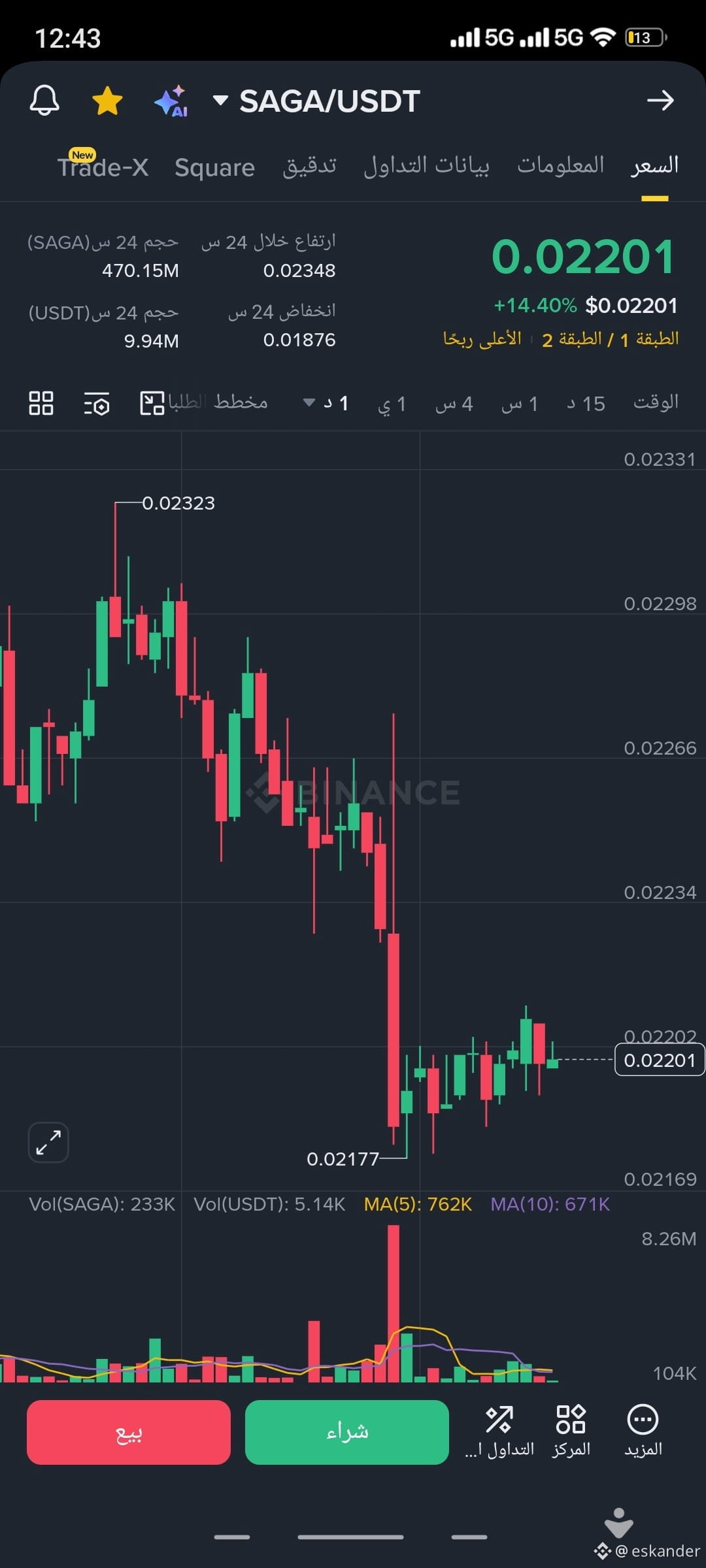
$SAGA
سترتفع 100%% او 120% خلال يومين فقط من هذا السعر
فريق تطوير نشيط جدا
dyor
$SAGA
سترتفع 100%% او 120% خلال يومين فقط من هذا السعر
فريق تطوير نشيط جدا
dyor
سترتفع 100%% او 120% خلال يومين فقط من هذا السعر
فريق تطوير نشيط جدا
dyor
1
7
4k
الحمد لله مقالي يتصدر مقالات الجزيرة ل 19 ساعة متواصلة
$BTC
الحمد لله مقالي يتصدر مقالات الجزيرة ل 19 ساعة متواصلة
$BTC
$BTC
3
250
Connectez-vous pour découvrir plus de contenu
Rejoignez la communauté mondiale des adeptes de cryptomonnaies sur Binance Square
⚡️ Suviez les dernières informations importantes sur les cryptomonnaies.
💬 Jugé digne de confiance par la plus grande plateforme d’échange de cryptomonnaies au monde.
👍 Découvrez les connaissances que partagent les créateurs vérifiés.
Adresse e-mail/Nº de téléphone
Sujets d’actualité
MetaMaskExitsLidoValidatorsAfterSecurityIncident
17,019 vues
436 mentions
🚨 METAMASK JUST STARTED EXITING ETH VALIDATORS AFTER A SECURITY INCIDENT.
MetaMask says an ongoing security incident hit part of its infrastructure, forcing it to proactively exit affected validators from its non-custodial staking operations. The company says it has found no immediate threat to MetaMask wallets so far.
The key detail?
These validators are tied to Lido staking, and the exit process may temporarily remove ETH from staking while the investigation continues. Lido-related reports say the full exit, withdrawal and re-entry cycle could take up to roughly 45 days.
That means the market should separate two things:
Wallet users are not currently being told they’re at immediate risk.
But validator infrastructure clearly was serious enough to trigger an emergency exit.
And when one of Ethereum’s biggest wallet brands starts pulling validators as a precaution, traders pay attention.
Security incidents don’t need stolen funds to become market-moving.
Sometimes the reaction itself is the signal. 👀
$ETH $LDO
#metamaskexitslidovalidatorsaftersecurityincident
KimHotbae
·0 mentions J’aime
·2.5k vues
MicronBeatsEarningsLiftsGuidance
14,611 vues
393 mentions
CFTCSubmitsTwoEventContractRulesToWhiteHouse
12,964 vues
360 mentions