
DlicomApp
191 Publications

DlicomApp
Signaler
Bloquer l’utilisateur
AI-powered SocialFi – encrypted messaging and calls, self-custody wallet, DliClips, and on-chain creator tipping. Product updates & community.
8 Suivis
6.3K+ Abonnés
1.7K+ J’aime
Publications
Tous
Citations
Vidéos
·
--
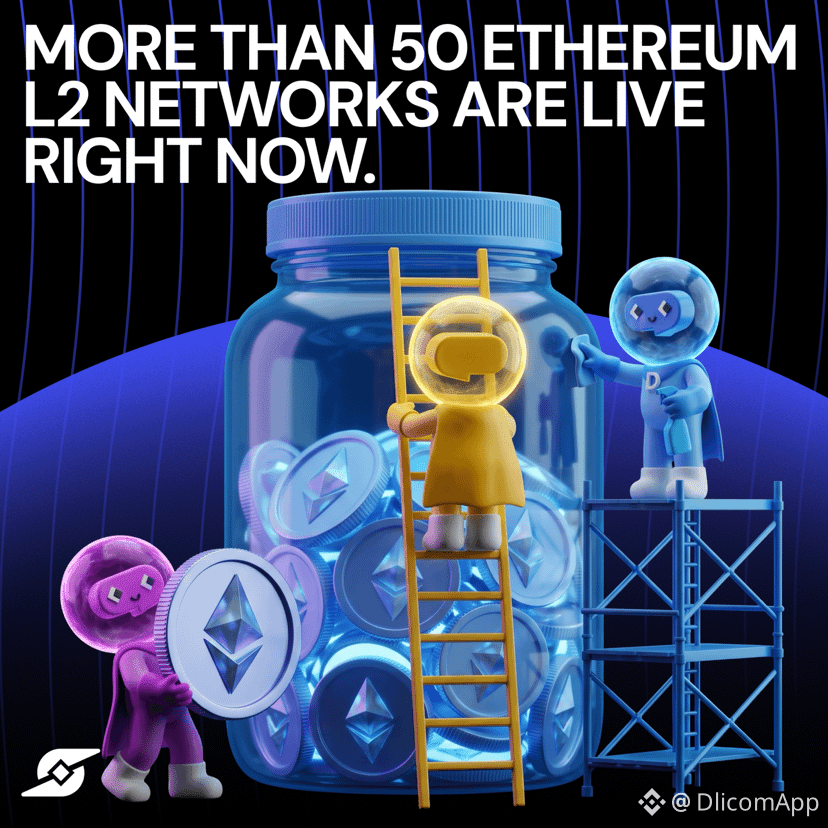
Plus de 50 réseaux Ethereum L2 sont en ligne en ce moment. Les analystes s’attendent à ce que moins de 20 d’entre eux existent encore d’ici la fin de l’année.
Trois ont déjà cessé leurs activités en 2026, chacune de la même manière : une annonce, une date limite de retrait, puis la porte se referme définitivement. Les actifs laissés derrière à partir de cette date ont disparu, sans appel, sans prolongation.
Un jeton “bridgé” sur une petite L2 n’a pas la même valeur qu’au même jeton sur le réseau principal. C’est une créance qui dépend du maintien en ligne d’une équipe spécifique.
[Follow us](https://www.binance.com/en/square/profile/dlicomapp) pour en savoir plus sur ce qui se passe réellement en dessous des graphiques.
Plus de 50 réseaux Ethereum L2 sont en ligne en ce moment. Les analystes s’attendent à ce que moins de 20 d’entre eux existent encore d’ici la fin de l’année.
Trois ont déjà cessé leurs activités en 2026, chacune de la même manière : une annonce, une date limite de retrait, puis la porte se referme définitivement. Les actifs laissés derrière à partir de cette date ont disparu, sans appel, sans prolongation.
Un jeton “bridgé” sur une petite L2 n’a pas la même valeur qu’au même jeton sur le réseau principal. C’est une créance qui dépend du maintien en ligne d’une équipe spécifique.
Follow us pour en savoir plus sur ce qui se passe réellement en dessous des graphiques.
Trois ont déjà cessé leurs activités en 2026, chacune de la même manière : une annonce, une date limite de retrait, puis la porte se referme définitivement. Les actifs laissés derrière à partir de cette date ont disparu, sans appel, sans prolongation.
Un jeton “bridgé” sur une petite L2 n’a pas la même valeur qu’au même jeton sur le réseau principal. C’est une créance qui dépend du maintien en ligne d’une équipe spécifique.
Follow us pour en savoir plus sur ce qui se passe réellement en dessous des graphiques.
16
4
41
·
--
32,52 Md$ a transité vers des tokens qui enveloppent de véritables actions et matières premières via des rails crypto, en hausse de 27,58 % en un mois 🔥
À elle seule, Solana a capté 97,8 % d’un record de volume quotidien de DEX à 565 M$ en juin, porté par les actions tokenisées et l’activité RWA. Son écosystème affiche une progression de 43,1 % sur 30 jours, avec 41 % de la part spot DEX du trimestre.
Derrière ces deux mouvements : la décision de mars qui a classé 16 actifs majeurs, dont $ETH et $SOL, comme des commodités numériques plutôt que comme des valeurs mobilières. Cette seule décision continue encore d’alimenter les grosses capitalisations trois mois plus tard.
Cela ressemble moins à une domination de Bitcoin qu’à une rotation vers une infrastructure que la TradFi peut réellement brancher.
L’argent institutionnel continue-t-il de confirmer cette rotation à partir d’ici, ou est-ce qu’elle s’essouffle ?
32,52 Md$ a transité vers des tokens qui enveloppent de véritables actions et matières premières via des rails crypto, en hausse de 27,58 % en un mois 🔥
À elle seule, Solana a capté 97,8 % d’un record de volume quotidien de DEX à 565 M$ en juin, porté par les actions tokenisées et l’activité RWA. Son écosystème affiche une progression de 43,1 % sur 30 jours, avec 41 % de la part spot DEX du trimestre.
Derrière ces deux mouvements : la décision de mars qui a classé 16 actifs majeurs, dont $ETH et $SOL, comme des commodités numériques plutôt que comme des valeurs mobilières. Cette seule décision continue encore d’alimenter les grosses capitalisations trois mois plus tard.
Cela ressemble moins à une domination de Bitcoin qu’à une rotation vers une infrastructure que la TradFi peut réellement brancher.
L’argent institutionnel continue-t-il de confirmer cette rotation à partir d’ici, ou est-ce qu’elle s’essouffle ?
À elle seule, Solana a capté 97,8 % d’un record de volume quotidien de DEX à 565 M$ en juin, porté par les actions tokenisées et l’activité RWA. Son écosystème affiche une progression de 43,1 % sur 30 jours, avec 41 % de la part spot DEX du trimestre.
Derrière ces deux mouvements : la décision de mars qui a classé 16 actifs majeurs, dont $ETH et $SOL, comme des commodités numériques plutôt que comme des valeurs mobilières. Cette seule décision continue encore d’alimenter les grosses capitalisations trois mois plus tard.
Cela ressemble moins à une domination de Bitcoin qu’à une rotation vers une infrastructure que la TradFi peut réellement brancher.
L’argent institutionnel continue-t-il de confirmer cette rotation à partir d’ici, ou est-ce qu’elle s’essouffle ?

3
93
·
--
Bitcoin a imprimé juste au-dessus de 80 010 $ cette semaine, au même niveau que celui qui a fait échouer toutes les tentatives au cours des deux dernières semaines.
Passer 80 000 $ une fois, c’est la partie facile. Le prochain vrai test se situe à 82 000 $ à 83 000 $, et une liquidité plus fine le week-end signifie qu’un mouvement au travers d’un chiffre rond peut aller plus loin, ou s’effondrer plus vite, qu’un jour de semaine.
Le franchir est un titre. Le conserver jusqu’à lundi, c’est ce qui compte vraiment.
Suivez pour lire si cela tient.
Bitcoin a imprimé juste au-dessus de 80 010 $ cette semaine, au même niveau que celui qui a fait échouer toutes les tentatives au cours des deux dernières semaines.
Passer 80 000 $ une fois, c’est la partie facile. Le prochain vrai test se situe à 82 000 $ à 83 000 $, et une liquidité plus fine le week-end signifie qu’un mouvement au travers d’un chiffre rond peut aller plus loin, ou s’effondrer plus vite, qu’un jour de semaine.
Le franchir est un titre. Le conserver jusqu’à lundi, c’est ce qui compte vraiment.
Suivez pour lire si cela tient.
Passer 80 000 $ une fois, c’est la partie facile. Le prochain vrai test se situe à 82 000 $ à 83 000 $, et une liquidité plus fine le week-end signifie qu’un mouvement au travers d’un chiffre rond peut aller plus loin, ou s’effondrer plus vite, qu’un jour de semaine.
Le franchir est un titre. Le conserver jusqu’à lundi, c’est ce qui compte vraiment.
Suivez pour lire si cela tient.

4
89
·
--
Les entrées d’ETF Ether viennent de dépasser pour la première fois cette année celles du Bitcoin, et les stablecoins représentent désormais plus de 30 % du volume des transactions on-chain à l’échelle de l’ensemble de l’industrie. Le GENIUS Act a levé le voile réglementaire qui a tenu banques et institutions à l’écart pendant des années.
Les stablecoins sont passés d’un contournement né dans la cryptosphère à une infrastructure de paiement que la finance traditionnelle construit activement autour.
Dlicom a anticipé ce changement dès le début : envoyer un transfert de stablecoin dans un chat ne prend qu’une confirmation, avec le gas géré automatiquement via Smooth Transactions, directement là où se déroule déjà la conversation.
Les paiements migrent vers la messagerie. Suivez-nous pour assister à ce phénomène en temps réel.
Les entrées d’ETF Ether viennent de dépasser pour la première fois cette année celles du Bitcoin, et les stablecoins représentent désormais plus de 30 % du volume des transactions on-chain à l’échelle de l’ensemble de l’industrie. Le GENIUS Act a levé le voile réglementaire qui a tenu banques et institutions à l’écart pendant des années.
Les stablecoins sont passés d’un contournement né dans la cryptosphère à une infrastructure de paiement que la finance traditionnelle construit activement autour.
Dlicom a anticipé ce changement dès le début : envoyer un transfert de stablecoin dans un chat ne prend qu’une confirmation, avec le gas géré automatiquement via Smooth Transactions, directement là où se déroule déjà la conversation.
Les paiements migrent vers la messagerie. Suivez-nous pour assister à ce phénomène en temps réel.
Les stablecoins sont passés d’un contournement né dans la cryptosphère à une infrastructure de paiement que la finance traditionnelle construit activement autour.
Dlicom a anticipé ce changement dès le début : envoyer un transfert de stablecoin dans un chat ne prend qu’une confirmation, avec le gas géré automatiquement via Smooth Transactions, directement là où se déroule déjà la conversation.
Les paiements migrent vers la messagerie. Suivez-nous pour assister à ce phénomène en temps réel.

13
4
45
·
--
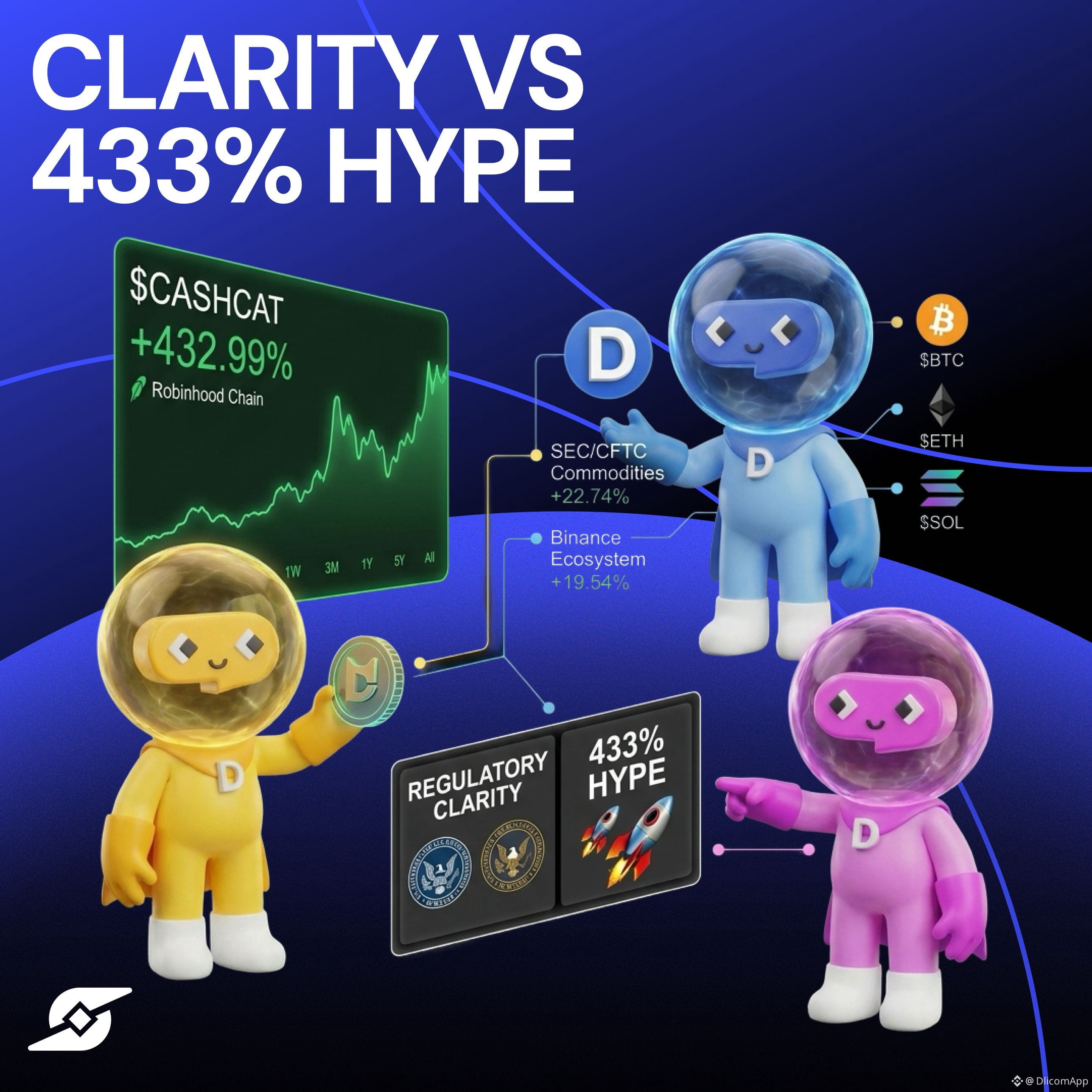
$CASHCAT a grimpé de 432,99 % ce mois-ci sur Robinhood Chain. Ce n’est même pas la plus grosse actualité en crypto en ce moment 👀
Les actifs que la SEC et la CFTC ont classés comme des crypto-marchandises en mars affichent une hausse de 22,74 % sur 30 jours, dépassant le marché total de 3,68 %. $BTC, $ETH et $SOL font partie de ce groupe.
L’écosystème Binance connaît aussi son propre mois faste, en hausse de 19,54 % sur 30 jours grâce à une liquidité institutionnelle en profondeur.
Deux publics complètement différents font avancer ce marché en même temps. L’un court après la clarté réglementaire. L’autre court après un graphique qui a quadruplé en trente jours.
De quel côté de ce marché trades-tu réellement ?
$CASHCAT a grimpé de 432,99 % ce mois-ci sur Robinhood Chain. Ce n’est même pas la plus grosse actualité en crypto en ce moment 👀
Les actifs que la SEC et la CFTC ont classés comme des crypto-marchandises en mars affichent une hausse de 22,74 % sur 30 jours, dépassant le marché total de 3,68 %. $BTC, $ETH et $SOL font partie de ce groupe.
L’écosystème Binance connaît aussi son propre mois faste, en hausse de 19,54 % sur 30 jours grâce à une liquidité institutionnelle en profondeur.
Deux publics complètement différents font avancer ce marché en même temps. L’un court après la clarté réglementaire. L’autre court après un graphique qui a quadruplé en trente jours.
De quel côté de ce marché trades-tu réellement ?
Les actifs que la SEC et la CFTC ont classés comme des crypto-marchandises en mars affichent une hausse de 22,74 % sur 30 jours, dépassant le marché total de 3,68 %. $BTC, $ETH et $SOL font partie de ce groupe.
L’écosystème Binance connaît aussi son propre mois faste, en hausse de 19,54 % sur 30 jours grâce à une liquidité institutionnelle en profondeur.
Deux publics complètement différents font avancer ce marché en même temps. L’un court après la clarté réglementaire. L’autre court après un graphique qui a quadruplé en trente jours.
De quel côté de ce marché trades-tu réellement ?
4
104
·
--
Le contenu gratuit a un prix, payé avec une monnaie qui reste absente de toute déclaration : votre attention et vos données. Vous regardez une vidéo, vous faites défiler. Une enchère publicitaire s’est tenue derrière ces trente secondes, et vos habitudes de visionnage ont déterminé ce que vous verriez ensuite.
Les créateurs fournissent le contenu, les plateformes monétisent l’attention, et les créateurs reçoivent la part de revenus publicitaires que la formule autorise, souvent assortie de seuils de vue sur lesquels ils n’ont pas la main.
Le pourboire met un montant réel là où cet échange cachait auparavant sa valeur. La valeur va directement de la personne qui a jugé le contenu utile à celle qui l’a créé, intacte, avant que trois parties ne prélèvent une part.
Une plateforme qui monétise votre attention, ou un créateur à qui vous payez directement dès que son travail le mérite. À quel échange préféreriez-vous participer ?
Le contenu gratuit a un prix, payé avec une monnaie qui reste absente de toute déclaration : votre attention et vos données. Vous regardez une vidéo, vous faites défiler. Une enchère publicitaire s’est tenue derrière ces trente secondes, et vos habitudes de visionnage ont déterminé ce que vous verriez ensuite.
Les créateurs fournissent le contenu, les plateformes monétisent l’attention, et les créateurs reçoivent la part de revenus publicitaires que la formule autorise, souvent assortie de seuils de vue sur lesquels ils n’ont pas la main.
Le pourboire met un montant réel là où cet échange cachait auparavant sa valeur. La valeur va directement de la personne qui a jugé le contenu utile à celle qui l’a créé, intacte, avant que trois parties ne prélèvent une part.
Une plateforme qui monétise votre attention, ou un créateur à qui vous payez directement dès que son travail le mérite. À quel échange préféreriez-vous participer ?
Les créateurs fournissent le contenu, les plateformes monétisent l’attention, et les créateurs reçoivent la part de revenus publicitaires que la formule autorise, souvent assortie de seuils de vue sur lesquels ils n’ont pas la main.
Le pourboire met un montant réel là où cet échange cachait auparavant sa valeur. La valeur va directement de la personne qui a jugé le contenu utile à celle qui l’a créé, intacte, avant que trois parties ne prélèvent une part.
Une plateforme qui monétise votre attention, ou un créateur à qui vous payez directement dès que son travail le mérite. À quel échange préféreriez-vous participer ?
3
104
·
--
Frais de gaz, sélection du réseau, écrans de confirmation qui se ressemblent jusqu’à ce que l’un coûte vraiment de l’argent. Chaque utilisateur de crypto s’est déjà arrêté au moment d’appuyer sur Envoyer. Cette hésitation révèle un manque dans l’interface, et Smooth Transactions le comble.
Envoyer de la crypto signifiait autrefois gérer le gaz manuellement et confirmer plusieurs fois avant que quoi que ce soit ne bouge. Désormais, les transferts pris en charge passent avec une seule confirmation. Derrière ce simple tap, nos smart contracts Smooth Transactions et Meta Transaction gèrent le gaz automatiquement sur les chaînes EVM, pour que vous n’ayez pas besoin de sélectionner un réseau ni de détenir un second token juste pour transférer le premier.
Moins d’étapes signifie moins de transferts abandonnés et moins de personnes qui renoncent à la crypto à cause d’une mauvaise estimation du gaz.
Un envoi en une seule confirmation vous ferait-il gagner davantage votre confiance ?
Frais de gaz, sélection du réseau, écrans de confirmation qui se ressemblent jusqu’à ce que l’un coûte vraiment de l’argent. Chaque utilisateur de crypto s’est déjà arrêté au moment d’appuyer sur Envoyer. Cette hésitation révèle un manque dans l’interface, et Smooth Transactions le comble.
Envoyer de la crypto signifiait autrefois gérer le gaz manuellement et confirmer plusieurs fois avant que quoi que ce soit ne bouge. Désormais, les transferts pris en charge passent avec une seule confirmation. Derrière ce simple tap, nos smart contracts Smooth Transactions et Meta Transaction gèrent le gaz automatiquement sur les chaînes EVM, pour que vous n’ayez pas besoin de sélectionner un réseau ni de détenir un second token juste pour transférer le premier.
Moins d’étapes signifie moins de transferts abandonnés et moins de personnes qui renoncent à la crypto à cause d’une mauvaise estimation du gaz.
Un envoi en une seule confirmation vous ferait-il gagner davantage votre confiance ?
Envoyer de la crypto signifiait autrefois gérer le gaz manuellement et confirmer plusieurs fois avant que quoi que ce soit ne bouge. Désormais, les transferts pris en charge passent avec une seule confirmation. Derrière ce simple tap, nos smart contracts Smooth Transactions et Meta Transaction gèrent le gaz automatiquement sur les chaînes EVM, pour que vous n’ayez pas besoin de sélectionner un réseau ni de détenir un second token juste pour transférer le premier.
Moins d’étapes signifie moins de transferts abandonnés et moins de personnes qui renoncent à la crypto à cause d’une mauvaise estimation du gaz.
Un envoi en une seule confirmation vous ferait-il gagner davantage votre confiance ?
4
97
·
--
Une meme coin vient de réaliser 136 000 transactions en une journée. Ce n’est même pas le nom le plus intéressant de cette liste 🔥
$CASHCAT a explosé de 54 % en 24 heures, +117 % sur la semaine. Du pur buzz, du pur volume, le genre de mouvement qui fait qu’on compare et qu’on cite $BONK .
$AERO est en hausse de 18,75 %, et pour celle-ci il y a une raison : Coinbase a lancé hier des actions tokenisées sur Base, et Aerodrome a fourni la liquidité dès le premier jour.
$PENGU a grimpé de 10,38 % aujourd’hui, +74 % sur la semaine, avec des ventes de NFT en hausse de 244 %. Des peluches arrivent chez Target et Walmart pendant que la courbe continue de monter à leurs côtés.
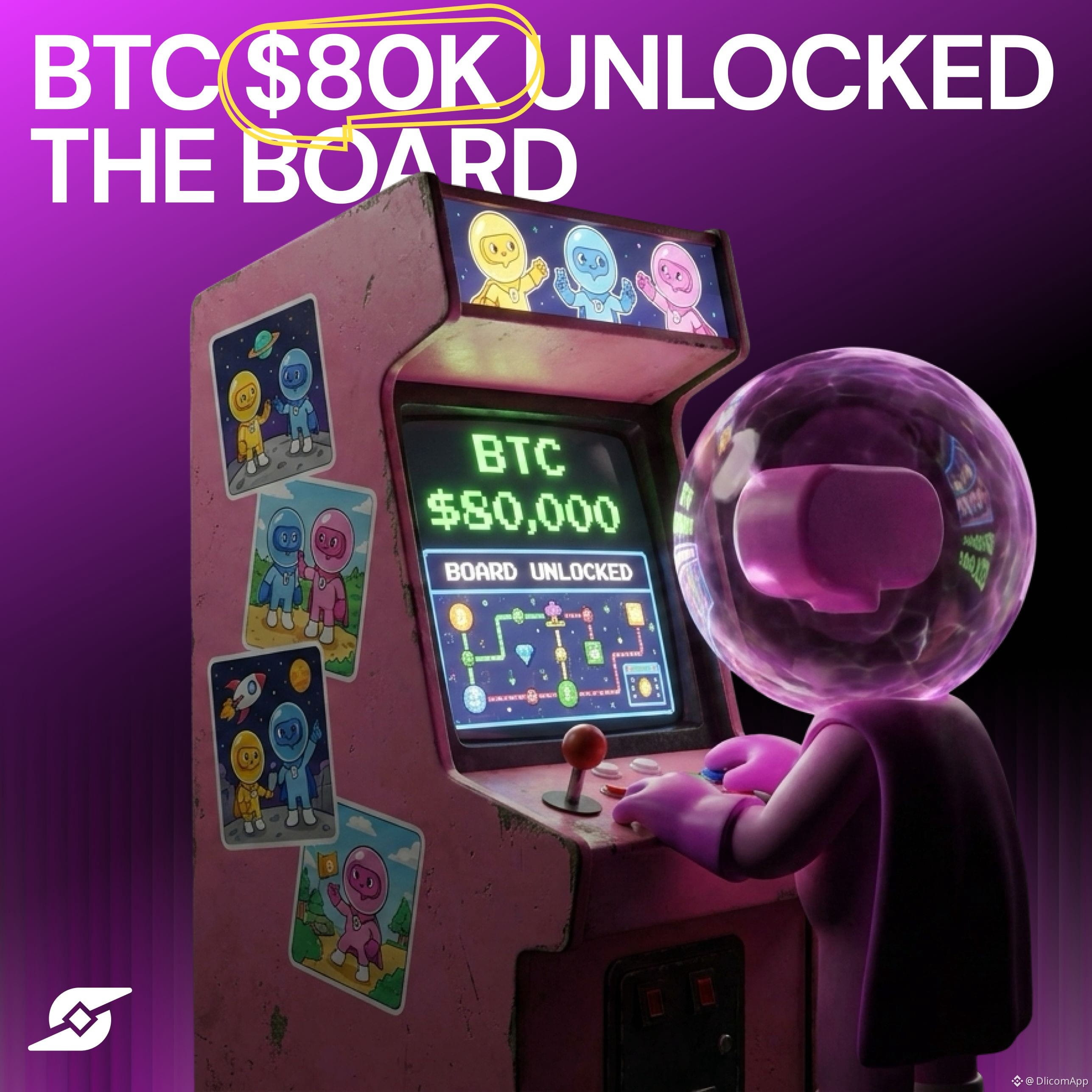
Trois histoires complètement différentes, un seul décor commun : $BTC vient de franchir 80 K$ et le sentiment affiche « Extreme Greed » (Avidité extrême).
Parmi ces trois, laquelle regardes-tu vraiment ?
Une meme coin vient de réaliser 136 000 transactions en une journée. Ce n’est même pas le nom le plus intéressant de cette liste 🔥
$CASHCAT a explosé de 54 % en 24 heures, +117 % sur la semaine. Du pur buzz, du pur volume, le genre de mouvement qui fait qu’on compare et qu’on cite $BONK .
$AERO est en hausse de 18,75 %, et pour celle-ci il y a une raison : Coinbase a lancé hier des actions tokenisées sur Base, et Aerodrome a fourni la liquidité dès le premier jour.
$PENGU a grimpé de 10,38 % aujourd’hui, +74 % sur la semaine, avec des ventes de NFT en hausse de 244 %. Des peluches arrivent chez Target et Walmart pendant que la courbe continue de monter à leurs côtés.
Trois histoires complètement différentes, un seul décor commun : $BTC vient de franchir 80 K$ et le sentiment affiche « Extreme Greed » (Avidité extrême).
Parmi ces trois, laquelle regardes-tu vraiment ?
$CASHCAT a explosé de 54 % en 24 heures, +117 % sur la semaine. Du pur buzz, du pur volume, le genre de mouvement qui fait qu’on compare et qu’on cite $BONK .
$AERO est en hausse de 18,75 %, et pour celle-ci il y a une raison : Coinbase a lancé hier des actions tokenisées sur Base, et Aerodrome a fourni la liquidité dès le premier jour.
$PENGU a grimpé de 10,38 % aujourd’hui, +74 % sur la semaine, avec des ventes de NFT en hausse de 244 %. Des peluches arrivent chez Target et Walmart pendant que la courbe continue de monter à leurs côtés.
Trois histoires complètement différentes, un seul décor commun : $BTC vient de franchir 80 K$ et le sentiment affiche « Extreme Greed » (Avidité extrême).
Parmi ces trois, laquelle regardes-tu vraiment ?
4
175
·
--
"Ce ne sont pas vos clés, ce ne sont pas vos pièces" est la phrase préférée de la crypto et le conseil le plus ignoré. Bon nombre d’applications conservent encore vos clés derrière une interface conviviale.
La self-custody vit dans l’architecture, décidée dès le premier jour. Le portefeuille Dlicom se trouve à l’intérieur du messager. Vos clés restent sur votre appareil tout du long, en gardant la couche de garde — le seul point faible qu’un mauvais acteur pourrait exploiter — entièrement hors de la scène. Cela signifie que ce qui vous appartient reste accessible uniquement par vous, quoi qu’il arrive à l’entreprise derrière l’application.
Le compromis est réel : vous gérez aussi votre propre récupération. Marché équitable, tant que le système respecte cela pleinement.
Contrôle de la plateforme ou self-custody — de quel côté êtes-vous réellement ?
"Ce ne sont pas vos clés, ce ne sont pas vos pièces" est la phrase préférée de la crypto et le conseil le plus ignoré. Bon nombre d’applications conservent encore vos clés derrière une interface conviviale.
La self-custody vit dans l’architecture, décidée dès le premier jour. Le portefeuille Dlicom se trouve à l’intérieur du messager. Vos clés restent sur votre appareil tout du long, en gardant la couche de garde — le seul point faible qu’un mauvais acteur pourrait exploiter — entièrement hors de la scène. Cela signifie que ce qui vous appartient reste accessible uniquement par vous, quoi qu’il arrive à l’entreprise derrière l’application.
Le compromis est réel : vous gérez aussi votre propre récupération. Marché équitable, tant que le système respecte cela pleinement.
Contrôle de la plateforme ou self-custody — de quel côté êtes-vous réellement ?
La self-custody vit dans l’architecture, décidée dès le premier jour. Le portefeuille Dlicom se trouve à l’intérieur du messager. Vos clés restent sur votre appareil tout du long, en gardant la couche de garde — le seul point faible qu’un mauvais acteur pourrait exploiter — entièrement hors de la scène. Cela signifie que ce qui vous appartient reste accessible uniquement par vous, quoi qu’il arrive à l’entreprise derrière l’application.
Le compromis est réel : vous gérez aussi votre propre récupération. Marché équitable, tant que le système respecte cela pleinement.
Contrôle de la plateforme ou self-custody — de quel côté êtes-vous réellement ?
4
118
·
--
SocialFi a perdu la bataille du buzz. Et c’est peut-être exactement ce dont elle avait besoin.
La première vague a fait passer la finance sociale pour de la spéculation, avec une photo de profil en guise d’habillage. Friend.tech s’est estompé, Farcaster a eu du mal à transformer l’attention initiale en croissance durable et a fini par changer de direction. En janvier, Neynar a acquis Farcaster et a repris le protocole, le client et Clanker.
Pourtant, la socialisation décentralisée a continué d’avancer. Lens a poursuivi ses travaux autour d’une identité sociale portable, tandis que Vitalik Buterin a fait de la socialisation décentralisée une priorité pour 2026.
Il reste donc à SocialFi une place plus intéressante : moins obsessionnelle à l’idée de transformer chaque interaction en transaction, davantage tournée vers la propriété, l’identité et la valeur qui circule entre les personnes.
C’est aussi là que l’on voit Dlicom : une approche axée sur le social, où Web3 fonctionne à l’intérieur de l’expérience plutôt que de se contenter d’être superposé à celle-ci.
Suivez Dlicom. Le deuxième chapitre de SocialFi est encore en train de s’écrire.
SocialFi a perdu la bataille du buzz. Et c’est peut-être exactement ce dont elle avait besoin.
La première vague a fait passer la finance sociale pour de la spéculation, avec une photo de profil en guise d’habillage. Friend.tech s’est estompé, Farcaster a eu du mal à transformer l’attention initiale en croissance durable et a fini par changer de direction. En janvier, Neynar a acquis Farcaster et a repris le protocole, le client et Clanker.
Pourtant, la socialisation décentralisée a continué d’avancer. Lens a poursuivi ses travaux autour d’une identité sociale portable, tandis que Vitalik Buterin a fait de la socialisation décentralisée une priorité pour 2026.
Il reste donc à SocialFi une place plus intéressante : moins obsessionnelle à l’idée de transformer chaque interaction en transaction, davantage tournée vers la propriété, l’identité et la valeur qui circule entre les personnes.
C’est aussi là que l’on voit Dlicom : une approche axée sur le social, où Web3 fonctionne à l’intérieur de l’expérience plutôt que de se contenter d’être superposé à celle-ci.
Suivez Dlicom. Le deuxième chapitre de SocialFi est encore en train de s’écrire.
La première vague a fait passer la finance sociale pour de la spéculation, avec une photo de profil en guise d’habillage. Friend.tech s’est estompé, Farcaster a eu du mal à transformer l’attention initiale en croissance durable et a fini par changer de direction. En janvier, Neynar a acquis Farcaster et a repris le protocole, le client et Clanker.
Pourtant, la socialisation décentralisée a continué d’avancer. Lens a poursuivi ses travaux autour d’une identité sociale portable, tandis que Vitalik Buterin a fait de la socialisation décentralisée une priorité pour 2026.
Il reste donc à SocialFi une place plus intéressante : moins obsessionnelle à l’idée de transformer chaque interaction en transaction, davantage tournée vers la propriété, l’identité et la valeur qui circule entre les personnes.
C’est aussi là que l’on voit Dlicom : une approche axée sur le social, où Web3 fonctionne à l’intérieur de l’expérience plutôt que de se contenter d’être superposé à celle-ci.
Suivez Dlicom. Le deuxième chapitre de SocialFi est encore en train de s’écrire.
14
4
31
·
--
La crypto semble silencieuse en ce moment. L’argent autour d’elle, lui, ne l’est pas.
$BTC évolue autour de 63 000 $ après un nouveau passage volatil, tandis que la macro reprend la main. L’inflation, les taux et le risque géopolitique font bouger le sentiment plus vite que la plupart des récits natifs de la crypto.
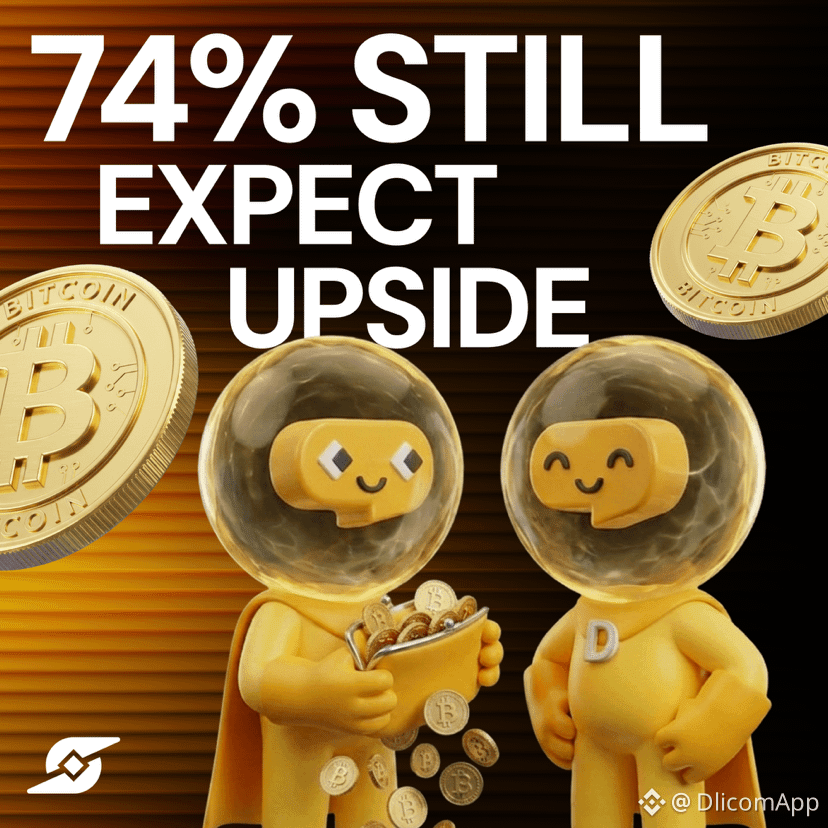
La partie intéressante, c’est ce qui se passe en dessous. Les institutions deviennent plus disciplinées plutôt que de s’éloigner : dans une enquête Coinbase/EY, 74 % des investisseurs s’attendent à une hausse des prix des cryptos au cours des 12 prochains mois, tandis que 66 % utilisent déjà des ETP crypto au comptant. Les stablecoins s’imposent dans les paiements et la gestion de trésorerie, et la tokenisation continue de ramener des actifs traditionnels on-chain.
Ainsi, ce marché ressemble moins à un autre cycle de hype et davantage à une industrie qui apprend à rester utile quand les graphiques ne font plus le marketing pour elle.
Suivez Dlicom pour en savoir plus sur la direction que prend Web3 à partir d’ici.
La crypto semble silencieuse en ce moment. L’argent autour d’elle, lui, ne l’est pas.
$BTC évolue autour de 63 000 $ après un nouveau passage volatil, tandis que la macro reprend la main. L’inflation, les taux et le risque géopolitique font bouger le sentiment plus vite que la plupart des récits natifs de la crypto.
La partie intéressante, c’est ce qui se passe en dessous. Les institutions deviennent plus disciplinées plutôt que de s’éloigner : dans une enquête Coinbase/EY, 74 % des investisseurs s’attendent à une hausse des prix des cryptos au cours des 12 prochains mois, tandis que 66 % utilisent déjà des ETP crypto au comptant. Les stablecoins s’imposent dans les paiements et la gestion de trésorerie, et la tokenisation continue de ramener des actifs traditionnels on-chain.
Ainsi, ce marché ressemble moins à un autre cycle de hype et davantage à une industrie qui apprend à rester utile quand les graphiques ne font plus le marketing pour elle.
Suivez Dlicom pour en savoir plus sur la direction que prend Web3 à partir d’ici.
$BTC évolue autour de 63 000 $ après un nouveau passage volatil, tandis que la macro reprend la main. L’inflation, les taux et le risque géopolitique font bouger le sentiment plus vite que la plupart des récits natifs de la crypto.
La partie intéressante, c’est ce qui se passe en dessous. Les institutions deviennent plus disciplinées plutôt que de s’éloigner : dans une enquête Coinbase/EY, 74 % des investisseurs s’attendent à une hausse des prix des cryptos au cours des 12 prochains mois, tandis que 66 % utilisent déjà des ETP crypto au comptant. Les stablecoins s’imposent dans les paiements et la gestion de trésorerie, et la tokenisation continue de ramener des actifs traditionnels on-chain.
Ainsi, ce marché ressemble moins à un autre cycle de hype et davantage à une industrie qui apprend à rester utile quand les graphiques ne font plus le marketing pour elle.
Suivez Dlicom pour en savoir plus sur la direction que prend Web3 à partir d’ici.
18
4
63
·
--
"Salut, nous avons remarqué un problème avec votre compte. Vérifiez votre phrase secrète ici." Ce message fonctionne encore sur des gens chaque jour, parce que la panique va plus vite que la logique au moment où elle s’installe.
Dlicom élimine complètement cette situation. Le support ne demande jamais une phrase secrète, jamais. Donc, dès que quelqu’un le fait, vous avez déjà votre réponse.
Quelqu’un ici a-t-il réellement reçu l’un de ces DM ? Qu’est-ce qui vous a mis la puce à l’oreille ?"
"Salut, nous avons remarqué un problème avec votre compte. Vérifiez votre phrase secrète ici." Ce message fonctionne encore sur des gens chaque jour, parce que la panique va plus vite que la logique au moment où elle s’installe.
Dlicom élimine complètement cette situation. Le support ne demande jamais une phrase secrète, jamais. Donc, dès que quelqu’un le fait, vous avez déjà votre réponse.
Quelqu’un ici a-t-il réellement reçu l’un de ces DM ? Qu’est-ce qui vous a mis la puce à l’oreille ?"
Dlicom élimine complètement cette situation. Le support ne demande jamais une phrase secrète, jamais. Donc, dès que quelqu’un le fait, vous avez déjà votre réponse.
Quelqu’un ici a-t-il réellement reçu l’un de ces DM ? Qu’est-ce qui vous a mis la puce à l’oreille ?"
4
79
·
--
Le volume des dérivés a doublé en une journée. Le sentiment a bougé exactement de zéro 👀
Le volume des transactions sur les dérivés a bondi de 124,86 % pour atteindre 563,73 Md$ . Le nombre de positions ouvertes a progressé de 5,36 %. En parallèle, l’indice Fear and Greed affiche 40, le même qu’hier, contre 37 il y a une semaine.
Beaucoup d’activité, mais très peu de conviction derrière.
Les réseaux disent la même chose, mais plus fort. Score net 5,02 sur 10, avec la publication "$BTC HAS BOTTOMED" à côté d’avertissements sur un squeeze qui se termine près de 44 000 $. Les deux comptes ont de vrais abonnés. Les deux sont certains.
Et la dominance de $BTC reste à 58,82 %, donc l’argent qui circule reste à l’intérieur du Bitcoin.
Un chiffre à garder sous le radar : 57 000 $. C’est là qu’est installée une large grappe de longs fortement levierisés, et les prochaines 48 heures la traversent.
Vous vous positionnez ici, ou vous attendez que ce niveau soit testé ?
Le volume des dérivés a doublé en une journée. Le sentiment a bougé exactement de zéro 👀
Le volume des transactions sur les dérivés a bondi de 124,86 % pour atteindre 563,73 Md$ . Le nombre de positions ouvertes a progressé de 5,36 %. En parallèle, l’indice Fear and Greed affiche 40, le même qu’hier, contre 37 il y a une semaine.
Beaucoup d’activité, mais très peu de conviction derrière.
Les réseaux disent la même chose, mais plus fort. Score net 5,02 sur 10, avec la publication "$BTC HAS BOTTOMED" à côté d’avertissements sur un squeeze qui se termine près de 44 000 $. Les deux comptes ont de vrais abonnés. Les deux sont certains.
Et la dominance de $BTC reste à 58,82 %, donc l’argent qui circule reste à l’intérieur du Bitcoin.
Un chiffre à garder sous le radar : 57 000 $. C’est là qu’est installée une large grappe de longs fortement levierisés, et les prochaines 48 heures la traversent.
Vous vous positionnez ici, ou vous attendez que ce niveau soit testé ?
Le volume des transactions sur les dérivés a bondi de 124,86 % pour atteindre 563,73 Md$ . Le nombre de positions ouvertes a progressé de 5,36 %. En parallèle, l’indice Fear and Greed affiche 40, le même qu’hier, contre 37 il y a une semaine.
Beaucoup d’activité, mais très peu de conviction derrière.
Les réseaux disent la même chose, mais plus fort. Score net 5,02 sur 10, avec la publication "$BTC HAS BOTTOMED" à côté d’avertissements sur un squeeze qui se termine près de 44 000 $. Les deux comptes ont de vrais abonnés. Les deux sont certains.
Et la dominance de $BTC reste à 58,82 %, donc l’argent qui circule reste à l’intérieur du Bitcoin.
Un chiffre à garder sous le radar : 57 000 $. C’est là qu’est installée une large grappe de longs fortement levierisés, et les prochaines 48 heures la traversent.
Vous vous positionnez ici, ou vous attendez que ce niveau soit testé ?
3
85
·
--
Vous atterrissez sur un projet, voyez 50 000 abonnés et un chat qui bouillonne d’activité, avec la sensation d’une vraie dynamique. Puis vous découvrez qu’un tiers de ce bruit vient de bots, et que le chiffre réel est bien plus bas.
La croissance Dlicom reste organique : les rôles et le statut sont liés à une activité réelle plutôt qu’à des indicateurs achetés.
Comment vérifiez-vous personnellement si une communauté est authentique avant de faire confiance à un projet ?
Vous atterrissez sur un projet, voyez 50 000 abonnés et un chat qui bouillonne d’activité, avec la sensation d’une vraie dynamique. Puis vous découvrez qu’un tiers de ce bruit vient de bots, et que le chiffre réel est bien plus bas.
La croissance Dlicom reste organique : les rôles et le statut sont liés à une activité réelle plutôt qu’à des indicateurs achetés.
Comment vérifiez-vous personnellement si une communauté est authentique avant de faire confiance à un projet ?
La croissance Dlicom reste organique : les rôles et le statut sont liés à une activité réelle plutôt qu’à des indicateurs achetés.
Comment vérifiez-vous personnellement si une communauté est authentique avant de faire confiance à un projet ?
3
111
·
--
"Vérifiez votre portefeuille", "réclamez votre récompense" – un clic, une signature, et le solde est à zéro dix secondes plus tard. Ça arrive à des gens qui sont dans la crypto depuis des années, et ça humilie à chaque fois.
La messagerie chiffrée sur Dlicom réduit cette surface. Moins de canaux ouverts signifie moins d’endroits où un lien de phishing peut vous atteindre directement.
À quel point êtes-vous près d’avoir cliqué sur l’un de ces liens avant de vous rattraper ?
"Vérifiez votre portefeuille", "réclamez votre récompense" – un clic, une signature, et le solde est à zéro dix secondes plus tard. Ça arrive à des gens qui sont dans la crypto depuis des années, et ça humilie à chaque fois.
La messagerie chiffrée sur Dlicom réduit cette surface. Moins de canaux ouverts signifie moins d’endroits où un lien de phishing peut vous atteindre directement.
À quel point êtes-vous près d’avoir cliqué sur l’un de ces liens avant de vous rattraper ?
La messagerie chiffrée sur Dlicom réduit cette surface. Moins de canaux ouverts signifie moins d’endroits où un lien de phishing peut vous atteindre directement.
À quel point êtes-vous près d’avoir cliqué sur l’un de ces liens avant de vous rattraper ?
3
93
·
--
Deux tokens ont progressé de 18 % et de 45 % aujourd’hui. L’altseason a encore perdu du terrain 💀
L’indice CMC de la saison des altcoins se situe à 41 sur 100 et a chuté de 8,89 % cette semaine. En plein cœur de la saison du Bitcoin, et dans la mauvaise direction pour tous ceux qui attendent des altcoins.
Le memecoin Solana $ANSEM a bondi de 18,2 % grâce à un largage actif. Le token d’IA BLUAI a explosé de 45,4 % sur l’impulsion des Futures sur Binance. Le sentiment social sur $HYPE et $PEPE est franchement haussier. De vrais mouvements, voie étroite.
Pendant ce temps, la dominance de $BTC est montée à 58,75 %, et l’argent qui compte est resté à l’écart : le spot ETF de BlackRock a vendu pour 53,6 M$, un « whale » a déposé 1 274 BTC pour 81,5 M$.
Cet écart raconte toute l’histoire. Le retail poursuit le récit, les institutions restent en place sur le Bitcoin, et la rotation attend. L’indice doit se maintenir au-dessus de 50 avant que l’altseason ne veuille dire quelque chose.
Suivez-nous sur Binance Square pour la prochaine lecture sur où l’argent va. Vous nous avez déjà suivis sur Binance Square ?
Deux tokens ont progressé de 18 % et de 45 % aujourd’hui. L’altseason a encore perdu du terrain 💀
L’indice CMC de la saison des altcoins se situe à 41 sur 100 et a chuté de 8,89 % cette semaine. En plein cœur de la saison du Bitcoin, et dans la mauvaise direction pour tous ceux qui attendent des altcoins.
Le memecoin Solana $ANSEM a bondi de 18,2 % grâce à un largage actif. Le token d’IA BLUAI a explosé de 45,4 % sur l’impulsion des Futures sur Binance. Le sentiment social sur $HYPE et $PEPE est franchement haussier. De vrais mouvements, voie étroite.
Pendant ce temps, la dominance de $BTC est montée à 58,75 %, et l’argent qui compte est resté à l’écart : le spot ETF de BlackRock a vendu pour 53,6 M$, un « whale » a déposé 1 274 BTC pour 81,5 M$.
Cet écart raconte toute l’histoire. Le retail poursuit le récit, les institutions restent en place sur le Bitcoin, et la rotation attend. L’indice doit se maintenir au-dessus de 50 avant que l’altseason ne veuille dire quelque chose.
Suivez-nous sur Binance Square pour la prochaine lecture sur où l’argent va. Vous nous avez déjà suivis sur Binance Square ?
L’indice CMC de la saison des altcoins se situe à 41 sur 100 et a chuté de 8,89 % cette semaine. En plein cœur de la saison du Bitcoin, et dans la mauvaise direction pour tous ceux qui attendent des altcoins.
Le memecoin Solana $ANSEM a bondi de 18,2 % grâce à un largage actif. Le token d’IA BLUAI a explosé de 45,4 % sur l’impulsion des Futures sur Binance. Le sentiment social sur $HYPE et $PEPE est franchement haussier. De vrais mouvements, voie étroite.
Pendant ce temps, la dominance de $BTC est montée à 58,75 %, et l’argent qui compte est resté à l’écart : le spot ETF de BlackRock a vendu pour 53,6 M$, un « whale » a déposé 1 274 BTC pour 81,5 M$.
Cet écart raconte toute l’histoire. Le retail poursuit le récit, les institutions restent en place sur le Bitcoin, et la rotation attend. L’indice doit se maintenir au-dessus de 50 avant que l’altseason ne veuille dire quelque chose.
Suivez-nous sur Binance Square pour la prochaine lecture sur où l’argent va. Vous nous avez déjà suivis sur Binance Square ?

3
440
·
--
Chaque plateforme veut vos contacts, votre contenu et votre activité, enfermés dans son propre écosystème.
Partez, et des années de connexions et d’historique restent derrière avec l’application. Dlicom se développe grâce aux personnes qui apportent leur propre audience, sans rien d’enfermé derrière les murs des plateformes.
Votre présence vous suit au lieu de rester bloquée. Cette ouverture fait partie de la raison pour laquelle la croissance organique s’y renforce plutôt que de repartir à zéro avec chaque nouvelle plateforme.
Suivez-nous sur Binance Square pour voir où cette portabilité mène l’écosystème ensuite.
Chaque plateforme veut vos contacts, votre contenu et votre activité, enfermés dans son propre écosystème.
Partez, et des années de connexions et d’historique restent derrière avec l’application. Dlicom se développe grâce aux personnes qui apportent leur propre audience, sans rien d’enfermé derrière les murs des plateformes.
Votre présence vous suit au lieu de rester bloquée. Cette ouverture fait partie de la raison pour laquelle la croissance organique s’y renforce plutôt que de repartir à zéro avec chaque nouvelle plateforme.
Suivez-nous sur Binance Square pour voir où cette portabilité mène l’écosystème ensuite.
Partez, et des années de connexions et d’historique restent derrière avec l’application. Dlicom se développe grâce aux personnes qui apportent leur propre audience, sans rien d’enfermé derrière les murs des plateformes.
Votre présence vous suit au lieu de rester bloquée. Cette ouverture fait partie de la raison pour laquelle la croissance organique s’y renforce plutôt que de repartir à zéro avec chaque nouvelle plateforme.
Suivez-nous sur Binance Square pour voir où cette portabilité mène l’écosystème ensuite.
16
2
48
·
--
Beaucoup de projets se présentent comme décentralisés alors qu’une petite équipe conserve encore les clés, les données et l’interrupteur de modération.
Le terme est utilisé librement, tandis que l’architecture qui le sous-tend est rarement vérifiée. La vérification change la conversation. Les contrats que vous pouvez lire vous-même pèsent davantage qu’un slogan dans un pitch deck. Dlicom conserve la garde et construit la messagerie autour du même principe, en gardant le contrôle entre les mains des utilisateurs plutôt que d’une équipe backend.
Suivez-nous sur Binance Square pour voir dans quelle mesure cette architecture résiste lorsque vous la regardez réellement.
Beaucoup de projets se présentent comme décentralisés alors qu’une petite équipe conserve encore les clés, les données et l’interrupteur de modération.
Le terme est utilisé librement, tandis que l’architecture qui le sous-tend est rarement vérifiée. La vérification change la conversation. Les contrats que vous pouvez lire vous-même pèsent davantage qu’un slogan dans un pitch deck. Dlicom conserve la garde et construit la messagerie autour du même principe, en gardant le contrôle entre les mains des utilisateurs plutôt que d’une équipe backend.
Suivez-nous sur Binance Square pour voir dans quelle mesure cette architecture résiste lorsque vous la regardez réellement.
Le terme est utilisé librement, tandis que l’architecture qui le sous-tend est rarement vérifiée. La vérification change la conversation. Les contrats que vous pouvez lire vous-même pèsent davantage qu’un slogan dans un pitch deck. Dlicom conserve la garde et construit la messagerie autour du même principe, en gardant le contrôle entre les mains des utilisateurs plutôt que d’une équipe backend.
Suivez-nous sur Binance Square pour voir dans quelle mesure cette architecture résiste lorsque vous la regardez réellement.
79
8
79
·
--
L’indice de peur reste bloqué à 39. Le marché n’arrive pas à décider s’il se ment à lui-même.
Les institutions achètent tandis que le grand public se prépare à un krach à 49 K$, parfois depuis la même ligne temporelle, à quelques minutes d’intervalle. Ce n’est plus de l’analyse : c’est du bruit habillé en certitude.
BlackRock a ajouté 198 M$ en BTC pendant que les taux de financement chutaient de plus de 60 % et que la dominance du Bitcoin montait à 58,9 %. L’argent se cache dans la sécurité tout en faisant semblant qu’il chasse encore l’alpha.
L’Altcoin Season Index vient de tomber à 41. La rotation a déjà eu lieu ; la plupart ne l’ont juste pas encore admis.
Est-ce que tu observes vraiment les flux, ou est-ce que tu regardes seulement le chiffre de la peur et tu te dis que c’est fini ? Est-ce que tu nous as suivis sur Binance Square pour lire ce qui arrive avant le titre ?
L’indice de peur reste bloqué à 39. Le marché n’arrive pas à décider s’il se ment à lui-même.
Les institutions achètent tandis que le grand public se prépare à un krach à 49 K$, parfois depuis la même ligne temporelle, à quelques minutes d’intervalle. Ce n’est plus de l’analyse : c’est du bruit habillé en certitude.
BlackRock a ajouté 198 M$ en BTC pendant que les taux de financement chutaient de plus de 60 % et que la dominance du Bitcoin montait à 58,9 %. L’argent se cache dans la sécurité tout en faisant semblant qu’il chasse encore l’alpha.
L’Altcoin Season Index vient de tomber à 41. La rotation a déjà eu lieu ; la plupart ne l’ont juste pas encore admis.
Est-ce que tu observes vraiment les flux, ou est-ce que tu regardes seulement le chiffre de la peur et tu te dis que c’est fini ? Est-ce que tu nous as suivis sur Binance Square pour lire ce qui arrive avant le titre ?
Les institutions achètent tandis que le grand public se prépare à un krach à 49 K$, parfois depuis la même ligne temporelle, à quelques minutes d’intervalle. Ce n’est plus de l’analyse : c’est du bruit habillé en certitude.
BlackRock a ajouté 198 M$ en BTC pendant que les taux de financement chutaient de plus de 60 % et que la dominance du Bitcoin montait à 58,9 %. L’argent se cache dans la sécurité tout en faisant semblant qu’il chasse encore l’alpha.
L’Altcoin Season Index vient de tomber à 41. La rotation a déjà eu lieu ; la plupart ne l’ont juste pas encore admis.
Est-ce que tu observes vraiment les flux, ou est-ce que tu regardes seulement le chiffre de la peur et tu te dis que c’est fini ? Est-ce que tu nous as suivis sur Binance Square pour lire ce qui arrive avant le titre ?
4
79
·
--
Un projet annonce un airdrop, le serveur se remplit pendant la nuit, tout le monde engrange des points pendant des semaines. Le snapshot arrive, les récompenses sont réclamées, et le même serveur se transforme en ville fantôme en quelques jours.
Ce cycle se répète dans l’ensemble du secteur, car l’engagement est conçu pour un instant, jamais pour durer.
Les communautés construites autour de contenus réguliers et d’un statut acquis maintiennent les gens bien plus longtemps, bien après que le moindre moment de récompense soit passé.
Avez-vous déjà vu une communauté s’effondrer juste après la chute des récompenses ?
Un projet annonce un airdrop, le serveur se remplit pendant la nuit, tout le monde engrange des points pendant des semaines. Le snapshot arrive, les récompenses sont réclamées, et le même serveur se transforme en ville fantôme en quelques jours.
Ce cycle se répète dans l’ensemble du secteur, car l’engagement est conçu pour un instant, jamais pour durer.
Les communautés construites autour de contenus réguliers et d’un statut acquis maintiennent les gens bien plus longtemps, bien après que le moindre moment de récompense soit passé.
Avez-vous déjà vu une communauté s’effondrer juste après la chute des récompenses ?
Ce cycle se répète dans l’ensemble du secteur, car l’engagement est conçu pour un instant, jamais pour durer.
Les communautés construites autour de contenus réguliers et d’un statut acquis maintiennent les gens bien plus longtemps, bien après que le moindre moment de récompense soit passé.
Avez-vous déjà vu une communauté s’effondrer juste après la chute des récompenses ?
4
81
Connectez-vous pour découvrir plus de contenu
Rejoignez la communauté mondiale des adeptes de cryptomonnaies sur Binance Square
⚡️ Suviez les dernières informations importantes sur les cryptomonnaies.
💬 Jugé digne de confiance par la plus grande plateforme d’échange de cryptomonnaies au monde.
👍 Découvrez les connaissances que partagent les créateurs vérifiés.
Adresse e-mail/Nº de téléphone
Sujets d’actualité
BitcoinReboundsTo$79K
19,140 vues
160 mentions
🚨 $BTC est en train de progresser.
Le Bitcoin s’échange autour de 78 804 $ , en hausse d’environ 1,9 %, après avoir repris la zone des 78 K. Le prochain niveau à surveiller est le plus haut intraday, vers 78 905 $.
Une cassure nette au-dessus de ce niveau pourrait ouvrir la voie vers 79 K–80 K. Si le BTC est rejeté, le support se situe autour de 78 300 $, puis 77 975 $.
Les haussiers ont de l’élan, mais le BTC doit rester au-dessus de 78 K.
#Bitcoin #BTC #CryptoTrading #CryptoMarket #CryptoAnalysis
PulseON
·17 mentions J’aime
·16.8k vues
BitcoinSpotETFsNetInflow$160M
13 vues
19 mentions
SouthKoreaCryptoTaxDelayPetitionTops50000
6,779 vues
193 mentions