

Crypto Solutions
2.9k Publications

Crypto Solutions
 Compte Square Vérifié+
Signaler
Bloquer l’utilisateur
Event Coordinator | X: @creptosolutions | Content Creator | Community Builder

Creator Awards 2024

Top Voices

Level 2 Creator
52 Suivis
95.5K+ Abonnés
70.1K+ J’aime
3 Badges
Publications
Tous
Citations
Vidéos
Direct
Populaire

Article
Binance to Introduce Bonk (BONK) Listing with Unique Seed Tag ApplicationIn a significant move for crypto enthusiasts, Binance is gearing up to list Bonk (BONK), marking a strategic step in the ever-evolving landscape of digital assets. Scheduled to commence spot trading on December 15, 2023, at 08:00 (UTC), the introduction of BONK on Binance brings forth exciting opportunities for traders worldwide.Spot Trading Pairs and DepositsBinance users can anticipate the availability of spot trading pairs, including BONK/USDT, BONK/FDUSD, and BONK/TRY. The deposit option for BONK is already open, allowing users to prepare for trading activities.Withdrawals and Listing FeeCome December 16, 2023, at 08:00 (UTC), the withdrawal option for BONK will be activated, providing users with the flexibility to manage their assets. Notably, the listing fee for BONK stands at 0 BNB, offering a user-friendly approach to engaging with this new addition to the Binance platform.BONK as a Borrowable Asset on Isolated MarginIn an additional development, Binance is set to integrate BONK as a borrowable asset on Isolated Margin, introducing a new margin pair, BONK/USDT. This strategic move reflects Binance's commitment to expanding its offerings and catering to diverse trading preferences.Seed Tag ApplicationIt's essential to highlight that BONK will be distinguished with a Seed Tag. This designation underscores its classification as an innovative project, potentially exhibiting higher volatility and risks compared to other listed tokens on Binance.Understanding Bonk (BONK)BONK is recognized as the largest meme coin on Solana, created by an anonymous team. Its listing on Binance opens up new avenues for traders to engage with this unique digital asset.Risk Considerations and Seed Tag QuizzesAs a reminder, traders are urged to exercise caution when dealing with BONK, acknowledging its status as a relatively new token carrying higher-than-normal risk. It is advised to conduct thorough research on BONK's fundamentals and fully comprehend the project before participating in trading activities.The Seed Tag, an emblem of innovative projects with potential volatility and risks, will be applied to BONK. Traders seeking access to tokens with Seed Tags are required to pass corresponding quizzes every 90 days on Binance Spot and/or Binance Margin platforms. This ensures users are aware of associated risks before engaging in transactions with tokens carrying Seed Tags. The Seed Tags, along with a risk warning banner, will be prominently displayed on relevant Binance pages.ConclusionBinance's decision to list Bonk (BONK) reflects the platform's commitment to providing a diverse range of digital assets while prioritizing user awareness and risk management. The introduction of BONK with its unique Seed Tag marks a notable chapter in Binance's ongoing efforts to evolve and meet the dynamic demands of the crypto community. Traders are encouraged to stay informed, exercise due diligence, and embrace the opportunities presented by this latest addition to the Binance ecosystem. The crypto journey continues with BONK on board.#BinanceListing #BONK #cryptosolutions
Binance to Introduce Bonk (BONK) Listing with Unique Seed Tag Application
In a significant move for crypto enthusiasts, Binance is gearing up to list Bonk (BONK), marking a strategic step in the ever-evolving landscape of digital assets. Scheduled to commence spot trading on December 15, 2023, at 08:00 (UTC), the introduction of BONK on Binance brings forth exciting opportunities for traders worldwide.Spot Trading Pairs and DepositsBinance users can anticipate the availability of spot trading pairs, including BONK/USDT, BONK/FDUSD, and BONK/TRY. The deposit option for BONK is already open, allowing users to prepare for trading activities.Withdrawals and Listing FeeCome December 16, 2023, at 08:00 (UTC), the withdrawal option for BONK will be activated, providing users with the flexibility to manage their assets. Notably, the listing fee for BONK stands at 0 BNB, offering a user-friendly approach to engaging with this new addition to the Binance platform.BONK as a Borrowable Asset on Isolated MarginIn an additional development, Binance is set to integrate BONK as a borrowable asset on Isolated Margin, introducing a new margin pair, BONK/USDT. This strategic move reflects Binance's commitment to expanding its offerings and catering to diverse trading preferences.Seed Tag ApplicationIt's essential to highlight that BONK will be distinguished with a Seed Tag. This designation underscores its classification as an innovative project, potentially exhibiting higher volatility and risks compared to other listed tokens on Binance.Understanding Bonk (BONK)BONK is recognized as the largest meme coin on Solana, created by an anonymous team. Its listing on Binance opens up new avenues for traders to engage with this unique digital asset.Risk Considerations and Seed Tag QuizzesAs a reminder, traders are urged to exercise caution when dealing with BONK, acknowledging its status as a relatively new token carrying higher-than-normal risk. It is advised to conduct thorough research on BONK's fundamentals and fully comprehend the project before participating in trading activities.The Seed Tag, an emblem of innovative projects with potential volatility and risks, will be applied to BONK. Traders seeking access to tokens with Seed Tags are required to pass corresponding quizzes every 90 days on Binance Spot and/or Binance Margin platforms. This ensures users are aware of associated risks before engaging in transactions with tokens carrying Seed Tags. The Seed Tags, along with a risk warning banner, will be prominently displayed on relevant Binance pages.ConclusionBinance's decision to list Bonk (BONK) reflects the platform's commitment to providing a diverse range of digital assets while prioritizing user awareness and risk management. The introduction of BONK with its unique Seed Tag marks a notable chapter in Binance's ongoing efforts to evolve and meet the dynamic demands of the crypto community. Traders are encouraged to stay informed, exercise due diligence, and embrace the opportunities presented by this latest addition to the Binance ecosystem. The crypto journey continues with BONK on board.#BinanceListing #BONK #cryptosolutions
45
34
487
20.4k
Populaire

Article
The Incredible Story of Zhao Tong and BitcoinicaIn 2010, a Chinese teenager named Zhao Tong bought Bitcoin for $10. Fascinated by the idea of a global digital currency, Zhao, at just 16 years old, dove headfirst into the world of cryptocurrency.
Early Interest and Challenges
Zhao was captivated by Bitcoin's potential and eagerly shared his enthusiasm with friends. However, buying Bitcoin in 2011 was not easy. The largest exchange, Mt. Gox, frequently went offline and even experienced a flash crash that saw Bitcoin's price plummet to $0.01 shortly after Zhao's purchase.
Building Bitcoinica
A self-taught coder, Zhao built Bitcoinica in just four days. Unlike other exchanges, Bitcoinica allowed for margin trading, enabling users to speculate on Bitcoin's future price. Traders and miners could bet up to 50 BTC instantly. Bitcoinica quickly gained popularity, trading as much as $40 million per month, second only to Mt. Gox. Zhao earned $10,000, or about 2,000 BTC, in the first two weeks alone.
Growth and Concerns
Despite its rapid growth, Bitcoinica faced skepticism. Critics questioned Zhao’s age and experience and were concerned about the exchange's security measures. Despite these worries, Bitcoinica continued to trade hundreds of thousands of Bitcoins each month.
The Handover and Subsequent Hacks
In late 2011, overwhelmed by his school exams, Zhao sold Bitcoinica to Wendon Group. The new owners sought to audit the exchange, enlisting the help of veteran Bitcoin developers, including the outspoken hacktivist Amir Taaki. Wendon Group invested heavily in Bitcoinica, even purchasing the Bitcoin.com domain for $1 million.
However, disaster struck in March 2012 when Bitcoinica was hacked, losing 43,000 BTC. The situation worsened with two more attacks later that month, resulting in the theft of another 48,000 BTC. This period was before the advent of hardware wallets or multi-signature security, making the exchange vulnerable to password resets.
Aftermath and Legacy
The hacks triggered outrage among users, many of whom, like Roger Ver, suffered significant losses. The exact details of what happened remain unclear, but Zhao's reputation was severely damaged. The term "Zhao Tonged" became a meme in the Bitcoin community, describing investors who have been robbed and cheated.
Zhao's final act in the crypto world was to invest 1,000 BTC in a rare solid gold Casascius coin, one of only three in existence, now valued at over $60 million. After this, Zhao left the industry.
Lessons Learned
Exchange hacks continue to plague the cryptocurrency world. Serious investors are advised to use hardware wallets or multi-signature custody to mitigate the risk of exchange hacks. These security measures are crucial to protect against the loss of funds. Today, it's estimated that over 1 million Bitcoins, worth $65 billion, have been lost due to exchange hacks. Bitcoinica remains the third largest hack by total Bitcoin lost, serving as a $6 billion reminder to take custody seriously and avoid becoming a victim Zhao Tong.
#cryptosolutions
The Incredible Story of Zhao Tong and Bitcoinica
In 2010, a Chinese teenager named Zhao Tong bought Bitcoin for $10. Fascinated by the idea of a global digital currency, Zhao, at just 16 years old, dove headfirst into the world of cryptocurrency.
Early Interest and Challenges
Zhao was captivated by Bitcoin's potential and eagerly shared his enthusiasm with friends. However, buying Bitcoin in 2011 was not easy. The largest exchange, Mt. Gox, frequently went offline and even experienced a flash crash that saw Bitcoin's price plummet to $0.01 shortly after Zhao's purchase.
Building Bitcoinica
A self-taught coder, Zhao built Bitcoinica in just four days. Unlike other exchanges, Bitcoinica allowed for margin trading, enabling users to speculate on Bitcoin's future price. Traders and miners could bet up to 50 BTC instantly. Bitcoinica quickly gained popularity, trading as much as $40 million per month, second only to Mt. Gox. Zhao earned $10,000, or about 2,000 BTC, in the first two weeks alone.
Growth and Concerns
Despite its rapid growth, Bitcoinica faced skepticism. Critics questioned Zhao’s age and experience and were concerned about the exchange's security measures. Despite these worries, Bitcoinica continued to trade hundreds of thousands of Bitcoins each month.
The Handover and Subsequent Hacks
In late 2011, overwhelmed by his school exams, Zhao sold Bitcoinica to Wendon Group. The new owners sought to audit the exchange, enlisting the help of veteran Bitcoin developers, including the outspoken hacktivist Amir Taaki. Wendon Group invested heavily in Bitcoinica, even purchasing the Bitcoin.com domain for $1 million.
However, disaster struck in March 2012 when Bitcoinica was hacked, losing 43,000 BTC. The situation worsened with two more attacks later that month, resulting in the theft of another 48,000 BTC. This period was before the advent of hardware wallets or multi-signature security, making the exchange vulnerable to password resets.
Aftermath and Legacy
The hacks triggered outrage among users, many of whom, like Roger Ver, suffered significant losses. The exact details of what happened remain unclear, but Zhao's reputation was severely damaged. The term "Zhao Tonged" became a meme in the Bitcoin community, describing investors who have been robbed and cheated.
Zhao's final act in the crypto world was to invest 1,000 BTC in a rare solid gold Casascius coin, one of only three in existence, now valued at over $60 million. After this, Zhao left the industry.
Lessons Learned
Exchange hacks continue to plague the cryptocurrency world. Serious investors are advised to use hardware wallets or multi-signature custody to mitigate the risk of exchange hacks. These security measures are crucial to protect against the loss of funds. Today, it's estimated that over 1 million Bitcoins, worth $65 billion, have been lost due to exchange hacks. Bitcoinica remains the third largest hack by total Bitcoin lost, serving as a $6 billion reminder to take custody seriously and avoid becoming a victim Zhao Tong.
#cryptosolutions
Early Interest and Challenges
Zhao was captivated by Bitcoin's potential and eagerly shared his enthusiasm with friends. However, buying Bitcoin in 2011 was not easy. The largest exchange, Mt. Gox, frequently went offline and even experienced a flash crash that saw Bitcoin's price plummet to $0.01 shortly after Zhao's purchase.
Building Bitcoinica
A self-taught coder, Zhao built Bitcoinica in just four days. Unlike other exchanges, Bitcoinica allowed for margin trading, enabling users to speculate on Bitcoin's future price. Traders and miners could bet up to 50 BTC instantly. Bitcoinica quickly gained popularity, trading as much as $40 million per month, second only to Mt. Gox. Zhao earned $10,000, or about 2,000 BTC, in the first two weeks alone.
Growth and Concerns
Despite its rapid growth, Bitcoinica faced skepticism. Critics questioned Zhao’s age and experience and were concerned about the exchange's security measures. Despite these worries, Bitcoinica continued to trade hundreds of thousands of Bitcoins each month.
The Handover and Subsequent Hacks
In late 2011, overwhelmed by his school exams, Zhao sold Bitcoinica to Wendon Group. The new owners sought to audit the exchange, enlisting the help of veteran Bitcoin developers, including the outspoken hacktivist Amir Taaki. Wendon Group invested heavily in Bitcoinica, even purchasing the Bitcoin.com domain for $1 million.
However, disaster struck in March 2012 when Bitcoinica was hacked, losing 43,000 BTC. The situation worsened with two more attacks later that month, resulting in the theft of another 48,000 BTC. This period was before the advent of hardware wallets or multi-signature security, making the exchange vulnerable to password resets.
Aftermath and Legacy
The hacks triggered outrage among users, many of whom, like Roger Ver, suffered significant losses. The exact details of what happened remain unclear, but Zhao's reputation was severely damaged. The term "Zhao Tonged" became a meme in the Bitcoin community, describing investors who have been robbed and cheated.
Zhao's final act in the crypto world was to invest 1,000 BTC in a rare solid gold Casascius coin, one of only three in existence, now valued at over $60 million. After this, Zhao left the industry.
Lessons Learned
Exchange hacks continue to plague the cryptocurrency world. Serious investors are advised to use hardware wallets or multi-signature custody to mitigate the risk of exchange hacks. These security measures are crucial to protect against the loss of funds. Today, it's estimated that over 1 million Bitcoins, worth $65 billion, have been lost due to exchange hacks. Bitcoinica remains the third largest hack by total Bitcoin lost, serving as a $6 billion reminder to take custody seriously and avoid becoming a victim Zhao Tong.
#cryptosolutions
9
3
257
113.1k
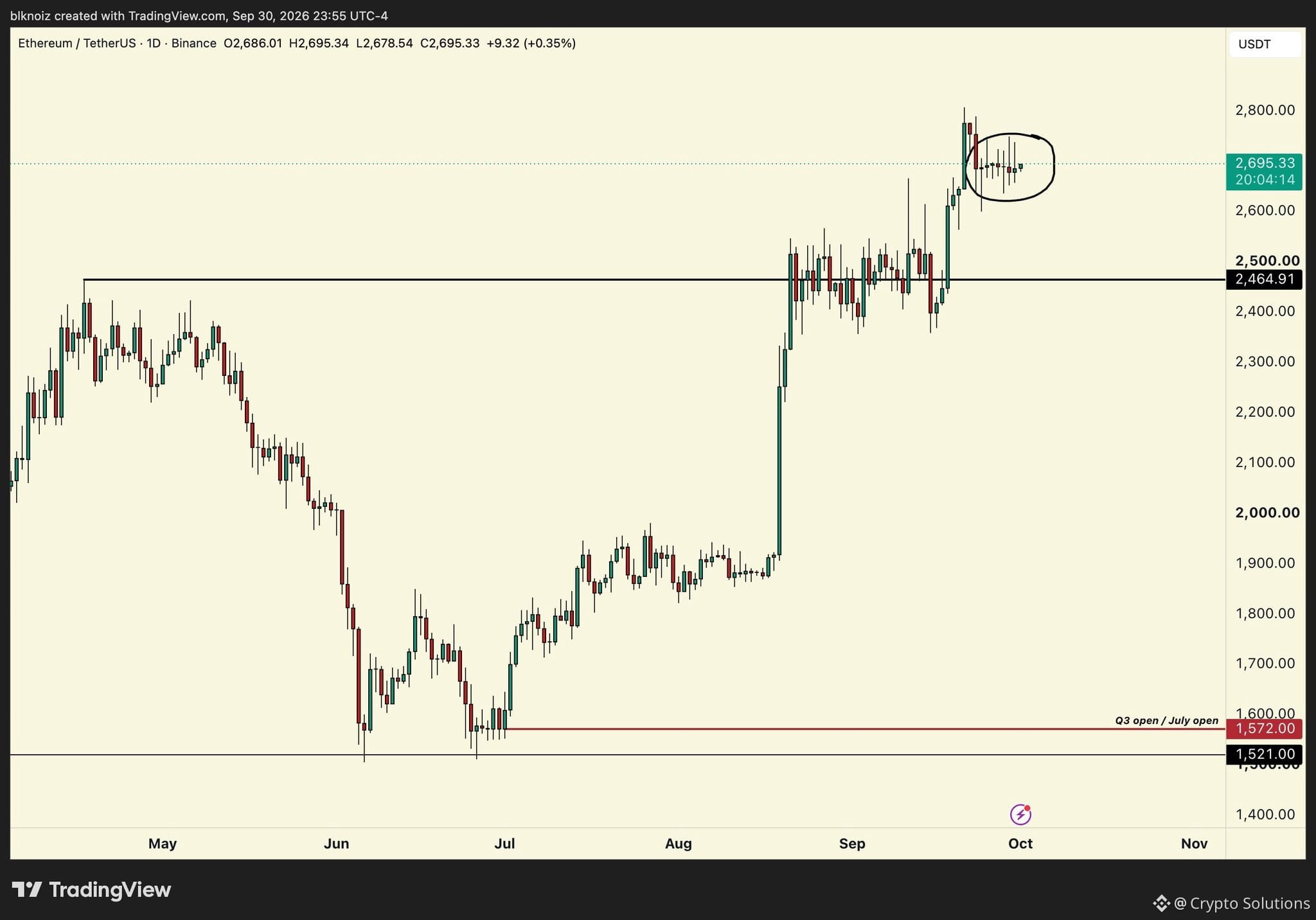
we call this pattern the blue balls of titanium
- Ansem said.
$ETH
we call this pattern the blue balls of titanium
- Ansem said.
$ETH
- Ansem said.
$ETH
2
386
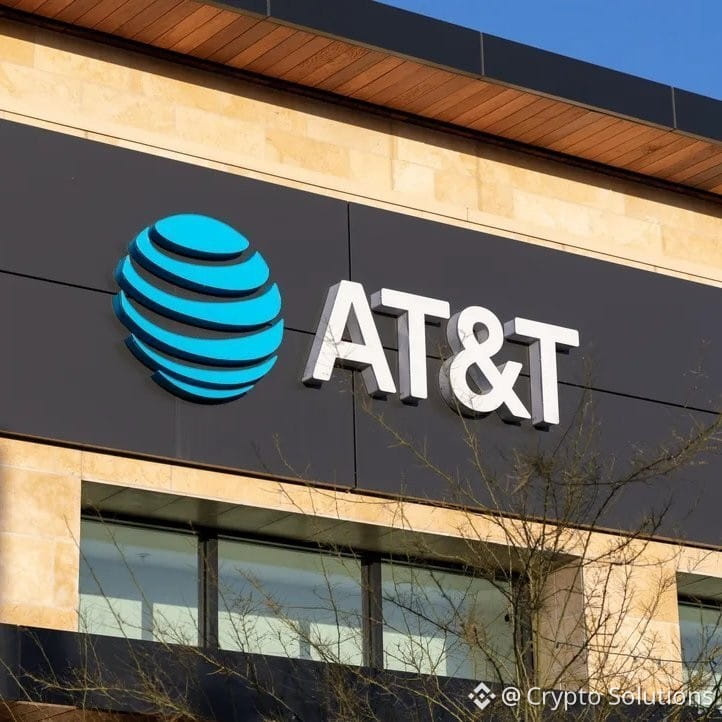
🇺🇸 $170 BILLION AT&T NOW LETS ITS MILLIONS OF CUSTOMERS PAY THEIR PHONE BILLS IN #BITCOIN
FIRST MAJOR U.S. CARRIER TO DO IT
BTC IS MONEY 🔥
$BTC
🇺🇸 $170 BILLION AT&T NOW LETS ITS MILLIONS OF CUSTOMERS PAY THEIR PHONE BILLS IN #BITCOIN
FIRST MAJOR U.S. CARRIER TO DO IT
BTC IS MONEY 🔥
$BTC
FIRST MAJOR U.S. CARRIER TO DO IT
BTC IS MONEY 🔥
$BTC
1
964
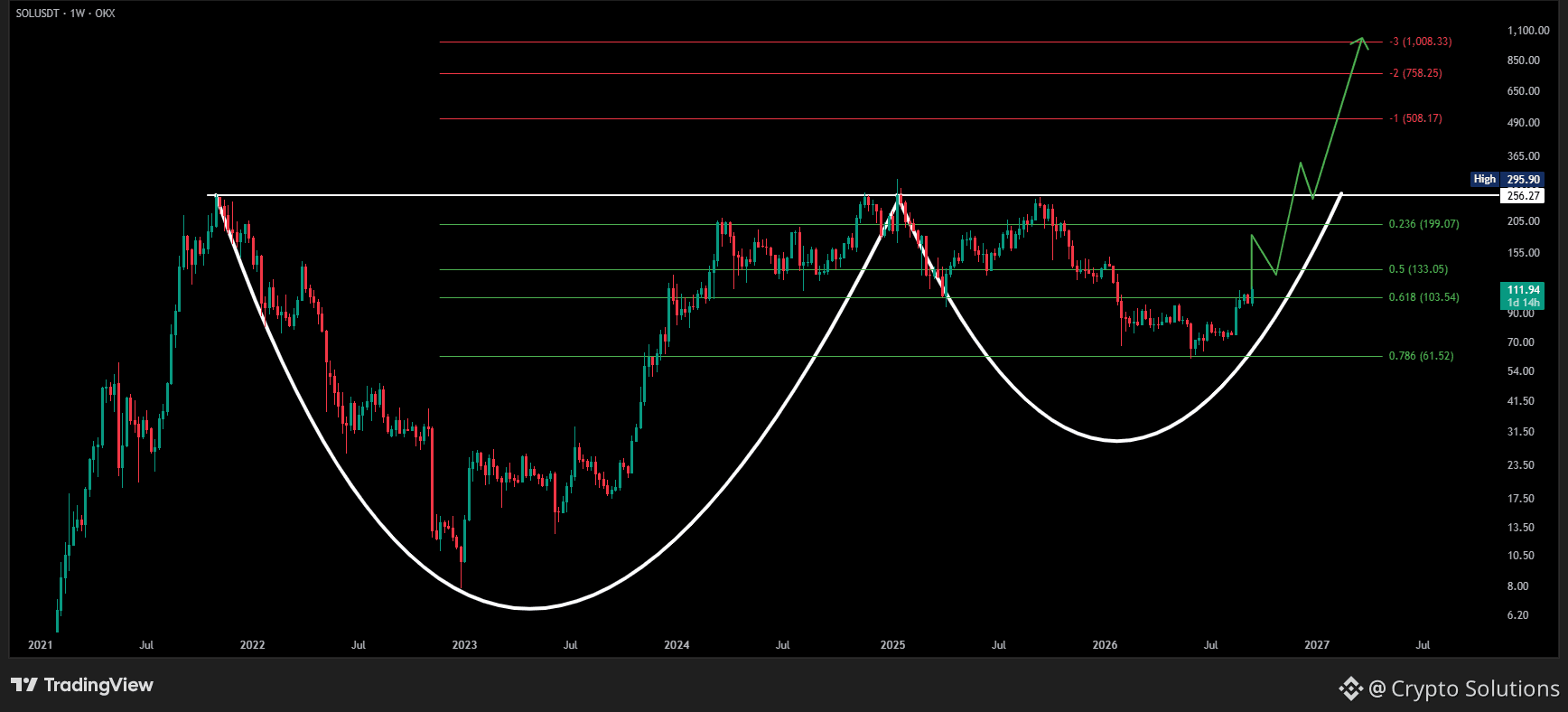
Zoom out on $SOL and the structure gets crazy. 👀
This entire move looks like one massive cup-and-handle formation.
If the neckline breaks, the chart opens toward the $1,000+ region. 🔥
Zoom out on $SOL and the structure gets crazy. 👀
This entire move looks like one massive cup-and-handle formation.
If the neckline breaks, the chart opens toward the $1,000+ region. 🔥
This entire move looks like one massive cup-and-handle formation.
If the neckline breaks, the chart opens toward the $1,000+ region. 🔥
4
741
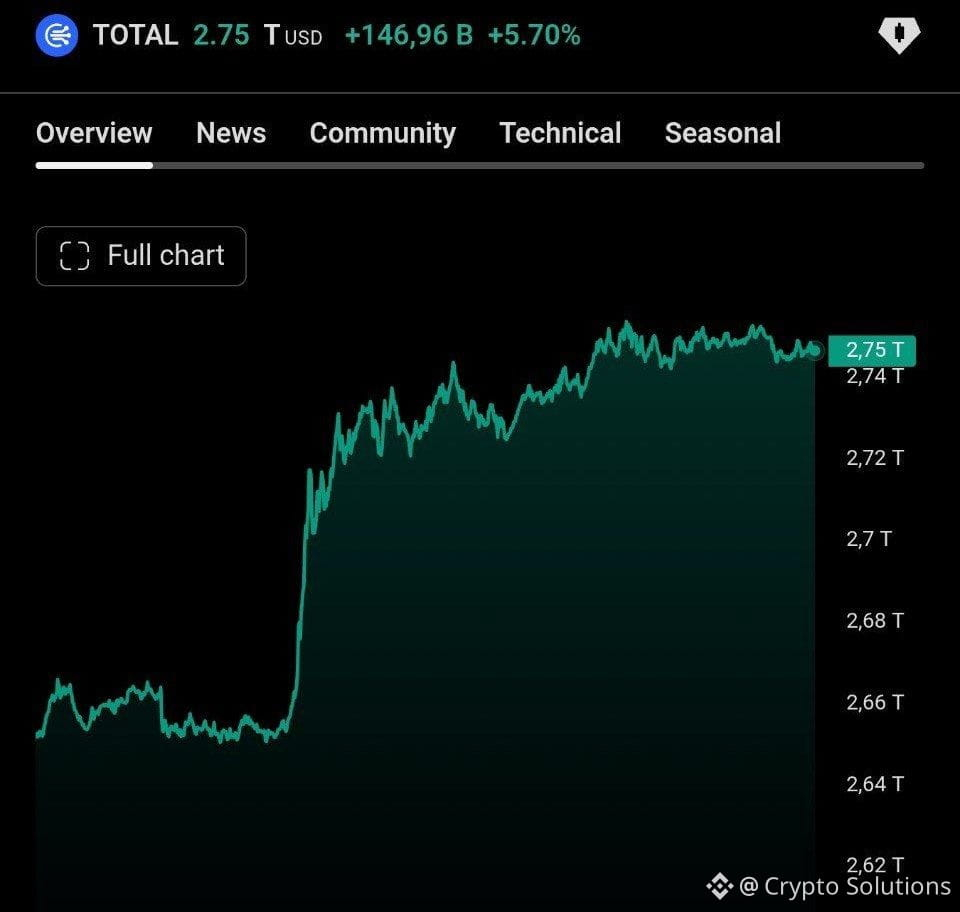
Big News: The crypto market saw a $148 billion surge in 24 hours, with approximately 70% of that growth occurring within the first hour.
Big News: The crypto market saw a $148 billion surge in 24 hours, with approximately 70% of that growth occurring within the first hour.
1
2
536
Just In: Anthropic plans to launch its IPO in November, according to the WSJ.
Just In: Anthropic plans to launch its IPO in November, according to the WSJ.
2
866
Partiellement vrai
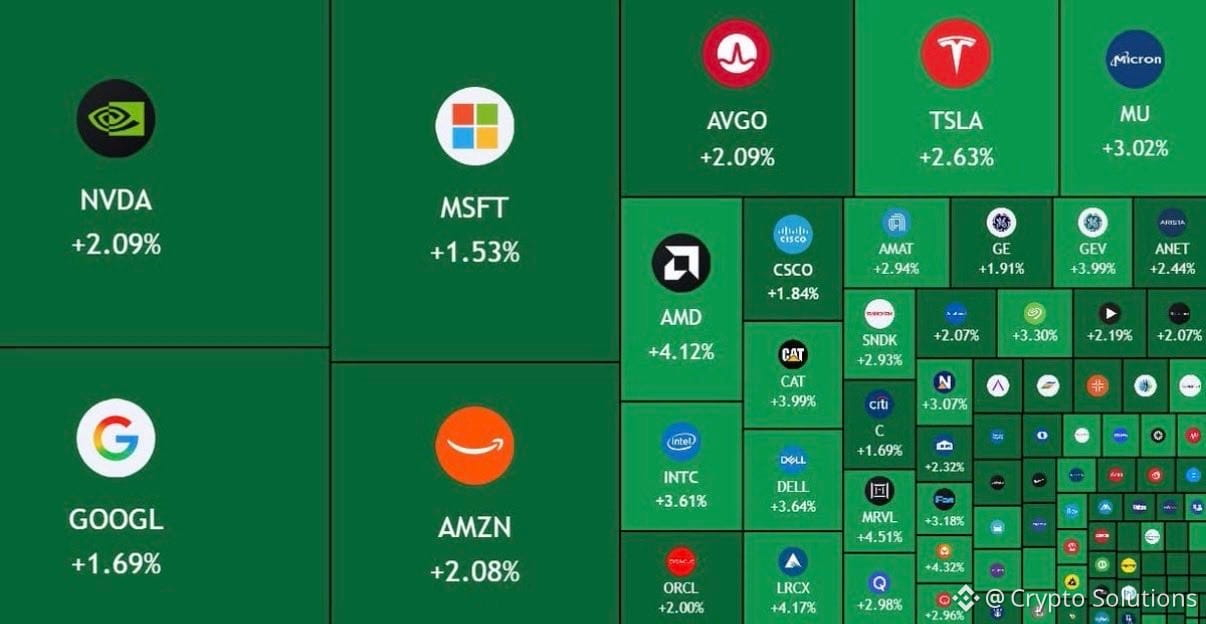
$900 BILLION just flooded into the US stock market at the open.
That’s $900,000,000,000 added in a single session.
And this isn’t happening in isolation.
Markets continue to ride a powerful wave of optimism fuelled by expectations for rate cuts, resilient corporate earnings, and relentless
$900 BILLION just flooded into the US stock market at the open.
That’s $900,000,000,000 added in a single session.
And this isn’t happening in isolation.
Markets continue to ride a powerful wave of optimism fuelled by expectations for rate cuts, resilient corporate earnings, and relentless
That’s $900,000,000,000 added in a single session.
And this isn’t happening in isolation.
Markets continue to ride a powerful wave of optimism fuelled by expectations for rate cuts, resilient corporate earnings, and relentless
1
754
Article
DDDD: The Meme That Came From Yi He Herself“Those who understand, understand.” In crypto, some phrases are created by marketing teams. Others are born from the community. And then there are phrases that become part of the culture because someone influential says them, the community catches them, and suddenly everyone knows what they mean.
DDDD is one of those phrases.
But what makes DDDD interesting is that its roots can be traced directly to Yi He herself.
On March 18, 2025, Yi He posted:
“What you despise and loathe reveals your deepest fears. Learn MEME, understand MEME, become a MEME. Now I'm busy posting comments everywhere telling everyone ‘DDDD’ (带带弟弟). DDDD (懂得都懂).”
That post says more than just “DDDD.” It captures an important part of crypto culture:
Memes don't always need a complicated explanation.
Sometimes, the people who have been around long enough simply know.
So, what does DDDD actually mean?
There are two Chinese expressions shown in Yi He's post:
带带弟弟
Dài dài dìdì
And:
懂得都懂
Dǒng de dōu dǒng
The first is commonly rendered as something like “bring/help the little brother”, while the second means “those who understand, understand.”
Both became associated with DDDD in the context of Yi He's post.
And that's where the beauty of the meme comes in.
You don't necessarily need a 500-word explanation.
DDDD.
If you know, you know.
If you don't...
懂得都懂.
From Yi He to the wider crypto community
What started as a phrase used by Yi He became something much bigger.
Crypto is built around shared language.
GM
WAGMI.
HODL.
SAFU.
And now:
DDDD.
The interesting thing about these expressions is that their value isn't in the letters themselves.
It's in the shared context behind them.
When someone writes DDDD under a post, they're often communicating something without spelling everything out.
It can be playful.
It can be ironic.
It can signal that there is more going on beneath the surface.
And sometimes it simply means:
“You already know.”
Why Yi He's post matters
The most important part of the screenshot isn't merely that Yi He used DDDD.
It's that she explicitly connected the meme with learning, understanding and becoming part of meme culture.
“Learn MEME, understand MEME, become a MEME.”
That is almost a blueprint for how internet culture works.
You first see something you don't understand.
Then you learn the context.
Then you start using it.
Eventually, you become part of the culture yourself.
That's exactly how crypto memes spread.
They aren't always explained.
They are experienced.
The deeper lesson
There is a reason memes have become such a powerful part of crypto.
Blockchains are technical.
Wallets are technical.
Zero-knowledge proofs are technical.
DeFi is technical.
But communities need simple ways to communicate.
A four-letter phrase can sometimes carry an entire story.
DDDD is not about the four letters.
It's about the people who understand the reference.
It's about being early enough to recognize the language.
It's about participating instead of simply observing.
And perhaps most importantly, it's a reminder that culture cannot always be manufactured.
Sometimes it just happens.
Someone says something.
The community picks it up.
The meaning evolves.
And eventually, a simple phrase becomes part of the vocabulary.
DDDD is bigger than a meme
Yi He didn't need to create a 20-page explanation for DDDD.
She simply used it.
The community understood it.
And it spread.
That's how internet culture has always worked.
Learn MEME.
Understand MEME.
Become a MEME.
And when someone asks what DDDD means?
You can explain it.
Or you can simply say:
DDDD.
懂得都懂. 💛
Those who understand, understand.
DDDD: The Meme That Came From Yi He Herself
“Those who understand, understand.” In crypto, some phrases are created by marketing teams. Others are born from the community. And then there are phrases that become part of the culture because someone influential says them, the community catches them, and suddenly everyone knows what they mean.
DDDD is one of those phrases.
But what makes DDDD interesting is that its roots can be traced directly to Yi He herself.
On March 18, 2025, Yi He posted:
“What you despise and loathe reveals your deepest fears. Learn MEME, understand MEME, become a MEME. Now I'm busy posting comments everywhere telling everyone ‘DDDD’ (带带弟弟). DDDD (懂得都懂).”
That post says more than just “DDDD.” It captures an important part of crypto culture:
Memes don't always need a complicated explanation.
Sometimes, the people who have been around long enough simply know.
So, what does DDDD actually mean?
There are two Chinese expressions shown in Yi He's post:
带带弟弟
Dài dài dìdì
And:
懂得都懂
Dǒng de dōu dǒng
The first is commonly rendered as something like “bring/help the little brother”, while the second means “those who understand, understand.”
Both became associated with DDDD in the context of Yi He's post.
And that's where the beauty of the meme comes in.
You don't necessarily need a 500-word explanation.
DDDD.
If you know, you know.
If you don't...
懂得都懂.
From Yi He to the wider crypto community
What started as a phrase used by Yi He became something much bigger.
Crypto is built around shared language.
GM
WAGMI.
HODL.
SAFU.
And now:
DDDD.
The interesting thing about these expressions is that their value isn't in the letters themselves.
It's in the shared context behind them.
When someone writes DDDD under a post, they're often communicating something without spelling everything out.
It can be playful.
It can be ironic.
It can signal that there is more going on beneath the surface.
And sometimes it simply means:
“You already know.”
Why Yi He's post matters
The most important part of the screenshot isn't merely that Yi He used DDDD.
It's that she explicitly connected the meme with learning, understanding and becoming part of meme culture.
“Learn MEME, understand MEME, become a MEME.”
That is almost a blueprint for how internet culture works.
You first see something you don't understand.
Then you learn the context.
Then you start using it.
Eventually, you become part of the culture yourself.
That's exactly how crypto memes spread.
They aren't always explained.
They are experienced.
The deeper lesson
There is a reason memes have become such a powerful part of crypto.
Blockchains are technical.
Wallets are technical.
Zero-knowledge proofs are technical.
DeFi is technical.
But communities need simple ways to communicate.
A four-letter phrase can sometimes carry an entire story.
DDDD is not about the four letters.
It's about the people who understand the reference.
It's about being early enough to recognize the language.
It's about participating instead of simply observing.
And perhaps most importantly, it's a reminder that culture cannot always be manufactured.
Sometimes it just happens.
Someone says something.
The community picks it up.
The meaning evolves.
And eventually, a simple phrase becomes part of the vocabulary.
DDDD is bigger than a meme
Yi He didn't need to create a 20-page explanation for DDDD.
She simply used it.
The community understood it.
And it spread.
That's how internet culture has always worked.
Learn MEME.
Understand MEME.
Become a MEME.
And when someone asks what DDDD means?
You can explain it.
Or you can simply say:
DDDD.
懂得都懂. 💛
Those who understand, understand.
DDDD is one of those phrases.
But what makes DDDD interesting is that its roots can be traced directly to Yi He herself.
On March 18, 2025, Yi He posted:
“What you despise and loathe reveals your deepest fears. Learn MEME, understand MEME, become a MEME. Now I'm busy posting comments everywhere telling everyone ‘DDDD’ (带带弟弟). DDDD (懂得都懂).”
That post says more than just “DDDD.” It captures an important part of crypto culture:
Memes don't always need a complicated explanation.
Sometimes, the people who have been around long enough simply know.
So, what does DDDD actually mean?
There are two Chinese expressions shown in Yi He's post:
带带弟弟
Dài dài dìdì
And:
懂得都懂
Dǒng de dōu dǒng
The first is commonly rendered as something like “bring/help the little brother”, while the second means “those who understand, understand.”
Both became associated with DDDD in the context of Yi He's post.
And that's where the beauty of the meme comes in.
You don't necessarily need a 500-word explanation.
DDDD.
If you know, you know.
If you don't...
懂得都懂.
From Yi He to the wider crypto community
What started as a phrase used by Yi He became something much bigger.
Crypto is built around shared language.
GM
WAGMI.
HODL.
SAFU.
And now:
DDDD.
The interesting thing about these expressions is that their value isn't in the letters themselves.
It's in the shared context behind them.
When someone writes DDDD under a post, they're often communicating something without spelling everything out.
It can be playful.
It can be ironic.
It can signal that there is more going on beneath the surface.
And sometimes it simply means:
“You already know.”
Why Yi He's post matters
The most important part of the screenshot isn't merely that Yi He used DDDD.
It's that she explicitly connected the meme with learning, understanding and becoming part of meme culture.
“Learn MEME, understand MEME, become a MEME.”
That is almost a blueprint for how internet culture works.
You first see something you don't understand.
Then you learn the context.
Then you start using it.
Eventually, you become part of the culture yourself.
That's exactly how crypto memes spread.
They aren't always explained.
They are experienced.
The deeper lesson
There is a reason memes have become such a powerful part of crypto.
Blockchains are technical.
Wallets are technical.
Zero-knowledge proofs are technical.
DeFi is technical.
But communities need simple ways to communicate.
A four-letter phrase can sometimes carry an entire story.
DDDD is not about the four letters.
It's about the people who understand the reference.
It's about being early enough to recognize the language.
It's about participating instead of simply observing.
And perhaps most importantly, it's a reminder that culture cannot always be manufactured.
Sometimes it just happens.
Someone says something.
The community picks it up.
The meaning evolves.
And eventually, a simple phrase becomes part of the vocabulary.
DDDD is bigger than a meme
Yi He didn't need to create a 20-page explanation for DDDD.
She simply used it.
The community understood it.
And it spread.
That's how internet culture has always worked.
Learn MEME.
Understand MEME.
Become a MEME.
And when someone asks what DDDD means?
You can explain it.
Or you can simply say:
DDDD.
懂得都懂. 💛
Those who understand, understand.
2
3
655
Vérifié
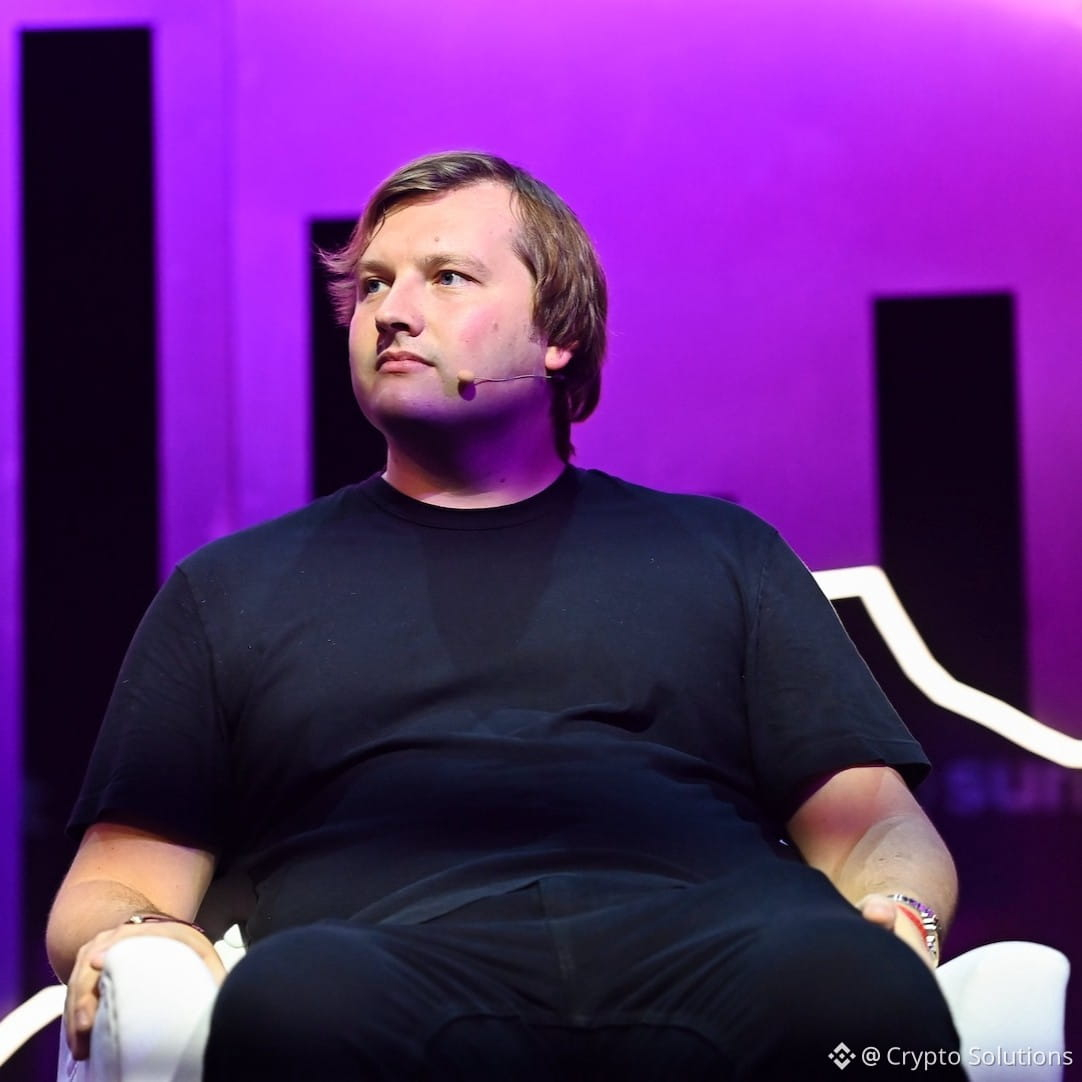
LATEST: ⚡ Aave founder Stani Kulechov told The Block that DeFi may need to take the "Uber path," building products so widely used that lawmakers must respond.
LATEST: ⚡ Aave founder Stani Kulechov told The Block that DeFi may need to take the "Uber path," building products so widely used that lawmakers must respond.
1
1
896
LATEST: ⚡️ Circle CEO Jeremy Allaire told Bloomberg that crypto adoption is "an irreversible mega trend that is going to completely reshape the financial system," with or without the CLARITY Act.
LATEST: ⚡️ Circle CEO Jeremy Allaire told Bloomberg that crypto adoption is "an irreversible mega trend that is going to completely reshape the financial system," with or without the CLARITY Act.

1
273
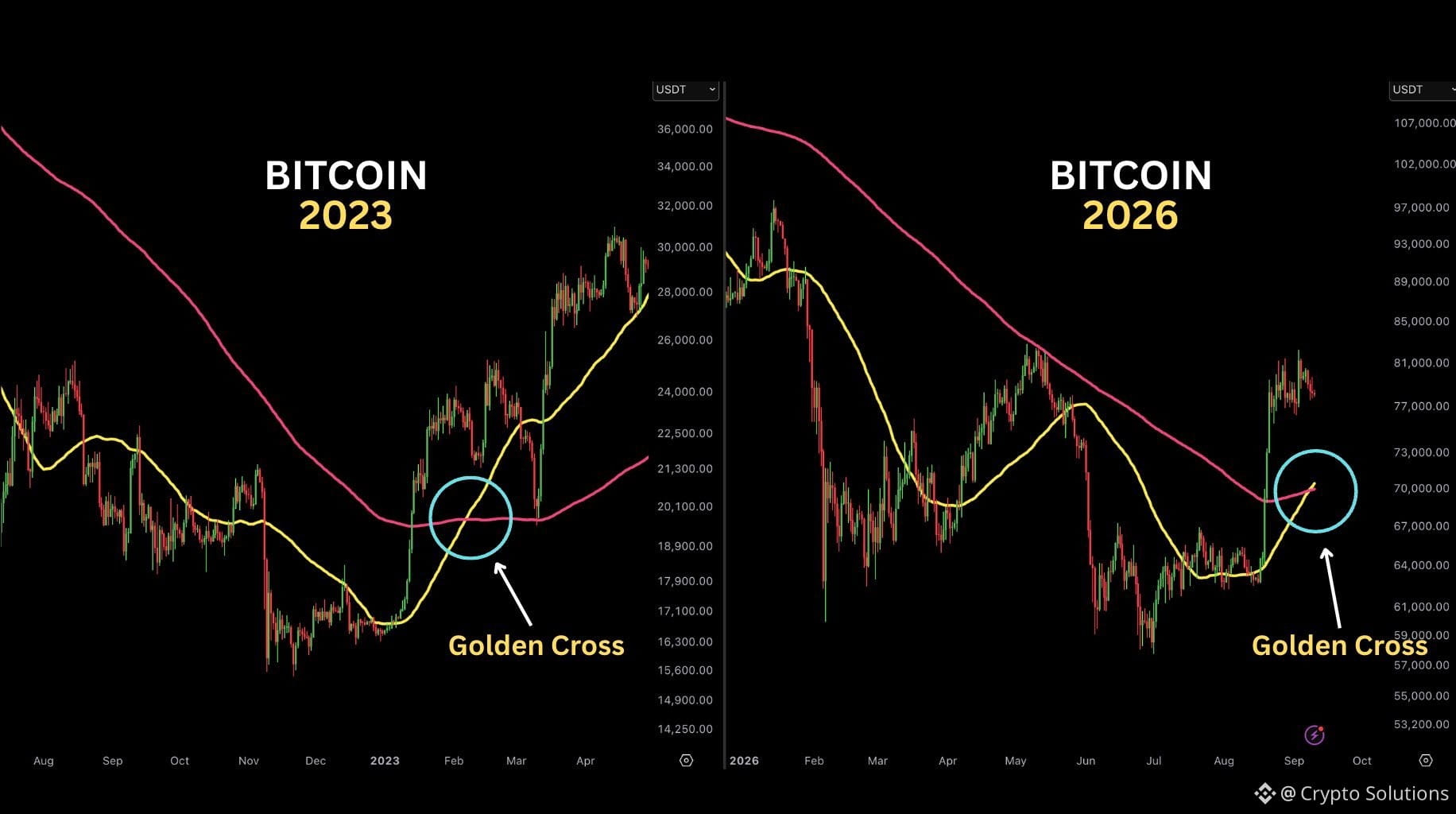
The last time $BTC formed its first Golden Cross after the 2022 bear market began, it marked a major market reversal.
Now, we’re seeing the same setup again.
The last time $BTC formed its first Golden Cross after the 2022 bear market began, it marked a major market reversal.
Now, we’re seeing the same setup again.
Now, we’re seeing the same setup again.
627
BREAKING: $255,000,000 worth of crypto shorts liquidated in the past 60 minutes.
🔴
BREAKING: $255,000,000 worth of crypto shorts liquidated in the past 60 minutes.
🔴
🔴
2
5
442
It's okay if you missed $ANSEM the Black Bull Solana meme
It's okay if you missed $CASHCAT in the Robinhood chain, if you missed $PONS launchpad, if you missed Artificial Inu $Ai
It's okay, if you missed $SKR Solana Web3 mobile token
It's okay, if you missed $USELESS another Solana meme
It's even okay, if you missed $MARSCOIN, a BSC meme launched days ago.
Don't hate yourself, don't FOMO, you're still early. But if you don't want to miss another 100X pump, you've got to lock up.
Stay here on X always, network with friends who are locked in, and most importantly, keep eyes open on the lookout for the next opportunity with your capital READY.
It's okay if you missed $ANSEM the Black Bull Solana meme
It's okay if you missed $CASHCAT in the Robinhood chain, if you missed $PONS launchpad, if you missed Artificial Inu $Ai
It's okay, if you missed $SKR Solana Web3 mobile token
It's okay, if you missed $USELESS another Solana meme
It's even okay, if you missed $MARSCOIN, a BSC meme launched days ago.
Don't hate yourself, don't FOMO, you're still early. But if you don't want to miss another 100X pump, you've got to lock up.
Stay here on X always, network with friends who are locked in, and most importantly, keep eyes open on the lookout for the next opportunity with your capital READY.
It's okay if you missed $CASHCAT in the Robinhood chain, if you missed $PONS launchpad, if you missed Artificial Inu $Ai
It's okay, if you missed $SKR Solana Web3 mobile token
It's okay, if you missed $USELESS another Solana meme
It's even okay, if you missed $MARSCOIN, a BSC meme launched days ago.
Don't hate yourself, don't FOMO, you're still early. But if you don't want to miss another 100X pump, you've got to lock up.
Stay here on X always, network with friends who are locked in, and most importantly, keep eyes open on the lookout for the next opportunity with your capital READY.
4
1.2k
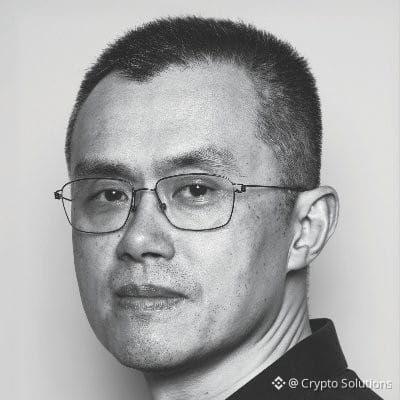
@CZ Before the world called you a visionary, your mom apparently had a much simpler description:
傻孩子 - stupid kid.
That’s what makes the story so human.
Every builder eventually reaches a point where their vision looks irrational to everyone else.
Your story just happens to have an unforgettable nickname attached to it.
Does your mom still use 傻孩子 today, or has she finally upgraded your title? 😂
@CZ Before the world called you a visionary, your mom apparently had a much simpler description:
傻孩子 - stupid kid.
That’s what makes the story so human.
Every builder eventually reaches a point where their vision looks irrational to everyone else.
Your story just happens to have an unforgettable nickname attached to it.
Does your mom still use 傻孩子 today, or has she finally upgraded your title? 😂
傻孩子 - stupid kid.
That’s what makes the story so human.
Every builder eventually reaches a point where their vision looks irrational to everyone else.
Your story just happens to have an unforgettable nickname attached to it.
Does your mom still use 傻孩子 today, or has she finally upgraded your title? 😂
1
435
@CZ Before the billions, before Binance, there was simply a mother wondering what her son was doing. What did she say when things finally worked?
@CZ Before the billions, before Binance, there was simply a mother wondering what her son was doing. What did she say when things finally worked?
1
2
343
$AI $10m → $300m in 12 days
$AMC $1m → $150m in 5 hours
$FATCOIN $0 → $50m in 3 days
$BONER $2m → $80m in 3 days
$Basecat $15m → $65m in 5 days
$PONS $30m → $500m in 11 days
$MARSCOIN $30m → $200m in 10 days
$USELESS $40m → $300m in 2 weeks
What's next?
$AI $10m → $300m in 12 days
$AMC $1m → $150m in 5 hours
$FATCOIN $0 → $50m in 3 days
$BONER $2m → $80m in 3 days
$Basecat $15m → $65m in 5 days
$PONS $30m → $500m in 11 days
$MARSCOIN $30m → $200m in 10 days
$USELESS $40m → $300m in 2 weeks
What's next?
$AMC $1m → $150m in 5 hours
$FATCOIN $0 → $50m in 3 days
$BONER $2m → $80m in 3 days
$Basecat $15m → $65m in 5 days
$PONS $30m → $500m in 11 days
$MARSCOIN $30m → $200m in 10 days
$USELESS $40m → $300m in 2 weeks
What's next?
1
491
@CZ visited alem.ai in Kazakhstan, spotlighting the country’s growing ambition to become a regional hub for blockchain, AI, and digital finance.
During the visit, Binance and Alatau City Bank demonstrated live crypto payments, while new CryptoCity AI and data-center projects were presented.
The visit concluded with a new Memorandum of Understanding, strengthening cooperation and Kazakhstan’s push to build the infrastructure for the next generation of digital finance.
Crypto, AI, banking, and infrastructure are converging and Kazakhstan wants to be at the center of it.
@CZ visited alem.ai in Kazakhstan, spotlighting the country’s growing ambition to become a regional hub for blockchain, AI, and digital finance.
During the visit, Binance and Alatau City Bank demonstrated live crypto payments, while new CryptoCity AI and data-center projects were presented.
The visit concluded with a new Memorandum of Understanding, strengthening cooperation and Kazakhstan’s push to build the infrastructure for the next generation of digital finance.
Crypto, AI, banking, and infrastructure are converging and Kazakhstan wants to be at the center of it.
During the visit, Binance and Alatau City Bank demonstrated live crypto payments, while new CryptoCity AI and data-center projects were presented.
The visit concluded with a new Memorandum of Understanding, strengthening cooperation and Kazakhstan’s push to build the infrastructure for the next generation of digital finance.
Crypto, AI, banking, and infrastructure are converging and Kazakhstan wants to be at the center of it.
133
Connectez-vous pour découvrir plus de contenu
Rejoignez la communauté mondiale des adeptes de cryptomonnaies sur Binance Square
⚡️ Suviez les dernières informations importantes sur les cryptomonnaies.
💬 Jugé digne de confiance par la plus grande plateforme d’échange de cryptomonnaies au monde.
👍 Découvrez les connaissances que partagent les créateurs vérifiés.
Adresse e-mail/Nº de téléphone