

CryptoMasterMindX
5.4k Publications

CryptoMasterMindX
 Compte Square Vérifié+
Signaler
Bloquer l’utilisateur
🚀 Daily Crypto & Stock Signals | High Win Rate • Real-Time Market Analysis • Risk Management First 📊 | Let's grow together, one trade at a time.

Détenteur pour BABAon
Trade régulièrement
4.9 an(s)
137 Suivis
78.3K+ Abonnés
45.3K+ J’aime
Publications
Tous
Citations
Vidéos
PINNED
My father is 83 years old and has studied US stocks for almost 52 years.
He summarized some simple rules for beginners:
1. Price falls 5% → Hold
2. Price falls 15% → Buy 10%
3. Price falls 25% → Buy 25%
4. Price rises 5% → Continue holding
5. Price rises 15% → Continue holding
6. Price rises 25% → Sell 10%
7. Price rises 35% → Sell 20%
8. Price rises 45% → Sell 30%
9. Price rises 60% → Sell 40%
10. Price rises 100% → Sell everything
Discipline + patience = stable long-term growth.
My father is 83 years old and has studied US stocks for almost 52 years.
He summarized some simple rules for beginners:
1. Price falls 5% → Hold
2. Price falls 15% → Buy 10%
3. Price falls 25% → Buy 25%
4. Price rises 5% → Continue holding
5. Price rises 15% → Continue holding
6. Price rises 25% → Sell 10%
7. Price rises 35% → Sell 20%
8. Price rises 45% → Sell 30%
9. Price rises 60% → Sell 40%
10. Price rises 100% → Sell everything
Discipline + patience = stable long-term growth.
He summarized some simple rules for beginners:
1. Price falls 5% → Hold
2. Price falls 15% → Buy 10%
3. Price falls 25% → Buy 25%
4. Price rises 5% → Continue holding
5. Price rises 15% → Continue holding
6. Price rises 25% → Sell 10%
7. Price rises 35% → Sell 20%
8. Price rises 45% → Sell 30%
9. Price rises 60% → Sell 40%
10. Price rises 100% → Sell everything
Discipline + patience = stable long-term growth.
66
13
353
283.8k

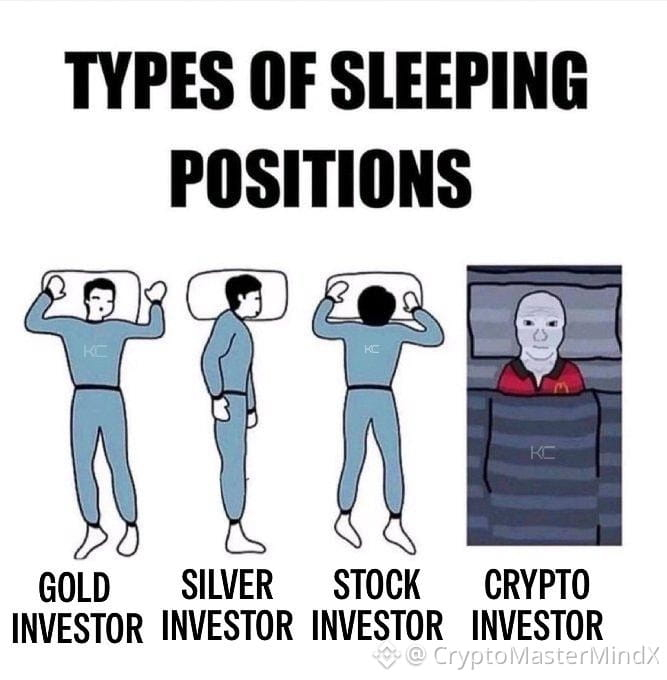
if you invested $10,000 in Ethereum 5 years ago. Today you would have $8,923 after tax.
if you invested $10,000 in Ethereum 5 years ago. Today you would have $8,923 after tax.

1
4
1.3k
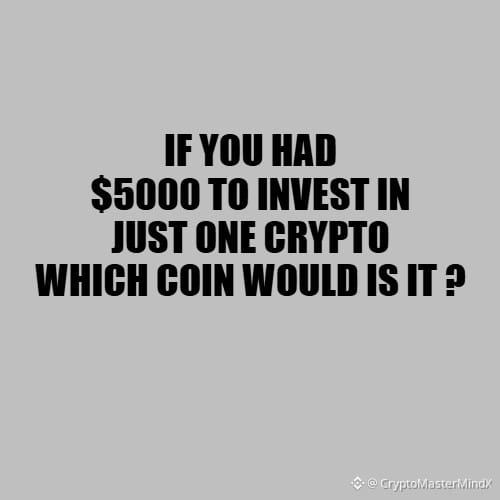
Keep holding and buying more Bitcoin
$BTC
{future}(BTCUSDT)
Keep holding and buying more Bitcoin
$BTC
$BTC
3
918


Vérifié
#CPIWatch
Nonfarm payrolls just blew past
expectations, and all eyes are locked on the upcoming CPI print. Everyone's asking the same question: is the Fed actually going to surprise us with a rate hike, or are they just going to hold steady?
Honestly, with the labor market still running this hot, sticky inflation is a real headache. But jumping straight to a hike feels like a stretch—though Jerome Powell has definitely surprised us before.
Where is everyone leaning right now? Are you positioned bullish or bearish going into this print?
I’m currently holding a mix of safe-haven gold and a few select equities, but I'm watching the charts closely before making my next move
#CPIWatch
Nonfarm payrolls just blew past
expectations, and all eyes are locked on the upcoming CPI print. Everyone's asking the same question: is the Fed actually going to surprise us with a rate hike, or are they just going to hold steady?
Honestly, with the labor market still running this hot, sticky inflation is a real headache. But jumping straight to a hike feels like a stretch—though Jerome Powell has definitely surprised us before.
Where is everyone leaning right now? Are you positioned bullish or bearish going into this print?
I’m currently holding a mix of safe-haven gold and a few select equities, but I'm watching the charts closely before making my next move
Nonfarm payrolls just blew past
expectations, and all eyes are locked on the upcoming CPI print. Everyone's asking the same question: is the Fed actually going to surprise us with a rate hike, or are they just going to hold steady?
Honestly, with the labor market still running this hot, sticky inflation is a real headache. But jumping straight to a hike feels like a stretch—though Jerome Powell has definitely surprised us before.
Where is everyone leaning right now? Are you positioned bullish or bearish going into this print?
I’m currently holding a mix of safe-haven gold and a few select equities, but I'm watching the charts closely before making my next move

1
4
2.7k
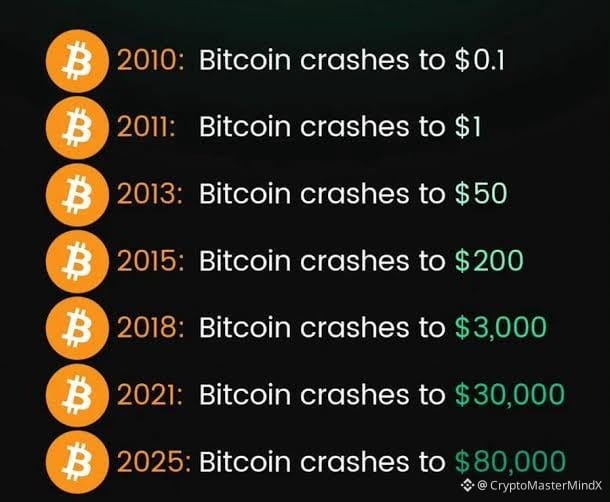
The average millionaire becomes a millionaire around age 50.
The average millionaire becomes a millionaire around age 50.
3
951
Good morning future crypto millionaires
Good morning future crypto millionaires
2
345
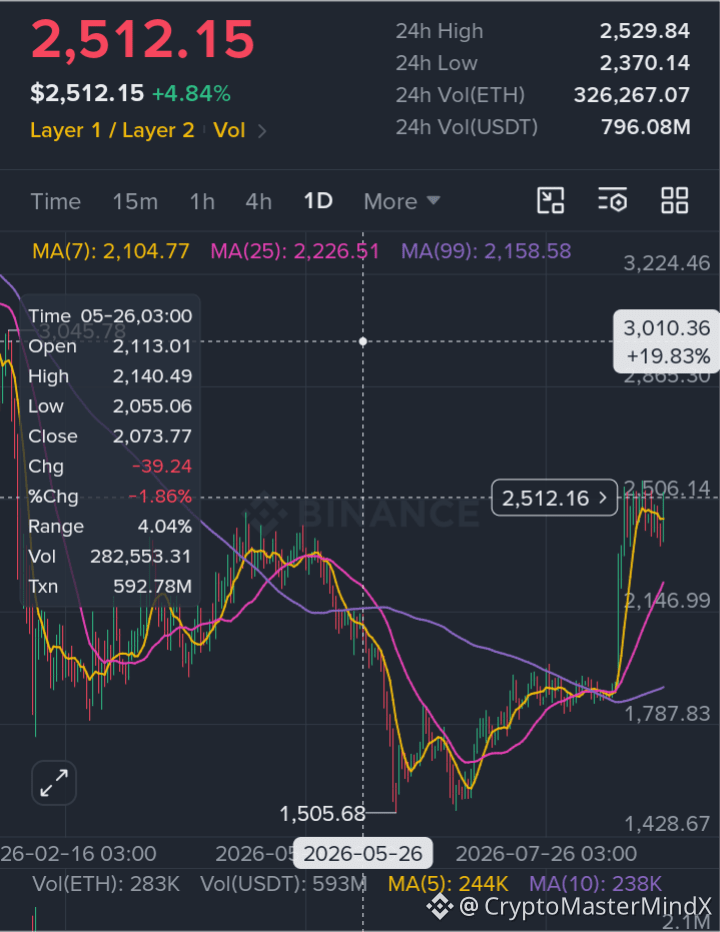
🚨LONG $ETH NOW 🚨
Entry Zone: $2,430 – $2,480
Leverage: 5x - 10X
TP1: $2,600
TP2: $2,750
SL: $2,350
ETH is showing strong bullish momentum and is trading above the 7-day, 25-day and 99-day moving averages. A pullback toward the $2,430–$2,480 zone could offer a better long entry.
Manage your risk: Don’t over-leverage. Risk only 1–2% of your trading capital and consider taking partial profits at TP1.
$ETH
{future}(ETHUSDT)
🚨LONG $ETH NOW 🚨
Entry Zone: $2,430 – $2,480
Leverage: 5x - 10X
TP1: $2,600
TP2: $2,750
SL: $2,350
ETH is showing strong bullish momentum and is trading above the 7-day, 25-day and 99-day moving averages. A pullback toward the $2,430–$2,480 zone could offer a better long entry.
Manage your risk: Don’t over-leverage. Risk only 1–2% of your trading capital and consider taking partial profits at TP1.
$ETH
Entry Zone: $2,430 – $2,480
Leverage: 5x - 10X
TP1: $2,600
TP2: $2,750
SL: $2,350
ETH is showing strong bullish momentum and is trading above the 7-day, 25-day and 99-day moving averages. A pullback toward the $2,430–$2,480 zone could offer a better long entry.
Manage your risk: Don’t over-leverage. Risk only 1–2% of your trading capital and consider taking partial profits at TP1.
$ETH
3
558
Tp1 and Tp2 hit successful ✅✅✅
Tp1 and Tp2 hit successful ✅✅✅
CryptoMasterMindX
·
--
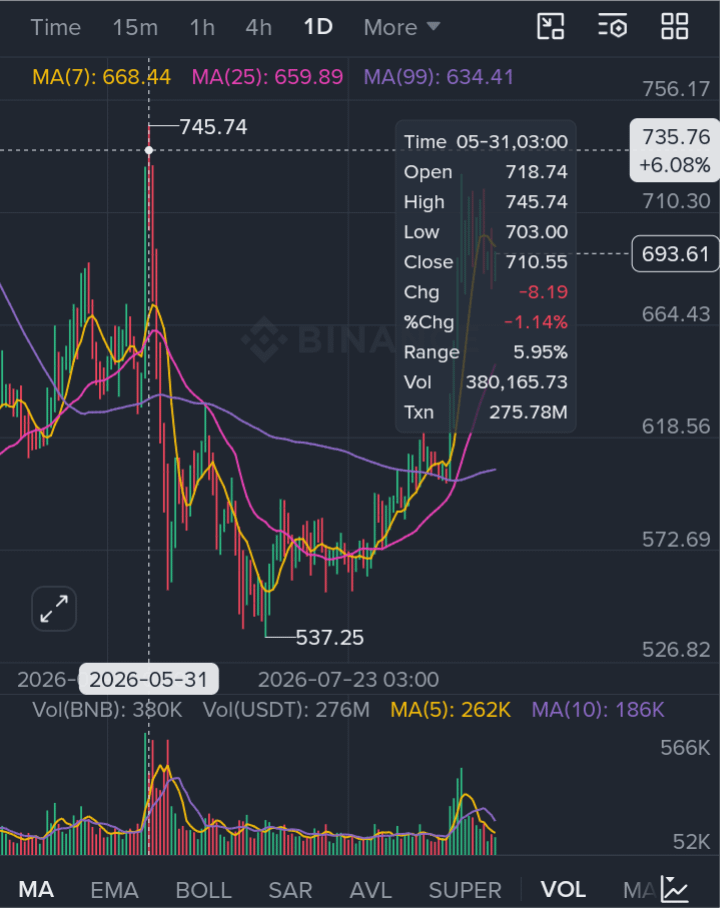
🚨 LONG BNB NOW 🚨
BNB is showing a bullish structure on the 1D chart, but I’d avoid leverage and treat this as a spot setup because price is close to resistance.
Zone Long: $680 – $690
Leverage: 5x - 10x
TP1: $702
TP2: $730
TP3: $750
SL: $668
BNB has broken strongly above the $633–$650 area and is holding well above the 25-day and 99-day moving averages. A pullback toward $680–$690 could provide a better-risk entry, while $702 is the immediate resistance to watch.
⚠️ Manage your risk. Don't enter with your full capital. If BNB loses $668 decisively, the setup is invalid.
$BNB
BNB is showing a bullish structure on the 1D chart, but I’d avoid leverage and treat this as a spot setup because price is close to resistance.
Zone Long: $680 – $690
Leverage: 5x - 10x
TP1: $702
TP2: $730
TP3: $750
SL: $668
BNB has broken strongly above the $633–$650 area and is holding well above the 25-day and 99-day moving averages. A pullback toward $680–$690 could provide a better-risk entry, while $702 is the immediate resistance to watch.
⚠️ Manage your risk. Don't enter with your full capital. If BNB loses $668 decisively, the setup is invalid.
$BNB
263
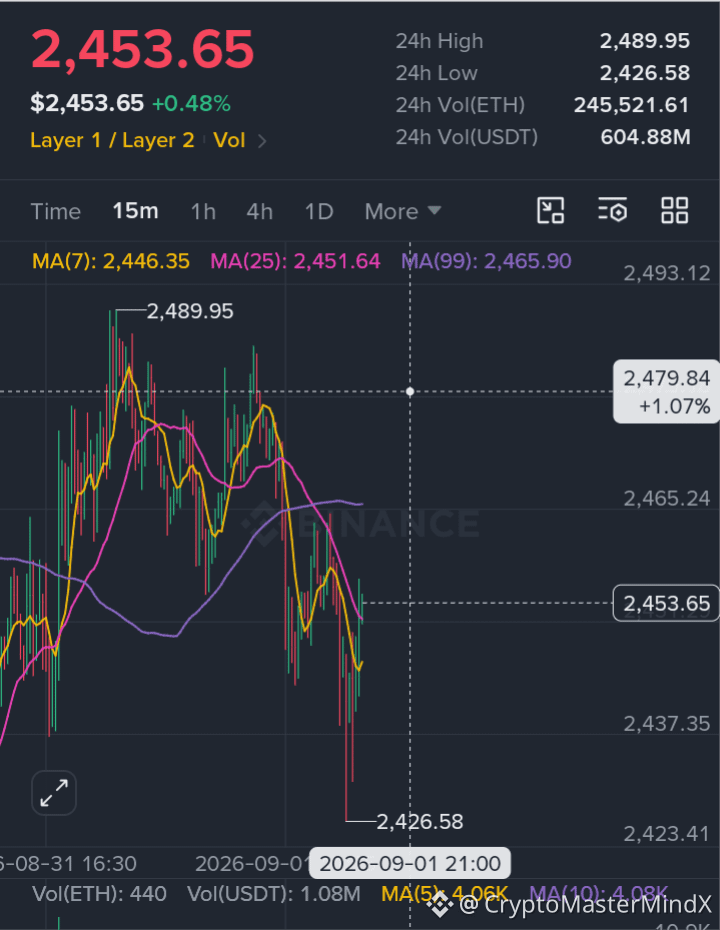
🚨 LONG $ETH NOW 🚨
Long Zone: $2,440 – $2,452
Leverage: 5x–8x
TP1: $2,477
TP2: $2,510
SL: $2,425
ETH is holding around the MA25 support near $2,452 after the recent pullback. A strong bounce from the $2,440–$2,452 zone could push price back toward $2,477 and then $2,510. The $2,466–$2,477 area is the first key resistance.
Don't overleverage. Risk only a small portion of your account, and move SL to breakeven after TP1 if momentum remains strong.
$ETH
{future}(ETHUSDT)
🚨 LONG $ETH NOW 🚨
Long Zone: $2,440 – $2,452
Leverage: 5x–8x
TP1: $2,477
TP2: $2,510
SL: $2,425
ETH is holding around the MA25 support near $2,452 after the recent pullback. A strong bounce from the $2,440–$2,452 zone could push price back toward $2,477 and then $2,510. The $2,466–$2,477 area is the first key resistance.
Don't overleverage. Risk only a small portion of your account, and move SL to breakeven after TP1 if momentum remains strong.
$ETH
Long Zone: $2,440 – $2,452
Leverage: 5x–8x
TP1: $2,477
TP2: $2,510
SL: $2,425
ETH is holding around the MA25 support near $2,452 after the recent pullback. A strong bounce from the $2,440–$2,452 zone could push price back toward $2,477 and then $2,510. The $2,466–$2,477 area is the first key resistance.
Don't overleverage. Risk only a small portion of your account, and move SL to breakeven after TP1 if momentum remains strong.
$ETH
1
260
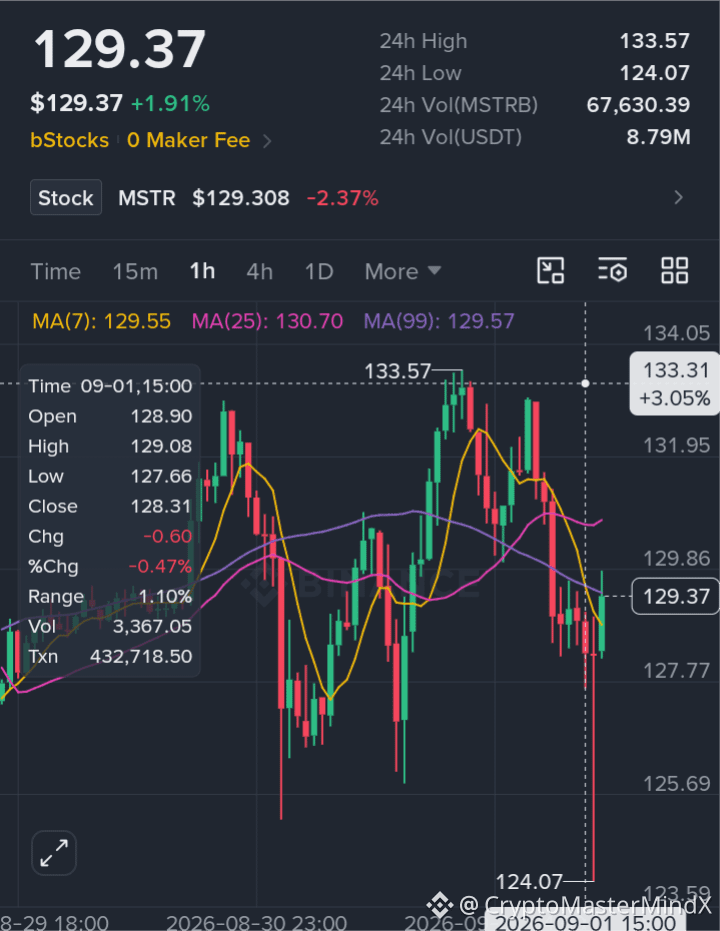
LONG $MSTRB NOW
Long Zone: 127.80 – 129.50
Leverage: 3x–5x
TP1: 132.00
TP2: 134.50
🛑 SL: 124.50
Price is holding around the MA(99) support near 129.44, with a strong rejection from the lower levels. A reclaim of 130.80 (MA25) could open the way toward 132–134.50.
Manage your risk: Don't over-leverage. Risk only a small portion of your capital and move SL to breakeven after TP1 if momentum remains strong.
$MSTRB
{spot}(MSTRBUSDT)
LONG $MSTRB NOW
Long Zone: 127.80 – 129.50
Leverage: 3x–5x
TP1: 132.00
TP2: 134.50
🛑 SL: 124.50
Price is holding around the MA(99) support near 129.44, with a strong rejection from the lower levels. A reclaim of 130.80 (MA25) could open the way toward 132–134.50.
Manage your risk: Don't over-leverage. Risk only a small portion of your capital and move SL to breakeven after TP1 if momentum remains strong.
$MSTRB
Long Zone: 127.80 – 129.50
Leverage: 3x–5x
TP1: 132.00
TP2: 134.50
🛑 SL: 124.50
Price is holding around the MA(99) support near 129.44, with a strong rejection from the lower levels. A reclaim of 130.80 (MA25) could open the way toward 132–134.50.
Manage your risk: Don't over-leverage. Risk only a small portion of your capital and move SL to breakeven after TP1 if momentum remains strong.
$MSTRB
1
183
Connectez-vous pour découvrir plus de contenu
Rejoignez la communauté mondiale des adeptes de cryptomonnaies sur Binance Square
⚡️ Suviez les dernières informations importantes sur les cryptomonnaies.
💬 Jugé digne de confiance par la plus grande plateforme d’échange de cryptomonnaies au monde.
👍 Découvrez les connaissances que partagent les créateurs vérifiés.
Adresse e-mail/Nº de téléphone
Sujets d’actualité
BinanceLaunchesBinanceIntelligence
654,464 vues
4,015 mentions
#binancelaunchesbinanceintelligence 🚨 WHAT IF THE NEXT BIG EXCHANGE BATTLE ISN’T ABOUT FEES? 👀
Binance just made a bigger move than adding another AI chatbot.
With Binance Intelligence, AI is moving deeper into the exchange — from understanding market data to building trading workflows. 🤖⚡
The real question is:
Who has the best liquidity?
Or who has the smartest AI layer?
If users can research, test ideas and manage trading workflows without switching between different tools, the exchange itself could become a financial assistant.
That could be a much bigger shift than it looks today.
If Binance Intelligence drives more users, more strategies and more trading activity, $BNB could become one of the tokens to watch. 👀
Is Binance building the future of AI-powered finance?
$BNB
#binancelaunchesbinanceintelligence #BinanceAI #CryptoAI #AITrading
Suleman Khan Haqqani
·8 mentions J’aime
·11.8k vues
BTCFallsBelow$84K
11,658 vues
48 mentions
DubaiVARAIssuesReserveAssetAuditCircular
367 vues
68 mentions