

Crypto Web3 Today
9.8k Publications
Crypto Web3 Today
 Compte Square Vérifié+
Signaler
Bloquer l’utilisateur
I am interested in digital currencies and a professional trader
66 Suivis
140.6K+ Abonnés
113.9K+ J’aime
Publications
Tous
Citations
Vidéos
·
--
Haussier
Tom Lee just said Ethereum could hit $25,000-$50,000 this year.
Bullish for $ETH!
$ETH
{spot}(ETHUSDT)
Tom Lee just said Ethereum could hit $25,000-$50,000 this year.
Bullish for $ETH !
$ETH
Bullish for $ETH !
$ETH


1
202
·
--
Haussier
Partiellement vrai
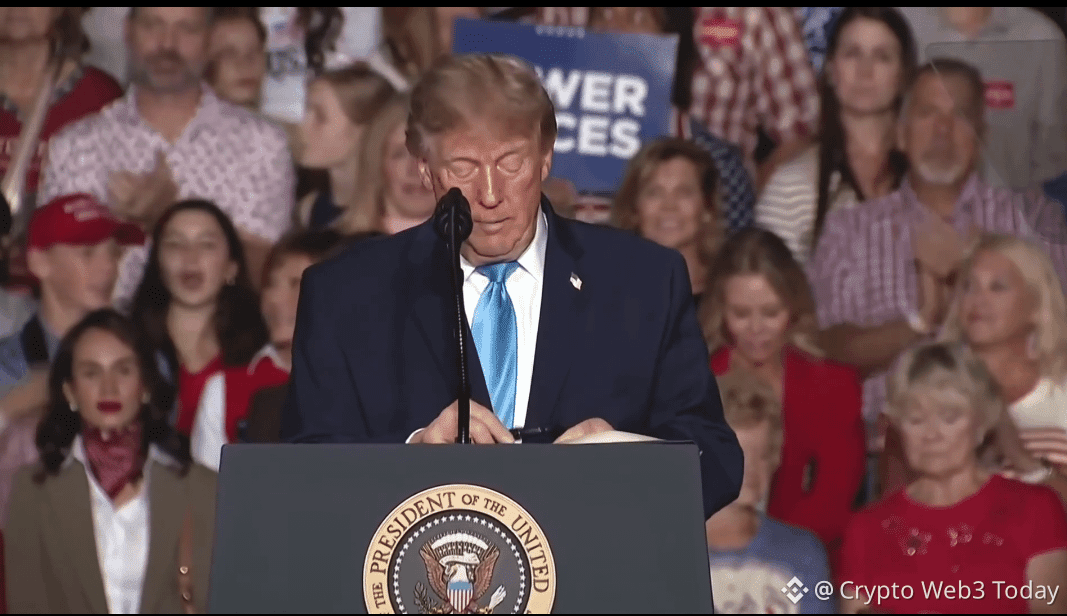
🇺🇸HUGE: Trump officially signs an executive order removing the federal tax on red-dyed diesel, saving truckers over $100 per fill.
$TRUMP
{spot}(TRUMPUSDT)
🇺🇸HUGE: Trump officially signs an executive order removing the federal tax on red-dyed diesel, saving truckers over $100 per fill.
$TRUMP
$TRUMP
2
685
·
--
Haussier
🌍 Key Market Developments Today | Tuesday, October 6, 2026.
📈 US Stocks: Nasdaq hits a record high, driven by technology and AI stocks.
💵 US Dollar: Nears an 18-month high alongside rising US bond yields.
🇪🇺 Euro: Under pressure amid fiscal and political concerns in France and Europe.
📊 Key Events to Watch Today:
▪️ US trade data
▪️ Comments from Federal Reserve officials
▪️ Weekly ADP employment data
▪️ 3-year US Treasury bond auction
📅 Tomorrow: Release of the Federal Reserve meeting minutes.
⚠️ Keep an eye on the US dollar and bond yields, as upcoming data and statements could influence interest rate expectations and market direction.
$NVDAB
{spot}(NVDABUSDT)
$MSFTB
{spot}(MSFTBUSDT)
$METAB
{spot}(METABUSDT)
#GlobalMarkets
#USDollar
#FederalReserve
🌍 Key Market Developments Today | Tuesday, October 6, 2026.
📈 US Stocks: Nasdaq hits a record high, driven by technology and AI stocks.
💵 US Dollar: Nears an 18-month high alongside rising US bond yields.
🇪🇺 Euro: Under pressure amid fiscal and political concerns in France and Europe.
📊 Key Events to Watch Today:
▪️ US trade data
▪️ Comments from Federal Reserve officials
▪️ Weekly ADP employment data
▪️ 3-year US Treasury bond auction
📅 Tomorrow: Release of the Federal Reserve meeting minutes.
⚠️ Keep an eye on the US dollar and bond yields, as upcoming data and statements could influence interest rate expectations and market direction.
$NVDAB
$MSFTB
$METAB
#GlobalMarkets
#USDollar
#FederalReserve
📈 US Stocks: Nasdaq hits a record high, driven by technology and AI stocks.
💵 US Dollar: Nears an 18-month high alongside rising US bond yields.
🇪🇺 Euro: Under pressure amid fiscal and political concerns in France and Europe.
📊 Key Events to Watch Today:
▪️ US trade data
▪️ Comments from Federal Reserve officials
▪️ Weekly ADP employment data
▪️ 3-year US Treasury bond auction
📅 Tomorrow: Release of the Federal Reserve meeting minutes.
⚠️ Keep an eye on the US dollar and bond yields, as upcoming data and statements could influence interest rate expectations and market direction.
$NVDAB
$MSFTB
$METAB
#GlobalMarkets
#USDollar
#FederalReserve
1
118
·
--
Haussier
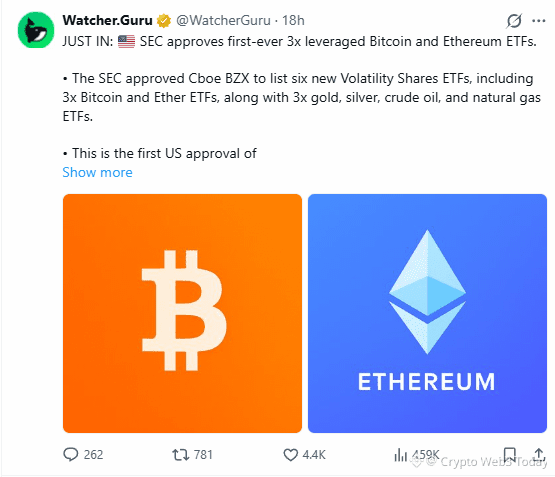
🚨 Major Crypto News: SEC Approves First US 3x Leveraged Bitcoin and Ethereum Products 🇺🇸
The US Securities and Exchange Commission (SEC) has approved the listing of 3x leveraged Bitcoin and Ether funds, alongside similar products for gold, silver, oil, and gas.
For the first time, US investors gain access to an exchange-traded product offering this level of leveraged exposure to Bitcoin and Ethereum price movements, without the need to manually open a leveraged position on a trading platform.
This move is set to bring a new wave of liquidity and speculators to Bitcoin and Ethereum.
$BTC
{spot}(BTCUSDT)
$ETH
{spot}(ETHUSDT)
🚨 Major Crypto News: SEC Approves First US 3x Leveraged Bitcoin and Ethereum Products 🇺🇸
The US Securities and Exchange Commission (SEC) has approved the listing of 3x leveraged Bitcoin and Ether funds, alongside similar products for gold, silver, oil, and gas.
For the first time, US investors gain access to an exchange-traded product offering this level of leveraged exposure to Bitcoin and Ethereum price movements, without the need to manually open a leveraged position on a trading platform.
This move is set to bring a new wave of liquidity and speculators to Bitcoin and Ethereum.
$BTC
$ETH
The US Securities and Exchange Commission (SEC) has approved the listing of 3x leveraged Bitcoin and Ether funds, alongside similar products for gold, silver, oil, and gas.
For the first time, US investors gain access to an exchange-traded product offering this level of leveraged exposure to Bitcoin and Ethereum price movements, without the need to manually open a leveraged position on a trading platform.
This move is set to bring a new wave of liquidity and speculators to Bitcoin and Ethereum.
$BTC
$ETH
1
130
·
--
Haussier
Vérifié
REMINDER:
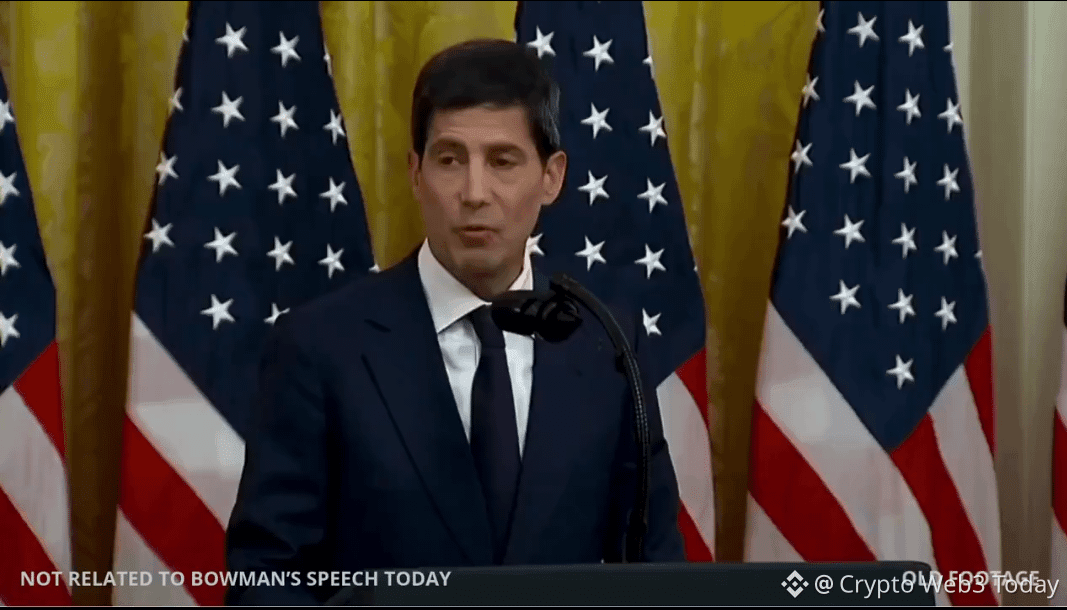
🇺🇸 FED Vice Chair Michelle Bowman will give a speech at 10:45 AM
She will address the US economy, banks, supervision and more
This is extremely important for markets...
$SOL
{spot}(SOLUSDT)
$ZEC
{spot}(ZECUSDT)
$AVAX
{spot}(AVAXUSDT)
REMINDER:
🇺🇸 FED Vice Chair Michelle Bowman will give a speech at 10:45 AM
She will address the US economy, banks, supervision and more
This is extremely important for markets...
$SOL
$ZEC
$AVAX
🇺🇸 FED Vice Chair Michelle Bowman will give a speech at 10:45 AM
She will address the US economy, banks, supervision and more
This is extremely important for markets...
$SOL
$ZEC
$AVAX
4
1.8k
·
--
Haussier
Partiellement vrai
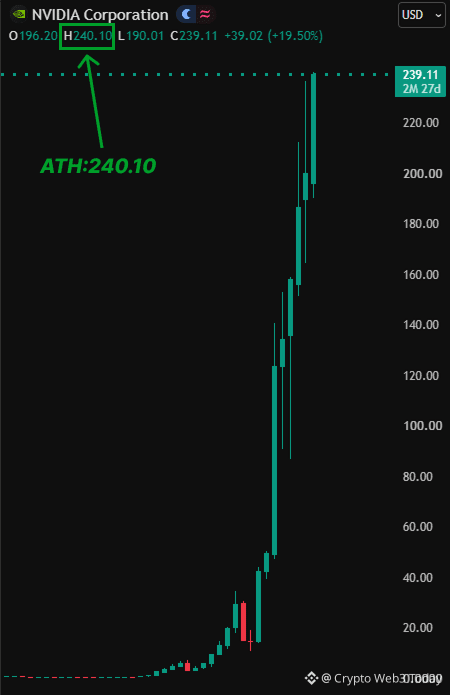
🚨BREAKING: Nvidia $NVDA has officially closed at an ALL-TIME HIGH, nearing the $6 TRILLION mark.
Shares rose 2.2% today to close at $239.11, after touching a record $240.10.
It's now about 4% away from becoming the first company in history worth $6 TRILLION.
$NVDA.US
{stock_us}(NVDA.US)
🚨BREAKING: Nvidia $NVDA has officially closed at an ALL-TIME HIGH, nearing the $6 TRILLION mark.
Shares rose 2.2% today to close at $239.11, after touching a record $240.10.
It's now about 4% away from becoming the first company in history worth $6 TRILLION.
$NVDA.US
Shares rose 2.2% today to close at $239.11, after touching a record $240.10.
It's now about 4% away from becoming the first company in history worth $6 TRILLION.
$NVDA.US
NVDAUS+1,40%
3
8
3.6k
·
--
Haussier
Vérifié
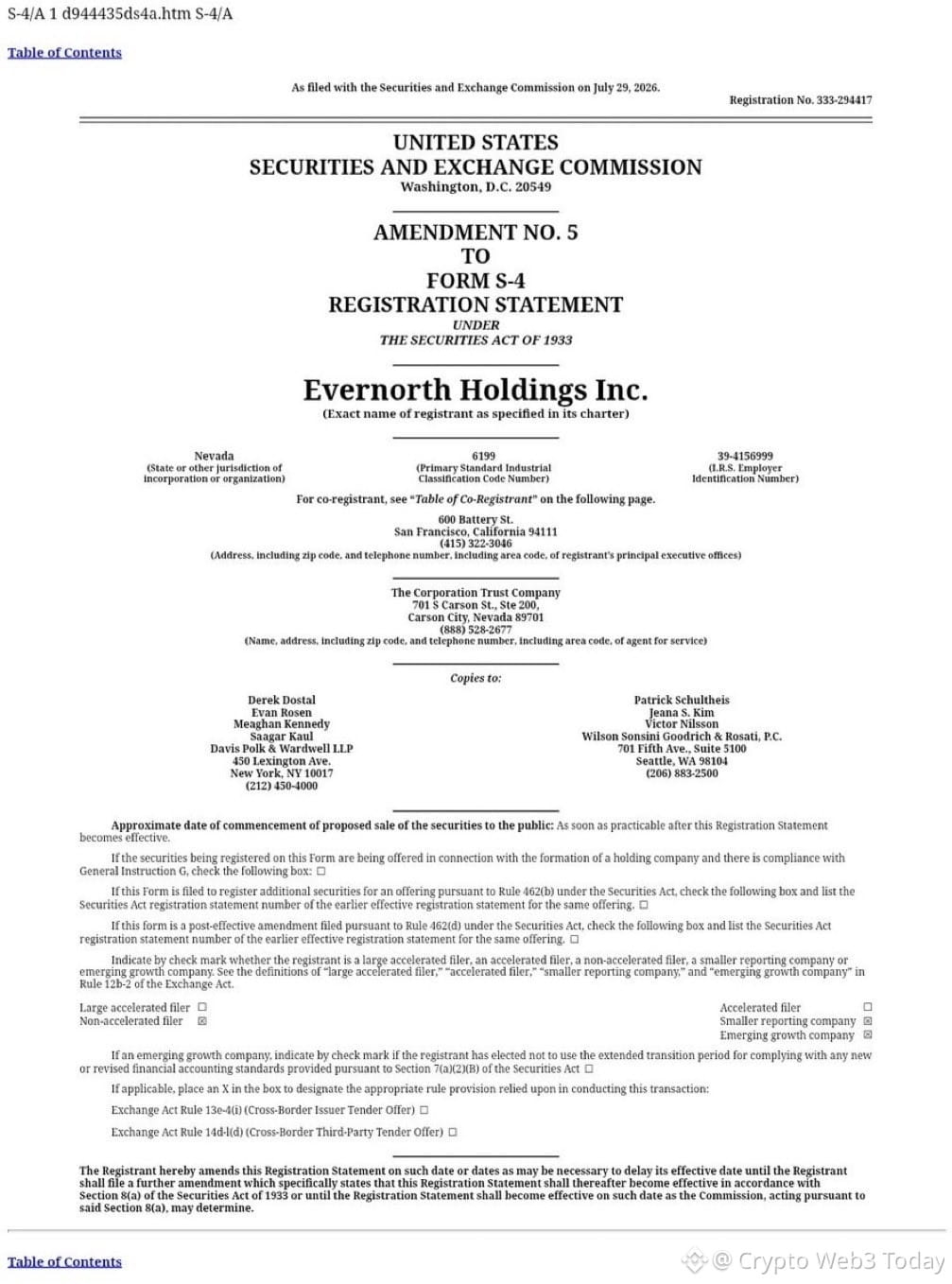
🚨 #BREAKING:
Next Thursday, October 8, 2026... 🗓
Trading of "EVERNORTH XRP TREASURY" (XRPN) launches on Nasdaq at 9:30 AM Eastern Time.
6:30 AM Pacific Time.
XRP on Wall Street... ✅️
Get ready... 🔐
$XRP
{spot}(XRPUSDT)
🚨 #BREAKING:
Next Thursday, October 8, 2026... 🗓
Trading of "EVERNORTH XRP TREASURY" (XRPN) launches on Nasdaq at 9:30 AM Eastern Time.
6:30 AM Pacific Time.
XRP on Wall Street... ✅️
Get ready... 🔐
$XRP
Next Thursday, October 8, 2026... 🗓
Trading of "EVERNORTH XRP TREASURY" (XRPN) launches on Nasdaq at 9:30 AM Eastern Time.
6:30 AM Pacific Time.
XRP on Wall Street... ✅️
Get ready... 🔐
$XRP
7
2.4k
·
--
Haussier
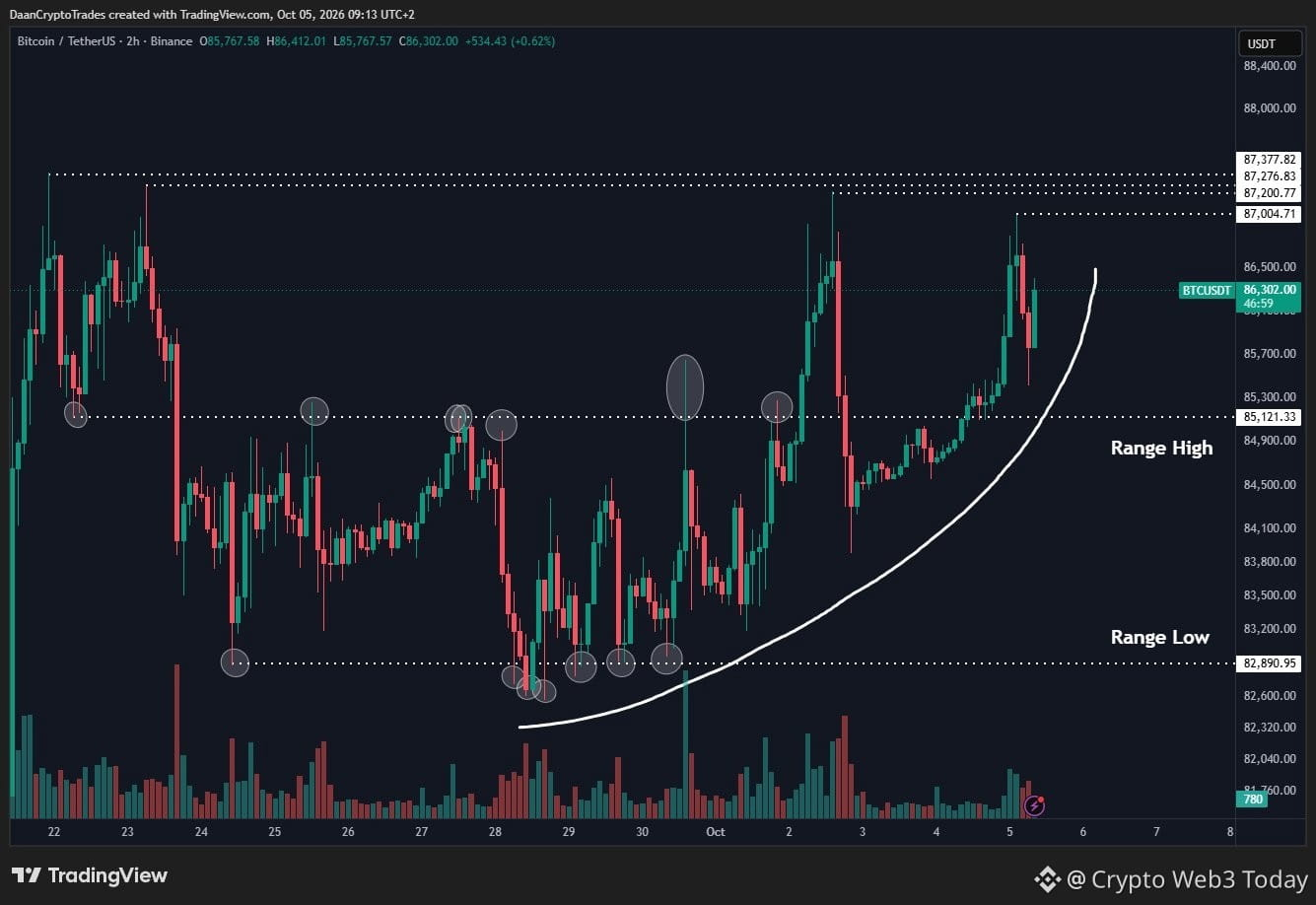
$BTC Back above $85K with a lot of marginally lower highs sitting in that $87K region. Can safely assume a lot of short stops would be placed there.
On the other side, the bulls need to maintain these higher lows as well as we've been seeing marginally higher lows on the way up as well.
One of those charts that is very prone to a big squeeze depending on which side breaks first.
So keep an eye out for $85K & $87K on the lower timeframes.
$BTC
{spot}(BTCUSDT)
$BTC Back above $85K with a lot of marginally lower highs sitting in that $87K region. Can safely assume a lot of short stops would be placed there.
On the other side, the bulls need to maintain these higher lows as well as we've been seeing marginally higher lows on the way up as well.
One of those charts that is very prone to a big squeeze depending on which side breaks first.
So keep an eye out for $85K & $87K on the lower timeframes.
$BTC
On the other side, the bulls need to maintain these higher lows as well as we've been seeing marginally higher lows on the way up as well.
One of those charts that is very prone to a big squeeze depending on which side breaks first.
So keep an eye out for $85K & $87K on the lower timeframes.
$BTC
4
435
Do not ignore this.
$114 TRILLION in "MASS TOKENIZATION" could start anytime now.
This month, DTCC begins tokenizing stocks, ETFs and Treasuries, pushing Wall Street deeper into crypto.
Here are the numbers:
- $114 TRILLION in securities held by DTC
- $4.7 QUADRILLION in DTCC-processed securities transactions in 2025
- 25 BILLION+ trade repository messages processed yearly
- 100+ members and partners involved
- 30+ firms joined the July production trades
- 3-year SEC no-action authorization
Some of worlds’s largest stocks could eventually sit on tokenized rails:
1. Nvidia $NVDA — ~$5.68T
2. Apple $AAPLB — ~$4.91T
3. Alphabet $GOOGL — ~$4.20T
4. Microsoft $MSFT — ~$3.85T
5. Amazon $AMZN — ~$2.74T
6. Meta $META — ~$1.87T
7. Tesla $TSLA — ~$1.31T
8. JPMorgan $JPM — ~$895B
9. Walmart $WMT — ~$832B
10. Berkshire Hathaway $BRK.B — ~$708B
That is roughly $27T in market value from just 10 stocks.
For crypto, this could be huge.
More stocks, ETFs and Treasuries moving on-chain means more real assets using blockchain rails.
That could mean:
MORE stablecoin settlement
MORE demand for crypto infrastructure
MORE institutional capital entering the space
Put this on your watchlist.🔖
Do not ignore this.
$114 TRILLION in "MASS TOKENIZATION" could start anytime now.
This month, DTCC begins tokenizing stocks, ETFs and Treasuries, pushing Wall Street deeper into crypto.
Here are the numbers:
- $114 TRILLION in securities held by DTC
- $4.7 QUADRILLION in DTCC-processed securities transactions in 2025
- 25 BILLION+ trade repository messages processed yearly
- 100+ members and partners involved
- 30+ firms joined the July production trades
- 3-year SEC no-action authorization
Some of worlds’s largest stocks could eventually sit on tokenized rails:
1. Nvidia $NVDA — ~$5.68T
2. Apple $AAPLB — ~$4.91T
3. Alphabet $GOOGL — ~$4.20T
4. Microsoft $MSFT — ~$3.85T
5. Amazon $AMZN — ~$2.74T
6. Meta $META — ~$1.87T
7. Tesla $TSLA — ~$1.31T
8. JPMorgan $JPM — ~$895B
9. Walmart $WMT — ~$832B
10. Berkshire Hathaway $BRK.B — ~$708B
That is roughly $27T in market value from just 10 stocks.
For crypto, this could be huge.
More stocks, ETFs and Treasuries moving on-chain means more real assets using blockchain rails.
That could mean:
MORE stablecoin settlement
MORE demand for crypto infrastructure
MORE institutional capital entering the space
Put this on your watchlist.🔖
$114 TRILLION in "MASS TOKENIZATION" could start anytime now.
This month, DTCC begins tokenizing stocks, ETFs and Treasuries, pushing Wall Street deeper into crypto.
Here are the numbers:
- $114 TRILLION in securities held by DTC
- $4.7 QUADRILLION in DTCC-processed securities transactions in 2025
- 25 BILLION+ trade repository messages processed yearly
- 100+ members and partners involved
- 30+ firms joined the July production trades
- 3-year SEC no-action authorization
Some of worlds’s largest stocks could eventually sit on tokenized rails:
1. Nvidia $NVDA — ~$5.68T
2. Apple $AAPLB — ~$4.91T
3. Alphabet $GOOGL — ~$4.20T
4. Microsoft $MSFT — ~$3.85T
5. Amazon $AMZN — ~$2.74T
6. Meta $META — ~$1.87T
7. Tesla $TSLA — ~$1.31T
8. JPMorgan $JPM — ~$895B
9. Walmart $WMT — ~$832B
10. Berkshire Hathaway $BRK.B — ~$708B
That is roughly $27T in market value from just 10 stocks.
For crypto, this could be huge.
More stocks, ETFs and Treasuries moving on-chain means more real assets using blockchain rails.
That could mean:
MORE stablecoin settlement
MORE demand for crypto infrastructure
MORE institutional capital entering the space
Put this on your watchlist.🔖
2
1.1k
·
--
Haussier
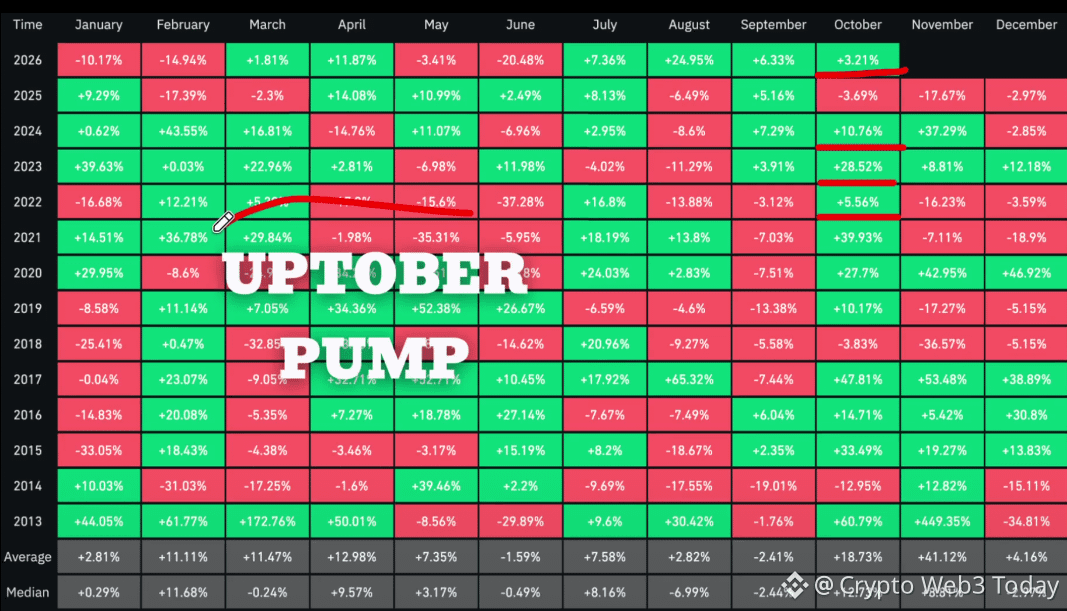
UPTOBER IS HERE!!
$BTC closed 11 out of 14 Octobers in green:
2017: +46%
2019: +11%
2020: +26%
2021: +41%
2022: +6%
2023: +29%
2024: +11%
2026: +3.21% IN JUST 4 DAYS
History doesn't repeat itself, but it rhymes...
$BTC
{spot}(BTCUSDT)
UPTOBER IS HERE!!
$BTC closed 11 out of 14 Octobers in green:
2017: +46%
2019: +11%
2020: +26%
2021: +41%
2022: +6%
2023: +29%
2024: +11%
2026: +3.21% IN JUST 4 DAYS
History doesn't repeat itself, but it rhymes...
$BTC
$BTC closed 11 out of 14 Octobers in green:
2017: +46%
2019: +11%
2020: +26%
2021: +41%
2022: +6%
2023: +29%
2024: +11%
2026: +3.21% IN JUST 4 DAYS
History doesn't repeat itself, but it rhymes...
$BTC
3
479
·
--
Haussier
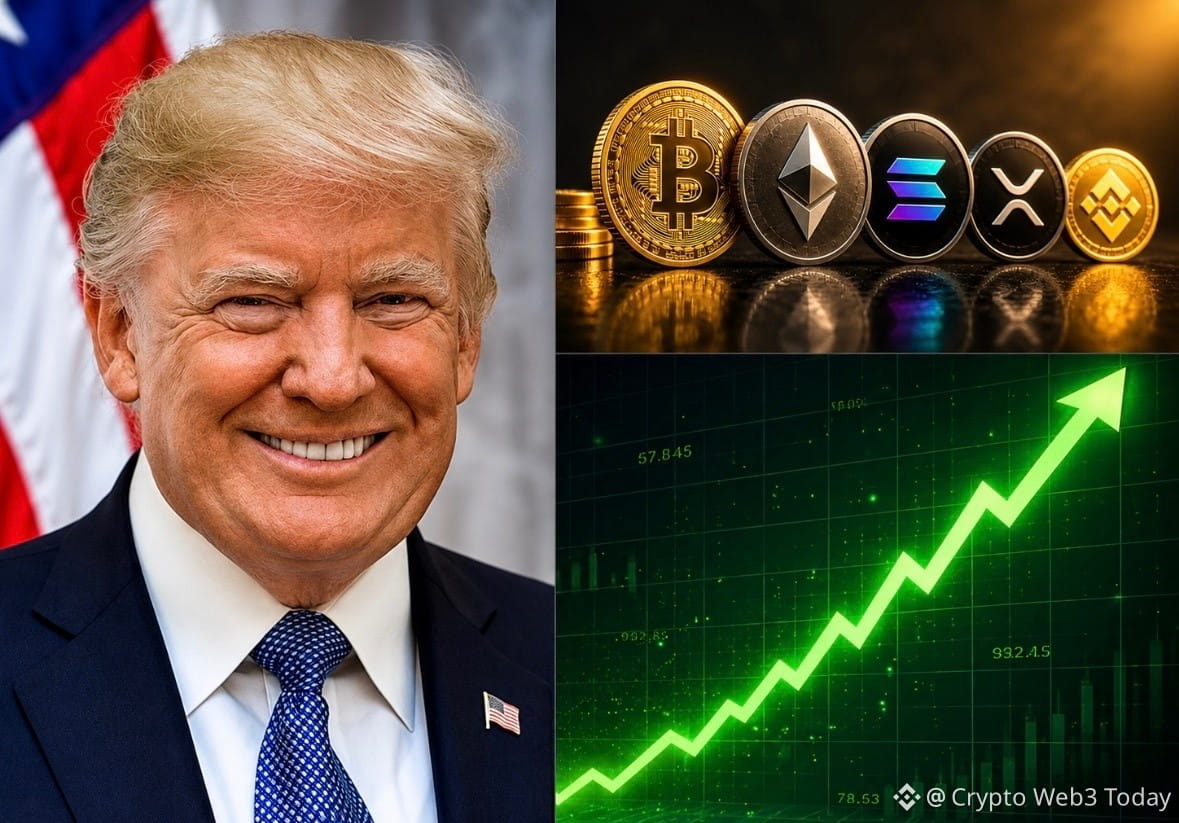
🚨 TRUMP’S $5,000 DIVIDEND COULD BECOME A MASSIVE LIQUIDITY EVENT FOR CRYPTO.
Trump says every American could receive a $5,000 dividend if Republicans win the 2026 midterms.
That would mean more than $1.7 TRILLION going directly into people’s hands.
And when people get extra cash, some of it goes to bills and spending.
But some also go into assets where people think they can earn bigger returns.
Crypto is now one of those places.
Crypto is in a completely different place compared with the last stimulus cycle.
Back then, adoption was much smaller, and access was limited.
Today, there are spot ETFs, institutional platforms, clearer regulation, and far more ways for both retail and Wall Street to buy crypto.
The entire crypto market is only around $3 trillion.
If just 5%-10% of a $1.7 trillion stimulus flows into crypto, that is roughly $85-$170 billion in fresh money.
And that money would not stay only in Bitcoin.
It could move from BTC and ETH into large-cap alts, then mid-caps and smaller tokens.
Then the price moves bring attention back.
Attention brings retail back.
And retail brings even more money.
That is why this stimulus could be massive for crypto.
$TRUMP
{spot}(TRUMPUSDT)
$ZEC
{spot}(ZECUSDT)
$BNB
{spot}(BNBUSDT)
🚨 TRUMP’S $5,000 DIVIDEND COULD BECOME A MASSIVE LIQUIDITY EVENT FOR CRYPTO.
Trump says every American could receive a $5,000 dividend if Republicans win the 2026 midterms.
That would mean more than $1.7 TRILLION going directly into people’s hands.
And when people get extra cash, some of it goes to bills and spending.
But some also go into assets where people think they can earn bigger returns.
Crypto is now one of those places.
Crypto is in a completely different place compared with the last stimulus cycle.
Back then, adoption was much smaller, and access was limited.
Today, there are spot ETFs, institutional platforms, clearer regulation, and far more ways for both retail and Wall Street to buy crypto.
The entire crypto market is only around $3 trillion.
If just 5%-10% of a $1.7 trillion stimulus flows into crypto, that is roughly $85-$170 billion in fresh money.
And that money would not stay only in Bitcoin.
It could move from BTC and ETH into large-cap alts, then mid-caps and smaller tokens.
Then the price moves bring attention back.
Attention brings retail back.
And retail brings even more money.
That is why this stimulus could be massive for crypto.
$TRUMP
$ZEC
$BNB
Trump says every American could receive a $5,000 dividend if Republicans win the 2026 midterms.
That would mean more than $1.7 TRILLION going directly into people’s hands.
And when people get extra cash, some of it goes to bills and spending.
But some also go into assets where people think they can earn bigger returns.
Crypto is now one of those places.
Crypto is in a completely different place compared with the last stimulus cycle.
Back then, adoption was much smaller, and access was limited.
Today, there are spot ETFs, institutional platforms, clearer regulation, and far more ways for both retail and Wall Street to buy crypto.
The entire crypto market is only around $3 trillion.
If just 5%-10% of a $1.7 trillion stimulus flows into crypto, that is roughly $85-$170 billion in fresh money.
And that money would not stay only in Bitcoin.
It could move from BTC and ETH into large-cap alts, then mid-caps and smaller tokens.
Then the price moves bring attention back.
Attention brings retail back.
And retail brings even more money.
That is why this stimulus could be massive for crypto.
$TRUMP
$ZEC
$BNB
1
4
597
·
--
Haussier
🚨 REMINDER:
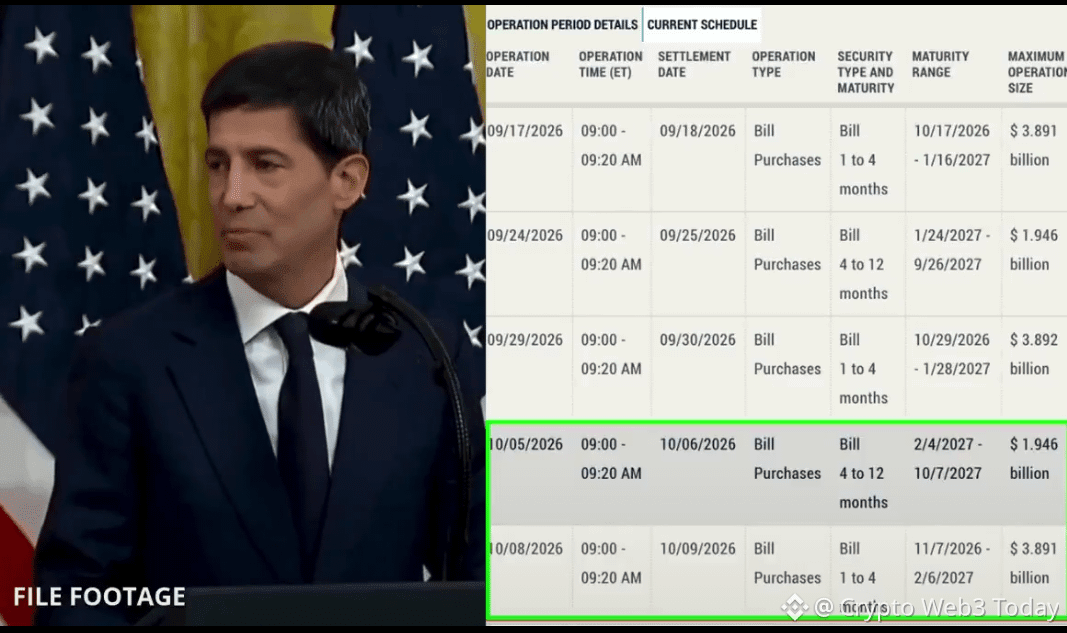
🇺🇸 The Fed is set to buy $5.837 billion in U.S. treasuries next week.
More liquidity is heading into the system.
Bullish for crypto.
$BTC
{spot}(BTCUSDT)
$SOL
{spot}(SOLUSDT)
$SEI
{spot}(SEIUSDT)
🚨 REMINDER:
🇺🇸 The Fed is set to buy $5.837 billion in U.S. treasuries next week.
More liquidity is heading into the system.
Bullish for crypto.
$BTC
$SOL
$SEI
🇺🇸 The Fed is set to buy $5.837 billion in U.S. treasuries next week.
More liquidity is heading into the system.
Bullish for crypto.
$BTC
$SOL
$SEI
2
9
4.9k
·
--
Haussier
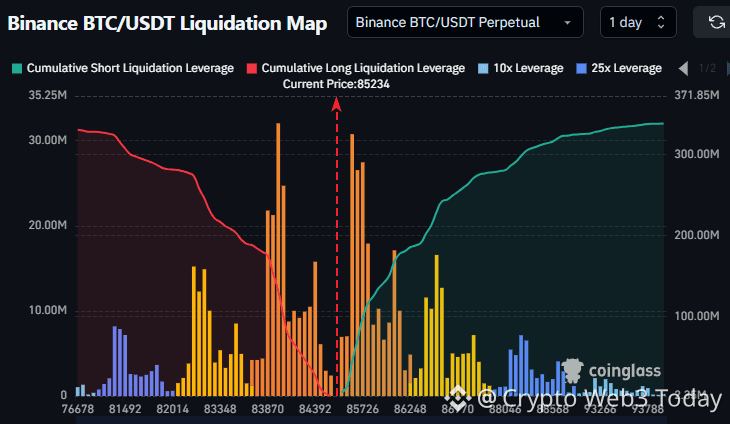
$BTC As price is chopping sideways, we are seeing positions build up on both sides again.
In the short term the main levels to watch are: $84K & $85.7K.
That's where you could expect some small squeezes to take place.
Of course the main levels outside of that in terms of the chart are $82.5K & $87.5K which mark the local highs and lows.
$BTC
{spot}(BTCUSDT)
$BTC As price is chopping sideways, we are seeing positions build up on both sides again.
In the short term the main levels to watch are: $84K & $85.7K.
That's where you could expect some small squeezes to take place.
Of course the main levels outside of that in terms of the chart are $82.5K & $87.5K which mark the local highs and lows.
$BTC
In the short term the main levels to watch are: $84K & $85.7K.
That's where you could expect some small squeezes to take place.
Of course the main levels outside of that in terms of the chart are $82.5K & $87.5K which mark the local highs and lows.
$BTC
2
695
·
--
Haussier
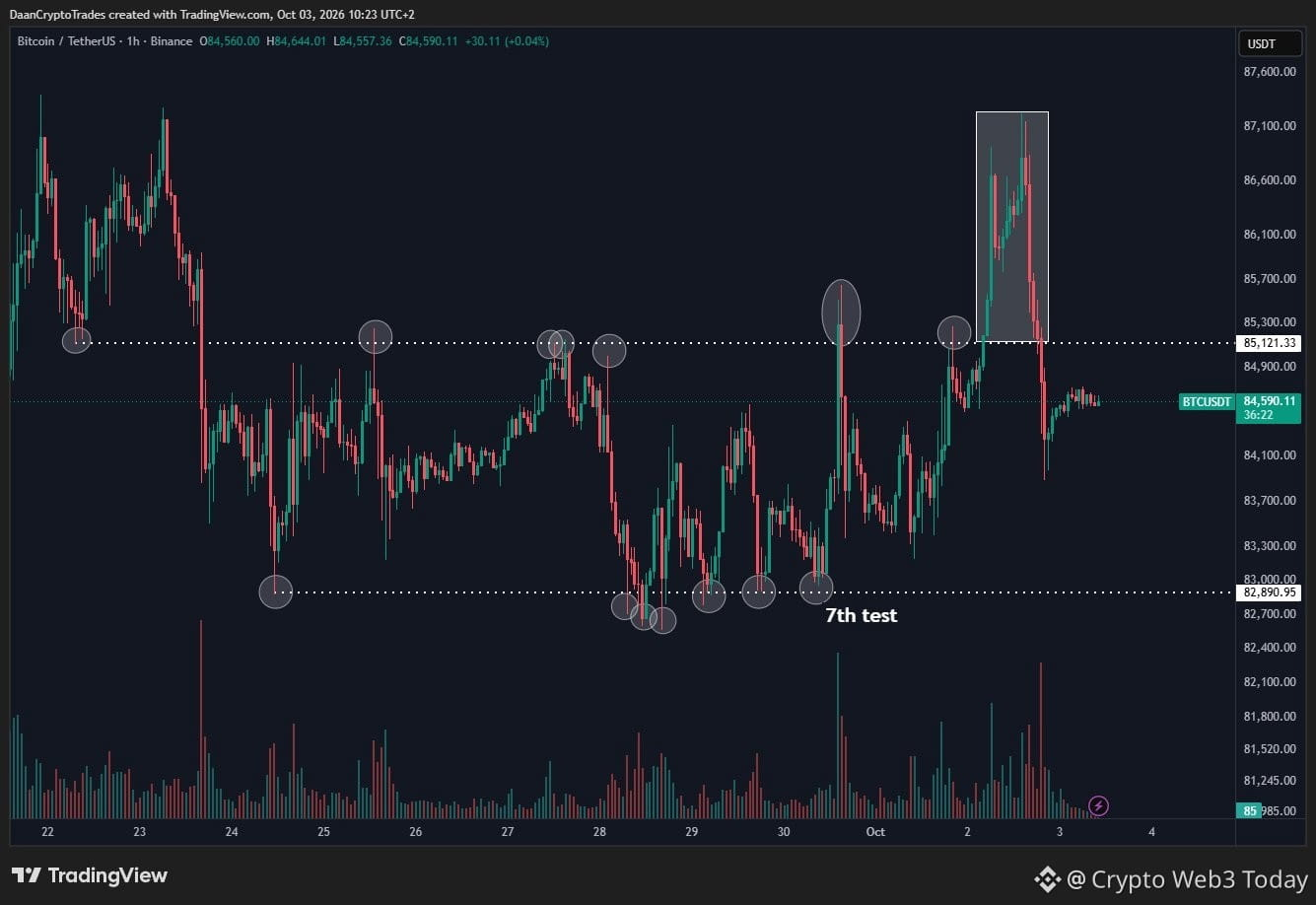
$BTC Failed the breakout above $85K and moved back into the range after the late longs got squeezed.
It's weekend now so not expecting much until Monday. Especially after so many positions got taken out.
$BTC
{spot}(BTCUSDT)
$BTC Failed the breakout above $85K and moved back into the range after the late longs got squeezed.
It's weekend now so not expecting much until Monday. Especially after so many positions got taken out.
$BTC
It's weekend now so not expecting much until Monday. Especially after so many positions got taken out.
$BTC
3
512
·
--
Baissier
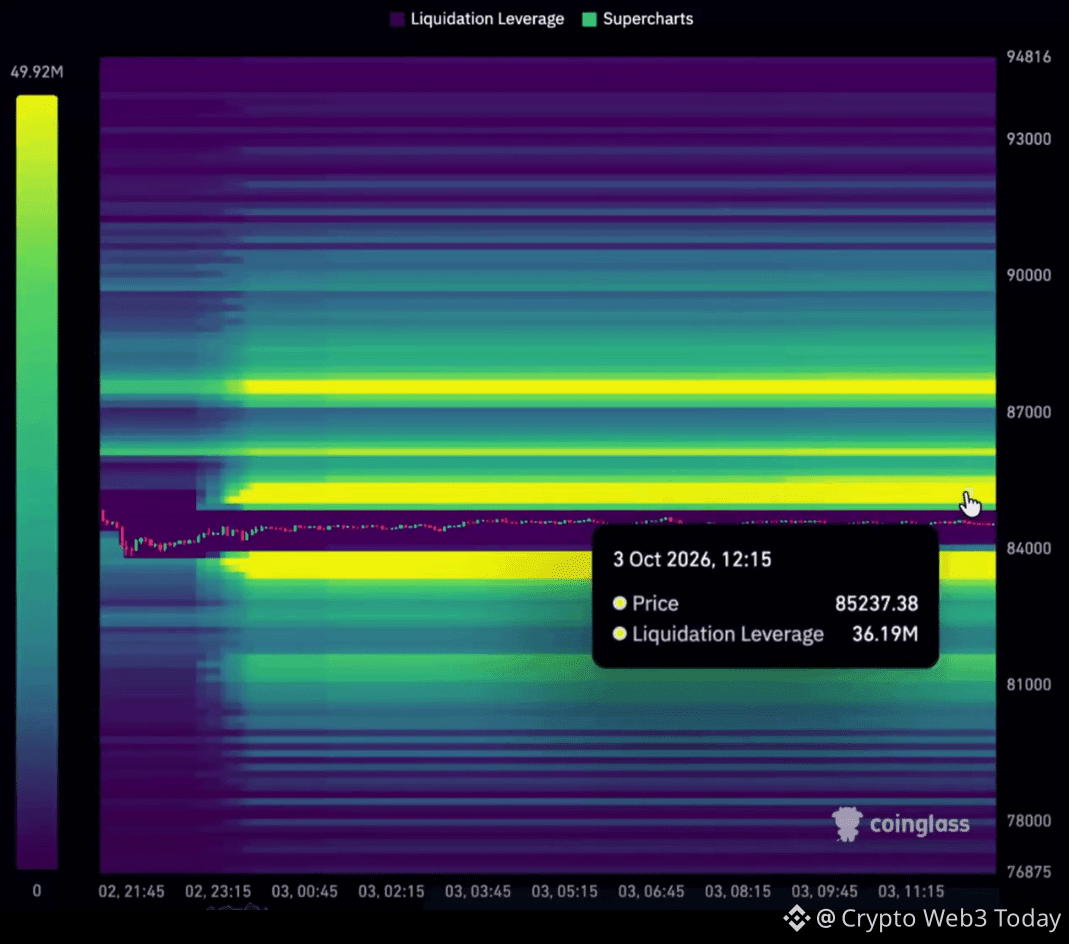
🚨 $BTC IS SITTING BETWEEN TWO MASSIVE LIQUIDATION CLUSTERS
~$85K ABOVE
~$83.8K BELOW
ONE HEADLINE COULD SEND PRICE STRAIGHT INTO EITHER ZONE
IF LIQUIDATIONS START, THE MOVE CAN ACCELERATE FAST
LONGS AND SHORTS ARE BOTH AT RISK
$BTC
{spot}(BTCUSDT)
🚨 $BTC IS SITTING BETWEEN TWO MASSIVE LIQUIDATION CLUSTERS
~$85K ABOVE
~$83.8K BELOW
ONE HEADLINE COULD SEND PRICE STRAIGHT INTO EITHER ZONE
IF LIQUIDATIONS START, THE MOVE CAN ACCELERATE FAST
LONGS AND SHORTS ARE BOTH AT RISK
$BTC
~$85K ABOVE
~$83.8K BELOW
ONE HEADLINE COULD SEND PRICE STRAIGHT INTO EITHER ZONE
IF LIQUIDATIONS START, THE MOVE CAN ACCELERATE FAST
LONGS AND SHORTS ARE BOTH AT RISK
$BTC
4
835
Partiellement vrai
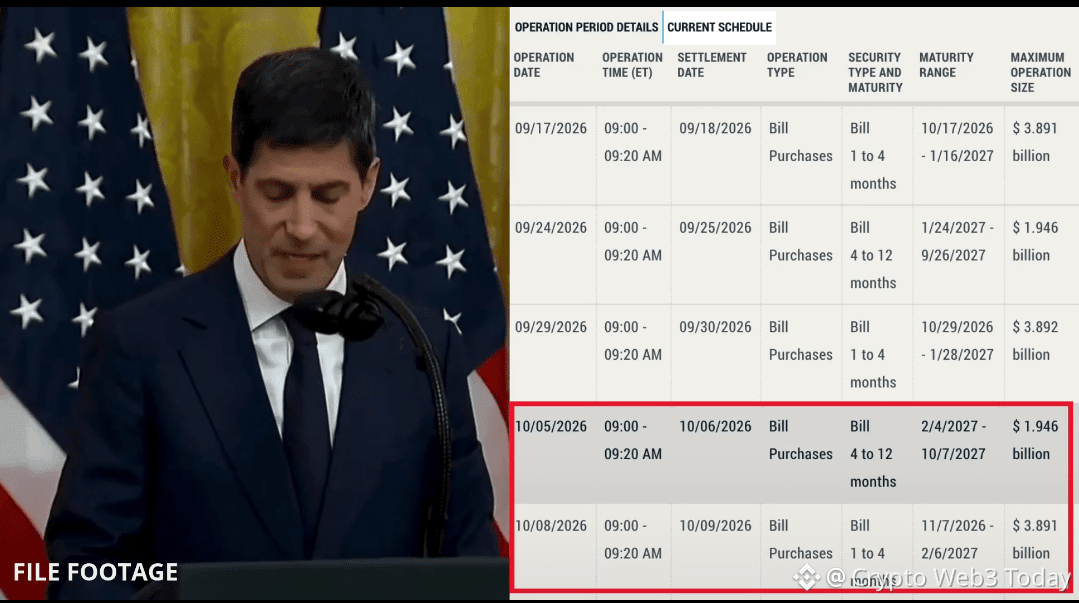
REMINDER: 🇺🇸 FED will purchase up to $5,837,000,000 in U.S. Treasury bills next week
$ZEC
{spot}(ZECUSDT)
$TAO
{spot}(TAOUSDT)
$AVAX
{spot}(AVAXUSDT)
REMINDER: 🇺🇸 FED will purchase up to $5,837,000,000 in U.S. Treasury bills next week
$ZEC
$TAO
$AVAX
$ZEC
$TAO
$AVAX
2
9
3.4k
·
--
Haussier
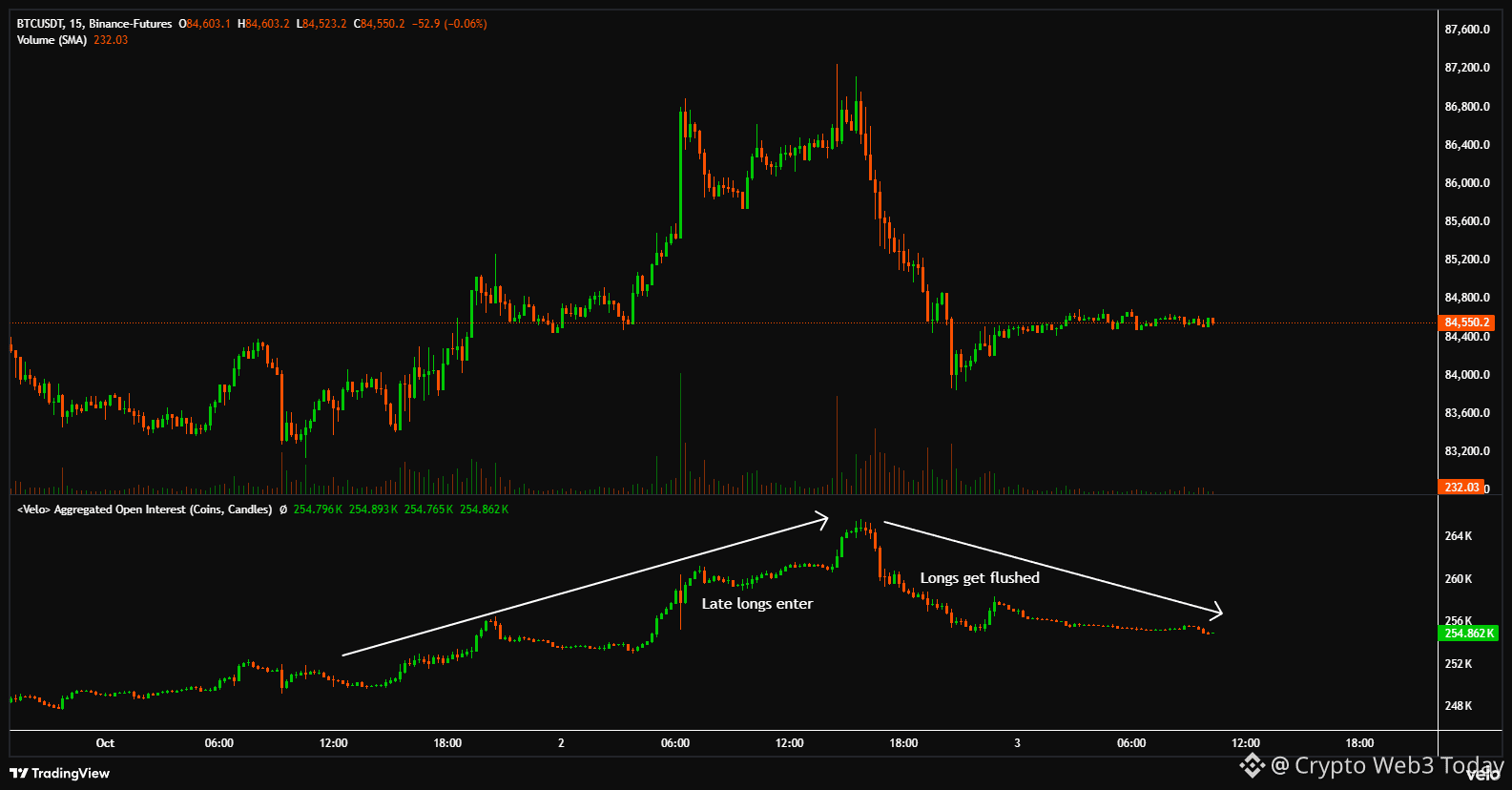
$BTC Late longs entered, price rolled over below their entry and they got flushed out.
Exactly the scenario I mentioned was on the cards if we'd start trading below that $85.5K-$86K zone.
Most of those positions have now been washed out.
$BTC
{spot}(BTCUSDT)
$BTC Late longs entered, price rolled over below their entry and they got flushed out.
Exactly the scenario I mentioned was on the cards if we'd start trading below that $85.5K-$86K zone.
Most of those positions have now been washed out.
$BTC
Exactly the scenario I mentioned was on the cards if we'd start trading below that $85.5K-$86K zone.
Most of those positions have now been washed out.
$BTC
2
305
·
--
Haussier
🚨 THIS IS INSANE!!
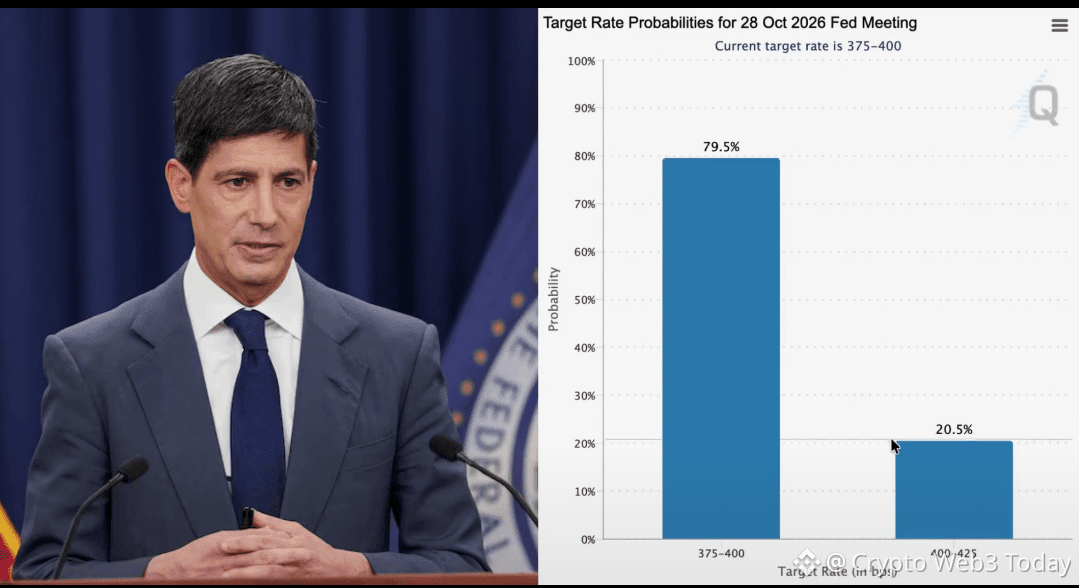
🇺🇸 Odds for an October rate hike have just dropped to 20.5%
FED is not projected to hike interest rates after the unemployment rate release
This is so bullish for markets!!
$SOL
{spot}(SOLUSDT)
$ZEC
{spot}(ZECUSDT)
$TAO
{spot}(TAOUSDT)
🚨 THIS IS INSANE!!
🇺🇸 Odds for an October rate hike have just dropped to 20.5%
FED is not projected to hike interest rates after the unemployment rate release
This is so bullish for markets!!
$SOL
$ZEC
$TAO
🇺🇸 Odds for an October rate hike have just dropped to 20.5%
FED is not projected to hike interest rates after the unemployment rate release
This is so bullish for markets!!
$SOL
$ZEC
$TAO
4
1.7k
·
--
Haussier
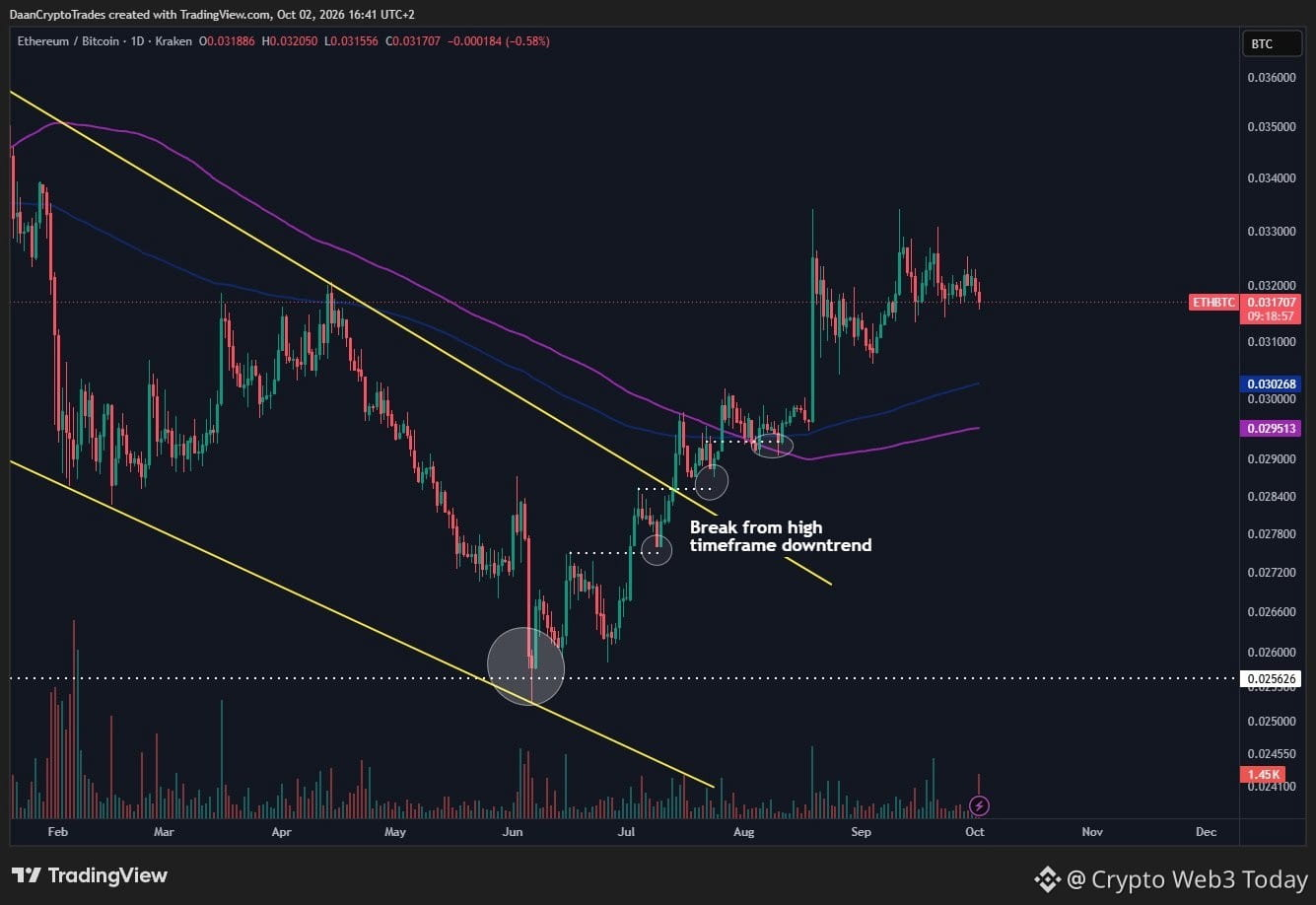
$ETH has been chopping around vs $BTC for the past few weeks.
No real action here besides some intra day volatility here and there.
But the trend has been up since June. As long as BTC remains its bullish market structure, I do believe ETH will at least keep up if not outperform. Just like it has been doing.
If the market were to go risk off for whatever reason, the Daily 200MA/EMA would be a good level to watch on the ETH/BTC pair.
$ETH has been chopping around vs $BTC for the past few weeks.
No real action here besides some intra day volatility here and there.
But the trend has been up since June. As long as BTC remains its bullish market structure, I do believe ETH will at least keep up if not outperform. Just like it has been doing.
If the market were to go risk off for whatever reason, the Daily 200MA/EMA would be a good level to watch on the ETH/BTC pair.
No real action here besides some intra day volatility here and there.
But the trend has been up since June. As long as BTC remains its bullish market structure, I do believe ETH will at least keep up if not outperform. Just like it has been doing.
If the market were to go risk off for whatever reason, the Daily 200MA/EMA would be a good level to watch on the ETH/BTC pair.
1
569
·
--
Haussier
Vérifié
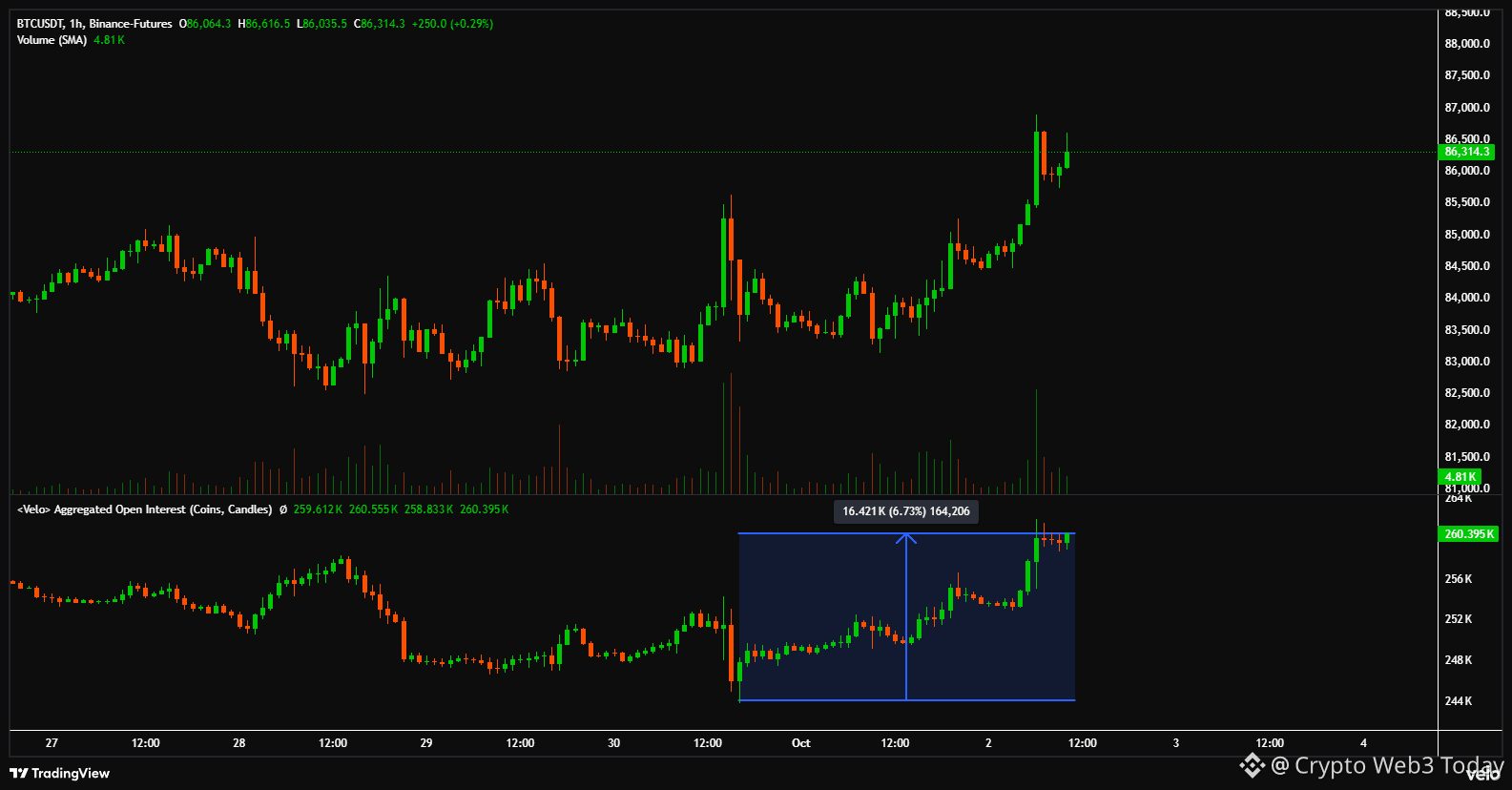
$BTC There has been quite a bit of open interest ramp up over the past two days.
Well over $1.3B on Bitcoin alone has entered.
Presumably the majority is longs that have built up into the price that has grinded up. Most are obviously sitting comfy but that last leg in open interest saw a lot enter in the $85.5-$86K region.
Bulls need to keep it above that area to not risk a reversal and squeeze of those (late) longs. But the coinbase discount has slowly been going down so that means there's some spot bid coming back slowly the past day or two.
We have NFP coming up in a little under 5 hours. With yields high and inflation fears still going, a lot of investors will be looking at this number. Especially at the start of a new quarter, this is bound to cause volatility.
$BTC
{spot}(BTCUSDT)
$BTC There has been quite a bit of open interest ramp up over the past two days.
Well over $1.3B on Bitcoin alone has entered.
Presumably the majority is longs that have built up into the price that has grinded up. Most are obviously sitting comfy but that last leg in open interest saw a lot enter in the $85.5-$86K region.
Bulls need to keep it above that area to not risk a reversal and squeeze of those (late) longs. But the coinbase discount has slowly been going down so that means there's some spot bid coming back slowly the past day or two.
We have NFP coming up in a little under 5 hours. With yields high and inflation fears still going, a lot of investors will be looking at this number. Especially at the start of a new quarter, this is bound to cause volatility.
$BTC
Well over $1.3B on Bitcoin alone has entered.
Presumably the majority is longs that have built up into the price that has grinded up. Most are obviously sitting comfy but that last leg in open interest saw a lot enter in the $85.5-$86K region.
Bulls need to keep it above that area to not risk a reversal and squeeze of those (late) longs. But the coinbase discount has slowly been going down so that means there's some spot bid coming back slowly the past day or two.
We have NFP coming up in a little under 5 hours. With yields high and inflation fears still going, a lot of investors will be looking at this number. Especially at the start of a new quarter, this is bound to cause volatility.
$BTC
6
1.2k
Connectez-vous pour découvrir plus de contenu
Rejoignez la communauté mondiale des adeptes de cryptomonnaies sur Binance Square
⚡️ Suviez les dernières informations importantes sur les cryptomonnaies.
💬 Jugé digne de confiance par la plus grande plateforme d’échange de cryptomonnaies au monde.
👍 Découvrez les connaissances que partagent les créateurs vérifiés.
Adresse e-mail/Nº de téléphone