
Crypto_Update07
687 Publications
Crypto_Update07
Signaler
Bloquer l’utilisateur
From Bitcoin buzz to altcoin insights — stay in the loop.
13 Suivis
821 Abonnés
793 J’aime
Publications
Tous
Citations
Vidéos
[Join me and get yours! Sign up and complete tasks, let's earn USDC rewards together!](https://www.binance.com/referral/earn-together/refer2earn-usdc/claim?hl=en&ref=GRO_28502_62NUU&utm_source=referral_entrance)
#LienDeParrainage
Join me and get yours! Sign up and complete tasks, let's earn USDC rewards together!
#LienDeParrainage
#LienDeParrainage

21
🚨 Mise à jour du marché Bitcoin | BTC
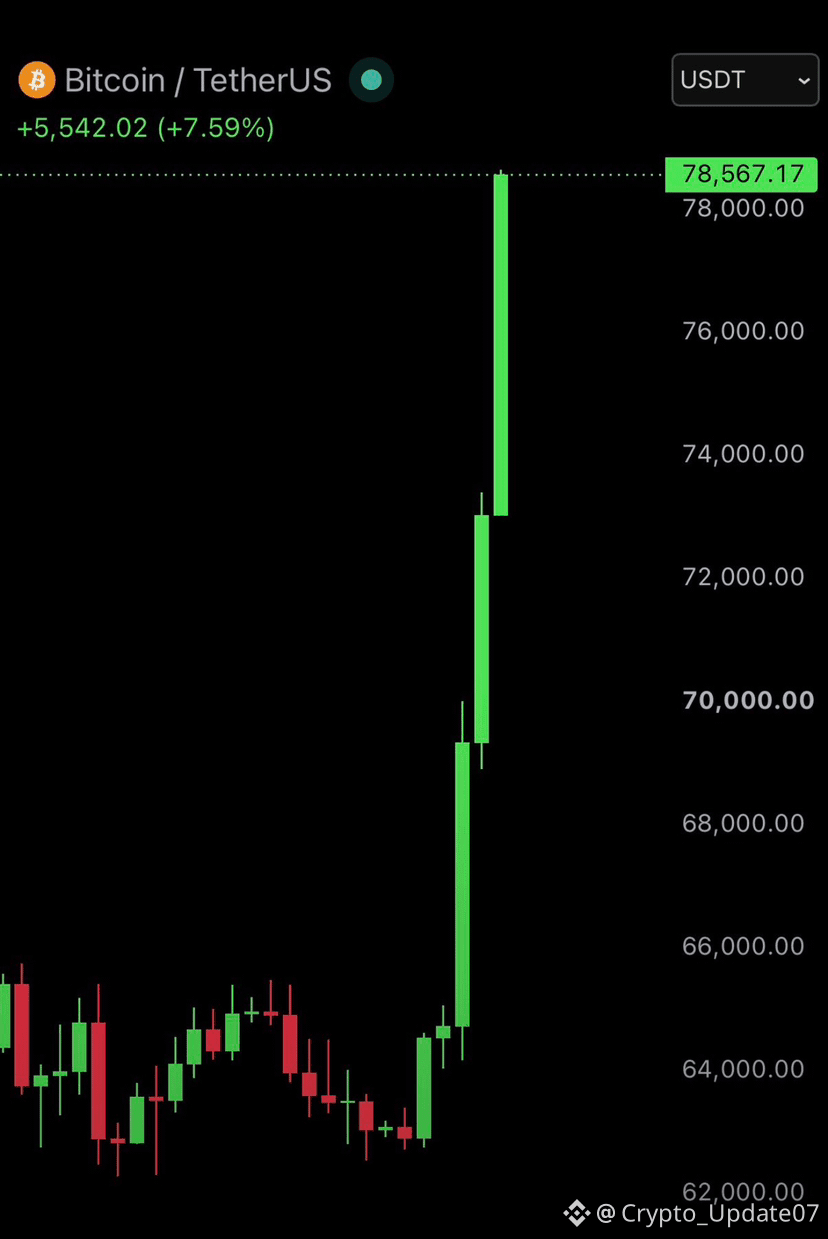
Le Bitcoin affiche un fort élan haussier, actuellement négocié autour de 77 000 $–78 000 $.
📈 Niveaux clés à surveiller :
• Résistance : 80 000 $
• Prochain objectif : 85 000 $–90 000 $
• Support : 72 000 $–75 000 $
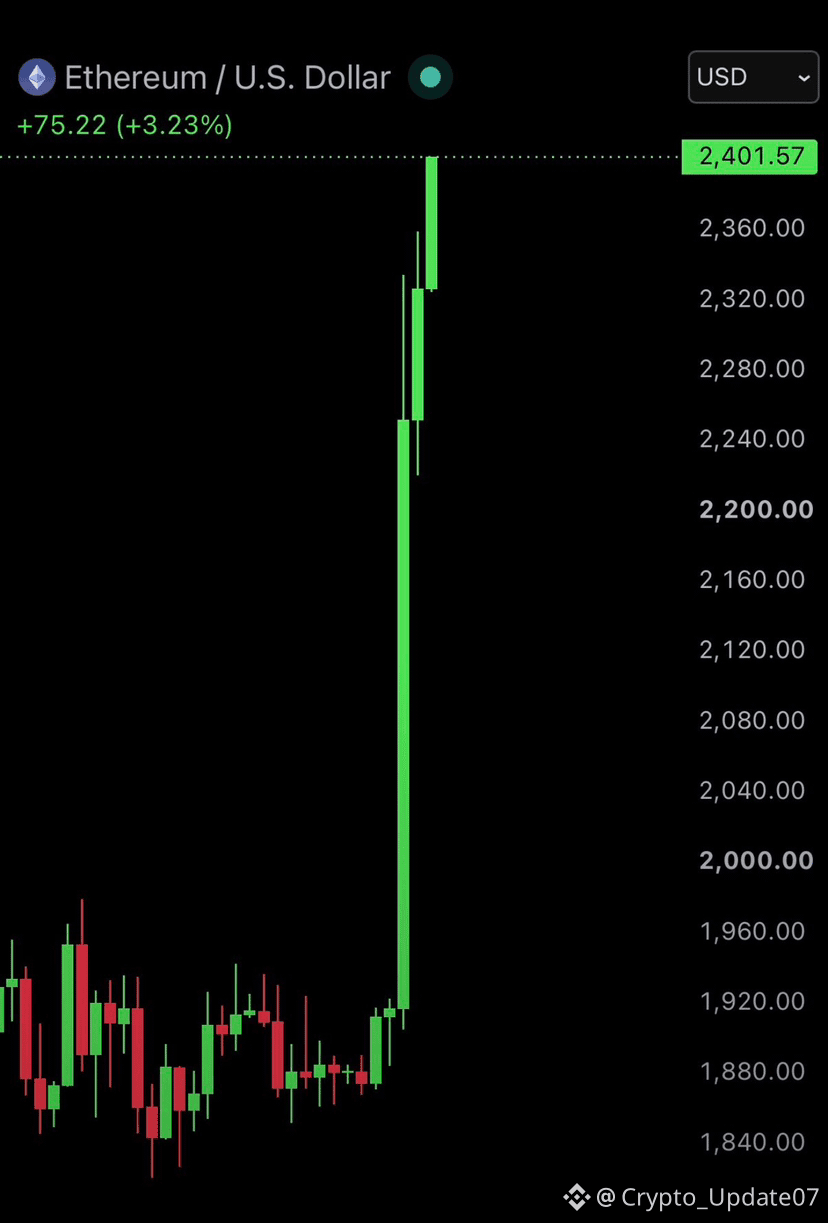
La récente reprise a été soutenue par un fort momentum acheteur, l’intérêt institutionnel et un sentiment positif sur le marché des cryptos.
⚠️ Le BTC a fortement bougé sur une période courte : la volatilité et la prise de profits restent donc possibles.
#BitcoinHitsIntradayHigh$75500
🚨 Mise à jour du marché Bitcoin | BTC
Le Bitcoin affiche un fort élan haussier, actuellement négocié autour de 77 000 $–78 000 $.
📈 Niveaux clés à surveiller :
• Résistance : 80 000 $
• Prochain objectif : 85 000 $–90 000 $
• Support : 72 000 $–75 000 $
La récente reprise a été soutenue par un fort momentum acheteur, l’intérêt institutionnel et un sentiment positif sur le marché des cryptos.
⚠️ Le BTC a fortement bougé sur une période courte : la volatilité et la prise de profits restent donc possibles.
#BitcoinHitsIntradayHigh$75500
Le Bitcoin affiche un fort élan haussier, actuellement négocié autour de 77 000 $–78 000 $.
📈 Niveaux clés à surveiller :
• Résistance : 80 000 $
• Prochain objectif : 85 000 $–90 000 $
• Support : 72 000 $–75 000 $
La récente reprise a été soutenue par un fort momentum acheteur, l’intérêt institutionnel et un sentiment positif sur le marché des cryptos.
⚠️ Le BTC a fortement bougé sur une période courte : la volatilité et la prise de profits restent donc possibles.
#BitcoinHitsIntradayHigh$75500
82
·
--
Baissier
⚽🏆 La saison de football 2026 est là !
Les plus grands matchs. Les supporters les plus bruyants. Des moments inoubliables.
Pendant que vos équipes préférées s’affrontent sur la pelouse, prenez une longueur d’avance dans le monde de la crypto avec Binance. Échangez plus intelligemment, gérez votre portefeuille et ne manquez aucune opportunité—que ce soit le jour de match ou le jour de marché.
Qui soutenez-vous pour soulever le trophée cette saison ? 🏆👇
🇦🇷 Argentine ou 🇪🇸 Espagne
#FootballSeason2026
$NEAR
{spot}(NEARUSDT)
⚽🏆 La saison de football 2026 est là !
Les plus grands matchs. Les supporters les plus bruyants. Des moments inoubliables.
Pendant que vos équipes préférées s’affrontent sur la pelouse, prenez une longueur d’avance dans le monde de la crypto avec Binance. Échangez plus intelligemment, gérez votre portefeuille et ne manquez aucune opportunité—que ce soit le jour de match ou le jour de marché.
Qui soutenez-vous pour soulever le trophée cette saison ? 🏆👇
🇦🇷 Argentine ou 🇪🇸 Espagne
#FootballSeason2026
$NEAR
Les plus grands matchs. Les supporters les plus bruyants. Des moments inoubliables.
Pendant que vos équipes préférées s’affrontent sur la pelouse, prenez une longueur d’avance dans le monde de la crypto avec Binance. Échangez plus intelligemment, gérez votre portefeuille et ne manquez aucune opportunité—que ce soit le jour de match ou le jour de marché.
Qui soutenez-vous pour soulever le trophée cette saison ? 🏆👇
🇦🇷 Argentine ou 🇪🇸 Espagne
#FootballSeason2026
$NEAR
111
·
--
Haussier
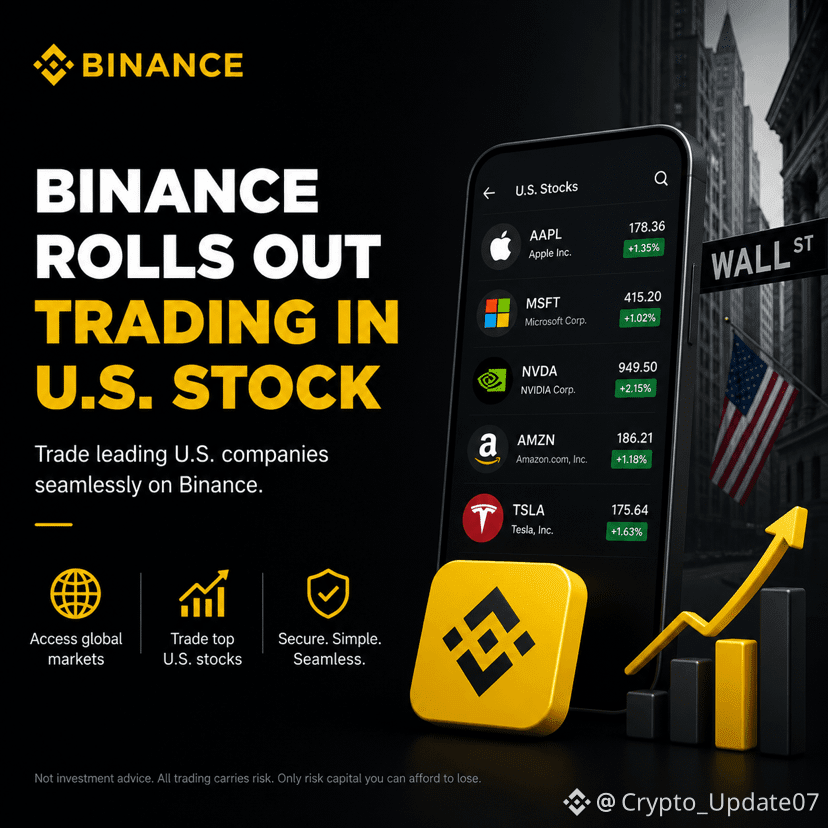
Binance étend l'accès aux marchés mondiaux avec le lancement du trading d'actions américaines.
Les utilisateurs peuvent désormais explorer et trader des entreprises américaines de premier plan grâce à une expérience fluide, rapprochant ainsi la finance traditionnelle et les actifs numériques.
#BinanceRollsOutTradingInUSStocks
$NEAR
{spot}(NEARUSDT)
Binance étend l'accès aux marchés mondiaux avec le lancement du trading d'actions américaines.
Les utilisateurs peuvent désormais explorer et trader des entreprises américaines de premier plan grâce à une expérience fluide, rapprochant ainsi la finance traditionnelle et les actifs numériques.
#BinanceRollsOutTradingInUSStocks
$NEAR
Les utilisateurs peuvent désormais explorer et trader des entreprises américaines de premier plan grâce à une expérience fluide, rapprochant ainsi la finance traditionnelle et les actifs numériques.
#BinanceRollsOutTradingInUSStocks
$NEAR
228
·
--
Haussier
ÉNORME 🚨
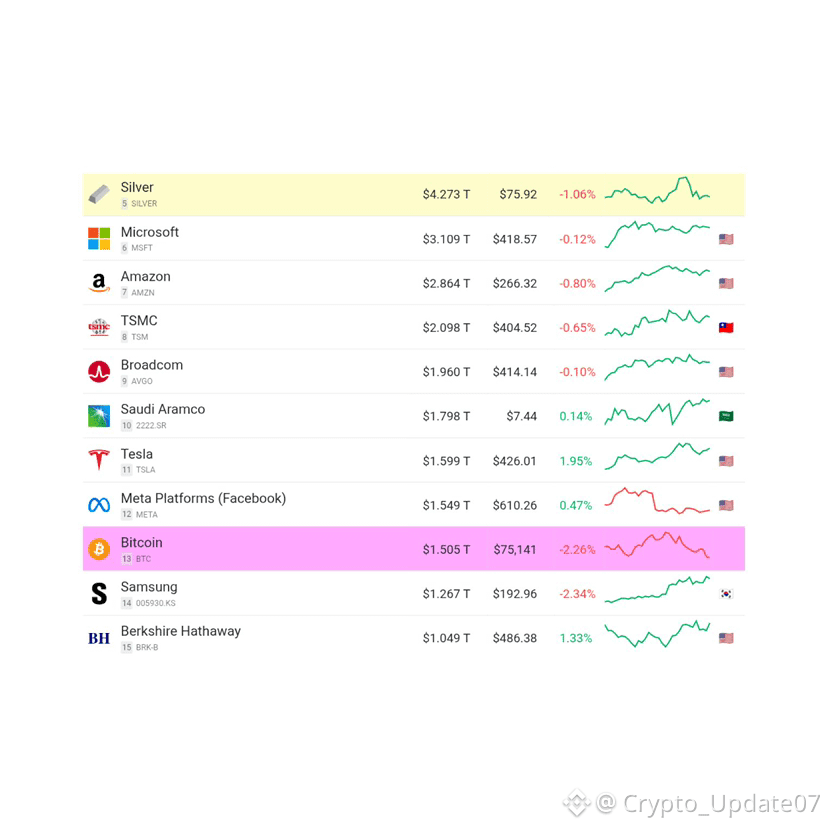
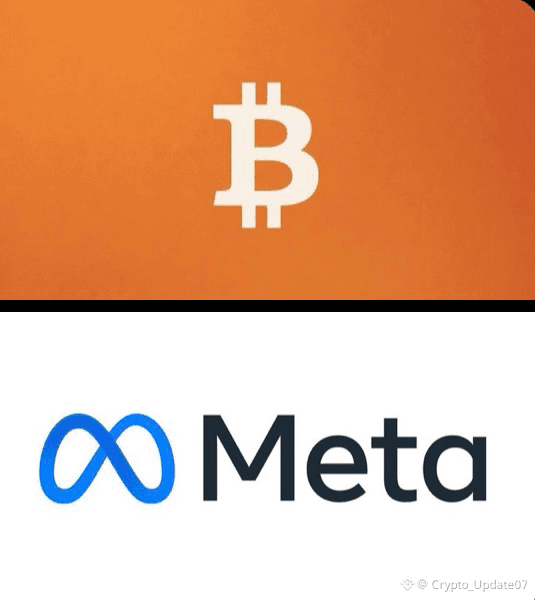
Meta a officiellement dépassé Bitcoin $BTC pour devenir le 12ème actif le plus important au monde.
#BitcoinBreaksBelow75KAsWarshTakesFedHelm
ÉNORME 🚨
Meta a officiellement dépassé Bitcoin $BTC pour devenir le 12ème actif le plus important au monde.
#BitcoinBreaksBelow75KAsWarshTakesFedHelm
Meta a officiellement dépassé Bitcoin $BTC pour devenir le 12ème actif le plus important au monde.
#BitcoinBreaksBelow75KAsWarshTakesFedHelm
140
Le $TON coin a annoncé la fermeture permanente de son pont inter-chaînes et du Token Bridge (bridge-v3.ton.org) le 1er septembre 2026. Les utilisateurs sont conseillés de retirer ou de réclamer tous les actifs en attente avant la date limite, car toutes les fonctions de transfert s'arrêteront par la suite.
Les détenteurs de Wrapped TON sur Ethereum ou BNB Smart Chain doivent transférer leurs actifs vers le réseau TON, tandis que les détenteurs de j-tokens comme jUSDT, jUSDC, jDAI et jWBTC devraient les ramener sur Ethereum. Les frais inter-chaînes ont été annulés durant la période de transition.
#ton #TonChain
Le $TON coin a annoncé la fermeture permanente de son pont inter-chaînes et du Token Bridge (bridge-v3.ton.org) le 1er septembre 2026. Les utilisateurs sont conseillés de retirer ou de réclamer tous les actifs en attente avant la date limite, car toutes les fonctions de transfert s'arrêteront par la suite.
Les détenteurs de Wrapped TON sur Ethereum ou BNB Smart Chain doivent transférer leurs actifs vers le réseau TON, tandis que les détenteurs de j-tokens comme jUSDT, jUSDC, jDAI et jWBTC devraient les ramener sur Ethereum. Les frais inter-chaînes ont été annulés durant la période de transition.
#ton #TonChain
Les détenteurs de Wrapped TON sur Ethereum ou BNB Smart Chain doivent transférer leurs actifs vers le réseau TON, tandis que les détenteurs de j-tokens comme jUSDT, jUSDC, jDAI et jWBTC devraient les ramener sur Ethereum. Les frais inter-chaînes ont été annulés durant la période de transition.
#ton #TonChain
207
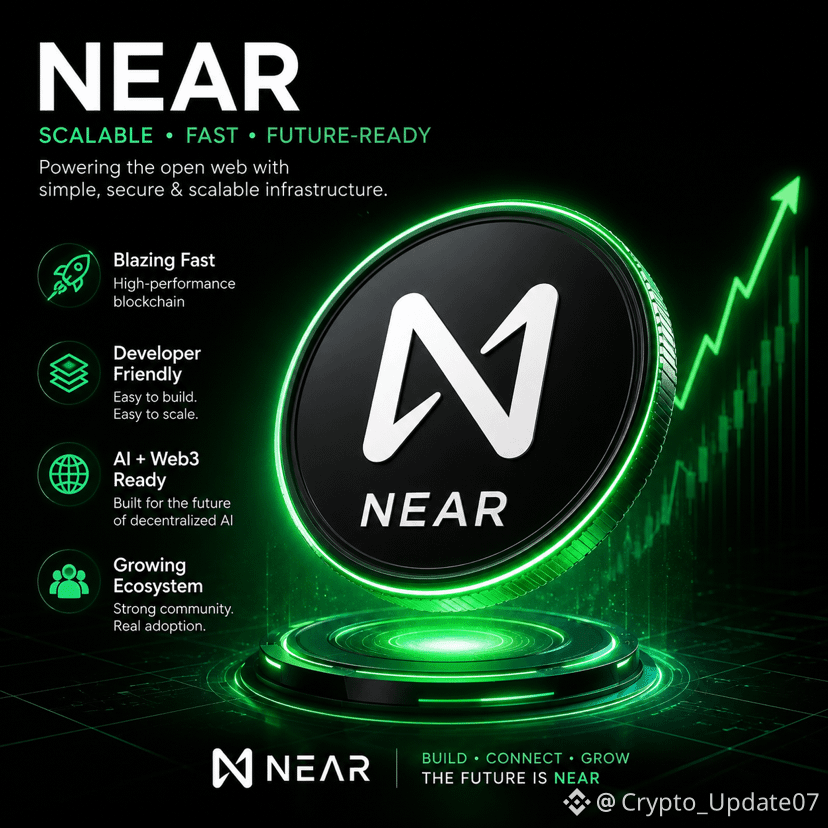
$NEAR Le protocole prend de l'élan grâce à l'engouement croissant pour l'IA et la blockchain, l'expansion de l'écosystème et un sentiment de marché altcoin fort. Une activité accrue des développeurs et une cassure technique haussière suscitent également l'intérêt des investisseurs.
$NEAR Le protocole prend de l'élan grâce à l'engouement croissant pour l'IA et la blockchain, l'expansion de l'écosystème et un sentiment de marché altcoin fort. Une activité accrue des développeurs et une cassure technique haussière suscitent également l'intérêt des investisseurs.
219
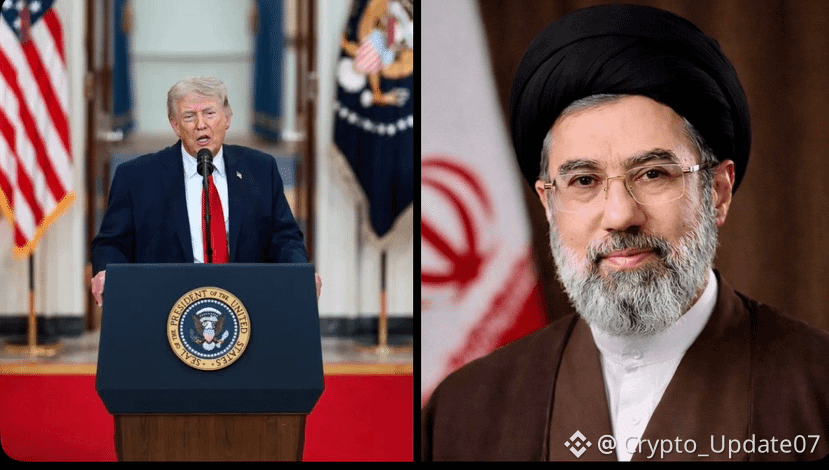
DERNIÈRE NOUVELLE : Un projet final d'accord entre les États-Unis et l'Iran a été atteint, selon Al Arabiya.
Les termes :
• Un cessez-le-feu immédiat
• Passage libre à travers le détroit d'Hormuz
• Sanctions sur l'Iran levées progressivement
• Discussions sur les questions restantes à suivre
#iranus #bullish
DERNIÈRE NOUVELLE : Un projet final d'accord entre les États-Unis et l'Iran a été atteint, selon Al Arabiya.
Les termes :
• Un cessez-le-feu immédiat
• Passage libre à travers le détroit d'Hormuz
• Sanctions sur l'Iran levées progressivement
• Discussions sur les questions restantes à suivre
#iranus #bullish
Les termes :
• Un cessez-le-feu immédiat
• Passage libre à travers le détroit d'Hormuz
• Sanctions sur l'Iran levées progressivement
• Discussions sur les questions restantes à suivre
#iranus #bullish
78
·
--
Haussier
REVERSAL HAUSSIER :
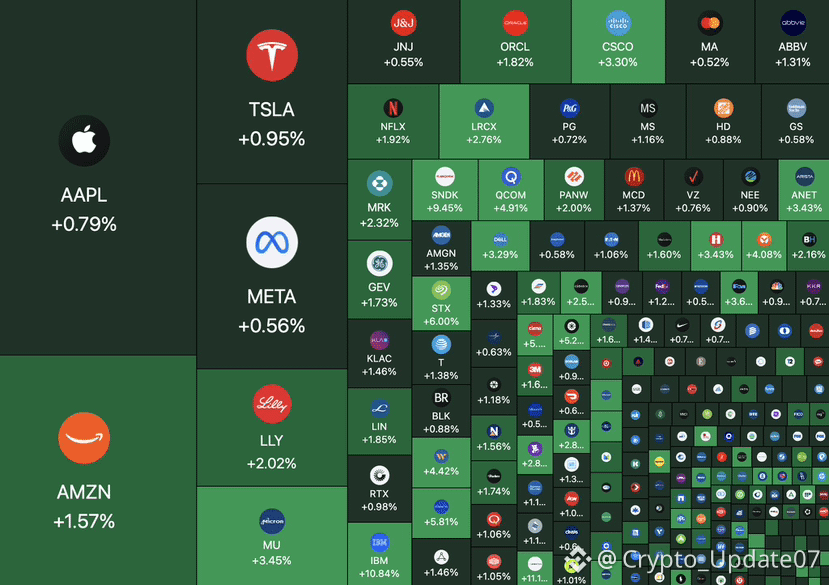
700 000 000 000 $ ajoutés au marché boursier américain en seulement 60 MINUTES après des rapports sur l'accord US-Iran atteignant son projet final.
#BullishMomentum
$NEAR $SUI
{spot}(SUIUSDT)
{spot}(NEARUSDT)
REVERSAL HAUSSIER :
700 000 000 000 $ ajoutés au marché boursier américain en seulement 60 MINUTES après des rapports sur l'accord US-Iran atteignant son projet final.
#BullishMomentum
$NEAR $SUI
700 000 000 000 $ ajoutés au marché boursier américain en seulement 60 MINUTES après des rapports sur l'accord US-Iran atteignant son projet final.
#BullishMomentum
$NEAR $SUI
100
·
--
Haussier
🚨 GROS MISE À JOUR POUR LES MARCHÉS CRYPTO 🚨
L'Iran envisagerait apparemment un accord concernant la situation du détroit d'Hormuz — une manœuvre qui pourrait réduire les tensions géopolitiques et stabiliser les marchés pétroliers mondiaux. 📉🛢️
Les traders crypto surveillent de près, car un apaisement des tensions pourrait influencer Bitcoin, les prix, et le sentiment général du marché. 👀📊
Restez vigilant, tradez intelligemment, et gérez vos risques. ⚡
#IranDealHormuzOpen
$SUI
🚨 GROS MISE À JOUR POUR LES MARCHÉS CRYPTO 🚨
L'Iran envisagerait apparemment un accord concernant la situation du détroit d'Hormuz — une manœuvre qui pourrait réduire les tensions géopolitiques et stabiliser les marchés pétroliers mondiaux. 📉🛢️
Les traders crypto surveillent de près, car un apaisement des tensions pourrait influencer Bitcoin, les prix, et le sentiment général du marché. 👀📊
Restez vigilant, tradez intelligemment, et gérez vos risques. ⚡
#IranDealHormuzOpen
$SUI
L'Iran envisagerait apparemment un accord concernant la situation du détroit d'Hormuz — une manœuvre qui pourrait réduire les tensions géopolitiques et stabiliser les marchés pétroliers mondiaux. 📉🛢️
Les traders crypto surveillent de près, car un apaisement des tensions pourrait influencer Bitcoin, les prix, et le sentiment général du marché. 👀📊
Restez vigilant, tradez intelligemment, et gérez vos risques. ⚡
#IranDealHormuzOpen
$SUI

Claim this reward!
De Crypto_Update07
158
·
--
Haussier
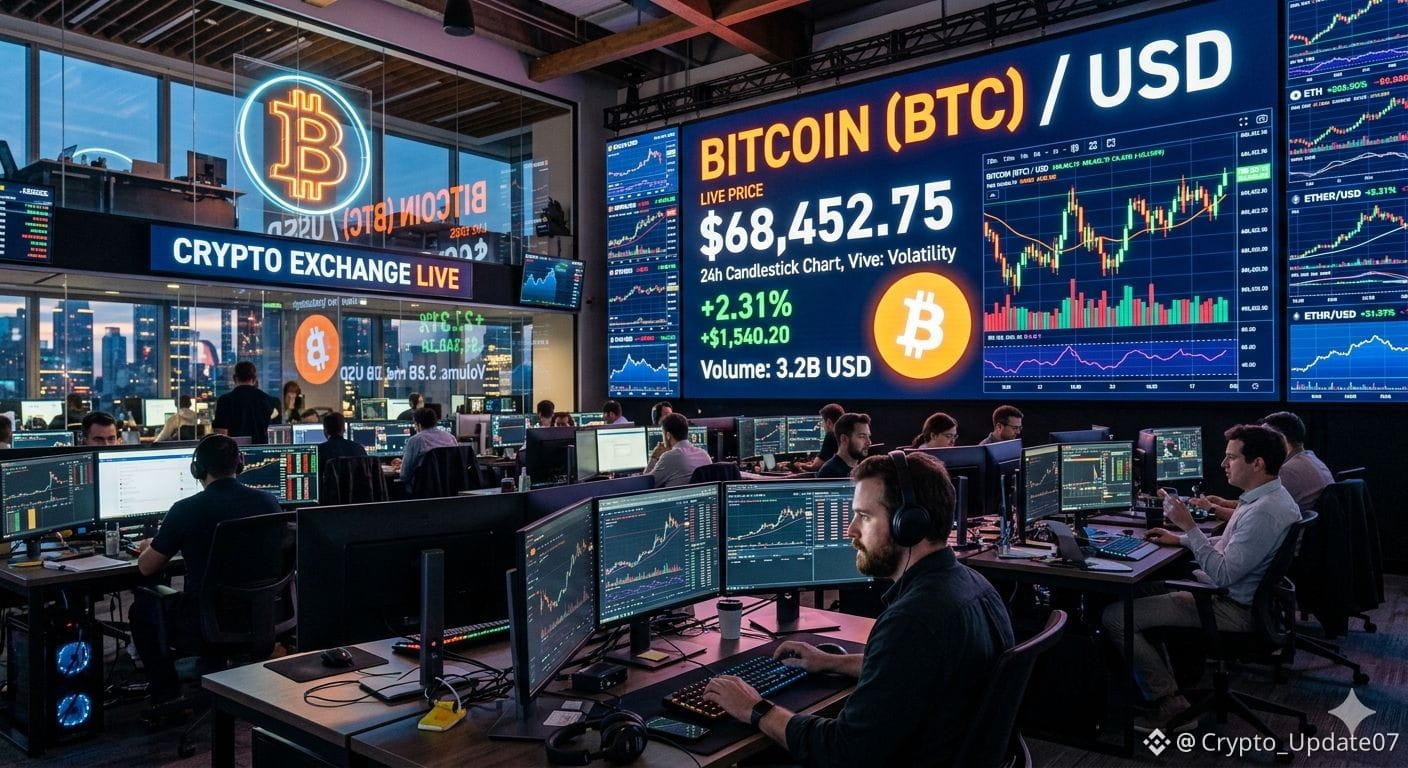
Le marché montre de forts signes de reprise, avec les grandes cryptos qui rebondissent et la confiance des investisseurs qui revient. 📈
💡 Points clés :
• Augmentation de l'élan d'achat sur les meilleurs actifs
• Sentiment de marché positif propulsant la croissance
• Opportunités émergentes pour les traders à court terme et les holders à long terme
Restez informé, gérez votre risque judicieusement, et profitez au maximum du mouvement du marché.
#CryptoMarketRebounds
$NEAR $DOT $SUI
{spot}(SUIUSDT)
{spot}(DOTUSDT)
{spot}(NEARUSDT)
Le marché montre de forts signes de reprise, avec les grandes cryptos qui rebondissent et la confiance des investisseurs qui revient. 📈
💡 Points clés :
• Augmentation de l'élan d'achat sur les meilleurs actifs
• Sentiment de marché positif propulsant la croissance
• Opportunités émergentes pour les traders à court terme et les holders à long terme
Restez informé, gérez votre risque judicieusement, et profitez au maximum du mouvement du marché.
#CryptoMarketRebounds
$NEAR $DOT $SUI
💡 Points clés :
• Augmentation de l'élan d'achat sur les meilleurs actifs
• Sentiment de marché positif propulsant la croissance
• Opportunités émergentes pour les traders à court terme et les holders à long terme
Restez informé, gérez votre risque judicieusement, et profitez au maximum du mouvement du marché.
#CryptoMarketRebounds
$NEAR $DOT $SUI
196
·
--
Baissier
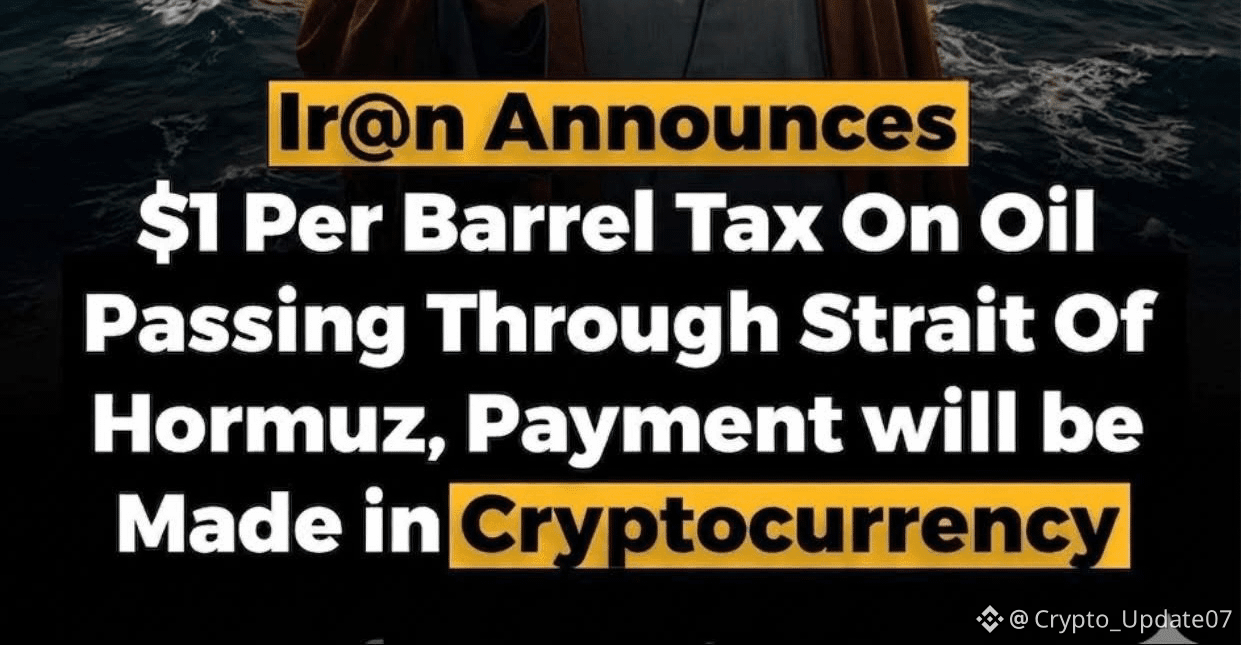
🚨L'Iran aurait introduit des frais de transit basés sur la crypto-monnaie pour les navires passant par le détroit d'Hormuz.
Les frais sont estimés à $USDT 1 par baril, ce qui signifie que de grands pétroliers pourraient payer des millions par voyage.
Les paiements sont attendus en crypto-monnaie ou en devises alternatives pour contourner les sanctions.
Cette mesure pourrait impacter l'approvisionnement mondial en pétrole, car cette route transporte près de 20 % du commerce mondial de pétrole.
Cela a suscité des préoccupations juridiques et géopolitiques concernant le contrôle des eaux internationales.
Les marchés surveillent de près car cela pourrait influencer l'adoption de la crypto-monnaie dans le commerce mondial.
#IranHormuzCryptoFees
$SUI $NEAR
{spot}(NEARUSDT)
{spot}(SUIUSDT)
🚨L'Iran aurait introduit des frais de transit basés sur la crypto-monnaie pour les navires passant par le détroit d'Hormuz.
Les frais sont estimés à $USDT 1 par baril, ce qui signifie que de grands pétroliers pourraient payer des millions par voyage.
Les paiements sont attendus en crypto-monnaie ou en devises alternatives pour contourner les sanctions.
Cette mesure pourrait impacter l'approvisionnement mondial en pétrole, car cette route transporte près de 20 % du commerce mondial de pétrole.
Cela a suscité des préoccupations juridiques et géopolitiques concernant le contrôle des eaux internationales.
Les marchés surveillent de près car cela pourrait influencer l'adoption de la crypto-monnaie dans le commerce mondial.
#IranHormuzCryptoFees
$SUI $NEAR
Les frais sont estimés à $USDT 1 par baril, ce qui signifie que de grands pétroliers pourraient payer des millions par voyage.
Les paiements sont attendus en crypto-monnaie ou en devises alternatives pour contourner les sanctions.
Cette mesure pourrait impacter l'approvisionnement mondial en pétrole, car cette route transporte près de 20 % du commerce mondial de pétrole.
Cela a suscité des préoccupations juridiques et géopolitiques concernant le contrôle des eaux internationales.
Les marchés surveillent de près car cela pourrait influencer l'adoption de la crypto-monnaie dans le commerce mondial.
#IranHormuzCryptoFees
$SUI $NEAR
1
2
641
·
--
Haussier
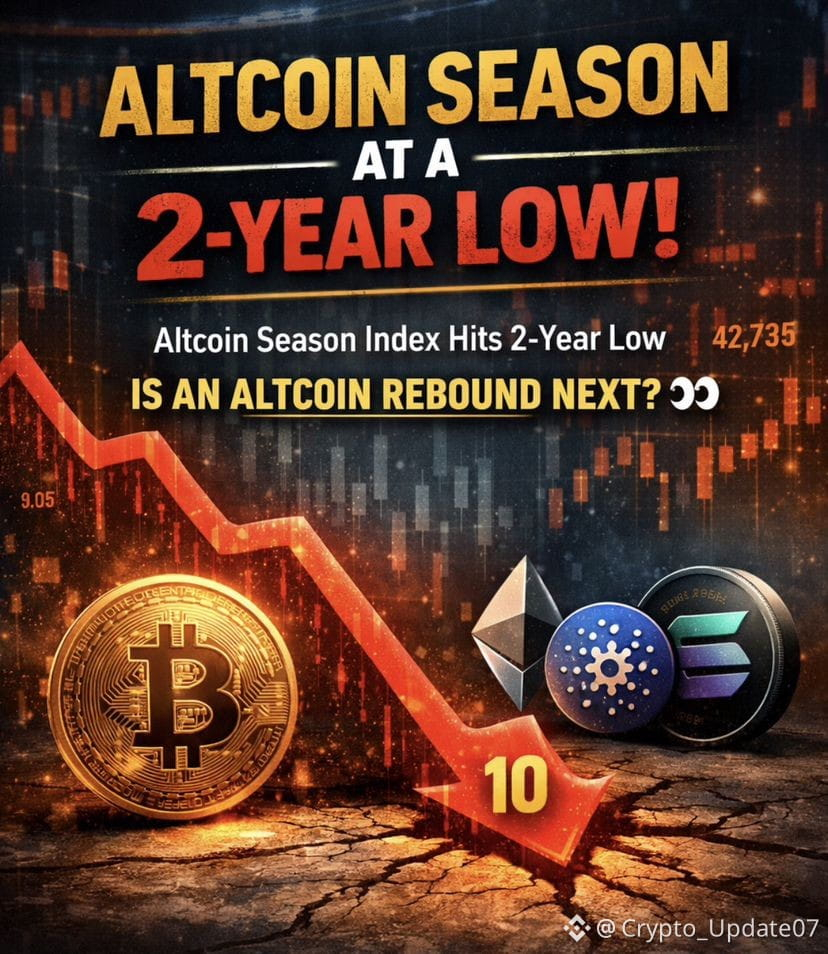
L'indice de saison des altcoins a chuté à un niveau le plus bas depuis 2 ans, signalant que la plupart des altcoins sous-performent par rapport au Bitcoin. 📉
Historiquement, de tels niveaux ont souvent été observés près des points de retournement du marché — laissant les investisseurs se demander si un rebond des altcoins pourrait être le prochain. 👀
$XRP $SUI
#AltcoinSeasonTalkTwoYearLow
{spot}(SUIUSDT)
{spot}(XRPUSDT)
L'indice de saison des altcoins a chuté à un niveau le plus bas depuis 2 ans, signalant que la plupart des altcoins sous-performent par rapport au Bitcoin. 📉
Historiquement, de tels niveaux ont souvent été observés près des points de retournement du marché — laissant les investisseurs se demander si un rebond des altcoins pourrait être le prochain. 👀
$XRP $SUI
#AltcoinSeasonTalkTwoYearLow
Historiquement, de tels niveaux ont souvent été observés près des points de retournement du marché — laissant les investisseurs se demander si un rebond des altcoins pourrait être le prochain. 👀
$XRP $SUI
#AltcoinSeasonTalkTwoYearLow
1
83
·
--
Haussier
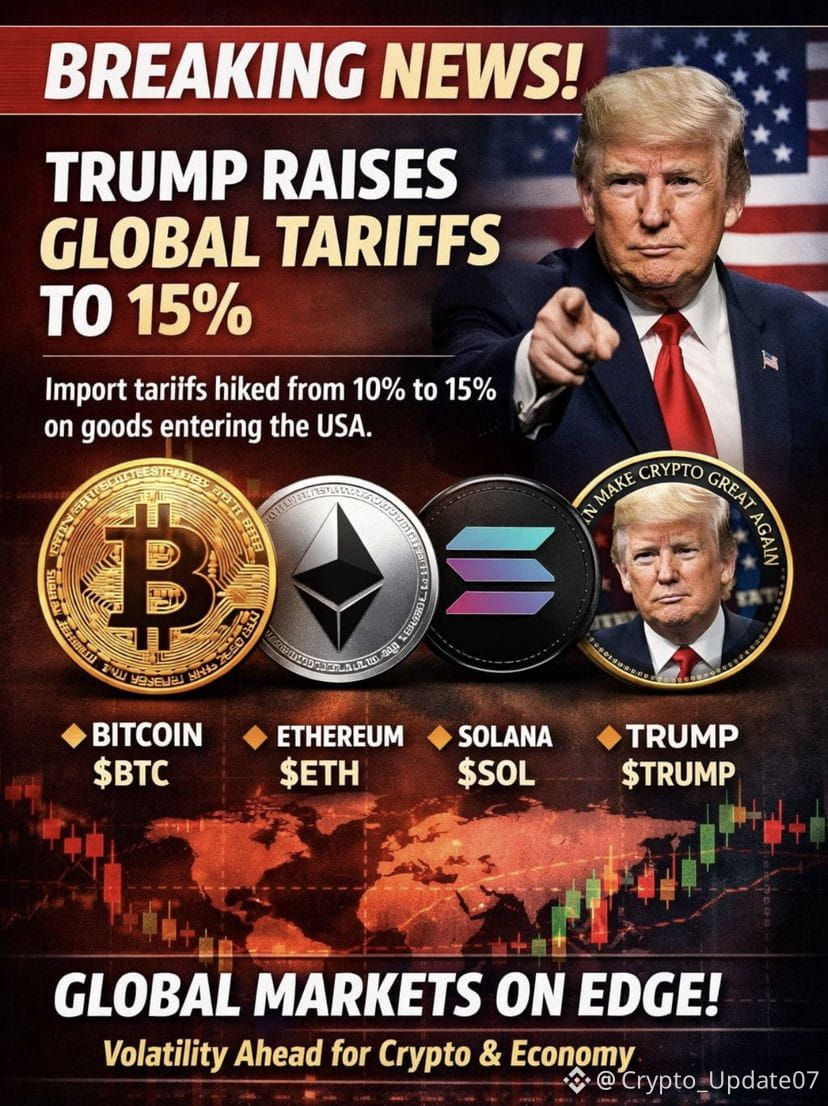
⚖️ 2. Les nouveaux tarifs mondiaux de Trump créent toujours de l'incertitude
➡️ Malgré la décision de la Cour Suprême, Trump a annoncé une nouvelle augmentation tarifaire mondiale d'environ 15 % sur les importations autorisées par une autre autorité légale.
➡️ Cette incertitude politique continue affecte le sentiment macroéconomique et les actifs à risque — y compris les cryptomonnaies — car les marchés n'aiment pas les politiques commerciales imprévisibles.
🚨 Impact sur les cryptomonnaies : même si les effets directs des tarifs sont atténués, l'incertitude obscurcit le sentiment de risque plus large, ce qui peut maintenir une pression à la baisse sur les cryptomonnaies ou rendre les prix volatils.
#TrumpNewTariffs
$XRP $SUI $DOT
{spot}(DOTUSDT)
{spot}(SUIUSDT)
{spot}(XRPUSDT)
⚖️ 2. Les nouveaux tarifs mondiaux de Trump créent toujours de l'incertitude
➡️ Malgré la décision de la Cour Suprême, Trump a annoncé une nouvelle augmentation tarifaire mondiale d'environ 15 % sur les importations autorisées par une autre autorité légale.
➡️ Cette incertitude politique continue affecte le sentiment macroéconomique et les actifs à risque — y compris les cryptomonnaies — car les marchés n'aiment pas les politiques commerciales imprévisibles.
🚨 Impact sur les cryptomonnaies : même si les effets directs des tarifs sont atténués, l'incertitude obscurcit le sentiment de risque plus large, ce qui peut maintenir une pression à la baisse sur les cryptomonnaies ou rendre les prix volatils.
#TrumpNewTariffs
$XRP $SUI $DOT
➡️ Malgré la décision de la Cour Suprême, Trump a annoncé une nouvelle augmentation tarifaire mondiale d'environ 15 % sur les importations autorisées par une autre autorité légale.
➡️ Cette incertitude politique continue affecte le sentiment macroéconomique et les actifs à risque — y compris les cryptomonnaies — car les marchés n'aiment pas les politiques commerciales imprévisibles.
🚨 Impact sur les cryptomonnaies : même si les effets directs des tarifs sont atténués, l'incertitude obscurcit le sentiment de risque plus large, ce qui peut maintenir une pression à la baisse sur les cryptomonnaies ou rendre les prix volatils.
#TrumpNewTariffs
$XRP $SUI $DOT
1
190

·
--
Haussier
Mise à jour des flux de fonds technologiques américains — Ce que cela signifie pour la crypto💥
Les investisseurs tournent au sein des actions américaines — réduisant les grandes entreprises technologiques tout en ajoutant sélectivement des secteurs comme les semi-conducteurs. Les actions internationales voient des flux plus forts.
Ce n'est pas un retrait total du risque — c'est une rotation de capital.
Pour la crypto, les tendances de liquidité technologique sont importantes. Si les flux d'IA et de semi-conducteurs restent forts, cela pourrait soutenir un appétit au risque plus large, y compris pour les actifs numériques.
Les marchés ne reculent pas — ils se repositionnent.
#USTechFundFlows $SUI
{spot}(SUIUSDT)
Mise à jour des flux de fonds technologiques américains — Ce que cela signifie pour la crypto💥
Les investisseurs tournent au sein des actions américaines — réduisant les grandes entreprises technologiques tout en ajoutant sélectivement des secteurs comme les semi-conducteurs. Les actions internationales voient des flux plus forts.
Ce n'est pas un retrait total du risque — c'est une rotation de capital.
Pour la crypto, les tendances de liquidité technologique sont importantes. Si les flux d'IA et de semi-conducteurs restent forts, cela pourrait soutenir un appétit au risque plus large, y compris pour les actifs numériques.
Les marchés ne reculent pas — ils se repositionnent.
#USTechFundFlows $SUI
Les investisseurs tournent au sein des actions américaines — réduisant les grandes entreprises technologiques tout en ajoutant sélectivement des secteurs comme les semi-conducteurs. Les actions internationales voient des flux plus forts.
Ce n'est pas un retrait total du risque — c'est une rotation de capital.
Pour la crypto, les tendances de liquidité technologique sont importantes. Si les flux d'IA et de semi-conducteurs restent forts, cela pourrait soutenir un appétit au risque plus large, y compris pour les actifs numériques.
Les marchés ne reculent pas — ils se repositionnent.
#USTechFundFlows $SUI
4
189
·
--
Baissier
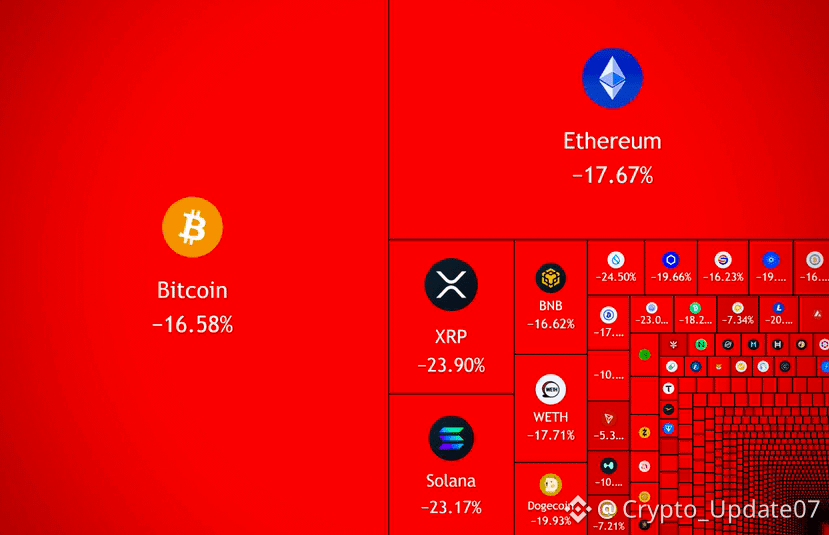
JUSTE EN : Encore 350 000 000 000 $ effacés de la capitalisation du marché des cryptomonnaies aujourd'hui.
#RiskAssetsMarketShock
$DOT $SUI
{spot}(SUIUSDT)
{spot}(DOTUSDT)
JUSTE EN : Encore 350 000 000 000 $ effacés de la capitalisation du marché des cryptomonnaies aujourd'hui.
#RiskAssetsMarketShock
$DOT $SUI
#RiskAssetsMarketShock
$DOT $SUI
62
·
--
Baissier
À LA UNE : Plus de 1 000 000 000 $ liquidés du marché des cryptomonnaies au cours des dernières 8 à 12 heures.
$BTC : Est tombé en dessous de 76 000 $
$ETH : Est tombé en dessous de 2 300 $
$SOL : Est tombé en dessous de 100 $
#MarketCorrection
{spot}(BTCUSDT)
{spot}(ETHUSDT)
{spot}(SOLUSDT)
À LA UNE : Plus de 1 000 000 000 $ liquidés du marché des cryptomonnaies au cours des dernières 8 à 12 heures.
$BTC : Est tombé en dessous de 76 000 $
$ETH : Est tombé en dessous de 2 300 $
$SOL : Est tombé en dessous de 100 $
#MarketCorrection
$BTC : Est tombé en dessous de 76 000 $
$ETH : Est tombé en dessous de 2 300 $
$SOL : Est tombé en dessous de 100 $
#MarketCorrection
28
·
--
Baissier
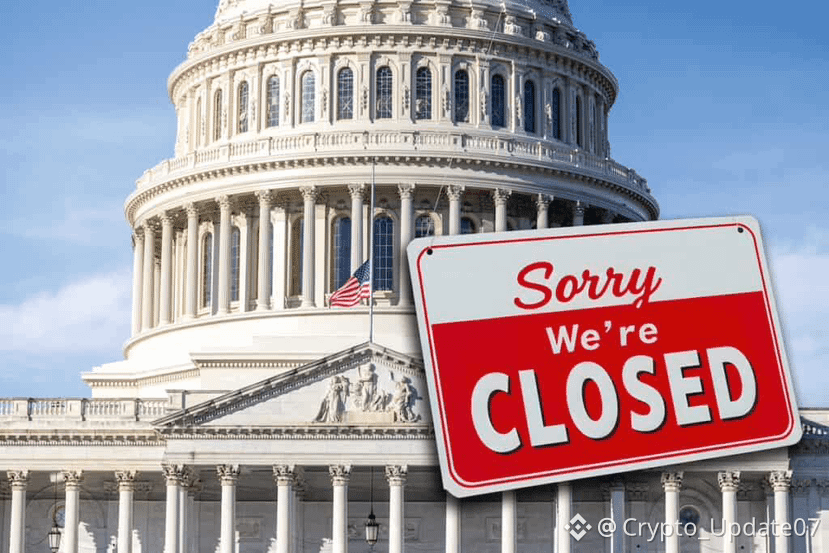
🚨 État de l'arrêt du gouvernement américain :
Les États-Unis étaient sur le point d'un arrêt partiel du gouvernement fédéral commençant le 31 janvier 2026 après que le Congrès n'ait pas réussi à adopter tous les projets de loi d'appropriation à temps.
📉 Pourquoi cela importe pour la crypto
Les interruptions de financement gouvernemental peuvent ralentir ou arrêter le travail des régulateurs financiers tels que la SEC, qui fonctionne selon des plans de contingence en cas d'arrêt — ce qui signifie que seules les fonctions essentielles continuent et que les examens de routine (par exemple, pour les ETF crypto) sont retardés.
🚀 Impact sur le marché & sentiment
Les épisodes d'arrêt précédents (comme le long arrêt d'octobre 2025) étaient liés à des réactions significatives des prix de la crypto — avec des hausses brusques avant et une volatilité après la résolution de l'arrêt.
Les discussions actuelles de la communauté crypto soulignent que les retards réglementaires induits par l'arrêt peuvent amplifier l'incertitude, mais les marchés se rétablissent souvent ou se réajustent rapidement une fois le financement et le fonctionnement normal des agences rétablis.
#USGovShutdown
$BNB $ETH
{spot}(ETHUSDT)
{spot}(BNBUSDT)
🚨 État de l'arrêt du gouvernement américain :
Les États-Unis étaient sur le point d'un arrêt partiel du gouvernement fédéral commençant le 31 janvier 2026 après que le Congrès n'ait pas réussi à adopter tous les projets de loi d'appropriation à temps.
📉 Pourquoi cela importe pour la crypto
Les interruptions de financement gouvernemental peuvent ralentir ou arrêter le travail des régulateurs financiers tels que la SEC, qui fonctionne selon des plans de contingence en cas d'arrêt — ce qui signifie que seules les fonctions essentielles continuent et que les examens de routine (par exemple, pour les ETF crypto) sont retardés.
🚀 Impact sur le marché & sentiment
Les épisodes d'arrêt précédents (comme le long arrêt d'octobre 2025) étaient liés à des réactions significatives des prix de la crypto — avec des hausses brusques avant et une volatilité après la résolution de l'arrêt.
Les discussions actuelles de la communauté crypto soulignent que les retards réglementaires induits par l'arrêt peuvent amplifier l'incertitude, mais les marchés se rétablissent souvent ou se réajustent rapidement une fois le financement et le fonctionnement normal des agences rétablis.
#USGovShutdown
$BNB $ETH
Les États-Unis étaient sur le point d'un arrêt partiel du gouvernement fédéral commençant le 31 janvier 2026 après que le Congrès n'ait pas réussi à adopter tous les projets de loi d'appropriation à temps.
📉 Pourquoi cela importe pour la crypto
Les interruptions de financement gouvernemental peuvent ralentir ou arrêter le travail des régulateurs financiers tels que la SEC, qui fonctionne selon des plans de contingence en cas d'arrêt — ce qui signifie que seules les fonctions essentielles continuent et que les examens de routine (par exemple, pour les ETF crypto) sont retardés.
🚀 Impact sur le marché & sentiment
Les épisodes d'arrêt précédents (comme le long arrêt d'octobre 2025) étaient liés à des réactions significatives des prix de la crypto — avec des hausses brusques avant et une volatilité après la résolution de l'arrêt.
Les discussions actuelles de la communauté crypto soulignent que les retards réglementaires induits par l'arrêt peuvent amplifier l'incertitude, mais les marchés se rétablissent souvent ou se réajustent rapidement une fois le financement et le fonctionnement normal des agences rétablis.
#USGovShutdown
$BNB $ETH
1
42
Connectez-vous pour découvrir plus de contenu
Rejoignez la communauté mondiale des adeptes de cryptomonnaies sur Binance Square
⚡️ Suviez les dernières informations importantes sur les cryptomonnaies.
💬 Jugé digne de confiance par la plus grande plateforme d’échange de cryptomonnaies au monde.
👍 Découvrez les connaissances que partagent les créateurs vérifiés.
Adresse e-mail/Nº de téléphone
Sujets d’actualité
CPIWatch
87.3M vues
504,024 mentions
Partagez et gagnez des récompenses en trafic dans notre campagne de hashtag tendance
✨Sujet : Le CPI déclenchera-t-il une hausse du taux ?
👉Comment participer :
Publiez une courte publication ou un article avec le hashtag #CPIWatch
Créez du contenu à partir des deux angles ci-dessous :
- Les créations d’emplois non agricoles dépassent les attentes et le CPI arrive bientôt : selon vous, la Fed va-t-elle augmenter le taux ou le maintenir ?
- Bullish ou bearish ? Partagez votre avis et mettez en avant vos actions ou votre trading/portefeuille sur l’or grâce à notre widget de partage des transactions.
🚀Période de la campagne :
- 2026-09-11 3:00 - 2026-09-12 9:00 UTC
🎁Récompense :
- Les publications éligibles conformes aux consignes ci-dessus et contenant plus de 100 mots seront examinées et peuvent recevoir un boost aléatoire de trafic de 500 à 3 000 vues. Vous recevrez une notification de la part de votre secrétaire de flux si votre publication est sélectionnée.
- Ayez une chance de voir votre article mis en avant sur Binance Square Officiel
Vous cherchez des idées pour votre publication ? Visitez la page du sujet #CPIWatch ou la Square Guide on How to Post for Better Reach.
Binance Square Official
·610 mentions J’aime
·1.7M vues
USBankCompletesCrossBorderPaymentPilotOnStellar
1,933 vues
107 mentions
NvidiaInTalksToInvestUpTo$10BInAnthropicIPO
189 vues
14 mentions