
Khongola
11 Publications

Khongola
Signaler
Bloquer l’utilisateur
activate 📡
Ouvert au trading
Trade régulièrement
4.7 an(s)
3 Suivis
30 Abonnés
30 J’aime
Publications
Portefeuille
·
--
Baissier
$XAUT est en baisse 📉
Mais la partie intéressante n’est pas le prix.
Les $XAUT avoirs de Tether ont augmenté de 9,5% au T2, même si l’or a chuté de 14,1%. 🪙
Depuis, $XAUT a aussi gagné davantage d’infrastructures :
🏛️ Reconnaissance ADGM
☪️ Certification Shariah
🔄 Tether réduit progressivement Alloy tout en consacrant davantage de ressources à XAUT
🥇 La couverture physique #GOLD reste intacte
Il y a donc une divergence claire :
📉 Prix → sous pression
📈 Adoption → en croissance
🥇 Couverture → intacte
🌍 Infrastructure → en expansion
La faiblesse actuelle semble davantage liée au combat macro de l’or avec les rendements, le dollar et les attentes envers la Fed plutôt qu’à une détérioration de XAUT lui-même.
Ne confondez pas la faiblesse du token avec la faiblesse du récit sous-jacent. 👀
{future}(XAUTUSDT)
$XAUT est en baisse 📉
Mais la partie intéressante n’est pas le prix.
Les $XAUT avoirs de Tether ont augmenté de 9,5% au T2, même si l’or a chuté de 14,1%. 🪙
Depuis, $XAUT a aussi gagné davantage d’infrastructures :
🏛️ Reconnaissance ADGM
☪️ Certification Shariah
🔄 Tether réduit progressivement Alloy tout en consacrant davantage de ressources à XAUT
🥇 La couverture physique #GOLD reste intacte
Il y a donc une divergence claire :
📉 Prix → sous pression
📈 Adoption → en croissance
🥇 Couverture → intacte
🌍 Infrastructure → en expansion
La faiblesse actuelle semble davantage liée au combat macro de l’or avec les rendements, le dollar et les attentes envers la Fed plutôt qu’à une détérioration de XAUT lui-même.
Ne confondez pas la faiblesse du token avec la faiblesse du récit sous-jacent. 👀
Mais la partie intéressante n’est pas le prix.
Les $XAUT avoirs de Tether ont augmenté de 9,5% au T2, même si l’or a chuté de 14,1%. 🪙
Depuis, $XAUT a aussi gagné davantage d’infrastructures :
🏛️ Reconnaissance ADGM
☪️ Certification Shariah
🔄 Tether réduit progressivement Alloy tout en consacrant davantage de ressources à XAUT
🥇 La couverture physique #GOLD reste intacte
Il y a donc une divergence claire :
📉 Prix → sous pression
📈 Adoption → en croissance
🥇 Couverture → intacte
🌍 Infrastructure → en expansion
La faiblesse actuelle semble davantage liée au combat macro de l’or avec les rendements, le dollar et les attentes envers la Fed plutôt qu’à une détérioration de XAUT lui-même.
Ne confondez pas la faiblesse du token avec la faiblesse du récit sous-jacent. 👀
133
·
--
Article
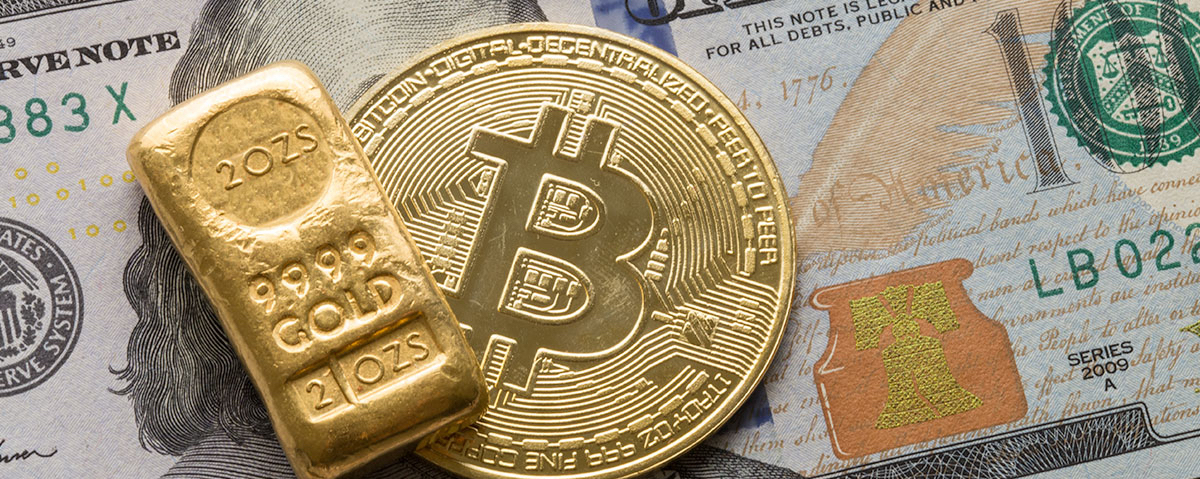
Le surnom de « bitcoin » n’a pas encore été méritéQuelque part en chemin, $BTC s’est vu attribuer un surnom : « or numérique ». Même idée, meilleure technologie, raconte-t-on — une couverture contre tout ce que l’or servait à couvrir, mais plus rapide et plus facile à déplacer.
Cette année, le marché a discrètement passé le test que personne n’avait demandé.
Le bitcoin s’échange autour de 64 000 dollars, en baisse d’environ moitié par rapport à son pic d’octobre, près de 126 000 dollars. L’or se situe près de 4 150 dollars, en baisse d’environ un quart par rapport au record au-dessus de 5 500 dollars atteint en janvier. Le même rôle, sur le papier, au sein d’une même catégorie d’actifs. Un comportement très différent sous pression.
Le surnom de « bitcoin » n’a pas encore été mérité
Quelque part en chemin, $BTC s’est vu attribuer un surnom : « or numérique ». Même idée, meilleure technologie, raconte-t-on — une couverture contre tout ce que l’or servait à couvrir, mais plus rapide et plus facile à déplacer.
Cette année, le marché a discrètement passé le test que personne n’avait demandé.
Le bitcoin s’échange autour de 64 000 dollars, en baisse d’environ moitié par rapport à son pic d’octobre, près de 126 000 dollars. L’or se situe près de 4 150 dollars, en baisse d’environ un quart par rapport au record au-dessus de 5 500 dollars atteint en janvier. Le même rôle, sur le papier, au sein d’une même catégorie d’actifs. Un comportement très différent sous pression.
Cette année, le marché a discrètement passé le test que personne n’avait demandé.
Le bitcoin s’échange autour de 64 000 dollars, en baisse d’environ moitié par rapport à son pic d’octobre, près de 126 000 dollars. L’or se situe près de 4 150 dollars, en baisse d’environ un quart par rapport au record au-dessus de 5 500 dollars atteint en janvier. Le même rôle, sur le papier, au sein d’une même catégorie d’actifs. Un comportement très différent sous pression.
161
·
--
Article
Le graphique du Bitcoin a cédé cette semaine. Les acheteurs n’avaient apparemment pas l’air de s’en rendre compte.$BTC Le prix est toujours en gros 50 % en dessous du plus haut historique d’octobre, et il se négocie nettement sous ses moyennes mobiles sur 100 et 200 jours. Selon les manuels, ce n’est pas un graphique sain. C’est un marché qui a perdu sa tendance de long terme.
Voici la partie qui ne colle pas à l’histoire.
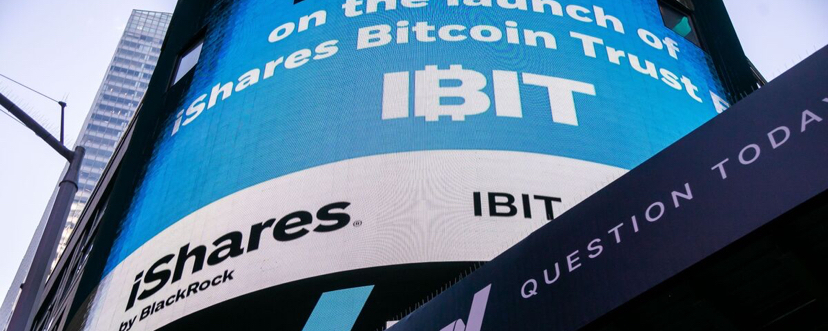
Mardi, plus de 170 millions de dollars ont afflué vers le comptant des États-Unis #BitcoinETFs . Le fonds de BlackRock a à lui seul attiré plus de 111 millions. Le même jour, le graphique semblait cassé : l’argent réel continuait d’entrer par la porte.
Il est tentant de choisir un seul signal et d’ignorer l’autre. Le graphique dit distribution. Les flux disent accumulation. Les deux ne peuvent pas être vrais — sauf qu’ils peuvent l’être, parce qu’ils ne mesurent pas la même chose.
Le graphique du Bitcoin a cédé cette semaine. Les acheteurs n’avaient apparemment pas l’air de s’en rendre compte.
$BTC Le prix est toujours en gros 50 % en dessous du plus haut historique d’octobre, et il se négocie nettement sous ses moyennes mobiles sur 100 et 200 jours. Selon les manuels, ce n’est pas un graphique sain. C’est un marché qui a perdu sa tendance de long terme.
Voici la partie qui ne colle pas à l’histoire.
Mardi, plus de 170 millions de dollars ont afflué vers le comptant des États-Unis #BitcoinETFs . Le fonds de BlackRock a à lui seul attiré plus de 111 millions. Le même jour, le graphique semblait cassé : l’argent réel continuait d’entrer par la porte.
Il est tentant de choisir un seul signal et d’ignorer l’autre. Le graphique dit distribution. Les flux disent accumulation. Les deux ne peuvent pas être vrais — sauf qu’ils peuvent l’être, parce qu’ils ne mesurent pas la même chose.
Voici la partie qui ne colle pas à l’histoire.
Mardi, plus de 170 millions de dollars ont afflué vers le comptant des États-Unis #BitcoinETFs . Le fonds de BlackRock a à lui seul attiré plus de 111 millions. Le même jour, le graphique semblait cassé : l’argent réel continuait d’entrer par la porte.
Il est tentant de choisir un seul signal et d’ignorer l’autre. Le graphique dit distribution. Les flux disent accumulation. Les deux ne peuvent pas être vrais — sauf qu’ils peuvent l’être, parce qu’ils ne mesurent pas la même chose.
80
·
--
$BNB
Au-delà des facteurs techniques, l'écosystème plus large continue de renforcer les fondamentaux de BNB. Les récentes innovations de Binance et l'utilité croissante de BNB à travers DeFi, les marchés NFT et les plateformes de staking soulignent le rôle essentiel du jeton dans l'écosystème. À mesure que l'adoption augmente, la demande basée sur l'utilité de BNB pourrait encore alimenter le mouvement des prix.
Pour les investisseurs, cette phase de consolidation est un moment crucial à surveiller. BNB va-t-il capitaliser sur ce soutien pour lancer un nouveau rallye, ou les conditions du marché plus larges pourraient-elles freiner son élan ? Partagez votre analyse et vos réflexions dans les commentaires alors que nous gardons un œil sur ce développement clé.
$BNB
Au-delà des facteurs techniques, l'écosystème plus large continue de renforcer les fondamentaux de BNB. Les récentes innovations de Binance et l'utilité croissante de BNB à travers DeFi, les marchés NFT et les plateformes de staking soulignent le rôle essentiel du jeton dans l'écosystème. À mesure que l'adoption augmente, la demande basée sur l'utilité de BNB pourrait encore alimenter le mouvement des prix.
Pour les investisseurs, cette phase de consolidation est un moment crucial à surveiller. BNB va-t-il capitaliser sur ce soutien pour lancer un nouveau rallye, ou les conditions du marché plus larges pourraient-elles freiner son élan ? Partagez votre analyse et vos réflexions dans les commentaires alors que nous gardons un œil sur ce développement clé.
Au-delà des facteurs techniques, l'écosystème plus large continue de renforcer les fondamentaux de BNB. Les récentes innovations de Binance et l'utilité croissante de BNB à travers DeFi, les marchés NFT et les plateformes de staking soulignent le rôle essentiel du jeton dans l'écosystème. À mesure que l'adoption augmente, la demande basée sur l'utilité de BNB pourrait encore alimenter le mouvement des prix.
Pour les investisseurs, cette phase de consolidation est un moment crucial à surveiller. BNB va-t-il capitaliser sur ce soutien pour lancer un nouveau rallye, ou les conditions du marché plus larges pourraient-elles freiner son élan ? Partagez votre analyse et vos réflexions dans les commentaires alors que nous gardons un œil sur ce développement clé.
277
·
--
BNB se maintient à 605 $ : une nouvelle rallye est-elle en train de se préparer ?
BNB, le jeton natif de l'écosystème Binance, se consolide autour du niveau de support de 605 $, signalant un potentiel pour une rallye de récupération. Malgré la turbulente récente du marché, les indicateurs techniques de BNB suggèrent qu'il pourrait être prêt pour un mouvement à la hausse, suscitant l'optimisme parmi les traders et les détenteurs à long terme.
Le niveau de 605 $ s'est avéré être une zone critique, agissant comme une fondation pour la stabilité des prix. Les analystes notent un intérêt d'achat accru à cette plage, reflétant un fort soutien de la communauté Binance. Si cet élan se renforce, BNB pourrait viser à franchir des niveaux de résistance clés dans les semaines à venir, ouvrant la voie à de nouveaux gains.
Au-delà des facteurs techniques, l'écosystème plus large continue de renforcer les fondamentaux de BNB. Les récentes innovations de Binance et l'utilité croissante de BNB dans DeFi, les marchés NFT et les plateformes de staking soulignent le rôle intégral du jeton dans l'écosystème. À mesure que l'adoption croît, la demande basée sur l'utilité de BNB pourrait encore alimenter le mouvement des prix.
Pour les investisseurs, cette phase de consolidation est un moment crucial à surveiller. BNB va-t-il capitaliser sur ce soutien pour lancer une nouvelle rallye, ou les conditions du marché plus larges pourraient-elles freiner son élan ? Partagez votre analyse et vos pensées dans les commentaires alors que nous gardons un œil sur ce développement clé.
#MarketBuyOrHold?
{spot}(BNBUSDT)
BNB se maintient à 605 $ : une nouvelle rallye est-elle en train de se préparer ?
BNB, le jeton natif de l'écosystème Binance, se consolide autour du niveau de support de 605 $, signalant un potentiel pour une rallye de récupération. Malgré la turbulente récente du marché, les indicateurs techniques de BNB suggèrent qu'il pourrait être prêt pour un mouvement à la hausse, suscitant l'optimisme parmi les traders et les détenteurs à long terme.
Le niveau de 605 $ s'est avéré être une zone critique, agissant comme une fondation pour la stabilité des prix. Les analystes notent un intérêt d'achat accru à cette plage, reflétant un fort soutien de la communauté Binance. Si cet élan se renforce, BNB pourrait viser à franchir des niveaux de résistance clés dans les semaines à venir, ouvrant la voie à de nouveaux gains.
Au-delà des facteurs techniques, l'écosystème plus large continue de renforcer les fondamentaux de BNB. Les récentes innovations de Binance et l'utilité croissante de BNB dans DeFi, les marchés NFT et les plateformes de staking soulignent le rôle intégral du jeton dans l'écosystème. À mesure que l'adoption croît, la demande basée sur l'utilité de BNB pourrait encore alimenter le mouvement des prix.
Pour les investisseurs, cette phase de consolidation est un moment crucial à surveiller. BNB va-t-il capitaliser sur ce soutien pour lancer une nouvelle rallye, ou les conditions du marché plus larges pourraient-elles freiner son élan ? Partagez votre analyse et vos pensées dans les commentaires alors que nous gardons un œil sur ce développement clé.
#MarketBuyOrHold?
BNB, le jeton natif de l'écosystème Binance, se consolide autour du niveau de support de 605 $, signalant un potentiel pour une rallye de récupération. Malgré la turbulente récente du marché, les indicateurs techniques de BNB suggèrent qu'il pourrait être prêt pour un mouvement à la hausse, suscitant l'optimisme parmi les traders et les détenteurs à long terme.
Le niveau de 605 $ s'est avéré être une zone critique, agissant comme une fondation pour la stabilité des prix. Les analystes notent un intérêt d'achat accru à cette plage, reflétant un fort soutien de la communauté Binance. Si cet élan se renforce, BNB pourrait viser à franchir des niveaux de résistance clés dans les semaines à venir, ouvrant la voie à de nouveaux gains.
Au-delà des facteurs techniques, l'écosystème plus large continue de renforcer les fondamentaux de BNB. Les récentes innovations de Binance et l'utilité croissante de BNB dans DeFi, les marchés NFT et les plateformes de staking soulignent le rôle intégral du jeton dans l'écosystème. À mesure que l'adoption croît, la demande basée sur l'utilité de BNB pourrait encore alimenter le mouvement des prix.
Pour les investisseurs, cette phase de consolidation est un moment crucial à surveiller. BNB va-t-il capitaliser sur ce soutien pour lancer une nouvelle rallye, ou les conditions du marché plus larges pourraient-elles freiner son élan ? Partagez votre analyse et vos pensées dans les commentaires alors que nous gardons un œil sur ce développement clé.
#MarketBuyOrHold?
1
246
·
--
Sui et le rôle croissant des réseaux blockchain DAG
Le marché des cryptomonnaies est en effervescence avec des développements ce novembre, et un projet attire discrètement l'attention des grands investisseurs : la blockchain Sui et son adoption de la technologie Directed Acyclic Graph (DAG). Bien que les réseaux basés sur DAG existent depuis un certain temps, l'approche de Sui suscite un nouvel intérêt de la part des baleines crypto et des développeurs.
Contrairement aux structures de blockchain traditionnelles, les réseaux DAG permettent le traitement parallèle des transactions, ce qui les rend plus rapides et plus évolutifs. Sui exploite cela pour offrir un haut débit et une faible latence, des caractéristiques clés pour les applications décentralisées nécessitant des performances en temps réel, telles que les jeux, les paiements et les plateformes sociales.
Les baleines crypto ont augmenté leurs avoirs en tokens SUI, signalant leur confiance dans le potentiel du réseau. Cette hausse survient alors que les développeurs construisent activement sur Sui, tirant parti de son architecture pour résoudre les goulets d'étranglement qui affligent les blockchains plus établies. Avec l'accent croissant du marché sur les applications du monde réel, Sui se positionne comme un concurrent sérieux dans la course blockchain.
Cette tendance plus large souligne également un changement de focus dans l'espace crypto. Les investisseurs et les développeurs ne poursuivent plus uniquement des gains spéculatifs ; ils s'intéressent à des projets avec des cas d'utilisation tangibles et une évolutivité. La montée de Sui met en lumière comment l'innovation dans la conception de la blockchain peut attirer à la fois du capital et des talents.
{spot}(SUIUSDT)
Sui et le rôle croissant des réseaux blockchain DAG
Le marché des cryptomonnaies est en effervescence avec des développements ce novembre, et un projet attire discrètement l'attention des grands investisseurs : la blockchain Sui et son adoption de la technologie Directed Acyclic Graph (DAG). Bien que les réseaux basés sur DAG existent depuis un certain temps, l'approche de Sui suscite un nouvel intérêt de la part des baleines crypto et des développeurs.
Contrairement aux structures de blockchain traditionnelles, les réseaux DAG permettent le traitement parallèle des transactions, ce qui les rend plus rapides et plus évolutifs. Sui exploite cela pour offrir un haut débit et une faible latence, des caractéristiques clés pour les applications décentralisées nécessitant des performances en temps réel, telles que les jeux, les paiements et les plateformes sociales.
Les baleines crypto ont augmenté leurs avoirs en tokens SUI, signalant leur confiance dans le potentiel du réseau. Cette hausse survient alors que les développeurs construisent activement sur Sui, tirant parti de son architecture pour résoudre les goulets d'étranglement qui affligent les blockchains plus établies. Avec l'accent croissant du marché sur les applications du monde réel, Sui se positionne comme un concurrent sérieux dans la course blockchain.
Cette tendance plus large souligne également un changement de focus dans l'espace crypto. Les investisseurs et les développeurs ne poursuivent plus uniquement des gains spéculatifs ; ils s'intéressent à des projets avec des cas d'utilisation tangibles et une évolutivité. La montée de Sui met en lumière comment l'innovation dans la conception de la blockchain peut attirer à la fois du capital et des talents.
Le marché des cryptomonnaies est en effervescence avec des développements ce novembre, et un projet attire discrètement l'attention des grands investisseurs : la blockchain Sui et son adoption de la technologie Directed Acyclic Graph (DAG). Bien que les réseaux basés sur DAG existent depuis un certain temps, l'approche de Sui suscite un nouvel intérêt de la part des baleines crypto et des développeurs.
Contrairement aux structures de blockchain traditionnelles, les réseaux DAG permettent le traitement parallèle des transactions, ce qui les rend plus rapides et plus évolutifs. Sui exploite cela pour offrir un haut débit et une faible latence, des caractéristiques clés pour les applications décentralisées nécessitant des performances en temps réel, telles que les jeux, les paiements et les plateformes sociales.
Les baleines crypto ont augmenté leurs avoirs en tokens SUI, signalant leur confiance dans le potentiel du réseau. Cette hausse survient alors que les développeurs construisent activement sur Sui, tirant parti de son architecture pour résoudre les goulets d'étranglement qui affligent les blockchains plus établies. Avec l'accent croissant du marché sur les applications du monde réel, Sui se positionne comme un concurrent sérieux dans la course blockchain.
Cette tendance plus large souligne également un changement de focus dans l'espace crypto. Les investisseurs et les développeurs ne poursuivent plus uniquement des gains spéculatifs ; ils s'intéressent à des projets avec des cas d'utilisation tangibles et une évolutivité. La montée de Sui met en lumière comment l'innovation dans la conception de la blockchain peut attirer à la fois du capital et des talents.
3
1
3
845
·
--
Article
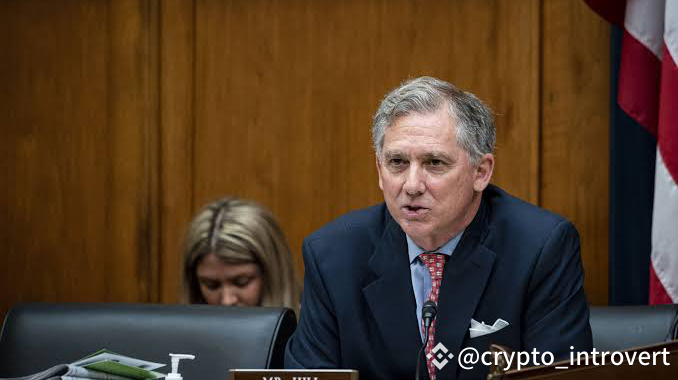
Changement de leadership à la SEC : ce que cela pourrait signifier pour la cryptoLa spéculation grandit autour des changements de leadership potentiels à la Commission des valeurs mobilières et des échanges des États-Unis (SEC), le congressiste French Hill suggérant que la commissaire Hester Peirce pourrait intervenir en tant que présidente par intérim. Cela survient au milieu de défis persistants au sein de la SEC, notamment son approche de la réglementation du secteur des cryptomonnaies en pleine évolution.
Hester Peirce, souvent appelée « Crypto Mom », est connue pour son attitude favorable aux cryptomonnaies et son plaidoyer pour une clarté réglementaire. Elle a constamment appelé à une approche plus équilibrée et axée sur l'innovation, s'opposant aux politiques axées sur l'application de l'actuel président Gary Gensler. Si elle devait assumer un rôle de leadership, ce changement pourrait marquer un moment significatif pour l'industrie crypto.
Changement de leadership à la SEC : ce que cela pourrait signifier pour la crypto
La spéculation grandit autour des changements de leadership potentiels à la Commission des valeurs mobilières et des échanges des États-Unis (SEC), le congressiste French Hill suggérant que la commissaire Hester Peirce pourrait intervenir en tant que présidente par intérim. Cela survient au milieu de défis persistants au sein de la SEC, notamment son approche de la réglementation du secteur des cryptomonnaies en pleine évolution.
Hester Peirce, souvent appelée « Crypto Mom », est connue pour son attitude favorable aux cryptomonnaies et son plaidoyer pour une clarté réglementaire. Elle a constamment appelé à une approche plus équilibrée et axée sur l'innovation, s'opposant aux politiques axées sur l'application de l'actuel président Gary Gensler. Si elle devait assumer un rôle de leadership, ce changement pourrait marquer un moment significatif pour l'industrie crypto.
Hester Peirce, souvent appelée « Crypto Mom », est connue pour son attitude favorable aux cryptomonnaies et son plaidoyer pour une clarté réglementaire. Elle a constamment appelé à une approche plus équilibrée et axée sur l'innovation, s'opposant aux politiques axées sur l'application de l'actuel président Gary Gensler. Si elle devait assumer un rôle de leadership, ce changement pourrait marquer un moment significatif pour l'industrie crypto.
500
·
--
Article
L'élan de Cardano se renforce : un sommet de 5 mois alimenté par l'activité des baleinesCardano (ADA) surf sur une vague de momentum haussier, atteignant son prix le plus élevé depuis cinq mois. Cette poussée ne repose pas seulement sur des spéculations de marché ; elle est soutenue par une activité on-chain significative qui signale une confiance croissante parmi les investisseurs à grande échelle, souvent appelés « baleines ».
Les données récentes montrent une augmentation nette des transactions de baleines, avec des transferts substantiels d'ADA ayant eu lieu au cours de la semaine dernière. Ces mouvements suggèrent que des entités à haute valeur nette se positionnent pour des gains potentiels à long terme, en accord avec les objectifs de développement plus larges de Cardano.
L'élan de Cardano se renforce : un sommet de 5 mois alimenté par l'activité des baleines
Cardano (ADA) surf sur une vague de momentum haussier, atteignant son prix le plus élevé depuis cinq mois. Cette poussée ne repose pas seulement sur des spéculations de marché ; elle est soutenue par une activité on-chain significative qui signale une confiance croissante parmi les investisseurs à grande échelle, souvent appelés « baleines ».
Les données récentes montrent une augmentation nette des transactions de baleines, avec des transferts substantiels d'ADA ayant eu lieu au cours de la semaine dernière. Ces mouvements suggèrent que des entités à haute valeur nette se positionnent pour des gains potentiels à long terme, en accord avec les objectifs de développement plus larges de Cardano.
Les données récentes montrent une augmentation nette des transactions de baleines, avec des transferts substantiels d'ADA ayant eu lieu au cours de la semaine dernière. Ces mouvements suggèrent que des entités à haute valeur nette se positionnent pour des gains potentiels à long terme, en accord avec les objectifs de développement plus larges de Cardano.
1
1
833
·
--
Altcoins à surveiller en 2024 : les principaux prétendants qui façonnent le paysage des cryptomonnaies
Le marché des cryptomonnaies continue d'évoluer et 2024 s'avère être une année charnière pour les altcoins. Alors que Bitcoin maintient sa domination, les altcoins se taillent des espaces uniques, portés par l'innovation et des cas d'utilisation réels. Si vous cherchez à diversifier votre portefeuille ou à explorer les tendances émergentes, voici une mise à jour sur certains altcoins qui gagnent du terrain cette année.
Ethereum reste l'épine dorsale des applications décentralisées et des contrats intelligents. Avec la mise à niveau Ethereum 2.0 entièrement en place, le réseau gère une plus grande évolutivité et une consommation d'énergie plus faible, consolidant son rôle de plate-forme de premier plan pour la finance décentralisée et les NFT.
Cardano est un autre acteur remarquable, connu pour son approche méthodique du développement. Avec des mises à niveau continues, notamment Hydra pour la mise à l'échelle et des partenariats axés sur l'adoption dans le monde réel, Cardano renforce sa position de blockchain pour l'avenir.
Entre-temps, Polygon est devenu une solution de référence pour les couches 2, offrant des transactions plus rapides et moins chères pour les applications basées sur Ethereum. Son écosystème en pleine croissance et ses collaborations avec de grandes marques méritent d'être surveillés.
Solana, malgré quelques défis en 2023, rebondit avec des vitesses de transaction et une activité de développement impressionnantes. Son orientation vers les jeux et les projets Web3 suscite un regain d'intérêt.
XRP a également fait des vagues, notamment avec l'extension par la Société Générale de son stablecoin au XRP Ledger. Cette intégration met en évidence son potentiel à relier la finance traditionnelle et la technologie blockchain.
Que vous exploriez ces projets à des fins d'investissement ou d'innovation, 2024 s'annonce comme une année déterminante pour les altcoins. Selon vous, lequel d'entre eux aura le plus grand impact ? Discutons-en.
{spot}(ETHUSDT)
{spot}(SOLUSDT)
{spot}(XRPUSDT)
Altcoins à surveiller en 2024 : les principaux prétendants qui façonnent le paysage des cryptomonnaies
Le marché des cryptomonnaies continue d'évoluer et 2024 s'avère être une année charnière pour les altcoins. Alors que Bitcoin maintient sa domination, les altcoins se taillent des espaces uniques, portés par l'innovation et des cas d'utilisation réels. Si vous cherchez à diversifier votre portefeuille ou à explorer les tendances émergentes, voici une mise à jour sur certains altcoins qui gagnent du terrain cette année.
Ethereum reste l'épine dorsale des applications décentralisées et des contrats intelligents. Avec la mise à niveau Ethereum 2.0 entièrement en place, le réseau gère une plus grande évolutivité et une consommation d'énergie plus faible, consolidant son rôle de plate-forme de premier plan pour la finance décentralisée et les NFT.
Cardano est un autre acteur remarquable, connu pour son approche méthodique du développement. Avec des mises à niveau continues, notamment Hydra pour la mise à l'échelle et des partenariats axés sur l'adoption dans le monde réel, Cardano renforce sa position de blockchain pour l'avenir.
Entre-temps, Polygon est devenu une solution de référence pour les couches 2, offrant des transactions plus rapides et moins chères pour les applications basées sur Ethereum. Son écosystème en pleine croissance et ses collaborations avec de grandes marques méritent d'être surveillés.
Solana, malgré quelques défis en 2023, rebondit avec des vitesses de transaction et une activité de développement impressionnantes. Son orientation vers les jeux et les projets Web3 suscite un regain d'intérêt.
XRP a également fait des vagues, notamment avec l'extension par la Société Générale de son stablecoin au XRP Ledger. Cette intégration met en évidence son potentiel à relier la finance traditionnelle et la technologie blockchain.
Que vous exploriez ces projets à des fins d'investissement ou d'innovation, 2024 s'annonce comme une année déterminante pour les altcoins. Selon vous, lequel d'entre eux aura le plus grand impact ? Discutons-en.
Le marché des cryptomonnaies continue d'évoluer et 2024 s'avère être une année charnière pour les altcoins. Alors que Bitcoin maintient sa domination, les altcoins se taillent des espaces uniques, portés par l'innovation et des cas d'utilisation réels. Si vous cherchez à diversifier votre portefeuille ou à explorer les tendances émergentes, voici une mise à jour sur certains altcoins qui gagnent du terrain cette année.
Ethereum reste l'épine dorsale des applications décentralisées et des contrats intelligents. Avec la mise à niveau Ethereum 2.0 entièrement en place, le réseau gère une plus grande évolutivité et une consommation d'énergie plus faible, consolidant son rôle de plate-forme de premier plan pour la finance décentralisée et les NFT.
Cardano est un autre acteur remarquable, connu pour son approche méthodique du développement. Avec des mises à niveau continues, notamment Hydra pour la mise à l'échelle et des partenariats axés sur l'adoption dans le monde réel, Cardano renforce sa position de blockchain pour l'avenir.
Entre-temps, Polygon est devenu une solution de référence pour les couches 2, offrant des transactions plus rapides et moins chères pour les applications basées sur Ethereum. Son écosystème en pleine croissance et ses collaborations avec de grandes marques méritent d'être surveillés.
Solana, malgré quelques défis en 2023, rebondit avec des vitesses de transaction et une activité de développement impressionnantes. Son orientation vers les jeux et les projets Web3 suscite un regain d'intérêt.
XRP a également fait des vagues, notamment avec l'extension par la Société Générale de son stablecoin au XRP Ledger. Cette intégration met en évidence son potentiel à relier la finance traditionnelle et la technologie blockchain.
Que vous exploriez ces projets à des fins d'investissement ou d'innovation, 2024 s'annonce comme une année déterminante pour les altcoins. Selon vous, lequel d'entre eux aura le plus grand impact ? Discutons-en.
4
1.4k
·
--
FrançaisXRP atteint de nouveaux sommets en 2024 : qu’est-ce qui motive cette dynamique ?
La communauté crypto est en effervescence alors que le XRP atteint son point culminant cette année, alimentée par deux développements clés. Tout d’abord, les rumeurs entourant la démission potentielle du président de la SEC, Gary Gensler, ont suscité l’enthousiasme. Bien que ces rumeurs restent non confirmées, elles ont injecté de l’optimisme dans un marché qui est depuis longtemps aux prises avec la position réglementaire stricte de la SEC. Pour le XRP, qui a été au centre des batailles juridiques avec la SEC, cette spéculation pourrait signaler un changement de vent réglementaire, renforçant la confiance du marché.
Le deuxième catalyseur est une annonce d’intégration majeure. La Société Générale, l’une des plus grandes banques européennes, étend son offre de stablecoin au Ledger $XRP de Ripple. Cette décision marque une avancée significative pour l’écosystème blockchain, soulignant la confiance institutionnelle dans la technologie de Ripple. En s’appuyant sur le registre $XRP, la Société Générale vise à rationaliser les transactions en stablecoin et à favoriser l’adoption, mettant en évidence le rôle croissant de Ripple dans les solutions financières du monde réel.
Ces développements mettent en évidence une tendance plus large : $XRP n’est plus seulement un jeton lié au trading spéculatif ; il devient une pièce maîtresse du paysage financier en évolution. Que vous soyez un investisseur ou un passionné de blockchain, ces jalons soulignent pourquoi il est essentiel de garder un œil sur XRP en 2024.
Comment voyez-vous ces changements impacter l’avenir de XRP ? Rejoignez la conversation et partagez vos réflexions ci-dessous !
FrançaisXRP atteint de nouveaux sommets en 2024 : qu’est-ce qui motive cette dynamique ?
La communauté crypto est en effervescence alors que le XRP atteint son point culminant cette année, alimentée par deux développements clés. Tout d’abord, les rumeurs entourant la démission potentielle du président de la SEC, Gary Gensler, ont suscité l’enthousiasme. Bien que ces rumeurs restent non confirmées, elles ont injecté de l’optimisme dans un marché qui est depuis longtemps aux prises avec la position réglementaire stricte de la SEC. Pour le XRP, qui a été au centre des batailles juridiques avec la SEC, cette spéculation pourrait signaler un changement de vent réglementaire, renforçant la confiance du marché.
Le deuxième catalyseur est une annonce d’intégration majeure. La Société Générale, l’une des plus grandes banques européennes, étend son offre de stablecoin au Ledger $XRP de Ripple. Cette décision marque une avancée significative pour l’écosystème blockchain, soulignant la confiance institutionnelle dans la technologie de Ripple. En s’appuyant sur le registre $XRP, la Société Générale vise à rationaliser les transactions en stablecoin et à favoriser l’adoption, mettant en évidence le rôle croissant de Ripple dans les solutions financières du monde réel.
Ces développements mettent en évidence une tendance plus large : $XRP n’est plus seulement un jeton lié au trading spéculatif ; il devient une pièce maîtresse du paysage financier en évolution. Que vous soyez un investisseur ou un passionné de blockchain, ces jalons soulignent pourquoi il est essentiel de garder un œil sur XRP en 2024.
Comment voyez-vous ces changements impacter l’avenir de XRP ? Rejoignez la conversation et partagez vos réflexions ci-dessous !
La communauté crypto est en effervescence alors que le XRP atteint son point culminant cette année, alimentée par deux développements clés. Tout d’abord, les rumeurs entourant la démission potentielle du président de la SEC, Gary Gensler, ont suscité l’enthousiasme. Bien que ces rumeurs restent non confirmées, elles ont injecté de l’optimisme dans un marché qui est depuis longtemps aux prises avec la position réglementaire stricte de la SEC. Pour le XRP, qui a été au centre des batailles juridiques avec la SEC, cette spéculation pourrait signaler un changement de vent réglementaire, renforçant la confiance du marché.
Le deuxième catalyseur est une annonce d’intégration majeure. La Société Générale, l’une des plus grandes banques européennes, étend son offre de stablecoin au Ledger $XRP de Ripple. Cette décision marque une avancée significative pour l’écosystème blockchain, soulignant la confiance institutionnelle dans la technologie de Ripple. En s’appuyant sur le registre $XRP, la Société Générale vise à rationaliser les transactions en stablecoin et à favoriser l’adoption, mettant en évidence le rôle croissant de Ripple dans les solutions financières du monde réel.
Ces développements mettent en évidence une tendance plus large : $XRP n’est plus seulement un jeton lié au trading spéculatif ; il devient une pièce maîtresse du paysage financier en évolution. Que vous soyez un investisseur ou un passionné de blockchain, ces jalons soulignent pourquoi il est essentiel de garder un œil sur XRP en 2024.
Comment voyez-vous ces changements impacter l’avenir de XRP ? Rejoignez la conversation et partagez vos réflexions ci-dessous !
12
1.6k
·
--
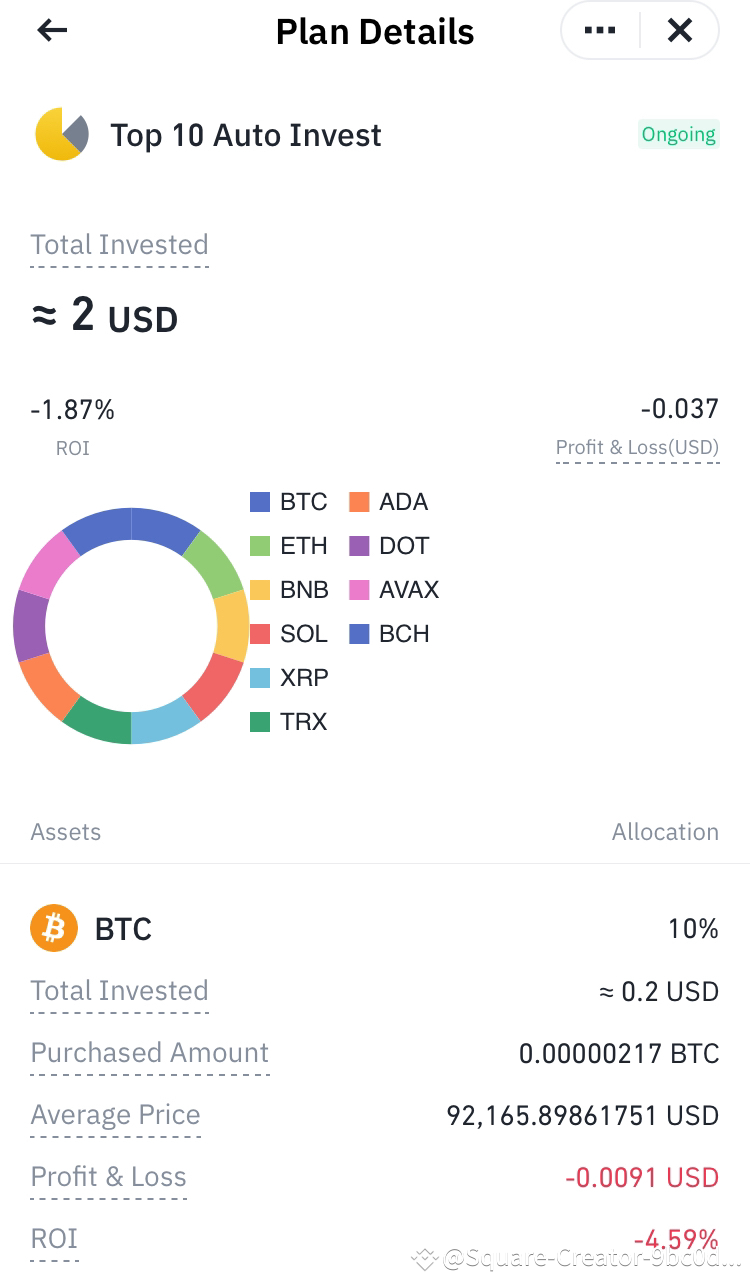
Je détiens actuellement 40 $ en USDT, que j'ai alloués à l'investissement automatique dans les 10 meilleures pièces par capitalisation boursière sur Binance. La stratégie implique un investissement automatique quotidien de 1 $. D'un point de vue technique, considérez-vous cela comme une stratégie d'investissement optimale ?
[Binance Auto Investment Plan](https://s.binance.com/YozabLxd)
Je détiens actuellement 40 $ en USDT, que j'ai alloués à l'investissement automatique dans les 10 meilleures pièces par capitalisation boursière sur Binance. La stratégie implique un investissement automatique quotidien de 1 $. D'un point de vue technique, considérez-vous cela comme une stratégie d'investissement optimale ?
Binance Auto Investment Plan
Binance Auto Investment Plan
1
10
151
Connectez-vous pour découvrir plus de contenu
Rejoignez la communauté mondiale des adeptes de cryptomonnaies sur Binance Square
⚡️ Suviez les dernières informations importantes sur les cryptomonnaies.
💬 Jugé digne de confiance par la plus grande plateforme d’échange de cryptomonnaies au monde.
👍 Découvrez les connaissances que partagent les créateurs vérifiés.
Adresse e-mail/Nº de téléphone
Sujets d’actualité
AIStocksWhatNext
1.1M vues
7,330 mentions
Partagez et gagnez une récompense de trafic dans notre campagne de hashtag tendance
✨Sujet : Quelles autres opportunités d’investissement restent-elles alors que les actions liées à l’IA continuent de grimper ?
👉Comment participer :
Publiez une courte publication ou un article avec le hashtag #AIStocksWhatNext
Partagez si vous êtes plutôt haussier ou baissier, et publiez vos avoirs en actions IA ou votre transaction — utiliser le widget de trading peut améliorer votre éligibilité.
Vous pouvez aussi renforcer votre publication en partageant des données ou des graphiques, et en évitant les images générées par l’IA.
✍️Créez du contenu à partir des angles ci-dessous :
- Nvidia affirme que les ventes de puces vont doubler l’an prochain, et que les principaux acteurs de l’IA continuent d’enregistrer des revenus records ; les dépenses en calcul qui soutiennent tout cela sont tout aussi impressionnantes. La demande en IA décolle-t-elle vraiment ? Et combien de temps cela peut-il durer ? Les actions IA montent partout. Est-ce une vraie cassure, ou juste un rebond à court terme ?
- Des leaders de l’industrie appellent à ralentir le développement de l’IA, tandis que Trump prévoit de construire une « Force IA », affirmant que l’IA pourrait représenter 25 % du PIB américain à l’avenir. De quel côté êtes-vous ? Le soutien au niveau des États sera-t-il un gain de long terme pour les actions IA ?
- Achetez-vous des actions liées à l’IA ? Partagez votre transaction/position liée à l’IA avec notre widget de partage de trading.
⏰Période de la campagne :
- 2026-09-22 7:00 - 2026-09-24 4:00 UTC
🎁Récompense :
- Les publications qualifiées qui respectent les consignes ci-dessus et contiennent plus de 100 mots seront examinées et pourront recevoir un boost aléatoire de trafic de 500 à 3 000 vues. Vous recevrez une notification de la part de votre secrétaire de flux si votre publication est sélectionnée.
- Ayez une chance de voir votre article mis en avant sur Binance Square Official
Vous cherchez des idées pour votre publication ? Visitez la page du sujet #AIStocksWhatNext ou la page Square Guide on How to Post for Better Reach.
Binance Square Official
·627 mentions J’aime
·1.9M vues
USWeighsPromotingDollarStablecoinsAbroad
7 vues
5 mentions
US10YTreasuryYieldHits19YearHigh
311 vues
29 mentions