

Satoshi_ Blueprint
20 Publications

Satoshi_ Blueprint
26 Suivis
37 Abonnés
53 J’aime
Publications
Tous
Citations


Muhammad Tufail 77
·
--
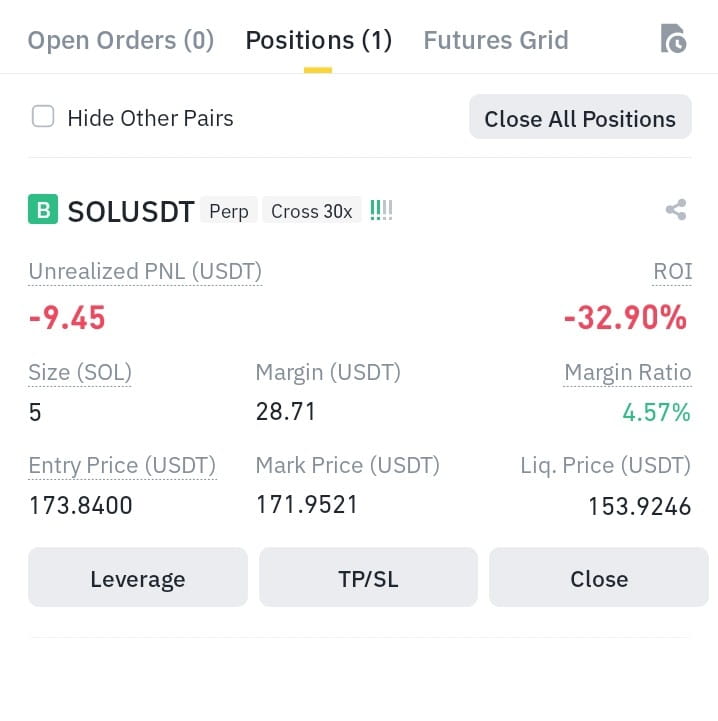
#solana tell me please close or hold

CRYPTO LIFE MNE
·
--
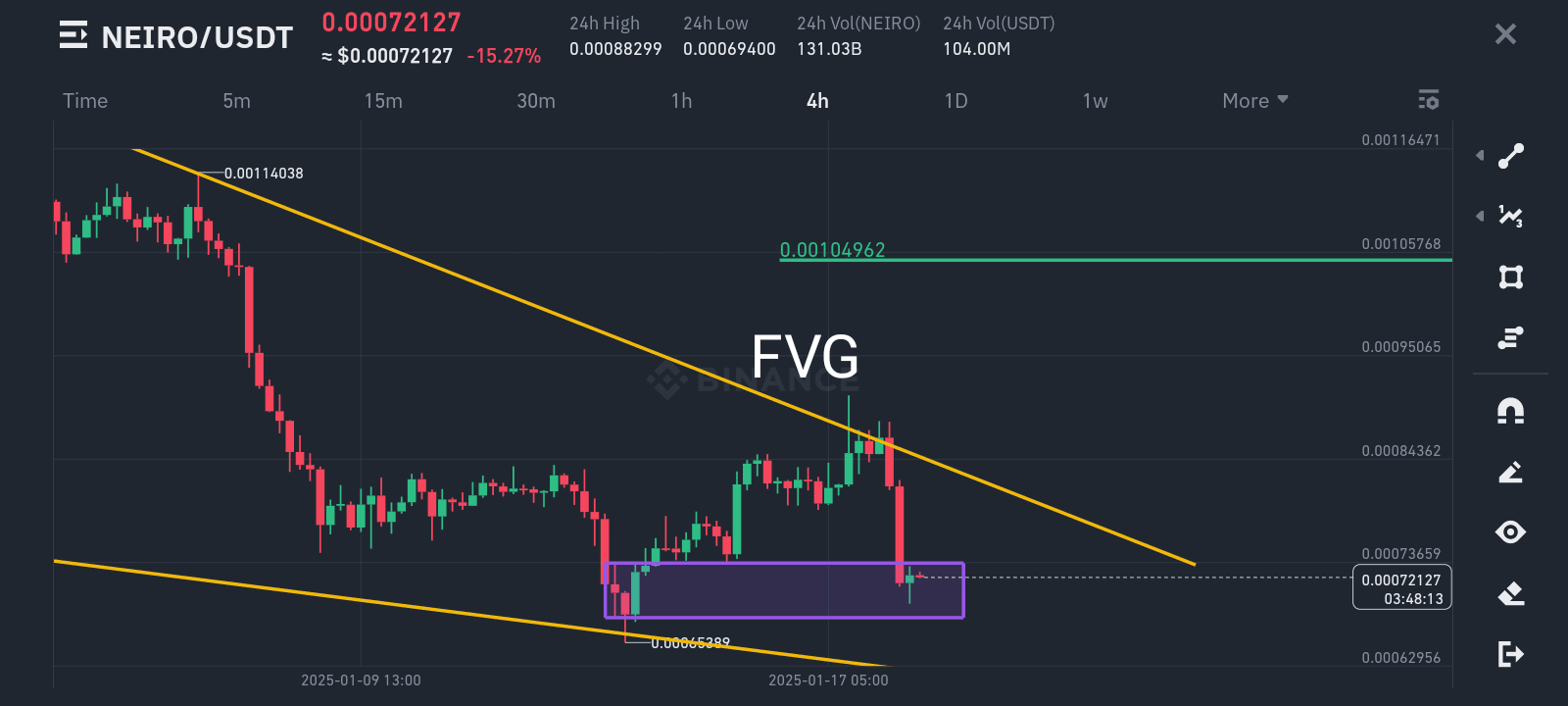
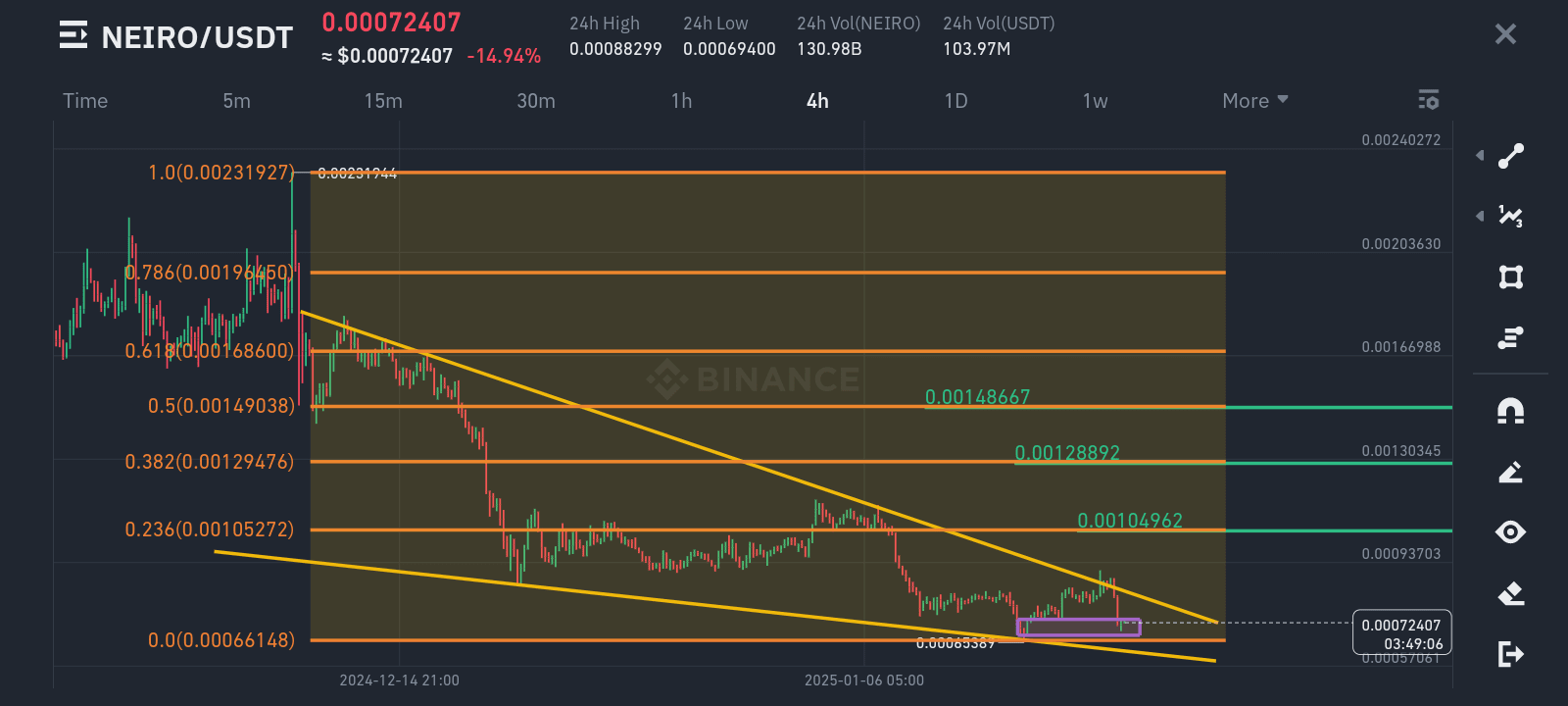
$NEIRO Next Move Analysis 🚀 And Potential Trade Setup ALERT 🚨👀!! Good buy Oppurtunity For Further Targets🚀 !!
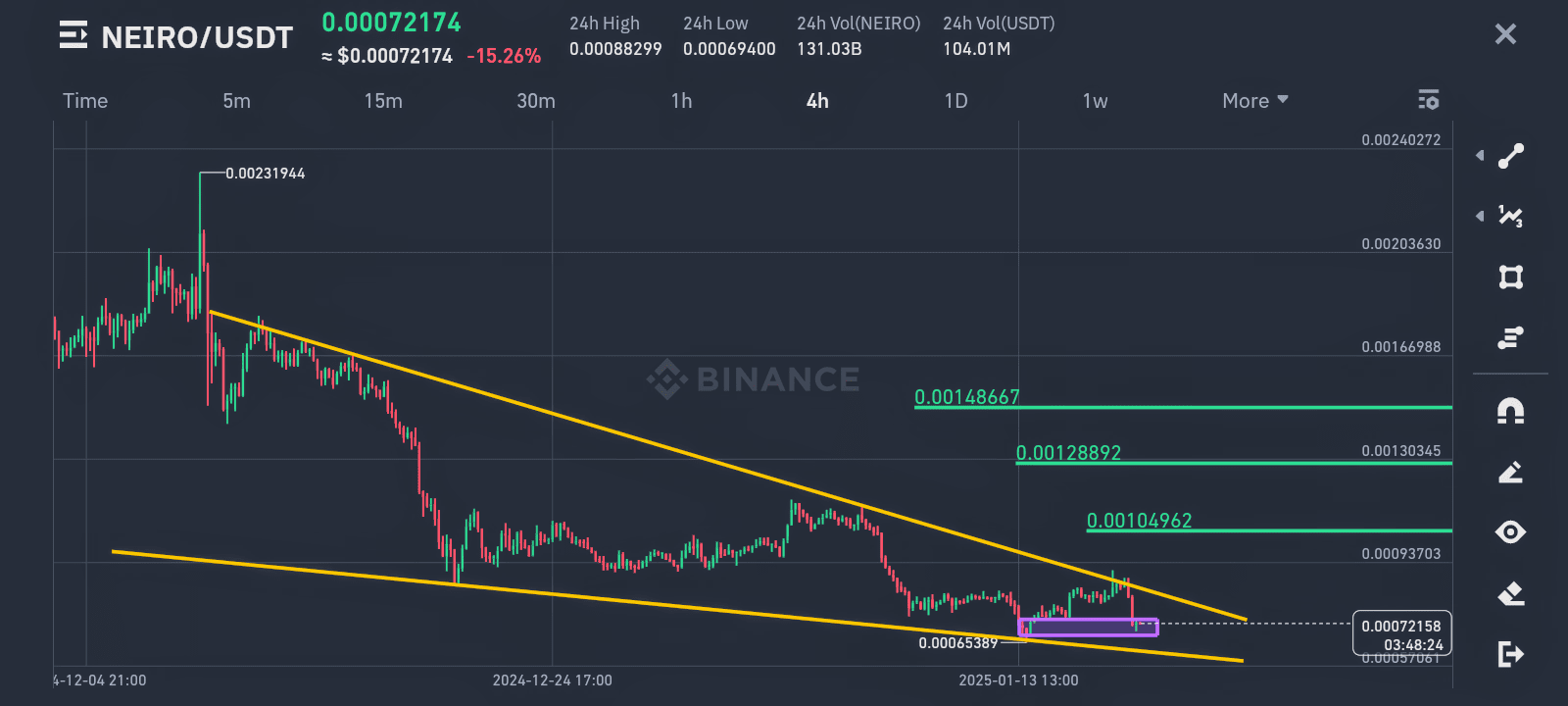
As We See 👀 On Chart 📈 $NEIRO Running On Falling Wedge Pattern 🚀 Which is A Bullish Pattern Breakout Could Trigger upward price levels !!
Now As we see 👀 Price Reaches On Fvg area In downside Of pattern That Indicates A good Spot Buy Opportunity For Further Gains 💪 Spot Buy Recommend 🚀!!
Also Price Runs On a Lower Fib Level Soon Go Upside !!
Future Enter on Breakout 🟢
Future Target's 🎯
0.000850💰
0.000900💰
0.000930 💰
Spot Targets 🎯 !!
0.001049💰
0.001288💰
0.001486💰
Soon This Targets will Hits 💪 After Sucessfully Breakout Buy And Holdd Patience is a key 🗝️ !!
#Write2Earn
As We See 👀 On Chart 📈 $NEIRO Running On Falling Wedge Pattern 🚀 Which is A Bullish Pattern Breakout Could Trigger upward price levels !!
Now As we see 👀 Price Reaches On Fvg area In downside Of pattern That Indicates A good Spot Buy Opportunity For Further Gains 💪 Spot Buy Recommend 🚀!!
Also Price Runs On a Lower Fib Level Soon Go Upside !!
Future Enter on Breakout 🟢
Future Target's 🎯
0.000850💰
0.000900💰
0.000930 💰
Spot Targets 🎯 !!
0.001049💰
0.001288💰
0.001486💰
Soon This Targets will Hits 💪 After Sucessfully Breakout Buy And Holdd Patience is a key 🗝️ !!
#Write2Earn
Votre contenu coté a été supprimé

PEACELOVERCR7
·
--
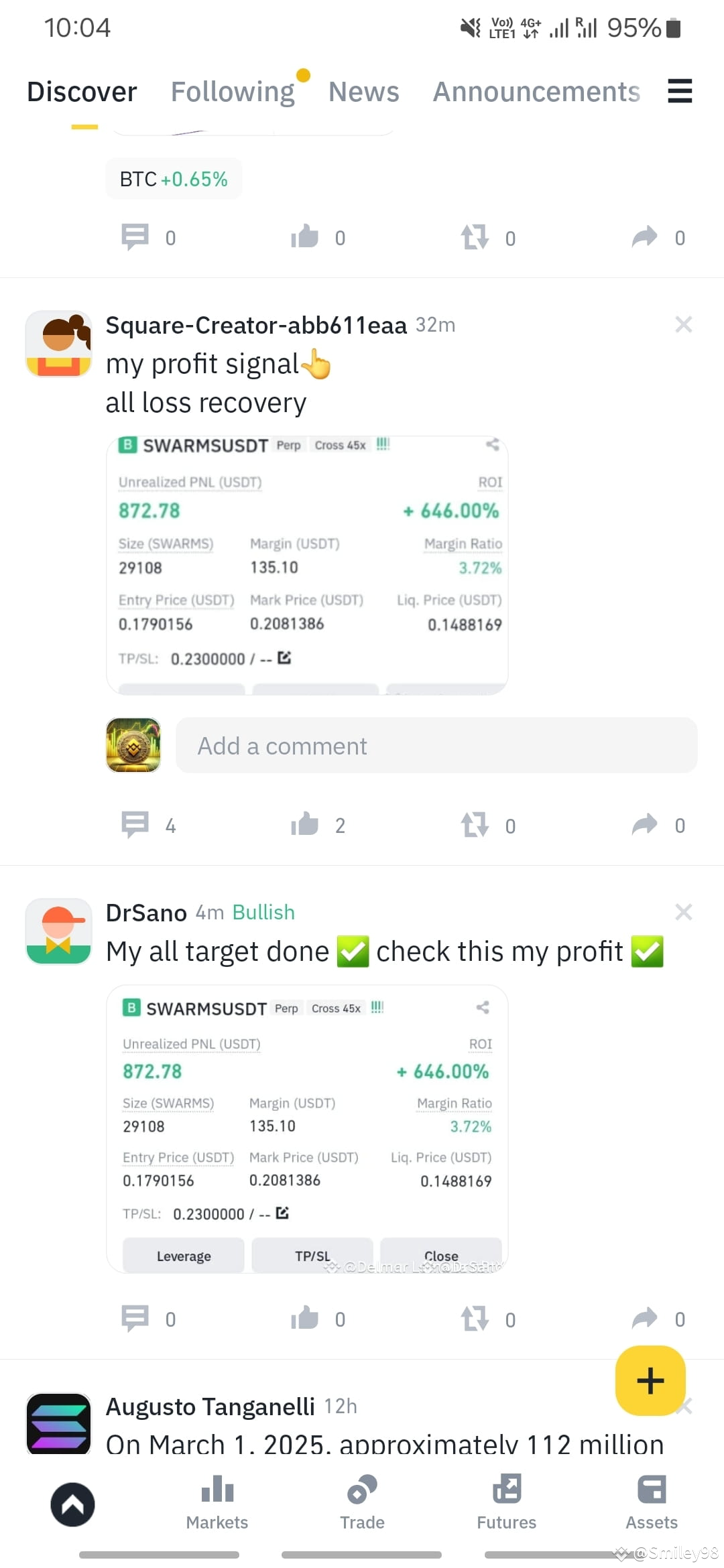
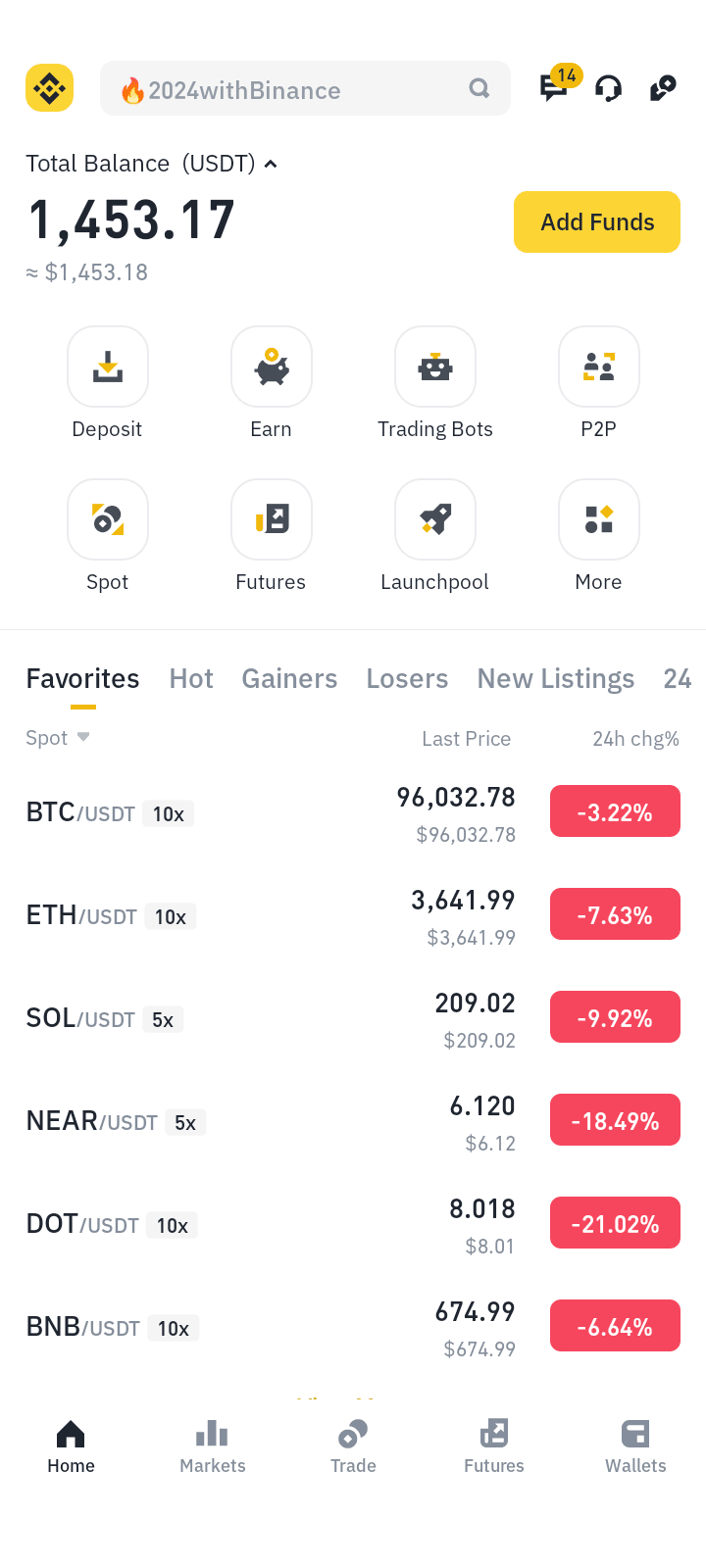
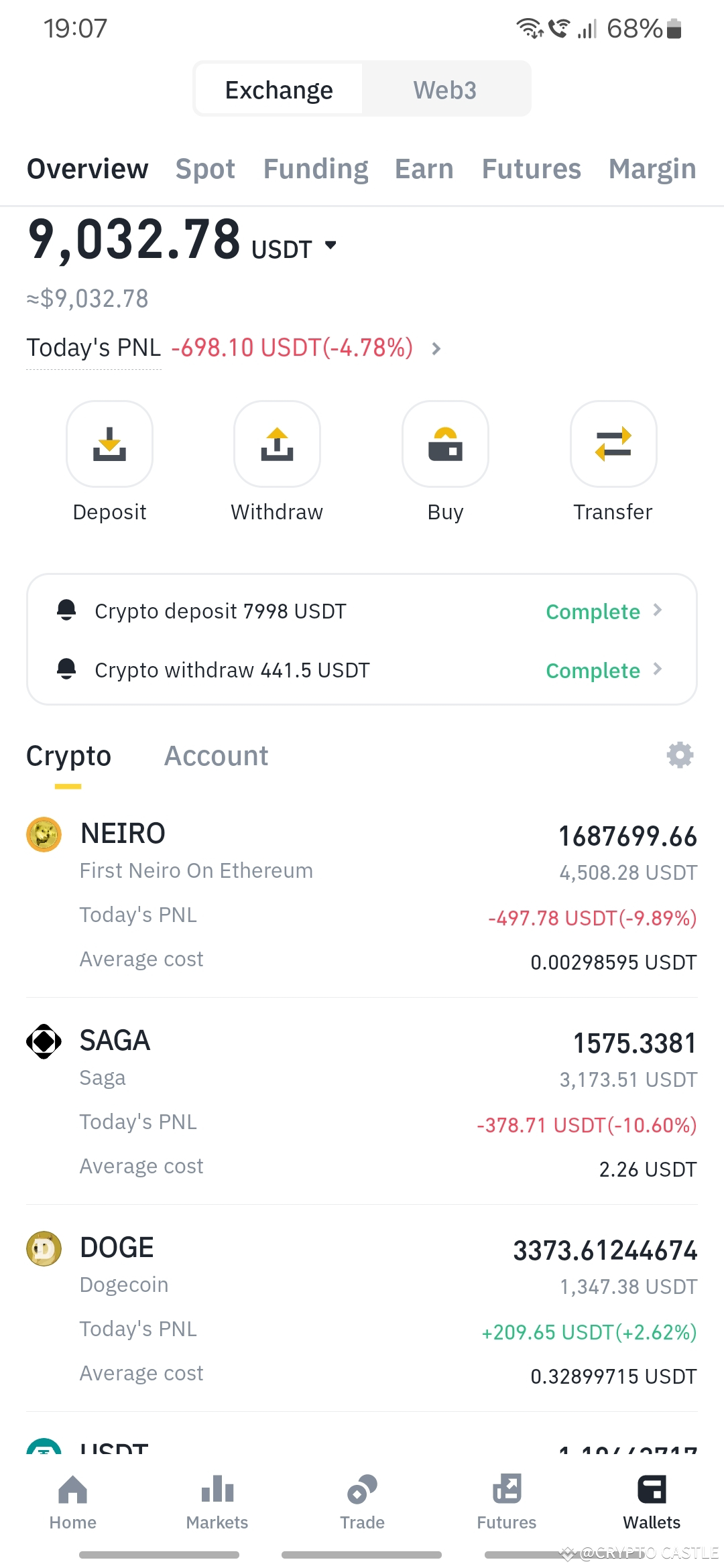
whats the reasons guys over 500 dollar down in 24 hours 🤥

Trusted Accuracy Signal Crypto
·
--
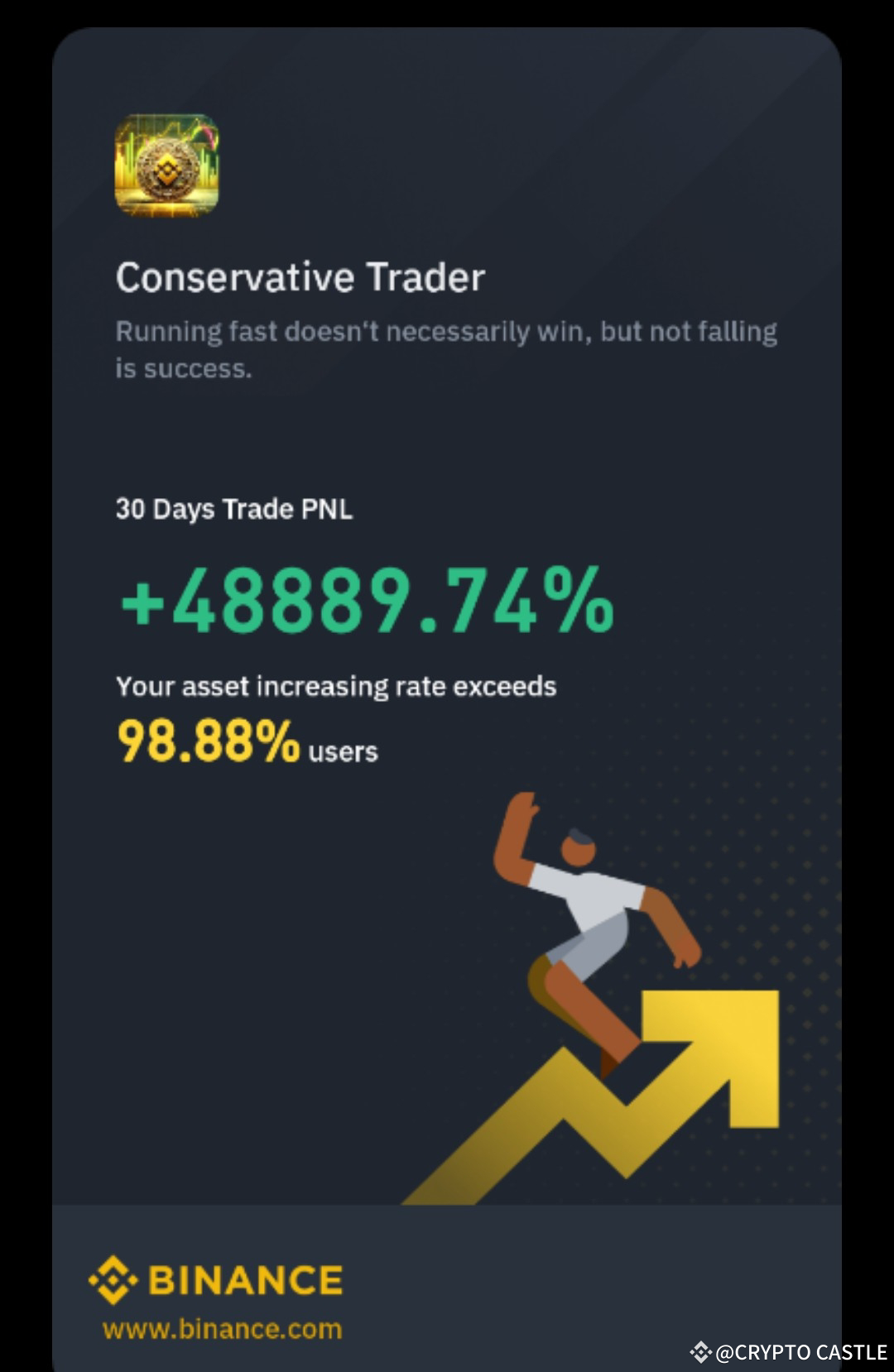
Binance Squad 30 day pnl gayes 💝🔥🔥🔥🔥🔥🔥🔥🔥🔥 Flow Now

Terry Bohren vh1p
·
--
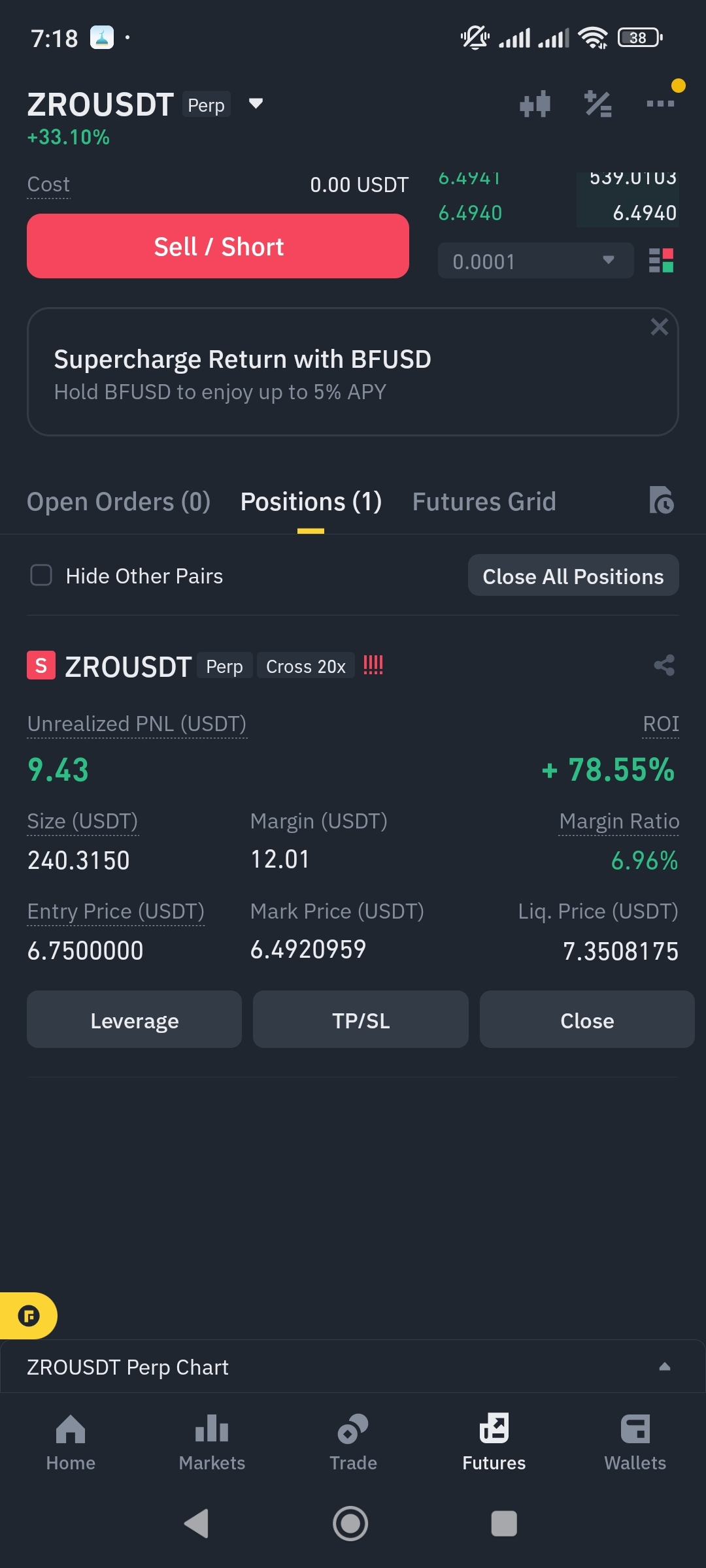
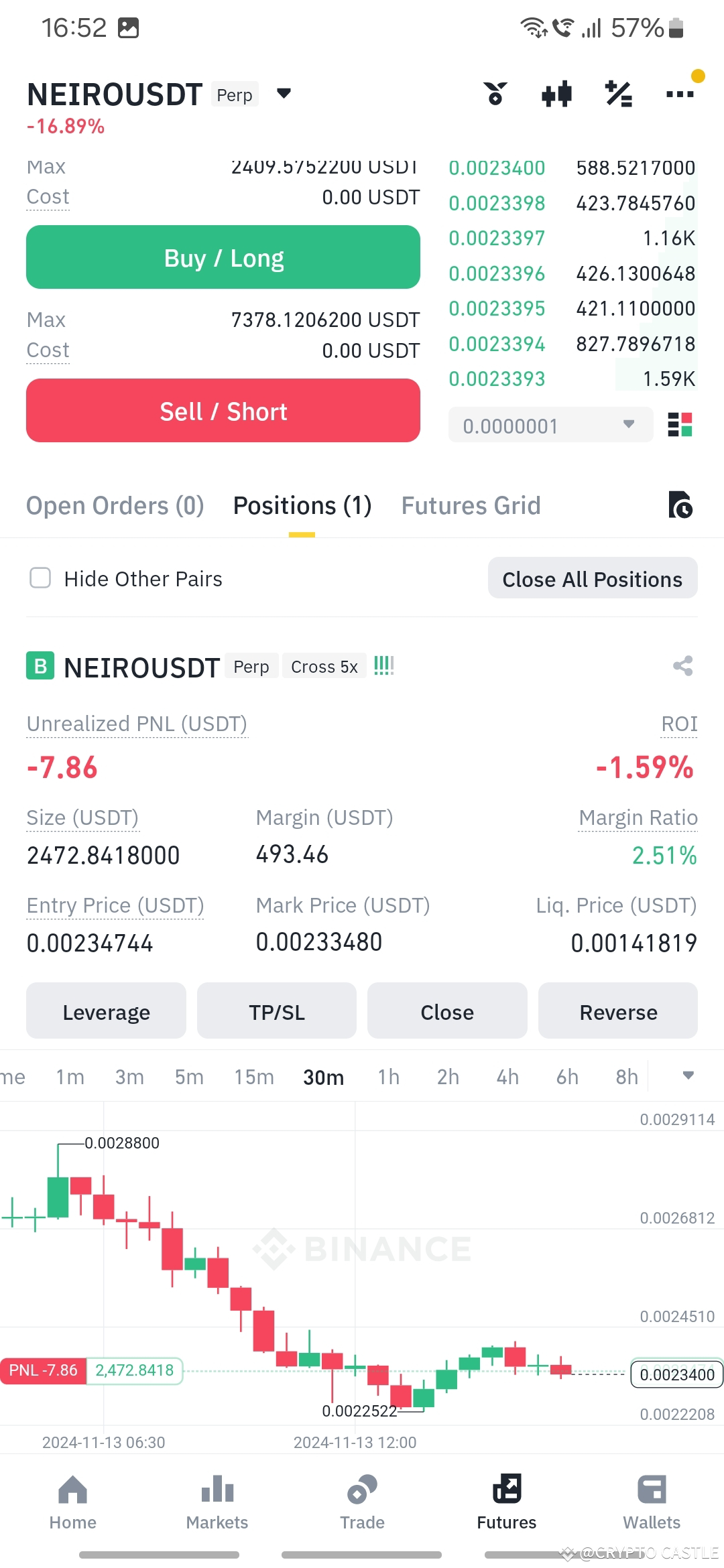
hold or close? please suggest ?


BullishBanter
·
--
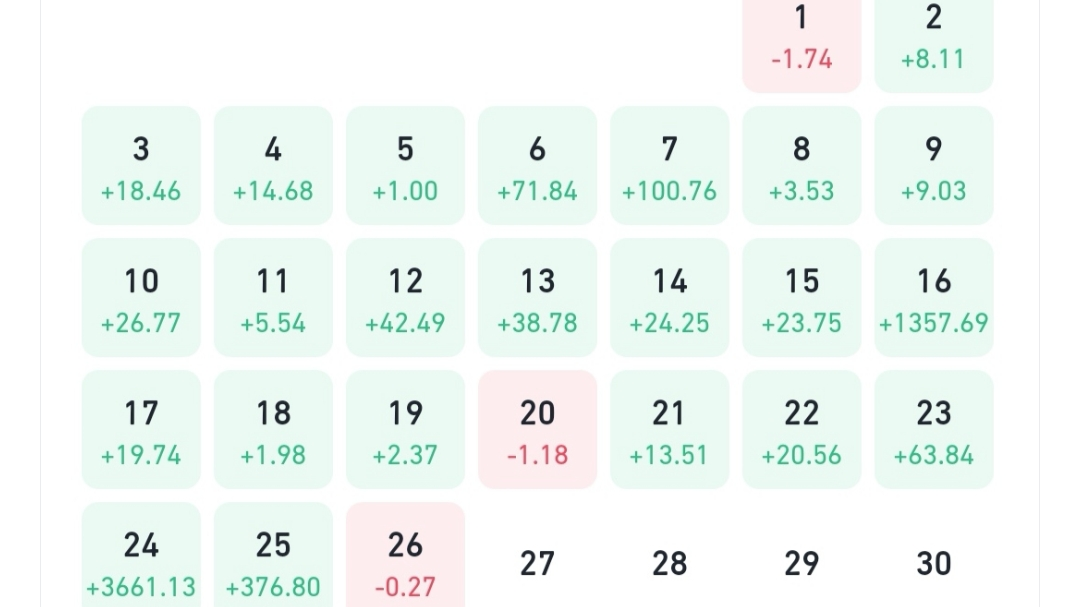
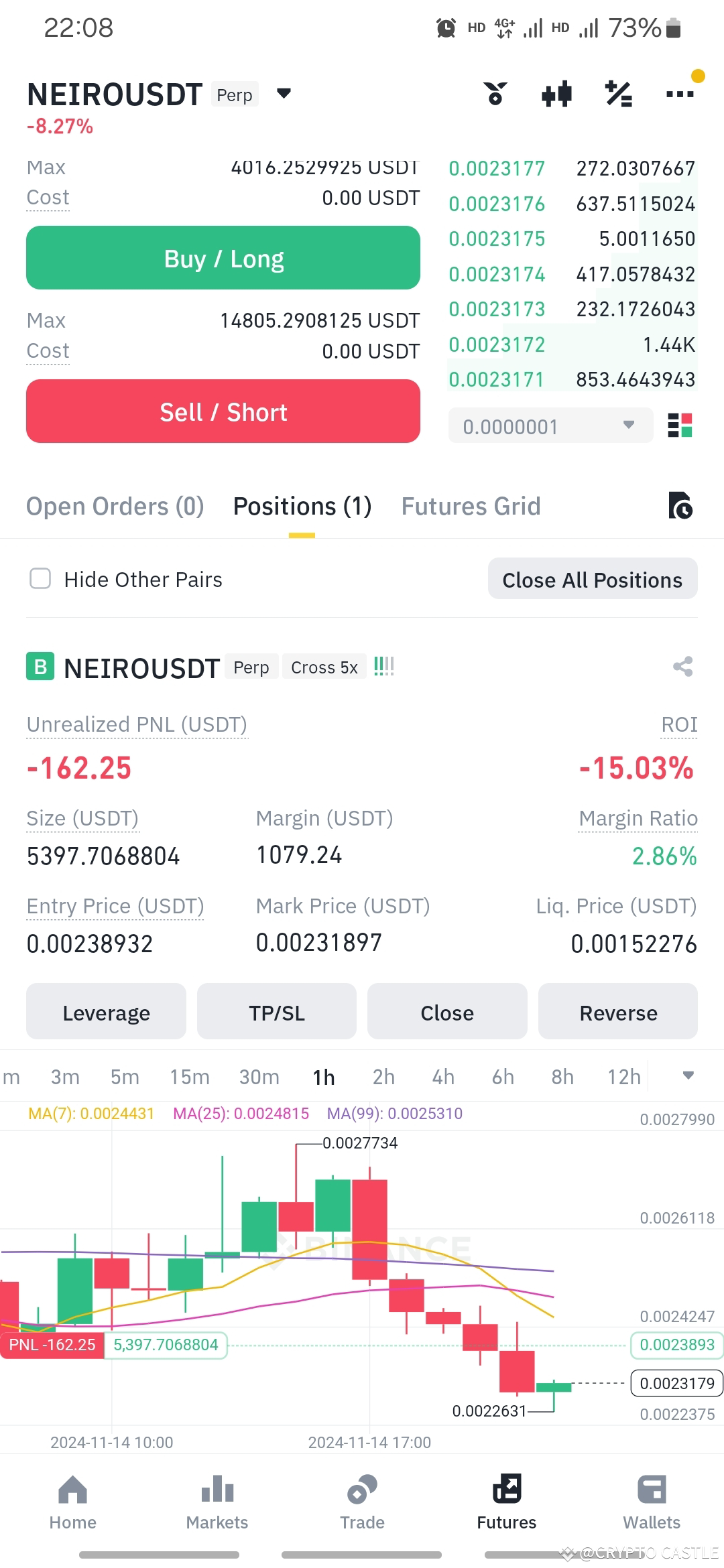
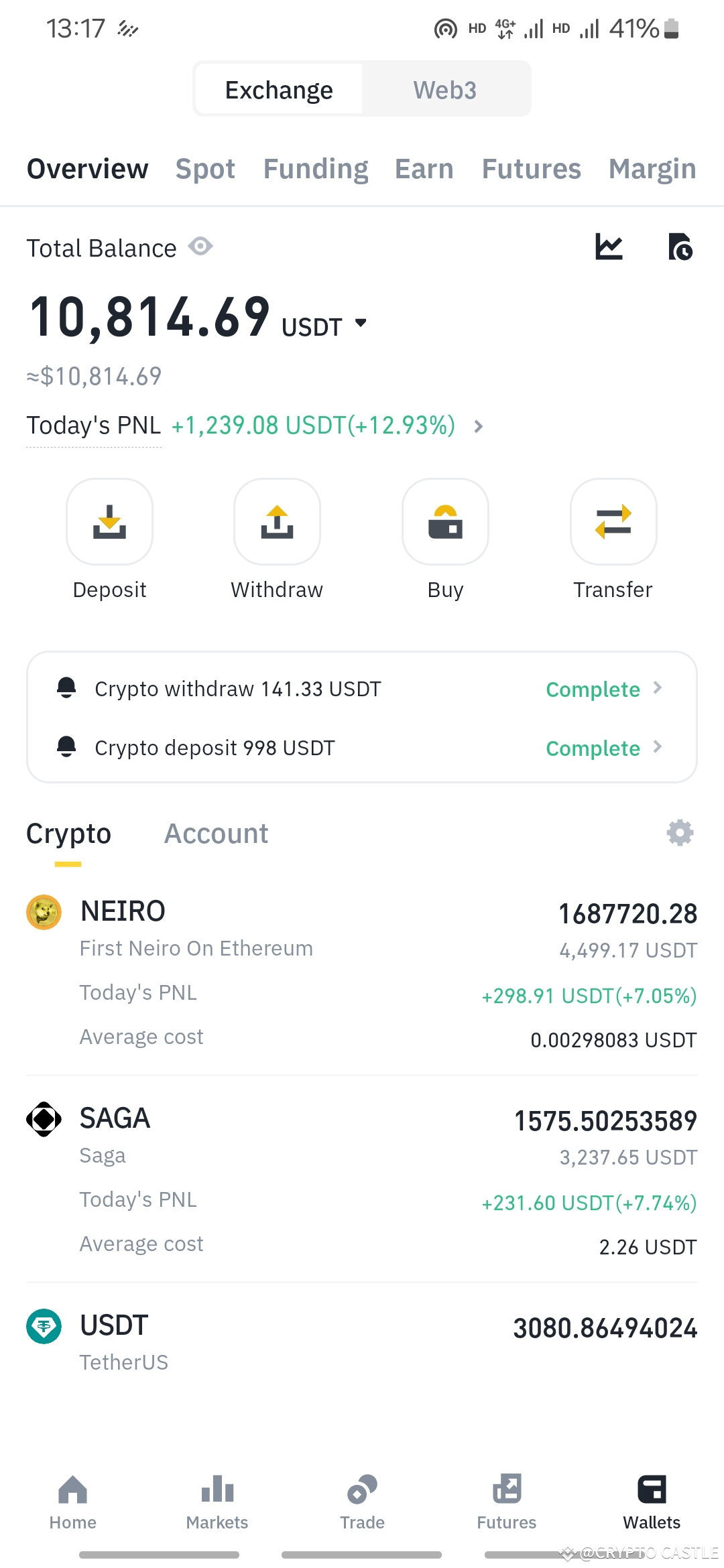
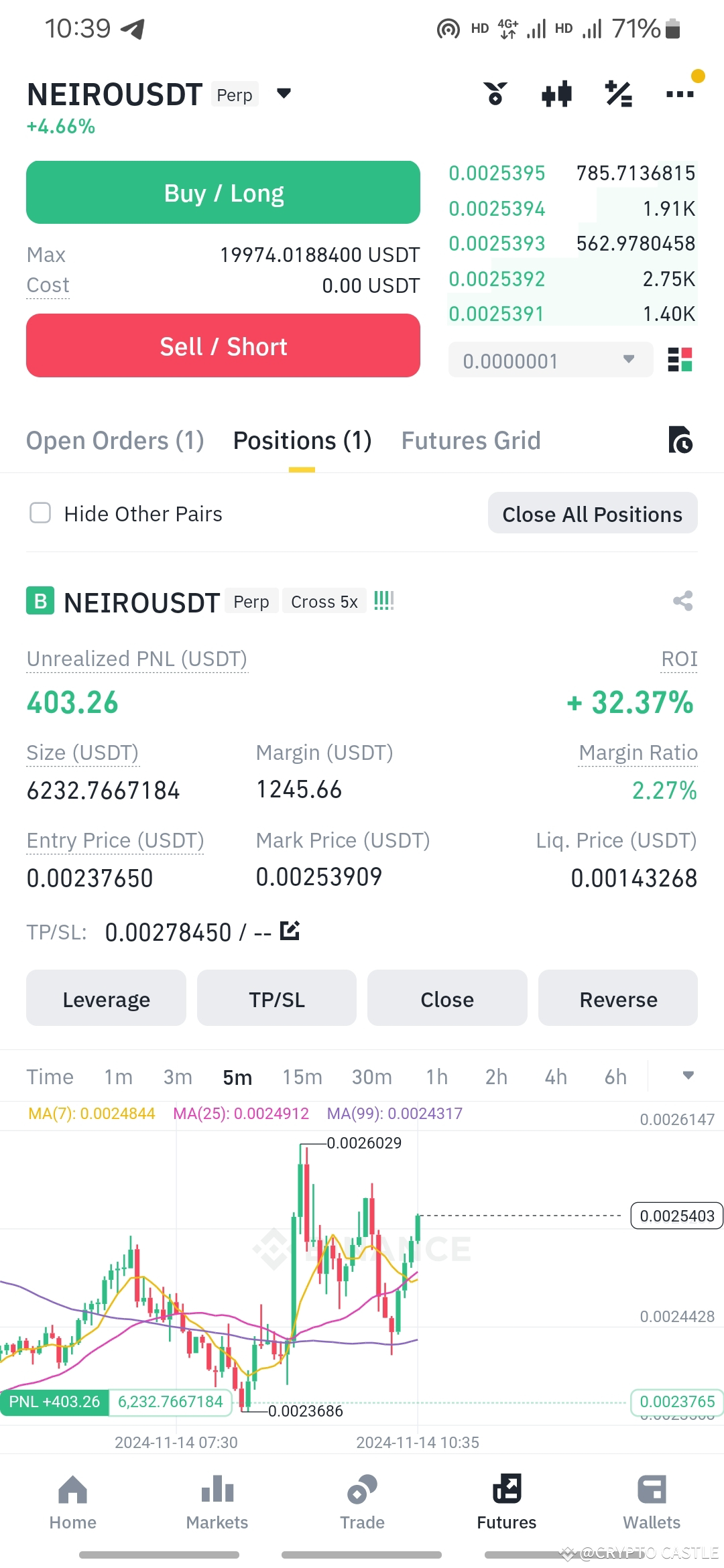
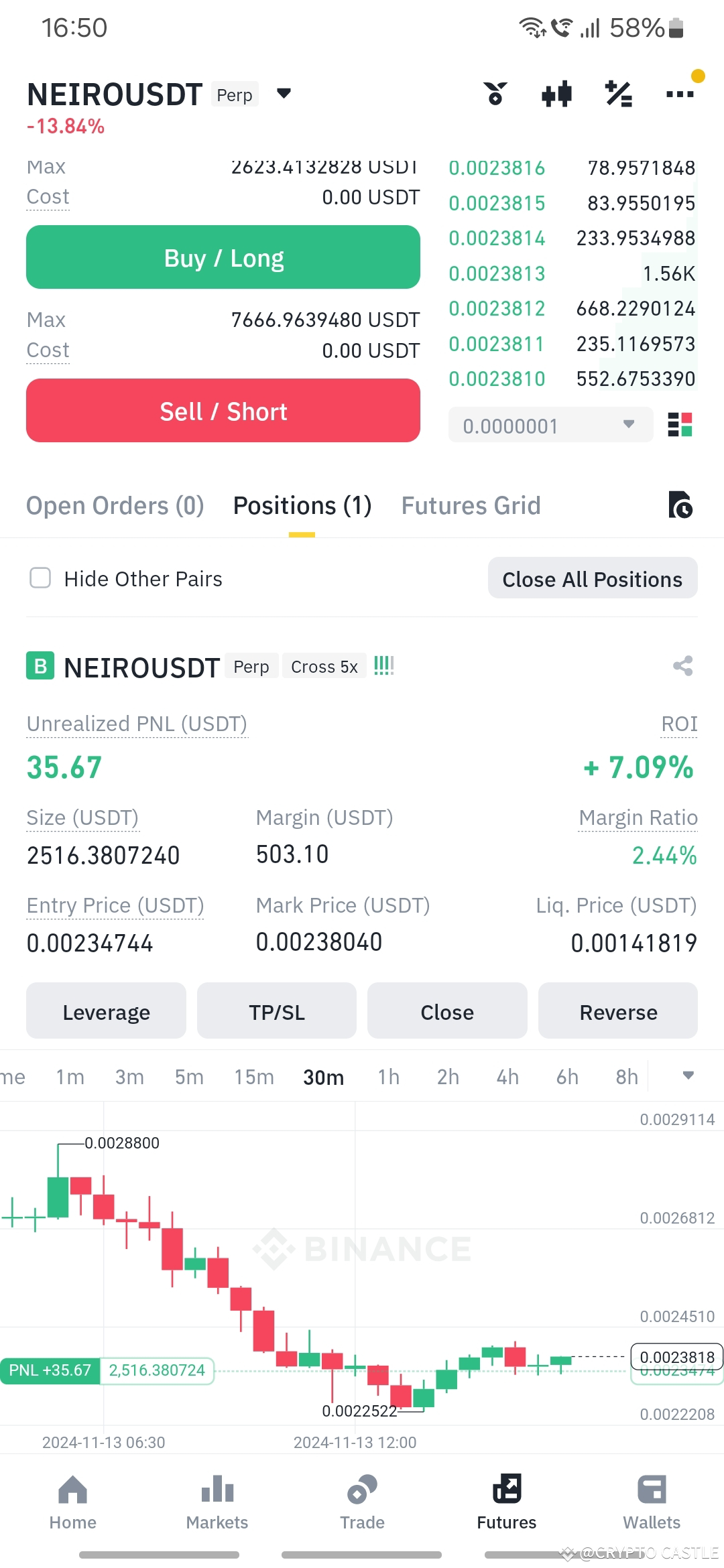
Daily PNL... Almost 97% profit ratio..
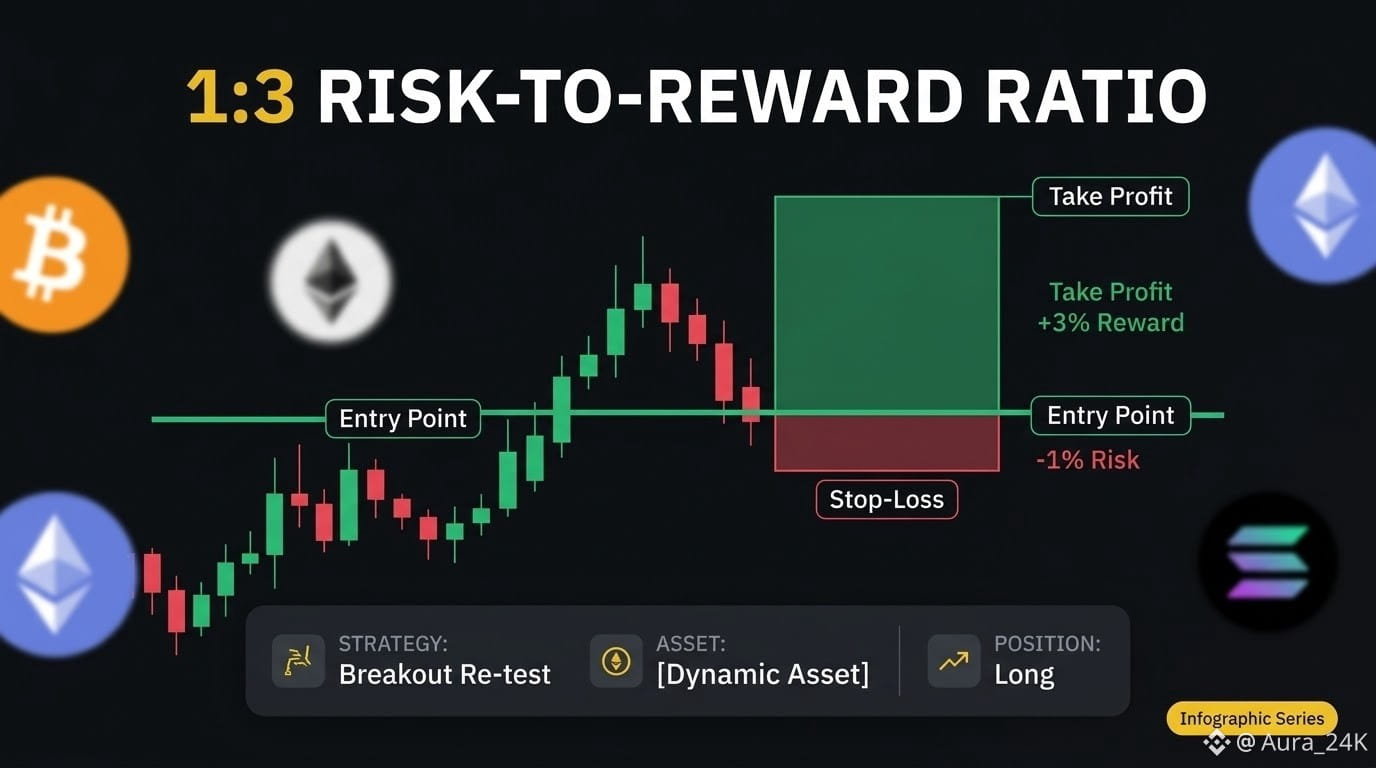
Mastering futures trading isn’t as difficult as it may seem, especially if you understand the right strategies and risk management techniques. In fact, futures trading can be simpler and far more lucrative than spot trading—if done correctly. For me, there are a few essential rules that make all the difference:
1️⃣ Practice Solid Risk Management
Your first priority should always be protecting your capital. This means setting clear stop-loss levels, avoiding overexposure, and calculating the risk for every trade before entering. Risk management isn’t just a strategy—it’s a mindset that helps you stay in the game long term.
2️⃣ Use Leverage and Margin Wisely
Leverage can amplify your profits, but it can also magnify your losses. Always choose a leverage level that matches your experience and tolerance for risk. Avoid excessive margin usage, and ensure you have enough balance to withstand market fluctuations without getting liquidated.
3️⃣ Follow the Trend
The saying, “The trend is your friend,” exists for a reason. Trading in the direction of the prevailing trend significantly increases your chances of success. Whether the market is bullish or bearish, align your trades with the momentum instead of trying to predict reversals.
4️⃣ Understand Retracement Levels
Knowing where retracements are likely to occur is crucial for entering or exiting trades at the right time. Study tools like Fibonacci levels to identify potential support and resistance zones. These levels can help you determine when to join the trend or take profits before a pullback happens.
By focusing on these four rules, futures trading becomes not only manageable but also highly rewarding. The key is to approach every trade with discipline, a solid plan, and a clear understanding of market dynamics.
1️⃣ Practice Solid Risk Management
Your first priority should always be protecting your capital. This means setting clear stop-loss levels, avoiding overexposure, and calculating the risk for every trade before entering. Risk management isn’t just a strategy—it’s a mindset that helps you stay in the game long term.
2️⃣ Use Leverage and Margin Wisely
Leverage can amplify your profits, but it can also magnify your losses. Always choose a leverage level that matches your experience and tolerance for risk. Avoid excessive margin usage, and ensure you have enough balance to withstand market fluctuations without getting liquidated.
3️⃣ Follow the Trend
The saying, “The trend is your friend,” exists for a reason. Trading in the direction of the prevailing trend significantly increases your chances of success. Whether the market is bullish or bearish, align your trades with the momentum instead of trying to predict reversals.
4️⃣ Understand Retracement Levels
Knowing where retracements are likely to occur is crucial for entering or exiting trades at the right time. Study tools like Fibonacci levels to identify potential support and resistance zones. These levels can help you determine when to join the trend or take profits before a pullback happens.
By focusing on these four rules, futures trading becomes not only manageable but also highly rewarding. The key is to approach every trade with discipline, a solid plan, and a clear understanding of market dynamics.
Connectez-vous pour découvrir plus de contenu