
D E X O R A
8.8k Publications

D E X O R A
 Compte Square Vérifié+
Signaler
Bloquer l’utilisateur
Vision refined, Precision defined | Binance KOL & Crypto Mentor 🙌
Ouvert au trading

Détenteur pour ASTER
Trade occasionnellement
3.6 an(s)
121 Suivis
39.0K+ Abonnés
107.5K+ J’aime
Publications
Portefeuille
Tous
Citations
Direct
PINNED
·
--
Article
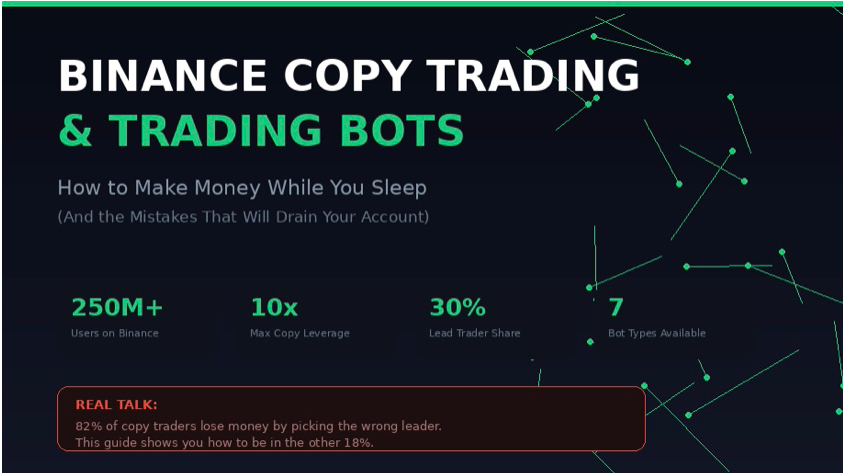
Binance Copy Trading & Bots : Le Guide que j'aurais aimé qu'on me donne avant que je perde 400 $Je vais être franc avec vous. La première fois que j'ai essayé le copy trading sur Binance, j'ai choisi le leader avec le plus haut ROI. Le gars avait quelque chose comme 800% en deux semaines. Je pensais avoir trouvé une mine d'or. Trois jours plus tard, la moitié de mon argent avait disparu. Il a pris un énorme pari à effet de levier, ça a mal tourné, et tout le monde qui l'a copié s'est fait détruire.
C'était une leçon bon marché par rapport à ce que certaines personnes paient. Et cela m'a appris quelque chose d'important — le copy trading et les bots de trading sont de vrais outils qui peuvent réellement vous faire gagner de l'argent. Mais seulement si vous comprenez comment ils fonctionnent en coulisses. La plupart des gens ne le font pas. Ils voient les gros chiffres verts sur le tableau de classement et jettent de l'argent sur le premier nom qu'ils voient. C'est du jeu, pas du trading.
Binance Copy Trading & Bots : Le Guide que j'aurais aimé qu'on me donne avant que je perde 400 $
Je vais être franc avec vous. La première fois que j'ai essayé le copy trading sur Binance, j'ai choisi le leader avec le plus haut ROI. Le gars avait quelque chose comme 800% en deux semaines. Je pensais avoir trouvé une mine d'or. Trois jours plus tard, la moitié de mon argent avait disparu. Il a pris un énorme pari à effet de levier, ça a mal tourné, et tout le monde qui l'a copié s'est fait détruire.
C'était une leçon bon marché par rapport à ce que certaines personnes paient. Et cela m'a appris quelque chose d'important — le copy trading et les bots de trading sont de vrais outils qui peuvent réellement vous faire gagner de l'argent. Mais seulement si vous comprenez comment ils fonctionnent en coulisses. La plupart des gens ne le font pas. Ils voient les gros chiffres verts sur le tableau de classement et jettent de l'argent sur le premier nom qu'ils voient. C'est du jeu, pas du trading.
C'était une leçon bon marché par rapport à ce que certaines personnes paient. Et cela m'a appris quelque chose d'important — le copy trading et les bots de trading sont de vrais outils qui peuvent réellement vous faire gagner de l'argent. Mais seulement si vous comprenez comment ils fonctionnent en coulisses. La plupart des gens ne le font pas. Ils voient les gros chiffres verts sur le tableau de classement et jettent de l'argent sur le premier nom qu'ils voient. C'est du jeu, pas du trading.
41
16
156
47.5k
·
--
BNB Chain Entre Discrètement dans un Jeu Bien Plus Grand : L’Essor des Actions TokeniséesPendant longtemps, lorsque les gens parlaient de BNB Chain, la conversation s’orientait généralement directement vers la DeFi, les memecoins, le gaming ou encore n’importe quel token qui faisait la une cette semaine-là. Mais ces derniers temps, j’ai commencé à prêter attention à une autre histoire en train de se développer autour de l’écosystème, et honnêtement, je pense qu’elle pourrait devenir beaucoup plus grande que le récit crypto habituel. La discussion autour des actions tokenisées et des actifs du monde réel prend de l’ampleur, et BNB Chain s’insère de plus en plus dans cette conversation.
L’idée semble compliquée au premier abord, mais le concept de base est en réalité assez simple. La tokenisation consiste à faire passer, sous une forme numérique, des actifs qui existent sur les marchés financiers traditionnels vers l’infrastructure de la blockchain. Au lieu de considérer la blockchain comme un monde financier totalement distinct, l’idée est de s’en servir comme une couche supplémentaire pour accéder aux actifs financiers et les transférer.
BNB Chain Entre Discrètement dans un Jeu Bien Plus Grand : L’Essor des Actions Tokenisées
Pendant longtemps, lorsque les gens parlaient de BNB Chain, la conversation s’orientait généralement directement vers la DeFi, les memecoins, le gaming ou encore n’importe quel token qui faisait la une cette semaine-là. Mais ces derniers temps, j’ai commencé à prêter attention à une autre histoire en train de se développer autour de l’écosystème, et honnêtement, je pense qu’elle pourrait devenir beaucoup plus grande que le récit crypto habituel. La discussion autour des actions tokenisées et des actifs du monde réel prend de l’ampleur, et BNB Chain s’insère de plus en plus dans cette conversation.
L’idée semble compliquée au premier abord, mais le concept de base est en réalité assez simple. La tokenisation consiste à faire passer, sous une forme numérique, des actifs qui existent sur les marchés financiers traditionnels vers l’infrastructure de la blockchain. Au lieu de considérer la blockchain comme un monde financier totalement distinct, l’idée est de s’en servir comme une couche supplémentaire pour accéder aux actifs financiers et les transférer.
L’idée semble compliquée au premier abord, mais le concept de base est en réalité assez simple. La tokenisation consiste à faire passer, sous une forme numérique, des actifs qui existent sur les marchés financiers traditionnels vers l’infrastructure de la blockchain. Au lieu de considérer la blockchain comme un monde financier totalement distinct, l’idée est de s’en servir comme une couche supplémentaire pour accéder aux actifs financiers et les transférer.
288
·
--
Le trading au comptant sur Binance a l’air simple… jusqu’à ce qu’on se rende compte de toute la stratégie qui se cache derrièreQuand on entre pour la première fois dans le monde des crypto, le trading au comptant semble généralement être la chose la plus facile à comprendre. Vous choisissez un actif, vous décidez combien vous voulez acheter, puis vous passez un ordre. Par rapport aux contrats à terme (futures) ou à des produits à effet de levier plus compliqués, le trading au comptant donne l’impression d’être simple. Mais après avoir passé davantage de temps sur le marché, j’ai réalisé que la partie difficile n’était jamais d’appuyer sur le bouton d’achat ou de vente. La partie difficile, c’était de savoir pourquoi vous preniez cette décision dès le départ.
C’est justement ce qui rend Binance Spot intéressant à mes yeux.
Le trading au comptant sur Binance a l’air simple… jusqu’à ce qu’on se rende compte de toute la stratégie qui se cache derrière
Quand on entre pour la première fois dans le monde des crypto, le trading au comptant semble généralement être la chose la plus facile à comprendre. Vous choisissez un actif, vous décidez combien vous voulez acheter, puis vous passez un ordre. Par rapport aux contrats à terme (futures) ou à des produits à effet de levier plus compliqués, le trading au comptant donne l’impression d’être simple. Mais après avoir passé davantage de temps sur le marché, j’ai réalisé que la partie difficile n’était jamais d’appuyer sur le bouton d’achat ou de vente. La partie difficile, c’était de savoir pourquoi vous preniez cette décision dès le départ.
C’est justement ce qui rend Binance Spot intéressant à mes yeux.
C’est justement ce qui rend Binance Spot intéressant à mes yeux.
287
·
--
Binance Square est bien plus qu’un simple flux crypto — il devient discrètement un écosystème de communautéQuand on pense à Binance, la première chose qui vient généralement à l’esprit, c’est le trading. Graphiques, prix, Bitcoin, BNB et opportunités de marché attirent naturellement toute l’attention. Mais plus je passe de temps au sein de l’écosystème Binance, plus je réalise que l’une de ses fonctionnalités les plus intéressantes n’a rien à voir, à proprement parler, avec l’achat ou la vente de crypto.
C’est Binance Square.
Au début, cela peut sembler être un simple fil social où les gens partagent leurs opinions sur le marché et des actualités crypto. Mais dès que vous commencez à l’utiliser régulièrement, vous comprenez que Binance Square cherche à résoudre un problème bien plus vaste dans le monde de la crypto : l’information est partout, mais il est difficile de trouver une information utile au bon moment.
Binance Square est bien plus qu’un simple flux crypto — il devient discrètement un écosystème de communauté
Quand on pense à Binance, la première chose qui vient généralement à l’esprit, c’est le trading. Graphiques, prix, Bitcoin, BNB et opportunités de marché attirent naturellement toute l’attention. Mais plus je passe de temps au sein de l’écosystème Binance, plus je réalise que l’une de ses fonctionnalités les plus intéressantes n’a rien à voir, à proprement parler, avec l’achat ou la vente de crypto.
C’est Binance Square.
Au début, cela peut sembler être un simple fil social où les gens partagent leurs opinions sur le marché et des actualités crypto. Mais dès que vous commencez à l’utiliser régulièrement, vous comprenez que Binance Square cherche à résoudre un problème bien plus vaste dans le monde de la crypto : l’information est partout, mais il est difficile de trouver une information utile au bon moment.
C’est Binance Square.
Au début, cela peut sembler être un simple fil social où les gens partagent leurs opinions sur le marché et des actualités crypto. Mais dès que vous commencez à l’utiliser régulièrement, vous comprenez que Binance Square cherche à résoudre un problème bien plus vaste dans le monde de la crypto : l’information est partout, mais il est difficile de trouver une information utile au bon moment.
218
·
--
Bitcoin Remonte… Mais La Chose La Plus Intéressante, C’est Que Tout Le Monde Ne Y Croie Pas EncoreChaque fois que Bitcoin effectue une forte percée, le même schéma recommence. Les prix montent, l’enthousiasme revient, et soudain tout le monde commence à se demander si le marché haussier est officiellement de retour. Mais cette fois, quelque chose me semble légèrement différent. Bitcoin monte, Ethereum et plusieurs grandes crypto-monnaies alternatives le suivent, et la conversation autour de la crypto devient à nouveau plus optimiste. Pourtant, il y a encore une quantité surprenante d’hésitation sur le marché.
Et honnêtement, cette hésitation pourrait bien être la partie la plus intéressante de l’histoire.
Bitcoin Remonte… Mais La Chose La Plus Intéressante, C’est Que Tout Le Monde Ne Y Croie Pas Encore
Chaque fois que Bitcoin effectue une forte percée, le même schéma recommence. Les prix montent, l’enthousiasme revient, et soudain tout le monde commence à se demander si le marché haussier est officiellement de retour. Mais cette fois, quelque chose me semble légèrement différent. Bitcoin monte, Ethereum et plusieurs grandes crypto-monnaies alternatives le suivent, et la conversation autour de la crypto devient à nouveau plus optimiste. Pourtant, il y a encore une quantité surprenante d’hésitation sur le marché.
Et honnêtement, cette hésitation pourrait bien être la partie la plus intéressante de l’histoire.
Et honnêtement, cette hésitation pourrait bien être la partie la plus intéressante de l’histoire.
260
·
--
Tout le monde attend la prochaine pièce x100… mais la plus grande révolution crypto est peut-être déjà làSi vous aviez demandé à quelqu’un il y a quelques années ce que sont les stablecoins, la réponse aurait probablement été simple. Ce n’étaient que des dollars numériques que les traders utilisaient pour entrer et sortir du Bitcoin ou d’autres altcoins sans avoir à les reconvertir en argent traditionnel. C’était leur identité, et pendant longtemps, c’était vrai.
Aujourd’hui, je pense que cette histoire a complètement changé.
Plus je suis le marché des cryptomonnaies, plus je me rends compte que les stablecoins deviennent discrètement l’une des pièces les plus importantes de l’ensemble de l’écosystème blockchain. Ils ne servent plus seulement à aider les traders à gérer la volatilité. Ils deviennent l’infrastructure qui alimente les paiements, les transferts transfrontaliers, les règlements et même les services financiers traditionnels. Pendant que tout le monde est occupé à chercher le prochain token qui pourrait doubler de prix, les fondations de l’économie crypto sont en train d’être reconstruites sous nos yeux.
Tout le monde attend la prochaine pièce x100… mais la plus grande révolution crypto est peut-être déjà là
Si vous aviez demandé à quelqu’un il y a quelques années ce que sont les stablecoins, la réponse aurait probablement été simple. Ce n’étaient que des dollars numériques que les traders utilisaient pour entrer et sortir du Bitcoin ou d’autres altcoins sans avoir à les reconvertir en argent traditionnel. C’était leur identité, et pendant longtemps, c’était vrai.
Aujourd’hui, je pense que cette histoire a complètement changé.
Plus je suis le marché des cryptomonnaies, plus je me rends compte que les stablecoins deviennent discrètement l’une des pièces les plus importantes de l’ensemble de l’écosystème blockchain. Ils ne servent plus seulement à aider les traders à gérer la volatilité. Ils deviennent l’infrastructure qui alimente les paiements, les transferts transfrontaliers, les règlements et même les services financiers traditionnels. Pendant que tout le monde est occupé à chercher le prochain token qui pourrait doubler de prix, les fondations de l’économie crypto sont en train d’être reconstruites sous nos yeux.
Aujourd’hui, je pense que cette histoire a complètement changé.
Plus je suis le marché des cryptomonnaies, plus je me rends compte que les stablecoins deviennent discrètement l’une des pièces les plus importantes de l’ensemble de l’écosystème blockchain. Ils ne servent plus seulement à aider les traders à gérer la volatilité. Ils deviennent l’infrastructure qui alimente les paiements, les transferts transfrontaliers, les règlements et même les services financiers traditionnels. Pendant que tout le monde est occupé à chercher le prochain token qui pourrait doubler de prix, les fondations de l’économie crypto sont en train d’être reconstruites sous nos yeux.
3
239
·
--
🎙️ Parlons d’état d’esprit d’investissement et de l’achat régulier (DCA) de BNB au comptant
Fin
03 h 39 min 01 sec
30.2k
38
40
·
--
Article
Neuf ans plus tard : Binance n’est plus seulement une plateforme d’échange — c’est une partie de l’histoire des cryptomonnaies« Neuf ans » ne semblent peut-être pas être une longue période dans la finance traditionnelle, mais dans le secteur des cryptomonnaies, cela donne l’impression d’une génération entière. Les marchés ont connu des rallyes incroyables, des chutes douloureuses, une incertitude réglementaire, des percées technologiques et d’innombrables récits qui ont émergé puis disparu. Malgré tous ces changements, une chose est restée remarquablement constante : Binance a continué d’évoluer en même temps que l’industrie.
C’est pourquoi le neuvième anniversaire de Binance ressemble à bien plus qu’un simple jalon pour l’entreprise. À bien des égards, il reflète le chemin parcouru par l’ensemble de l’écosystème crypto.
Neuf ans plus tard : Binance n’est plus seulement une plateforme d’échange — c’est une partie de l’histoire des cryptomonnaies
« Neuf ans » ne semblent peut-être pas être une longue période dans la finance traditionnelle, mais dans le secteur des cryptomonnaies, cela donne l’impression d’une génération entière. Les marchés ont connu des rallyes incroyables, des chutes douloureuses, une incertitude réglementaire, des percées technologiques et d’innombrables récits qui ont émergé puis disparu. Malgré tous ces changements, une chose est restée remarquablement constante : Binance a continué d’évoluer en même temps que l’industrie.
C’est pourquoi le neuvième anniversaire de Binance ressemble à bien plus qu’un simple jalon pour l’entreprise. À bien des égards, il reflète le chemin parcouru par l’ensemble de l’écosystème crypto.
C’est pourquoi le neuvième anniversaire de Binance ressemble à bien plus qu’un simple jalon pour l’entreprise. À bien des égards, il reflète le chemin parcouru par l’ensemble de l’écosystème crypto.
6
216
·
--
🎙️ Parlons d’investir avec le bon état d’esprit et de faire des achats récurrents en BNB au comptant !
Fin
03 h 33 min 40 sec
30.2k
31
38
·
--
Haussier
$XEC
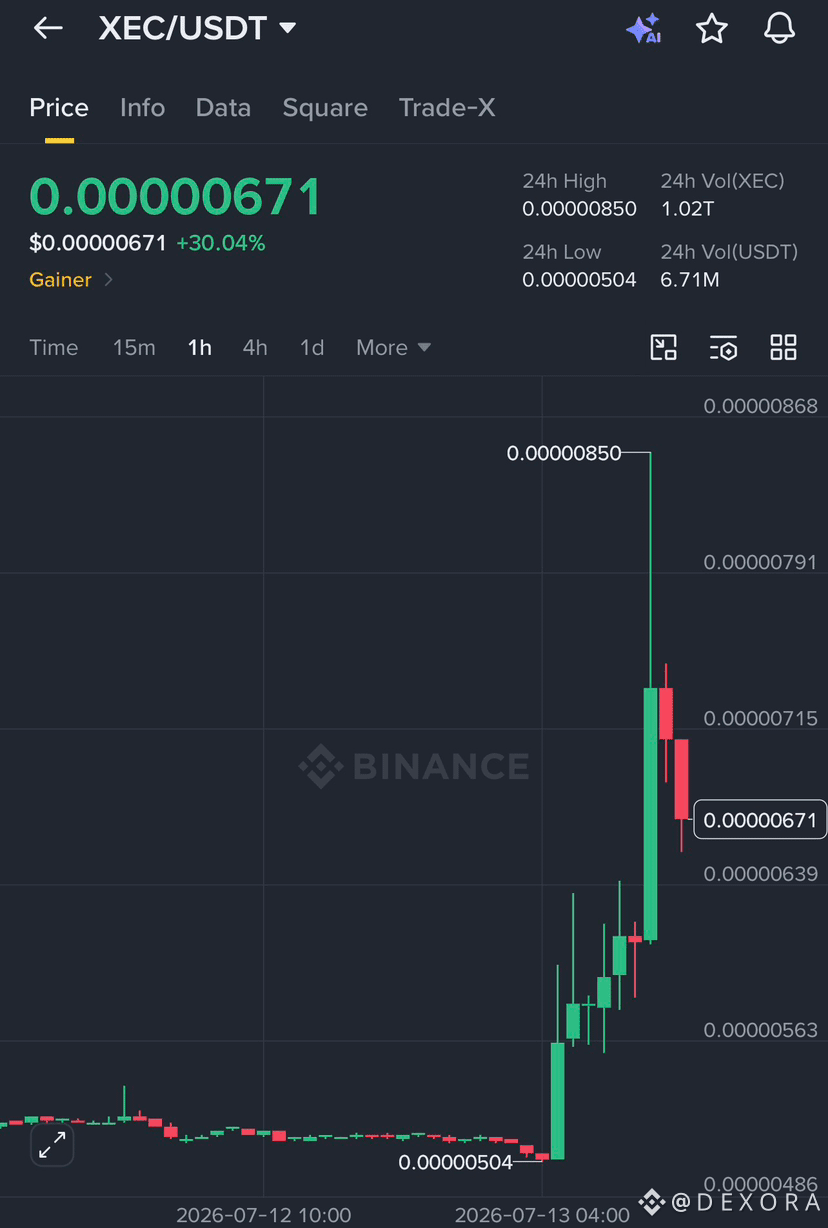
vient de faire un mouvement décisif. 🚀
Un bond de 30 % a attiré l’attention, et maintenant tout le monde se demande si les acheteurs pourront maintenir l’élan après le repli rapide.
Observer ou attendre ? 👀
$XEC
vient de faire un mouvement décisif. 🚀
Un bond de 30 % a attiré l’attention, et maintenant tout le monde se demande si les acheteurs pourront maintenir l’élan après le repli rapide.
Observer ou attendre ? 👀
vient de faire un mouvement décisif. 🚀
Un bond de 30 % a attiré l’attention, et maintenant tout le monde se demande si les acheteurs pourront maintenir l’élan après le repli rapide.
Observer ou attendre ? 👀

Best Wishes!
De D E X O R A
3
168
·
--
Article
Le marché ne semble pas encore euphorique… Et c’est peut-être le signe haussier le plus fortUne chose que j’ai remarquée au cours des dernières semaines, c’est que les prix des cryptomonnaies ont commencé à se redresser, mais que l’excitation qui accompagne normalement une forte reprise est toujours absente. Les réseaux sociaux ne regorgent pas d’histoires de millionnaires du jour au lendemain, et de nombreux investisseurs attendent encore la « confirmation parfaite » avant de croire que le marché a réellement changé. Ironiquement, cette hésitation est précisément ce qui rend cette période si intéressante à mes yeux.
Chaque grand marché haussier commence par le doute. Après une période difficile, les investisseurs deviennent naturellement prudents, car ils se rappellent davantage de la volatilité que de l’opportunité. Même lorsque Bitcoin regagne en force et que le capital revient lentement sur le marché, beaucoup de gens s’attendent encore à une nouvelle forte correction avant de s’engager. Cet état d’esprit prudent est tout à fait compréhensible, mais l’histoire a montré que les marchés attendent rarement que tout le monde se sente à l’aise. Au moment où la confiance devient universelle, une grande partie du mouvement a souvent déjà eu lieu. Les données de marché récentes indiquent aussi une amélioration du sentiment : Bitcoin est soutenu par un regain d’intérêt pour l’achat et de nouveaux flux entrants liés à des ETF.
Le marché ne semble pas encore euphorique… Et c’est peut-être le signe haussier le plus fort
Une chose que j’ai remarquée au cours des dernières semaines, c’est que les prix des cryptomonnaies ont commencé à se redresser, mais que l’excitation qui accompagne normalement une forte reprise est toujours absente. Les réseaux sociaux ne regorgent pas d’histoires de millionnaires du jour au lendemain, et de nombreux investisseurs attendent encore la « confirmation parfaite » avant de croire que le marché a réellement changé. Ironiquement, cette hésitation est précisément ce qui rend cette période si intéressante à mes yeux.
Chaque grand marché haussier commence par le doute. Après une période difficile, les investisseurs deviennent naturellement prudents, car ils se rappellent davantage de la volatilité que de l’opportunité. Même lorsque Bitcoin regagne en force et que le capital revient lentement sur le marché, beaucoup de gens s’attendent encore à une nouvelle forte correction avant de s’engager. Cet état d’esprit prudent est tout à fait compréhensible, mais l’histoire a montré que les marchés attendent rarement que tout le monde se sente à l’aise. Au moment où la confiance devient universelle, une grande partie du mouvement a souvent déjà eu lieu. Les données de marché récentes indiquent aussi une amélioration du sentiment : Bitcoin est soutenu par un regain d’intérêt pour l’achat et de nouveaux flux entrants liés à des ETF.
Chaque grand marché haussier commence par le doute. Après une période difficile, les investisseurs deviennent naturellement prudents, car ils se rappellent davantage de la volatilité que de l’opportunité. Même lorsque Bitcoin regagne en force et que le capital revient lentement sur le marché, beaucoup de gens s’attendent encore à une nouvelle forte correction avant de s’engager. Cet état d’esprit prudent est tout à fait compréhensible, mais l’histoire a montré que les marchés attendent rarement que tout le monde se sente à l’aise. Au moment où la confiance devient universelle, une grande partie du mouvement a souvent déjà eu lieu. Les données de marché récentes indiquent aussi une amélioration du sentiment : Bitcoin est soutenu par un regain d’intérêt pour l’achat et de nouveaux flux entrants liés à des ETF.
3
209
·
--
Article
Tout le monde veut un marché haussier… Mais je pense que la plupart des gens ne sont pas prêts pour çaDepuis des mois, la communauté crypto pose la même question : « Quand le marché haussier commencera-t-il enfin ? » Chaque petite percée déclenche l’enthousiasme, chaque repli fait naître le doute, et les réseaux sociaux oscillent entre un optimisme extrême et une peur extrême presque du jour au lendemain. Récemment, toutefois, quelque chose semble différent. Les conversations changent. Au lieu de demander si un marché haussier est possible, de plus en plus de personnes commencent à se demander combien de temps il pourrait durer.
Ce qui retient mon attention n’est pas seulement le prix du Bitcoin. C’est le retour progressif de la confiance sur le marché. L’activité de trading reprend, des développeurs lancent de nouveaux projets, des institutions continuent d’explorer les actifs numériques, et les investisseurs du quotidien redeviennent curieux. Aucun de ces signaux ne garantit que les prix ne feront qu’aller plus haut, mais ensemble, ils créent un environnement qui semble bien plus sain que ce qu’il était il y a un an.
Tout le monde veut un marché haussier… Mais je pense que la plupart des gens ne sont pas prêts pour ça
Depuis des mois, la communauté crypto pose la même question : « Quand le marché haussier commencera-t-il enfin ? » Chaque petite percée déclenche l’enthousiasme, chaque repli fait naître le doute, et les réseaux sociaux oscillent entre un optimisme extrême et une peur extrême presque du jour au lendemain. Récemment, toutefois, quelque chose semble différent. Les conversations changent. Au lieu de demander si un marché haussier est possible, de plus en plus de personnes commencent à se demander combien de temps il pourrait durer.
Ce qui retient mon attention n’est pas seulement le prix du Bitcoin. C’est le retour progressif de la confiance sur le marché. L’activité de trading reprend, des développeurs lancent de nouveaux projets, des institutions continuent d’explorer les actifs numériques, et les investisseurs du quotidien redeviennent curieux. Aucun de ces signaux ne garantit que les prix ne feront qu’aller plus haut, mais ensemble, ils créent un environnement qui semble bien plus sain que ce qu’il était il y a un an.
Ce qui retient mon attention n’est pas seulement le prix du Bitcoin. C’est le retour progressif de la confiance sur le marché. L’activité de trading reprend, des développeurs lancent de nouveaux projets, des institutions continuent d’explorer les actifs numériques, et les investisseurs du quotidien redeviennent curieux. Aucun de ces signaux ne garantit que les prix ne feront qu’aller plus haut, mais ensemble, ils créent un environnement qui semble bien plus sain que ce qu’il était il y a un an.
3
234
·
--
Article
Tout le monde attend le bull run… mais et s’il avait déjà commencé dans une direction différente ?Chaque cycle crypto a un récit qui se développe discrètement pendant que tout le monde regarde ailleurs. Lors du dernier cycle, c’était la DeFi. Puis les NFT ont pris le dessus. Ensuite sont venus les meme coins et l’IA. Aujourd’hui, je pense qu’une autre histoire se construit lentement, mais qu’elle ne reçoit pas l’attention qu’elle mérite parce qu’elle n’est pas portée par le battage médiatique. Elle est portée par l’adoption.
Plus je suis le marché, plus je remarque que les institutions ne se demandent plus si la blockchain a un avenir. Elles se demandent plutôt comment elles peuvent l’utiliser. C’est une conversation totalement différente. Au lieu de débattre de savoir si les actifs numériques sont là pour durer, les entreprises explorent des actifs tokenisés, des paiements en stablecoins et une infrastructure blockchain capable d’améliorer les systèmes financiers existants. Cette évolution est devenue l’un des thèmes long terme les plus solides de toute l’industrie crypto.
Tout le monde attend le bull run… mais et s’il avait déjà commencé dans une direction différente ?
Chaque cycle crypto a un récit qui se développe discrètement pendant que tout le monde regarde ailleurs. Lors du dernier cycle, c’était la DeFi. Puis les NFT ont pris le dessus. Ensuite sont venus les meme coins et l’IA. Aujourd’hui, je pense qu’une autre histoire se construit lentement, mais qu’elle ne reçoit pas l’attention qu’elle mérite parce qu’elle n’est pas portée par le battage médiatique. Elle est portée par l’adoption.
Plus je suis le marché, plus je remarque que les institutions ne se demandent plus si la blockchain a un avenir. Elles se demandent plutôt comment elles peuvent l’utiliser. C’est une conversation totalement différente. Au lieu de débattre de savoir si les actifs numériques sont là pour durer, les entreprises explorent des actifs tokenisés, des paiements en stablecoins et une infrastructure blockchain capable d’améliorer les systèmes financiers existants. Cette évolution est devenue l’un des thèmes long terme les plus solides de toute l’industrie crypto.
Plus je suis le marché, plus je remarque que les institutions ne se demandent plus si la blockchain a un avenir. Elles se demandent plutôt comment elles peuvent l’utiliser. C’est une conversation totalement différente. Au lieu de débattre de savoir si les actifs numériques sont là pour durer, les entreprises explorent des actifs tokenisés, des paiements en stablecoins et une infrastructure blockchain capable d’améliorer les systèmes financiers existants. Cette évolution est devenue l’un des thèmes long terme les plus solides de toute l’industrie crypto.
6
269
·
--
Vérifié

Article
Pourquoi RE Protocol se démarque dans l’espace RWALe secteur des Actifs du Monde Réel (RWA) est devenu l’une des zones de crypto qui connaît la croissance la plus rapide. La plupart des projets se concentrent sur des bons du Trésor tokenisés, du crédit privé ou de l’immobilier, mais RE Protocol adopte une approche différente en reliant la DeFi au marché mondial de la réassurance.
Cela a immédiatement attiré mon attention, car la réassurance fait partie des plus grandes industries financières au monde, pourtant elle est rarement évoquée dans la crypto.
Alors, qu’est-ce qui fait
intéressant ?
Au lieu de s’appuyer principalement sur des incitations en tokens, RE Protocol permet aux utilisateurs de déposer des stablecoins qui aident à soutenir des accords de réassurance entièrement garantis via des partenaires d’assurance agréés. En retour, les utilisateurs gagnent un rendement adossé aux revenus de primes d’assurance du monde réel, ainsi qu’à des sources on-chain.
Pourquoi RE Protocol se démarque dans l’espace RWA
Le secteur des Actifs du Monde Réel (RWA) est devenu l’une des zones de crypto qui connaît la croissance la plus rapide. La plupart des projets se concentrent sur des bons du Trésor tokenisés, du crédit privé ou de l’immobilier, mais RE Protocol adopte une approche différente en reliant la DeFi au marché mondial de la réassurance.
Cela a immédiatement attiré mon attention, car la réassurance fait partie des plus grandes industries financières au monde, pourtant elle est rarement évoquée dans la crypto.
Alors, qu’est-ce qui fait
intéressant ?
Au lieu de s’appuyer principalement sur des incitations en tokens, RE Protocol permet aux utilisateurs de déposer des stablecoins qui aident à soutenir des accords de réassurance entièrement garantis via des partenaires d’assurance agréés. En retour, les utilisateurs gagnent un rendement adossé aux revenus de primes d’assurance du monde réel, ainsi qu’à des sources on-chain.
Cela a immédiatement attiré mon attention, car la réassurance fait partie des plus grandes industries financières au monde, pourtant elle est rarement évoquée dans la crypto.
Alors, qu’est-ce qui fait
intéressant ?
Au lieu de s’appuyer principalement sur des incitations en tokens, RE Protocol permet aux utilisateurs de déposer des stablecoins qui aident à soutenir des accords de réassurance entièrement garantis via des partenaires d’assurance agréés. En retour, les utilisateurs gagnent un rendement adossé aux revenus de primes d’assurance du monde réel, ainsi qu’à des sources on-chain.
60
75
10.7k
·
--
Article
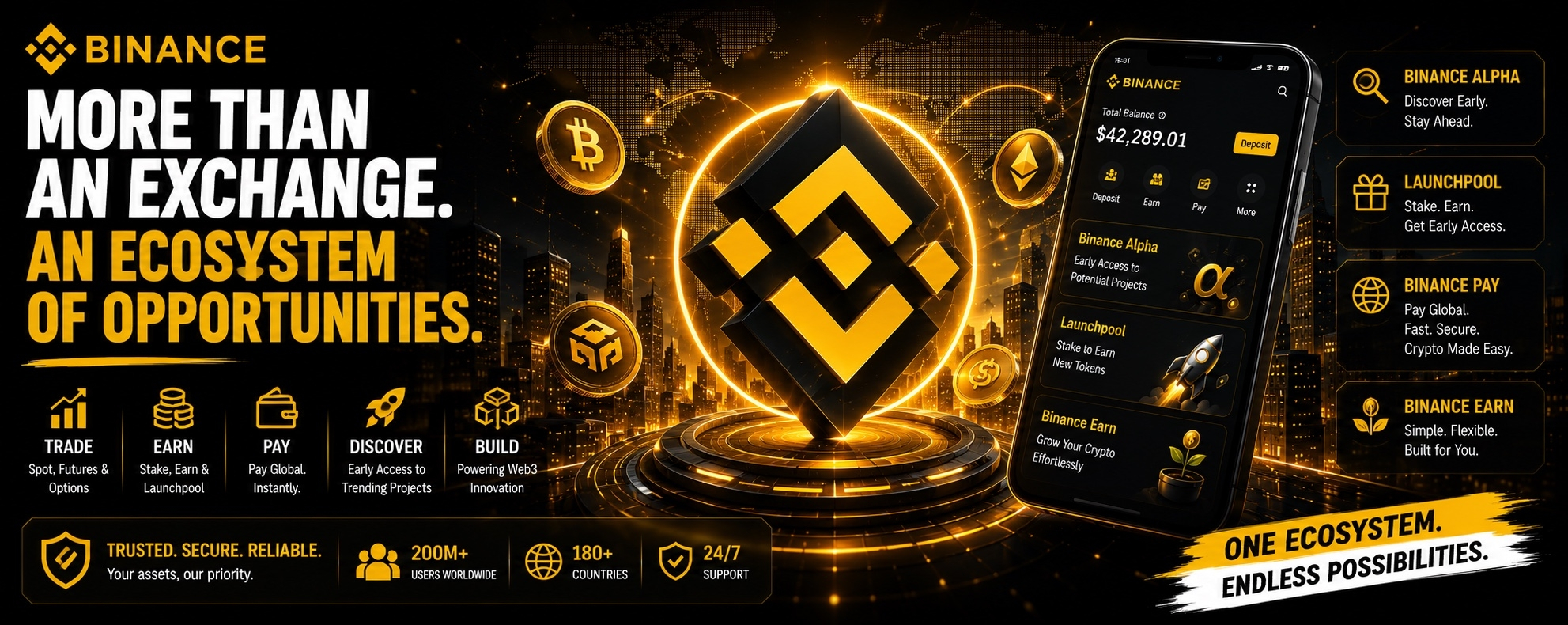
Binance Alpha change discrètement la façon dont les gens découvrent des opportunitésUne chose que j’ai remarquée récemment, c’est que de nombreux utilisateurs de crypto ouvrent encore Binance avec le même état d’esprit qu’il y a quelques années. Ils se connectent, consultent les prix, passent un ordre de trading, puis partent. Il n’y a rien de mal à cela, mais je pense qu’ils passent à côté de l’un des développements les plus intéressants qui se déroulent aujourd’hui sur la plateforme. Binance est progressivement en train de passer d’un simple lieu de trading à un endroit où les utilisateurs peuvent découvrir des opportunités beaucoup plus tôt dans leur parcours, et Binance Alpha est l’un des exemples les plus clairs de cette évolution.
Binance Alpha change discrètement la façon dont les gens découvrent des opportunités
Une chose que j’ai remarquée récemment, c’est que de nombreux utilisateurs de crypto ouvrent encore Binance avec le même état d’esprit qu’il y a quelques années. Ils se connectent, consultent les prix, passent un ordre de trading, puis partent. Il n’y a rien de mal à cela, mais je pense qu’ils passent à côté de l’un des développements les plus intéressants qui se déroulent aujourd’hui sur la plateforme. Binance est progressivement en train de passer d’un simple lieu de trading à un endroit où les utilisateurs peuvent découvrir des opportunités beaucoup plus tôt dans leur parcours, et Binance Alpha est l’un des exemples les plus clairs de cette évolution.
1
3
467
·
--
La plus grosse erreur en crypto n’est pas d’acheter le mauvais coin. C’est d’attendre trop longtemps pour apprendreQuand je suis entré dans la crypto pour la première fois, je pensais que la réussite consistait à trouver le coin parfait avant tout le monde. Chaque jour, je cherchais des pépites cachées, je regardais des graphiques de prix pendant des heures, et je suivais chaque récit à la mode sur les réseaux sociaux. Je croyais que si je pouvais simplement découvrir le prochain projet 100x, tout le reste s’arrangerait tout seul. En regardant en arrière, je me rends compte que je posais la mauvaise question.
La plus grande différence entre les investisseurs expérimentés et les débutants n’est pas qu’un groupe choisit toujours de meilleurs coins. C’est que les investisseurs expérimentés passent plus de temps à comprendre le marché plutôt qu’à le poursuivre. Ils savent que les prix changent chaque minute, mais que la connaissance reste avec vous à travers chaque cycle de marché. Une fois que vous comprenez comment la crypto fonctionne, chaque marché haussier et chaque correction devient plus facile à naviguer, parce que vous prenez des décisions fondées sur la compréhension plutôt que sur l’émotion.
La plus grosse erreur en crypto n’est pas d’acheter le mauvais coin. C’est d’attendre trop longtemps pour apprendre
Quand je suis entré dans la crypto pour la première fois, je pensais que la réussite consistait à trouver le coin parfait avant tout le monde. Chaque jour, je cherchais des pépites cachées, je regardais des graphiques de prix pendant des heures, et je suivais chaque récit à la mode sur les réseaux sociaux. Je croyais que si je pouvais simplement découvrir le prochain projet 100x, tout le reste s’arrangerait tout seul. En regardant en arrière, je me rends compte que je posais la mauvaise question.
La plus grande différence entre les investisseurs expérimentés et les débutants n’est pas qu’un groupe choisit toujours de meilleurs coins. C’est que les investisseurs expérimentés passent plus de temps à comprendre le marché plutôt qu’à le poursuivre. Ils savent que les prix changent chaque minute, mais que la connaissance reste avec vous à travers chaque cycle de marché. Une fois que vous comprenez comment la crypto fonctionne, chaque marché haussier et chaque correction devient plus facile à naviguer, parce que vous prenez des décisions fondées sur la compréhension plutôt que sur l’émotion.
La plus grande différence entre les investisseurs expérimentés et les débutants n’est pas qu’un groupe choisit toujours de meilleurs coins. C’est que les investisseurs expérimentés passent plus de temps à comprendre le marché plutôt qu’à le poursuivre. Ils savent que les prix changent chaque minute, mais que la connaissance reste avec vous à travers chaque cycle de marché. Une fois que vous comprenez comment la crypto fonctionne, chaque marché haussier et chaque correction devient plus facile à naviguer, parce que vous prenez des décisions fondées sur la compréhension plutôt que sur l’émotion.
3
230
·
--
Tout le monde surveille Bitcoin… mais la “smart money” observe discrètement les stablecoinsÀ chaque fois que Bitcoin commence à faire de gros mouvements, il devient naturellement le centre de toutes les conversations. Les échéances se remplissent de prédictions de prix, les traders partagent leurs graphiques, et tout le monde se met à débattre pour savoir si la prochaine hausse a déjà commencé. Mais au cours des derniers jours, je me suis surpris à porter attention à quelque chose de bien plus discret, et je pense honnêtement que cela pourrait devenir l’une des plus grandes histoires de ce cycle
Cette histoire, ce sont les stablecoins.
Il y a quelques années, les stablecoins étaient principalement considérés comme des outils destinés aux traders. Ils servaient simplement à y déposer des fonds en attendant la prochaine opportunité. Aujourd’hui, cette idée paraît dépassée. Les stablecoins deviennent progressivement une partie de l’infrastructure financière qui alimente l’ensemble de l’économie crypto. Ils sont utilisés pour les paiements transfrontaliers, les règlements, les transferts de fonds, et de plus en plus comme passerelle entre la finance traditionnelle et la technologie blockchain. Les évolutions récentes de la réglementation ne font qu’ajouter davantage d’attention à cette tendance, montrant que les gouvernements et les institutions commencent à prendre ce secteur beaucoup plus au sérieux.
Tout le monde surveille Bitcoin… mais la “smart money” observe discrètement les stablecoins
À chaque fois que Bitcoin commence à faire de gros mouvements, il devient naturellement le centre de toutes les conversations. Les échéances se remplissent de prédictions de prix, les traders partagent leurs graphiques, et tout le monde se met à débattre pour savoir si la prochaine hausse a déjà commencé. Mais au cours des derniers jours, je me suis surpris à porter attention à quelque chose de bien plus discret, et je pense honnêtement que cela pourrait devenir l’une des plus grandes histoires de ce cycle
Cette histoire, ce sont les stablecoins.
Il y a quelques années, les stablecoins étaient principalement considérés comme des outils destinés aux traders. Ils servaient simplement à y déposer des fonds en attendant la prochaine opportunité. Aujourd’hui, cette idée paraît dépassée. Les stablecoins deviennent progressivement une partie de l’infrastructure financière qui alimente l’ensemble de l’économie crypto. Ils sont utilisés pour les paiements transfrontaliers, les règlements, les transferts de fonds, et de plus en plus comme passerelle entre la finance traditionnelle et la technologie blockchain. Les évolutions récentes de la réglementation ne font qu’ajouter davantage d’attention à cette tendance, montrant que les gouvernements et les institutions commencent à prendre ce secteur beaucoup plus au sérieux.
Cette histoire, ce sont les stablecoins.
Il y a quelques années, les stablecoins étaient principalement considérés comme des outils destinés aux traders. Ils servaient simplement à y déposer des fonds en attendant la prochaine opportunité. Aujourd’hui, cette idée paraît dépassée. Les stablecoins deviennent progressivement une partie de l’infrastructure financière qui alimente l’ensemble de l’économie crypto. Ils sont utilisés pour les paiements transfrontaliers, les règlements, les transferts de fonds, et de plus en plus comme passerelle entre la finance traditionnelle et la technologie blockchain. Les évolutions récentes de la réglementation ne font qu’ajouter davantage d’attention à cette tendance, montrant que les gouvernements et les institutions commencent à prendre ce secteur beaucoup plus au sérieux.
3
216
·
--
Je pense que la plupart des gens regardent Binance de la mauvaise manièreDernièrement, j'ai remarqué quelque chose d'intéressant. Chaque fois que le marché devient volatile, les gens commencent immédiatement à parler des prix. Ils discutent de Bitcoin, des altcoins, des capitalisations de marché et des prévisions. Mais très peu de gens parlent des plateformes qui font fonctionner tout l'écosystème. C'est pourquoi je pense que de nombreux investisseurs négligent l'une des plus grandes histoires qui se déroulent dans le crypto en ce moment.
L'histoire ne concerne pas un seul token.
Il s'agit d'écosystèmes.
Et Binance pourrait être l'un des exemples les plus forts de cette tendance.
Je pense que la plupart des gens regardent Binance de la mauvaise manière
Dernièrement, j'ai remarqué quelque chose d'intéressant. Chaque fois que le marché devient volatile, les gens commencent immédiatement à parler des prix. Ils discutent de Bitcoin, des altcoins, des capitalisations de marché et des prévisions. Mais très peu de gens parlent des plateformes qui font fonctionner tout l'écosystème. C'est pourquoi je pense que de nombreux investisseurs négligent l'une des plus grandes histoires qui se déroulent dans le crypto en ce moment.
L'histoire ne concerne pas un seul token.
Il s'agit d'écosystèmes.
Et Binance pourrait être l'un des exemples les plus forts de cette tendance.
L'histoire ne concerne pas un seul token.
Il s'agit d'écosystèmes.
Et Binance pourrait être l'un des exemples les plus forts de cette tendance.
3
156
·
--
Article
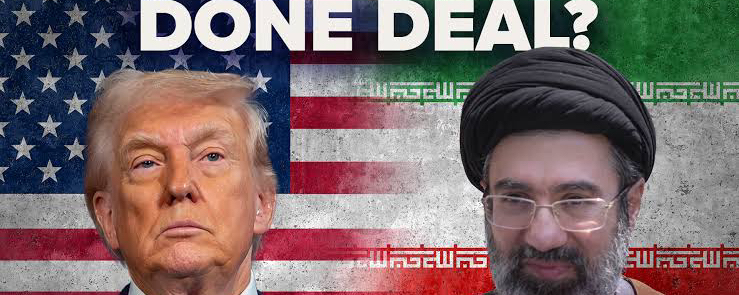
L'accord Trump-Iran pourrait être plus important pour la crypto que la plupart des gens ne le réalisentAu cours des dernières semaines, la plupart des traders crypto se sont concentrés sur les velas, les lancements de tokens, et le prochain catalyseur du marché. Mais parfois, les plus gros mouvements commencent loin de l'industrie crypto elle-même. C'est pourquoi j'ai été particulièrement attentif aux développements récents concernant l'accord Trump-Iran. Bien que cela puisse sembler être une histoire géopolitique en surface, la réalité est que les événements politiques mondiaux façonnent souvent le sentiment du marché bien avant que les investisseurs ne comprennent pleinement l'impact.
L'accord entre les États-Unis et l'Iran a déjà déclenché de fortes réactions sur les marchés traditionnels. Les prix du pétrole ont chuté rapidement après que des espoirs ont émergé quant à un apaisement des tensions dans la région et que le détroit d'Ormuz resterait ouvert pour les approvisionnements énergétiques mondiaux. En même temps, les marchés boursiers ont explosé alors que les investisseurs commençaient à intégrer des risques d'inflation plus bas et une stabilité économique améliorée. Les marchés ont tendance à réagir rapidement lorsque l'incertitude commence à disparaître.
L'accord Trump-Iran pourrait être plus important pour la crypto que la plupart des gens ne le réalisent
Au cours des dernières semaines, la plupart des traders crypto se sont concentrés sur les velas, les lancements de tokens, et le prochain catalyseur du marché. Mais parfois, les plus gros mouvements commencent loin de l'industrie crypto elle-même. C'est pourquoi j'ai été particulièrement attentif aux développements récents concernant l'accord Trump-Iran. Bien que cela puisse sembler être une histoire géopolitique en surface, la réalité est que les événements politiques mondiaux façonnent souvent le sentiment du marché bien avant que les investisseurs ne comprennent pleinement l'impact.
L'accord entre les États-Unis et l'Iran a déjà déclenché de fortes réactions sur les marchés traditionnels. Les prix du pétrole ont chuté rapidement après que des espoirs ont émergé quant à un apaisement des tensions dans la région et que le détroit d'Ormuz resterait ouvert pour les approvisionnements énergétiques mondiaux. En même temps, les marchés boursiers ont explosé alors que les investisseurs commençaient à intégrer des risques d'inflation plus bas et une stabilité économique améliorée. Les marchés ont tendance à réagir rapidement lorsque l'incertitude commence à disparaître.
L'accord entre les États-Unis et l'Iran a déjà déclenché de fortes réactions sur les marchés traditionnels. Les prix du pétrole ont chuté rapidement après que des espoirs ont émergé quant à un apaisement des tensions dans la région et que le détroit d'Ormuz resterait ouvert pour les approvisionnements énergétiques mondiaux. En même temps, les marchés boursiers ont explosé alors que les investisseurs commençaient à intégrer des risques d'inflation plus bas et une stabilité économique améliorée. Les marchés ont tendance à réagir rapidement lorsque l'incertitude commence à disparaître.
1
4
488
Connectez-vous pour découvrir plus de contenu
Rejoignez la communauté mondiale des adeptes de cryptomonnaies sur Binance Square
⚡️ Suviez les dernières informations importantes sur les cryptomonnaies.
💬 Jugé digne de confiance par la plus grande plateforme d’échange de cryptomonnaies au monde.
👍 Découvrez les connaissances que partagent les créateurs vérifiés.
Adresse e-mail/Nº de téléphone
Sujets d’actualité
NEARRisesNearly80%InAWeek
42,792 vues
957 mentions
#nearrisesnearly80%inaweek $NEAR vient de faire +80% en 7 jours et personne ne parle du POURQUOI 🚀
$2.20 → $4.29 pendant que tout le marché n’était monté que de 6%.
Les vrais moteurs :
→ Volume d’intentions près de $30B
→ Lancement de Perps confidentiels avec Hyperliquid
→ TVL de retour à $190M + 52K portefeuilles actifs
Je l’ai vu à $2.30 et je n’ai rien fait. Leçon retenue.
Tu le détiens ou tu continues de regarder depuis les coulisses ? 👀
$NEAR #NEARProtocol #CryptoNews
True News
·2 mentions J’aime
·799 vues
MultiversXPlansHardForkRecovery
35,861 vues
731 mentions
CircleLaunchesInstitutionalBTCBackedBorrowing
34,014 vues
798 mentions