

China_BNB
7.9k Publications

China_BNB
 Compte Square Vérifié+
Signaler
Bloquer l’utilisateur
Content Creator [@ChinaBNB1 - X] Community Builder✨My Choice✨Trading Expert✨
Trade fréquemment
2.1 an(s)
556 Suivis
39.3K+ Abonnés
23.3K+ J’aime
Publications
Tous
Citations
Vidéos
Direct
·
--
Haussier
Why Is the Crypto Market Bullish?
The crypto market can turn bullish for several important reasons:
🟢 Bitcoin Buying Pressure: When large investors and institutions buy Bitcoin, market confidence can increase.
🟢 ETF Inflows: Strong demand for Bitcoin and Ethereum ETFs can bring fresh capital into the crypto market.
🟢 Altcoin Momentum: When Bitcoin rises and market sentiment improves, traders may move capital into altcoins.
🟢 Short Liquidations: When prices rise quickly, short sellers may be forced to close their positions, creating additional buying pressure.
🟢 Market Sentiment: Positive news, expectations of interest rate cuts, and improving risk appetite can support crypto prices.
$BTC $ETH $XRP
{future}(XRPUSDT)
Why Is the Crypto Market Bullish?
The crypto market can turn bullish for several important reasons:
🟢 Bitcoin Buying Pressure: When large investors and institutions buy Bitcoin, market confidence can increase.
🟢 ETF Inflows: Strong demand for Bitcoin and Ethereum ETFs can bring fresh capital into the crypto market.
🟢 Altcoin Momentum: When Bitcoin rises and market sentiment improves, traders may move capital into altcoins.
🟢 Short Liquidations: When prices rise quickly, short sellers may be forced to close their positions, creating additional buying pressure.
🟢 Market Sentiment: Positive news, expectations of interest rate cuts, and improving risk appetite can support crypto prices.
$BTC $ETH $XRP
The crypto market can turn bullish for several important reasons:
🟢 Bitcoin Buying Pressure: When large investors and institutions buy Bitcoin, market confidence can increase.
🟢 ETF Inflows: Strong demand for Bitcoin and Ethereum ETFs can bring fresh capital into the crypto market.
🟢 Altcoin Momentum: When Bitcoin rises and market sentiment improves, traders may move capital into altcoins.
🟢 Short Liquidations: When prices rise quickly, short sellers may be forced to close their positions, creating additional buying pressure.
🟢 Market Sentiment: Positive news, expectations of interest rate cuts, and improving risk appetite can support crypto prices.
$BTC $ETH $XRP

1
239
·
--
Article
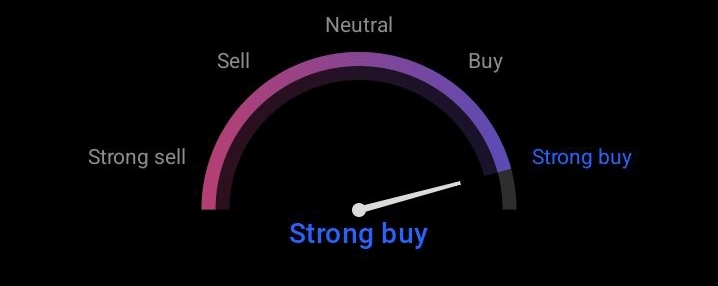
What is supporting the current bullish sentiment?Recent reports point to three particularly important factors:
* Institutional money: US spot Bitcoin ETFs attracted $2.65 billion in September, showing strong institutional demand.
* October momentum: Bitcoin ETFs recorded $134.4 million in inflows over the first two trading days of October.
* Interest rate expectations: Weaker US jobs data reduced expectations of another Fed rate hike, helping improve sentiment toward risk assets.
⚠️ Important trading signal
A bullish market does not mean prices will rise every day. Watch Bitcoin's trading volume, ETF flows, key resistance levels and futures liquidations before entering a trade.
My view: Institutional demand and improving economic expectations are supporting the bullish narrative. However, a confirmed breakout with strong volume is more reliable than bullish sentiment alone.
$BTC $ETH
#BitcoinSpotETFsDraw$6.34BInflowsInQ3
What is supporting the current bullish sentiment?
Recent reports point to three particularly important factors:
* Institutional money: US spot Bitcoin ETFs attracted $2.65 billion in September, showing strong institutional demand.
* October momentum: Bitcoin ETFs recorded $134.4 million in inflows over the first two trading days of October.
* Interest rate expectations: Weaker US jobs data reduced expectations of another Fed rate hike, helping improve sentiment toward risk assets.
⚠️ Important trading signal
A bullish market does not mean prices will rise every day. Watch Bitcoin's trading volume, ETF flows, key resistance levels and futures liquidations before entering a trade.
My view: Institutional demand and improving economic expectations are supporting the bullish narrative. However, a confirmed breakout with strong volume is more reliable than bullish sentiment alone.
$BTC $ETH
#BitcoinSpotETFsDraw$6.34BInflowsInQ3
* Institutional money: US spot Bitcoin ETFs attracted $2.65 billion in September, showing strong institutional demand.
* October momentum: Bitcoin ETFs recorded $134.4 million in inflows over the first two trading days of October.
* Interest rate expectations: Weaker US jobs data reduced expectations of another Fed rate hike, helping improve sentiment toward risk assets.
⚠️ Important trading signal
A bullish market does not mean prices will rise every day. Watch Bitcoin's trading volume, ETF flows, key resistance levels and futures liquidations before entering a trade.
My view: Institutional demand and improving economic expectations are supporting the bullish narrative. However, a confirmed breakout with strong volume is more reliable than bullish sentiment alone.
$BTC $ETH
#BitcoinSpotETFsDraw$6.34BInflowsInQ3
4
292
·
--
Article
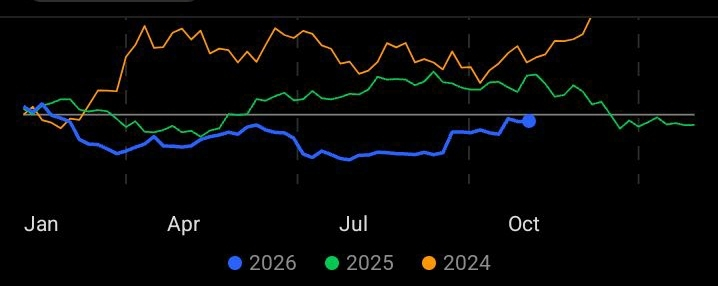
🚨 BITCOIN'S NEXT MOVE: A BIG BREAKOUT OR A SHARP CORRECTION? 📈🔥Bitcoin is approaching another important moment, and the next move could set the tone for the entire crypto market.
🐂 BULLISH SCENARIO
If BTC breaks above its key resistance with strong buying volume, bullish momentum could accelerate. A confirmed breakout may open the door to higher price levels and attract fresh market interest.
🐻 BEARISH SCENARIO
If Bitcoin fails to break resistance, sellers could take control. A rejection may trigger a short-term correction and push BTC toward important support zones.
🎯 WHAT TRADERS SHOULD WATCH
🔹 Key resistance and support levels
🔹 Trading volume during a breakout
🔹 Market sentiment and liquidity
🔹 BTC's reaction to major price zones#
⚡ THE BIG QUESTION: WHO WILL WIN?
Bitcoin bulls are looking for a breakout, while bears are waiting for a rejection. The next confirmed move could create a major opportunity for traders.
💡 Smart traders don't chase every candle. They wait for confirmation, manage risk, and stay prepared for both directions.
🚀 Is BTC preparing for its next rally, or is a correction coming first?
#Bitcoin $BTC #BitcoinRejectedAt$87K
{spot}(BTCUSDT)
🚨 BITCOIN'S NEXT MOVE: A BIG BREAKOUT OR A SHARP CORRECTION? 📈🔥
Bitcoin is approaching another important moment, and the next move could set the tone for the entire crypto market.
🐂 BULLISH SCENARIO
If BTC breaks above its key resistance with strong buying volume, bullish momentum could accelerate. A confirmed breakout may open the door to higher price levels and attract fresh market interest.
🐻 BEARISH SCENARIO
If Bitcoin fails to break resistance, sellers could take control. A rejection may trigger a short-term correction and push BTC toward important support zones.
🎯 WHAT TRADERS SHOULD WATCH
🔹 Key resistance and support levels
🔹 Trading volume during a breakout
🔹 Market sentiment and liquidity
🔹 BTC's reaction to major price zones#
⚡ THE BIG QUESTION: WHO WILL WIN?
Bitcoin bulls are looking for a breakout, while bears are waiting for a rejection. The next confirmed move could create a major opportunity for traders.
💡 Smart traders don't chase every candle. They wait for confirmation, manage risk, and stay prepared for both directions.
🚀 Is BTC preparing for its next rally, or is a correction coming first?
#Bitcoin $BTC #BitcoinRejectedAt$87K
🐂 BULLISH SCENARIO
If BTC breaks above its key resistance with strong buying volume, bullish momentum could accelerate. A confirmed breakout may open the door to higher price levels and attract fresh market interest.
🐻 BEARISH SCENARIO
If Bitcoin fails to break resistance, sellers could take control. A rejection may trigger a short-term correction and push BTC toward important support zones.
🎯 WHAT TRADERS SHOULD WATCH
🔹 Key resistance and support levels
🔹 Trading volume during a breakout
🔹 Market sentiment and liquidity
🔹 BTC's reaction to major price zones#
⚡ THE BIG QUESTION: WHO WILL WIN?
Bitcoin bulls are looking for a breakout, while bears are waiting for a rejection. The next confirmed move could create a major opportunity for traders.
💡 Smart traders don't chase every candle. They wait for confirmation, manage risk, and stay prepared for both directions.
🚀 Is BTC preparing for its next rally, or is a correction coming first?
#Bitcoin $BTC #BitcoinRejectedAt$87K
2
146
·
--
🎙️ why you not Move short crypto market who ?

Fin
02 h 15 min 35 sec
354
IMXUSDT
Perp
Limit/Long
0%
2
0
·
--
🚀 Ethereum Is at a Turning Point: The Next Big Move Could Change Everything!The crypto market is watching Bitcoin, but Ethereum may be preparing for a move that nobody wants to miss. 🔥
Ethereum (ETH) is more than just another cryptocurrency. It is the backbone of a massive ecosystem powering DeFi, smart contracts, tokenized assets, and thousands of blockchain applications.
⚡ Why Ethereum Deserves Attention
Ethereum continues to play a major role in the future of digital finance. Its growing ecosystem, network upgrades, and expanding institutional interest make ETH one of the most important assets to watch.
Three key factors could shape Ethereum's next move:
🔹 Institutional Interest: Growing attention from traditional financial markets could strengthen Ethereum's long-term position.
🔹 DeFi and Real-World Assets: Ethereum's smart contract technology supports decentralized finance and the tokenization of real-world assets, opening new opportunities for blockchain adoption.
🔹 Market Momentum: Ethereum's next major move may depend on trading volume, investor confidence, Bitcoin's direction, and important resistance levels.
📊 Bulls vs. Bears: Who Will Take Control?
Every major market move begins with a battle between buyers and sellers.
If ETH breaks through key resistance with strong volume, bullish momentum could accelerate and attract fresh market attention.
However, failure to hold important support levels could increase selling pressure and trigger a deeper correction.
Smart traders don't chase every green candle. They watch price action, manage risk, and wait for confirmation.
🔥 The Bigger Picture
Ethereum's story is not just about short-term price movements. It is about the evolution of blockchain technology and the growing connection between traditional finance and decentralized systems.
The next big opportunity may come to those who understand the market before the crowd reacts.
💎 Final Thought
Ethereum doesn't need hype to prove its importance. Its technology, ecosystem, and role in the digital economy already make it a major force in crypto.
The real question is not whether ETH will move, but whether the market is ready for its next big move.
🚀 Are you bullish on Ethereum, or do you expect another correction before the next rally?
👇 Share your ETH prediction in the comment.
#ETH #altcoins $ETH $BTC
{spot}(ETHUSDT)
🚀 Ethereum Is at a Turning Point: The Next Big Move Could Change Everything!
The crypto market is watching Bitcoin, but Ethereum may be preparing for a move that nobody wants to miss. 🔥
Ethereum (ETH) is more than just another cryptocurrency. It is the backbone of a massive ecosystem powering DeFi, smart contracts, tokenized assets, and thousands of blockchain applications.
⚡ Why Ethereum Deserves Attention
Ethereum continues to play a major role in the future of digital finance. Its growing ecosystem, network upgrades, and expanding institutional interest make ETH one of the most important assets to watch.
Three key factors could shape Ethereum's next move:
🔹 Institutional Interest: Growing attention from traditional financial markets could strengthen Ethereum's long-term position.
🔹 DeFi and Real-World Assets: Ethereum's smart contract technology supports decentralized finance and the tokenization of real-world assets, opening new opportunities for blockchain adoption.
🔹 Market Momentum: Ethereum's next major move may depend on trading volume, investor confidence, Bitcoin's direction, and important resistance levels.
📊 Bulls vs. Bears: Who Will Take Control?
Every major market move begins with a battle between buyers and sellers.
If ETH breaks through key resistance with strong volume, bullish momentum could accelerate and attract fresh market attention.
However, failure to hold important support levels could increase selling pressure and trigger a deeper correction.
Smart traders don't chase every green candle. They watch price action, manage risk, and wait for confirmation.
🔥 The Bigger Picture
Ethereum's story is not just about short-term price movements. It is about the evolution of blockchain technology and the growing connection between traditional finance and decentralized systems.
The next big opportunity may come to those who understand the market before the crowd reacts.
💎 Final Thought
Ethereum doesn't need hype to prove its importance. Its technology, ecosystem, and role in the digital economy already make it a major force in crypto.
The real question is not whether ETH will move, but whether the market is ready for its next big move.
🚀 Are you bullish on Ethereum, or do you expect another correction before the next rally?
👇 Share your ETH prediction in the comment.
#ETH #altcoins $ETH $BTC
Ethereum (ETH) is more than just another cryptocurrency. It is the backbone of a massive ecosystem powering DeFi, smart contracts, tokenized assets, and thousands of blockchain applications.
⚡ Why Ethereum Deserves Attention
Ethereum continues to play a major role in the future of digital finance. Its growing ecosystem, network upgrades, and expanding institutional interest make ETH one of the most important assets to watch.
Three key factors could shape Ethereum's next move:
🔹 Institutional Interest: Growing attention from traditional financial markets could strengthen Ethereum's long-term position.
🔹 DeFi and Real-World Assets: Ethereum's smart contract technology supports decentralized finance and the tokenization of real-world assets, opening new opportunities for blockchain adoption.
🔹 Market Momentum: Ethereum's next major move may depend on trading volume, investor confidence, Bitcoin's direction, and important resistance levels.
📊 Bulls vs. Bears: Who Will Take Control?
Every major market move begins with a battle between buyers and sellers.
If ETH breaks through key resistance with strong volume, bullish momentum could accelerate and attract fresh market attention.
However, failure to hold important support levels could increase selling pressure and trigger a deeper correction.
Smart traders don't chase every green candle. They watch price action, manage risk, and wait for confirmation.
🔥 The Bigger Picture
Ethereum's story is not just about short-term price movements. It is about the evolution of blockchain technology and the growing connection between traditional finance and decentralized systems.
The next big opportunity may come to those who understand the market before the crowd reacts.
💎 Final Thought
Ethereum doesn't need hype to prove its importance. Its technology, ecosystem, and role in the digital economy already make it a major force in crypto.
The real question is not whether ETH will move, but whether the market is ready for its next big move.
🚀 Are you bullish on Ethereum, or do you expect another correction before the next rally?
👇 Share your ETH prediction in the comment.
#ETH #altcoins $ETH $BTC
2
123
·
--
🚀 Bitcoin: The Next Big Move Could Change the Crypto Market!Bitcoin is more than just a cryptocurrency. It's a powerful force shaping the future of digital finance. As the crypto market continues to evolve, traders and investors are watching Bitcoin closely for its next major move.
📊 Bitcoin's Market Outlook
Bitcoin's price action remains a key indicator of overall market sentiment. Traders are watching important support and resistance levels to identify potential breakout opportunities.
A strong move above resistance could bring fresh buying pressure and push BTC toward higher price targets. However, losing key support could increase selling pressure and trigger a short-term correction.
🐋 What Are Bitcoin Whales Doing?
Large investors, often called whales, can influence market movements through major transactions. Their activity, along with trading volume and market liquidity, can provide useful clues about potential price direction.
🔥 What Comes Next for Bitcoin?
The next Bitcoin move could create new opportunities for both long-term investors and short-term traders. However, market volatility remains a major risk. Smart traders should focus on confirmation, risk management, and key price levels instead of chasing sudden moves.
💡 Final Thoughts
Bitcoin continues to lead the crypto market and attract global attention. Whether BTC moves higher or faces another correction, one thing is clear: the next major move could bring significant opportunities and risks.
Stay informed, watch the charts, and trade with a clear strategy.
🚀 Is Bitcoin preparing for another big breakout, or will the market see a fresh correction?
#Bitcoin
🚀 Bitcoin: The Next Big Move Could Change the Crypto Market!
Bitcoin is more than just a cryptocurrency. It's a powerful force shaping the future of digital finance. As the crypto market continues to evolve, traders and investors are watching Bitcoin closely for its next major move.
📊 Bitcoin's Market Outlook
Bitcoin's price action remains a key indicator of overall market sentiment. Traders are watching important support and resistance levels to identify potential breakout opportunities.
A strong move above resistance could bring fresh buying pressure and push BTC toward higher price targets. However, losing key support could increase selling pressure and trigger a short-term correction.
🐋 What Are Bitcoin Whales Doing?
Large investors, often called whales, can influence market movements through major transactions. Their activity, along with trading volume and market liquidity, can provide useful clues about potential price direction.
🔥 What Comes Next for Bitcoin?
The next Bitcoin move could create new opportunities for both long-term investors and short-term traders. However, market volatility remains a major risk. Smart traders should focus on confirmation, risk management, and key price levels instead of chasing sudden moves.
💡 Final Thoughts
Bitcoin continues to lead the crypto market and attract global attention. Whether BTC moves higher or faces another correction, one thing is clear: the next major move could bring significant opportunities and risks.
Stay informed, watch the charts, and trade with a clear strategy.
🚀 Is Bitcoin preparing for another big breakout, or will the market see a fresh correction?
#Bitcoin
📊 Bitcoin's Market Outlook
Bitcoin's price action remains a key indicator of overall market sentiment. Traders are watching important support and resistance levels to identify potential breakout opportunities.
A strong move above resistance could bring fresh buying pressure and push BTC toward higher price targets. However, losing key support could increase selling pressure and trigger a short-term correction.
🐋 What Are Bitcoin Whales Doing?
Large investors, often called whales, can influence market movements through major transactions. Their activity, along with trading volume and market liquidity, can provide useful clues about potential price direction.
🔥 What Comes Next for Bitcoin?
The next Bitcoin move could create new opportunities for both long-term investors and short-term traders. However, market volatility remains a major risk. Smart traders should focus on confirmation, risk management, and key price levels instead of chasing sudden moves.
💡 Final Thoughts
Bitcoin continues to lead the crypto market and attract global attention. Whether BTC moves higher or faces another correction, one thing is clear: the next major move could bring significant opportunities and risks.
Stay informed, watch the charts, and trade with a clear strategy.
🚀 Is Bitcoin preparing for another big breakout, or will the market see a fresh correction?
#Bitcoin
3
152
·
--
Bitcoin at a Critical Turning Point: Is the Next Big Crypto Move About to Begin?The crypto market is sending a message, and smart investors are watching closely.
Bitcoin is once again capturing the market's attention as traders face a crucial question: Is this a temporary pullback, or the beginning of a bigger market move?
With changing economic expectations, shifting investor sentiment, and growing attention on institutional crypto investments, the market is entering an important phase.
📊 Bitcoin Leads the Market
Bitcoin remains the center of attention. Every major price movement creates new opportunities and risks across the crypto market. Traders are closely watching key support and resistance levels to understand whether buyers are preparing for another push upward or sellers are gaining control.
🌍 Global Economic News Could Change Everything
Crypto is no longer moving in isolation. US economic data, Federal Reserve decisions, and institutional investment flows can all influence market direction.
When economic uncertainty rises, investors often become more cautious. However, changing expectations about interest rates can also create fresh demand for risk assets, including Bitcoin and Ethereum.
⚡ Altcoins Are Waiting for Their Moment
Bitcoin's next move could influence the entire altcoin market. Ethereum, Solana, XRP, and emerging crypto projects remain on traders' watchlists.
A sustained Bitcoin recovery could improve market confidence and encourage more interest in altcoins. On the other hand, continued selling pressure could bring greater volatility across the market.
🔥 The Big Question: Breakout or Another Correction?
The coming trading sessions could provide important clues. Volume, market liquidity, and Bitcoin's reaction at major price levels will be essential signals to watch.
Experienced traders understand that strong market opportunities do not come from excitement alone. They come from patience, research, and disciplined risk management.
The crypto market is full of possibilities, but the next big move has not been confirmed.
Will Bitcoin lead the next market rally, or will sellers take control first?
The next chapter of the crypto market could be closer than it looks.
#Bitcoin #Altcoins $BTC
{spot}(BTCUSDT)
Bitcoin at a Critical Turning Point: Is the Next Big Crypto Move About to Begin?
The crypto market is sending a message, and smart investors are watching closely.
Bitcoin is once again capturing the market's attention as traders face a crucial question: Is this a temporary pullback, or the beginning of a bigger market move?
With changing economic expectations, shifting investor sentiment, and growing attention on institutional crypto investments, the market is entering an important phase.
📊 Bitcoin Leads the Market
Bitcoin remains the center of attention. Every major price movement creates new opportunities and risks across the crypto market. Traders are closely watching key support and resistance levels to understand whether buyers are preparing for another push upward or sellers are gaining control.
🌍 Global Economic News Could Change Everything
Crypto is no longer moving in isolation. US economic data, Federal Reserve decisions, and institutional investment flows can all influence market direction.
When economic uncertainty rises, investors often become more cautious. However, changing expectations about interest rates can also create fresh demand for risk assets, including Bitcoin and Ethereum.
⚡ Altcoins Are Waiting for Their Moment
Bitcoin's next move could influence the entire altcoin market. Ethereum, Solana, XRP, and emerging crypto projects remain on traders' watchlists.
A sustained Bitcoin recovery could improve market confidence and encourage more interest in altcoins. On the other hand, continued selling pressure could bring greater volatility across the market.
🔥 The Big Question: Breakout or Another Correction?
The coming trading sessions could provide important clues. Volume, market liquidity, and Bitcoin's reaction at major price levels will be essential signals to watch.
Experienced traders understand that strong market opportunities do not come from excitement alone. They come from patience, research, and disciplined risk management.
The crypto market is full of possibilities, but the next big move has not been confirmed.
Will Bitcoin lead the next market rally, or will sellers take control first?
The next chapter of the crypto market could be closer than it looks.
#Bitcoin #Altcoins $BTC
Bitcoin is once again capturing the market's attention as traders face a crucial question: Is this a temporary pullback, or the beginning of a bigger market move?
With changing economic expectations, shifting investor sentiment, and growing attention on institutional crypto investments, the market is entering an important phase.
📊 Bitcoin Leads the Market
Bitcoin remains the center of attention. Every major price movement creates new opportunities and risks across the crypto market. Traders are closely watching key support and resistance levels to understand whether buyers are preparing for another push upward or sellers are gaining control.
🌍 Global Economic News Could Change Everything
Crypto is no longer moving in isolation. US economic data, Federal Reserve decisions, and institutional investment flows can all influence market direction.
When economic uncertainty rises, investors often become more cautious. However, changing expectations about interest rates can also create fresh demand for risk assets, including Bitcoin and Ethereum.
⚡ Altcoins Are Waiting for Their Moment
Bitcoin's next move could influence the entire altcoin market. Ethereum, Solana, XRP, and emerging crypto projects remain on traders' watchlists.
A sustained Bitcoin recovery could improve market confidence and encourage more interest in altcoins. On the other hand, continued selling pressure could bring greater volatility across the market.
🔥 The Big Question: Breakout or Another Correction?
The coming trading sessions could provide important clues. Volume, market liquidity, and Bitcoin's reaction at major price levels will be essential signals to watch.
Experienced traders understand that strong market opportunities do not come from excitement alone. They come from patience, research, and disciplined risk management.
The crypto market is full of possibilities, but the next big move has not been confirmed.
Will Bitcoin lead the next market rally, or will sellers take control first?
The next chapter of the crypto market could be closer than it looks.
#Bitcoin #Altcoins $BTC
1
194
·
--

Article
🚨 Bitcoin Is Back Above $86K — But the Real Story Is Bigger Than PriceBitcoin has started October with renewed strength, trading above $86,000 and extending its recent recovery. The move comes as institutional demand remains visible through U.S. spot Bitcoin ETFs, which recorded approximately $2.65 billion in net inflows during September—their second-largest monthly inflow since October 2025.
What makes this move interesting is the combination of price strength + ETF demand + changing macro expectations. September U.S. employment data showed only 29,000 jobs added, far below expectations, while Treasury yields moved lower after the report. Markets are now reassessing expectations around future Federal Reserve policy, an important factor for risk assets such as Bitcoin.
From a trading perspective, Bitcoin is now approaching an important psychological area around $87,000–$90,000. A sustained move above the recent high could put the market into a new price-discovery phase, while rejection around resistance could bring another test of lower support areas.
Another major development is institutional price expectations. Citi has reportedly raised its 12-month Bitcoin target to $113,000, although that is an analyst forecast—not a guaranteed outcome.
The key question for traders now is simple: Is Bitcoin building a stronger foundation above $86K, or is this another rally that will face heavy selling near resistance?
$BTC #BTC
{spot}(BTCUSDT)
🚨 Bitcoin Is Back Above $86K — But the Real Story Is Bigger Than Price
Bitcoin has started October with renewed strength, trading above $86,000 and extending its recent recovery. The move comes as institutional demand remains visible through U.S. spot Bitcoin ETFs, which recorded approximately $2.65 billion in net inflows during September—their second-largest monthly inflow since October 2025.
What makes this move interesting is the combination of price strength + ETF demand + changing macro expectations. September U.S. employment data showed only 29,000 jobs added, far below expectations, while Treasury yields moved lower after the report. Markets are now reassessing expectations around future Federal Reserve policy, an important factor for risk assets such as Bitcoin.
From a trading perspective, Bitcoin is now approaching an important psychological area around $87,000–$90,000. A sustained move above the recent high could put the market into a new price-discovery phase, while rejection around resistance could bring another test of lower support areas.
Another major development is institutional price expectations. Citi has reportedly raised its 12-month Bitcoin target to $113,000, although that is an analyst forecast—not a guaranteed outcome.
The key question for traders now is simple: Is Bitcoin building a stronger foundation above $86K, or is this another rally that will face heavy selling near resistance?
$BTC #BTC
What makes this move interesting is the combination of price strength + ETF demand + changing macro expectations. September U.S. employment data showed only 29,000 jobs added, far below expectations, while Treasury yields moved lower after the report. Markets are now reassessing expectations around future Federal Reserve policy, an important factor for risk assets such as Bitcoin.
From a trading perspective, Bitcoin is now approaching an important psychological area around $87,000–$90,000. A sustained move above the recent high could put the market into a new price-discovery phase, while rejection around resistance could bring another test of lower support areas.
Another major development is institutional price expectations. Citi has reportedly raised its 12-month Bitcoin target to $113,000, although that is an analyst forecast—not a guaranteed outcome.
The key question for traders now is simple: Is Bitcoin building a stronger foundation above $86K, or is this another rally that will face heavy selling near resistance?
$BTC #BTC
2
150
·
--

Article
🚀 Bitcoin (BTC) Market Trends, Price Action, and What's Next?Bitcoin continues to attract attention as traders closely watch its latest price movements, market sentiment, and key support and resistance levels.
📊 Bitcoin Market Overview
BTC remains one of the most closely watched assets in the crypto market. Traders are keeping an eye on price action, trading volume, and market momentum to understand the next possible move.
📈 What Should Traders Watch?
1. Key Support Levels
Support zones are important because they can show where buyers may step in. If Bitcoin holds its support, the market could see a recovery. However, a breakdown below support may increase selling pressure.
2. Resistance and Bullish Momentum
Bitcoin needs strong buying volume to break through major resistance zones. A confirmed breakout could attract more buyers and create new trading opportunities.
3. Market Sentiment
Market sentiment plays a major role in Bitcoin's short-term direction. News, institutional activity, and overall crypto market conditions can influence price movements.
🔥 What's Next for BTC?
The next move depends on whether buyers can maintain momentum or sellers take control. Traders should avoid entering positions based on emotions and wait for confirmation from price action and trading volume.
💡 Final Thoughts
Bitcoin remains a major focus for crypto traders. Keep watching important price levels, volume changes, and market developments before making trading decisions.
Stay informed, manage your risk, and trade with a clear strategy.
#Bitcoin $BTC
{spot}(BTCUSDT)
🚀 Bitcoin (BTC) Market Trends, Price Action, and What's Next?
Bitcoin continues to attract attention as traders closely watch its latest price movements, market sentiment, and key support and resistance levels.
📊 Bitcoin Market Overview
BTC remains one of the most closely watched assets in the crypto market. Traders are keeping an eye on price action, trading volume, and market momentum to understand the next possible move.
📈 What Should Traders Watch?
1. Key Support Levels
Support zones are important because they can show where buyers may step in. If Bitcoin holds its support, the market could see a recovery. However, a breakdown below support may increase selling pressure.
2. Resistance and Bullish Momentum
Bitcoin needs strong buying volume to break through major resistance zones. A confirmed breakout could attract more buyers and create new trading opportunities.
3. Market Sentiment
Market sentiment plays a major role in Bitcoin's short-term direction. News, institutional activity, and overall crypto market conditions can influence price movements.
🔥 What's Next for BTC?
The next move depends on whether buyers can maintain momentum or sellers take control. Traders should avoid entering positions based on emotions and wait for confirmation from price action and trading volume.
💡 Final Thoughts
Bitcoin remains a major focus for crypto traders. Keep watching important price levels, volume changes, and market developments before making trading decisions.
Stay informed, manage your risk, and trade with a clear strategy.
#Bitcoin $BTC
📊 Bitcoin Market Overview
BTC remains one of the most closely watched assets in the crypto market. Traders are keeping an eye on price action, trading volume, and market momentum to understand the next possible move.
📈 What Should Traders Watch?
1. Key Support Levels
Support zones are important because they can show where buyers may step in. If Bitcoin holds its support, the market could see a recovery. However, a breakdown below support may increase selling pressure.
2. Resistance and Bullish Momentum
Bitcoin needs strong buying volume to break through major resistance zones. A confirmed breakout could attract more buyers and create new trading opportunities.
3. Market Sentiment
Market sentiment plays a major role in Bitcoin's short-term direction. News, institutional activity, and overall crypto market conditions can influence price movements.
🔥 What's Next for BTC?
The next move depends on whether buyers can maintain momentum or sellers take control. Traders should avoid entering positions based on emotions and wait for confirmation from price action and trading volume.
💡 Final Thoughts
Bitcoin remains a major focus for crypto traders. Keep watching important price levels, volume changes, and market developments before making trading decisions.
Stay informed, manage your risk, and trade with a clear strategy.
#Bitcoin $BTC
2
2
164
·
--
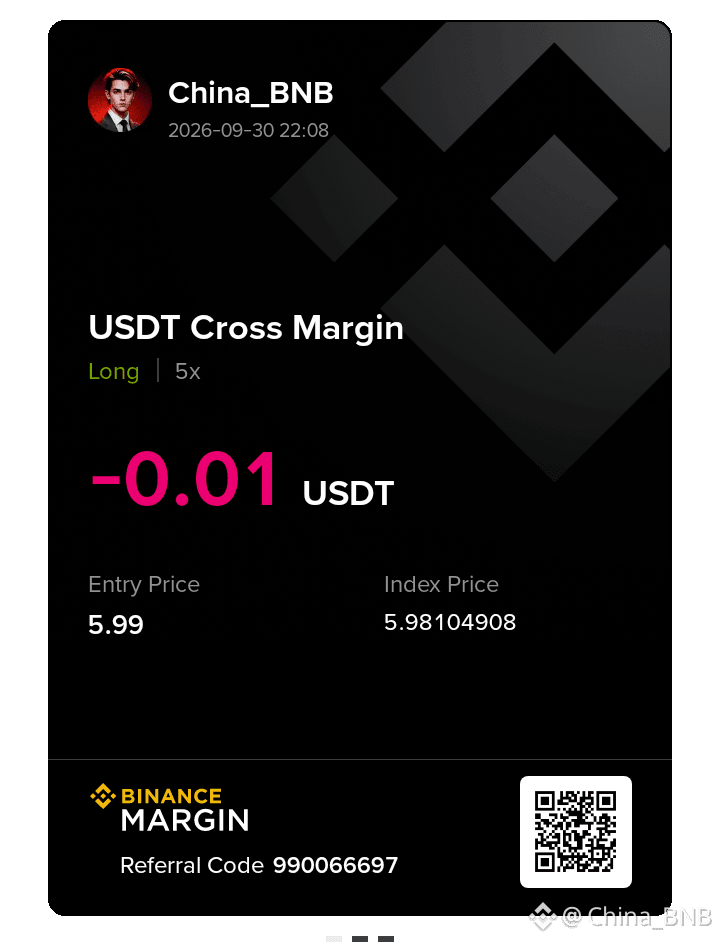
$BNCB / USDT stock SOPT Margin trade have difirent Feture & Spot Margin trade it !
{spot}(BNCBUSDT)
$NVDAB $AAPLB
$BNCB / USDT stock SOPT Margin trade have difirent Feture & Spot Margin trade it !
$NVDAB $AAPLB
$NVDAB $AAPLB
4
213
·
--
$QNT / USDT Feture trade
Short signal 🚥 Cloud clearly show Next 4hr short position entry level $298-$307
$QNT / USDT Feture trade
Short signal 🚥 Cloud clearly show Next 4hr short position entry level $298-$307
Short signal 🚥 Cloud clearly show Next 4hr short position entry level $298-$307
2
522
·
--
Hit 🎯 Take profit next level 🎚️
Hit 🎯 Take profit next level 🎚️
China_BNB
·
--
Haussier🚨 $PIPPIN/USDT — FetuSIGNAL
PIPPIN is around $0.0179 right now, up about 3.3% in 24h.
🟢 Support: $0.0175
🎯 Entry zone: $0.0175–$0.0180
🔴 Resistance: $0.0185
🚀 Breakout: Above $0.0185 with volume
🎯 Targets: $0.0195 → $0.0200
⚠️ Below $0.0175: Watch $0.0160
Simple setup: Hold above $0.0175 = bullish structure remains. A clean break of $0.0185 could open the next move toward $0.020.
Not financial advice—PIPPIN is highly volatile.
$PIPPIN
PIPPIN is around $0.0179 right now, up about 3.3% in 24h.
🟢 Support: $0.0175
🎯 Entry zone: $0.0175–$0.0180
🔴 Resistance: $0.0185
🚀 Breakout: Above $0.0185 with volume
🎯 Targets: $0.0195 → $0.0200
⚠️ Below $0.0175: Watch $0.0160
Simple setup: Hold above $0.0175 = bullish structure remains. A clean break of $0.0185 could open the next move toward $0.020.
Not financial advice—PIPPIN is highly volatile.
$PIPPIN
1
88
·
--
Baissier
$NMR _ USDT perpetual & Spot Signal 📊
🔴 Resistance: $12.20–$12.50
🚀 Break & hold above $12.50 → watch $13.00 → $14.00
🟢 Support: $12.00
⚠️ Below $12.00 → watch $11.50 → $11.00
$NMR is testing resistance. 🔥 A strong breakout above $12.50 with volume can open the next levels. If rejected, watch $12.00 support. Trade carefully. DYOR.
$NMR _ USDT perpetual & Spot Signal 📊
🔴 Resistance: $12.20–$12.50
🚀 Break & hold above $12.50 → watch $13.00 → $14.00
🟢 Support: $12.00
⚠️ Below $12.00 → watch $11.50 → $11.00
$NMR is testing resistance. 🔥 A strong breakout above $12.50 with volume can open the next levels. If rejected, watch $12.00 support. Trade carefully. DYOR.
🔴 Resistance: $12.20–$12.50
🚀 Break & hold above $12.50 → watch $13.00 → $14.00
🟢 Support: $12.00
⚠️ Below $12.00 → watch $11.50 → $11.00
$NMR is testing resistance. 🔥 A strong breakout above $12.50 with volume can open the next levels. If rejected, watch $12.00 support. Trade carefully. DYOR.
1
452
·
--
Haussier
🚨 $NOM/USDT — QUICK SPOT & Feture SIGNAL
$NOM current data shows about $0.00217, with a 24h range of roughly $0.00201–$0.00219 and +7.97% over 24h.
🟢 Support: $0.00200–$0.00205
🎯 Entry zone: $0.00205–$0.00215
🔴 Resistance: $0.00220
🚀 Breakout: Above $0.00220 with strong volume
🎯 Targets: $0.00230 → $0.00250 → $0.00270
⚠️ Invalidation: Below $0.00200
Simple plan: NOM is approaching the $0.00220 resistance. A clean breakout and hold above it would be the key confirmation; rejection could send price back toward the $0.00200 area.
High volatility — use risk management.
🚨 $NOM /USDT — QUICK SPOT & Feture SIGNAL
$NOM current data shows about $0.00217, with a 24h range of roughly $0.00201–$0.00219 and +7.97% over 24h.
🟢 Support: $0.00200–$0.00205
🎯 Entry zone: $0.00205–$0.00215
🔴 Resistance: $0.00220
🚀 Breakout: Above $0.00220 with strong volume
🎯 Targets: $0.00230 → $0.00250 → $0.00270
⚠️ Invalidation: Below $0.00200
Simple plan: NOM is approaching the $0.00220 resistance. A clean breakout and hold above it would be the key confirmation; rejection could send price back toward the $0.00200 area.
High volatility — use risk management.
$NOM current data shows about $0.00217, with a 24h range of roughly $0.00201–$0.00219 and +7.97% over 24h.
🟢 Support: $0.00200–$0.00205
🎯 Entry zone: $0.00205–$0.00215
🔴 Resistance: $0.00220
🚀 Breakout: Above $0.00220 with strong volume
🎯 Targets: $0.00230 → $0.00250 → $0.00270
⚠️ Invalidation: Below $0.00200
Simple plan: NOM is approaching the $0.00220 resistance. A clean breakout and hold above it would be the key confirmation; rejection could send price back toward the $0.00200 area.
High volatility — use risk management.
1
565
·
--
Haussier
🚨 $PIPPIN/USDT — FetuSIGNAL
PIPPIN is around $0.0179 right now, up about 3.3% in 24h.
🟢 Support: $0.0175
🎯 Entry zone: $0.0175–$0.0180
🔴 Resistance: $0.0185
🚀 Breakout: Above $0.0185 with volume
🎯 Targets: $0.0195 → $0.0200
⚠️ Below $0.0175: Watch $0.0160
Simple setup: Hold above $0.0175 = bullish structure remains. A clean break of $0.0185 could open the next move toward $0.020.
Not financial advice—PIPPIN is highly volatile.
$PIPPIN
🚨 $PIPPIN /USDT — FetuSIGNAL
PIPPIN is around $0.0179 right now, up about 3.3% in 24h.
🟢 Support: $0.0175
🎯 Entry zone: $0.0175–$0.0180
🔴 Resistance: $0.0185
🚀 Breakout: Above $0.0185 with volume
🎯 Targets: $0.0195 → $0.0200
⚠️ Below $0.0175: Watch $0.0160
Simple setup: Hold above $0.0175 = bullish structure remains. A clean break of $0.0185 could open the next move toward $0.020.
Not financial advice—PIPPIN is highly volatile.
$PIPPIN
PIPPIN is around $0.0179 right now, up about 3.3% in 24h.
🟢 Support: $0.0175
🎯 Entry zone: $0.0175–$0.0180
🔴 Resistance: $0.0185
🚀 Breakout: Above $0.0185 with volume
🎯 Targets: $0.0195 → $0.0200
⚠️ Below $0.0175: Watch $0.0160
Simple setup: Hold above $0.0175 = bullish structure remains. A clean break of $0.0185 could open the next move toward $0.020.
Not financial advice—PIPPIN is highly volatile.
$PIPPIN
1
1
490
·
--
Haussier
$DEXE 🚨 $DEXE/USDT SPOT SIGNAL
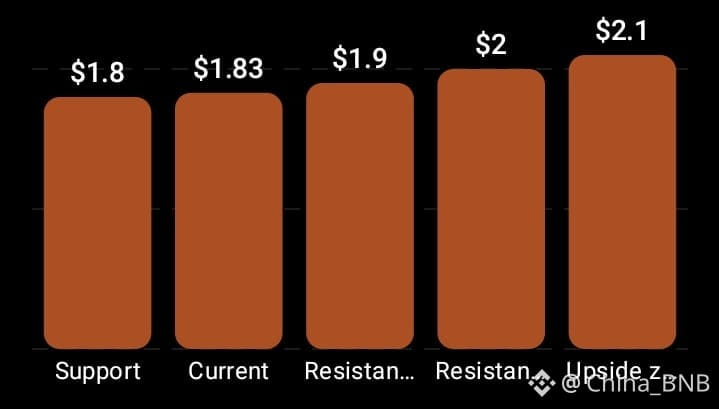
DEXE is holding around $1.83.
🟢 Support: $1.80
🎯 Entry Zone: $1.80–$1.83
🔴 Resistance: $1.90
🚀 Breakout: Above $1.90
🎯 Targets: $2.00 → $2.10
⚠️ Risk Zone: Below $1.80
Simple plan: Watch $1.90 closely. A strong breakout with volume could open the path toward $2.00–$2.10. If $1.80 breaks, avoid chasing.
Trade smart — levels can change quickly.
$DEXE 🚨 $DEXE /USDT SPOT SIGNAL
DEXE is holding around $1.83.
🟢 Support: $1.80
🎯 Entry Zone: $1.80–$1.83
🔴 Resistance: $1.90
🚀 Breakout: Above $1.90
🎯 Targets: $2.00 → $2.10
⚠️ Risk Zone: Below $1.80
Simple plan: Watch $1.90 closely. A strong breakout with volume could open the path toward $2.00–$2.10. If $1.80 breaks, avoid chasing.
Trade smart — levels can change quickly.
DEXE is holding around $1.83.
🟢 Support: $1.80
🎯 Entry Zone: $1.80–$1.83
🔴 Resistance: $1.90
🚀 Breakout: Above $1.90
🎯 Targets: $2.00 → $2.10
⚠️ Risk Zone: Below $1.80
Simple plan: Watch $1.90 closely. A strong breakout with volume could open the path toward $2.00–$2.10. If $1.80 breaks, avoid chasing.
Trade smart — levels can change quickly.
3
675
·
--
Baissier
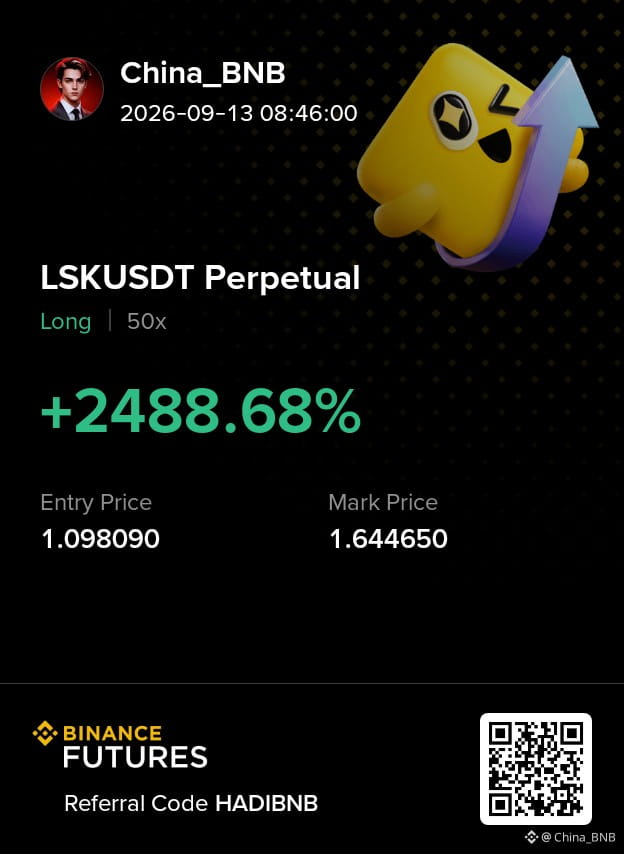
Hi there is important to all Holder $QNT
{future}(QNTUSDT)
Back to the $76 is going to soon 🔜 bearish RSI is still bull but MACD indicator still show back Bearish so I have open short on the way #QNT-3.19%
Hi there is important to all Holder $QNT
Back to the $76 is going to soon 🔜 bearish RSI is still bull but MACD indicator still show back Bearish so I have open short on the way #QNT-3.19%
Back to the $76 is going to soon 🔜 bearish RSI is still bull but MACD indicator still show back Bearish so I have open short on the way #QNT-3.19%
4
148
·
--
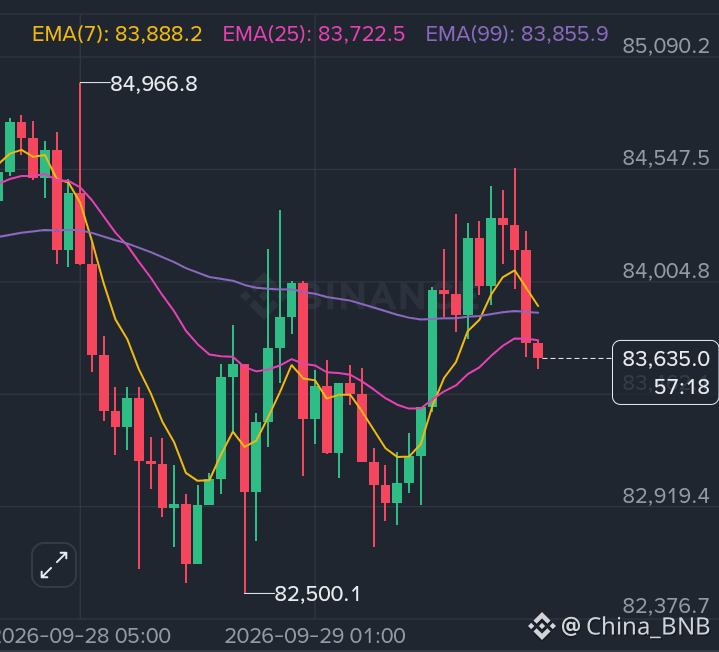
🚨 BITCOIN IS AT A CRITICAL LEVEL — THE NEXT MOVE MATTERS!
BTC is holding near the $83K–$84K zone, but buyers and sellers are fighting for control.
📍 Entry: $82.8K–$83.5K
🛡️ Support: $82K
⚠️ Strong Support: $80.5K
🚧 Resistance: $84.5K
🚀 Breakout: Above $86K
🎯 Targets: $88K → $90K
Holding $82K could keep buyers active. A break above $86K may bring stronger momentum. But losing $82K could send BTC toward $80.5K.
Will Bitcoin break $86K, or will sellers push it lower first?
$BTC #
🚨 BITCOIN IS AT A CRITICAL LEVEL — THE NEXT MOVE MATTERS!
BTC is holding near the $83K–$84K zone, but buyers and sellers are fighting for control.
📍 Entry: $82.8K–$83.5K
🛡️ Support: $82K
⚠️ Strong Support: $80.5K
🚧 Resistance: $84.5K
🚀 Breakout: Above $86K
🎯 Targets: $88K → $90K
Holding $82K could keep buyers active. A break above $86K may bring stronger momentum. But losing $82K could send BTC toward $80.5K.
Will Bitcoin break $86K, or will sellers push it lower first?
$BTC #
BTC is holding near the $83K–$84K zone, but buyers and sellers are fighting for control.
📍 Entry: $82.8K–$83.5K
🛡️ Support: $82K
⚠️ Strong Support: $80.5K
🚧 Resistance: $84.5K
🚀 Breakout: Above $86K
🎯 Targets: $88K → $90K
Holding $82K could keep buyers active. A break above $86K may bring stronger momentum. But losing $82K could send BTC toward $80.5K.
Will Bitcoin break $86K, or will sellers push it lower first?
$BTC #
2
187
Connectez-vous pour découvrir plus de contenu
Rejoignez la communauté mondiale des adeptes de cryptomonnaies sur Binance Square
⚡️ Suviez les dernières informations importantes sur les cryptomonnaies.
💬 Jugé digne de confiance par la plus grande plateforme d’échange de cryptomonnaies au monde.
👍 Découvrez les connaissances que partagent les créateurs vérifiés.
Adresse e-mail/Nº de téléphone
Sujets d’actualité
BinanceLaunchesBinanceIntelligence
47,093 vues
647 mentions
🚨 BINANCE JUST PUT AI DIRECTLY INSIDE THE EXCHANGE — AND THIS COULD CHANGE HOW RETAIL TRADES.
Binance has officially launched Binance Intelligence, a new AI layer built into the Binance ecosystem. It combines three products:
Binance AI for everyday users,
Binance AI Pro for automated trading workflows,
and Agent OS for developers building financial agents.
The part traders should care about?
Binance AI can surface market briefs, smart alerts, PnL recaps and personalized information, while AI Pro is designed to turn a plain-English trading idea into a visual strategy workflow.
That means the next phase of exchange competition may not be:
lowest fees vs deepest liquidity.
It could be:
who gives traders the best AI execution layer.
If Binance Intelligence actually drives heavier user activity, automated strategies and higher trading frequency, watch $BNB first.
AI adoption ↑
→ Binance engagement ↑
→ trading activity ↑
→ ecosystem narrative strengthens.
The catalyst I’d watch now:
global rollout + AI Pro launch + measurable user adoption.
Because once AI stops just telling you what the market is doing…
…and starts helping build the trade itself?
That’s when this gets much bigger than another chatbot. 👀
#binancelaunchesbinanceintelligence #EvernorthXRPTreasuryCompletesSPACMerger #ADAGains10%Above$0.27 #ETHUp70%InQ3ButLiquidityFalls #EthStakingExitQueueHits2026High
KimHotbae
·20 mentions J’aime
·25.2k vues
EvernorthXRPTreasuryCompletesSPACMerger
41,157 vues
461 mentions
ADAGains10%Above$0.27
32,340 vues
215 mentions