
The Truth of Trading
77 Publications

The Truth of Trading
Signaler
Bloquer l’utilisateur
Small capital.
Clear mindset.
Waiting for the right moment.
Sharing my honest view of the market.
2 Suivis
11 Abonnés
86 J’aime
Publications
Portefeuille
Tous
Citations
📍 SIGNAL ID: #G124
COIN: $RENDER/USDT
Direction: 🍳 LONG
Type: Swing
Taille de position: 24%
Leverage: 35x
ENTRÉE: 1.81 1.82
🍕 Objectif 1: 1.85
🍕 Objectif 2: 1.86
🍕 Objectif 3: 1.87
🍕 Objectif 4: 1.90
🍕 Objectif 5: 1.95
🥓 STOP LOSS: 1.75
📍 SIGNAL ID: #G124
COIN: $RENDER/USDT
Direction: 🍳 LONG
Type: Swing
Taille de position: 24%
Leverage: 35x
ENTRÉE: 1.81 1.82
🍕 Objectif 1: 1.85
🍕 Objectif 2: 1.86
🍕 Objectif 3: 1.87
🍕 Objectif 4: 1.90
🍕 Objectif 5: 1.95
🥓 STOP LOSS: 1.75
COIN: $RENDER/USDT
Direction: 🍳 LONG
Type: Swing
Taille de position: 24%
Leverage: 35x
ENTRÉE: 1.81 1.82
🍕 Objectif 1: 1.85
🍕 Objectif 2: 1.86
🍕 Objectif 3: 1.87
🍕 Objectif 4: 1.90
🍕 Objectif 5: 1.95
🥓 STOP LOSS: 1.75
8
ONT/USDT 📉 VENDRE
🔹Zone d'entrée : 0.0722 - 0.0740
💰TP1 0.0705
💰TP2 0.0695
💰TP3 0.0680
🚫SL 0.0750
〽Effet de levier 20x
ONT/USDT 📉 VENDRE
🔹Zone d'entrée : 0.0722 - 0.0740
💰TP1 0.0705
💰TP2 0.0695
💰TP3 0.0680
🚫SL 0.0750
〽Effet de levier 20x
🔹Zone d'entrée : 0.0722 - 0.0740
💰TP1 0.0705
💰TP2 0.0695
💰TP3 0.0680
🚫SL 0.0750
〽Effet de levier 20x
13
ONT/USDT 📉 VENDRE
🔹Zone d'entrée : 0.0722 - 0.0740
💰TP1 0.0705
💰TP2 0.0695
💰TP3 0.0680
🚫SL 0.0750
〽Leverage 20x
👉 Suivez-le ici pour obtenir les meilleurs résultats:
ONT/USDT 📉 VENDRE
🔹Zone d'entrée : 0.0722 - 0.0740
💰TP1 0.0705
💰TP2 0.0695
💰TP3 0.0680
🚫SL 0.0750
〽Leverage 20x
👉 Suivez-le ici pour obtenir les meilleurs résultats:
🔹Zone d'entrée : 0.0722 - 0.0740
💰TP1 0.0705
💰TP2 0.0695
💰TP3 0.0680
🚫SL 0.0750
〽Leverage 20x
👉 Suivez-le ici pour obtenir les meilleurs résultats:
16
🍖 Mise à jour $XMR 🍖
Cible 1 : 383,3 🍩
Cible 2 : 389,3 🍩
Cible 3 : 389,8 🍩
Cible 4 : 398,1 🍩
Bénéfice : 34% (lev. 5x) 🍖🍖🍖
Votre repas quotidien 😋
le diner bitcoin 🍔
🍖 Mise à jour $XMR 🍖
Cible 1 : 383,3 🍩
Cible 2 : 389,3 🍩
Cible 3 : 389,8 🍩
Cible 4 : 398,1 🍩
Bénéfice : 34% (lev. 5x) 🍖🍖🍖
Votre repas quotidien 😋
le diner bitcoin 🍔
Cible 1 : 383,3 🍩
Cible 2 : 389,3 🍩
Cible 3 : 389,8 🍩
Cible 4 : 398,1 🍩
Bénéfice : 34% (lev. 5x) 🍖🍖🍖
Votre repas quotidien 😋
le diner bitcoin 🍔
10
SEI/USDT 📈 ACHAT
🔹Zone d'entrée : 0.06465 - 0.06300
💰TP1 0.06600
💰TP2 0.06740
💰TP3 0.06900
🚫SL 0.06170
〽Effet de levier 20x
👉 Suivez-le ici pour obtenir les meilleurs résultats :
SEI/USDT 📈 ACHAT
🔹Zone d'entrée : 0.06465 - 0.06300
💰TP1 0.06600
💰TP2 0.06740
💰TP3 0.06900
🚫SL 0.06170
〽Effet de levier 20x
👉 Suivez-le ici pour obtenir les meilleurs résultats :
🔹Zone d'entrée : 0.06465 - 0.06300
💰TP1 0.06600
💰TP2 0.06740
💰TP3 0.06900
🚫SL 0.06170
〽Effet de levier 20x
👉 Suivez-le ici pour obtenir les meilleurs résultats :
9
#thebitcoindiner🍻
⚠️ Mise à jour de $AAVE
🥓 Stop Loss Atteint : 96.2
Perte : 13% (lev. 3x)
Votre repas quotidien 😋
le diner bitcoin 🍔
#thebitcoindiner🍻
⚠️ Mise à jour de $AAVE
🥓 Stop Loss Atteint : 96.2
Perte : 13% (lev. 3x)
Votre repas quotidien 😋
le diner bitcoin 🍔
⚠️ Mise à jour de $AAVE
🥓 Stop Loss Atteint : 96.2
Perte : 13% (lev. 3x)
Votre repas quotidien 😋
le diner bitcoin 🍔
158
Dans le marché crypto, le profit ne se résume pas à gagner chaque trade.
Il s'agit de gestion des risques, de contrôle émotionnel et de cohérence.
Les pertes sont temporaires, les leçons sont permanentes.
Trade intelligemment, pas émotionnellement. La pensée à long terme l'emporte toujours.
Dans le marché crypto, le profit ne se résume pas à gagner chaque trade.
Il s'agit de gestion des risques, de contrôle émotionnel et de cohérence.
Les pertes sont temporaires, les leçons sont permanentes.
Trade intelligemment, pas émotionnellement. La pensée à long terme l'emporte toujours.
Il s'agit de gestion des risques, de contrôle émotionnel et de cohérence.
Les pertes sont temporaires, les leçons sont permanentes.
Trade intelligemment, pas émotionnellement. La pensée à long terme l'emporte toujours.
83
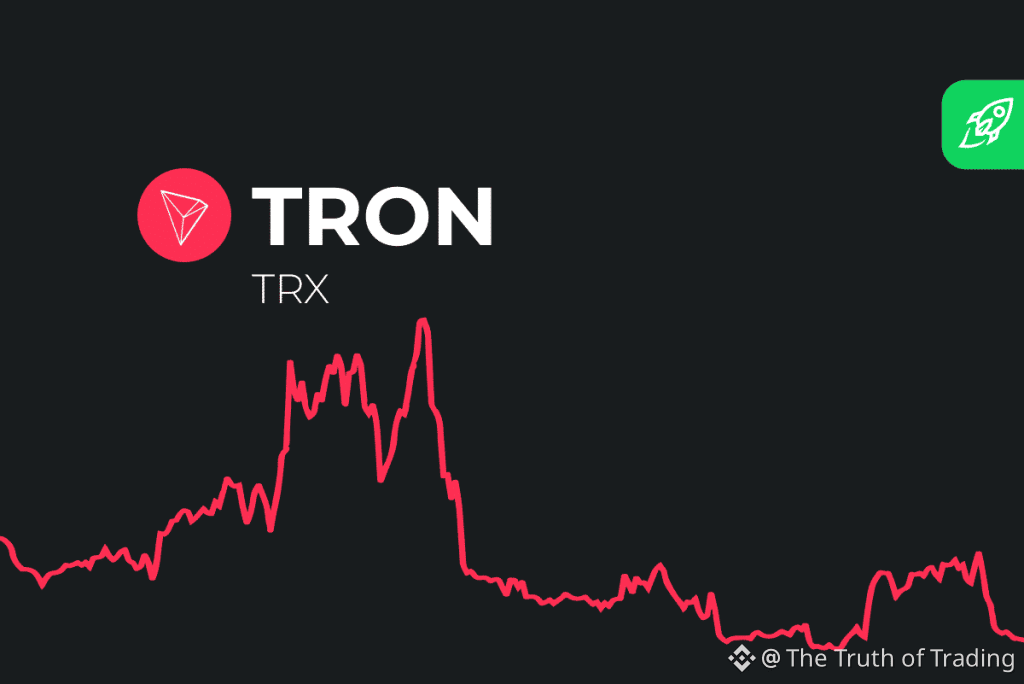
TRX – Partie 2 : Investissement vs Trading
Quand il s'agit de TRON (TRX),
beaucoup de gens commettent une erreur :
Ils le traitent de la même manière qu'ils traitent les pièces tendance.
Mais TRX se comporte différemment.
TRX en tant qu'Investissement
TRON est un réseau axé sur l'utilité
Il est largement utilisé pour les transferts de stablecoins
L'activité est constante, pas explosive
Cela signifie :
TRX n'est pas conçu pour des cycles de hype de nuit.
La détention à long terme dépend de :
L'utilisation du réseau restant forte
Une demande stable, pas d'excitation
De la patience, pas d'attentes de mouvements rapides
C'est plus proche de l'infrastructure que de la spéculation.
TRX en tant qu'Actif de Trading
Trader TRX est un jeu différent.
Parce que :
Il bouge lentement
Les cassures sont rares
Les plages latérales dominent
Les traders doivent :
Attendre des zones de support claires
Ou des cassures de résistance confirmées
Éviter de courir après de petits mouvements
TRX récompense la discipline, pas l'émotion.
La Leçon Clé
Certaines pièces sont bruyantes.
Certaines pièces sont utiles.
TRX est utile — pas excitant.
Savoir si vous êtes :
Investisseur
Ou trader
Fait toute la différence.
Dans le prochain post, je partagerai :
Comment je décide quelles pièces méritent d'être conservées à long terme — et lesquelles ne le méritent pas.
Suivez si vous voulez de la clarté, pas du bruit.
#TRX #TRON #Trading #BinanceSquar
$TRX
{future}(TRXUSDT)
TRX – Partie 2 : Investissement vs Trading
Quand il s'agit de TRON (TRX),
beaucoup de gens commettent une erreur :
Ils le traitent de la même manière qu'ils traitent les pièces tendance.
Mais TRX se comporte différemment.
TRX en tant qu'Investissement
TRON est un réseau axé sur l'utilité
Il est largement utilisé pour les transferts de stablecoins
L'activité est constante, pas explosive
Cela signifie :
TRX n'est pas conçu pour des cycles de hype de nuit.
La détention à long terme dépend de :
L'utilisation du réseau restant forte
Une demande stable, pas d'excitation
De la patience, pas d'attentes de mouvements rapides
C'est plus proche de l'infrastructure que de la spéculation.
TRX en tant qu'Actif de Trading
Trader TRX est un jeu différent.
Parce que :
Il bouge lentement
Les cassures sont rares
Les plages latérales dominent
Les traders doivent :
Attendre des zones de support claires
Ou des cassures de résistance confirmées
Éviter de courir après de petits mouvements
TRX récompense la discipline, pas l'émotion.
La Leçon Clé
Certaines pièces sont bruyantes.
Certaines pièces sont utiles.
TRX est utile — pas excitant.
Savoir si vous êtes :
Investisseur
Ou trader
Fait toute la différence.
Dans le prochain post, je partagerai :
Comment je décide quelles pièces méritent d'être conservées à long terme — et lesquelles ne le méritent pas.
Suivez si vous voulez de la clarté, pas du bruit.
#TRX #TRON #Trading #BinanceSquar
$TRX
Quand il s'agit de TRON (TRX),
beaucoup de gens commettent une erreur :
Ils le traitent de la même manière qu'ils traitent les pièces tendance.
Mais TRX se comporte différemment.
TRX en tant qu'Investissement
TRON est un réseau axé sur l'utilité
Il est largement utilisé pour les transferts de stablecoins
L'activité est constante, pas explosive
Cela signifie :
TRX n'est pas conçu pour des cycles de hype de nuit.
La détention à long terme dépend de :
L'utilisation du réseau restant forte
Une demande stable, pas d'excitation
De la patience, pas d'attentes de mouvements rapides
C'est plus proche de l'infrastructure que de la spéculation.
TRX en tant qu'Actif de Trading
Trader TRX est un jeu différent.
Parce que :
Il bouge lentement
Les cassures sont rares
Les plages latérales dominent
Les traders doivent :
Attendre des zones de support claires
Ou des cassures de résistance confirmées
Éviter de courir après de petits mouvements
TRX récompense la discipline, pas l'émotion.
La Leçon Clé
Certaines pièces sont bruyantes.
Certaines pièces sont utiles.
TRX est utile — pas excitant.
Savoir si vous êtes :
Investisseur
Ou trader
Fait toute la différence.
Dans le prochain post, je partagerai :
Comment je décide quelles pièces méritent d'être conservées à long terme — et lesquelles ne le méritent pas.
Suivez si vous voulez de la clarté, pas du bruit.
#TRX #TRON #Trading #BinanceSquar
$TRX
2
51
TRX Expliqué : Pourquoi un projet "ennuyeux" survit encore
Dans le monde de la crypto, les projets les plus bruyants attirent l'attention.
Mais les plus silencieux survivent souvent le plus longtemps.
TRON (TRX) est l'un d'eux.
TRX ne dépend plus du buzz.
Il ne promet pas de miracles.
Et pourtant… il est toujours là.
Pourquoi ?
Parce que TRON est construit pour un usage réel, pas pour la spéculation.
Des millions de personnes l'utilisent quotidiennement pour :
Des paiements rapides
Des transferts de stablecoins peu coûteux
Déplacer de la valeur efficacement
Et voici la leçon clé :
Un usage réel maintient un projet en vie.
Le buzz ne change que le prix.
C'est pourquoi TRX :
A chuté avec le marché ✅
Mais n'a jamais disparu ✅
Le prix monte et descend.
L'utilité continue de fonctionner.
Dans le prochain post, j'expliquerai :
Comment décider si une crypto est pour un hold à long terme ou un trading à court terme.
Suivez si vous voulez avoir l'ensemble du tableau, pas seulement des velas.
$TRX
{spot}(TRXUSDT)
#TRX #TRON #CryptoEducation #BinanceSquare #LongTermThinking
TRX Expliqué : Pourquoi un projet "ennuyeux" survit encore
Dans le monde de la crypto, les projets les plus bruyants attirent l'attention.
Mais les plus silencieux survivent souvent le plus longtemps.
TRON (TRX) est l'un d'eux.
TRX ne dépend plus du buzz.
Il ne promet pas de miracles.
Et pourtant… il est toujours là.
Pourquoi ?
Parce que TRON est construit pour un usage réel, pas pour la spéculation.
Des millions de personnes l'utilisent quotidiennement pour :
Des paiements rapides
Des transferts de stablecoins peu coûteux
Déplacer de la valeur efficacement
Et voici la leçon clé :
Un usage réel maintient un projet en vie.
Le buzz ne change que le prix.
C'est pourquoi TRX :
A chuté avec le marché ✅
Mais n'a jamais disparu ✅
Le prix monte et descend.
L'utilité continue de fonctionner.
Dans le prochain post, j'expliquerai :
Comment décider si une crypto est pour un hold à long terme ou un trading à court terme.
Suivez si vous voulez avoir l'ensemble du tableau, pas seulement des velas.
$TRX
#TRX #TRON #CryptoEducation #BinanceSquare #LongTermThinking
Dans le monde de la crypto, les projets les plus bruyants attirent l'attention.
Mais les plus silencieux survivent souvent le plus longtemps.
TRON (TRX) est l'un d'eux.
TRX ne dépend plus du buzz.
Il ne promet pas de miracles.
Et pourtant… il est toujours là.
Pourquoi ?
Parce que TRON est construit pour un usage réel, pas pour la spéculation.
Des millions de personnes l'utilisent quotidiennement pour :
Des paiements rapides
Des transferts de stablecoins peu coûteux
Déplacer de la valeur efficacement
Et voici la leçon clé :
Un usage réel maintient un projet en vie.
Le buzz ne change que le prix.
C'est pourquoi TRX :
A chuté avec le marché ✅
Mais n'a jamais disparu ✅
Le prix monte et descend.
L'utilité continue de fonctionner.
Dans le prochain post, j'expliquerai :
Comment décider si une crypto est pour un hold à long terme ou un trading à court terme.
Suivez si vous voulez avoir l'ensemble du tableau, pas seulement des velas.
$TRX
#TRX #TRON #CryptoEducation #BinanceSquare #LongTermThinking
1
178
Une des plus grandes erreurs que je commettais auparavant était de croire ceci :
"Si un projet est solide et utile, son prix devrait uniquement augmenter."
Ça semble logique… mais le marché ne fonctionne pas comme ça.
Voici la vérité :
Le prix n'est pas un indicateur de la qualité d'un projet.
Le prix est simplement le résultat de l'offre et de la demande à un moment donné.
Un projet peut être :
Techniquement solide
Utilisé activement
Résolvant de véritables problèmes
…et pourtant chuter gravement en prix.
Pourquoi ?
Parce que les marchés ne bougent pas uniquement sur l'utilité.
Les projets solides s'effondrent quand :
Des gros porteurs doivent vendre (faillites, liquidations, investisseurs précoces)
Trop d'offre arrive sur le marché plus vite que la demande ne peut absorber
La peur remplace la logique après un gros événement négatif
Le battage médiatique passé a poussé le prix bien au-dessus d'une évaluation réaliste
Rien de tout cela n'a à voir avec le fait que le projet fonctionne ou non.
Le marché se fiche de savoir si quelqu'un a acheté au sommet et a perdu de l'argent.
Le marché ne se souvient pas des prix passés.
Il ne pose que deux questions :
Combien est vendu maintenant ?
Combien est acheté maintenant ?
Lorsque la pression de vente est plus élevée, le prix chute — même si le projet est solide.
C'est pourquoi comprendre l'histoire et le contexte est plus important que de simplement regarder les bougies.
Dans la prochaine partie, j'expliquerai :
Pourquoi les graphiques à eux seuls ne peuvent pas raconter toute l'histoire — et où l'analyse technique s'intègre réellement.
Si ce post vous a aidé à voir les prix différemment,
restez à l'affût pour la Partie 3.
Une des plus grandes erreurs que je commettais auparavant était de croire ceci :
"Si un projet est solide et utile, son prix devrait uniquement augmenter."
Ça semble logique… mais le marché ne fonctionne pas comme ça.
Voici la vérité :
Le prix n'est pas un indicateur de la qualité d'un projet.
Le prix est simplement le résultat de l'offre et de la demande à un moment donné.
Un projet peut être :
Techniquement solide
Utilisé activement
Résolvant de véritables problèmes
…et pourtant chuter gravement en prix.
Pourquoi ?
Parce que les marchés ne bougent pas uniquement sur l'utilité.
Les projets solides s'effondrent quand :
Des gros porteurs doivent vendre (faillites, liquidations, investisseurs précoces)
Trop d'offre arrive sur le marché plus vite que la demande ne peut absorber
La peur remplace la logique après un gros événement négatif
Le battage médiatique passé a poussé le prix bien au-dessus d'une évaluation réaliste
Rien de tout cela n'a à voir avec le fait que le projet fonctionne ou non.
Le marché se fiche de savoir si quelqu'un a acheté au sommet et a perdu de l'argent.
Le marché ne se souvient pas des prix passés.
Il ne pose que deux questions :
Combien est vendu maintenant ?
Combien est acheté maintenant ?
Lorsque la pression de vente est plus élevée, le prix chute — même si le projet est solide.
C'est pourquoi comprendre l'histoire et le contexte est plus important que de simplement regarder les bougies.
Dans la prochaine partie, j'expliquerai :
Pourquoi les graphiques à eux seuls ne peuvent pas raconter toute l'histoire — et où l'analyse technique s'intègre réellement.
Si ce post vous a aidé à voir les prix différemment,
restez à l'affût pour la Partie 3.
"Si un projet est solide et utile, son prix devrait uniquement augmenter."
Ça semble logique… mais le marché ne fonctionne pas comme ça.
Voici la vérité :
Le prix n'est pas un indicateur de la qualité d'un projet.
Le prix est simplement le résultat de l'offre et de la demande à un moment donné.
Un projet peut être :
Techniquement solide
Utilisé activement
Résolvant de véritables problèmes
…et pourtant chuter gravement en prix.
Pourquoi ?
Parce que les marchés ne bougent pas uniquement sur l'utilité.
Les projets solides s'effondrent quand :
Des gros porteurs doivent vendre (faillites, liquidations, investisseurs précoces)
Trop d'offre arrive sur le marché plus vite que la demande ne peut absorber
La peur remplace la logique après un gros événement négatif
Le battage médiatique passé a poussé le prix bien au-dessus d'une évaluation réaliste
Rien de tout cela n'a à voir avec le fait que le projet fonctionne ou non.
Le marché se fiche de savoir si quelqu'un a acheté au sommet et a perdu de l'argent.
Le marché ne se souvient pas des prix passés.
Il ne pose que deux questions :
Combien est vendu maintenant ?
Combien est acheté maintenant ?
Lorsque la pression de vente est plus élevée, le prix chute — même si le projet est solide.
C'est pourquoi comprendre l'histoire et le contexte est plus important que de simplement regarder les bougies.
Dans la prochaine partie, j'expliquerai :
Pourquoi les graphiques à eux seuls ne peuvent pas raconter toute l'histoire — et où l'analyse technique s'intègre réellement.
Si ce post vous a aidé à voir les prix différemment,
restez à l'affût pour la Partie 3.
1
1
151


Binance News
·
--
Actualités Bitcoin Aujourd'hui : Les baleines Bitcoin accumulent 3,17 milliards de dollars en BTC depuis le 10 avril alors qu'une rupture des 80 000 $ pourrait déclencher un signal de marché haussier
Points clés
Les adresses de baleines détenant entre 10 et 10 000 BTC ont accumulé environ 40 967 BTC d'une valeur de 3,17 milliards de dollars depuis le 10 avril, selon Santiment
Les petits détenteurs ayant moins de 0,1 BTC ont ajouté seulement 46 BTC d'une valeur de 3,56 millions de dollars sur la même période -- une structure d'accumulation dominée par les baleines historiquement associée à des tendances haussières plus fortes à moyen et long terme
Le Bitcoin a grimpé à 79 327 $ avant de revenir autour de 77 390 $, en hausse d'environ 8,6 % au cours des 30 derniers jours
Santiment décrit le sentiment du marché comme ayant changé d'"extrême pessimisme" vers un "fort FOMO" mais note que le marché reste dans la zone de "peur" et n'a pas encore surchauffé
Les adresses de baleines détenant entre 10 et 10 000 BTC ont accumulé environ 40 967 BTC d'une valeur de 3,17 milliards de dollars depuis le 10 avril, selon Santiment
Les petits détenteurs ayant moins de 0,1 BTC ont ajouté seulement 46 BTC d'une valeur de 3,56 millions de dollars sur la même période -- une structure d'accumulation dominée par les baleines historiquement associée à des tendances haussières plus fortes à moyen et long terme
Le Bitcoin a grimpé à 79 327 $ avant de revenir autour de 77 390 $, en hausse d'environ 8,6 % au cours des 30 derniers jours
Santiment décrit le sentiment du marché comme ayant changé d'"extrême pessimisme" vers un "fort FOMO" mais note que le marché reste dans la zone de "peur" et n'a pas encore surchauffé

1
3
Pendant longtemps, j'ai cru que la crypto était simple :
C'est ce que la plupart des gens autour de moi faisaient.
C'est ce que le marché enseigne aux nouveaux traders.
Mais je me suis récemment rendu compte de quelque chose d'important :
Acheter une crypto sans comprendre le projet derrière
n'est pas du trading... c'est du jeu.
Réfléchis à cela.
Si un ami te demande d'investir dans son entreprise,
est-ce que tu te contenterais de regarder le graphique des prix d'aujourd'hui ?
Bien sûr que non.
Tu demanderais :
Quel problème ce projet résout-il ?
Pourquoi les gens en ont-ils réellement besoin ?
Que s'est-il passé dans le passé ?
Quels risques existent encore aujourd'hui ?
La crypto n'est pas différente.
Les bougies montrent le mouvement des prix.
Elles ne montrent pas la valeur.
Elles n'expliquent pas l'histoire.
Elles ne te disent pas pourquoi le prix a bougé.
Le trading est une véritable compétence.
Mais investir sans comprendre
n'est que deviner avec de l'argent.
Dans le prochain post, j'expliquerai la réelle différence entre :
Investir
Trader
Et jouer
Si cela a du sens pour toi,
suis-moi et reste pour la Partie 2.
#CryptoEducation
#Investing
#Trading
#RiskManagement
#BinanceSquare
$BTC
Pendant longtemps, j'ai cru que la crypto était simple :
C'est ce que la plupart des gens autour de moi faisaient.
C'est ce que le marché enseigne aux nouveaux traders.
Mais je me suis récemment rendu compte de quelque chose d'important :
Acheter une crypto sans comprendre le projet derrière
n'est pas du trading... c'est du jeu.
Réfléchis à cela.
Si un ami te demande d'investir dans son entreprise,
est-ce que tu te contenterais de regarder le graphique des prix d'aujourd'hui ?
Bien sûr que non.
Tu demanderais :
Quel problème ce projet résout-il ?
Pourquoi les gens en ont-ils réellement besoin ?
Que s'est-il passé dans le passé ?
Quels risques existent encore aujourd'hui ?
La crypto n'est pas différente.
Les bougies montrent le mouvement des prix.
Elles ne montrent pas la valeur.
Elles n'expliquent pas l'histoire.
Elles ne te disent pas pourquoi le prix a bougé.
Le trading est une véritable compétence.
Mais investir sans comprendre
n'est que deviner avec de l'argent.
Dans le prochain post, j'expliquerai la réelle différence entre :
Investir
Trader
Et jouer
Si cela a du sens pour toi,
suis-moi et reste pour la Partie 2.
#CryptoEducation
#Investing
#Trading
#RiskManagement
#BinanceSquare
$BTC
C'est ce que la plupart des gens autour de moi faisaient.
C'est ce que le marché enseigne aux nouveaux traders.
Mais je me suis récemment rendu compte de quelque chose d'important :
Acheter une crypto sans comprendre le projet derrière
n'est pas du trading... c'est du jeu.
Réfléchis à cela.
Si un ami te demande d'investir dans son entreprise,
est-ce que tu te contenterais de regarder le graphique des prix d'aujourd'hui ?
Bien sûr que non.
Tu demanderais :
Quel problème ce projet résout-il ?
Pourquoi les gens en ont-ils réellement besoin ?
Que s'est-il passé dans le passé ?
Quels risques existent encore aujourd'hui ?
La crypto n'est pas différente.
Les bougies montrent le mouvement des prix.
Elles ne montrent pas la valeur.
Elles n'expliquent pas l'histoire.
Elles ne te disent pas pourquoi le prix a bougé.
Le trading est une véritable compétence.
Mais investir sans comprendre
n'est que deviner avec de l'argent.
Dans le prochain post, j'expliquerai la réelle différence entre :
Investir
Trader
Et jouer
Si cela a du sens pour toi,
suis-moi et reste pour la Partie 2.
#CryptoEducation
#Investing
#Trading
#RiskManagement
#BinanceSquare
$BTC
1
147
📍 SIGNAL ID: #G116
COIN: $ZEC/USDT
Direction: 🍳 LONG
Type: Swing
Position Size: 24%
Leverage: 35x
ENTRY: 351.6 353.3
🍕 Target 1: 360.3
🍕 Target 2: 365.9
🍕 Target 3: 374.3
🍕 Target 4: 384.8
🍕 Target 5: 402.2
🥓 STOP LOSS: 340.1
La tendance quotidienne et la structure 4H confirment toutes deux un momentum haussier avec le ruban EMA aligné et le MACD montrant un fort croisement haussier. La cassure est confirmée par le volume et le RSI près de 67 soutiennent la continuation. Entrez entre 351.6–353.3 ; le niveau clé à surveiller est 360.3 pour un take profit partiel.
📍 SIGNAL ID: #G116
COIN: $ZEC/USDT
Direction: 🍳 LONG
Type: Swing
Position Size: 24%
Leverage: 35x
ENTRY: 351.6 353.3
🍕 Target 1: 360.3
🍕 Target 2: 365.9
🍕 Target 3: 374.3
🍕 Target 4: 384.8
🍕 Target 5: 402.2
🥓 STOP LOSS: 340.1
La tendance quotidienne et la structure 4H confirment toutes deux un momentum haussier avec le ruban EMA aligné et le MACD montrant un fort croisement haussier. La cassure est confirmée par le volume et le RSI près de 67 soutiennent la continuation. Entrez entre 351.6–353.3 ; le niveau clé à surveiller est 360.3 pour un take profit partiel.
COIN: $ZEC/USDT
Direction: 🍳 LONG
Type: Swing
Position Size: 24%
Leverage: 35x
ENTRY: 351.6 353.3
🍕 Target 1: 360.3
🍕 Target 2: 365.9
🍕 Target 3: 374.3
🍕 Target 4: 384.8
🍕 Target 5: 402.2
🥓 STOP LOSS: 340.1
La tendance quotidienne et la structure 4H confirment toutes deux un momentum haussier avec le ruban EMA aligné et le MACD montrant un fort croisement haussier. La cassure est confirmée par le volume et le RSI près de 67 soutiennent la continuation. Entrez entre 351.6–353.3 ; le niveau clé à surveiller est 360.3 pour un take profit partiel.
1
203
Si tu veux réussir, tu dois bosser dur pour apprendre.
Une compréhension profonde et une exécution consciente sont des compétences — et comme toute compétence, elles nécessitent éducation et temps.
Pense à toi comme si tu t'étais inscrit à l'université.
Combien d'années étudierais-tu avant d'obtenir un diplôme qui te qualifie pour une carrière à vie ?
La réponse dépend du domaine que tu choisis.
Et dans l'e‑commerce, ce n'est pas juste un job — c'est la carrière qui construit ta vie et soutient tes ambitions.
C'est pourquoi ça demande un apprentissage approfondi, un effort constant et une lecture attentive du marché.
Tu dois étudier, analyser et comprendre — pas deviner.
Tout comme dans n'importe quelle vraie entreprise, l'e‑commerce nécessite également du capital.
Tu as besoin de financements appropriés et d'une planification financière pour commencer en toute sécurité.
Ne mise jamais tout ton capital d'un coup.
Avance à travers des plans structurés et des étapes calculées.
Apprends en continu.
Lis le marché.
Analyse les données.
Ne compte pas sur la chance ou les impulsions émotionnelles.
À la fin, tu réaliseras des profits substantiels —
tout comme ceux qui ont perdu beaucoup avant de comprendre comment les profits se font vraiment.
Si tu veux réussir, tu dois bosser dur pour apprendre.
Une compréhension profonde et une exécution consciente sont des compétences — et comme toute compétence, elles nécessitent éducation et temps.
Pense à toi comme si tu t'étais inscrit à l'université.
Combien d'années étudierais-tu avant d'obtenir un diplôme qui te qualifie pour une carrière à vie ?
La réponse dépend du domaine que tu choisis.
Et dans l'e‑commerce, ce n'est pas juste un job — c'est la carrière qui construit ta vie et soutient tes ambitions.
C'est pourquoi ça demande un apprentissage approfondi, un effort constant et une lecture attentive du marché.
Tu dois étudier, analyser et comprendre — pas deviner.
Tout comme dans n'importe quelle vraie entreprise, l'e‑commerce nécessite également du capital.
Tu as besoin de financements appropriés et d'une planification financière pour commencer en toute sécurité.
Ne mise jamais tout ton capital d'un coup.
Avance à travers des plans structurés et des étapes calculées.
Apprends en continu.
Lis le marché.
Analyse les données.
Ne compte pas sur la chance ou les impulsions émotionnelles.
À la fin, tu réaliseras des profits substantiels —
tout comme ceux qui ont perdu beaucoup avant de comprendre comment les profits se font vraiment.
Une compréhension profonde et une exécution consciente sont des compétences — et comme toute compétence, elles nécessitent éducation et temps.
Pense à toi comme si tu t'étais inscrit à l'université.
Combien d'années étudierais-tu avant d'obtenir un diplôme qui te qualifie pour une carrière à vie ?
La réponse dépend du domaine que tu choisis.
Et dans l'e‑commerce, ce n'est pas juste un job — c'est la carrière qui construit ta vie et soutient tes ambitions.
C'est pourquoi ça demande un apprentissage approfondi, un effort constant et une lecture attentive du marché.
Tu dois étudier, analyser et comprendre — pas deviner.
Tout comme dans n'importe quelle vraie entreprise, l'e‑commerce nécessite également du capital.
Tu as besoin de financements appropriés et d'une planification financière pour commencer en toute sécurité.
Ne mise jamais tout ton capital d'un coup.
Avance à travers des plans structurés et des étapes calculées.
Apprends en continu.
Lis le marché.
Analyse les données.
Ne compte pas sur la chance ou les impulsions émotionnelles.
À la fin, tu réaliseras des profits substantiels —
tout comme ceux qui ont perdu beaucoup avant de comprendre comment les profits se font vraiment.
1
69
La douleur de l'échec est bien plus grande que la douleur de l'effort et des essais.
Souviens-toi, à chaque tentative, un grand succès t'attend de l'autre côté.
C'est peut-être cette tentative qui va changer toute ta vie — celle qui va te diriger vers quelque chose de plus grand, quelque chose qui touche le ciel.
Continue d'avancer.
Mais chaque fois, change de chemin.
Emprunter la même route deux fois et espérer un résultat différent n'est rien d'autre que de l'auto‑illusion.
Si tu répètes le même chemin, tu atteindras sûrement la même destination à chaque fois.
$XRP
{spot}(XRPUSDT)
La douleur de l'échec est bien plus grande que la douleur de l'effort et des essais.
Souviens-toi, à chaque tentative, un grand succès t'attend de l'autre côté.
C'est peut-être cette tentative qui va changer toute ta vie — celle qui va te diriger vers quelque chose de plus grand, quelque chose qui touche le ciel.
Continue d'avancer.
Mais chaque fois, change de chemin.
Emprunter la même route deux fois et espérer un résultat différent n'est rien d'autre que de l'auto‑illusion.
Si tu répètes le même chemin, tu atteindras sûrement la même destination à chaque fois.
$XRP
Souviens-toi, à chaque tentative, un grand succès t'attend de l'autre côté.
C'est peut-être cette tentative qui va changer toute ta vie — celle qui va te diriger vers quelque chose de plus grand, quelque chose qui touche le ciel.
Continue d'avancer.
Mais chaque fois, change de chemin.
Emprunter la même route deux fois et espérer un résultat différent n'est rien d'autre que de l'auto‑illusion.
Si tu répètes le même chemin, tu atteindras sûrement la même destination à chaque fois.
$XRP
1
8
·
--
Haussier
La douleur de l'échec est bien plus intense que celle de l'effort et de l'essai.
Souviens-toi, à chaque tentative, un grand succès t'attend de l'autre côté.
C'est peut-être la tentative qui va changer toute ta vie — celle qui va orienter ta direction vers quelque chose de plus grand, quelque chose qui touche le ciel.
Continue d'avancer.
Mais à chaque fois, change de voie.
Parcourir le même chemin deux fois en espérant un résultat différent n'est rien d'autre qu'une auto‑illusion.
Si tu répètes le même parcours, tu atteindras sûrement la même destination à chaque fois.
$USDC
{spot}(USDCUSDT)
La douleur de l'échec est bien plus intense que celle de l'effort et de l'essai.
Souviens-toi, à chaque tentative, un grand succès t'attend de l'autre côté.
C'est peut-être la tentative qui va changer toute ta vie — celle qui va orienter ta direction vers quelque chose de plus grand, quelque chose qui touche le ciel.
Continue d'avancer.
Mais à chaque fois, change de voie.
Parcourir le même chemin deux fois en espérant un résultat différent n'est rien d'autre qu'une auto‑illusion.
Si tu répètes le même parcours, tu atteindras sûrement la même destination à chaque fois.
$USDC
Souviens-toi, à chaque tentative, un grand succès t'attend de l'autre côté.
C'est peut-être la tentative qui va changer toute ta vie — celle qui va orienter ta direction vers quelque chose de plus grand, quelque chose qui touche le ciel.
Continue d'avancer.
Mais à chaque fois, change de voie.
Parcourir le même chemin deux fois en espérant un résultat différent n'est rien d'autre qu'une auto‑illusion.
Si tu répètes le même parcours, tu atteindras sûrement la même destination à chaque fois.
$USDC
1
67
On est tous fatigués de la vie et de ses douleurs.
Partout où l'on regarde, on cherche du réconfort et de la stabilité financière.
On court tous après le même rêve — même s'il diffère en taille, le sens est le même.
Chacun de nous court après l'argent avec des idées différentes, des chemins différents et des croyances différentes.
Mais qui gagne vraiment à la fin ?
La chance fait-elle partie de l'équation ?
Ces destinées sont-elles intouchables ?
Ou y a-t-il quelque chose de plus profond que nous ne comprenons pas encore ?
Partagez vos pensées — vos mots comptent vraiment.
#Vie #Succès #MentalitéFinancière #LibertéFinancière #CommunautéCrypto #BinanceSquare
$XRP
{spot}(XRPUSDT)
On est tous fatigués de la vie et de ses douleurs.
Partout où l'on regarde, on cherche du réconfort et de la stabilité financière.
On court tous après le même rêve — même s'il diffère en taille, le sens est le même.
Chacun de nous court après l'argent avec des idées différentes, des chemins différents et des croyances différentes.
Mais qui gagne vraiment à la fin ?
La chance fait-elle partie de l'équation ?
Ces destinées sont-elles intouchables ?
Ou y a-t-il quelque chose de plus profond que nous ne comprenons pas encore ?
Partagez vos pensées — vos mots comptent vraiment.
#Vie #Succès #MentalitéFinancière #LibertéFinancière #CommunautéCrypto #BinanceSquare
$XRP
Partout où l'on regarde, on cherche du réconfort et de la stabilité financière.
On court tous après le même rêve — même s'il diffère en taille, le sens est le même.
Chacun de nous court après l'argent avec des idées différentes, des chemins différents et des croyances différentes.
Mais qui gagne vraiment à la fin ?
La chance fait-elle partie de l'équation ?
Ces destinées sont-elles intouchables ?
Ou y a-t-il quelque chose de plus profond que nous ne comprenons pas encore ?
Partagez vos pensées — vos mots comptent vraiment.
#Vie #Succès #MentalitéFinancière #LibertéFinancière #CommunautéCrypto #BinanceSquare
$XRP
1
111
·
--
Haussier
Il n'y a pas d'argent facile — s'il y en avait, personne ne serait jamais fauché.
Au début, le succès nécessite toujours des efforts, de la réflexion et de la persévérance.
Avec le temps, une fois que vous avez construit un véritable succès et appris à le protéger, les choses commencent à s'écouler pendant que vous regardez simplement votre investissement croître.
Quand tout le monde pense de la même manière, personne ne se démarque.
Les différences sont ce qui vous rend unique — et ce qui fait avancer la vie.
Regardez-vous honnêtement et évaluez les limites de vos capacités.
Explorez, tentez et travaillez dur dans différents domaines et environnements jusqu'à ce que vous atteigniez vos réussites les plus fortes et les plus grandes.
Le succès ne consiste pas seulement à exceller dans ce que vous aimez.
La vraie distinction vient lorsque vous trouvez ce qui vous semble facile, que vous le comprenez profondément, que vous maîtrisez tous ses détails et que vous créez de la valeur à travers cela.
C'est le véritable signal d'excellence — et là où les vrais profits commencent.
$ETH
{spot}(ETHUSDT)
Il n'y a pas d'argent facile — s'il y en avait, personne ne serait jamais fauché.
Au début, le succès nécessite toujours des efforts, de la réflexion et de la persévérance.
Avec le temps, une fois que vous avez construit un véritable succès et appris à le protéger, les choses commencent à s'écouler pendant que vous regardez simplement votre investissement croître.
Quand tout le monde pense de la même manière, personne ne se démarque.
Les différences sont ce qui vous rend unique — et ce qui fait avancer la vie.
Regardez-vous honnêtement et évaluez les limites de vos capacités.
Explorez, tentez et travaillez dur dans différents domaines et environnements jusqu'à ce que vous atteigniez vos réussites les plus fortes et les plus grandes.
Le succès ne consiste pas seulement à exceller dans ce que vous aimez.
La vraie distinction vient lorsque vous trouvez ce qui vous semble facile, que vous le comprenez profondément, que vous maîtrisez tous ses détails et que vous créez de la valeur à travers cela.
C'est le véritable signal d'excellence — et là où les vrais profits commencent.
$ETH
Au début, le succès nécessite toujours des efforts, de la réflexion et de la persévérance.
Avec le temps, une fois que vous avez construit un véritable succès et appris à le protéger, les choses commencent à s'écouler pendant que vous regardez simplement votre investissement croître.
Quand tout le monde pense de la même manière, personne ne se démarque.
Les différences sont ce qui vous rend unique — et ce qui fait avancer la vie.
Regardez-vous honnêtement et évaluez les limites de vos capacités.
Explorez, tentez et travaillez dur dans différents domaines et environnements jusqu'à ce que vous atteigniez vos réussites les plus fortes et les plus grandes.
Le succès ne consiste pas seulement à exceller dans ce que vous aimez.
La vraie distinction vient lorsque vous trouvez ce qui vous semble facile, que vous le comprenez profondément, que vous maîtrisez tous ses détails et que vous créez de la valeur à travers cela.
C'est le véritable signal d'excellence — et là où les vrais profits commencent.
$ETH

1
119
Les cycles de marché testent les prix — les crises testent les principes.
L'initiative DeFi United d'Aave prouve que les vrais builders ne disparaissent pas lorsque les choses deviennent difficiles.
#Aave #DeFiUnited #DeFi #CryptoResponsibility #BinanceSquare
Les cycles de marché testent les prix — les crises testent les principes.
L'initiative DeFi United d'Aave prouve que les vrais builders ne disparaissent pas lorsque les choses deviennent difficiles.
#Aave #DeFiUnited #DeFi #CryptoResponsibility #BinanceSquare
L'initiative DeFi United d'Aave prouve que les vrais builders ne disparaissent pas lorsque les choses deviennent difficiles.
#Aave #DeFiUnited #DeFi #CryptoResponsibility #BinanceSquare
1
100
·
--
Haussier
Vous vous êtes déjà demandé où va l'argent que vous perdez en trading ?
Il ne disparaît pas.
Il va à quelqu'un qui a mieux géré le risque, qui est resté plus discipliné, ou qui a simplement attendu patiemment.
Réfléchissez avant de trader.
Vous vous êtes déjà demandé où va l'argent que vous perdez en trading ?
Il ne disparaît pas.
Il va à quelqu'un qui a mieux géré le risque, qui est resté plus discipliné, ou qui a simplement attendu patiemment.
Réfléchissez avant de trader.
Il ne disparaît pas.
Il va à quelqu'un qui a mieux géré le risque, qui est resté plus discipliné, ou qui a simplement attendu patiemment.
Réfléchissez avant de trader.

1
78
Connectez-vous pour découvrir plus de contenu
Rejoignez la communauté mondiale des adeptes de cryptomonnaies sur Binance Square
⚡️ Suviez les dernières informations importantes sur les cryptomonnaies.
💬 Jugé digne de confiance par la plus grande plateforme d’échange de cryptomonnaies au monde.
👍 Découvrez les connaissances que partagent les créateurs vérifiés.
Adresse e-mail/Nº de téléphone
Sujets d’actualité
CPIWatch
87.3M vues
503,975 mentions
Partagez et gagnez des récompenses en trafic dans notre campagne de hashtag tendance
✨Sujet : Le CPI déclenchera-t-il une hausse du taux ?
👉Comment participer :
Publiez une courte publication ou un article avec le hashtag #CPIWatch
Créez du contenu à partir des deux angles ci-dessous :
- Les créations d’emplois non agricoles dépassent les attentes et le CPI arrive bientôt : selon vous, la Fed va-t-elle augmenter le taux ou le maintenir ?
- Bullish ou bearish ? Partagez votre avis et mettez en avant vos actions ou votre trading/portefeuille sur l’or grâce à notre widget de partage des transactions.
🚀Période de la campagne :
- 2026-09-11 3:00 - 2026-09-12 9:00 UTC
🎁Récompense :
- Les publications éligibles conformes aux consignes ci-dessus et contenant plus de 100 mots seront examinées et peuvent recevoir un boost aléatoire de trafic de 500 à 3 000 vues. Vous recevrez une notification de la part de votre secrétaire de flux si votre publication est sélectionnée.
- Ayez une chance de voir votre article mis en avant sur Binance Square Officiel
Vous cherchez des idées pour votre publication ? Visitez la page du sujet #CPIWatch ou la Square Guide on How to Post for Better Reach.
Binance Square Official
·607 mentions J’aime
·1.7M vues
USBankCompletesCrossBorderPaymentPilotOnStellar
1,501 vues
84 mentions
NvidiaInTalksToInvestUpTo$10BInAnthropicIPO
176 vues
12 mentions