

br_ning
1.5k Publications

br_ning
Signaler
Bloquer l’utilisateur
Crypto Enthusiast. Web3 Explorer. NFT Lover. Seek for the unknowns.

#BinanceTurns7

Détenteur pour APT
Trade occasionnellement
5.6 an(s)
15 Suivis
6.3K+ Abonnés
4.9K+ J’aime
1 Badges
Publications
Tous
Citations
Vidéos
PINNED
·
--
Is It Possible to Turn $100 into $100,000 in a Year Through Crypto Investments? 🤭
Straight to the point, let’s look at the calculation below first.
The calculation for turning $100 into $100,000 in a year through cryptocurrency investments involves estimating the potential percentage gain required. Here’s the formula:
Percentage Gain = ((Final Value - Initial Value) / Initial Value) * 100%
In this case:
• Initial Value (IV) = $100
• Final Value (FV) = $100,000
Now, plug these values into the formula:
Percentage Gain = (($100,000 - $100) / $100) * 100%
Percentage Gain = ($99,900 / $100) * 100%
Percentage Gain = 99900%
So, you would need a whopping 99,900% return on your initial $100 investment to reach $100,000 in one year.
Now, what do you think? Is it still possible?
Leave a comment and tell me 👇🏻
Is It Possible to Turn $100 into $100,000 in a Year Through Crypto Investments? 🤭
Straight to the point, let’s look at the calculation below first.
The calculation for turning $100 into $100,000 in a year through cryptocurrency investments involves estimating the potential percentage gain required. Here’s the formula:
Percentage Gain = ((Final Value - Initial Value) / Initial Value) * 100%
In this case:
• Initial Value (IV) = $100
• Final Value (FV) = $100,000
Now, plug these values into the formula:
Percentage Gain = (($100,000 - $100) / $100) * 100%
Percentage Gain = ($99,900 / $100) * 100%
Percentage Gain = 99900%
So, you would need a whopping 99,900% return on your initial $100 investment to reach $100,000 in one year.
Now, what do you think? Is it still possible?
Leave a comment and tell me 👇🏻
Straight to the point, let’s look at the calculation below first.
The calculation for turning $100 into $100,000 in a year through cryptocurrency investments involves estimating the potential percentage gain required. Here’s the formula:
Percentage Gain = ((Final Value - Initial Value) / Initial Value) * 100%
In this case:
• Initial Value (IV) = $100
• Final Value (FV) = $100,000
Now, plug these values into the formula:
Percentage Gain = (($100,000 - $100) / $100) * 100%
Percentage Gain = ($99,900 / $100) * 100%
Percentage Gain = 99900%
So, you would need a whopping 99,900% return on your initial $100 investment to reach $100,000 in one year.
Now, what do you think? Is it still possible?
Leave a comment and tell me 👇🏻

40
61
31.3k
·
--
Haussier
Vérifié
From Hike to Hold: Can the Fed Give Bitcoin the Green Light? ✅
The macro story has flipped pretty quickly. Just a few weeks ago, markets were expecting another Fed hike in October, but weak US jobs data has now pushed hike expectations down to around 22%, with investors increasingly betting on a pause.
The big focus this week is the FOMC Minutes. Markets want to see whether the hawkish members at the September meeting are still pushing for more tightening, or whether the weaker labour market is starting to convince the Fed to slow down. After that, the October 14 CPI will be the next major test.
The jobs data was clearly softer: payrolls grew by just 29,000, unemployment climbed to 4.2%, and wage growth slowed to 3.0%. That’s supportive for risk assets, but the problem is that the 10-year Treasury yield is still around 5.25%, while oil prices remain elevated. So the Fed may be closer to a pause, but financial conditions are still pretty tight.
For $BTC , the structure remains constructive. BTC is around $86,700, with $85,000 as the first support and $83,000 as the key breakout level. On the upside, $87,200 is the level to watch. A clean break above it could open the way toward $90,000, and eventually $100,000 if macro conditions improve.
ETH is in a similar situation, trading around $2,725. The $2,650–$2,800 range is still holding, but ETH really needs to reclaim $2,800 to confirm another move higher. Above that, $3,000 becomes the obvious target.
I think the weaker jobs market gives BTC some breathing room, and falling Fed hike expectations are definitely helpful. However, high Treasury yields and oil prices are still acting as a ceiling.
For me, $87.2K BTC and $2.8K ETH are the key levels this week. If both break with strong momentum and ETF inflows return, the next move could accelerate quickly. If the FOMC Minutes turn unexpectedly hawkish, $83K BTC and $2.65K ETH become much more important.
If you enjoy my content, feel free to follow me ❤️
#Binance
#crypto2026
From Hike to Hold: Can the Fed Give Bitcoin the Green Light? ✅
The macro story has flipped pretty quickly. Just a few weeks ago, markets were expecting another Fed hike in October, but weak US jobs data has now pushed hike expectations down to around 22%, with investors increasingly betting on a pause.
The big focus this week is the FOMC Minutes. Markets want to see whether the hawkish members at the September meeting are still pushing for more tightening, or whether the weaker labour market is starting to convince the Fed to slow down. After that, the October 14 CPI will be the next major test.
The jobs data was clearly softer: payrolls grew by just 29,000, unemployment climbed to 4.2%, and wage growth slowed to 3.0%. That’s supportive for risk assets, but the problem is that the 10-year Treasury yield is still around 5.25%, while oil prices remain elevated. So the Fed may be closer to a pause, but financial conditions are still pretty tight.
For $BTC , the structure remains constructive. BTC is around $86,700, with $85,000 as the first support and $83,000 as the key breakout level. On the upside, $87,200 is the level to watch. A clean break above it could open the way toward $90,000, and eventually $100,000 if macro conditions improve.
ETH is in a similar situation, trading around $2,725. The $2,650–$2,800 range is still holding, but ETH really needs to reclaim $2,800 to confirm another move higher. Above that, $3,000 becomes the obvious target.
I think the weaker jobs market gives BTC some breathing room, and falling Fed hike expectations are definitely helpful. However, high Treasury yields and oil prices are still acting as a ceiling.
For me, $87.2K BTC and $2.8K ETH are the key levels this week. If both break with strong momentum and ETF inflows return, the next move could accelerate quickly. If the FOMC Minutes turn unexpectedly hawkish, $83K BTC and $2.65K ETH become much more important.
If you enjoy my content, feel free to follow me ❤️
#Binance
#crypto2026
The macro story has flipped pretty quickly. Just a few weeks ago, markets were expecting another Fed hike in October, but weak US jobs data has now pushed hike expectations down to around 22%, with investors increasingly betting on a pause.
The big focus this week is the FOMC Minutes. Markets want to see whether the hawkish members at the September meeting are still pushing for more tightening, or whether the weaker labour market is starting to convince the Fed to slow down. After that, the October 14 CPI will be the next major test.
The jobs data was clearly softer: payrolls grew by just 29,000, unemployment climbed to 4.2%, and wage growth slowed to 3.0%. That’s supportive for risk assets, but the problem is that the 10-year Treasury yield is still around 5.25%, while oil prices remain elevated. So the Fed may be closer to a pause, but financial conditions are still pretty tight.
For $BTC , the structure remains constructive. BTC is around $86,700, with $85,000 as the first support and $83,000 as the key breakout level. On the upside, $87,200 is the level to watch. A clean break above it could open the way toward $90,000, and eventually $100,000 if macro conditions improve.
ETH is in a similar situation, trading around $2,725. The $2,650–$2,800 range is still holding, but ETH really needs to reclaim $2,800 to confirm another move higher. Above that, $3,000 becomes the obvious target.
I think the weaker jobs market gives BTC some breathing room, and falling Fed hike expectations are definitely helpful. However, high Treasury yields and oil prices are still acting as a ceiling.
For me, $87.2K BTC and $2.8K ETH are the key levels this week. If both break with strong momentum and ETF inflows return, the next move could accelerate quickly. If the FOMC Minutes turn unexpectedly hawkish, $83K BTC and $2.65K ETH become much more important.
If you enjoy my content, feel free to follow me ❤️
#Binance
#crypto2026

1
2
578
·
--
Haussier
Bitcoin Breaks Out, But the Rally Isn’t as Strong as It Looks 👀
Bitcoin has finally broken above its recent $82,500–$85,700 range, pushing as high as $86,913 and now sitting around $85,900. That’s a solid 14.6% rebound from the September low near $75K. Technically, things look healthy too: BTC is above both its 50-day and 200-day moving averages, while the golden cross is still intact.
What’s interesting is that Bitcoin is rallying while the traditional macro environment is still pretty ugly. U.S. Treasury yields have climbed sharply, real yields have risen, and gold dropped 8.5% for the month. Normally, higher real yields are a major headwind for Bitcoin too, but BTC has basically ignored it.
To me, I feel like the current rally is being driven more by capital flows, ETF demand and positioning rather than a major improvement in the macro backdrop. Spot Bitcoin ETFs saw billions of dollars of inflows in August and September, while the SEC’s recent regulatory move gave the market another catalyst.
The options market is also interesting. Traders appear to be rolling positions toward the period after the U.S. midterm elections, rather than simply betting that BTC will immediately explode higher. There’s significant positioning around the $90K strike, which makes $87.4K and then $90K the key levels to watch.
The biggest short-term test is tonight’s U.S. jobs report. A softer wage number could push Treasury yields lower and give Bitcoin another boost. But if wages come in hotter than expected, the market could bring back expectations for a December Fed hike, which would put pressure on BTC.
Bitcoin has definitely earned some strength here, but I wouldn’t call this a completely clean macro breakout yet. The price action is bullish, but the underlying environment is still fragile. As long as $82,500 holds, I think BTC has a good chance of testing $87,400 → $90,000. If $82,500 breaks, however, this could quickly turn into another flow-driven rally that gets unwound.
If you enjoy my content, feel free to follow me ❤️
#Binance
#crypto2026
Bitcoin Breaks Out, But the Rally Isn’t as Strong as It Looks 👀
Bitcoin has finally broken above its recent $82,500–$85,700 range, pushing as high as $86,913 and now sitting around $85,900. That’s a solid 14.6% rebound from the September low near $75K. Technically, things look healthy too: BTC is above both its 50-day and 200-day moving averages, while the golden cross is still intact.
What’s interesting is that Bitcoin is rallying while the traditional macro environment is still pretty ugly. U.S. Treasury yields have climbed sharply, real yields have risen, and gold dropped 8.5% for the month. Normally, higher real yields are a major headwind for Bitcoin too, but BTC has basically ignored it.
To me, I feel like the current rally is being driven more by capital flows, ETF demand and positioning rather than a major improvement in the macro backdrop. Spot Bitcoin ETFs saw billions of dollars of inflows in August and September, while the SEC’s recent regulatory move gave the market another catalyst.
The options market is also interesting. Traders appear to be rolling positions toward the period after the U.S. midterm elections, rather than simply betting that BTC will immediately explode higher. There’s significant positioning around the $90K strike, which makes $87.4K and then $90K the key levels to watch.
The biggest short-term test is tonight’s U.S. jobs report. A softer wage number could push Treasury yields lower and give Bitcoin another boost. But if wages come in hotter than expected, the market could bring back expectations for a December Fed hike, which would put pressure on BTC.
Bitcoin has definitely earned some strength here, but I wouldn’t call this a completely clean macro breakout yet. The price action is bullish, but the underlying environment is still fragile. As long as $82,500 holds, I think BTC has a good chance of testing $87,400 → $90,000. If $82,500 breaks, however, this could quickly turn into another flow-driven rally that gets unwound.
If you enjoy my content, feel free to follow me ❤️
#Binance
#crypto2026
Bitcoin has finally broken above its recent $82,500–$85,700 range, pushing as high as $86,913 and now sitting around $85,900. That’s a solid 14.6% rebound from the September low near $75K. Technically, things look healthy too: BTC is above both its 50-day and 200-day moving averages, while the golden cross is still intact.
What’s interesting is that Bitcoin is rallying while the traditional macro environment is still pretty ugly. U.S. Treasury yields have climbed sharply, real yields have risen, and gold dropped 8.5% for the month. Normally, higher real yields are a major headwind for Bitcoin too, but BTC has basically ignored it.
To me, I feel like the current rally is being driven more by capital flows, ETF demand and positioning rather than a major improvement in the macro backdrop. Spot Bitcoin ETFs saw billions of dollars of inflows in August and September, while the SEC’s recent regulatory move gave the market another catalyst.
The options market is also interesting. Traders appear to be rolling positions toward the period after the U.S. midterm elections, rather than simply betting that BTC will immediately explode higher. There’s significant positioning around the $90K strike, which makes $87.4K and then $90K the key levels to watch.
The biggest short-term test is tonight’s U.S. jobs report. A softer wage number could push Treasury yields lower and give Bitcoin another boost. But if wages come in hotter than expected, the market could bring back expectations for a December Fed hike, which would put pressure on BTC.
Bitcoin has definitely earned some strength here, but I wouldn’t call this a completely clean macro breakout yet. The price action is bullish, but the underlying environment is still fragile. As long as $82,500 holds, I think BTC has a good chance of testing $87,400 → $90,000. If $82,500 breaks, however, this could quickly turn into another flow-driven rally that gets unwound.
If you enjoy my content, feel free to follow me ❤️
#Binance
#crypto2026

1
519
·
--
Baissier
US Growth Is Back, But the Bond Market Is Under Pressure 😰
US-Iran tensions remain unresolved, with the Strait of Hormuz still heavily disrupted and the US Strategic Petroleum Reserve at its lowest level since 1982. At the same time, the US economy is showing stronger momentum, with composite PMI jumping to 58.4 — the strongest since July 2021.
The problem is that stronger growth and still-sticky costs are pushing investors to demand more yield. The 10Y Treasury has moved above 5%, up 53bps, showing how quickly the market is repricing duration risk.
Meanwhile, the Trump-Xi trade truce has been extended only until January 10, while AI spending is becoming another concern. Oracle’s negative free cash flow despite strong revenue growth and huge planned capex are starting to raise questions about whether AI investment is becoming too aggressive. Wider credit spreads suggest investors are paying more attention to that risk.
Crypto is still doing its own thing, with Strategy adding another $142.7M of BTC and the SEC approving a tokenized-stock exemption.
The biggest story here isn’t really AI or geopolitics individually — it’s the bond market. If 10Y yields stay above 5%, higher term premium could continue tightening financial conditions and put pressure on risk assets like stocks and crypto. For $BTC , the bullish liquidity narrative becomes harder to maintain if yields keep climbing.
If you enjoy my content, feel free to follow me ❤️
#Binance
#crypto2026
US Growth Is Back, But the Bond Market Is Under Pressure 😰
US-Iran tensions remain unresolved, with the Strait of Hormuz still heavily disrupted and the US Strategic Petroleum Reserve at its lowest level since 1982. At the same time, the US economy is showing stronger momentum, with composite PMI jumping to 58.4 — the strongest since July 2021.
The problem is that stronger growth and still-sticky costs are pushing investors to demand more yield. The 10Y Treasury has moved above 5%, up 53bps, showing how quickly the market is repricing duration risk.
Meanwhile, the Trump-Xi trade truce has been extended only until January 10, while AI spending is becoming another concern. Oracle’s negative free cash flow despite strong revenue growth and huge planned capex are starting to raise questions about whether AI investment is becoming too aggressive. Wider credit spreads suggest investors are paying more attention to that risk.
Crypto is still doing its own thing, with Strategy adding another $142.7M of BTC and the SEC approving a tokenized-stock exemption.
The biggest story here isn’t really AI or geopolitics individually — it’s the bond market. If 10Y yields stay above 5%, higher term premium could continue tightening financial conditions and put pressure on risk assets like stocks and crypto. For $BTC , the bullish liquidity narrative becomes harder to maintain if yields keep climbing.
If you enjoy my content, feel free to follow me ❤️
#Binance
#crypto2026
US-Iran tensions remain unresolved, with the Strait of Hormuz still heavily disrupted and the US Strategic Petroleum Reserve at its lowest level since 1982. At the same time, the US economy is showing stronger momentum, with composite PMI jumping to 58.4 — the strongest since July 2021.
The problem is that stronger growth and still-sticky costs are pushing investors to demand more yield. The 10Y Treasury has moved above 5%, up 53bps, showing how quickly the market is repricing duration risk.
Meanwhile, the Trump-Xi trade truce has been extended only until January 10, while AI spending is becoming another concern. Oracle’s negative free cash flow despite strong revenue growth and huge planned capex are starting to raise questions about whether AI investment is becoming too aggressive. Wider credit spreads suggest investors are paying more attention to that risk.
Crypto is still doing its own thing, with Strategy adding another $142.7M of BTC and the SEC approving a tokenized-stock exemption.
The biggest story here isn’t really AI or geopolitics individually — it’s the bond market. If 10Y yields stay above 5%, higher term premium could continue tightening financial conditions and put pressure on risk assets like stocks and crypto. For $BTC , the bullish liquidity narrative becomes harder to maintain if yields keep climbing.
If you enjoy my content, feel free to follow me ❤️
#Binance
#crypto2026

1
332
·
--
Baissier
Macro Pressure Is Back — BTC Under Pressure 📉
Markets started the week with a broad risk-off move. Nasdaq, gold and Bitcoin all dropped at the same time, while the US dollar also weakened. That’s unusual for a normal flight-to-safety move and suggests investors are raising cash and cutting leverage across multiple markets.
The main trigger is renewed uncertainty around the Strait of Hormuz. With ceasefire talks breaking down, concerns over energy supply pushed oil prices higher again. At the same time, this week brings major US economic data, especially PCE inflation and NFP, which could have a big impact on expectations for the Fed’s next moves.
For $BTC , the setup is getting more difficult. ETF flows are starting to hesitate, options are showing stronger demand for downside protection, and broader deleveraging is putting pressure on risk assets.
I’m still not convinced this means the BTC uptrend is over, but the short-term risk has clearly increased. If ETF inflows weaken further while macro data comes in hot, BTC could revisit lower support levels. For now, I’d rather stay cautious and watch how BTC reacts around key support instead of chasing the move.
If you enjoy my content, feel free to follow me ❤️
#Binance
#crypto2026
Macro Pressure Is Back — BTC Under Pressure 📉
Markets started the week with a broad risk-off move. Nasdaq, gold and Bitcoin all dropped at the same time, while the US dollar also weakened. That’s unusual for a normal flight-to-safety move and suggests investors are raising cash and cutting leverage across multiple markets.
The main trigger is renewed uncertainty around the Strait of Hormuz. With ceasefire talks breaking down, concerns over energy supply pushed oil prices higher again. At the same time, this week brings major US economic data, especially PCE inflation and NFP, which could have a big impact on expectations for the Fed’s next moves.
For $BTC , the setup is getting more difficult. ETF flows are starting to hesitate, options are showing stronger demand for downside protection, and broader deleveraging is putting pressure on risk assets.
I’m still not convinced this means the BTC uptrend is over, but the short-term risk has clearly increased. If ETF inflows weaken further while macro data comes in hot, BTC could revisit lower support levels. For now, I’d rather stay cautious and watch how BTC reacts around key support instead of chasing the move.
If you enjoy my content, feel free to follow me ❤️
#Binance
#crypto2026
Markets started the week with a broad risk-off move. Nasdaq, gold and Bitcoin all dropped at the same time, while the US dollar also weakened. That’s unusual for a normal flight-to-safety move and suggests investors are raising cash and cutting leverage across multiple markets.
The main trigger is renewed uncertainty around the Strait of Hormuz. With ceasefire talks breaking down, concerns over energy supply pushed oil prices higher again. At the same time, this week brings major US economic data, especially PCE inflation and NFP, which could have a big impact on expectations for the Fed’s next moves.
For $BTC , the setup is getting more difficult. ETF flows are starting to hesitate, options are showing stronger demand for downside protection, and broader deleveraging is putting pressure on risk assets.
I’m still not convinced this means the BTC uptrend is over, but the short-term risk has clearly increased. If ETF inflows weaken further while macro data comes in hot, BTC could revisit lower support levels. For now, I’d rather stay cautious and watch how BTC reacts around key support instead of chasing the move.
If you enjoy my content, feel free to follow me ❤️
#Binance
#crypto2026

1
2
1.1k
·
--
Haussier
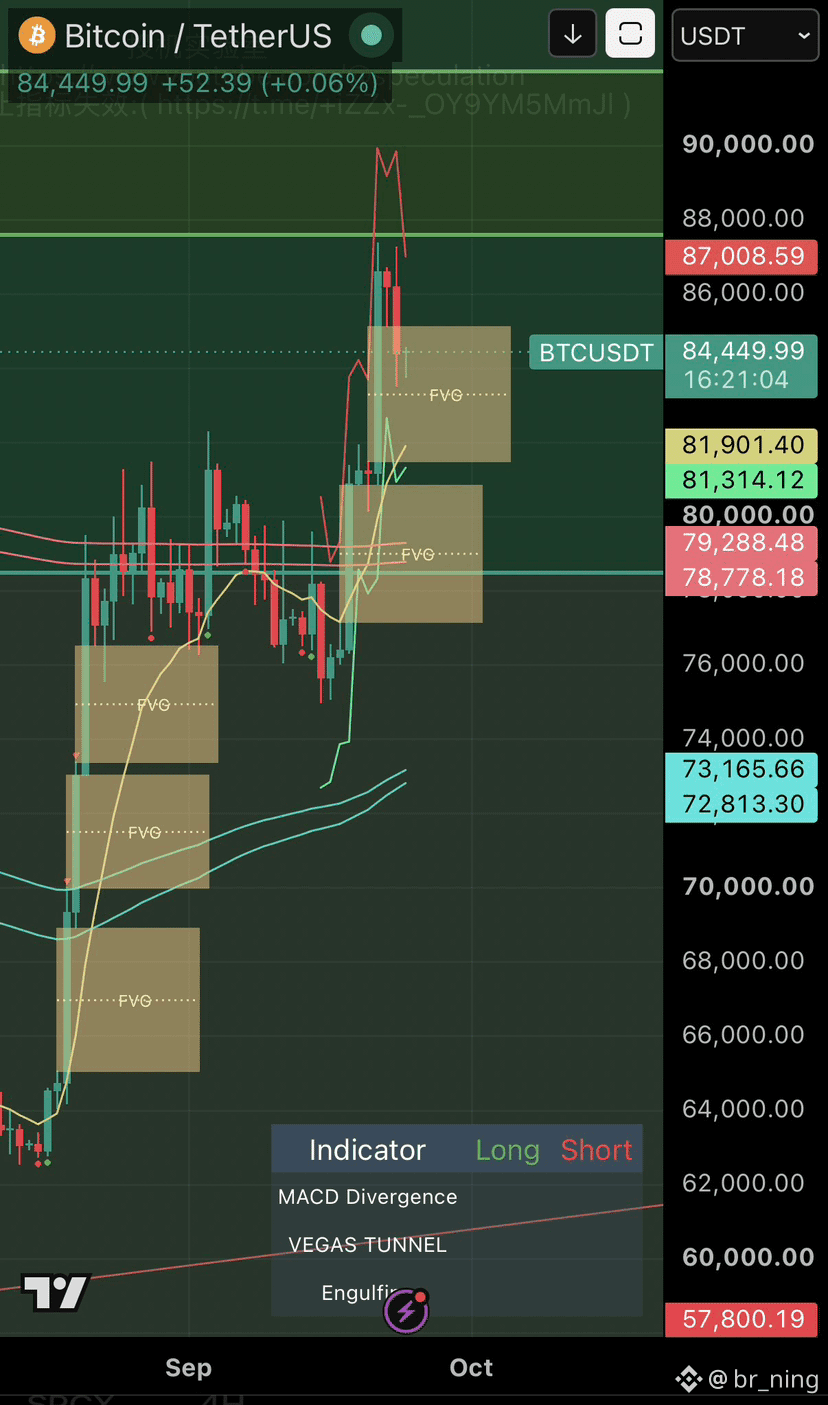
Macro Tightening Is Here — But BTC Isn’t Breaking 🔥
The Fed just delivered another rate hike, bringing rates to 3.75%-4.00%, with most voting members still sounding hawkish. The BOJ also raised rates, meaning major central banks are tightening at the same time.
Meanwhile, the Hormuz situation pushed oil above $100 before cooling as talks with Iran became possible. Credit markets are also showing some stress, with Oracle’s CDS jumping above 100bps.
But crypto is still getting some support.
BTC ETF flows are sitting near the 99th percentile, Q4 seasonality is historically supportive, and Strategy just bought another 950 BTC. On the regulatory side, the SEC also approved a tokenized-stock exemption, although the Clarity Act remains stalled.
Macro liquidity is clearly getting tighter, so I wouldn’t ignore the downside risk. But $BTC is showing that crypto-specific demand is still strong despite the tougher rate environment.
The big question now is whether ETF/institutional demand can keep absorbing the macro pressure. If it does, BTC could remain surprisingly resilient. If those flows start weakening, the tighter macro backdrop could become much more important.
If you enjoy my content, feel free to follow me ❤️
#Binance
#crypto2026
Macro Tightening Is Here — But BTC Isn’t Breaking 🔥
The Fed just delivered another rate hike, bringing rates to 3.75%-4.00%, with most voting members still sounding hawkish. The BOJ also raised rates, meaning major central banks are tightening at the same time.
Meanwhile, the Hormuz situation pushed oil above $100 before cooling as talks with Iran became possible. Credit markets are also showing some stress, with Oracle’s CDS jumping above 100bps.
But crypto is still getting some support.
BTC ETF flows are sitting near the 99th percentile, Q4 seasonality is historically supportive, and Strategy just bought another 950 BTC. On the regulatory side, the SEC also approved a tokenized-stock exemption, although the Clarity Act remains stalled.
Macro liquidity is clearly getting tighter, so I wouldn’t ignore the downside risk. But $BTC is showing that crypto-specific demand is still strong despite the tougher rate environment.
The big question now is whether ETF/institutional demand can keep absorbing the macro pressure. If it does, BTC could remain surprisingly resilient. If those flows start weakening, the tighter macro backdrop could become much more important.
If you enjoy my content, feel free to follow me ❤️
#Binance
#crypto2026
The Fed just delivered another rate hike, bringing rates to 3.75%-4.00%, with most voting members still sounding hawkish. The BOJ also raised rates, meaning major central banks are tightening at the same time.
Meanwhile, the Hormuz situation pushed oil above $100 before cooling as talks with Iran became possible. Credit markets are also showing some stress, with Oracle’s CDS jumping above 100bps.
But crypto is still getting some support.
BTC ETF flows are sitting near the 99th percentile, Q4 seasonality is historically supportive, and Strategy just bought another 950 BTC. On the regulatory side, the SEC also approved a tokenized-stock exemption, although the Clarity Act remains stalled.
Macro liquidity is clearly getting tighter, so I wouldn’t ignore the downside risk. But $BTC is showing that crypto-specific demand is still strong despite the tougher rate environment.
The big question now is whether ETF/institutional demand can keep absorbing the macro pressure. If it does, BTC could remain surprisingly resilient. If those flows start weakening, the tighter macro backdrop could become much more important.
If you enjoy my content, feel free to follow me ❤️
#Binance
#crypto2026

1
328
·
--
Haussier
BTC Is Getting Ready for a Bigger Move 🚀
Bitcoin is entering October with momentum starting to build. The ARMA bill moving through the House Financial Services Committee is a positive development, although the key question is still whether it can get a full House vote before the current Congress ends.
From a market perspective, $83K is the level to watch. $BTC has already moved above its 50-week moving average and gained around 29% in the past 35 days. If it can cleanly break $83K, the next major area could be around $90K, which would also bring the large $85K–$100K options strikes into focus.
What I find more interesting is the shift from the “war trade” toward liquidity and risk appetite. ETF flows have turned positive again, with more than $590M of net inflows over Thursday and Friday. That suggests buyers are starting to come back rather than simply BTC bouncing on short-term headlines.
For me, the setup is getting more interesting, but $83K still needs to break convincingly. If BTC breaks it while ETF inflows continue and traders keep buying upside calls, that would make the current rally look much stronger. Until then, BTC is still sitting at a key resistance zone rather than being in a confirmed breakout.
If you enjoy my content, feel free to follow me ❤️
#Binance
#crypto2026
BTC Is Getting Ready for a Bigger Move 🚀
Bitcoin is entering October with momentum starting to build. The ARMA bill moving through the House Financial Services Committee is a positive development, although the key question is still whether it can get a full House vote before the current Congress ends.
From a market perspective, $83K is the level to watch. $BTC has already moved above its 50-week moving average and gained around 29% in the past 35 days. If it can cleanly break $83K, the next major area could be around $90K, which would also bring the large $85K–$100K options strikes into focus.
What I find more interesting is the shift from the “war trade” toward liquidity and risk appetite. ETF flows have turned positive again, with more than $590M of net inflows over Thursday and Friday. That suggests buyers are starting to come back rather than simply BTC bouncing on short-term headlines.
For me, the setup is getting more interesting, but $83K still needs to break convincingly. If BTC breaks it while ETF inflows continue and traders keep buying upside calls, that would make the current rally look much stronger. Until then, BTC is still sitting at a key resistance zone rather than being in a confirmed breakout.
If you enjoy my content, feel free to follow me ❤️
#Binance
#crypto2026
Bitcoin is entering October with momentum starting to build. The ARMA bill moving through the House Financial Services Committee is a positive development, although the key question is still whether it can get a full House vote before the current Congress ends.
From a market perspective, $83K is the level to watch. $BTC has already moved above its 50-week moving average and gained around 29% in the past 35 days. If it can cleanly break $83K, the next major area could be around $90K, which would also bring the large $85K–$100K options strikes into focus.
What I find more interesting is the shift from the “war trade” toward liquidity and risk appetite. ETF flows have turned positive again, with more than $590M of net inflows over Thursday and Friday. That suggests buyers are starting to come back rather than simply BTC bouncing on short-term headlines.
For me, the setup is getting more interesting, but $83K still needs to break convincingly. If BTC breaks it while ETF inflows continue and traders keep buying upside calls, that would make the current rally look much stronger. Until then, BTC is still sitting at a key resistance zone rather than being in a confirmed breakout.
If you enjoy my content, feel free to follow me ❤️
#Binance
#crypto2026

1
4
975
·
--
Haussier
Bitcoin Holds the Line as Policy Shocks Hit 📈
Bitcoin took two major hits in 48 hours: the CLARITY Act failed to advance, sending BTC down 4% to around $75.9K, followed by the Fed’s 25bp hike. But instead of another sell-off, BTC recovered toward $77K and settled around $76.5K.
The interesting part was the institutional flow. Bitcoin ETFs saw nearly $750M of outflows over two days, but flipped to $159M of inflows on the day after the Fed hike, with IBIT alone bringing in $184M. That suggests institutions weren’t simply running for the exit — they were willing to buy the dip once the policy shock was absorbed.
The Fed’s message was also more important than the hike itself. The 25bp increase was already expected, but the Fed made it clear that inflation is still too high and that financial conditions aren’t restrictive enough. Even the longer-term neutral rate was raised from 3.06% to 3.25%, suggesting rates could stay higher for longer.
Despite that, Treasury yields eventually came back down, while BTC held above $76K. $BTC is showing some real resilience here. The market already priced in a lot of the bad news, so unless we get another major inflation or liquidity shock, the bigger question is whether BTC can turn this $76K area into solid support.
Meanwhile, oil prices are cooling as the market expects the Saudi pipeline disruption to be temporary, while Japan also raised rates but the yen still weakened. And interestingly, while Congress failed to move the CLARITY Act forward, the SEC is already creating a regulatory path for tokenized securities.
For me, the key takeaway is simple: BTC isn’t ignoring the macro risks, but it’s absorbing them better than the broader crypto market.
If you enjoy my content, feel free to follow me ❤️
#Binance
#crypto2026
Bitcoin Holds the Line as Policy Shocks Hit 📈
Bitcoin took two major hits in 48 hours: the CLARITY Act failed to advance, sending BTC down 4% to around $75.9K, followed by the Fed’s 25bp hike. But instead of another sell-off, BTC recovered toward $77K and settled around $76.5K.
The interesting part was the institutional flow. Bitcoin ETFs saw nearly $750M of outflows over two days, but flipped to $159M of inflows on the day after the Fed hike, with IBIT alone bringing in $184M. That suggests institutions weren’t simply running for the exit — they were willing to buy the dip once the policy shock was absorbed.
The Fed’s message was also more important than the hike itself. The 25bp increase was already expected, but the Fed made it clear that inflation is still too high and that financial conditions aren’t restrictive enough. Even the longer-term neutral rate was raised from 3.06% to 3.25%, suggesting rates could stay higher for longer.
Despite that, Treasury yields eventually came back down, while BTC held above $76K. $BTC is showing some real resilience here. The market already priced in a lot of the bad news, so unless we get another major inflation or liquidity shock, the bigger question is whether BTC can turn this $76K area into solid support.
Meanwhile, oil prices are cooling as the market expects the Saudi pipeline disruption to be temporary, while Japan also raised rates but the yen still weakened. And interestingly, while Congress failed to move the CLARITY Act forward, the SEC is already creating a regulatory path for tokenized securities.
For me, the key takeaway is simple: BTC isn’t ignoring the macro risks, but it’s absorbing them better than the broader crypto market.
If you enjoy my content, feel free to follow me ❤️
#Binance
#crypto2026
Bitcoin took two major hits in 48 hours: the CLARITY Act failed to advance, sending BTC down 4% to around $75.9K, followed by the Fed’s 25bp hike. But instead of another sell-off, BTC recovered toward $77K and settled around $76.5K.
The interesting part was the institutional flow. Bitcoin ETFs saw nearly $750M of outflows over two days, but flipped to $159M of inflows on the day after the Fed hike, with IBIT alone bringing in $184M. That suggests institutions weren’t simply running for the exit — they were willing to buy the dip once the policy shock was absorbed.
The Fed’s message was also more important than the hike itself. The 25bp increase was already expected, but the Fed made it clear that inflation is still too high and that financial conditions aren’t restrictive enough. Even the longer-term neutral rate was raised from 3.06% to 3.25%, suggesting rates could stay higher for longer.
Despite that, Treasury yields eventually came back down, while BTC held above $76K. $BTC is showing some real resilience here. The market already priced in a lot of the bad news, so unless we get another major inflation or liquidity shock, the bigger question is whether BTC can turn this $76K area into solid support.
Meanwhile, oil prices are cooling as the market expects the Saudi pipeline disruption to be temporary, while Japan also raised rates but the yen still weakened. And interestingly, while Congress failed to move the CLARITY Act forward, the SEC is already creating a regulatory path for tokenized securities.
For me, the key takeaway is simple: BTC isn’t ignoring the macro risks, but it’s absorbing them better than the broader crypto market.
If you enjoy my content, feel free to follow me ❤️
#Binance
#crypto2026

1
467
·
--
Haussier
Vérifié
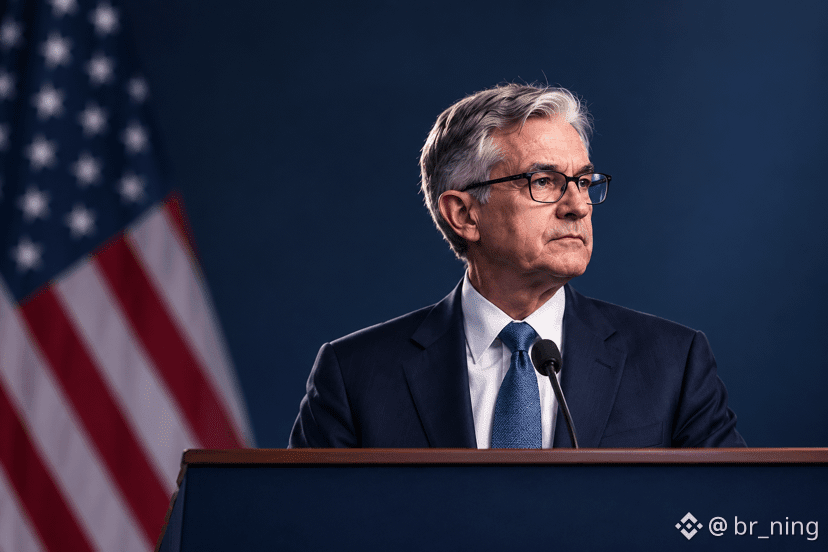
BTC’s Next Move Depends on What the Fed Says, Not Just What It Does 👨🏻⚖️
August CPI came in a little hotter than expected, with core CPI rising 0.3% MoM versus 0.2% expected. Inflation is still above the Fed’s 2% target, so the market is already largely pricing in a 25 bps hike this week.
$BTC initially dipped to around $76.7K after the CPI release but quickly recovered toward $77.6K. To me, that’s actually a decent sign — the market doesn’t seem too worried about the hike itself anymore. The real risk is the Fed’s message after the decision.
If the Fed delivers the expected hike but sounds relatively measured, while Treasury yields stay under control, BTC could get some relief and potentially retest the $80K–$82K area. But if the Fed signals more tightening ahead, especially with oil above $100 and inflation still sticky, risk assets could come under pressure again. In that case, $75K–$76K becomes an important support zone.
ETH is showing a slightly different picture too. While Bitcoin ETFs saw significant outflows last week, Ethereum ETFs continued to attract money, suggesting institutions aren’t simply leaving crypto altogether — they may be rotating between assets.
There are also two other things worth watching: the CLARITY Act vote, which could be a positive medium-term catalyst for crypto regulation, and the oil situation, which could make the Fed’s inflation problem even harder.
I wouldn’t focus too much on the 25 bps hike itself. That part is mostly priced in. The bigger question is whether the Fed can convince markets that this is enough. If Powell/Warsh gives investors confidence that inflation is still under control, BTC could benefit. If the message is “higher for longer,” I’d expect another test of $75K first.
If you enjoy my content, feel free to follow me ❤️
#Binance
#crypto2026
BTC’s Next Move Depends on What the Fed Says, Not Just What It Does 👨🏻⚖️
August CPI came in a little hotter than expected, with core CPI rising 0.3% MoM versus 0.2% expected. Inflation is still above the Fed’s 2% target, so the market is already largely pricing in a 25 bps hike this week.
$BTC initially dipped to around $76.7K after the CPI release but quickly recovered toward $77.6K. To me, that’s actually a decent sign — the market doesn’t seem too worried about the hike itself anymore. The real risk is the Fed’s message after the decision.
If the Fed delivers the expected hike but sounds relatively measured, while Treasury yields stay under control, BTC could get some relief and potentially retest the $80K–$82K area. But if the Fed signals more tightening ahead, especially with oil above $100 and inflation still sticky, risk assets could come under pressure again. In that case, $75K–$76K becomes an important support zone.
ETH is showing a slightly different picture too. While Bitcoin ETFs saw significant outflows last week, Ethereum ETFs continued to attract money, suggesting institutions aren’t simply leaving crypto altogether — they may be rotating between assets.
There are also two other things worth watching: the CLARITY Act vote, which could be a positive medium-term catalyst for crypto regulation, and the oil situation, which could make the Fed’s inflation problem even harder.
I wouldn’t focus too much on the 25 bps hike itself. That part is mostly priced in. The bigger question is whether the Fed can convince markets that this is enough. If Powell/Warsh gives investors confidence that inflation is still under control, BTC could benefit. If the message is “higher for longer,” I’d expect another test of $75K first.
If you enjoy my content, feel free to follow me ❤️
#Binance
#crypto2026
August CPI came in a little hotter than expected, with core CPI rising 0.3% MoM versus 0.2% expected. Inflation is still above the Fed’s 2% target, so the market is already largely pricing in a 25 bps hike this week.
$BTC initially dipped to around $76.7K after the CPI release but quickly recovered toward $77.6K. To me, that’s actually a decent sign — the market doesn’t seem too worried about the hike itself anymore. The real risk is the Fed’s message after the decision.
If the Fed delivers the expected hike but sounds relatively measured, while Treasury yields stay under control, BTC could get some relief and potentially retest the $80K–$82K area. But if the Fed signals more tightening ahead, especially with oil above $100 and inflation still sticky, risk assets could come under pressure again. In that case, $75K–$76K becomes an important support zone.
ETH is showing a slightly different picture too. While Bitcoin ETFs saw significant outflows last week, Ethereum ETFs continued to attract money, suggesting institutions aren’t simply leaving crypto altogether — they may be rotating between assets.
There are also two other things worth watching: the CLARITY Act vote, which could be a positive medium-term catalyst for crypto regulation, and the oil situation, which could make the Fed’s inflation problem even harder.
I wouldn’t focus too much on the 25 bps hike itself. That part is mostly priced in. The bigger question is whether the Fed can convince markets that this is enough. If Powell/Warsh gives investors confidence that inflation is still under control, BTC could benefit. If the message is “higher for longer,” I’d expect another test of $75K first.
If you enjoy my content, feel free to follow me ❤️
#Binance
#crypto2026
2
2
1.6k
·
--
Everyone thinks a Fed rate hike = bearish for Bitcoin. But what if the market is already prepared for it? 👀
This Wednesday could be a big one for crypto.
Markets are currently pricing roughly an 80% chance of a 25bps rate hike.
Yes, higher rates are normally bad for BTC — tighter liquidity, higher yields, less appetite for risk.
But here’s the catch: the hike is already largely priced in.
So the real question isn’t simply “Will the Fed hike?”
It’s:
👉🏻 What will Fed Chair Kevin Warsh say after the decision?
If we get a 25bps hike but the Fed sounds relatively dovish, $BTC could actually react positively as uncertainty clears.
But if Warsh signals that more hikes could come later this year, crypto could face another wave of selling pressure.
So I wouldn’t blindly trade:
“Fed hikes = BTC down.”
The bigger market mover could be the Fed’s tone and future guidance, not the 25bps itself.
Expect volatility around FOMC. The rate decision may be predictable — the reaction might not be.
If you enjoy my content, feel free to follow me ❤️
#Binance
#crypto2026
Everyone thinks a Fed rate hike = bearish for Bitcoin. But what if the market is already prepared for it? 👀
This Wednesday could be a big one for crypto.
Markets are currently pricing roughly an 80% chance of a 25bps rate hike.
Yes, higher rates are normally bad for BTC — tighter liquidity, higher yields, less appetite for risk.
But here’s the catch: the hike is already largely priced in.
So the real question isn’t simply “Will the Fed hike?”
It’s:
👉🏻 What will Fed Chair Kevin Warsh say after the decision?
If we get a 25bps hike but the Fed sounds relatively dovish, $BTC could actually react positively as uncertainty clears.
But if Warsh signals that more hikes could come later this year, crypto could face another wave of selling pressure.
So I wouldn’t blindly trade:
“Fed hikes = BTC down.”
The bigger market mover could be the Fed’s tone and future guidance, not the 25bps itself.
Expect volatility around FOMC. The rate decision may be predictable — the reaction might not be.
If you enjoy my content, feel free to follow me ❤️
#Binance
#crypto2026
This Wednesday could be a big one for crypto.
Markets are currently pricing roughly an 80% chance of a 25bps rate hike.
Yes, higher rates are normally bad for BTC — tighter liquidity, higher yields, less appetite for risk.
But here’s the catch: the hike is already largely priced in.
So the real question isn’t simply “Will the Fed hike?”
It’s:
👉🏻 What will Fed Chair Kevin Warsh say after the decision?
If we get a 25bps hike but the Fed sounds relatively dovish, $BTC could actually react positively as uncertainty clears.
But if Warsh signals that more hikes could come later this year, crypto could face another wave of selling pressure.
So I wouldn’t blindly trade:
“Fed hikes = BTC down.”
The bigger market mover could be the Fed’s tone and future guidance, not the 25bps itself.
Expect volatility around FOMC. The rate decision may be predictable — the reaction might not be.
If you enjoy my content, feel free to follow me ❤️
#Binance
#crypto2026

1
97
·
--
Haussier
BTC’s Next Move Depends on Inflation, Not Jobs 👀
August’s US jobs report came in much stronger than expected, with 162K jobs added vs. 55K expected, easing fears of a weakening labour market. But that strength also brings inflation back into focus, since a resilient economy gives the Fed less reason to rush into rate cuts.
$BTC stayed relatively strong, trading around $79K–$82K, while spot Bitcoin ETFs saw $770M of net inflows from September 1–4. That shows institutional demand is still there, but BTC is still struggling to break decisively above the $80K–$82K resistance.
Now the market is basically waiting for inflation data. PPI on Thursday and CPI on Friday could determine what happens next. A softer CPI would support the idea that inflation is moving toward the Fed’s 2% target and could give risk assets another boost. A hotter-than-expected number could push rate-cut expectations lower and create more pressure on BTC.
The setup is still bullish underneath because ETF demand remains strong, but I wouldn’t call this a confirmed breakout yet. BTC is stuck in a range, volatility is unusually low, and everyone is waiting for the next macro trigger. CPI could be the catalyst that finally decides whether BTC breaks above $82K or gets rejected again.
If you enjoy my content, feel free to follow me ❤️
#Binance
#crypto2026
BTC’s Next Move Depends on Inflation, Not Jobs 👀
August’s US jobs report came in much stronger than expected, with 162K jobs added vs. 55K expected, easing fears of a weakening labour market. But that strength also brings inflation back into focus, since a resilient economy gives the Fed less reason to rush into rate cuts.
$BTC stayed relatively strong, trading around $79K–$82K, while spot Bitcoin ETFs saw $770M of net inflows from September 1–4. That shows institutional demand is still there, but BTC is still struggling to break decisively above the $80K–$82K resistance.
Now the market is basically waiting for inflation data. PPI on Thursday and CPI on Friday could determine what happens next. A softer CPI would support the idea that inflation is moving toward the Fed’s 2% target and could give risk assets another boost. A hotter-than-expected number could push rate-cut expectations lower and create more pressure on BTC.
The setup is still bullish underneath because ETF demand remains strong, but I wouldn’t call this a confirmed breakout yet. BTC is stuck in a range, volatility is unusually low, and everyone is waiting for the next macro trigger. CPI could be the catalyst that finally decides whether BTC breaks above $82K or gets rejected again.
If you enjoy my content, feel free to follow me ❤️
#Binance
#crypto2026
August’s US jobs report came in much stronger than expected, with 162K jobs added vs. 55K expected, easing fears of a weakening labour market. But that strength also brings inflation back into focus, since a resilient economy gives the Fed less reason to rush into rate cuts.
$BTC stayed relatively strong, trading around $79K–$82K, while spot Bitcoin ETFs saw $770M of net inflows from September 1–4. That shows institutional demand is still there, but BTC is still struggling to break decisively above the $80K–$82K resistance.
Now the market is basically waiting for inflation data. PPI on Thursday and CPI on Friday could determine what happens next. A softer CPI would support the idea that inflation is moving toward the Fed’s 2% target and could give risk assets another boost. A hotter-than-expected number could push rate-cut expectations lower and create more pressure on BTC.
The setup is still bullish underneath because ETF demand remains strong, but I wouldn’t call this a confirmed breakout yet. BTC is stuck in a range, volatility is unusually low, and everyone is waiting for the next macro trigger. CPI could be the catalyst that finally decides whether BTC breaks above $82K or gets rejected again.
If you enjoy my content, feel free to follow me ❤️
#Binance
#crypto2026

1
2
81
·
--
Haussier
BTC’s Next Test Is Bigger Than the Fed 👀
The market is starting to question whether the Fed’s hawkish message is actually translating into tighter financial conditions. Warsh pushed a clear inflation-first stance, sending September hike odds toward 70%, but the dollar has already given back much of that move while BTC, gold and silver recovered their Jackson Hole losses.
Now the focus shifts to the Treasury and the long end of the bond market. The September 9 buyback will increase the purchase cap from $2B to at least $4B, but with Treasury supply and corporate AI-related borrowing still putting pressure on long-term yields, the key question is whether these buybacks can actually improve liquidity.
At the same time, inflation remains sticky and oil prices are rising again, while softer employment data is pulling September hike expectations back toward a hold. Basically, the Fed wants to stay tough on inflation, but the economy is giving it reasons to be more cautious.
For BTC, the setup is actually quite interesting. Leverage remains relatively low, ETF inflows have returned strongly, and Strategy has started buying again. But BTC keeps getting rejected around the $81K–86K supply zone, suggesting the main problem right now is spot selling rather than excessive leverage.
The next $BTC move probably depends less on the exact Fed decision and more on what happens to the US 30-year yield. If payrolls come in weak and long-end yields finally start falling, that could give BTC much more room to break higher. But if inflation, Treasury supply and global bond yields keep pushing the long end up, BTC may struggle to sustain a breakout even with strong ETF demand.
The next two weeks are therefore pretty important: payrolls → Treasury auctions → September 9 buyback → CPI → FOMC. This is where we find out whether the recent BTC recovery has real strength behind it, or is simply another rejection waiting to happen.
If you enjoy my content, feel free to follow me ❤️
#Binance
#crypto2026
BTC’s Next Test Is Bigger Than the Fed 👀
The market is starting to question whether the Fed’s hawkish message is actually translating into tighter financial conditions. Warsh pushed a clear inflation-first stance, sending September hike odds toward 70%, but the dollar has already given back much of that move while BTC, gold and silver recovered their Jackson Hole losses.
Now the focus shifts to the Treasury and the long end of the bond market. The September 9 buyback will increase the purchase cap from $2B to at least $4B, but with Treasury supply and corporate AI-related borrowing still putting pressure on long-term yields, the key question is whether these buybacks can actually improve liquidity.
At the same time, inflation remains sticky and oil prices are rising again, while softer employment data is pulling September hike expectations back toward a hold. Basically, the Fed wants to stay tough on inflation, but the economy is giving it reasons to be more cautious.
For BTC, the setup is actually quite interesting. Leverage remains relatively low, ETF inflows have returned strongly, and Strategy has started buying again. But BTC keeps getting rejected around the $81K–86K supply zone, suggesting the main problem right now is spot selling rather than excessive leverage.
The next $BTC move probably depends less on the exact Fed decision and more on what happens to the US 30-year yield. If payrolls come in weak and long-end yields finally start falling, that could give BTC much more room to break higher. But if inflation, Treasury supply and global bond yields keep pushing the long end up, BTC may struggle to sustain a breakout even with strong ETF demand.
The next two weeks are therefore pretty important: payrolls → Treasury auctions → September 9 buyback → CPI → FOMC. This is where we find out whether the recent BTC recovery has real strength behind it, or is simply another rejection waiting to happen.
If you enjoy my content, feel free to follow me ❤️
#Binance
#crypto2026
The market is starting to question whether the Fed’s hawkish message is actually translating into tighter financial conditions. Warsh pushed a clear inflation-first stance, sending September hike odds toward 70%, but the dollar has already given back much of that move while BTC, gold and silver recovered their Jackson Hole losses.
Now the focus shifts to the Treasury and the long end of the bond market. The September 9 buyback will increase the purchase cap from $2B to at least $4B, but with Treasury supply and corporate AI-related borrowing still putting pressure on long-term yields, the key question is whether these buybacks can actually improve liquidity.
At the same time, inflation remains sticky and oil prices are rising again, while softer employment data is pulling September hike expectations back toward a hold. Basically, the Fed wants to stay tough on inflation, but the economy is giving it reasons to be more cautious.
For BTC, the setup is actually quite interesting. Leverage remains relatively low, ETF inflows have returned strongly, and Strategy has started buying again. But BTC keeps getting rejected around the $81K–86K supply zone, suggesting the main problem right now is spot selling rather than excessive leverage.
The next $BTC move probably depends less on the exact Fed decision and more on what happens to the US 30-year yield. If payrolls come in weak and long-end yields finally start falling, that could give BTC much more room to break higher. But if inflation, Treasury supply and global bond yields keep pushing the long end up, BTC may struggle to sustain a breakout even with strong ETF demand.
The next two weeks are therefore pretty important: payrolls → Treasury auctions → September 9 buyback → CPI → FOMC. This is where we find out whether the recent BTC recovery has real strength behind it, or is simply another rejection waiting to happen.
If you enjoy my content, feel free to follow me ❤️
#Binance
#crypto2026

2
218
·
--
Haussier
BTC’s $80K Rally Faces a Credibility Test 🥶
$BTC heads into Jackson Hole around $80K, but the bigger question isn’t simply whether Fed Chair Warsh sounds hawkish or dovish. Markets are watching how the Fed balances sticky inflation with financial conditions, especially pressure at the long end of the Treasury curve.
The Treasury recently doubled its liquidity-support buybacks for 10–30 year bonds, from a maximum of $2B to at least $4B per operation. It’s not QE, but the move still matters because long-term yields have a major impact on global liquidity and risk assets.
Inflation remains the Fed’s main constraint. July PCE stayed at 3.7% YoY, while core PCE remained at 3.3%, well above the 2% target. Three Fed officials already preferred a hike in July, making Warsh’s comments important for understanding how divided the Fed is.
For BTC, the rally from ~$63.5K to $80K looks relatively healthy. Spot ETF inflows reached roughly $2.8B across eight straight sessions, while futures open interest fell from around 646K BTC to 588K BTC. Funding also remains contained.
In simple terms: BTC is rising while leverage is falling. That suggests spot demand and short covering are playing a bigger role than aggressive leveraged longs.
BTC is now approaching the $81K–$86K area, with ~$83.3K worth watching. The key isn’t just whether BTC breaks that level, but whether the move remains supported by spot demand rather than a sudden leverage buildup.
The setup remains constructive, with strong spot flows, lower leverage and supportive risk sentiment. BTC doesn’t necessarily need the Fed to turn dovish—it may simply need Warsh to avoid pushing financial conditions significantly tighter.
If Warsh sounds more hawkish and Treasury yields rise again, however, the $80K rally could face its first serious macro test.
If you enjoy my content, feel free to follow me ❤️
#Binance
#crypto2026
BTC’s $80K Rally Faces a Credibility Test 🥶
$BTC heads into Jackson Hole around $80K, but the bigger question isn’t simply whether Fed Chair Warsh sounds hawkish or dovish. Markets are watching how the Fed balances sticky inflation with financial conditions, especially pressure at the long end of the Treasury curve.
The Treasury recently doubled its liquidity-support buybacks for 10–30 year bonds, from a maximum of $2B to at least $4B per operation. It’s not QE, but the move still matters because long-term yields have a major impact on global liquidity and risk assets.
Inflation remains the Fed’s main constraint. July PCE stayed at 3.7% YoY, while core PCE remained at 3.3%, well above the 2% target. Three Fed officials already preferred a hike in July, making Warsh’s comments important for understanding how divided the Fed is.
For BTC, the rally from ~$63.5K to $80K looks relatively healthy. Spot ETF inflows reached roughly $2.8B across eight straight sessions, while futures open interest fell from around 646K BTC to 588K BTC. Funding also remains contained.
In simple terms: BTC is rising while leverage is falling. That suggests spot demand and short covering are playing a bigger role than aggressive leveraged longs.
BTC is now approaching the $81K–$86K area, with ~$83.3K worth watching. The key isn’t just whether BTC breaks that level, but whether the move remains supported by spot demand rather than a sudden leverage buildup.
The setup remains constructive, with strong spot flows, lower leverage and supportive risk sentiment. BTC doesn’t necessarily need the Fed to turn dovish—it may simply need Warsh to avoid pushing financial conditions significantly tighter.
If Warsh sounds more hawkish and Treasury yields rise again, however, the $80K rally could face its first serious macro test.
If you enjoy my content, feel free to follow me ❤️
#Binance
#crypto2026
$BTC heads into Jackson Hole around $80K, but the bigger question isn’t simply whether Fed Chair Warsh sounds hawkish or dovish. Markets are watching how the Fed balances sticky inflation with financial conditions, especially pressure at the long end of the Treasury curve.
The Treasury recently doubled its liquidity-support buybacks for 10–30 year bonds, from a maximum of $2B to at least $4B per operation. It’s not QE, but the move still matters because long-term yields have a major impact on global liquidity and risk assets.
Inflation remains the Fed’s main constraint. July PCE stayed at 3.7% YoY, while core PCE remained at 3.3%, well above the 2% target. Three Fed officials already preferred a hike in July, making Warsh’s comments important for understanding how divided the Fed is.
For BTC, the rally from ~$63.5K to $80K looks relatively healthy. Spot ETF inflows reached roughly $2.8B across eight straight sessions, while futures open interest fell from around 646K BTC to 588K BTC. Funding also remains contained.
In simple terms: BTC is rising while leverage is falling. That suggests spot demand and short covering are playing a bigger role than aggressive leveraged longs.
BTC is now approaching the $81K–$86K area, with ~$83.3K worth watching. The key isn’t just whether BTC breaks that level, but whether the move remains supported by spot demand rather than a sudden leverage buildup.
The setup remains constructive, with strong spot flows, lower leverage and supportive risk sentiment. BTC doesn’t necessarily need the Fed to turn dovish—it may simply need Warsh to avoid pushing financial conditions significantly tighter.
If Warsh sounds more hawkish and Treasury yields rise again, however, the $80K rally could face its first serious macro test.
If you enjoy my content, feel free to follow me ❤️
#Binance
#crypto2026


1
110
·
--
Haussier
Treasury Liquidity Meets Real Demand 👀
$BTC just had its strongest week since March 2024, rising more than 20% and briefly touching around $79.5K. The initial push was helped by short covering after the Treasury announced larger buybacks in the long-end of the Treasury market, which helped ease long-term yields and weaken the dollar.
But this rally is starting to look more credible because the move was not driven by leverage alone. US spot BTC and ETH ETFs pulled in around $2.6B last week, with BTC ETFs accounting for about $1.92B. That suggests real spot demand stepped in after the initial short squeeze.
Volatility has also picked up, with BTC options repricing for larger moves. However, downside protection hasn’t become dramatically more expensive, which suggests the market is expecting more volatility rather than simply preparing for another crash.
Now comes the real test. This week brings US PCE inflation, Nvidia earnings and Fed Chair Kevin Warsh’s Jackson Hole speech. Together, they could give the market a clearer picture of inflation, economic growth, AI spending and the Fed’s policy direction.
The Treasury buyback shouldn’t be treated as QE or a new liquidity-printing cycle. It’s mainly a debt-management and liquidity-support measure. But the bigger takeaway is that Treasury yields and government financing conditions are becoming increasingly important for crypto.
If PCE comes in soft, Nvidia delivers strong guidance and Warsh sounds less hawkish, BTC could have room to extend the rally. But after a 20% weekly move, volatility is likely to remain high, so I wouldn’t assume the next leg higher will be as easy as the first one.
If you enjoy my content, feel free to follow me ❤️
#Binance
#crypto2026
Treasury Liquidity Meets Real Demand 👀
$BTC just had its strongest week since March 2024, rising more than 20% and briefly touching around $79.5K. The initial push was helped by short covering after the Treasury announced larger buybacks in the long-end of the Treasury market, which helped ease long-term yields and weaken the dollar.
But this rally is starting to look more credible because the move was not driven by leverage alone. US spot BTC and ETH ETFs pulled in around $2.6B last week, with BTC ETFs accounting for about $1.92B. That suggests real spot demand stepped in after the initial short squeeze.
Volatility has also picked up, with BTC options repricing for larger moves. However, downside protection hasn’t become dramatically more expensive, which suggests the market is expecting more volatility rather than simply preparing for another crash.
Now comes the real test. This week brings US PCE inflation, Nvidia earnings and Fed Chair Kevin Warsh’s Jackson Hole speech. Together, they could give the market a clearer picture of inflation, economic growth, AI spending and the Fed’s policy direction.
The Treasury buyback shouldn’t be treated as QE or a new liquidity-printing cycle. It’s mainly a debt-management and liquidity-support measure. But the bigger takeaway is that Treasury yields and government financing conditions are becoming increasingly important for crypto.
If PCE comes in soft, Nvidia delivers strong guidance and Warsh sounds less hawkish, BTC could have room to extend the rally. But after a 20% weekly move, volatility is likely to remain high, so I wouldn’t assume the next leg higher will be as easy as the first one.
If you enjoy my content, feel free to follow me ❤️
#Binance
#crypto2026
$BTC just had its strongest week since March 2024, rising more than 20% and briefly touching around $79.5K. The initial push was helped by short covering after the Treasury announced larger buybacks in the long-end of the Treasury market, which helped ease long-term yields and weaken the dollar.
But this rally is starting to look more credible because the move was not driven by leverage alone. US spot BTC and ETH ETFs pulled in around $2.6B last week, with BTC ETFs accounting for about $1.92B. That suggests real spot demand stepped in after the initial short squeeze.
Volatility has also picked up, with BTC options repricing for larger moves. However, downside protection hasn’t become dramatically more expensive, which suggests the market is expecting more volatility rather than simply preparing for another crash.
Now comes the real test. This week brings US PCE inflation, Nvidia earnings and Fed Chair Kevin Warsh’s Jackson Hole speech. Together, they could give the market a clearer picture of inflation, economic growth, AI spending and the Fed’s policy direction.
The Treasury buyback shouldn’t be treated as QE or a new liquidity-printing cycle. It’s mainly a debt-management and liquidity-support measure. But the bigger takeaway is that Treasury yields and government financing conditions are becoming increasingly important for crypto.
If PCE comes in soft, Nvidia delivers strong guidance and Warsh sounds less hawkish, BTC could have room to extend the rally. But after a 20% weekly move, volatility is likely to remain high, so I wouldn’t assume the next leg higher will be as easy as the first one.
If you enjoy my content, feel free to follow me ❤️
#Binance
#crypto2026

1
137
·
--
Haussier
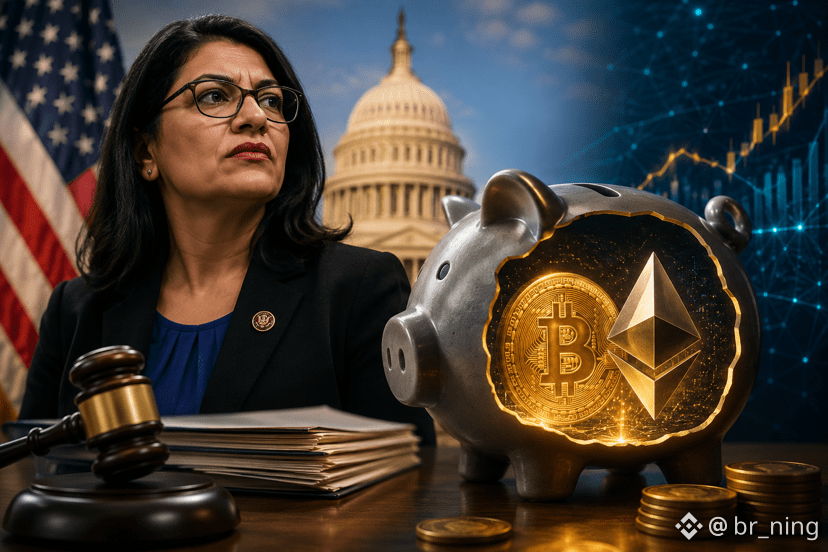
Anti-Crypto Lawmaker, Yet Holding Bitcoin and Ethereum ETFs 🤣
New financial disclosures show that Democratic Congresswoman Rashida Tlaib holds the Grayscale Ethereum Staking Mini ETF and iShares Bitcoin ETF in her retirement accounts. Both positions were reported in the highest disclosed range of up to $15,000.
What makes this interesting is Tlaib’s previous stance toward the crypto industry. She voted against the CLARITY Act, which aimed to establish a clearer regulatory framework for digital assets, and has also supported efforts targeting what she described as “crypto corruption.”
However, the disclosure does not mean she directly owns BTC or ETH. Her crypto exposure comes through ETFs, which are held within traditional retirement accounts. Since members of Congress only have to report assets within value ranges, we cannot know the exact amount she has invested.
The interesting part isn’t really how much Tlaib owns. It’s the fact that someone’s political stance on crypto and their personal investment decisions don’t always have to match.
A lawmaker can oppose certain crypto policies while still viewing BTC and ETH as assets worth having in a diversified portfolio. And with spot crypto ETFs now making digital assets much easier to access through traditional investment and retirement accounts, crypto is becoming increasingly integrated into the conventional financial system.
So rather than simply calling this an “anti-crypto lawmaker secretly buying crypto,” I see it as another sign that crypto is slowly moving from a highly controversial asset class into something that can sit alongside traditional investments in a portfolio.
If you enjoy my content, feel free to follow me ❤️
#Binance
#crypto2026
Anti-Crypto Lawmaker, Yet Holding Bitcoin and Ethereum ETFs 🤣
New financial disclosures show that Democratic Congresswoman Rashida Tlaib holds the Grayscale Ethereum Staking Mini ETF and iShares Bitcoin ETF in her retirement accounts. Both positions were reported in the highest disclosed range of up to $15,000.
What makes this interesting is Tlaib’s previous stance toward the crypto industry. She voted against the CLARITY Act, which aimed to establish a clearer regulatory framework for digital assets, and has also supported efforts targeting what she described as “crypto corruption.”
However, the disclosure does not mean she directly owns BTC or ETH. Her crypto exposure comes through ETFs, which are held within traditional retirement accounts. Since members of Congress only have to report assets within value ranges, we cannot know the exact amount she has invested.
The interesting part isn’t really how much Tlaib owns. It’s the fact that someone’s political stance on crypto and their personal investment decisions don’t always have to match.
A lawmaker can oppose certain crypto policies while still viewing BTC and ETH as assets worth having in a diversified portfolio. And with spot crypto ETFs now making digital assets much easier to access through traditional investment and retirement accounts, crypto is becoming increasingly integrated into the conventional financial system.
So rather than simply calling this an “anti-crypto lawmaker secretly buying crypto,” I see it as another sign that crypto is slowly moving from a highly controversial asset class into something that can sit alongside traditional investments in a portfolio.
If you enjoy my content, feel free to follow me ❤️
#Binance
#crypto2026
New financial disclosures show that Democratic Congresswoman Rashida Tlaib holds the Grayscale Ethereum Staking Mini ETF and iShares Bitcoin ETF in her retirement accounts. Both positions were reported in the highest disclosed range of up to $15,000.
What makes this interesting is Tlaib’s previous stance toward the crypto industry. She voted against the CLARITY Act, which aimed to establish a clearer regulatory framework for digital assets, and has also supported efforts targeting what she described as “crypto corruption.”
However, the disclosure does not mean she directly owns BTC or ETH. Her crypto exposure comes through ETFs, which are held within traditional retirement accounts. Since members of Congress only have to report assets within value ranges, we cannot know the exact amount she has invested.
The interesting part isn’t really how much Tlaib owns. It’s the fact that someone’s political stance on crypto and their personal investment decisions don’t always have to match.
A lawmaker can oppose certain crypto policies while still viewing BTC and ETH as assets worth having in a diversified portfolio. And with spot crypto ETFs now making digital assets much easier to access through traditional investment and retirement accounts, crypto is becoming increasingly integrated into the conventional financial system.
So rather than simply calling this an “anti-crypto lawmaker secretly buying crypto,” I see it as another sign that crypto is slowly moving from a highly controversial asset class into something that can sit alongside traditional investments in a portfolio.
If you enjoy my content, feel free to follow me ❤️
#Binance
#crypto2026
1
2
156
·
--
Haussier
Duration Strikes Back: Why BTC Finally Broke Out 🚀
$BTC went from around $64K to nearly $76K in just four sessions, and the move came at a time when global bond markets were getting increasingly stressed.
The key trigger was the US 30-year Treasury yield hitting around 5.33%, its highest level since 2007. Then the Treasury announced it would increase long-end bond buybacks from a maximum of $2B to at least $4B per operation. Long-term yields dropped, the dollar weakened, and both BTC and gold jumped.
But this isn’t QE. The Treasury isn’t printing money or adding central-bank liquidity. The buybacks are mainly designed to improve liquidity in less-traded long-term bonds. The bigger story is that long-term borrowing costs and government debt supply are becoming increasingly important for markets.
And this pressure isn’t just happening in the US. Japanese and European long-term yields are also elevated, while governments and AI companies are competing for the same pool of long-duration capital. With hyperscaler AI spending potentially reaching $900B–$1.2T, the demand for financing is becoming another major factor.
On the crypto side, the initial BTC breakout looked more like a short squeeze than a massive liquidation event. Perpetual buying was far stronger than spot buying, while open interest barely changed. That suggests many traders were simply closing shorts rather than aggressively opening new leveraged longs.
What makes the move more interesting is what happened next. US spot BTC ETFs brought in $517M on Wednesday, the strongest daily inflow since May. Funding rates also cooled from extreme levels without BTC giving back much of the rally.
That is a healthier signal.
But for now, the market has clearly broken out of the boring summer range. The real story isn’t the $4B buyback — it’s that global duration, government borrowing and AI financing are once again becoming major drivers of crypto.
If you enjoy my content, feel free to follow me ❤️
#Binance
#crypto2026
Duration Strikes Back: Why BTC Finally Broke Out 🚀
$BTC went from around $64K to nearly $76K in just four sessions, and the move came at a time when global bond markets were getting increasingly stressed.
The key trigger was the US 30-year Treasury yield hitting around 5.33%, its highest level since 2007. Then the Treasury announced it would increase long-end bond buybacks from a maximum of $2B to at least $4B per operation. Long-term yields dropped, the dollar weakened, and both BTC and gold jumped.
But this isn’t QE. The Treasury isn’t printing money or adding central-bank liquidity. The buybacks are mainly designed to improve liquidity in less-traded long-term bonds. The bigger story is that long-term borrowing costs and government debt supply are becoming increasingly important for markets.
And this pressure isn’t just happening in the US. Japanese and European long-term yields are also elevated, while governments and AI companies are competing for the same pool of long-duration capital. With hyperscaler AI spending potentially reaching $900B–$1.2T, the demand for financing is becoming another major factor.
On the crypto side, the initial BTC breakout looked more like a short squeeze than a massive liquidation event. Perpetual buying was far stronger than spot buying, while open interest barely changed. That suggests many traders were simply closing shorts rather than aggressively opening new leveraged longs.
What makes the move more interesting is what happened next. US spot BTC ETFs brought in $517M on Wednesday, the strongest daily inflow since May. Funding rates also cooled from extreme levels without BTC giving back much of the rally.
That is a healthier signal.
But for now, the market has clearly broken out of the boring summer range. The real story isn’t the $4B buyback — it’s that global duration, government borrowing and AI financing are once again becoming major drivers of crypto.
If you enjoy my content, feel free to follow me ❤️
#Binance
#crypto2026
$BTC went from around $64K to nearly $76K in just four sessions, and the move came at a time when global bond markets were getting increasingly stressed.
The key trigger was the US 30-year Treasury yield hitting around 5.33%, its highest level since 2007. Then the Treasury announced it would increase long-end bond buybacks from a maximum of $2B to at least $4B per operation. Long-term yields dropped, the dollar weakened, and both BTC and gold jumped.
But this isn’t QE. The Treasury isn’t printing money or adding central-bank liquidity. The buybacks are mainly designed to improve liquidity in less-traded long-term bonds. The bigger story is that long-term borrowing costs and government debt supply are becoming increasingly important for markets.
And this pressure isn’t just happening in the US. Japanese and European long-term yields are also elevated, while governments and AI companies are competing for the same pool of long-duration capital. With hyperscaler AI spending potentially reaching $900B–$1.2T, the demand for financing is becoming another major factor.
On the crypto side, the initial BTC breakout looked more like a short squeeze than a massive liquidation event. Perpetual buying was far stronger than spot buying, while open interest barely changed. That suggests many traders were simply closing shorts rather than aggressively opening new leveraged longs.
What makes the move more interesting is what happened next. US spot BTC ETFs brought in $517M on Wednesday, the strongest daily inflow since May. Funding rates also cooled from extreme levels without BTC giving back much of the rally.
That is a healthier signal.
But for now, the market has clearly broken out of the boring summer range. The real story isn’t the $4B buyback — it’s that global duration, government borrowing and AI financing are once again becoming major drivers of crypto.
If you enjoy my content, feel free to follow me ❤️
#Binance
#crypto2026

1
168
·
--
Haussier
Soft Data, Firm Oil — BTC Holds the Range 💪🏻
US economic data is starting to show some cracks. Consumer sentiment dropped sharply in August, retail sales fell 0.6%, and weaker labour-market data has reduced expectations for an immediate Fed rate hike. Markets now price only around a 30% chance of a 25bp hike in September.
But there’s a problem: oil prices are moving in the opposite direction. WTI is around $82 and Brent near $89 as uncertainty around the Strait of Hormuz continues. Higher energy prices could keep inflation elevated, making it harder for the Fed to ease even if economic activity slows.
$BTC is stuck in the middle of this tug-of-war. It’s trading just above $63K and down roughly 3% over the past week, but importantly, it still hasn’t broken out of its broader range. ETH is showing the same lack of momentum around $1.9K.
Options are also pointing to a relatively quiet market. One-week BTC implied volatility is around 26%, compared with roughly 20% realised volatility. That means traders are still pricing more movement than BTC has recently delivered, but it doesn’t automatically mean volatility will stay low.
In my view, the lack of a breakdown is currently more interesting than the lack of a rally. BTC has absorbed weaker economic data, geopolitical uncertainty and higher oil prices without losing the lower end of its range. That shows some resilience, but I wouldn’t call it bullish yet.
The next major test is the Fed. FOMC minutes on 19 August, followed by PCE and GDP on 26 August, then Jackson Hole from 27–29 August could give the market a clearer direction.
For now, BTC is still tested, but not broken. The real signal will come when it finally escapes this range.
If you enjoy my content, feel free to follow me ❤️
#Binance
#crypto2026
Soft Data, Firm Oil — BTC Holds the Range 💪🏻
US economic data is starting to show some cracks. Consumer sentiment dropped sharply in August, retail sales fell 0.6%, and weaker labour-market data has reduced expectations for an immediate Fed rate hike. Markets now price only around a 30% chance of a 25bp hike in September.
But there’s a problem: oil prices are moving in the opposite direction. WTI is around $82 and Brent near $89 as uncertainty around the Strait of Hormuz continues. Higher energy prices could keep inflation elevated, making it harder for the Fed to ease even if economic activity slows.
$BTC is stuck in the middle of this tug-of-war. It’s trading just above $63K and down roughly 3% over the past week, but importantly, it still hasn’t broken out of its broader range. ETH is showing the same lack of momentum around $1.9K.
Options are also pointing to a relatively quiet market. One-week BTC implied volatility is around 26%, compared with roughly 20% realised volatility. That means traders are still pricing more movement than BTC has recently delivered, but it doesn’t automatically mean volatility will stay low.
In my view, the lack of a breakdown is currently more interesting than the lack of a rally. BTC has absorbed weaker economic data, geopolitical uncertainty and higher oil prices without losing the lower end of its range. That shows some resilience, but I wouldn’t call it bullish yet.
The next major test is the Fed. FOMC minutes on 19 August, followed by PCE and GDP on 26 August, then Jackson Hole from 27–29 August could give the market a clearer direction.
For now, BTC is still tested, but not broken. The real signal will come when it finally escapes this range.
If you enjoy my content, feel free to follow me ❤️
#Binance
#crypto2026
US economic data is starting to show some cracks. Consumer sentiment dropped sharply in August, retail sales fell 0.6%, and weaker labour-market data has reduced expectations for an immediate Fed rate hike. Markets now price only around a 30% chance of a 25bp hike in September.
But there’s a problem: oil prices are moving in the opposite direction. WTI is around $82 and Brent near $89 as uncertainty around the Strait of Hormuz continues. Higher energy prices could keep inflation elevated, making it harder for the Fed to ease even if economic activity slows.
$BTC is stuck in the middle of this tug-of-war. It’s trading just above $63K and down roughly 3% over the past week, but importantly, it still hasn’t broken out of its broader range. ETH is showing the same lack of momentum around $1.9K.
Options are also pointing to a relatively quiet market. One-week BTC implied volatility is around 26%, compared with roughly 20% realised volatility. That means traders are still pricing more movement than BTC has recently delivered, but it doesn’t automatically mean volatility will stay low.
In my view, the lack of a breakdown is currently more interesting than the lack of a rally. BTC has absorbed weaker economic data, geopolitical uncertainty and higher oil prices without losing the lower end of its range. That shows some resilience, but I wouldn’t call it bullish yet.
The next major test is the Fed. FOMC minutes on 19 August, followed by PCE and GDP on 26 August, then Jackson Hole from 27–29 August could give the market a clearer direction.
For now, BTC is still tested, but not broken. The real signal will come when it finally escapes this range.
If you enjoy my content, feel free to follow me ❤️
#Binance
#crypto2026


1
137
·
--
Haussier
BTC Stuck in the Range: Resilient, But Still Waiting for a Real Push 🚀
Bitcoin has slipped back toward the bottom of its recent range around 62.5k–63k after failing to hold higher. There’s no single big crypto-specific story driving it right now. Instead, it’s dealing with a messy mix of higher oil prices, geopolitical tension (especially around the Strait of Hormuz), soft-but-not-decisive US inflation and jobs data, and thinner summer liquidity.
The cooler inflation numbers and weaker employment report should, in theory, be somewhat supportive (less chance of the Fed getting hawkish again soon). $BTC barely shrugged. Corporate treasury activity is also getting more two-sided — Strategy (MicroStrategy) is now both buying and occasionally selling — so the “always buying” narrative is less clean. Historical August/September seasonality has also tended to be soft.
Bottom line from the piece: BTC is absorbing bad news pretty well and the range is still intact, but it hasn’t turned the improving macro bits into actual upward momentum yet. A clean break out of the range (either way) would tell us more than the current chop.
My take
Crypto has been in that frustrating “resilient but lifeless” mode for a while. The lack of reaction to softer inflation is telling — liquidity, positioning, and risk appetite still matter more than the data prints right now. Until we get clearer signals on rates, oil/geopolitics cooling off, or some real flow catalyst, chopping around in this range is the most likely path. The upcoming PCE, Jackson Hole, and September FOMC are the next real checkpoints.
If you enjoy my content, feel free to follow me ❤️
#Binance
#crypto2026
BTC Stuck in the Range: Resilient, But Still Waiting for a Real Push 🚀
Bitcoin has slipped back toward the bottom of its recent range around 62.5k–63k after failing to hold higher. There’s no single big crypto-specific story driving it right now. Instead, it’s dealing with a messy mix of higher oil prices, geopolitical tension (especially around the Strait of Hormuz), soft-but-not-decisive US inflation and jobs data, and thinner summer liquidity.
The cooler inflation numbers and weaker employment report should, in theory, be somewhat supportive (less chance of the Fed getting hawkish again soon). $BTC barely shrugged. Corporate treasury activity is also getting more two-sided — Strategy (MicroStrategy) is now both buying and occasionally selling — so the “always buying” narrative is less clean. Historical August/September seasonality has also tended to be soft.
Bottom line from the piece: BTC is absorbing bad news pretty well and the range is still intact, but it hasn’t turned the improving macro bits into actual upward momentum yet. A clean break out of the range (either way) would tell us more than the current chop.
My take
Crypto has been in that frustrating “resilient but lifeless” mode for a while. The lack of reaction to softer inflation is telling — liquidity, positioning, and risk appetite still matter more than the data prints right now. Until we get clearer signals on rates, oil/geopolitics cooling off, or some real flow catalyst, chopping around in this range is the most likely path. The upcoming PCE, Jackson Hole, and September FOMC are the next real checkpoints.
If you enjoy my content, feel free to follow me ❤️
#Binance
#crypto2026
Bitcoin has slipped back toward the bottom of its recent range around 62.5k–63k after failing to hold higher. There’s no single big crypto-specific story driving it right now. Instead, it’s dealing with a messy mix of higher oil prices, geopolitical tension (especially around the Strait of Hormuz), soft-but-not-decisive US inflation and jobs data, and thinner summer liquidity.
The cooler inflation numbers and weaker employment report should, in theory, be somewhat supportive (less chance of the Fed getting hawkish again soon). $BTC barely shrugged. Corporate treasury activity is also getting more two-sided — Strategy (MicroStrategy) is now both buying and occasionally selling — so the “always buying” narrative is less clean. Historical August/September seasonality has also tended to be soft.
Bottom line from the piece: BTC is absorbing bad news pretty well and the range is still intact, but it hasn’t turned the improving macro bits into actual upward momentum yet. A clean break out of the range (either way) would tell us more than the current chop.
My take
Crypto has been in that frustrating “resilient but lifeless” mode for a while. The lack of reaction to softer inflation is telling — liquidity, positioning, and risk appetite still matter more than the data prints right now. Until we get clearer signals on rates, oil/geopolitics cooling off, or some real flow catalyst, chopping around in this range is the most likely path. The upcoming PCE, Jackson Hole, and September FOMC are the next real checkpoints.
If you enjoy my content, feel free to follow me ❤️
#Binance
#crypto2026

1
113
·
--
Haussier
Central Banks Are Losing Control of the Market Narrative 👀
The Fed kept rates unchanged at 3.50%–3.75% for the fifth meeting in a row, but the 9–3 vote shows policymakers are becoming increasingly divided. Markets still price in a 57% chance of a September rate cut, yet the 30-year Treasury yield has jumped to 5.21%, its highest level in 19 years.
The same uncertainty is showing up in FX. After the yen weakened past ¥163 per dollar, Japan intervened and pushed USD/JPY back toward ¥157. The US then joined with an estimated $5–10 billion operation — the first joint US-Japan yen-buying intervention since 1998.
The interesting part is that markets seem to be trusting actual policy actions more than central bank guidance.
The Fed may eventually cut rates, but rising long-term yields suggest investors aren’t fully convinced that monetary conditions are becoming easier. Meanwhile, the US and Japan are willing to directly intervene when FX moves too far.
For $BTC and other risk assets, this creates a complicated setup. There may still be hopes for easier liquidity, but higher yields and policy uncertainty can keep volatility elevated. Until central banks provide a clearer signal, markets may continue trading the actions rather than the words.
If you enjoy my content, feel free to follow me ❤️
#Binance
#crypto2026
Central Banks Are Losing Control of the Market Narrative 👀
The Fed kept rates unchanged at 3.50%–3.75% for the fifth meeting in a row, but the 9–3 vote shows policymakers are becoming increasingly divided. Markets still price in a 57% chance of a September rate cut, yet the 30-year Treasury yield has jumped to 5.21%, its highest level in 19 years.
The same uncertainty is showing up in FX. After the yen weakened past ¥163 per dollar, Japan intervened and pushed USD/JPY back toward ¥157. The US then joined with an estimated $5–10 billion operation — the first joint US-Japan yen-buying intervention since 1998.
The interesting part is that markets seem to be trusting actual policy actions more than central bank guidance.
The Fed may eventually cut rates, but rising long-term yields suggest investors aren’t fully convinced that monetary conditions are becoming easier. Meanwhile, the US and Japan are willing to directly intervene when FX moves too far.
For $BTC and other risk assets, this creates a complicated setup. There may still be hopes for easier liquidity, but higher yields and policy uncertainty can keep volatility elevated. Until central banks provide a clearer signal, markets may continue trading the actions rather than the words.
If you enjoy my content, feel free to follow me ❤️
#Binance
#crypto2026
The Fed kept rates unchanged at 3.50%–3.75% for the fifth meeting in a row, but the 9–3 vote shows policymakers are becoming increasingly divided. Markets still price in a 57% chance of a September rate cut, yet the 30-year Treasury yield has jumped to 5.21%, its highest level in 19 years.
The same uncertainty is showing up in FX. After the yen weakened past ¥163 per dollar, Japan intervened and pushed USD/JPY back toward ¥157. The US then joined with an estimated $5–10 billion operation — the first joint US-Japan yen-buying intervention since 1998.
The interesting part is that markets seem to be trusting actual policy actions more than central bank guidance.
The Fed may eventually cut rates, but rising long-term yields suggest investors aren’t fully convinced that monetary conditions are becoming easier. Meanwhile, the US and Japan are willing to directly intervene when FX moves too far.
For $BTC and other risk assets, this creates a complicated setup. There may still be hopes for easier liquidity, but higher yields and policy uncertainty can keep volatility elevated. Until central banks provide a clearer signal, markets may continue trading the actions rather than the words.
If you enjoy my content, feel free to follow me ❤️
#Binance
#crypto2026

1
126
·
--
Haussier
Bitcoin Is Holding Up, But It’s Not Out of the Woods Yet 😭
Bitcoin has bounced from around $62.5K back toward $64K despite several negative headlines. Strategy sold 1,638 BTC worth about $104.7M, while the Coldcard security incident reportedly affected around 5,000 wallets and resulted in roughly 1,755 BTC in losses. Yet BTC has managed to avoid another major breakdown.
The options market is also showing relatively little panic. Short-term implied volatility remains low, downside protection demand has eased, and positioning looks more balanced. That suggests traders aren’t aggressively pricing in another sharp sell-off right now.
On the macro side, the US economy is still holding up, with manufacturing and services remaining in expansion, but hiring is clearly cooling. July payrolls will be important because a weaker labour market could influence expectations for the Fed’s next moves.
Geopolitical risks haven’t disappeared either. The Strait of Hormuz remains unsettled, keeping oil prices and shipping risks elevated. At the same time, Japan’s rising yields and potential yen intervention could have wider implications for global liquidity and bond markets.
The most interesting part of this week isn’t that $BTC went back to $64K — it’s how well it held up despite the bad news.
Normally, a large BTC sale, a $100M+ security incident and continued macro uncertainty could easily trigger another wave of panic selling. Instead, the market absorbed it without a major breakdown. That’s a positive sign.
But I wouldn’t call this a bullish confirmation yet. Resilience is not the same as momentum. BTC is showing that sellers aren’t dominating, but it still needs to reclaim higher levels and hold them before we can say the trend has really shifted.
For now, I’d describe the market as “not bearish enough to break, but not bullish enough to confirm.”
If you enjoy my content, feel free to follow me ❤️
#Binance
#crypto2026
Bitcoin Is Holding Up, But It’s Not Out of the Woods Yet 😭
Bitcoin has bounced from around $62.5K back toward $64K despite several negative headlines. Strategy sold 1,638 BTC worth about $104.7M, while the Coldcard security incident reportedly affected around 5,000 wallets and resulted in roughly 1,755 BTC in losses. Yet BTC has managed to avoid another major breakdown.
The options market is also showing relatively little panic. Short-term implied volatility remains low, downside protection demand has eased, and positioning looks more balanced. That suggests traders aren’t aggressively pricing in another sharp sell-off right now.
On the macro side, the US economy is still holding up, with manufacturing and services remaining in expansion, but hiring is clearly cooling. July payrolls will be important because a weaker labour market could influence expectations for the Fed’s next moves.
Geopolitical risks haven’t disappeared either. The Strait of Hormuz remains unsettled, keeping oil prices and shipping risks elevated. At the same time, Japan’s rising yields and potential yen intervention could have wider implications for global liquidity and bond markets.
The most interesting part of this week isn’t that $BTC went back to $64K — it’s how well it held up despite the bad news.
Normally, a large BTC sale, a $100M+ security incident and continued macro uncertainty could easily trigger another wave of panic selling. Instead, the market absorbed it without a major breakdown. That’s a positive sign.
But I wouldn’t call this a bullish confirmation yet. Resilience is not the same as momentum. BTC is showing that sellers aren’t dominating, but it still needs to reclaim higher levels and hold them before we can say the trend has really shifted.
For now, I’d describe the market as “not bearish enough to break, but not bullish enough to confirm.”
If you enjoy my content, feel free to follow me ❤️
#Binance
#crypto2026
Bitcoin has bounced from around $62.5K back toward $64K despite several negative headlines. Strategy sold 1,638 BTC worth about $104.7M, while the Coldcard security incident reportedly affected around 5,000 wallets and resulted in roughly 1,755 BTC in losses. Yet BTC has managed to avoid another major breakdown.
The options market is also showing relatively little panic. Short-term implied volatility remains low, downside protection demand has eased, and positioning looks more balanced. That suggests traders aren’t aggressively pricing in another sharp sell-off right now.
On the macro side, the US economy is still holding up, with manufacturing and services remaining in expansion, but hiring is clearly cooling. July payrolls will be important because a weaker labour market could influence expectations for the Fed’s next moves.
Geopolitical risks haven’t disappeared either. The Strait of Hormuz remains unsettled, keeping oil prices and shipping risks elevated. At the same time, Japan’s rising yields and potential yen intervention could have wider implications for global liquidity and bond markets.
The most interesting part of this week isn’t that $BTC went back to $64K — it’s how well it held up despite the bad news.
Normally, a large BTC sale, a $100M+ security incident and continued macro uncertainty could easily trigger another wave of panic selling. Instead, the market absorbed it without a major breakdown. That’s a positive sign.
But I wouldn’t call this a bullish confirmation yet. Resilience is not the same as momentum. BTC is showing that sellers aren’t dominating, but it still needs to reclaim higher levels and hold them before we can say the trend has really shifted.
For now, I’d describe the market as “not bearish enough to break, but not bullish enough to confirm.”
If you enjoy my content, feel free to follow me ❤️
#Binance
#crypto2026

1
112
Connectez-vous pour découvrir plus de contenu
Rejoignez la communauté mondiale des adeptes de cryptomonnaies sur Binance Square
⚡️ Suviez les dernières informations importantes sur les cryptomonnaies.
💬 Jugé digne de confiance par la plus grande plateforme d’échange de cryptomonnaies au monde.
👍 Découvrez les connaissances que partagent les créateurs vérifiés.
Adresse e-mail/Nº de téléphone
Sujets d’actualité
FedMinutesFocusOnOctoberPause
80 vues
44 mentions
#fedminutesfocusonoctoberpause
🚨 FED MINUTES PUT OCTOBER PAUSE IN FOCUS! 🇺🇸
The latest Federal Reserve minutes are putting fresh attention on the possibility of an October rate pause. 👀
Markets are now watching closely for clues about what the Fed could do next.
Why crypto traders care:
🔹 A rate pause could support risk assets
🔹 Lower rate expectations can boost liquidity sentiment
🔹 Bitcoin and altcoins could react sharply to Fed signals
🔹 The dollar and Treasury yields remain key factors
🔥 If the Fed signals a pause while inflation continues cooling, could this become another catalyst for crypto?
WHAT DO YOU THINK HAPPENS NEXT? 👇
🟢 Fed pauses → BTC rallies 🚀
🟡 Fed stays cautious
🔴 Hawkish Fed → crypto dumps
#Fed #bitcoin #crypto
Faizan Crypto Learner
·0 mentions J’aime
·30 vues
BinanceLaunchesBinanceIntelligence
860,366 vues
5,291 mentions
RobinhoodAdds$25MInBitcoinToBalanceSheet
65 vues
9 mentions