

Berit
1.9k Publications

Berit
 Compte Square Vérifié+
Signaler
Bloquer l’utilisateur
Start the day with ☕ Coffee & Latest 🔗Blockchain Buzzing 📰 News & Updates with - BERIT 👨💼 , Stay Updated ONLY #BINANCE KEEPS MY HEART 💛 BEATING

Top Voices
Trade régulièrement
6.2 an(s)
21 Suivis
32.0K+ Abonnés
101.1K+ J’aime
1 Badges
Publications
Tous
Citations
Vidéos
Direct
·
--
Ethereum is having its strongest September ever.
Do you think $ETH can go even higher?
👍 or 👎
Ethereum is having its strongest September ever.
Do you think $ETH can go even higher?
👍 or 👎
Do you think $ETH can go even higher?
👍 or 👎
1
288
·
--
ALTCOINS ARE ABOUT TO GO CRAZY
BTC.D IS SHOWING SIGNS OF A MAJOR CRASH AFTER 5+ YEARS.
2017 → 2021 → 2026. The same setup is showing up again.
WE ARE ABOUT TO CREATE GENERATIONAL WEALTH.
ALTCOINS ARE ABOUT TO GO CRAZY
BTC.D IS SHOWING SIGNS OF A MAJOR CRASH AFTER 5+ YEARS.
2017 → 2021 → 2026. The same setup is showing up again.
WE ARE ABOUT TO CREATE GENERATIONAL WEALTH.
BTC.D IS SHOWING SIGNS OF A MAJOR CRASH AFTER 5+ YEARS.
2017 → 2021 → 2026. The same setup is showing up again.
WE ARE ABOUT TO CREATE GENERATIONAL WEALTH.
6
6.4k
·
--
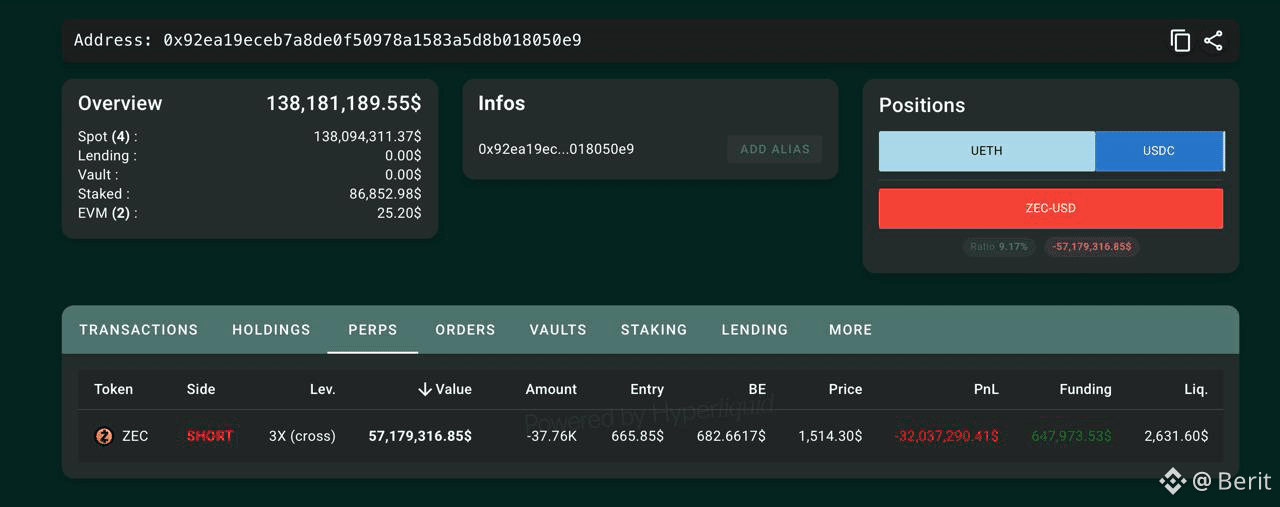
Garrett Jin, the largest on-chain $ZEC short, is now down over $32M!
He currently holds a 37,760 $ZEC ($57.18M) short position with an average entry of $665.85.
Current Price: $1,514.30
PnL: -$32.04M
Liquidation Price: $2,631.60
Garrett Jin, the largest on-chain $ZEC short, is now down over $32M!
He currently holds a 37,760 $ZEC ($57.18M) short position with an average entry of $665.85.
Current Price: $1,514.30
PnL: -$32.04M
Liquidation Price: $2,631.60
He currently holds a 37,760 $ZEC ($57.18M) short position with an average entry of $665.85.
Current Price: $1,514.30
PnL: -$32.04M
Liquidation Price: $2,631.60
1
414
·
--
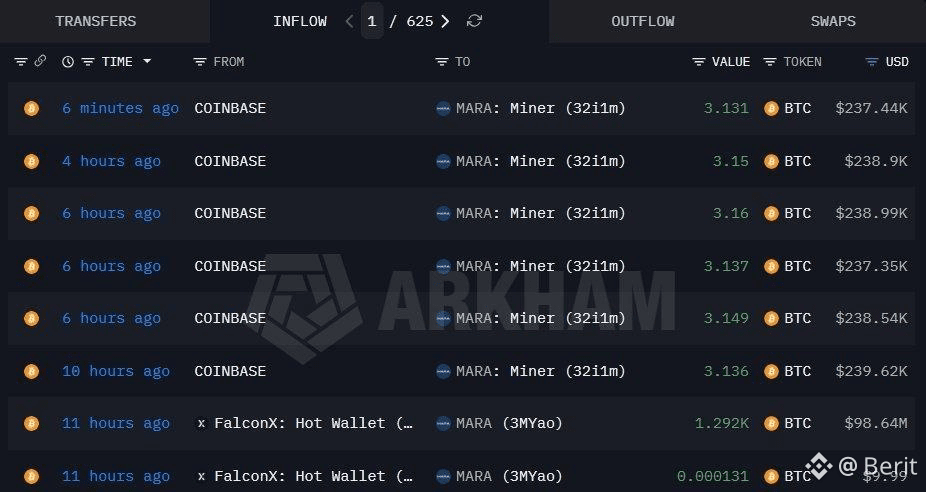
MARATHON DIGITAL BOUGHT $98.6M WORTH OF BTC TODAY.
The Bitcoin miner continues adding to its BTC holdings. 👀₿
MARATHON DIGITAL BOUGHT $98.6M WORTH OF BTC TODAY.
The Bitcoin miner continues adding to its BTC holdings. 👀₿
The Bitcoin miner continues adding to its BTC holdings. 👀₿
1
415
·
--
292
·
--
US Core CPI came in at 2.4%
Expectations: 2.4%
Lowest level in 66 months.
US Core CPI came in at 2.4%
Expectations: 2.4%
Lowest level in 66 months.
Expectations: 2.4%
Lowest level in 66 months.

1
515

·
--
HOW MUCH BITCOIN DOES AN iPHONE COST?
2011 - iPhone 4S: 156 BTC
2012 - iPhone 5: 52 BTC
2013 - iPhone 5s: 5.1 BTC
2014 - iPhone 6: 1.6 BTC
2015 - iPhone 6s: 2.8 BTC
2016 - iPhone 7: 1.1 BTC
2017 - iPhone 8: 0.19 BTC
2018 - iPhone XR: 0.12 BTC
2019 - iPhone 11: 0.069 BTC
2020 - iPhone 12: 0.062 BTC
2021 - iPhone 13: 0.019 BTC
2022 - iPhone 14: 0.040 BTC
2023 - iPhone 15: 0.030 BTC
2024 - iPhone 16: 0.013 BTC
2025 - iPhone 17: 0.0069 BTC
2026 - iPhone 18 Pro: ~0.015 BTC
156 BTC → ~0.015 BTC in 15 years.
HOW MUCH BITCOIN DOES AN iPHONE COST?
2011 - iPhone 4S: 156 BTC
2012 - iPhone 5: 52 BTC
2013 - iPhone 5s: 5.1 BTC
2014 - iPhone 6: 1.6 BTC
2015 - iPhone 6s: 2.8 BTC
2016 - iPhone 7: 1.1 BTC
2017 - iPhone 8: 0.19 BTC
2018 - iPhone XR: 0.12 BTC
2019 - iPhone 11: 0.069 BTC
2020 - iPhone 12: 0.062 BTC
2021 - iPhone 13: 0.019 BTC
2022 - iPhone 14: 0.040 BTC
2023 - iPhone 15: 0.030 BTC
2024 - iPhone 16: 0.013 BTC
2025 - iPhone 17: 0.0069 BTC
2026 - iPhone 18 Pro: ~0.015 BTC
156 BTC → ~0.015 BTC in 15 years.
2011 - iPhone 4S: 156 BTC
2012 - iPhone 5: 52 BTC
2013 - iPhone 5s: 5.1 BTC
2014 - iPhone 6: 1.6 BTC
2015 - iPhone 6s: 2.8 BTC
2016 - iPhone 7: 1.1 BTC
2017 - iPhone 8: 0.19 BTC
2018 - iPhone XR: 0.12 BTC
2019 - iPhone 11: 0.069 BTC
2020 - iPhone 12: 0.062 BTC
2021 - iPhone 13: 0.019 BTC
2022 - iPhone 14: 0.040 BTC
2023 - iPhone 15: 0.030 BTC
2024 - iPhone 16: 0.013 BTC
2025 - iPhone 17: 0.0069 BTC
2026 - iPhone 18 Pro: ~0.015 BTC
156 BTC → ~0.015 BTC in 15 years.
1
6
2.7k
·
--
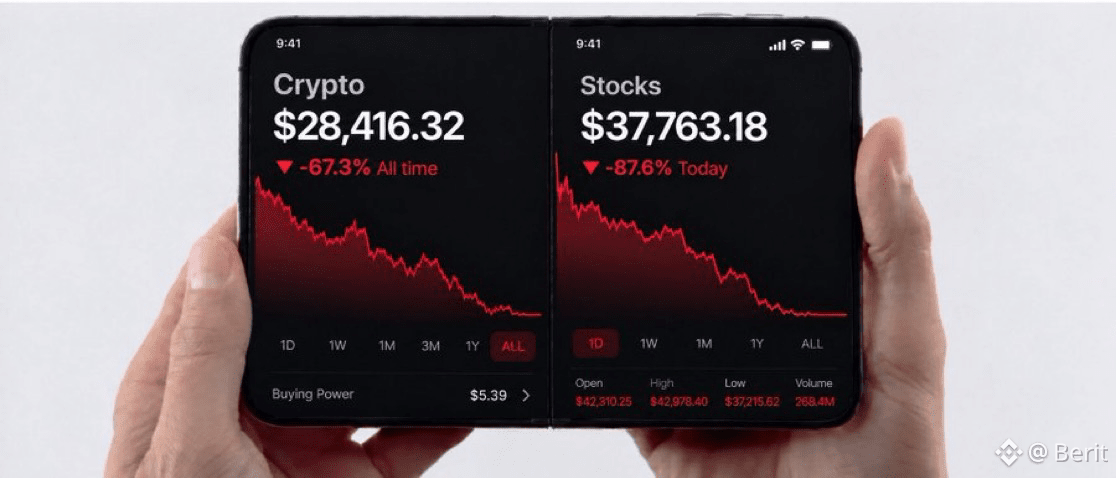
was $50,000 down in crypto.
Then I bought the iPhone Duo.
Now I can watch both charts go down at the same time
was $50,000 down in crypto.
Then I bought the iPhone Duo.
Now I can watch both charts go down at the same time
Then I bought the iPhone Duo.
Now I can watch both charts go down at the same time
1
1
2.7k
·
--
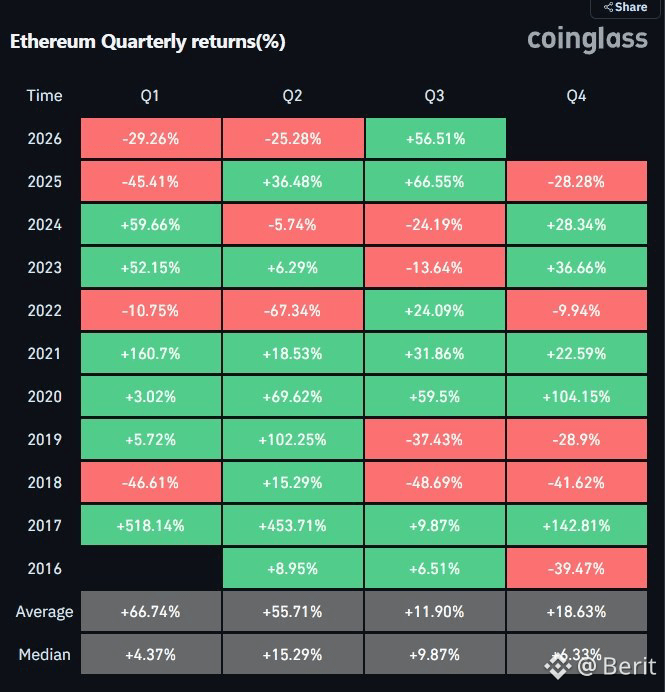
This is Ethereum’s 3rd best Q3 ever! 🔥
ETH is up 56.51% in Q3 2026, making this one of its strongest Q3 performances on record.
Could Q4 bring an even bigger move for ETH? 👍 or 👎
This is Ethereum’s 3rd best Q3 ever! 🔥
ETH is up 56.51% in Q3 2026, making this one of its strongest Q3 performances on record.
Could Q4 bring an even bigger move for ETH? 👍 or 👎
ETH is up 56.51% in Q3 2026, making this one of its strongest Q3 performances on record.
Could Q4 bring an even bigger move for ETH? 👍 or 👎
1
762
·
--
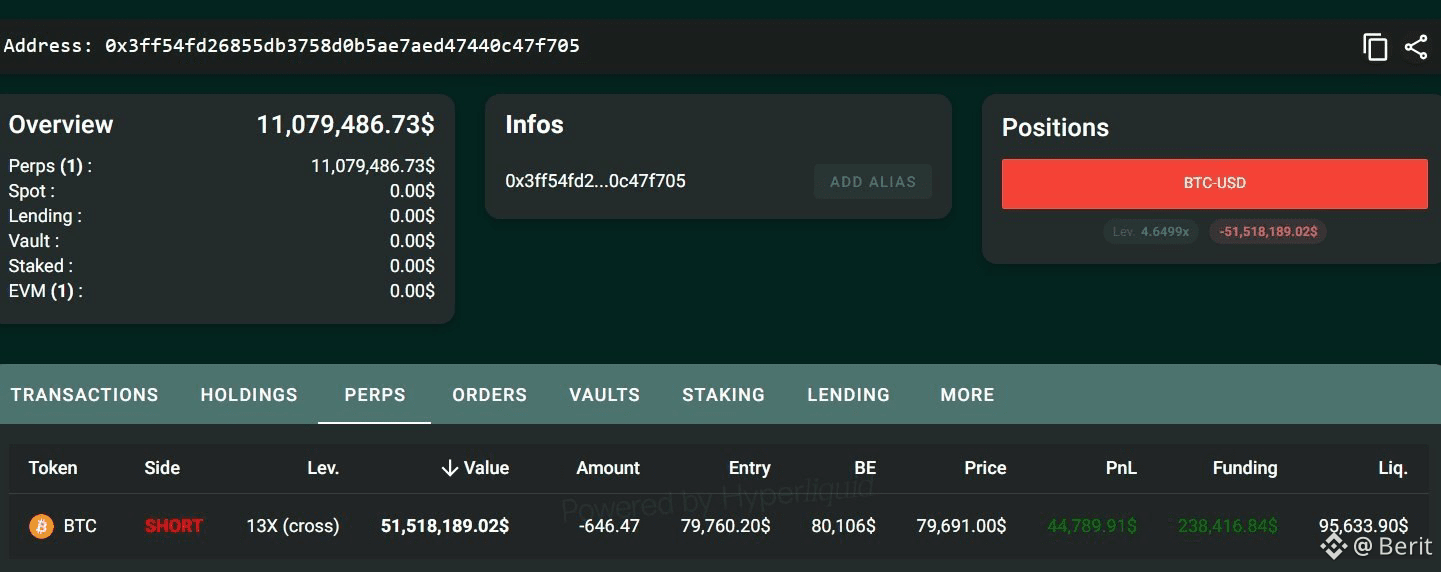
A whale just opened a $51,500,000 $BTC short with 13x leverage.
Liquidation Price: $95,633..
Does he know something? 👍 or 👎
A whale just opened a $51,500,000 $BTC short with 13x leverage.
Liquidation Price: $95,633..
Does he know something? 👍 or 👎
Liquidation Price: $95,633..
Does he know something? 👍 or 👎
2
479
·
--
Partiellement vrai
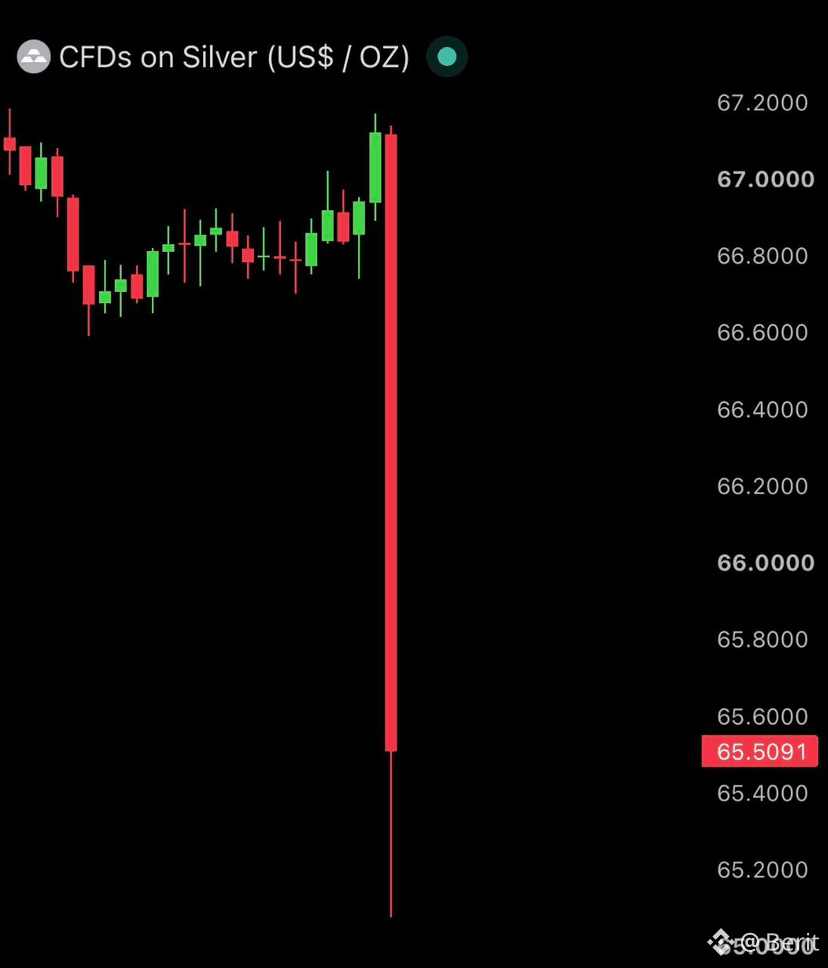
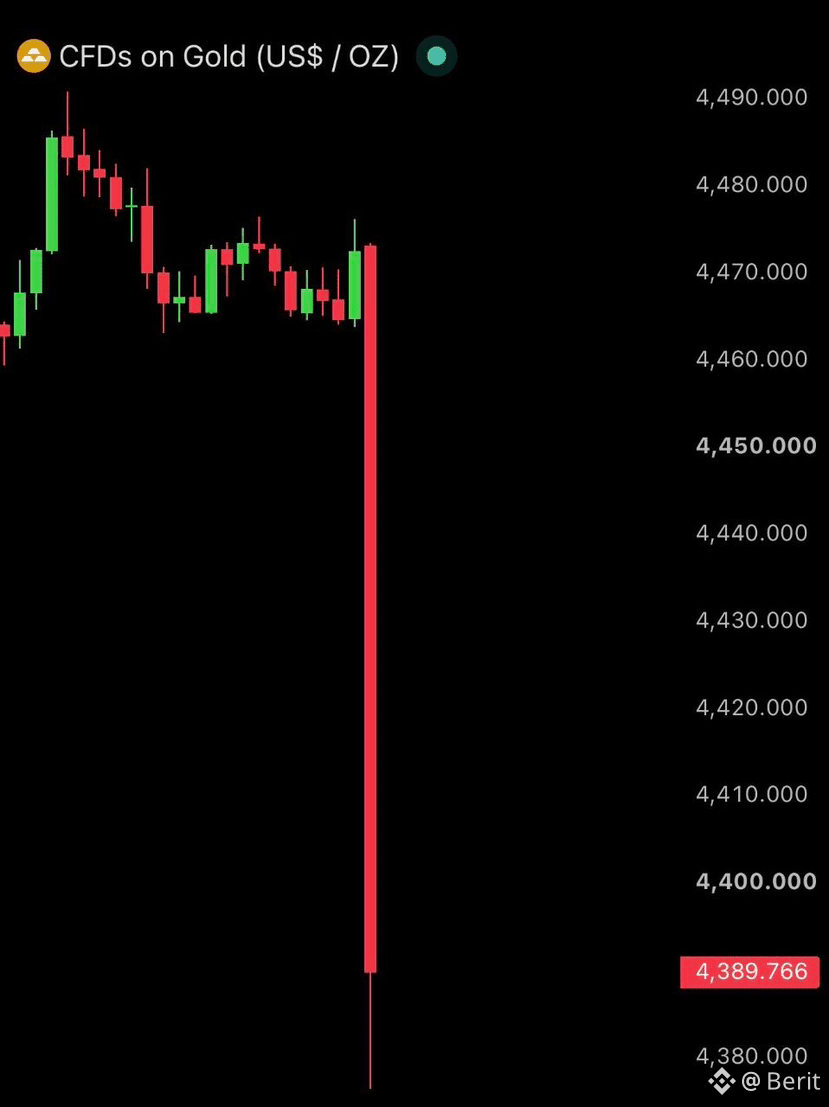
$790 BILLION wiped out from Gold and Silver in just 15 minutes. 💥
Precious metals just saw a massive sell-off, with both Gold and Silver getting hit hard.
The volatility is getting crazy. 📉
$790 BILLION wiped out from Gold and Silver in just 15 minutes. 💥
Precious metals just saw a massive sell-off, with both Gold and Silver getting hit hard.
The volatility is getting crazy. 📉
Precious metals just saw a massive sell-off, with both Gold and Silver getting hit hard.
The volatility is getting crazy. 📉
1
1
10
10.1k
·
--
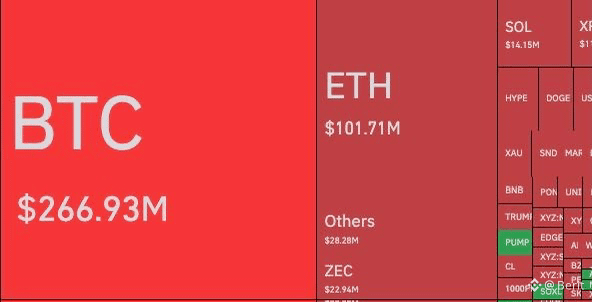
🚨 $546M+ LIQUIDATED FROM CRYPTO
Over $546M in crypto positions were liquidated in the past 24 hours.
More than $457M came from shorts.
Bears just got crushed. 💀
🚨 $546M+ LIQUIDATED FROM CRYPTO
Over $546M in crypto positions were liquidated in the past 24 hours.
More than $457M came from shorts.
Bears just got crushed. 💀
Over $546M in crypto positions were liquidated in the past 24 hours.
More than $457M came from shorts.
Bears just got crushed. 💀
973
·
--
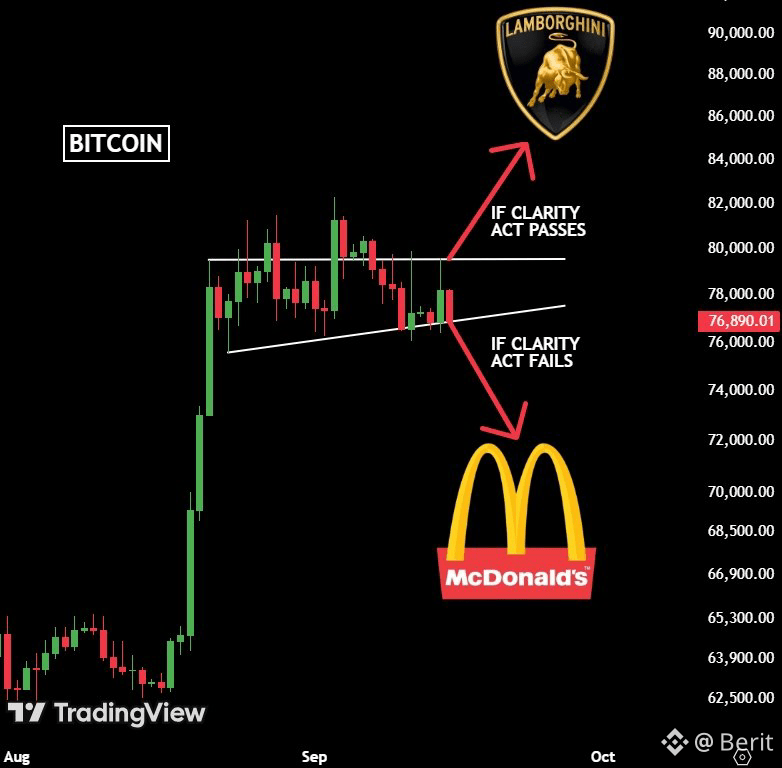
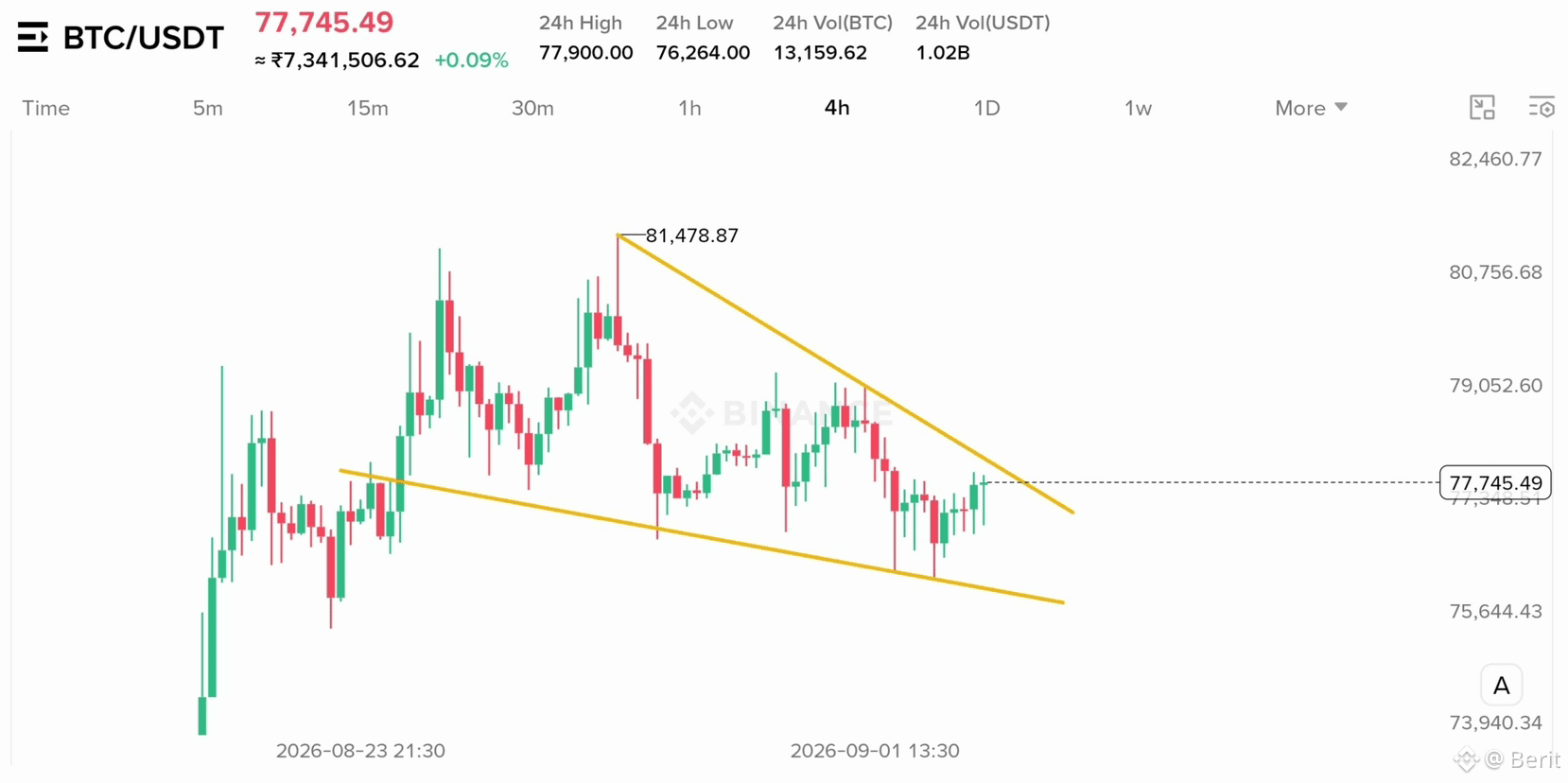
Bitcoin is forming a falling wedge pattern, which is usually a bullish pattern.
If we follow this pattern, we can expect a breakout, which could take the price above $79,000 to $80,000.
Bitcoin is forming a falling wedge pattern, which is usually a bullish pattern.
If we follow this pattern, we can expect a breakout, which could take the price above $79,000 to $80,000.
If we follow this pattern, we can expect a breakout, which could take the price above $79,000 to $80,000.
3
1.8k
·
--
Partiellement vrai
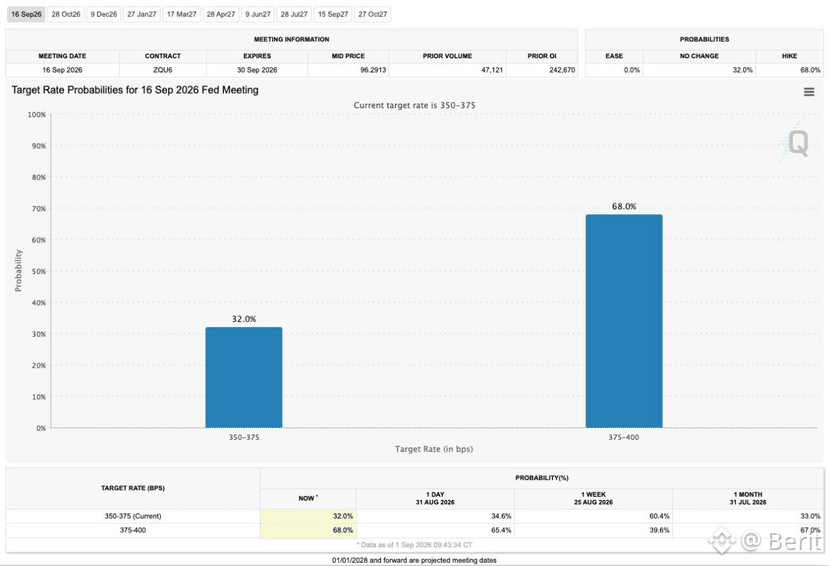
🚨 FED RATE HIKE ODDS: 68% 🇺🇸
Markets are pricing a 68% chance of a Fed rate hike at the September 16 meeting.
That’s up sharply as inflation and oil prices keep rising. 👀
🚨 FED RATE HIKE ODDS: 68% 🇺🇸
Markets are pricing a 68% chance of a Fed rate hike at the September 16 meeting.
That’s up sharply as inflation and oil prices keep rising. 👀
Markets are pricing a 68% chance of a Fed rate hike at the September 16 meeting.
That’s up sharply as inflation and oil prices keep rising. 👀
1
1.4k
·
--
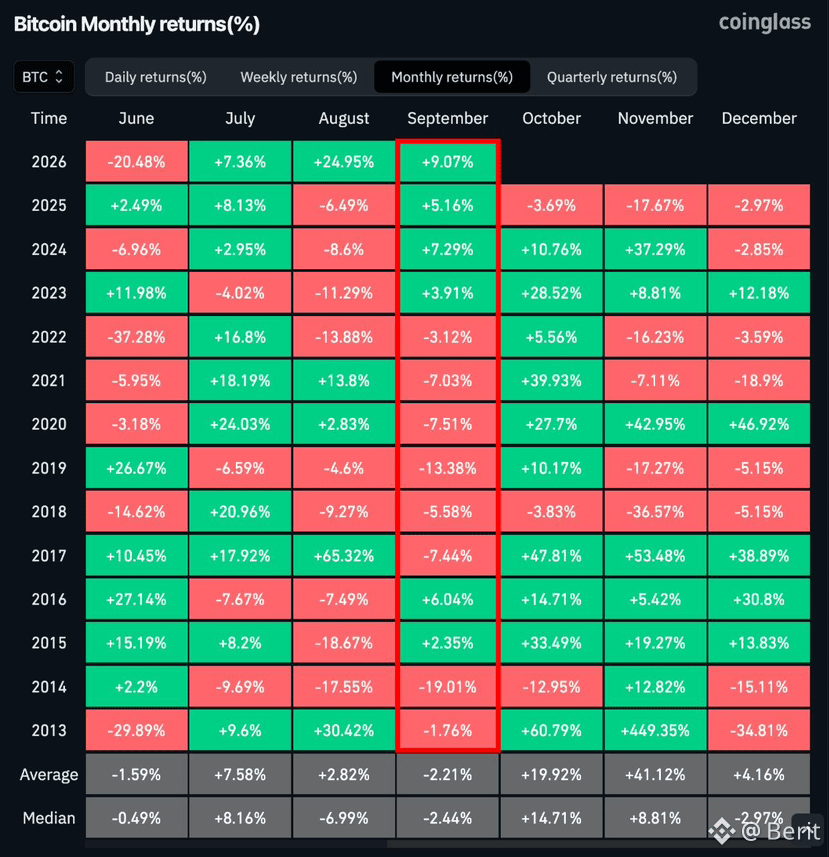
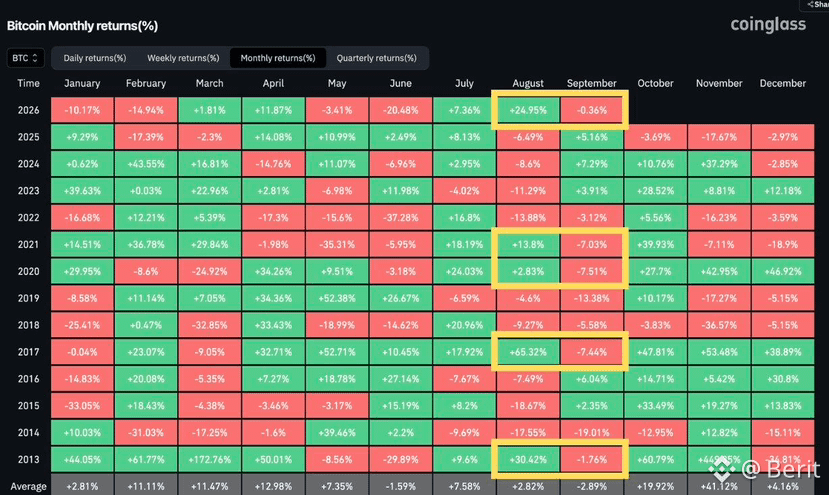
🚨 Bitcoin: Every green August has been followed by a red September.
2013 → Aug 🟢, Sep 🔴
2017 → Aug 🟢, Sep 🔴
2020 → Aug 🟢, Sep 🔴
2021 → Aug 🟢, Sep 🔴
The pattern is 4/4 so far.
Will 2026 finally break it? 👍 or 👎
🚨 Bitcoin: Every green August has been followed by a red September.
2013 → Aug 🟢, Sep 🔴
2017 → Aug 🟢, Sep 🔴
2020 → Aug 🟢, Sep 🔴
2021 → Aug 🟢, Sep 🔴
The pattern is 4/4 so far.
Will 2026 finally break it? 👍 or 👎
2013 → Aug 🟢, Sep 🔴
2017 → Aug 🟢, Sep 🔴
2020 → Aug 🟢, Sep 🔴
2021 → Aug 🟢, Sep 🔴
The pattern is 4/4 so far.
Will 2026 finally break it? 👍 or 👎
3
502
·
--
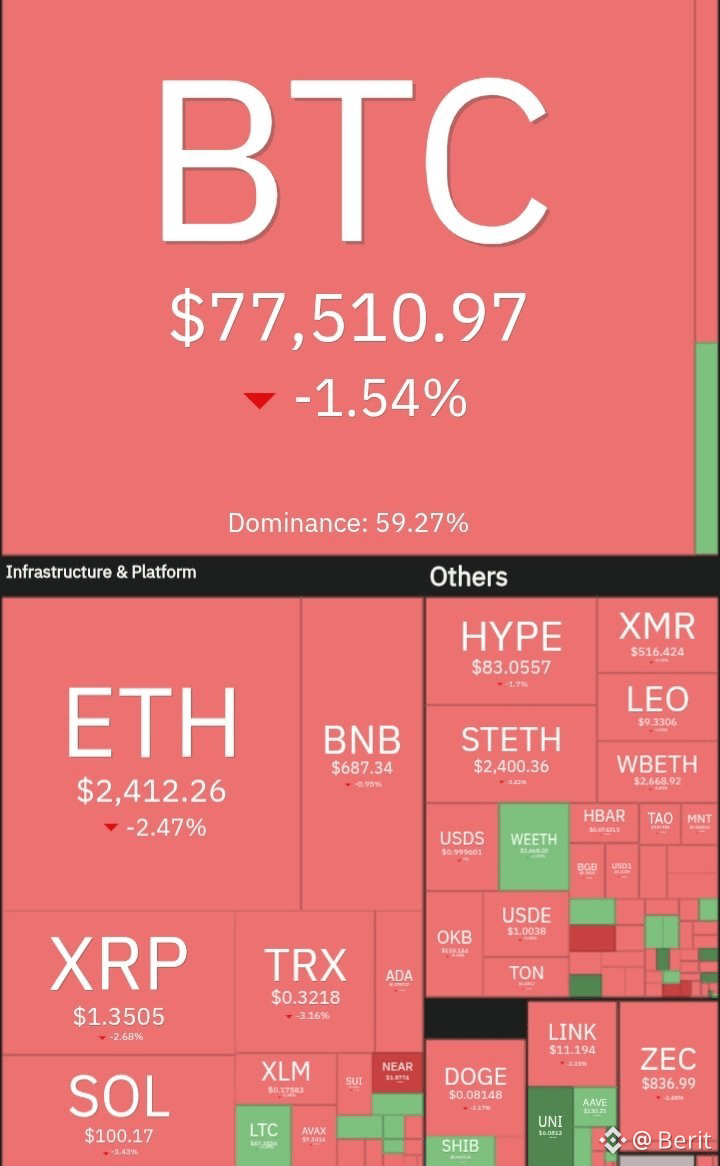
Crypto is going down again.
BTC is around $77.5K, and most altcoins are also down.
BTC dominance is near 59%, so money is still mostly in BTC.
For now, the market is looking weak.
Crypto is going down again.
BTC is around $77.5K, and most altcoins are also down.
BTC dominance is near 59%, so money is still mostly in BTC.
For now, the market is looking weak.
BTC is around $77.5K, and most altcoins are also down.
BTC dominance is near 59%, so money is still mostly in BTC.
For now, the market is looking weak.
2
1.4k
·
--
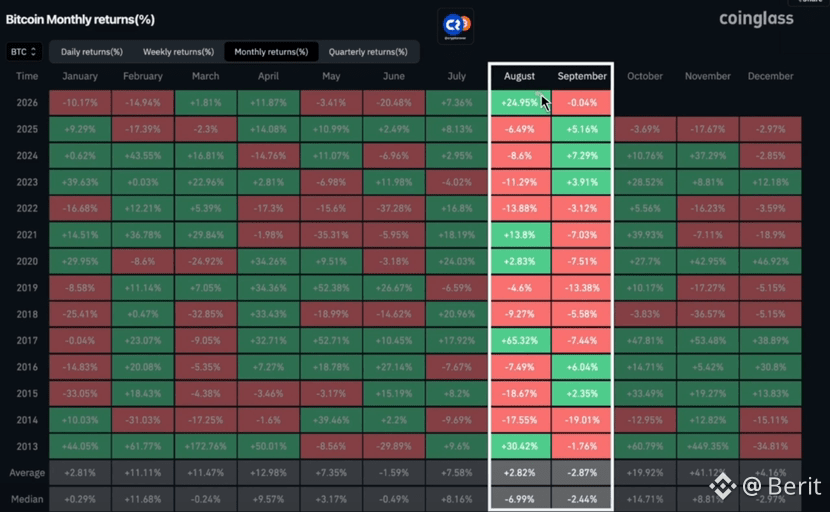
🚨 BITCOIN BREAKS THE PATTERN 👀
For the first time, Bitcoin has closed August green during a bear market.
Historically, a green August has often been followed by a red September.
Will history repeat again this time? Yes 👍🏻 No 👎🏻
🚨 BITCOIN BREAKS THE PATTERN 👀
For the first time, Bitcoin has closed August green during a bear market.
Historically, a green August has often been followed by a red September.
Will history repeat again this time? Yes 👍🏻 No 👎🏻
For the first time, Bitcoin has closed August green during a bear market.
Historically, a green August has often been followed by a red September.
Will history repeat again this time? Yes 👍🏻 No 👎🏻
1
3
453
·
--
🚨 THE WEEK AHEAD: LABOR MARKET IN FOCUS 🇺🇸
Tuesday → JOLTS Job Openings
Wednesday → ADP Jobs Report
Thursday → ISM Services PMI
Friday → US Jobs Report
A big week of economic data ahead.
The main focus will be the labor market and what these numbers mean for the Fed’s next move.
🚨 THE WEEK AHEAD: LABOR MARKET IN FOCUS 🇺🇸
Tuesday → JOLTS Job Openings
Wednesday → ADP Jobs Report
Thursday → ISM Services PMI
Friday → US Jobs Report
A big week of economic data ahead.
The main focus will be the labor market and what these numbers mean for the Fed’s next move.
Tuesday → JOLTS Job Openings
Wednesday → ADP Jobs Report
Thursday → ISM Services PMI
Friday → US Jobs Report
A big week of economic data ahead.
The main focus will be the labor market and what these numbers mean for the Fed’s next move.
2
1.7k
·
--
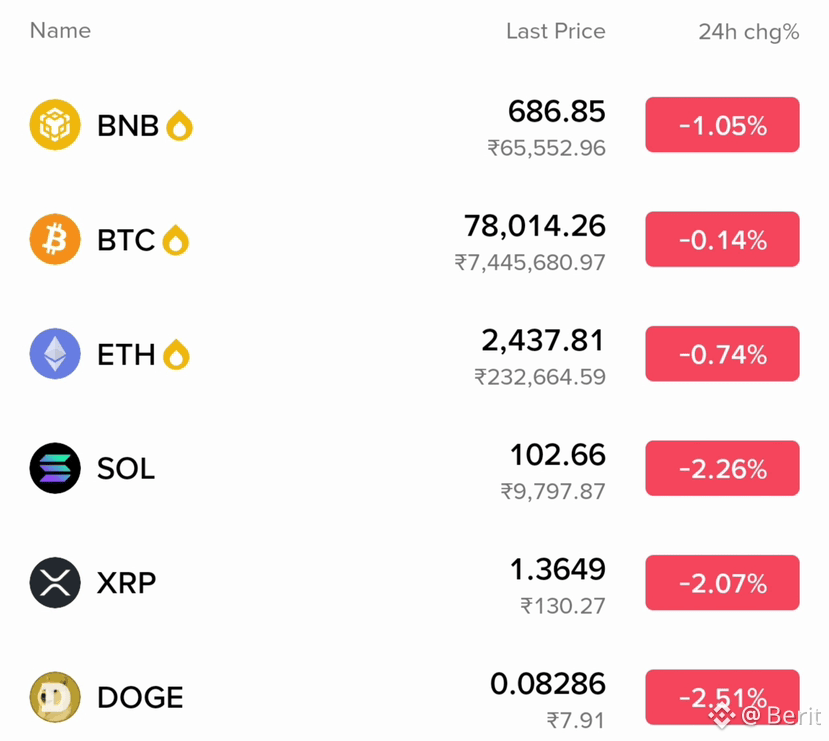
📉 Market is falling again…
The reason is the latest U.S.-Iran escalation.
The U.S. struck IRGC rocket launchers on Iran’s Larak Island, and Iran also responded.
Oil prices are rising again, which is adding pressure on the market.
⚠️Expect high volatility, especially when the U.S. market opens.
Stay careful. Situation is getting worse again.
📉 Market is falling again…
The reason is the latest U.S.-Iran escalation.
The U.S. struck IRGC rocket launchers on Iran’s Larak Island, and Iran also responded.
Oil prices are rising again, which is adding pressure on the market.
⚠️Expect high volatility, especially when the U.S. market opens.
Stay careful. Situation is getting worse again.
The reason is the latest U.S.-Iran escalation.
The U.S. struck IRGC rocket launchers on Iran’s Larak Island, and Iran also responded.
Oil prices are rising again, which is adding pressure on the market.
⚠️Expect high volatility, especially when the U.S. market opens.
Stay careful. Situation is getting worse again.
1
4
1.9k
Connectez-vous pour découvrir plus de contenu
Rejoignez la communauté mondiale des adeptes de cryptomonnaies sur Binance Square
⚡️ Suviez les dernières informations importantes sur les cryptomonnaies.
💬 Jugé digne de confiance par la plus grande plateforme d’échange de cryptomonnaies au monde.
👍 Découvrez les connaissances que partagent les créateurs vérifiés.
Adresse e-mail/Nº de téléphone
Sujets d’actualité
FedMinutesFocusOnOctoberPause
7,936 vues
259 mentions
#fedminutesfocusonoctoberpause
🚨 OCTOBER FED HIKE ODDS COLLAPSE TO 21.6%… Is $BTC About to React? 👀
The Fed is about to give markets another major clue.
Investors are waiting for today’s FOMC minutes — and the biggest question is whether October brings another rate hike… or a pause.
Right now, the odds of a 25-basis-point October hike have fallen to just 21.6%.
That’s a huge shift in expectations.
But here’s what makes this interesting… 👀
The Fed raised rates to 3.75%–4.00% in September, but recent weakness in jobs data and softer inflation have made another immediate hike look less certain.
And for crypto, this matters.
A Fed pause could reduce pressure on financial conditions and potentially improve risk appetite.
That could become a tailwind for BTC
But there’s a catch…
Bitcoin is already under pressure as the dollar and Treasury yields move higher.
So tonight’s minutes could become a volatility trigger.
Dovish Fed → liquidity hopes → bullish .
BTC narrative?
Hawkish Fed → higher-rate fears → more pressure on risk assets?
The real question:
Is October becoming the pause Bitcoin bulls have been waiting for… or could the Fed surprise the market again? 👀
Watch BTC + Fed expectations + Treasury yields closely.
#FederalReserve #Fed #Crypto #InterestRates
$ETH
$SOL
Shae Cassler Sw9r
·7 mentions J’aime
·17.4k vues
BinanceLaunchesBinanceIntelligence
908,853 vues
5,544 mentions
RobinhoodAdds$25MInBitcoinToBalanceSheet
536 vues
25 mentions