
B-file
258 Publications

B-file
Signaler
Bloquer l’utilisateur
Investigate what the market ignores.
61 Suivis
20 Abonnés
52 J’aime
Publications
Tous
Citations
Vidéos
·
--
🛸 DOSSIER #156
Trump a refusé la demande de MBS de frapper les Houthis.
Le prince héritier saoudien Mohammed bin Salman aurait contacté Trump deux fois jeudi, lui demandant des frappes américaines alors que les forces houthis prenaient Mocha et se rapprochaient du détroit critique de Bab el-Mandeb. Trump a refusé, en maintenant les forces américaines concentrées sur l’Iran tout en fournissant à l’Arabie saoudite des renseignements et un appui au ciblage.
Les enjeux augmentent : Hormuz est déjà perturbé, tandis qu’environ 7 % de la production pétrolière mondiale transite par Bab el-Mandeb. Les exportations saoudiennes ont aussi été perturbées en août.
Deux goulets pétroliers. Deux conflits. Un marché de l’énergie de plus en plus fragile.
🛸 DOSSIER #156
Trump a refusé la demande de MBS de frapper les Houthis.
Le prince héritier saoudien Mohammed bin Salman aurait contacté Trump deux fois jeudi, lui demandant des frappes américaines alors que les forces houthis prenaient Mocha et se rapprochaient du détroit critique de Bab el-Mandeb. Trump a refusé, en maintenant les forces américaines concentrées sur l’Iran tout en fournissant à l’Arabie saoudite des renseignements et un appui au ciblage.
Les enjeux augmentent : Hormuz est déjà perturbé, tandis qu’environ 7 % de la production pétrolière mondiale transite par Bab el-Mandeb. Les exportations saoudiennes ont aussi été perturbées en août.
Deux goulets pétroliers. Deux conflits. Un marché de l’énergie de plus en plus fragile.
Trump a refusé la demande de MBS de frapper les Houthis.
Le prince héritier saoudien Mohammed bin Salman aurait contacté Trump deux fois jeudi, lui demandant des frappes américaines alors que les forces houthis prenaient Mocha et se rapprochaient du détroit critique de Bab el-Mandeb. Trump a refusé, en maintenant les forces américaines concentrées sur l’Iran tout en fournissant à l’Arabie saoudite des renseignements et un appui au ciblage.
Les enjeux augmentent : Hormuz est déjà perturbé, tandis qu’environ 7 % de la production pétrolière mondiale transite par Bab el-Mandeb. Les exportations saoudiennes ont aussi été perturbées en août.
Deux goulets pétroliers. Deux conflits. Un marché de l’énergie de plus en plus fragile.

25
·
--
🛸 DOSSIER #155
Warren Buffett est assis sur près de 400 MILLIARDS DE DOLLARS tandis que les marchés deviennent un « casino ».
Berkshire détient environ 380 milliards de dollars en liquidités et équivalents, tandis que Buffett affirme que les marchés ressemblent de plus en plus à « une église avec un casino accolé ».
Il admet aussi comprendre moins d’entreprises aujourd’hui qu’il y a 10 ans — et Berkshire est restée très sélective malgré des marchés records.
Buffett ne prévoit pas l’effondrement. Mais il garde l’un des plus grands “war chests” de l’histoire prêt à l’emploi.
🛸 DOSSIER #155
Warren Buffett est assis sur près de 400 MILLIARDS DE DOLLARS tandis que les marchés deviennent un « casino ».
Berkshire détient environ 380 milliards de dollars en liquidités et équivalents, tandis que Buffett affirme que les marchés ressemblent de plus en plus à « une église avec un casino accolé ».
Il admet aussi comprendre moins d’entreprises aujourd’hui qu’il y a 10 ans — et Berkshire est restée très sélective malgré des marchés records.
Buffett ne prévoit pas l’effondrement. Mais il garde l’un des plus grands “war chests” de l’histoire prêt à l’emploi.
Warren Buffett est assis sur près de 400 MILLIARDS DE DOLLARS tandis que les marchés deviennent un « casino ».
Berkshire détient environ 380 milliards de dollars en liquidités et équivalents, tandis que Buffett affirme que les marchés ressemblent de plus en plus à « une église avec un casino accolé ».
Il admet aussi comprendre moins d’entreprises aujourd’hui qu’il y a 10 ans — et Berkshire est restée très sélective malgré des marchés records.
Buffett ne prévoit pas l’effondrement. Mais il garde l’un des plus grands “war chests” de l’histoire prêt à l’emploi.
133
·
--
Les profits de la crypto entrant dans mon portefeuille
Les profits de la crypto entrant dans mon portefeuille
32
·
--
« Quelles sont vos intentions pour 2027 ? »
Mes projets :
« Quelles sont vos intentions pour 2027 ? »
Mes projets :
Mes projets :
1
2
310
·
--
🛸 DOSSIER N°154
Le Nasdaq affirme que le plafond de 100 MILLIARDS D’EUROS de la tokenisation en Europe est trop faible.
Le Nasdaq et d’autres acteurs financiers s’opposent au plafond de 100 milliards d’euros proposé par l’UE pour les titres tokenisés, avertissant qu’il pourrait restreindre le marché avant même qu’il ne se développe.
Leur solution préférée : supprimer le plafond entièrement — ou le relever fortement. Certains projets européens atteignent déjà environ 350 milliards d’euros, soit plus de 3 fois la limite proposée.
L’Europe veut la tokenisation. Wall Street estime qu’il faut de la marge pour grandir.
🛸 DOSSIER N°154
Le Nasdaq affirme que le plafond de 100 MILLIARDS D’EUROS de la tokenisation en Europe est trop faible.
Le Nasdaq et d’autres acteurs financiers s’opposent au plafond de 100 milliards d’euros proposé par l’UE pour les titres tokenisés, avertissant qu’il pourrait restreindre le marché avant même qu’il ne se développe.
Leur solution préférée : supprimer le plafond entièrement — ou le relever fortement. Certains projets européens atteignent déjà environ 350 milliards d’euros, soit plus de 3 fois la limite proposée.
L’Europe veut la tokenisation. Wall Street estime qu’il faut de la marge pour grandir.
Le Nasdaq affirme que le plafond de 100 MILLIARDS D’EUROS de la tokenisation en Europe est trop faible.
Le Nasdaq et d’autres acteurs financiers s’opposent au plafond de 100 milliards d’euros proposé par l’UE pour les titres tokenisés, avertissant qu’il pourrait restreindre le marché avant même qu’il ne se développe.
Leur solution préférée : supprimer le plafond entièrement — ou le relever fortement. Certains projets européens atteignent déjà environ 350 milliards d’euros, soit plus de 3 fois la limite proposée.
L’Europe veut la tokenisation. Wall Street estime qu’il faut de la marge pour grandir.

4
·
--
🛸 DOSSIER #153
« La clé, ce sont les taux. » Le marché de septembre pourrait retomber avec le Fed.
L’investisseur stratège Brian Belski estime que septembre rend les actions vulnérables aux surprises macroéconomiques avant le retour de la saison des résultats en octobre.
Il reste optimiste jusqu’à la fin de l’année, alors que les bénéfices s’élargissent au-delà des « Magnificent Seven » — mais les taux demeurent le facteur imprévisible. Les données actuelles ont ramené les marchés à l’idée qu’une hausse de taux de la part du Fed en septembre est de nouveau probable.
Septembre ne concerne plus seulement la saisonnalité. Il s’agit du Fed.
🛸 DOSSIER #153
« La clé, ce sont les taux. » Le marché de septembre pourrait retomber avec le Fed.
L’investisseur stratège Brian Belski estime que septembre rend les actions vulnérables aux surprises macroéconomiques avant le retour de la saison des résultats en octobre.
Il reste optimiste jusqu’à la fin de l’année, alors que les bénéfices s’élargissent au-delà des « Magnificent Seven » — mais les taux demeurent le facteur imprévisible. Les données actuelles ont ramené les marchés à l’idée qu’une hausse de taux de la part du Fed en septembre est de nouveau probable.
Septembre ne concerne plus seulement la saisonnalité. Il s’agit du Fed.
« La clé, ce sont les taux. » Le marché de septembre pourrait retomber avec le Fed.
L’investisseur stratège Brian Belski estime que septembre rend les actions vulnérables aux surprises macroéconomiques avant le retour de la saison des résultats en octobre.
Il reste optimiste jusqu’à la fin de l’année, alors que les bénéfices s’élargissent au-delà des « Magnificent Seven » — mais les taux demeurent le facteur imprévisible. Les données actuelles ont ramené les marchés à l’idée qu’une hausse de taux de la part du Fed en septembre est de nouveau probable.
Septembre ne concerne plus seulement la saisonnalité. Il s’agit du Fed.
1
270
·
--
🛸 DOSSIER #152
Trump promet aux Américains un autre « dividende » de 5 000 dollars.
Trump affirme que chaque adulte américain pourrait recevoir 5 000 dollars si les Républicains remportent les deux chambres aux élections législatives de mi-mandat. Avec environ 240 millions d’adultes, la proposition pourrait coûter quelque 1,2 billion de dollars.
Elle fait suite à des idées antérieures, dont un dividende DOGE de 5 000 dollars et un dividende de droits de douane de 2 000 dollars — aucun n’a encore été versé.
Les promesses deviennent de plus en plus grandes. Les chèques ne sont toujours pas arrivés.
🛸 DOSSIER #152
Trump promet aux Américains un autre « dividende » de 5 000 dollars.
Trump affirme que chaque adulte américain pourrait recevoir 5 000 dollars si les Républicains remportent les deux chambres aux élections législatives de mi-mandat. Avec environ 240 millions d’adultes, la proposition pourrait coûter quelque 1,2 billion de dollars.
Elle fait suite à des idées antérieures, dont un dividende DOGE de 5 000 dollars et un dividende de droits de douane de 2 000 dollars — aucun n’a encore été versé.
Les promesses deviennent de plus en plus grandes. Les chèques ne sont toujours pas arrivés.
Trump promet aux Américains un autre « dividende » de 5 000 dollars.
Trump affirme que chaque adulte américain pourrait recevoir 5 000 dollars si les Républicains remportent les deux chambres aux élections législatives de mi-mandat. Avec environ 240 millions d’adultes, la proposition pourrait coûter quelque 1,2 billion de dollars.
Elle fait suite à des idées antérieures, dont un dividende DOGE de 5 000 dollars et un dividende de droits de douane de 2 000 dollars — aucun n’a encore été versé.
Les promesses deviennent de plus en plus grandes. Les chèques ne sont toujours pas arrivés.
117
·
--
🛸 DOSSIER N°151
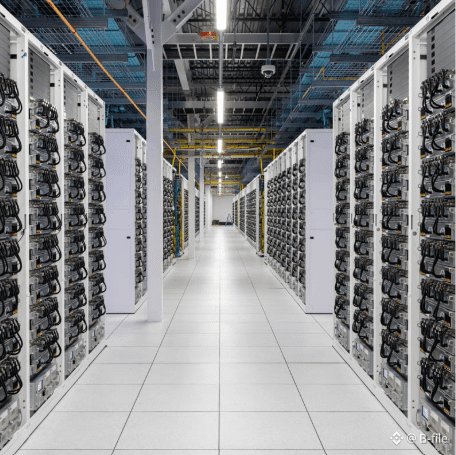
Des mineurs de Bitcoin abandonnent le Bitcoin au profit de l’IA.
Des mineurs publics ont signé plus de 70 milliards de dollars de contrats IA/HPC, certains étant susceptibles de générer jusqu’à 70 % de leurs revenus issus de l’IA d’ici la fin de l’année. Le taux de hachage minier parmi les principaux opérateurs diminue déjà, tandis que la puissance se déplace vers les centres de données.
IREN est l’un des exemples les plus parlants : l’entreprise convertit rapidement ses infrastructures de minage en capacité IA, alors que la demande explose.
Le Bitcoin et l’IA se disputent désormais la même chose : l’électricité.
🛸 DOSSIER N°151
Des mineurs de Bitcoin abandonnent le Bitcoin au profit de l’IA.
Des mineurs publics ont signé plus de 70 milliards de dollars de contrats IA/HPC, certains étant susceptibles de générer jusqu’à 70 % de leurs revenus issus de l’IA d’ici la fin de l’année. Le taux de hachage minier parmi les principaux opérateurs diminue déjà, tandis que la puissance se déplace vers les centres de données.
IREN est l’un des exemples les plus parlants : l’entreprise convertit rapidement ses infrastructures de minage en capacité IA, alors que la demande explose.
Le Bitcoin et l’IA se disputent désormais la même chose : l’électricité.
Des mineurs de Bitcoin abandonnent le Bitcoin au profit de l’IA.
Des mineurs publics ont signé plus de 70 milliards de dollars de contrats IA/HPC, certains étant susceptibles de générer jusqu’à 70 % de leurs revenus issus de l’IA d’ici la fin de l’année. Le taux de hachage minier parmi les principaux opérateurs diminue déjà, tandis que la puissance se déplace vers les centres de données.
IREN est l’un des exemples les plus parlants : l’entreprise convertit rapidement ses infrastructures de minage en capacité IA, alors que la demande explose.
Le Bitcoin et l’IA se disputent désormais la même chose : l’électricité.
34
·
--
🛸 DOSSIER N°150
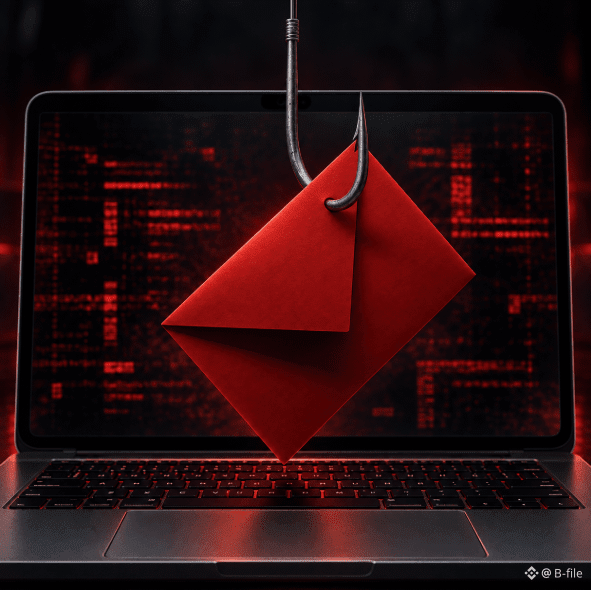
Le domaine e-mail légitime de Trezor a été utilisé pour envoyer une attaque d’hameçonnage crypto.
Des pirates ont compromis le fournisseur de messagerie tiers de Trezor et ont envoyé un faux avertissement « Alerte de sécurité critique : vulnérabilité de l’entropie STM32 », conçu pour effrayer les utilisateurs au sujet de leurs phrases de récupération. Trezor indique que la vulnérabilité est factice et que ses appareils ne sont pas concernés.
Cela fait suite à la violation de ShipMonk, qui a exposé des données provenant de 80 689 clients Trezor.
Quand même l’expéditeur est légitime, « vérifier l’adresse e-mail » ne suffit plus.
🛸 DOSSIER N°150
Le domaine e-mail légitime de Trezor a été utilisé pour envoyer une attaque d’hameçonnage crypto.
Des pirates ont compromis le fournisseur de messagerie tiers de Trezor et ont envoyé un faux avertissement « Alerte de sécurité critique : vulnérabilité de l’entropie STM32 », conçu pour effrayer les utilisateurs au sujet de leurs phrases de récupération. Trezor indique que la vulnérabilité est factice et que ses appareils ne sont pas concernés.
Cela fait suite à la violation de ShipMonk, qui a exposé des données provenant de 80 689 clients Trezor.
Quand même l’expéditeur est légitime, « vérifier l’adresse e-mail » ne suffit plus.
Le domaine e-mail légitime de Trezor a été utilisé pour envoyer une attaque d’hameçonnage crypto.
Des pirates ont compromis le fournisseur de messagerie tiers de Trezor et ont envoyé un faux avertissement « Alerte de sécurité critique : vulnérabilité de l’entropie STM32 », conçu pour effrayer les utilisateurs au sujet de leurs phrases de récupération. Trezor indique que la vulnérabilité est factice et que ses appareils ne sont pas concernés.
Cela fait suite à la violation de ShipMonk, qui a exposé des données provenant de 80 689 clients Trezor.
Quand même l’expéditeur est légitime, « vérifier l’adresse e-mail » ne suffit plus.
29
·
--
🛸 DOSSIER #149
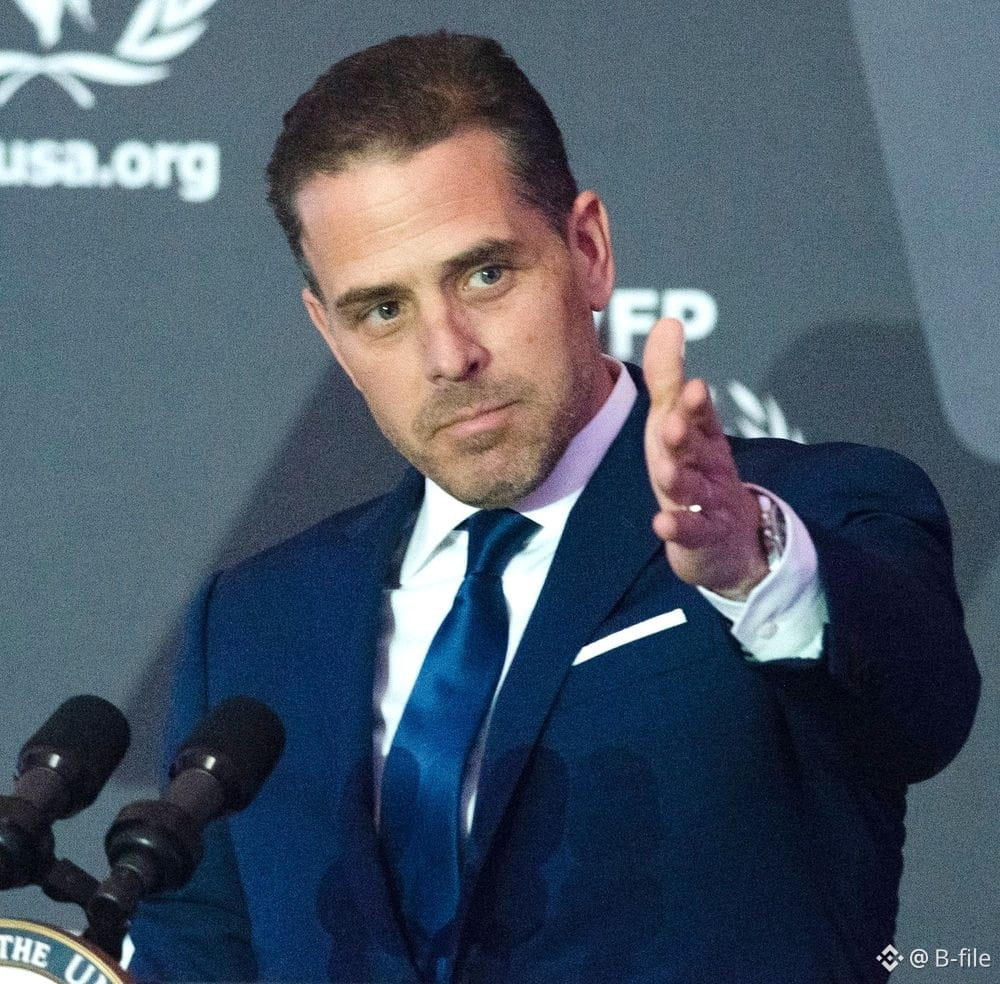
Le $LAPTOP de Hunter Biden s’est écrasé à 97,8% dès sa PREMIÈRE HEURE.
La memecoin a été lancée autour de 200 $ avant de s’effondrer à environ 4,36 $ en l’espace d’une heure. Ce prix de départ impliquait une valorisation d’environ 200 milliards de dollars — mais la liquidité était extrêmement faible.
La liquidité Uniswap plus profonde n’est arrivée qu’après que le $LAPTOP soit déjà tombé de plus de 90%.
200 milliards de dollars sur le papier. Presque aucune liquidité en dessous.
🛸 DOSSIER #149
Le $LAPTOP de Hunter Biden s’est écrasé à 97,8% dès sa PREMIÈRE HEURE.
La memecoin a été lancée autour de 200 $ avant de s’effondrer à environ 4,36 $ en l’espace d’une heure. Ce prix de départ impliquait une valorisation d’environ 200 milliards de dollars — mais la liquidité était extrêmement faible.
La liquidité Uniswap plus profonde n’est arrivée qu’après que le $LAPTOP soit déjà tombé de plus de 90%.
200 milliards de dollars sur le papier. Presque aucune liquidité en dessous.
Le $LAPTOP de Hunter Biden s’est écrasé à 97,8% dès sa PREMIÈRE HEURE.
La memecoin a été lancée autour de 200 $ avant de s’effondrer à environ 4,36 $ en l’espace d’une heure. Ce prix de départ impliquait une valorisation d’environ 200 milliards de dollars — mais la liquidité était extrêmement faible.
La liquidité Uniswap plus profonde n’est arrivée qu’après que le $LAPTOP soit déjà tombé de plus de 90%.
200 milliards de dollars sur le papier. Presque aucune liquidité en dessous.
49
·
--
🛸 DOSSIER N°148
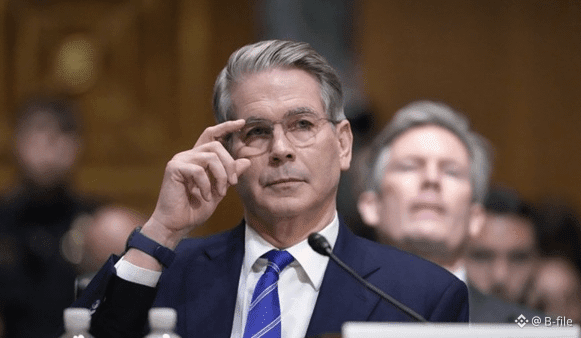
🇺🇸 Bessent aux traders du yen : « Je suis la maison, maintenant. »
Le secrétaire au Trésor Scott Bessent affirme avoir « une assez bonne idée » de ce que le Japon, la BOJ et les responsables politiques pourraient faire ensuite, après que les États-Unis et le Japon ont conjointement été intervenus pour soutenir le yen le 31 juillet.
Son message aux traders qui parient contre le yen :
« Vous pouvez parier contre moi si vous voulez. »
Alors que, selon les informations, la BOJ penche vers une nouvelle hausse des taux, Bessent formule cet avertissement de façon explicite.
Le Trésor américain vient de défier le marché de prendre le camp opposé.
🛸 DOSSIER N°148
🇺🇸 Bessent aux traders du yen : « Je suis la maison, maintenant. »
Le secrétaire au Trésor Scott Bessent affirme avoir « une assez bonne idée » de ce que le Japon, la BOJ et les responsables politiques pourraient faire ensuite, après que les États-Unis et le Japon ont conjointement été intervenus pour soutenir le yen le 31 juillet.
Son message aux traders qui parient contre le yen :
« Vous pouvez parier contre moi si vous voulez. »
Alors que, selon les informations, la BOJ penche vers une nouvelle hausse des taux, Bessent formule cet avertissement de façon explicite.
Le Trésor américain vient de défier le marché de prendre le camp opposé.
🇺🇸 Bessent aux traders du yen : « Je suis la maison, maintenant. »
Le secrétaire au Trésor Scott Bessent affirme avoir « une assez bonne idée » de ce que le Japon, la BOJ et les responsables politiques pourraient faire ensuite, après que les États-Unis et le Japon ont conjointement été intervenus pour soutenir le yen le 31 juillet.
Son message aux traders qui parient contre le yen :
« Vous pouvez parier contre moi si vous voulez. »
Alors que, selon les informations, la BOJ penche vers une nouvelle hausse des taux, Bessent formule cet avertissement de façon explicite.
Le Trésor américain vient de défier le marché de prendre le camp opposé.
24
·
--
🛸 DOSSIER N°147
Les États-Unis viennent de détruire CINQ pétroliers iraniens.
Le CENTCOM affirme que les Gardiens de la révolution iraniens (IRGC) ont tiré des missiles balistiques sur un navire de guerre de la marine américaine à deux reprises en deux jours. Le navire a évité les deux attaques et aucun Américain n’a été blessé.
Les États-Unis ont répondu en détruisant cinq transporteurs de pétrole iraniens, après en avoir détruit trois de plus seulement quelques jours plus tôt. Le CENTCOM indique que ces navires étaient liés à un réseau mult miliardaire finançant l’IRGC et ses mandataires.
Huit pétroliers en quatre jours. Le conflit américano-iranien s’intensifie à toute vitesse.
🛸 DOSSIER N°147
Les États-Unis viennent de détruire CINQ pétroliers iraniens.
Le CENTCOM affirme que les Gardiens de la révolution iraniens (IRGC) ont tiré des missiles balistiques sur un navire de guerre de la marine américaine à deux reprises en deux jours. Le navire a évité les deux attaques et aucun Américain n’a été blessé.
Les États-Unis ont répondu en détruisant cinq transporteurs de pétrole iraniens, après en avoir détruit trois de plus seulement quelques jours plus tôt. Le CENTCOM indique que ces navires étaient liés à un réseau mult miliardaire finançant l’IRGC et ses mandataires.
Huit pétroliers en quatre jours. Le conflit américano-iranien s’intensifie à toute vitesse.
Les États-Unis viennent de détruire CINQ pétroliers iraniens.
Le CENTCOM affirme que les Gardiens de la révolution iraniens (IRGC) ont tiré des missiles balistiques sur un navire de guerre de la marine américaine à deux reprises en deux jours. Le navire a évité les deux attaques et aucun Américain n’a été blessé.
Les États-Unis ont répondu en détruisant cinq transporteurs de pétrole iraniens, après en avoir détruit trois de plus seulement quelques jours plus tôt. Le CENTCOM indique que ces navires étaient liés à un réseau mult miliardaire finançant l’IRGC et ses mandataires.
Huit pétroliers en quatre jours. Le conflit américano-iranien s’intensifie à toute vitesse.
134
·
--
🛸 DOSSIER N°146
La loi CLARITY peut-elle être adoptée avec la mise de 1,4 MILLIARD de dollars en crypto de Trump suspendue au-dessus de la tête ?
Selon des informations, Trump aurait gagné plus de 1,4 milliard de dollars grâce à des activités liées aux cryptomonnaies en 2025, l’éthique présidentielle étant le principal obstacle au projet de loi.
Les démocrates exigent des restrictions plus strictes concernant les intérêts présidentiels en matière de crypto, tandis que le vote du 15 septembre au Sénat nécessite 60 voix pour avancer. Même le sénateur républicain Thom Tillis prévient que le projet de loi pourrait échouer sans compromis sur l’éthique.
La plus grande menace pour le projet de loi américain sur les cryptos pourrait désormais être le propre empire crypto de Trump.
🛸 DOSSIER N°146
La loi CLARITY peut-elle être adoptée avec la mise de 1,4 MILLIARD de dollars en crypto de Trump suspendue au-dessus de la tête ?
Selon des informations, Trump aurait gagné plus de 1,4 milliard de dollars grâce à des activités liées aux cryptomonnaies en 2025, l’éthique présidentielle étant le principal obstacle au projet de loi.
Les démocrates exigent des restrictions plus strictes concernant les intérêts présidentiels en matière de crypto, tandis que le vote du 15 septembre au Sénat nécessite 60 voix pour avancer. Même le sénateur républicain Thom Tillis prévient que le projet de loi pourrait échouer sans compromis sur l’éthique.
La plus grande menace pour le projet de loi américain sur les cryptos pourrait désormais être le propre empire crypto de Trump.
La loi CLARITY peut-elle être adoptée avec la mise de 1,4 MILLIARD de dollars en crypto de Trump suspendue au-dessus de la tête ?
Selon des informations, Trump aurait gagné plus de 1,4 milliard de dollars grâce à des activités liées aux cryptomonnaies en 2025, l’éthique présidentielle étant le principal obstacle au projet de loi.
Les démocrates exigent des restrictions plus strictes concernant les intérêts présidentiels en matière de crypto, tandis que le vote du 15 septembre au Sénat nécessite 60 voix pour avancer. Même le sénateur républicain Thom Tillis prévient que le projet de loi pourrait échouer sans compromis sur l’éthique.
La plus grande menace pour le projet de loi américain sur les cryptos pourrait désormais être le propre empire crypto de Trump.
337
·
--
🛸 DOSSIER #145
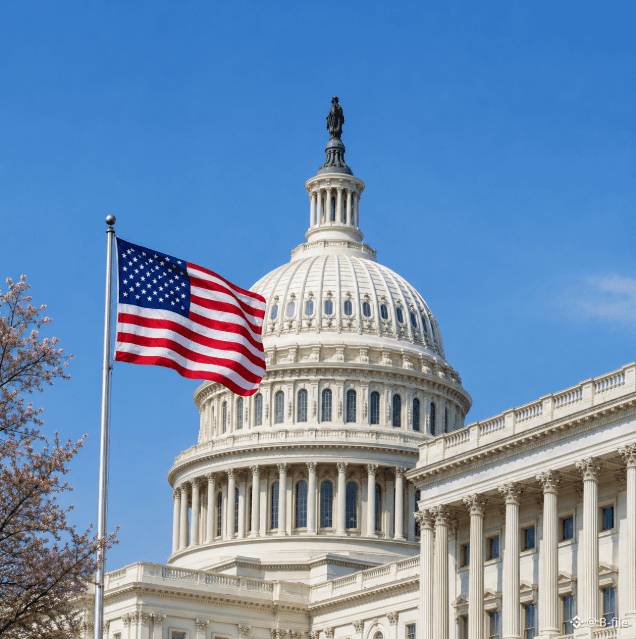
La loi CLARITY vient de rencontrer un PROBLÈME DE CALENDRIER MAJEUR.
Les républicains de la Chambre ont annulé le vote pour les semaines du 21 septembre et du 28 septembre, ne laissant que quatre jours de vote avant que les élus ne rentrent à la maison avant les élections de mi-mandat.
Le vote du 15 septembre au Sénat n’est qu’une étape procédurale. Si les sénateurs modifient la loi CLARITY, le projet doit revenir à la Chambre avant d’arriver sur le bureau de Trump.
Cette fenêtre est désormais extrêmement courte — rapprochant le projet d’une session de « lame duck » post-électorale.
🛸 DOSSIER #145
La loi CLARITY vient de rencontrer un PROBLÈME DE CALENDRIER MAJEUR.
Les républicains de la Chambre ont annulé le vote pour les semaines du 21 septembre et du 28 septembre, ne laissant que quatre jours de vote avant que les élus ne rentrent à la maison avant les élections de mi-mandat.
Le vote du 15 septembre au Sénat n’est qu’une étape procédurale. Si les sénateurs modifient la loi CLARITY, le projet doit revenir à la Chambre avant d’arriver sur le bureau de Trump.
Cette fenêtre est désormais extrêmement courte — rapprochant le projet d’une session de « lame duck » post-électorale.
La loi CLARITY vient de rencontrer un PROBLÈME DE CALENDRIER MAJEUR.
Les républicains de la Chambre ont annulé le vote pour les semaines du 21 septembre et du 28 septembre, ne laissant que quatre jours de vote avant que les élus ne rentrent à la maison avant les élections de mi-mandat.
Le vote du 15 septembre au Sénat n’est qu’une étape procédurale. Si les sénateurs modifient la loi CLARITY, le projet doit revenir à la Chambre avant d’arriver sur le bureau de Trump.
Cette fenêtre est désormais extrêmement courte — rapprochant le projet d’une session de « lame duck » post-électorale.
84
·
--
🛸 DOSSIER #144
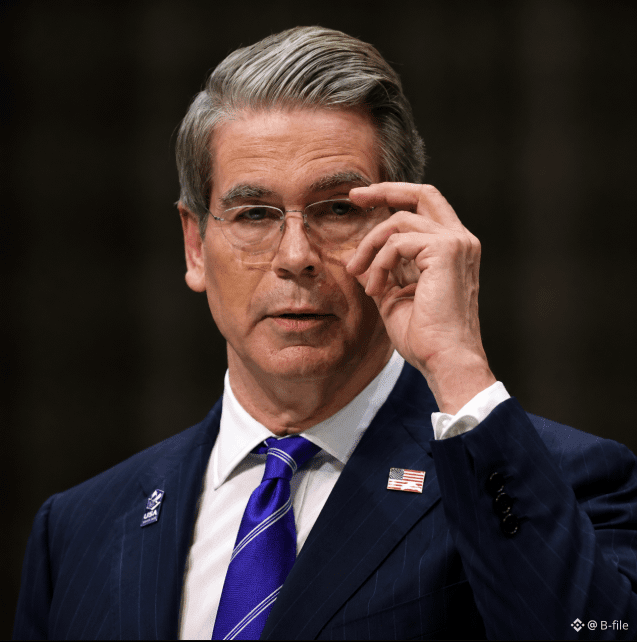
Les États-Unis paient plus de 1 TRILLION DE DOLLARS d’intérêts — désormais, le Trésor élargit ses propres rachats de dette.
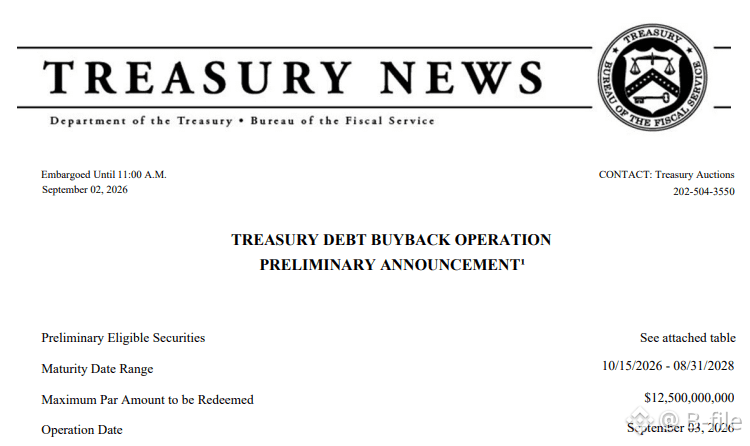
Alors que la dette fédérale dépasse 40 000 milliards de dollars et que les rendements obligataires flambent, le Trésor augmente ses rachats à long terme à partir du 9 septembre, en doublant certaines opérations, de 2 milliards à au moins 4 milliards de dollars.
Important : l’opération de 12,5 milliards de dollars correspond à un rachat de gestion de trésorerie, et non à un nouveau plan de sauvetage soudain ni à un programme d’assouplissement quantitatif (QE). Le Trésor a procédé à des rachats de manière régulière.
Le problème de la dette de l’Amérique devient de plus en plus coûteux.
🛸 DOSSIER #144
Les États-Unis paient plus de 1 TRILLION DE DOLLARS d’intérêts — désormais, le Trésor élargit ses propres rachats de dette.
Alors que la dette fédérale dépasse 40 000 milliards de dollars et que les rendements obligataires flambent, le Trésor augmente ses rachats à long terme à partir du 9 septembre, en doublant certaines opérations, de 2 milliards à au moins 4 milliards de dollars.
Important : l’opération de 12,5 milliards de dollars correspond à un rachat de gestion de trésorerie, et non à un nouveau plan de sauvetage soudain ni à un programme d’assouplissement quantitatif (QE). Le Trésor a procédé à des rachats de manière régulière.
Le problème de la dette de l’Amérique devient de plus en plus coûteux.
Les États-Unis paient plus de 1 TRILLION DE DOLLARS d’intérêts — désormais, le Trésor élargit ses propres rachats de dette.
Alors que la dette fédérale dépasse 40 000 milliards de dollars et que les rendements obligataires flambent, le Trésor augmente ses rachats à long terme à partir du 9 septembre, en doublant certaines opérations, de 2 milliards à au moins 4 milliards de dollars.
Important : l’opération de 12,5 milliards de dollars correspond à un rachat de gestion de trésorerie, et non à un nouveau plan de sauvetage soudain ni à un programme d’assouplissement quantitatif (QE). Le Trésor a procédé à des rachats de manière régulière.
Le problème de la dette de l’Amérique devient de plus en plus coûteux.
484
·
--
je vais au travail pour pouvoir acheter plus de crypto
je vais au travail pour pouvoir acheter plus de crypto
42
Connectez-vous pour découvrir plus de contenu
Rejoignez la communauté mondiale des adeptes de cryptomonnaies sur Binance Square
⚡️ Suviez les dernières informations importantes sur les cryptomonnaies.
💬 Jugé digne de confiance par la plus grande plateforme d’échange de cryptomonnaies au monde.
👍 Découvrez les connaissances que partagent les créateurs vérifiés.
Adresse e-mail/Nº de téléphone
Sujets d’actualité
US2YearYieldRisesTo4.61%
1,779 vues
78 mentions
#US2YearYieldRisesTo4.61%
🇺🇸 LE RENDEMENT DES TRÉSORS AMÉRICAINS À 2 ANS MONTE À 4,61%
📈 La hausse du rendement des obligations du Trésor américain à 2 ans jusqu'à 4,61% indique une pression croissante sur le marché des taux à court terme aux États-Unis.
Pourquoi c'est important pour la crypto & les actifs à risque :
🔹 Rendements plus élevés → conditions financières plus strictes
🔹 Des rendements plus solides peuvent soutenir le dollar américain
🔹 L'appétit pour le risque peut faiblir si les rendements continuent de grimper
🔹 BTC & altcoins pourraient faire face à une volatilité à court terme
🔹 Les marchés surveilleront de près les signaux à venir de la Fed et les données économiques américaines
⚠️ Niveau clé à surveiller : si les rendements des US 2Y continuent de monter, les haussiers de la crypto pourraient devoir défendre les niveaux de support clés.
📊 Négociez intelligemment. Surveillez ensemble les rendements, le dollar et le BTC.
#CryptocurrencyWealth #btc走勢 #lReserve #USTreasury
Crypto_Anyalsis508
·0 mentions J’aime
·11 vues
US10YearTreasuryYieldNears5%
1,317 vues
50 mentions
CryptoLiquidations$674MIn24H
4,029 vues
52 mentions