

Ansh Shivhare
4k Publications

Ansh Shivhare
 Binance Square Vérifié
Signaler
Bloquer l’utilisateur
Twitter📩 : @ansh_web3 🔶 | Content Creator | Web3 Development | NFT | Blockchain | Crypto | Research & Development | Analyst | Influencer |

Level 1 Creator
33 Suivis
132.8K+ Abonnés
56.7K+ J’aime
1 Badges
Publications
Tous
Citations
Vidéos
Populaire

Article
How to Make Continuous Income in CryptoThe world of cryptocurrency offers a range of opportunities to generate continuous income, whether through active or passive methods. As digital assets continue to gain popularity, more people are seeking ways to tap into the potential of this emerging financial ecosystem. Here are several strategies you can explore to create a steady stream of income in crypto.
1. Staking
Staking is one of the most popular passive income strategies in the cryptocurrency space. It involves locking up your assets in a proof-of-stake (PoS) blockchain to help validate transactions. In return, you earn rewards, usually in the form of the native cryptocurrency.
Key Benefits:Relatively low risk (depending on the crypto)Continuous rewards based on network participationPopular Staking Platforms: Ethereum 2.0, Binance Smart Chain, Polkadot
2. Yield Farming and Liquidity Providing
Yield farming involves lending your cryptocurrency through decentralized finance (DeFi) platforms in return for interest and other rewards. You typically provide liquidity to decentralized exchanges (DEXs) or lending platforms, which then use your funds to facilitate trading or lending activities.
Key Benefits:High yields, sometimes exceeding traditional finance returnsFlexible terms and easy access through DeFi platformsPopular Platforms: Uniswap, PancakeSwap, Aave, Compound
3. Crypto Lending
Crypto lending allows you to earn interest by lending your assets to other users or platforms. Centralized and decentralized lending platforms offer attractive interest rates, paid out periodically.
Key Benefits:Interest rates often higher than traditional savings accountsYou retain ownership of your crypto while earning interestPopular Platforms: BlockFi, Celsius, Aave, MakerDAO
4. Trading Bots and Automated Trading
Automated trading bots execute trades based on algorithms without human intervention. These bots can analyze the market 24/7 and make trades based on predefined strategies, allowing you to generate income continuously.
Key Benefits:Requires minimal monitoring once set upCan take advantage of market fluctuations at all timesPopular Tools: 3Commas, Pionex, Cryptohopper
5. Crypto Dividends
Certain cryptocurrencies pay dividends to their holders, either through transaction fees or network rewards. These crypto assets work similarly to dividend-paying stocks.
Key Benefits:Earn passive income just by holding the assetPotential for capital appreciation along with dividendsPopular Cryptos: NEO (GAS), VeChain (VTHO)
6. Mining
Mining is the process of verifying and adding transactions to the blockchain for proof-of-work (PoW) cryptocurrencies. Miners are rewarded with newly minted coins. While mining has become more competitive, it remains a viable way to generate continuous income.
Key Benefits:Steady stream of rewards for participating in the networkOpportunities to mine various cryptos beyond BitcoinPopular Mining Cryptos: Bitcoin, Litecoin, Monero
7. Airdrops and Forks
Airdrops involve the distribution of free tokens to existing holders of a particular cryptocurrency. Forks, on the other hand, occur when a blockchain splits into two, resulting in holders receiving coins on the new chain.
Key Benefits:Free tokens with potential future valueOften requires minimal effort to participateNotable Examples: Uniswap (UNI) Airdrop, Bitcoin Cash (BCH) Fork
8. Affiliate and Referral Programs
Many cryptocurrency platforms, exchanges, and services offer affiliate and referral programs. By promoting these services to others, you can earn commissions or bonuses in cryptocurrency when someone signs up or completes transactions through your referral link.
Key Benefits:No upfront capital requiredUnlimited earning potential based on referralsPopular Programs: Binance Affiliate Program, Coinbase Referral Program
9. NFT Royalties
Non-fungible tokens (NFTs) are unique digital assets representing ownership of items like art, music, and virtual real estate. Many platforms allow creators to receive royalties each time their NFTs are resold, providing a continuous income stream.
Key Benefits:Earn recurring income as NFTs change handsGrowing demand for digital assets in various industriesPopular NFT Marketplaces: OpenSea, Rarible, Foundation
10. Participating in Play-to-Earn (P2E) Games
The Play-to-Earn model allows gamers to earn cryptocurrency or NFTs by playing blockchain-based games. These assets can then be traded or sold for real-world value.
Key Benefits:Income while engaging in entertainmentSome games have in-game economies with real earning potentialPopular P2E Games: Axie Infinity, Decentraland, The Sandbox
How to Make Continuous Income in Crypto
The world of cryptocurrency offers a range of opportunities to generate continuous income, whether through active or passive methods. As digital assets continue to gain popularity, more people are seeking ways to tap into the potential of this emerging financial ecosystem. Here are several strategies you can explore to create a steady stream of income in crypto.
1. Staking
Staking is one of the most popular passive income strategies in the cryptocurrency space. It involves locking up your assets in a proof-of-stake (PoS) blockchain to help validate transactions. In return, you earn rewards, usually in the form of the native cryptocurrency.
Key Benefits:Relatively low risk (depending on the crypto)Continuous rewards based on network participationPopular Staking Platforms: Ethereum 2.0, Binance Smart Chain, Polkadot
2. Yield Farming and Liquidity Providing
Yield farming involves lending your cryptocurrency through decentralized finance (DeFi) platforms in return for interest and other rewards. You typically provide liquidity to decentralized exchanges (DEXs) or lending platforms, which then use your funds to facilitate trading or lending activities.
Key Benefits:High yields, sometimes exceeding traditional finance returnsFlexible terms and easy access through DeFi platformsPopular Platforms: Uniswap, PancakeSwap, Aave, Compound
3. Crypto Lending
Crypto lending allows you to earn interest by lending your assets to other users or platforms. Centralized and decentralized lending platforms offer attractive interest rates, paid out periodically.
Key Benefits:Interest rates often higher than traditional savings accountsYou retain ownership of your crypto while earning interestPopular Platforms: BlockFi, Celsius, Aave, MakerDAO
4. Trading Bots and Automated Trading
Automated trading bots execute trades based on algorithms without human intervention. These bots can analyze the market 24/7 and make trades based on predefined strategies, allowing you to generate income continuously.
Key Benefits:Requires minimal monitoring once set upCan take advantage of market fluctuations at all timesPopular Tools: 3Commas, Pionex, Cryptohopper
5. Crypto Dividends
Certain cryptocurrencies pay dividends to their holders, either through transaction fees or network rewards. These crypto assets work similarly to dividend-paying stocks.
Key Benefits:Earn passive income just by holding the assetPotential for capital appreciation along with dividendsPopular Cryptos: NEO (GAS), VeChain (VTHO)
6. Mining
Mining is the process of verifying and adding transactions to the blockchain for proof-of-work (PoW) cryptocurrencies. Miners are rewarded with newly minted coins. While mining has become more competitive, it remains a viable way to generate continuous income.
Key Benefits:Steady stream of rewards for participating in the networkOpportunities to mine various cryptos beyond BitcoinPopular Mining Cryptos: Bitcoin, Litecoin, Monero
7. Airdrops and Forks
Airdrops involve the distribution of free tokens to existing holders of a particular cryptocurrency. Forks, on the other hand, occur when a blockchain splits into two, resulting in holders receiving coins on the new chain.
Key Benefits:Free tokens with potential future valueOften requires minimal effort to participateNotable Examples: Uniswap (UNI) Airdrop, Bitcoin Cash (BCH) Fork
8. Affiliate and Referral Programs
Many cryptocurrency platforms, exchanges, and services offer affiliate and referral programs. By promoting these services to others, you can earn commissions or bonuses in cryptocurrency when someone signs up or completes transactions through your referral link.
Key Benefits:No upfront capital requiredUnlimited earning potential based on referralsPopular Programs: Binance Affiliate Program, Coinbase Referral Program
9. NFT Royalties
Non-fungible tokens (NFTs) are unique digital assets representing ownership of items like art, music, and virtual real estate. Many platforms allow creators to receive royalties each time their NFTs are resold, providing a continuous income stream.
Key Benefits:Earn recurring income as NFTs change handsGrowing demand for digital assets in various industriesPopular NFT Marketplaces: OpenSea, Rarible, Foundation
10. Participating in Play-to-Earn (P2E) Games
The Play-to-Earn model allows gamers to earn cryptocurrency or NFTs by playing blockchain-based games. These assets can then be traded or sold for real-world value.
Key Benefits:Income while engaging in entertainmentSome games have in-game economies with real earning potentialPopular P2E Games: Axie Infinity, Decentraland, The Sandbox
1. Staking
Staking is one of the most popular passive income strategies in the cryptocurrency space. It involves locking up your assets in a proof-of-stake (PoS) blockchain to help validate transactions. In return, you earn rewards, usually in the form of the native cryptocurrency.
Key Benefits:Relatively low risk (depending on the crypto)Continuous rewards based on network participationPopular Staking Platforms: Ethereum 2.0, Binance Smart Chain, Polkadot
2. Yield Farming and Liquidity Providing
Yield farming involves lending your cryptocurrency through decentralized finance (DeFi) platforms in return for interest and other rewards. You typically provide liquidity to decentralized exchanges (DEXs) or lending platforms, which then use your funds to facilitate trading or lending activities.
Key Benefits:High yields, sometimes exceeding traditional finance returnsFlexible terms and easy access through DeFi platformsPopular Platforms: Uniswap, PancakeSwap, Aave, Compound
3. Crypto Lending
Crypto lending allows you to earn interest by lending your assets to other users or platforms. Centralized and decentralized lending platforms offer attractive interest rates, paid out periodically.
Key Benefits:Interest rates often higher than traditional savings accountsYou retain ownership of your crypto while earning interestPopular Platforms: BlockFi, Celsius, Aave, MakerDAO
4. Trading Bots and Automated Trading
Automated trading bots execute trades based on algorithms without human intervention. These bots can analyze the market 24/7 and make trades based on predefined strategies, allowing you to generate income continuously.
Key Benefits:Requires minimal monitoring once set upCan take advantage of market fluctuations at all timesPopular Tools: 3Commas, Pionex, Cryptohopper
5. Crypto Dividends
Certain cryptocurrencies pay dividends to their holders, either through transaction fees or network rewards. These crypto assets work similarly to dividend-paying stocks.
Key Benefits:Earn passive income just by holding the assetPotential for capital appreciation along with dividendsPopular Cryptos: NEO (GAS), VeChain (VTHO)
6. Mining
Mining is the process of verifying and adding transactions to the blockchain for proof-of-work (PoW) cryptocurrencies. Miners are rewarded with newly minted coins. While mining has become more competitive, it remains a viable way to generate continuous income.
Key Benefits:Steady stream of rewards for participating in the networkOpportunities to mine various cryptos beyond BitcoinPopular Mining Cryptos: Bitcoin, Litecoin, Monero
7. Airdrops and Forks
Airdrops involve the distribution of free tokens to existing holders of a particular cryptocurrency. Forks, on the other hand, occur when a blockchain splits into two, resulting in holders receiving coins on the new chain.
Key Benefits:Free tokens with potential future valueOften requires minimal effort to participateNotable Examples: Uniswap (UNI) Airdrop, Bitcoin Cash (BCH) Fork
8. Affiliate and Referral Programs
Many cryptocurrency platforms, exchanges, and services offer affiliate and referral programs. By promoting these services to others, you can earn commissions or bonuses in cryptocurrency when someone signs up or completes transactions through your referral link.
Key Benefits:No upfront capital requiredUnlimited earning potential based on referralsPopular Programs: Binance Affiliate Program, Coinbase Referral Program
9. NFT Royalties
Non-fungible tokens (NFTs) are unique digital assets representing ownership of items like art, music, and virtual real estate. Many platforms allow creators to receive royalties each time their NFTs are resold, providing a continuous income stream.
Key Benefits:Earn recurring income as NFTs change handsGrowing demand for digital assets in various industriesPopular NFT Marketplaces: OpenSea, Rarible, Foundation
10. Participating in Play-to-Earn (P2E) Games
The Play-to-Earn model allows gamers to earn cryptocurrency or NFTs by playing blockchain-based games. These assets can then be traded or sold for real-world value.
Key Benefits:Income while engaging in entertainmentSome games have in-game economies with real earning potentialPopular P2E Games: Axie Infinity, Decentraland, The Sandbox
20
12
97
11.5k
U.S. jobs growth came in far weaker than expected in September.
The U.S. added just 29,000 jobs vs. 90,000 expected, while unemployment rose to 4.2%.
Other key
• August jobs revised down to 133K
• July revised from +21K to -10K
• Hourly earnings rose just 0.1% MoM
• Wage growth slowed to 3% YoY
Markets reacted positively, with Bitcoin holding near $87K and Treasury yields moving lower.
A weaker labor market could give the Fed more room on rates, even as inflation remains elevated.
#dyor #NFA✅
U.S. jobs growth came in far weaker than expected in September.
The U.S. added just 29,000 jobs vs. 90,000 expected, while unemployment rose to 4.2%.
Other key
• August jobs revised down to 133K
• July revised from +21K to -10K
• Hourly earnings rose just 0.1% MoM
• Wage growth slowed to 3% YoY
Markets reacted positively, with Bitcoin holding near $87K and Treasury yields moving lower.
A weaker labor market could give the Fed more room on rates, even as inflation remains elevated.
#dyor #NFA✅
The U.S. added just 29,000 jobs vs. 90,000 expected, while unemployment rose to 4.2%.
Other key
• August jobs revised down to 133K
• July revised from +21K to -10K
• Hourly earnings rose just 0.1% MoM
• Wage growth slowed to 3% YoY
Markets reacted positively, with Bitcoin holding near $87K and Treasury yields moving lower.
A weaker labor market could give the Fed more room on rates, even as inflation remains elevated.
#dyor #NFA✅
368
Jay Clayton could be the Trump administration’s next AI czar. 🤖
The former SEC chairman has a long history with crypto regulation.
During his 2017–2020 SEC tenure:
• The agency created its Cyber Unit focused on digital assets
• 57 enforcement cases targeted digital assets, blockchain businesses and ICOs
• The SEC launched its major legal case against Ripple over XRP in 2020
Now, Clayton could move from overseeing crypto enforcement to helping shape U.S. AI policy.
His potential appointment comes as AI becomes an increasingly important national security and technology priority.
#dyor #NFA✅
Jay Clayton could be the Trump administration’s next AI czar. 🤖
The former SEC chairman has a long history with crypto regulation.
During his 2017–2020 SEC tenure:
• The agency created its Cyber Unit focused on digital assets
• 57 enforcement cases targeted digital assets, blockchain businesses and ICOs
• The SEC launched its major legal case against Ripple over XRP in 2020
Now, Clayton could move from overseeing crypto enforcement to helping shape U.S. AI policy.
His potential appointment comes as AI becomes an increasingly important national security and technology priority.
#dyor #NFA✅
The former SEC chairman has a long history with crypto regulation.
During his 2017–2020 SEC tenure:
• The agency created its Cyber Unit focused on digital assets
• 57 enforcement cases targeted digital assets, blockchain businesses and ICOs
• The SEC launched its major legal case against Ripple over XRP in 2020
Now, Clayton could move from overseeing crypto enforcement to helping shape U.S. AI policy.
His potential appointment comes as AI becomes an increasingly important national security and technology priority.
#dyor #NFA✅

2
304
A U.S. banking group is suing the OCC over its decision to grant national trust bank charters to crypto firms.
The Independent Community Bankers of America argues the regulator is exceeding its legal authority and allowing crypto firms to enter the banking system without facing the same requirements as traditional banks.
The group says the issue creates a competitive gap around areas including capital, liquidity, supervision and deposit insurance.
The lawsuit adds another layer to the growing debate over crypto firms gaining access to the U.S. banking system.
#dyor #NFA✅
A U.S. banking group is suing the OCC over its decision to grant national trust bank charters to crypto firms.
The Independent Community Bankers of America argues the regulator is exceeding its legal authority and allowing crypto firms to enter the banking system without facing the same requirements as traditional banks.
The group says the issue creates a competitive gap around areas including capital, liquidity, supervision and deposit insurance.
The lawsuit adds another layer to the growing debate over crypto firms gaining access to the U.S. banking system.
#dyor #NFA✅
The Independent Community Bankers of America argues the regulator is exceeding its legal authority and allowing crypto firms to enter the banking system without facing the same requirements as traditional banks.
The group says the issue creates a competitive gap around areas including capital, liquidity, supervision and deposit insurance.
The lawsuit adds another layer to the growing debate over crypto firms gaining access to the U.S. banking system.
#dyor #NFA✅

2
279
New quarter, same old Bitcoin range. 👀
BTC is still stuck between $82K and $85K, extending more than a week of sideways price action.
Bitcoin briefly broke above $85K after softer-than-expected U.S. inflation, but bulls failed to hold the move.
Meanwhile, U.S. spot Bitcoin ETFs recorded $148.7M in net outflows, ending a nine-day inflow streak worth $3.08B.
For now, $82K–$85K remains the range to watch.
#dyor #NFA✅
New quarter, same old Bitcoin range. 👀
BTC is still stuck between $82K and $85K, extending more than a week of sideways price action.
Bitcoin briefly broke above $85K after softer-than-expected U.S. inflation, but bulls failed to hold the move.
Meanwhile, U.S. spot Bitcoin ETFs recorded $148.7M in net outflows, ending a nine-day inflow streak worth $3.08B.
For now, $82K–$85K remains the range to watch.
#dyor #NFA✅
BTC is still stuck between $82K and $85K, extending more than a week of sideways price action.
Bitcoin briefly broke above $85K after softer-than-expected U.S. inflation, but bulls failed to hold the move.
Meanwhile, U.S. spot Bitcoin ETFs recorded $148.7M in net outflows, ending a nine-day inflow streak worth $3.08B.
For now, $82K–$85K remains the range to watch.
#dyor #NFA✅
2
338
Crypto firms spent more than $13M on lobbying in the first half of 2026, with around $8M tied to efforts around the U.S. market structure bill.
The spending included:
• ~$2.4M on outside lobbying firms
• ~$2.1M through industry trade associations
• The rest through crypto companies’ own lobbying operations
Despite the push, the bill failed to advance in the U.S. Senate.
The industry’s lobbying efforts are now shifting toward regulators and future legislative attempts.
Washington remains a long game for crypto.
#dyor #NFA✅
Crypto firms spent more than $13M on lobbying in the first half of 2026, with around $8M tied to efforts around the U.S. market structure bill.
The spending included:
• ~$2.4M on outside lobbying firms
• ~$2.1M through industry trade associations
• The rest through crypto companies’ own lobbying operations
Despite the push, the bill failed to advance in the U.S. Senate.
The industry’s lobbying efforts are now shifting toward regulators and future legislative attempts.
Washington remains a long game for crypto.
#dyor #NFA✅
The spending included:
• ~$2.4M on outside lobbying firms
• ~$2.1M through industry trade associations
• The rest through crypto companies’ own lobbying operations
Despite the push, the bill failed to advance in the U.S. Senate.
The industry’s lobbying efforts are now shifting toward regulators and future legislative attempts.
Washington remains a long game for crypto.
#dyor #NFA✅

248
📉 Bitcoin’s $85,500 pop fades as bond yields stay elevated
Bitcoin briefly jumped above $85,500 after softer-than-expected U.S. inflation data, but the move quickly lost momentum.
BTC is now around $83,700, with Treasury yields remaining near elevated levels.
🔹 PCE inflation: 3.4% YoY
🔹 Core PCE: 3.0%
🔹 10Y Treasury yield: ~5.28%
🔹 30Y Treasury yield: ~5.62%
The softer inflation print boosted risk appetite, but elevated bond yields continue to weigh on Bitcoin’s upside.
#dyor #NFA✅
📉 Bitcoin’s $85,500 pop fades as bond yields stay elevated
Bitcoin briefly jumped above $85,500 after softer-than-expected U.S. inflation data, but the move quickly lost momentum.
BTC is now around $83,700, with Treasury yields remaining near elevated levels.
🔹 PCE inflation: 3.4% YoY
🔹 Core PCE: 3.0%
🔹 10Y Treasury yield: ~5.28%
🔹 30Y Treasury yield: ~5.62%
The softer inflation print boosted risk appetite, but elevated bond yields continue to weigh on Bitcoin’s upside.
#dyor #NFA✅
Bitcoin briefly jumped above $85,500 after softer-than-expected U.S. inflation data, but the move quickly lost momentum.
BTC is now around $83,700, with Treasury yields remaining near elevated levels.
🔹 PCE inflation: 3.4% YoY
🔹 Core PCE: 3.0%
🔹 10Y Treasury yield: ~5.28%
🔹 30Y Treasury yield: ~5.62%
The softer inflation print boosted risk appetite, but elevated bond yields continue to weigh on Bitcoin’s upside.
#dyor #NFA✅
168
🚨 MetaMask security incident impacts Ethereum staking
MetaMask has begun precautionary exits for affected Ethereum validators after a security incident diverted an estimated 0.36 ETH in block-production rewards.
🔹 ~523K ETH held across affected validators
🔹 No immediate threat to MetaMask wallets identified
🔹 No reported slashing or loss of staked ETH
🔹 Validators are being exited as a precaution
🔹 Re-entry into Ethereum staking could take up to ~45 days
The incident appears to have affected validator reward destinations rather than users’ underlying staked ETH.
#dyor #NFA✅
🚨 MetaMask security incident impacts Ethereum staking
MetaMask has begun precautionary exits for affected Ethereum validators after a security incident diverted an estimated 0.36 ETH in block-production rewards.
🔹 ~523K ETH held across affected validators
🔹 No immediate threat to MetaMask wallets identified
🔹 No reported slashing or loss of staked ETH
🔹 Validators are being exited as a precaution
🔹 Re-entry into Ethereum staking could take up to ~45 days
The incident appears to have affected validator reward destinations rather than users’ underlying staked ETH.
#dyor #NFA✅
MetaMask has begun precautionary exits for affected Ethereum validators after a security incident diverted an estimated 0.36 ETH in block-production rewards.
🔹 ~523K ETH held across affected validators
🔹 No immediate threat to MetaMask wallets identified
🔹 No reported slashing or loss of staked ETH
🔹 Validators are being exited as a precaution
🔹 Re-entry into Ethereum staking could take up to ~45 days
The incident appears to have affected validator reward destinations rather than users’ underlying staked ETH.
#dyor #NFA✅

1
307
Bitcoin’s rally is showing signs of cooling despite bullish momentum remaining strong. 👀
BTC’s bull score has climbed to 90/100, just 10 points away from a perfect score.
But demand is weakening:
• Spot demand down ~170K BTC over 30 days
• Futures demand growth fell 90% in 15 days
• Recent buyers are sitting on ~33% unrealized profits
• 25.7K BTC saw profit-taking in a single day
The trend remains bullish, but without fresh demand, extending the rally could become harder.
Strong momentum. Cooling buyers. 📊
#dyor #NFA✅
Bitcoin’s rally is showing signs of cooling despite bullish momentum remaining strong. 👀
BTC’s bull score has climbed to 90/100, just 10 points away from a perfect score.
But demand is weakening:
• Spot demand down ~170K BTC over 30 days
• Futures demand growth fell 90% in 15 days
• Recent buyers are sitting on ~33% unrealized profits
• 25.7K BTC saw profit-taking in a single day
The trend remains bullish, but without fresh demand, extending the rally could become harder.
Strong momentum. Cooling buyers. 📊
#dyor #NFA✅
BTC’s bull score has climbed to 90/100, just 10 points away from a perfect score.
But demand is weakening:
• Spot demand down ~170K BTC over 30 days
• Futures demand growth fell 90% in 15 days
• Recent buyers are sitting on ~33% unrealized profits
• 25.7K BTC saw profit-taking in a single day
The trend remains bullish, but without fresh demand, extending the rally could become harder.
Strong momentum. Cooling buyers. 📊
#dyor #NFA✅
150
Bitcoin bulls have one key level to defend: $82,000. 👀
BTC has pulled back from above $87,400 and is now testing the $82K–$83K zone.
Analysts say:
• Above $82K: market structure remains constructive
• Below $82K: downside toward the high $70Ks could come into focus
• Below $80K: a deeper correction could become more likely
ETF flows and U.S. Treasury yields are also key factors to watch.
For now, $82K is the level everyone is watching.
#dyor #NFA✅
Bitcoin bulls have one key level to defend: $82,000. 👀
BTC has pulled back from above $87,400 and is now testing the $82K–$83K zone.
Analysts say:
• Above $82K: market structure remains constructive
• Below $82K: downside toward the high $70Ks could come into focus
• Below $80K: a deeper correction could become more likely
ETF flows and U.S. Treasury yields are also key factors to watch.
For now, $82K is the level everyone is watching.
#dyor #NFA✅
BTC has pulled back from above $87,400 and is now testing the $82K–$83K zone.
Analysts say:
• Above $82K: market structure remains constructive
• Below $82K: downside toward the high $70Ks could come into focus
• Below $80K: a deeper correction could become more likely
ETF flows and U.S. Treasury yields are also key factors to watch.
For now, $82K is the level everyone is watching.
#dyor #NFA✅

402
European investors can now get Bitcoin exposure while reducing the impact of USD/EUR and USD/GBP moves.
HANetf has launched what it calls the world’s first currency-hedged crypto ETCs:
• GBTC — GBP-hedged Bitcoin ETC on the London Stock Exchange
• EBTC — EUR-hedged Bitcoin ETC on Xetra & Euronext Paris
HSBC provides the currency hedging.
The idea is simple: investors can gain BTC exposure without letting a weakening U.S. dollar significantly affect their returns.
Another step toward making Bitcoin fit more naturally into traditional investment infrastructure. 👀
#dyor #NFA✅
European investors can now get Bitcoin exposure while reducing the impact of USD/EUR and USD/GBP moves.
HANetf has launched what it calls the world’s first currency-hedged crypto ETCs:
• GBTC — GBP-hedged Bitcoin ETC on the London Stock Exchange
• EBTC — EUR-hedged Bitcoin ETC on Xetra & Euronext Paris
HSBC provides the currency hedging.
The idea is simple: investors can gain BTC exposure without letting a weakening U.S. dollar significantly affect their returns.
Another step toward making Bitcoin fit more naturally into traditional investment infrastructure. 👀
#dyor #NFA✅
HANetf has launched what it calls the world’s first currency-hedged crypto ETCs:
• GBTC — GBP-hedged Bitcoin ETC on the London Stock Exchange
• EBTC — EUR-hedged Bitcoin ETC on Xetra & Euronext Paris
HSBC provides the currency hedging.
The idea is simple: investors can gain BTC exposure without letting a weakening U.S. dollar significantly affect their returns.
Another step toward making Bitcoin fit more naturally into traditional investment infrastructure. 👀
#dyor #NFA✅
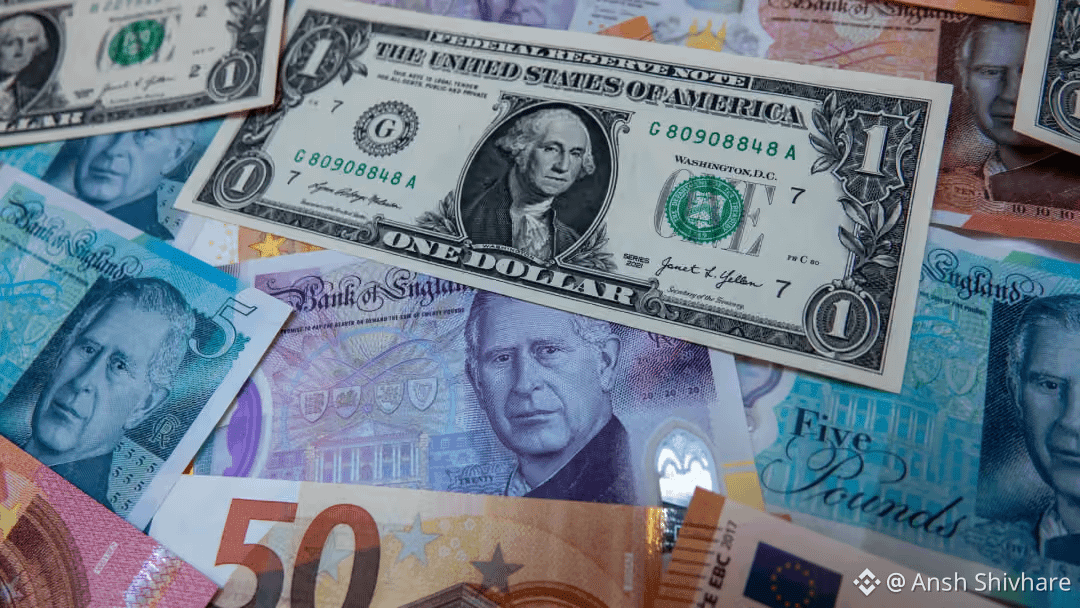
298
OpenAI is reportedly targeting at least $30B in fresh funding at a staggering $1.4T valuation. 💰
The ChatGPT maker has delayed its IPO beyond 2026 and is instead looking to raise more capital ahead of a potential public listing.
For context, OpenAI raised $122B in March at an $852B valuation.
Meanwhile, its annualized revenue run rate has reportedly surpassed $40B, with revenue growing sharply since July.
AI capital is getting bigger by the day. 👀
#dyor #NFA✅
OpenAI is reportedly targeting at least $30B in fresh funding at a staggering $1.4T valuation. 💰
The ChatGPT maker has delayed its IPO beyond 2026 and is instead looking to raise more capital ahead of a potential public listing.
For context, OpenAI raised $122B in March at an $852B valuation.
Meanwhile, its annualized revenue run rate has reportedly surpassed $40B, with revenue growing sharply since July.
AI capital is getting bigger by the day. 👀
#dyor #NFA✅
The ChatGPT maker has delayed its IPO beyond 2026 and is instead looking to raise more capital ahead of a potential public listing.
For context, OpenAI raised $122B in March at an $852B valuation.
Meanwhile, its annualized revenue run rate has reportedly surpassed $40B, with revenue growing sharply since July.
AI capital is getting bigger by the day. 👀
#dyor #NFA✅

586
🚨 JUST IN: saylor Strategy has moved 3,568 BTC worth approximately $297 million, according to Lookonchain.
What’s behind the massive #Bitcoin transfer? 👀
#dyor #NFA✅
🚨 JUST IN: saylor Strategy has moved 3,568 BTC worth approximately $297 million, according to Lookonchain.
What’s behind the massive #Bitcoin transfer? 👀
#dyor #NFA✅
What’s behind the massive #Bitcoin transfer? 👀
#dyor #NFA✅
111
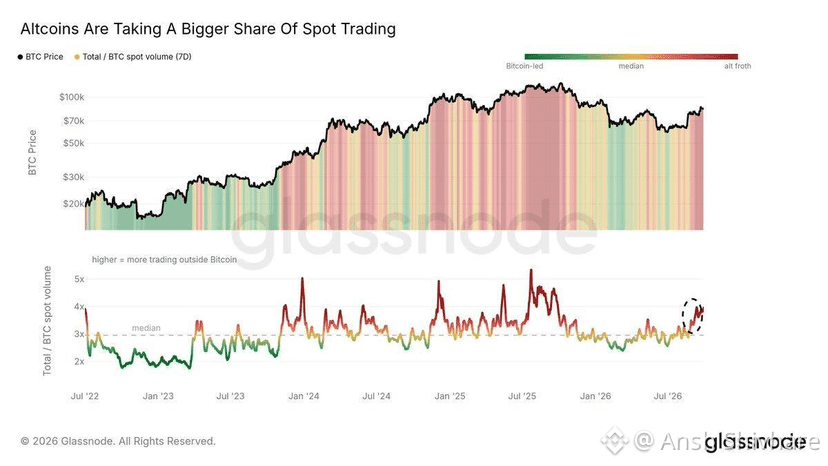
🔥 INSIGHT: Altcoin spot volume has climbed to nearly 4x Bitcoin’s, marking its highest ratio in a year. Similar spikes have historically coincided with local BTC tops, according to glassnode
#dyor #NFA✅
🔥 INSIGHT: Altcoin spot volume has climbed to nearly 4x Bitcoin’s, marking its highest ratio in a year. Similar spikes have historically coincided with local BTC tops, according to glassnode
#dyor #NFA✅
#dyor #NFA✅
138
Vérifié
🚨 Ethereum’s next upgrade phase is taking shape but what comes next?
The Ethereum Foundation says Glamsterdam will activate on the Sepolia testnet on October 6, setting the stage for the Hegota upgrade and future quantum-resistant upgrades.
#dyor #NFA✅
🚨 Ethereum’s next upgrade phase is taking shape but what comes next?
The Ethereum Foundation says Glamsterdam will activate on the Sepolia testnet on October 6, setting the stage for the Hegota upgrade and future quantum-resistant upgrades.
#dyor #NFA✅
The Ethereum Foundation says Glamsterdam will activate on the Sepolia testnet on October 6, setting the stage for the Hegota upgrade and future quantum-resistant upgrades.
#dyor #NFA✅

1
535
🔥 NEW: Morgan Stanley has reportedly set up a Digital Asset Lab to test stablecoins, tokenization, and DeFi applications, according to Bloomberg.
#dyor #NFA✅
🔥 NEW: Morgan Stanley has reportedly set up a Digital Asset Lab to test stablecoins, tokenization, and DeFi applications, according to Bloomberg.
#dyor #NFA✅
#dyor #NFA✅

97
Crypto sentiment is cooling, but traders aren't pricing in a crash yet.
BTC and ETH have come under pressure, but options markets show no major rush for downside protection.
BTC skew has shifted as demand for calls fades, yet downside puts remain historically cheap.
ETH is seeing a similar trend: bullish call demand is weakening, while put demand is picking up.
10x Research says the key question now is whether this is just short-term hedging or the start of a broader shift.
For now, options markets are signaling caution , not panic. 👀
#dyor #NFA✅
Crypto sentiment is cooling, but traders aren't pricing in a crash yet.
BTC and ETH have come under pressure, but options markets show no major rush for downside protection.
BTC skew has shifted as demand for calls fades, yet downside puts remain historically cheap.
ETH is seeing a similar trend: bullish call demand is weakening, while put demand is picking up.
10x Research says the key question now is whether this is just short-term hedging or the start of a broader shift.
For now, options markets are signaling caution , not panic. 👀
#dyor #NFA✅
BTC and ETH have come under pressure, but options markets show no major rush for downside protection.
BTC skew has shifted as demand for calls fades, yet downside puts remain historically cheap.
ETH is seeing a similar trend: bullish call demand is weakening, while put demand is picking up.
10x Research says the key question now is whether this is just short-term hedging or the start of a broader shift.
For now, options markets are signaling caution , not panic. 👀
#dyor #NFA✅

164
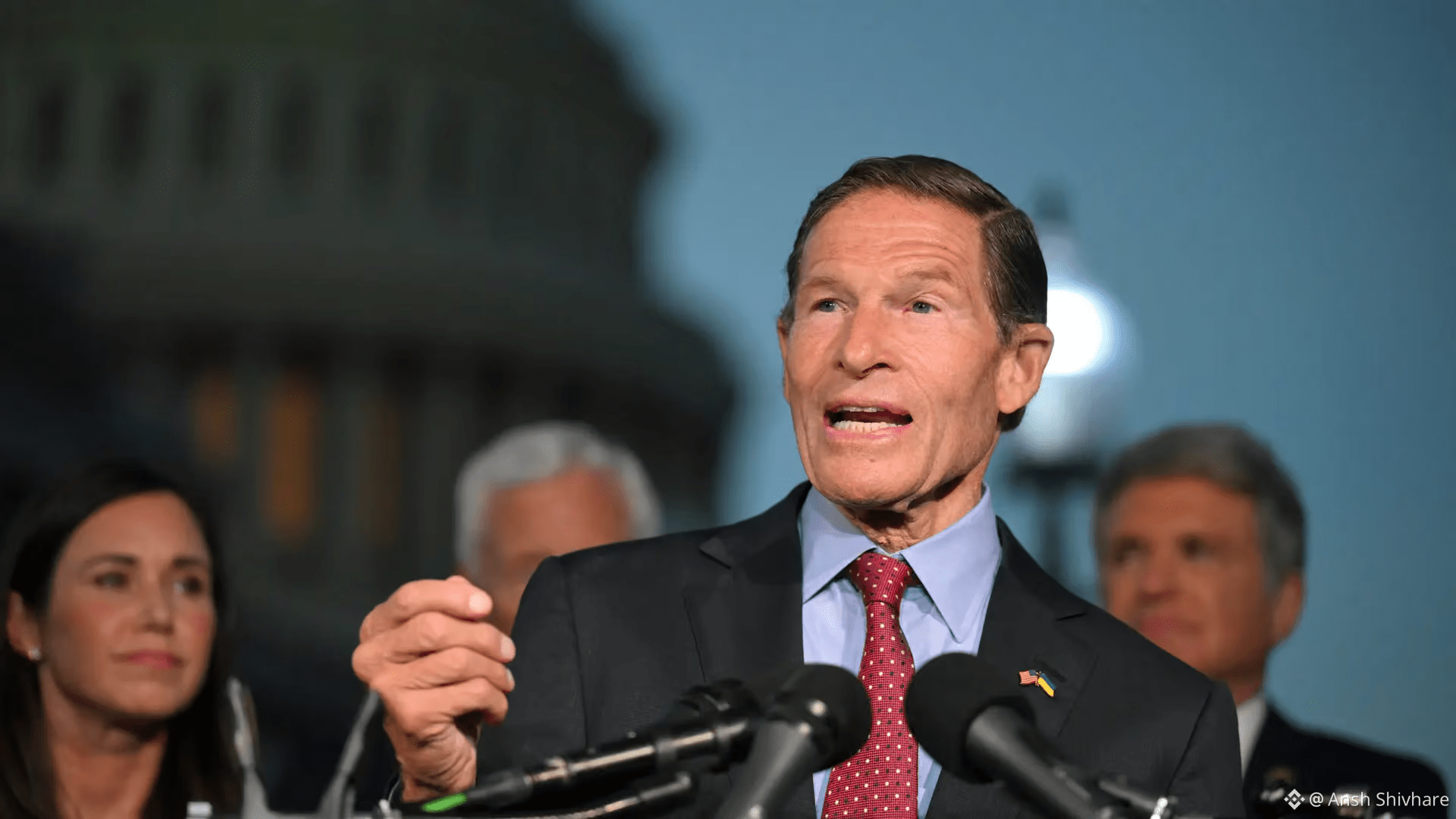
Senate Democrats are putting Tether’s USDT under fresh scrutiny.
A new Senate report alleges that USDT has become a key tool in Iran’s sanctions-evasion network, calling it a “financial lifeline” for the regime.
The report says Iran-linked activity processed an estimated $2B in transactions last year.
Tether disputes the broader characterization, pointing to its cooperation with U.S. authorities and saying it has supported nearly $550M in Iran-linked USDT freezes in 2026.
The debate highlights a bigger question for stablecoins:
Are they becoming tools for sanctions evasion or increasingly traceable rails for enforcement?
#dyor #NFA✅
Senate Democrats are putting Tether’s USDT under fresh scrutiny.
A new Senate report alleges that USDT has become a key tool in Iran’s sanctions-evasion network, calling it a “financial lifeline” for the regime.
The report says Iran-linked activity processed an estimated $2B in transactions last year.
Tether disputes the broader characterization, pointing to its cooperation with U.S. authorities and saying it has supported nearly $550M in Iran-linked USDT freezes in 2026.
The debate highlights a bigger question for stablecoins:
Are they becoming tools for sanctions evasion or increasingly traceable rails for enforcement?
#dyor #NFA✅
A new Senate report alleges that USDT has become a key tool in Iran’s sanctions-evasion network, calling it a “financial lifeline” for the regime.
The report says Iran-linked activity processed an estimated $2B in transactions last year.
Tether disputes the broader characterization, pointing to its cooperation with U.S. authorities and saying it has supported nearly $550M in Iran-linked USDT freezes in 2026.
The debate highlights a bigger question for stablecoins:
Are they becoming tools for sanctions evasion or increasingly traceable rails for enforcement?
#dyor #NFA✅
871
Goldman Sachs is bringing its ~$100B Treasury fund, FTIXX, into institutional crypto infrastructure.
But there’s a twist: it’s NOT being tokenized.
FTIXX will be available through Lynq, a settlement network for digital-asset firms, with tZERO Securities handling trades.
This gives institutional crypto firms a way to put idle cash into a traditional Treasury fund and earn yield between trades.
TradFi isn’t necessarily rebuilding everything on-chain.
Sometimes, it’s bringing existing financial infrastructure into crypto’s rails.
Institutional adoption keeps moving. 👀
#dyor #NFA✅
Goldman Sachs is bringing its ~$100B Treasury fund, FTIXX, into institutional crypto infrastructure.
But there’s a twist: it’s NOT being tokenized.
FTIXX will be available through Lynq, a settlement network for digital-asset firms, with tZERO Securities handling trades.
This gives institutional crypto firms a way to put idle cash into a traditional Treasury fund and earn yield between trades.
TradFi isn’t necessarily rebuilding everything on-chain.
Sometimes, it’s bringing existing financial infrastructure into crypto’s rails.
Institutional adoption keeps moving. 👀
#dyor #NFA✅
But there’s a twist: it’s NOT being tokenized.
FTIXX will be available through Lynq, a settlement network for digital-asset firms, with tZERO Securities handling trades.
This gives institutional crypto firms a way to put idle cash into a traditional Treasury fund and earn yield between trades.
TradFi isn’t necessarily rebuilding everything on-chain.
Sometimes, it’s bringing existing financial infrastructure into crypto’s rails.
Institutional adoption keeps moving. 👀
#dyor #NFA✅
187
🚨 JUST IN: Strategy has acquired 1,665 BTC worth approximately $143 million and repurchased $152 million of STRC, continuing its Bitcoin accumulation and preferred-stock buyback strategy.
#dyor #NFA✅
🚨 JUST IN: Strategy has acquired 1,665 BTC worth approximately $143 million and repurchased $152 million of STRC, continuing its Bitcoin accumulation and preferred-stock buyback strategy.
#dyor #NFA✅
#dyor #NFA✅

275
Connectez-vous pour découvrir plus de contenu
Rejoignez la communauté mondiale des adeptes de cryptomonnaies sur Binance Square
⚡️ Suviez les dernières informations importantes sur les cryptomonnaies.
💬 Jugé digne de confiance par la plus grande plateforme d’échange de cryptomonnaies au monde.
👍 Découvrez les connaissances que partagent les créateurs vérifiés.
Adresse e-mail/Nº de téléphone
Sujets d’actualité
ZcashETFPostsFirstWeeklyOutflow$93.6M
47,509 vues
143 mentions
#ZcashETFPostsFirstWeeklyOutflow$93.6M
Zcash ETF’s first weekly outflow of $93.6 million signals weakening investor demand and possible profit-booking. This could put short-term pressure on ZEC’s price and hurt sentiment across privacy-focused cryptocurrencies. Traders should watch support levels and further fund flows before taking positions.
Eram Trading Lab
·1 mentions J’aime
·218 vues
GreekPoliceBustCryptoScamRingArrest17
123,786 vues
900 mentions
BitcoinRejectedAt$87K
143,201 vues
199 mentions