Binance Square

MrRUHUL

image
Créateur vérifié
Ouvert au trading
Trade fréquemment
3.5 an(s)
News, Memes, Charts, Hopium, Market analysis and Latest crypto updates ! Twitter X: @MrRUHUL77
146 Suivis
53.3K+ Abonnés
36.1K+ J’aime
3.6K+ Partagé(s)
Tout le contenu
Portefeuille
PINNED
--
Snack first, Monday can wait🧧🎁 🧧🧧🧧🧧🧧🧧🎁🎁🎁🎁🎁🎁
Snack first, Monday can wait🧧🎁

🧧🧧🧧🧧🧧🧧🎁🎁🎁🎁🎁🎁
Walrus’ Go-To-Market Strategy: Organic or Forced? Walrus isn’t trying to force its way into the market. No splashy incentives, no over-the-top partnerships, no hype just for the sake of it. Instead, Walrus slips quietly into actual workflows, focusing on what matters: developers, rock-solid infrastructure, and keeping storage costs down. They’re not rushing out to grab attention; they’re building something people actually want to use. Sure, in a market obsessed with quick wins and speculation, this slower roll might not turn heads right away. But here’s the thing—chasing artificial demand usually just brings in users who disappear as fast as they show up. Walrus doesn’t want that. They’re letting real usage come first, and the story builds itself from there. As more apps start using Walrus, people naturally start wanting WAL—not because they’re told to, but because it actually fits their needs. So, yeah, Walrus is giving up some early buzz. But they’re playing the long game, betting that solid infrastructure wins out over flashy marketing tricks. In a space full of shortcuts and growth hacks, Walrus is sticking to substance. And honestly, that approach tends to last a whole lot longer than the quick-and-loud alternatives.@WalrusProtocol #Walrus $WAL
Walrus’ Go-To-Market Strategy: Organic or Forced?

Walrus isn’t trying to force its way into the market. No splashy incentives, no over-the-top partnerships, no hype just for the sake of it. Instead, Walrus slips quietly into actual workflows, focusing on what matters: developers, rock-solid infrastructure, and keeping storage costs down. They’re not rushing out to grab attention; they’re building something people actually want to use.

Sure, in a market obsessed with quick wins and speculation, this slower roll might not turn heads right away. But here’s the thing—chasing artificial demand usually just brings in users who disappear as fast as they show up. Walrus doesn’t want that. They’re letting real usage come first, and the story builds itself from there. As more apps start using Walrus, people naturally start wanting WAL—not because they’re told to, but because it actually fits their needs.

So, yeah, Walrus is giving up some early buzz. But they’re playing the long game, betting that solid infrastructure wins out over flashy marketing tricks. In a space full of shortcuts and growth hacks, Walrus is sticking to substance. And honestly, that approach tends to last a whole lot longer than the quick-and-loud alternatives.@Walrus 🦭/acc #Walrus $WAL
Who Is the Ideal Walrus User? The ideal Walrus user isn’t chasing whatever’s hot this week. They want something solid, something that actually sticks around. These folks are builders—people running protocols, businesses, and teams that treat data as the backbone of everything they do. For them, data isn’t just some speculative gamble. Picture DeFi platforms that need storage that’s cheap and reliable, not a headache waiting to happen. Or AI teams wrangling giant datasets who want to avoid getting locked into one provider. Or Web3 developers who need their apps to grow without getting blindsided by surprise bills. Walrus attracts people who think long-term. They’d rather own their data than take the easy road. Locking in storage up front? No problem. They know certainty matters. Durability, constant access, and real proof their data’s safe—all of that’s more important than quick rewards. They’re not here for a fast buck or to chase fads. They’re building for the future: steady costs, flexible design, and stuff that actually works in the real world. So, who’s Walrus for? It’s for the people who want to build things that last—not just make noise and vanish.@WalrusProtocol #Walrus $WAL
Who Is the Ideal Walrus User?

The ideal Walrus user isn’t chasing whatever’s hot this week. They want something solid, something that actually sticks around. These folks are builders—people running protocols, businesses, and teams that treat data as the backbone of everything they do. For them, data isn’t just some speculative gamble. Picture DeFi platforms that need storage that’s cheap and reliable, not a headache waiting to happen. Or AI teams wrangling giant datasets who want to avoid getting locked into one provider. Or Web3 developers who need their apps to grow without getting blindsided by surprise bills.

Walrus attracts people who think long-term. They’d rather own their data than take the easy road. Locking in storage up front? No problem. They know certainty matters. Durability, constant access, and real proof their data’s safe—all of that’s more important than quick rewards. They’re not here for a fast buck or to chase fads. They’re building for the future: steady costs, flexible design, and stuff that actually works in the real world.

So, who’s Walrus for? It’s for the people who want to build things that last—not just make noise and vanish.@Walrus 🦭/acc #Walrus $WAL
Why Dusk Is Not an Ethereum Clone Dusk isn’t just another Ethereum copy. It actually came about for a whole different reason. Ethereum puts everything out in the open—every transaction, every contract, all public by default. Dusk flips that on its head. It’s made for people who care about privacy and need to follow the rules, like in real finance. The way it’s built, zero-knowledge proofs are baked right into the protocol, so you get smart contracts where the details stay hidden. Still, anyone can check that things add up. Ethereum runs on an account-based model and uses gas for every move. Dusk does things its own way. Privacy comes first. It lets you choose what you reveal, keeps regulators happy, and actually makes sense for big institutions. Stuff like confidential assets, built-in compliance checks, and a consensus system that respects privacy—these aren’t afterthoughts. They’re core features. Dusk didn’t just tweak Ethereum’s blueprint. It started from scratch, reimagining blockchain for real-world finance, where privacy isn’t a perk—it’s a must.@Dusk_Foundation #Dusk $DUSK
Why Dusk Is Not an Ethereum Clone

Dusk isn’t just another Ethereum copy. It actually came about for a whole different reason. Ethereum puts everything out in the open—every transaction, every contract, all public by default. Dusk flips that on its head. It’s made for people who care about privacy and need to follow the rules, like in real finance. The way it’s built, zero-knowledge proofs are baked right into the protocol, so you get smart contracts where the details stay hidden. Still, anyone can check that things add up.

Ethereum runs on an account-based model and uses gas for every move. Dusk does things its own way. Privacy comes first. It lets you choose what you reveal, keeps regulators happy, and actually makes sense for big institutions. Stuff like confidential assets, built-in compliance checks, and a consensus system that respects privacy—these aren’t afterthoughts. They’re core features. Dusk didn’t just tweak Ethereum’s blueprint. It started from scratch, reimagining blockchain for real-world finance, where privacy isn’t a perk—it’s a must.@Dusk #Dusk $DUSK
How Dusk Minimizes On-Chain Data Leakage Dusk doesn’t just talk about on-chain privacy—it makes it real. Instead of following the usual path, Dusk bakes selective disclosure and zero-knowledge cryptography right into its blockchain. Right out of the gate, every transaction stays hidden. Nobody knows who’s sending money, who’s getting it, or even how much is moving around. Zero-knowledge proofs handle the heavy lifting here: you can prove your transactions are above board and follow the rules, but you never have to show your cards. Dusk draws a hard line between consensus data and private transaction details. Validators only get what they need to keep the network running smoothly, and that’s it. Even smart contracts keep their secrets on Dusk, so confidential assets, private voting, and secure digital identities aren’t just buzzwords—they’re actually possible. If an auditor or regulator wants a peek? You’re in the driver’s seat. You hand out view keys or set permissions, so you decide exactly what they see. By blending strong cryptography, strict data control, and built-in compliance, Dusk locks down privacy leaks without losing transparency, security, or trust in DeFi.@Dusk_Foundation #Dusk $DUSK
How Dusk Minimizes On-Chain Data Leakage

Dusk doesn’t just talk about on-chain privacy—it makes it real. Instead of following the usual path, Dusk bakes selective disclosure and zero-knowledge cryptography right into its blockchain. Right out of the gate, every transaction stays hidden. Nobody knows who’s sending money, who’s getting it, or even how much is moving around. Zero-knowledge proofs handle the heavy lifting here: you can prove your transactions are above board and follow the rules, but you never have to show your cards.

Dusk draws a hard line between consensus data and private transaction details. Validators only get what they need to keep the network running smoothly, and that’s it. Even smart contracts keep their secrets on Dusk, so confidential assets, private voting, and secure digital identities aren’t just buzzwords—they’re actually possible.

If an auditor or regulator wants a peek? You’re in the driver’s seat. You hand out view keys or set permissions, so you decide exactly what they see. By blending strong cryptography, strict data control, and built-in compliance, Dusk locks down privacy leaks without losing transparency, security, or trust in DeFi.@Dusk #Dusk $DUSK
The Technical Edge of Dusk’s Smart Contracts Dusk’s smart contracts really put privacy, compliance, and performance front and center in the world of decentralized finance. They run on the Dusk Network and use zero-knowledge cryptography, so you get confidential transactions and hidden contract logic—all without exposing sensitive data on-chain. Developers can build apps where business rules, user identities, and transaction details stay private, but everything’s still verifiable. The Rusk virtual machine is custom-built for zero-knowledge proofs, which makes things run faster and scale better than your typical, general-purpose VMs. Plus, Dusk lets you reveal just the information regulators need, so you don’t have to trade away user privacy for compliance. Altogether, these features make Dusk’s smart contracts a solid choice if you’re aiming for secure, privacy-focused applications at an institutional level.@Dusk_Foundation #Dusk $DUSK
The Technical Edge of Dusk’s Smart Contracts

Dusk’s smart contracts really put privacy, compliance, and performance front and center in the world of decentralized finance. They run on the Dusk Network and use zero-knowledge cryptography, so you get confidential transactions and hidden contract logic—all without exposing sensitive data on-chain. Developers can build apps where business rules, user identities, and transaction details stay private, but everything’s still verifiable. The Rusk virtual machine is custom-built for zero-knowledge proofs, which makes things run faster and scale better than your typical, general-purpose VMs. Plus, Dusk lets you reveal just the information regulators need, so you don’t have to trade away user privacy for compliance. Altogether, these features make Dusk’s smart contracts a solid choice if you’re aiming for secure, privacy-focused applications at an institutional level.@Dusk #Dusk $DUSK
How Dusk Handles Scalability Without Rollups Dusk goes for a different kind of scaling. Instead of offloading work onto rollups or extra chains, it just makes its main layer faster and smarter. Its consensus system locks in transactions almost instantly, so you’re not stuck waiting for confirmations or dealing with lag from shuffling data between layers. Zero-knowledge proofs are a big part of this. They cut down the effort it takes to verify transactions, so even tricky private actions stay quick and run right on the main chain. Smart contracts and transaction checks run together, so you get more throughput without splitting liquidity or sacrificing security. So, you get fast consensus, built-in privacy, and real parallel processing. Dusk manages to scale up without losing privacy, composability, or security. Everything happens on Layer 1, so there’s no need for rollups or extra layers just to keep things moving.@Dusk_Foundation #Dusk $DUSK
How Dusk Handles Scalability Without Rollups

Dusk goes for a different kind of scaling. Instead of offloading work onto rollups or extra chains, it just makes its main layer faster and smarter. Its consensus system locks in transactions almost instantly, so you’re not stuck waiting for confirmations or dealing with lag from shuffling data between layers.

Zero-knowledge proofs are a big part of this. They cut down the effort it takes to verify transactions, so even tricky private actions stay quick and run right on the main chain. Smart contracts and transaction checks run together, so you get more throughput without splitting liquidity or sacrificing security.

So, you get fast consensus, built-in privacy, and real parallel processing. Dusk manages to scale up without losing privacy, composability, or security. Everything happens on Layer 1, so there’s no need for rollups or extra layers just to keep things moving.@Dusk #Dusk $DUSK
What Real Adoption for Walrus Would Look LikeWhat Real Adoption for Walrus Really Means People in crypto love to talk about “adoption,” but usually, they just mean price pumps, new exchange listings, or a bunch of chatter on Twitter. That’s not what matters for a protocol like Walrus. Real adoption here isn’t about hype or wild speculation—it’s about Walrus quietly turning into the kind of infrastructure people just use, without thinking twice. If Walrus makes it, you’ll spot it in what people do, not in what they tweet. Walrus is all about being a decentralized data availability and storage layer. Real adoption starts when developers pick Walrus, not because there’s a short-term reward, but because it’s simply the most solid, predictable way to store and access data at scale. You’ll see this when apps start using Walrus as their default backend—NFT platforms saving metadata, rollups depending on it for data availability, AI or gaming projects storing their big datasets—without having to hack together weird workarounds. One big sign of real adoption? Sticky usage. Data that lands on Walrus isn’t there to chase a prize or a quick flip; it stays put. Unlike DeFi volume that can vanish overnight, storage builds up over time. As more projects put their long-term data on Walrus, its value grows steadily and naturally. Usage charts don’t jump around based on token incentives or viral campaigns—they just climb, slow and steady. There’s also a shift in why people use WAL. In a truly adopted Walrus world, folks use the token not for a quick trade, but because they need it to actually store and secure their data. Enterprises, DAOs, builders—they treat WAL like an operational tool, planning storage budgets months or years ahead. It stops being just another token to flip, and starts feeling more like cloud credits in the Web2 world. Developer behavior changes too. You won’t hear, “Why bother with Walrus?” anymore. Instead, teams ask, “How do we get the most out of Walrus?” Tooling, SDKs, dashboards, third-party services—they show up on their own, because people need them. Documentation gets used by teams shipping real products, not just by curious speculators. Hackathon projects don’t just disappear once the prizes are gone—they keep going, because Walrus is actually useful. On the other side, storage operators and validators start treating Walrus like a business, not a quick way to earn yield. Storage providers invest in better gear, keep their systems running smoothly, and compete on reliability because they know demand is here to stay. When people make long-term bets on infrastructure, it means they believe Walrus will matter for years. You know what else signals real adoption? Boring reliability. If Walrus is doing its job, you won’t see it blowing up on crypto Twitter every week. It just works. Outages are rare, performance stays consistent, and upgrades happen bit by bit—not in dramatic, flashy pushes. The best infrastructure is almost invisible, and honestly, a little dull. The way people talk about Walrus shifts too. It’s no longer “the hot new storage protocol.” It just becomes a given in architecture conversations. “We’re building X on Sui and using Walrus for data”—that’s not a pitch, it’s just the norm. And as all this happens, incentives naturally line up. More usage means more demand for WAL, and speculation fades into the background. Prices settle, things get calmer, and the token’s value starts to reflect what it actually does—not just how people feel about it today. It’s not flashy, but that’s exactly what you want from a network built to last. So, real adoption isn’t a big, loud moment. It’s a slow fade into the background, until one day, no one talks about Walrus—they just depend on it. That’s when you know it’s really arrived.@WalrusProtocol #Walrus $WAL

What Real Adoption for Walrus Would Look Like

What Real Adoption for Walrus Really Means

People in crypto love to talk about “adoption,” but usually, they just mean price pumps, new exchange listings, or a bunch of chatter on Twitter. That’s not what matters for a protocol like Walrus. Real adoption here isn’t about hype or wild speculation—it’s about Walrus quietly turning into the kind of infrastructure people just use, without thinking twice. If Walrus makes it, you’ll spot it in what people do, not in what they tweet.

Walrus is all about being a decentralized data availability and storage layer. Real adoption starts when developers pick Walrus, not because there’s a short-term reward, but because it’s simply the most solid, predictable way to store and access data at scale. You’ll see this when apps start using Walrus as their default backend—NFT platforms saving metadata, rollups depending on it for data availability, AI or gaming projects storing their big datasets—without having to hack together weird workarounds.

One big sign of real adoption? Sticky usage. Data that lands on Walrus isn’t there to chase a prize or a quick flip; it stays put. Unlike DeFi volume that can vanish overnight, storage builds up over time. As more projects put their long-term data on Walrus, its value grows steadily and naturally. Usage charts don’t jump around based on token incentives or viral campaigns—they just climb, slow and steady.

There’s also a shift in why people use WAL. In a truly adopted Walrus world, folks use the token not for a quick trade, but because they need it to actually store and secure their data. Enterprises, DAOs, builders—they treat WAL like an operational tool, planning storage budgets months or years ahead. It stops being just another token to flip, and starts feeling more like cloud credits in the Web2 world.

Developer behavior changes too. You won’t hear, “Why bother with Walrus?” anymore. Instead, teams ask, “How do we get the most out of Walrus?” Tooling, SDKs, dashboards, third-party services—they show up on their own, because people need them. Documentation gets used by teams shipping real products, not just by curious speculators. Hackathon projects don’t just disappear once the prizes are gone—they keep going, because Walrus is actually useful.

On the other side, storage operators and validators start treating Walrus like a business, not a quick way to earn yield. Storage providers invest in better gear, keep their systems running smoothly, and compete on reliability because they know demand is here to stay. When people make long-term bets on infrastructure, it means they believe Walrus will matter for years.

You know what else signals real adoption? Boring reliability. If Walrus is doing its job, you won’t see it blowing up on crypto Twitter every week. It just works. Outages are rare, performance stays consistent, and upgrades happen bit by bit—not in dramatic, flashy pushes. The best infrastructure is almost invisible, and honestly, a little dull.

The way people talk about Walrus shifts too. It’s no longer “the hot new storage protocol.” It just becomes a given in architecture conversations. “We’re building X on Sui and using Walrus for data”—that’s not a pitch, it’s just the norm.

And as all this happens, incentives naturally line up. More usage means more demand for WAL, and speculation fades into the background. Prices settle, things get calmer, and the token’s value starts to reflect what it actually does—not just how people feel about it today. It’s not flashy, but that’s exactly what you want from a network built to last.

So, real adoption isn’t a big, loud moment. It’s a slow fade into the background, until one day, no one talks about Walrus—they just depend on it. That’s when you know it’s really arrived.@Walrus 🦭/acc #Walrus $WAL
Why Dusk Built Its Own Virtual Machine Dusk built its own Virtual Machine from the ground up, because regulated financial markets won’t settle for less—privacy, compliance, and determinism aren’t optional here. Off-the-shelf VMs just don’t cut it. They weren’t made to handle confidential assets or features like selective disclosure and zero-knowledge proofs right where transactions happen. With DuskVM, privacy isn’t an afterthought. It runs smart contracts that keep things confidential by default, thanks to zero-knowledge tech. So, you get private transactions that are still open to audits when needed. By designing everything in-house, Dusk keeps execution predictable and verification costs low. Their privacy tools fit right in, no awkward add-ons or workarounds. This setup lets financial institutions tokenize assets, settle automatically, and stay on the right side of regulations—all without putting sensitive info out in the open. Dusk didn’t try to bolt privacy onto something old. Instead, they made it the foundation, treating privacy and compliance as core features, not just extras.@Dusk_Foundation #Dusk $DUSK
Why Dusk Built Its Own Virtual Machine

Dusk built its own Virtual Machine from the ground up, because regulated financial markets won’t settle for less—privacy, compliance, and determinism aren’t optional here. Off-the-shelf VMs just don’t cut it. They weren’t made to handle confidential assets or features like selective disclosure and zero-knowledge proofs right where transactions happen.

With DuskVM, privacy isn’t an afterthought. It runs smart contracts that keep things confidential by default, thanks to zero-knowledge tech. So, you get private transactions that are still open to audits when needed. By designing everything in-house, Dusk keeps execution predictable and verification costs low. Their privacy tools fit right in, no awkward add-ons or workarounds.

This setup lets financial institutions tokenize assets, settle automatically, and stay on the right side of regulations—all without putting sensitive info out in the open. Dusk didn’t try to bolt privacy onto something old. Instead, they made it the foundation, treating privacy and compliance as core features, not just extras.@Dusk #Dusk $DUSK
🎙️ Hello Everyone Pala Pala each other and let's grow Together 😊
background
avatar
Fin
04 h 19 min 21 sec
14.8k
11
12
When Narrative Breaks: Risks for Walrus Walrus built its rep on three things: real-world use, simple economics, and decentralized storage. But that story only works if it lines up with reality. When actual usage slows down but the token hype keeps climbing, people stop seeing WAL as an active network. It just looks like another token collecting dust. And if just a few storage providers start calling the shots, suddenly that whole “decentralized” idea feels flimsy. Without obvious demand, long-term holders start doubting. The market doesn’t help much either—when it goes bearish, nobody cares about utility. Everyone’s just after liquidity. If a competitor shows up with a sharper message or moves faster, Walrus gets left behind. Once people stop believing the story, volatility goes up, the community gets anxious, and all the talk in the world won’t fix it. At that point, there’s only one thing left: show results. No more promises—just get things done.@WalrusProtocol #Walrus $WAL
When Narrative Breaks: Risks for Walrus

Walrus built its rep on three things: real-world use, simple economics, and decentralized storage. But that story only works if it lines up with reality. When actual usage slows down but the token hype keeps climbing, people stop seeing WAL as an active network. It just looks like another token collecting dust. And if just a few storage providers start calling the shots, suddenly that whole “decentralized” idea feels flimsy. Without obvious demand, long-term holders start doubting. The market doesn’t help much either—when it goes bearish, nobody cares about utility. Everyone’s just after liquidity. If a competitor shows up with a sharper message or moves faster, Walrus gets left behind. Once people stop believing the story, volatility goes up, the community gets anxious, and all the talk in the world won’t fix it. At that point, there’s only one thing left: show results. No more promises—just get things done.@Walrus 🦭/acc #Walrus $WAL
Dusk as a Bridge Between TradFi and DeFiDusk: Where TradFi Meets DeFi You hear it all the time—the big merger between traditional finance (TradFi) and decentralized finance (DeFi. Sounds great, right? But in reality, it’s been a lot tougher than everyone expected. DeFi moves fast and breaks things, but it keeps running into regulatory walls. TradFi plays by the rules but can’t just leap onto public blockchains—there’s too much at stake when it comes to privacy, compliance, and keeping sensitive info under wraps. Dusk Network steps right into this mess. It’s not trying to bulldoze TradFi out of the way. Instead, it builds the bridge between the two. Here’s the real issue: DeFi and TradFi want opposite things. DeFi loves open access, radical transparency, and the freedom to mix and match. TradFi needs privacy, strong identity checks, and enough oversight to keep regulators happy. Most blockchains pick a side. Dusk doesn’t—it’s built from scratch to cover both bases. Private, But Not Hidden Let’s face it—traditional institutions can’t just dump everything on a public ledger. Details like contract terms, who’s investing, transaction amounts, and trading strategies all need to stay confidential. But regulators still have to see what’s going on. Dusk solves this with zero-knowledge cryptography, so you get privacy without hiding from oversight. On Dusk, most transactions and contracts stay private by default. But when the law calls for it, authorized folks—regulators, auditors, whoever—can peek behind the curtain to check compliance. It’s basically how banks already work: business happens in private, but always under some legal microscope. With Dusk, institutions don’t have to bend to fit blockchain. The tech adapts to how finance already works. Made for the Regulated World Dusk made a big decision early on: focus on real-world financial instruments, not just crypto-native tokens. Think securities, bonds, equities, funds—these all come with their own checklists: whitelists, jurisdiction rules, compliance hoops, and enforceable contracts. Dusk’s smart contracts bake all this right into the protocol. So stuff like KYC checks, transfer restrictions, and corporate actions happen automatically. No middlemen. This cuts down risk for TradFi, and for DeFi, it brings a level of credibility and scale that pure “wild west” systems just can’t touch. Compliance Built In, Not Tacked On Most DeFi chains treat compliance like an afterthought—something for frontends or custodians to worry about. Dusk sees it differently. Identity, permissions, and disclosure rules are all part of the chain’s DNA. That’s a big deal. Institutions can’t risk their entire operation on infrastructure that could fall out of compliance overnight. By making regulatory expectations part of the foundation, Dusk makes it a lot easier for banks, asset managers, and issuers to step into blockchain without tearing up their compliance playbook. Feels Familiar, Works Better Dusk doesn’t expect TradFi to throw out everything it knows. Instead, it builds a blockchain that feels comfortable: privacy, access controls, legal clarity, clear governance. But underneath, institutions still get all the good stuff from DeFi—programmable assets, instant settlement, fewer middlemen, and global reach. So Dusk isn’t out to upend everything. It connects TradFi’s old-school strengths with DeFi’s new tricks, translating benefits in a way that actually works for the grown-ups in the room. Why This Bridge Actually Matters Retail hype isn’t going to carry blockchain to the big leagues. Real growth comes when institutions bring their money, regulated markets get on board, and actual assets move on-chain. That only happens if the infrastructure respects the rules and realities of finance. Dusk’s approach says the future isn’t black or white. It’s not all-anarchy or total permission. Instead, it’s about privacy where you need it, compliance where it counts, and programmability everywhere else. By linking TradFi’s trust and DeFi’s innovation, Dusk carves out a rare spot in the crypto world. So no, Dusk isn’t just another blockchain. It’s the interface that finally lets these two financial worlds shake hands and move forward—together.@Dusk_Foundation #Dusk $DUSK

Dusk as a Bridge Between TradFi and DeFi

Dusk: Where TradFi Meets DeFi

You hear it all the time—the big merger between traditional finance (TradFi) and decentralized finance (DeFi. Sounds great, right? But in reality, it’s been a lot tougher than everyone expected. DeFi moves fast and breaks things, but it keeps running into regulatory walls. TradFi plays by the rules but can’t just leap onto public blockchains—there’s too much at stake when it comes to privacy, compliance, and keeping sensitive info under wraps. Dusk Network steps right into this mess. It’s not trying to bulldoze TradFi out of the way. Instead, it builds the bridge between the two.

Here’s the real issue: DeFi and TradFi want opposite things. DeFi loves open access, radical transparency, and the freedom to mix and match. TradFi needs privacy, strong identity checks, and enough oversight to keep regulators happy. Most blockchains pick a side. Dusk doesn’t—it’s built from scratch to cover both bases.

Private, But Not Hidden

Let’s face it—traditional institutions can’t just dump everything on a public ledger. Details like contract terms, who’s investing, transaction amounts, and trading strategies all need to stay confidential. But regulators still have to see what’s going on. Dusk solves this with zero-knowledge cryptography, so you get privacy without hiding from oversight.

On Dusk, most transactions and contracts stay private by default. But when the law calls for it, authorized folks—regulators, auditors, whoever—can peek behind the curtain to check compliance. It’s basically how banks already work: business happens in private, but always under some legal microscope. With Dusk, institutions don’t have to bend to fit blockchain. The tech adapts to how finance already works.

Made for the Regulated World

Dusk made a big decision early on: focus on real-world financial instruments, not just crypto-native tokens. Think securities, bonds, equities, funds—these all come with their own checklists: whitelists, jurisdiction rules, compliance hoops, and enforceable contracts.

Dusk’s smart contracts bake all this right into the protocol. So stuff like KYC checks, transfer restrictions, and corporate actions happen automatically. No middlemen. This cuts down risk for TradFi, and for DeFi, it brings a level of credibility and scale that pure “wild west” systems just can’t touch.

Compliance Built In, Not Tacked On

Most DeFi chains treat compliance like an afterthought—something for frontends or custodians to worry about. Dusk sees it differently. Identity, permissions, and disclosure rules are all part of the chain’s DNA.

That’s a big deal. Institutions can’t risk their entire operation on infrastructure that could fall out of compliance overnight. By making regulatory expectations part of the foundation, Dusk makes it a lot easier for banks, asset managers, and issuers to step into blockchain without tearing up their compliance playbook.

Feels Familiar, Works Better

Dusk doesn’t expect TradFi to throw out everything it knows. Instead, it builds a blockchain that feels comfortable: privacy, access controls, legal clarity, clear governance. But underneath, institutions still get all the good stuff from DeFi—programmable assets, instant settlement, fewer middlemen, and global reach.

So Dusk isn’t out to upend everything. It connects TradFi’s old-school strengths with DeFi’s new tricks, translating benefits in a way that actually works for the grown-ups in the room.

Why This Bridge Actually Matters

Retail hype isn’t going to carry blockchain to the big leagues. Real growth comes when institutions bring their money, regulated markets get on board, and actual assets move on-chain. That only happens if the infrastructure respects the rules and realities of finance.

Dusk’s approach says the future isn’t black or white. It’s not all-anarchy or total permission. Instead, it’s about privacy where you need it, compliance where it counts, and programmability everywhere else. By linking TradFi’s trust and DeFi’s innovation, Dusk carves out a rare spot in the crypto world.

So no, Dusk isn’t just another blockchain. It’s the interface that finally lets these two financial worlds shake hands and move forward—together.@Dusk #Dusk $DUSK
🎙️ Common Binance Mistakes New Users Make and How to Avoid Them
background
avatar
Fin
05 h 59 min 59 sec
30.1k
28
14
How Walrus Could Capture Mindshare Without HypeHow Walrus Can Stand Out Without Getting Lost in the Noise Crypto’s a madhouse. Every project’s out there yelling, making wild promises, launching with fireworks—just hoping someone pays attention for five seconds. Most of that noise disappears fast. Here’s where Walrus can actually win: forget the circus. Just be useful. Be reliable. Let people talk about it because it actually works, not because it’s loud. Everything starts with being clear about why Walrus exists. It doesn’t need to claim it’ll “change the world.” Just nail one thing—decentralized, dependable, programmable storage for folks who care about sticking around, not just chasing quick gains. If someone can explain what Walrus does in plain English without stumbling over buzzwords, that’s the sweet spot. In this sea of empty promises, being upfront and simple is more than enough to get noticed. Now, about the product. Let it speak for itself. Skip the influencer parade. Walrus should let real developers spread the word. When builders pick Walrus because it’s easier or safer or just fits into their stack better, that means more than a hundred viral tweets. Quiet adoption from teams doing serious work says way more than any “hype drop.” Over time, seeing “built on Walrus” will turn into a mark of trust. It won’t feel like a passing fad—it’ll feel like quality. Predictability might sound dull, but honestly, in crypto, it’s a bit radical. Most projects flip-flop—new incentives, new pivots, always chasing the next shiny thing. Walrus can ignore that chaos. Just keep the economics clear, share honest updates, and stick to a plan. That kind of steadiness builds real trust. And when people know what Walrus stands for—now and down the road—they actually pay attention, even without the hype machine. The right kind of respect matters too. Walrus doesn’t need to impress every Twitter influencer screaming about the next big thing. Focus on the folks who actually build—the developers working on rollups, data layers, AI, and the real Web3 tools. When these people start calling Walrus the smart choice, the word spreads sideways, quietly but surely. Education? Sure, but skip the flash. Walrus can offer deep, honest content—real technical breakdowns, postmortems, examples that actually teach something useful. Treat people like they’re smart. They’ll notice. Over time, Walrus gets a reputation for being transparent and straightforward, which is rare in crypto-land. And don’t overlook smart incentives. If Walrus rewards users for actually using the platform long-term—not just speculating on tokens—it attracts a different crowd. These folks become genuine fans. They talk about Walrus because it solves something real, not because they’re chasing a pump. That kind of community grows slower, but it sticks. Walrus doesn’t have to ride every market mood swing, either. When the market heats up, keep building. When it cools off, keep shipping. That kind of steady rhythm tells everyone Walrus is serious. Over time, resilience becomes its own story. In a space where everyone’s busy shouting, steady progress stands out. Walrus doesn’t have to yell for attention. Just keep being reliable, clear, and patient. If Walrus keeps solving real problems while everyone else chases headlines, people will notice. And when the space finally gets serious about infrastructure, Walrus won’t need an introduction—it’ll already be part of the backbone.@WalrusProtocol #Walrus $WAL

How Walrus Could Capture Mindshare Without Hype

How Walrus Can Stand Out Without Getting Lost in the Noise

Crypto’s a madhouse. Every project’s out there yelling, making wild promises, launching with fireworks—just hoping someone pays attention for five seconds. Most of that noise disappears fast. Here’s where Walrus can actually win: forget the circus. Just be useful. Be reliable. Let people talk about it because it actually works, not because it’s loud.

Everything starts with being clear about why Walrus exists. It doesn’t need to claim it’ll “change the world.” Just nail one thing—decentralized, dependable, programmable storage for folks who care about sticking around, not just chasing quick gains. If someone can explain what Walrus does in plain English without stumbling over buzzwords, that’s the sweet spot. In this sea of empty promises, being upfront and simple is more than enough to get noticed.

Now, about the product. Let it speak for itself. Skip the influencer parade. Walrus should let real developers spread the word. When builders pick Walrus because it’s easier or safer or just fits into their stack better, that means more than a hundred viral tweets. Quiet adoption from teams doing serious work says way more than any “hype drop.” Over time, seeing “built on Walrus” will turn into a mark of trust. It won’t feel like a passing fad—it’ll feel like quality.

Predictability might sound dull, but honestly, in crypto, it’s a bit radical. Most projects flip-flop—new incentives, new pivots, always chasing the next shiny thing. Walrus can ignore that chaos. Just keep the economics clear, share honest updates, and stick to a plan. That kind of steadiness builds real trust. And when people know what Walrus stands for—now and down the road—they actually pay attention, even without the hype machine.

The right kind of respect matters too. Walrus doesn’t need to impress every Twitter influencer screaming about the next big thing. Focus on the folks who actually build—the developers working on rollups, data layers, AI, and the real Web3 tools. When these people start calling Walrus the smart choice, the word spreads sideways, quietly but surely.

Education? Sure, but skip the flash. Walrus can offer deep, honest content—real technical breakdowns, postmortems, examples that actually teach something useful. Treat people like they’re smart. They’ll notice. Over time, Walrus gets a reputation for being transparent and straightforward, which is rare in crypto-land.

And don’t overlook smart incentives. If Walrus rewards users for actually using the platform long-term—not just speculating on tokens—it attracts a different crowd. These folks become genuine fans. They talk about Walrus because it solves something real, not because they’re chasing a pump. That kind of community grows slower, but it sticks.

Walrus doesn’t have to ride every market mood swing, either. When the market heats up, keep building. When it cools off, keep shipping. That kind of steady rhythm tells everyone Walrus is serious. Over time, resilience becomes its own story.

In a space where everyone’s busy shouting, steady progress stands out. Walrus doesn’t have to yell for attention. Just keep being reliable, clear, and patient. If Walrus keeps solving real problems while everyone else chases headlines, people will notice. And when the space finally gets serious about infrastructure, Walrus won’t need an introduction—it’ll already be part of the backbone.@Walrus 🦭/acc #Walrus $WAL
Is WAL a Meme With Fundamentals or Fundamentals With a Meme?Is WAL a Meme With Fundamentals or Fundamentals With a Meme? Crypto always wants to draw hard lines: utility versus hype, infrastructure versus internet jokes, “real” projects versus memes. WAL (that’s Walrus) doesn’t fit neatly into any of these boxes. Maybe the question isn’t whether WAL is a meme or built on fundamentals, but which one comes first. That’s not just splitting hairs—it actually changes how people value it, especially over time. At a glance, WAL gives off classic meme vibes. The name’s fun. The branding is hard to forget. The whole tone is lighter than what you see from the usual serious protocols. After DOGE, PEPE, and BONK, a lot of folks expect any animal logo to mean pure speculation—just another coin chasing attention. But crypto’s taught us: don’t judge a project by the meme. Beneath the goofy exterior, Walrus gets serious. It’s tackling decentralized storage for the kind of blockchains and apps that actually need to handle big data. This isn’t marketing spin—storage is a real pain point. As blockchains get bigger, questions around data availability, durability, and cost don’t go away. Walrus wants to be infrastructure, not entertainment. WAL isn’t just a ticker; it coordinates storage providers, helps set prices, and keeps everyone honest for the long haul. That’s where things get interesting. With most memes that claim “fundamentals,” culture comes first, and utility might get bolted on later. In those cases, fundamentals are just a nice-to-have—price mostly runs on vibes. Flip that around: some projects start with a real economic job to do, then add a meme layer to help spread the word and get people to pay attention. WAL fits the second story much better. The fundamentals are there, whether anyone’s talking about the project or not. Storage nodes need real incentives. Data must actually stick around. Rewards and penalties have to work, even if nobody on Twitter is paying attention this week. If you took away the meme entirely, WAL would still need to exist for the system to function. That’s a real test: without hype, does the token actually do anything? For WAL, the answer’s yes. So the meme isn’t the core. It’s the wrapper. Crypto’s technical, sure, but it’s social too. The best protocols aren’t just correct—they’re sticky, memorable. Bitcoin has memes. Ethereum has culture. Even the most serious tech needs a story to survive long enough for the fundamentals to matter. Walrus leans into humor and approachability—not as a shortcut, but as a way to get more people in the door. Maybe that’s WAL’s secret weapon. The ultra-serious projects have a hard time reaching anyone beyond the developer crowd. Pure memes blow up and fade fast. WAL tries to walk both lines: strong infrastructure underneath, easy entry and community on top. Of course, there’s risk. If the meme side takes over, serious users get spooked. If hype outpaces real usage for too long, people start to lose trust. The team needs to keep that balance. But honestly, that tension means there’s something real at stake—nobody worries about memes overwhelming fundamentals unless there are fundamentals to begin with. So, bottom line: WAL is fundamentals dressed up as a meme, not the other way around. The protocol gives the token weight. The meme gives it momentum. In a space where attention’s short and infrastructure is invisible until it breaks, maybe that combo isn’t a contradiction—it’s the strategy. Will the market reward that mix? We’ll see. But structurally, WAL’s in it for the long run—more thoughtful than most memes, and more culturally tuned-in than most infrastructure projects.@WalrusProtocol #Walrus $WAL

Is WAL a Meme With Fundamentals or Fundamentals With a Meme?

Is WAL a Meme With Fundamentals or Fundamentals With a Meme?

Crypto always wants to draw hard lines: utility versus hype, infrastructure versus internet jokes, “real” projects versus memes. WAL (that’s Walrus) doesn’t fit neatly into any of these boxes. Maybe the question isn’t whether WAL is a meme or built on fundamentals, but which one comes first. That’s not just splitting hairs—it actually changes how people value it, especially over time.

At a glance, WAL gives off classic meme vibes. The name’s fun. The branding is hard to forget. The whole tone is lighter than what you see from the usual serious protocols. After DOGE, PEPE, and BONK, a lot of folks expect any animal logo to mean pure speculation—just another coin chasing attention. But crypto’s taught us: don’t judge a project by the meme.

Beneath the goofy exterior, Walrus gets serious. It’s tackling decentralized storage for the kind of blockchains and apps that actually need to handle big data. This isn’t marketing spin—storage is a real pain point. As blockchains get bigger, questions around data availability, durability, and cost don’t go away. Walrus wants to be infrastructure, not entertainment. WAL isn’t just a ticker; it coordinates storage providers, helps set prices, and keeps everyone honest for the long haul.

That’s where things get interesting. With most memes that claim “fundamentals,” culture comes first, and utility might get bolted on later. In those cases, fundamentals are just a nice-to-have—price mostly runs on vibes. Flip that around: some projects start with a real economic job to do, then add a meme layer to help spread the word and get people to pay attention.

WAL fits the second story much better.

The fundamentals are there, whether anyone’s talking about the project or not. Storage nodes need real incentives. Data must actually stick around. Rewards and penalties have to work, even if nobody on Twitter is paying attention this week. If you took away the meme entirely, WAL would still need to exist for the system to function. That’s a real test: without hype, does the token actually do anything? For WAL, the answer’s yes.

So the meme isn’t the core. It’s the wrapper.

Crypto’s technical, sure, but it’s social too. The best protocols aren’t just correct—they’re sticky, memorable. Bitcoin has memes. Ethereum has culture. Even the most serious tech needs a story to survive long enough for the fundamentals to matter. Walrus leans into humor and approachability—not as a shortcut, but as a way to get more people in the door.

Maybe that’s WAL’s secret weapon. The ultra-serious projects have a hard time reaching anyone beyond the developer crowd. Pure memes blow up and fade fast. WAL tries to walk both lines: strong infrastructure underneath, easy entry and community on top.

Of course, there’s risk. If the meme side takes over, serious users get spooked. If hype outpaces real usage for too long, people start to lose trust. The team needs to keep that balance. But honestly, that tension means there’s something real at stake—nobody worries about memes overwhelming fundamentals unless there are fundamentals to begin with.

So, bottom line: WAL is fundamentals dressed up as a meme, not the other way around. The protocol gives the token weight. The meme gives it momentum. In a space where attention’s short and infrastructure is invisible until it breaks, maybe that combo isn’t a contradiction—it’s the strategy.

Will the market reward that mix? We’ll see. But structurally, WAL’s in it for the long run—more thoughtful than most memes, and more culturally tuned-in than most infrastructure projects.@Walrus 🦭/acc #Walrus $WAL
The Role of Dusk in Security Token Offerings (STOs)The Role of Dusk in Security Token Offerings (STOs) STOs—Security Token Offerings—are finally building a bridge between old-school finance and blockchain. ICOs tried to do this too, but let’s be honest, they mostly threw tokens at the wall to see what would stick. STOs actually play by the rules. These tokens represent real stuff—stocks, bonds, real estate, funds—so they need real-world safeguards. But sticking to the rulebook isn’t enough. Institutions want privacy, real control over their data, and rules that work outside of theory. That’s where Dusk Network steps in. Dusk isn’t just another blockchain slapping on compliance as an afterthought. From the start, it was designed for regulated finance. So, STOs just fit here. The main idea behind Dusk is pretty straightforward: privacy isn’t some obstacle you have to get around to follow the rules—it’s actually the tool that makes compliance possible. That flips the usual blockchain narrative and finally lets real assets move onto the blockchain. Privacy That Actually Helps Compliance In traditional finance, privacy and compliance go hand in hand. Investors don’t want their personal info out in the open, and regulators don’t need to see everything—just the stuff that matters. On most blockchains, you either have to make everything public (which nobody wants) or hide it all (which regulators won’t accept). Dusk changes the game with zero-knowledge proofs, or ZKPs. These let the protocol check the rules quietly in the background. Only eligible investors get in—where they live, their accreditation, that sort of thing. But their personal details stay private. No unnecessary leaks. Dusk’s take on privacy isn’t about hiding everything, but about only sharing what’s needed. That lines up perfectly with rules like GDPR. No surprise that STO issuers in Europe and other strict places are paying attention to Dusk. A Platform That Puts Regulated Assets First Most blockchains treat security tokens like an afterthought—just another box to tick. Dusk does the opposite: regulated assets are at the heart of everything. With Dusk’s confidential smart contracts, you can build the rules right in—who gets to invest, who doesn’t, how tokens move, dividend payouts, voting rights, all of it. The protocol handles these rules directly. That means fewer middlemen, less paperwork, and a lot less hassle for anyone running an STO. Selective Disclosure—Regulators See What They Need One of the trickiest parts of STOs is giving regulators access without exposing all your business to the world. Dusk nails this with selective disclosure. When a regulator or auditor needs to see something, they get access—and nobody else does. This isn’t just a nice add-on. It’s essential. Regulators want the info that matters, not a flood of everything. Dusk gets this right, making audits and regulatory checks possible without blowing open sensitive data. Fast, Reliable Settlement When real money’s on the line, nobody wants to wait around for trades to clear. Dusk’s consensus system settles trades quickly and predictably—the way modern finance expects. Privacy and speed together mean Dusk can handle anything: tokenized stocks, bonds, fund shares, even more complex stuff. It’s not just a demo—it’s infrastructure that’s ready right now. Liquidity—Without Losing Privacy Liquidity is the big pain point for STOs. Trading shouldn’t mean putting all your moves in public view. With Dusk, institutions can trade on secondary markets without exposing sensitive info. So STOs finally get the kind of private, compliant trading venues that traditional finance relies on. Wrapping Up Dusk’s real impact on STOs goes way beyond just cool technology. By baking privacy, compliance, and programmability right into its core, Dusk takes on the actual challenges STOs face. Instead of jamming finance into the crypto world’s limits, Dusk reshapes blockchain to fit how finance really works. Tokenization is growing up. STOs need platforms that get both the law and the realities of big institutions. That’s Dusk—a blockchain built from the ground up for compliant, privacy-first digital securities.@Dusk_Foundation #Dusk $DUSK

The Role of Dusk in Security Token Offerings (STOs)

The Role of Dusk in Security Token Offerings (STOs)

STOs—Security Token Offerings—are finally building a bridge between old-school finance and blockchain. ICOs tried to do this too, but let’s be honest, they mostly threw tokens at the wall to see what would stick. STOs actually play by the rules. These tokens represent real stuff—stocks, bonds, real estate, funds—so they need real-world safeguards. But sticking to the rulebook isn’t enough. Institutions want privacy, real control over their data, and rules that work outside of theory. That’s where Dusk Network steps in.

Dusk isn’t just another blockchain slapping on compliance as an afterthought. From the start, it was designed for regulated finance. So, STOs just fit here. The main idea behind Dusk is pretty straightforward: privacy isn’t some obstacle you have to get around to follow the rules—it’s actually the tool that makes compliance possible. That flips the usual blockchain narrative and finally lets real assets move onto the blockchain.

Privacy That Actually Helps Compliance

In traditional finance, privacy and compliance go hand in hand. Investors don’t want their personal info out in the open, and regulators don’t need to see everything—just the stuff that matters. On most blockchains, you either have to make everything public (which nobody wants) or hide it all (which regulators won’t accept).

Dusk changes the game with zero-knowledge proofs, or ZKPs. These let the protocol check the rules quietly in the background. Only eligible investors get in—where they live, their accreditation, that sort of thing. But their personal details stay private. No unnecessary leaks.

Dusk’s take on privacy isn’t about hiding everything, but about only sharing what’s needed. That lines up perfectly with rules like GDPR. No surprise that STO issuers in Europe and other strict places are paying attention to Dusk.

A Platform That Puts Regulated Assets First

Most blockchains treat security tokens like an afterthought—just another box to tick. Dusk does the opposite: regulated assets are at the heart of everything.

With Dusk’s confidential smart contracts, you can build the rules right in—who gets to invest, who doesn’t, how tokens move, dividend payouts, voting rights, all of it. The protocol handles these rules directly. That means fewer middlemen, less paperwork, and a lot less hassle for anyone running an STO.

Selective Disclosure—Regulators See What They Need

One of the trickiest parts of STOs is giving regulators access without exposing all your business to the world. Dusk nails this with selective disclosure. When a regulator or auditor needs to see something, they get access—and nobody else does.

This isn’t just a nice add-on. It’s essential. Regulators want the info that matters, not a flood of everything. Dusk gets this right, making audits and regulatory checks possible without blowing open sensitive data.

Fast, Reliable Settlement

When real money’s on the line, nobody wants to wait around for trades to clear. Dusk’s consensus system settles trades quickly and predictably—the way modern finance expects.

Privacy and speed together mean Dusk can handle anything: tokenized stocks, bonds, fund shares, even more complex stuff. It’s not just a demo—it’s infrastructure that’s ready right now.

Liquidity—Without Losing Privacy

Liquidity is the big pain point for STOs. Trading shouldn’t mean putting all your moves in public view. With Dusk, institutions can trade on secondary markets without exposing sensitive info. So STOs finally get the kind of private, compliant trading venues that traditional finance relies on.

Wrapping Up

Dusk’s real impact on STOs goes way beyond just cool technology. By baking privacy, compliance, and programmability right into its core, Dusk takes on the actual challenges STOs face. Instead of jamming finance into the crypto world’s limits, Dusk reshapes blockchain to fit how finance really works.

Tokenization is growing up. STOs need platforms that get both the law and the realities of big institutions. That’s Dusk—a blockchain built from the ground up for compliant, privacy-first digital securities.@Dusk #Dusk $DUSK
🎙️ Let's find P2PZ and honey badger
background
avatar
Fin
05 h 59 min 59 sec
50.7k
24
32
Dusk’s Approach to Compliance-Friendly PrivacyDusk’s Take on Compliance-Friendly Privacy People love to say privacy and compliance can’t mix in blockchain. They act like you have to pick: either keep regulators happy with public ledgers, or protect users and run into a regulatory brick wall. Dusk doesn’t buy it. They’re out to prove you don’t need to choose sides. Privacy and compliance can both live here—they’re not in some endless fight. Dusk’s big move? Selective disclosure. You don’t need to show everything to everyone, and you don’t need to hide it all, either. Dusk lets you share just the information the right people need, exactly when they need it. That’s a game-changer for regulated finance. You have to prove you’re following KYC and AML rules, sure, but you don’t want your business spilled out for the whole world. With selective disclosure, institutions can prove they’re legit while keeping their operations private by default. How’s it work? Zero-knowledge proofs—ZKPs. With these, you prove things like “This transaction followed the rules” or “This person passed KYC” without revealing the details. Compliance checks aren’t some patch stuck on after the fact. They’re built into every transaction, on-chain, no middlemen needed. Privacy and compliance happen together, not one after the other. Dusk isn’t just for retail tokens, either. It’s built with regulated assets in mind—think security tokens, the stuff institutions care about. From the start, Dusk designed for the big players. You can bake compliance rules right into smart contracts: decide who can buy, where they’re from, what restrictions apply. The network enforces those rules automatically, but nobody’s identity or private transaction data leaks to the public. Oversight’s not going anywhere, and Dusk doesn’t pretend it should. What changes is how oversight works when privacy actually matters. Regulators or auditors can get special access, but only to the data that counts. It’s a bit like how banks share confidential info with regulators—Dusk just brings that model on-chain. You still get audits and enforcement, but not the mass surveillance. Even deep down in the tech stack—the consensus and execution layers—Dusk’s built for compliance. The network doesn’t dump every transaction on the base layer, so risks around privacy laws like GDPR drop way down. Cryptography keeps the whole thing honest. You’re not trusting some central party with compliance; the math proves it. Step back and the point’s pretty clear: big institutions aren’t touching blockchains that leak their trading strategies or client lists for everyone to see. But they also can’t use systems regulators can’t audit. Dusk sits right in that middle ground—privacy for business, access for authorities. At the end of the day, Dusk isn’t about hiding everything. It’s about choosing who sees what, and when. With zero-knowledge tech, selective disclosure, and programmable compliance, privacy’s the default, not an afterthought. Transparency? That’s up to you. Regulation isn’t something you slap on at the end—it’s part of the blueprint. Dusk flips the old story: you really can have both privacy and legitimacy, if you’ve got the right tools.@Dusk_Foundation #Dusk $DUSK

Dusk’s Approach to Compliance-Friendly Privacy

Dusk’s Take on Compliance-Friendly Privacy

People love to say privacy and compliance can’t mix in blockchain. They act like you have to pick: either keep regulators happy with public ledgers, or protect users and run into a regulatory brick wall. Dusk doesn’t buy it. They’re out to prove you don’t need to choose sides. Privacy and compliance can both live here—they’re not in some endless fight.

Dusk’s big move? Selective disclosure. You don’t need to show everything to everyone, and you don’t need to hide it all, either. Dusk lets you share just the information the right people need, exactly when they need it. That’s a game-changer for regulated finance. You have to prove you’re following KYC and AML rules, sure, but you don’t want your business spilled out for the whole world. With selective disclosure, institutions can prove they’re legit while keeping their operations private by default.

How’s it work? Zero-knowledge proofs—ZKPs. With these, you prove things like “This transaction followed the rules” or “This person passed KYC” without revealing the details. Compliance checks aren’t some patch stuck on after the fact. They’re built into every transaction, on-chain, no middlemen needed. Privacy and compliance happen together, not one after the other.

Dusk isn’t just for retail tokens, either. It’s built with regulated assets in mind—think security tokens, the stuff institutions care about. From the start, Dusk designed for the big players. You can bake compliance rules right into smart contracts: decide who can buy, where they’re from, what restrictions apply. The network enforces those rules automatically, but nobody’s identity or private transaction data leaks to the public.

Oversight’s not going anywhere, and Dusk doesn’t pretend it should. What changes is how oversight works when privacy actually matters. Regulators or auditors can get special access, but only to the data that counts. It’s a bit like how banks share confidential info with regulators—Dusk just brings that model on-chain. You still get audits and enforcement, but not the mass surveillance.

Even deep down in the tech stack—the consensus and execution layers—Dusk’s built for compliance. The network doesn’t dump every transaction on the base layer, so risks around privacy laws like GDPR drop way down. Cryptography keeps the whole thing honest. You’re not trusting some central party with compliance; the math proves it.

Step back and the point’s pretty clear: big institutions aren’t touching blockchains that leak their trading strategies or client lists for everyone to see. But they also can’t use systems regulators can’t audit. Dusk sits right in that middle ground—privacy for business, access for authorities.

At the end of the day, Dusk isn’t about hiding everything. It’s about choosing who sees what, and when. With zero-knowledge tech, selective disclosure, and programmable compliance, privacy’s the default, not an afterthought. Transparency? That’s up to you. Regulation isn’t something you slap on at the end—it’s part of the blueprint. Dusk flips the old story: you really can have both privacy and legitimacy, if you’ve got the right tools.@Dusk #Dusk $DUSK
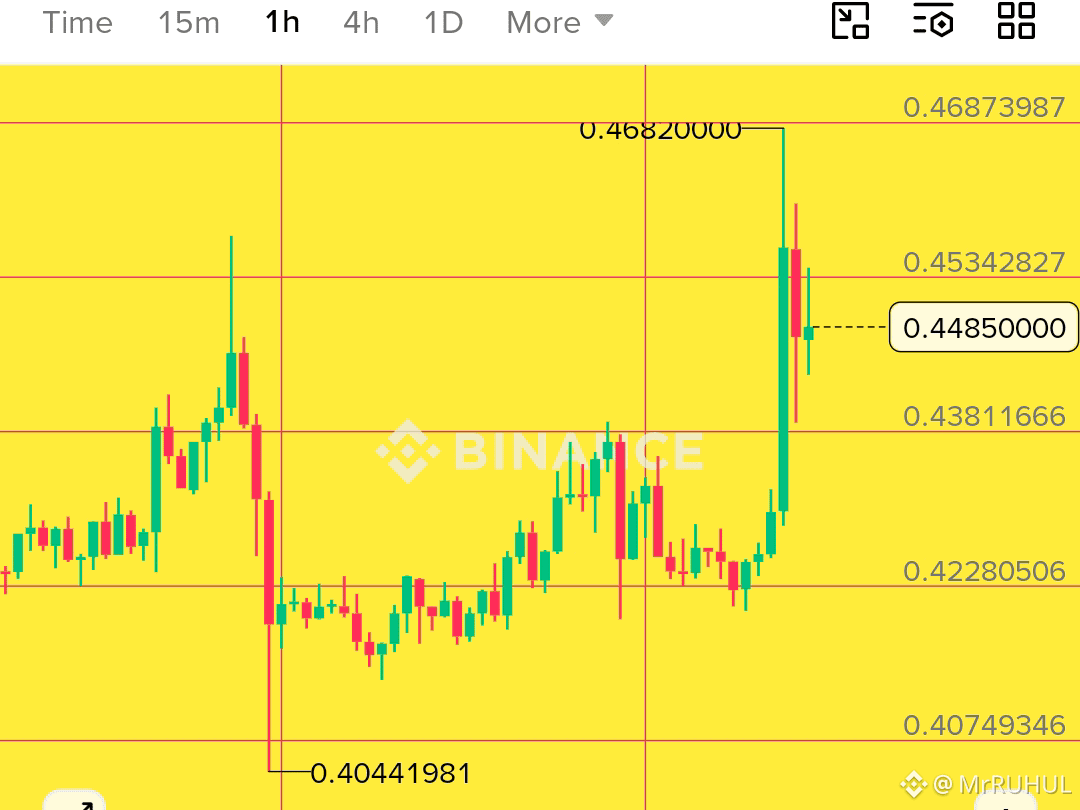
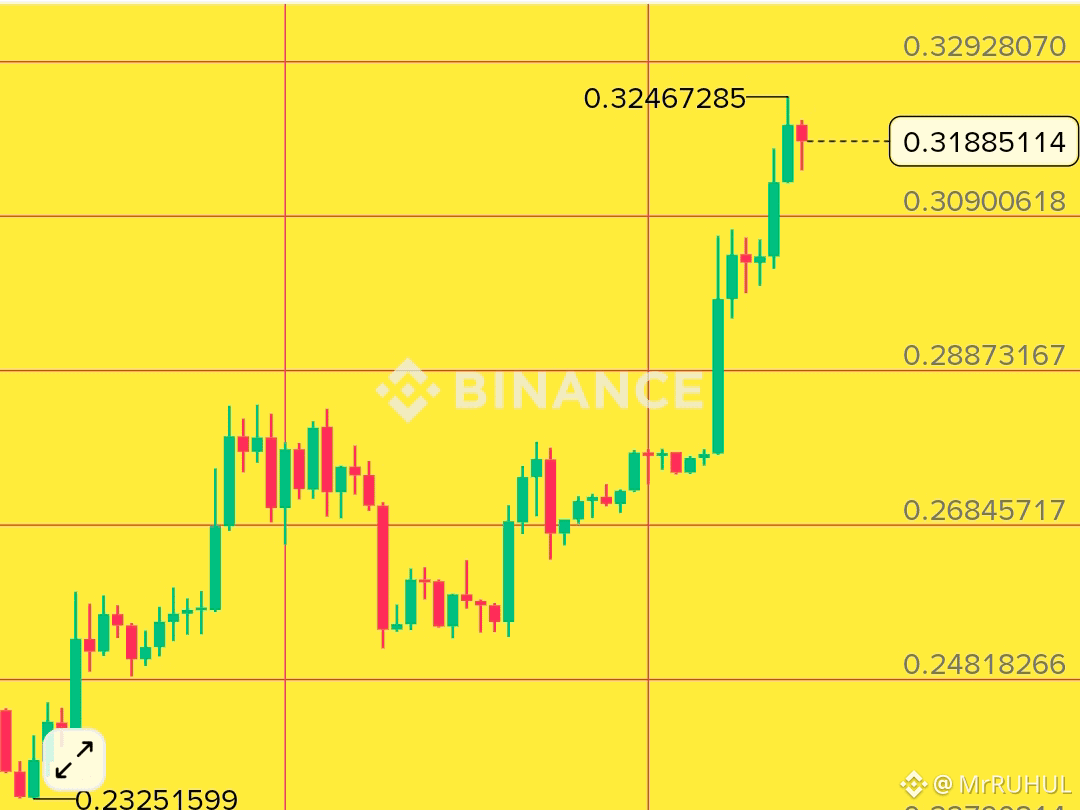
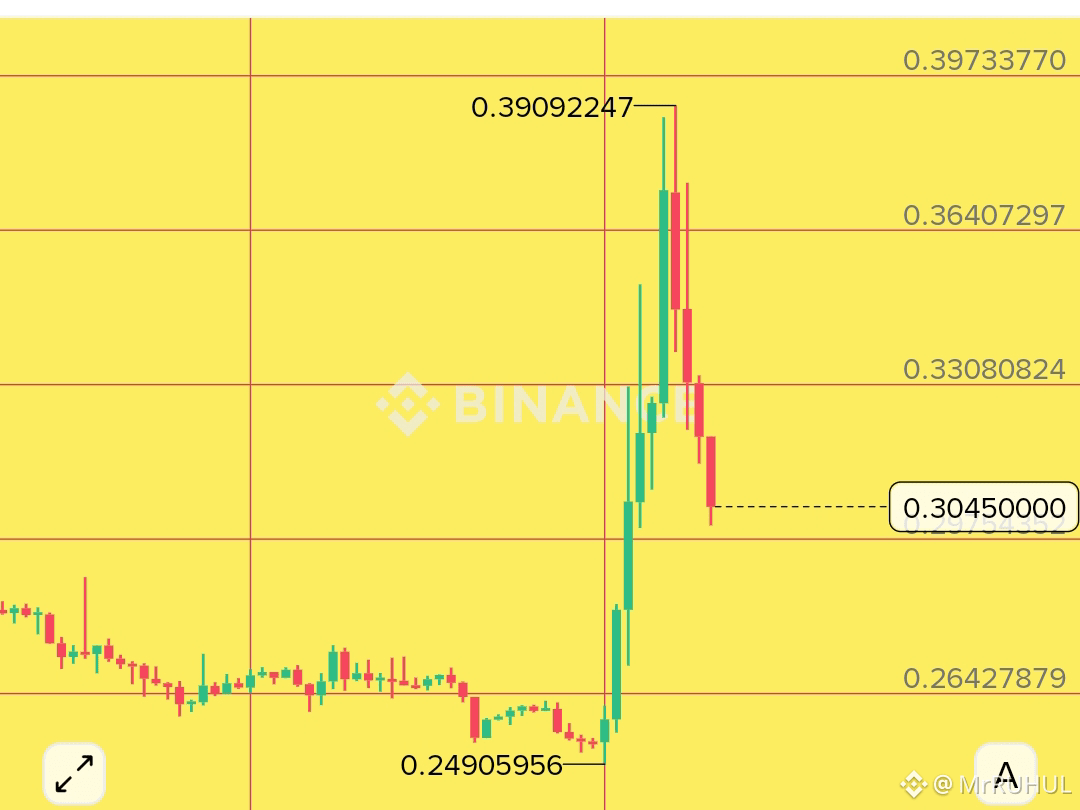
$PTB broke out today
Walrus and the Power of Internet Culture Walrus gets the internet. It knows stories move faster than tech ever will. In crypto, attention is everything—liquidity depends on it, and culture keeps that engine running. Walrus doesn’t just acknowledge this; it leans into it, mixing humor, memes, and inside jokes with real technical chops. That’s how the protocol feels both relatable and solid at the same time. This approach lets Walrus spread naturally between communities. It’s not about throwing money at ads—it’s about building a shared identity. The internet loves to remix, to participate, to belong. Walrus bakes these ideas right into how it works, inviting people to contribute and own a piece of it together. So, people don’t just use Walrus—they start to see themselves in it. That makes the protocol hard to knock out. While other projects try to win with features, Walrus wins by pulling people in. It’s not just another storage protocol. It’s a movement, something internet-native you actually want to be part of.@WalrusProtocol #Warlus $WAL
Walrus and the Power of Internet Culture

Walrus gets the internet. It knows stories move faster than tech ever will. In crypto, attention is everything—liquidity depends on it, and culture keeps that engine running. Walrus doesn’t just acknowledge this; it leans into it, mixing humor, memes, and inside jokes with real technical chops. That’s how the protocol feels both relatable and solid at the same time.

This approach lets Walrus spread naturally between communities. It’s not about throwing money at ads—it’s about building a shared identity. The internet loves to remix, to participate, to belong. Walrus bakes these ideas right into how it works, inviting people to contribute and own a piece of it together.

So, people don’t just use Walrus—they start to see themselves in it. That makes the protocol hard to knock out. While other projects try to win with features, Walrus wins by pulling people in. It’s not just another storage protocol. It’s a movement, something internet-native you actually want to be part of.@Walrus 🦭/acc #Warlus $WAL
Connectez-vous pour découvrir d’autres contenus
Découvrez les dernières actus sur les cryptos
⚡️ Prenez part aux dernières discussions sur les cryptos
💬 Interagissez avec vos créateurs préféré(e)s
👍 Profitez du contenu qui vous intéresse
Adresse e-mail/Nº de téléphone

Dernières actualités

--
Voir plus
Plan du site
Préférences en matière de cookies
CGU de la plateforme