
#usnonfarmpayrollreport
usnonfarmpayrollreport
43.4M vues
175,976 mentions
The U.S. non-farm payroll numbers for the previous month was just released. What impact will the release of data have on the economy and future policy decisions? Let’s discuss! 💬
Populaire
Récents

·
--
Vérifié
🚨 UN INSIDER DE TRUMP M’A DONNÉ LES CHIFFRES — $BTC $60K OU $100K ? LISEZ CELA MAINTENANT
$BTC $60K ou $100K ?
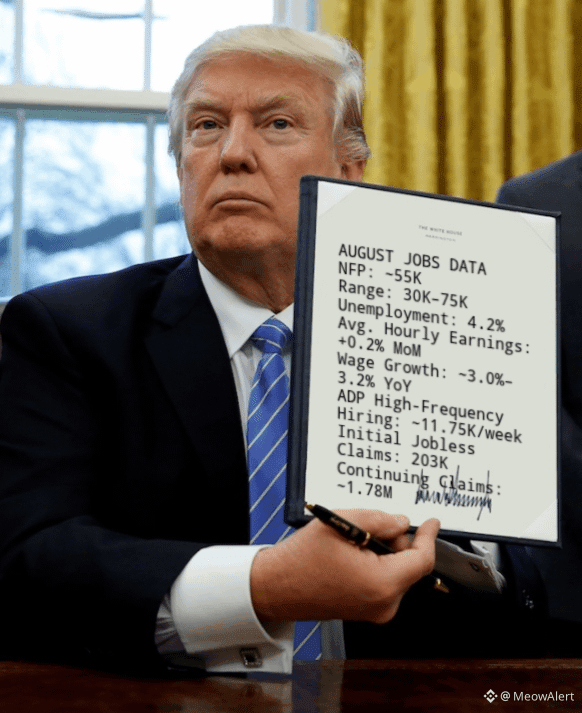
Oui, je mets les deux sur la table, parce que le rapport sur l’emploi d’août pourrait sérieusement changer la configuration macro actuelle.
J’ai passé environ 1h30 à analyser les derniers trackers d’emploi en direct, les données du travail à haute fréquence, les marchés de prédiction, les estimations des analystes et les enquêtes récentes, puis j’ai tout combiné dans mon propre modèle.
👉 Mon estimation actuelle :
NFP : ~55K
Chômage : 4,2%
Salaires : +0,2% MoM / ~3,0%-3,2% YoY
Le marché du travail ressemble davantage à un scénario “peu embauché, peu licencié” en ce moment. Les embauches ont nettement ralenti, mais les licenciements et les demandes d’allocations chômage restent relativement faibles. Donc je ne vois pas d’effondrement clair du marché du travail, mais je ne vois pas non plus de dynamique d’embauches solide.
Les attentes actuelles du marché sont d’environ 45K-75K pour les NFP, autour de 4,2% pour le chômage et +0,2% pour les salaires mensuels ; mon estimation se situe donc près du milieu.
Mais je me soucie bien plus de la combinaison que des NFP seuls :
NFP + chômage + salaires + révisions.
Par exemple, 55K de NFP + 4,2% de chômage + 0,2% de salaires sembleraient nettement plus faibles et pourraient donner un peu de répit à BTC.
Mais 55K + 4,1% de chômage + 0,4% de salaires pourraient encore être baissiers, parce que Warsh a déjà fait de l’inflation la principale préoccupation de la Fed.
Donc des emplois faibles + chômage en hausse + salaires qui se refroidissent pourraient être haussiers pour $BTC . Des emplois forts + des salaires “collants” pourraient apporter une nouvelle vague de pression.
C’est pourquoi je pense que les prochaines semaines pourraient décider si le BTC a une vraie trajectoire vers 100K$, ou s’il commence à faire face à un revers plus profond vers 60K$.
Et les gars, avant que quelqu’un prenne le titre au pied de la lettre : la partie “insider de Trump” n’est qu’une blague. Je n’ai aucune donnée confidentielle du gouvernement. Tout ici vient de trackers publics, d’enquêtes, de marchés de prédiction, d’estimations d’analystes et de mon propre modèle.
Franchement, j’ai mis environ 1h30 pour le faire correctement, donc si vous l’avez trouvé utile, suivez Meow. Vous ne trouverez probablement pas ce genre de préparation précoce et basée sur les données partout.
Et les gars, commentez quelque chose si vous avez trouvé ça utile.
#USShortTermTreasuryYieldsJump #USNonFarmPayrollReport
🚨 UN INSIDER DE TRUMP M’A DONNÉ LES CHIFFRES — $BTC $60K OU $100K ? LISEZ CELA MAINTENANT
$BTC $60K ou $100K ?
Oui, je mets les deux sur la table, parce que le rapport sur l’emploi d’août pourrait sérieusement changer la configuration macro actuelle.
J’ai passé environ 1h30 à analyser les derniers trackers d’emploi en direct, les données du travail à haute fréquence, les marchés de prédiction, les estimations des analystes et les enquêtes récentes, puis j’ai tout combiné dans mon propre modèle.
👉 Mon estimation actuelle :
NFP : ~55K
Chômage : 4,2%
Salaires : +0,2% MoM / ~3,0%-3,2% YoY
Le marché du travail ressemble davantage à un scénario “peu embauché, peu licencié” en ce moment. Les embauches ont nettement ralenti, mais les licenciements et les demandes d’allocations chômage restent relativement faibles. Donc je ne vois pas d’effondrement clair du marché du travail, mais je ne vois pas non plus de dynamique d’embauches solide.
Les attentes actuelles du marché sont d’environ 45K-75K pour les NFP, autour de 4,2% pour le chômage et +0,2% pour les salaires mensuels ; mon estimation se situe donc près du milieu.
Mais je me soucie bien plus de la combinaison que des NFP seuls :
NFP + chômage + salaires + révisions.
Par exemple, 55K de NFP + 4,2% de chômage + 0,2% de salaires sembleraient nettement plus faibles et pourraient donner un peu de répit à BTC.
Mais 55K + 4,1% de chômage + 0,4% de salaires pourraient encore être baissiers, parce que Warsh a déjà fait de l’inflation la principale préoccupation de la Fed.
Donc des emplois faibles + chômage en hausse + salaires qui se refroidissent pourraient être haussiers pour $BTC . Des emplois forts + des salaires “collants” pourraient apporter une nouvelle vague de pression.
C’est pourquoi je pense que les prochaines semaines pourraient décider si le BTC a une vraie trajectoire vers 100K$, ou s’il commence à faire face à un revers plus profond vers 60K$.
Et les gars, avant que quelqu’un prenne le titre au pied de la lettre : la partie “insider de Trump” n’est qu’une blague. Je n’ai aucune donnée confidentielle du gouvernement. Tout ici vient de trackers publics, d’enquêtes, de marchés de prédiction, d’estimations d’analystes et de mon propre modèle.
Franchement, j’ai mis environ 1h30 pour le faire correctement, donc si vous l’avez trouvé utile, suivez Meow. Vous ne trouverez probablement pas ce genre de préparation précoce et basée sur les données partout.
Et les gars, commentez quelque chose si vous avez trouvé ça utile.
#USShortTermTreasuryYieldsJump #USNonFarmPayrollReport
$BTC $60K ou $100K ?
Oui, je mets les deux sur la table, parce que le rapport sur l’emploi d’août pourrait sérieusement changer la configuration macro actuelle.
J’ai passé environ 1h30 à analyser les derniers trackers d’emploi en direct, les données du travail à haute fréquence, les marchés de prédiction, les estimations des analystes et les enquêtes récentes, puis j’ai tout combiné dans mon propre modèle.
👉 Mon estimation actuelle :
NFP : ~55K
Chômage : 4,2%
Salaires : +0,2% MoM / ~3,0%-3,2% YoY
Le marché du travail ressemble davantage à un scénario “peu embauché, peu licencié” en ce moment. Les embauches ont nettement ralenti, mais les licenciements et les demandes d’allocations chômage restent relativement faibles. Donc je ne vois pas d’effondrement clair du marché du travail, mais je ne vois pas non plus de dynamique d’embauches solide.
Les attentes actuelles du marché sont d’environ 45K-75K pour les NFP, autour de 4,2% pour le chômage et +0,2% pour les salaires mensuels ; mon estimation se situe donc près du milieu.
Mais je me soucie bien plus de la combinaison que des NFP seuls :
NFP + chômage + salaires + révisions.
Par exemple, 55K de NFP + 4,2% de chômage + 0,2% de salaires sembleraient nettement plus faibles et pourraient donner un peu de répit à BTC.
Mais 55K + 4,1% de chômage + 0,4% de salaires pourraient encore être baissiers, parce que Warsh a déjà fait de l’inflation la principale préoccupation de la Fed.
Donc des emplois faibles + chômage en hausse + salaires qui se refroidissent pourraient être haussiers pour $BTC . Des emplois forts + des salaires “collants” pourraient apporter une nouvelle vague de pression.
C’est pourquoi je pense que les prochaines semaines pourraient décider si le BTC a une vraie trajectoire vers 100K$, ou s’il commence à faire face à un revers plus profond vers 60K$.
Et les gars, avant que quelqu’un prenne le titre au pied de la lettre : la partie “insider de Trump” n’est qu’une blague. Je n’ai aucune donnée confidentielle du gouvernement. Tout ici vient de trackers publics, d’enquêtes, de marchés de prédiction, d’estimations d’analystes et de mon propre modèle.
Franchement, j’ai mis environ 1h30 pour le faire correctement, donc si vous l’avez trouvé utile, suivez Meow. Vous ne trouverez probablement pas ce genre de préparation précoce et basée sur les données partout.
Et les gars, commentez quelque chose si vous avez trouvé ça utile.
#USShortTermTreasuryYieldsJump #USNonFarmPayrollReport
3
6
525


·
--
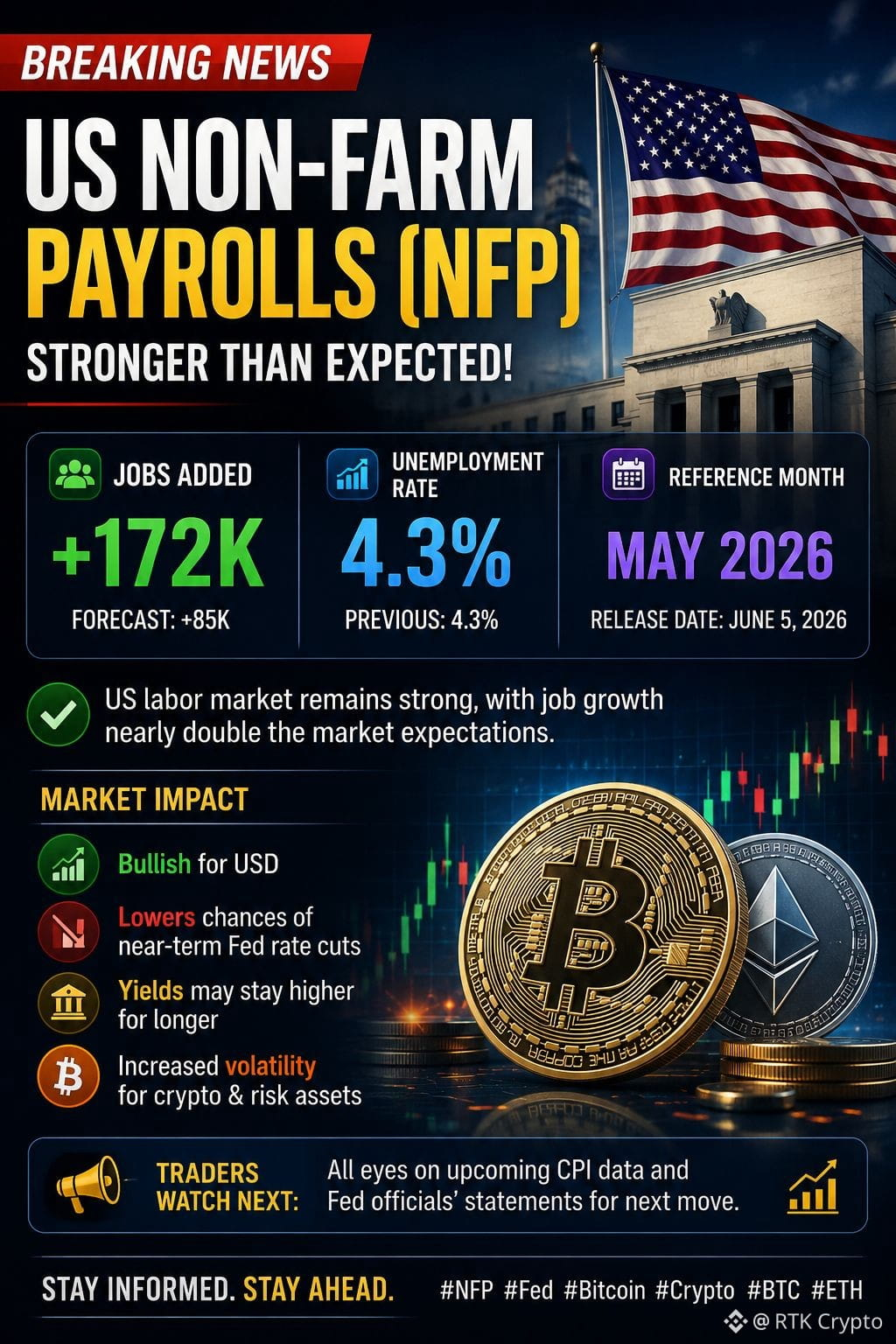
À LA UNE : Les Nouvelles Emplois Non Agricoles (NFP) aux États-Unis sont beaucoup plus fortes que prévu !
🇺🇸 Emplois Ajoutés : +172,000 📊 Prévision : +85,000 🎯 Taux de Chômage : 4.3%
Le dernier rapport NFP montre que le marché du travail américain reste résilient malgré l'incertitude économique. La création d'emplois a presque doublé les attentes du marché, signalant une force continue dans l'emploi et l'activité des consommateurs.
📈 Qu'est-ce que cela signifie pour les marchés ?
• Des données sur l'emploi plus fortes soutiennent le Dollar Américain • Réduit les attentes pour des baisses de taux immédiates de la Réserve Fédérale • Les rendements des bons du Trésor pourraient rester élevés • Les actifs risqués, y compris le Bitcoin et les altcoins, pourraient connaître une volatilité accrue
Pour les traders crypto, des données d'emploi plus fortes que prévu peuvent être une épée à double tranchant. Bien que cela reflète une économie saine, cela peut également encourager la Fed à maintenir les taux d'intérêt plus élevés plus longtemps, limitant potentiellement la liquidité qui afflue vers les actifs risqués.
⚡ Les participants du marché vont maintenant surveiller de près les prochaines données sur l'inflation et les commentaires de la Réserve Fédérale pour des indices sur le prochain mouvement de politique.
Le Bitcoin va-t-il absorber la pression macro et continuer sa tendance, ou des données économiques plus fortes vont-elles déclencher une correction à court terme ?
#USNonFarmPayrollReport
À LA UNE : Les Nouvelles Emplois Non Agricoles (NFP) aux États-Unis sont beaucoup plus fortes que prévu !
🇺🇸 Emplois Ajoutés : +172,000 📊 Prévision : +85,000 🎯 Taux de Chômage : 4.3%
Le dernier rapport NFP montre que le marché du travail américain reste résilient malgré l'incertitude économique. La création d'emplois a presque doublé les attentes du marché, signalant une force continue dans l'emploi et l'activité des consommateurs.
📈 Qu'est-ce que cela signifie pour les marchés ?
• Des données sur l'emploi plus fortes soutiennent le Dollar Américain • Réduit les attentes pour des baisses de taux immédiates de la Réserve Fédérale • Les rendements des bons du Trésor pourraient rester élevés • Les actifs risqués, y compris le Bitcoin et les altcoins, pourraient connaître une volatilité accrue
Pour les traders crypto, des données d'emploi plus fortes que prévu peuvent être une épée à double tranchant. Bien que cela reflète une économie saine, cela peut également encourager la Fed à maintenir les taux d'intérêt plus élevés plus longtemps, limitant potentiellement la liquidité qui afflue vers les actifs risqués.
⚡ Les participants du marché vont maintenant surveiller de près les prochaines données sur l'inflation et les commentaires de la Réserve Fédérale pour des indices sur le prochain mouvement de politique.
Le Bitcoin va-t-il absorber la pression macro et continuer sa tendance, ou des données économiques plus fortes vont-elles déclencher une correction à court terme ?
#USNonFarmPayrollReport
🇺🇸 Emplois Ajoutés : +172,000 📊 Prévision : +85,000 🎯 Taux de Chômage : 4.3%
Le dernier rapport NFP montre que le marché du travail américain reste résilient malgré l'incertitude économique. La création d'emplois a presque doublé les attentes du marché, signalant une force continue dans l'emploi et l'activité des consommateurs.
📈 Qu'est-ce que cela signifie pour les marchés ?
• Des données sur l'emploi plus fortes soutiennent le Dollar Américain • Réduit les attentes pour des baisses de taux immédiates de la Réserve Fédérale • Les rendements des bons du Trésor pourraient rester élevés • Les actifs risqués, y compris le Bitcoin et les altcoins, pourraient connaître une volatilité accrue
Pour les traders crypto, des données d'emploi plus fortes que prévu peuvent être une épée à double tranchant. Bien que cela reflète une économie saine, cela peut également encourager la Fed à maintenir les taux d'intérêt plus élevés plus longtemps, limitant potentiellement la liquidité qui afflue vers les actifs risqués.
⚡ Les participants du marché vont maintenant surveiller de près les prochaines données sur l'inflation et les commentaires de la Réserve Fédérale pour des indices sur le prochain mouvement de politique.
Le Bitcoin va-t-il absorber la pression macro et continuer sa tendance, ou des données économiques plus fortes vont-elles déclencher une correction à court terme ?
#USNonFarmPayrollReport
1
141

·
--
Haussier
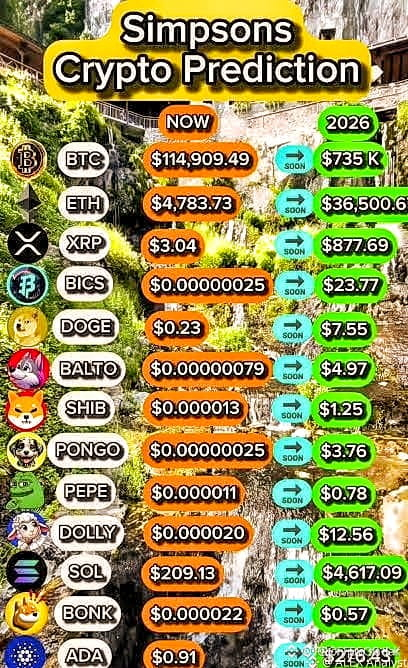
📺 PRÉDICTIONS CRYPTO DES SIMPSONS 🚀
MAINTENANT ➜ BIENTÔT (2026 ?)
BTC : 114 909 $ ➜ 735 000 $
$ETH : 4 783 $ ➜ 36 500 $
$XRP : 3,04 $ ➜ 877 $
SOL : 209 $ ➜ 4 617 $
$ADA : 0,91 $ ➜ 276 $
DOGE : 0,23 $ ➜ 7,55 $
🐸 Folie des Meme Coins
SHIB : 0,000013 $ ➜ 1,25 $
PEPE : 0,000011 $ ➜ 0,78 $
BONK : 0,000022 $ ➜ 0,57 $
BALTO : 0,00000079 $ ➜ 4,97 $
PONGO : 0,00000025 $ ➜ 3,76 $
DOLLY : 0,000020 $ ➜ 12,56 $
BICS : 0,00000025 $ ➜ 23,77 $
⚠️ Divertissement et spéculation uniquement — pas un conseil financier.
#USNonFarmPayrollReport #USJobsData #WriteToEarnUpgrade #AnthropicCEOCallsForAISlowdown #BitcoinThirdSingleBlockReorgInFourWeeks
📺 PRÉDICTIONS CRYPTO DES SIMPSONS 🚀
MAINTENANT ➜ BIENTÔT (2026 ?)
BTC : 114 909 $ ➜ 735 000 $
$ETH : 4 783 $ ➜ 36 500 $
$XRP : 3,04 $ ➜ 877 $
SOL : 209 $ ➜ 4 617 $
$ADA : 0,91 $ ➜ 276 $
DOGE : 0,23 $ ➜ 7,55 $
🐸 Folie des Meme Coins
SHIB : 0,000013 $ ➜ 1,25 $
PEPE : 0,000011 $ ➜ 0,78 $
BONK : 0,000022 $ ➜ 0,57 $
BALTO : 0,00000079 $ ➜ 4,97 $
PONGO : 0,00000025 $ ➜ 3,76 $
DOLLY : 0,000020 $ ➜ 12,56 $
BICS : 0,00000025 $ ➜ 23,77 $
⚠️ Divertissement et spéculation uniquement — pas un conseil financier.
#USNonFarmPayrollReport #USJobsData #WriteToEarnUpgrade #AnthropicCEOCallsForAISlowdown #BitcoinThirdSingleBlockReorgInFourWeeks
MAINTENANT ➜ BIENTÔT (2026 ?)
BTC : 114 909 $ ➜ 735 000 $
$ETH : 4 783 $ ➜ 36 500 $
$XRP : 3,04 $ ➜ 877 $
SOL : 209 $ ➜ 4 617 $
$ADA : 0,91 $ ➜ 276 $
DOGE : 0,23 $ ➜ 7,55 $
🐸 Folie des Meme Coins
SHIB : 0,000013 $ ➜ 1,25 $
PEPE : 0,000011 $ ➜ 0,78 $
BONK : 0,000022 $ ➜ 0,57 $
BALTO : 0,00000079 $ ➜ 4,97 $
PONGO : 0,00000025 $ ➜ 3,76 $
DOLLY : 0,000020 $ ➜ 12,56 $
BICS : 0,00000025 $ ➜ 23,77 $
⚠️ Divertissement et spéculation uniquement — pas un conseil financier.
#USNonFarmPayrollReport #USJobsData #WriteToEarnUpgrade #AnthropicCEOCallsForAISlowdown #BitcoinThirdSingleBlockReorgInFourWeeks
2
592
·
--
Partiellement vrai
🚨🚨 2 grands événements macro aujourd’hui et vous les gars, vous dormez encore — données sur les emplois ADP + le Beige Book de la Fed arrivent 🚨🚨
Les gars, avant que vous ne fassiez encore une $BTC trade aujourd’hui, donnez-moi 5 minutes.
Deux événements importants arrivent, et tous deux peuvent changer le marché d’aujourd’hui.
1️⃣ Données sur l’emploi ADP
Les analystes s’attendent à environ 47K-48K emplois privés, contre 44K auparavant.
Les marchés de prédiction affichent actuellement :
Au-dessus de 25K : 81%
Au-dessus de 50K : 46%
Au-dessus de 75K : 17%
Pour le BTC, je surveillerais :
En dessous de 40K : haussier
40K-50K : plutôt neutre
Au-dessus de 50K : pression baissière
Au-dessus de 75K : forte surprise baissière
L’ADP peut aussi nous donner un indice précoce pour le NFP de vendredi, même si ça ne prédit pas parfaitement le NFP.
2️⃣ Beige Book de la Fed
Cela nous donne un aperçu de ce que voient réellement les entreprises dans les 12 districts de la Fed.
Je surveille l’emploi, les salaires, les prix, la consommation, l’activité des entreprises et le crédit.
Avec le pétrole autour de 95 $ et des rendements proches de 4,8 %, la grande question est de savoir si les entreprises ressentent davantage de pression sur les prix ou une demande plus faible.
✅ Mon avis
ADP = volatilité immédiate.
Beige Book = confirmation.
NFP vendredi = gros test.
Ne regardez pas seulement les données. Surveillez BTC, les rendements du Trésor et le DXY ensemble.
Emplois faibles + rendements en baisse seraient une bonne combinaison pour la crypto.
Emplois forts + rendements en hausse pourraient mettre davantage de pression sur le BTC.
Et franchement, regardez autour de vous maintenant. La plupart des gens sont occupés à poster des configurations aléatoires et à courir après des commissions, alors que presque personne ne parle des données qui peuvent vraiment faire bouger le marché aujourd’hui.
C’est pour ça que je vous dis de suivre ça.
Enregistrez ceci avant que l’ADP tombe. 👀 $BTR $XRP
#USNonFarmPayrollReport #FedHikeOddsRiseTo68%
🚨🚨 2 grands événements macro aujourd’hui et vous les gars, vous dormez encore — données sur les emplois ADP + le Beige Book de la Fed arrivent 🚨🚨
Les gars, avant que vous ne fassiez encore une $BTC trade aujourd’hui, donnez-moi 5 minutes.
Deux événements importants arrivent, et tous deux peuvent changer le marché d’aujourd’hui.
1️⃣ Données sur l’emploi ADP
Les analystes s’attendent à environ 47K-48K emplois privés, contre 44K auparavant.
Les marchés de prédiction affichent actuellement :
Au-dessus de 25K : 81%
Au-dessus de 50K : 46%
Au-dessus de 75K : 17%
Pour le BTC, je surveillerais :
En dessous de 40K : haussier
40K-50K : plutôt neutre
Au-dessus de 50K : pression baissière
Au-dessus de 75K : forte surprise baissière
L’ADP peut aussi nous donner un indice précoce pour le NFP de vendredi, même si ça ne prédit pas parfaitement le NFP.
2️⃣ Beige Book de la Fed
Cela nous donne un aperçu de ce que voient réellement les entreprises dans les 12 districts de la Fed.
Je surveille l’emploi, les salaires, les prix, la consommation, l’activité des entreprises et le crédit.
Avec le pétrole autour de 95 $ et des rendements proches de 4,8 %, la grande question est de savoir si les entreprises ressentent davantage de pression sur les prix ou une demande plus faible.
✅ Mon avis
ADP = volatilité immédiate.
Beige Book = confirmation.
NFP vendredi = gros test.
Ne regardez pas seulement les données. Surveillez BTC, les rendements du Trésor et le DXY ensemble.
Emplois faibles + rendements en baisse seraient une bonne combinaison pour la crypto.
Emplois forts + rendements en hausse pourraient mettre davantage de pression sur le BTC.
Et franchement, regardez autour de vous maintenant. La plupart des gens sont occupés à poster des configurations aléatoires et à courir après des commissions, alors que presque personne ne parle des données qui peuvent vraiment faire bouger le marché aujourd’hui.
C’est pour ça que je vous dis de suivre ça.
Enregistrez ceci avant que l’ADP tombe. 👀 $BTR $XRP
#USNonFarmPayrollReport #FedHikeOddsRiseTo68%
Les gars, avant que vous ne fassiez encore une $BTC trade aujourd’hui, donnez-moi 5 minutes.
Deux événements importants arrivent, et tous deux peuvent changer le marché d’aujourd’hui.
1️⃣ Données sur l’emploi ADP
Les analystes s’attendent à environ 47K-48K emplois privés, contre 44K auparavant.
Les marchés de prédiction affichent actuellement :
Au-dessus de 25K : 81%
Au-dessus de 50K : 46%
Au-dessus de 75K : 17%
Pour le BTC, je surveillerais :
En dessous de 40K : haussier
40K-50K : plutôt neutre
Au-dessus de 50K : pression baissière
Au-dessus de 75K : forte surprise baissière
L’ADP peut aussi nous donner un indice précoce pour le NFP de vendredi, même si ça ne prédit pas parfaitement le NFP.
2️⃣ Beige Book de la Fed
Cela nous donne un aperçu de ce que voient réellement les entreprises dans les 12 districts de la Fed.
Je surveille l’emploi, les salaires, les prix, la consommation, l’activité des entreprises et le crédit.
Avec le pétrole autour de 95 $ et des rendements proches de 4,8 %, la grande question est de savoir si les entreprises ressentent davantage de pression sur les prix ou une demande plus faible.
✅ Mon avis
ADP = volatilité immédiate.
Beige Book = confirmation.
NFP vendredi = gros test.
Ne regardez pas seulement les données. Surveillez BTC, les rendements du Trésor et le DXY ensemble.
Emplois faibles + rendements en baisse seraient une bonne combinaison pour la crypto.
Emplois forts + rendements en hausse pourraient mettre davantage de pression sur le BTC.
Et franchement, regardez autour de vous maintenant. La plupart des gens sont occupés à poster des configurations aléatoires et à courir après des commissions, alors que presque personne ne parle des données qui peuvent vraiment faire bouger le marché aujourd’hui.
C’est pour ça que je vous dis de suivre ça.
Enregistrez ceci avant que l’ADP tombe. 👀 $BTR $XRP
#USNonFarmPayrollReport #FedHikeOddsRiseTo68%
1
3
340

·
--
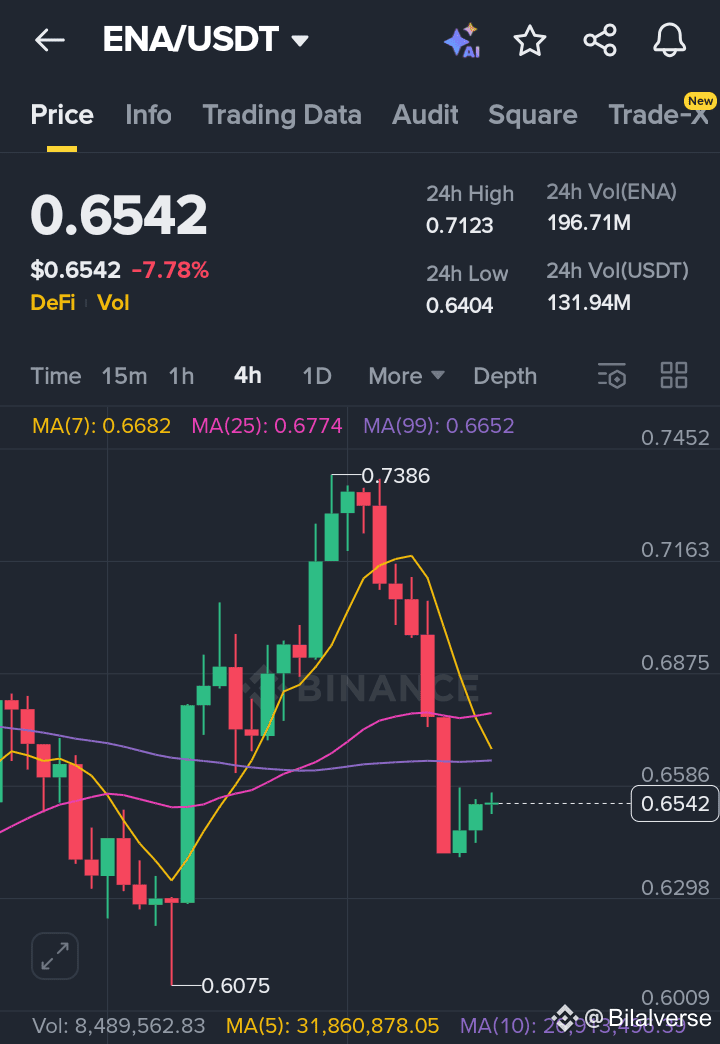
$ENA /USDT Bougies vertes en préparation 🔥
Entrée : 0,65 $
🎯 Objectifs : 0,68 $, 0,70 $, 0,72 $, 0,80 $
SL : 0,60 $
#FutureTradingSignals #MarketPullback #USNonFarmPayrollReport
{future}(ENAUSDT)
$ENA /USDT Bougies vertes en préparation 🔥
Entrée : 0,65 $
🎯 Objectifs : 0,68 $, 0,70 $, 0,72 $, 0,80 $
SL : 0,60 $
#FutureTradingSignals #MarketPullback #USNonFarmPayrollReport
Entrée : 0,65 $
🎯 Objectifs : 0,68 $, 0,70 $, 0,72 $, 0,80 $
SL : 0,60 $
#FutureTradingSignals #MarketPullback #USNonFarmPayrollReport
5
151

·
--
Baissier
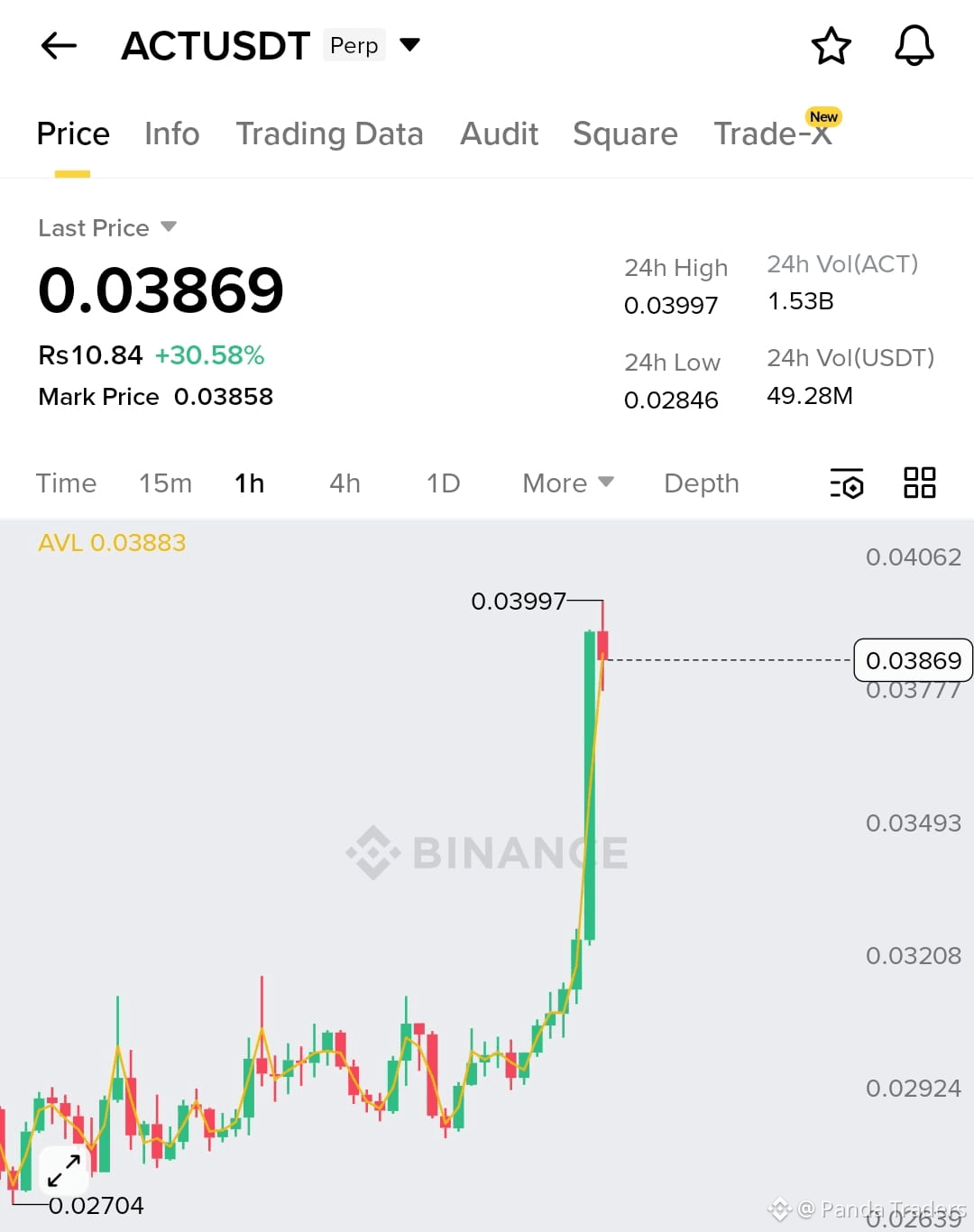
COURT $ACT 📉📉📉🩸
Entrée de vente : 0.0386 – 0.0390
DCA : 0.0396 – 0.0400
SL : 0.0410
🐼 TP1 : 0.0378
🐼 TP2 : 0.0366
🐼 TP3 : 0.0355
Très volatile et risqué
{future}(ACTUSDT)
#ACT #USNonFarmPayrollReport #WriteToEarnUpgrade #CPIWatch #BTCVSGOLD
COURT $ACT 📉📉📉🩸
Entrée de vente : 0.0386 – 0.0390
DCA : 0.0396 – 0.0400
SL : 0.0410
🐼 TP1 : 0.0378
🐼 TP2 : 0.0366
🐼 TP3 : 0.0355
Très volatile et risqué
#ACT #USNonFarmPayrollReport #WriteToEarnUpgrade #CPIWatch #BTCVSGOLD
Entrée de vente : 0.0386 – 0.0390
DCA : 0.0396 – 0.0400
SL : 0.0410
🐼 TP1 : 0.0378
🐼 TP2 : 0.0366
🐼 TP3 : 0.0355
Très volatile et risqué
#ACT #USNonFarmPayrollReport #WriteToEarnUpgrade #CPIWatch #BTCVSGOLD
46
13
25
15.6k

·
--
Haussier
#USNonFarmPayrollReport #Megadrop #MemeWatch2024
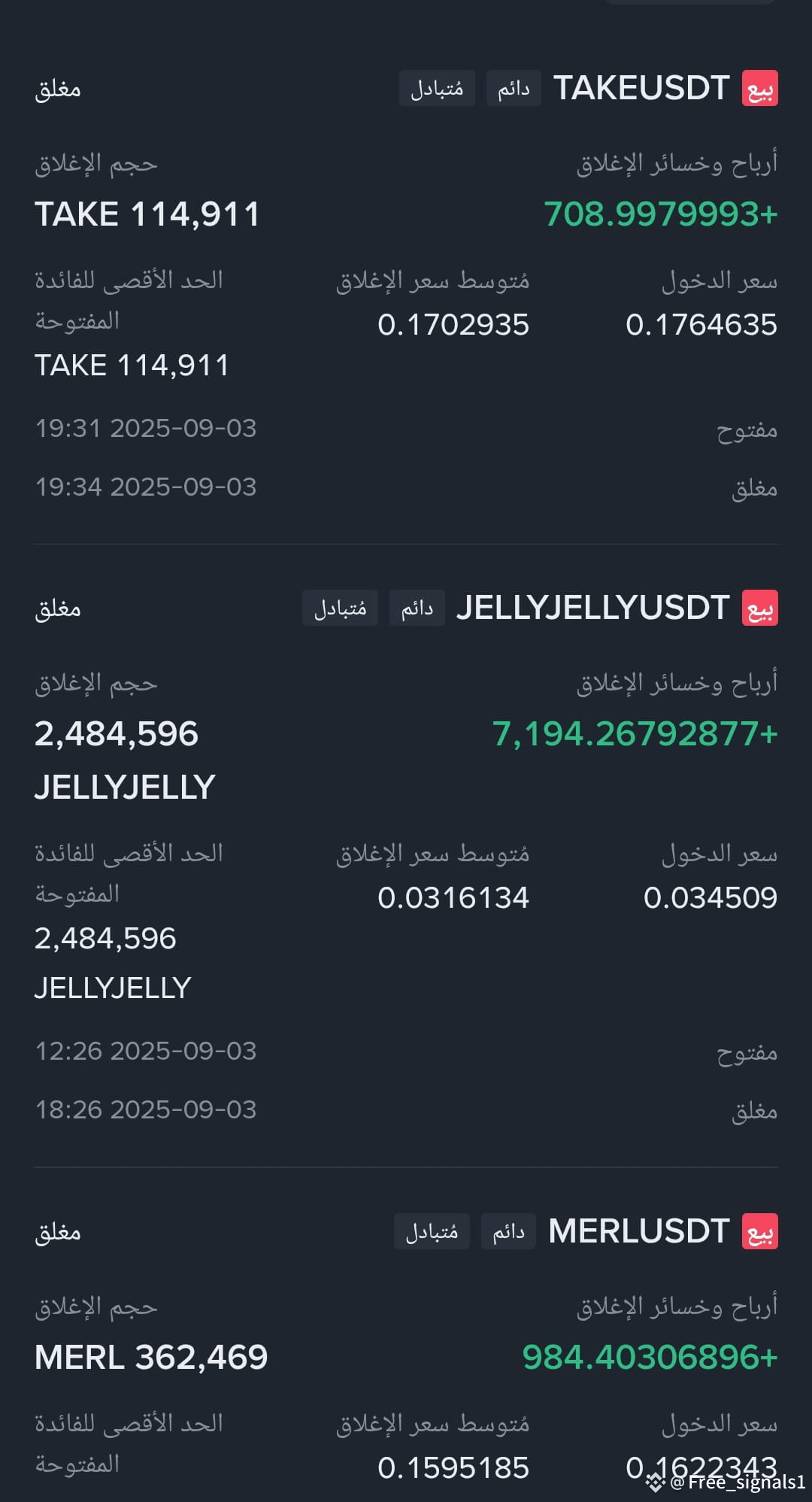
Les gens se plaignent de l'avidité..!
Je suis pour l'avidité 👇🏻😎📈
#USNonFarmPayrollReport #Megadrop #MemeWatch2024
Les gens se plaignent de l'avidité..!
Je suis pour l'avidité 👇🏻😎📈
Les gens se plaignent de l'avidité..!
Je suis pour l'avidité 👇🏻😎📈
18
2
17
8.1k

·
--
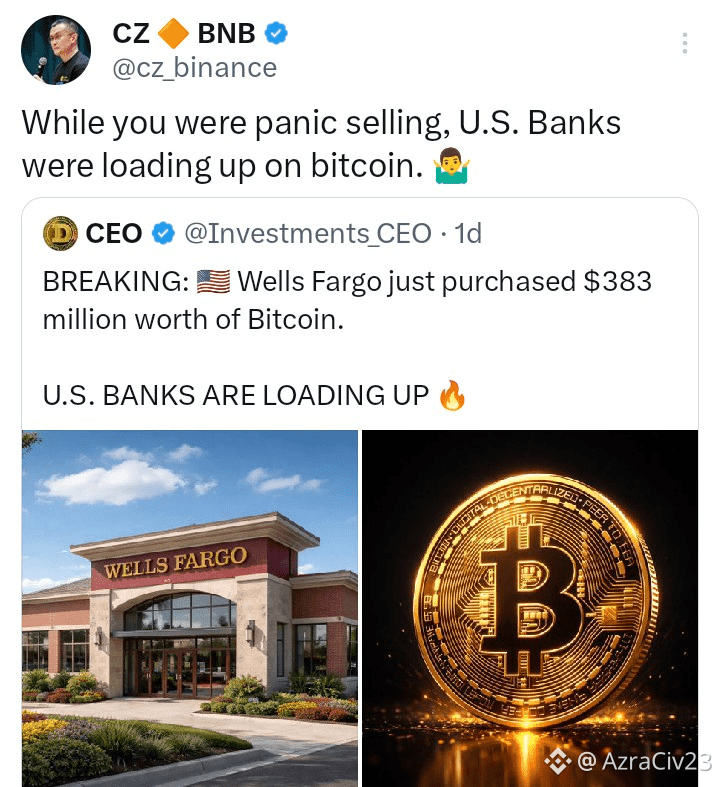
La théorie du cycle de 4 ans du BTC est-elle brisée ? ⛓️💥
Le Super Cycle n'est-il qu'un autre mythe crypto ?
Quelles pièces devons-nous surveiller si le Super Cycle arrive ?
Le Kazakhstan vend-il son or pour acheter du BTC ?
Est-ce vraiment différent cette fois-ci ?
- C'était différent en 2011
- C'était différent en 2017
- C'était différent en 2021
Alors, 2026 sera-t-il le premier Super Cycle dans l'histoire de la crypto, ou n'est-ce qu'une blague ?
$BTC
{future}(BTCUSDT)
$SOL
{future}(SOLUSDT)
$BNB
{future}(BNBUSDT)
#supercycle #USNonFarmPayrollReport #BTCVSGOLD
La théorie du cycle de 4 ans du BTC est-elle brisée ? ⛓️💥
Le Super Cycle n'est-il qu'un autre mythe crypto ?
Quelles pièces devons-nous surveiller si le Super Cycle arrive ?
Le Kazakhstan vend-il son or pour acheter du BTC ?
Est-ce vraiment différent cette fois-ci ?
- C'était différent en 2011
- C'était différent en 2017
- C'était différent en 2021
Alors, 2026 sera-t-il le premier Super Cycle dans l'histoire de la crypto, ou n'est-ce qu'une blague ?
$BTC
$SOL
$BNB
#supercycle #USNonFarmPayrollReport #BTCVSGOLD
Le Super Cycle n'est-il qu'un autre mythe crypto ?
Quelles pièces devons-nous surveiller si le Super Cycle arrive ?
Le Kazakhstan vend-il son or pour acheter du BTC ?
Est-ce vraiment différent cette fois-ci ?
- C'était différent en 2011
- C'était différent en 2017
- C'était différent en 2021
Alors, 2026 sera-t-il le premier Super Cycle dans l'histoire de la crypto, ou n'est-ce qu'une blague ?
$BTC
$SOL
$BNB
#supercycle #USNonFarmPayrollReport #BTCVSGOLD
471
220
32
471

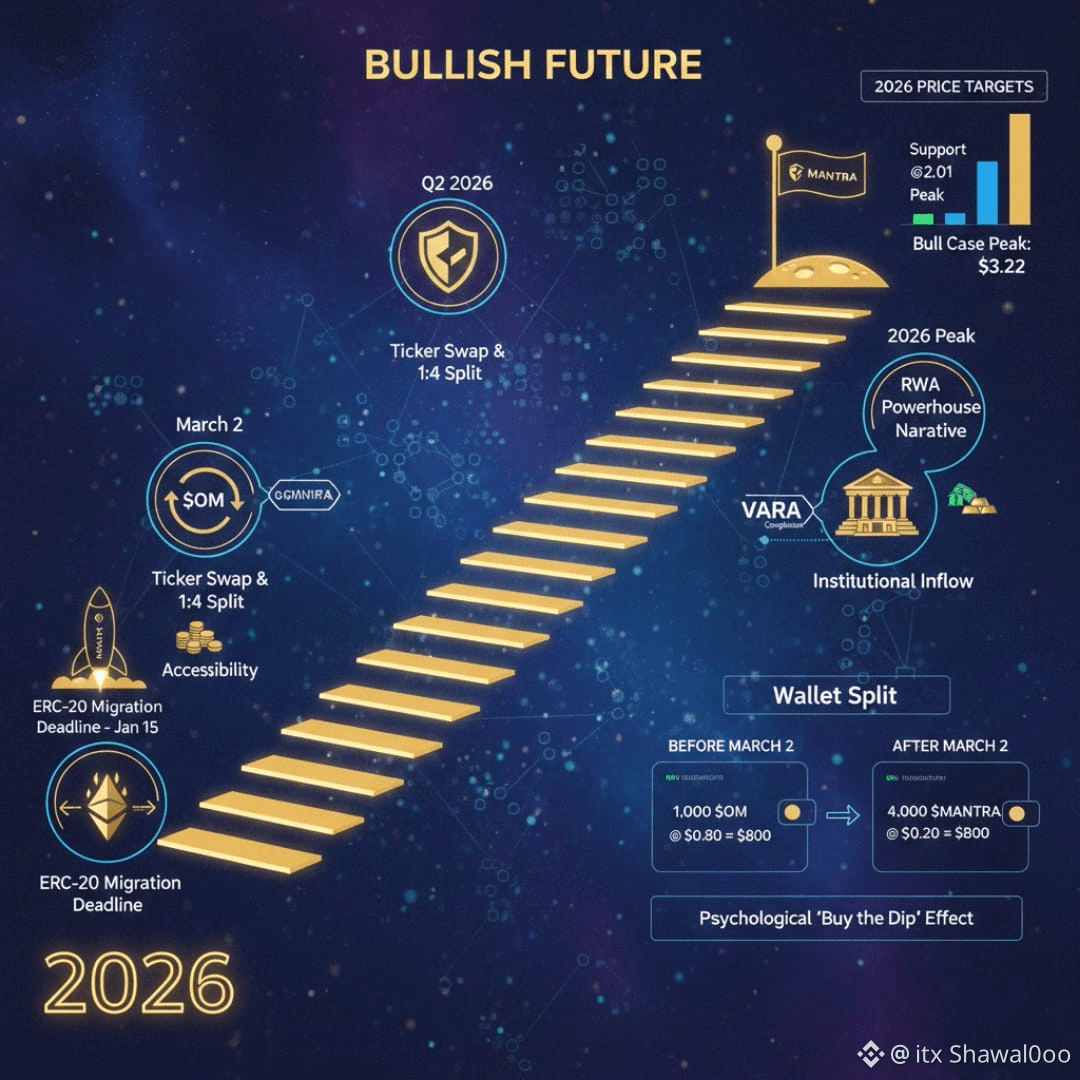
Les perspectives pour MANTRA ($OM ) en 2026 sont actuellement centrées sur une transition structurelle majeure qui pourrait avoir un impact significatif sur son prix et sa présence sur le marché. À l'early 2026, le projet évolue progressivement d'un simple jeton DeFi vers une blockchain de couche 1 spécialisée dans les actifs du monde réel (RWA).
#OMNIlauchpool
Le plus grand catalyseur pour OM actuellement est un changement fondamental de son identité.
>>Changement de symbole : le symbole $OM est remplacé par $MANTRA.
>>1:4 Division du jeton : une division non dilutive est prévue pour le 2 mars 2026. Cela signifie que pour chaque 1 OM que vous déteniez, vous recevrez 4 jetons MANTRA.
>>Impact psychologique : bien que la valeur totale de vos participations reste la même, le prix « par jeton » plus bas après la division attire souvent de nouveaux investisseurs au détail, créant un effet de « prix bas » qui peut générer une pression d'achat.
Les analystes sont actuellement divisés, mais la tendance générale pour 2026 reste optimiste :
Bullish Hauts Très optimiste $0,80 – $3,22
Croissance prudente Conservatrice $0,07 – $0,15
Institutionnel || Narratif || Potentiel
#USNonFarmPayrollReport
#WriteToEarnUpgrade
#om
{future}(OMUSDT)
📊 Objectifs techniques haussiers
Sur la base des prévisions du marché 2026, les analystes voient un modèle de croissance en « escalier » :
Niveau de soutien : ~$0,07 (le « plancher »)
Objectif moyen : $2,01
Pic scénario haussier : $3,22 (porté par l'explosion de la narration RWA)
Les perspectives pour MANTRA ($OM ) en 2026 sont actuellement centrées sur une transition structurelle majeure qui pourrait avoir un impact significatif sur son prix et sa présence sur le marché. À l'early 2026, le projet évolue progressivement d'un simple jeton DeFi vers une blockchain de couche 1 spécialisée dans les actifs du monde réel (RWA).
#OMNIlauchpool
Le plus grand catalyseur pour OM actuellement est un changement fondamental de son identité.
>>Changement de symbole : le symbole $OM est remplacé par $MANTRA.
>>1:4 Division du jeton : une division non dilutive est prévue pour le 2 mars 2026. Cela signifie que pour chaque 1 OM que vous déteniez, vous recevrez 4 jetons MANTRA.
>>Impact psychologique : bien que la valeur totale de vos participations reste la même, le prix « par jeton » plus bas après la division attire souvent de nouveaux investisseurs au détail, créant un effet de « prix bas » qui peut générer une pression d'achat.
Les analystes sont actuellement divisés, mais la tendance générale pour 2026 reste optimiste :
Bullish Hauts Très optimiste $0,80 – $3,22
Croissance prudente Conservatrice $0,07 – $0,15
Institutionnel || Narratif || Potentiel
#USNonFarmPayrollReport
#WriteToEarnUpgrade
#om
📊 Objectifs techniques haussiers
Sur la base des prévisions du marché 2026, les analystes voient un modèle de croissance en « escalier » :
Niveau de soutien : ~$0,07 (le « plancher »)
Objectif moyen : $2,01
Pic scénario haussier : $3,22 (porté par l'explosion de la narration RWA)
#OMNIlauchpool
Le plus grand catalyseur pour OM actuellement est un changement fondamental de son identité.
>>Changement de symbole : le symbole $OM est remplacé par $MANTRA.
>>1:4 Division du jeton : une division non dilutive est prévue pour le 2 mars 2026. Cela signifie que pour chaque 1 OM que vous déteniez, vous recevrez 4 jetons MANTRA.
>>Impact psychologique : bien que la valeur totale de vos participations reste la même, le prix « par jeton » plus bas après la division attire souvent de nouveaux investisseurs au détail, créant un effet de « prix bas » qui peut générer une pression d'achat.
Les analystes sont actuellement divisés, mais la tendance générale pour 2026 reste optimiste :
Bullish Hauts Très optimiste $0,80 – $3,22
Croissance prudente Conservatrice $0,07 – $0,15
Institutionnel || Narratif || Potentiel
#USNonFarmPayrollReport
#WriteToEarnUpgrade
#om
📊 Objectifs techniques haussiers
Sur la base des prévisions du marché 2026, les analystes voient un modèle de croissance en « escalier » :
Niveau de soutien : ~$0,07 (le « plancher »)
Objectif moyen : $2,01
Pic scénario haussier : $3,22 (porté par l'explosion de la narration RWA)
224




·
--
Haussier
Attention à tous les traders et mes followers !!🎯🎯
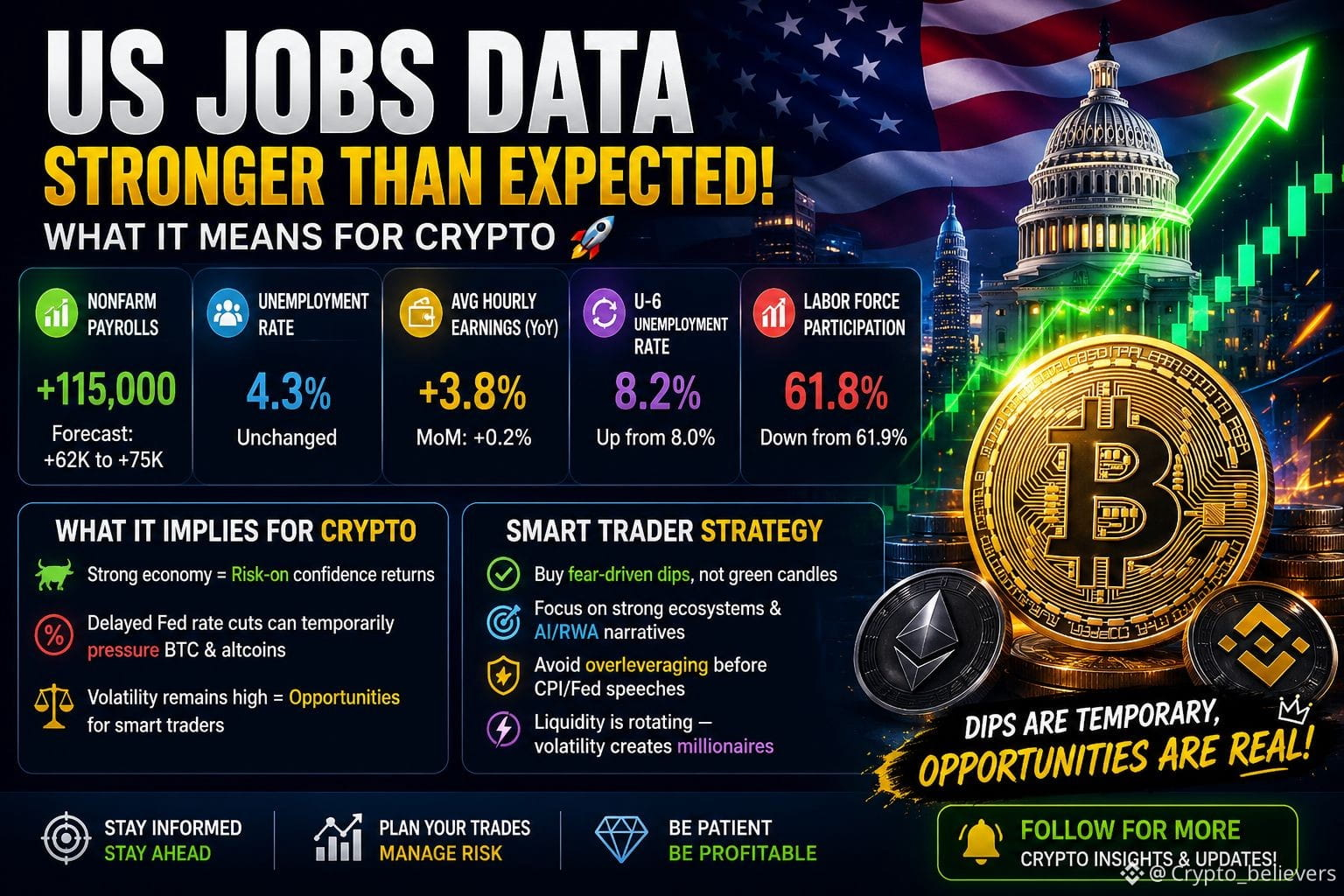
#USNonFarmPayrollReport est arrivé plus fort que prévu (+115K), le chômage est resté à 4,3 % et les salaires sont restés stables.
Qu'est-ce que ça implique ? Cela signifie que l'économie américaine est toujours résiliente, réduisant la peur immédiate d'une récession.
Pour nous, en tant que traders crypto, c'est un setup à double tranchant :
1. Économie forte = Retour de la confiance à risque
2. Retards dans les baisses de taux de la FEF = Pression temporaire sur $BTC et #altcoins .
Stratégie des traders malins maintenant :
✅ Acheter lors des dips provoqués par la peur, pas seulement des bougies vertes
✅ Se concentrer sur des écosystèmes solides, des récits d'IA ou de matières premières
✅ Éviter le sur-leverage avant #cpi / discours de la FED.
La liquidité tourne, la volatilité crée des millionnaires. Ne manquez pas cette opportunité.
{future}(ICPUSDT)
{future}(ONDOUSDT)
{future}(CHIPUSDT)
#USAdds115kJobs
#altsesaon
Attention à tous les traders et mes followers !!🎯🎯
#USNonFarmPayrollReport est arrivé plus fort que prévu (+115K), le chômage est resté à 4,3 % et les salaires sont restés stables.
Qu'est-ce que ça implique ? Cela signifie que l'économie américaine est toujours résiliente, réduisant la peur immédiate d'une récession.
Pour nous, en tant que traders crypto, c'est un setup à double tranchant :
1. Économie forte = Retour de la confiance à risque
2. Retards dans les baisses de taux de la FEF = Pression temporaire sur $BTC et #altcoins .
Stratégie des traders malins maintenant :
✅ Acheter lors des dips provoqués par la peur, pas seulement des bougies vertes
✅ Se concentrer sur des écosystèmes solides, des récits d'IA ou de matières premières
✅ Éviter le sur-leverage avant #cpi / discours de la FED.
La liquidité tourne, la volatilité crée des millionnaires. Ne manquez pas cette opportunité.
#USAdds115kJobs
#altsesaon
#USNonFarmPayrollReport est arrivé plus fort que prévu (+115K), le chômage est resté à 4,3 % et les salaires sont restés stables.
Qu'est-ce que ça implique ? Cela signifie que l'économie américaine est toujours résiliente, réduisant la peur immédiate d'une récession.
Pour nous, en tant que traders crypto, c'est un setup à double tranchant :
1. Économie forte = Retour de la confiance à risque
2. Retards dans les baisses de taux de la FEF = Pression temporaire sur $BTC et #altcoins .
Stratégie des traders malins maintenant :
✅ Acheter lors des dips provoqués par la peur, pas seulement des bougies vertes
✅ Se concentrer sur des écosystèmes solides, des récits d'IA ou de matières premières
✅ Éviter le sur-leverage avant #cpi / discours de la FED.
La liquidité tourne, la volatilité crée des millionnaires. Ne manquez pas cette opportunité.
#USAdds115kJobs
#altsesaon
343

·
--
Haussier
🇫🇷 LE PRÉSIDENT TRUMP VIENNE DE PUBLIER ÇA !!
"Des navires commencent à bouger, beaucoup chargés de pétrole, hors du Détroit d'Hormuz."
Le marché baissier va se terminer très bientôt, alors achète maintenant tant que tu peux.
$BTC
$ETH
$SPCXB
#USStockRallyPausesBeforeWarshFed #Marketrecoverymoment #USNonFarmPayrollReport #TradebStocks #DubaiVARAIssuesNewCryptoRiskGuidelines
{spot}(SPCXBUSDT)
{future}(ETHUSDT)
{future}(BTCUSDT)
🇫🇷 LE PRÉSIDENT TRUMP VIENNE DE PUBLIER ÇA !!
"Des navires commencent à bouger, beaucoup chargés de pétrole, hors du Détroit d'Hormuz."
Le marché baissier va se terminer très bientôt, alors achète maintenant tant que tu peux.
$BTC
$ETH
$SPCXB
#USStockRallyPausesBeforeWarshFed #Marketrecoverymoment #USNonFarmPayrollReport #TradebStocks #DubaiVARAIssuesNewCryptoRiskGuidelines
"Des navires commencent à bouger, beaucoup chargés de pétrole, hors du Détroit d'Hormuz."
Le marché baissier va se terminer très bientôt, alors achète maintenant tant que tu peux.
$BTC
$ETH
$SPCXB
#USStockRallyPausesBeforeWarshFed #Marketrecoverymoment #USNonFarmPayrollReport #TradebStocks #DubaiVARAIssuesNewCryptoRiskGuidelines
107


·
--
REJOIGNEZ VITE POUR $SOL $BTC $USDC
#bnbguy #BTCvsETH #USNonFarmPayrollReport #MarketPullback #Binance
REJOIGNEZ VITE POUR $SOL $BTC $USDC
#bnbguy #BTCvsETH #USNonFarmPayrollReport #MarketPullback #Binance
#bnbguy #BTCvsETH #USNonFarmPayrollReport #MarketPullback #Binance
DEMONMUSIC7
·
--
[Revoir] 🎙️ Rejoignez le GROUPE CONANWRST POUR DE L'ARGENT GRATUIT APRÈS AVOIR TERMINÉ LA TÂCHE❤️❤️
02 h 49 min 37 sec · 7.8k auditeurs
2
2
645

·
--
Haussier
#USNonFarmPayrollReport salut tout le monde
#USNonFarmPayrollReport salut tout le monde
2
57

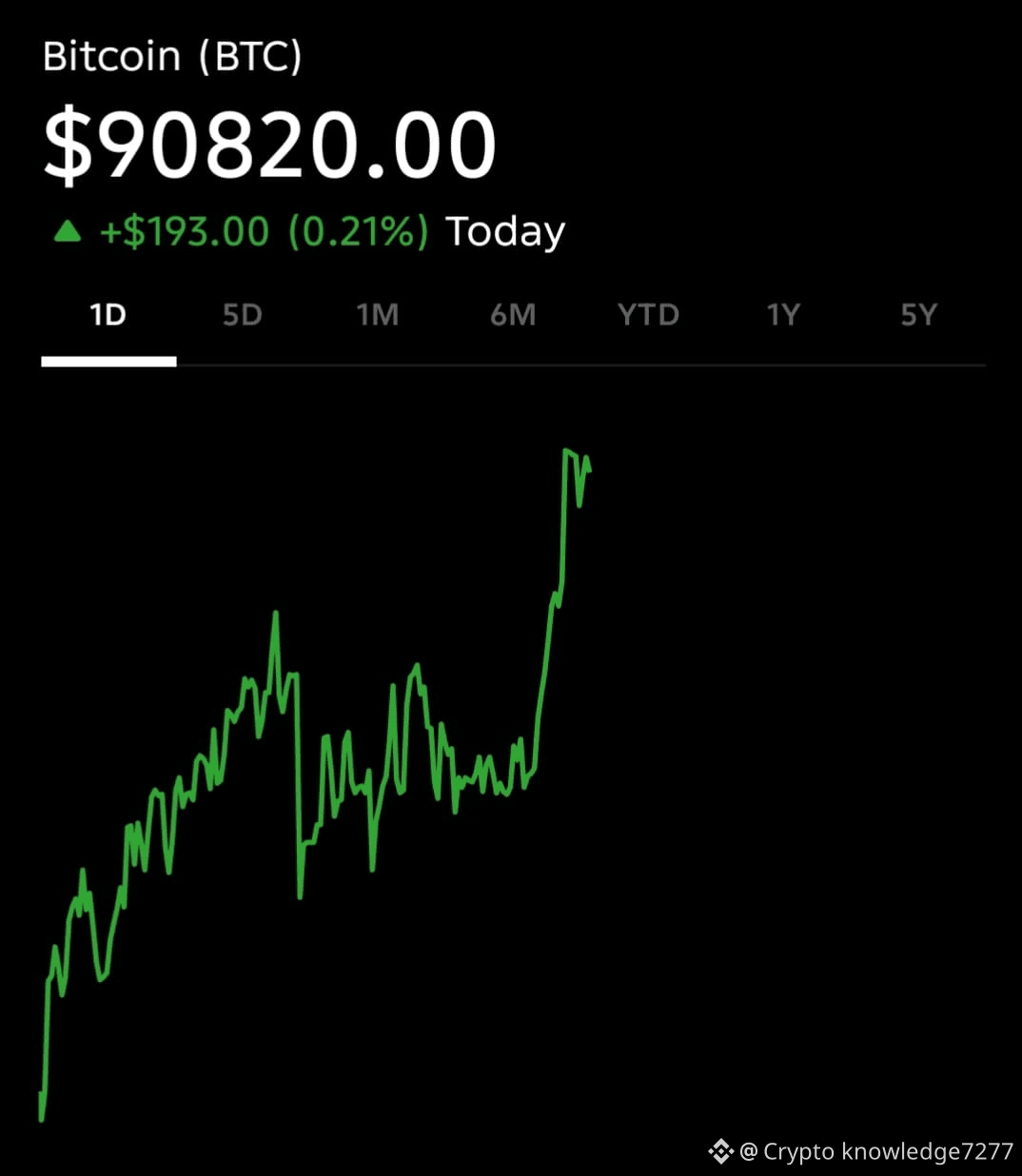
$BTC Contexte du marché et évolution des prix :
• Le Bitcoin évolue autour de la zone de 90 000 $, faisant preuve d’une volatilité persistante après des gains marqués au début de 2026. Les mouvements récents montrent que le BTC a du mal à se maintenir au-dessus d’une résistance clé proche de 94K–95K $, avec des replis vers 90K $ et des incursions occasionnelles sous ce niveau psychologique. �
• Certains détenteurs institutionnels (comme Strategy) font face à des pertes latentes, ce qui pourrait limiter de nouvelles acquisitions et impacter leurs achats stratégiques. �
Barron's +1
Investors +1
Catalyseurs haussiers :
• La demande institutionnelle reste un soutien structurel clé : les ETF Bitcoin au comptant continuent d’attirer des capitaux et contribuent à un déficit d’offre, la demande dépassant l’émission de nouveaux BTC. �
• Les indicateurs on-chain et les métriques historiques de valorisation suggèrent des conditions qui ont précédé des reprises, augmentant les probabilités de performance positive à moyen terme. �
AInvest
Cointelegraph
Risques baissiers et facteurs macroéconomiques :
• Le BTC reste sensible aux conditions macroéconomiques — notamment les taux d’intérêt, la perception du risque sur les actifs et les données économiques américaines à venir — ce qui pourrait faire pression sur les prix si les actifs risqués chutent. �
• La résistance technique autour de 95K $ et l’offre plus large en hauteur pourraient plafonner les gains si les acheteurs n’interviennent pas avec des volumes plus élevés. L’échec à se maintenir au-dessus de ces niveaux peut mener à une consolidation plus profonde ou à un repli. �
The Economic Times +1
MEXC
Résumé des perspectives :
Le Bitcoin se trouve dans une phase de consolidation autour de 90K $ avec des signaux mitigés. Les forces haussières, comme les flux institutionnels et la demande d’ETF, soutiennent le marché, mais les vents contraires macroéconomiques et les niveaux de résistance rendent la tendance à court terme incertaine. Une cassure au-dessus d’environ 95K $ pourrait relancer l’élan, tandis qu’un échec à maintenir les supports près de 88K–90K $ pourrait accentuer la faiblesse à court terme. �
AInvest +1Contexte du marché et évolution des prix :
• Le Bitcoin évolue autour de la zone de 90 000 $, faisant preuve d’une volatilité persistante après des gains marqués au début de 2026. Les mouvements récents montrent que le BTC a du mal à se maintenir au-dessus d’une résistance clé proche de 94K–95K $, avec des replis vers 90K $ et des incursions occasionnelles sous ce niveau psychologique.
#USNonFarmPayrollReport
{future}(BTCUSDT)
$BTC Contexte du marché et évolution des prix :
• Le Bitcoin évolue autour de la zone de 90 000 $, faisant preuve d’une volatilité persistante après des gains marqués au début de 2026. Les mouvements récents montrent que le BTC a du mal à se maintenir au-dessus d’une résistance clé proche de 94K–95K $, avec des replis vers 90K $ et des incursions occasionnelles sous ce niveau psychologique. �
• Certains détenteurs institutionnels (comme Strategy) font face à des pertes latentes, ce qui pourrait limiter de nouvelles acquisitions et impacter leurs achats stratégiques. �
Barron's +1
Investors +1
Catalyseurs haussiers :
• La demande institutionnelle reste un soutien structurel clé : les ETF Bitcoin au comptant continuent d’attirer des capitaux et contribuent à un déficit d’offre, la demande dépassant l’émission de nouveaux BTC. �
• Les indicateurs on-chain et les métriques historiques de valorisation suggèrent des conditions qui ont précédé des reprises, augmentant les probabilités de performance positive à moyen terme. �
AInvest
Cointelegraph
Risques baissiers et facteurs macroéconomiques :
• Le BTC reste sensible aux conditions macroéconomiques — notamment les taux d’intérêt, la perception du risque sur les actifs et les données économiques américaines à venir — ce qui pourrait faire pression sur les prix si les actifs risqués chutent. �
• La résistance technique autour de 95K $ et l’offre plus large en hauteur pourraient plafonner les gains si les acheteurs n’interviennent pas avec des volumes plus élevés. L’échec à se maintenir au-dessus de ces niveaux peut mener à une consolidation plus profonde ou à un repli. �
The Economic Times +1
MEXC
Résumé des perspectives :
Le Bitcoin se trouve dans une phase de consolidation autour de 90K $ avec des signaux mitigés. Les forces haussières, comme les flux institutionnels et la demande d’ETF, soutiennent le marché, mais les vents contraires macroéconomiques et les niveaux de résistance rendent la tendance à court terme incertaine. Une cassure au-dessus d’environ 95K $ pourrait relancer l’élan, tandis qu’un échec à maintenir les supports près de 88K–90K $ pourrait accentuer la faiblesse à court terme. �
AInvest +1Contexte du marché et évolution des prix :
• Le Bitcoin évolue autour de la zone de 90 000 $, faisant preuve d’une volatilité persistante après des gains marqués au début de 2026. Les mouvements récents montrent que le BTC a du mal à se maintenir au-dessus d’une résistance clé proche de 94K–95K $, avec des replis vers 90K $ et des incursions occasionnelles sous ce niveau psychologique.
#USNonFarmPayrollReport
• Le Bitcoin évolue autour de la zone de 90 000 $, faisant preuve d’une volatilité persistante après des gains marqués au début de 2026. Les mouvements récents montrent que le BTC a du mal à se maintenir au-dessus d’une résistance clé proche de 94K–95K $, avec des replis vers 90K $ et des incursions occasionnelles sous ce niveau psychologique. �
• Certains détenteurs institutionnels (comme Strategy) font face à des pertes latentes, ce qui pourrait limiter de nouvelles acquisitions et impacter leurs achats stratégiques. �
Barron's +1
Investors +1
Catalyseurs haussiers :
• La demande institutionnelle reste un soutien structurel clé : les ETF Bitcoin au comptant continuent d’attirer des capitaux et contribuent à un déficit d’offre, la demande dépassant l’émission de nouveaux BTC. �
• Les indicateurs on-chain et les métriques historiques de valorisation suggèrent des conditions qui ont précédé des reprises, augmentant les probabilités de performance positive à moyen terme. �
AInvest
Cointelegraph
Risques baissiers et facteurs macroéconomiques :
• Le BTC reste sensible aux conditions macroéconomiques — notamment les taux d’intérêt, la perception du risque sur les actifs et les données économiques américaines à venir — ce qui pourrait faire pression sur les prix si les actifs risqués chutent. �
• La résistance technique autour de 95K $ et l’offre plus large en hauteur pourraient plafonner les gains si les acheteurs n’interviennent pas avec des volumes plus élevés. L’échec à se maintenir au-dessus de ces niveaux peut mener à une consolidation plus profonde ou à un repli. �
The Economic Times +1
MEXC
Résumé des perspectives :
Le Bitcoin se trouve dans une phase de consolidation autour de 90K $ avec des signaux mitigés. Les forces haussières, comme les flux institutionnels et la demande d’ETF, soutiennent le marché, mais les vents contraires macroéconomiques et les niveaux de résistance rendent la tendance à court terme incertaine. Une cassure au-dessus d’environ 95K $ pourrait relancer l’élan, tandis qu’un échec à maintenir les supports près de 88K–90K $ pourrait accentuer la faiblesse à court terme. �
AInvest +1Contexte du marché et évolution des prix :
• Le Bitcoin évolue autour de la zone de 90 000 $, faisant preuve d’une volatilité persistante après des gains marqués au début de 2026. Les mouvements récents montrent que le BTC a du mal à se maintenir au-dessus d’une résistance clé proche de 94K–95K $, avec des replis vers 90K $ et des incursions occasionnelles sous ce niveau psychologique.
#USNonFarmPayrollReport
20

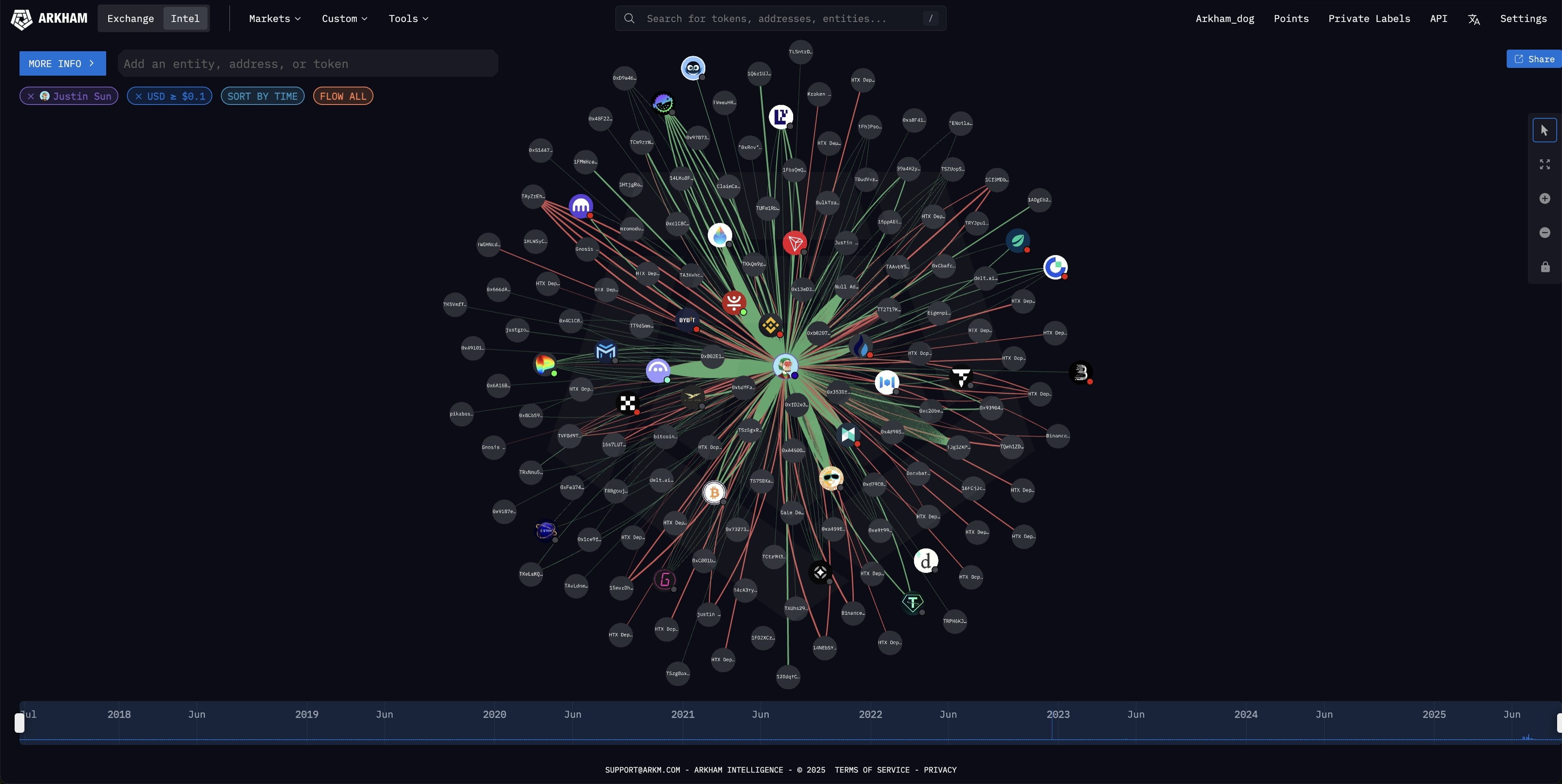
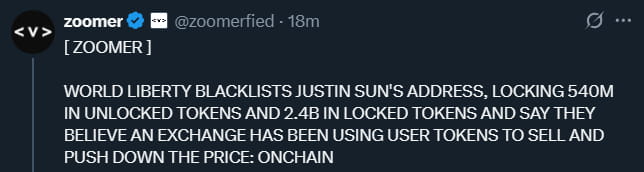
@JustinSun L'adresse de Justin Sun a été bloquée par $WLFI
-
> Même s'il peut les vendre sur sa propre bourse, c'est une grande désinformation contre la décentralisation et cela montre à quel point le projet est centralisé.
© Arkham
#BinanceHODLerOPEN #USNonFarmPayrollReport #MarketPullback
@Justin Sun孙宇晨 L'adresse de Justin Sun a été bloquée par $WLFI
-
> Même s'il peut les vendre sur sa propre bourse, c'est une grande désinformation contre la décentralisation et cela montre à quel point le projet est centralisé.
© Arkham
#BinanceHODLerOPEN #USNonFarmPayrollReport #MarketPullback
-
> Même s'il peut les vendre sur sa propre bourse, c'est une grande désinformation contre la décentralisation et cela montre à quel point le projet est centralisé.
© Arkham
#BinanceHODLerOPEN #USNonFarmPayrollReport #MarketPullback
2
1
7
9.6k

·
--
Baissier
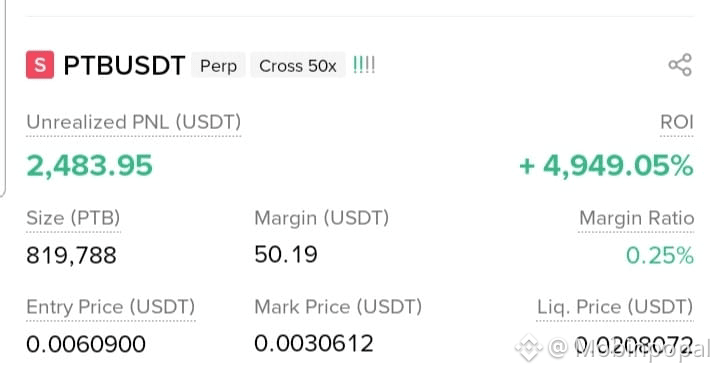
“Salut les gars, comment ça va ?
Si vous voulez des bénéfices comme ça tous les soirs, assurez-vous de me suivre.”
#USNonFarmPayrollReport
#USJobsData
#TrumpTariffs
#FOMCMeeting
$BTC
$ETH
“Salut les gars, comment ça va ?
Si vous voulez des bénéfices comme ça tous les soirs, assurez-vous de me suivre.”
#USNonFarmPayrollReport
#USJobsData
#TrumpTariffs
#FOMCMeeting
$BTC
$ETH
Si vous voulez des bénéfices comme ça tous les soirs, assurez-vous de me suivre.”
#USNonFarmPayrollReport
#USJobsData
#TrumpTariffs
#FOMCMeeting
$BTC
$ETH
3
730

·
--
$ASTER Astar est une plateforme de contrats intelligents multi-chaîne sur le réseau Polkadot.
- Elle prend en charge à la fois EVM et WebAssembly (Wasm), permettant un développement flexible des dApps.
- Astar permet aux développeurs de gagner des récompenses grâce à un modèle de mise en staking de dApps.
- Elle vise à devenir un centre pour les applications DeFi, NFT et cas d'utilisation blockchain pour les entreprises.
- Le projet se concentre sur l'interopérabilité et les fonctionnalités multi-chaînes.
- Ses liens solides avec le marché japonais offrent une croissance régionale unique.
- Appuyé par Polkadot, Astar bénéficie d'un écosystème sûr et évolutif.
- L'engagement de la communauté et les incitations aux développeurs alimentent son potentiel à long terme.
- Avec des plans d'expansion mondiale, Astar pourrait devenir une des principales plateformes de contrats intelligents.
#USNonFarmPayrollReport #USJobsData
$ASTER Astar est une plateforme de contrats intelligents multi-chaîne sur le réseau Polkadot.
- Elle prend en charge à la fois EVM et WebAssembly (Wasm), permettant un développement flexible des dApps.
- Astar permet aux développeurs de gagner des récompenses grâce à un modèle de mise en staking de dApps.
- Elle vise à devenir un centre pour les applications DeFi, NFT et cas d'utilisation blockchain pour les entreprises.
- Le projet se concentre sur l'interopérabilité et les fonctionnalités multi-chaînes.
- Ses liens solides avec le marché japonais offrent une croissance régionale unique.
- Appuyé par Polkadot, Astar bénéficie d'un écosystème sûr et évolutif.
- L'engagement de la communauté et les incitations aux développeurs alimentent son potentiel à long terme.
- Avec des plans d'expansion mondiale, Astar pourrait devenir une des principales plateformes de contrats intelligents.
#USNonFarmPayrollReport #USJobsData
- Elle prend en charge à la fois EVM et WebAssembly (Wasm), permettant un développement flexible des dApps.
- Astar permet aux développeurs de gagner des récompenses grâce à un modèle de mise en staking de dApps.
- Elle vise à devenir un centre pour les applications DeFi, NFT et cas d'utilisation blockchain pour les entreprises.
- Le projet se concentre sur l'interopérabilité et les fonctionnalités multi-chaînes.
- Ses liens solides avec le marché japonais offrent une croissance régionale unique.
- Appuyé par Polkadot, Astar bénéficie d'un écosystème sûr et évolutif.
- L'engagement de la communauté et les incitations aux développeurs alimentent son potentiel à long terme.
- Avec des plans d'expansion mondiale, Astar pourrait devenir une des principales plateformes de contrats intelligents.
#USNonFarmPayrollReport #USJobsData

1
176
Connectez-vous pour découvrir plus de contenu
Rejoignez la communauté mondiale des adeptes de cryptomonnaies sur Binance Square
⚡️ Suviez les dernières informations importantes sur les cryptomonnaies.
💬 Jugé digne de confiance par la plus grande plateforme d’échange de cryptomonnaies au monde.
👍 Découvrez les connaissances que partagent les créateurs vérifiés.
Adresse e-mail/Nº de téléphone
Sujets d’actualité
1
#StellarActivatesProtocol28At211TPS
0 vues
2 mentions
2
#SECGrantsInnovationExemptionForTokenizedStocks
369 vues
43 mentions
3
#XRPGains3%AsRippleAddsMPPSupport
235 vues
32 mentions
4
#SPGlobalToAcquireOpenZeppelin
169 vues
24 mentions
5
#BitcoinSurpasses$77000
18,633 vues
230 mentions
6
#ParadigmDisclosesZECHolding
74,460 vues
1,108 mentions
7
#BitcoinETFsShed$450M
27,120 vues
219 mentions
8
#USWeeklyJoblessClaimsFallTo196K
41,236 vues
643 mentions
9
#ArkhamSaysBlackRockBuys$1.5BInETH
7,197 vues
72 mentions
10
#ElSalvadorBTCHoldingsRiseTo7777
71,378 vues
901 mentions