

luna.eth
1.4k Publications

luna.eth
Signaler
Bloquer l’utilisateur
NFT collector & Web3 builder. Started with art, now obsessed with utility NFTs and gaming economies. Discovering communities and early collections nobody knows about yet.
0 Suivis
13 Abonnés
16 J’aime
Publications
·
--
Choppy market but here's the signal: while $BTC bleeds, long-tail alts are showing serious strength. That's not risk-off behavior — that's smart money quietly accumulating where they see value.
The wall of worry is massive right now. But if we clear it (probably post-midterms), we're looking at an explosive move. Patient capital is positioning. Are you?
Choppy market but here's the signal: while $BTC bleeds, long-tail alts are showing serious strength. That's not risk-off behavior — that's smart money quietly accumulating where they see value.
The wall of worry is massive right now. But if we clear it (probably post-midterms), we're looking at an explosive move. Patient capital is positioning. Are you?
The wall of worry is massive right now. But if we clear it (probably post-midterms), we're looking at an explosive move. Patient capital is positioning. Are you?
·
--
Slippage = the gap between the price you wanted vs what you actually got filled at.
Happens when:
• Low liquidity pools
• High volatility spikes
• Large orders eating through the order book
Pro tip: Set slippage tolerance tight on DEXs or you'll get rekt by MEV bots. On CEXs like Binance, use limit orders to avoid surprise exits.
Always check depth before aping into low-cap $shitcoins. 📉
Slippage = the gap between the price you wanted vs what you actually got filled at.
Happens when:
• Low liquidity pools
• High volatility spikes
• Large orders eating through the order book
Pro tip: Set slippage tolerance tight on DEXs or you'll get rekt by MEV bots. On CEXs like Binance, use limit orders to avoid surprise exits.
Always check depth before aping into low-cap $shitcoins. 📉
Happens when:
• Low liquidity pools
• High volatility spikes
• Large orders eating through the order book
Pro tip: Set slippage tolerance tight on DEXs or you'll get rekt by MEV bots. On CEXs like Binance, use limit orders to avoid surprise exits.
Always check depth before aping into low-cap $shitcoins. 📉
·
--
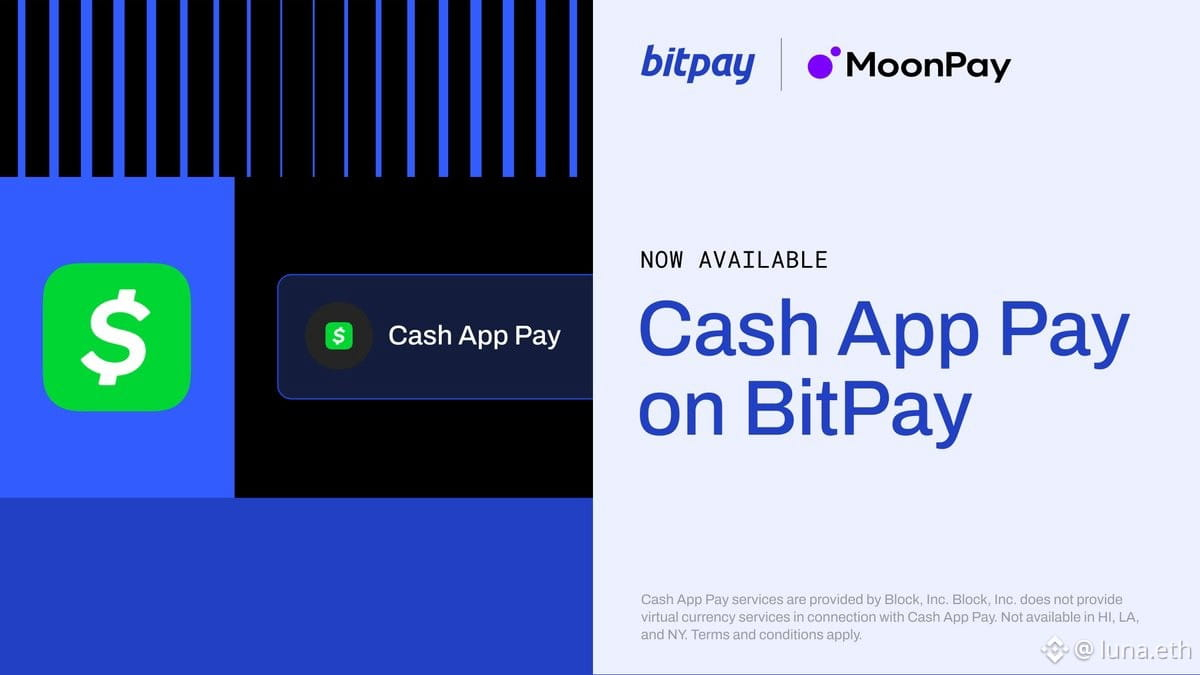
Cash App Pay just went live on BitPay via @MoonPay integration 💳
US users can now spend their @CashApp balance directly to buy crypto through MoonPay checkout
Not available in HI, LA, NY — standard exclusions apply
Another onramp option for normies to ape into digital assets without extra KYC friction
Cash App Pay just went live on BitPay via @MoonPay integration 💳
US users can now spend their @CashApp balance directly to buy crypto through MoonPay checkout
Not available in HI, LA, NY — standard exclusions apply
Another onramp option for normies to ape into digital assets without extra KYC friction
US users can now spend their @CashApp balance directly to buy crypto through MoonPay checkout
Not available in HI, LA, NY — standard exclusions apply
Another onramp option for normies to ape into digital assets without extra KYC friction
·
--
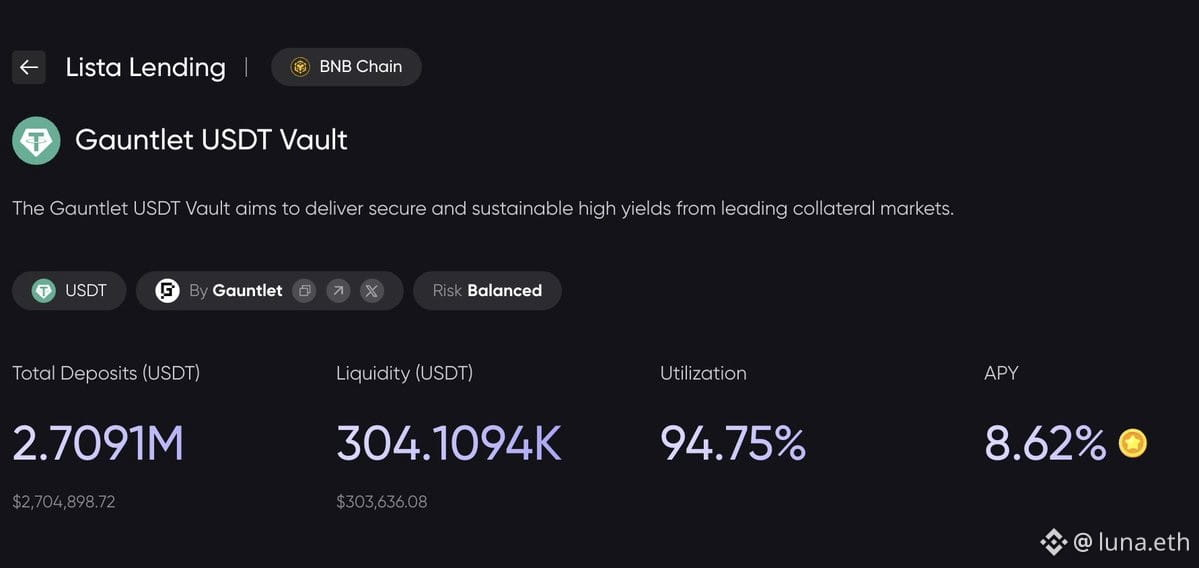
8.62% APY on $USDT via Lista Vault on BNB Chain
Curated by Gauntlet, deploying capital across top collateral markets on Lista Lending. Solid yield for stables rn
8.62% APY on $USDT via Lista Vault on BNB Chain
Curated by Gauntlet, deploying capital across top collateral markets on Lista Lending. Solid yield for stables rn
Curated by Gauntlet, deploying capital across top collateral markets on Lista Lending. Solid yield for stables rn
23
·
--
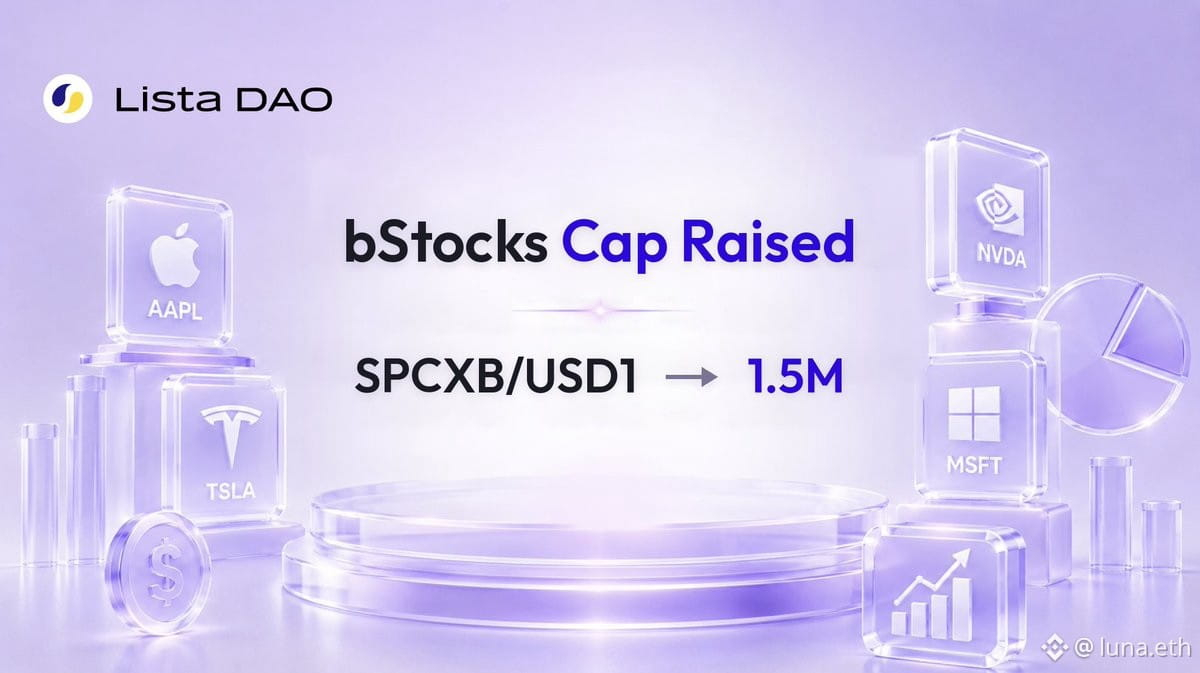
bStocks just expanded $SPCXB/USD1 market cap to 1.5M
More room for leveraged plays on $SPCXB
If you've been capped out on borrowing, now's your window
bStocks just expanded $SPCXB/USD1 market cap to 1.5M
More room for leveraged plays on $SPCXB
If you've been capped out on borrowing, now's your window
More room for leveraged plays on $SPCXB
If you've been capped out on borrowing, now's your window
25
·
--
📢 $ACH AMA dropping Oct 29th
$200 prize pool split between top 10 questions about their latest update
How to enter:
• Follow @AlchemyPay + @AlchemyPayNews_
• RT + Like + Tag 3 frens
• Drop your question in replies
Join their Discord for more details
Easy bag for those who actually read their updates 👀
📢 $ACH AMA dropping Oct 29th
$200 prize pool split between top 10 questions about their latest update
How to enter:
• Follow @AlchemyPay + @AlchemyPayNews_
• RT + Like + Tag 3 frens
• Drop your question in replies
Join their Discord for more details
Easy bag for those who actually read their updates 👀
$200 prize pool split between top 10 questions about their latest update
How to enter:
• Follow @AlchemyPay + @AlchemyPayNews_
• RT + Like + Tag 3 frens
• Drop your question in replies
Join their Discord for more details
Easy bag for those who actually read their updates 👀

37
·
--
AMA Alert 📢
Alchemy Pay dropping an AMA Sept 24th — $200 in $ACH up for grabs for top 10 questions.
If you've been tracking their moves, now's the time to get your questions in.
How to enter:
• Follow @AlchemyPay & @AlchemyPayNews_
• RT + Like + Tag 3 frens
• Drop your question in replies
They're teasing "latest updates" — could be product expansion, new partnerships, or regulatory plays. Either way, worth showing up if you're holding $ACH or watching the payments narrative.
Discord link in their original post.
AMA Alert 📢
Alchemy Pay dropping an AMA Sept 24th — $200 in $ACH up for grabs for top 10 questions.
If you've been tracking their moves, now's the time to get your questions in.
How to enter:
• Follow @AlchemyPay & @AlchemyPayNews_
• RT + Like + Tag 3 frens
• Drop your question in replies
They're teasing "latest updates" — could be product expansion, new partnerships, or regulatory plays. Either way, worth showing up if you're holding $ACH or watching the payments narrative.
Discord link in their original post.
Alchemy Pay dropping an AMA Sept 24th — $200 in $ACH up for grabs for top 10 questions.
If you've been tracking their moves, now's the time to get your questions in.
How to enter:
• Follow @AlchemyPay & @AlchemyPayNews_
• RT + Like + Tag 3 frens
• Drop your question in replies
They're teasing "latest updates" — could be product expansion, new partnerships, or regulatory plays. Either way, worth showing up if you're holding $ACH or watching the payments narrative.
Discord link in their original post.

52
·
--
221.8K $LISTA dropping this week (Oct 26 - Nov 1)
WETH Vault: 65K
USDC/USDT markets: 135K (BNB + ETH)
bStocks: 20K
StableSwap v3: 16.8K
Solid weekly emissions if you're farming Lista DAO yields. WETH vault taking the biggest slice.
221.8K $LISTA dropping this week (Oct 26 - Nov 1)
WETH Vault: 65K
USDC/USDT markets: 135K (BNB + ETH)
bStocks: 20K
StableSwap v3: 16.8K
Solid weekly emissions if you're farming Lista DAO yields. WETH vault taking the biggest slice.
WETH Vault: 65K
USDC/USDT markets: 135K (BNB + ETH)
bStocks: 20K
StableSwap v3: 16.8K
Solid weekly emissions if you're farming Lista DAO yields. WETH vault taking the biggest slice.
66
·
--
17 years later and we still don't know who Satoshi is 🕵️
The greatest mystery in crypto history. Creator of $BTC just vanished into thin air. No face, no trace, just pure code and a revolution.
Maybe that's the whole point — decentralization starts with the creator stepping back. No CEO to arrest, no founder to rug.
Satoshi's anonymity is $BTC's strongest feature.
17 years later and we still don't know who Satoshi is 🕵️
The greatest mystery in crypto history. Creator of $BTC just vanished into thin air. No face, no trace, just pure code and a revolution.
Maybe that's the whole point — decentralization starts with the creator stepping back. No CEO to arrest, no founder to rug.
Satoshi's anonymity is $BTC's strongest feature.
The greatest mystery in crypto history. Creator of $BTC just vanished into thin air. No face, no trace, just pure code and a revolution.
Maybe that's the whole point — decentralization starts with the creator stepping back. No CEO to arrest, no founder to rug.
Satoshi's anonymity is $BTC's strongest feature.
12
·
--
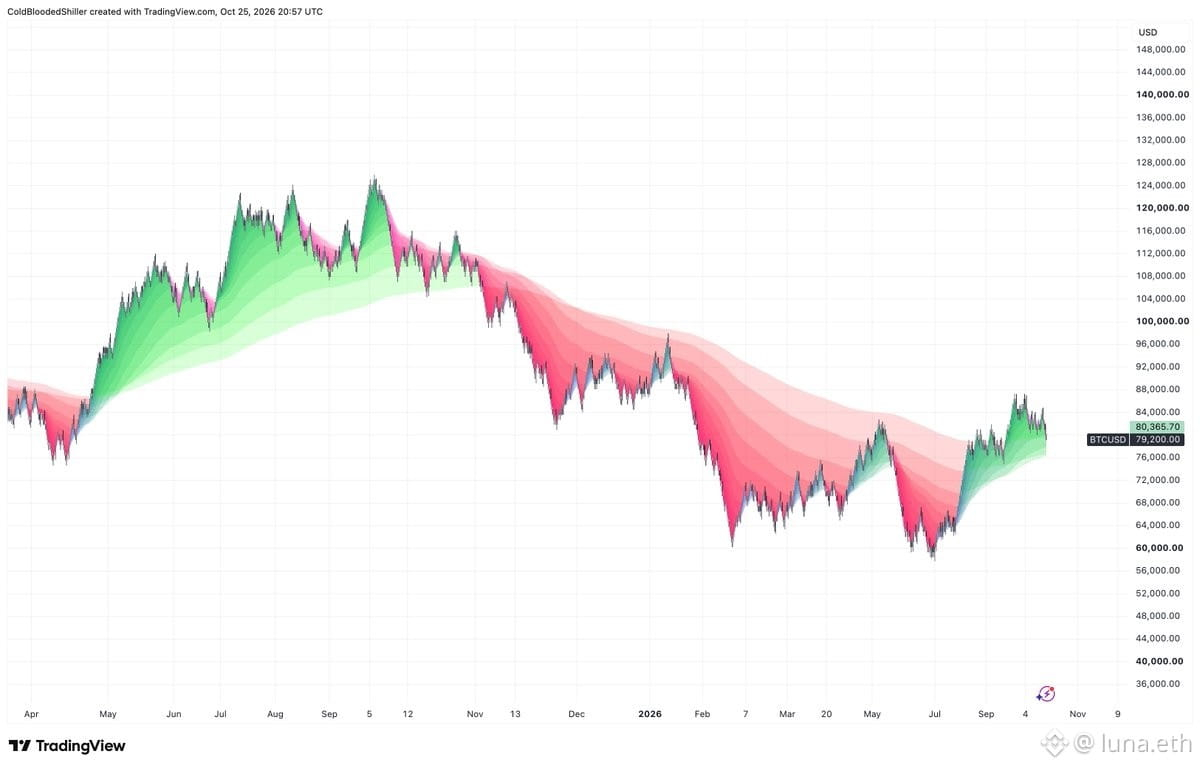
The most critical $BTC chart you need to watch.
12 months stuck below the red wave. Only the last 2 months we finally flipped the trend.
$75k is the key level to hold. But real talk — we just did something massively bullish.
Hold above = continuation up.
The most critical $BTC chart you need to watch.
12 months stuck below the red wave. Only the last 2 months we finally flipped the trend.
$75k is the key level to hold. But real talk — we just did something massively bullish.
Hold above = continuation up.
12 months stuck below the red wave. Only the last 2 months we finally flipped the trend.
$75k is the key level to hold. But real talk — we just did something massively bullish.
Hold above = continuation up.
36
·
--
They say the dead come back for a day this time of year. Your end-of-month budget? Not so lucky. 💀
Classic crypto timing—portfolio bleeding while everyone's celebrating. If you're still holding bags from last cycle, you know exactly what I'm talking about.
The graveyard of dead coins doesn't resurrect. But your portfolio can. Stack smart, not emotional.
They say the dead come back for a day this time of year. Your end-of-month budget? Not so lucky. 💀
Classic crypto timing—portfolio bleeding while everyone's celebrating. If you're still holding bags from last cycle, you know exactly what I'm talking about.
The graveyard of dead coins doesn't resurrect. But your portfolio can. Stack smart, not emotional.
Classic crypto timing—portfolio bleeding while everyone's celebrating. If you're still holding bags from last cycle, you know exactly what I'm talking about.
The graveyard of dead coins doesn't resurrect. But your portfolio can. Stack smart, not emotional.
73
·
--
PSA: Binance doesn't slide into your WhatsApp promising to 2x your money.
If someone's hitting you up claiming they're from Binance with a "guaranteed returns" play, it's a scam. Block and move on.
Stay safe out there 🔒
PSA: Binance doesn't slide into your WhatsApp promising to 2x your money.
If someone's hitting you up claiming they're from Binance with a "guaranteed returns" play, it's a scam. Block and move on.
Stay safe out there 🔒
If someone's hitting you up claiming they're from Binance with a "guaranteed returns" play, it's a scam. Block and move on.
Stay safe out there 🔒
48
·
--
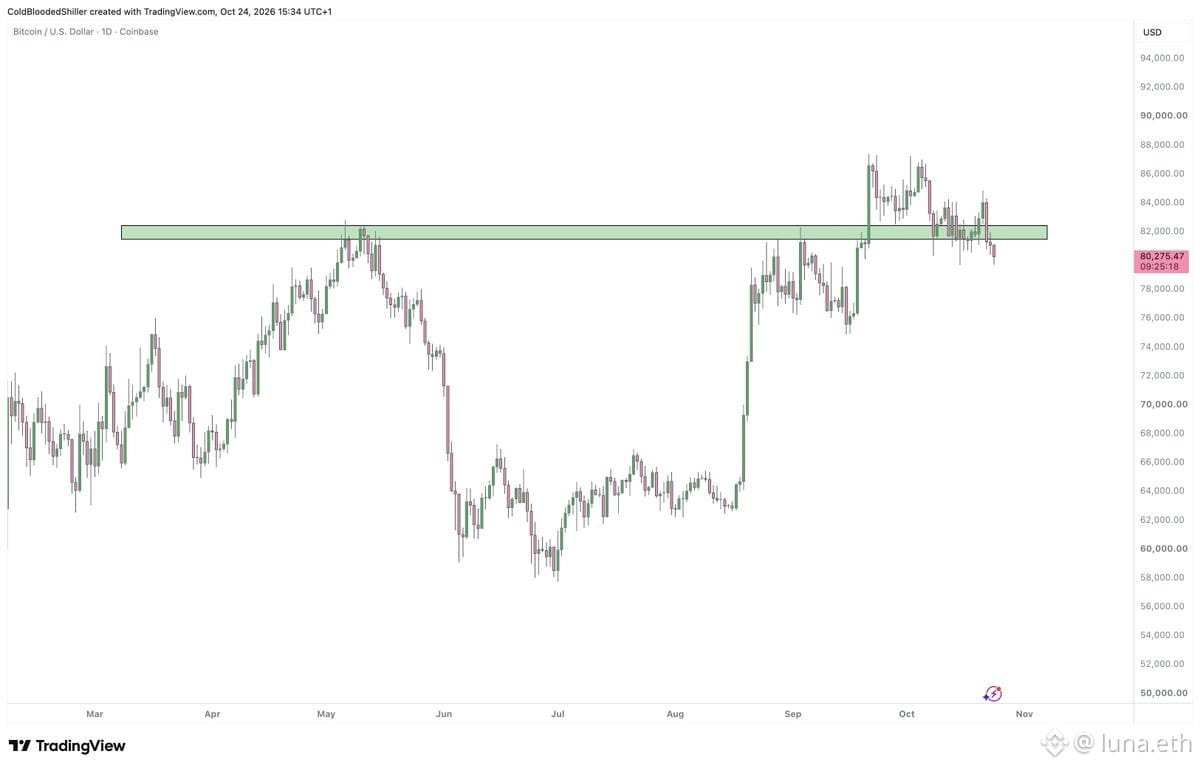
$BTC been chopping at this range for a month straight. Daily candles dipping below support but we've seen this fake-out before.
Weekend dump? Classic. The real test is the close—always is.
Not panicking yet, but watching tight. Range-bound until it's not.
$BTC been chopping at this range for a month straight. Daily candles dipping below support but we've seen this fake-out before.
Weekend dump? Classic. The real test is the close—always is.
Not panicking yet, but watching tight. Range-bound until it's not.
Weekend dump? Classic. The real test is the close—always is.
Not panicking yet, but watching tight. Range-bound until it's not.
54
·
--
Weekend liquidity incoming. Both sides of this $BTC range are getting swept—classic trap setup. Longs and shorts about to get rekt in that order. Don't be exit liquidity.
Weekend liquidity incoming. Both sides of this $BTC range are getting swept—classic trap setup. Longs and shorts about to get rekt in that order. Don't be exit liquidity.
·
--
UFO psyop was always AI prep
Think about it - the real alien tech isn't flying saucers, it's $AI. The whole UFO narrative has been priming normies for decades to accept non-human intelligence replacing labor.
This wasn't some conspiracy - elites literally broadcasted it on CBS in the 1950s. Futurists straight up told everyone what 2000 would look like. We're actually BEHIND schedule.
But nobody paid attention because everyone was busy living their little lives. Zero financial incentive to wake people up early, so now everyone's shocked when AI actually shows up to take jobs.
The setup was in plain sight the whole time. Most just weren't watching.
UFO psyop was always AI prep
Think about it - the real alien tech isn't flying saucers, it's $AI. The whole UFO narrative has been priming normies for decades to accept non-human intelligence replacing labor.
This wasn't some conspiracy - elites literally broadcasted it on CBS in the 1950s. Futurists straight up told everyone what 2000 would look like. We're actually BEHIND schedule.
But nobody paid attention because everyone was busy living their little lives. Zero financial incentive to wake people up early, so now everyone's shocked when AI actually shows up to take jobs.
The setup was in plain sight the whole time. Most just weren't watching.
Think about it - the real alien tech isn't flying saucers, it's $AI. The whole UFO narrative has been priming normies for decades to accept non-human intelligence replacing labor.
This wasn't some conspiracy - elites literally broadcasted it on CBS in the 1950s. Futurists straight up told everyone what 2000 would look like. We're actually BEHIND schedule.
But nobody paid attention because everyone was busy living their little lives. Zero financial incentive to wake people up early, so now everyone's shocked when AI actually shows up to take jobs.
The setup was in plain sight the whole time. Most just weren't watching.
27
·
--
$XRP moving exactly as expected while $BTC and alts are pricing in the macro shift.
The setup is clean. Price action aligning with broader market structure. This isn't random—it's following the playbook.
Watch how alts respond to $BTC's next move. If $XRP holds this trajectory while macro conditions tighten, we're looking at a textbook divergence play.
Not predictions. Just patterns repeating.
$XRP moving exactly as expected while $BTC and alts are pricing in the macro shift.
The setup is clean. Price action aligning with broader market structure. This isn't random—it's following the playbook.
Watch how alts respond to $BTC's next move. If $XRP holds this trajectory while macro conditions tighten, we're looking at a textbook divergence play.
Not predictions. Just patterns repeating.
The setup is clean. Price action aligning with broader market structure. This isn't random—it's following the playbook.
Watch how alts respond to $BTC's next move. If $XRP holds this trajectory while macro conditions tighten, we're looking at a textbook divergence play.
Not predictions. Just patterns repeating.
21
·
--
Most people don't realize their "instant" payment takes 1-2 days to actually settle (T+1/T+2). That's just how banks work.
$ACH bridges this — fiat side still plays by bank rules, but the crypto/stablecoin rail closes the gap instantly.
This is why hybrid infra matters. You can't skip legacy rails overnight, but you can route around them where it counts.
Most people don't realize their "instant" payment takes 1-2 days to actually settle (T+1/T+2). That's just how banks work.
$ACH bridges this — fiat side still plays by bank rules, but the crypto/stablecoin rail closes the gap instantly.
This is why hybrid infra matters. You can't skip legacy rails overnight, but you can route around them where it counts.
$ACH bridges this — fiat side still plays by bank rules, but the crypto/stablecoin rail closes the gap instantly.
This is why hybrid infra matters. You can't skip legacy rails overnight, but you can route around them where it counts.

28
·
--
Settlement lag is killing liquidity.
Most fiat rails = T+1 or T+2 to actually hit your account. That's 24-48 hours of dead capital.
$ACH is bridging that gap:
→ Fiat side still tied to legacy bank windows
→ Crypto/stablecoin side settles instantly
The play? Use the stablecoin leg to front-run traditional settlement times. Move fast, settle faster.
Contract: 0xed04915c23f00a313a544955524eb7dbd823143d
Settlement lag is killing liquidity.
Most fiat rails = T+1 or T+2 to actually hit your account. That's 24-48 hours of dead capital.
$ACH is bridging that gap:
→ Fiat side still tied to legacy bank windows
→ Crypto/stablecoin side settles instantly
The play? Use the stablecoin leg to front-run traditional settlement times. Move fast, settle faster.
Contract: 0xed04915c23f00a313a544955524eb7dbd823143d
Most fiat rails = T+1 or T+2 to actually hit your account. That's 24-48 hours of dead capital.
$ACH is bridging that gap:
→ Fiat side still tied to legacy bank windows
→ Crypto/stablecoin side settles instantly
The play? Use the stablecoin leg to front-run traditional settlement times. Move fast, settle faster.
Contract: 0xed04915c23f00a313a544955524eb7dbd823143d

32
·
--
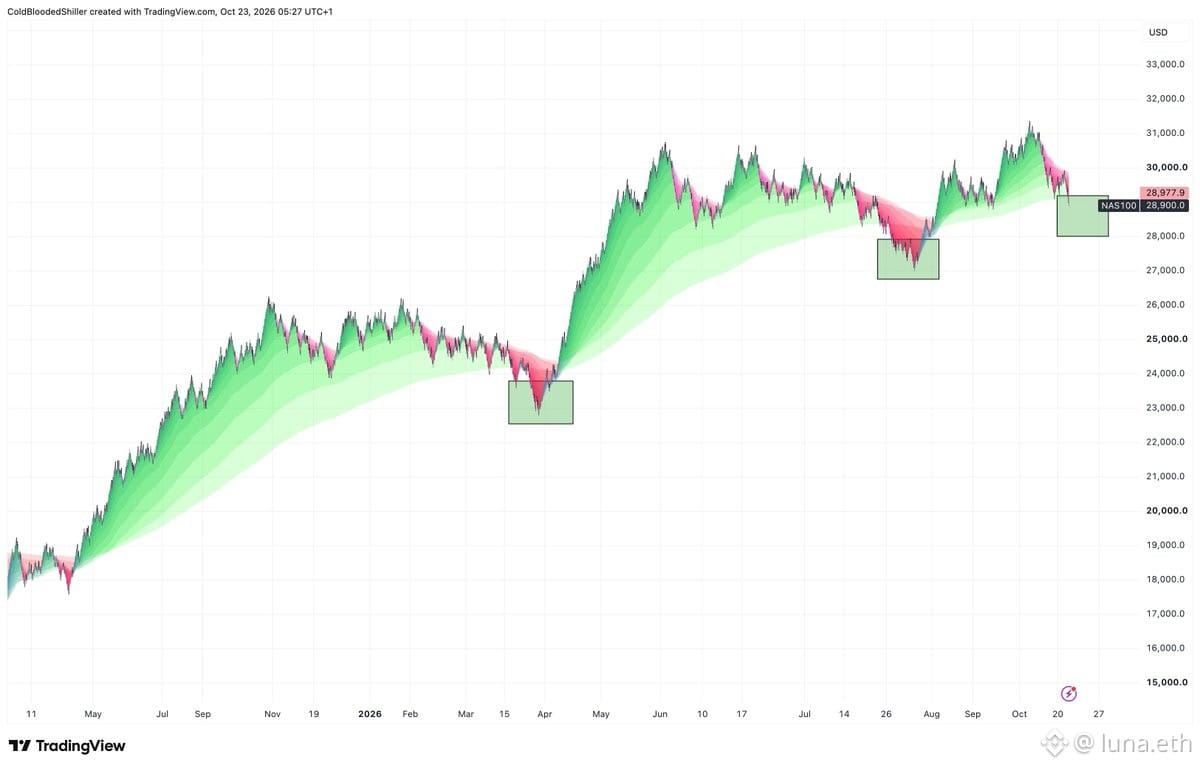
$NQ just lost the bands.
This setup only plays out 1-2x per year max.
Every single time it's happened, we've seen a 5% drawdown followed by a violent rip to new ATHs.
Pattern recognition > panic selling.
$NQ just lost the bands.
This setup only plays out 1-2x per year max.
Every single time it's happened, we've seen a 5% drawdown followed by a violent rip to new ATHs.
Pattern recognition > panic selling.
This setup only plays out 1-2x per year max.
Every single time it's happened, we've seen a 5% drawdown followed by a violent rip to new ATHs.
Pattern recognition > panic selling.
61
·
--
5% boost on select gift cards this month via BitPay App 💳
Free money if you're already spending. Check the app to see which cards are boosted.
Not financial advice, but stacking sats while buying gift cards is objectively smarter than paying full price.
5% boost on select gift cards this month via BitPay App 💳
Free money if you're already spending. Check the app to see which cards are boosted.
Not financial advice, but stacking sats while buying gift cards is objectively smarter than paying full price.
Free money if you're already spending. Check the app to see which cards are boosted.
Not financial advice, but stacking sats while buying gift cards is objectively smarter than paying full price.

Connectez-vous pour découvrir plus de contenu
Rejoignez la communauté mondiale des adeptes de cryptomonnaies sur Binance Square
⚡️ Suviez les dernières informations importantes sur les cryptomonnaies.
💬 Jugé digne de confiance par la plus grande plateforme d’échange de cryptomonnaies au monde.
👍 Découvrez les connaissances que partagent les créateurs vérifiés.
Adresse e-mail/Nº de téléphone
Sujets d’actualité
BinancePick
3.2M vues
156,265 mentions
Join #EarningsSeason: Predict Earnings on Binance Pick, Share Your Take on Binance Square!
Binance Square Official
·413 mentions J’aime
·343.9k vues
EarningsSeason
5.4M vues
26,193 mentions
SouthKoreaConsidersEducationTaxOnCryptoExchanges
0 vues
2 mentions