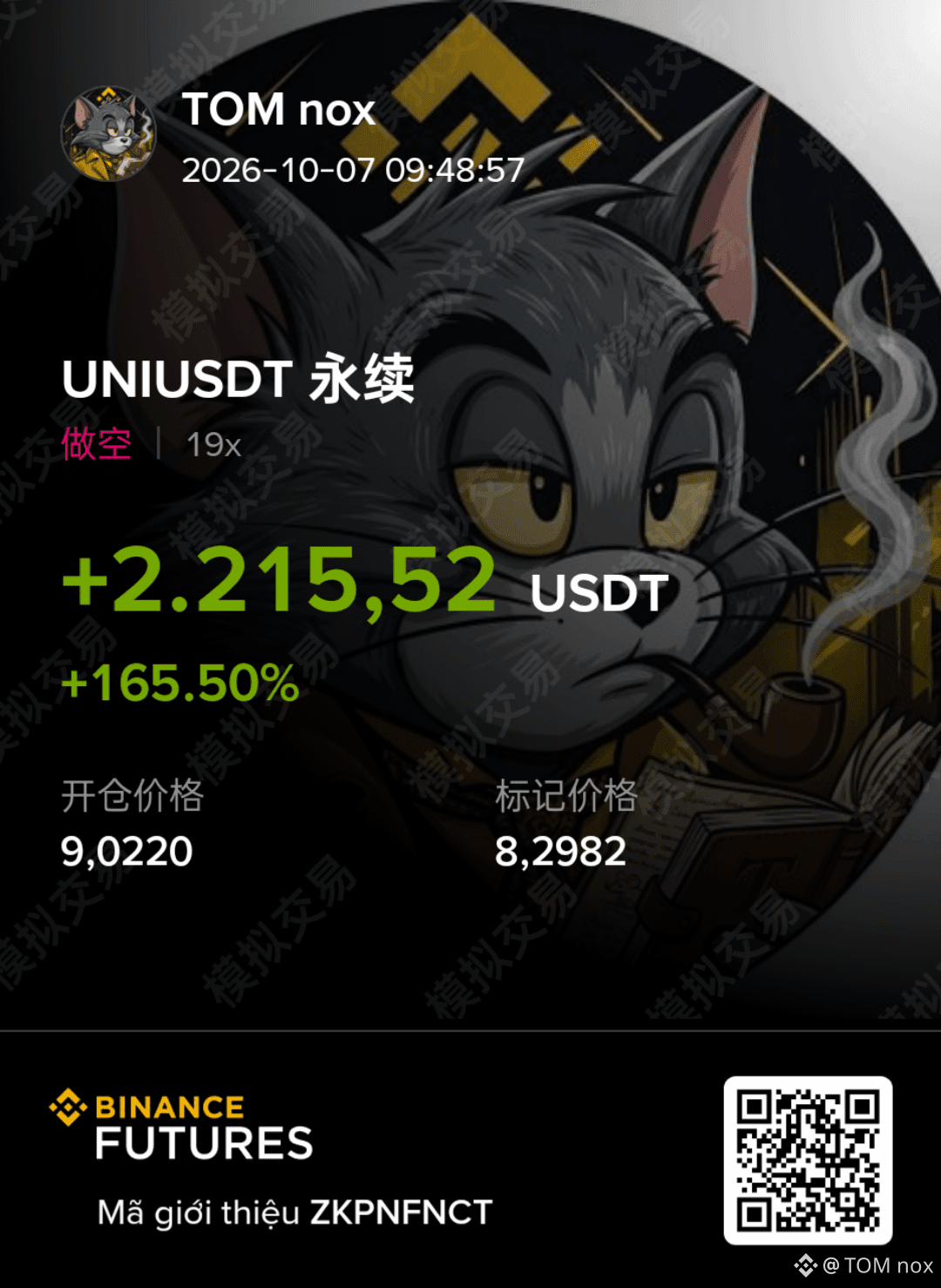
⚠️ HIGH LEVERAGE DOESN’T KILL YOUR ACCOUNT. USING IT WRONG DOES.
“High leverage is too dangerous.”
Not necessarily.
📌 LEVERAGE ≠ RISK
What matters first is how much of your account you risk per trade.
Example:
📊 Win Rate: 45%
🎯 R:R: 3.3:1
With the same system, compare:
🔹 Risk 5%
🔹 Risk 10%
🔹 Risk 15%
Over 100–200 trades, the final equity, drawdown and losing streaks can look dramatically different.
The key calculation is:
Stop Loss → Position Size → Risk → Leverage
Leverage should be the result of your position-size calculation, not the starting point.
⚠️ But don't misunderstand this.
Higher risk means larger drawdowns and a much higher chance of severe account damage during losing streaks.
So don't ask:
❌ “What leverage is safe?”
Ask:
✅ “How much should I risk on this setup, and what leverage do I need for that position size?”
Risk first. Leverage second.
Are you calculating risk first—or choosing leverage first and hoping the market doesn't move against you? 👀
“High leverage is too dangerous.”
Not necessarily.
📌 LEVERAGE ≠ RISK
What matters first is how much of your account you risk per trade.
Example:
📊 Win Rate: 45%
🎯 R:R: 3.3:1
With the same system, compare:
🔹 Risk 5%
🔹 Risk 10%
🔹 Risk 15%
Over 100–200 trades, the final equity, drawdown and losing streaks can look dramatically different.
The key calculation is:
Stop Loss → Position Size → Risk → Leverage
Leverage should be the result of your position-size calculation, not the starting point.
⚠️ But don't misunderstand this.
Higher risk means larger drawdowns and a much higher chance of severe account damage during losing streaks.
So don't ask:
❌ “What leverage is safe?”
Ask:
✅ “How much should I risk on this setup, and what leverage do I need for that position size?”
Risk first. Leverage second.
Are you calculating risk first—or choosing leverage first and hoping the market doesn't move against you? 👀