
Aria Bloom 阿莉娅
508 Publications

Aria Bloom 阿莉娅
Aria Bloom | Learning, growing, and exploring crypto with patience and purpose. Every step is progress 💞
Ouvert au trading
Trade fréquemment
1.5 an(s)
310 Suivis
8.3K+ Abonnés
3.3K+ J’aime
Publications
Portefeuille
Tous
Citations
PINNED
The journey isn’t always about numbers, markets, and targets. Sometimes, it’s about stepping away for a moment, enjoying the beauty of nature, and appreciating the peaceful moments that make life meaningful. ✨
A beautiful view, calm waters, and my little companion by my side. 🐱🤍
Simple moments, unforgettable memories.
Keep moving forward, stay positive, and enjoy every part of the journey. 🚀✨
$BTR $GIGGLE $SOL
A beautiful view, calm waters, and my little companion by my side. 🐱🤍
Simple moments, unforgettable memories.
Keep moving forward, stay positive, and enjoy every part of the journey. 🚀✨
$BTR $GIGGLE $SOL

😍
virus-可凡2786BNB
·
--
🧧每一轮周期都会诞生新故事,也会淘汰旧叙事。保持学习,就是最好的防守🧧。




🤫


阿波罗1111
·
--
心怀热忱,把握当下,每一次机遇都值得全力以赴。
With enthusiasm in heart, seize the present moment, every opportunity deserves our full effort.
#BNB #LUCiC
With enthusiasm in heart, seize the present moment, every opportunity deserves our full effort.
#BNB #LUCiC

😍

晚风Vesper_1688
·
--
☀️清晨破晓,抛开昨日盘面的种种牵绊🌤️。
交易拼的不是一时的爆发力,而是日复一日的自我修行📊。
市场永远充满诱惑,到处都是短期暴富的故事🕳️。
学会过滤噪音,坚守自己的交易体系与节奏🧭。
不被盘面的起伏搅动内心,不因为踏空盲目冲动入场🌿。
看好的资产静静持有,属于自己的机会耐心等候⏳。
投资终究是认知的变现,沉淀自我,方能行稳致远💎。
新的交易日,保持清醒,满怀热忱,各位早安🕊️。
$BNB 🧧🧧🧧
#交易心态
#比特币64亿美元期权将到期
#1688家族family
交易拼的不是一时的爆发力,而是日复一日的自我修行📊。
市场永远充满诱惑,到处都是短期暴富的故事🕳️。
学会过滤噪音,坚守自己的交易体系与节奏🧭。
不被盘面的起伏搅动内心,不因为踏空盲目冲动入场🌿。
看好的资产静静持有,属于自己的机会耐心等候⏳。
投资终究是认知的变现,沉淀自我,方能行稳致远💎。
新的交易日,保持清醒,满怀热忱,各位早安🕊️。
$BNB 🧧🧧🧧
#交易心态
#比特币64亿美元期权将到期
#1688家族family



🤔

静心1688
·
--
💥祸兮福之所倚,福兮祸之所伏。
💥祸福互相依存、可以转化,低谷不必绝望,顺境不可骄纵。
#美比特币ETF连续六日净流入 #加密恐惧贪婪指数升至74
💥祸福互相依存、可以转化,低谷不必绝望,顺境不可骄纵。
#美比特币ETF连续六日净流入 #加密恐惧贪婪指数升至74

😍

圣克斯Lucky1688
·
--
🧧🧧🧧🌹🧧🧧🧧美国证券交易委员会于8月25日向白宫管理与预算办公室(Office of Management and Budget)提交了一项新提案,接受审查。该提案涵盖代表客户持有数字资产的投资顾问和投资公司。
联邦监管议程显示,该提案旨在“明确加密资产托管框架”,重点在于说明机构如何在不违反美国证券交易委员会(SEC)规定的情况下,为客户持有数字资产。SEC表示,该提案还将取消某些托管要求,这些要求已因市场发展以及资产交易和持有方式的变化而变得过时。关注我,回复答案1,带走$SOL红包!🧧🧧🧧🌹🧧🧧🧧
联邦监管议程显示,该提案旨在“明确加密资产托管框架”,重点在于说明机构如何在不违反美国证券交易委员会(SEC)规定的情况下,为客户持有数字资产。SEC表示,该提案还将取消某些托管要求,这些要求已因市场发展以及资产交易和持有方式的变化而变得过时。关注我,回复答案1,带走$SOL红包!🧧🧧🧧🌹🧧🧧🧧


😍

DK短线复刻
·
--
关注回复领取红包🎁🎁

😍

LoVeLy_BNB
·
--
Baissier🎁Give Away
Just saw a crypto bear market and thought, 'Finally, my chance to buy low and cry later!' 🐻💸❤️🚀
To enter:
✅ Follow
✅ Share this post
✅ Comment
🎉 Claim your Luck
Good luck, everyone! 🎁✨
#CryptoHumor
#BearMarketBlues
Just saw a crypto bear market and thought, 'Finally, my chance to buy low and cry later!' 🐻💸❤️🚀
To enter:
✅ Follow
✅ Share this post
✅ Comment
🎉 Claim your Luck
Good luck, everyone! 🎁✨
#CryptoHumor
#BearMarketBlues

😍

Sonu7856
·
--
Ethereum (ETH) is one of the most important cryptocurrencies because it powers smart contracts and decentralized applications (dApps). Unlike digital currencies used only for payments, Ethereum enables developers to build DeFi platforms, NFTs, blockchain games, and other innovative services. ETH is also used to pay network transaction fees and secure the blockchain through staking, making it a key part of the growing Web3 ecosystem.
#ClaimYourReward #claimRedPacket #Ethereum #BinanceSquareFamily
#ClaimYourReward #claimRedPacket #Ethereum #BinanceSquareFamily

😍

ZainTem
·
--
🎁 GIVEAWAY ALERT! 🧧
Our Square Family deserves a little extra love! ❤️🚀
To enter:
✅ Follow
✅ Share this post
✅ Comment
🎉 Claim your chance to win! 🍀
Good luck, everyone! 🎁✨
Our Square Family deserves a little extra love! ❤️🚀
To enter:
✅ Follow
✅ Share this post
✅ Comment
🎉 Claim your chance to win! 🍀
Good luck, everyone! 🎁✨

😍

Mahi_玛希BNB
·
--
BTC Queen 👑₿
BTC is still the queen of the crypto market. 👑
Strong community, limited supply, and long-term potential make Bitcoin a favorite for many investors. 🚀
Keep learning, manage risk, and DYOR. 💎
1️⃣ **Follow MAHI BNB** ✅
2️⃣ **Like & Comment “BTC ”** ✅
3️⃣ **Repost This Post** 🔄✅
4️⃣ **Stay Tuned for the Next Gift 🎁🧧** ✅
#BTC☀ #Bitcoin❗ #Crypto_Jobs🎯 #BinanceSquareFamily #BTCQueen #CryptoCommunity #trading
$BTC $BNB $ETH
BTC is still the queen of the crypto market. 👑
Strong community, limited supply, and long-term potential make Bitcoin a favorite for many investors. 🚀
Keep learning, manage risk, and DYOR. 💎
1️⃣ **Follow MAHI BNB** ✅
2️⃣ **Like & Comment “BTC ”** ✅
3️⃣ **Repost This Post** 🔄✅
4️⃣ **Stay Tuned for the Next Gift 🎁🧧** ✅
#BTC☀ #Bitcoin❗ #Crypto_Jobs🎯 #BinanceSquareFamily #BTCQueen #CryptoCommunity #trading
$BTC $BNB $ETH
😍

凯哥的进击
·
--
Baissier🎁🎁关注我,回复领红包🎁🎁$SOL
🌹转发分享发大财🌹
🌹转发分享发大财🌹

🤔
Bilverse
·
--
🔥🧧 ETH FOR EVERYONE. GIVEAWAY IS LIVE 🧧🔥
One community. One mission. One chance to be part of the ETH giveaway. 💎🚀
#Bilverse is making noise — and your ETH reward could be waiting. 👀
👇 Want to claim a portion of ETH?
💬 Comment “ETH” below to claim your reward! 🎁
The Bilverse Army is growing. 🟡
Click here to DOUBLE your Rewards! 🧧🚀
Are you in?
#Binance #RedPacketMission #CryptoCommunity
One community. One mission. One chance to be part of the ETH giveaway. 💎🚀
#Bilverse is making noise — and your ETH reward could be waiting. 👀
👇 Want to claim a portion of ETH?
💬 Comment “ETH” below to claim your reward! 🎁
The Bilverse Army is growing. 🟡
Click here to DOUBLE your Rewards! 🧧🚀
Are you in?
#Binance #RedPacketMission #CryptoCommunity

😍
奕澤YiiiiiZze
·
--
近日 BTC 強勢突破 80,000 美元大關,機構資金持續流入。在宏觀政策支持下,比特幣的抗通脹屬性再次獲得認可。你認為這波漲勢能否延續?
关注&点赞&转发领取SOL🎁🎁🎁
关注&点赞&转发领取SOL🎁🎁🎁
😍
king Gulfam
·
--
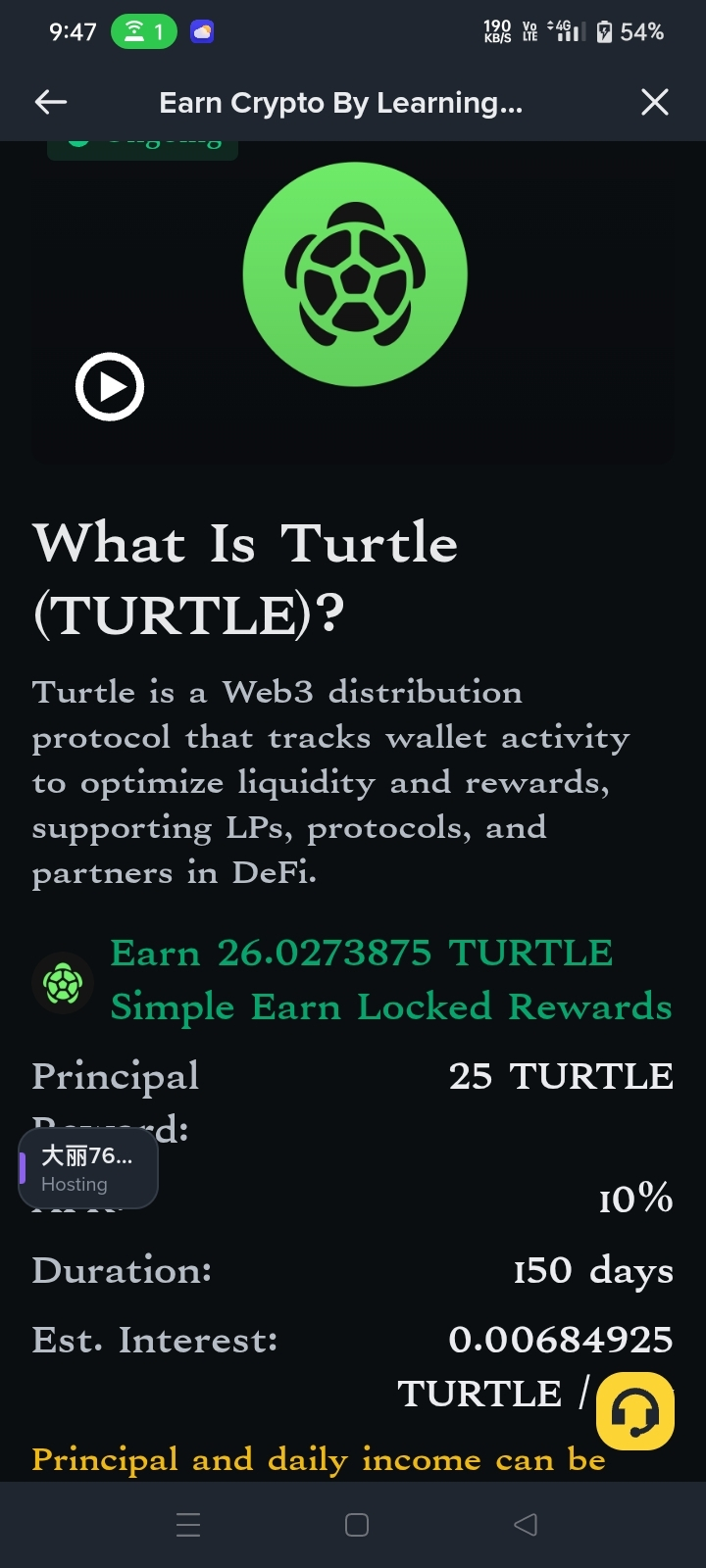
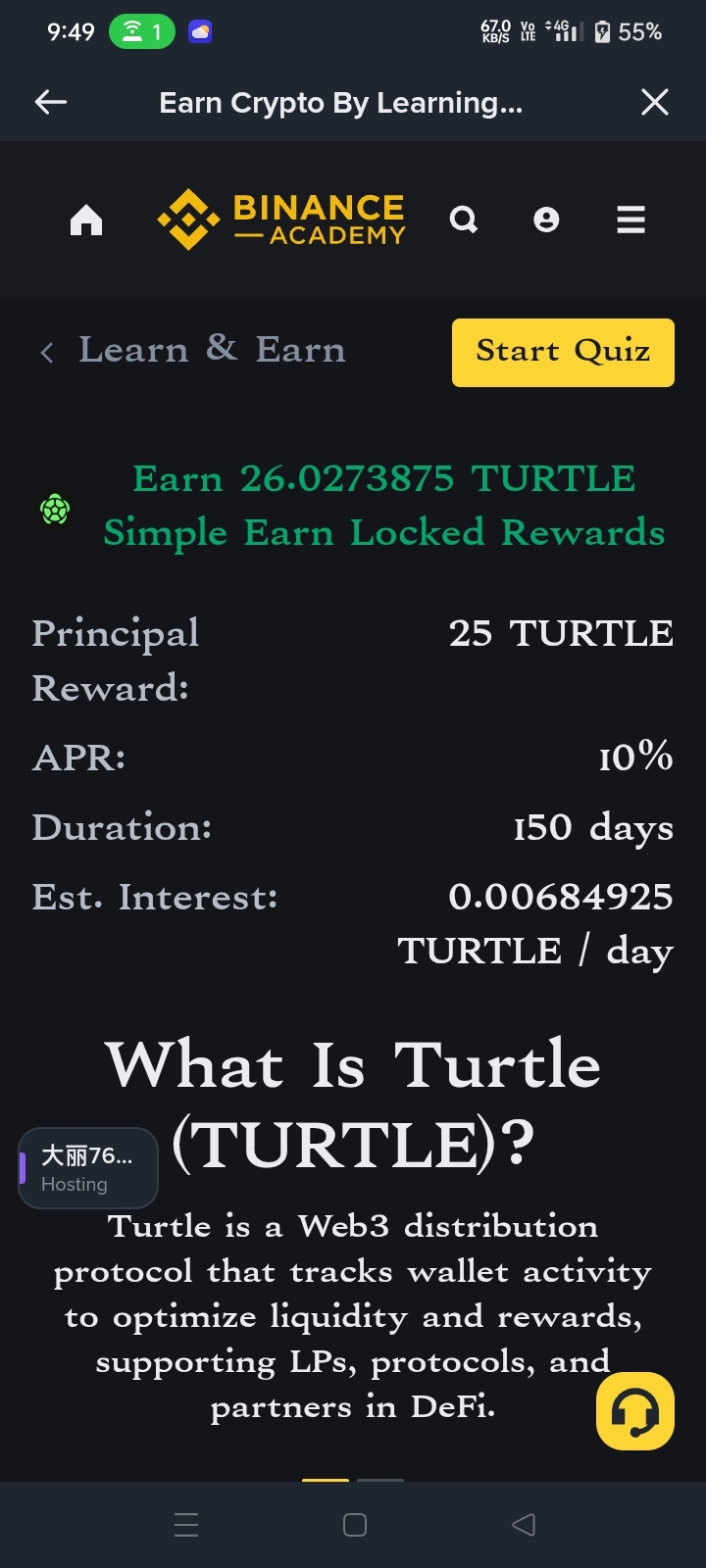
LAREN AND EARN
Earn free crypto through learning
👉🏻Build your blockchain knowledge, complete quizzes, and earn free crypto.
$SPK
$TURBO
$TURTLE
Earn free crypto through learning
👉🏻Build your blockchain knowledge, complete quizzes, and earn free crypto.
$SPK
$TURBO
$TURTLE
😍
生蚝哥Oyster
·
--
Haussier黄仁勋爆真话:真实算力需求高于70%,产能拖后腿
英伟达在2027财年第二季度财报电话会上释放重磅业绩指引。CFO Colette Kress披露,预计2028财年整体营收增速可达70%,大幅高于市场机构LSEG统计得出、44%的一致预期。
按市场预估英伟达2027财年营收3960亿美元测算,如果70%的增长目标落地,2028财年营收将攀升至约6730亿美元。该营收规模有望超越苹果、Alphabet,在美国科技企业中排名第二,仅次于以零售为主业的亚马逊。
黄仁勋在会上坦言,真实市场需求的增速实际上高于70%;受存储芯片等零部件供应瓶颈制约,产能天花板限制了更高的业绩指引,英伟达正联动整条供应链扩产,尽力缓解供货压力。
他表示,英伟达极少发布跨度一年以上的营收预测。如今能够预判明年算力需求,叠加数据中心配套的土地、电力等资源大规模投入,因此需要给上下游合作方一个清晰预期。
AI算力需求也不再仅仅来自头部云厂商与顶尖实验室,区域AI企业、新一代云服务商、初创公司、传统企业、开源模型生态以及物理AI赛道,均已成为核心增量客户群。
#英伟达
英伟达在2027财年第二季度财报电话会上释放重磅业绩指引。CFO Colette Kress披露,预计2028财年整体营收增速可达70%,大幅高于市场机构LSEG统计得出、44%的一致预期。
按市场预估英伟达2027财年营收3960亿美元测算,如果70%的增长目标落地,2028财年营收将攀升至约6730亿美元。该营收规模有望超越苹果、Alphabet,在美国科技企业中排名第二,仅次于以零售为主业的亚马逊。
黄仁勋在会上坦言,真实市场需求的增速实际上高于70%;受存储芯片等零部件供应瓶颈制约,产能天花板限制了更高的业绩指引,英伟达正联动整条供应链扩产,尽力缓解供货压力。
他表示,英伟达极少发布跨度一年以上的营收预测。如今能够预判明年算力需求,叠加数据中心配套的土地、电力等资源大规模投入,因此需要给上下游合作方一个清晰预期。
AI算力需求也不再仅仅来自头部云厂商与顶尖实验室,区域AI企业、新一代云服务商、初创公司、传统企业、开源模型生态以及物理AI赛道,均已成为核心增量客户群。
#英伟达

😍

NAJAF_加密 143
·
--
BNB is showing strong momentum as the broader crypto market turns bullish. BNB recently climbed to around $670, gaining more than 10% over just a few days. Bitcoin’s strong weekly rally and improving market sentiment are also supporting altcoins. BNB’s utility across the Binance ecosystem remains a key fundamental strength. The market still carries volatility, so traders should watch resistance near recent highs and manage risk carefully.
#BNB #Binance #Crypto #BNBChain #Bitcoin
#BNB #Binance #Crypto #BNBChain #Bitcoin

😍

⁰MR RAJ⁰
·
--
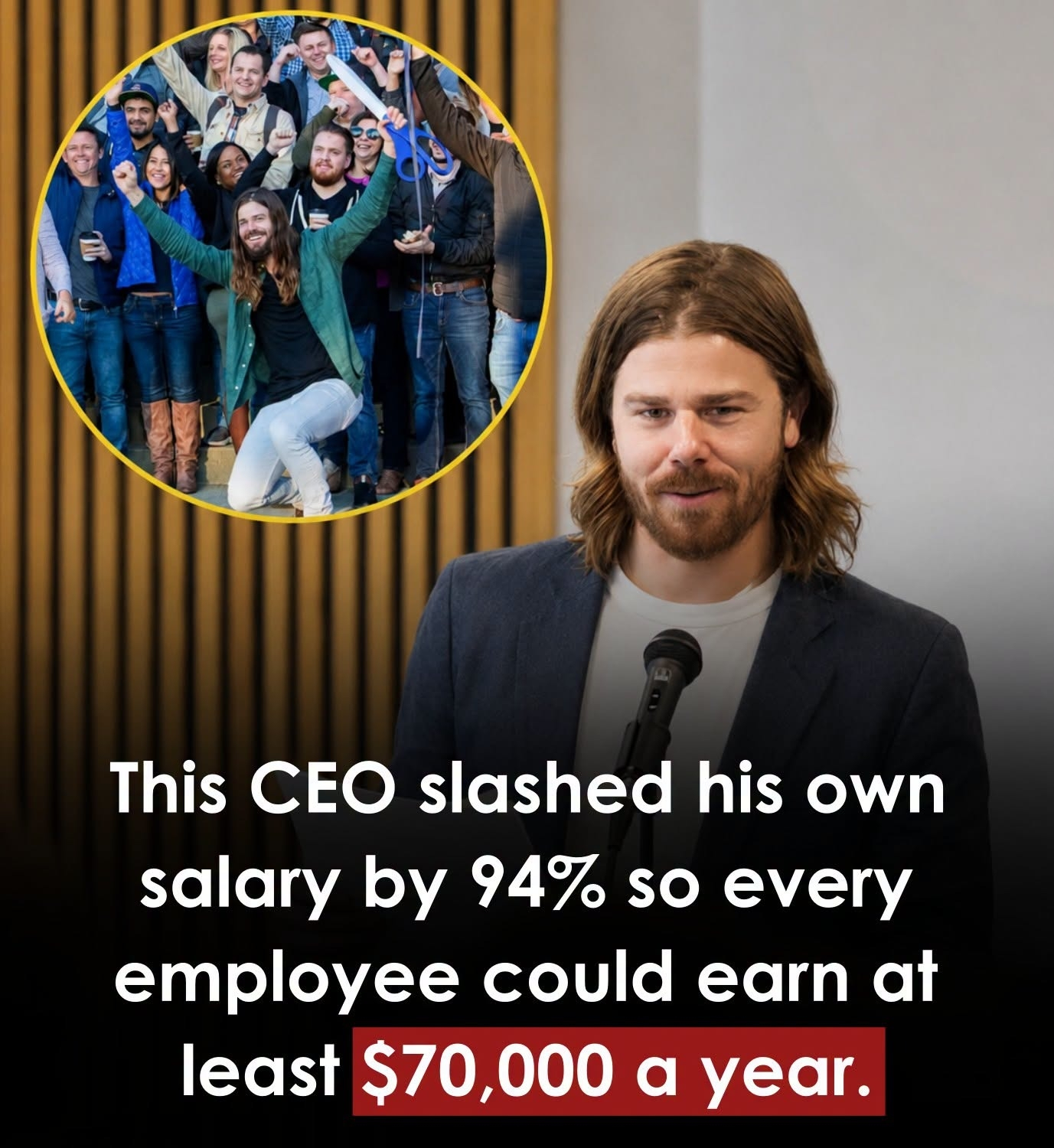
Haussier💰 In 2015, Gravity Payments CEO Dan Price made headlines by cutting his own salary from about $1 million to $70,000 — a roughly 94% reduction. He used the move to help raise the company’s minimum salary to $70,000 for employees.
❤️🏢 Price said the decision was about giving his Seattle-based team greater financial stability, after seeing employees struggle with rising living costs. The move sparked a huge debate about CEO pay and fair wages.
$DUSK $RIVER $POWER
#XRPRallies44%InAWeek #IranSaysHormuzOmanDealNotFinalized #SECSendsCryptoCustodyRuleToWhiteHouse #CryptoFearGreedIndexHits74 #USBitcoinETFsExtendInflowsToSixthDay
❤️🏢 Price said the decision was about giving his Seattle-based team greater financial stability, after seeing employees struggle with rising living costs. The move sparked a huge debate about CEO pay and fair wages.
$DUSK $RIVER $POWER
#XRPRallies44%InAWeek #IranSaysHormuzOmanDealNotFinalized #SECSendsCryptoCustodyRuleToWhiteHouse #CryptoFearGreedIndexHits74 #USBitcoinETFsExtendInflowsToSixthDay
😍
Elena神话MUA
·
--
#MUA
你的好与坏在他人的眼中,
只与他们的利益有关。$BTC
符合了就夸你赞美你,
不符合就贬低你诋毁你,
别人的认可是最廉价的枷锁,$BNB
所以你只需要保护好自己的感受和利益,
至于别人的感受和利益他们自己会去争取。$ETH
你的好与坏在他人的眼中,
只与他们的利益有关。$BTC
符合了就夸你赞美你,
不符合就贬低你诋毁你,
别人的认可是最廉价的枷锁,$BNB
所以你只需要保护好自己的感受和利益,
至于别人的感受和利益他们自己会去争取。$ETH
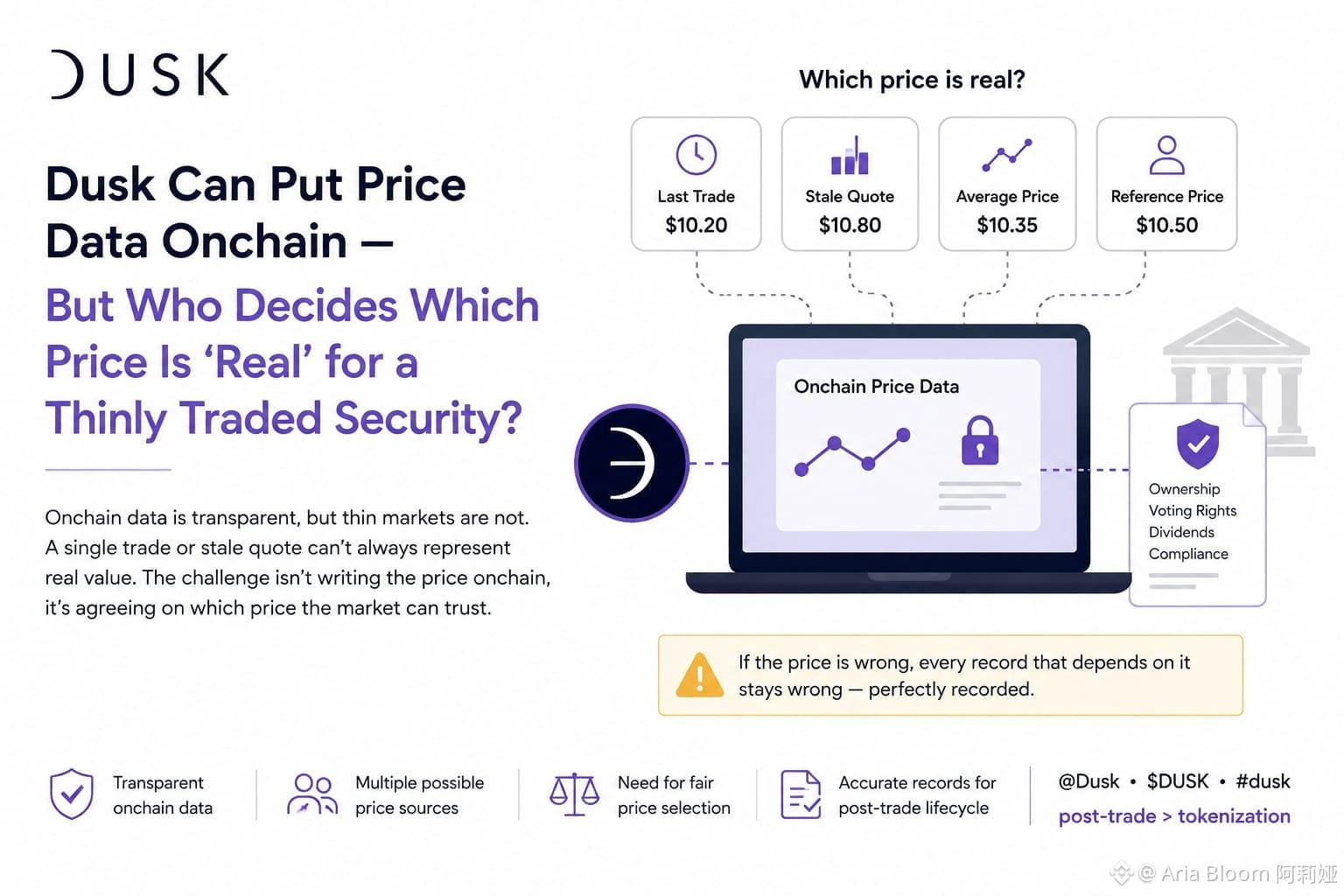
I’ve been thinking about Dusk’s onchain price data a bit differently lately. Putting a price onchain sounds straightforward until I imagine a security that barely trades. If it moves once every few days which price actually represents the market? The last trade? A stale quote? An average? Or some reference value agreed by the system?
That matters because tokenization doesn’t automatically make the underlying asset more measurable. The chain can preserve a number very accurately but it can’t decide by itself whether that number still reflects reality. For a thinly traded security a single small transaction could look meaningful even when it tells us very little about what another buyer would actually pay.
I think this is where Dusk’s post-trade focus gets more interesting to me. The source material makes the point that the hard part is keeping records correct after trading including rights payments and compliance. But there’s another dependency sitting underneath those records: the inputs have to be trustworthy in the first place. If eligibility or valuation eventually depends on price data.
bad inputs can stay perfectly recorded onchain.
I’d want to see how Dusk handles stale or disputed prices in practice. Who gets the final say when the market itself barely speaks?
#dusk $DUSK @Dusk
That matters because tokenization doesn’t automatically make the underlying asset more measurable. The chain can preserve a number very accurately but it can’t decide by itself whether that number still reflects reality. For a thinly traded security a single small transaction could look meaningful even when it tells us very little about what another buyer would actually pay.
I think this is where Dusk’s post-trade focus gets more interesting to me. The source material makes the point that the hard part is keeping records correct after trading including rights payments and compliance. But there’s another dependency sitting underneath those records: the inputs have to be trustworthy in the first place. If eligibility or valuation eventually depends on price data.
bad inputs can stay perfectly recorded onchain.
I’d want to see how Dusk handles stale or disputed prices in practice. Who gets the final say when the market itself barely speaks?
#dusk $DUSK @Dusk
Connectez-vous pour découvrir plus de contenu