
The biggest change this year? The AI stack isn’t theoretical anymore. Neutron and Kayon are live parts of the ecosystem.
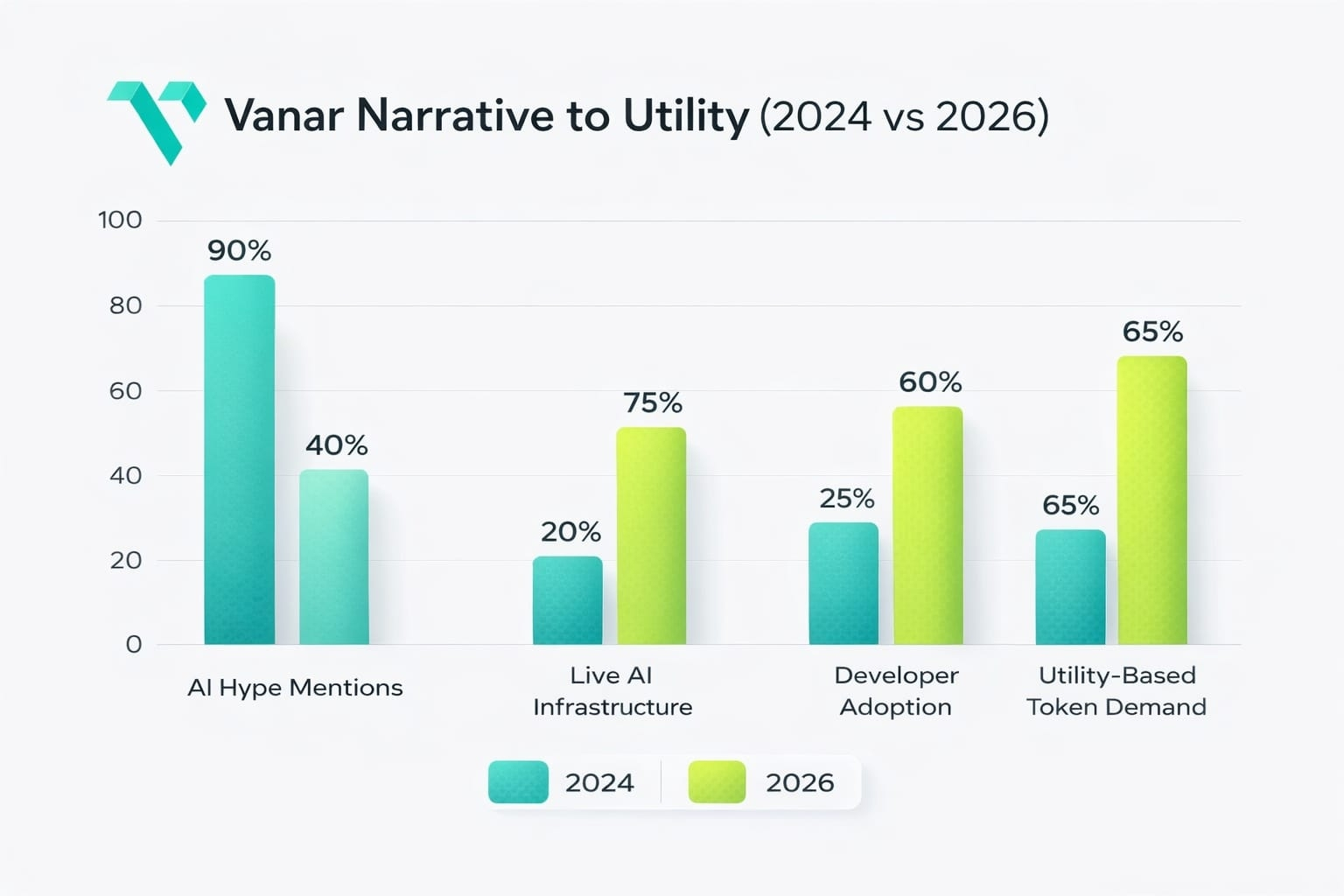
Developers aren’t just reading about them they’re starting to build with them. Neutron handles semantic data. That basically means data on-chain isn’t just dumped and forgotten. It’s structured in a way AI systems can understand and query later. Then Kayon sits on top and handles reasoning. So instead of contracts just executing static rules forever, apps can interpret context and respond dynamically. 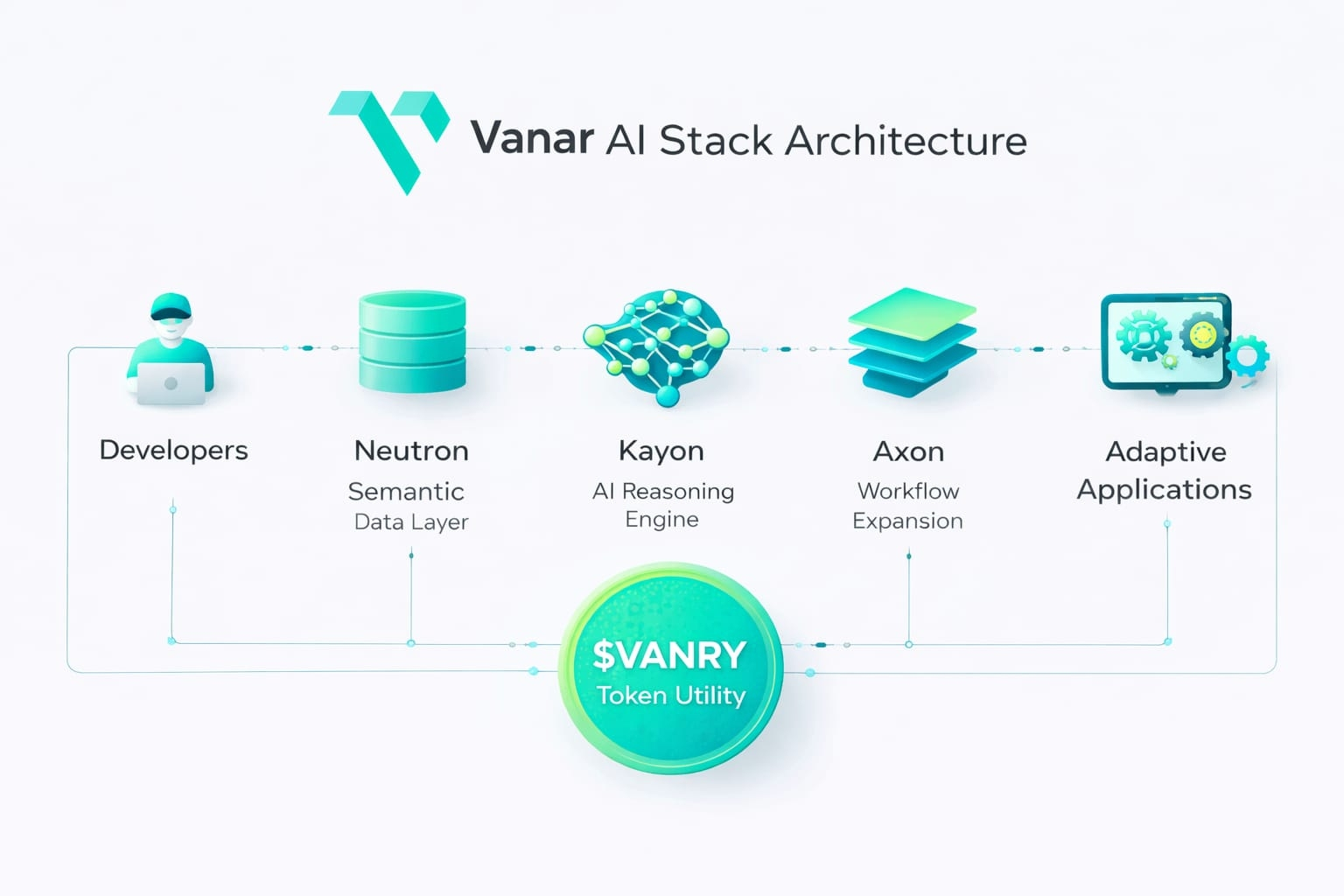 That’s a pretty big upgrade from the typical “if this, then that” logic most chains rely on. Now here’s where it gets interesting from an economic perspective. Vanar is moving advanced AI features into usage-based or subscription access paid in $VANRY .
 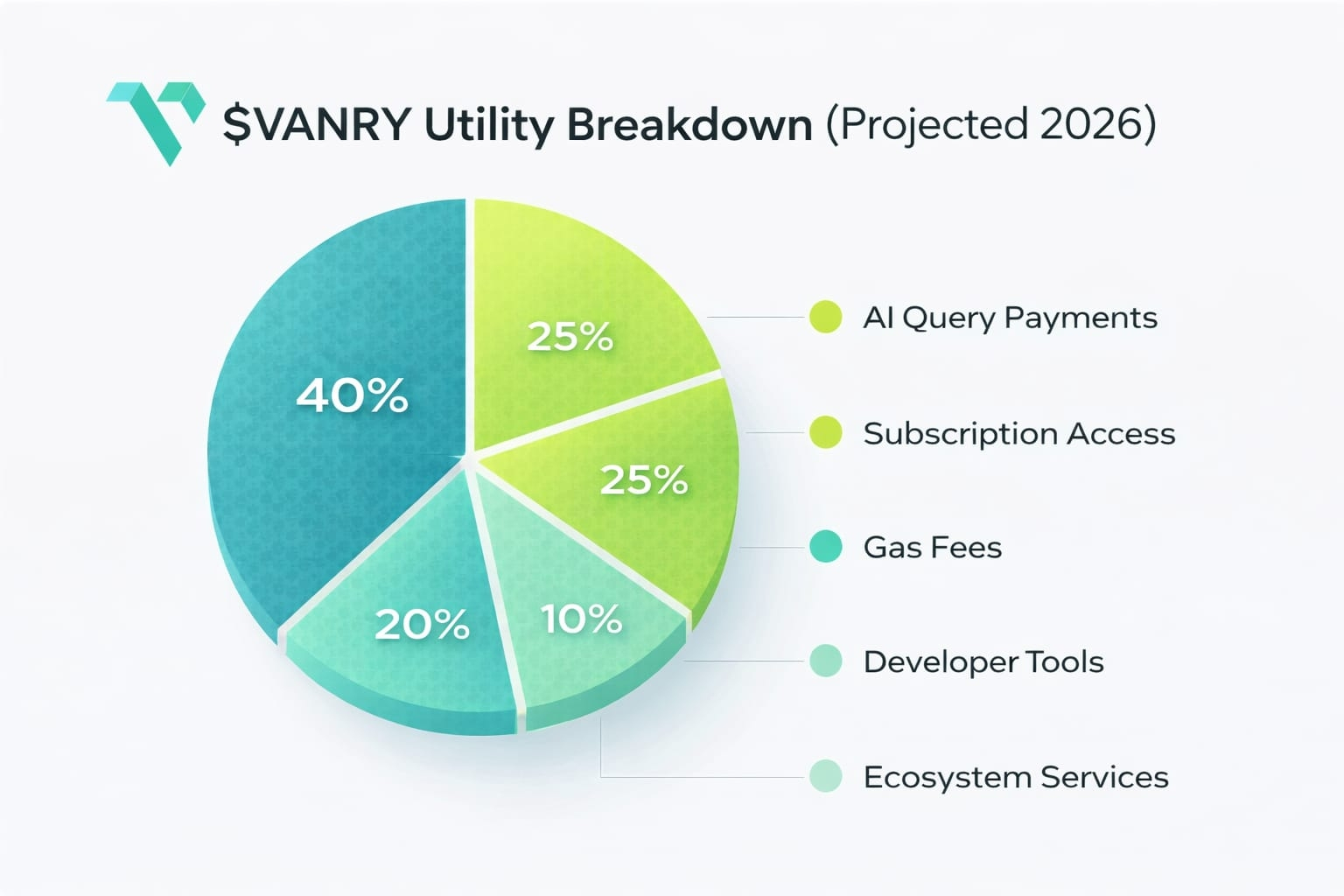 So it’s not just gas fees anymore. If you want deeper AI queries or premium tooling, you’re paying in the native token. That creates a more direct link between usage and demand. Not someday. Now. On the market side, #vanar is still trading in the low-cent range, with daily volume active but not huge.
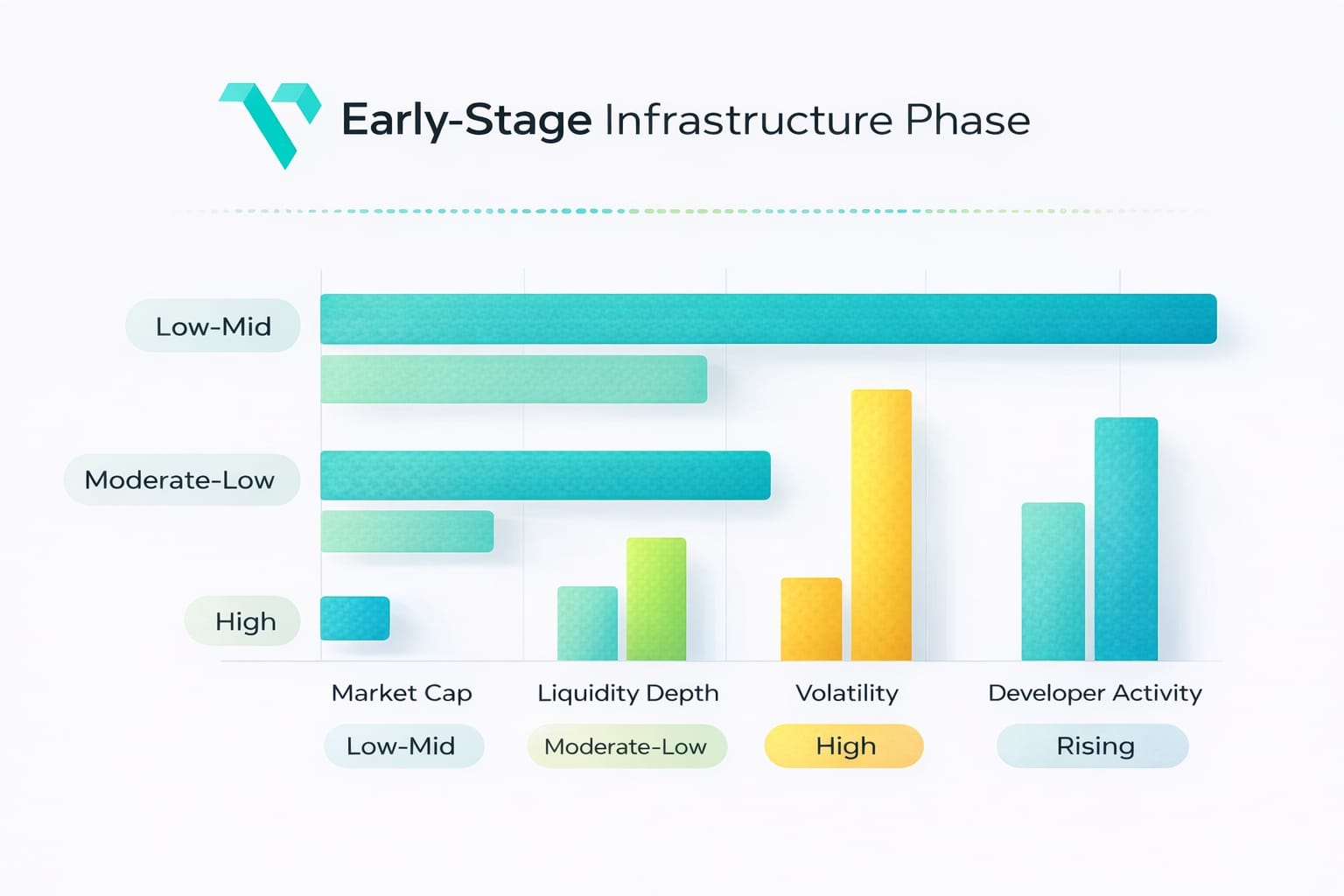 That tells you two things: it’s early, and volatility isn’t going anywhere. Liquidity isn’t deep yet. Price can move fast. Anyone watching Vanar should expect swings. But what stands out is that the ecosystem is finally tying tech to economics. That’s usually where projects either level up or stall. There’s also more talk around upcoming layers like Axon and Flows, which are supposed to expand intelligent workflows and automation. If those land properly, Vanar won’t just be “AI-compatible.” It’ll feel more like an environment where adaptive applications are normal.
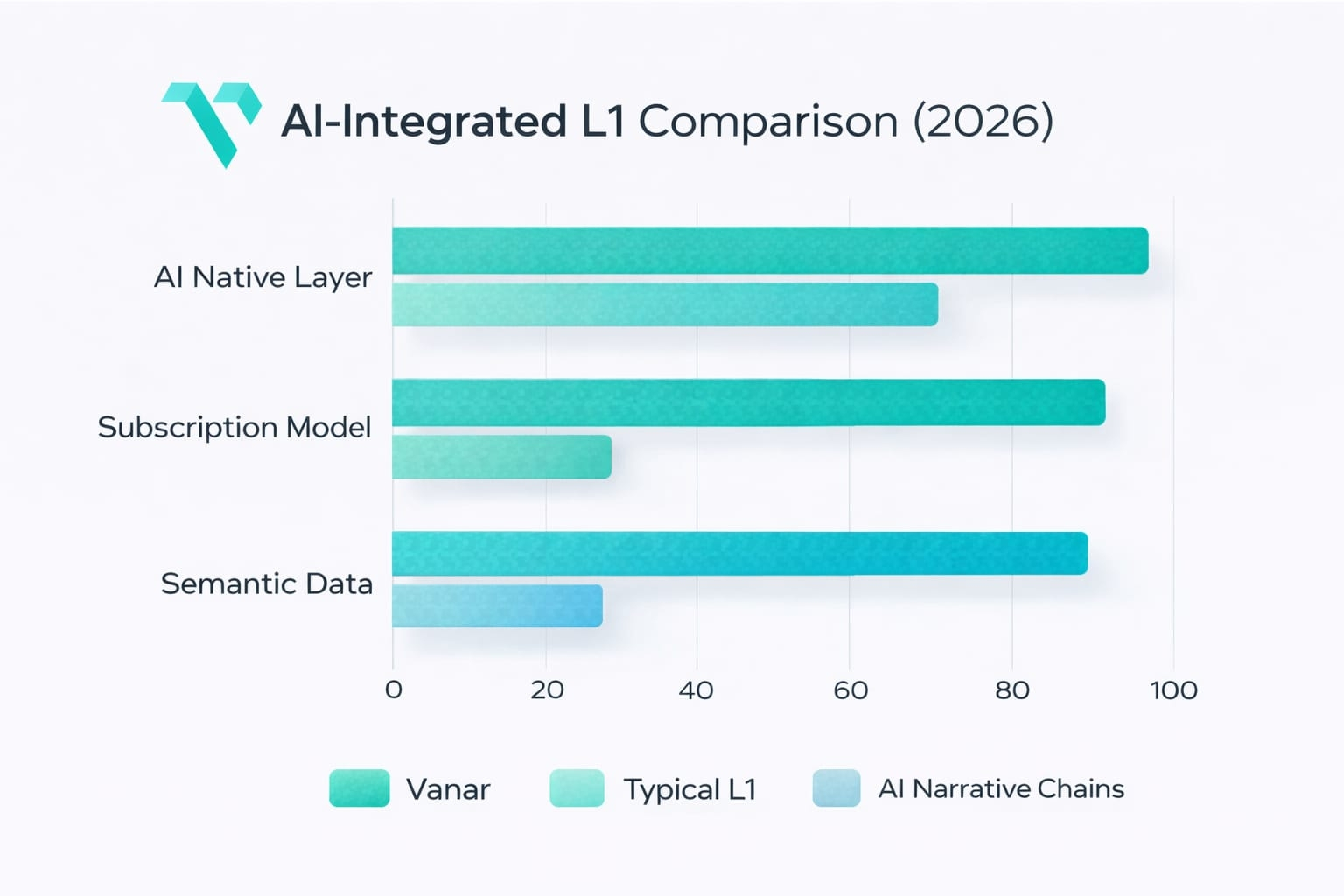 Of course, none of this matters unless real apps show up. Developers need time. Tooling needs polish. And AI-native design isn’t the easiest thing to build around. Still, the tone has shifted. We’re no longer talking about what Vanar might do. We’re looking at tools that are live, subscription mechanics tied to @Vanarchain , and an ecosystem trying to build recurring utility instead of chasing hype cycles. It’s not explosive. It’s not loud. But it’s starting to look like infrastructure. And that’s usually when things get interesting.
