
#revengetrading
revengetrading
30,506 vues
113 mentions
Populaire
Récents

I saw $BTC linger around $78,100 on Binance this morning, then slip a few hundred points before clawing back to $78,200. The swing felt like a perfect setup for a “revenge trade” – the urge to prove a previous loss right away. That impulse is a classic mental trap: you enter a position not because the chart justifies it, but because you’re trying to recover quickly. The problem is two‑fold. First, you ignore the original risk parameters – stop‑loss distance, position size, and time‑frame – and let emotion dictate entry. Second, you often lock in a larger loss when the market continues its short‑term trend, as we saw with $ETH hovering near $2,455 while the 24‑hour range stayed tight; chasing the next green candle can push you into a position that never fits your plan.
What’s your go‑to routine when you feel the sting of a loss and the temptation to jump back in?
#TradingPsychology #RevengeTrading #CryptoMindset #GAMERXERO
What’s your go‑to routine when you feel the sting of a loss and the temptation to jump back in?
#TradingPsychology #RevengeTrading #CryptoMindset #GAMERXERO

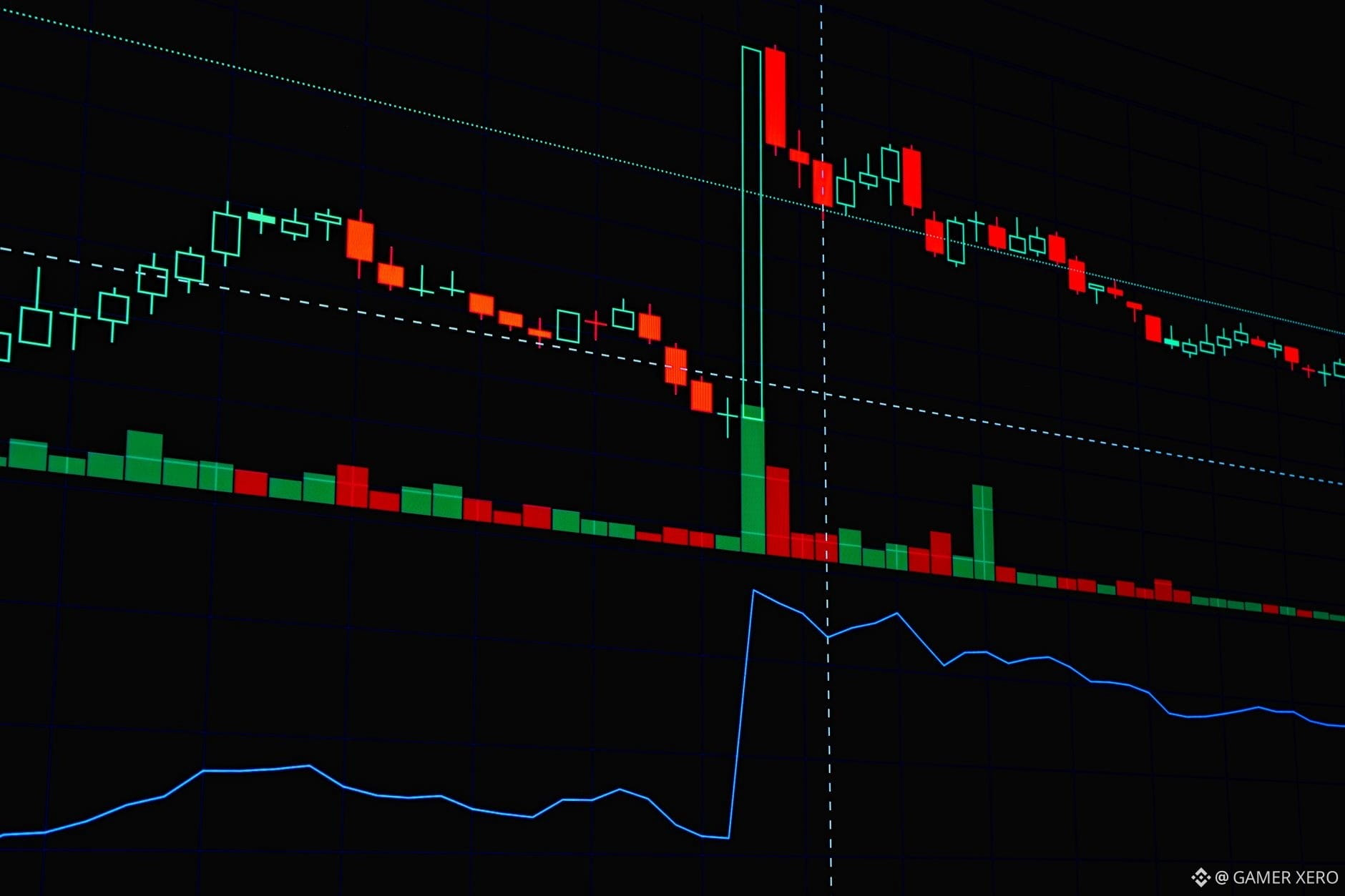
The moment I saw $BTC slip to $77,641 on Binance, the urge to “win it back” hit hard. A 2.36 % drop in 24 hours feels like a personal loss, and the brain instantly rewires: “I need to double‑down before the price recovers.” That’s revenge trading in action – a mental loop that turns a normal pull‑back into a high‑risk impulse.
What actually happens? You add size, often on the next green candle, hoping the market will vindicate the loss. The problem is two‑fold: first, the loss you’re trying to erase is already baked into your equity, so any new position starts with a smaller buffer. Second, the market’s next move is independent of your emotions; chasing the bounce can lock you into a losing trade if the downtrend continues.
Have you ever caught yourself reaching for a revenge trade, and what step helped you step back?
#TradingPsychology #RevengeTrading #CryptoMindset #GAMERXERO
What actually happens? You add size, often on the next green candle, hoping the market will vindicate the loss. The problem is two‑fold: first, the loss you’re trying to erase is already baked into your equity, so any new position starts with a smaller buffer. Second, the market’s next move is independent of your emotions; chasing the bounce can lock you into a losing trade if the downtrend continues.
Have you ever caught yourself reaching for a revenge trade, and what step helped you step back?
#TradingPsychology #RevengeTrading #CryptoMindset #GAMERXERO

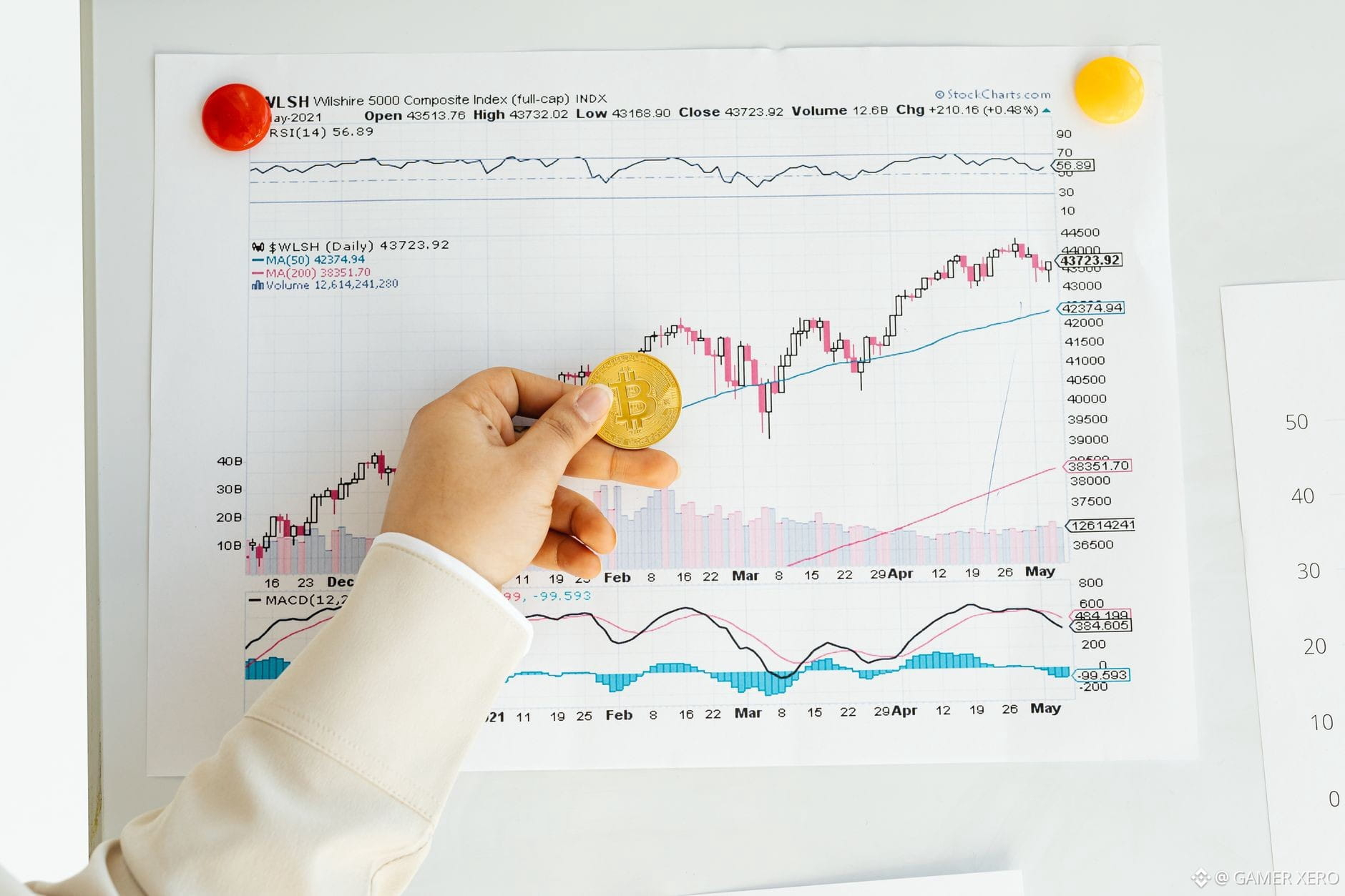
I watched $BTC hover around $80,190 on Binance while $ETH nudged past $2,512. The price stayed inside a tight 24‑hour band, but a sudden dip on the 3‑hour chart sparked a familiar urge: jump back in to “make up” the loss from the previous session. That impulse is classic revenge trading – a mental trap that turns a rational risk plan into a chase.
Why does it work so well on our brains? The loss creates a strong emotional memory, and the next green candle looks like a quick fix. In reality, the market’s range hasn’t expanded; the same support that held $BTC at $78,800 is still intact, and $ETH ’s buying pressure is just a continuation of its 1.27 % rise. By re‑entering without fresh analysis, you add a new position at a potentially weaker price, increasing overall exposure and the chance of a larger drawdown if the range holds.
Have you ever caught yourself reaching for a revenge trade, and what technique helped you resist it?
#TradingPsychology #CryptoMindset #RevengeTrading #GAMERXERO
Why does it work so well on our brains? The loss creates a strong emotional memory, and the next green candle looks like a quick fix. In reality, the market’s range hasn’t expanded; the same support that held $BTC at $78,800 is still intact, and $ETH ’s buying pressure is just a continuation of its 1.27 % rise. By re‑entering without fresh analysis, you add a new position at a potentially weaker price, increasing overall exposure and the chance of a larger drawdown if the range holds.
Have you ever caught yourself reaching for a revenge trade, and what technique helped you resist it?
#TradingPsychology #CryptoMindset #RevengeTrading #GAMERXERO
I saw a few friends hit a sharp dip on $BTC around $78,900 yesterday, then rush back in as the price nudged up to $78,950, hoping to “get revenge” on the loss. The urge to flip a losing trade into a win feels natural, but it often clouds judgment. When you’re focused on recouping, you’re more likely to ignore the order‑book depth, skip the usual risk checks, and stack positions bigger than your typical size. That extra exposure can turn a modest loss into a bigger one if the market steadies around the 24‑hour low of $77,632.
A simple way to break the cycle is to treat the loss as data, not a personal failure. Write down what the trade looked like – entry, stop, and why it was placed there. Then step away for a few minutes, check the depth on Binance, and only re‑enter if the original setup still meets your criteria. Keeping the entry price out of the emotional equation helps you stay disciplined and reduces the impulse to chase green candles after a red bar.
What’s your go‑to routine when a trade doesn’t work out the way you expected? #TradingPsychology #RevengeTrading #CryptoMindset #GAMERXERO
A simple way to break the cycle is to treat the loss as data, not a personal failure. Write down what the trade looked like – entry, stop, and why it was placed there. Then step away for a few minutes, check the depth on Binance, and only re‑enter if the original setup still meets your criteria. Keeping the entry price out of the emotional equation helps you stay disciplined and reduces the impulse to chase green candles after a red bar.
What’s your go‑to routine when a trade doesn’t work out the way you expected? #TradingPsychology #RevengeTrading #CryptoMindset #GAMERXERO

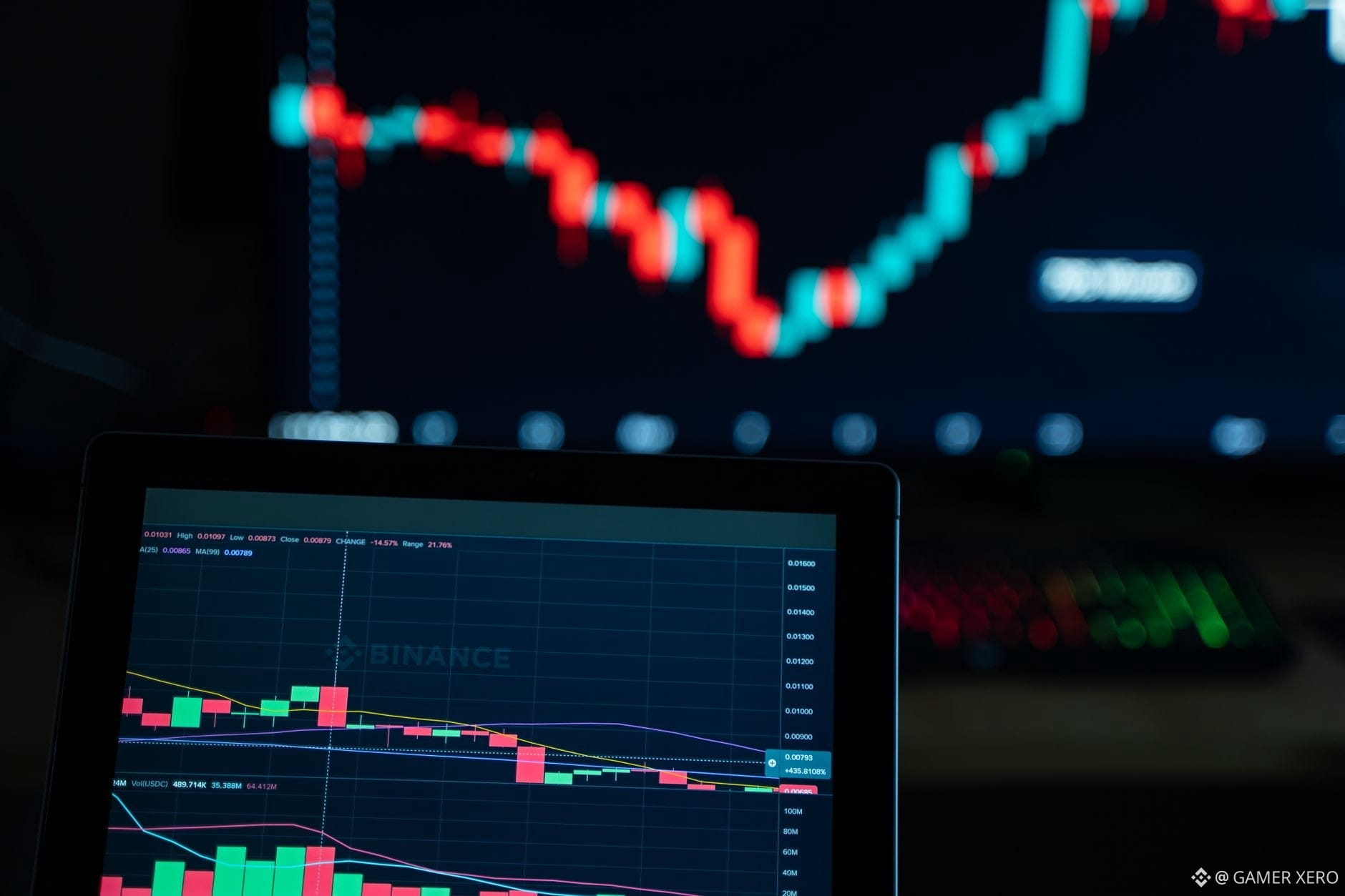
I watched $BTC settle at $78,950 after a 2.12% dip, and the next hour the chart nudged back toward the $80,600 high. A colleague sent me a screenshot of his trade: he’d just taken a loss at $78,800, then slammed a market order the moment the price ticked up a few hundred dollars, hoping to “make it right.” That impulse is classic revenge trading – the urge to erase a recent mistake by forcing a new one.
Why does it feel so compelling? Our brain’s loss‑aversion circuitry lights up, and the immediate pain of a loss skews risk perception. On Binance, the order‑book depth can look inviting when the spread tightens, but the same liquidity that lets you enter fast also amplifies slippage if the price reverses. The result is often a larger loss that erodes confidence even more.
Have you ever caught yourself chasing green candles after a loss, and what mental check helped you reset?
#TradingPsychology #RevengeTrading #CryptoMindset #GAMERXERO
Why does it feel so compelling? Our brain’s loss‑aversion circuitry lights up, and the immediate pain of a loss skews risk perception. On Binance, the order‑book depth can look inviting when the spread tightens, but the same liquidity that lets you enter fast also amplifies slippage if the price reverses. The result is often a larger loss that erodes confidence even more.
Have you ever caught yourself chasing green candles after a loss, and what mental check helped you reset?
#TradingPsychology #RevengeTrading #CryptoMindset #GAMERXERO
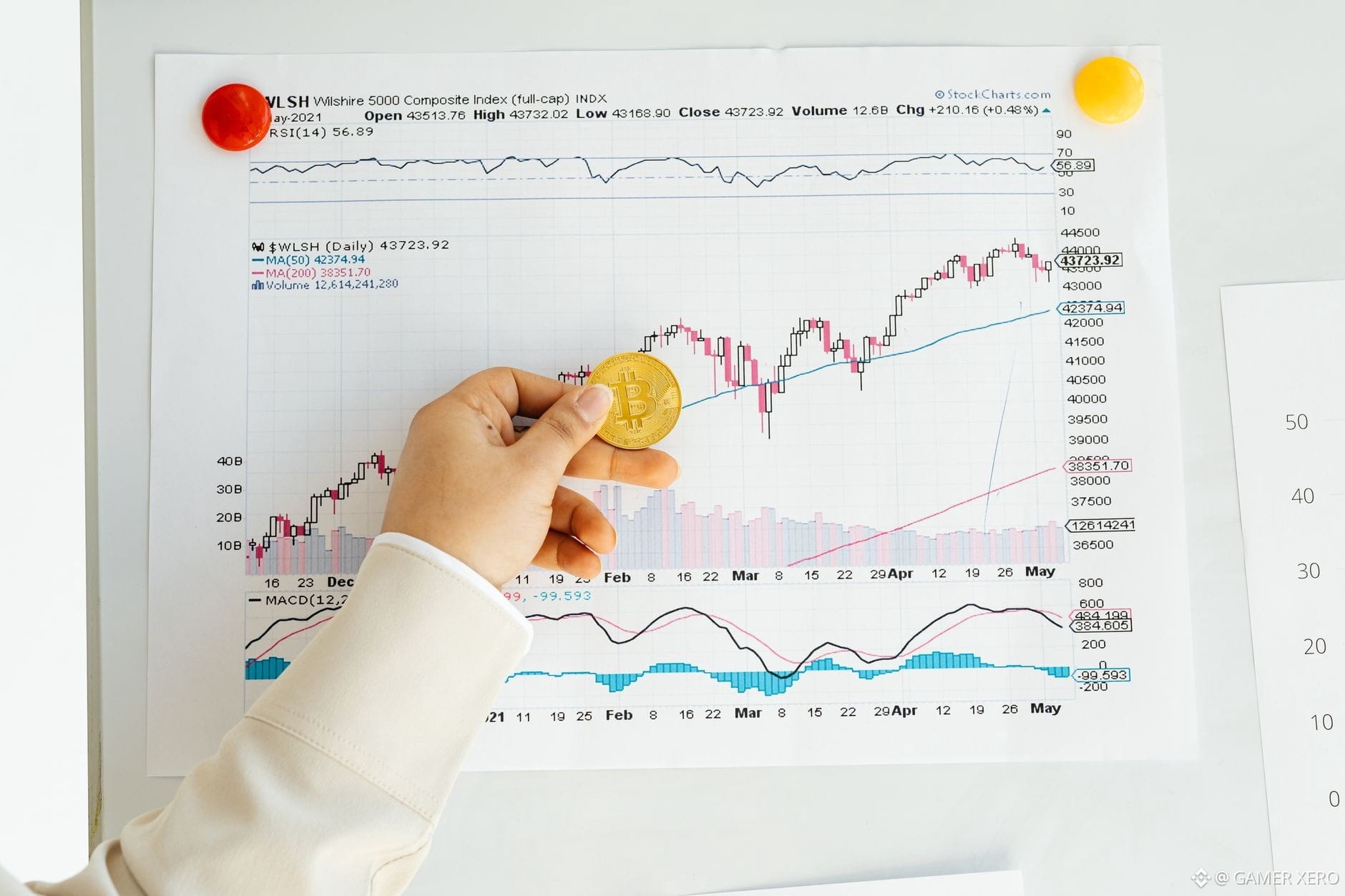
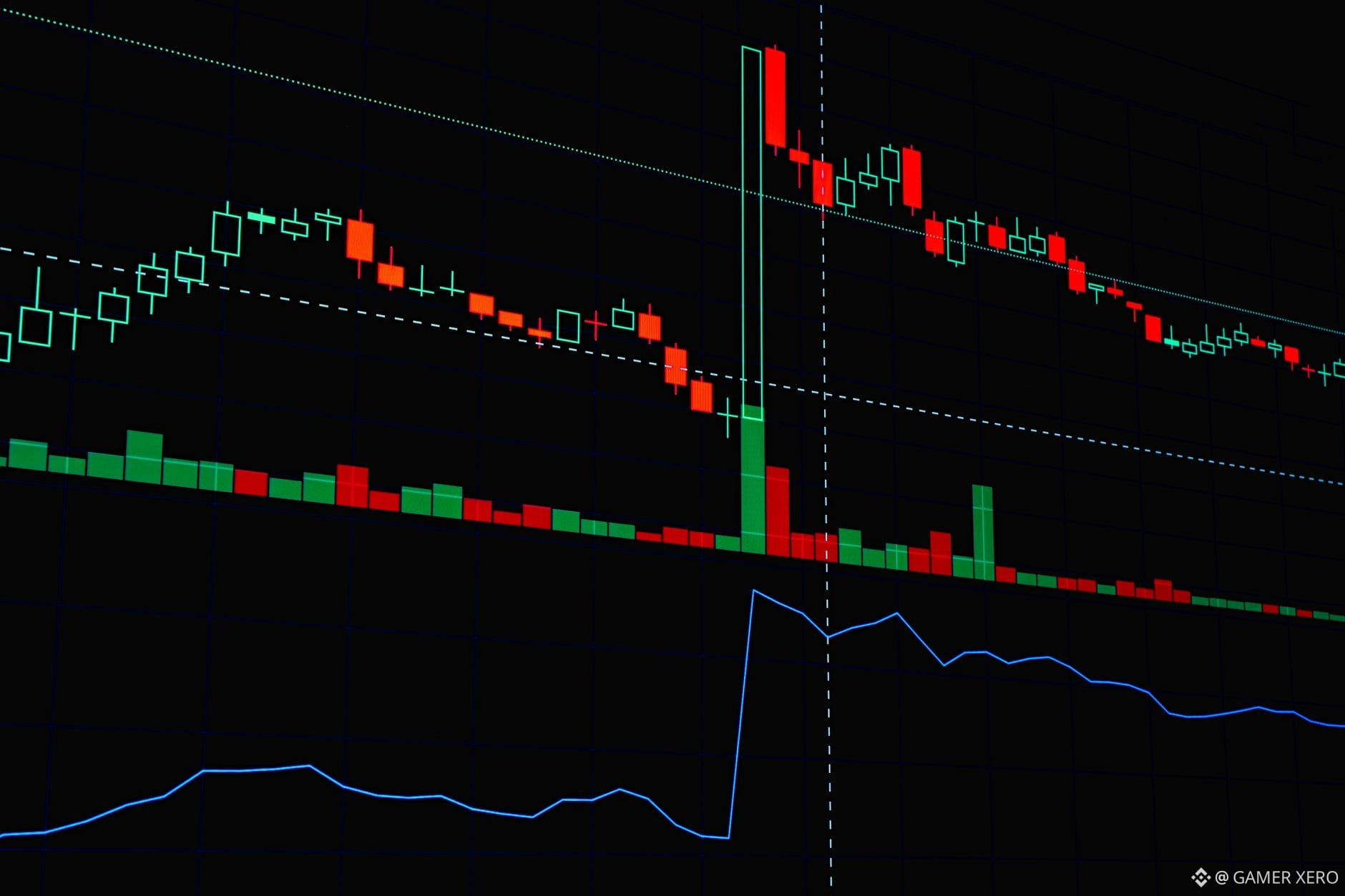
I watched $BTC slip to $77,244 and then bounce back to $77,442 within minutes. The quick swing felt like a personal slap – my instinct was to jump in, double‑down, and “prove” the move wrong. That’s classic revenge trading: a knee‑jerk attempt to recover a loss, often fueled by the adrenaline of a tight range.
Why it hurts more than it helps:
1️⃣ Emotion overrides logic. The brain releases cortisol, narrowing focus on the recent loss and ignoring the broader market context. In a 24‑hour window where $BTC ’s high was $78,053 and low $75,546, a single bounce is just noise.
2️⃣ Position size inflates. Adding another contract or a larger $ETH stake (currently $2,444) to chase a “win” can quickly erode the capital you were trying to protect. Even a 1‑2 % adverse move wipes out the extra exposure.
3️⃣ Pattern repeats. After the revenge entry, the market often reverses, locking in the original loss plus the new one. The cycle feeds itself, turning a small mistake into a bigger drawdown.
What’s the most effective “reset” ritual you use after a losing trade?
#CryptoPsychology #TradingMindset #RevengeTrading #GAMERXERO
Why it hurts more than it helps:
1️⃣ Emotion overrides logic. The brain releases cortisol, narrowing focus on the recent loss and ignoring the broader market context. In a 24‑hour window where $BTC ’s high was $78,053 and low $75,546, a single bounce is just noise.
2️⃣ Position size inflates. Adding another contract or a larger $ETH stake (currently $2,444) to chase a “win” can quickly erode the capital you were trying to protect. Even a 1‑2 % adverse move wipes out the extra exposure.
3️⃣ Pattern repeats. After the revenge entry, the market often reverses, locking in the original loss plus the new one. The cycle feeds itself, turning a small mistake into a bigger drawdown.
What’s the most effective “reset” ritual you use after a losing trade?
#CryptoPsychology #TradingMindset #RevengeTrading #GAMERXERO


After a $BTC dip to $76,218.86 yesterday, I watched the chart swing between $75,545.67 and $77,547.96 and felt the itch to jump back in. The loss on my short from a week ago turned into a mental sprint: “I need to win it back now.” That impulse is classic revenge trading – a rapid, emotion‑driven entry that ignores the current market structure.
The safest way to break the cycle is to treat the loss as data, not a personal defeat. Write down what the trade meant: position size, stop‑loss distance, time‑frame. Then step away for at least one candle cycle – on $ETH you can see the same pattern, with the price hovering at $2,392.59, down 2 % and bouncing between $2,355.71 and $2,444.71. Use that pause to assess whether the price action still supports your original thesis, rather than chasing the green candle that follows a loss.
A simple rule that works for me: no new entry until the next candle closes beyond the stop‑loss level you set on the previous trade. It forces a rational check and removes the “got‑to‑recover‑fast” pressure. How do you keep emotions out of the after‑loss window?
#TradingPsychology #RevengeTrading #CryptoMindset #GAMERXERO
The safest way to break the cycle is to treat the loss as data, not a personal defeat. Write down what the trade meant: position size, stop‑loss distance, time‑frame. Then step away for at least one candle cycle – on $ETH you can see the same pattern, with the price hovering at $2,392.59, down 2 % and bouncing between $2,355.71 and $2,444.71. Use that pause to assess whether the price action still supports your original thesis, rather than chasing the green candle that follows a loss.
A simple rule that works for me: no new entry until the next candle closes beyond the stop‑loss level you set on the previous trade. It forces a rational check and removes the “got‑to‑recover‑fast” pressure. How do you keep emotions out of the after‑loss window?
#TradingPsychology #RevengeTrading #CryptoMindset #GAMERXERO
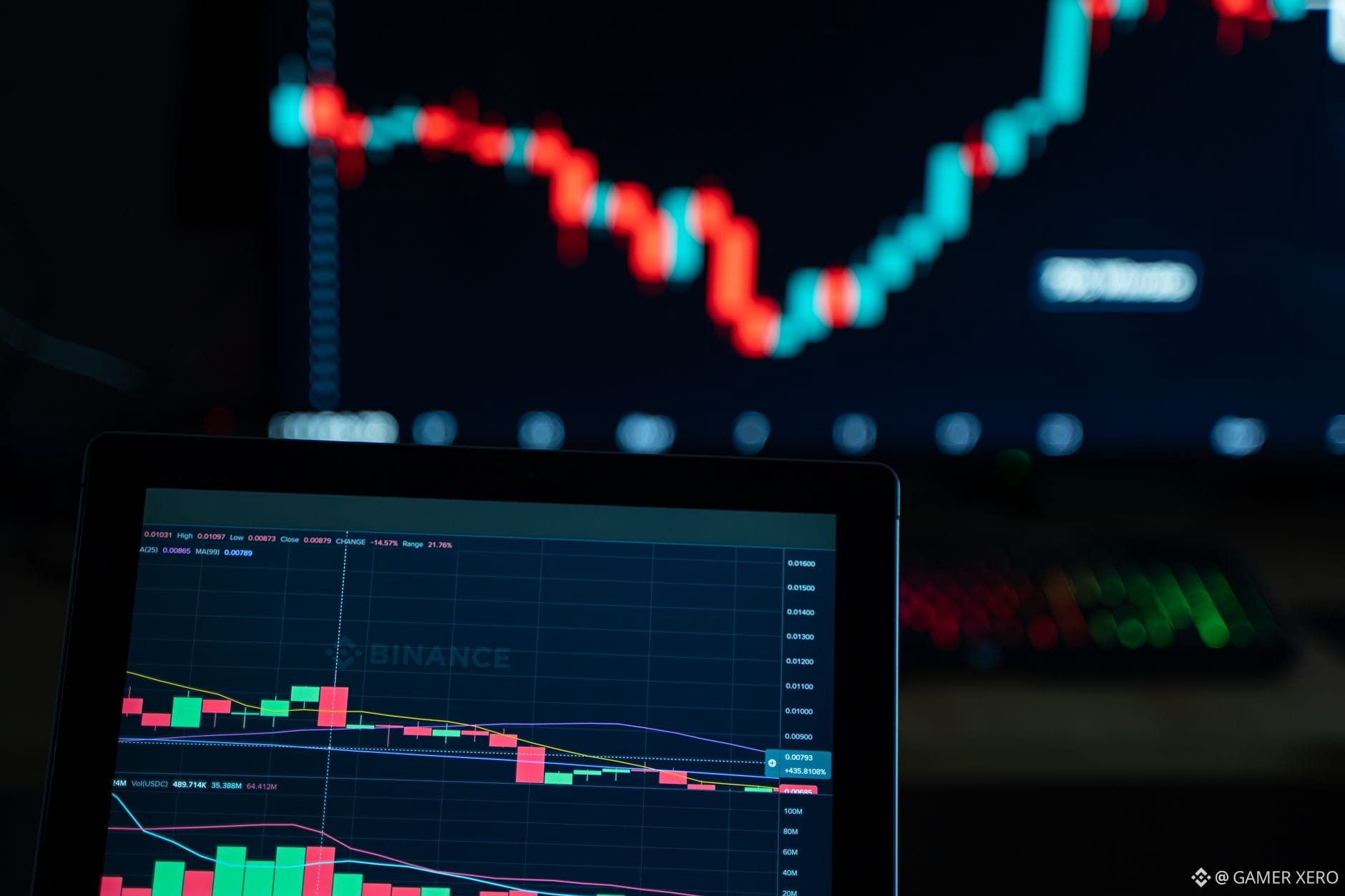
The moment $BTC nudged past $74,700 on Binance, I felt the familiar rush to “make up” a previous loss from a dip near $68,900. The impulse was strong: the 24‑hour high sat at $74,866, the price was still climbing, and I could almost hear the green candles shouting “revenge”. I hit the order button, sizing up more than I usually would, and within minutes the market slipped back toward $73,500. The trade left a bigger scar than the original loss because I ignored the same rule I set for myself—never increase position size after a losing trade.
Have you ever caught yourself adding to a losing position, and what step helped you break that pattern?
#CryptoPsychology #TradingMindset #RevengeTrading #GAMERXERO
Have you ever caught yourself adding to a losing position, and what step helped you break that pattern?
#CryptoPsychology #TradingMindset #RevengeTrading #GAMERXERO


Revenge trading will absolutely destroy your account, often losing you more than the original bad trade. It's not just chasing losses; it’s trading with pure, unfiltered rage and desperation. Your ego convinces you to double down, ignoring all logic, and the market ruthlessly punishes that emotional blindness. I blew a $700 ADA trade once, then immediately jumped into 100x DOGE, convinced I'd make it all back in minutes. I didn't even check the charts, just hit 'buy'. Needless to say, my liquidation was swift and brutal, costing me another $1500 I couldn't afford. When a trade goes bad, the *only* thing to do is walk away. Close the app, go offline. Let your emotions cool down before you even think about the next move.
#RevengeTrading #CryptoLosses #FuturesTrading #TradeSmart #LearnedTheHardWay
#RevengeTrading #CryptoLosses #FuturesTrading #TradeSmart #LearnedTheHardWay
When a trade turns sour, the urge to “make it right” can hit hard. I’ve seen it many times: a $BTC entry at $63,600 that drops to $63,300, and the next minute you’re loading a larger position hoping the next candle will swing you back into profit. The brain treats the loss as a personal failure, not a market event, and the “revenge” trade often ignores the same risk controls that kept the original position sensible.
A quick way to break the loop is to treat each trade as an isolated experiment. Write down the entry, stop‑loss and target before you click “Buy.” When the stop is hit, close the position and note the outcome. Then impose a mandatory cooling‑off period—say 15 minutes or until you’ve logged the trade in your journal—before you consider a new entry. This pause forces the emotional spike to subside and lets the market’s price action speak for itself.
What’s your go‑to method for cooling down after a losing trade?
#CryptoTrading #TradingPsychology #RevengeTrading #GAMERXERO
A quick way to break the loop is to treat each trade as an isolated experiment. Write down the entry, stop‑loss and target before you click “Buy.” When the stop is hit, close the position and note the outcome. Then impose a mandatory cooling‑off period—say 15 minutes or until you’ve logged the trade in your journal—before you consider a new entry. This pause forces the emotional spike to subside and lets the market’s price action speak for itself.
What’s your go‑to method for cooling down after a losing trade?
#CryptoTrading #TradingPsychology #RevengeTrading #GAMERXERO

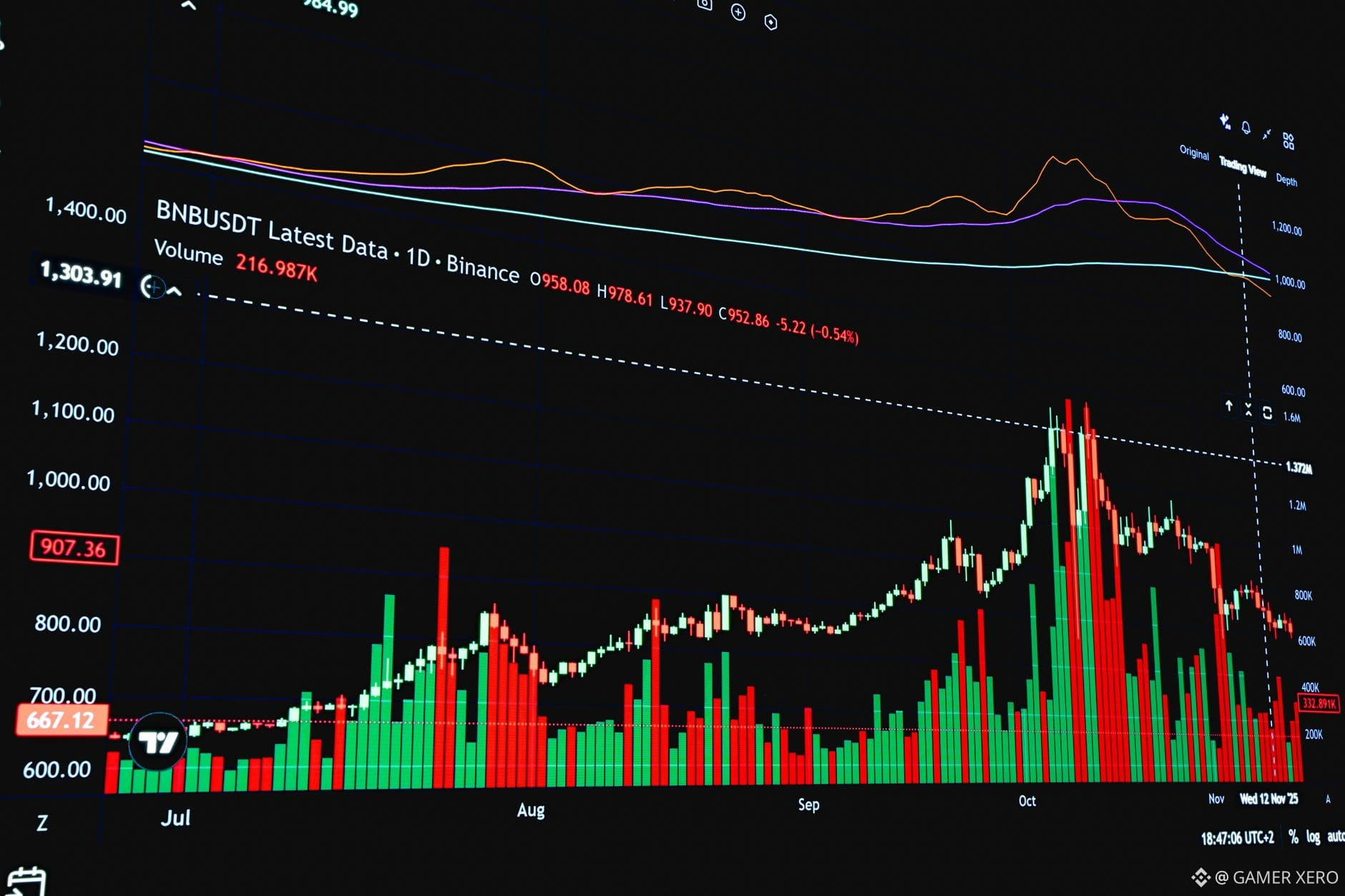
When $BTC lingered at $63,878 on Binance and the 24‑hour band stayed between $63,310 and $64,500, I saw a familiar spike in “revenge” impulses. A losing trade earlier in the session makes the brain hunt for a quick win, so the next green candle feels like a personal vendetta against the market. The trap is easy to slip into because the price is flat—each upward tick looks like a chance to “make up” the loss.
The danger is two‑fold: you enter without a clear plan and you over‑size the position to recover the deficit. That often leads to a cascade of losses when the market resumes its range‑bound rhythm. One practical guardrail is to write down the loss, step away for a set time (5‑10 minutes works for many), and only resume trading with a fresh entry plan that respects the original risk parameters. Another habit is to cap the number of trades per hour; once the limit is hit, stop, review the order book, and let the market dictate the next move.
What’s your go‑to method for breaking the revenge‑trade cycle when the chart refuses to break out?
#TradingPsychology #RevengeTrading #CryptoMindset #GAMERXERO
The danger is two‑fold: you enter without a clear plan and you over‑size the position to recover the deficit. That often leads to a cascade of losses when the market resumes its range‑bound rhythm. One practical guardrail is to write down the loss, step away for a set time (5‑10 minutes works for many), and only resume trading with a fresh entry plan that respects the original risk parameters. Another habit is to cap the number of trades per hour; once the limit is hit, stop, review the order book, and let the market dictate the next move.
What’s your go‑to method for breaking the revenge‑trade cycle when the chart refuses to break out?
#TradingPsychology #RevengeTrading #CryptoMindset #GAMERXERO
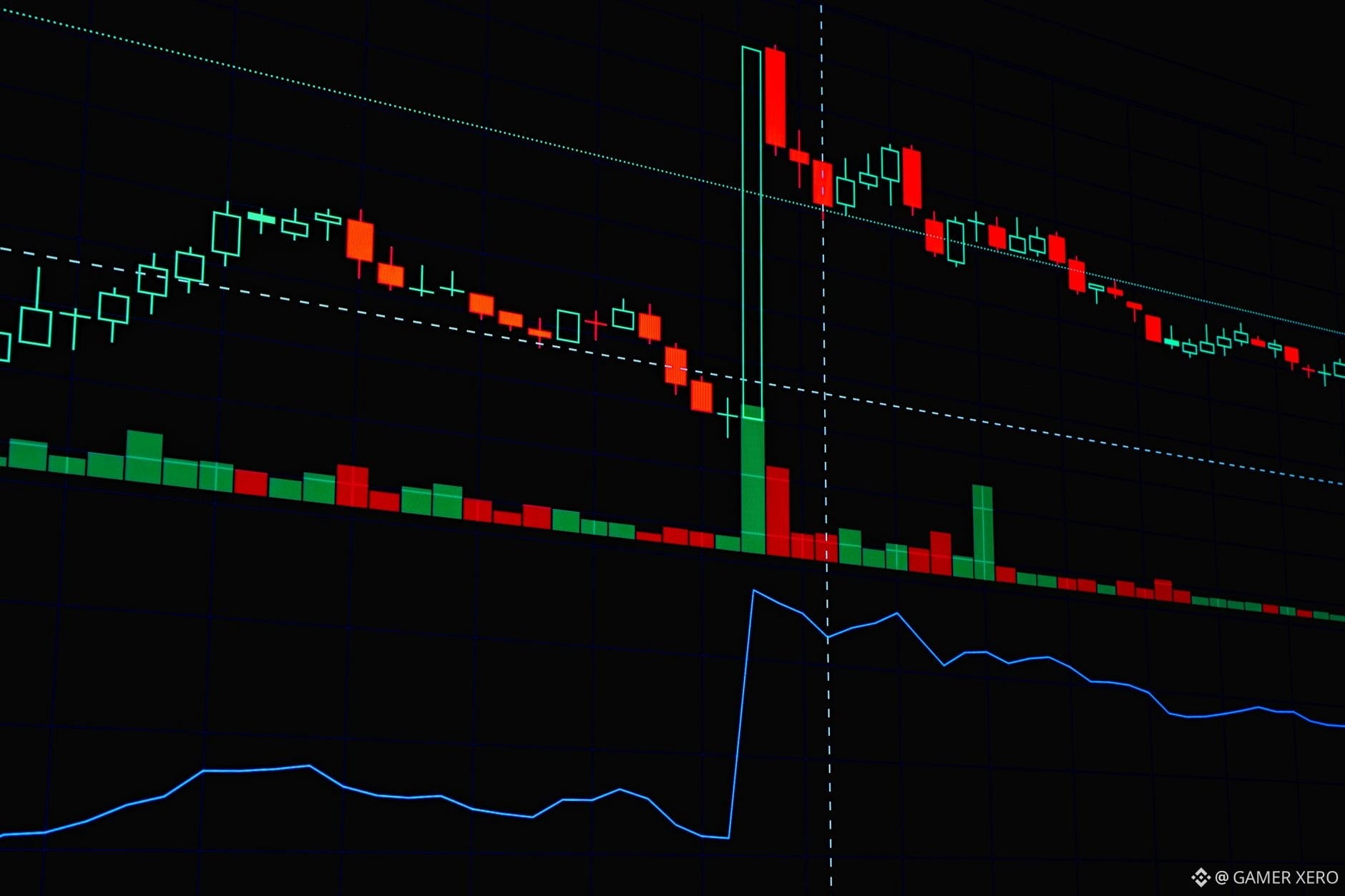
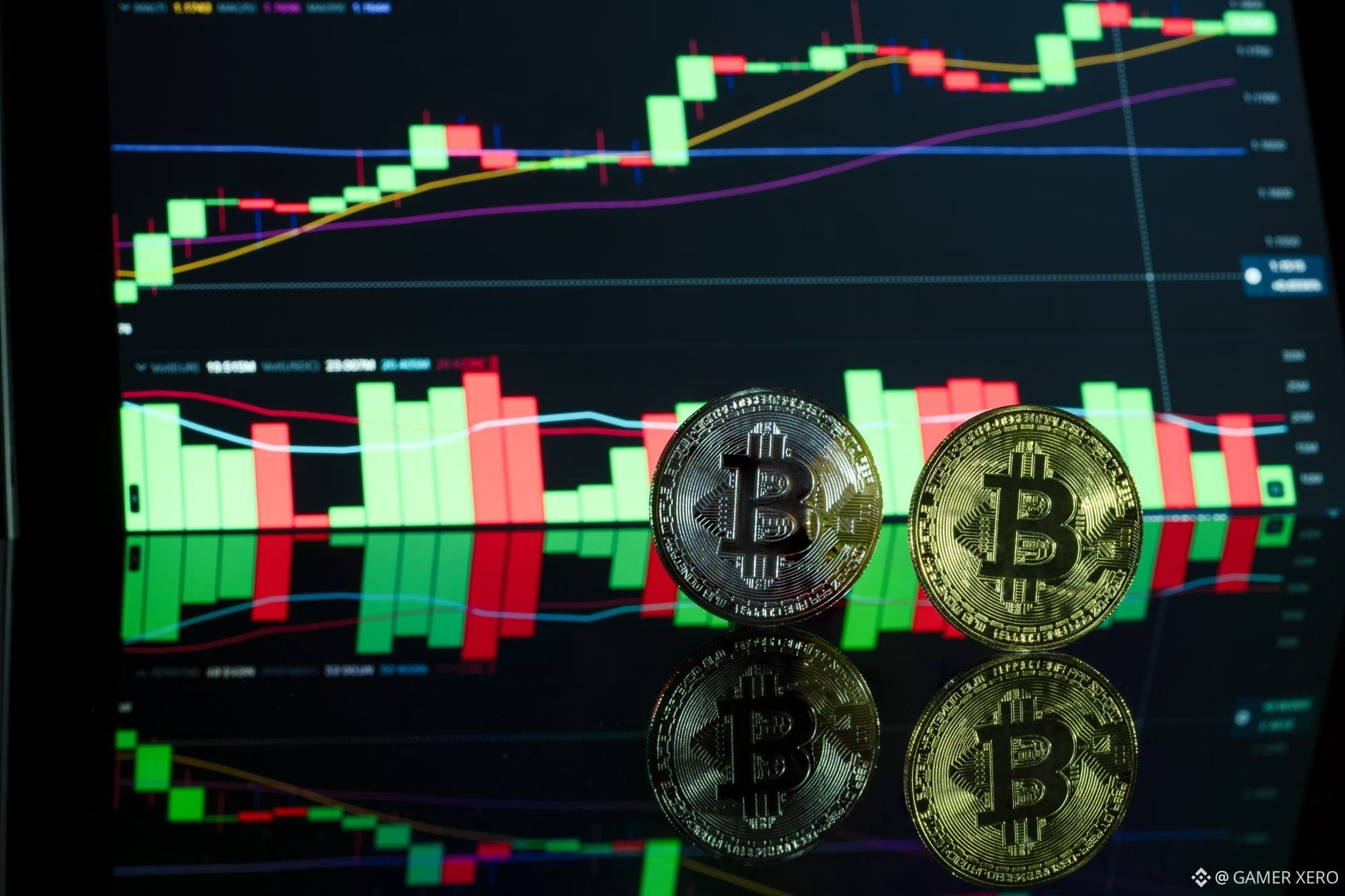
Revenge trading will absolutely destroy your portfolio faster than anything. You're not thinking, you're just angry, trying to chase back that loss with bigger leverage and zero plan. It's not about making a smart trade, it's about "getting even" with the market, which is impossible. I still remember getting liquidated on SOL and instantly, stupidly, opening a 100x DOGE long, telling myself I'd "get it all back." Lost another $800 in five minutes. It’s pure emotion. The only trade to make after a bad one is *no trade at all*. Close the app. Breathe. Come back when the red mist is gone.
#RevengeTrading #CryptoLosses #RiskManagement #FuturesTrading #LearnTheHardWay
#RevengeTrading #CryptoLosses #RiskManagement #FuturesTrading #LearnTheHardWay
When $BTC slipped to $63,594 on Binance after a 24‑hour dip, I felt the familiar urge to “get it back” on the next rally. The temptation to flood the order book with a larger position than usual is the hallmark of revenge trading – a mental shortcut that replaces disciplined risk management with emotional urgency.
A quick audit helps break the cycle. First, note the actual move: $BTC ’s high was $64,515 and the low $63,451, a range of less than 2 %. That tells you the market is still relatively tight, not a free‑fall you need to chase. Second, compare it to $ETH , which sat at $1,864 after a modest 0.59 % decline. Both assets showed similar, contained swings, meaning there’s no sudden breakout to justify a bigger bet.
Have you ever caught yourself about to over‑size a trade after a loss, and what step stopped you?
#CryptoPsychology #TradingMindset #RevengeTrading #GAMERXERO
A quick audit helps break the cycle. First, note the actual move: $BTC ’s high was $64,515 and the low $63,451, a range of less than 2 %. That tells you the market is still relatively tight, not a free‑fall you need to chase. Second, compare it to $ETH , which sat at $1,864 after a modest 0.59 % decline. Both assets showed similar, contained swings, meaning there’s no sudden breakout to justify a bigger bet.
Have you ever caught yourself about to over‑size a trade after a loss, and what step stopped you?
#CryptoPsychology #TradingMindset #RevengeTrading #GAMERXERO

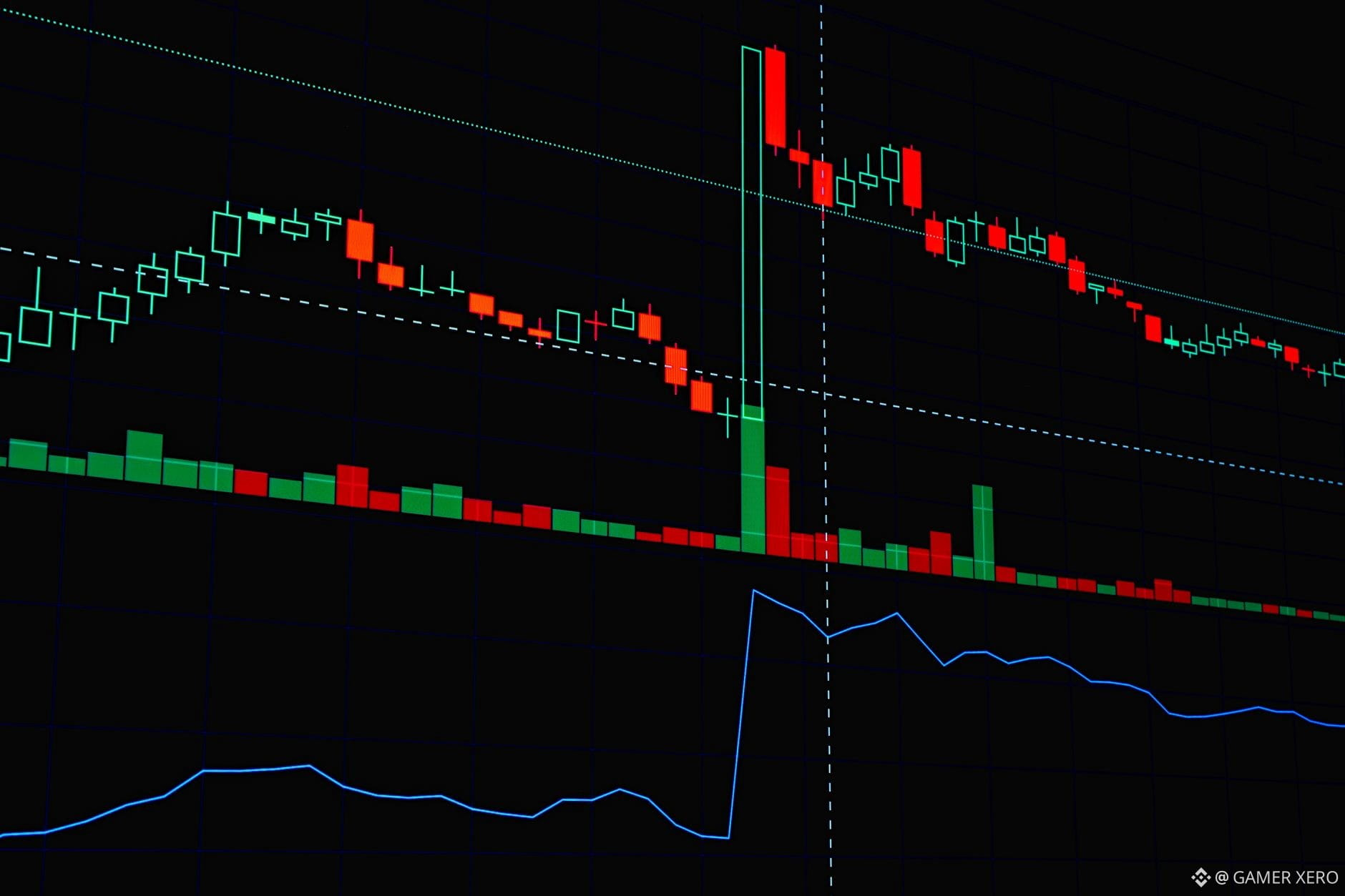
I watched a $BTC pull back to $64,970 early this morning, then bounced back to $65,200 within minutes. The rapid swing triggered a familiar itch: “I should have added on the dip, now I’m missing the move.” That feeling is classic revenge trading – trying to make up for a perceived loss by forcing a new entry, often at the worst possible price.
A quick mental reset helps. First, recognize that the market’s 24‑hour range for $BTC is only about $570, so a few hundred‑dollar move isn’t a trend reversal. Second, write down the original trade rationale – was it based on a support level, a technical signal, or just a gut feeling? If the original reason still holds, stick to it; if not, treat the previous loss as a learning data point, not a debt to be repaid.
How do you keep the urge to “get even” in check when a coin slides and snaps back?
#CryptoPsychology #TradingMindset #RevengeTrading #GAMERXERO
A quick mental reset helps. First, recognize that the market’s 24‑hour range for $BTC is only about $570, so a few hundred‑dollar move isn’t a trend reversal. Second, write down the original trade rationale – was it based on a support level, a technical signal, or just a gut feeling? If the original reason still holds, stick to it; if not, treat the previous loss as a learning data point, not a debt to be repaid.
How do you keep the urge to “get even” in check when a coin slides and snaps back?
#CryptoPsychology #TradingMindset #RevengeTrading #GAMERXERO
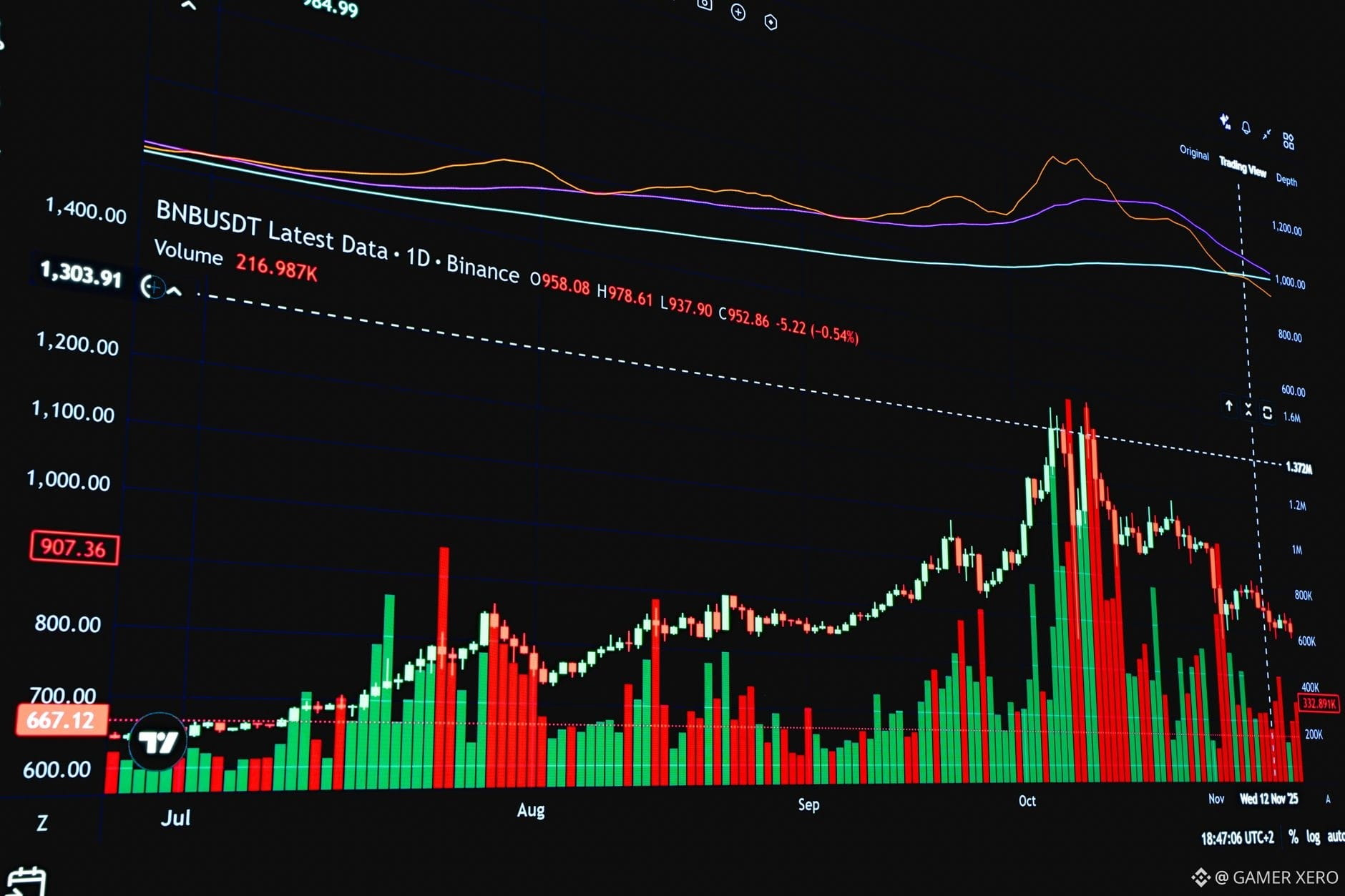
I watched $BTC wobble around $65,120 for the past few hours, then a quick dip to $64,950 sparked the classic “revenge trade” urge. The same pattern showed up on $ETH , slipping a few dollars below $1,925 before snapping back. Those moments feel like a personal challenge: “I’ll get it back now.” The problem is the brain treats the loss as a loss of ego, not just capital, so the next entry is often larger, rushed, and without a clear plan.
A simple way to break the cycle is to set a hard stop before you even place the trade. Write down the maximum loss you’re comfortable with—say 1 % of your position—and stick to it, regardless of how the price moves in the next candle. Another trick is to pause for at least one full 5‑minute candle after a loss; use that time to review why the original trade didn’t work instead of jumping straight back in.
Have you ever caught yourself chasing a green candle after a loss, and what routine helped you reset?
#CryptoPsychology #TradingMindset #RevengeTrading #GAMERXERO
A simple way to break the cycle is to set a hard stop before you even place the trade. Write down the maximum loss you’re comfortable with—say 1 % of your position—and stick to it, regardless of how the price moves in the next candle. Another trick is to pause for at least one full 5‑minute candle after a loss; use that time to review why the original trade didn’t work instead of jumping straight back in.
Have you ever caught yourself chasing a green candle after a loss, and what routine helped you reset?
#CryptoPsychology #TradingMindset #RevengeTrading #GAMERXERO

I caught myself staring at the $BTC chart after it slipped back to $64,909.60, feeling that familiar itch to “get it back” when the next green candle appeared. That moment is classic revenge trading – a quick emotional response that bypasses the plan you set earlier. The brain treats the loss as a personal slight, so the impulse is to double‑down, often with tighter stops or larger position size, which can erode capital faster than the original move.
Another trick is to set a daily loss limit that, once hit, forces you to stop trading for the day. It creates a hard boundary, turning a potential revenge loop into a scheduled break. How do you currently guard against the urge to chase a rebound after a losing trade?
#CryptoPsychology #TradingMindset #RevengeTrading #GAMERXERO
Another trick is to set a daily loss limit that, once hit, forces you to stop trading for the day. It creates a hard boundary, turning a potential revenge loop into a scheduled break. How do you currently guard against the urge to chase a rebound after a losing trade?
#CryptoPsychology #TradingMindset #RevengeTrading #GAMERXERO

I just watched $BTC slip to $64,300 after a brief bounce to $64,600, and the urge to “get it back” hit hard. That feeling—revenge trading—shows up when a position moves against us and a green candle appears shortly after. The brain treats the candle as a personal win, not a market signal, and we over‑size the next entry hoping to “make up” the loss. The result is usually bigger exposure, tighter stops, and more stress.
A simple check can break the cycle: before adding any new order, write down the original trade rationale. Was it based on a technical pattern, a support level, or a fundamental view? If the reason still holds, stick to the original plan; if not, consider closing the losing trade instead of chasing the rebound. Using the current market snapshot—$BTC trading at $64,300 with a 24‑hour low of $64,172 and $ETH at $1,898.91—helps ground decisions in real data rather than emotion.
What’s your go‑to mental reset when a candle tempts you to revenge‑trade?
#tradingpsychology #crypto #revengetrading #GAMERXERO
A simple check can break the cycle: before adding any new order, write down the original trade rationale. Was it based on a technical pattern, a support level, or a fundamental view? If the reason still holds, stick to the original plan; if not, consider closing the losing trade instead of chasing the rebound. Using the current market snapshot—$BTC trading at $64,300 with a 24‑hour low of $64,172 and $ETH at $1,898.91—helps ground decisions in real data rather than emotion.
What’s your go‑to mental reset when a candle tempts you to revenge‑trade?
#tradingpsychology #crypto #revengetrading #GAMERXERO

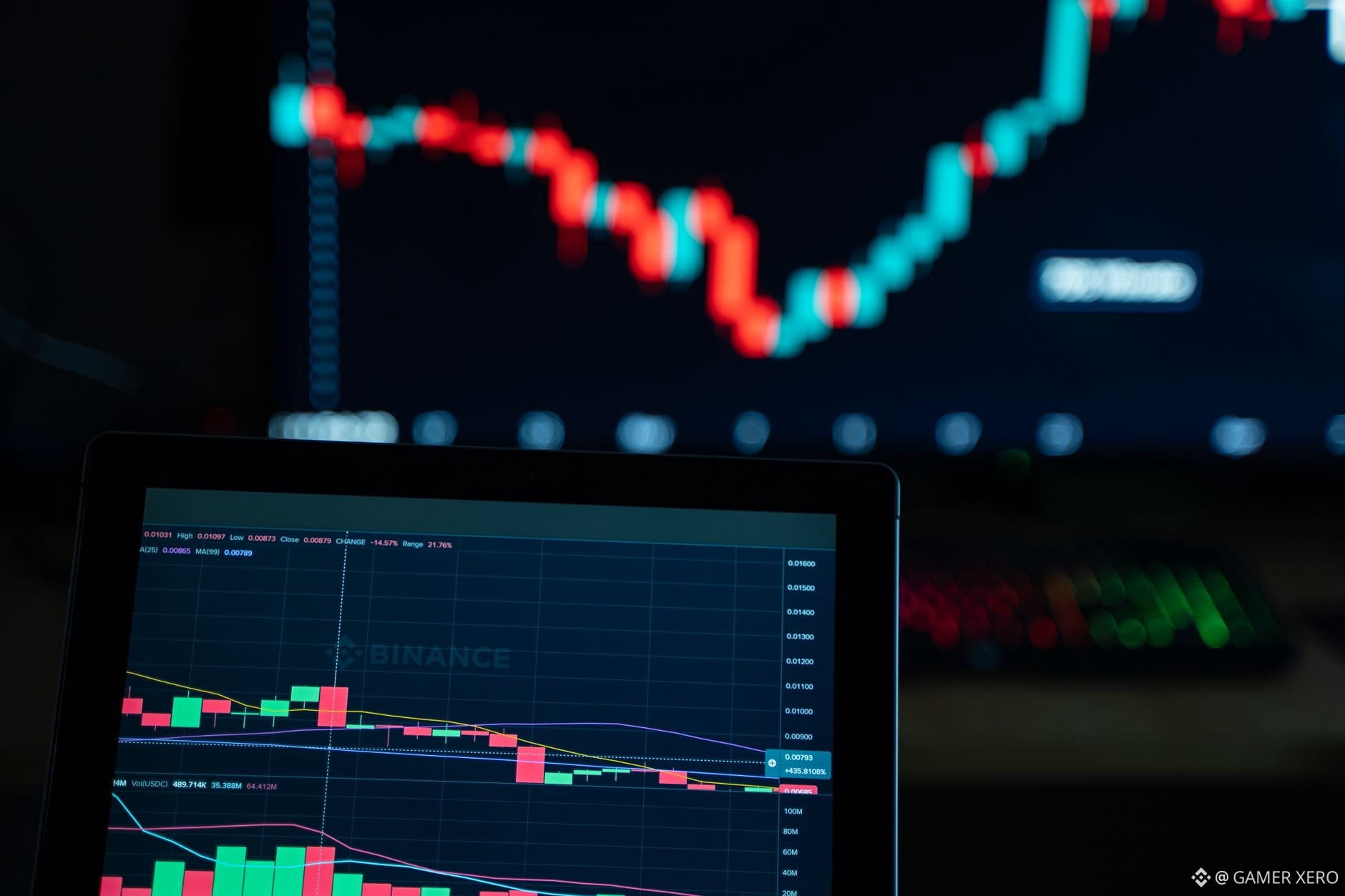
$BTC is holding at $64,121.91, barely moving beyond its 24‑hour high of $64,581.43. The tight candle often tempts traders who saw a dip a few minutes earlier to jump back in, hoping to “make up” for the loss. That impulse is classic revenge trading – a reaction to a single outcome rather than a plan.
Why it hurts: you trade with emotion, not strategy. The stop‑loss that felt safe yesterday suddenly looks too tight, so you widen it, inviting bigger swings. The next candle may turn green, but it could also reverse, leaving a larger drawdown. The cycle repeats, eroding confidence and capital.
A simple fix is to step away for a few minutes after a loss, write down the original trade rationale, and only re‑enter if the market meets those same criteria. Treat each trade as a separate experiment, not a personal scorecard.
Have you caught yourself replaying a losing trade in your head and then jumping back in? How do you break that loop?
#TradingPsychology #RevengeTrading #CryptoMindset #GAMERXERO
Why it hurts: you trade with emotion, not strategy. The stop‑loss that felt safe yesterday suddenly looks too tight, so you widen it, inviting bigger swings. The next candle may turn green, but it could also reverse, leaving a larger drawdown. The cycle repeats, eroding confidence and capital.
A simple fix is to step away for a few minutes after a loss, write down the original trade rationale, and only re‑enter if the market meets those same criteria. Treat each trade as a separate experiment, not a personal scorecard.
Have you caught yourself replaying a losing trade in your head and then jumping back in? How do you break that loop?
#TradingPsychology #RevengeTrading #CryptoMindset #GAMERXERO

Revenge trading will always take more than you lost. It's a psychological trap, not a strategy. You're not trading logic, you're trading pure, unadulterated anger and desperation, convinced you can "get it back" instantly. Your brain just shuts down. I remember losing $200 on ADA one night, then immediately throwing $400 at SOL with 100x leverage, just to "make it back." That impulsive, furious move didn't just fail; it wiped out my remaining capital in minutes. When that rage hits, close the charts. Walk away. Don't touch anything for 24 hours. Your capital is safer if you step back.
#RevengeTrading #CryptoMistakes #FuturesTrading #TradeSafe #EmotionalTrading
#RevengeTrading #CryptoMistakes #FuturesTrading #TradeSafe #EmotionalTrading
A few minutes after $BTC slipped back to $64,284, I caught myself reaching for the keyboard, convinced the next candle had to be green to “make up” for the loss. That rush is classic revenge trading – the urge to force a win after a setback, often ignoring the market’s own rhythm.
Why it hurts: you’re no longer trading the chart, you’re trading emotion. The brain releases dopamine when you see a winning trade, so the next loss feels amplified, pushing you to double‑down. In a 24‑hour window $BTC has only moved about $1,100, yet the temptation to chase every small bounce can melt a well‑planned risk budget.
A simple reset helps. Step away for a breath, review the original trade plan, and ask: does the current price still meet the entry criteria, or am I just trying to erase the previous loss? Treat each trade as a fresh event, not a continuation of the last one. If the setup isn’t there, let it go and wait for the next high‑probability signal.
How do you break the cycle when the urge to “get even” spikes after a losing candle?
#TradingPsychology #CryptoMindset #RevengeTrading #GAMERXERO
Why it hurts: you’re no longer trading the chart, you’re trading emotion. The brain releases dopamine when you see a winning trade, so the next loss feels amplified, pushing you to double‑down. In a 24‑hour window $BTC has only moved about $1,100, yet the temptation to chase every small bounce can melt a well‑planned risk budget.
A simple reset helps. Step away for a breath, review the original trade plan, and ask: does the current price still meet the entry criteria, or am I just trying to erase the previous loss? Treat each trade as a fresh event, not a continuation of the last one. If the setup isn’t there, let it go and wait for the next high‑probability signal.
How do you break the cycle when the urge to “get even” spikes after a losing candle?
#TradingPsychology #CryptoMindset #RevengeTrading #GAMERXERO
Connectez-vous pour découvrir plus de contenu