
#pixels
pixels
4.7M vues
4,364 mentions
Populaire
Récents

·
--
Haussier
🔥 $NVDAB
{spot}(NVDABUSDT)
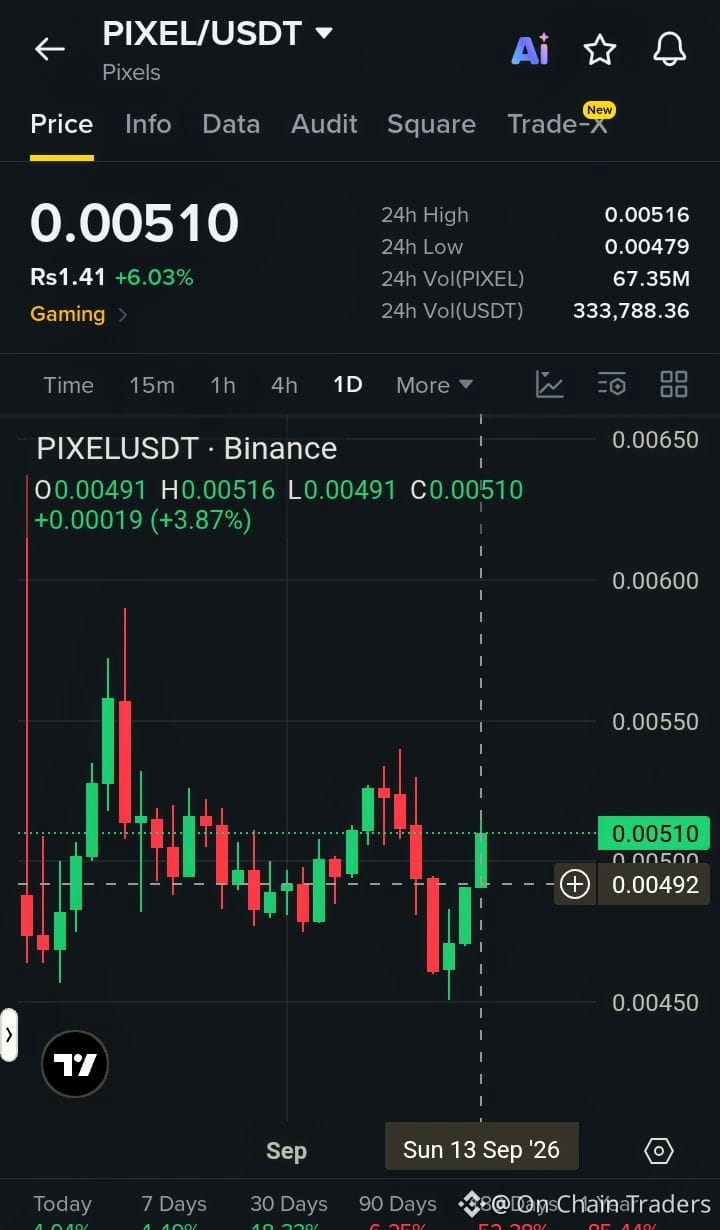
PIXEL se maintient au-dessus de 0,00500 avec une dynamique haussière et un volume solide.
📌 Entrée : 0,00495–0,00505
🎯 TP1 : 0,00516 | TP2 : 0,00550 | TP3 : 0,00600
🛑 SL : 0,00478
📈 Tendance : haussière au-dessus de 0,00490 ; une cassure au-dessus de 0,00516 pourrait envoyer $PIXEL vers 0,00550–0,00600.
#pepe⚡ #Pixels #BinanceSquareFamily #CryptoWatchMay2024 #BinancePizzaVN
🔥 $NVDAB
PIXEL se maintient au-dessus de 0,00500 avec une dynamique haussière et un volume solide.
📌 Entrée : 0,00495–0,00505
🎯 TP1 : 0,00516 | TP2 : 0,00550 | TP3 : 0,00600
🛑 SL : 0,00478
📈 Tendance : haussière au-dessus de 0,00490 ; une cassure au-dessus de 0,00516 pourrait envoyer $PIXEL vers 0,00550–0,00600.
#pepe⚡ #Pixels #BinanceSquareFamily #CryptoWatchMay2024 #BinancePizzaVN
PIXEL se maintient au-dessus de 0,00500 avec une dynamique haussière et un volume solide.
📌 Entrée : 0,00495–0,00505
🎯 TP1 : 0,00516 | TP2 : 0,00550 | TP3 : 0,00600
🛑 SL : 0,00478
📈 Tendance : haussière au-dessus de 0,00490 ; une cassure au-dessus de 0,00516 pourrait envoyer $PIXEL vers 0,00550–0,00600.
#pepe⚡ #Pixels #BinanceSquareFamily #CryptoWatchMay2024 #BinancePizzaVN
1
37

·
--
Ces derniers temps, l’attention du marché pour le $PIXEL a soudainement augmenté, mais des discussions mêlant différents concepts ont aussi suscité beaucoup de confusion, ce qui pourrait entraîner des fluctuations de prix à court terme.
À l’heure actuelle, au sein des discussions de la communauté, des sujets liés au token natif du projet GameFi Pixels, des projets NFT, voire des téléphones Google Pixel, le développement du système Android, etc., sont mélangés. Le marché manque d’un point de focalisation unifié, et les investisseurs peuvent facilement faire de mauvaises évaluations en raison d’une information brouillée.
Le prix actuel du $PIXEL est de 0,00497 dollar, le volume des transactions sur 24 heures s’élève à 4,42 millions de dollars, et la capitalisation boursière est de 17,23 millions de dollars. Avant de participer, assurez-vous de bien distinguer les concepts et de comprendre clairement de quel projet il s’agit exactement dans lequel vous investissez.
$PIXEL #Pixels #cryptomonnaie
Ces derniers temps, l’attention du marché pour le $PIXEL a soudainement augmenté, mais des discussions mêlant différents concepts ont aussi suscité beaucoup de confusion, ce qui pourrait entraîner des fluctuations de prix à court terme.
À l’heure actuelle, au sein des discussions de la communauté, des sujets liés au token natif du projet GameFi Pixels, des projets NFT, voire des téléphones Google Pixel, le développement du système Android, etc., sont mélangés. Le marché manque d’un point de focalisation unifié, et les investisseurs peuvent facilement faire de mauvaises évaluations en raison d’une information brouillée.
Le prix actuel du $PIXEL est de 0,00497 dollar, le volume des transactions sur 24 heures s’élève à 4,42 millions de dollars, et la capitalisation boursière est de 17,23 millions de dollars. Avant de participer, assurez-vous de bien distinguer les concepts et de comprendre clairement de quel projet il s’agit exactement dans lequel vous investissez.
$PIXEL #Pixels #cryptomonnaie
À l’heure actuelle, au sein des discussions de la communauté, des sujets liés au token natif du projet GameFi Pixels, des projets NFT, voire des téléphones Google Pixel, le développement du système Android, etc., sont mélangés. Le marché manque d’un point de focalisation unifié, et les investisseurs peuvent facilement faire de mauvaises évaluations en raison d’une information brouillée.
Le prix actuel du $PIXEL est de 0,00497 dollar, le volume des transactions sur 24 heures s’élève à 4,42 millions de dollars, et la capitalisation boursière est de 17,23 millions de dollars. Avant de participer, assurez-vous de bien distinguer les concepts et de comprendre clairement de quel projet il s’agit exactement dans lequel vous investissez.
$PIXEL #Pixels #cryptomonnaie
100

·
--
Pixels ($PIXEL) : au cours des 24 dernières heures, la hausse du prix dépasse 21 %. Le volume de transactions sur 24 heures atteint environ 27,06 millions de dollars, avec une capitalisation d’environ 15,98 millions de dollars.
À première vue, le lancement de la série Google Pixel 11, avec une mise à niveau des fonctionnalités IA, ramène le concept de « pixel » sous les projecteurs du marché. L’humeur autour des transactions s’intensifie : le volume de PIXELUSDT augmente en parallèle, et les flux de capitaux à court terme entrent de manière notable.
Mais il faut rester prudent : ce type de hausse, alimentée par des engouements externes pour l’électronique grand public, manque souvent d’un soutien continu de fondamentaux on-chain. Google n’a aucun lien direct avec ce projet Pixels ; il s’agit surtout d’une attention « déversée » liée au fait qu’il porte le même nom. Une fois l’enthousiasme autour du lancement du Pixel 11 retombé, la logique du « profit par association de concept » peut facilement s’inverser.
À court terme, le sentiment pourrait encore soutenir le prix, mais la volatilité risque aussi de s’amplifier. À moyen et long terme, il faut plutôt se baser sur la croissance des utilisateurs du projet lui-même, l’activité on-chain et l’avancement de l’écosystème. En termes de stratégie, il est recommandé de limiter l’exposition : éviter de courir après le prix, et se prémunir contre les replis causés par un changement de « hot topic ».
#Pixels#AI#GameFi
Pixels ($PIXEL ) : au cours des 24 dernières heures, la hausse du prix dépasse 21 %. Le volume de transactions sur 24 heures atteint environ 27,06 millions de dollars, avec une capitalisation d’environ 15,98 millions de dollars.
À première vue, le lancement de la série Google Pixel 11, avec une mise à niveau des fonctionnalités IA, ramène le concept de « pixel » sous les projecteurs du marché. L’humeur autour des transactions s’intensifie : le volume de PIXELUSDT augmente en parallèle, et les flux de capitaux à court terme entrent de manière notable.
Mais il faut rester prudent : ce type de hausse, alimentée par des engouements externes pour l’électronique grand public, manque souvent d’un soutien continu de fondamentaux on-chain. Google n’a aucun lien direct avec ce projet Pixels ; il s’agit surtout d’une attention « déversée » liée au fait qu’il porte le même nom. Une fois l’enthousiasme autour du lancement du Pixel 11 retombé, la logique du « profit par association de concept » peut facilement s’inverser.
À court terme, le sentiment pourrait encore soutenir le prix, mais la volatilité risque aussi de s’amplifier. À moyen et long terme, il faut plutôt se baser sur la croissance des utilisateurs du projet lui-même, l’activité on-chain et l’avancement de l’écosystème. En termes de stratégie, il est recommandé de limiter l’exposition : éviter de courir après le prix, et se prémunir contre les replis causés par un changement de « hot topic ».
#Pixels#AI#GameFi
À première vue, le lancement de la série Google Pixel 11, avec une mise à niveau des fonctionnalités IA, ramène le concept de « pixel » sous les projecteurs du marché. L’humeur autour des transactions s’intensifie : le volume de PIXELUSDT augmente en parallèle, et les flux de capitaux à court terme entrent de manière notable.
Mais il faut rester prudent : ce type de hausse, alimentée par des engouements externes pour l’électronique grand public, manque souvent d’un soutien continu de fondamentaux on-chain. Google n’a aucun lien direct avec ce projet Pixels ; il s’agit surtout d’une attention « déversée » liée au fait qu’il porte le même nom. Une fois l’enthousiasme autour du lancement du Pixel 11 retombé, la logique du « profit par association de concept » peut facilement s’inverser.
À court terme, le sentiment pourrait encore soutenir le prix, mais la volatilité risque aussi de s’amplifier. À moyen et long terme, il faut plutôt se baser sur la croissance des utilisateurs du projet lui-même, l’activité on-chain et l’avancement de l’écosystème. En termes de stratégie, il est recommandé de limiter l’exposition : éviter de courir après le prix, et se prémunir contre les replis causés par un changement de « hot topic ».
#Pixels#AI#GameFi
11

Les prix des Pixels ( $PIXEL ) ont grimpé de plus de 21 % sur les dernières 24 heures, tandis que le volume de transactions s’est simultanément amplifié pour atteindre le niveau de dizaines de millions de dollars, la capitalisation boursière s’affichant pour l’instant autour de 16 millions de dollars.
Cette vague d’engouement n’est pas uniquement portée par la dynamique des émotions on-chain ; des catalyseurs externes jouent aussi un rôle crucial. Le lancement de la gamme Google Pixel 11 et la mise à niveau des fonctionnalités IA ont remis le concept « Pixel » au premier plan, attirant l’attention des capitaux en rotation sur les jetons associés.
Il faut toutefois rappeler que la capitalisation boursière actuellement en circulation du $PIXEL reste relativement faible. La valeur y est très élastique, avec des fluctuations intenses : dans le court terme, les mouvements portés par la pression des capitaux peuvent facilement entraîner un retournement rapide.
À l’étape où les signaux issus de l’actualité et de l’analyse technique se renforcent mutuellement, il est plus adapté d’observer la continuité de l’ampleur des volumes plutôt que de courir après la hausse.
Recommandations : surveiller deux points. D’abord, les variations des adresses actives on-chain et des adresses détenant des tokens. Ensuite, la profondeur du carnet d’ordres sur les paires de trading principales PIXELUSDT, côté acheteur et côté vendeur. Si l’enthousiasme reste seulement cantonné au niveau narratif, sans relais par de véritables cas d’usage, la prime sera rapidement absorbée.
Considérez les tendances de manière rationnelle : les opportunités mûrissent souvent dans le désaccord, plutôt que lors d’un consensus haussier où l’on se positionne lourdement.
#Pixels #AI概念 #Opportunités sur les altcoins
Les prix des Pixels ( $PIXEL ) ont grimpé de plus de 21 % sur les dernières 24 heures, tandis que le volume de transactions s’est simultanément amplifié pour atteindre le niveau de dizaines de millions de dollars, la capitalisation boursière s’affichant pour l’instant autour de 16 millions de dollars.
Cette vague d’engouement n’est pas uniquement portée par la dynamique des émotions on-chain ; des catalyseurs externes jouent aussi un rôle crucial. Le lancement de la gamme Google Pixel 11 et la mise à niveau des fonctionnalités IA ont remis le concept « Pixel » au premier plan, attirant l’attention des capitaux en rotation sur les jetons associés.
Il faut toutefois rappeler que la capitalisation boursière actuellement en circulation du $PIXEL reste relativement faible. La valeur y est très élastique, avec des fluctuations intenses : dans le court terme, les mouvements portés par la pression des capitaux peuvent facilement entraîner un retournement rapide.
À l’étape où les signaux issus de l’actualité et de l’analyse technique se renforcent mutuellement, il est plus adapté d’observer la continuité de l’ampleur des volumes plutôt que de courir après la hausse.
Recommandations : surveiller deux points. D’abord, les variations des adresses actives on-chain et des adresses détenant des tokens. Ensuite, la profondeur du carnet d’ordres sur les paires de trading principales PIXELUSDT, côté acheteur et côté vendeur. Si l’enthousiasme reste seulement cantonné au niveau narratif, sans relais par de véritables cas d’usage, la prime sera rapidement absorbée.
Considérez les tendances de manière rationnelle : les opportunités mûrissent souvent dans le désaccord, plutôt que lors d’un consensus haussier où l’on se positionne lourdement.
#Pixels #AI概念 #Opportunités sur les altcoins
Cette vague d’engouement n’est pas uniquement portée par la dynamique des émotions on-chain ; des catalyseurs externes jouent aussi un rôle crucial. Le lancement de la gamme Google Pixel 11 et la mise à niveau des fonctionnalités IA ont remis le concept « Pixel » au premier plan, attirant l’attention des capitaux en rotation sur les jetons associés.
Il faut toutefois rappeler que la capitalisation boursière actuellement en circulation du $PIXEL reste relativement faible. La valeur y est très élastique, avec des fluctuations intenses : dans le court terme, les mouvements portés par la pression des capitaux peuvent facilement entraîner un retournement rapide.
À l’étape où les signaux issus de l’actualité et de l’analyse technique se renforcent mutuellement, il est plus adapté d’observer la continuité de l’ampleur des volumes plutôt que de courir après la hausse.
Recommandations : surveiller deux points. D’abord, les variations des adresses actives on-chain et des adresses détenant des tokens. Ensuite, la profondeur du carnet d’ordres sur les paires de trading principales PIXELUSDT, côté acheteur et côté vendeur. Si l’enthousiasme reste seulement cantonné au niveau narratif, sans relais par de véritables cas d’usage, la prime sera rapidement absorbée.
Considérez les tendances de manière rationnelle : les opportunités mûrissent souvent dans le désaccord, plutôt que lors d’un consensus haussier où l’on se positionne lourdement.
#Pixels #AI概念 #Opportunités sur les altcoins
18
·
--
Pixels ($PIXEL) : sur 24 heures, la hausse dépasse 21 %, et le volume de transactions grimpe à plus de 27 millions de dollars. Derrière cette dynamique, outre l’activité on-chain, il y a un catalyseur facilement négligé : le lancement de la série Google Pixel 11 et la mise à niveau de ses fonctions IA. Une fois de plus, la notion de « pixel » revient au premier plan dans l’attention du grand public.
Il faut toutefois rappeler qu’il y a ici deux récits distincts qui se superposent : d’une part, les progrès de l’écosystème du jeu Web3 Pixels lui-même ; d’autre part, le débordement d’attention provoqué par le Pixel 11 dans l’électronique grand public. À court terme, les fluctuations de prix reflètent davantage une résonance de sentiment de marché qu’un moteur fondamental unique.
Il est recommandé de surveiller deux dimensions :
- Les données on-chain : le volume de transactions de PIXELUSDT pourra-t-il continuer à se maintenir à un niveau élevé, et comment évoluent les adresses détenant des positions
- Le rythme du récit : la durée de la « fièvre » autour du « pixel » dans l’électronique grand public ; en général, l’effet de l’annonce lors du lancement s’atténue en 1 à 2 semaines
Ne vous contentez pas de regarder la hausse : identifiez clairement la source du mouvement avant de décider. #Pixels
Pixels ($PIXEL ) : sur 24 heures, la hausse dépasse 21 %, et le volume de transactions grimpe à plus de 27 millions de dollars. Derrière cette dynamique, outre l’activité on-chain, il y a un catalyseur facilement négligé : le lancement de la série Google Pixel 11 et la mise à niveau de ses fonctions IA. Une fois de plus, la notion de « pixel » revient au premier plan dans l’attention du grand public.
Il faut toutefois rappeler qu’il y a ici deux récits distincts qui se superposent : d’une part, les progrès de l’écosystème du jeu Web3 Pixels lui-même ; d’autre part, le débordement d’attention provoqué par le Pixel 11 dans l’électronique grand public. À court terme, les fluctuations de prix reflètent davantage une résonance de sentiment de marché qu’un moteur fondamental unique.
Il est recommandé de surveiller deux dimensions :
- Les données on-chain : le volume de transactions de PIXELUSDT pourra-t-il continuer à se maintenir à un niveau élevé, et comment évoluent les adresses détenant des positions
- Le rythme du récit : la durée de la « fièvre » autour du « pixel » dans l’électronique grand public ; en général, l’effet de l’annonce lors du lancement s’atténue en 1 à 2 semaines
Ne vous contentez pas de regarder la hausse : identifiez clairement la source du mouvement avant de décider. #Pixels
Il faut toutefois rappeler qu’il y a ici deux récits distincts qui se superposent : d’une part, les progrès de l’écosystème du jeu Web3 Pixels lui-même ; d’autre part, le débordement d’attention provoqué par le Pixel 11 dans l’électronique grand public. À court terme, les fluctuations de prix reflètent davantage une résonance de sentiment de marché qu’un moteur fondamental unique.
Il est recommandé de surveiller deux dimensions :
- Les données on-chain : le volume de transactions de PIXELUSDT pourra-t-il continuer à se maintenir à un niveau élevé, et comment évoluent les adresses détenant des positions
- Le rythme du récit : la durée de la « fièvre » autour du « pixel » dans l’électronique grand public ; en général, l’effet de l’annonce lors du lancement s’atténue en 1 à 2 semaines
Ne vous contentez pas de regarder la hausse : identifiez clairement la source du mouvement avant de décider. #Pixels
115

·
--
Haussier
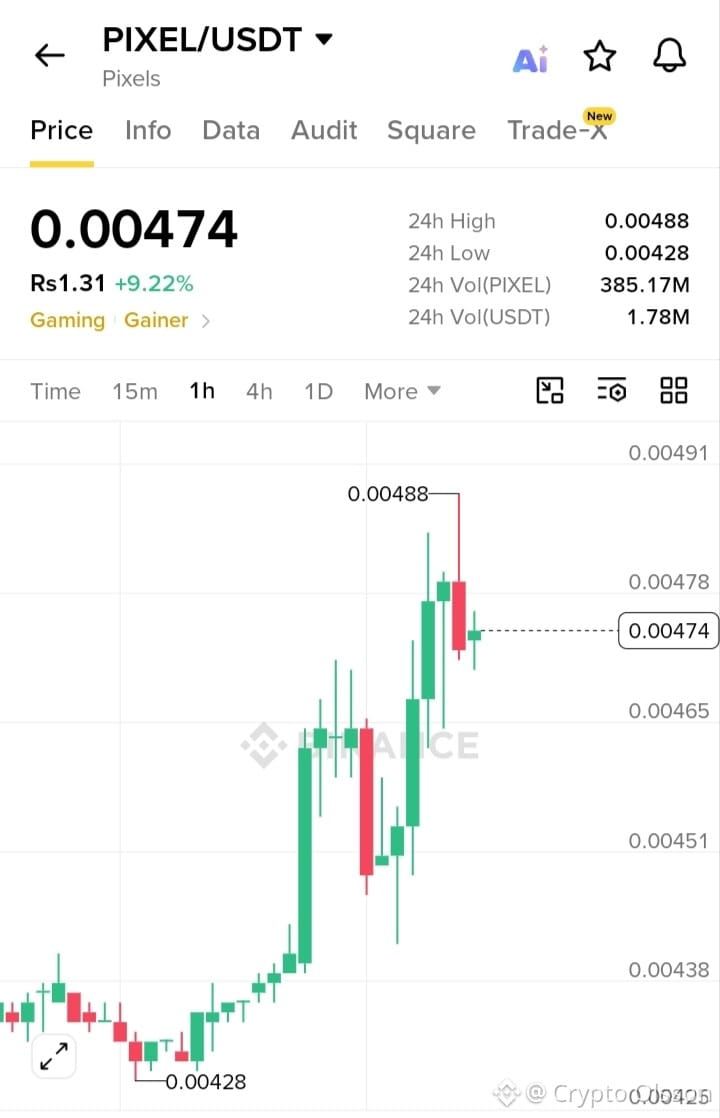
$PIXEL /Configuration Long USDT 🚀
Point d’entrée (EP) : 0.00465–0.00474
Objectif (TP) 1 : 0.00478
Objectif (TP) 2 : 0.00488
Objectif (TP) 3 : 0.00491
Stop (SL) : 0.00451
Point d’entrée : 0.00465–0.00474
PIXEL montre une dynamique positive avec un fort volume. Attendez une nouvelle vérification (retest) propre avant l’entrée et gérez le risque avec précaution. 📈
#PIXEL #Pixels #Crypto
$PIXEL
{future}(PIXELUSDT)
$PIXEL /Configuration Long USDT 🚀
Point d’entrée (EP) : 0.00465–0.00474
Objectif (TP) 1 : 0.00478
Objectif (TP) 2 : 0.00488
Objectif (TP) 3 : 0.00491
Stop (SL) : 0.00451
Point d’entrée : 0.00465–0.00474
PIXEL montre une dynamique positive avec un fort volume. Attendez une nouvelle vérification (retest) propre avant l’entrée et gérez le risque avec précaution. 📈
#PIXEL #Pixels #Crypto
$PIXEL
Point d’entrée (EP) : 0.00465–0.00474
Objectif (TP) 1 : 0.00478
Objectif (TP) 2 : 0.00488
Objectif (TP) 3 : 0.00491
Stop (SL) : 0.00451
Point d’entrée : 0.00465–0.00474
PIXEL montre une dynamique positive avec un fort volume. Attendez une nouvelle vérification (retest) propre avant l’entrée et gérez le risque avec précaution. 📈
#PIXEL #Pixels #Crypto
$PIXEL
2
111

·
--
📊 Aperçu du marché : répartition du portefeuille de SOL, XLM et PIXEL
🔵 SOL (Solana) – Le titan des mega-caps
$SOL
{future}(SOLUSDT)
Rang : 7
Capitalisation boursière : 42,45 Md USD
Volume sur 24 h : 1,51 Md USD
Domination du marché : 1,97%
Point de vue expert : Solana continue de s’imposer comme un Layer 1 de tout premier plan. Avec un ratio Volume/Capitalisation boursière sain de 3,55 %, il montre un intérêt stable et durable de la part des traders particuliers comme institutionnels. Il reste un actif fondateur pour les grands portefeuilles.
🟢 XLM (Stellar Lumens) – Le vétéran entièrement dilué
$XLM
{future}(XLMUSDT)
Rang : 10
Capitalisation boursière : 8,65 Md USD
Offre en circulation : 50 Md (100 % en circulation)
Point de vue expert : Installé confortablement dans le top 10, Stellar est un acteur historique avec un avantage fondamental majeur : sa capitalisation boursière entièrement diluée (8,65 Md USD) correspond exactement à sa capitalisation boursière actuelle. Avec les 50 milliards de tokens déjà en circulation, les investisseurs n’ont pas à s’inquiéter d’une inflation liée aux déblocages futurs de tokens ni de chocs d’offre.
🟣 PIXEL (Pixels) – La micro-cap à forte volatilité
$PIXEL
{future}(PIXELUSDT)
Rang : 768
Capitalisation boursière : 14,11 M USD
Ratio Vol/Capitalisation : 43,04%
Point de vue expert : PIXEL affiche une activité de trading extrême au regard de sa petite taille. Un ratio de volume à la hausse de 43 %+ signifie qu’il est très liquide et très volatil. Note cruciale : Il vient de tester son plus bas historique de 0,0038 USD le 30 juillet 2026. Il s’agit strictement d’un pari à haut risque et à haut rendement, destiné aux scalpers expérimentés et aux day traders.
💡 Le verdict :
Gérez vos allocations avec sagesse. Utilisez SOL pour une croissance fondatrice, tournez-vous vers XLM pour des fondamentaux d’offre prévisibles, et n’utilisez qu’une petite fraction de votre capital pour trader des tokens très volatils comme PIXEL.
Tradez intelligemment et gérez votre risque ! 📉📈
#stellar #Pixels #cryptotrading #marketanalysis. #Write2Earn
📊 Aperçu du marché : répartition du portefeuille de SOL, XLM et PIXEL
🔵 SOL (Solana) – Le titan des mega-caps
$SOL
Rang : 7
Capitalisation boursière : 42,45 Md USD
Volume sur 24 h : 1,51 Md USD
Domination du marché : 1,97%
Point de vue expert : Solana continue de s’imposer comme un Layer 1 de tout premier plan. Avec un ratio Volume/Capitalisation boursière sain de 3,55 %, il montre un intérêt stable et durable de la part des traders particuliers comme institutionnels. Il reste un actif fondateur pour les grands portefeuilles.
🟢 XLM (Stellar Lumens) – Le vétéran entièrement dilué
$XLM
Rang : 10
Capitalisation boursière : 8,65 Md USD
Offre en circulation : 50 Md (100 % en circulation)
Point de vue expert : Installé confortablement dans le top 10, Stellar est un acteur historique avec un avantage fondamental majeur : sa capitalisation boursière entièrement diluée (8,65 Md USD) correspond exactement à sa capitalisation boursière actuelle. Avec les 50 milliards de tokens déjà en circulation, les investisseurs n’ont pas à s’inquiéter d’une inflation liée aux déblocages futurs de tokens ni de chocs d’offre.
🟣 PIXEL (Pixels) – La micro-cap à forte volatilité
$PIXEL
Rang : 768
Capitalisation boursière : 14,11 M USD
Ratio Vol/Capitalisation : 43,04%
Point de vue expert : PIXEL affiche une activité de trading extrême au regard de sa petite taille. Un ratio de volume à la hausse de 43 %+ signifie qu’il est très liquide et très volatil. Note cruciale : Il vient de tester son plus bas historique de 0,0038 USD le 30 juillet 2026. Il s’agit strictement d’un pari à haut risque et à haut rendement, destiné aux scalpers expérimentés et aux day traders.
💡 Le verdict :
Gérez vos allocations avec sagesse. Utilisez SOL pour une croissance fondatrice, tournez-vous vers XLM pour des fondamentaux d’offre prévisibles, et n’utilisez qu’une petite fraction de votre capital pour trader des tokens très volatils comme PIXEL.
Tradez intelligemment et gérez votre risque ! 📉📈
#stellar #Pixels #cryptotrading #marketanalysis. #Write2Earn
🔵 SOL (Solana) – Le titan des mega-caps
$SOL
Rang : 7
Capitalisation boursière : 42,45 Md USD
Volume sur 24 h : 1,51 Md USD
Domination du marché : 1,97%
Point de vue expert : Solana continue de s’imposer comme un Layer 1 de tout premier plan. Avec un ratio Volume/Capitalisation boursière sain de 3,55 %, il montre un intérêt stable et durable de la part des traders particuliers comme institutionnels. Il reste un actif fondateur pour les grands portefeuilles.
🟢 XLM (Stellar Lumens) – Le vétéran entièrement dilué
$XLM
Rang : 10
Capitalisation boursière : 8,65 Md USD
Offre en circulation : 50 Md (100 % en circulation)
Point de vue expert : Installé confortablement dans le top 10, Stellar est un acteur historique avec un avantage fondamental majeur : sa capitalisation boursière entièrement diluée (8,65 Md USD) correspond exactement à sa capitalisation boursière actuelle. Avec les 50 milliards de tokens déjà en circulation, les investisseurs n’ont pas à s’inquiéter d’une inflation liée aux déblocages futurs de tokens ni de chocs d’offre.
🟣 PIXEL (Pixels) – La micro-cap à forte volatilité
$PIXEL
Rang : 768
Capitalisation boursière : 14,11 M USD
Ratio Vol/Capitalisation : 43,04%
Point de vue expert : PIXEL affiche une activité de trading extrême au regard de sa petite taille. Un ratio de volume à la hausse de 43 %+ signifie qu’il est très liquide et très volatil. Note cruciale : Il vient de tester son plus bas historique de 0,0038 USD le 30 juillet 2026. Il s’agit strictement d’un pari à haut risque et à haut rendement, destiné aux scalpers expérimentés et aux day traders.
💡 Le verdict :
Gérez vos allocations avec sagesse. Utilisez SOL pour une croissance fondatrice, tournez-vous vers XLM pour des fondamentaux d’offre prévisibles, et n’utilisez qu’une petite fraction de votre capital pour trader des tokens très volatils comme PIXEL.
Tradez intelligemment et gérez votre risque ! 📉📈
#stellar #Pixels #cryptotrading #marketanalysis. #Write2Earn

2
174

·
--
Observation des signaux on-chain : le prix actuel de $PIXEL est de 0,00526 $, avec 7,41 M$ de transactions sur 24 h. La capitalisation ne s’élève qu’à 18,23 M$, ce qui correspond à une structure typique de faible capitalisation et de rotation élevée.
Ces derniers temps, les discussions publiques semblent largement diluées par des sujets portant le même nom, comme les téléphones Google Pixel, l’art pixel, ou l’historique des NFT. En réalité, l’information disponible autour des fondamentaux du jeu Pixels reste relativement mince. C’est d’ailleurs l’une des raisons clés du manque de clarté du récit de prix : le marché ne manque pas de liquidité, mais d’un ancrage de consensus.
Surveillez trois indices :
1. Les données de rétention (utilisateurs actifs quotidiens) et du système de terrains, qui sont essentielles pour juger de la demande en jetons ;
2. Le rythme de l’écosystème Ronin et de ses interconnexions, qui détermine si les fonds à court terme peuvent revenir ;
3. Si le taux de rotation reste durablement supérieur à 40 %, cela signifie que les jetons sont toujours en circulation rapide et que la direction de la tendance n’est pas encore fixée.
Faible capitalisation + asymétrie d’information = volatilité amplifiée. Ne remplacez pas les données par un récit : calibrez la taille de vos positions avec des chiffres.
#Pixels #GameFi #Données on-chain
Observation des signaux on-chain : le prix actuel de $PIXEL est de 0,00526 $, avec 7,41 M$ de transactions sur 24 h. La capitalisation ne s’élève qu’à 18,23 M$, ce qui correspond à une structure typique de faible capitalisation et de rotation élevée.
Ces derniers temps, les discussions publiques semblent largement diluées par des sujets portant le même nom, comme les téléphones Google Pixel, l’art pixel, ou l’historique des NFT. En réalité, l’information disponible autour des fondamentaux du jeu Pixels reste relativement mince. C’est d’ailleurs l’une des raisons clés du manque de clarté du récit de prix : le marché ne manque pas de liquidité, mais d’un ancrage de consensus.
Surveillez trois indices :
1. Les données de rétention (utilisateurs actifs quotidiens) et du système de terrains, qui sont essentielles pour juger de la demande en jetons ;
2. Le rythme de l’écosystème Ronin et de ses interconnexions, qui détermine si les fonds à court terme peuvent revenir ;
3. Si le taux de rotation reste durablement supérieur à 40 %, cela signifie que les jetons sont toujours en circulation rapide et que la direction de la tendance n’est pas encore fixée.
Faible capitalisation + asymétrie d’information = volatilité amplifiée. Ne remplacez pas les données par un récit : calibrez la taille de vos positions avec des chiffres.
#Pixels #GameFi #Données on-chain
Ces derniers temps, les discussions publiques semblent largement diluées par des sujets portant le même nom, comme les téléphones Google Pixel, l’art pixel, ou l’historique des NFT. En réalité, l’information disponible autour des fondamentaux du jeu Pixels reste relativement mince. C’est d’ailleurs l’une des raisons clés du manque de clarté du récit de prix : le marché ne manque pas de liquidité, mais d’un ancrage de consensus.
Surveillez trois indices :
1. Les données de rétention (utilisateurs actifs quotidiens) et du système de terrains, qui sont essentielles pour juger de la demande en jetons ;
2. Le rythme de l’écosystème Ronin et de ses interconnexions, qui détermine si les fonds à court terme peuvent revenir ;
3. Si le taux de rotation reste durablement supérieur à 40 %, cela signifie que les jetons sont toujours en circulation rapide et que la direction de la tendance n’est pas encore fixée.
Faible capitalisation + asymétrie d’information = volatilité amplifiée. Ne remplacez pas les données par un récit : calibrez la taille de vos positions avec des chiffres.
#Pixels #GameFi #Données on-chain
28
·
--
$PIXEL prix actuel 0,00526 $, volume des transactions sur 24 h : 7,41 millions de dollars, capitalisation boursière : 18,23 millions de dollars — les chiffres ne sont pas très impressionnants, mais au moins, ils comblent le « vide d’informations ».
Récemment, ceux qui voulaient vérifier les fondamentaux du token de Pixels ont sûrement ressenti la même chose : dans les résultats de recherche, on trouve surtout des téléphones Google Pixel, de l’art pixel, et l’historique des premiers NFT ; en revanche, les discussions sur ce token de jeu en chaîne sont noyées. Le bruit informationnel lui-même est un risque : les investisseurs particuliers n’obtiennent pas de données propres, et l’humeur suit facilement les fluctuations du marché.
Avec une petite capitalisation et une faible liquidité, n’importe quel achat/vente concentré peut amplifier la volatilité. À court terme, il faut voir si le volume peut rester stable autour du niveau de 7 millions de dollars ; à moyen terme, il faudra revenir aux progrès du projet sur la mécanique de « jeu de terrains » et la rétention des utilisateurs.
Tant qu’il n’y a pas de nouveau catalyseur narratif, je préfère le considérer comme une position d’observation plutôt que comme un pari surpondéré.
#Pixels #GameFi #token de jeu en chaîne
$PIXEL prix actuel 0,00526 $, volume des transactions sur 24 h : 7,41 millions de dollars, capitalisation boursière : 18,23 millions de dollars — les chiffres ne sont pas très impressionnants, mais au moins, ils comblent le « vide d’informations ».
Récemment, ceux qui voulaient vérifier les fondamentaux du token de Pixels ont sûrement ressenti la même chose : dans les résultats de recherche, on trouve surtout des téléphones Google Pixel, de l’art pixel, et l’historique des premiers NFT ; en revanche, les discussions sur ce token de jeu en chaîne sont noyées. Le bruit informationnel lui-même est un risque : les investisseurs particuliers n’obtiennent pas de données propres, et l’humeur suit facilement les fluctuations du marché.
Avec une petite capitalisation et une faible liquidité, n’importe quel achat/vente concentré peut amplifier la volatilité. À court terme, il faut voir si le volume peut rester stable autour du niveau de 7 millions de dollars ; à moyen terme, il faudra revenir aux progrès du projet sur la mécanique de « jeu de terrains » et la rétention des utilisateurs.
Tant qu’il n’y a pas de nouveau catalyseur narratif, je préfère le considérer comme une position d’observation plutôt que comme un pari surpondéré.
#Pixels #GameFi #token de jeu en chaîne
Récemment, ceux qui voulaient vérifier les fondamentaux du token de Pixels ont sûrement ressenti la même chose : dans les résultats de recherche, on trouve surtout des téléphones Google Pixel, de l’art pixel, et l’historique des premiers NFT ; en revanche, les discussions sur ce token de jeu en chaîne sont noyées. Le bruit informationnel lui-même est un risque : les investisseurs particuliers n’obtiennent pas de données propres, et l’humeur suit facilement les fluctuations du marché.
Avec une petite capitalisation et une faible liquidité, n’importe quel achat/vente concentré peut amplifier la volatilité. À court terme, il faut voir si le volume peut rester stable autour du niveau de 7 millions de dollars ; à moyen terme, il faudra revenir aux progrès du projet sur la mécanique de « jeu de terrains » et la rétention des utilisateurs.
Tant qu’il n’y a pas de nouveau catalyseur narratif, je préfère le considérer comme une position d’observation plutôt que comme un pari surpondéré.
#Pixels #GameFi #token de jeu en chaîne
105


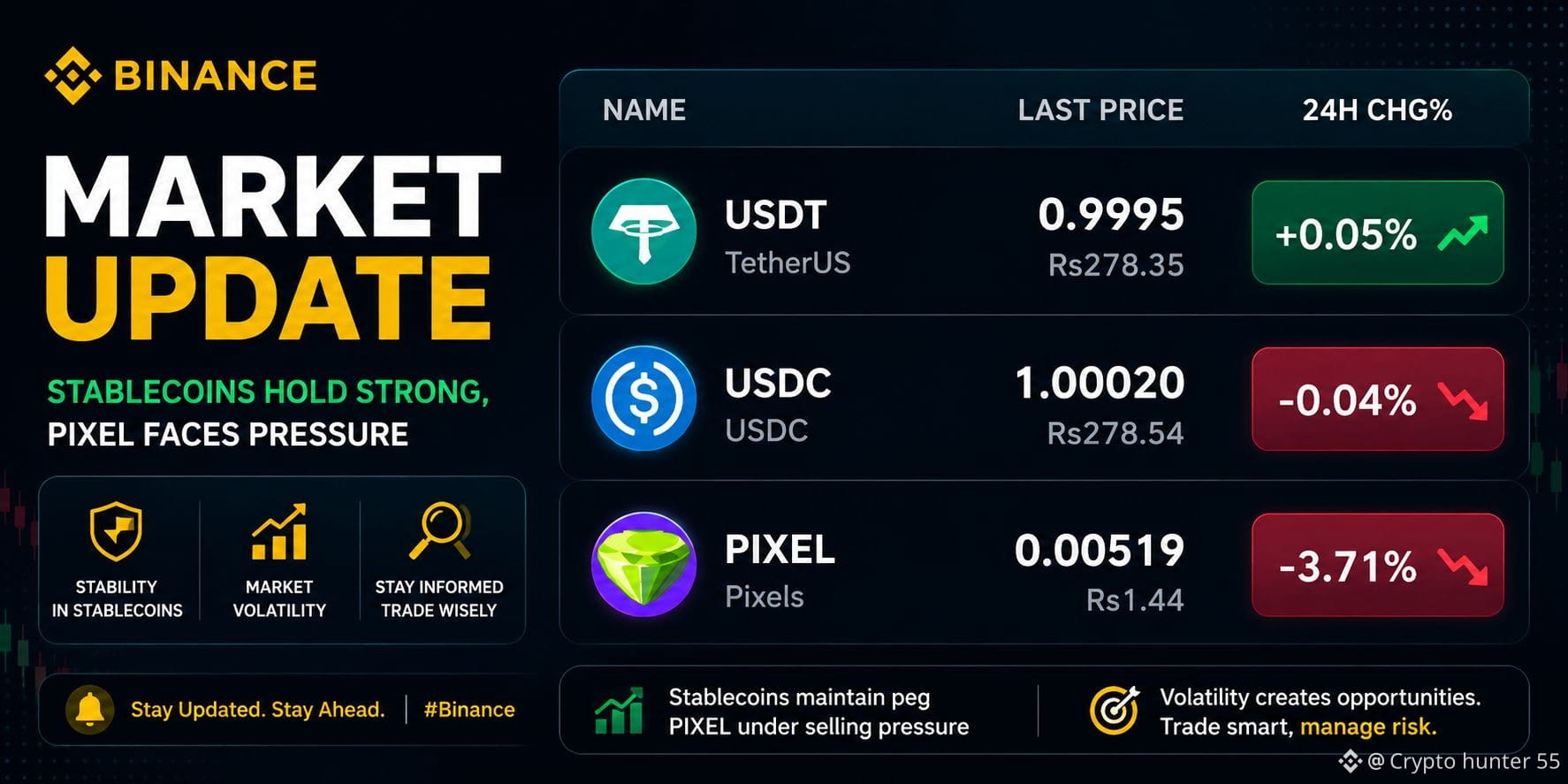
📊 Les Stablecoins Resteront Solides Pendant Que PIXEL Fait Face à la Pression
Le snapshot du marché d'aujourd'hui montre que les stablecoins maintiennent leur parité, tandis que les tokens de jeu continuent d'éprouver de la volatilité.
🟢 $USDT (TetherUS)
💰 Prix : $0.9995
🇵🇰 Valeur PKR : Rs278.35
📈 Changement 24H : +0.05%
🔵 $USDC
💰 Prix : $1.00020
🇵🇰 Valeur PKR : Rs278.54
📉 Changement 24H : -0.04%
🟣 $PIXEL (Pixels)
💰 Prix : $0.00519
🇵🇰 Valeur PKR : Rs1.44
📉 Changement 24H : -3.71%
📌 Les stablecoins continuent d'offrir une stabilité des prix pour les traders, tandis que PIXEL reste sous pression de vente à court terme. Comme toujours, la volatilité du marché crée tant des risques que des opportunités pour les investisseurs éclairés.
#Crypto #USDT #USDC #Pixels #USDTMarketCapDepasseEthereum
📊 Les Stablecoins Resteront Solides Pendant Que PIXEL Fait Face à la Pression
Le snapshot du marché d'aujourd'hui montre que les stablecoins maintiennent leur parité, tandis que les tokens de jeu continuent d'éprouver de la volatilité.
🟢 $USDT (TetherUS)
💰 Prix : $0.9995
🇵🇰 Valeur PKR : Rs278.35
📈 Changement 24H : +0.05%
🔵 $USDC
💰 Prix : $1.00020
🇵🇰 Valeur PKR : Rs278.54
📉 Changement 24H : -0.04%
🟣 $PIXEL (Pixels)
💰 Prix : $0.00519
🇵🇰 Valeur PKR : Rs1.44
📉 Changement 24H : -3.71%
📌 Les stablecoins continuent d'offrir une stabilité des prix pour les traders, tandis que PIXEL reste sous pression de vente à court terme. Comme toujours, la volatilité du marché crée tant des risques que des opportunités pour les investisseurs éclairés.
#Crypto #USDT #USDC #Pixels #USDTMarketCapDepasseEthereum
Le snapshot du marché d'aujourd'hui montre que les stablecoins maintiennent leur parité, tandis que les tokens de jeu continuent d'éprouver de la volatilité.
🟢 $USDT (TetherUS)
💰 Prix : $0.9995
🇵🇰 Valeur PKR : Rs278.35
📈 Changement 24H : +0.05%
🔵 $USDC
💰 Prix : $1.00020
🇵🇰 Valeur PKR : Rs278.54
📉 Changement 24H : -0.04%
🟣 $PIXEL (Pixels)
💰 Prix : $0.00519
🇵🇰 Valeur PKR : Rs1.44
📉 Changement 24H : -3.71%
📌 Les stablecoins continuent d'offrir une stabilité des prix pour les traders, tandis que PIXEL reste sous pression de vente à court terme. Comme toujours, la volatilité du marché crée tant des risques que des opportunités pour les investisseurs éclairés.
#Crypto #USDT #USDC #Pixels #USDTMarketCapDepasseEthereum
140
·
--
Lorsque l’attention portée à $PIXEL est diluée par des téléphones Google Pixel, l’art pixel et les vieux récits de NFT, la narration qui appartient vraiment au projet devient au contraire floue.
Le prix actuel est de 0,00526 $, avec 7,41 M$ de transactions sur 24 h et une capitalisation de seulement 18,23 M$ — c’est un exemple de petite capitalisation étouffée par la « pollution informationnelle ».
Je me concentre sur trois points :
1. Du côté du jeu sur la chaîne, est-ce que le cycle actifs/terrains et actifs reste toujours rentable et fonctionne encore au quotidien
2. Est-ce que l’équipe a récemment des mises à jour de feuille de route vérifiables, plutôt que de s’appuyer uniquement sur des souvenirs de la communauté
3. Le ratio volume/ capitalisation est plutôt dynamique dans les petites capitalisations, ce qui suggère que la rotation des positions n’est pas morte, mais implique aussi une amplification de la volatilité
En l’absence de divulgation claire des fondamentaux, plutôt que de parier sur un sens, considérez-le comme un actif de « correction de l’information » : dès que la narration officielle reprend la première page des recherches, l’ancre de valorisation reviendra. En attendant, la taille de position et le ratio entrée/stop sont plus importants.
#Pixels #GameFi #Observation des petites capitalisations
Lorsque l’attention portée à $PIXEL est diluée par des téléphones Google Pixel, l’art pixel et les vieux récits de NFT, la narration qui appartient vraiment au projet devient au contraire floue.
Le prix actuel est de 0,00526 $, avec 7,41 M$ de transactions sur 24 h et une capitalisation de seulement 18,23 M$ — c’est un exemple de petite capitalisation étouffée par la « pollution informationnelle ».
Je me concentre sur trois points :
1. Du côté du jeu sur la chaîne, est-ce que le cycle actifs/terrains et actifs reste toujours rentable et fonctionne encore au quotidien
2. Est-ce que l’équipe a récemment des mises à jour de feuille de route vérifiables, plutôt que de s’appuyer uniquement sur des souvenirs de la communauté
3. Le ratio volume/ capitalisation est plutôt dynamique dans les petites capitalisations, ce qui suggère que la rotation des positions n’est pas morte, mais implique aussi une amplification de la volatilité
En l’absence de divulgation claire des fondamentaux, plutôt que de parier sur un sens, considérez-le comme un actif de « correction de l’information » : dès que la narration officielle reprend la première page des recherches, l’ancre de valorisation reviendra. En attendant, la taille de position et le ratio entrée/stop sont plus importants.
#Pixels #GameFi #Observation des petites capitalisations
Le prix actuel est de 0,00526 $, avec 7,41 M$ de transactions sur 24 h et une capitalisation de seulement 18,23 M$ — c’est un exemple de petite capitalisation étouffée par la « pollution informationnelle ».
Je me concentre sur trois points :
1. Du côté du jeu sur la chaîne, est-ce que le cycle actifs/terrains et actifs reste toujours rentable et fonctionne encore au quotidien
2. Est-ce que l’équipe a récemment des mises à jour de feuille de route vérifiables, plutôt que de s’appuyer uniquement sur des souvenirs de la communauté
3. Le ratio volume/ capitalisation est plutôt dynamique dans les petites capitalisations, ce qui suggère que la rotation des positions n’est pas morte, mais implique aussi une amplification de la volatilité
En l’absence de divulgation claire des fondamentaux, plutôt que de parier sur un sens, considérez-le comme un actif de « correction de l’information » : dès que la narration officielle reprend la première page des recherches, l’ancre de valorisation reviendra. En attendant, la taille de position et le ratio entrée/stop sont plus importants.
#Pixels #GameFi #Observation des petites capitalisations
102

·
--
💥🚀🎮 $PIXEL Momentum Watch
PIXEL évolue autour de 0,0042–0,0048 $, avec un volume sur 24 h d’environ 5 M–6 M $. Les données récentes montrent que le token reste proche de ses plus bas de juillet, tandis que la liquidité reste active.
📊 Niveaux clés:
• Support : 0,0040 $
• Résistance : 0,0050 $
• Cassure au-dessus de 0,0050 $ + volume en hausse = signal de momentum plus fort
• Perte de 0,0040 $ = risque baissier
Mon avis : PIXEL est un token de jeu très volatil où la confirmation par le volume compte plus que le prix seul. Surveillez de près la zone à 0,0050 $. 👀
#PIXEL #Pixels #Crypto #gaming #BinanceSquareFamily 💥🚀
{spot}(PIXELUSDT)
💥🚀🎮 $PIXEL Momentum Watch
PIXEL évolue autour de 0,0042–0,0048 $, avec un volume sur 24 h d’environ 5 M–6 M $. Les données récentes montrent que le token reste proche de ses plus bas de juillet, tandis que la liquidité reste active.
📊 Niveaux clés:
• Support : 0,0040 $
• Résistance : 0,0050 $
• Cassure au-dessus de 0,0050 $ + volume en hausse = signal de momentum plus fort
• Perte de 0,0040 $ = risque baissier
Mon avis : PIXEL est un token de jeu très volatil où la confirmation par le volume compte plus que le prix seul. Surveillez de près la zone à 0,0050 $. 👀
#PIXEL #Pixels #Crypto #gaming #BinanceSquareFamily 💥🚀
PIXEL évolue autour de 0,0042–0,0048 $, avec un volume sur 24 h d’environ 5 M–6 M $. Les données récentes montrent que le token reste proche de ses plus bas de juillet, tandis que la liquidité reste active.
📊 Niveaux clés:
• Support : 0,0040 $
• Résistance : 0,0050 $
• Cassure au-dessus de 0,0050 $ + volume en hausse = signal de momentum plus fort
• Perte de 0,0040 $ = risque baissier
Mon avis : PIXEL est un token de jeu très volatil où la confirmation par le volume compte plus que le prix seul. Surveillez de près la zone à 0,0050 $. 👀
#PIXEL #Pixels #Crypto #gaming #BinanceSquareFamily 💥🚀
1
119

·
--

Article
🎉🏆 RÉCOMPENSES, COMMUNAUTÉS NFT & FOOTBALL SE RENCONTRENT DANS PIXELS 🏆🎉La Pixels Community Cup n'est pas seulement une question de compétition — c'est aussi pour rassembler toute la communauté.
Les joueurs peuvent créer des équipes autour de :
🌎 Pays
🎨 Collections NFT
👥 Communautés
⚔️ Guildes
🏴 Régions
Des maillots spéciaux des pays représentant les 48 nations participant au tournoi de football du monde réel seront disponibles dans le jeu, avec plus de pays ajoutés en fonction des demandes de la communauté.
Et bien sûr... il y a des récompenses qui attendent les gagnants 👀
🥇 Les meilleures équipes reçoivent des trophées exclusifs
🎉🏆 RÉCOMPENSES, COMMUNAUTÉS NFT & FOOTBALL SE RENCONTRENT DANS PIXELS 🏆🎉
La Pixels Community Cup n'est pas seulement une question de compétition — c'est aussi pour rassembler toute la communauté.
Les joueurs peuvent créer des équipes autour de :
🌎 Pays
🎨 Collections NFT
👥 Communautés
⚔️ Guildes
🏴 Régions
Des maillots spéciaux des pays représentant les 48 nations participant au tournoi de football du monde réel seront disponibles dans le jeu, avec plus de pays ajoutés en fonction des demandes de la communauté.
Et bien sûr... il y a des récompenses qui attendent les gagnants 👀
🥇 Les meilleures équipes reçoivent des trophées exclusifs
Les joueurs peuvent créer des équipes autour de :
🌎 Pays
🎨 Collections NFT
👥 Communautés
⚔️ Guildes
🏴 Régions
Des maillots spéciaux des pays représentant les 48 nations participant au tournoi de football du monde réel seront disponibles dans le jeu, avec plus de pays ajoutés en fonction des demandes de la communauté.
Et bien sûr... il y a des récompenses qui attendent les gagnants 👀
🥇 Les meilleures équipes reçoivent des trophées exclusifs
575
·
--
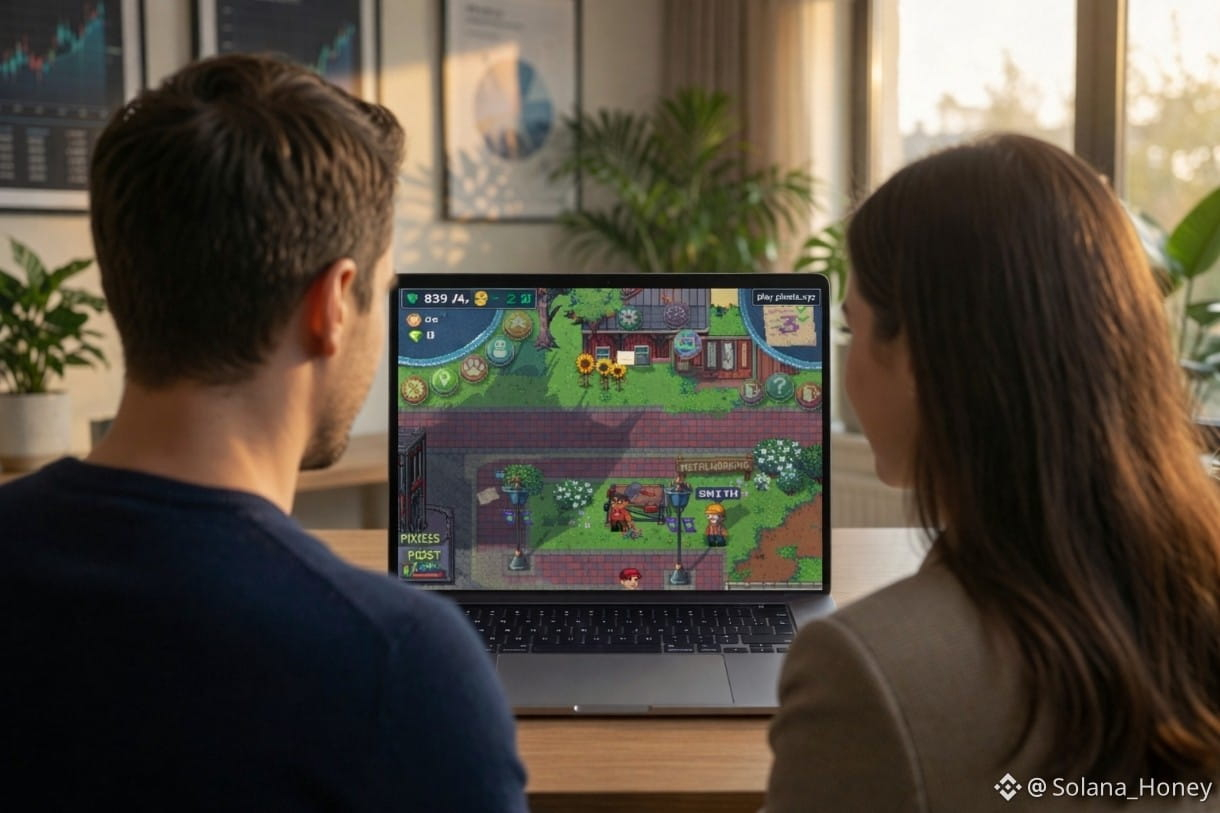
🚀 JEU PIXELS GAMEFI : O Farming qui conquiert le vrai GameFi ! 🌾 $PIXEL
Hé, passionnés de Pixels !
Si vous aimez un jeu amusant, addictif et avec une économie réelle sur la blockchain, Pixels est le projet qui continue d’apporter du contenu. Un monde pixelisé ouvert où vous plantez, explorez, construisez votre ferme, réalisez des quêtes, créez des pets et interagissez avec la communauté — tout en gagnant vraiment avec $PIXEL .
Ce n’est pas juste un autre Play-to-Earn qui disparaît vite. Pixels a apporté de l’innovation au GameFi : free-to-play accessible, intégration solide avec Ronin, staking de #PIXELS avec des avantages exclusifs, gouvernance communautaire et un écosystème qui évolue en permanence.
Pourquoi $PIXEL mérite votre attention maintenant ?
• Utilité réelle dans le jeu (crafting, VIP, guildes, pets NFT)
• Économie durable en construction
• Communauté active et passionnée
• Potentiel de croissance lors du prochain cycle GameFi
Qui plante déjà sur Pixels lève la main ! 🌱 Quelle est votre stratégie préférée dans le jeu ? Farm de baies, trading sur le marketplace ou staking bien lourd de $PIXEL ?
Commentez ci-dessous, taguez vos amis farmers et construisons ensemble cet univers !
#Pixels #PIXEL #GameFi #PlayToEarn
{spot}(PIXELUSDT)
{spot}(RONINUSDT)
🚀 JEU PIXELS GAMEFI : O Farming qui conquiert le vrai GameFi ! 🌾 $PIXEL
Hé, passionnés de Pixels !
Si vous aimez un jeu amusant, addictif et avec une économie réelle sur la blockchain, Pixels est le projet qui continue d’apporter du contenu. Un monde pixelisé ouvert où vous plantez, explorez, construisez votre ferme, réalisez des quêtes, créez des pets et interagissez avec la communauté — tout en gagnant vraiment avec $PIXEL .
Ce n’est pas juste un autre Play-to-Earn qui disparaît vite. Pixels a apporté de l’innovation au GameFi : free-to-play accessible, intégration solide avec Ronin, staking de #PIXELS avec des avantages exclusifs, gouvernance communautaire et un écosystème qui évolue en permanence.
Pourquoi $PIXEL mérite votre attention maintenant ?
• Utilité réelle dans le jeu (crafting, VIP, guildes, pets NFT)
• Économie durable en construction
• Communauté active et passionnée
• Potentiel de croissance lors du prochain cycle GameFi
Qui plante déjà sur Pixels lève la main ! 🌱 Quelle est votre stratégie préférée dans le jeu ? Farm de baies, trading sur le marketplace ou staking bien lourd de $PIXEL ?
Commentez ci-dessous, taguez vos amis farmers et construisons ensemble cet univers !
#Pixels #PIXEL #GameFi #PlayToEarn
Hé, passionnés de Pixels !
Si vous aimez un jeu amusant, addictif et avec une économie réelle sur la blockchain, Pixels est le projet qui continue d’apporter du contenu. Un monde pixelisé ouvert où vous plantez, explorez, construisez votre ferme, réalisez des quêtes, créez des pets et interagissez avec la communauté — tout en gagnant vraiment avec $PIXEL .
Ce n’est pas juste un autre Play-to-Earn qui disparaît vite. Pixels a apporté de l’innovation au GameFi : free-to-play accessible, intégration solide avec Ronin, staking de #PIXELS avec des avantages exclusifs, gouvernance communautaire et un écosystème qui évolue en permanence.
Pourquoi $PIXEL mérite votre attention maintenant ?
• Utilité réelle dans le jeu (crafting, VIP, guildes, pets NFT)
• Économie durable en construction
• Communauté active et passionnée
• Potentiel de croissance lors du prochain cycle GameFi
Qui plante déjà sur Pixels lève la main ! 🌱 Quelle est votre stratégie préférée dans le jeu ? Farm de baies, trading sur le marketplace ou staking bien lourd de $PIXEL ?
Commentez ci-dessous, taguez vos amis farmers et construisons ensemble cet univers !
#Pixels #PIXEL #GameFi #PlayToEarn
389
·
--

Article
🏆⚽ FORMAT & PLANNING DE LA PIXELS COMMUNITY CUP ⚽🏆Penses-tu que ton équipe a ce qu'il faut pour devenir championne ?
Voici comment fonctionne le tournoi :
📅 15-19 juin
Les inscriptions des équipes sont ouvertes.
📅 20-22 juin
Les équipes sont vérifiées et réparties en groupes.
🎲 22 juin
Le tirage au sort officiel des groupes sera diffusé en direct.
Chaque équipe découvrira ses adversaires et commencera à se préparer pour la bataille.
📅 23-26 juin
Début de la phase de groupes
⚽ Format de Round Robin
⏱️ Matches de 25 minutes
• Deux mi-temps de 10 minutes
• Mi-temps de 5 minutes
Les équipes les plus performantes avanceront à la phase à élimination directe où seules les équipes les plus fortes survivent.
🏆⚽ FORMAT & PLANNING DE LA PIXELS COMMUNITY CUP ⚽🏆
Penses-tu que ton équipe a ce qu'il faut pour devenir championne ?
Voici comment fonctionne le tournoi :
📅 15-19 juin
Les inscriptions des équipes sont ouvertes.
📅 20-22 juin
Les équipes sont vérifiées et réparties en groupes.
🎲 22 juin
Le tirage au sort officiel des groupes sera diffusé en direct.
Chaque équipe découvrira ses adversaires et commencera à se préparer pour la bataille.
📅 23-26 juin
Début de la phase de groupes
⚽ Format de Round Robin
⏱️ Matches de 25 minutes
• Deux mi-temps de 10 minutes
• Mi-temps de 5 minutes
Les équipes les plus performantes avanceront à la phase à élimination directe où seules les équipes les plus fortes survivent.
Voici comment fonctionne le tournoi :
📅 15-19 juin
Les inscriptions des équipes sont ouvertes.
📅 20-22 juin
Les équipes sont vérifiées et réparties en groupes.
🎲 22 juin
Le tirage au sort officiel des groupes sera diffusé en direct.
Chaque équipe découvrira ses adversaires et commencera à se préparer pour la bataille.
📅 23-26 juin
Début de la phase de groupes
⚽ Format de Round Robin
⏱️ Matches de 25 minutes
• Deux mi-temps de 10 minutes
• Mi-temps de 5 minutes
Les équipes les plus performantes avanceront à la phase à élimination directe où seules les équipes les plus fortes survivent.
1
5
300
$PIXEL prix actuel 0,00526 $, volume des échanges sur 24 h de 7,41 M$ (millions de dollars), capitalisation boursière seulement 18,23 M$ ; liquidité plutôt faible, mais le taux de rotation n’est pas si bas.
Récemment, les discussions publiques à propos de Pixels ont été largement détournées par les téléphones Google Pixel, l’art des pixels et l’historique des premiers NFT ; il y a peu de voix qui se concentrent réellement sur les fondamentaux du token et l’avancement du jeu sur la chaîne (chain game). C’est aussi l’une des raisons pour lesquelles le prix manque de direction : le marché n’en parle pas, donc personne ne lui attribue vraiment de valeur.
Pour ma part, pour évaluer ce type de GameFi à petite capitalisation, il n’y a que deux lignes à surveiller : d’une part, si les adresses actives on-chain et la rétention liée aux quêtes quotidiennes peuvent rester stables, d’autre part, le rythme des mises à jour de l’équipe à venir. S’il manque une seule de ces deux conditions, tout rebond n’est que de l’émotion.
Tant que je n’ai pas vu un redressement des données fondamentales, je préfère attendre, ne pas poursuivre à la hausse, et envisager une petite mise d’essai lors d’un repli sur un support clé.
#Pixels #GameFi #token à petite capitalisation
$PIXEL prix actuel 0,00526 $, volume des échanges sur 24 h de 7,41 M$ (millions de dollars), capitalisation boursière seulement 18,23 M$ ; liquidité plutôt faible, mais le taux de rotation n’est pas si bas.
Récemment, les discussions publiques à propos de Pixels ont été largement détournées par les téléphones Google Pixel, l’art des pixels et l’historique des premiers NFT ; il y a peu de voix qui se concentrent réellement sur les fondamentaux du token et l’avancement du jeu sur la chaîne (chain game). C’est aussi l’une des raisons pour lesquelles le prix manque de direction : le marché n’en parle pas, donc personne ne lui attribue vraiment de valeur.
Pour ma part, pour évaluer ce type de GameFi à petite capitalisation, il n’y a que deux lignes à surveiller : d’une part, si les adresses actives on-chain et la rétention liée aux quêtes quotidiennes peuvent rester stables, d’autre part, le rythme des mises à jour de l’équipe à venir. S’il manque une seule de ces deux conditions, tout rebond n’est que de l’émotion.
Tant que je n’ai pas vu un redressement des données fondamentales, je préfère attendre, ne pas poursuivre à la hausse, et envisager une petite mise d’essai lors d’un repli sur un support clé.
#Pixels #GameFi #token à petite capitalisation
Récemment, les discussions publiques à propos de Pixels ont été largement détournées par les téléphones Google Pixel, l’art des pixels et l’historique des premiers NFT ; il y a peu de voix qui se concentrent réellement sur les fondamentaux du token et l’avancement du jeu sur la chaîne (chain game). C’est aussi l’une des raisons pour lesquelles le prix manque de direction : le marché n’en parle pas, donc personne ne lui attribue vraiment de valeur.
Pour ma part, pour évaluer ce type de GameFi à petite capitalisation, il n’y a que deux lignes à surveiller : d’une part, si les adresses actives on-chain et la rétention liée aux quêtes quotidiennes peuvent rester stables, d’autre part, le rythme des mises à jour de l’équipe à venir. S’il manque une seule de ces deux conditions, tout rebond n’est que de l’émotion.
Tant que je n’ai pas vu un redressement des données fondamentales, je préfère attendre, ne pas poursuivre à la hausse, et envisager une petite mise d’essai lors d’un repli sur un support clé.
#Pixels #GameFi #token à petite capitalisation
111
·
--

Article
⚽🔥 LA PIXELS COMMUNITY CUP EST LÀ! 🔥⚽Ton jeu de farming préféré va devenir beaucoup plus compétitif.
La Pixels Community Cup commence officiellement, apportant le football (soccer) directement dans le monde des Pixels. Les joueurs de toute la communauté formeront des équipes, lutteront à travers les phases de groupes, graviront les classements et se battront pour la gloire du championnat.
Que tu représentes ton:
🌎 Pays
🏴 Région
🎨 Collection NFT
👥 Communauté
🔥 Guilde
Le choix est à toi.
Les équipes s'affronteront dans des phases de groupes en round-robin avant de passer à des rondes à élimination directe intenses où chaque match compte.
⚽🔥 LA PIXELS COMMUNITY CUP EST LÀ! 🔥⚽
Ton jeu de farming préféré va devenir beaucoup plus compétitif.
La Pixels Community Cup commence officiellement, apportant le football (soccer) directement dans le monde des Pixels. Les joueurs de toute la communauté formeront des équipes, lutteront à travers les phases de groupes, graviront les classements et se battront pour la gloire du championnat.
Que tu représentes ton:
🌎 Pays
🏴 Région
🎨 Collection NFT
👥 Communauté
🔥 Guilde
Le choix est à toi.
Les équipes s'affronteront dans des phases de groupes en round-robin avant de passer à des rondes à élimination directe intenses où chaque match compte.
La Pixels Community Cup commence officiellement, apportant le football (soccer) directement dans le monde des Pixels. Les joueurs de toute la communauté formeront des équipes, lutteront à travers les phases de groupes, graviront les classements et se battront pour la gloire du championnat.
Que tu représentes ton:
🌎 Pays
🏴 Région
🎨 Collection NFT
👥 Communauté
🔥 Guilde
Le choix est à toi.
Les équipes s'affronteront dans des phases de groupes en round-robin avant de passer à des rondes à élimination directe intenses où chaque match compte.
140
De Banquier à Trader $BTC $ETH
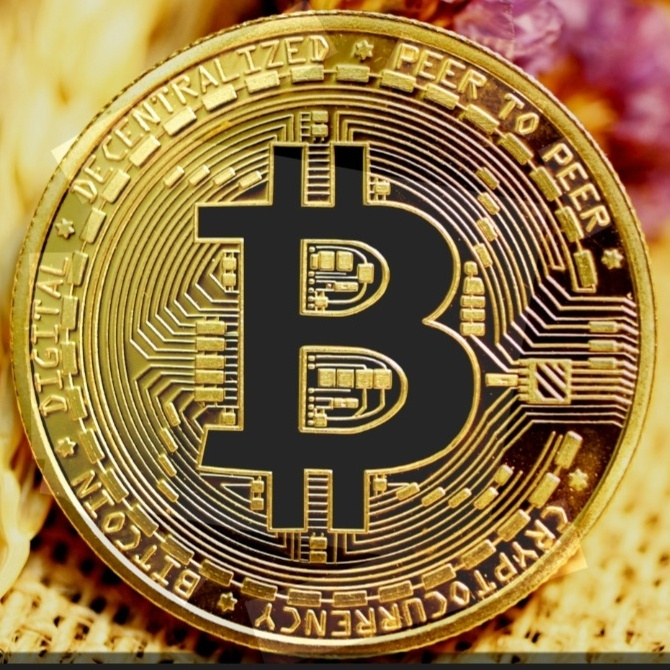
On dirait que vous avez fait un grand saut - d'un rôle bancaire structuré à quelque chose de plus indépendant et flexible. Le trading peut certainement sembler plus gratifiant au jour le jour, surtout si vous aimez avoir le contrôle sur vos décisions et voir des résultats directs de votre travail.
Cela dit, il est important de rester un peu ancré concernant les compromis. La banque offre généralement de la stabilité, un revenu prévisible et une sécurité à long terme, tandis que le revenu du trading peut fluctuer beaucoup selon les marchés et la gestion des risques. Se sentir heureux avec le changement est important - mais s'assurer qu'il est durable l'est tout autant.
Quelques éléments à garder à l'esprit :
Êtes-vous constamment rentable dans le temps, pas seulement par courtes périodes ?
Avez-vous un filet de sécurité ou des économies en cas de mauvaise période de trading ?
Gérez-vous le risque avec soin (taille des positions, stops, etc.) ?
Si vous avez ces bases couvertes, alors vous êtes dans une position solide pour profiter de la liberté que le trading vous offre.
#Pixels
$PIXEL
De Banquier à Trader $BTC $ETH
On dirait que vous avez fait un grand saut - d'un rôle bancaire structuré à quelque chose de plus indépendant et flexible. Le trading peut certainement sembler plus gratifiant au jour le jour, surtout si vous aimez avoir le contrôle sur vos décisions et voir des résultats directs de votre travail.
Cela dit, il est important de rester un peu ancré concernant les compromis. La banque offre généralement de la stabilité, un revenu prévisible et une sécurité à long terme, tandis que le revenu du trading peut fluctuer beaucoup selon les marchés et la gestion des risques. Se sentir heureux avec le changement est important - mais s'assurer qu'il est durable l'est tout autant.
Quelques éléments à garder à l'esprit :
Êtes-vous constamment rentable dans le temps, pas seulement par courtes périodes ?
Avez-vous un filet de sécurité ou des économies en cas de mauvaise période de trading ?
Gérez-vous le risque avec soin (taille des positions, stops, etc.) ?
Si vous avez ces bases couvertes, alors vous êtes dans une position solide pour profiter de la liberté que le trading vous offre.
#Pixels
$PIXEL
On dirait que vous avez fait un grand saut - d'un rôle bancaire structuré à quelque chose de plus indépendant et flexible. Le trading peut certainement sembler plus gratifiant au jour le jour, surtout si vous aimez avoir le contrôle sur vos décisions et voir des résultats directs de votre travail.
Cela dit, il est important de rester un peu ancré concernant les compromis. La banque offre généralement de la stabilité, un revenu prévisible et une sécurité à long terme, tandis que le revenu du trading peut fluctuer beaucoup selon les marchés et la gestion des risques. Se sentir heureux avec le changement est important - mais s'assurer qu'il est durable l'est tout autant.
Quelques éléments à garder à l'esprit :
Êtes-vous constamment rentable dans le temps, pas seulement par courtes périodes ?
Avez-vous un filet de sécurité ou des économies en cas de mauvaise période de trading ?
Gérez-vous le risque avec soin (taille des positions, stops, etc.) ?
Si vous avez ces bases couvertes, alors vous êtes dans une position solide pour profiter de la liberté que le trading vous offre.
#Pixels
$PIXEL


1
1
55

·
--
@pixelsEn 2026, la crypto-monnaie PIXEL remplit de nombreuses fonctions vitales qui soutiennent l'économie interne du jeu. C'est une monnaie de niche, ce qui signifie qu'elle n'est pas utilisée pour les opérations de base comme l'achat de graines, mais est plutôt réservée aux actions de grande valeur. Cela inclut l'achat de VIP memberships, qui offrent aux joueurs une augmentation de la régénération d'énergie et un accès à des zones exclusives. De plus, le PIXEL est nécessaire pour créer des tokens NFT "Pet" et participer au système "Guild", qui est devenu la colonne vertébrale de la structure sociale et compétitive du jeu.
@pixels
En 2026, la crypto-monnaie PIXEL remplit de nombreuses fonctions vitales qui soutiennent l'économie interne du jeu. C'est une monnaie de niche, ce qui signifie qu'elle n'est pas utilisée pour les opérations de base comme l'achat de graines, mais est plutôt réservée aux actions de grande valeur. Cela inclut l'achat de VIP memberships, qui offrent aux joueurs une augmentation de la régénération d'énergie et un accès à des zones exclusives. De plus, le PIXEL est nécessaire pour créer des tokens NFT "Pet" et participer au système "Guild", qui est devenu la colonne vertébrale de la structure sociale et compétitive du jeu.
68

·
--
Pixels améliore discrètement l'économie de GameFi pour $PIXEL 🔥
Cela importe car l'économiste IA de Stacked peut séparer les vrais joueurs des extracteurs, repérer le churn tôt et recalibrer les récompenses par cohorte au lieu de balancer les mêmes émissions à tout le monde. Si ce cycle fonctionne, le marché arrête de fuir de la valeur et commence à utiliser des incitations comme du capital de précision, ce qui est exactement comment le comportement des baleines et les métriques de rétention s'alignent.
Ce n'est pas un conseil financier. Gérez votre risque et protégez votre capital.
#GameFi #Aİ #Crypto #Pixels #Web3 ✦
{future}(PIXELUSDT)
Pixels améliore discrètement l'économie de GameFi pour $PIXEL 🔥
Cela importe car l'économiste IA de Stacked peut séparer les vrais joueurs des extracteurs, repérer le churn tôt et recalibrer les récompenses par cohorte au lieu de balancer les mêmes émissions à tout le monde. Si ce cycle fonctionne, le marché arrête de fuir de la valeur et commence à utiliser des incitations comme du capital de précision, ce qui est exactement comment le comportement des baleines et les métriques de rétention s'alignent.
Ce n'est pas un conseil financier. Gérez votre risque et protégez votre capital.
#GameFi #Aİ #Crypto #Pixels #Web3 ✦
Cela importe car l'économiste IA de Stacked peut séparer les vrais joueurs des extracteurs, repérer le churn tôt et recalibrer les récompenses par cohorte au lieu de balancer les mêmes émissions à tout le monde. Si ce cycle fonctionne, le marché arrête de fuir de la valeur et commence à utiliser des incitations comme du capital de précision, ce qui est exactement comment le comportement des baleines et les métriques de rétention s'alignent.
Ce n'est pas un conseil financier. Gérez votre risque et protégez votre capital.
#GameFi #Aİ #Crypto #Pixels #Web3 ✦

16
Connectez-vous pour découvrir plus de contenu
Rejoignez la communauté mondiale des adeptes de cryptomonnaies sur Binance Square
⚡️ Suviez les dernières informations importantes sur les cryptomonnaies.
💬 Jugé digne de confiance par la plus grande plateforme d’échange de cryptomonnaies au monde.
👍 Découvrez les connaissances que partagent les créateurs vérifiés.
Adresse e-mail/Nº de téléphone
Sujets d’actualité
1
#SECReceivesGrayscaleLitecoinTrustETFFiling
48,296 vues
975 mentions
2
#ClarityActFacesProceduralVoteSept15
167,253 vues
1,914 mentions
3
#US10YearTreasuryYieldNears5%
56,964 vues
1,035 mentions
4
#CryptoLiquidations$674MIn24H
11,739 vues
165 mentions
5
#TokenizedStockHoldersUp619.1%
54,788 vues
890 mentions
6
#RevolutConfirmsFakeGovEmailDataBreach
85,624 vues
1,186 mentions
7
#CanadaOSFISaysTokenizedDepositsEqualTraditionalDeposits
4,990 vues
99 mentions
8
#USBankCompletesCrossBorderPaymentPilotOnStellar
72,735 vues
1,155 mentions
9
#NvidiaInTalksToInvestUpTo$10BInAnthropicIPO
4,989 vues
86 mentions
10
#EtherRalliesAsBearishBetsLiquidate
113,574 vues
1,448 mentions