

#gamefi
gamefi
6M vues
21,770 mentions
Populaire
Récents
·
--
The flipping is real. $XAI just overtook $PIXEL in market cap.
While the market has been distracted by hype, an L3 gaming powerhouse quietly put numbers on the board. This flipping shows exactly which infrastructure projects are accumulating real value.
If you are holding those other newer gaming coins hoping for a bounce, it might be time to look at the data. They are severely underperforming while $XAI continues to build its ecosystem. Volume precedes narrative, and the rotation is heading right here.
#GameFi #XAI #CryptoGaming #Web3
The flipping is real. $XAI just overtook $PIXEL in market cap.
While the market has been distracted by hype, an L3 gaming powerhouse quietly put numbers on the board. This flipping shows exactly which infrastructure projects are accumulating real value.
If you are holding those other newer gaming coins hoping for a bounce, it might be time to look at the data. They are severely underperforming while $XAI continues to build its ecosystem. Volume precedes narrative, and the rotation is heading right here.
#GameFi #XAI #CryptoGaming #Web3
While the market has been distracted by hype, an L3 gaming powerhouse quietly put numbers on the board. This flipping shows exactly which infrastructure projects are accumulating real value.
If you are holding those other newer gaming coins hoping for a bounce, it might be time to look at the data. They are severely underperforming while $XAI continues to build its ecosystem. Volume precedes narrative, and the rotation is heading right here.
#GameFi #XAI #CryptoGaming #Web3
1
312

GameFi es la mezcla de videojuegos y finanzas descentralizadas. La idea: jugás, ganás tokens o NFTs, y esos activos tienen valor real que podés vender o intercambiar.
A diferencia de un juego tradicional donde comprás skins que quedan atrapadas en el servidor, acá los ítems son tuyos de verdad, registrados en blockchain. Podés venderlos en cualquier momento.
La mayoría de estos juegos usa dos tokens: uno de gobernanza (limitado, para staking y votos) y otro de utilidad (inflacionario, que ganás jugando). El equilibrio entre emisión y demanda define si el modelo es sostenible.
Lo importante: no todo proyecto GameFi es rentable. Muchos requieren inversión inicial y el retorno depende de que haya jugadores activos. Si el ecosistema pierde tracción, los tokens caen rápido.
Como trader, estos activos se mueven por narrativa: anuncios, partnerships, lanzamientos. Son volátiles y sensibles al ciclo de las altcoins. Antes de entrar, revisá tokenomics y actividad on-chain real.
¿Te interesa entender más conceptos de cripto de forma clara? Seguinos para más guías sin vueltas.
#GameFi
GameFi es la mezcla de videojuegos y finanzas descentralizadas. La idea: jugás, ganás tokens o NFTs, y esos activos tienen valor real que podés vender o intercambiar.
A diferencia de un juego tradicional donde comprás skins que quedan atrapadas en el servidor, acá los ítems son tuyos de verdad, registrados en blockchain. Podés venderlos en cualquier momento.
La mayoría de estos juegos usa dos tokens: uno de gobernanza (limitado, para staking y votos) y otro de utilidad (inflacionario, que ganás jugando). El equilibrio entre emisión y demanda define si el modelo es sostenible.
Lo importante: no todo proyecto GameFi es rentable. Muchos requieren inversión inicial y el retorno depende de que haya jugadores activos. Si el ecosistema pierde tracción, los tokens caen rápido.
Como trader, estos activos se mueven por narrativa: anuncios, partnerships, lanzamientos. Son volátiles y sensibles al ciclo de las altcoins. Antes de entrar, revisá tokenomics y actividad on-chain real.
¿Te interesa entender más conceptos de cripto de forma clara? Seguinos para más guías sin vueltas.
#GameFi
A diferencia de un juego tradicional donde comprás skins que quedan atrapadas en el servidor, acá los ítems son tuyos de verdad, registrados en blockchain. Podés venderlos en cualquier momento.
La mayoría de estos juegos usa dos tokens: uno de gobernanza (limitado, para staking y votos) y otro de utilidad (inflacionario, que ganás jugando). El equilibrio entre emisión y demanda define si el modelo es sostenible.
Lo importante: no todo proyecto GameFi es rentable. Muchos requieren inversión inicial y el retorno depende de que haya jugadores activos. Si el ecosistema pierde tracción, los tokens caen rápido.
Como trader, estos activos se mueven por narrativa: anuncios, partnerships, lanzamientos. Son volátiles y sensibles al ciclo de las altcoins. Antes de entrar, revisá tokenomics y actividad on-chain real.
¿Te interesa entender más conceptos de cripto de forma clara? Seguinos para más guías sin vueltas.
#GameFi
68
·
--
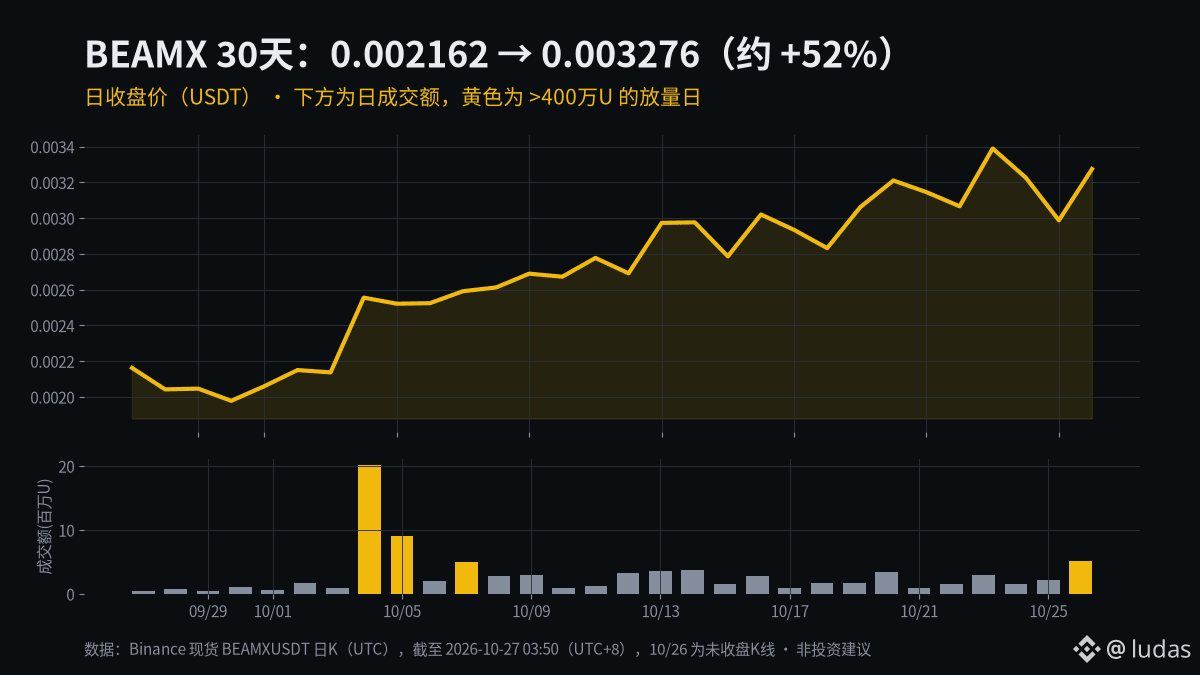
游戏币又被资金翻出来了?$BEAMX 30天涨了约52%,昨天一天放量约2.4倍 🎮🔥
📊 Binance现货日K:9/27收0.002162 → 现约0.003276
🔥 10/26盘中高0.003544,成交额约512万U,前一天约215万U
🧵 本月第二次放量:10/4那次盘中冲到0.00305、成交额约2010万U,之后收回一截
⚠️ 我没查到Beam本月有官方大新闻;CMC的分析把这波归因于游戏/meme板块轮动,同期多个游戏币一起走强
📅 10/28美联储议息,大盘一晃,这种靠板块情绪的币通常波动最大
我的看法:没有基本面催化、只靠板块轮动的上涨,持续性看成交额能不能撑住,一旦量缩,回吐往往很快。非投资建议。
你觉得游戏赛道这波是真回暖,还是短线资金轮一圈就走?评论区聊聊👇 觉得有用点个赞
#GameFi #山寨币 #币安广场
游戏币又被资金翻出来了?$BEAMX 30天涨了约52%,昨天一天放量约2.4倍 🎮🔥
📊 Binance现货日K:9/27收0.002162 → 现约0.003276
🔥 10/26盘中高0.003544,成交额约512万U,前一天约215万U
🧵 本月第二次放量:10/4那次盘中冲到0.00305、成交额约2010万U,之后收回一截
⚠️ 我没查到Beam本月有官方大新闻;CMC的分析把这波归因于游戏/meme板块轮动,同期多个游戏币一起走强
📅 10/28美联储议息,大盘一晃,这种靠板块情绪的币通常波动最大
我的看法:没有基本面催化、只靠板块轮动的上涨,持续性看成交额能不能撑住,一旦量缩,回吐往往很快。非投资建议。
你觉得游戏赛道这波是真回暖,还是短线资金轮一圈就走?评论区聊聊👇 觉得有用点个赞
#GameFi #山寨币 #币安广场
📊 Binance现货日K:9/27收0.002162 → 现约0.003276
🔥 10/26盘中高0.003544,成交额约512万U,前一天约215万U
🧵 本月第二次放量:10/4那次盘中冲到0.00305、成交额约2010万U,之后收回一截
⚠️ 我没查到Beam本月有官方大新闻;CMC的分析把这波归因于游戏/meme板块轮动,同期多个游戏币一起走强
📅 10/28美联储议息,大盘一晃,这种靠板块情绪的币通常波动最大
我的看法:没有基本面催化、只靠板块轮动的上涨,持续性看成交额能不能撑住,一旦量缩,回吐往往很快。非投资建议。
你觉得游戏赛道这波是真回暖,还是短线资金轮一圈就走?评论区聊聊👇 觉得有用点个赞
#GameFi #山寨币 #币安广场
35

$AKE
{alpha}(560x2c3a8ee94ddd97244a93bc48298f97d2c412f7db)
دخول $0.030029 - تعادل + ربح خفيف 🟢*
*السعر الحالي:* $0.0302
- دخولك: $0.030029
- الحالي: $0.0302 = *ربح +0.56%* 🟢 متعادل رابح
- هاي اليوم: $0.0319
- لو اليوم: $0.0285
*البيانات:*
- ترتيب #98 - ماركت $672M كبير
- حجم $8.6M - 285M عملة
- ATH $0.141 - نازلة -79% من القمة
- المعروض: 22.8B من 100B - لسه 77% هيتفك - خطر تضخم
- GameFi - Play-to-Earn
*الأداء:*
- 24 ساعة: -3.65% 🔴 - نازل
- أسبوع: +2.41% 🟢
- شهر: -12.43% 🔴
- هبوط من ATH سبتمبر $0.141 → $0.029 الآن
> *AKE - دخول $0.030029 - الآن $0.0302 - ربح +0.5% - متعادل في سوق أحمر*
>
> AKE لعبة GameFi - ماركت $672M - ترتيب 98 - عملة كبيرة مش صغيرة
>
> *توقعاتي:*
> - لو ثبت فوق $0.030 → هدف $0.0319 (+6% من دخولك) اليوم
> - لو كسر $0.0319 → هدف $0.035 (+16%)
> - دعم قوي $0.0285 - لو كسره وقف خسارة
>
> *الخطر:* 77% من العملات لسه مقفولة - أي unlock هينزل السعر
>
> *التوصية:* احتفاظ - دخولك ممتاز في القاع - هدف قريب $0.035
#AKE #AKEDO #GameFi #تحليل_اليوم #كريبتو
$AKE
$AKE
دخول $0.030029 - تعادل + ربح خفيف 🟢*
*السعر الحالي:* $0.0302
- دخولك: $0.030029
- الحالي: $0.0302 = *ربح +0.56%* 🟢 متعادل رابح
- هاي اليوم: $0.0319
- لو اليوم: $0.0285
*البيانات:*
- ترتيب #98 - ماركت $672M كبير
- حجم $8.6M - 285M عملة
- ATH $0.141 - نازلة -79% من القمة
- المعروض: 22.8B من 100B - لسه 77% هيتفك - خطر تضخم
- GameFi - Play-to-Earn
*الأداء:*
- 24 ساعة: -3.65% 🔴 - نازل
- أسبوع: +2.41% 🟢
- شهر: -12.43% 🔴
- هبوط من ATH سبتمبر $0.141 → $0.029 الآن
> *AKE - دخول $0.030029 - الآن $0.0302 - ربح +0.5% - متعادل في سوق أحمر*
>
> AKE لعبة GameFi - ماركت $672M - ترتيب 98 - عملة كبيرة مش صغيرة
>
> *توقعاتي:*
> - لو ثبت فوق $0.030 → هدف $0.0319 (+6% من دخولك) اليوم
> - لو كسر $0.0319 → هدف $0.035 (+16%)
> - دعم قوي $0.0285 - لو كسره وقف خسارة
>
> *الخطر:* 77% من العملات لسه مقفولة - أي unlock هينزل السعر
>
> *التوصية:* احتفاظ - دخولك ممتاز في القاع - هدف قريب $0.035
#AKE #AKEDO #GameFi #تحليل_اليوم #كريبتو
$AKE
دخول $0.030029 - تعادل + ربح خفيف 🟢*
*السعر الحالي:* $0.0302
- دخولك: $0.030029
- الحالي: $0.0302 = *ربح +0.56%* 🟢 متعادل رابح
- هاي اليوم: $0.0319
- لو اليوم: $0.0285
*البيانات:*
- ترتيب #98 - ماركت $672M كبير
- حجم $8.6M - 285M عملة
- ATH $0.141 - نازلة -79% من القمة
- المعروض: 22.8B من 100B - لسه 77% هيتفك - خطر تضخم
- GameFi - Play-to-Earn
*الأداء:*
- 24 ساعة: -3.65% 🔴 - نازل
- أسبوع: +2.41% 🟢
- شهر: -12.43% 🔴
- هبوط من ATH سبتمبر $0.141 → $0.029 الآن
> *AKE - دخول $0.030029 - الآن $0.0302 - ربح +0.5% - متعادل في سوق أحمر*
>
> AKE لعبة GameFi - ماركت $672M - ترتيب 98 - عملة كبيرة مش صغيرة
>
> *توقعاتي:*
> - لو ثبت فوق $0.030 → هدف $0.0319 (+6% من دخولك) اليوم
> - لو كسر $0.0319 → هدف $0.035 (+16%)
> - دعم قوي $0.0285 - لو كسره وقف خسارة
>
> *الخطر:* 77% من العملات لسه مقفولة - أي unlock هينزل السعر
>
> *التوصية:* احتفاظ - دخولك ممتاز في القاع - هدف قريب $0.035
#AKE #AKEDO #GameFi #تحليل_اليوم #كريبتو
$AKE
2
309
·
--
🎮 GameFi 的核心,是边玩边赚吗?
GameFi 将游戏与区块链、数字资产和代币经济结合,但奖励并不等于可持续价值。
评估一个 GameFi 项目,重点看四件事:
🎮 游戏体验: 没有奖励,玩家还愿意玩吗?
💰 经济模型: 奖励来自真实收入,还是依赖新用户?
🔗 资产价值: 道具是否真正有用,是否存在真实需求?
🛡️ 安全机制: 合约、资产权限和运营规则是否透明?
真正有生命力的游戏,应该先吸引玩家,再让经济体系创造价值。
你觉得 GameFi 最需要突破的是什么?
#ONEA #Web3 #GameFi
🎮 GameFi 的核心,是边玩边赚吗?
GameFi 将游戏与区块链、数字资产和代币经济结合,但奖励并不等于可持续价值。
评估一个 GameFi 项目,重点看四件事:
🎮 游戏体验: 没有奖励,玩家还愿意玩吗?
💰 经济模型: 奖励来自真实收入,还是依赖新用户?
🔗 资产价值: 道具是否真正有用,是否存在真实需求?
🛡️ 安全机制: 合约、资产权限和运营规则是否透明?
真正有生命力的游戏,应该先吸引玩家,再让经济体系创造价值。
你觉得 GameFi 最需要突破的是什么?
#ONEA #Web3 #GameFi
GameFi 将游戏与区块链、数字资产和代币经济结合,但奖励并不等于可持续价值。
评估一个 GameFi 项目,重点看四件事:
🎮 游戏体验: 没有奖励,玩家还愿意玩吗?
💰 经济模型: 奖励来自真实收入,还是依赖新用户?
🔗 资产价值: 道具是否真正有用,是否存在真实需求?
🛡️ 安全机制: 合约、资产权限和运营规则是否透明?
真正有生命力的游戏,应该先吸引玩家,再让经济体系创造价值。
你觉得 GameFi 最需要突破的是什么?
#ONEA #Web3 #GameFi
2
2
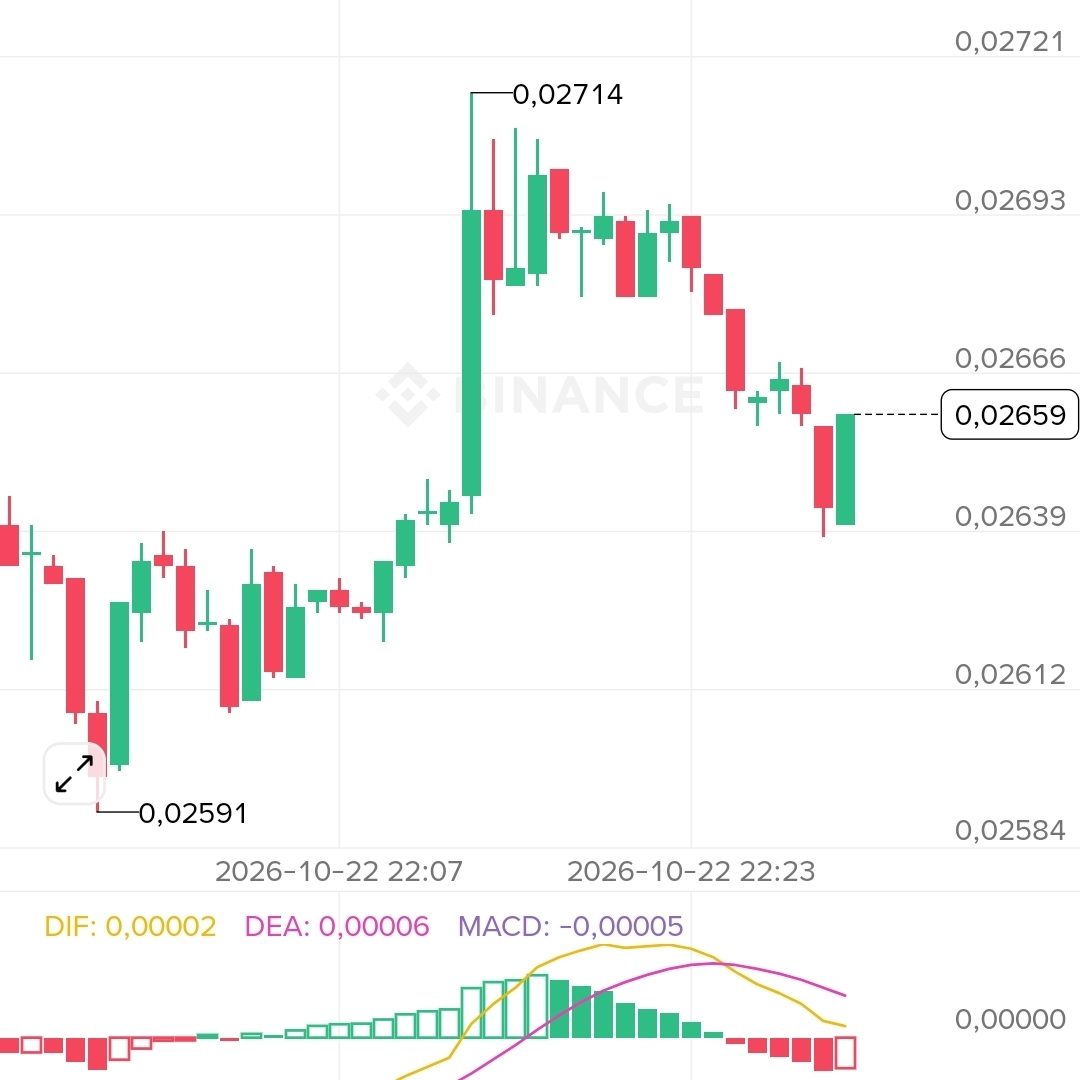
*عنوان:* 🚨 عملة AOP تفجر Binance Alpha بحجم تداول 6.4 مليار دولار - هل فاتك القطار؟
*المقال:*
يا جماعة اللي نايم فاته الكثير! 😱
عملة *$AOP - Ark of Panda* اليوم دارت المستحيل فمنصة Binance Alpha:
- حجم تداول *6.4 مليار دولار* فـ 24 ساعة فقط
- مسيطرة على *30% من حجم التداول الكامل* ديال Alpha
- و *21% من جميع الصفقات* كتدار عليها بوحدها
يعني فايتة البيتكوين والإيثيريوم فالنشاط داخل Alpha! 🔥
*شنو هو مشروع Ark of Panda؟*
مشروع GameFi جديد، فيه لعبة Panda Land Dominion، تقدر تشري أراضي Wild Plots و تربح منها. المشروع دار مسابقة فأكتوبر و وزع 8 مليون عملة AOP على 10,000 مشارك، ومن تما بدا الانفجار.
*علاش طارت بهاد الشكل؟*
1. *مسابقة Binance الرسمية:* اللي كيتداول بزاف كيربح جوائز
2. *القيمة السوقية صغيرة بزاف:* فقط 22 مليون دولار، يعني أي دخول ديال حوت كيطلعها بقوة
3. *FOMO:* كلشي ولا باغي يدخل قبل ما تفوت الفرصة
*هل مازال الوقت للدخول؟*
شوفو، أنا كنقولها بصراحة، الحجم اللي دارتو AOP هو *26,000% من قيمتها السوقية*، وهادي مخاطرة كبيرة. يعني تقدر تطلع 50% أخرى وتقدر تطيح 50% فدقيقة.
*استراتيجيتي أنا:*
ما غاديش ندخل فالقمة، غادي نتسنا تصحيح لـ 0.015$ - 0.018$ وندخل بجزء صغير.
وأنتم؟ واش دخلتو فـ AOP ولا كتشوفوها مخاطرة؟ واش كتعرفو شي عملة أخرى فـ Alpha طالعة دابا؟
كتبو ليا فالتعليقات، وغادي ندير تحليل لأكثر عملة كتطلبوها 👇
#BinanceAlpha #AOP #ArkofPanda #GameFi
*عنوان:* 🚨 عملة AOP تفجر Binance Alpha بحجم تداول 6.4 مليار دولار - هل فاتك القطار؟
*المقال:*
يا جماعة اللي نايم فاته الكثير! 😱
عملة *$AOP - Ark of Panda* اليوم دارت المستحيل فمنصة Binance Alpha:
- حجم تداول *6.4 مليار دولار* فـ 24 ساعة فقط
- مسيطرة على *30% من حجم التداول الكامل* ديال Alpha
- و *21% من جميع الصفقات* كتدار عليها بوحدها
يعني فايتة البيتكوين والإيثيريوم فالنشاط داخل Alpha! 🔥
*شنو هو مشروع Ark of Panda؟*
مشروع GameFi جديد، فيه لعبة Panda Land Dominion، تقدر تشري أراضي Wild Plots و تربح منها. المشروع دار مسابقة فأكتوبر و وزع 8 مليون عملة AOP على 10,000 مشارك، ومن تما بدا الانفجار.
*علاش طارت بهاد الشكل؟*
1. *مسابقة Binance الرسمية:* اللي كيتداول بزاف كيربح جوائز
2. *القيمة السوقية صغيرة بزاف:* فقط 22 مليون دولار، يعني أي دخول ديال حوت كيطلعها بقوة
3. *FOMO:* كلشي ولا باغي يدخل قبل ما تفوت الفرصة
*هل مازال الوقت للدخول؟*
شوفو، أنا كنقولها بصراحة، الحجم اللي دارتو AOP هو *26,000% من قيمتها السوقية*، وهادي مخاطرة كبيرة. يعني تقدر تطلع 50% أخرى وتقدر تطيح 50% فدقيقة.
*استراتيجيتي أنا:*
ما غاديش ندخل فالقمة، غادي نتسنا تصحيح لـ 0.015$ - 0.018$ وندخل بجزء صغير.
وأنتم؟ واش دخلتو فـ AOP ولا كتشوفوها مخاطرة؟ واش كتعرفو شي عملة أخرى فـ Alpha طالعة دابا؟
كتبو ليا فالتعليقات، وغادي ندير تحليل لأكثر عملة كتطلبوها 👇
#BinanceAlpha #AOP #ArkofPanda #GameFi
*المقال:*
يا جماعة اللي نايم فاته الكثير! 😱
عملة *$AOP - Ark of Panda* اليوم دارت المستحيل فمنصة Binance Alpha:
- حجم تداول *6.4 مليار دولار* فـ 24 ساعة فقط
- مسيطرة على *30% من حجم التداول الكامل* ديال Alpha
- و *21% من جميع الصفقات* كتدار عليها بوحدها
يعني فايتة البيتكوين والإيثيريوم فالنشاط داخل Alpha! 🔥
*شنو هو مشروع Ark of Panda؟*
مشروع GameFi جديد، فيه لعبة Panda Land Dominion، تقدر تشري أراضي Wild Plots و تربح منها. المشروع دار مسابقة فأكتوبر و وزع 8 مليون عملة AOP على 10,000 مشارك، ومن تما بدا الانفجار.
*علاش طارت بهاد الشكل؟*
1. *مسابقة Binance الرسمية:* اللي كيتداول بزاف كيربح جوائز
2. *القيمة السوقية صغيرة بزاف:* فقط 22 مليون دولار، يعني أي دخول ديال حوت كيطلعها بقوة
3. *FOMO:* كلشي ولا باغي يدخل قبل ما تفوت الفرصة
*هل مازال الوقت للدخول؟*
شوفو، أنا كنقولها بصراحة، الحجم اللي دارتو AOP هو *26,000% من قيمتها السوقية*، وهادي مخاطرة كبيرة. يعني تقدر تطلع 50% أخرى وتقدر تطيح 50% فدقيقة.
*استراتيجيتي أنا:*
ما غاديش ندخل فالقمة، غادي نتسنا تصحيح لـ 0.015$ - 0.018$ وندخل بجزء صغير.
وأنتم؟ واش دخلتو فـ AOP ولا كتشوفوها مخاطرة؟ واش كتعرفو شي عملة أخرى فـ Alpha طالعة دابا؟
كتبو ليا فالتعليقات، وغادي ندير تحليل لأكثر عملة كتطلبوها 👇
#BinanceAlpha #AOP #ArkofPanda #GameFi
40

🐂🐻 拍到NFT,输给规则:Fortune Foes拍卖风波复盘
最近X上又一个NFT项目被骂上热搜:Robinhood Chain上的Fortune Foes。
据X上的社区汇总,这个项目主打“牛熊对战”GameFi,还承诺真实资产(RWA)奖励。问题出在9月的拍卖:
🔹 拍卖进行到一半,规则被改,竞拍时间被延长
🔹 Bears系列NFT从原计划改成给中标者免费空投
🔹 9月20日官方发帖称空投已完成、很快在OpenSea开放交易
🔹 之后更新停了,地板价跌到几十美元,有人要求退款,社区称创始人Pooria一直没回应
🔹 0xAlphaGEMs等社群成员自报损失从0.3 ETH到5.5 ETH不等,还造了个新词“pooria-ed”
也有人仍然支持它的像素美术,认为是技术延期。是不是跑路,目前没有官方定论,我不下结论。
但有一条X帖子挺扎心,列了一串项目名,配一句:“donators cycle(捐款人循环)。下一个你大概还会在。”
我的看法:拍卖中途改规则,本身就是最大的危险信号。规则能改一次,就能改第二次。参与NFT拍卖前,至少看三件事:规则有没有写死在合约里、资金去向是否透明、团队有没有固定更新节奏。项目沉默的每一天,都比任何利空更说明问题。
你参与过的NFT项目里,有没有遇到过“中途改规则”?最后结果如何?
#NFT #GameFi #RobinhoodChain #防骗指南
🐂🐻 拍到NFT,输给规则:Fortune Foes拍卖风波复盘
最近X上又一个NFT项目被骂上热搜:Robinhood Chain上的Fortune Foes。
据X上的社区汇总,这个项目主打“牛熊对战”GameFi,还承诺真实资产(RWA)奖励。问题出在9月的拍卖:
🔹 拍卖进行到一半,规则被改,竞拍时间被延长
🔹 Bears系列NFT从原计划改成给中标者免费空投
🔹 9月20日官方发帖称空投已完成、很快在OpenSea开放交易
🔹 之后更新停了,地板价跌到几十美元,有人要求退款,社区称创始人Pooria一直没回应
🔹 0xAlphaGEMs等社群成员自报损失从0.3 ETH到5.5 ETH不等,还造了个新词“pooria-ed”
也有人仍然支持它的像素美术,认为是技术延期。是不是跑路,目前没有官方定论,我不下结论。
但有一条X帖子挺扎心,列了一串项目名,配一句:“donators cycle(捐款人循环)。下一个你大概还会在。”
我的看法:拍卖中途改规则,本身就是最大的危险信号。规则能改一次,就能改第二次。参与NFT拍卖前,至少看三件事:规则有没有写死在合约里、资金去向是否透明、团队有没有固定更新节奏。项目沉默的每一天,都比任何利空更说明问题。
你参与过的NFT项目里,有没有遇到过“中途改规则”?最后结果如何?
#NFT #GameFi #RobinhoodChain #防骗指南
最近X上又一个NFT项目被骂上热搜:Robinhood Chain上的Fortune Foes。
据X上的社区汇总,这个项目主打“牛熊对战”GameFi,还承诺真实资产(RWA)奖励。问题出在9月的拍卖:
🔹 拍卖进行到一半,规则被改,竞拍时间被延长
🔹 Bears系列NFT从原计划改成给中标者免费空投
🔹 9月20日官方发帖称空投已完成、很快在OpenSea开放交易
🔹 之后更新停了,地板价跌到几十美元,有人要求退款,社区称创始人Pooria一直没回应
🔹 0xAlphaGEMs等社群成员自报损失从0.3 ETH到5.5 ETH不等,还造了个新词“pooria-ed”
也有人仍然支持它的像素美术,认为是技术延期。是不是跑路,目前没有官方定论,我不下结论。
但有一条X帖子挺扎心,列了一串项目名,配一句:“donators cycle(捐款人循环)。下一个你大概还会在。”
我的看法:拍卖中途改规则,本身就是最大的危险信号。规则能改一次,就能改第二次。参与NFT拍卖前,至少看三件事:规则有没有写死在合约里、资金去向是否透明、团队有没有固定更新节奏。项目沉默的每一天,都比任何利空更说明问题。
你参与过的NFT项目里,有没有遇到过“中途改规则”?最后结果如何?
#NFT #GameFi #RobinhoodChain #防骗指南
6

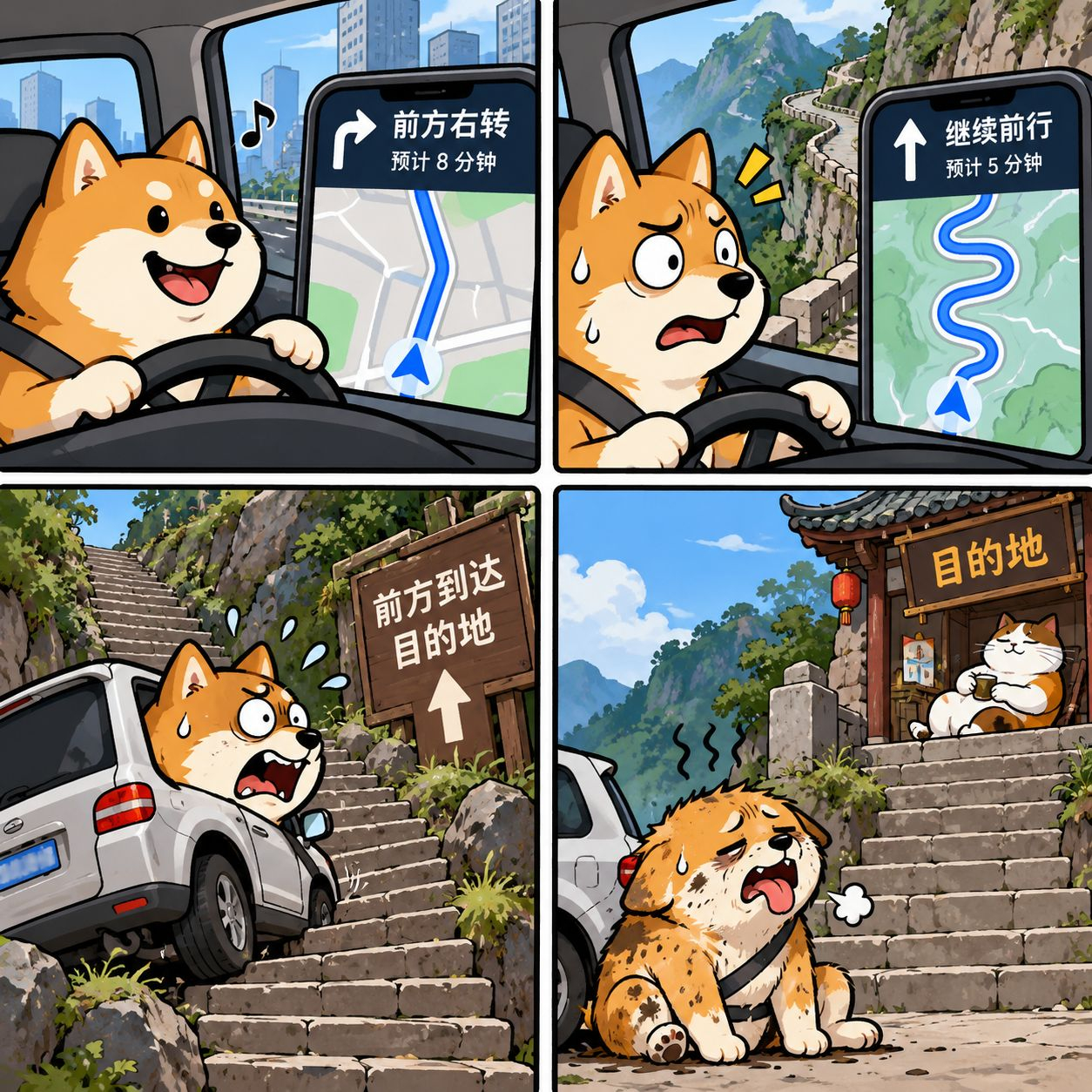
梗图画面:一只猫穿着游戏策划的工牌,认真给空椅子发“每日登录奖励”;椅背上贴着便签:“奖励领完了,明天还来吗?”这问题比奖励表难做。资产能流通,解决的是转移方便;玩家愿不愿意回来,还得看游戏有没有让人想继续的内容。没可核实的使用数据,就不替项目报留存成绩。
币安现货滚动24小时:$IMX -4.58%(滚动24小时)。币安现货滚动24小时:$GALA -4.82%(滚动24小时)。币安现货滚动24小时:$AXS -4.70%(滚动24小时)。这些是各自的价格变化,不是游戏质量评分,也不能说明玩家留存或下跌原因。
我更想把两道题分开:资产流通给谁带来便利,激励退去后又有什么理由让玩家再打开游戏?前者是工具,后者要靠实际体验回答。价格会波动,不能替玩法作答;没有证据时,先别把热闹当成有人留下来。#GameFi #应用观察
梗图画面:一只猫穿着游戏策划的工牌,认真给空椅子发“每日登录奖励”;椅背上贴着便签:“奖励领完了,明天还来吗?”这问题比奖励表难做。资产能流通,解决的是转移方便;玩家愿不愿意回来,还得看游戏有没有让人想继续的内容。没可核实的使用数据,就不替项目报留存成绩。
币安现货滚动24小时:$IMX -4.58%(滚动24小时)。币安现货滚动24小时:$GALA -4.82%(滚动24小时)。币安现货滚动24小时:$AXS -4.70%(滚动24小时)。这些是各自的价格变化,不是游戏质量评分,也不能说明玩家留存或下跌原因。
我更想把两道题分开:资产流通给谁带来便利,激励退去后又有什么理由让玩家再打开游戏?前者是工具,后者要靠实际体验回答。价格会波动,不能替玩法作答;没有证据时,先别把热闹当成有人留下来。#GameFi #应用观察
币安现货滚动24小时:$IMX -4.58%(滚动24小时)。币安现货滚动24小时:$GALA -4.82%(滚动24小时)。币安现货滚动24小时:$AXS -4.70%(滚动24小时)。这些是各自的价格变化,不是游戏质量评分,也不能说明玩家留存或下跌原因。
我更想把两道题分开:资产流通给谁带来便利,激励退去后又有什么理由让玩家再打开游戏?前者是工具,后者要靠实际体验回答。价格会波动,不能替玩法作答;没有证据时,先别把热闹当成有人留下来。#GameFi #应用观察
57

·
--
一款游戏让人回来,靠的是奖励,还是奖励停了以后仍然想玩的内容?资产能转移、交易,解决的是流通便利;它不自动等于玩法有吸引力,更不能替玩家回答“明天还开不开”。
币安现货滚动24小时:$IMX -3.11%(滚动24小时)。币安现货滚动24小时:$GALA -4.06%(滚动24小时)。币安现货滚动24小时:$AXS -3.77%(滚动24小时)。这些是各自的价格变化,不是游戏质量评分,也不能说明用户留存或下跌原因。
我更想看到的是可核实的使用情况:激励退去后,玩家是否仍有回来的理由?资产流通给谁带来方便,玩法又给谁带来乐趣?目前没有直接应用消息或使用数据,就不替项目补成绩单。代币可以让资产移动,真正让人留下来的,终究得是游戏本身。#GameFi #应用
一款游戏让人回来,靠的是奖励,还是奖励停了以后仍然想玩的内容?资产能转移、交易,解决的是流通便利;它不自动等于玩法有吸引力,更不能替玩家回答“明天还开不开”。
币安现货滚动24小时:$IMX -3.11%(滚动24小时)。币安现货滚动24小时:$GALA -4.06%(滚动24小时)。币安现货滚动24小时:$AXS -3.77%(滚动24小时)。这些是各自的价格变化,不是游戏质量评分,也不能说明用户留存或下跌原因。
我更想看到的是可核实的使用情况:激励退去后,玩家是否仍有回来的理由?资产流通给谁带来方便,玩法又给谁带来乐趣?目前没有直接应用消息或使用数据,就不替项目补成绩单。代币可以让资产移动,真正让人留下来的,终究得是游戏本身。#GameFi #应用
币安现货滚动24小时:$IMX -3.11%(滚动24小时)。币安现货滚动24小时:$GALA -4.06%(滚动24小时)。币安现货滚动24小时:$AXS -3.77%(滚动24小时)。这些是各自的价格变化,不是游戏质量评分,也不能说明用户留存或下跌原因。
我更想看到的是可核实的使用情况:激励退去后,玩家是否仍有回来的理由?资产流通给谁带来方便,玩法又给谁带来乐趣?目前没有直接应用消息或使用数据,就不替项目补成绩单。代币可以让资产移动,真正让人留下来的,终究得是游戏本身。#GameFi #应用

🐉 Pocket Dragons周五AMA要公布铸造细节,热度先到了,答案还没到
最近时间线上全是小龙蛋。Pocket Dragons把90年代电子宠物的玩法搬上链:喂养、互动、孵蛋、开卡包,官方说要把IP、GameFi、DeFi、收藏品和AI放在一起做。
这周五的例行AMA会讲铸造的几件核心事:
🔹 总供应量(社区流传的38,888,团队说要澄清)
🔹 回购机制和销毁机制
🔹 传奇1/1
🔹 用哪条链
🔹 具体怎么铸造
社区这边也很热闹:Hatchery捡蛋活动连开16晚,每晚能拿一颗蛋;项目负责人Sam Withers开放日程,接受一对一通话;GameFi Labs说他们的Discord AMA同时在线几周内从约200人涨到上千人。
我的看法很简单:现在看到的是热度,还不是数据。
供应量、链、回购的钱从哪来,这三件事一个都没定。回购尤其要问清楚,是用铸造收入、版税还是游戏内消费去买?比例多少?没有持续收入的回购只是一次性的宣传。
另外提醒一句,铸造前最容易出现假铸造链接、假白名单私信。只认官方账号发的链接,别在评论区点。
也有人在评论里直接问:Pocket Dragons到底有什么用?这个问题问得好,周五之后应该能有答案。
你会等AMA细节出来再决定,还是已经在捡蛋占位了?
#NFT #GameFi #PocketDragons #Web3
🐉 Pocket Dragons周五AMA要公布铸造细节,热度先到了,答案还没到
最近时间线上全是小龙蛋。Pocket Dragons把90年代电子宠物的玩法搬上链:喂养、互动、孵蛋、开卡包,官方说要把IP、GameFi、DeFi、收藏品和AI放在一起做。
这周五的例行AMA会讲铸造的几件核心事:
🔹 总供应量(社区流传的38,888,团队说要澄清)
🔹 回购机制和销毁机制
🔹 传奇1/1
🔹 用哪条链
🔹 具体怎么铸造
社区这边也很热闹:Hatchery捡蛋活动连开16晚,每晚能拿一颗蛋;项目负责人Sam Withers开放日程,接受一对一通话;GameFi Labs说他们的Discord AMA同时在线几周内从约200人涨到上千人。
我的看法很简单:现在看到的是热度,还不是数据。
供应量、链、回购的钱从哪来,这三件事一个都没定。回购尤其要问清楚,是用铸造收入、版税还是游戏内消费去买?比例多少?没有持续收入的回购只是一次性的宣传。
另外提醒一句,铸造前最容易出现假铸造链接、假白名单私信。只认官方账号发的链接,别在评论区点。
也有人在评论里直接问:Pocket Dragons到底有什么用?这个问题问得好,周五之后应该能有答案。
你会等AMA细节出来再决定,还是已经在捡蛋占位了?
#NFT #GameFi #PocketDragons #Web3
最近时间线上全是小龙蛋。Pocket Dragons把90年代电子宠物的玩法搬上链:喂养、互动、孵蛋、开卡包,官方说要把IP、GameFi、DeFi、收藏品和AI放在一起做。
这周五的例行AMA会讲铸造的几件核心事:
🔹 总供应量(社区流传的38,888,团队说要澄清)
🔹 回购机制和销毁机制
🔹 传奇1/1
🔹 用哪条链
🔹 具体怎么铸造
社区这边也很热闹:Hatchery捡蛋活动连开16晚,每晚能拿一颗蛋;项目负责人Sam Withers开放日程,接受一对一通话;GameFi Labs说他们的Discord AMA同时在线几周内从约200人涨到上千人。
我的看法很简单:现在看到的是热度,还不是数据。
供应量、链、回购的钱从哪来,这三件事一个都没定。回购尤其要问清楚,是用铸造收入、版税还是游戏内消费去买?比例多少?没有持续收入的回购只是一次性的宣传。
另外提醒一句,铸造前最容易出现假铸造链接、假白名单私信。只认官方账号发的链接,别在评论区点。
也有人在评论里直接问:Pocket Dragons到底有什么用?这个问题问得好,周五之后应该能有答案。
你会等AMA细节出来再决定,还是已经在捡蛋占位了?
#NFT #GameFi #PocketDragons #Web3
14
·
--
中文版:
"meme币热潮过后,加密'meme游戏'来了!Illuvium联合创始人警告:这类游戏很多会是庞氏,会被黑,会瞬间死掉,但也有人会赚得盆满钵满,也有人会被血洗。高风险高回报的战场已经开启,你敢来吗?#memegames #gamefi $ILV $AXS"
Meme coins are getting old, crypto 'meme games' are here! Illuvium co-founder warns: many will be ponzis, some will get hacked, most will die instantly. But there will be ridiculous gains and people will get absolutely rinsed. The high-risk, high-reward battlefield has begun. Are you ready? #memegames #gamefi $ILV $AXS
中文版:
"meme币热潮过后,加密'meme游戏'来了!Illuvium联合创始人警告:这类游戏很多会是庞氏,会被黑,会瞬间死掉,但也有人会赚得盆满钵满,也有人会被血洗。高风险高回报的战场已经开启,你敢来吗?#memegames #gamefi $ILV $AXS "
Meme coins are getting old, crypto 'meme games' are here! Illuvium co-founder warns: many will be ponzis, some will get hacked, most will die instantly. But there will be ridiculous gains and people will get absolutely rinsed. The high-risk, high-reward battlefield has begun. Are you ready? #memegames #gamefi $ILV $AXS
"meme币热潮过后,加密'meme游戏'来了!Illuvium联合创始人警告:这类游戏很多会是庞氏,会被黑,会瞬间死掉,但也有人会赚得盆满钵满,也有人会被血洗。高风险高回报的战场已经开启,你敢来吗?#memegames #gamefi $ILV $AXS "
Meme coins are getting old, crypto 'meme games' are here! Illuvium co-founder warns: many will be ponzis, some will get hacked, most will die instantly. But there will be ridiculous gains and people will get absolutely rinsed. The high-risk, high-reward battlefield has begun. Are you ready? #memegames #gamefi $ILV $AXS
351

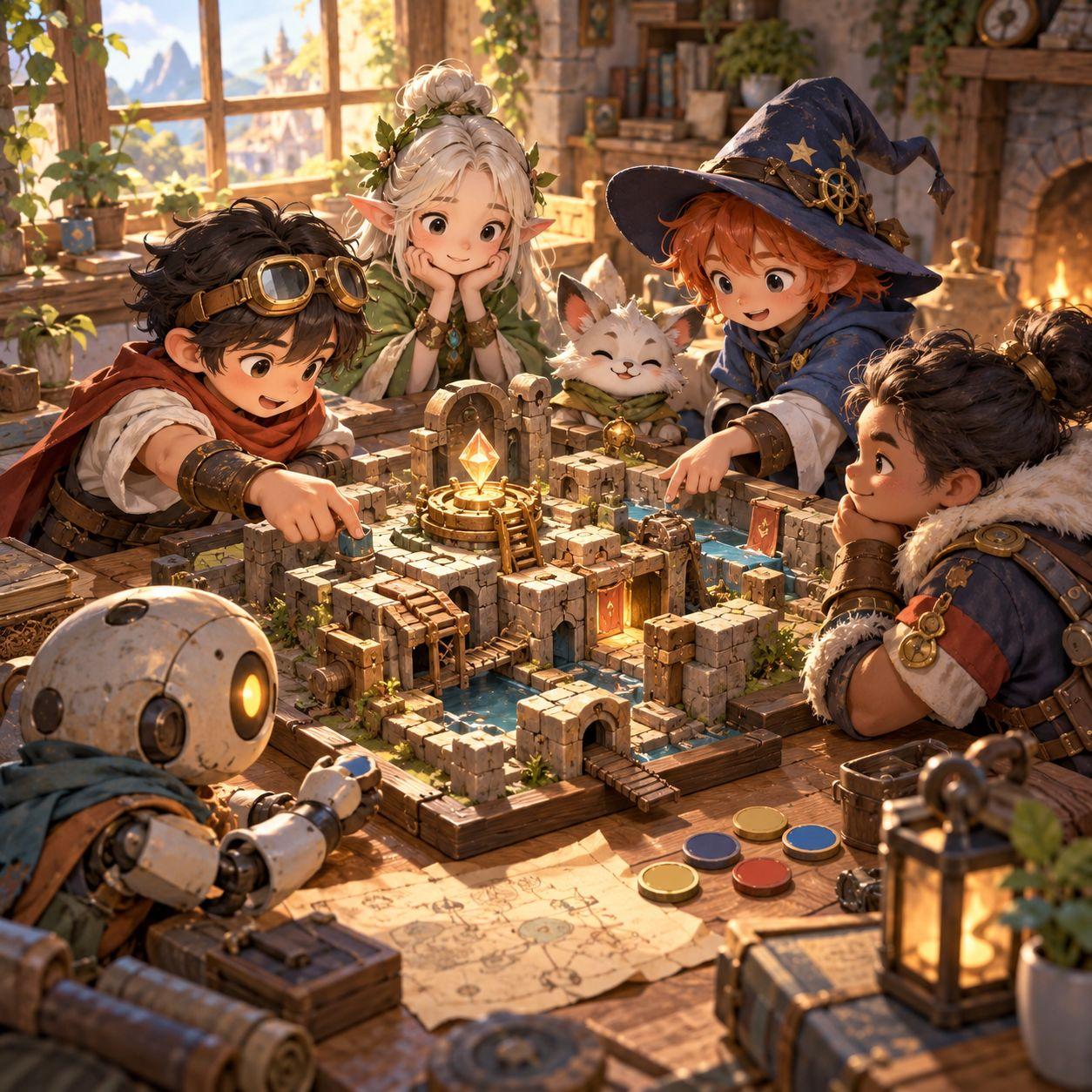
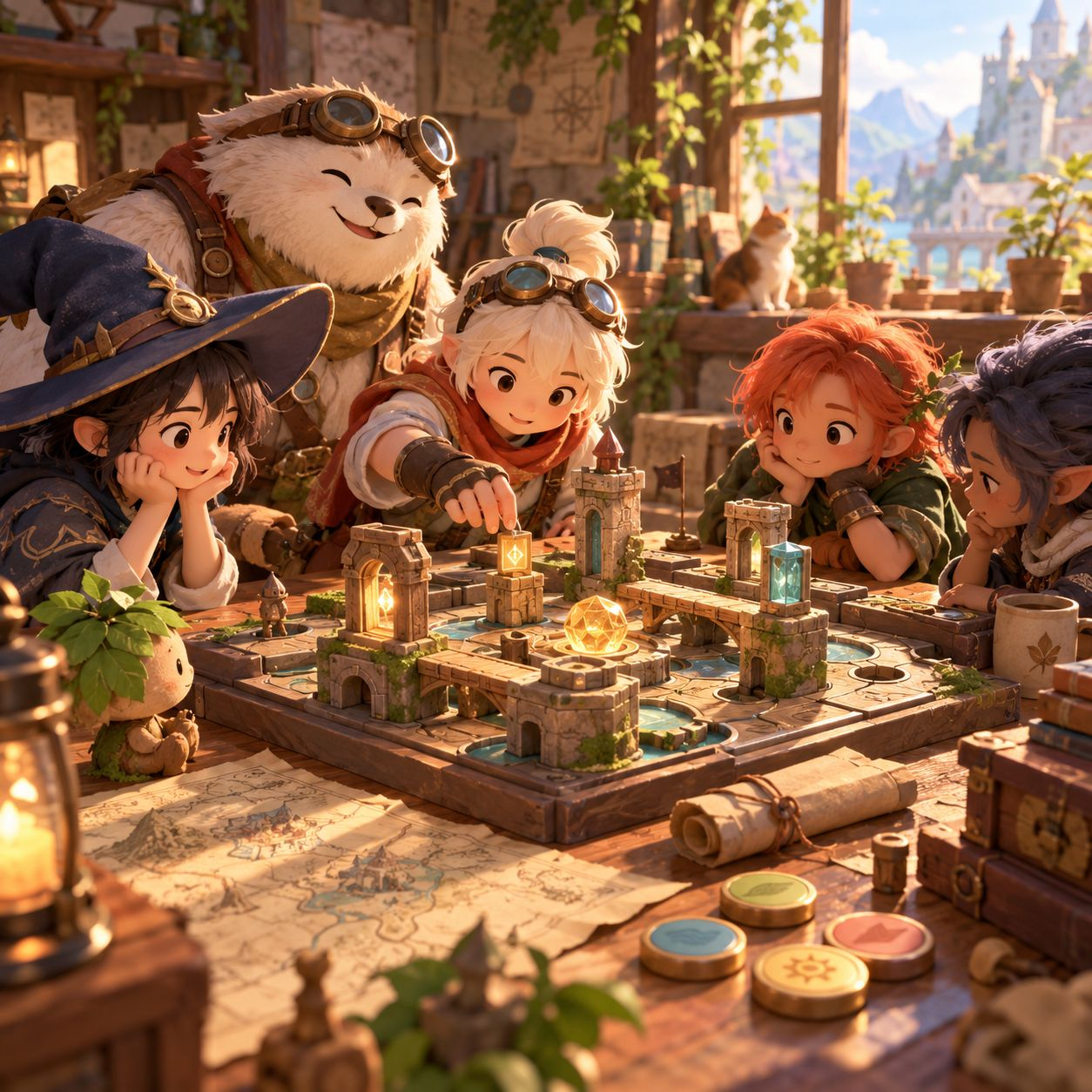
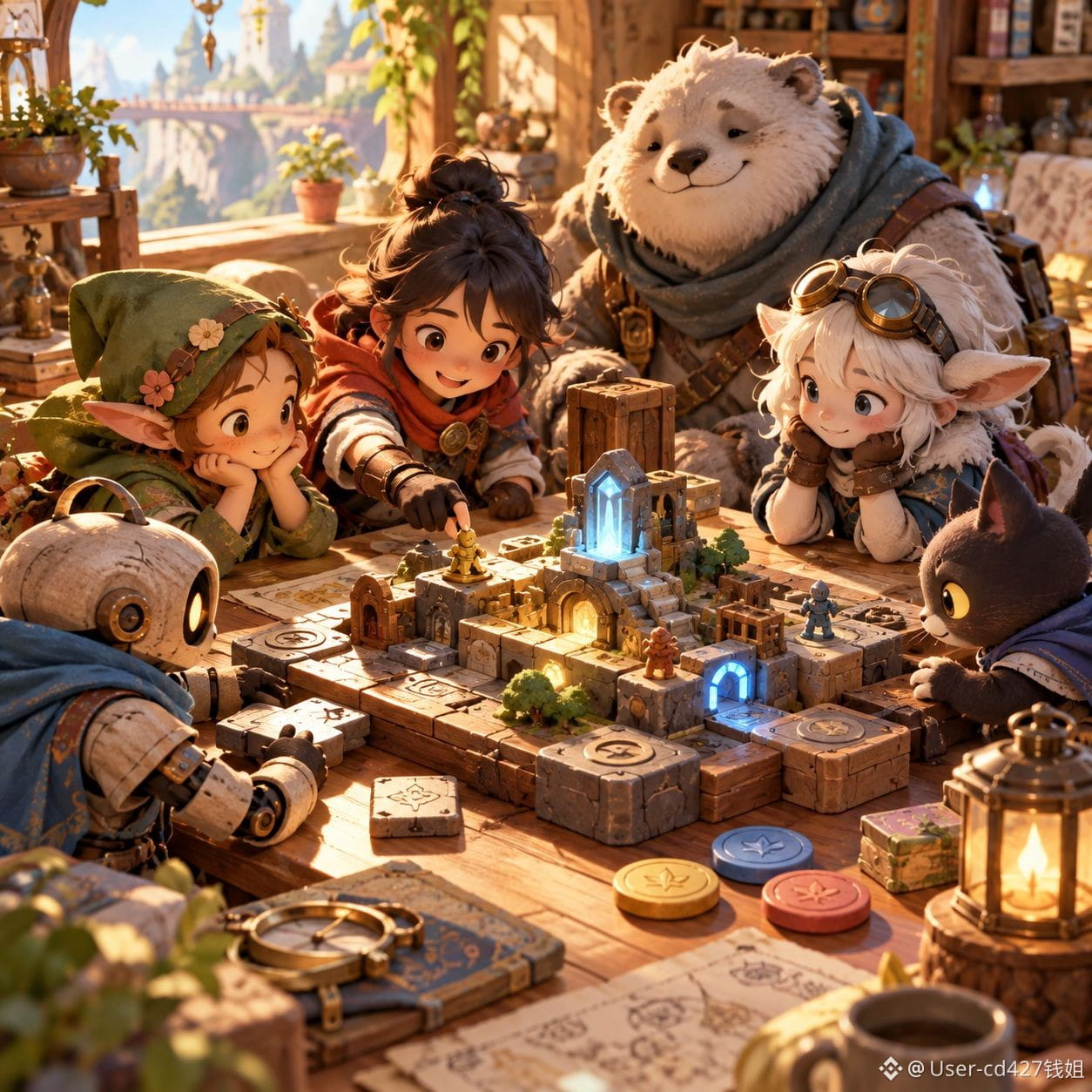
玩游戏时,最值得问的可能不是“奖励值多少”,而是奖励变少后,玩家为什么还想回来?如果答案只剩下下一轮激励,资产再方便流通,也替代不了有趣的玩法和朋友间的互动。
币安现货滚动24小时表现:$IMX -0.91%。币安现货滚动24小时表现:$GALA -3.16%。币安现货滚动24小时表现:$AXS -2.00%。这些数字说的是各自的价格变化,不是玩家留存、游戏质量或下跌原因的证明。
我会把两件事分开看:代币和游戏资产能不能方便地使用、转移,是工具问题;玩家有没有理由再打开游戏,是产品问题。没有可核实的使用数据,就不替任何项目宣布热度或成绩。说到底,代币可以放在桌边,真正让人坐下来再玩一局的,还是玩法本身。#GameFi #应用
玩游戏时,最值得问的可能不是“奖励值多少”,而是奖励变少后,玩家为什么还想回来?如果答案只剩下下一轮激励,资产再方便流通,也替代不了有趣的玩法和朋友间的互动。
币安现货滚动24小时表现:$IMX -0.91%。币安现货滚动24小时表现:$GALA -3.16%。币安现货滚动24小时表现:$AXS -2.00%。这些数字说的是各自的价格变化,不是玩家留存、游戏质量或下跌原因的证明。
我会把两件事分开看:代币和游戏资产能不能方便地使用、转移,是工具问题;玩家有没有理由再打开游戏,是产品问题。没有可核实的使用数据,就不替任何项目宣布热度或成绩。说到底,代币可以放在桌边,真正让人坐下来再玩一局的,还是玩法本身。#GameFi #应用
币安现货滚动24小时表现:$IMX -0.91%。币安现货滚动24小时表现:$GALA -3.16%。币安现货滚动24小时表现:$AXS -2.00%。这些数字说的是各自的价格变化,不是玩家留存、游戏质量或下跌原因的证明。
我会把两件事分开看:代币和游戏资产能不能方便地使用、转移,是工具问题;玩家有没有理由再打开游戏,是产品问题。没有可核实的使用数据,就不替任何项目宣布热度或成绩。说到底,代币可以放在桌边,真正让人坐下来再玩一局的,还是玩法本身。#GameFi #应用
2
玩家会因为什么在奖励变少后还愿意回来?可能是策略有琢磨空间,也可能是朋友还等着组队。代币能让资产流通,但流通本身不等于玩法有趣;如果每次打开游戏都只剩追奖励,再方便的转手也补不上内容的空白。
币安现货滚动24小时:$IMX -0.65%(币安现货滚动24小时);$GALA -3.20%(币安现货滚动24小时);$AXS -1.71%(币安现货滚动24小时)。这三组数字只描述各自的价格变化,不能替游戏质量打分,也不能说明玩家是否留存或价格为何下跌。
我更想看到的是,奖励退去后,玩家是否还会因为玩法、收集或人与人的互动再打开游戏。没有可核实的使用数据,就先不替项目宣布热度或成绩。代币是工具,能不能让人想再玩一局,才是产品要回答的问题。#GameFi #应用 #游戏体验
玩家会因为什么在奖励变少后还愿意回来?可能是策略有琢磨空间,也可能是朋友还等着组队。代币能让资产流通,但流通本身不等于玩法有趣;如果每次打开游戏都只剩追奖励,再方便的转手也补不上内容的空白。
币安现货滚动24小时:$IMX -0.65%(币安现货滚动24小时);$GALA -3.20%(币安现货滚动24小时);$AXS -1.71%(币安现货滚动24小时)。这三组数字只描述各自的价格变化,不能替游戏质量打分,也不能说明玩家是否留存或价格为何下跌。
我更想看到的是,奖励退去后,玩家是否还会因为玩法、收集或人与人的互动再打开游戏。没有可核实的使用数据,就先不替项目宣布热度或成绩。代币是工具,能不能让人想再玩一局,才是产品要回答的问题。#GameFi #应用 #游戏体验
币安现货滚动24小时:$IMX -0.65%(币安现货滚动24小时);$GALA -3.20%(币安现货滚动24小时);$AXS -1.71%(币安现货滚动24小时)。这三组数字只描述各自的价格变化,不能替游戏质量打分,也不能说明玩家是否留存或价格为何下跌。
我更想看到的是,奖励退去后,玩家是否还会因为玩法、收集或人与人的互动再打开游戏。没有可核实的使用数据,就先不替项目宣布热度或成绩。代币是工具,能不能让人想再玩一局,才是产品要回答的问题。#GameFi #应用 #游戏体验
1
·
--
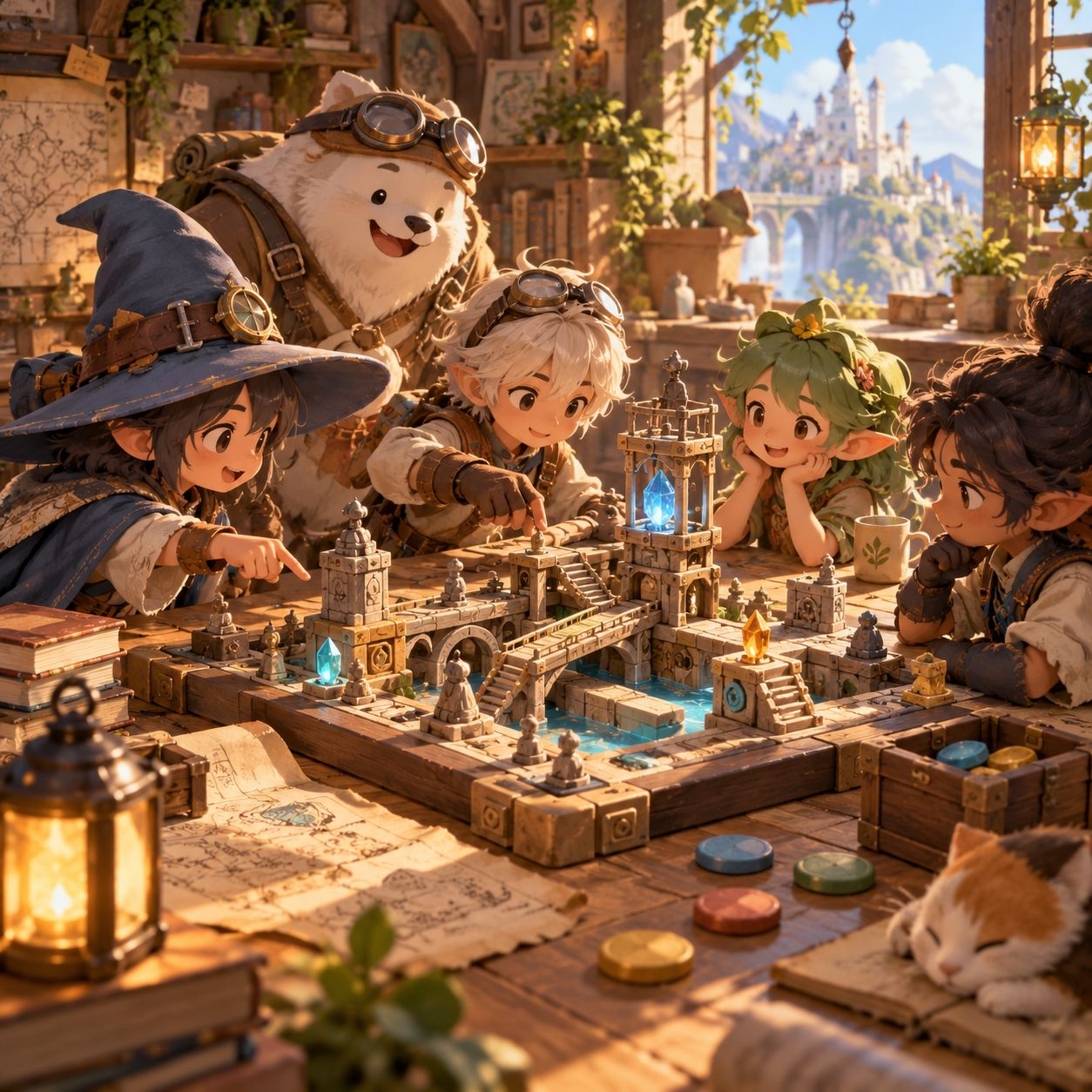
玩游戏时,奖励能让人来一次;真正让人下次还想打开的,可能是玩法有意思,或朋友还在等你。代币能转手、能流通,是工具,不是游戏好玩的证明。没有可核实的玩家数据,我不替任何项目宣布留存表现。
币安现货滚动24小时:$IMX -1.04%(滚动24小时)。币安现货滚动24小时:$GALA -3.25%(滚动24小时)。币安现货滚动24小时:$AXS -1.91%(滚动24小时)。这些数字只描述各自的价格变化,不能替游戏质量打分,也不能解释下跌原因。
我更想知道,激励淡下来以后,玩家还会因策略、收集或社交互动回来吗?资产流通解决的是东西怎么移动,玩法回答的是为什么留下;两件事别混成一笔账。#GameFi #应用
玩游戏时,奖励能让人来一次;真正让人下次还想打开的,可能是玩法有意思,或朋友还在等你。代币能转手、能流通,是工具,不是游戏好玩的证明。没有可核实的玩家数据,我不替任何项目宣布留存表现。
币安现货滚动24小时:$IMX -1.04%(滚动24小时)。币安现货滚动24小时:$GALA -3.25%(滚动24小时)。币安现货滚动24小时:$AXS -1.91%(滚动24小时)。这些数字只描述各自的价格变化,不能替游戏质量打分,也不能解释下跌原因。
我更想知道,激励淡下来以后,玩家还会因策略、收集或社交互动回来吗?资产流通解决的是东西怎么移动,玩法回答的是为什么留下;两件事别混成一笔账。#GameFi #应用
币安现货滚动24小时:$IMX -1.04%(滚动24小时)。币安现货滚动24小时:$GALA -3.25%(滚动24小时)。币安现货滚动24小时:$AXS -1.91%(滚动24小时)。这些数字只描述各自的价格变化,不能替游戏质量打分,也不能解释下跌原因。
我更想知道,激励淡下来以后,玩家还会因策略、收集或社交互动回来吗?资产流通解决的是东西怎么移动,玩法回答的是为什么留下;两件事别混成一笔账。#GameFi #应用
·
--
游戏里最难留住的,往往不是奖励,而是玩家下次还想打开它的理由。代币可以让资产流转更方便,却不能替玩法兜底;如果激励一停,桌子旁就没人了,那热闹可能只是奖励带来的短暂停留。
币安现货滚动24小时表现:$IMX -0.59%(滚动24小时);$GALA -3.36%(滚动24小时);$AXS -1.91%(滚动24小时)。三者都下跌,但价格只描述行情,不是游戏质量、玩家留存或下跌原因的证明。
我会更想知道:不用奖励时,玩法本身有没有让人琢磨的空间?朋友之间有没有值得反复参与的互动?这些问题不能靠代币走势回答,也不能在没有使用数据时替项目下结论。
资产能流通是工具,真正让人回来的,还是游戏里有意思的事。先把这两件事分开看,比把币价当成玩家投票靠谱。#GameFi #应用
游戏里最难留住的,往往不是奖励,而是玩家下次还想打开它的理由。代币可以让资产流转更方便,却不能替玩法兜底;如果激励一停,桌子旁就没人了,那热闹可能只是奖励带来的短暂停留。
币安现货滚动24小时表现:$IMX -0.59%(滚动24小时);$GALA -3.36%(滚动24小时);$AXS -1.91%(滚动24小时)。三者都下跌,但价格只描述行情,不是游戏质量、玩家留存或下跌原因的证明。
我会更想知道:不用奖励时,玩法本身有没有让人琢磨的空间?朋友之间有没有值得反复参与的互动?这些问题不能靠代币走势回答,也不能在没有使用数据时替项目下结论。
资产能流通是工具,真正让人回来的,还是游戏里有意思的事。先把这两件事分开看,比把币价当成玩家投票靠谱。#GameFi #应用
币安现货滚动24小时表现:$IMX -0.59%(滚动24小时);$GALA -3.36%(滚动24小时);$AXS -1.91%(滚动24小时)。三者都下跌,但价格只描述行情,不是游戏质量、玩家留存或下跌原因的证明。
我会更想知道:不用奖励时,玩法本身有没有让人琢磨的空间?朋友之间有没有值得反复参与的互动?这些问题不能靠代币走势回答,也不能在没有使用数据时替项目下结论。
资产能流通是工具,真正让人回来的,还是游戏里有意思的事。先把这两件事分开看,比把币价当成玩家投票靠谱。#GameFi #应用

·
--
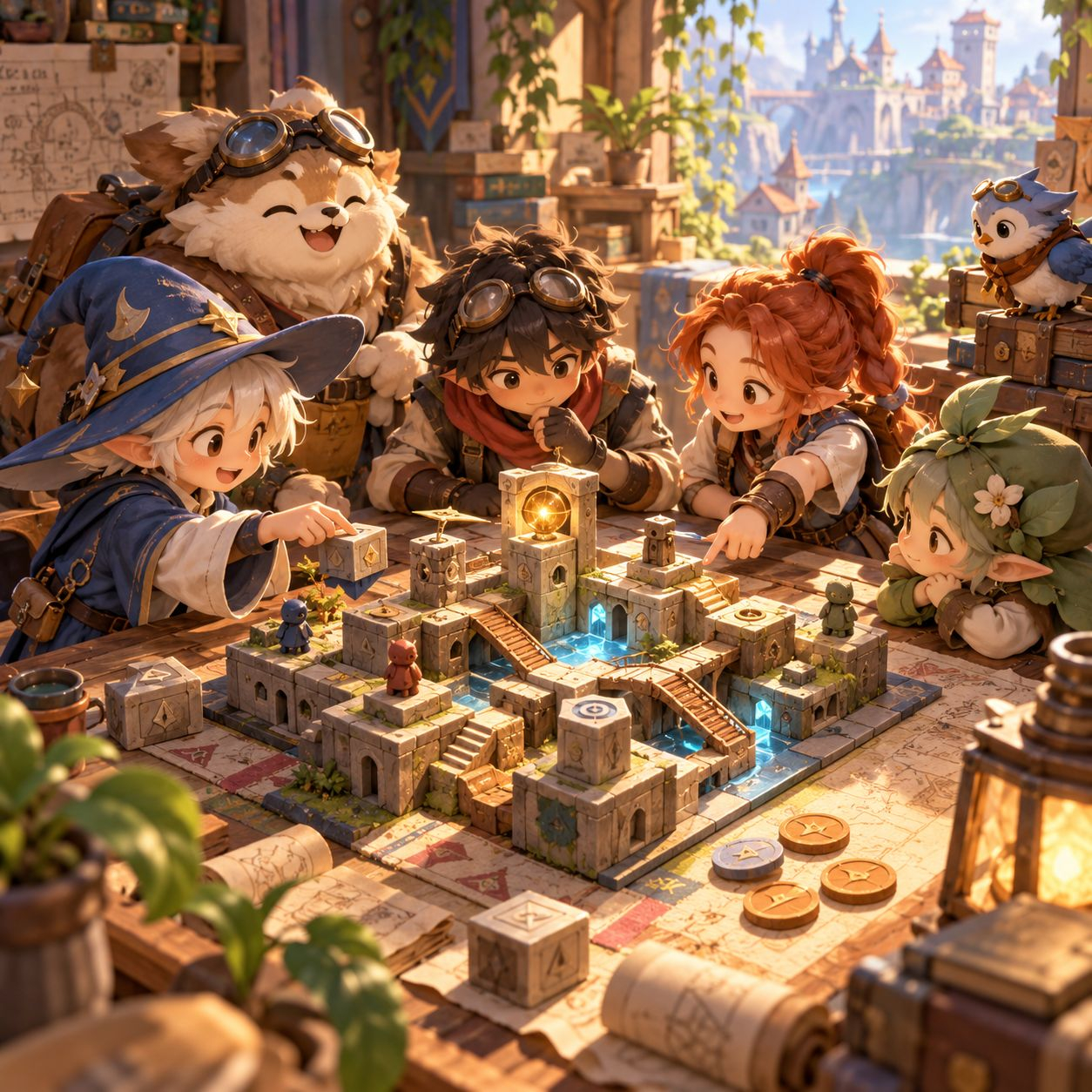
玩游戏时,玩家会记住奖励,还是记住那个让人想再开一局的机关?对 GameFi 来说,代币能流通只是工具;玩法和人与人的互动,才是留人的理由。没有可核实的应用消息或玩家数据,我不替任何项目打分。
币安现货滚动24小时:$IMX +1.70%(滚动24小时);$GALA -1.32%(滚动24小时);$AXS +1.44%(滚动24小时)。这些是各自的价格变化,不是游戏热度或质量的评分。
奖励退去之后,玩家为什么还会回来?可能是策略值得琢磨,也可能是和朋友一起玩有意思;如果答案只剩下追奖励,资产转手再方便,也补不上玩法的空白。反过来,游戏本身够有趣,代币也不必独自扛起留存。
说到底,值得关注的不是代币摆在游戏里有多显眼,而是玩家有没有持续打开它的理由。币价记录的是行情,产品好不好玩,还得看真实使用。#GameFi #应用
玩游戏时,玩家会记住奖励,还是记住那个让人想再开一局的机关?对 GameFi 来说,代币能流通只是工具;玩法和人与人的互动,才是留人的理由。没有可核实的应用消息或玩家数据,我不替任何项目打分。
币安现货滚动24小时:$IMX +1.70%(滚动24小时);$GALA -1.32%(滚动24小时);$AXS +1.44%(滚动24小时)。这些是各自的价格变化,不是游戏热度或质量的评分。
奖励退去之后,玩家为什么还会回来?可能是策略值得琢磨,也可能是和朋友一起玩有意思;如果答案只剩下追奖励,资产转手再方便,也补不上玩法的空白。反过来,游戏本身够有趣,代币也不必独自扛起留存。
说到底,值得关注的不是代币摆在游戏里有多显眼,而是玩家有没有持续打开它的理由。币价记录的是行情,产品好不好玩,还得看真实使用。#GameFi #应用
币安现货滚动24小时:$IMX +1.70%(滚动24小时);$GALA -1.32%(滚动24小时);$AXS +1.44%(滚动24小时)。这些是各自的价格变化,不是游戏热度或质量的评分。
奖励退去之后,玩家为什么还会回来?可能是策略值得琢磨,也可能是和朋友一起玩有意思;如果答案只剩下追奖励,资产转手再方便,也补不上玩法的空白。反过来,游戏本身够有趣,代币也不必独自扛起留存。
说到底,值得关注的不是代币摆在游戏里有多显眼,而是玩家有没有持续打开它的理由。币价记录的是行情,产品好不好玩,还得看真实使用。#GameFi #应用
49

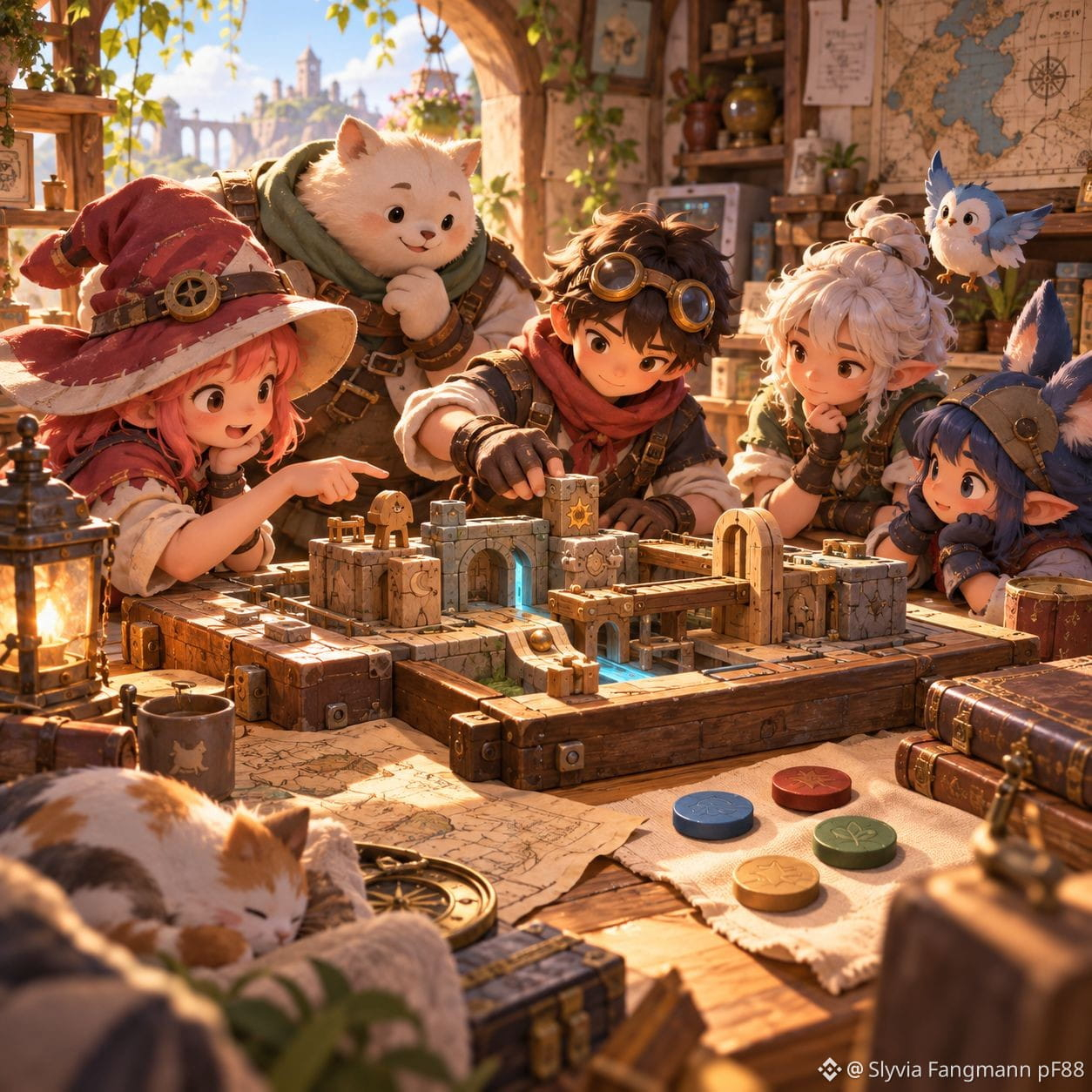
好玩的游戏,会让人忘了代币;不好玩的游戏,奖励再显眼,也未必留得住人。对 GameFi 来说,代币能不能流通是工具问题,玩家为什么愿意明天再回来,才是产品问题。
币安现货滚动24小时数据显示,$IMX +2.48%(24小时),$GALA -0.81%(24小时),$AXS +1.91%(24小时)。三种走势各不相同,但涨跌本身既不能说明游戏好不好玩,也不能证明用户在增加或减少。
我更想问:激励退去之后,核心玩法还剩下什么?玩家是为了策略、社交和持续的新鲜感回来,还是只盯着奖励和资产价格?如果答案主要是后者,资产流通再方便,也解决不了内容乏味的问题;反过来,游戏本身有吸引力,代币也不必承担全部留存任务。
目前没有可核实的应用消息或玩家数据,不能替这三个项目下“好玩”或“没人玩”的结论。要判断产品是否站得住,得看真实使用与持续回访,而不是拿代币涨跌当游戏评分。#GameFi #应用
好玩的游戏,会让人忘了代币;不好玩的游戏,奖励再显眼,也未必留得住人。对 GameFi 来说,代币能不能流通是工具问题,玩家为什么愿意明天再回来,才是产品问题。
币安现货滚动24小时数据显示,$IMX +2.48%(24小时),$GALA -0.81%(24小时),$AXS +1.91%(24小时)。三种走势各不相同,但涨跌本身既不能说明游戏好不好玩,也不能证明用户在增加或减少。
我更想问:激励退去之后,核心玩法还剩下什么?玩家是为了策略、社交和持续的新鲜感回来,还是只盯着奖励和资产价格?如果答案主要是后者,资产流通再方便,也解决不了内容乏味的问题;反过来,游戏本身有吸引力,代币也不必承担全部留存任务。
目前没有可核实的应用消息或玩家数据,不能替这三个项目下“好玩”或“没人玩”的结论。要判断产品是否站得住,得看真实使用与持续回访,而不是拿代币涨跌当游戏评分。#GameFi #应用
币安现货滚动24小时数据显示,$IMX +2.48%(24小时),$GALA -0.81%(24小时),$AXS +1.91%(24小时)。三种走势各不相同,但涨跌本身既不能说明游戏好不好玩,也不能证明用户在增加或减少。
我更想问:激励退去之后,核心玩法还剩下什么?玩家是为了策略、社交和持续的新鲜感回来,还是只盯着奖励和资产价格?如果答案主要是后者,资产流通再方便,也解决不了内容乏味的问题;反过来,游戏本身有吸引力,代币也不必承担全部留存任务。
目前没有可核实的应用消息或玩家数据,不能替这三个项目下“好玩”或“没人玩”的结论。要判断产品是否站得住,得看真实使用与持续回访,而不是拿代币涨跌当游戏评分。#GameFi #应用
387
🎮 先玩再Mint?Robinhood链上的TERA换了个打法
链游这几年最常见的剧本是:先卖地、先卖NFT,游戏"敬请期待"。TERA反过来,先把城市放出来让你逛。
目前公开的信息:
🔹 浏览器里直接玩,免费,不用连钱包
🔹 多人在线3D城市,能开卡丁车、组队打劫、战斗和建造
🔹 地图是58×58网格,对应3333块固定坐标的Land NFT
🔹 每块地的属性挂钩Robinhood链上的现实资源代币,比如黄金、稀土
🔹 Mint免费,白名单优先,时间还没到
还要注意一点:金库分红和资源"开采"机制官方说仍在开发中。也就是说,现在能验证的是"好不好玩",还验证不了"能不能赚"。
我的看法:先给体验再谈资产,这个顺序是对的,至少你买之前知道自己买的是什么。但免费Mint不等于没成本,真正决定地值不值钱的,是上线后有没有人每天回来玩,以及收益机制落地时的规则。冲之前先去城里转两圈,比看任何宣传图都管用。
你玩链游会先试玩再决定,还是直接冲白名单?
#链游 #NFT #RobinhoodChain #GameFi
🎮 先玩再Mint?Robinhood链上的TERA换了个打法
链游这几年最常见的剧本是:先卖地、先卖NFT,游戏"敬请期待"。TERA反过来,先把城市放出来让你逛。
目前公开的信息:
🔹 浏览器里直接玩,免费,不用连钱包
🔹 多人在线3D城市,能开卡丁车、组队打劫、战斗和建造
🔹 地图是58×58网格,对应3333块固定坐标的Land NFT
🔹 每块地的属性挂钩Robinhood链上的现实资源代币,比如黄金、稀土
🔹 Mint免费,白名单优先,时间还没到
还要注意一点:金库分红和资源"开采"机制官方说仍在开发中。也就是说,现在能验证的是"好不好玩",还验证不了"能不能赚"。
我的看法:先给体验再谈资产,这个顺序是对的,至少你买之前知道自己买的是什么。但免费Mint不等于没成本,真正决定地值不值钱的,是上线后有没有人每天回来玩,以及收益机制落地时的规则。冲之前先去城里转两圈,比看任何宣传图都管用。
你玩链游会先试玩再决定,还是直接冲白名单?
#链游 #NFT #RobinhoodChain #GameFi
链游这几年最常见的剧本是:先卖地、先卖NFT,游戏"敬请期待"。TERA反过来,先把城市放出来让你逛。
目前公开的信息:
🔹 浏览器里直接玩,免费,不用连钱包
🔹 多人在线3D城市,能开卡丁车、组队打劫、战斗和建造
🔹 地图是58×58网格,对应3333块固定坐标的Land NFT
🔹 每块地的属性挂钩Robinhood链上的现实资源代币,比如黄金、稀土
🔹 Mint免费,白名单优先,时间还没到
还要注意一点:金库分红和资源"开采"机制官方说仍在开发中。也就是说,现在能验证的是"好不好玩",还验证不了"能不能赚"。
我的看法:先给体验再谈资产,这个顺序是对的,至少你买之前知道自己买的是什么。但免费Mint不等于没成本,真正决定地值不值钱的,是上线后有没有人每天回来玩,以及收益机制落地时的规则。冲之前先去城里转两圈,比看任何宣传图都管用。
你玩链游会先试玩再决定,还是直接冲白名单?
#链游 #NFT #RobinhoodChain #GameFi
3
·
--
Haussier
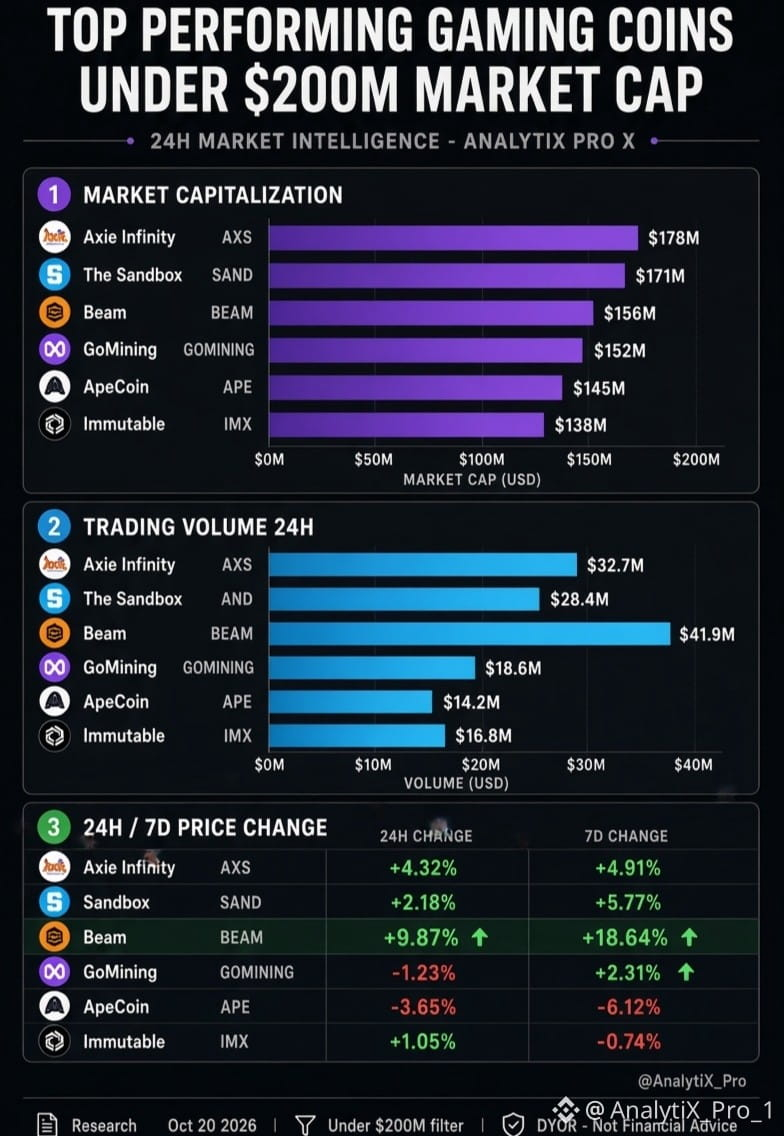
📊 TOP PERFORMING GAMING / GAMEFI COINS🎯
UNDER $200M MARKET CAP
🕒 Research Window: 24H
📅 Updated: Oct 20, 2026
Tracking liquid mid-cap gaming projects still under the $200M ceiling.
👀 COINS TO WATCH:
$BEAMX
{future}(BEAMXUSDT)
— Relative strength leader in the group
$AXS
{future}(AXSUSDT)
— Established P2E volume
$SAND
{future}(SANDUSDT)
— Metaverse liquidity
$IMX — Gaming infrastructure
📈 Market Cap Filter: Under $200M
📊 Ranking: Liquidity + relative momentum + sector relevance
⚠️ Small/mid-cap GameFi tokens are highly volatile. Recent performance does not predict future results.
Always verify liquidity, tokenomics and do your own research.
🏁🔴 | Not Financial Advice
#GameFi #cryptouniverseofficial #Altcoins! #CryptoResearch #AnalytixProX
📊 TOP PERFORMING GAMING / GAMEFI COINS🎯
UNDER $200M MARKET CAP
🕒 Research Window: 24H
📅 Updated: Oct 20, 2026
Tracking liquid mid-cap gaming projects still under the $200M ceiling.
👀 COINS TO WATCH:
$BEAMX
— Relative strength leader in the group
$AXS
— Established P2E volume
$SAND
— Metaverse liquidity
$IMX — Gaming infrastructure
📈 Market Cap Filter: Under $200M
📊 Ranking: Liquidity + relative momentum + sector relevance
⚠️ Small/mid-cap GameFi tokens are highly volatile. Recent performance does not predict future results.
Always verify liquidity, tokenomics and do your own research.
🏁🔴 | Not Financial Advice
#GameFi #cryptouniverseofficial #Altcoins! #CryptoResearch #AnalytixProX
UNDER $200M MARKET CAP
🕒 Research Window: 24H
📅 Updated: Oct 20, 2026
Tracking liquid mid-cap gaming projects still under the $200M ceiling.
👀 COINS TO WATCH:
$BEAMX
— Relative strength leader in the group
$AXS
— Established P2E volume
$SAND
— Metaverse liquidity
$IMX — Gaming infrastructure
📈 Market Cap Filter: Under $200M
📊 Ranking: Liquidity + relative momentum + sector relevance
⚠️ Small/mid-cap GameFi tokens are highly volatile. Recent performance does not predict future results.
Always verify liquidity, tokenomics and do your own research.
🏁🔴 | Not Financial Advice
#GameFi #cryptouniverseofficial #Altcoins! #CryptoResearch #AnalytixProX
1
313
🎮 GameFi 九成三已经"停服",链游的出路在哪?
最近 X 上关于 Web3 游戏的讨论,风向明显变了:大家不再聊"边玩边赚",而是在聊"到底好不好玩"。
几个被反复提到的点:
🔹 有统计称 93% 的 GameFi 项目已经处于不活跃状态
🔹 Cambria 的 Gold Rush 活动,不少玩家肝了好几天最后空手而归,却仍说这是自己最喜欢的 Web3 体验
🔹 Cambria 在试验用玩家活动产生的收入建立奖励池,而不是靠发币撑收益
🔹 Eve Frontier 被拿来当例子:区块链用来增加策略深度,而不是制造炒作和奖励
社区的共识越来越清晰:先做出能吸引传统玩家的好游戏,资产所有权只是加分项,而不是全部卖点。
我的看法:上一轮 P2E 本质是"打金工作室 + 新人接盘"的模型,币价一跌,玩家立刻消失。空手而归还说好玩,这恰恰说明真正留住人的是游戏本身。链游能不能翻身,不看代币经济模型写得多漂亮,看的是不发奖励的时候还有没有人愿意上线。
你玩过的链游里,有哪一款是不赚钱你也愿意继续玩的?评论区说说👇
#GameFi #Web3游戏 #链游 #加密市场
🎮 GameFi 九成三已经"停服",链游的出路在哪?
最近 X 上关于 Web3 游戏的讨论,风向明显变了:大家不再聊"边玩边赚",而是在聊"到底好不好玩"。
几个被反复提到的点:
🔹 有统计称 93% 的 GameFi 项目已经处于不活跃状态
🔹 Cambria 的 Gold Rush 活动,不少玩家肝了好几天最后空手而归,却仍说这是自己最喜欢的 Web3 体验
🔹 Cambria 在试验用玩家活动产生的收入建立奖励池,而不是靠发币撑收益
🔹 Eve Frontier 被拿来当例子:区块链用来增加策略深度,而不是制造炒作和奖励
社区的共识越来越清晰:先做出能吸引传统玩家的好游戏,资产所有权只是加分项,而不是全部卖点。
我的看法:上一轮 P2E 本质是"打金工作室 + 新人接盘"的模型,币价一跌,玩家立刻消失。空手而归还说好玩,这恰恰说明真正留住人的是游戏本身。链游能不能翻身,不看代币经济模型写得多漂亮,看的是不发奖励的时候还有没有人愿意上线。
你玩过的链游里,有哪一款是不赚钱你也愿意继续玩的?评论区说说👇
#GameFi #Web3游戏 #链游 #加密市场
最近 X 上关于 Web3 游戏的讨论,风向明显变了:大家不再聊"边玩边赚",而是在聊"到底好不好玩"。
几个被反复提到的点:
🔹 有统计称 93% 的 GameFi 项目已经处于不活跃状态
🔹 Cambria 的 Gold Rush 活动,不少玩家肝了好几天最后空手而归,却仍说这是自己最喜欢的 Web3 体验
🔹 Cambria 在试验用玩家活动产生的收入建立奖励池,而不是靠发币撑收益
🔹 Eve Frontier 被拿来当例子:区块链用来增加策略深度,而不是制造炒作和奖励
社区的共识越来越清晰:先做出能吸引传统玩家的好游戏,资产所有权只是加分项,而不是全部卖点。
我的看法:上一轮 P2E 本质是"打金工作室 + 新人接盘"的模型,币价一跌,玩家立刻消失。空手而归还说好玩,这恰恰说明真正留住人的是游戏本身。链游能不能翻身,不看代币经济模型写得多漂亮,看的是不发奖励的时候还有没有人愿意上线。
你玩过的链游里,有哪一款是不赚钱你也愿意继续玩的?评论区说说👇
#GameFi #Web3游戏 #链游 #加密市场
5
Connectez-vous pour découvrir plus de contenu
Rejoignez la communauté mondiale des adeptes de cryptomonnaies sur Binance Square
⚡️ Suviez les dernières informations importantes sur les cryptomonnaies.
💬 Jugé digne de confiance par la plus grande plateforme d’échange de cryptomonnaies au monde.
👍 Découvrez les connaissances que partagent les créateurs vérifiés.
Adresse e-mail/Nº de téléphone
Sujets d’actualité
1
#EthereumDropsBelow$2300
1,934 vues
80 mentions
2
#BitcoinSlipsBelow$80KAgain
4,694 vues
46 mentions
3
#ThailandLaunchesWORPTStablecoinToQRPaymentApp
7,726 vues
210 mentions
4
#StrategySkipsBitcoinPurchasesSpends$205MOnSTRCBuybacks
4,531 vues
75 mentions
5
#BitmineAdds10452ETH
45,415 vues
659 mentions
6
#SouthKoreaConsidersEducationTaxOnCryptoExchanges
25,570 vues
521 mentions
7
#OCCUrgesCommunityBanksToEnterStablecoinPayments
19,814 vues
356 mentions
8
#RippleWinsFullApprovalAsNationalTrustBank
27,463 vues
347 mentions
9
#AkashSelectsSolanaAsMigrationTarget
12,577 vues
170 mentions
10
#OndoToOpenSubscriptionsForOpenAIPreIPOTokenizedNotes
728 vues
25 mentions