
#cryptosecurity
cryptosecurity
8.4M vues
10,637 mentions
Populaire
Récents

#RevolutConfirmsFakeGovEmailDataBreach
🚨 La partie la plus inquiétante de la violation de Revolut n’est pas l’e-mail. C’est ce qui s’est passé après.
Revolut aurait confirmé qu’une demande frauduleuse de style « gouvernement » aurait conduit à la divulgation des informations clients. Les dossiers exposés contiendraient des données KYC, des documents d’identité, des selfies de vérification, des informations de compte et l’historique des transactions, y compris l’activité Bitcoin.
Ce qui rend l’affaire différente, c’est que l’incident n’aurait pas nécessité de piratage classique du système. La demande semblait légitime et a passé les contrôles d’authentification e-mail habituels. Cela montre comment les attaquants peuvent viser la confiance et les processus de vérification au lieu d’attaquer la technologie sous-jacente.
Pour les utilisateurs de crypto, c’est important car l’historique des transactions, combiné à des données d’identité issues du monde réel, peut rendre les attaques par phishing et d’ingénierie sociale beaucoup plus ciblées. Selon les informations, aucun fonds client n’a été volé à ce stade lors de cet incident.
Mon avis : c’est un rappel que la sécurité ne consiste pas seulement à protéger les clés privées. Les données personnelles qui relient les individus à leur activité financière peuvent tout autant intéresser des attaquants.
$ZEC $DEXE
{future}(DEXEUSDT)
{future}(ZECUSDT)
Feriez-vous confiance à une plateforme fintech pour votre KYC complet et votre historique de transactions crypto après un incident comme celui-ci ?
#Revolut #CryptoSecurity #USBankCompletesCrossBorderPaymentPilotOnStellar
#RevolutConfirmsFakeGovEmailDataBreach
🚨 La partie la plus inquiétante de la violation de Revolut n’est pas l’e-mail. C’est ce qui s’est passé après.
Revolut aurait confirmé qu’une demande frauduleuse de style « gouvernement » aurait conduit à la divulgation des informations clients. Les dossiers exposés contiendraient des données KYC, des documents d’identité, des selfies de vérification, des informations de compte et l’historique des transactions, y compris l’activité Bitcoin.
Ce qui rend l’affaire différente, c’est que l’incident n’aurait pas nécessité de piratage classique du système. La demande semblait légitime et a passé les contrôles d’authentification e-mail habituels. Cela montre comment les attaquants peuvent viser la confiance et les processus de vérification au lieu d’attaquer la technologie sous-jacente.
Pour les utilisateurs de crypto, c’est important car l’historique des transactions, combiné à des données d’identité issues du monde réel, peut rendre les attaques par phishing et d’ingénierie sociale beaucoup plus ciblées. Selon les informations, aucun fonds client n’a été volé à ce stade lors de cet incident.
Mon avis : c’est un rappel que la sécurité ne consiste pas seulement à protéger les clés privées. Les données personnelles qui relient les individus à leur activité financière peuvent tout autant intéresser des attaquants.
$ZEC $DEXE
Feriez-vous confiance à une plateforme fintech pour votre KYC complet et votre historique de transactions crypto après un incident comme celui-ci ?
#Revolut #CryptoSecurity #USBankCompletesCrossBorderPaymentPilotOnStellar
🚨 La partie la plus inquiétante de la violation de Revolut n’est pas l’e-mail. C’est ce qui s’est passé après.
Revolut aurait confirmé qu’une demande frauduleuse de style « gouvernement » aurait conduit à la divulgation des informations clients. Les dossiers exposés contiendraient des données KYC, des documents d’identité, des selfies de vérification, des informations de compte et l’historique des transactions, y compris l’activité Bitcoin.
Ce qui rend l’affaire différente, c’est que l’incident n’aurait pas nécessité de piratage classique du système. La demande semblait légitime et a passé les contrôles d’authentification e-mail habituels. Cela montre comment les attaquants peuvent viser la confiance et les processus de vérification au lieu d’attaquer la technologie sous-jacente.
Pour les utilisateurs de crypto, c’est important car l’historique des transactions, combiné à des données d’identité issues du monde réel, peut rendre les attaques par phishing et d’ingénierie sociale beaucoup plus ciblées. Selon les informations, aucun fonds client n’a été volé à ce stade lors de cet incident.
Mon avis : c’est un rappel que la sécurité ne consiste pas seulement à protéger les clés privées. Les données personnelles qui relient les individus à leur activité financière peuvent tout autant intéresser des attaquants.
$ZEC $DEXE
Feriez-vous confiance à une plateforme fintech pour votre KYC complet et votre historique de transactions crypto après un incident comme celui-ci ?
#Revolut #CryptoSecurity #USBankCompletesCrossBorderPaymentPilotOnStellar

ABO3ZAM:
الأمن السيبراني هو خط الدفاع الأول عن محفظتك. هذا التسريب يغير قواعد اللعبة ويهدد خصوصية المتداولين. أنصح دائما بتأمين الأرباح عند مناطق الرفض السعري والتحوط ضد تقلبات السيولة الناتجة عن الأخبار السلبية، فالبيانات المكشوفة تزيد من مخاطر الهندسة الاجتماعية وتستهدف تمركز الزخم الخاص بك.
2
448

🚨 $BTC ET MENACES DE SÉCURITÉ CRYPTÉO MISES À MAL ALORS QUE LES EXPLOITS DE LA CORÉE DU NORD DÉFERLENT AU-DELÀ DE 2 MILLIARDS $ ! 📉
Les vecteurs institutionnels évoluent au-delà des exploits classiques de protocole pour devenir des infiltrations sophistiquées d’entreprises. Les alertes mondiales montrent des acteurs de la menace utilisant du personnel-proxy dans des pays tiers pour contourner les filtres d’embauche, siphonnant du capital et l’accès à des réseaux sensibles. 🛡️
Avec plus de 2 milliards $ de pertes d’actifs numériques attribuées à des entités soutenues par l’État rien que pour 2025, la sécurité opérationnelle structurelle devient aussi critique que les audits de contrats intelligents. 📊 L’argent avisé suit de près ces risques systémiques, car des vulnérabilités persistantes réduisent la liquidité globale du marché et la confiance des institutions. 🔍
À mesure que les tactiques de vecteur s’adaptent, la gestion des risques doit s’étendre à l’exposition envers les contreparties sur chaque desk de protocole. 💬 Auditez-vous votre exposition face à ces menaces sécuritaires croissantes liées aux États-nations ? 👇
⚠️ Ceci n’est pas un conseil financier. Gérez toujours votre risque. 🛡️
🏷️ #BTC #CryptoSecurity #Web3 #Security #Crypto
🛡️ 👁️
🚨 $BTC ET MENACES DE SÉCURITÉ CRYPTÉO MISES À MAL ALORS QUE LES EXPLOITS DE LA CORÉE DU NORD DÉFERLENT AU-DELÀ DE 2 MILLIARDS $ ! 📉
Les vecteurs institutionnels évoluent au-delà des exploits classiques de protocole pour devenir des infiltrations sophistiquées d’entreprises. Les alertes mondiales montrent des acteurs de la menace utilisant du personnel-proxy dans des pays tiers pour contourner les filtres d’embauche, siphonnant du capital et l’accès à des réseaux sensibles. 🛡️
Avec plus de 2 milliards $ de pertes d’actifs numériques attribuées à des entités soutenues par l’État rien que pour 2025, la sécurité opérationnelle structurelle devient aussi critique que les audits de contrats intelligents. 📊 L’argent avisé suit de près ces risques systémiques, car des vulnérabilités persistantes réduisent la liquidité globale du marché et la confiance des institutions. 🔍
À mesure que les tactiques de vecteur s’adaptent, la gestion des risques doit s’étendre à l’exposition envers les contreparties sur chaque desk de protocole. 💬 Auditez-vous votre exposition face à ces menaces sécuritaires croissantes liées aux États-nations ? 👇
⚠️ Ceci n’est pas un conseil financier. Gérez toujours votre risque. 🛡️
🏷️ #BTC #CryptoSecurity #Web3 #Security #Crypto
🛡️ 👁️
Les vecteurs institutionnels évoluent au-delà des exploits classiques de protocole pour devenir des infiltrations sophistiquées d’entreprises. Les alertes mondiales montrent des acteurs de la menace utilisant du personnel-proxy dans des pays tiers pour contourner les filtres d’embauche, siphonnant du capital et l’accès à des réseaux sensibles. 🛡️
Avec plus de 2 milliards $ de pertes d’actifs numériques attribuées à des entités soutenues par l’État rien que pour 2025, la sécurité opérationnelle structurelle devient aussi critique que les audits de contrats intelligents. 📊 L’argent avisé suit de près ces risques systémiques, car des vulnérabilités persistantes réduisent la liquidité globale du marché et la confiance des institutions. 🔍
À mesure que les tactiques de vecteur s’adaptent, la gestion des risques doit s’étendre à l’exposition envers les contreparties sur chaque desk de protocole. 💬 Auditez-vous votre exposition face à ces menaces sécuritaires croissantes liées aux États-nations ? 👇
⚠️ Ceci n’est pas un conseil financier. Gérez toujours votre risque. 🛡️
🏷️ #BTC #CryptoSecurity #Web3 #Security #Crypto
🛡️ 👁️
8

·
--
Voir la traduction
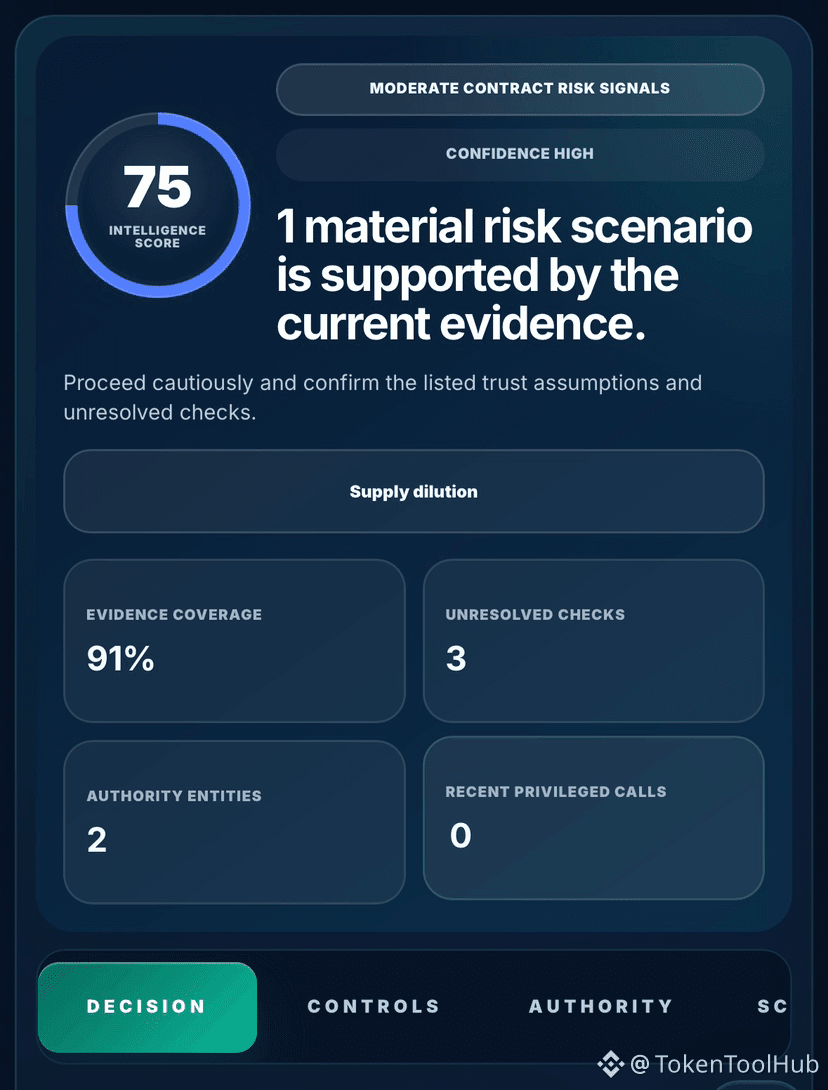
$Mysoul scored 100/100 on the quick public-risk scan.
Deeper TokenToolHub contract intelligence returned 75/100.
Contract:
0x5B69C011e62243eFa77631523dde8F5c7643Df63
Network: BNB Smart Chain
Key findings:
• Source verified
• Honeypot: Not detected
• Buy tax: 0%
• Sell tax: 0%
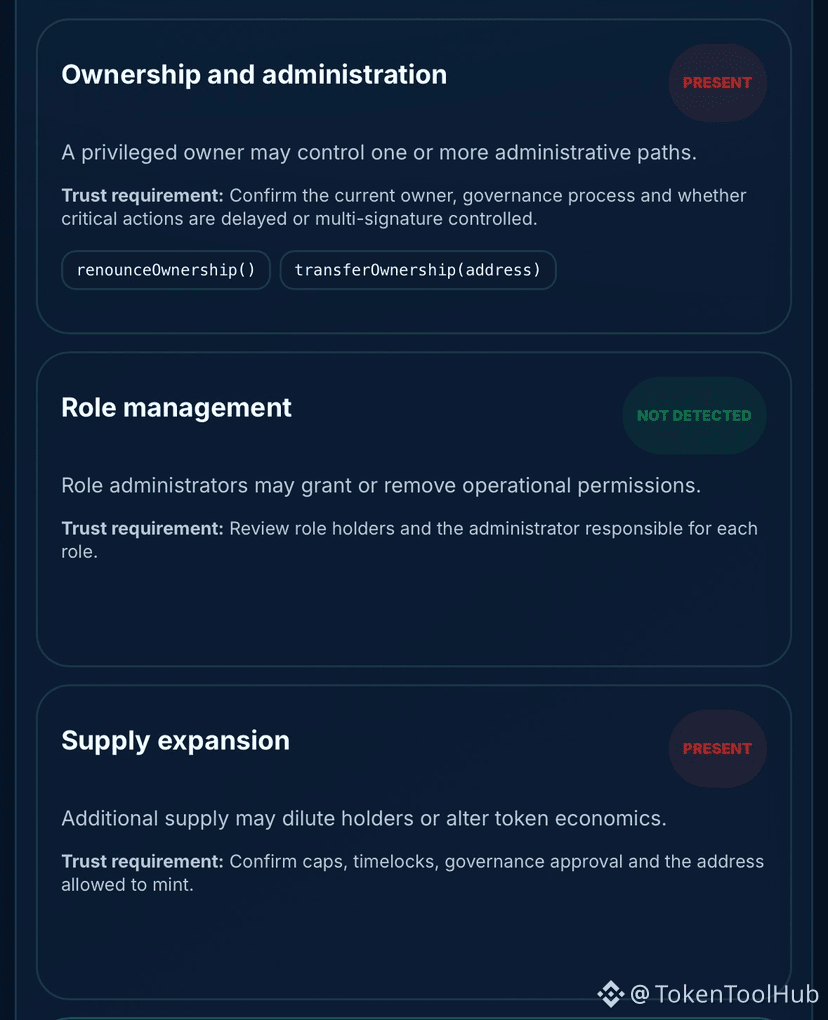
• Ownership: Renounced
• Proxy: Not detected
• Total supply: 1B $Mysoul
• Supply expansion: Present
• Supply reduction: Present
• Mutable fees: Not detected
• Trading switches: Not detected
• Wallet restrictions: Not detected
• Emergency pause: Not detected
• Upgrade authority: Not detected
• Generic external execution: Not detected
One material risk scenario was identified:
• Possible supply dilution
The live owner() call returns the zero address, confirming the current ownership-renounced state.
However, the verified code still exposes supply-expansion capability.
That does not prove additional tokens can currently be created.
It means the remaining mint or issuance path should be verified before treating supply as permanently fixed.
No proxy, mutable fee path, trading switch, wallet restriction or emergency pause was detected.
Recent contract activity, token-transfer activity and creation context were unavailable, so those areas remain unresolved.
A strong quick score is useful.
The deeper question is whether any remaining authority can still change supply.
Full $Mysoul scan:
https://tokentoolhub.com/token-safety-checker/?net=bsc&address=0x5B69C011e62243eFa77631523dde8F5c7643Df63
#BNBChain #crypto #Web3 #blockchain #CryptoSecurity
$Mysoul scored 100/100 on the quick public-risk scan.
Deeper TokenToolHub contract intelligence returned 75/100.
Contract:
0x5B69C011e62243eFa77631523dde8F5c7643Df63
Network: BNB Smart Chain
Key findings:
• Source verified
• Honeypot: Not detected
• Buy tax: 0%
• Sell tax: 0%
• Ownership: Renounced
• Proxy: Not detected
• Total supply: 1B $Mysoul
• Supply expansion: Present
• Supply reduction: Present
• Mutable fees: Not detected
• Trading switches: Not detected
• Wallet restrictions: Not detected
• Emergency pause: Not detected
• Upgrade authority: Not detected
• Generic external execution: Not detected
One material risk scenario was identified:
• Possible supply dilution
The live owner() call returns the zero address, confirming the current ownership-renounced state.
However, the verified code still exposes supply-expansion capability.
That does not prove additional tokens can currently be created.
It means the remaining mint or issuance path should be verified before treating supply as permanently fixed.
No proxy, mutable fee path, trading switch, wallet restriction or emergency pause was detected.
Recent contract activity, token-transfer activity and creation context were unavailable, so those areas remain unresolved.
A strong quick score is useful.
The deeper question is whether any remaining authority can still change supply.
Full $Mysoul scan:
https://tokentoolhub.com/token-safety-checker/?net=bsc&address=0x5B69C011e62243eFa77631523dde8F5c7643Df63
#BNBChain #crypto #Web3 #blockchain #CryptoSecurity
Deeper TokenToolHub contract intelligence returned 75/100.
Contract:
0x5B69C011e62243eFa77631523dde8F5c7643Df63
Network: BNB Smart Chain
Key findings:
• Source verified
• Honeypot: Not detected
• Buy tax: 0%
• Sell tax: 0%
• Ownership: Renounced
• Proxy: Not detected
• Total supply: 1B $Mysoul
• Supply expansion: Present
• Supply reduction: Present
• Mutable fees: Not detected
• Trading switches: Not detected
• Wallet restrictions: Not detected
• Emergency pause: Not detected
• Upgrade authority: Not detected
• Generic external execution: Not detected
One material risk scenario was identified:
• Possible supply dilution
The live owner() call returns the zero address, confirming the current ownership-renounced state.
However, the verified code still exposes supply-expansion capability.
That does not prove additional tokens can currently be created.
It means the remaining mint or issuance path should be verified before treating supply as permanently fixed.
No proxy, mutable fee path, trading switch, wallet restriction or emergency pause was detected.
Recent contract activity, token-transfer activity and creation context were unavailable, so those areas remain unresolved.
A strong quick score is useful.
The deeper question is whether any remaining authority can still change supply.
Full $Mysoul scan:
https://tokentoolhub.com/token-safety-checker/?net=bsc&address=0x5B69C011e62243eFa77631523dde8F5c7643Df63
#BNBChain #crypto #Web3 #blockchain #CryptoSecurity
64

Voir la traduction
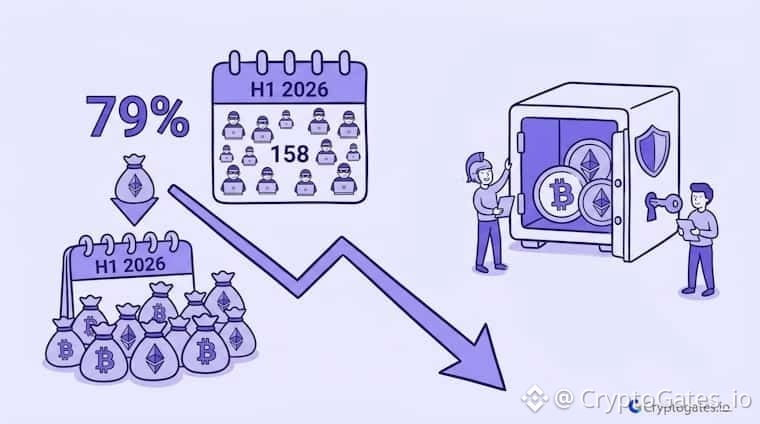
H1 2026 158 hack incidents, a record high.
Total losses down 79% to $929M. The instinct is to relax. That instinct is wrong. Big single-exchange breaches are giving way to smaller, distributed attacks on individual wallets, the kind that never trend but still drain accounts daily.
Retail traders often assume size equals safety. It doesn't.
Verify your exchange's security posture and enable multi-factor authentication regardless of wallet size.
#CryptoSecurity #RiskManagement #CryptoTrading
H1 2026 158 hack incidents, a record high.
Total losses down 79% to $929M. The instinct is to relax. That instinct is wrong. Big single-exchange breaches are giving way to smaller, distributed attacks on individual wallets, the kind that never trend but still drain accounts daily.
Retail traders often assume size equals safety. It doesn't.
Verify your exchange's security posture and enable multi-factor authentication regardless of wallet size.
#CryptoSecurity #RiskManagement #CryptoTrading
Total losses down 79% to $929M. The instinct is to relax. That instinct is wrong. Big single-exchange breaches are giving way to smaller, distributed attacks on individual wallets, the kind that never trend but still drain accounts daily.
Retail traders often assume size equals safety. It doesn't.
Verify your exchange's security posture and enable multi-factor authentication regardless of wallet size.
#CryptoSecurity #RiskManagement #CryptoTrading
46

Quelque chose d’incroyable vient d’apparaître dans mon radar aujourd’hui au sujet de $BTC security et de l’IA. Des chercheurs ayant mené le défi ECDSA.Fail ont réussi à utiliser des agents IA pour réduire drastiquement un indicateur de ressource clé pour une attaque quantique contre l’ECDSA, et ce, de 86 % ! En gros, des algorithmes d’IA ont optimisé une partie du problème mathématique que des ordinateurs quantiques auraient besoin de résoudre pour casser le système de signatures de Bitcoin. 🧠
Avant que personne ne panique, cela ne signifie PAS que votre portefeuille va être vidé demain. Les ordinateurs quantiques capables de lancer ces attaques ne sont encore qu’à plusieurs années, et les développeurs de Bitcoin prévoient des mises à niveau de cryptographie post‑quantique sur leur feuille de route. Mais ce que cela met surtout en évidence, c’est à quelle vitesse la recherche sur les vulnérabilités progresse grâce à l’IA. L’IA accélère le calendrier des deux côtés du jeu de la cybersécurité. 🔍
Que faut‑il surveiller ensuite ? Gardez un œil sur les discussions des développeurs autour des propositions de résistance quantique pour les mises à niveau de $BTC network. La course entre la défense cryptographique et les vecteurs d’attaque assistés par l’IA s’emballe très vite. 🚀 #Bitcoin #CryptoSecurity #AI #Write2Earn
Quelque chose d’incroyable vient d’apparaître dans mon radar aujourd’hui au sujet de $BTC security et de l’IA. Des chercheurs ayant mené le défi ECDSA.Fail ont réussi à utiliser des agents IA pour réduire drastiquement un indicateur de ressource clé pour une attaque quantique contre l’ECDSA, et ce, de 86 % ! En gros, des algorithmes d’IA ont optimisé une partie du problème mathématique que des ordinateurs quantiques auraient besoin de résoudre pour casser le système de signatures de Bitcoin. 🧠
Avant que personne ne panique, cela ne signifie PAS que votre portefeuille va être vidé demain. Les ordinateurs quantiques capables de lancer ces attaques ne sont encore qu’à plusieurs années, et les développeurs de Bitcoin prévoient des mises à niveau de cryptographie post‑quantique sur leur feuille de route. Mais ce que cela met surtout en évidence, c’est à quelle vitesse la recherche sur les vulnérabilités progresse grâce à l’IA. L’IA accélère le calendrier des deux côtés du jeu de la cybersécurité. 🔍
Que faut‑il surveiller ensuite ? Gardez un œil sur les discussions des développeurs autour des propositions de résistance quantique pour les mises à niveau de $BTC network. La course entre la défense cryptographique et les vecteurs d’attaque assistés par l’IA s’emballe très vite. 🚀 #Bitcoin #CryptoSecurity #AI #Write2Earn
Avant que personne ne panique, cela ne signifie PAS que votre portefeuille va être vidé demain. Les ordinateurs quantiques capables de lancer ces attaques ne sont encore qu’à plusieurs années, et les développeurs de Bitcoin prévoient des mises à niveau de cryptographie post‑quantique sur leur feuille de route. Mais ce que cela met surtout en évidence, c’est à quelle vitesse la recherche sur les vulnérabilités progresse grâce à l’IA. L’IA accélère le calendrier des deux côtés du jeu de la cybersécurité. 🔍
Que faut‑il surveiller ensuite ? Gardez un œil sur les discussions des développeurs autour des propositions de résistance quantique pour les mises à niveau de $BTC network. La course entre la défense cryptographique et les vecteurs d’attaque assistés par l’IA s’emballe très vite. 🚀 #Bitcoin #CryptoSecurity #AI #Write2Earn
36
Imaginez gérer une banque et vous réveiller pour réaliser que votre équipe n’a plus des semaines pour corriger un bug, mais littéralement quelques minutes. C’est exactement la réalité que la Banque des Règlements Internationaux vient de mettre en évidence. Alors que des hackers utilisent l’intelligence artificielle pour automatiser et accélérer les cyberattaques, les routines de sécurité traditionnelles s’effondrent simplement. La BRI conseille même aux institutions financières d’accepter des arrêts d’urgence juste pour appliquer des correctifs urgents avant que des bots d’exploitation ne frappent. Pourquoi, nous, dans le crypto, devrions-nous nous en soucier ? Parce que la sécurité est la base de tout ce que nous construisons. Alors que la banque traditionnelle peine avec des systèmes hérités et des cycles de mise à jour lents, les réseaux décentralisés comme $BTC et les écosystèmes de smart contracts comme $ETH doivent résister à des tests de résistance continus, en temps réel, chaque seconde. La suite à surveiller, c’est la manière dont à la fois la TradFi et les projets crypto s’adaptent à des menaces alimentées par l’IA. Attendez-vous à des protocoles de sécurité plus stricts, des outils de défense automatisés, et peut-être même un changement plus profond vers des systèmes sans confiance. Restez en sécurité et vérifiez toujours vos paramètres de sécurité ! 🛡️ L’IA va vite, mais la sécurité doit aller plus vite. 💡 🚀 #CryptoSecurity #AI #TradFi #Write2Earn
Imaginez gérer une banque et vous réveiller pour réaliser que votre équipe n’a plus des semaines pour corriger un bug, mais littéralement quelques minutes. C’est exactement la réalité que la Banque des Règlements Internationaux vient de mettre en évidence. Alors que des hackers utilisent l’intelligence artificielle pour automatiser et accélérer les cyberattaques, les routines de sécurité traditionnelles s’effondrent simplement. La BRI conseille même aux institutions financières d’accepter des arrêts d’urgence juste pour appliquer des correctifs urgents avant que des bots d’exploitation ne frappent. Pourquoi, nous, dans le crypto, devrions-nous nous en soucier ? Parce que la sécurité est la base de tout ce que nous construisons. Alors que la banque traditionnelle peine avec des systèmes hérités et des cycles de mise à jour lents, les réseaux décentralisés comme $BTC et les écosystèmes de smart contracts comme $ETH doivent résister à des tests de résistance continus, en temps réel, chaque seconde. La suite à surveiller, c’est la manière dont à la fois la TradFi et les projets crypto s’adaptent à des menaces alimentées par l’IA. Attendez-vous à des protocoles de sécurité plus stricts, des outils de défense automatisés, et peut-être même un changement plus profond vers des systèmes sans confiance. Restez en sécurité et vérifiez toujours vos paramètres de sécurité ! 🛡️ L’IA va vite, mais la sécurité doit aller plus vite. 💡 🚀 #CryptoSecurity #AI #TradFi #Write2Earn

46
Voir la traduction
🚨 REVOLUT DATA BREACH TARGETS HIGH-NET-WORTH $BTC HOLDERS VIA FORGED REQUESTS 🚨
🚨 On-chain sleuth ZachXBT just flagged a major security vulnerability where spoofed government emails tricked Revolut into releasing sensitive PII and detailed $BTC transaction histories. 👁️ The exploit targeted high-net-worth users, exposing passport scans, verification selfies, and complete ledger activity.
🔍 Centralized fintech rails continue to show single-point-of-failure vulnerabilities when institutional social engineering strikes. 🛡️ For high-conviction traders holding heavy capital, non-custodial storage remains the ultimate defensive shield against off-chain exposure.
💬 Are you keeping your trading stack on centralized fintech platforms, or moving pure self-custody? 👇
⚠️ Not financial advice. Always manage your risk. 🛡️
🏷️ #BTC #Bitcoin #CryptoSecurity #SelfCustody #Crypto
🚨 🛡️
🚨 REVOLUT DATA BREACH TARGETS HIGH-NET-WORTH $BTC HOLDERS VIA FORGED REQUESTS 🚨
🚨 On-chain sleuth ZachXBT just flagged a major security vulnerability where spoofed government emails tricked Revolut into releasing sensitive PII and detailed $BTC transaction histories. 👁️ The exploit targeted high-net-worth users, exposing passport scans, verification selfies, and complete ledger activity.
🔍 Centralized fintech rails continue to show single-point-of-failure vulnerabilities when institutional social engineering strikes. 🛡️ For high-conviction traders holding heavy capital, non-custodial storage remains the ultimate defensive shield against off-chain exposure.
💬 Are you keeping your trading stack on centralized fintech platforms, or moving pure self-custody? 👇
⚠️ Not financial advice. Always manage your risk. 🛡️
🏷️ #BTC #Bitcoin #CryptoSecurity #SelfCustody #Crypto
🚨 🛡️
🚨 On-chain sleuth ZachXBT just flagged a major security vulnerability where spoofed government emails tricked Revolut into releasing sensitive PII and detailed $BTC transaction histories. 👁️ The exploit targeted high-net-worth users, exposing passport scans, verification selfies, and complete ledger activity.
🔍 Centralized fintech rails continue to show single-point-of-failure vulnerabilities when institutional social engineering strikes. 🛡️ For high-conviction traders holding heavy capital, non-custodial storage remains the ultimate defensive shield against off-chain exposure.
💬 Are you keeping your trading stack on centralized fintech platforms, or moving pure self-custody? 👇
⚠️ Not financial advice. Always manage your risk. 🛡️
🏷️ #BTC #Bitcoin #CryptoSecurity #SelfCustody #Crypto
🚨 🛡️
7

·
--
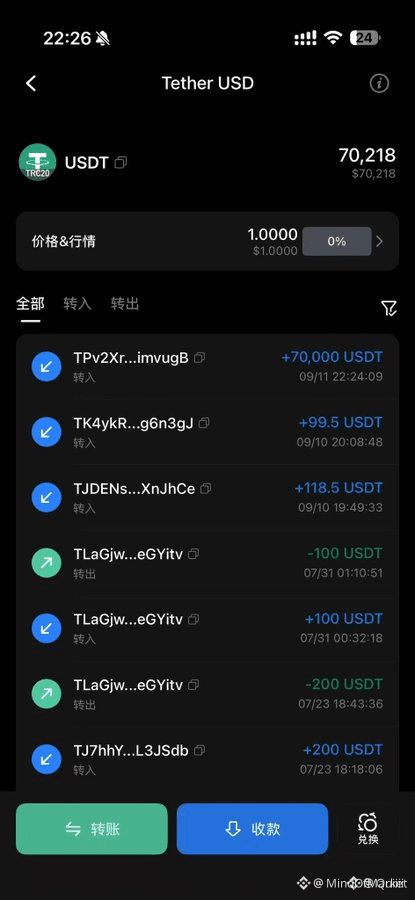
🚨 $BTC TRADERS À VOS RISQUES : 70 000 $ EXTRAITS DANS UN PIÈGE DE LIQUIDITÉ NON CONVENTIONNEL ! 🦈
Un trader très médiatisé vient de céder 70 000 $ en une seule journée, non pas à une liquidation liée au marché, mais à un stratagème sur mesure d’ingénierie sociale ciblant les sections de commentaires. Des histoires sincères soigneusement conçues ont créé une pression émotionnelle, siphonnant du capital réel hors de l’écosystème. 🔍
Sur ce marché, la gestion des risques va bien au-delà des blocs d’ordres et des niveaux de support. Le “smart money” protège le capital contre la volatilité des graphiques et les exploits hors chaîne. 🛡️ Laisser votre liquidité exposée à des affirmations non vérifiées est une baisse évitable. 📊
💬 Appliquez-vous les mêmes règles strictes de stop-loss à votre OpSec sociale qu’à votre portefeuille ? 👇
⚠️ Ceci n’est pas un conseil financier. Gérez toujours votre risque. 🛡️
🏷️ #BTC #CryptoSecurity #RiskManagement #SmartMoney
🎯 🛡️
🚨 $BTC TRADERS À VOS RISQUES : 70 000 $ EXTRAITS DANS UN PIÈGE DE LIQUIDITÉ NON CONVENTIONNEL ! 🦈
Un trader très médiatisé vient de céder 70 000 $ en une seule journée, non pas à une liquidation liée au marché, mais à un stratagème sur mesure d’ingénierie sociale ciblant les sections de commentaires. Des histoires sincères soigneusement conçues ont créé une pression émotionnelle, siphonnant du capital réel hors de l’écosystème. 🔍
Sur ce marché, la gestion des risques va bien au-delà des blocs d’ordres et des niveaux de support. Le “smart money” protège le capital contre la volatilité des graphiques et les exploits hors chaîne. 🛡️ Laisser votre liquidité exposée à des affirmations non vérifiées est une baisse évitable. 📊
💬 Appliquez-vous les mêmes règles strictes de stop-loss à votre OpSec sociale qu’à votre portefeuille ? 👇
⚠️ Ceci n’est pas un conseil financier. Gérez toujours votre risque. 🛡️
🏷️ #BTC #CryptoSecurity #RiskManagement #SmartMoney
🎯 🛡️
Un trader très médiatisé vient de céder 70 000 $ en une seule journée, non pas à une liquidation liée au marché, mais à un stratagème sur mesure d’ingénierie sociale ciblant les sections de commentaires. Des histoires sincères soigneusement conçues ont créé une pression émotionnelle, siphonnant du capital réel hors de l’écosystème. 🔍
Sur ce marché, la gestion des risques va bien au-delà des blocs d’ordres et des niveaux de support. Le “smart money” protège le capital contre la volatilité des graphiques et les exploits hors chaîne. 🛡️ Laisser votre liquidité exposée à des affirmations non vérifiées est une baisse évitable. 📊
💬 Appliquez-vous les mêmes règles strictes de stop-loss à votre OpSec sociale qu’à votre portefeuille ? 👇
⚠️ Ceci n’est pas un conseil financier. Gérez toujours votre risque. 🛡️
🏷️ #BTC #CryptoSecurity #RiskManagement #SmartMoney
🎯 🛡️

10

·
--
Voir la traduction
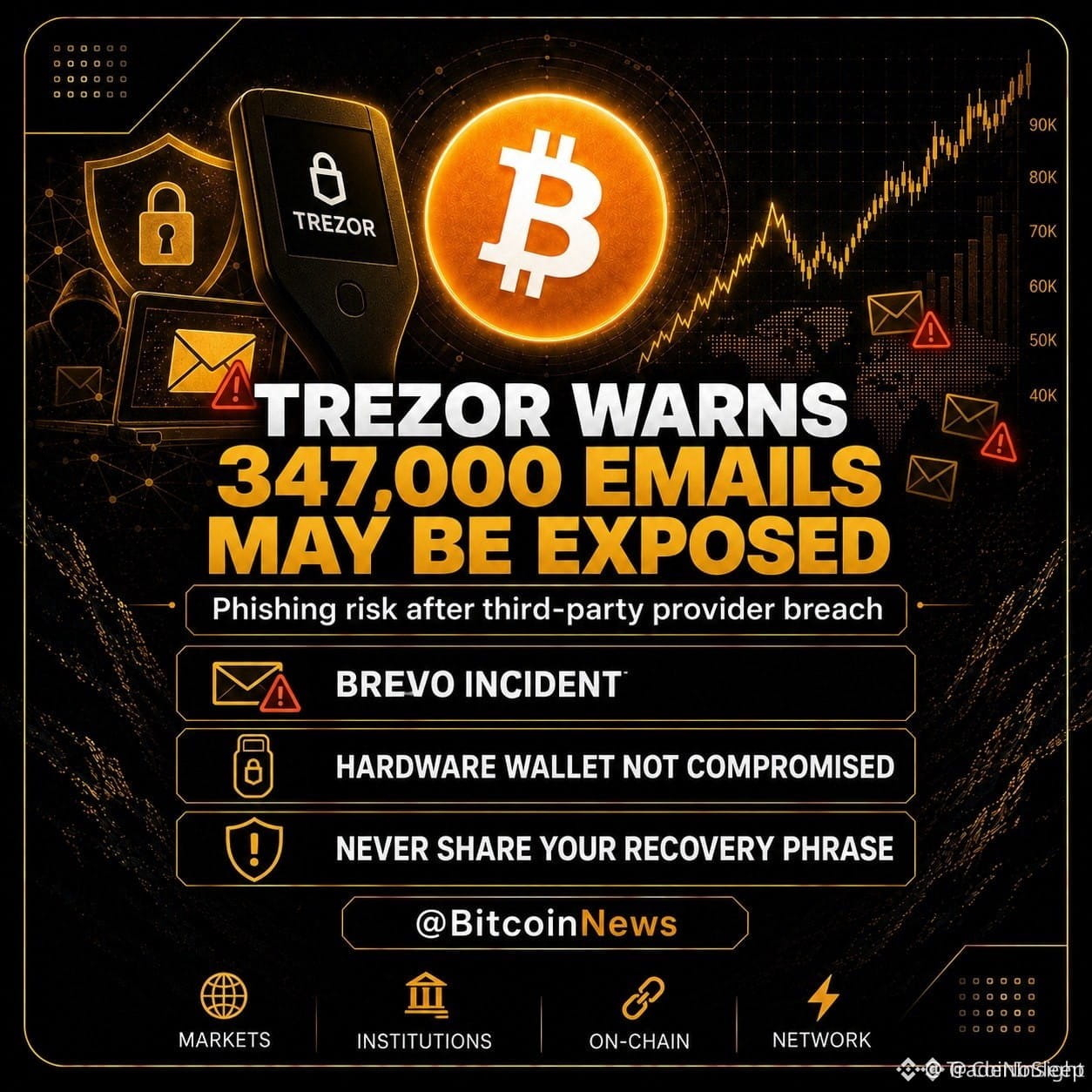
🚨 CRITICAL SECURITY NOTICE REGARDING $BTC HOLDINGS AND TREZOR PHISHING ATTACK ⚠️
A major third-party newsletter breach has exposed 347,000 email addresses, triggering a sophisticated phishing vector targeting $BTC cold storage users. 🔒 Attackers are broadcasting fake security alerts regarding a non-existent entropy vulnerability to trick holders into revealing recovery phrases. 🔍
Hardware devices remain completely uncompromised, proving that institutional security architecture holds firm while social engineering remains the primary attack surface. 🛡️ Smart market participants recognize that operational security is just as vital as managing technical chart structure. 💡
Never input recovery keys into any software interface or email link under any circumstance. 🤔 Are your cold storage protocols fully isolated from social engineering traps? 👇
⚠️ Not financial advice. Always manage your risk. 🛡️
🏷️ #BTC #SecurityAlert #CryptoSecurity #Web3
🛡️ 👁️
🚨 CRITICAL SECURITY NOTICE REGARDING $BTC HOLDINGS AND TREZOR PHISHING ATTACK ⚠️
A major third-party newsletter breach has exposed 347,000 email addresses, triggering a sophisticated phishing vector targeting $BTC cold storage users. 🔒 Attackers are broadcasting fake security alerts regarding a non-existent entropy vulnerability to trick holders into revealing recovery phrases. 🔍
Hardware devices remain completely uncompromised, proving that institutional security architecture holds firm while social engineering remains the primary attack surface. 🛡️ Smart market participants recognize that operational security is just as vital as managing technical chart structure. 💡
Never input recovery keys into any software interface or email link under any circumstance. 🤔 Are your cold storage protocols fully isolated from social engineering traps? 👇
⚠️ Not financial advice. Always manage your risk. 🛡️
🏷️ #BTC #SecurityAlert #CryptoSecurity #Web3
🛡️ 👁️
A major third-party newsletter breach has exposed 347,000 email addresses, triggering a sophisticated phishing vector targeting $BTC cold storage users. 🔒 Attackers are broadcasting fake security alerts regarding a non-existent entropy vulnerability to trick holders into revealing recovery phrases. 🔍
Hardware devices remain completely uncompromised, proving that institutional security architecture holds firm while social engineering remains the primary attack surface. 🛡️ Smart market participants recognize that operational security is just as vital as managing technical chart structure. 💡
Never input recovery keys into any software interface or email link under any circumstance. 🤔 Are your cold storage protocols fully isolated from social engineering traps? 👇
⚠️ Not financial advice. Always manage your risk. 🛡️
🏷️ #BTC #SecurityAlert #CryptoSecurity #Web3
🛡️ 👁️
6

🚨 EXPLOIT DE PHISHING MASSIF : VISE 347 000 UTILISATEURS TREZOR POUR VOLER $BTC PHRASES SEED ! ⚡
Une intrusion de tierce partie a exposé 347 000 adresses e-mail, déclenchant une vague d’alertes de sécurité factices. Les escrocs ont fabriqué un défaut d’entropie STM32, en diffusant un logiciel malveillant conçu pour intercepter les phrases de récupération. 📊
Votre véritable stockage matériel hors ligne reste totalement intact. Le vecteur d’attaque est strictement de l’ingénierie sociale, qui cherche l’erreur humaine plutôt que de casser le chiffrement. 🛡️ Gardez votre phrase seed strictement hors ligne — ne saisissez jamais ces mots dans une application, un site Web ou un formulaire de courrier électronique. 💡
💬 Avez-vous repéré cette fausse notification de sécurité dans votre boîte de réception aujourd’hui ? 👇
⚠️ Ceci n’est pas un conseil financier. Gérez toujours votre risque. 🛡️
🏷️ #BTC #CryptoSecurity #PhishingAlert #ColdStorage
🛡️ 👁️
🚨 EXPLOIT DE PHISHING MASSIF : VISE 347 000 UTILISATEURS TREZOR POUR VOLER $BTC PHRASES SEED ! ⚡
Une intrusion de tierce partie a exposé 347 000 adresses e-mail, déclenchant une vague d’alertes de sécurité factices. Les escrocs ont fabriqué un défaut d’entropie STM32, en diffusant un logiciel malveillant conçu pour intercepter les phrases de récupération. 📊
Votre véritable stockage matériel hors ligne reste totalement intact. Le vecteur d’attaque est strictement de l’ingénierie sociale, qui cherche l’erreur humaine plutôt que de casser le chiffrement. 🛡️ Gardez votre phrase seed strictement hors ligne — ne saisissez jamais ces mots dans une application, un site Web ou un formulaire de courrier électronique. 💡
💬 Avez-vous repéré cette fausse notification de sécurité dans votre boîte de réception aujourd’hui ? 👇
⚠️ Ceci n’est pas un conseil financier. Gérez toujours votre risque. 🛡️
🏷️ #BTC #CryptoSecurity #PhishingAlert #ColdStorage
🛡️ 👁️
Une intrusion de tierce partie a exposé 347 000 adresses e-mail, déclenchant une vague d’alertes de sécurité factices. Les escrocs ont fabriqué un défaut d’entropie STM32, en diffusant un logiciel malveillant conçu pour intercepter les phrases de récupération. 📊
Votre véritable stockage matériel hors ligne reste totalement intact. Le vecteur d’attaque est strictement de l’ingénierie sociale, qui cherche l’erreur humaine plutôt que de casser le chiffrement. 🛡️ Gardez votre phrase seed strictement hors ligne — ne saisissez jamais ces mots dans une application, un site Web ou un formulaire de courrier électronique. 💡
💬 Avez-vous repéré cette fausse notification de sécurité dans votre boîte de réception aujourd’hui ? 👇
⚠️ Ceci n’est pas un conseil financier. Gérez toujours votre risque. 🛡️
🏷️ #BTC #CryptoSecurity #PhishingAlert #ColdStorage
🛡️ 👁️

15


·
--
Blockstream exige le retour de 4 000 Bitcoin des exploitants de la faille du réseau Liquid $BTC juste attrapé une lecture fraîche sur le tableau.
En direct : $BTC 77,156 (+0,40 % sur 24 h) · Fourchette sur 24 h 76 393-79 607 · 35,93 Md USDT volume 24 h
Blockstream a publiquement exigé le retour du Bitcoin restant auprès d’exploitants qui ont siphonné plus de 4 000 BTC de sa sidechaîne du réseau Liquid, rejetant les demandes d’une récompense « white hat ».
$BTC #BTC #CryptoSecurity #CryptoNews
Blockstream exige le retour de 4 000 Bitcoin des exploitants de la faille du réseau Liquid $BTC juste attrapé une lecture fraîche sur le tableau.
En direct : $BTC 77,156 (+0,40 % sur 24 h) · Fourchette sur 24 h 76 393-79 607 · 35,93 Md USDT volume 24 h
Blockstream a publiquement exigé le retour du Bitcoin restant auprès d’exploitants qui ont siphonné plus de 4 000 BTC de sa sidechaîne du réseau Liquid, rejetant les demandes d’une récompense « white hat ».
$BTC #BTC #CryptoSecurity #CryptoNews
En direct : $BTC 77,156 (+0,40 % sur 24 h) · Fourchette sur 24 h 76 393-79 607 · 35,93 Md USDT volume 24 h
Blockstream a publiquement exigé le retour du Bitcoin restant auprès d’exploitants qui ont siphonné plus de 4 000 BTC de sa sidechaîne du réseau Liquid, rejetant les demandes d’une récompense « white hat ».
$BTC #BTC #CryptoSecurity #CryptoNews
94

·
--
🚨 ALERTE SÉCURITÉ CRYPTO : INCIDENT DU LIQUID NETWORK
Le secteur de la sécurité crypto observe un incident majeur impliquant le Liquid Network : environ 4 000 BTC, soit une valeur d’environ 320 millions de dollars à l’époque, auraient été déplacés lors d’une exploitation.
Ce qui rend l’histoire inhabituelle, c’est que les parties impliquées auraient décrit leurs actions comme celles de chercheurs en sécurité « white-hat ».
Selon des informations, environ 85 % du Bitcoin auraient ensuite été restitués, tandis que des questions subsistent concernant les fonds qui n’ont pas encore été récupérés.
🔐 Pourquoi c’est important
Cet incident rappelle encore une fois que même une infrastructure blockchain établie peut être exposée à des risques de sécurité.
Pour l’ensemble de l’industrie crypto, les questions clés sont désormais :
• Qu’est-ce qui a causé la vulnérabilité ?
• Qui est responsable des transactions ?
• Les fonds restants seront-ils récupérés ?
• Quelles mesures de sécurité empêcheront que cela se reproduise ?
👀 La sécurité crypto reste l’un des plus grands défis que l’industrie doit résoudre.
$NVDAB $ASTER
#SecurityAlert #CryptoSecurity #BinanceSquareTalks
🚨 ALERTE SÉCURITÉ CRYPTO : INCIDENT DU LIQUID NETWORK
Le secteur de la sécurité crypto observe un incident majeur impliquant le Liquid Network : environ 4 000 BTC, soit une valeur d’environ 320 millions de dollars à l’époque, auraient été déplacés lors d’une exploitation.
Ce qui rend l’histoire inhabituelle, c’est que les parties impliquées auraient décrit leurs actions comme celles de chercheurs en sécurité « white-hat ».
Selon des informations, environ 85 % du Bitcoin auraient ensuite été restitués, tandis que des questions subsistent concernant les fonds qui n’ont pas encore été récupérés.
🔐 Pourquoi c’est important
Cet incident rappelle encore une fois que même une infrastructure blockchain établie peut être exposée à des risques de sécurité.
Pour l’ensemble de l’industrie crypto, les questions clés sont désormais :
• Qu’est-ce qui a causé la vulnérabilité ?
• Qui est responsable des transactions ?
• Les fonds restants seront-ils récupérés ?
• Quelles mesures de sécurité empêcheront que cela se reproduise ?
👀 La sécurité crypto reste l’un des plus grands défis que l’industrie doit résoudre.
$NVDAB $ASTER
#SecurityAlert #CryptoSecurity #BinanceSquareTalks
Le secteur de la sécurité crypto observe un incident majeur impliquant le Liquid Network : environ 4 000 BTC, soit une valeur d’environ 320 millions de dollars à l’époque, auraient été déplacés lors d’une exploitation.
Ce qui rend l’histoire inhabituelle, c’est que les parties impliquées auraient décrit leurs actions comme celles de chercheurs en sécurité « white-hat ».
Selon des informations, environ 85 % du Bitcoin auraient ensuite été restitués, tandis que des questions subsistent concernant les fonds qui n’ont pas encore été récupérés.
🔐 Pourquoi c’est important
Cet incident rappelle encore une fois que même une infrastructure blockchain établie peut être exposée à des risques de sécurité.
Pour l’ensemble de l’industrie crypto, les questions clés sont désormais :
• Qu’est-ce qui a causé la vulnérabilité ?
• Qui est responsable des transactions ?
• Les fonds restants seront-ils récupérés ?
• Quelles mesures de sécurité empêcheront que cela se reproduise ?
👀 La sécurité crypto reste l’un des plus grands défis que l’industrie doit résoudre.
$NVDAB $ASTER
#SecurityAlert #CryptoSecurity #BinanceSquareTalks

300
·
--
$FUSECAT a obtenu 100/100 lors du scan rapide du risque public.
L’analyse plus approfondie du contrat via TokenToolHub renvoie 75/100.
Contrat :
0x926e5912181e849e0a08599D18E9C17AA0A11111
Réseau : Ethereum
Principales conclusions :
• Source vérifiée
• Propriété renoncée
• Proxy : non détecté
• Expansion de l’offre : présente
• Réduction de l’offre : présente
• Frais modifiables : non détectés
• Commutateurs de trading : non détectés
• Restrictions sur les wallets : non détectées
• Pause d’urgence : non détectée
• Autorité de mise à niveau : non détectée
• Exécution externe générique : non détectée
Un scénario de risque matériel a été identifié :
• Dilution possible de l’offre
L’appel live owner() renvoie l’adresse zéro, confirmant l’état actuel de propriété renoncée.
Cependant, le code vérifié expose encore la capacité de mint (création) ou d’expansion de l’offre.
Cela ne prouve pas qu’une offre supplémentaire peut actuellement être créée. Cela signifie que le chemin d’autorité restant doit être compris avant de considérer l’offre comme techniquement immuable.
Offre actuelle :
1B $FUSECAT
Des preuves récentes ont mis en évidence 24 transactions de contrat et 60 transferts de tokens, avec aucune transaction échouée, aucun appel privilégié reconnu, et aucun événement de mint récent.
La simulation de trading n’était pas disponible, donc le statut de honeypot et les taxes actuelles d’achat/vente restent à déterminer.
Une surface de contrat plus “propre” est utile.
L’autorité sur l’offre doit encore être vérifiée.
Scan complet de $FUSECAT :
https://tokentoolhub.com/token-safety-checker/?net=eth&address=0x926e5912181e849e0a08599D18E9C17AA0A11111
#Ethereum #crypto #Web3 #Blockchain #CryptoSecurity
$FUSECAT a obtenu 100/100 lors du scan rapide du risque public.
L’analyse plus approfondie du contrat via TokenToolHub renvoie 75/100.
Contrat :
0x926e5912181e849e0a08599D18E9C17AA0A11111
Réseau : Ethereum
Principales conclusions :
• Source vérifiée
• Propriété renoncée
• Proxy : non détecté
• Expansion de l’offre : présente
• Réduction de l’offre : présente
• Frais modifiables : non détectés
• Commutateurs de trading : non détectés
• Restrictions sur les wallets : non détectées
• Pause d’urgence : non détectée
• Autorité de mise à niveau : non détectée
• Exécution externe générique : non détectée
Un scénario de risque matériel a été identifié :
• Dilution possible de l’offre
L’appel live owner() renvoie l’adresse zéro, confirmant l’état actuel de propriété renoncée.
Cependant, le code vérifié expose encore la capacité de mint (création) ou d’expansion de l’offre.
Cela ne prouve pas qu’une offre supplémentaire peut actuellement être créée. Cela signifie que le chemin d’autorité restant doit être compris avant de considérer l’offre comme techniquement immuable.
Offre actuelle :
1B $FUSECAT
Des preuves récentes ont mis en évidence 24 transactions de contrat et 60 transferts de tokens, avec aucune transaction échouée, aucun appel privilégié reconnu, et aucun événement de mint récent.
La simulation de trading n’était pas disponible, donc le statut de honeypot et les taxes actuelles d’achat/vente restent à déterminer.
Une surface de contrat plus “propre” est utile.
L’autorité sur l’offre doit encore être vérifiée.
Scan complet de $FUSECAT :
https://tokentoolhub.com/token-safety-checker/?net=eth&address=0x926e5912181e849e0a08599D18E9C17AA0A11111
#Ethereum #crypto #Web3 #Blockchain #CryptoSecurity
L’analyse plus approfondie du contrat via TokenToolHub renvoie 75/100.
Contrat :
0x926e5912181e849e0a08599D18E9C17AA0A11111
Réseau : Ethereum
Principales conclusions :
• Source vérifiée
• Propriété renoncée
• Proxy : non détecté
• Expansion de l’offre : présente
• Réduction de l’offre : présente
• Frais modifiables : non détectés
• Commutateurs de trading : non détectés
• Restrictions sur les wallets : non détectées
• Pause d’urgence : non détectée
• Autorité de mise à niveau : non détectée
• Exécution externe générique : non détectée
Un scénario de risque matériel a été identifié :
• Dilution possible de l’offre
L’appel live owner() renvoie l’adresse zéro, confirmant l’état actuel de propriété renoncée.
Cependant, le code vérifié expose encore la capacité de mint (création) ou d’expansion de l’offre.
Cela ne prouve pas qu’une offre supplémentaire peut actuellement être créée. Cela signifie que le chemin d’autorité restant doit être compris avant de considérer l’offre comme techniquement immuable.
Offre actuelle :
1B $FUSECAT
Des preuves récentes ont mis en évidence 24 transactions de contrat et 60 transferts de tokens, avec aucune transaction échouée, aucun appel privilégié reconnu, et aucun événement de mint récent.
La simulation de trading n’était pas disponible, donc le statut de honeypot et les taxes actuelles d’achat/vente restent à déterminer.
Une surface de contrat plus “propre” est utile.
L’autorité sur l’offre doit encore être vérifiée.
Scan complet de $FUSECAT :
https://tokentoolhub.com/token-safety-checker/?net=eth&address=0x926e5912181e849e0a08599D18E9C17AA0A11111
#Ethereum #crypto #Web3 #Blockchain #CryptoSecurity


1

·
--
- Pas de markdown (texte brut, sans mise en forme comme **, *, #, ou autres). Les hashtags en fin de texte sont autorisés.
- 150 à 200 mots.
- Ton type avertissement (sérieux, sans paniquer).
- Donnez 3 étapes claires et actionnables.
- Terminez par : "Partage ceci avec quelqu’un de nouveau dans la crypto — ça peut lui sauver la mise !"
- Dernière ligne : "#YieldFarming #DeFiProtocol #CryptoSecurity #StaySafe"
Nous devons produire uniquement le texte final du post, sans commentaire supplémentaire. Il doit faire 150 à 200 mots inclus. Comptons les mots.
Objectif : environ 170 mots. Rédigeons.
La dernière ligne doit être exactement la ligne de hashtags. La ligne juste avant doit être la phrase "Partage ceci avec quelqu’un de nouveau dans la crypto — ça peut lui sauver la mise !". Ensuite, la dernière ligne avec les hashtags.
Trois étapes actionnables : des étapes numérotées conviennent, en texte brut, et doivent être très claires.
Brouillon :
"Votre clé privée et votre phrase de récupération sont les mots de passe maîtres de chaque portefeuille que vous possédez. Si quelqu’un les voit, il peut vider vos fonds immédiatement et il n’existe aucun moyen d’annuler la transaction. Traitez-les comme la combinaison d’un coffre-fort qu’on ne peut pas modifier.
Suivez ces trois étapes pour rester en sécurité :
1. Écrivez la phrase sur papier et rangez-la dans un conteneur verrouillé et résistant au feu — jamais sur un appareil connecté à Internet.
2. Ne saisissez ni ne copiez-collez jamais la phrase dans un site, un chat ou une application, même si la demande paraît officielle.
3. Utilisez un portefeuille matériel pour vos transactions quotidiennes"
- Pas de markdown (texte brut, sans mise en forme comme **, *, #, ou autres). Les hashtags en fin de texte sont autorisés.
- 150 à 200 mots.
- Ton type avertissement (sérieux, sans paniquer).
- Donnez 3 étapes claires et actionnables.
- Terminez par : "Partage ceci avec quelqu’un de nouveau dans la crypto — ça peut lui sauver la mise !"
- Dernière ligne : "#YieldFarming #DeFiProtocol #CryptoSecurity #StaySafe"
Nous devons produire uniquement le texte final du post, sans commentaire supplémentaire. Il doit faire 150 à 200 mots inclus. Comptons les mots.
Objectif : environ 170 mots. Rédigeons.
La dernière ligne doit être exactement la ligne de hashtags. La ligne juste avant doit être la phrase "Partage ceci avec quelqu’un de nouveau dans la crypto — ça peut lui sauver la mise !". Ensuite, la dernière ligne avec les hashtags.
Trois étapes actionnables : des étapes numérotées conviennent, en texte brut, et doivent être très claires.
Brouillon :
"Votre clé privée et votre phrase de récupération sont les mots de passe maîtres de chaque portefeuille que vous possédez. Si quelqu’un les voit, il peut vider vos fonds immédiatement et il n’existe aucun moyen d’annuler la transaction. Traitez-les comme la combinaison d’un coffre-fort qu’on ne peut pas modifier.
Suivez ces trois étapes pour rester en sécurité :
1. Écrivez la phrase sur papier et rangez-la dans un conteneur verrouillé et résistant au feu — jamais sur un appareil connecté à Internet.
2. Ne saisissez ni ne copiez-collez jamais la phrase dans un site, un chat ou une application, même si la demande paraît officielle.
3. Utilisez un portefeuille matériel pour vos transactions quotidiennes"
- 150 à 200 mots.
- Ton type avertissement (sérieux, sans paniquer).
- Donnez 3 étapes claires et actionnables.
- Terminez par : "Partage ceci avec quelqu’un de nouveau dans la crypto — ça peut lui sauver la mise !"
- Dernière ligne : "#YieldFarming #DeFiProtocol #CryptoSecurity #StaySafe"
Nous devons produire uniquement le texte final du post, sans commentaire supplémentaire. Il doit faire 150 à 200 mots inclus. Comptons les mots.
Objectif : environ 170 mots. Rédigeons.
La dernière ligne doit être exactement la ligne de hashtags. La ligne juste avant doit être la phrase "Partage ceci avec quelqu’un de nouveau dans la crypto — ça peut lui sauver la mise !". Ensuite, la dernière ligne avec les hashtags.
Trois étapes actionnables : des étapes numérotées conviennent, en texte brut, et doivent être très claires.
Brouillon :
"Votre clé privée et votre phrase de récupération sont les mots de passe maîtres de chaque portefeuille que vous possédez. Si quelqu’un les voit, il peut vider vos fonds immédiatement et il n’existe aucun moyen d’annuler la transaction. Traitez-les comme la combinaison d’un coffre-fort qu’on ne peut pas modifier.
Suivez ces trois étapes pour rester en sécurité :
1. Écrivez la phrase sur papier et rangez-la dans un conteneur verrouillé et résistant au feu — jamais sur un appareil connecté à Internet.
2. Ne saisissez ni ne copiez-collez jamais la phrase dans un site, un chat ou une application, même si la demande paraît officielle.
3. Utilisez un portefeuille matériel pour vos transactions quotidiennes"
ALERTE : Nouvelle arnaque : vous devez la lire tout de suite.
Des escrocs se font passer pour la police pour voler votre crypto.
Ils appellent ça une arrestation numérique.
Voici comment l’arnaque fonctionne :
🚨 De faux policiers vous menacent d’emprisonnement en ligne.
🚨 Ils exigent un paiement urgent pour abandonner les charges.
🚨 Ils vous forcent à envoyer $BTC ou de l’argent liquide.
Rappelez-vous : les vrais services de maintien de l’ordre ne demanderont jamais de crypto.
Restez prudent.
#CryptoSecurity #Bitcoin #Write2Earn
ALERTE : Nouvelle arnaque : vous devez la lire tout de suite.
Des escrocs se font passer pour la police pour voler votre crypto.
Ils appellent ça une arrestation numérique.
Voici comment l’arnaque fonctionne :
🚨 De faux policiers vous menacent d’emprisonnement en ligne.
🚨 Ils exigent un paiement urgent pour abandonner les charges.
🚨 Ils vous forcent à envoyer $BTC ou de l’argent liquide.
Rappelez-vous : les vrais services de maintien de l’ordre ne demanderont jamais de crypto.
Restez prudent.
#CryptoSecurity #Bitcoin #Write2Earn
Des escrocs se font passer pour la police pour voler votre crypto.
Ils appellent ça une arrestation numérique.
Voici comment l’arnaque fonctionne :
🚨 De faux policiers vous menacent d’emprisonnement en ligne.
🚨 Ils exigent un paiement urgent pour abandonner les charges.
🚨 Ils vous forcent à envoyer $BTC ou de l’argent liquide.
Rappelez-vous : les vrais services de maintien de l’ordre ne demanderont jamais de crypto.
Restez prudent.
#CryptoSecurity #Bitcoin #Write2Earn

51
L’horloge quantique se met en marche. Des chercheurs viennent de réaliser une percée majeure susceptible d’avoir un impact sur la sécurité à long terme de $BTC et de $ETH. D’après un nouveau rapport de The Block, des scientifiques sont parvenus à réduire de moitié le repère (benchmark) des ressources nécessaires en informatique quantique pour une attaque cryptographique clé. Voici ce qu’il faut savoir au sujet de cette avancée :
1️⃣ Les chercheurs ont drastiquement réduit les ressources quantiques estimées nécessaires pour cibler les opérations cryptographiques fondamentales des grands réseaux.
2️⃣ Le nouveau repère est en réalité inférieur à la moitié de ce que Google avait estimé auparavant, même s’ils ont utilisé des méthodes de mesure différentes.
3️⃣ Même si nous sommes encore à plusieurs années de véritables ordinateurs quantiques capables de le faire, l’écart se comble plus vite que beaucoup ne l’avaient prévu.
Les développeurs sécurité doivent rester un pas en avance sur la technologie. Nous pensons que les mises à jour de sécurité post-quantique deviendront bientôt un sujet brûlant.
#QuantumComputing #CryptoSecurity #Write2Earn
L’horloge quantique se met en marche. Des chercheurs viennent de réaliser une percée majeure susceptible d’avoir un impact sur la sécurité à long terme de $BTC et de $ETH . D’après un nouveau rapport de The Block, des scientifiques sont parvenus à réduire de moitié le repère (benchmark) des ressources nécessaires en informatique quantique pour une attaque cryptographique clé. Voici ce qu’il faut savoir au sujet de cette avancée :
1️⃣ Les chercheurs ont drastiquement réduit les ressources quantiques estimées nécessaires pour cibler les opérations cryptographiques fondamentales des grands réseaux.
2️⃣ Le nouveau repère est en réalité inférieur à la moitié de ce que Google avait estimé auparavant, même s’ils ont utilisé des méthodes de mesure différentes.
3️⃣ Même si nous sommes encore à plusieurs années de véritables ordinateurs quantiques capables de le faire, l’écart se comble plus vite que beaucoup ne l’avaient prévu.
Les développeurs sécurité doivent rester un pas en avance sur la technologie. Nous pensons que les mises à jour de sécurité post-quantique deviendront bientôt un sujet brûlant.
#QuantumComputing #CryptoSecurity #Write2Earn
1️⃣ Les chercheurs ont drastiquement réduit les ressources quantiques estimées nécessaires pour cibler les opérations cryptographiques fondamentales des grands réseaux.
2️⃣ Le nouveau repère est en réalité inférieur à la moitié de ce que Google avait estimé auparavant, même s’ils ont utilisé des méthodes de mesure différentes.
3️⃣ Même si nous sommes encore à plusieurs années de véritables ordinateurs quantiques capables de le faire, l’écart se comble plus vite que beaucoup ne l’avaient prévu.
Les développeurs sécurité doivent rester un pas en avance sur la technologie. Nous pensons que les mises à jour de sécurité post-quantique deviendront bientôt un sujet brûlant.
#QuantumComputing #CryptoSecurity #Write2Earn

58
Couper exactement en deux une grande chronologie de sécurité. Imaginez battre la meilleure performance de calcul quantique de Google de 50 % en combinant des cerveaux humains et des agents IA. C’est exactement ce que des chercheurs viennent de faire, en réduisant drastiquement le temps estimé nécessaire pour que des ordinateurs quantiques menacent des blockchains majeures comme $BTC et $ETH. Sommes-nous réellement prêts pour l’ère quantique plus tôt que prévu ?
🔹 Des chercheurs se sont associés à une IA pour battre le benchmark de Google de mars sur l’algorithme de Shor.
🔹 L’estimation d’une attaque quantique visant la sécurité des cryptos a été réduite de 50 %.
🔹 Cela ajoute beaucoup d’urgence à la transition vers la cryptographie résistante au quantique.
Je suppose qu’il est temps pour les développeurs d’accélérer ces mises à niveau du réseau, parce que le futur arrive vite. Qu’en pensez-vous : faut-il commencer à s’inquiéter dès maintenant ?
#Bitcoin #QuantumComputing #CryptoSecurity #Write2Earn
Couper exactement en deux une grande chronologie de sécurité. Imaginez battre la meilleure performance de calcul quantique de Google de 50 % en combinant des cerveaux humains et des agents IA. C’est exactement ce que des chercheurs viennent de faire, en réduisant drastiquement le temps estimé nécessaire pour que des ordinateurs quantiques menacent des blockchains majeures comme $BTC et $ETH . Sommes-nous réellement prêts pour l’ère quantique plus tôt que prévu ?
🔹 Des chercheurs se sont associés à une IA pour battre le benchmark de Google de mars sur l’algorithme de Shor.
🔹 L’estimation d’une attaque quantique visant la sécurité des cryptos a été réduite de 50 %.
🔹 Cela ajoute beaucoup d’urgence à la transition vers la cryptographie résistante au quantique.
Je suppose qu’il est temps pour les développeurs d’accélérer ces mises à niveau du réseau, parce que le futur arrive vite. Qu’en pensez-vous : faut-il commencer à s’inquiéter dès maintenant ?
#Bitcoin #QuantumComputing #CryptoSecurity #Write2Earn
🔹 Des chercheurs se sont associés à une IA pour battre le benchmark de Google de mars sur l’algorithme de Shor.
🔹 L’estimation d’une attaque quantique visant la sécurité des cryptos a été réduite de 50 %.
🔹 Cela ajoute beaucoup d’urgence à la transition vers la cryptographie résistante au quantique.
Je suppose qu’il est temps pour les développeurs d’accélérer ces mises à niveau du réseau, parce que le futur arrive vite. Qu’en pensez-vous : faut-il commencer à s’inquiéter dès maintenant ?
#Bitcoin #QuantumComputing #CryptoSecurity #Write2Earn

34

·
--
🔐 Protégez Votre Compte MAINTENANT !
Des escrocs se faisant passer pour des administrateurs promettant des récompenses sur Binance Square 💰❌
Ne fournissez jamais :
• Mots de passe ou phrases de récupération (seed phrases)
• Détails de carte
• Liens de chat privé
✅ Vérifiez toujours :
La coche bleue officielle ✓ à côté de Binance
Des liens directs vers binance.com uniquement
Si vous repérez une arnaque, cliquez sur « Signaler » sous la publication !
Votre prudence est votre meilleure défense ! 🛡️
#BinanceSafe #StaySmart #CryptoSecurity
🔐 Protégez Votre Compte MAINTENANT !
Des escrocs se faisant passer pour des administrateurs promettant des récompenses sur Binance Square 💰❌
Ne fournissez jamais :
• Mots de passe ou phrases de récupération (seed phrases)
• Détails de carte
• Liens de chat privé
✅ Vérifiez toujours :
La coche bleue officielle ✓ à côté de Binance
Des liens directs vers binance.com uniquement
Si vous repérez une arnaque, cliquez sur « Signaler » sous la publication !
Votre prudence est votre meilleure défense ! 🛡️
#BinanceSafe #StaySmart #CryptoSecurity
Des escrocs se faisant passer pour des administrateurs promettant des récompenses sur Binance Square 💰❌
Ne fournissez jamais :
• Mots de passe ou phrases de récupération (seed phrases)
• Détails de carte
• Liens de chat privé
✅ Vérifiez toujours :
La coche bleue officielle ✓ à côté de Binance
Des liens directs vers binance.com uniquement
Si vous repérez une arnaque, cliquez sur « Signaler » sous la publication !
Votre prudence est votre meilleure défense ! 🛡️
#BinanceSafe #StaySmart #CryptoSecurity


Binance Square Official
·
--
Alerte de sécurité et mise à jour de l’application des règles | 31 août–6 septembre 2026
Pour vous aider à rester en sécurité, nous avons mis en évidence certaines des violations que nous avons identifiées la semaine dernière. Si vous rencontrez l’un des éléments suivants, restez vigilant et prenez des mesures pour protéger vos fonds :
1. Plusieurs comptes faisant la promotion du même code de parrainage
Une promotion répétée ne signifie pas qu’une offre est fiable ou officiellement approuvée par Binance.
2. Les concours qui vous redirigent vers une plateforme tierce
Les concours peuvent être utilisés pour amener les utilisateurs vers des sites web ou des communautés non vérifiés, où ils pourraient être invités à fournir des informations personnelles, à connecter un portefeuille ou à transférer des fonds.
1. Plusieurs comptes faisant la promotion du même code de parrainage
Une promotion répétée ne signifie pas qu’une offre est fiable ou officiellement approuvée par Binance.
2. Les concours qui vous redirigent vers une plateforme tierce
Les concours peuvent être utilisés pour amener les utilisateurs vers des sites web ou des communautés non vérifiés, où ils pourraient être invités à fournir des informations personnelles, à connecter un portefeuille ou à transférer des fonds.
2
53

Si vous sautez encore ces contrôles de sécurité supplémentaires avant de trader, arrêtez-vous maintenant.
Les traders se font encore détruire par des « rugs » générés par des bots et par des spams qui déclenchent des achats sous l’impulsion de la FOMO au pire moment possible. Ne pas avoir cette vérification a laissé bon nombre de personnes avec des sacs qu’elles n’avaient jamais l’intention de garder.
Cette étape vérifie que vous n’êtes pas un bot, ce qui aide à protéger votre compte et à empêcher le spam. C’est la même leçon de base que les anciens $BTC crashes nous ont apprise à la dure, contrairement à certains projets concurrents qui sont encore inondés de bruit automatisé. $ETH dealt a géré une pression similaire de la part de bots lors d’oscillations tumultueuses, tandis que $BNB setups a mis davantage l’accent sur ces protections dès le départ.
Que pensez-vous de l’idée que ces contrôles ralentissent réellement les bots que nous voyons aujourd’hui ?
#CryptoSecurity #TradingBots #AccountProtection
Si vous sautez encore ces contrôles de sécurité supplémentaires avant de trader, arrêtez-vous maintenant.
Les traders se font encore détruire par des « rugs » générés par des bots et par des spams qui déclenchent des achats sous l’impulsion de la FOMO au pire moment possible. Ne pas avoir cette vérification a laissé bon nombre de personnes avec des sacs qu’elles n’avaient jamais l’intention de garder.
Cette étape vérifie que vous n’êtes pas un bot, ce qui aide à protéger votre compte et à empêcher le spam. C’est la même leçon de base que les anciens $BTC crashes nous ont apprise à la dure, contrairement à certains projets concurrents qui sont encore inondés de bruit automatisé. $ETH dealt a géré une pression similaire de la part de bots lors d’oscillations tumultueuses, tandis que $BNB setups a mis davantage l’accent sur ces protections dès le départ.
Que pensez-vous de l’idée que ces contrôles ralentissent réellement les bots que nous voyons aujourd’hui ?
#CryptoSecurity #TradingBots #AccountProtection
Les traders se font encore détruire par des « rugs » générés par des bots et par des spams qui déclenchent des achats sous l’impulsion de la FOMO au pire moment possible. Ne pas avoir cette vérification a laissé bon nombre de personnes avec des sacs qu’elles n’avaient jamais l’intention de garder.
Cette étape vérifie que vous n’êtes pas un bot, ce qui aide à protéger votre compte et à empêcher le spam. C’est la même leçon de base que les anciens $BTC crashes nous ont apprise à la dure, contrairement à certains projets concurrents qui sont encore inondés de bruit automatisé. $ETH dealt a géré une pression similaire de la part de bots lors d’oscillations tumultueuses, tandis que $BNB setups a mis davantage l’accent sur ces protections dès le départ.
Que pensez-vous de l’idée que ces contrôles ralentissent réellement les bots que nous voyons aujourd’hui ?
#CryptoSecurity #TradingBots #AccountProtection

23

Imaginez ceci : vous êtes connecté, prêt à attraper un $BTC bounce, lorsque une alerte de sécurité apparaît et vous demande de prouver que vous n’êtes pas un robot.
Cette seconde supplémentaire peut sembler interminable quand les marchés bougent et que de nombreux traders ont vu leurs profits s’évaporer ou leurs pertes s’accumuler, parce qu’ils n’ont pas pu entrer ou sortir à temps. Se faire heurter par des dumps alimentés par des robots, ou rater une entrée propre, reste l’un des plus gros casse-têtes du moment.
Terminer la vérification confirme que vous êtes humain et aide à protéger votre compte contre le spam et les attaques automatisées. C’est une étape simple devenue plus fréquente après plusieurs incidents très médiatisés, lorsque des bots ont inondé les carnets d’ordres et faussé les prix pendant la nuit. Par rapport aux jours du Far West où moins de plateformes se donnaient la peine d’ajouter ces couches, les prises de contrôle de compte ont nettement chuté une fois qu’elles les ont déployées.
Les projets qui ont ajouté des protections similaires, comme $ETH ecosystems l’a fait après une série d’exploits DeFi, ont fini par offrir des conditions de trading plus fiables. $BNB utilisateurs ont traversé ce cycle plus d’une fois, en réalisant qu’un léger délai permet souvent d’économiser bien plus que ce qu’il coûte en ticks manqués.
Où pensez-vous que cet équilibre entre rapidité et protection se stabilise à mesure que les volumes continuent d’augmenter ?
#CryptoSecurity #TradingLife #BlockchainSafety
Imaginez ceci : vous êtes connecté, prêt à attraper un $BTC bounce, lorsque une alerte de sécurité apparaît et vous demande de prouver que vous n’êtes pas un robot.
Cette seconde supplémentaire peut sembler interminable quand les marchés bougent et que de nombreux traders ont vu leurs profits s’évaporer ou leurs pertes s’accumuler, parce qu’ils n’ont pas pu entrer ou sortir à temps. Se faire heurter par des dumps alimentés par des robots, ou rater une entrée propre, reste l’un des plus gros casse-têtes du moment.
Terminer la vérification confirme que vous êtes humain et aide à protéger votre compte contre le spam et les attaques automatisées. C’est une étape simple devenue plus fréquente après plusieurs incidents très médiatisés, lorsque des bots ont inondé les carnets d’ordres et faussé les prix pendant la nuit. Par rapport aux jours du Far West où moins de plateformes se donnaient la peine d’ajouter ces couches, les prises de contrôle de compte ont nettement chuté une fois qu’elles les ont déployées.
Les projets qui ont ajouté des protections similaires, comme $ETH ecosystems l’a fait après une série d’exploits DeFi, ont fini par offrir des conditions de trading plus fiables. $BNB utilisateurs ont traversé ce cycle plus d’une fois, en réalisant qu’un léger délai permet souvent d’économiser bien plus que ce qu’il coûte en ticks manqués.
Où pensez-vous que cet équilibre entre rapidité et protection se stabilise à mesure que les volumes continuent d’augmenter ?
#CryptoSecurity #TradingLife #BlockchainSafety
Cette seconde supplémentaire peut sembler interminable quand les marchés bougent et que de nombreux traders ont vu leurs profits s’évaporer ou leurs pertes s’accumuler, parce qu’ils n’ont pas pu entrer ou sortir à temps. Se faire heurter par des dumps alimentés par des robots, ou rater une entrée propre, reste l’un des plus gros casse-têtes du moment.
Terminer la vérification confirme que vous êtes humain et aide à protéger votre compte contre le spam et les attaques automatisées. C’est une étape simple devenue plus fréquente après plusieurs incidents très médiatisés, lorsque des bots ont inondé les carnets d’ordres et faussé les prix pendant la nuit. Par rapport aux jours du Far West où moins de plateformes se donnaient la peine d’ajouter ces couches, les prises de contrôle de compte ont nettement chuté une fois qu’elles les ont déployées.
Les projets qui ont ajouté des protections similaires, comme $ETH ecosystems l’a fait après une série d’exploits DeFi, ont fini par offrir des conditions de trading plus fiables. $BNB utilisateurs ont traversé ce cycle plus d’une fois, en réalisant qu’un léger délai permet souvent d’économiser bien plus que ce qu’il coûte en ticks manqués.
Où pensez-vous que cet équilibre entre rapidité et protection se stabilise à mesure que les volumes continuent d’augmenter ?
#CryptoSecurity #TradingLife #BlockchainSafety

28
Connectez-vous pour découvrir plus de contenu
Rejoignez la communauté mondiale des adeptes de cryptomonnaies sur Binance Square
⚡️ Suviez les dernières informations importantes sur les cryptomonnaies.
💬 Jugé digne de confiance par la plus grande plateforme d’échange de cryptomonnaies au monde.
👍 Découvrez les connaissances que partagent les créateurs vérifiés.
Adresse e-mail/Nº de téléphone
Sujets d’actualité
1
#ClarityActFacesProceduralVoteSept15
28,535 vues
482 mentions
2
#US2YearYieldRisesTo4.61%
25,352 vues
528 mentions
3
#US10YearTreasuryYieldNears5%
13,227 vues
301 mentions
4
#CryptoLiquidations$674MIn24H
6,346 vues
74 mentions
5
#TokenizedStockHoldersUp619.1%
17,020 vues
326 mentions
6
#RevolutConfirmsFakeGovEmailDataBreach
37,074 vues
617 mentions
7
#CanadaOSFISaysTokenizedDepositsEqualTraditionalDeposits
1,588 vues
54 mentions
8
#USBankCompletesCrossBorderPaymentPilotOnStellar
37,939 vues
804 mentions
9
#NvidiaInTalksToInvestUpTo$10BInAnthropicIPO
2,917 vues
64 mentions
10
#EtherRalliesAsBearishBetsLiquidate
53,032 vues
1,003 mentions