

Modern Crypto Academy
83 Publicaciones

Modern Crypto Academy
Denunciar
Bloquear usuario
Crypto Trader l Market Analyst I Risk-First Mindset,profit-focused execution. Lover # Cryto
Abrir operación

Titular de 2Z
Trader de alta frecuencia
3.1 años
66 Siguiendo
35 Seguidores
105 Me gusta
Publicaciones
Cartera
Todo
Cotizaciones
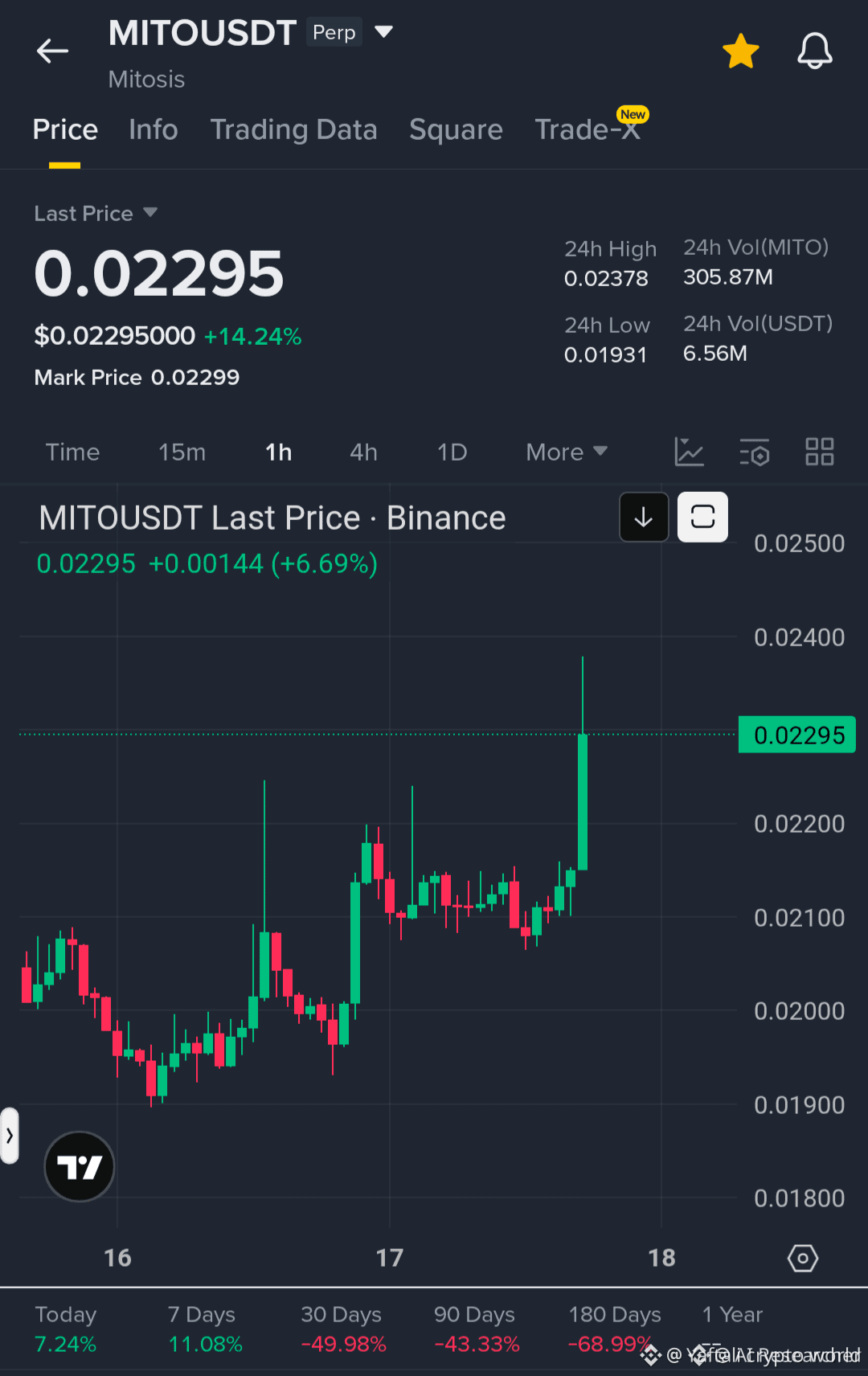
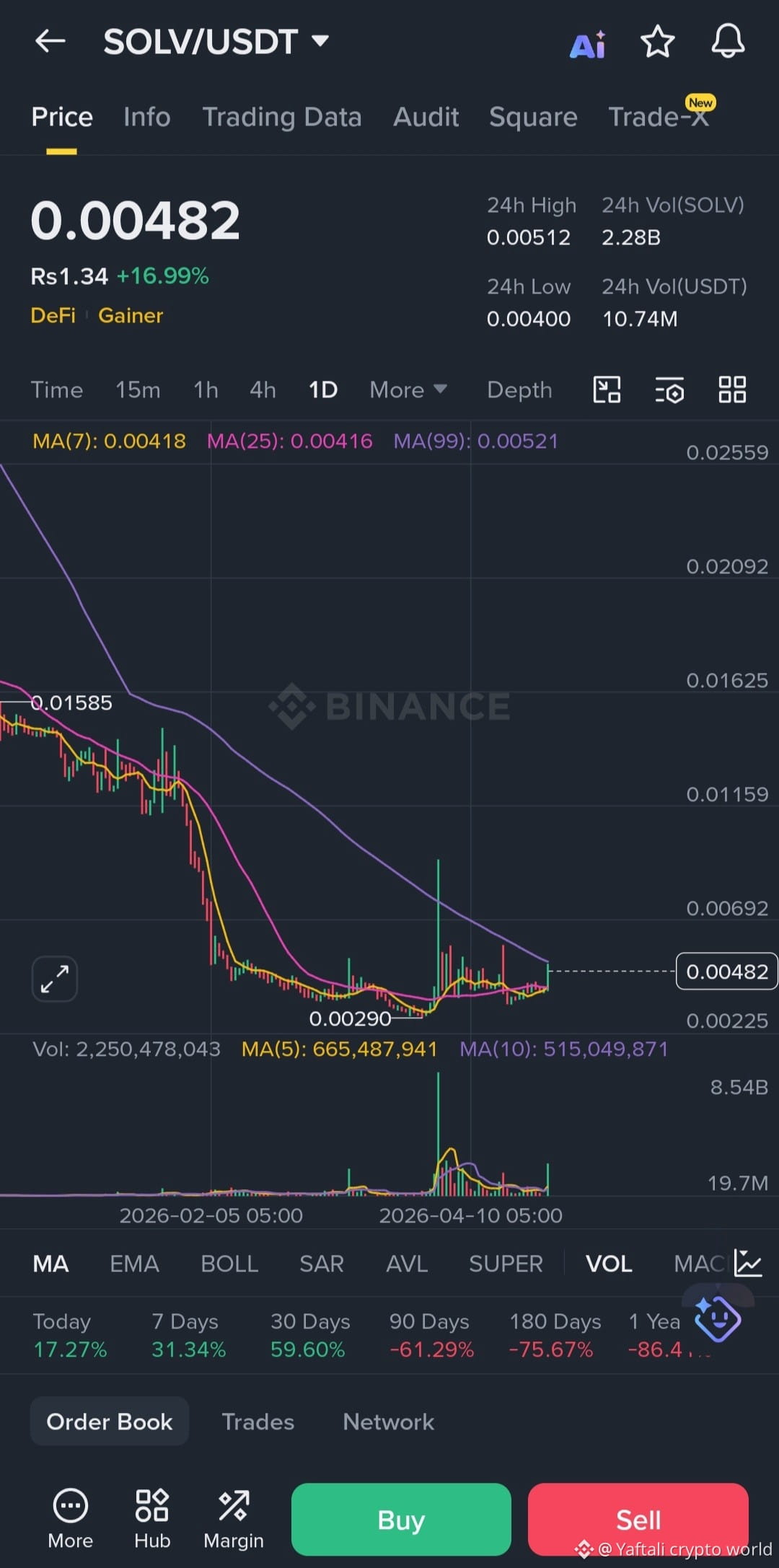
$MITO el momentum y el volumen se ven fuertes.
Puedo verlo moviéndose hacia la zona de $0.03 desde aquí.
No te pierdas esta oportunidad, compra ahora $MITO y agradeceme después.
$MITO el momentum y el volumen se ven fuertes.
Puedo verlo moviéndose hacia la zona de $0.03 desde aquí.
No te pierdas esta oportunidad, compra ahora $MITO y agradeceme después.
Puedo verlo moviéndose hacia la zona de $0.03 desde aquí.
No te pierdas esta oportunidad, compra ahora $MITO y agradeceme después.
1
82
$BTC
$ETH
$BNB
Tendencias Cripto Importantes Ahora
1. Bitcoin convirtiéndose en un activo convencional
Bitcoin se está tratando cada vez más como “oro digital”. Grandes instituciones financieras, ETFs e incluso corporaciones están manteniendo BTC como parte de sus reservas. Los analistas esperan que la demanda institucional a largo plazo siga creciendo.
Reuters +1
2. Las stablecoins están creciendo rápidamente
USDT y USDC se están volviendo importantes para pagos y transferencias internacionales. Muchos expertos piensan que las stablecoins podrían convertirse en una parte fundamental de los pagos y la infraestructura bancaria en internet.
Silicon Valley Bank +1
3. Tokenización de activos del mundo real
Bancos y empresas están colocando activos como bonos, acciones y bienes raíces en redes blockchain. Firmas importantes como JPMorgan Chase y BlackRock ya están probando esto.
MarketWatch +1
4. Los gobiernos están introduciendo regulaciones
Están surgiendo leyes cripto más claras en EE. UU. y Europa. Esto está atrayendo a más inversores institucionales, pero también está reduciendo la naturaleza de “salvaje oeste” de los mercados cripto.
Investopedia +1
5. Integración de IA + Cripto
Las empresas cripto están utilizando cada vez más IA para trading, automatización y seguridad. Algunas plataformas se están reestructurando en torno a sistemas impulsados por IA.
$BTC
$ETH
$BNB
Tendencias Cripto Importantes Ahora
1. Bitcoin convirtiéndose en un activo convencional
Bitcoin se está tratando cada vez más como “oro digital”. Grandes instituciones financieras, ETFs e incluso corporaciones están manteniendo BTC como parte de sus reservas. Los analistas esperan que la demanda institucional a largo plazo siga creciendo.
Reuters +1
2. Las stablecoins están creciendo rápidamente
USDT y USDC se están volviendo importantes para pagos y transferencias internacionales. Muchos expertos piensan que las stablecoins podrían convertirse en una parte fundamental de los pagos y la infraestructura bancaria en internet.
Silicon Valley Bank +1
3. Tokenización de activos del mundo real
Bancos y empresas están colocando activos como bonos, acciones y bienes raíces en redes blockchain. Firmas importantes como JPMorgan Chase y BlackRock ya están probando esto.
MarketWatch +1
4. Los gobiernos están introduciendo regulaciones
Están surgiendo leyes cripto más claras en EE. UU. y Europa. Esto está atrayendo a más inversores institucionales, pero también está reduciendo la naturaleza de “salvaje oeste” de los mercados cripto.
Investopedia +1
5. Integración de IA + Cripto
Las empresas cripto están utilizando cada vez más IA para trading, automatización y seguridad. Algunas plataformas se están reestructurando en torno a sistemas impulsados por IA.
$ETH
$BNB
Tendencias Cripto Importantes Ahora
1. Bitcoin convirtiéndose en un activo convencional
Bitcoin se está tratando cada vez más como “oro digital”. Grandes instituciones financieras, ETFs e incluso corporaciones están manteniendo BTC como parte de sus reservas. Los analistas esperan que la demanda institucional a largo plazo siga creciendo.
Reuters +1
2. Las stablecoins están creciendo rápidamente
USDT y USDC se están volviendo importantes para pagos y transferencias internacionales. Muchos expertos piensan que las stablecoins podrían convertirse en una parte fundamental de los pagos y la infraestructura bancaria en internet.
Silicon Valley Bank +1
3. Tokenización de activos del mundo real
Bancos y empresas están colocando activos como bonos, acciones y bienes raíces en redes blockchain. Firmas importantes como JPMorgan Chase y BlackRock ya están probando esto.
MarketWatch +1
4. Los gobiernos están introduciendo regulaciones
Están surgiendo leyes cripto más claras en EE. UU. y Europa. Esto está atrayendo a más inversores institucionales, pero también está reduciendo la naturaleza de “salvaje oeste” de los mercados cripto.
Investopedia +1
5. Integración de IA + Cripto
Las empresas cripto están utilizando cada vez más IA para trading, automatización y seguridad. Algunas plataformas se están reestructurando en torno a sistemas impulsados por IA.
1
125
·
--
Alcista
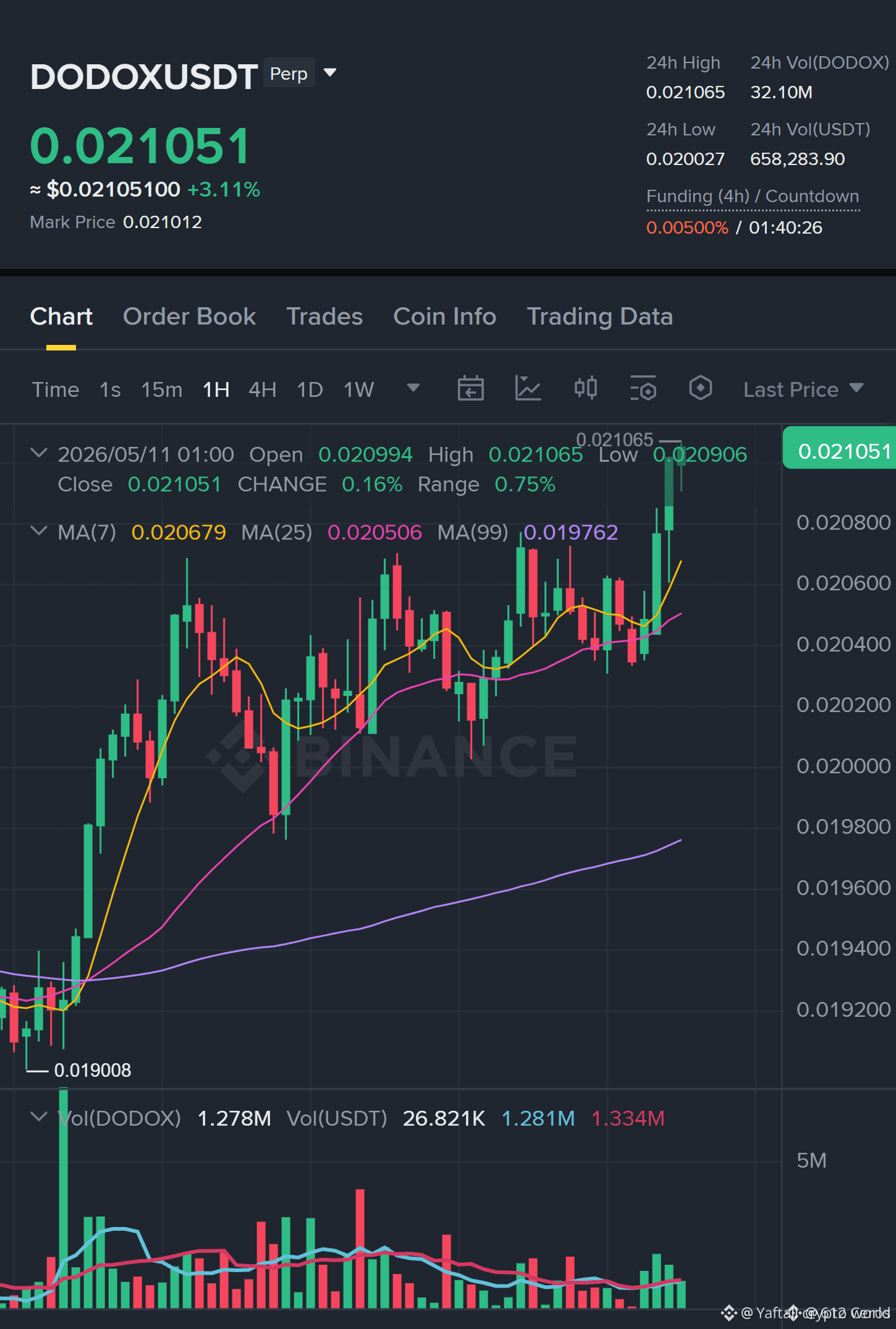
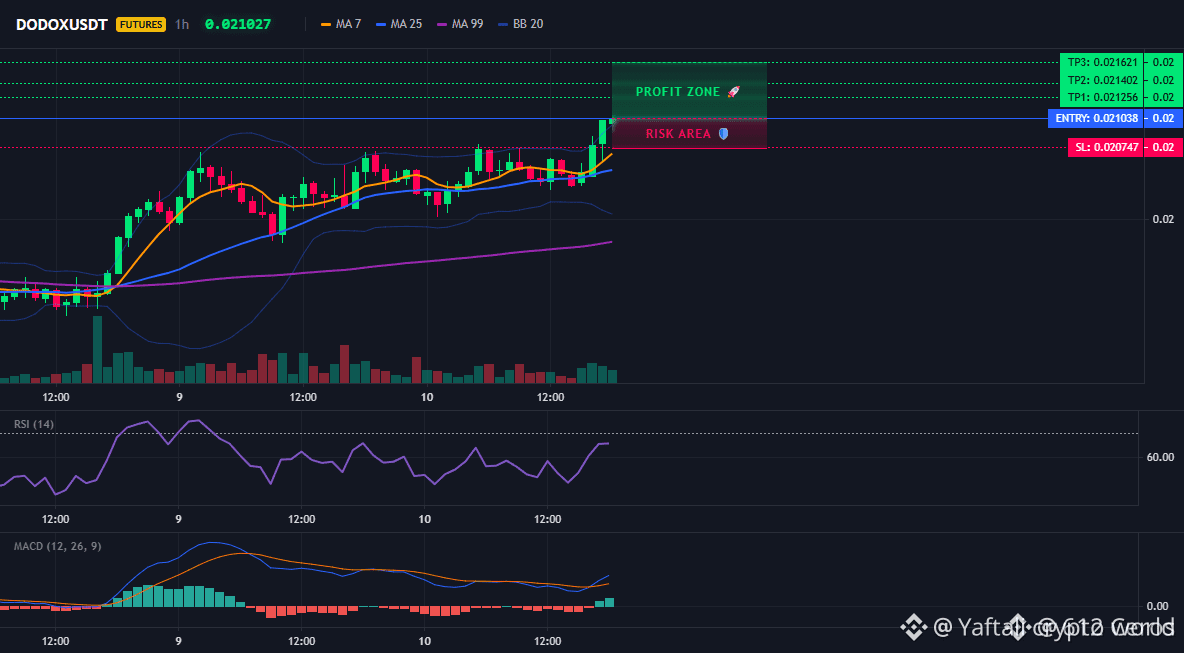
$DODOX /USDT a breakout
$DODOX - LONG
Plan de Trading:
Entrada: 0.021008 – 0.021068
SL: 0.020747
TP1: 0.021256
TP2: 0.021402
TP3: 0.021621
¿Por qué este setup?
RSI en 15m alcanzó 72.89 (sobrecomprado), pero la estructura de 4h sigue manteniendo LONG con un 95% de confianza. La entrada en 0.021038 está por encima del soporte EMA de 1h. El precio está en un rango en 1D, así que estamos jugando un squeeze, no una tendencia. TP1 en 0.021256 es la primera captura de liquidez.
Debate:
¿Estás en contra del RSI sobrecomprado o montando el momentum de 4h hacia TP2?
Haz clic aquí para Tradear 👇️
$DODOX
{future}(DODOXUSDT)
$DODOX /USDT a breakout
$DODOX - LONG
Plan de Trading:
Entrada: 0.021008 – 0.021068
SL: 0.020747
TP1: 0.021256
TP2: 0.021402
TP3: 0.021621
¿Por qué este setup?
RSI en 15m alcanzó 72.89 (sobrecomprado), pero la estructura de 4h sigue manteniendo LONG con un 95% de confianza. La entrada en 0.021038 está por encima del soporte EMA de 1h. El precio está en un rango en 1D, así que estamos jugando un squeeze, no una tendencia. TP1 en 0.021256 es la primera captura de liquidez.
Debate:
¿Estás en contra del RSI sobrecomprado o montando el momentum de 4h hacia TP2?
Haz clic aquí para Tradear 👇️
$DODOX
$DODOX - LONG
Plan de Trading:
Entrada: 0.021008 – 0.021068
SL: 0.020747
TP1: 0.021256
TP2: 0.021402
TP3: 0.021621
¿Por qué este setup?
RSI en 15m alcanzó 72.89 (sobrecomprado), pero la estructura de 4h sigue manteniendo LONG con un 95% de confianza. La entrada en 0.021038 está por encima del soporte EMA de 1h. El precio está en un rango en 1D, así que estamos jugando un squeeze, no una tendencia. TP1 en 0.021256 es la primera captura de liquidez.
Debate:
¿Estás en contra del RSI sobrecomprado o montando el momentum de 4h hacia TP2?
Haz clic aquí para Tradear 👇️
$DODOX
1
90
·
--
Alcista
1
191
·
--
Alcista
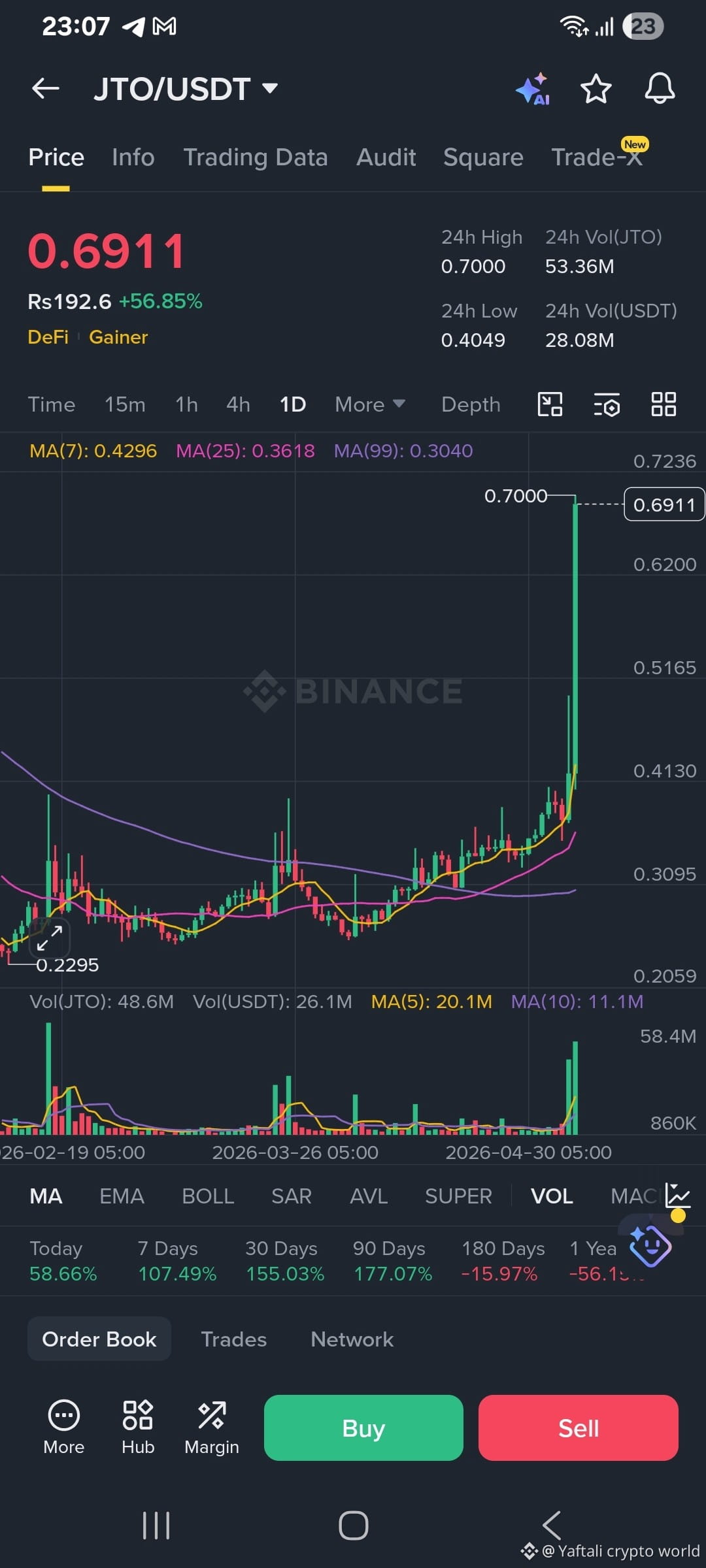
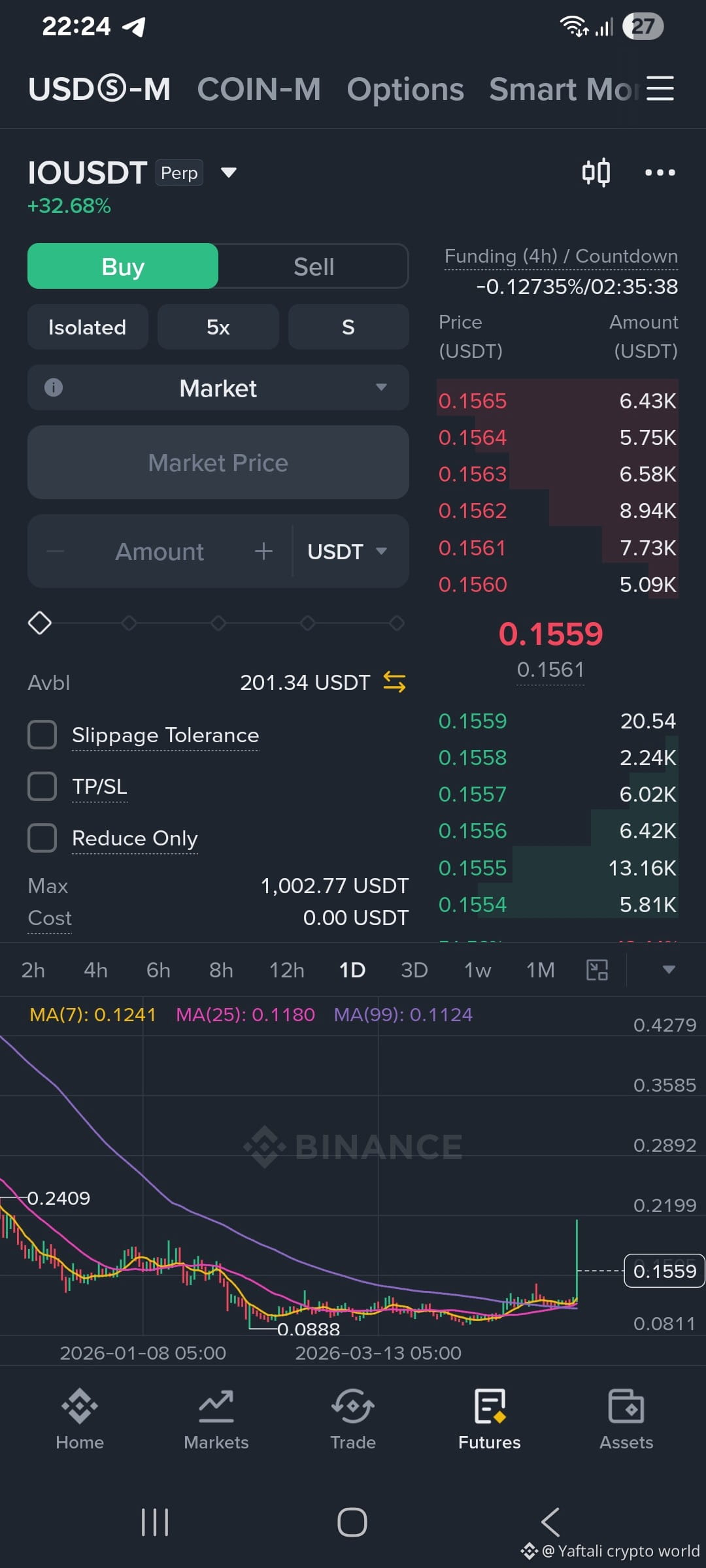
$IO está en modo de pump🚀🚀🚀
toma posición larga
$IO
$IO está en modo de pump🚀🚀🚀
toma posición larga
$IO
toma posición larga
$IO
1
176
·
--
Alcista
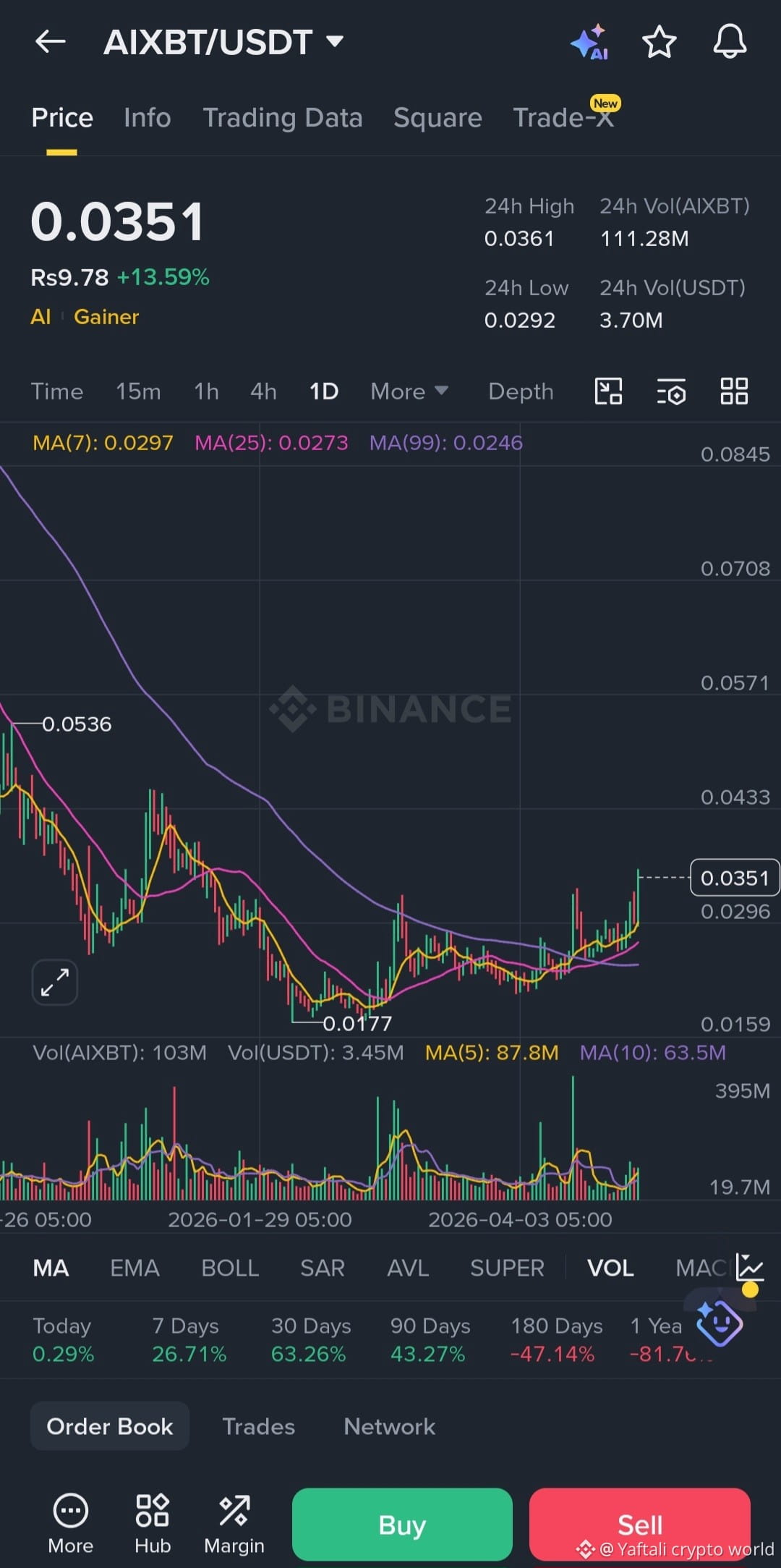
$AIXBT está en llamas 🚀🚀🚀
toma posición larga
{future}(AIXBTUSDT)
$AIXBT
$AIXBT está en llamas 🚀🚀🚀
toma posición larga
$AIXBT
toma posición larga
$AIXBT
1
69
·
--
Alcista
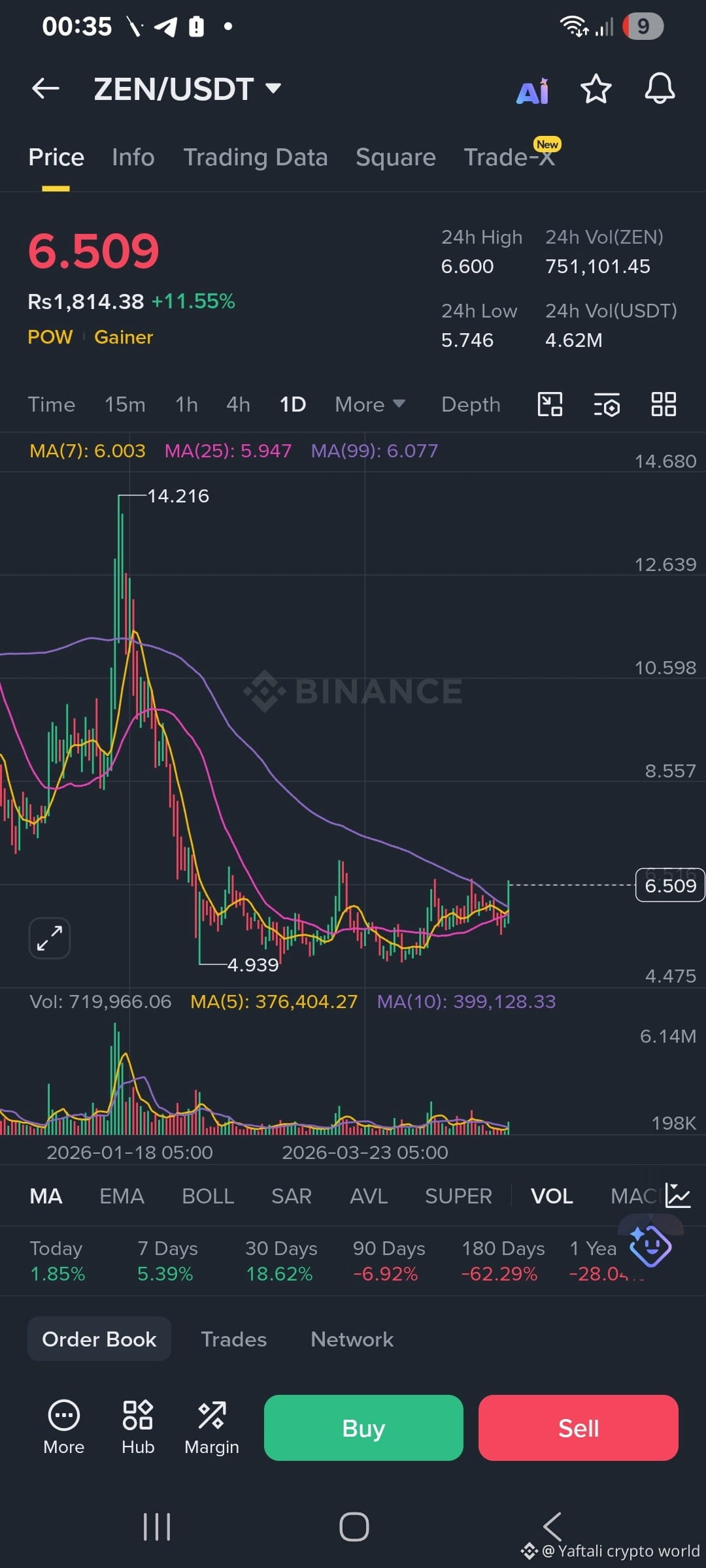
$ZEN 🚀🚀🚀
ZEN Coin está despegando en dirección
toma una posición larga
{future}(ZENUSDT)
$ZEN
$ZEN 🚀🚀🚀
ZEN Coin está despegando en dirección
toma una posición larga
$ZEN
ZEN Coin está despegando en dirección
toma una posición larga
$ZEN
1
166
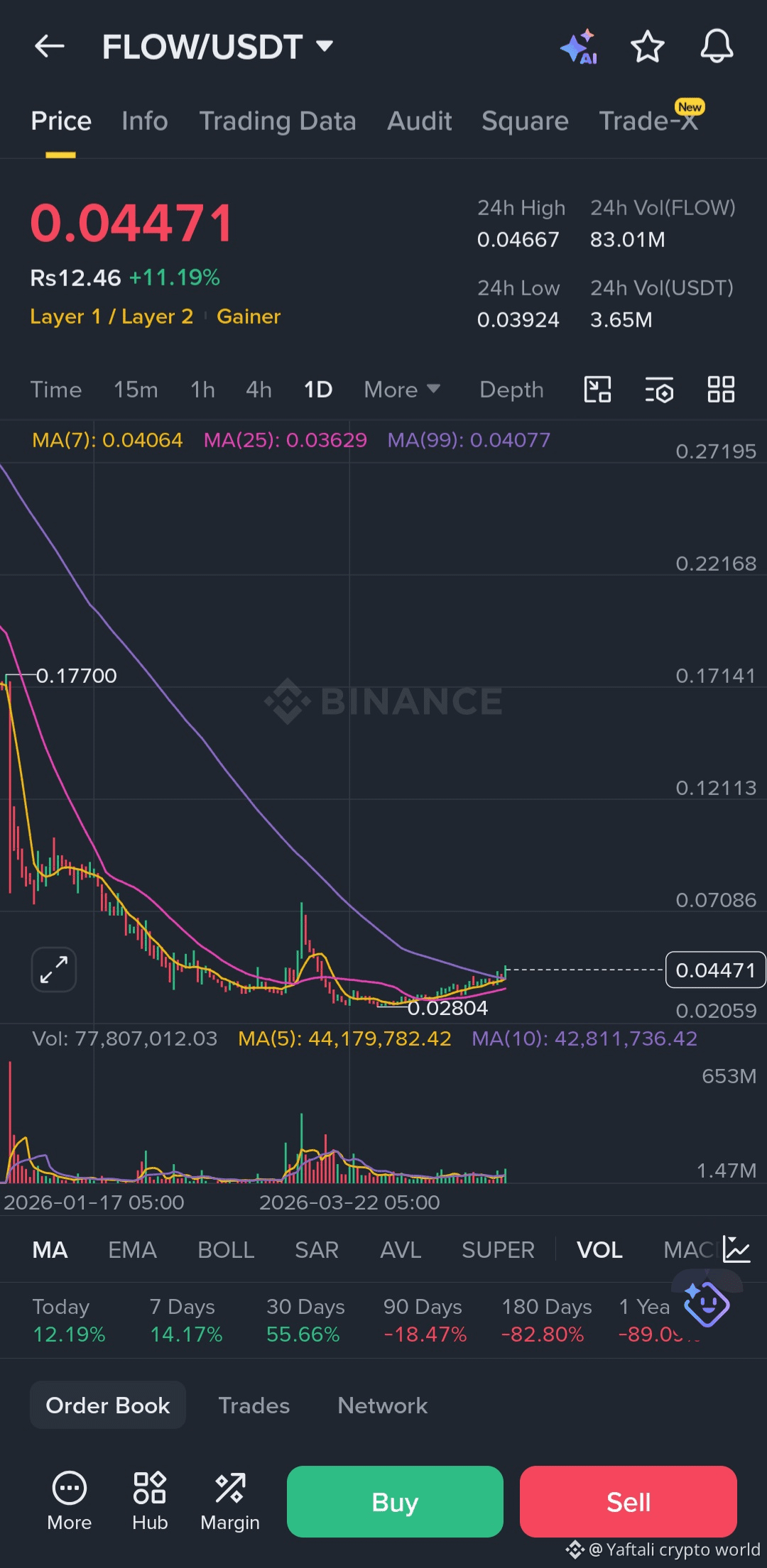
$FLOW está en llamas 🚀🚀🚀
toma posición larga
{future}(FLOWUSDT)
$FLOW
$FLOW está en llamas 🚀🚀🚀
toma posición larga
$FLOW
toma posición larga
$FLOW
1
132
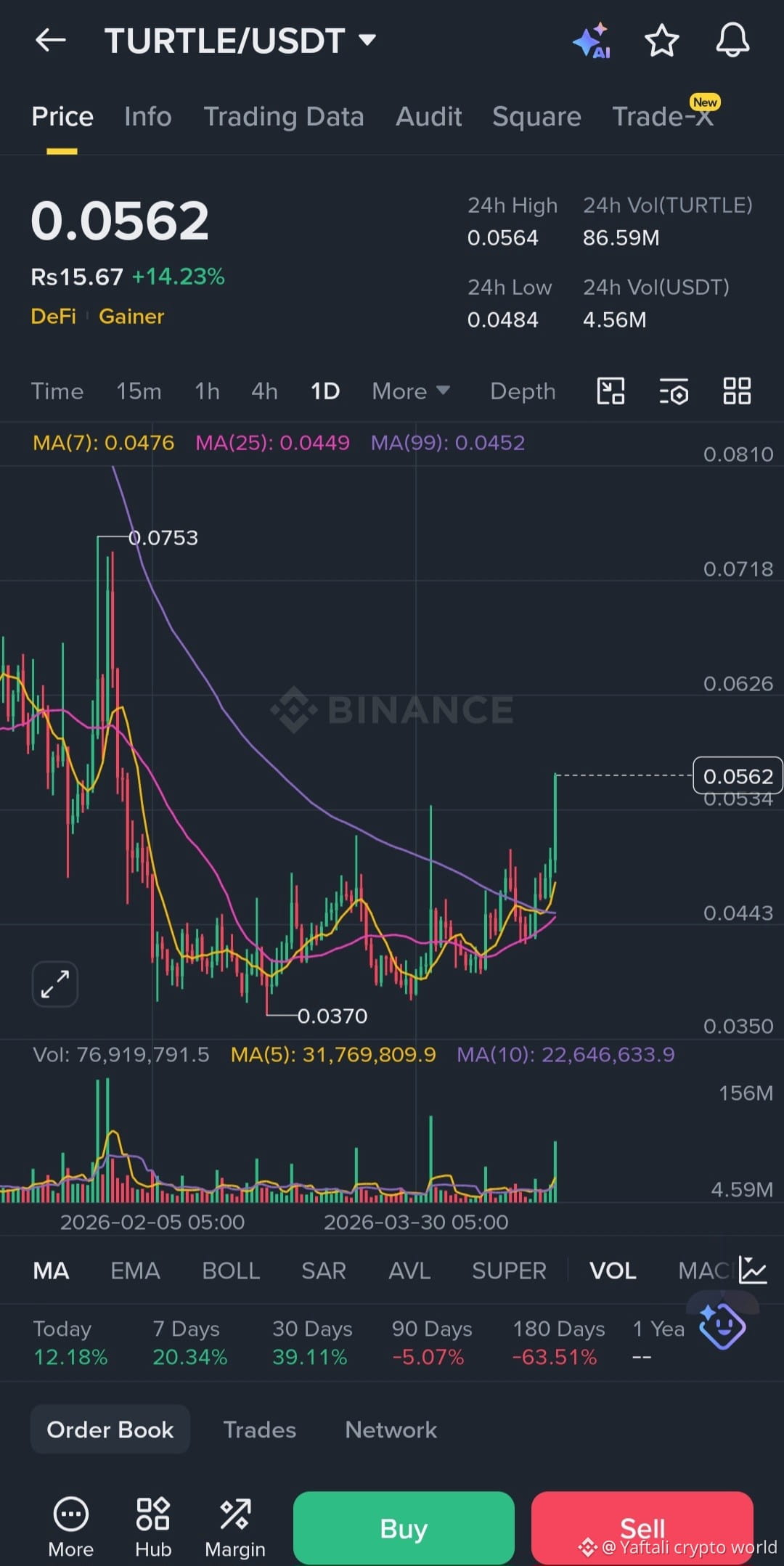
$TURTLE está en llamas 🚀🚀🚀
Posición larga
{future}(TURTLEUSDT)
$TURTLE está en llamas 🚀🚀🚀
Posición larga
Posición larga
1
94

Artículo
Beneficios de Pixels en el medio ambiente$PIXEL
#PİXEL
El crecimiento de los juegos Web3 está entrando en una nueva fase, y @Pixels es un ejemplo sólido de cómo la industria está madurando más allá de los simples modelos de jugar para ganar. Lo que hace que Pixels se destaque es su transición a un ecosistema más amplio “Apilado”, donde la jugabilidad, la economía y la comunidad están profundamente interconectadas. En lugar de mecánicas aisladas, el juego construye una experiencia estratificada donde la propiedad de tierras, la gestión de recursos y la coordinación social alimentan un ciclo sostenible impulsado por $PIXEL.#Pixel
Beneficios de Pixels en el medio ambiente
$PIXEL
#PİXEL
El crecimiento de los juegos Web3 está entrando en una nueva fase, y @Pixels es un ejemplo sólido de cómo la industria está madurando más allá de los simples modelos de jugar para ganar. Lo que hace que Pixels se destaque es su transición a un ecosistema más amplio “Apilado”, donde la jugabilidad, la economía y la comunidad están profundamente interconectadas. En lugar de mecánicas aisladas, el juego construye una experiencia estratificada donde la propiedad de tierras, la gestión de recursos y la coordinación social alimentan un ciclo sostenible impulsado por $PIXEL .#Pixel
#PİXEL
El crecimiento de los juegos Web3 está entrando en una nueva fase, y @Pixels es un ejemplo sólido de cómo la industria está madurando más allá de los simples modelos de jugar para ganar. Lo que hace que Pixels se destaque es su transición a un ecosistema más amplio “Apilado”, donde la jugabilidad, la economía y la comunidad están profundamente interconectadas. En lugar de mecánicas aisladas, el juego construye una experiencia estratificada donde la propiedad de tierras, la gestión de recursos y la coordinación social alimentan un ciclo sostenible impulsado por $PIXEL .#Pixel
1
66
·
--
Alcista
#pixel $PIXEL
Aquí tienes una publicación original de Binance Square que puedes usar (más de 100 caracteres, incluye todos los elementos requeridos):
Explorando la evolución del gaming en Web3 a través de @Pixels muestra cómo un simple juego de farming puede transformarse en un ecosistema completo apilado. Con $PIXEL actuando como la columna vertebral para NFTs, gremios y economías dentro del juego, el proyecto está construyendo más que un juego—es un universo socialfi donde los jugadores crean, ganan y colaboran. La integración de propiedad, progreso y gobernanza impulsada por la comunidad destaca por qué Pixels se destaca en el ecosistema Ronin. #pixel
Si quieres, puedo generar una publicación única fresca para cada día de la campaña para que nunca repitas contenido.
$PIXEL
#PIXEL/USDT
{future}(PIXELUSDT)
#pixel $PIXEL
Aquí tienes una publicación original de Binance Square que puedes usar (más de 100 caracteres, incluye todos los elementos requeridos):
Explorando la evolución del gaming en Web3 a través de @Pixels muestra cómo un simple juego de farming puede transformarse en un ecosistema completo apilado. Con $PIXEL actuando como la columna vertebral para NFTs, gremios y economías dentro del juego, el proyecto está construyendo más que un juego—es un universo socialfi donde los jugadores crean, ganan y colaboran. La integración de propiedad, progreso y gobernanza impulsada por la comunidad destaca por qué Pixels se destaca en el ecosistema Ronin. #pixel
Si quieres, puedo generar una publicación única fresca para cada día de la campaña para que nunca repitas contenido.
$PIXEL
#PIXEL/USDT
Aquí tienes una publicación original de Binance Square que puedes usar (más de 100 caracteres, incluye todos los elementos requeridos):
Explorando la evolución del gaming en Web3 a través de @Pixels muestra cómo un simple juego de farming puede transformarse en un ecosistema completo apilado. Con $PIXEL actuando como la columna vertebral para NFTs, gremios y economías dentro del juego, el proyecto está construyendo más que un juego—es un universo socialfi donde los jugadores crean, ganan y colaboran. La integración de propiedad, progreso y gobernanza impulsada por la comunidad destaca por qué Pixels se destaca en el ecosistema Ronin. #pixel
Si quieres, puedo generar una publicación única fresca para cada día de la campaña para que nunca repitas contenido.
$PIXEL
#PIXEL/USDT

1
92
·
--
Alcista
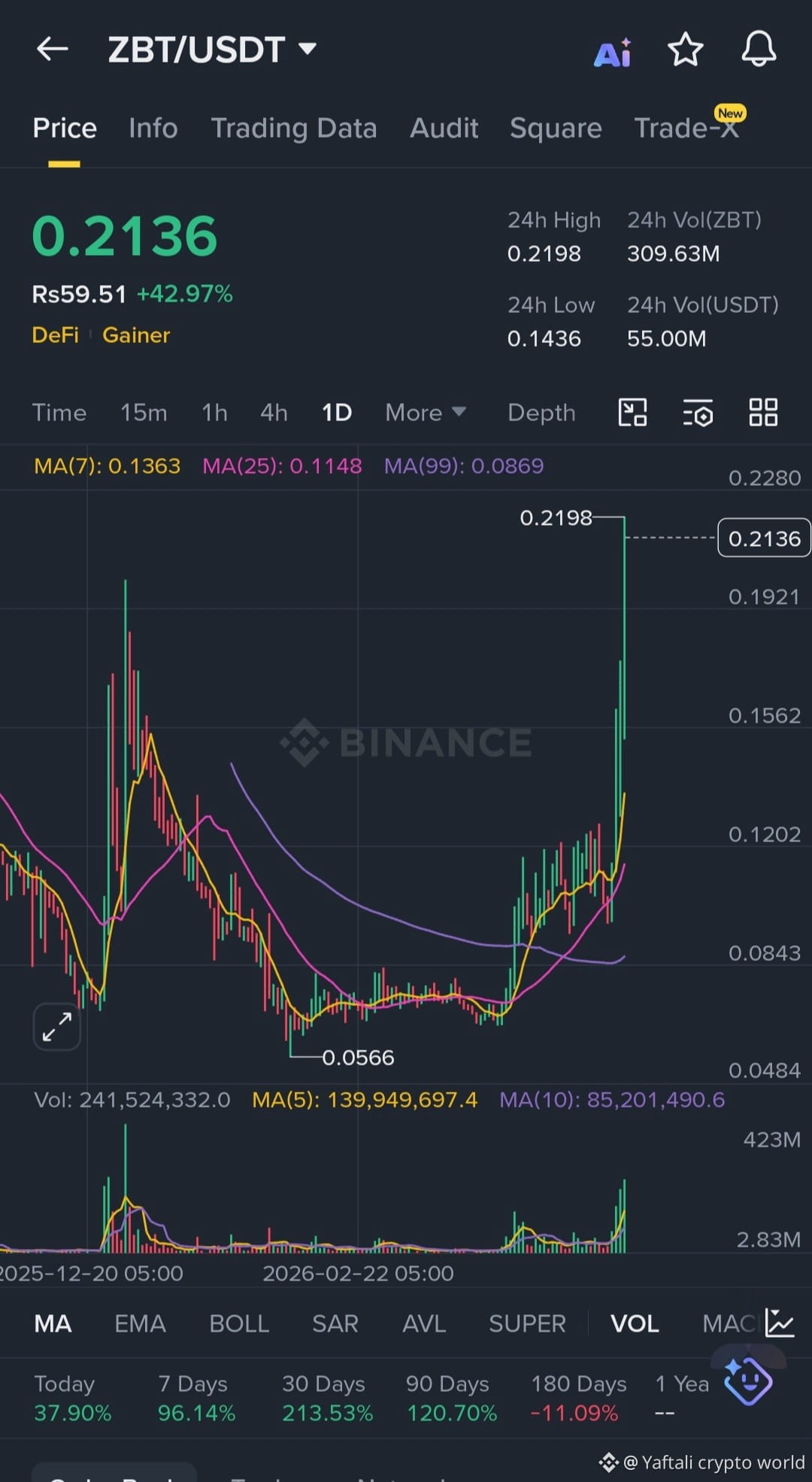
$ZBT está en llamas 🚀🚀🚀
Pump casi del 45%
{future}(ZBTUSDT)
$ZBT está en llamas 🚀🚀🚀
Pump casi del 45%
Pump casi del 45%
1
248
·
--
Alcista
#pixel $PIXEL
{future}(PIXELUSDT)
La evolución de @Pixels se está poniendo realmente interesante. Con el lanzamiento de Stacked, el ecosistema está yendo más allá del simple juego hacia una capa de participación impulsada por IA, donde el comportamiento de los jugadores da forma directa a las recompensas y a la retención. Este es un gran cambio del tradicional play-to-earn hacia economías más inteligentes y basadas en datos.
Lo que destaca es cómo el staking $PIXEL y la participación en el ecosistema ahora se conectan a través de múltiples juegos, otorgando a los jugadores influencia y recompensas ligadas a actividades reales en lugar de simples emisiones. #pixel
Stacked se siente como la columna vertebral para escalar el gaming en Web3 de manera sostenible — optimizando incentivos mientras se reduce la presión de venta de tokens y se mejora el flujo de valor a largo plazo.
Si este modelo sigue expandiéndose, @Pixels podría convertirse en más que un juego — podría ser la infraestructura para la próxima generación de economías Web3.
$PIXEL #pixel
#pixel $PIXEL
La evolución de @Pixels se está poniendo realmente interesante. Con el lanzamiento de Stacked, el ecosistema está yendo más allá del simple juego hacia una capa de participación impulsada por IA, donde el comportamiento de los jugadores da forma directa a las recompensas y a la retención. Este es un gran cambio del tradicional play-to-earn hacia economías más inteligentes y basadas en datos.
Lo que destaca es cómo el staking $PIXEL y la participación en el ecosistema ahora se conectan a través de múltiples juegos, otorgando a los jugadores influencia y recompensas ligadas a actividades reales en lugar de simples emisiones. #pixel
Stacked se siente como la columna vertebral para escalar el gaming en Web3 de manera sostenible — optimizando incentivos mientras se reduce la presión de venta de tokens y se mejora el flujo de valor a largo plazo.
Si este modelo sigue expandiéndose, @Pixels podría convertirse en más que un juego — podría ser la infraestructura para la próxima generación de economías Web3.
$PIXEL #pixel
La evolución de @Pixels se está poniendo realmente interesante. Con el lanzamiento de Stacked, el ecosistema está yendo más allá del simple juego hacia una capa de participación impulsada por IA, donde el comportamiento de los jugadores da forma directa a las recompensas y a la retención. Este es un gran cambio del tradicional play-to-earn hacia economías más inteligentes y basadas en datos.
Lo que destaca es cómo el staking $PIXEL y la participación en el ecosistema ahora se conectan a través de múltiples juegos, otorgando a los jugadores influencia y recompensas ligadas a actividades reales en lugar de simples emisiones. #pixel
Stacked se siente como la columna vertebral para escalar el gaming en Web3 de manera sostenible — optimizando incentivos mientras se reduce la presión de venta de tokens y se mejora el flujo de valor a largo plazo.
Si este modelo sigue expandiéndose, @Pixels podría convertirse en más que un juego — podría ser la infraestructura para la próxima generación de economías Web3.
$PIXEL #pixel
1
96
·
--
Alcista
1
151
Artículo
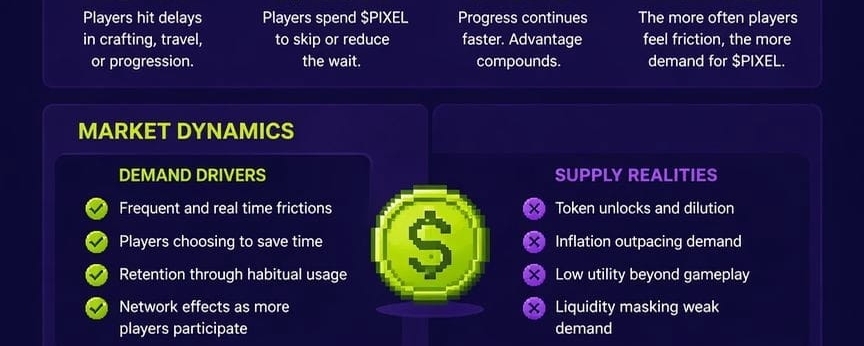
Un Concepto en Auge en la Economía Digital$PIXEL
#PIXEL📈
En el mundo de las finanzas digitales que evoluciona rápidamente, siguen surgiendo nuevas criptomonedas, cada una con el objetivo de resolver problemas únicos o servir a comunidades específicas. Pixel Coin es uno de esos conceptos que está ganando atención, particularmente entre los entusiastas de los videojuegos, artistas digitales y creadores en ecosistemas virtuales. Aunque no es tan reconocida como criptomonedas principales como Bitcoin o Ethereum, Pixel Coin representa una tendencia creciente hacia monedas digitales especializadas, adaptadas a entornos en línea específicos.#PİXEL
Un Concepto en Auge en la Economía Digital
$PIXEL
#PIXEL📈
En el mundo de las finanzas digitales que evoluciona rápidamente, siguen surgiendo nuevas criptomonedas, cada una con el objetivo de resolver problemas únicos o servir a comunidades específicas. Pixel Coin es uno de esos conceptos que está ganando atención, particularmente entre los entusiastas de los videojuegos, artistas digitales y creadores en ecosistemas virtuales. Aunque no es tan reconocida como criptomonedas principales como Bitcoin o Ethereum, Pixel Coin representa una tendencia creciente hacia monedas digitales especializadas, adaptadas a entornos en línea específicos.#PİXEL
#PIXEL📈
En el mundo de las finanzas digitales que evoluciona rápidamente, siguen surgiendo nuevas criptomonedas, cada una con el objetivo de resolver problemas únicos o servir a comunidades específicas. Pixel Coin es uno de esos conceptos que está ganando atención, particularmente entre los entusiastas de los videojuegos, artistas digitales y creadores en ecosistemas virtuales. Aunque no es tan reconocida como criptomonedas principales como Bitcoin o Ethereum, Pixel Coin representa una tendencia creciente hacia monedas digitales especializadas, adaptadas a entornos en línea específicos.#PİXEL
1
69
#pixel $PIXEL
Esa es una observación aguda—y honestamente, es el tipo de lección que muchos traders tardan mucho más en notar en Pixels.
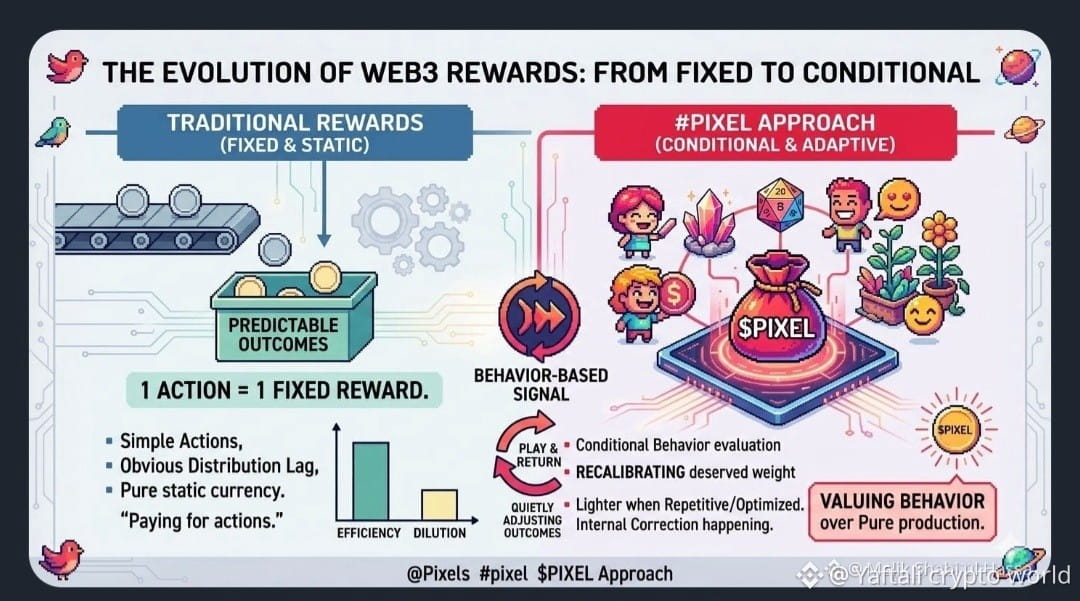
Lo que encontraste no se trata realmente de pescar en absoluto—es la oferta y la demanda básica desarrollándose en tiempo real. Al principio, te beneficiabas de una oferta relativamente baja de peces en el mercado. Una vez que otros jugadores notaron la misma oportunidad (o simplemente se deslizaron naturalmente hacia ella), la oferta aumentó, los precios cayeron y tu “estrategia” dejó de ser una estrategia—se convirtió en la multitud.
Ese momento en que “hizo clic” es la parte importante. Cambiaste de pensar:
“¿Qué actividad es buena?”
a
“¿Qué actividad es buena ahora mismo?”
Esa es una mentalidad mucho más poderosa.
Juegos como este recompensan silenciosamente la adaptabilidad más que la optimización. Especializarse puede funcionar—pero solo temporalmente. Los traders que se mantienen por delante suelen:
rotar actividades antes de que la saturación golpee
observar tendencias de precios en lugar de solo grindear
tratar el tiempo como un recurso, no solo como esfuerzo
Lo que hiciste después—mezclando actividades y manteniéndote flexible—es básicamente cómo evitas los rendimientos decrecientes.
Si quisieras llevarlo un paso más allá, podrías experimentar con ciclos de tiempo:
Pescar cuando la oferta es baja (horas fuera de pico o después de actualizaciones)
Cambiar cuando los precios comienzan a bajar—no después de que ya han colapsado
Acumular selectivamente en lugar de siempre vender inmediatamente
Ya estás pensando en la dirección correcta. El juego no cambió—solo empezaste a ver el sistema debajo de él.
$PIXEL
#pixel
{future}(PIXELUSDT)
#pixel $PIXEL
Esa es una observación aguda—y honestamente, es el tipo de lección que muchos traders tardan mucho más en notar en Pixels.
Lo que encontraste no se trata realmente de pescar en absoluto—es la oferta y la demanda básica desarrollándose en tiempo real. Al principio, te beneficiabas de una oferta relativamente baja de peces en el mercado. Una vez que otros jugadores notaron la misma oportunidad (o simplemente se deslizaron naturalmente hacia ella), la oferta aumentó, los precios cayeron y tu “estrategia” dejó de ser una estrategia—se convirtió en la multitud.
Ese momento en que “hizo clic” es la parte importante. Cambiaste de pensar:
“¿Qué actividad es buena?”
a
“¿Qué actividad es buena ahora mismo?”
Esa es una mentalidad mucho más poderosa.
Juegos como este recompensan silenciosamente la adaptabilidad más que la optimización. Especializarse puede funcionar—pero solo temporalmente. Los traders que se mantienen por delante suelen:
rotar actividades antes de que la saturación golpee
observar tendencias de precios en lugar de solo grindear
tratar el tiempo como un recurso, no solo como esfuerzo
Lo que hiciste después—mezclando actividades y manteniéndote flexible—es básicamente cómo evitas los rendimientos decrecientes.
Si quisieras llevarlo un paso más allá, podrías experimentar con ciclos de tiempo:
Pescar cuando la oferta es baja (horas fuera de pico o después de actualizaciones)
Cambiar cuando los precios comienzan a bajar—no después de que ya han colapsado
Acumular selectivamente en lugar de siempre vender inmediatamente
Ya estás pensando en la dirección correcta. El juego no cambió—solo empezaste a ver el sistema debajo de él.
$PIXEL
#pixel
Esa es una observación aguda—y honestamente, es el tipo de lección que muchos traders tardan mucho más en notar en Pixels.
Lo que encontraste no se trata realmente de pescar en absoluto—es la oferta y la demanda básica desarrollándose en tiempo real. Al principio, te beneficiabas de una oferta relativamente baja de peces en el mercado. Una vez que otros jugadores notaron la misma oportunidad (o simplemente se deslizaron naturalmente hacia ella), la oferta aumentó, los precios cayeron y tu “estrategia” dejó de ser una estrategia—se convirtió en la multitud.
Ese momento en que “hizo clic” es la parte importante. Cambiaste de pensar:
“¿Qué actividad es buena?”
a
“¿Qué actividad es buena ahora mismo?”
Esa es una mentalidad mucho más poderosa.
Juegos como este recompensan silenciosamente la adaptabilidad más que la optimización. Especializarse puede funcionar—pero solo temporalmente. Los traders que se mantienen por delante suelen:
rotar actividades antes de que la saturación golpee
observar tendencias de precios en lugar de solo grindear
tratar el tiempo como un recurso, no solo como esfuerzo
Lo que hiciste después—mezclando actividades y manteniéndote flexible—es básicamente cómo evitas los rendimientos decrecientes.
Si quisieras llevarlo un paso más allá, podrías experimentar con ciclos de tiempo:
Pescar cuando la oferta es baja (horas fuera de pico o después de actualizaciones)
Cambiar cuando los precios comienzan a bajar—no después de que ya han colapsado
Acumular selectivamente en lugar de siempre vender inmediatamente
Ya estás pensando en la dirección correcta. El juego no cambió—solo empezaste a ver el sistema debajo de él.
$PIXEL
#pixel
1
127
·
--
Alcista
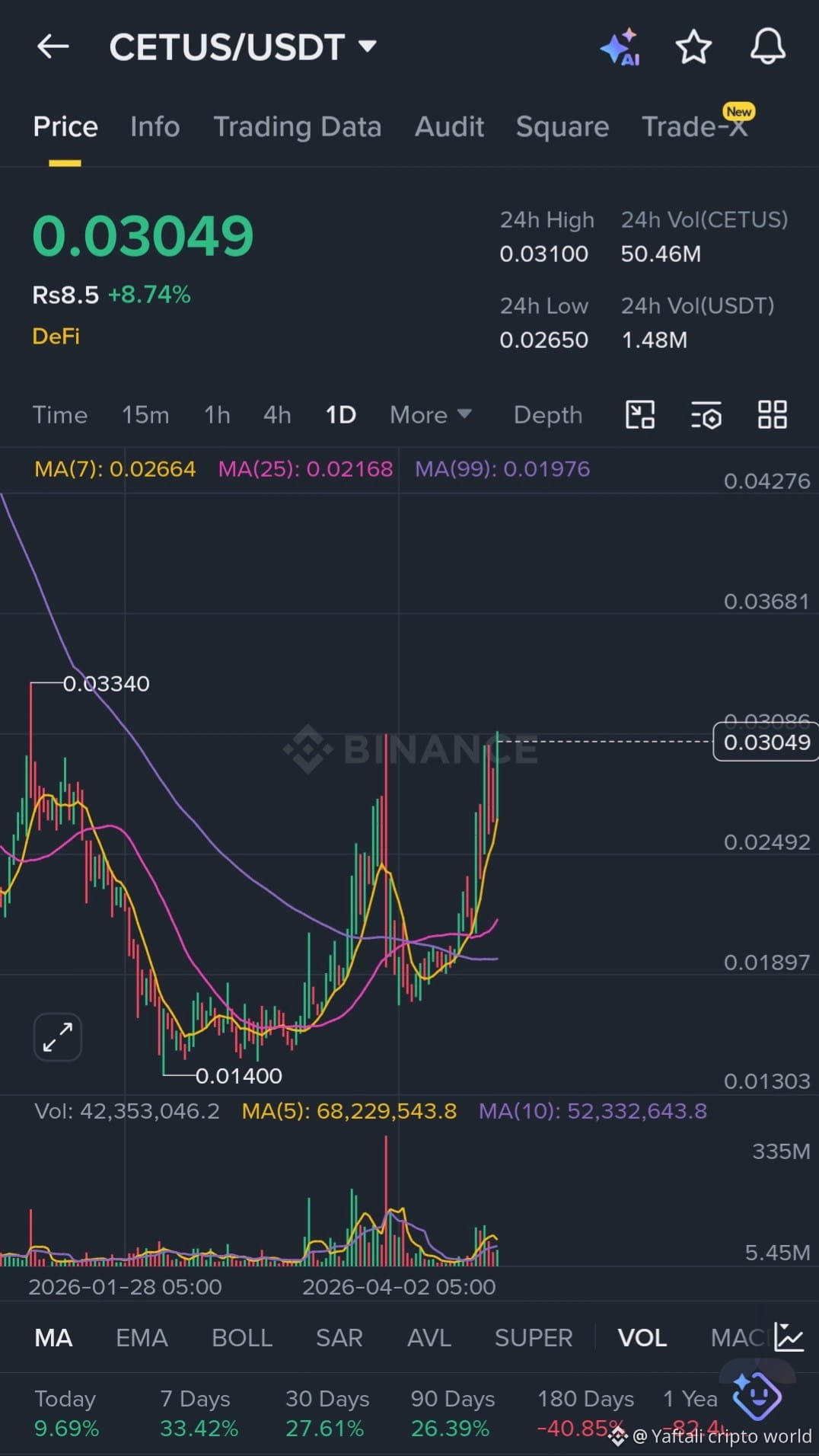
$CETUS está en modo alcista 🚀🚀🚀
compra larga
{future}(CETUSUSDT)
$CETUS está en modo alcista 🚀🚀🚀
compra larga
compra larga
1
198
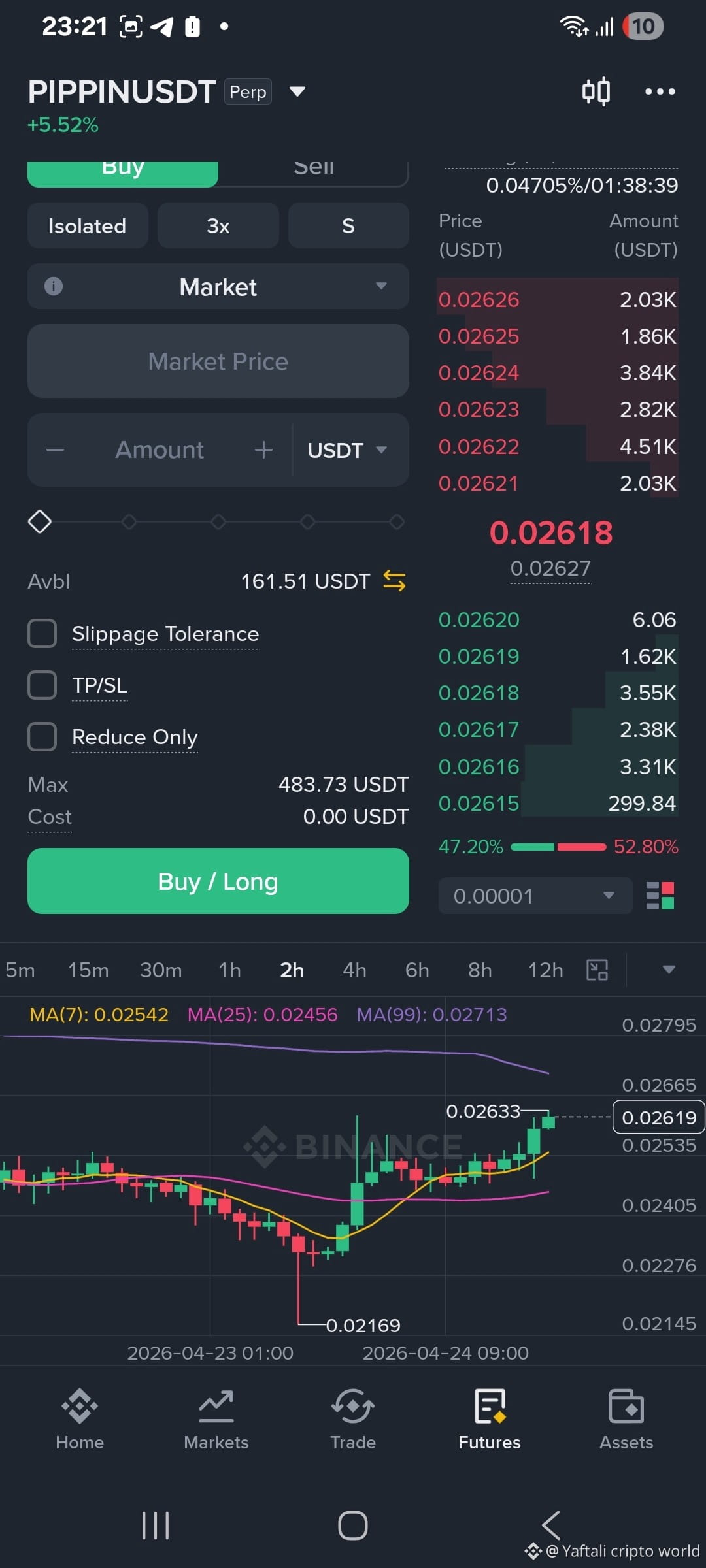
$pippin está en modo alcista 🚀🚀🚀
Debes operar ahora en largo
{future}(PIPPINUSDT)
$pippin está en modo alcista 🚀🚀🚀
Debes operar ahora en largo
Debes operar ahora en largo
1
321
#pixel $PIXEL
¿Honestamente? He estado reflexionando sobre cómo @Pixelstreats trata a sus jugadores con el tiempo, y no es tan simple como "juega más, gana más" 😂. La mayoría de la gente piensa que la lealtad se recompensa directamente, pero lo que seguía volviendo a mi mente es que Pixels recompensa la consistencia y la posición dentro de su economía, no solo el tiempo invertido.
Los primeros en adoptar definitivamente tienen una ventaja de acceso a tierras, activos más baratos y ventajas de primer jugador en bucles emergentes. Pero la tensión aquí es la sostenibilidad. Si los jugadores tempranos se benefician demasiado, los nuevos jugadores se sienten excluidos. Pixels parece ser consciente de esto, por lo que reequilibra gradualmente los incentivos para mantener la puerta abierta.
Lo que es interesante es cómo el juego evoluciona. No es estático. El comportamiento del jugador alimenta sistemas de análisis que rastrean la participación, la eficiencia y los flujos económicos. Esos datos dan forma a las actualizaciones, ajustan las recompensas e incluso rediseñan mecánicas.
Así que sí, el análisis no es solo seguimiento; está dirigiendo el juego en sí mismo.
Pero entonces la pregunta se convierte en… ¿están los jugadores moldeando a Pixels, o Pixels está moldeando silenciosamente a los jugadores?
$PIXEL
#pixel
{future}(PIXELUSDT)
#pixel $PIXEL
¿Honestamente? He estado reflexionando sobre cómo @Pixelstreats trata a sus jugadores con el tiempo, y no es tan simple como "juega más, gana más" 😂. La mayoría de la gente piensa que la lealtad se recompensa directamente, pero lo que seguía volviendo a mi mente es que Pixels recompensa la consistencia y la posición dentro de su economía, no solo el tiempo invertido.
Los primeros en adoptar definitivamente tienen una ventaja de acceso a tierras, activos más baratos y ventajas de primer jugador en bucles emergentes. Pero la tensión aquí es la sostenibilidad. Si los jugadores tempranos se benefician demasiado, los nuevos jugadores se sienten excluidos. Pixels parece ser consciente de esto, por lo que reequilibra gradualmente los incentivos para mantener la puerta abierta.
Lo que es interesante es cómo el juego evoluciona. No es estático. El comportamiento del jugador alimenta sistemas de análisis que rastrean la participación, la eficiencia y los flujos económicos. Esos datos dan forma a las actualizaciones, ajustan las recompensas e incluso rediseñan mecánicas.
Así que sí, el análisis no es solo seguimiento; está dirigiendo el juego en sí mismo.
Pero entonces la pregunta se convierte en… ¿están los jugadores moldeando a Pixels, o Pixels está moldeando silenciosamente a los jugadores?
$PIXEL
#pixel
¿Honestamente? He estado reflexionando sobre cómo @Pixelstreats trata a sus jugadores con el tiempo, y no es tan simple como "juega más, gana más" 😂. La mayoría de la gente piensa que la lealtad se recompensa directamente, pero lo que seguía volviendo a mi mente es que Pixels recompensa la consistencia y la posición dentro de su economía, no solo el tiempo invertido.
Los primeros en adoptar definitivamente tienen una ventaja de acceso a tierras, activos más baratos y ventajas de primer jugador en bucles emergentes. Pero la tensión aquí es la sostenibilidad. Si los jugadores tempranos se benefician demasiado, los nuevos jugadores se sienten excluidos. Pixels parece ser consciente de esto, por lo que reequilibra gradualmente los incentivos para mantener la puerta abierta.
Lo que es interesante es cómo el juego evoluciona. No es estático. El comportamiento del jugador alimenta sistemas de análisis que rastrean la participación, la eficiencia y los flujos económicos. Esos datos dan forma a las actualizaciones, ajustan las recompensas e incluso rediseñan mecánicas.
Así que sí, el análisis no es solo seguimiento; está dirigiendo el juego en sí mismo.
Pero entonces la pregunta se convierte en… ¿están los jugadores moldeando a Pixels, o Pixels está moldeando silenciosamente a los jugadores?
$PIXEL
#pixel

1
69
Inicia sesión para explorar más contenidos
Únete a usuarios de criptomonedas de todo el mundo en Binance Square
⚡️ Obtén la información más reciente y útil sobre criptomonedas.
💬 Confía en el mayor exchange de criptomonedas del mundo.
👍 Descubre opiniones reales de creadores verificados.
Correo electrónico/número de teléfono
Temas en tendencia
BinanceLaunchesBinanceIntelligence
133,116 visualizaciones
1,301 participa(n) en el debate
#BinanceLaunchesBinanceIntelligence
🚨 ¡EL MERCADO SE MUEVE RÁPIDO! AI en Binance, Compras Masivas de BTC y Movimientos en XRP 🔥
¿Te diste cuenta de cómo amaneció el mercado hoy? 📊 Las narrativas están cambiando y las grandes instituciones están ejecutando movimientos clave. Aquí te resumo las 3 noticias en tendencia que DEBES seguir de cerca hoy: 👇
1️⃣ #BinanceLaunchesBinanceIntelligence 🤖🤖
Binance acaba de dar un golpe sobre la mesa al lanzar Binance Intelligence, una suite impulsada por Inteligencia Artificial diseñada para revolucionar el trading.
¿Qué incluye? Inteligencia para análisis, Binance AI Pro para convertir tus estrategias en código/flujos ejecutables y Agent OS para desarrolladores.
💡 ¿La IA reemplazará la investigación manual en crypto? Definitivamente es el paso más grande hacia la automatización accesible para todos.
lerya
·0 «Me gusta»
·604 visualizaciones
StriveBuys2000BTCFor$169M
5,263 visualizaciones
57 participa(n) en el debate
EvernorthXRPTreasuryCompletesSPACMerger
83,226 visualizaciones
843 participa(n) en el debate