
V4SH
8 Publicaciones

V4SH
Denunciar
Bloquear usuario
Sou Social Media Ninja, Elite Miner na RedStone. E Crypto Enthusiast.
5 Siguiendo
2 Seguidores
4 Me gusta
Publicaciones
Todo
Cotizaciones
·
--
La Redstone está haciendo que suceda con los principales actores del mercado.
La Redstone está haciendo que suceda con los principales actores del mercado.

LordTitoso
·
--
Tokenize This, NYC!
Tres grandes eventos en junio de 2026: las finales de la NBA para los New York Knicks, la Copa Mundial y, la más grande de todas...
La conferencia institucional más grande centrada en Activos del Mundo Real (RWA) e infraestructura de activos digitales, Tokenize This (TT), operada por RedStone, tuvo lugar del 23 al 25 de junio. Un evento que reúne a profesionales de las finanzas, inversores y líderes de la tokenización para debatir los avances de los RWA.
La importancia de este evento se evidencia solo por sus patrocinadores: SQFT Protocol, RWA Foundation, Riveles Wahab LLP, Canton Network, Riolto Markets y la Solana Foundation son ejemplos de proyectos y protocolos que creen en la viabilidad de la tokenización y la funcionalidad de los RWA.
La conferencia institucional más grande centrada en Activos del Mundo Real (RWA) e infraestructura de activos digitales, Tokenize This (TT), operada por RedStone, tuvo lugar del 23 al 25 de junio. Un evento que reúne a profesionales de las finanzas, inversores y líderes de la tokenización para debatir los avances de los RWA.
La importancia de este evento se evidencia solo por sus patrocinadores: SQFT Protocol, RWA Foundation, Riveles Wahab LLP, Canton Network, Riolto Markets y la Solana Foundation son ejemplos de proyectos y protocolos que creen en la viabilidad de la tokenización y la funcionalidad de los RWA.
180
·
--
Con verificación
Artículo
Tokenizando el mundo: la infraestructura invisible de RedStone en el ecosistema de Securitize.La tokenización de activos del mundo real (RWAs) dejó de ser solo un experimento de nicho para convertirse en una realidad en Wall Street. Securitize, una de las plataformas líderes en la emisión de activos digitales, acaba de dar un paso histórico: listó sus acciones en la Bolsa de Nueva York (NYSE) y, simultáneamente, tokenizó sus acciones en las redes Avalanche y Solana (bajo el ticker $SECZ).
¿Pero cómo sabe y confía DeFi en el precio de una acción tradicional? Ahí es exactamente donde entra RedStone, proporcionando el feed de precios oficial para $SECZ desde su primer día en el mercado.
Tokenizando el mundo: la infraestructura invisible de RedStone en el ecosistema de Securitize.
La tokenización de activos del mundo real (RWAs) dejó de ser solo un experimento de nicho para convertirse en una realidad en Wall Street. Securitize, una de las plataformas líderes en la emisión de activos digitales, acaba de dar un paso histórico: listó sus acciones en la Bolsa de Nueva York (NYSE) y, simultáneamente, tokenizó sus acciones en las redes Avalanche y Solana (bajo el ticker $SECZ).
¿Pero cómo sabe y confía DeFi en el precio de una acción tradicional? Ahí es exactamente donde entra RedStone, proporcionando el feed de precios oficial para $SECZ desde su primer día en el mercado.
¿Pero cómo sabe y confía DeFi en el precio de una acción tradicional? Ahí es exactamente donde entra RedStone, proporcionando el feed de precios oficial para $SECZ desde su primer día en el mercado.
973
·
--
Artículo
Oráculos La pieza invisible que mantiene miles de millones en la cadena.Una opinión personal sobre la infraestructura de la que nadie habla y por qué esa invisibilidad es, en realidad, el punto principal.
Esto es algo que me quita el sueño, para bien.
Miles de millones de dólares se mueven a través de DeFi todos y cada uno de los días. La gente pide prestado, presta, intercambia, apuesta. Los protocolos liquidan posiciones infracollateralizadas en cuestión de segundos. Los derivados se liquidan instantáneamente a un precio de referencia. Y ninguno de los usuarios que hacen cualquiera de esas cosas se detiene a preguntar: espera, ¿cómo sabe realmente la blockchain cuánto vale cada cosa?
La respuesta corta es: no. No por sí sola. Y ese vacío es exactamente donde vive una de las tecnologías de cripto más infravaloradas.
Oráculos La pieza invisible que mantiene miles de millones en la cadena.
Una opinión personal sobre la infraestructura de la que nadie habla y por qué esa invisibilidad es, en realidad, el punto principal.
Esto es algo que me quita el sueño, para bien.
Miles de millones de dólares se mueven a través de DeFi todos y cada uno de los días. La gente pide prestado, presta, intercambia, apuesta. Los protocolos liquidan posiciones infracollateralizadas en cuestión de segundos. Los derivados se liquidan instantáneamente a un precio de referencia. Y ninguno de los usuarios que hacen cualquiera de esas cosas se detiene a preguntar: espera, ¿cómo sabe realmente la blockchain cuánto vale cada cosa?
La respuesta corta es: no. No por sí sola. Y ese vacío es exactamente donde vive una de las tecnologías de cripto más infravaloradas.
Esto es algo que me quita el sueño, para bien.
Miles de millones de dólares se mueven a través de DeFi todos y cada uno de los días. La gente pide prestado, presta, intercambia, apuesta. Los protocolos liquidan posiciones infracollateralizadas en cuestión de segundos. Los derivados se liquidan instantáneamente a un precio de referencia. Y ninguno de los usuarios que hacen cualquiera de esas cosas se detiene a preguntar: espera, ¿cómo sabe realmente la blockchain cuánto vale cada cosa?
La respuesta corta es: no. No por sí sola. Y ese vacío es exactamente donde vive una de las tecnologías de cripto más infravaloradas.
95
·
--
Artículo
Cuando el dinero institucional se encuentra con la blockchain.Confieso que hay noticias en cripto que me pasan de largo. Pero hubo una que me hizo parar y leer con calma: RedStone ahora está publicando, en vivo y onchain, los datos de colateral de las posiciones de Spark dentro de Anchorage Digital. Puede parecer solo otro anuncio técnico, pero para mí fue uno de esos momentos de "opa, la DeFi está creciendo de verdad". Decidí escribir aquí lo que entendí, a mi manera, para quien también le gusta seguir este mundo.
El problema que casi nadie ve.
Voy a empezar por el villano de la historia: la custodia.
Cuando el dinero institucional se encuentra con la blockchain.
Confieso que hay noticias en cripto que me pasan de largo. Pero hubo una que me hizo parar y leer con calma: RedStone ahora está publicando, en vivo y onchain, los datos de colateral de las posiciones de Spark dentro de Anchorage Digital. Puede parecer solo otro anuncio técnico, pero para mí fue uno de esos momentos de "opa, la DeFi está creciendo de verdad". Decidí escribir aquí lo que entendí, a mi manera, para quien también le gusta seguir este mundo.
El problema que casi nadie ve.
Voy a empezar por el villano de la historia: la custodia.
El problema que casi nadie ve.
Voy a empezar por el villano de la historia: la custodia.
127
·
--
Artículo
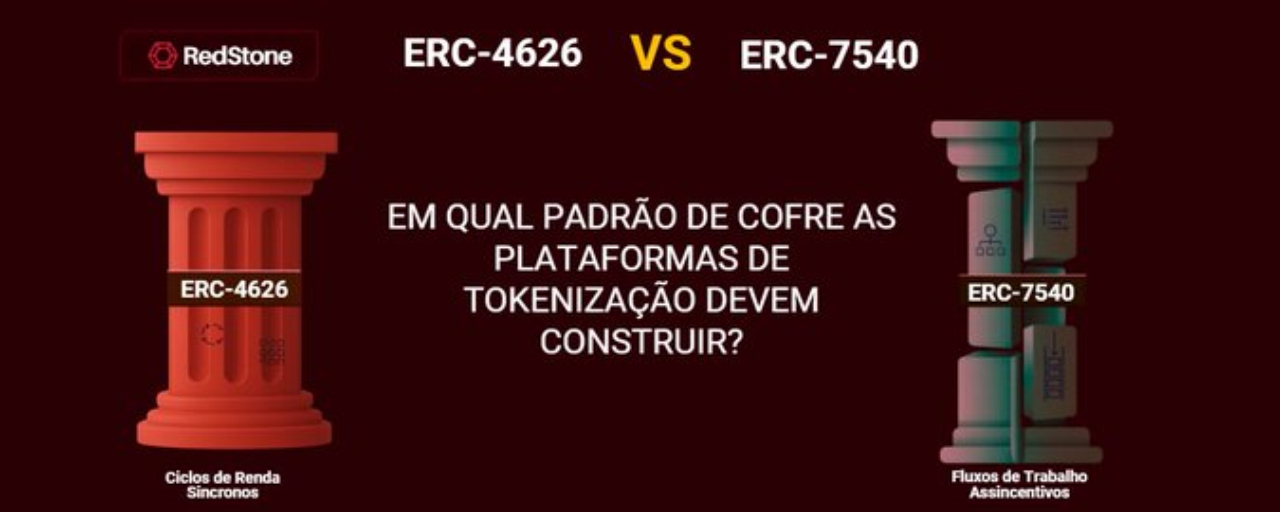
ERC-4626 vs. ERC-7540: El Futuro de la Infraestructura para RWAs.En mayo de 2026, la discusión sobre la tokenización de activos del mundo real (RWAs) maduró. Ya no se trata solo de poner el activo en la red, sino de asegurar que la arquitectura del cofre (vault) soporte la realidad financiera del activo subyacente. Elegir el estándar equivocado puede comprometer la liquidez y la adopción por parte de instituciones. En este escenario, dos estándares dominan el debate: el ERC-4626 y el ERC-7540.
ERC-4626 vs ERC-7540
ERC-4626: La Eficiencia de la Sincronización
El ERC-4626 se ha consolidado como el estándar de oro para los cofres en DeFi debido a su naturaleza síncrona. En él, los depósitos y rescates ocurren al instante.
ERC-4626 vs. ERC-7540: El Futuro de la Infraestructura para RWAs.
En mayo de 2026, la discusión sobre la tokenización de activos del mundo real (RWAs) maduró. Ya no se trata solo de poner el activo en la red, sino de asegurar que la arquitectura del cofre (vault) soporte la realidad financiera del activo subyacente. Elegir el estándar equivocado puede comprometer la liquidez y la adopción por parte de instituciones. En este escenario, dos estándares dominan el debate: el ERC-4626 y el ERC-7540.
ERC-4626 vs ERC-7540
ERC-4626: La Eficiencia de la Sincronización
El ERC-4626 se ha consolidado como el estándar de oro para los cofres en DeFi debido a su naturaleza síncrona. En él, los depósitos y rescates ocurren al instante.
ERC-4626 vs ERC-7540
ERC-4626: La Eficiencia de la Sincronización
El ERC-4626 se ha consolidado como el estándar de oro para los cofres en DeFi debido a su naturaleza síncrona. En él, los depósitos y rescates ocurren al instante.
1
2
282
·
--
Artículo
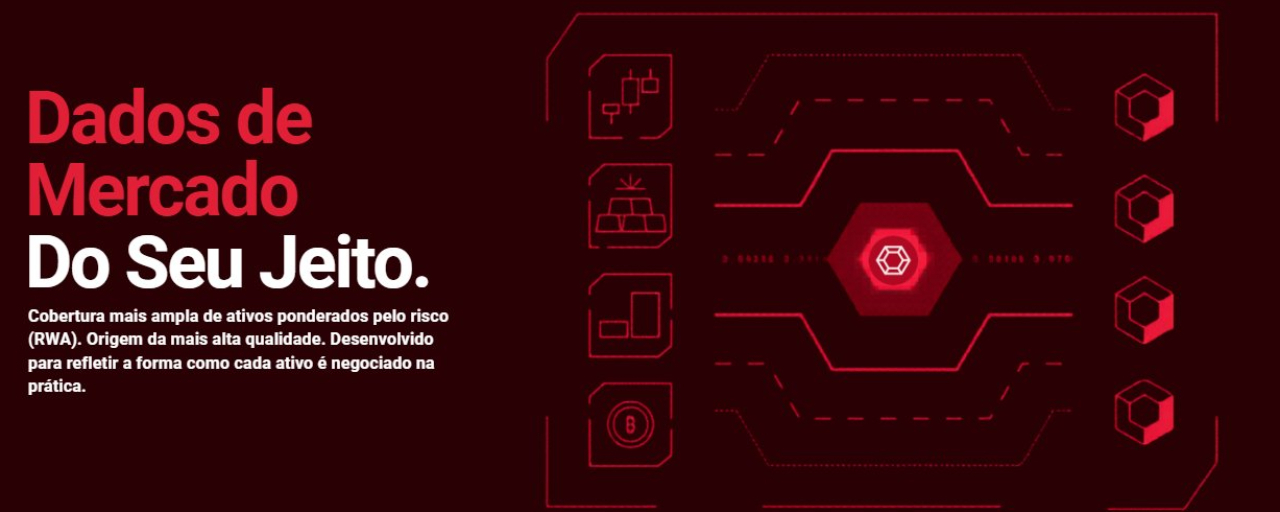
RedStone Live. Datos de Mercado a Tu Manera.Un #RED RedStone lanzó su producto más reciente. El RedStone Live. En este post, vamos a desglosar los puntos clave del artículo de presentación y analizar el impacto de esta innovación en el crecimiento del ecosistema de RWA (Activos del Mundo Real).
La tokenización de activos RWAs y las DEXs perpetuas están despegando, pero hay un elefante en la sala en DeFi. La infraestructura de datos se ha quedado estancada. Por eso, la llegada del RedStone Live es un cambio de juego absoluto para el futuro de las finanzas.
RedStone Live. Datos de Mercado a Tu Manera.
Un #RED RedStone lanzó su producto más reciente. El RedStone Live. En este post, vamos a desglosar los puntos clave del artículo de presentación y analizar el impacto de esta innovación en el crecimiento del ecosistema de RWA (Activos del Mundo Real).
La tokenización de activos RWAs y las DEXs perpetuas están despegando, pero hay un elefante en la sala en DeFi. La infraestructura de datos se ha quedado estancada. Por eso, la llegada del RedStone Live es un cambio de juego absoluto para el futuro de las finanzas.
La tokenización de activos RWAs y las DEXs perpetuas están despegando, pero hay un elefante en la sala en DeFi. La infraestructura de datos se ha quedado estancada. Por eso, la llegada del RedStone Live es un cambio de juego absoluto para el futuro de las finanzas.
1
1
2
346
·
--
Artículo
¿Qué es el Valor Extraíble de Oracle?$RED
¿El Cofre Ideal para RWAs, Sincronía o Paciencia?
La tokenización de activos reales (RWAs) no es solo poner un papel en la blockchain. El verdadero desafío es la arquitectura: ¿cómo guardas ese valor? En el DeFi de 2026, la pelea es entre dos estándares de cofres: ERC-4626 vs. ERC-7540. ¿Vamos a entender?
ERC-4626: El Rey de la Velocidad
Piénsalo como el estándar de liquidez inmediata. Depositas y recibes tus cuotas en la misma transacción. Es síncrono, fluido y aceptado por gigantes como Aave y Morpho.
¿Qué es el Valor Extraíble de Oracle?
$RED
¿El Cofre Ideal para RWAs, Sincronía o Paciencia?
La tokenización de activos reales (RWAs) no es solo poner un papel en la blockchain. El verdadero desafío es la arquitectura: ¿cómo guardas ese valor? En el DeFi de 2026, la pelea es entre dos estándares de cofres: ERC-4626 vs. ERC-7540. ¿Vamos a entender?
ERC-4626: El Rey de la Velocidad
Piénsalo como el estándar de liquidez inmediata. Depositas y recibes tus cuotas en la misma transacción. Es síncrono, fluido y aceptado por gigantes como Aave y Morpho.
¿El Cofre Ideal para RWAs, Sincronía o Paciencia?
La tokenización de activos reales (RWAs) no es solo poner un papel en la blockchain. El verdadero desafío es la arquitectura: ¿cómo guardas ese valor? En el DeFi de 2026, la pelea es entre dos estándares de cofres: ERC-4626 vs. ERC-7540. ¿Vamos a entender?
ERC-4626: El Rey de la Velocidad
Piénsalo como el estándar de liquidez inmediata. Depositas y recibes tus cuotas en la misma transacción. Es síncrono, fluido y aceptado por gigantes como Aave y Morpho.
349
Inicia sesión para explorar más contenidos
Únete a usuarios de criptomonedas de todo el mundo en Binance Square
⚡️ Obtén la información más reciente y útil sobre criptomonedas.
💬 Confía en el mayor exchange de criptomonedas del mundo.
👍 Descubre opiniones reales de creadores verificados.
Correo electrónico/número de teléfono
Temas en tendencia
CryptoLiquidations$674MIn24H
206 visualizaciones
13 participa(n) en el debate
📉 ALERTA DE LIQUIDACIÓN DEL MERCADO: $674M Eliminados en 24 Horas
Datos de CoinGlass revelan una volatilidad masiva en las últimas 24 horas, activando $674 Millones en liquidaciones forzadas en las principales bolsas (Binance, Bybit, OKX).
📍 Desglose de las cifras:
Volumen total liquidado: $674.00 Millones
Liquidaciones cortas: $381.00 Millones (56.5% del total)
Liquidaciones largas: $292.00 Millones (43.5% del total)
💡 Ideas clave para traders:
Presión por Short Squeeze: La alta concentración en liquidaciones cortas ($381M) señala picos alcistas agresivos que barrieron a osos sobreapalancados antes de que la acción del precio se estabilizara.
Volatilidad bidireccional: Con los traders largos también perdiendo $292M, el mercado experimentó una caza severa de stops y mechas de liquidación en ambas direcciones.
Órdenes de mercado en cascada: El alto apalancamiento en $BTC y$ETH activó ventas automáticas forzadas, creando una volatilidad rápida tipo dominó.
💬 Debate del mercado:
¿Fue esta cascada de liquidaciones el último lavado de apalancamiento antes de una continuación con ruptura, o vamos hacia una caída más profunda? ¡Deja tu postura abajo! 👇
Haz clic aquí para ver el gráfico 👇️
$XRP #CPIwatch #CryptoLiquidations$674MIn24H #RevolutConfirmsFakeGovEmailDataBreach #CanadaOSFISaysTokenizedDepositsEqualTraditionalDeposits #NvidiaInTalksToInvestUpTo$10BInAnthropicIPO
KimHotbae
·0 «Me gusta»
·53 visualizaciones
RevolutConfirmsFakeGovEmailDataBreach
3,677 visualizaciones
163 participa(n) en el debate
CanadaOSFISaysTokenizedDepositsEqualTraditionalDeposits
499 visualizaciones
29 participa(n) en el debate