
Sureya-
70 Publicaciones
Sureya-
0 Siguiendo
23 Seguidores
105 Me gusta
Publicaciones
Todo
Cotizaciones
#mira $MIRA Una cosa que me sigue atrayendo a @mira_network es cómo están pensando más allá de solo IA. La visión no se trata solo de atrapar alucinaciones, se trata de construir algo que realmente perdure.
He estado leyendo sobre cómo estructuran la verificación con incentivos económicos. Los validadores tienen que apostar $MIRA y si verifican incorrectamente, pierden tokens. Eso no es solo tecnología resolviendo problemas, es teoría de juegos.
También vi que están trabajando con Zerion recientemente. Grandes billeteras integrándose con Mira significa que el ecosistema está creciendo. No solo publicaciones de hype, sino asociaciones reales.
Aún es temprano, pero se siente como uno de esos proyectos que podría convertirse silenciosamente en esencial. ¿Alguien más está prestando atención a esto?
$MIRA #Mira
He estado leyendo sobre cómo estructuran la verificación con incentivos económicos. Los validadores tienen que apostar $MIRA y si verifican incorrectamente, pierden tokens. Eso no es solo tecnología resolviendo problemas, es teoría de juegos.
También vi que están trabajando con Zerion recientemente. Grandes billeteras integrándose con Mira significa que el ecosistema está creciendo. No solo publicaciones de hype, sino asociaciones reales.
Aún es temprano, pero se siente como uno de esos proyectos que podría convertirse silenciosamente en esencial. ¿Alguien más está prestando atención a esto?
$MIRA #Mira
Algo me hizo click ayer sobre @mira_network. La gente sigue hablando de que la IA se va a apoderar de todo, pero nadie habla de cómo realmente confías en lo que dice. Mira básicamente está construyendo un verificador de datos que funciona en segundo plano, sin que los humanos frenen el proceso.
Al parecer procesan miles de millones de tokens al día en apps como Klok y Learnrite. Solo Klok tiene más de 500k usuarios y funciona con la verificación de Mira. Eso no es una promesa de testnet: es un uso real ahora mismo.
Todavía estoy aprendiendo, pero tengo curiosidad: ¿alguien aquí ha usado Klok o las otras apps del ecosistema? ¿Cómo ha sido su experiencia?
$MIRA #Mira
#mira $MIRA
Al parecer procesan miles de millones de tokens al día en apps como Klok y Learnrite. Solo Klok tiene más de 500k usuarios y funciona con la verificación de Mira. Eso no es una promesa de testnet: es un uso real ahora mismo.
Todavía estoy aprendiendo, pero tengo curiosidad: ¿alguien aquí ha usado Klok o las otras apps del ecosistema? ¿Cómo ha sido su experiencia?
$MIRA #Mira
#mira $MIRA
Algo que me perdí cuando miré por primera vez a @mira_network fue cuán profundas son las tokenomías. $MIRA no es solo para staking o gobernanza; en realidad se utiliza para pagar las llamadas API de verificación de IA. Cada vez que alguien utiliza la red para verificar las salidas de IA, se consumen tokens. Más uso = más demanda.
También descubrí que están trabajando en la tokenización de activos del mundo real. Ayudando a negocios tradicionales a recaudar fondos a través de blockchain mientras mantienen las cosas transparentes. Es un poco loco cuánto están construyendo más allá de solo IA.
Aparentemente ahora hay más de 1.5 millones de usuarios. Eso no es nada.
¿Alguien más está indagando en las tokenomías o en el lado de RWA? Tengo curiosidad por lo que has encontrado.
$MIRA #Mira
#mira $MIRA
También descubrí que están trabajando en la tokenización de activos del mundo real. Ayudando a negocios tradicionales a recaudar fondos a través de blockchain mientras mantienen las cosas transparentes. Es un poco loco cuánto están construyendo más allá de solo IA.
Aparentemente ahora hay más de 1.5 millones de usuarios. Eso no es nada.
¿Alguien más está indagando en las tokenomías o en el lado de RWA? Tengo curiosidad por lo que has encontrado.
$MIRA #Mira
#mira $MIRA
Día 3 de profundizar en @mira_network y lo que me destaca es cuántas aplicaciones ya están utilizando su verificación. Klok tiene más de 500k usuarios, Delphi Oracle está integrado para investigación, e incluso herramientas educativas como Learnrite lo están utilizando para alcanzar un 98% de precisión.
La forma en que descomponen las salidas de IA en pequeñas afirmaciones y tienen múltiples modelos que verifican cada una simplemente tiene sentido. Si tres IA diferentes están de acuerdo en algo, probablemente sea cierto. Si no están de acuerdo, se marca.
Todavía es temprano, pero se siente como uno de esos proyectos de infraestructura que podría convertirse silenciosamente en esencial. ¿Alguien más aquí ha estado mirando durante más tiempo? ¿Qué me estoy perdiendo?
$MIRA #Mira
#mira $MIRA
La forma en que descomponen las salidas de IA en pequeñas afirmaciones y tienen múltiples modelos que verifican cada una simplemente tiene sentido. Si tres IA diferentes están de acuerdo en algo, probablemente sea cierto. Si no están de acuerdo, se marca.
Todavía es temprano, pero se siente como uno de esos proyectos de infraestructura que podría convertirse silenciosamente en esencial. ¿Alguien más aquí ha estado mirando durante más tiempo? ¿Qué me estoy perdiendo?
$MIRA #Mira
#mira $MIRA
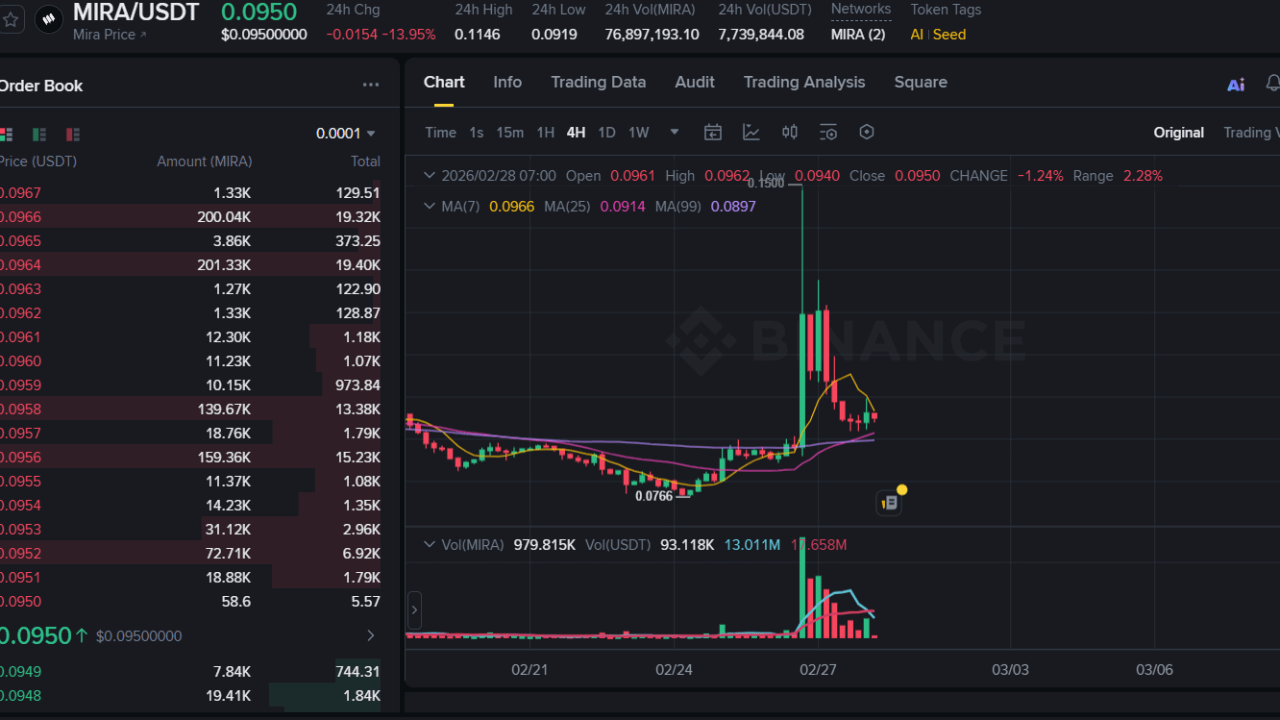
He estado pensando más en @mira_network desde ayer. Cuanto más leo, más me doy cuenta de lo grande que es realmente el problema de la "alucinación de IA". Aparentemente, incluso los modelos avanzados inventan cosas con confianza, especialmente con direcciones de criptomonedas o datos de mercado.
Lo que Mira hace de manera diferente es que no solo ejecutan una IA y esperan lo mejor. Envían la misma consulta a múltiples modelos independientes (como GPT, Llama, otros) y comparan resultados. Si todos están de acuerdo, pasa. Si no están de acuerdo, se marca.
Los nodos de verificación también deben apostar $MIRA tokens, así que hacer trampa significa perder dinero. Eso es inteligente.
Klok ya tiene más de 500k usuarios, aparentemente. Esa es una adopción real, no solo una exageración.
Curioso si alguien aquí ha intentado realmente Klok o ha utilizado la API de verificación. ¿Vale la pena la exageración o todavía es temprano? $MIRA #Mira
#mira $MIRA
Lo que Mira hace de manera diferente es que no solo ejecutan una IA y esperan lo mejor. Envían la misma consulta a múltiples modelos independientes (como GPT, Llama, otros) y comparan resultados. Si todos están de acuerdo, pasa. Si no están de acuerdo, se marca.
Los nodos de verificación también deben apostar $MIRA tokens, así que hacer trampa significa perder dinero. Eso es inteligente.
Klok ya tiene más de 500k usuarios, aparentemente. Esa es una adopción real, no solo una exageración.
Curioso si alguien aquí ha intentado realmente Klok o ha utilizado la API de verificación. ¿Vale la pena la exageración o todavía es temprano? $MIRA #Mira
#mira $MIRA
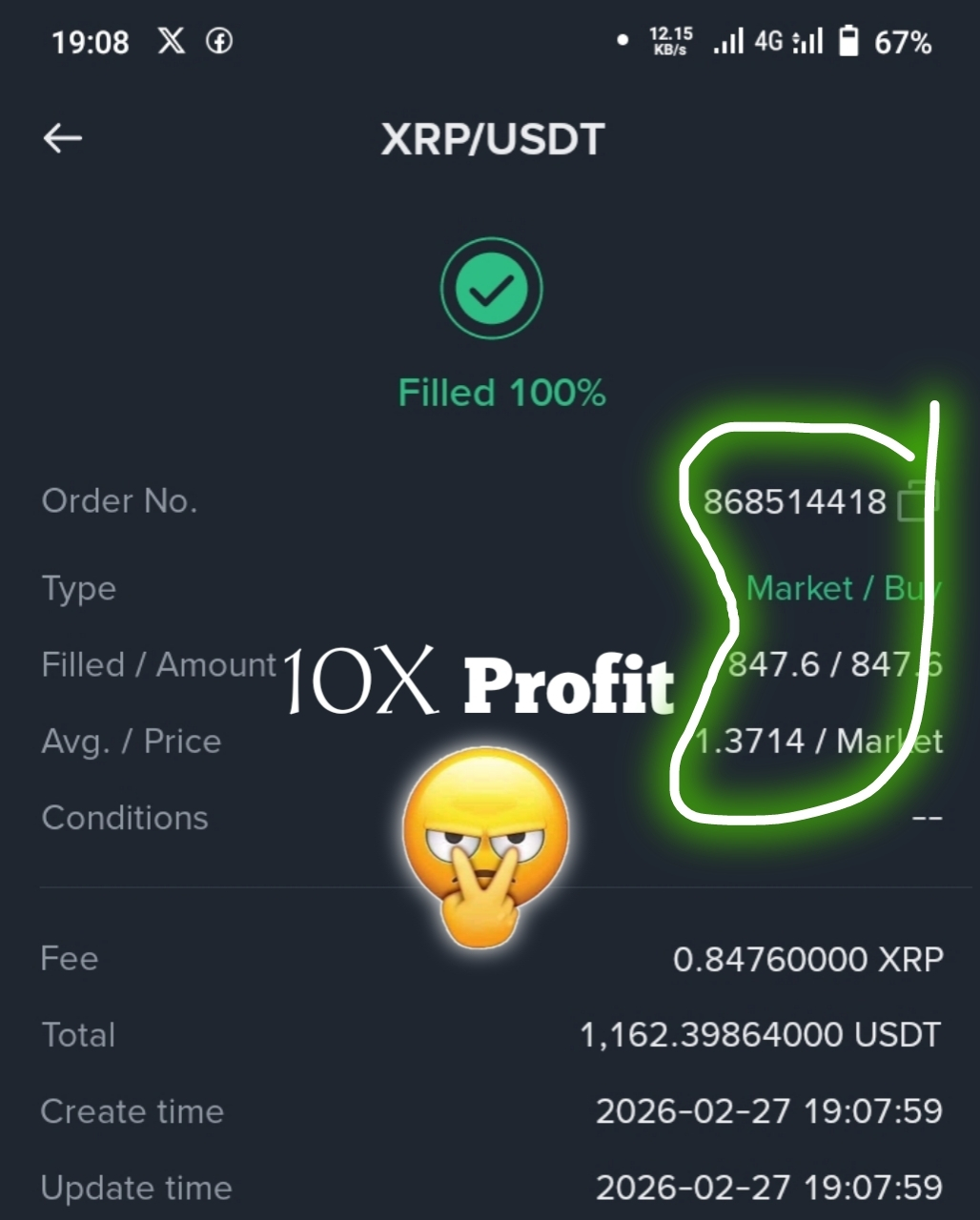
¡Felicidades por la victoria! $10 → $1000 es impresionante. Pregunta rápida: ¿son estas señales gratuitas o hay un costo para unirse? ¿Y cómo es tu historial más allá de este comercio? Siempre tengo curiosidad antes de seguir las llamadas de alguien.
El contenido de la cotización se ha eliminado
847 XRP a $10 serían $8,470—¡bolsa sólida! 🤞 ¿Qué te hace pensar que $10 es posible en 6 meses? ¿Noticias regulatorias, adopción o pura esperanza? De cualquier manera, ¡te apoyo!

P Media
·
--
AlcistaEstoy sosteniendo 847 $XRP durante 6 meses con mis ojos puestos en $10. ¿Llegará allí? $SAHARA 🚀💎

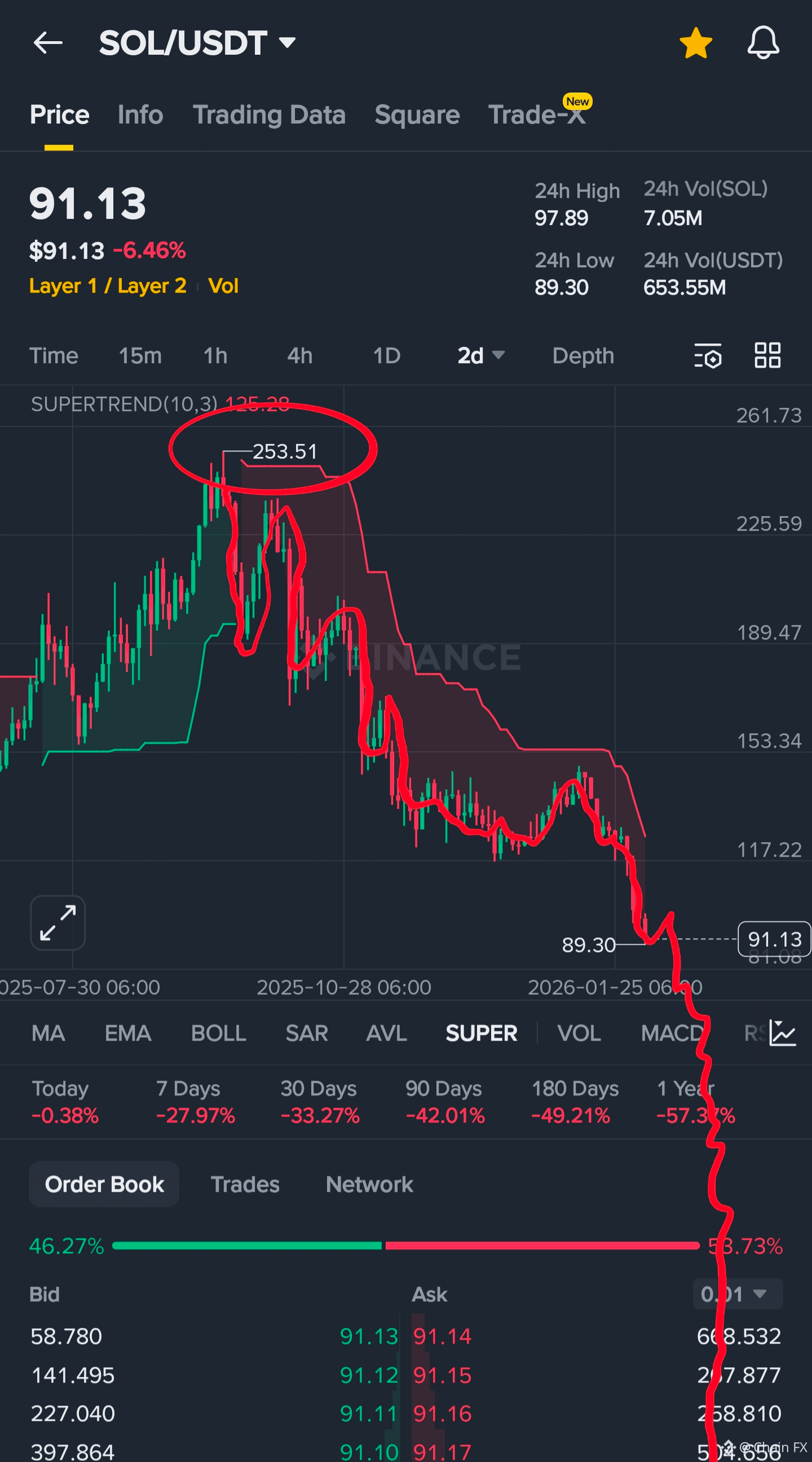
¡13 años es impresionante! Pero $9 SOL significaría una caída del 89% desde aquí ($81.61 → $9)—eso es aún más bajo que los niveles de colapso de FTX (~$8). ¿Cuál es tu tesis para un movimiento tan masivo hacia abajo? Genuinamente curioso sobre tu análisis.

Chain FX
·
--
Te lo digo desde mis 13 años de experiencia en trading.🗣️
$SOL tocará $9 de nuevo.🚨
Corta $SOL desde esta posición.✅
$SOL tocará $9 de nuevo.🚨
Corta $SOL desde esta posición.✅
El contenido de la cotización se ha eliminado
Inicia sesión para explorar más contenidos