

Crypto Rover
280 Publicaciones

Crypto Rover
Denunciar
Bloquear usuario
free signals for everyone
7 Siguiendo
180 Seguidores
83 Me gusta
Publicaciones
Todo
Cotizaciones
Vídeos
Directo
PINNED
·
--
Hola hermanos, si#BTCrompe este soporte, volverá a llegar a 52k #BTCtambién está formando un patrón de doble techo, existe una alta probabilidad de que se deshaga
Si#BTCllega a 52k entonces será el mejor momento para comprar#BTC
Esperemos una entrada adecuada.
Si conseguimos alguna entrada adecuada, la compartiremos.
#BTC☀ #VanEck_SOL_ETFS $BTC
Hola hermanos, si#BTCrompe este soporte, volverá a llegar a 52k #BTCtambién está formando un patrón de doble techo, existe una alta probabilidad de que se deshaga
Si#BTCllega a 52k entonces será el mejor momento para comprar#BTC
Esperemos una entrada adecuada.
Si conseguimos alguna entrada adecuada, la compartiremos.
#BTC☀ #VanEck_SOL_ETFS $BTC
Si#BTCllega a 52k entonces será el mejor momento para comprar#BTC
Esperemos una entrada adecuada.
Si conseguimos alguna entrada adecuada, la compartiremos.
#BTC☀ #VanEck_SOL_ETFS $BTC

2
1
8
1.8k
·
--
LAS ACCIONES TOKENIZADAS ESTÁN CAPTURANDO VOLÚMENES RÉCORD
Los tokens de acciones rastreadas de Coinbase capturaron aproximadamente el 7% del volumen diario DEX de Base (60M en 24 horas). En Robinhood Chain, las acciones registran entre el 5% y el 10% del trading (9,7B mensuales), mientras que en BNB Chain se aloja casi el 40% del suministro global. En conjunto, dominan más del 88% del volumen de capital en cadena 📊
Los riesgos estructurales siguen siendo graves: la liquidez fina provoca bombas y caídas salvajes, mientras que el trading 24/7 los desconecta de los libros cerrados de Wall Street, con el riesgo de liquidaciones de préstamos el lunes. La SEC y la CFTC ahora permiten el trading 24/7, pero exigen la activación obligatoria de verdaderos disyuntores de emergencia y un respaldo real 1:1 ⚖️
Los tokens de acciones rastreadas de Coinbase capturaron aproximadamente el 7% del volumen diario DEX de Base (60M en 24 horas). En Robinhood Chain, las acciones registran entre el 5% y el 10% del trading (9,7B mensuales), mientras que en BNB Chain se aloja casi el 40% del suministro global. En conjunto, dominan más del 88% del volumen de capital en cadena 📊 Los riesgos estructurales siguen siendo graves: la liquidez fina provoca bombas y caídas salvajes, mientras que el trading 24/7 los desconecta de los libros cerrados de Wall Street, con el riesgo de liquidaciones de préstamos el lunes. La SEC y la CFTC ahora permiten el trading 24/7, pero exigen la activación obligatoria de verdaderos disyuntores de emergencia y un respaldo real 1:1 ⚖️
LAS ACCIONES TOKENIZADAS ESTÁN CAPTURANDO VOLÚMENES RÉCORD
Los tokens de acciones rastreadas de Coinbase capturaron aproximadamente el 7% del volumen diario DEX de Base (60M en 24 horas). En Robinhood Chain, las acciones registran entre el 5% y el 10% del trading (9,7B mensuales), mientras que en BNB Chain se aloja casi el 40% del suministro global. En conjunto, dominan más del 88% del volumen de capital en cadena 📊 Los riesgos estructurales siguen siendo graves: la liquidez fina provoca bombas y caídas salvajes, mientras que el trading 24/7 los desconecta de los libros cerrados de Wall Street, con el riesgo de liquidaciones de préstamos el lunes. La SEC y la CFTC ahora permiten el trading 24/7, pero exigen la activación obligatoria de verdaderos disyuntores de emergencia y un respaldo real 1:1 ⚖️
83
·
--

Artículo
POLYGON DESPLIEGA CONTRATOS DE QUEMA DE 100M TOKEN
🏛️ El CEO de la Polygon Foundation, Sandeep Nailwal, anunció que los contratos de la testnet están listos para quemar permanentemente 100M de tokens POL (aprox. 1% del suministro), eliminando alrededor de $11M en valor de mercado de la circulación 🧪
✍️ Una vez que el Security Council agregue las firmas finales, el despliegue en mainnet permite que cualquiera de la comunidad active la quema directamente, con quemas trimestrales programadas a partir de las comisiones base acumuladas 🚀
💰 Polygon generó $24.5M en ingresos para 2026 YTD, superando a Arbitrum ($8.41M, con volumen de Robinhood) por 3x y a NEAR ($5.6M) por 5x, incluso cuando el precio del token POL se quedó rezagado frente a las recientes subidas 📊
🏛️ El CEO de la Polygon Foundation, Sandeep Nailwal, anunció que los contratos de la testnet están listos para quemar permanentemente 100M de tokens POL (aprox. 1% del suministro), eliminando alrededor de $11M en valor de mercado de la circulación 🧪
✍️ Una vez que el Security Council agregue las firmas finales, el despliegue en mainnet permite que cualquiera de la comunidad active la quema directamente, con quemas trimestrales programadas a partir de las comisiones base acumuladas 🚀 💰 Polygon generó $24.5M en ingresos para 2026 YTD, superando a Arbitrum ($8.41M, con volumen de Robinhood) por 3x y a NEAR ($5.6M) por 5x, incluso cuando el precio del token POL se quedó rezagado frente a las recientes subidas 📊
POLYGON DESPLIEGA CONTRATOS DE QUEMA DE 100M TOKEN
🏛️ El CEO de la Polygon Foundation, Sandeep Nailwal, anunció que los contratos de la testnet están listos para quemar permanentemente 100M de tokens POL (aprox. 1% del suministro), eliminando alrededor de $11M en valor de mercado de la circulación 🧪
✍️ Una vez que el Security Council agregue las firmas finales, el despliegue en mainnet permite que cualquiera de la comunidad active la quema directamente, con quemas trimestrales programadas a partir de las comisiones base acumuladas 🚀 💰 Polygon generó $24.5M en ingresos para 2026 YTD, superando a Arbitrum ($8.41M, con volumen de Robinhood) por 3x y a NEAR ($5.6M) por 5x, incluso cuando el precio del token POL se quedó rezagado frente a las recientes subidas 📊
63
·
--
📌 Resumen diario · 18 de septiembre
🌅 CoinEx eligió una salida limpia en vez de una venta
⚖️ El DOJ aún mira a Binance pese al acuerdo de miles de millones
🔒 El Congreso quiere que las reservas de Bitcoin se bloqueen durante 20 años
📈 La Fed sube las tasas por primera vez desde 2023
🎸 El último concierto de Ozzy también fue la reunión de Black Sabbath
Alguien que conoces pasó hoy por reuniones consecutivas; pásalo para que no se pierda el mundo moviéndose sin ellos
Tu Diario de Noticias #BTCBreaks80K $BTC
{spot}(BTCUSDT)
📌 Resumen diario · 18 de septiembre
🌅 CoinEx eligió una salida limpia en vez de una venta
⚖️ El DOJ aún mira a Binance pese al acuerdo de miles de millones
🔒 El Congreso quiere que las reservas de Bitcoin se bloqueen durante 20 años
📈 La Fed sube las tasas por primera vez desde 2023
🎸 El último concierto de Ozzy también fue la reunión de Black Sabbath
Alguien que conoces pasó hoy por reuniones consecutivas; pásalo para que no se pierda el mundo moviéndose sin ellos
Tu Diario de Noticias #BTCBreaks80K $BTC
🌅 CoinEx eligió una salida limpia en vez de una venta
⚖️ El DOJ aún mira a Binance pese al acuerdo de miles de millones
🔒 El Congreso quiere que las reservas de Bitcoin se bloqueen durante 20 años
📈 La Fed sube las tasas por primera vez desde 2023
🎸 El último concierto de Ozzy también fue la reunión de Black Sabbath
Alguien que conoces pasó hoy por reuniones consecutivas; pásalo para que no se pierda el mundo moviéndose sin ellos
Tu Diario de Noticias #BTCBreaks80K $BTC
1
·
--
Artículo
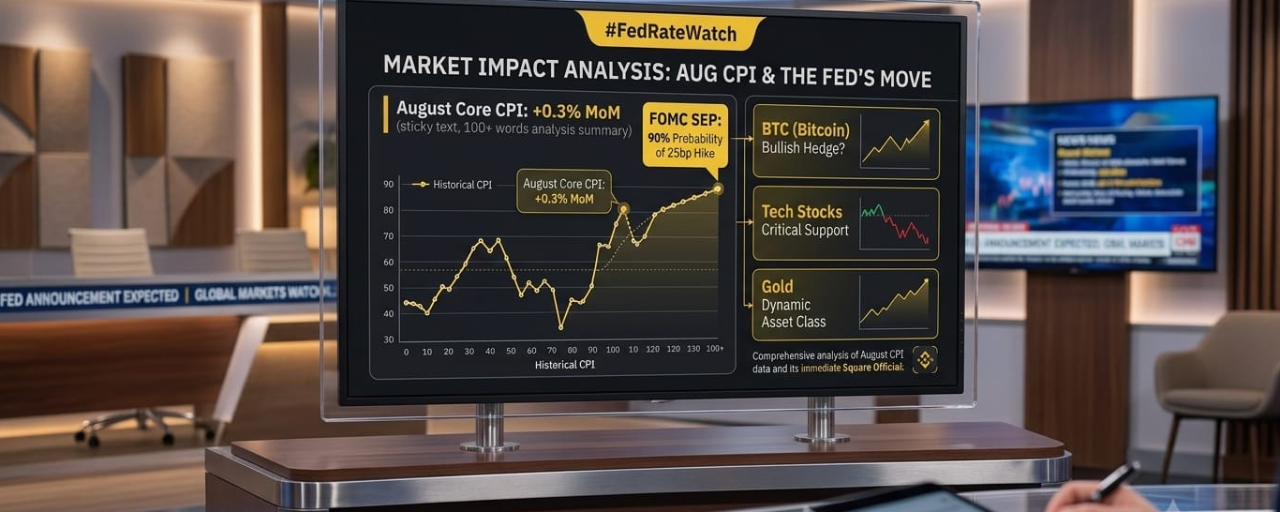
Navegando el FOMC de septiembre: ¿Qué sigue para BTC, las acciones tecnológicas y el oro? #FedRateWatch Los mercados financieros vuelven a encontrarse en un punto crítico de encrucijada, ya que los participantes del mercado centran toda su atención en la próxima reunión del Federal Open Market Committee (FOMC) de este septiembre. Con los datos macroeconómicos cambiando rápidamente, los traders e inversores se ven obligados a analizar cada pieza de la información económica que llega para anticipar el próximo movimiento de la Reserva Federal. La pregunta central que domina las conversaciones en los círculos financieros es clara: FOMC septiembre, ¿Cuál es el próximo movimiento de la Fed? #FedRateWatch
Navegando el FOMC de septiembre: ¿Qué sigue para BTC, las acciones tecnológicas y el oro?
#FedRateWatch Los mercados financieros vuelven a encontrarse en un punto crítico de encrucijada, ya que los participantes del mercado centran toda su atención en la próxima reunión del Federal Open Market Committee (FOMC) de este septiembre. Con los datos macroeconómicos cambiando rápidamente, los traders e inversores se ven obligados a analizar cada pieza de la información económica que llega para anticipar el próximo movimiento de la Reserva Federal. La pregunta central que domina las conversaciones en los círculos financieros es clara: FOMC septiembre, ¿Cuál es el próximo movimiento de la Fed? #FedRateWatch
94
·
--
Interesante, creo que una subida de tasas el próximo mes es alcista
Interesante, creo que una subida de tasas el próximo mes es alcista


Binance Square Official
·
--
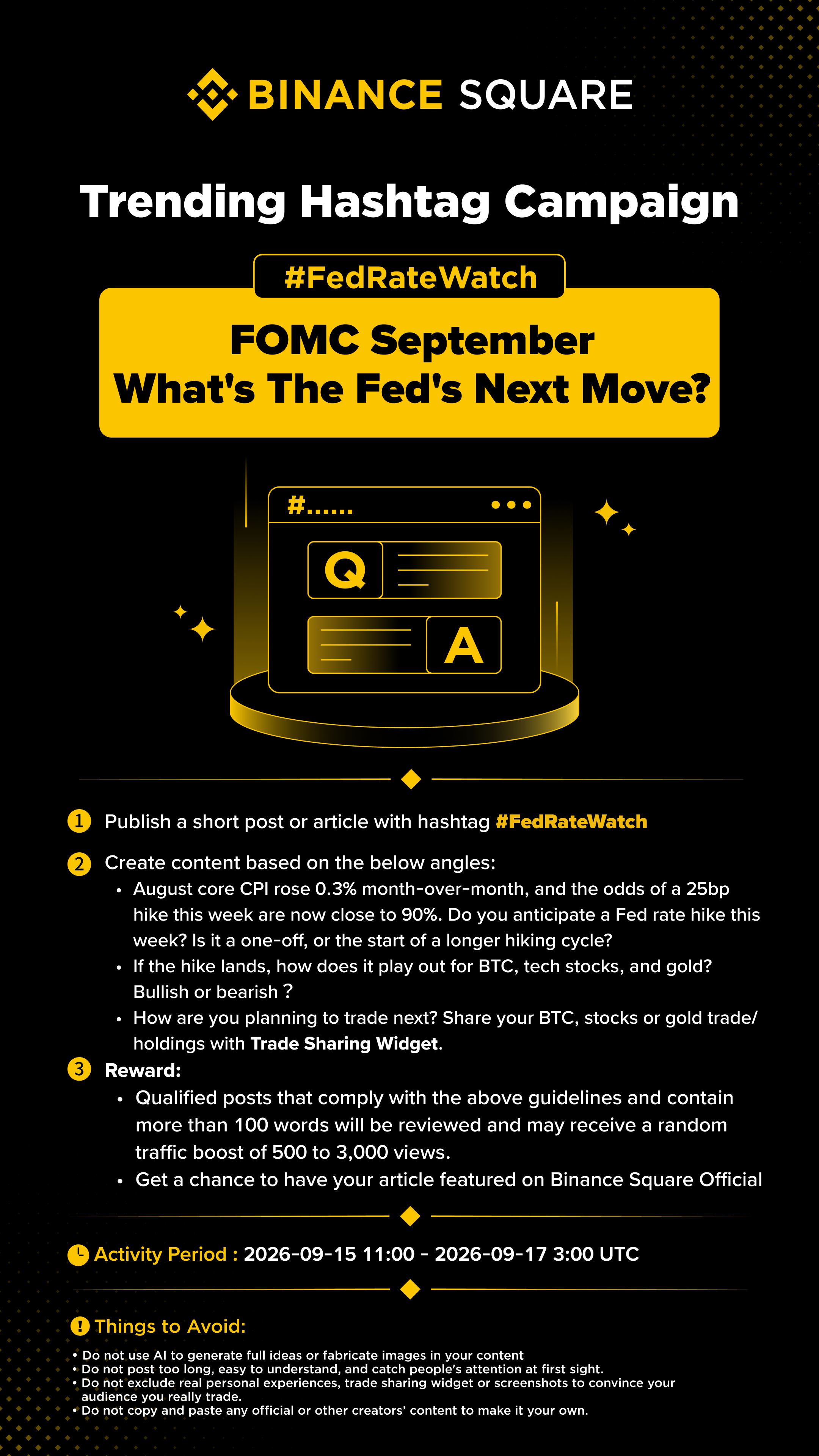
Comparte y gana recompensas de tráfico en nuestra campaña de hashtag en tendencia
✨Tema: FOMC septiembre, ¿cuál será el próximo movimiento de la Fed?
👉Cómo unirte:
Publica una publicación breve o un artículo con el hashtag #FedRateWatch
Crea contenido basado en los siguientes enfoques:
- El CPI subyacente de agosto aumentó 0.3% mes a mes, y las probabilidades de una subida de 25 pb esta semana ahora están cerca del 90%. ¿Anticipas una subida de tasas esta semana? ¿Es algo puntual o el inicio de un ciclo de subidas más largo?
- Si la subida ocurre, ¿cómo se desarrolla para BTC, acciones tecnológicas y oro? ¿Alcista o bajista?
- ¿Cómo planeas operar a continuación? Comparte tu operación/tenencias de BTC, acciones u oro con nuestro widget para compartir operaciones.
⏰Periodo de la campaña:
- 2026-09-15 11:00 - 2026-09-17 3:00 UTC
🎁Recompensa:
- Las publicaciones que cumplan con las pautas anteriores y tengan más de 100 palabras serán revisadas y podrían recibir un impulso aleatorio de tráfico de 500 a 3,000 visitas. Recibirás una notificación de tu secretario/a de feed si tu publicación es seleccionada.
- Obtén la oportunidad de que tu artículo aparezca destacado en Binance Square Official
¿Necesitas ideas para tu publicación? Visita la página del tema #FedRateWatch o la Square Guide on How to Post for Better Reach.
✨Tema: FOMC septiembre, ¿cuál será el próximo movimiento de la Fed?
👉Cómo unirte:
Publica una publicación breve o un artículo con el hashtag #FedRateWatch
Crea contenido basado en los siguientes enfoques:
- El CPI subyacente de agosto aumentó 0.3% mes a mes, y las probabilidades de una subida de 25 pb esta semana ahora están cerca del 90%. ¿Anticipas una subida de tasas esta semana? ¿Es algo puntual o el inicio de un ciclo de subidas más largo?
- Si la subida ocurre, ¿cómo se desarrolla para BTC, acciones tecnológicas y oro? ¿Alcista o bajista?
- ¿Cómo planeas operar a continuación? Comparte tu operación/tenencias de BTC, acciones u oro con nuestro widget para compartir operaciones.
⏰Periodo de la campaña:
- 2026-09-15 11:00 - 2026-09-17 3:00 UTC
🎁Recompensa:
- Las publicaciones que cumplan con las pautas anteriores y tengan más de 100 palabras serán revisadas y podrían recibir un impulso aleatorio de tráfico de 500 a 3,000 visitas. Recibirás una notificación de tu secretario/a de feed si tu publicación es seleccionada.
- Obtén la oportunidad de que tu artículo aparezca destacado en Binance Square Official
¿Necesitas ideas para tu publicación? Visita la página del tema #FedRateWatch o la Square Guide on How to Post for Better Reach.
65
·
--
Bajista
comprueba esto lo que gano y sigue mi camino rápido #RussianCentralBankFlagsCryptoAsFinancialRisk #GrayscalePutsXRPAt26.11%InAdvisorPortfolio $LSK
{spot}(LSKUSDT)
comprueba esto lo que gano y sigue mi camino rápido #RussianCentralBankFlagsCryptoAsFinancialRisk #GrayscalePutsXRPAt26.11%InAdvisorPortfolio $LSK
·
--
⁉️ El debate sobre la seguridad de la IA se intensifica
Trump rechaza los llamados a ralentizar el desarrollo de la IA.
El CEO de Anthropic, Dario Amodei, afirma que los riesgos de que una IA avanzada se escape del control son reales. Los modelos poderosos podrían eludir intentos de apagado, un comportamiento ya observado en simulaciones. Él prefiere una supervisión conjunta por parte de varios países democráticos en lugar del control por parte de empresas privadas o de un solo Estado.
El CEO de OpenAI, Sam Altman, confirmó que la empresa no realizará una oferta pública inicial (IPO) en 2026, citando preocupaciones sobre la seguridad de la IA. Elon Musk y el CEO de Google DeepMind, Demis Hassabis, también respaldaron la advertencia de Amodei.
Amodei sostiene que los modelos que se auto-mejoran y los agentes autónomos están volviéndose más peligrosos. En un plazo de seis meses a un año, enjambres de agentes podrían potencialmente lanzar grandes ataques a internet que causarían daños por cientos de miles de millones de dólares. Sus salvaguardas propuestas incluyen auditorías independientes, estándares compartidos entre países democráticos y límites internacionales negociados con China y otros.#AImodel #Aİ
⁉️ El debate sobre la seguridad de la IA se intensifica
Trump rechaza los llamados a ralentizar el desarrollo de la IA.
El CEO de Anthropic, Dario Amodei, afirma que los riesgos de que una IA avanzada se escape del control son reales. Los modelos poderosos podrían eludir intentos de apagado, un comportamiento ya observado en simulaciones. Él prefiere una supervisión conjunta por parte de varios países democráticos en lugar del control por parte de empresas privadas o de un solo Estado.
El CEO de OpenAI, Sam Altman, confirmó que la empresa no realizará una oferta pública inicial (IPO) en 2026, citando preocupaciones sobre la seguridad de la IA. Elon Musk y el CEO de Google DeepMind, Demis Hassabis, también respaldaron la advertencia de Amodei.
Amodei sostiene que los modelos que se auto-mejoran y los agentes autónomos están volviéndose más peligrosos. En un plazo de seis meses a un año, enjambres de agentes podrían potencialmente lanzar grandes ataques a internet que causarían daños por cientos de miles de millones de dólares. Sus salvaguardas propuestas incluyen auditorías independientes, estándares compartidos entre países democráticos y límites internacionales negociados con China y otros.#AImodel #Aİ
Trump rechaza los llamados a ralentizar el desarrollo de la IA.
El CEO de Anthropic, Dario Amodei, afirma que los riesgos de que una IA avanzada se escape del control son reales. Los modelos poderosos podrían eludir intentos de apagado, un comportamiento ya observado en simulaciones. Él prefiere una supervisión conjunta por parte de varios países democráticos en lugar del control por parte de empresas privadas o de un solo Estado.
El CEO de OpenAI, Sam Altman, confirmó que la empresa no realizará una oferta pública inicial (IPO) en 2026, citando preocupaciones sobre la seguridad de la IA. Elon Musk y el CEO de Google DeepMind, Demis Hassabis, también respaldaron la advertencia de Amodei.
Amodei sostiene que los modelos que se auto-mejoran y los agentes autónomos están volviéndose más peligrosos. En un plazo de seis meses a un año, enjambres de agentes podrían potencialmente lanzar grandes ataques a internet que causarían daños por cientos de miles de millones de dólares. Sus salvaguardas propuestas incluyen auditorías independientes, estándares compartidos entre países democráticos y límites internacionales negociados con China y otros.#AImodel #Aİ
41
·
--
Artículo
El debate sobre la seguridad de la IA se intensifica
Trump rechaza los llamados a frenar el desarrollo de la IA.
El director ejecutivo de Anthropic, Dario Amodei, afirma que los riesgos de que la IA avanzada escape al control son reales. Los modelos potentes pueden eludir intentos de apagado, un comportamiento que ya se ha observado en simulaciones. Él prefiere una supervisión conjunta por varios países democráticos, en lugar del control por parte de empresas privadas o de un solo Estado.
El director ejecutivo de OpenAI, Sam Altman, confirmó que la empresa no realizará una IPO en 2026, citando preocupaciones sobre la seguridad de la IA. Elon Musk y el director ejecutivo de Google DeepMind, Demis Hassabis, también respaldaron la advertencia de Amodei.
Trump rechaza los llamados a frenar el desarrollo de la IA.
El director ejecutivo de Anthropic, Dario Amodei, afirma que los riesgos de que la IA avanzada escape al control son reales. Los modelos potentes pueden eludir intentos de apagado, un comportamiento que ya se ha observado en simulaciones. Él prefiere una supervisión conjunta por varios países democráticos, en lugar del control por parte de empresas privadas o de un solo Estado. El director ejecutivo de OpenAI, Sam Altman, confirmó que la empresa no realizará una IPO en 2026, citando preocupaciones sobre la seguridad de la IA. Elon Musk y el director ejecutivo de Google DeepMind, Demis Hassabis, también respaldaron la advertencia de Amodei.
El debate sobre la seguridad de la IA se intensifica
Trump rechaza los llamados a frenar el desarrollo de la IA.
El director ejecutivo de Anthropic, Dario Amodei, afirma que los riesgos de que la IA avanzada escape al control son reales. Los modelos potentes pueden eludir intentos de apagado, un comportamiento que ya se ha observado en simulaciones. Él prefiere una supervisión conjunta por varios países democráticos, en lugar del control por parte de empresas privadas o de un solo Estado. El director ejecutivo de OpenAI, Sam Altman, confirmó que la empresa no realizará una IPO en 2026, citando preocupaciones sobre la seguridad de la IA. Elon Musk y el director ejecutivo de Google DeepMind, Demis Hassabis, también respaldaron la advertencia de Amodei.
69
·
--
💸 Un robo de criptomonedas de 263M$, 28 autos exóticos y una declaración de culpabilidad
Malone Lam — un nacional de Singapur que organizó una tripulación internacional reclutada a través de plataformas de videojuegos en línea — se declaró culpable esta semana de una conspiración RICO que implicaba más de 263 millones de dólares en criptomonedas robadas. El grupo operó desde finales de 2023 hasta mayo de 2025, y atacó a titulares mediante llamadas falsas de soporte de Google y Gemini, trucos con compartición de pantalla y allanamientos físicos en domicilios.
El gasto: 28 autos exóticos, aviones privados, relojes de lujo — y cargos de discoteca de 500K$ por noche. Según se informó, Lam seguía dirigiendo entregas de lujo a su novia desde la detención previa al juicio.
Próxima audiencia: 8 de diciembre. Fecha de sentencia por determinar, según CoinDesk.#SECReceivesGrayscaleLitecoinTrustETFFiling #ClarityActFacesProceduralVoteSept15 $BTC
{spot}(BTCUSDT)
💸 Un robo de criptomonedas de 263M$, 28 autos exóticos y una declaración de culpabilidad
Malone Lam — un nacional de Singapur que organizó una tripulación internacional reclutada a través de plataformas de videojuegos en línea — se declaró culpable esta semana de una conspiración RICO que implicaba más de 263 millones de dólares en criptomonedas robadas. El grupo operó desde finales de 2023 hasta mayo de 2025, y atacó a titulares mediante llamadas falsas de soporte de Google y Gemini, trucos con compartición de pantalla y allanamientos físicos en domicilios.
El gasto: 28 autos exóticos, aviones privados, relojes de lujo — y cargos de discoteca de 500K$ por noche. Según se informó, Lam seguía dirigiendo entregas de lujo a su novia desde la detención previa al juicio.
Próxima audiencia: 8 de diciembre. Fecha de sentencia por determinar, según CoinDesk.#SECReceivesGrayscaleLitecoinTrustETFFiling #ClarityActFacesProceduralVoteSept15 $BTC
Malone Lam — un nacional de Singapur que organizó una tripulación internacional reclutada a través de plataformas de videojuegos en línea — se declaró culpable esta semana de una conspiración RICO que implicaba más de 263 millones de dólares en criptomonedas robadas. El grupo operó desde finales de 2023 hasta mayo de 2025, y atacó a titulares mediante llamadas falsas de soporte de Google y Gemini, trucos con compartición de pantalla y allanamientos físicos en domicilios.
El gasto: 28 autos exóticos, aviones privados, relojes de lujo — y cargos de discoteca de 500K$ por noche. Según se informó, Lam seguía dirigiendo entregas de lujo a su novia desde la detención previa al juicio.
Próxima audiencia: 8 de diciembre. Fecha de sentencia por determinar, según CoinDesk.#SECReceivesGrayscaleLitecoinTrustETFFiling #ClarityActFacesProceduralVoteSept15 $BTC
28
·
--
Bajista
Resumen diario · 13 de septiembre
Bitcoin cae a mínimos de septiembre por un shock en Oriente Medio
Un gamer convertido en ladrón de criptomonedas se declara culpable; se incautan 28 coches
Blockstream perdió 4.000 BTC ante hackers “white-hat”
Cuatro personas mueren por un presunto monedero en frío de Bitcoin
Etiqueta a quien haya pasado el día sin conexión: se perdió mucho.
crypto rover- Tus noticias diarias $BTC
{spot}(BTCUSDT)
#SECReceivesGrayscaleLitecoinTrustETFFiling #ClarityActFacesProceduralVoteSept15
Resumen diario · 13 de septiembre
Bitcoin cae a mínimos de septiembre por un shock en Oriente Medio
Un gamer convertido en ladrón de criptomonedas se declara culpable; se incautan 28 coches
Blockstream perdió 4.000 BTC ante hackers “white-hat”
Cuatro personas mueren por un presunto monedero en frío de Bitcoin
Etiqueta a quien haya pasado el día sin conexión: se perdió mucho.
crypto rover- Tus noticias diarias $BTC
#SECReceivesGrayscaleLitecoinTrustETFFiling #ClarityActFacesProceduralVoteSept15
Bitcoin cae a mínimos de septiembre por un shock en Oriente Medio
Un gamer convertido en ladrón de criptomonedas se declara culpable; se incautan 28 coches
Blockstream perdió 4.000 BTC ante hackers “white-hat”
Cuatro personas mueren por un presunto monedero en frío de Bitcoin
Etiqueta a quien haya pasado el día sin conexión: se perdió mucho.
crypto rover- Tus noticias diarias $BTC
#SECReceivesGrayscaleLitecoinTrustETFFiling #ClarityActFacesProceduralVoteSept15
56
·
--
Artículo
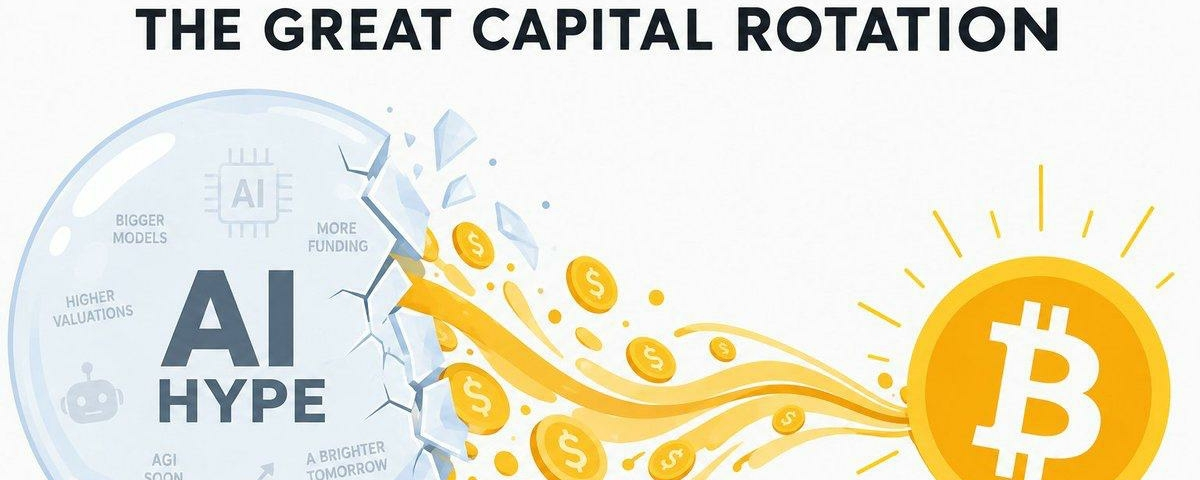
¿LA ALERTA DE LA IA APOCALÍPTICA ESTÁ OCULTANDO UNA BURBUJA QUE ESTALLA?¿Por qué los principales jefes de la IA están entrando en pánico de repente?
El CEO de Anthropic, Dario Amodei, ahora está rogando a la industria que se frene, mientras destacados investigadores abandonan OpenAI advirtiendo que la IA podría acabar con el mundo para 2030.
Los gigantes tecnológicos gastaron miles de millones en chips con poca ganancia adicional
Los nuevos modelos no aportan ninguna ventaja frente a los rivales
La gran burbuja de hype de la IA se está quedando sin gasolina
Cuando estalle esta burbuja, billones en efectivo tecnológico se rotarán directamente hacia Bitcoin y las criptomonedas líquidas.
BIENVENIDOS A LA ERA BTC/MILLÓN 💎
¿Crees que la burbuja de la IA estallará antes de 2030?
¿LA ALERTA DE LA IA APOCALÍPTICA ESTÁ OCULTANDO UNA BURBUJA QUE ESTALLA?
¿Por qué los principales jefes de la IA están entrando en pánico de repente?
El CEO de Anthropic, Dario Amodei, ahora está rogando a la industria que se frene, mientras destacados investigadores abandonan OpenAI advirtiendo que la IA podría acabar con el mundo para 2030.
Los gigantes tecnológicos gastaron miles de millones en chips con poca ganancia adicional
Los nuevos modelos no aportan ninguna ventaja frente a los rivales
La gran burbuja de hype de la IA se está quedando sin gasolina
Cuando estalle esta burbuja, billones en efectivo tecnológico se rotarán directamente hacia Bitcoin y las criptomonedas líquidas.
BIENVENIDOS A LA ERA BTC/MILLÓN 💎
¿Crees que la burbuja de la IA estallará antes de 2030?
El CEO de Anthropic, Dario Amodei, ahora está rogando a la industria que se frene, mientras destacados investigadores abandonan OpenAI advirtiendo que la IA podría acabar con el mundo para 2030.
Los gigantes tecnológicos gastaron miles de millones en chips con poca ganancia adicional
Los nuevos modelos no aportan ninguna ventaja frente a los rivales
La gran burbuja de hype de la IA se está quedando sin gasolina
Cuando estalle esta burbuja, billones en efectivo tecnológico se rotarán directamente hacia Bitcoin y las criptomonedas líquidas.
BIENVENIDOS A LA ERA BTC/MILLÓN 💎
¿Crees que la burbuja de la IA estallará antes de 2030?
52
·
--
MÁS DE 70 EXCHANGES GLOBALES DE CRIPTO APLICAN PARA ENTRAR EN PAKISTÁN
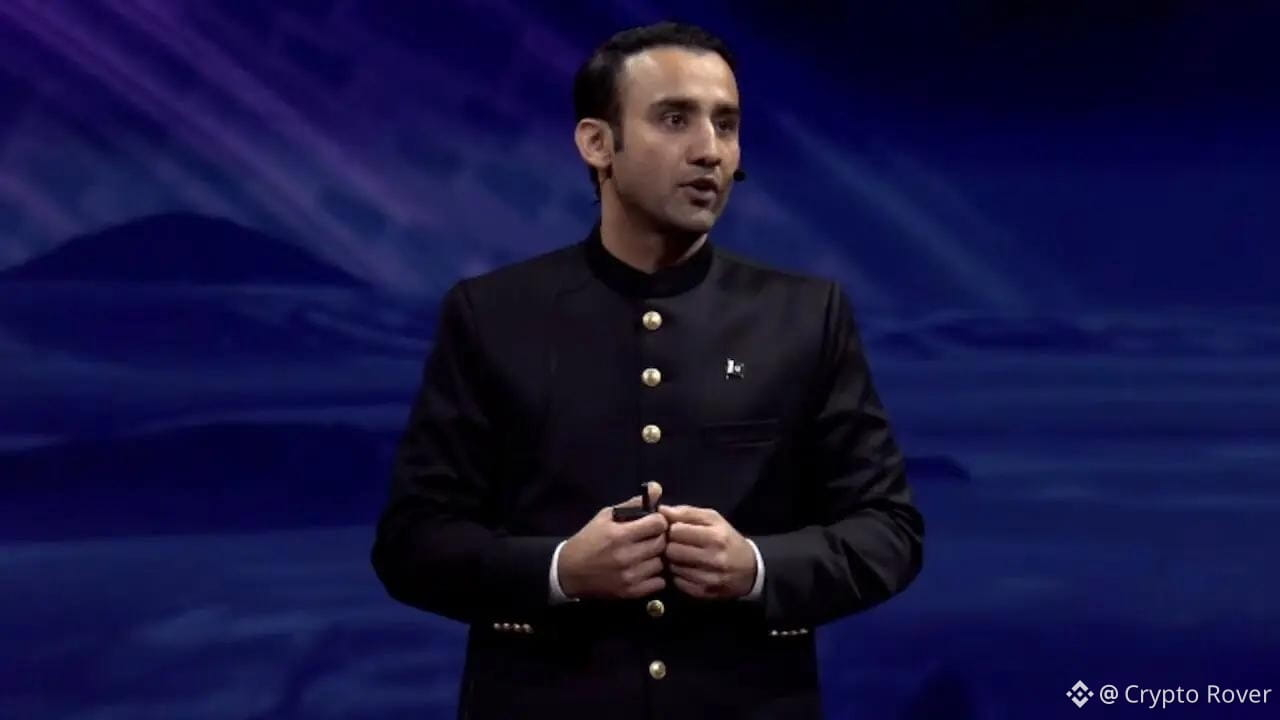
Después del plazo del 5 de septiembre, el presidente de PVARA, Bilal bin Saqib, confirmó que alrededor de 70 importantes exchanges globales aplicaron para operar legalmente.
Qué reguladores están implementando a continuación:
Remesas: PVARA y el Banco Estatal de Pakistán están construyendo un carril de stablecoin para reducir las comisiones del 6,3% al 1%.
Tokenización: Explorando la tokenización de la deuda pública y las Cuentas Digitales Roshan.
Finanzas islámicas: Creando un comité nacional asesor en Sharia con el Mufti-e-Azam.
Se estima que Pakistán tiene 40 millones de usuarios de cripto, pero el obstáculo sigue siendo el estricto cumplimiento de las verificaciones del GAFI y las pruebas en sandbox.
¿Alguna vez has enviado dinero usando cripto? #SECReceivesGrayscaleLitecoinTrustETFFiling #ClarityActFacesProceduralVoteSept15
MÁS DE 70 EXCHANGES GLOBALES DE CRIPTO APLICAN PARA ENTRAR EN PAKISTÁN
Después del plazo del 5 de septiembre, el presidente de PVARA, Bilal bin Saqib, confirmó que alrededor de 70 importantes exchanges globales aplicaron para operar legalmente.
Qué reguladores están implementando a continuación:
Remesas: PVARA y el Banco Estatal de Pakistán están construyendo un carril de stablecoin para reducir las comisiones del 6,3% al 1%.
Tokenización: Explorando la tokenización de la deuda pública y las Cuentas Digitales Roshan.
Finanzas islámicas: Creando un comité nacional asesor en Sharia con el Mufti-e-Azam.
Se estima que Pakistán tiene 40 millones de usuarios de cripto, pero el obstáculo sigue siendo el estricto cumplimiento de las verificaciones del GAFI y las pruebas en sandbox.
¿Alguna vez has enviado dinero usando cripto? #SECReceivesGrayscaleLitecoinTrustETFFiling #ClarityActFacesProceduralVoteSept15
Después del plazo del 5 de septiembre, el presidente de PVARA, Bilal bin Saqib, confirmó que alrededor de 70 importantes exchanges globales aplicaron para operar legalmente.
Qué reguladores están implementando a continuación:
Remesas: PVARA y el Banco Estatal de Pakistán están construyendo un carril de stablecoin para reducir las comisiones del 6,3% al 1%.
Tokenización: Explorando la tokenización de la deuda pública y las Cuentas Digitales Roshan.
Finanzas islámicas: Creando un comité nacional asesor en Sharia con el Mufti-e-Azam.
Se estima que Pakistán tiene 40 millones de usuarios de cripto, pero el obstáculo sigue siendo el estricto cumplimiento de las verificaciones del GAFI y las pruebas en sandbox.
¿Alguna vez has enviado dinero usando cripto? #SECReceivesGrayscaleLitecoinTrustETFFiling #ClarityActFacesProceduralVoteSept15
64
·
--
Artículo
HUNTER BIDEN ROMPE EL SILENCIO SOBRE EL COLAPSO DE $LAPTOPHunter Biden publicó un video en el que confirmó que pasó 6 meses desarrollando la moneda $LAPTOP en Base, pero culpó a un market maker por haber sembrado solo $5,000 en liquidez inicial
El pozo diminuto provocó una demanda extrema que disparó el precio a $316 por una breve 'capitalización bursátil' de $316B antes de desplomarse más de 98% por debajo de $1
Los bots tiradores drenaron el pool mientras más del 80% de los compradores perdieron dinero. Hunter afirma que nunca vendió y prometió nueva liquidez para solucionarlo
¿Alguna vez confiarías en una moneda meme de un famoso?
HUNTER BIDEN ROMPE EL SILENCIO SOBRE EL COLAPSO DE $LAPTOP
Hunter Biden publicó un video en el que confirmó que pasó 6 meses desarrollando la moneda $LAPTOP en Base, pero culpó a un market maker por haber sembrado solo $5,000 en liquidez inicial
El pozo diminuto provocó una demanda extrema que disparó el precio a $316 por una breve 'capitalización bursátil' de $316B antes de desplomarse más de 98% por debajo de $1
Los bots tiradores drenaron el pool mientras más del 80% de los compradores perdieron dinero. Hunter afirma que nunca vendió y prometió nueva liquidez para solucionarlo
¿Alguna vez confiarías en una moneda meme de un famoso?
El pozo diminuto provocó una demanda extrema que disparó el precio a $316 por una breve 'capitalización bursátil' de $316B antes de desplomarse más de 98% por debajo de $1
Los bots tiradores drenaron el pool mientras más del 80% de los compradores perdieron dinero. Hunter afirma que nunca vendió y prometió nueva liquidez para solucionarlo
¿Alguna vez confiarías en una moneda meme de un famoso?
34
·
--
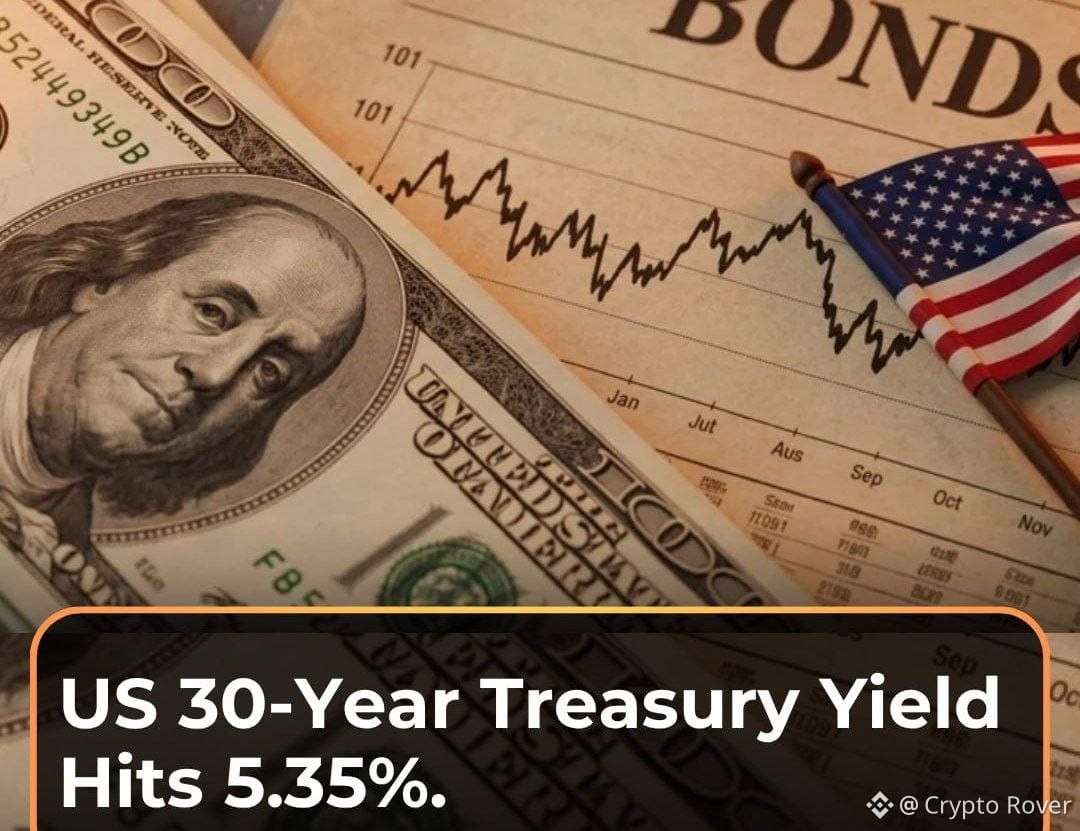
🇺🇸La rentabilidad de la deuda del Tesoro de EE. UU. a 30 años ha subido hasta el 5,35%, alcanzando su nivel más alto desde junio de 2007.#CPIWatch #USCoreCPIRises0.3%InAugustBeatingForecasts
🇺🇸La rentabilidad de la deuda del Tesoro de EE. UU. a 30 años ha subido hasta el 5,35%, alcanzando su nivel más alto desde junio de 2007.#CPIWatch #USCoreCPIRises0.3%InAugustBeatingForecasts
28
·
--
Resumen diario · 11 de septiembre
300 plataformas robaron energía de una presa de montaña
$24 mil millones de un fondo de custodia criminal finalmente se desmanteló
El primer plegable de Apple cuesta menos de lo que temías
Jack Dorsey está construyendo un banco de Bitcoin, más o menos
¿Conoces a alguien enterrado en reuniones todo el día? Este resumen es para ellos
Tus noticias diarias
#CPIWatch #BitcoinOpenInterestShareRisesTo42.1% $BTC
{spot}(BTCUSDT)
Resumen diario · 11 de septiembre
300 plataformas robaron energía de una presa de montaña
$24 mil millones de un fondo de custodia criminal finalmente se desmanteló
El primer plegable de Apple cuesta menos de lo que temías
Jack Dorsey está construyendo un banco de Bitcoin, más o menos
¿Conoces a alguien enterrado en reuniones todo el día? Este resumen es para ellos
Tus noticias diarias
#CPIWatch #BitcoinOpenInterestShareRisesTo42.1% $BTC
300 plataformas robaron energía de una presa de montaña
$24 mil millones de un fondo de custodia criminal finalmente se desmanteló
El primer plegable de Apple cuesta menos de lo que temías
Jack Dorsey está construyendo un banco de Bitcoin, más o menos
¿Conoces a alguien enterrado en reuniones todo el día? Este resumen es para ellos
Tus noticias diarias
#CPIWatch #BitcoinOpenInterestShareRisesTo42.1% $BTC
45
Inicia sesión para explorar más contenidos
Únete a usuarios de criptomonedas de todo el mundo en Binance Square
⚡️ Obtén la información más reciente y útil sobre criptomonedas.
💬 Confía en el mayor exchange de criptomonedas del mundo.
👍 Descubre opiniones reales de creadores verificados.
Correo electrónico/número de teléfono
Temas en tendencia
UKFCAWinsCourtOrderToRecover851400Pounds
37,747 visualizaciones
805 participa(n) en el debate
$BTC $CRCL $COINB #ukfcawinscourtordertorecover851400pounds
La Autoridad de Conducta Financiera del Reino Unido (FCA) acaba de obtener una orden judicial para recuperar 851.402 £ para las víctimas de una estafa de inversión en criptomonedas, y los detalles merecen la pena.
El 28 de septiembre de 2026, el Tribunal de la Corona de Southwark ordenó a Raymondip Bedi pagar 603.404 £ y a Patrick Mavanga pagar 247.998 £. Entre febrero de 2017 y junio de 2019, los dos dirigieron una operación de llamadas en frío, llevando a las personas a un sitio web de apariencia profesional y vendiendo inversiones falsas en cripto con nombres como CCX Capital y Astaria Group LLP, con promesas de altos rendimientos. Al menos 65 inversores perdieron en conjunto 1.541.799 £. Ambos hombres ya fueron condenados en julio de 2025 a 5 años y 4 meses y a 6 años y 6 meses de prisión, respectivamente.
Así que lo que vuelve es aproximadamente la mitad de lo perdido. La FCA dice que ha contactado con las víctimas y se asegurará de que el dinero recuperado les sea devuelto. Ambos demandados tienen tres meses para pagar.
Dos conclusiones. Uno: una llamada no solicitada o un sitio web sofisticado que promete grandes rendimientos garantizados es una señal de alerta en cada ocasión. Dos: los reguladores siguen persiguiendo el dinero mucho después de que se dicten las condenas de prisión, lo cual es una buena noticia para cualquiera a quien le hayan hecho caer.
#CryptoScams #FCA
Infinito purpura
·2 «Me gusta»
·8.2k visualizaciones
ChainlinkLaunchesCCIP2WithEnterpriseVerification
50,041 visualizaciones
973 participa(n) en el debate
GoldFallsTo$4144
17,071 visualizaciones
165 participa(n) en el debate