

Zarrar_X 1
961 Publicaciones

Zarrar_X 1
Denunciar
Bloquear usuario
DeFi Researcher || Crypto Analyst || Web3 explorer || one chart at a time.
0 Siguiendo
60 Seguidores
121 Me gusta
Publicaciones
·
--
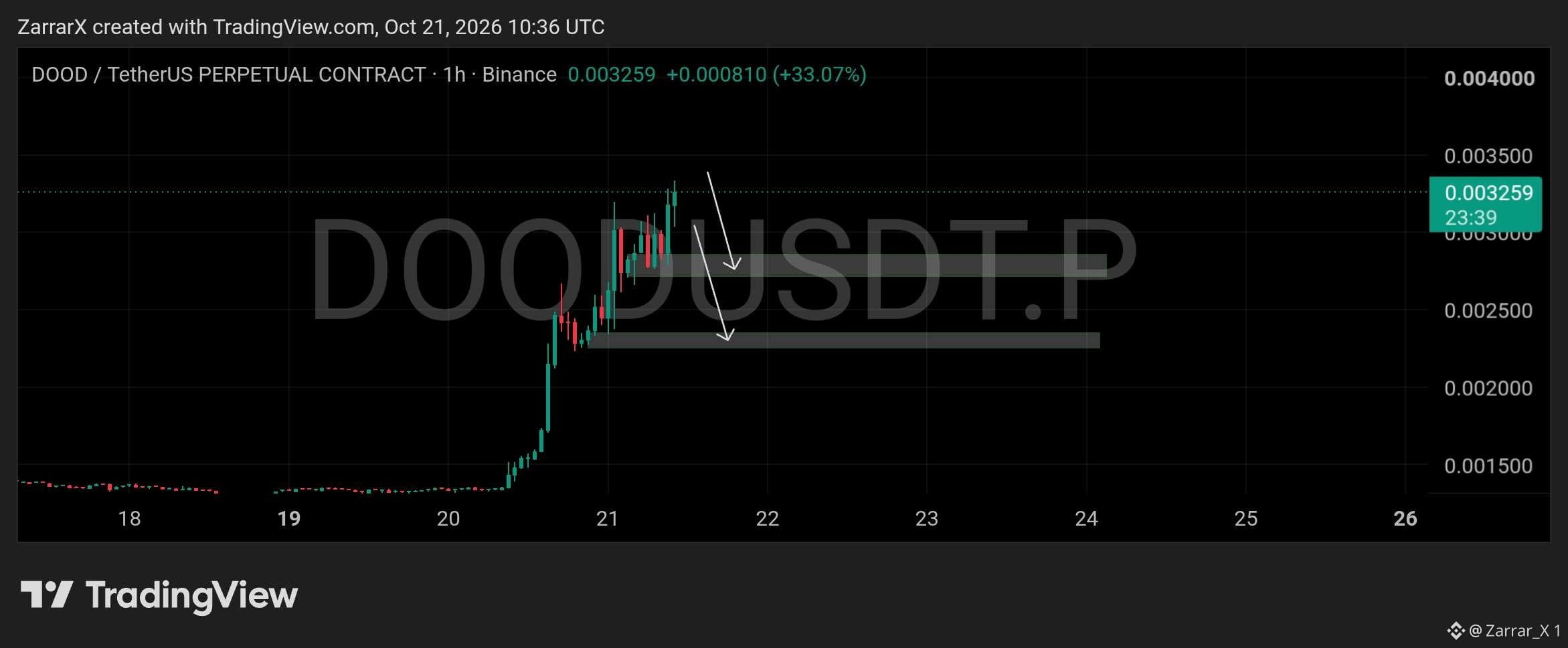
$DOOD ha subido más de un 33 % en el gráfico de 1 hora, hasta alcanzar los 0,00326 $. Tras este repunte brusco, podría producirse un retroceso cuando los traders recojan beneficios.
La primera zona de soporte se sitúa entre 0,00270 y 0,00285 $, con una demanda más fuerte en torno a 0,00225–0,00235 $ si continúa la presión vendedora.
En lugar de perseguir la subida, presta atención a una reacción alcista en cualquiera de las dos zonas. Perder la zona de demanda inferior debilitaría la estructura de ruptura.
#Doodles #TemporadaDeAltcoins# #AlphaMeme#
$DOOD ha subido más de un 33 % en el gráfico de 1 hora, hasta alcanzar los 0,00326 $. Tras este repunte brusco, podría producirse un retroceso cuando los traders recojan beneficios.
La primera zona de soporte se sitúa entre 0,00270 y 0,00285 $, con una demanda más fuerte en torno a 0,00225–0,00235 $ si continúa la presión vendedora.
En lugar de perseguir la subida, presta atención a una reacción alcista en cualquiera de las dos zonas. Perder la zona de demanda inferior debilitaría la estructura de ruptura.
#Doodles #TemporadaDeAltcoins# #AlphaMeme#
La primera zona de soporte se sitúa entre 0,00270 y 0,00285 $, con una demanda más fuerte en torno a 0,00225–0,00235 $ si continúa la presión vendedora.
En lugar de perseguir la subida, presta atención a una reacción alcista en cualquiera de las dos zonas. Perder la zona de demanda inferior debilitaría la estructura de ruptura.
#Doodles #TemporadaDeAltcoins# #AlphaMeme#
9
·
--
Ver traducción
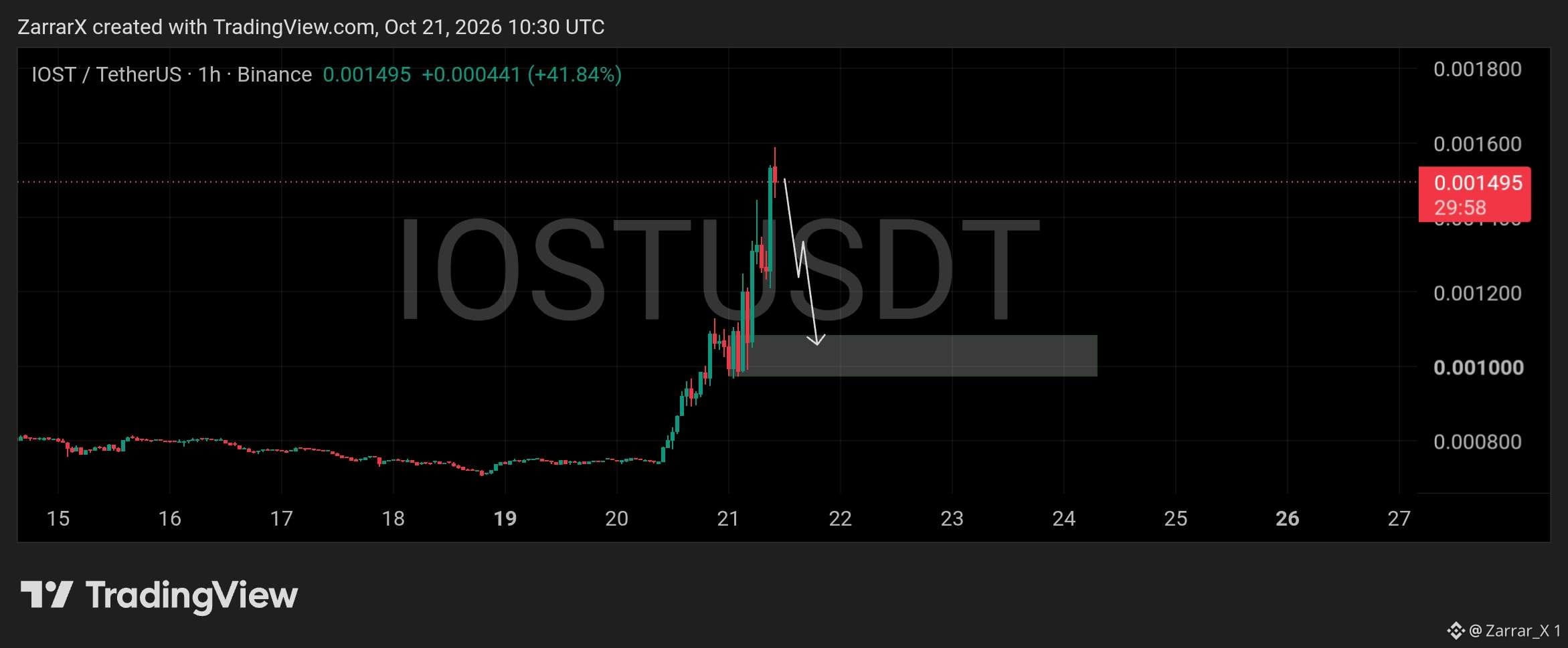
$IOST has pushed up sharply, gaining over 40% and breaking away from its prolonged consolidation around $0.00075. The move is strong, but price is now extended after the rapid rally, making a short-term pullback increasingly possible.
The key demand zone sits around $0.00098–$0.00108, where a retracement could find buyers and allow the market to stabilize. A reaction from this area would be important for determining whether the recent bullish momentum can continue.
For now, chasing the rally at current levels carries higher risk. A pullback into demand followed by a convincing bounce would offer a healthier continuation scenario, while a failure to hold this zone could weaken the breakout and invite further downside.
#Macro Insights# #Crypto #Altcoin Season#
$IOST has pushed up sharply, gaining over 40% and breaking away from its prolonged consolidation around $0.00075. The move is strong, but price is now extended after the rapid rally, making a short-term pullback increasingly possible.
The key demand zone sits around $0.00098–$0.00108, where a retracement could find buyers and allow the market to stabilize. A reaction from this area would be important for determining whether the recent bullish momentum can continue.
For now, chasing the rally at current levels carries higher risk. A pullback into demand followed by a convincing bounce would offer a healthier continuation scenario, while a failure to hold this zone could weaken the breakout and invite further downside.
#Macro Insights# #Crypto #Altcoin Season#
The key demand zone sits around $0.00098–$0.00108, where a retracement could find buyers and allow the market to stabilize. A reaction from this area would be important for determining whether the recent bullish momentum can continue.
For now, chasing the rally at current levels carries higher risk. A pullback into demand followed by a convincing bounce would offer a healthier continuation scenario, while a failure to hold this zone could weaken the breakout and invite further downside.
#Macro Insights# #Crypto #Altcoin Season#
67
·
--
JPMorgan lanza JPM Coin en la red principal de Ethereum.
La división de blockchain de JPMorgan, Kinexys, ha desplegado su token de depósitos en dólares estadounidenses, JPM Coin (JPMD), en la red principal de Ethereum, ampliando su implementación más allá de su anterior lanzamiento en la blockchain pública Base.
A diferencia de USDC o USDT, JPMD es un token de depósitos con acceso autorizado que representa depósitos en dólares mantenidos en JPMorgan. El acceso está restringido a clientes institucionales aprobados, y el token está diseñado para pagos las 24 horas del día, los 7 días de la semana, la gestión de liquidez transfronteriza y una liquidación más rápida de activos y garantías.
Este paso podría reforzar la posición de Ethereum como infraestructura para las finanzas institucionales. JPMD puede operar junto con activos tokenizados y otros productos financieros en cadena, lo que podría hacer más eficiente la liquidación entre dólares digitales y valores tokenizados. Las transacciones en la red principal de Ethereum también requieren ETH para pagar las comisiones de gas, lo que genera cierta demanda adicional de espacio de bloque en la red.
Sin embargo, se trata de un avance de infraestructura a largo plazo, no de una señal alcista inmediata para el precio de ETH. JPMD no está disponible para los usuarios minoristas comunes, y su impacto real en los ingresos por comisiones de Ethereum y en la quema de ETH dependerá del volumen de transacciones y de la eficiencia con que las instituciones las procesen.
La decisión de JPMorgan pone de relieve una tendencia creciente: los bancos tradicionales están explorando las blockchains públicas, pero mantienen restringido el acceso a su propio dinero digital. La pregunta clave es cuánta actividad institucional acabará trasladándose a la cadena y cuánto valor económico generará esa actividad para las redes subyacentes.
$ETH #Perspectivas macroeconómicas# #Temporada de altcoins# #ETH
JPMorgan lanza JPM Coin en la red principal de Ethereum.
La división de blockchain de JPMorgan, Kinexys, ha desplegado su token de depósitos en dólares estadounidenses, JPM Coin (JPMD), en la red principal de Ethereum, ampliando su implementación más allá de su anterior lanzamiento en la blockchain pública Base.
A diferencia de USDC o USDT, JPMD es un token de depósitos con acceso autorizado que representa depósitos en dólares mantenidos en JPMorgan. El acceso está restringido a clientes institucionales aprobados, y el token está diseñado para pagos las 24 horas del día, los 7 días de la semana, la gestión de liquidez transfronteriza y una liquidación más rápida de activos y garantías.
Este paso podría reforzar la posición de Ethereum como infraestructura para las finanzas institucionales. JPMD puede operar junto con activos tokenizados y otros productos financieros en cadena, lo que podría hacer más eficiente la liquidación entre dólares digitales y valores tokenizados. Las transacciones en la red principal de Ethereum también requieren ETH para pagar las comisiones de gas, lo que genera cierta demanda adicional de espacio de bloque en la red.
Sin embargo, se trata de un avance de infraestructura a largo plazo, no de una señal alcista inmediata para el precio de ETH. JPMD no está disponible para los usuarios minoristas comunes, y su impacto real en los ingresos por comisiones de Ethereum y en la quema de ETH dependerá del volumen de transacciones y de la eficiencia con que las instituciones las procesen.
La decisión de JPMorgan pone de relieve una tendencia creciente: los bancos tradicionales están explorando las blockchains públicas, pero mantienen restringido el acceso a su propio dinero digital. La pregunta clave es cuánta actividad institucional acabará trasladándose a la cadena y cuánto valor económico generará esa actividad para las redes subyacentes.
$ETH #Perspectivas macroeconómicas# #Temporada de altcoins# #ETH
La división de blockchain de JPMorgan, Kinexys, ha desplegado su token de depósitos en dólares estadounidenses, JPM Coin (JPMD), en la red principal de Ethereum, ampliando su implementación más allá de su anterior lanzamiento en la blockchain pública Base.
A diferencia de USDC o USDT, JPMD es un token de depósitos con acceso autorizado que representa depósitos en dólares mantenidos en JPMorgan. El acceso está restringido a clientes institucionales aprobados, y el token está diseñado para pagos las 24 horas del día, los 7 días de la semana, la gestión de liquidez transfronteriza y una liquidación más rápida de activos y garantías.
Este paso podría reforzar la posición de Ethereum como infraestructura para las finanzas institucionales. JPMD puede operar junto con activos tokenizados y otros productos financieros en cadena, lo que podría hacer más eficiente la liquidación entre dólares digitales y valores tokenizados. Las transacciones en la red principal de Ethereum también requieren ETH para pagar las comisiones de gas, lo que genera cierta demanda adicional de espacio de bloque en la red.
Sin embargo, se trata de un avance de infraestructura a largo plazo, no de una señal alcista inmediata para el precio de ETH. JPMD no está disponible para los usuarios minoristas comunes, y su impacto real en los ingresos por comisiones de Ethereum y en la quema de ETH dependerá del volumen de transacciones y de la eficiencia con que las instituciones las procesen.
La decisión de JPMorgan pone de relieve una tendencia creciente: los bancos tradicionales están explorando las blockchains públicas, pero mantienen restringido el acceso a su propio dinero digital. La pregunta clave es cuánta actividad institucional acabará trasladándose a la cadena y cuánto valor económico generará esa actividad para las redes subyacentes.
$ETH #Perspectivas macroeconómicas# #Temporada de altcoins# #ETH

34
·
--
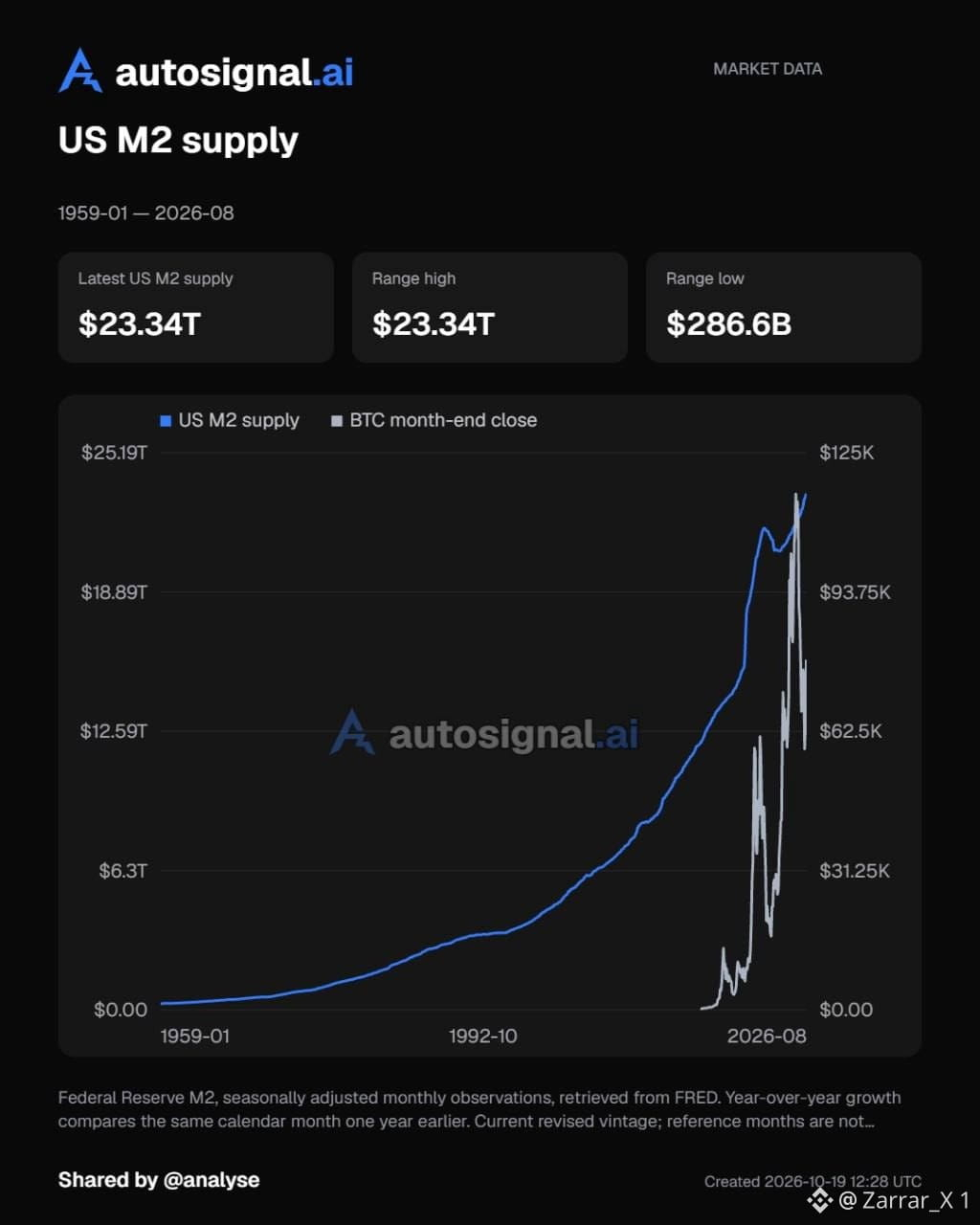
🇺🇸 La oferta monetaria M2 de EE. UU. alcanza un récord de 23,34 billones de dólares.
Según se informa, la oferta monetaria M2 de Estados Unidos ha subido a un nuevo máximo histórico de 23,34 billones de dólares, lo que pone de relieve la continua expansión del dinero que circula por la economía estadounidense.
M2 incluye efectivo, depósitos en cuentas corrientes, depósitos de ahorro y otros activos líquidos. Los economistas y los inversores siguen de cerca su crecimiento porque los cambios en la oferta monetaria pueden influir en el gasto, las expectativas de inflación y la liquidez de los mercados financieros.
En los mercados cripto, una mayor liquidez puede crear un entorno favorable para los activos de riesgo, incluido Bitcoin. Sin embargo, una cifra récord de M2 no significa automáticamente que el dinero esté fluyendo hacia las criptomonedas. También influyen las tasas de interés, las condiciones crediticias, la demanda de los inversores y la rapidez con que circula el dinero en la economía.
$BTC #Análisis del precio de BTC# #Perspectivas macroeconómicas# #Cripto
🇺🇸 La oferta monetaria M2 de EE. UU. alcanza un récord de 23,34 billones de dólares.
Según se informa, la oferta monetaria M2 de Estados Unidos ha subido a un nuevo máximo histórico de 23,34 billones de dólares, lo que pone de relieve la continua expansión del dinero que circula por la economía estadounidense.
M2 incluye efectivo, depósitos en cuentas corrientes, depósitos de ahorro y otros activos líquidos. Los economistas y los inversores siguen de cerca su crecimiento porque los cambios en la oferta monetaria pueden influir en el gasto, las expectativas de inflación y la liquidez de los mercados financieros.
En los mercados cripto, una mayor liquidez puede crear un entorno favorable para los activos de riesgo, incluido Bitcoin. Sin embargo, una cifra récord de M2 no significa automáticamente que el dinero esté fluyendo hacia las criptomonedas. También influyen las tasas de interés, las condiciones crediticias, la demanda de los inversores y la rapidez con que circula el dinero en la economía.
$BTC #Análisis del precio de BTC# #Perspectivas macroeconómicas# #Cripto
Según se informa, la oferta monetaria M2 de Estados Unidos ha subido a un nuevo máximo histórico de 23,34 billones de dólares, lo que pone de relieve la continua expansión del dinero que circula por la economía estadounidense.
M2 incluye efectivo, depósitos en cuentas corrientes, depósitos de ahorro y otros activos líquidos. Los economistas y los inversores siguen de cerca su crecimiento porque los cambios en la oferta monetaria pueden influir en el gasto, las expectativas de inflación y la liquidez de los mercados financieros.
En los mercados cripto, una mayor liquidez puede crear un entorno favorable para los activos de riesgo, incluido Bitcoin. Sin embargo, una cifra récord de M2 no significa automáticamente que el dinero esté fluyendo hacia las criptomonedas. También influyen las tasas de interés, las condiciones crediticias, la demanda de los inversores y la rapidez con que circula el dinero en la economía.
$BTC #Análisis del precio de BTC# #Perspectivas macroeconómicas# #Cripto
43
·
--
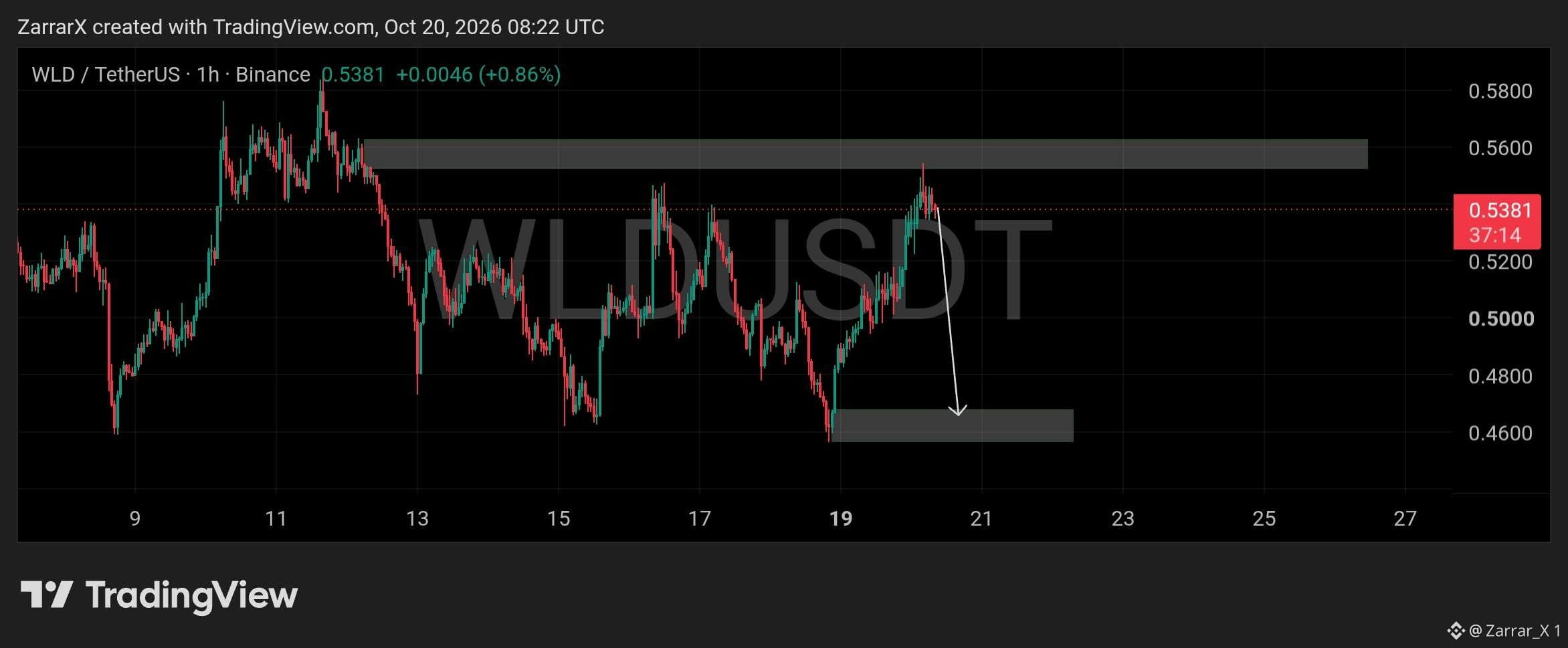
$WLD está encontrando resistencia cerca de los $0.5400 tras recuperarse de la reciente caída hasta cerca de los $0.4600. El último impulso alcista ha perdido fuerza, lo que deja margen para que los vendedores provoquen otro movimiento correctivo en el gráfico de 1 hora.
La zona de $0.4580–$0.4670 es el área clave de demanda que conviene vigilar si continúa el retroceso. Un regreso a esta región pondría a prueba si los compradores pueden defender la reciente recuperación y evitar que el precio vuelva a los mínimos anteriores.
Al alza, el rango de $0.5530–$0.5630 sigue siendo una zona de resistencia importante donde los vendedores podrían volver a entrar. A menos que los compradores recuperen esa zona, sigue siendo posible otro movimiento a la baja, y la reacción cerca de la demanda probablemente determinará la próxima dirección de #WLD.
#Temporada de altcoins# #Cripto
$WLD está encontrando resistencia cerca de los $0.5400 tras recuperarse de la reciente caída hasta cerca de los $0.4600. El último impulso alcista ha perdido fuerza, lo que deja margen para que los vendedores provoquen otro movimiento correctivo en el gráfico de 1 hora.
La zona de $0.4580–$0.4670 es el área clave de demanda que conviene vigilar si continúa el retroceso. Un regreso a esta región pondría a prueba si los compradores pueden defender la reciente recuperación y evitar que el precio vuelva a los mínimos anteriores.
Al alza, el rango de $0.5530–$0.5630 sigue siendo una zona de resistencia importante donde los vendedores podrían volver a entrar. A menos que los compradores recuperen esa zona, sigue siendo posible otro movimiento a la baja, y la reacción cerca de la demanda probablemente determinará la próxima dirección de #WLD.
#Temporada de altcoins# #Cripto
La zona de $0.4580–$0.4670 es el área clave de demanda que conviene vigilar si continúa el retroceso. Un regreso a esta región pondría a prueba si los compradores pueden defender la reciente recuperación y evitar que el precio vuelva a los mínimos anteriores.
Al alza, el rango de $0.5530–$0.5630 sigue siendo una zona de resistencia importante donde los vendedores podrían volver a entrar. A menos que los compradores recuperen esa zona, sigue siendo posible otro movimiento a la baja, y la reacción cerca de la demanda probablemente determinará la próxima dirección de #WLD.
#Temporada de altcoins# #Cripto
60
·
--
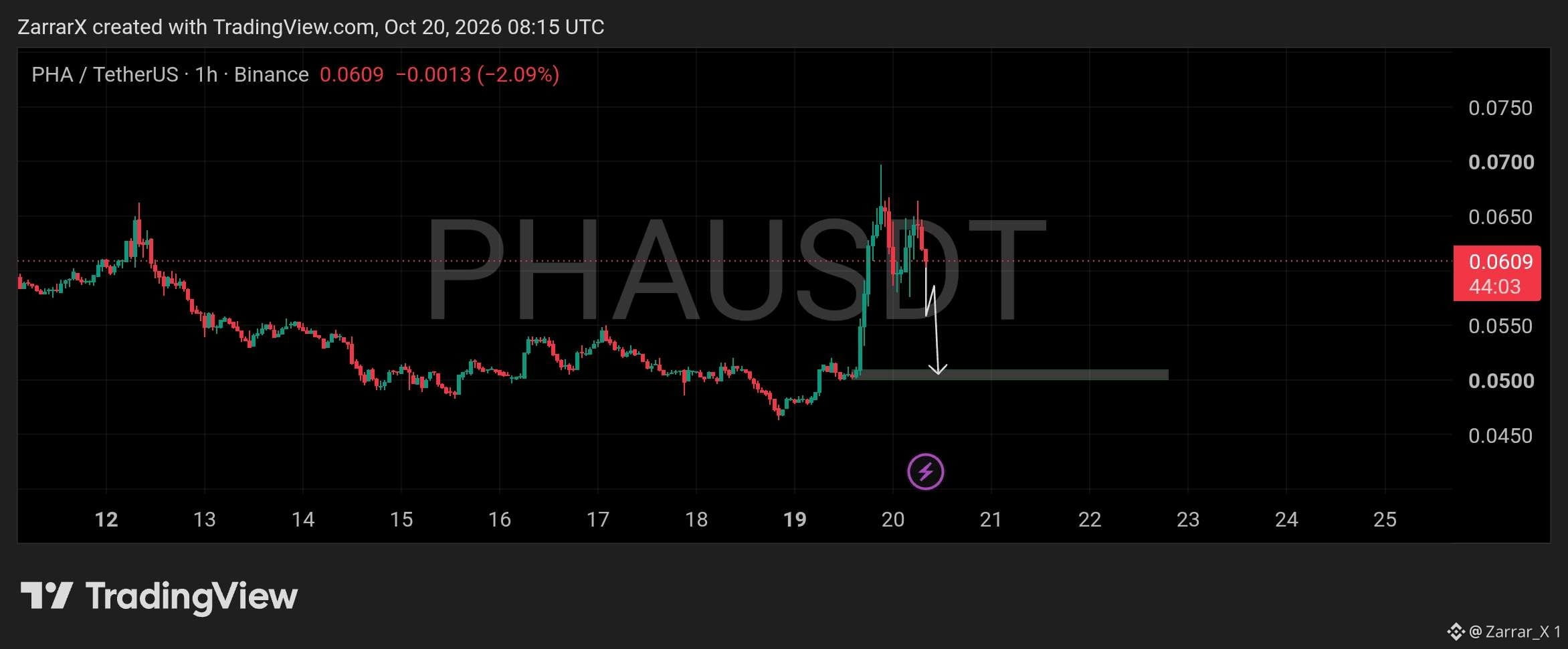
$PHA está retrocediendo tras una fuerte ruptura al alza desde la zona de $0.0500, y el precio se encuentra actualmente alrededor de $0.0609. El impulso inicial llegó a acercarse a $0.0690 antes de que intervinieran los vendedores, y las últimas velas sugieren que el impulso se está enfriando mientras el mercado cede parte de sus ganancias.
La zona de $0.0500–$0.0510 es el área clave de demanda que conviene vigilar si continúa la presión vendedora. Un retroceso más profundo hacia esta región pondría a prueba si los compradores pueden defender la base de la ruptura y establecer un soporte tras la reciente volatilidad.
Otro rechazo cerca de los niveles actuales podría prolongar la corrección hacia la zona de demanda, mientras que una recuperación por encima de $0.0650 indicaría que los compradores están recuperando fuerza. Por ahora, el retroceso sigue siendo el foco inmediato, y la reacción en la zona de demanda probablemente determinará si $PHA puede reanudar su movimiento alcista.
#PHA #Perspectivas macroeconómicas# #Temporada de altcoins#
$PHA está retrocediendo tras una fuerte ruptura al alza desde la zona de $0.0500, y el precio se encuentra actualmente alrededor de $0.0609. El impulso inicial llegó a acercarse a $0.0690 antes de que intervinieran los vendedores, y las últimas velas sugieren que el impulso se está enfriando mientras el mercado cede parte de sus ganancias.
La zona de $0.0500–$0.0510 es el área clave de demanda que conviene vigilar si continúa la presión vendedora. Un retroceso más profundo hacia esta región pondría a prueba si los compradores pueden defender la base de la ruptura y establecer un soporte tras la reciente volatilidad.
Otro rechazo cerca de los niveles actuales podría prolongar la corrección hacia la zona de demanda, mientras que una recuperación por encima de $0.0650 indicaría que los compradores están recuperando fuerza. Por ahora, el retroceso sigue siendo el foco inmediato, y la reacción en la zona de demanda probablemente determinará si $PHA puede reanudar su movimiento alcista.
#PHA #Perspectivas macroeconómicas# #Temporada de altcoins#
La zona de $0.0500–$0.0510 es el área clave de demanda que conviene vigilar si continúa la presión vendedora. Un retroceso más profundo hacia esta región pondría a prueba si los compradores pueden defender la base de la ruptura y establecer un soporte tras la reciente volatilidad.
Otro rechazo cerca de los niveles actuales podría prolongar la corrección hacia la zona de demanda, mientras que una recuperación por encima de $0.0650 indicaría que los compradores están recuperando fuerza. Por ahora, el retroceso sigue siendo el foco inmediato, y la reacción en la zona de demanda probablemente determinará si $PHA puede reanudar su movimiento alcista.
#PHA #Perspectivas macroeconómicas# #Temporada de altcoins#
74
·
--
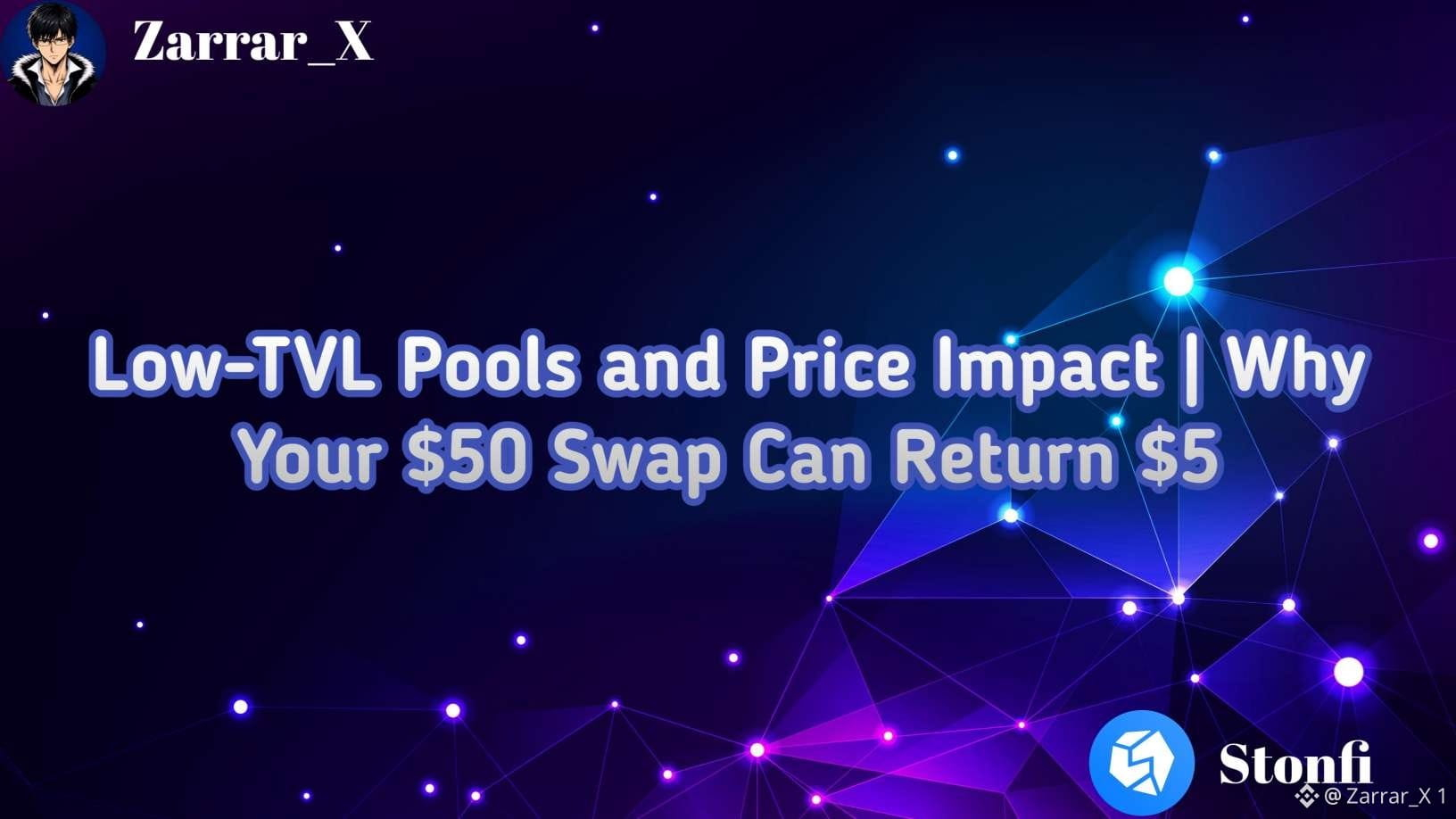
¿Por qué un pool con un TVL de $1–$10 puede provocar un intercambio terrible?
Al explorar nuevos tokens de microcapitalización en un DEX, quizá veas una moneda con gráficos de precios activos. Decides comprar $50, pero después de firmar la transacción te das cuenta de que recibiste tokens por un valor inferior a $5.
¿Cómo puede una operación perder el 90 % de su valor al instante? La respuesta está en el valor total bloqueado (TVL) y la profundidad de las reservas.
Estas son las razones por las que los pools con poca liquidez provocan pérdidas enormes en las operaciones:
1️⃣ La fórmula del producto constante (x * y = k)
Los creadores de mercado automatizados (AMM) calculan los precios de los tokens según la proporción de activos en el pool de liquidez. Cuando un pool solo tiene entre $5 y $10 de liquidez total, el equilibrio interno de sus activos es extremadamente frágil.
2️⃣ Un impacto desproporcionado en el precio
Si un pool contiene TON por valor de $5 y Token X por valor de $5, intentar hacer una operación de $10 no solo compra tokens: desborda por completo el saldo del pool. Tu operación altera drásticamente la proporción interna del pool, lo que provoca un impacto enorme en el precio (deslizamiento causado por el tamaño de tu propia operación).
3️⃣ Profundidad de liquidez frente a facilidad de intercambio
Que un token sea técnicamente «intercambiable» en un DEX no significa que el pool tenga suficiente profundidad para ejecutar una operación de ese tamaño. ¡Comprueba siempre el TVL del pool y la vista previa del «impacto en el precio» antes de confirmar!
– Cómo las rutas entre cadenas resuelven la fragmentación
Al transferir valor entre ecosistemas hacia TON, protocolos como STONfi coordinan rutas para evitar que quedes atrapado en pools intermedios sin liquidez.
Para obtener más información sobre los intercambios entre cadenas directos y con gran liquidez de TON a Base, visita:
https://ston.fi/cross-chain-swap-from-ton-to-base
$BTC $ETH #Análisis del precio de BTC# #Perspectivas macroeconómicas# #Temporada de altcoins#
¿Por qué un pool con un TVL de $1–$10 puede provocar un intercambio terrible?
Al explorar nuevos tokens de microcapitalización en un DEX, quizá veas una moneda con gráficos de precios activos. Decides comprar $50, pero después de firmar la transacción te das cuenta de que recibiste tokens por un valor inferior a $5.
¿Cómo puede una operación perder el 90 % de su valor al instante? La respuesta está en el valor total bloqueado (TVL) y la profundidad de las reservas.
Estas son las razones por las que los pools con poca liquidez provocan pérdidas enormes en las operaciones:
1️⃣ La fórmula del producto constante (x * y = k)
Los creadores de mercado automatizados (AMM) calculan los precios de los tokens según la proporción de activos en el pool de liquidez. Cuando un pool solo tiene entre $5 y $10 de liquidez total, el equilibrio interno de sus activos es extremadamente frágil.
2️⃣ Un impacto desproporcionado en el precio
Si un pool contiene TON por valor de $5 y Token X por valor de $5, intentar hacer una operación de $10 no solo compra tokens: desborda por completo el saldo del pool. Tu operación altera drásticamente la proporción interna del pool, lo que provoca un impacto enorme en el precio (deslizamiento causado por el tamaño de tu propia operación).
3️⃣ Profundidad de liquidez frente a facilidad de intercambio
Que un token sea técnicamente «intercambiable» en un DEX no significa que el pool tenga suficiente profundidad para ejecutar una operación de ese tamaño. ¡Comprueba siempre el TVL del pool y la vista previa del «impacto en el precio» antes de confirmar!
– Cómo las rutas entre cadenas resuelven la fragmentación
Al transferir valor entre ecosistemas hacia TON, protocolos como STONfi coordinan rutas para evitar que quedes atrapado en pools intermedios sin liquidez.
Para obtener más información sobre los intercambios entre cadenas directos y con gran liquidez de TON a Base, visita:
https://ston.fi/cross-chain-swap-from-ton-to-base
$BTC $ETH #Análisis del precio de BTC# #Perspectivas macroeconómicas# #Temporada de altcoins#
Al explorar nuevos tokens de microcapitalización en un DEX, quizá veas una moneda con gráficos de precios activos. Decides comprar $50, pero después de firmar la transacción te das cuenta de que recibiste tokens por un valor inferior a $5.
¿Cómo puede una operación perder el 90 % de su valor al instante? La respuesta está en el valor total bloqueado (TVL) y la profundidad de las reservas.
Estas son las razones por las que los pools con poca liquidez provocan pérdidas enormes en las operaciones:
1️⃣ La fórmula del producto constante (x * y = k)
Los creadores de mercado automatizados (AMM) calculan los precios de los tokens según la proporción de activos en el pool de liquidez. Cuando un pool solo tiene entre $5 y $10 de liquidez total, el equilibrio interno de sus activos es extremadamente frágil.
2️⃣ Un impacto desproporcionado en el precio
Si un pool contiene TON por valor de $5 y Token X por valor de $5, intentar hacer una operación de $10 no solo compra tokens: desborda por completo el saldo del pool. Tu operación altera drásticamente la proporción interna del pool, lo que provoca un impacto enorme en el precio (deslizamiento causado por el tamaño de tu propia operación).
3️⃣ Profundidad de liquidez frente a facilidad de intercambio
Que un token sea técnicamente «intercambiable» en un DEX no significa que el pool tenga suficiente profundidad para ejecutar una operación de ese tamaño. ¡Comprueba siempre el TVL del pool y la vista previa del «impacto en el precio» antes de confirmar!
– Cómo las rutas entre cadenas resuelven la fragmentación
Al transferir valor entre ecosistemas hacia TON, protocolos como STONfi coordinan rutas para evitar que quedes atrapado en pools intermedios sin liquidez.
Para obtener más información sobre los intercambios entre cadenas directos y con gran liquidez de TON a Base, visita:
https://ston.fi/cross-chain-swap-from-ton-to-base
$BTC $ETH #Análisis del precio de BTC# #Perspectivas macroeconómicas# #Temporada de altcoins#
29
·
--
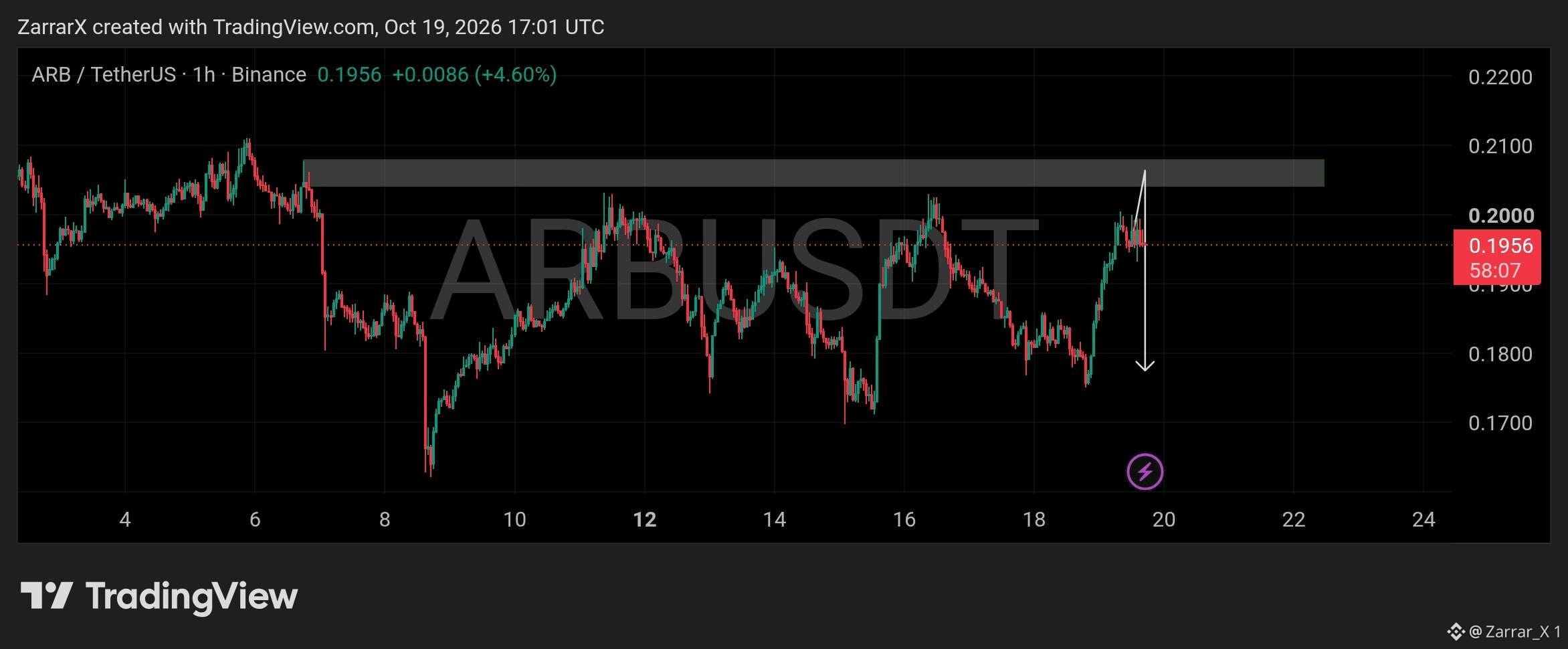
$ARB ha subido hasta los $0.1956 tras rebotar desde la zona de $0.1760–$0.1800, lo que muestra una renovada presión compradora en el gráfico de 1 hora. Sin embargo, el precio se acerca ahora a una zona donde los repuntes anteriores han tenido dificultades, por lo que aún podría producirse otro rechazo.
La zona de $0.2040–$0.2080 es la resistencia clave a vigilar. Un avance hacia esta zona de oferta seguido de un rechazo podría hacer que #ARB vuelva a los $0.1850, y un retroceso más profundo podría poner a prueba de nuevo la zona de demanda de $0.1760–$0.1800.
Por ahora, el gráfico aconseja cautela, ya que el precio se acerca a la resistencia después de una fuerte recuperación. Una ruptura clara y una permanencia por encima de la zona de oferta debilitarían la perspectiva bajista, mientras que otro rechazo podría devolver el control a los vendedores.
#Altcoin Season# #Crypto
$ARB ha subido hasta los $0.1956 tras rebotar desde la zona de $0.1760–$0.1800, lo que muestra una renovada presión compradora en el gráfico de 1 hora. Sin embargo, el precio se acerca ahora a una zona donde los repuntes anteriores han tenido dificultades, por lo que aún podría producirse otro rechazo.
La zona de $0.2040–$0.2080 es la resistencia clave a vigilar. Un avance hacia esta zona de oferta seguido de un rechazo podría hacer que #ARB vuelva a los $0.1850, y un retroceso más profundo podría poner a prueba de nuevo la zona de demanda de $0.1760–$0.1800.
Por ahora, el gráfico aconseja cautela, ya que el precio se acerca a la resistencia después de una fuerte recuperación. Una ruptura clara y una permanencia por encima de la zona de oferta debilitarían la perspectiva bajista, mientras que otro rechazo podría devolver el control a los vendedores.
#Altcoin Season# #Crypto
La zona de $0.2040–$0.2080 es la resistencia clave a vigilar. Un avance hacia esta zona de oferta seguido de un rechazo podría hacer que #ARB vuelva a los $0.1850, y un retroceso más profundo podría poner a prueba de nuevo la zona de demanda de $0.1760–$0.1800.
Por ahora, el gráfico aconseja cautela, ya que el precio se acerca a la resistencia después de una fuerte recuperación. Una ruptura clara y una permanencia por encima de la zona de oferta debilitarían la perspectiva bajista, mientras que otro rechazo podría devolver el control a los vendedores.
#Altcoin Season# #Crypto
41
·
--
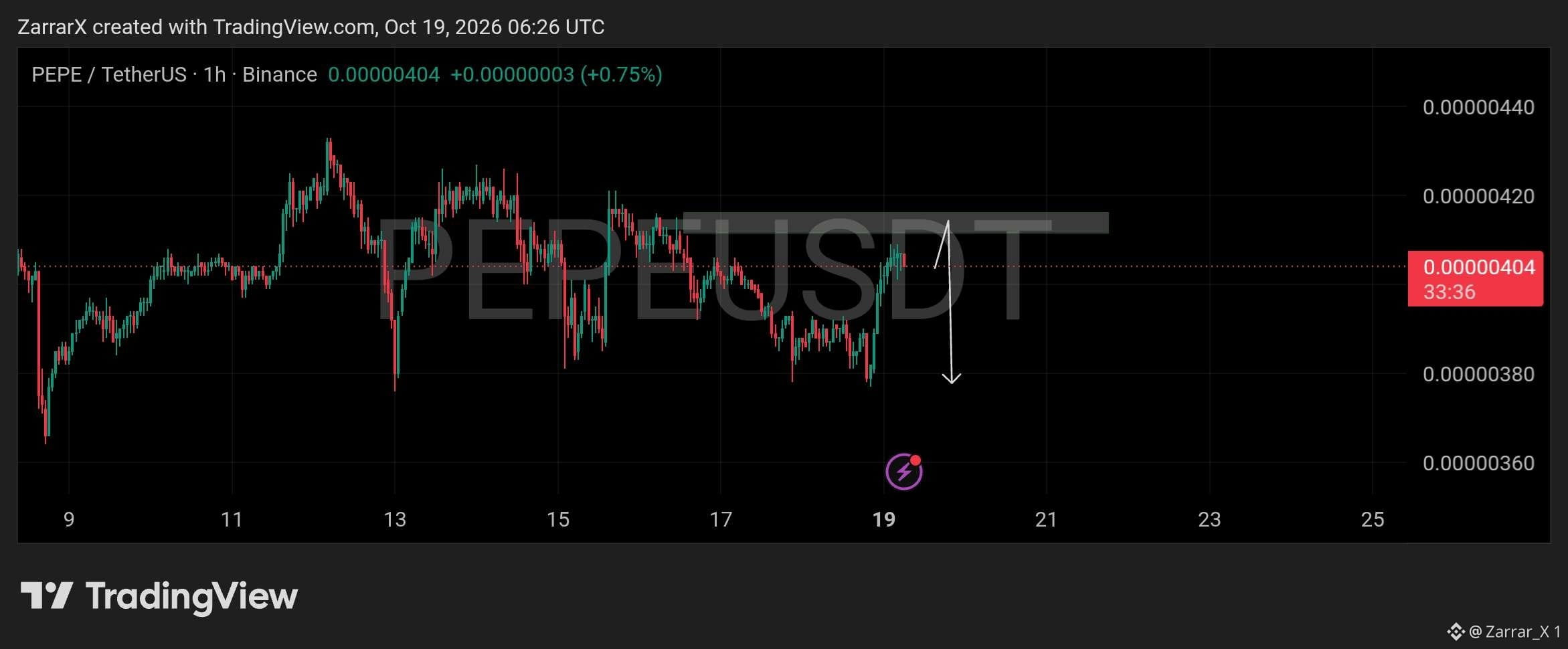
$PEPE cotiza alrededor de $0.00000404 tras recuperarse de la reciente caída hasta cerca de $0.00000380. El rebote ha llevado el precio de nuevo hacia una zona de resistencia, pero la estructura general de 1 hora sigue siendo irregular, con vendedores que han intervenido repetidamente durante intentos de recuperación anteriores.
La zona de $0.00000410–$0.00000416 es la resistencia inmediata a vigilar. Un rechazo en este nivel podría hacer que PEPE vuelva a $0.00000380–$0.00000385, donde ya han aparecido compradores y podría producirse otra reacción.
Una ruptura clara por encima de la resistencia debilitaría la perspectiva bajista y abriría la puerta a una recuperación más sólida. Hasta entonces, sigue siendo posible otro retroceso, por lo que la reacción en torno a la resistencia actual es más importante que el reciente rebote por sí solo.
#PEPE #Temporada de altcoins# #Alpha de memes#
$PEPE cotiza alrededor de $0.00000404 tras recuperarse de la reciente caída hasta cerca de $0.00000380. El rebote ha llevado el precio de nuevo hacia una zona de resistencia, pero la estructura general de 1 hora sigue siendo irregular, con vendedores que han intervenido repetidamente durante intentos de recuperación anteriores.
La zona de $0.00000410–$0.00000416 es la resistencia inmediata a vigilar. Un rechazo en este nivel podría hacer que PEPE vuelva a $0.00000380–$0.00000385, donde ya han aparecido compradores y podría producirse otra reacción.
Una ruptura clara por encima de la resistencia debilitaría la perspectiva bajista y abriría la puerta a una recuperación más sólida. Hasta entonces, sigue siendo posible otro retroceso, por lo que la reacción en torno a la resistencia actual es más importante que el reciente rebote por sí solo.
#PEPE #Temporada de altcoins# #Alpha de memes#
La zona de $0.00000410–$0.00000416 es la resistencia inmediata a vigilar. Un rechazo en este nivel podría hacer que PEPE vuelva a $0.00000380–$0.00000385, donde ya han aparecido compradores y podría producirse otra reacción.
Una ruptura clara por encima de la resistencia debilitaría la perspectiva bajista y abriría la puerta a una recuperación más sólida. Hasta entonces, sigue siendo posible otro retroceso, por lo que la reacción en torno a la resistencia actual es más importante que el reciente rebote por sí solo.
#PEPE #Temporada de altcoins# #Alpha de memes#
66
·
--
El CEO de CryptoQuant señala a $HYPE como la criptomoneda con el sentimiento más alcista entre los analistas.
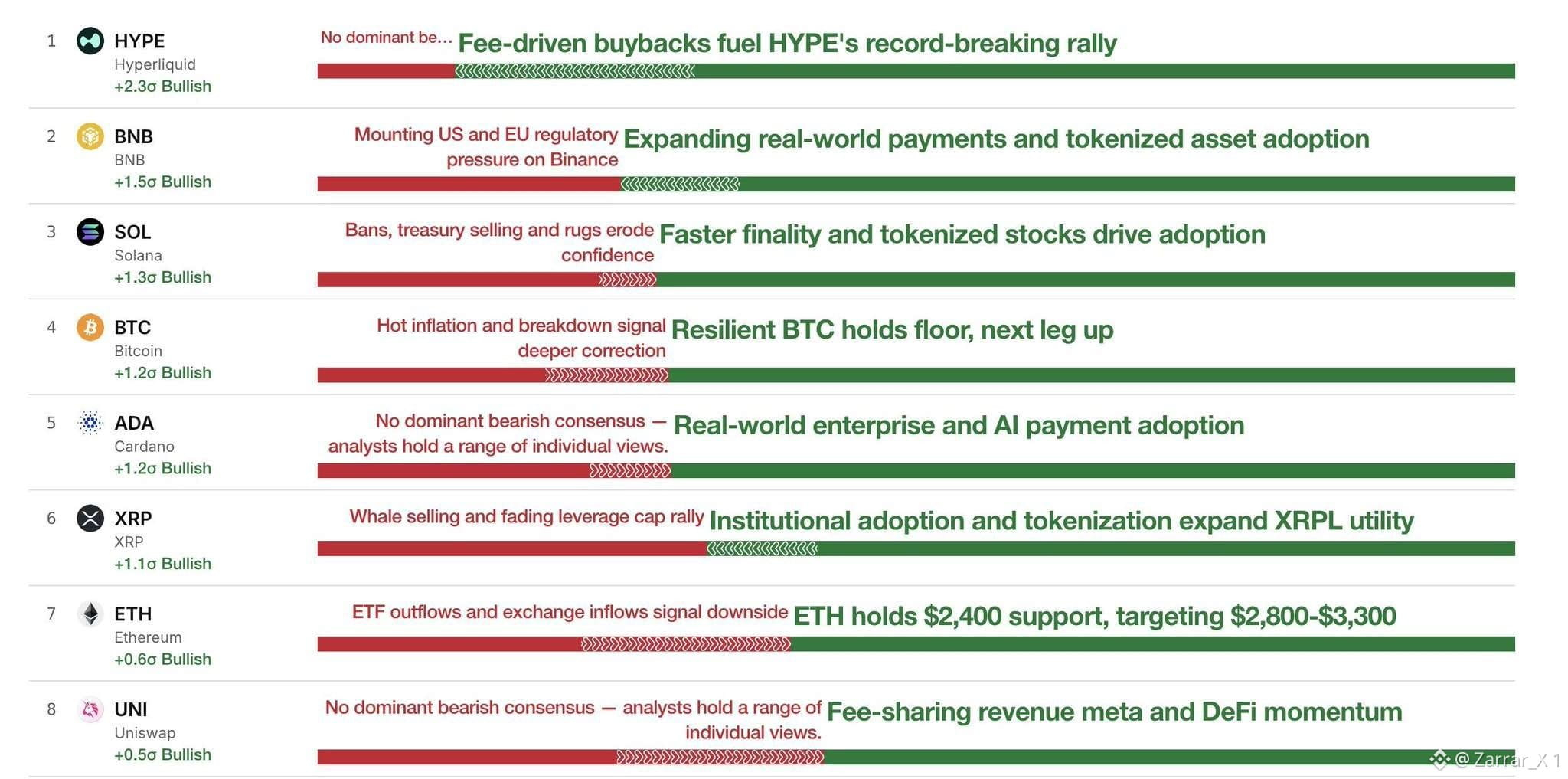
Ki Young Ju, CEO de CryptoQuant, afirma que Hyperliquid (#HYPE) es actualmente el criptoactivo con el sentimiento más alcista entre los analistas. Los datos de CryptoQuant del 18 de octubre situaron a HYPE en primer lugar entre ocho criptomonedas importantes, con un sentimiento 2,3 desviaciones estándar por encima de su nivel histórico de referencia.
Esta perspectiva alcista refleja la confianza en el creciente mercado de derivados en cadena de Hyperliquid y en su mecanismo de recompra de HYPE financiado con comisiones. El protocolo utiliza los ingresos por comisiones de trading para comprar tokens en el mercado abierto, creando una fuente de demanda recurrente vinculada a la actividad de la plataforma.
Sin embargo, el fuerte sentimiento de los analistas no ha impedido que el precio se debilite. Según los últimos informes, HYPE había caído aproximadamente un 15 % durante el mes anterior, lo que demuestra que las expectativas alcistas no siempre se traducen en subidas inmediatas del precio.
La pregunta clave es si la actividad de trading y las recompras pueden sostener la demanda a medida que fluctúan las condiciones del mercado. El sentimiento de los analistas ofrece una instantánea útil de las expectativas, pero no garantiza el rendimiento futuro.
#PerspectivasMacro# #TemporadaDeAltcoins#
El CEO de CryptoQuant señala a $HYPE como la criptomoneda con el sentimiento más alcista entre los analistas.
Ki Young Ju, CEO de CryptoQuant, afirma que Hyperliquid (#HYPE) es actualmente el criptoactivo con el sentimiento más alcista entre los analistas. Los datos de CryptoQuant del 18 de octubre situaron a HYPE en primer lugar entre ocho criptomonedas importantes, con un sentimiento 2,3 desviaciones estándar por encima de su nivel histórico de referencia.
Esta perspectiva alcista refleja la confianza en el creciente mercado de derivados en cadena de Hyperliquid y en su mecanismo de recompra de HYPE financiado con comisiones. El protocolo utiliza los ingresos por comisiones de trading para comprar tokens en el mercado abierto, creando una fuente de demanda recurrente vinculada a la actividad de la plataforma.
Sin embargo, el fuerte sentimiento de los analistas no ha impedido que el precio se debilite. Según los últimos informes, HYPE había caído aproximadamente un 15 % durante el mes anterior, lo que demuestra que las expectativas alcistas no siempre se traducen en subidas inmediatas del precio.
La pregunta clave es si la actividad de trading y las recompras pueden sostener la demanda a medida que fluctúan las condiciones del mercado. El sentimiento de los analistas ofrece una instantánea útil de las expectativas, pero no garantiza el rendimiento futuro.
#PerspectivasMacro# #TemporadaDeAltcoins#
Ki Young Ju, CEO de CryptoQuant, afirma que Hyperliquid (#HYPE) es actualmente el criptoactivo con el sentimiento más alcista entre los analistas. Los datos de CryptoQuant del 18 de octubre situaron a HYPE en primer lugar entre ocho criptomonedas importantes, con un sentimiento 2,3 desviaciones estándar por encima de su nivel histórico de referencia.
Esta perspectiva alcista refleja la confianza en el creciente mercado de derivados en cadena de Hyperliquid y en su mecanismo de recompra de HYPE financiado con comisiones. El protocolo utiliza los ingresos por comisiones de trading para comprar tokens en el mercado abierto, creando una fuente de demanda recurrente vinculada a la actividad de la plataforma.
Sin embargo, el fuerte sentimiento de los analistas no ha impedido que el precio se debilite. Según los últimos informes, HYPE había caído aproximadamente un 15 % durante el mes anterior, lo que demuestra que las expectativas alcistas no siempre se traducen en subidas inmediatas del precio.
La pregunta clave es si la actividad de trading y las recompras pueden sostener la demanda a medida que fluctúan las condiciones del mercado. El sentimiento de los analistas ofrece una instantánea útil de las expectativas, pero no garantiza el rendimiento futuro.
#PerspectivasMacro# #TemporadaDeAltcoins#
77
·
--
🇪🇺 USDC se convierte en el primer token de dinero electrónico «significativo» de la UE conforme al MiCA.
La Autoridad Bancaria Europea (ABE) ha clasificado el USDC de Circle como el primer token de dinero electrónico significativo de la Unión Europea en virtud del Reglamento de Mercados de Criptoactivos (MiCA). USDC es el primero de los 45 tokens de dinero electrónico notificados que alcanza el umbral de relevancia regulatoria, lo que marca la primera aplicación de este marco a una stablecoin.
A partir del 12 de noviembre de 2026, la ABE asumirá la responsabilidad directa de supervisar los requisitos de fondos propios, las reservas, la liquidez y los planes de recuperación y reembolso de USDC. La ACPR de Francia seguirá supervisando ámbitos como la gobernanza, la idoneidad de los directivos y los controles internos, creando una estructura de supervisión compartida.
La decisión somete a USDC a un mayor nivel de escrutinio regulatorio, mientras su oferta circulante se acerca a los 73.000 millones de dólares. La ABE reevaluará anualmente la categoría del token, lo que significa que su clasificación y la de otros tokens de dinero electrónico notificados seguirán sujetas a revisión.
La ABE también ha establecido un acuerdo de cooperación con el Departamento de Servicios Financieros del Estado de Nueva York (NYDFS) para facilitar la supervisión transfronteriza de las stablecoins. Esta medida refleja los crecientes esfuerzos de los reguladores por coordinar la supervisión a medida que los tokens vinculados al dólar se expanden por los mercados financieros internacionales.
$BTC $USDC #Perspectivas macroeconómicas# #StableCoin #Análisis del precio de BTC#
🇪🇺 USDC se convierte en el primer token de dinero electrónico «significativo» de la UE conforme al MiCA.
La Autoridad Bancaria Europea (ABE) ha clasificado el USDC de Circle como el primer token de dinero electrónico significativo de la Unión Europea en virtud del Reglamento de Mercados de Criptoactivos (MiCA). USDC es el primero de los 45 tokens de dinero electrónico notificados que alcanza el umbral de relevancia regulatoria, lo que marca la primera aplicación de este marco a una stablecoin.
A partir del 12 de noviembre de 2026, la ABE asumirá la responsabilidad directa de supervisar los requisitos de fondos propios, las reservas, la liquidez y los planes de recuperación y reembolso de USDC. La ACPR de Francia seguirá supervisando ámbitos como la gobernanza, la idoneidad de los directivos y los controles internos, creando una estructura de supervisión compartida.
La decisión somete a USDC a un mayor nivel de escrutinio regulatorio, mientras su oferta circulante se acerca a los 73.000 millones de dólares. La ABE reevaluará anualmente la categoría del token, lo que significa que su clasificación y la de otros tokens de dinero electrónico notificados seguirán sujetas a revisión.
La ABE también ha establecido un acuerdo de cooperación con el Departamento de Servicios Financieros del Estado de Nueva York (NYDFS) para facilitar la supervisión transfronteriza de las stablecoins. Esta medida refleja los crecientes esfuerzos de los reguladores por coordinar la supervisión a medida que los tokens vinculados al dólar se expanden por los mercados financieros internacionales.
$BTC $USDC #Perspectivas macroeconómicas# #StableCoin #Análisis del precio de BTC#
La Autoridad Bancaria Europea (ABE) ha clasificado el USDC de Circle como el primer token de dinero electrónico significativo de la Unión Europea en virtud del Reglamento de Mercados de Criptoactivos (MiCA). USDC es el primero de los 45 tokens de dinero electrónico notificados que alcanza el umbral de relevancia regulatoria, lo que marca la primera aplicación de este marco a una stablecoin.
A partir del 12 de noviembre de 2026, la ABE asumirá la responsabilidad directa de supervisar los requisitos de fondos propios, las reservas, la liquidez y los planes de recuperación y reembolso de USDC. La ACPR de Francia seguirá supervisando ámbitos como la gobernanza, la idoneidad de los directivos y los controles internos, creando una estructura de supervisión compartida.
La decisión somete a USDC a un mayor nivel de escrutinio regulatorio, mientras su oferta circulante se acerca a los 73.000 millones de dólares. La ABE reevaluará anualmente la categoría del token, lo que significa que su clasificación y la de otros tokens de dinero electrónico notificados seguirán sujetas a revisión.
La ABE también ha establecido un acuerdo de cooperación con el Departamento de Servicios Financieros del Estado de Nueva York (NYDFS) para facilitar la supervisión transfronteriza de las stablecoins. Esta medida refleja los crecientes esfuerzos de los reguladores por coordinar la supervisión a medida que los tokens vinculados al dólar se expanden por los mercados financieros internacionales.
$BTC $USDC #Perspectivas macroeconómicas# #StableCoin #Análisis del precio de BTC#

1
·
--
¿Puede ser peligroso un token aunque un DEX no muestre ninguna advertencia?
Al operar con tokens nuevos en un DEX, muchos traders se basan únicamente en las etiquetas de seguridad de la interfaz. Si no aparece la etiqueta «Falso» o «Honeypot», dan por hecho que comprar el token es 100 % seguro.
¿La realidad? Que NO haya una etiqueta de advertencia NO garantiza que sea seguro.
Las interfaces de DEX como STONfi ejecutan análisis de seguridad automatizados para detectar patrones maliciosos conocidos, pero las estafas con contratos inteligentes evolucionan constantemente.
Estos son 3 riesgos sutiles que los escáneres automatizados de las interfaces podrían pasar por alto:
1️⃣ Cambios dinámicos en las comisiones e liquidez desbloqueada
Un contrato nuevo podría empezar con comisiones de compra y venta del 0 %, pero contar con funciones de administrador que permitan al creador aumentar posteriormente los impuestos de transferencia hasta el 99 % o retirar al instante la liquidez de los pools desbloqueados.
2️⃣ Contratos proxy y actualizables
Algunos tokens usan arquitecturas de contratos proxy. Aunque los análisis iniciales del código parezcan limpios, los desarrolladores maliciosos pueden modificar la lógica del contrato después del lanzamiento para congelar las transferencias o impedir las ventas.
3️⃣ Ingeniería social y metadatos maliciosos
Aunque el contrato del token en sí use un código ERC20/Jetton básico, el proyecto podría incluir enlaces de phishing o sitios falsos para reclamar tokens en sus metadatos y así obtener permisos de las billeteras.
En resumen: las advertencias de la interfaz son una primera línea de defensa muy útil, pero es esencial verificar la información de forma independiente (comprobar quién controla el contrato, los bloqueos de LP y los informes de auditoría) antes de hacer un intercambio.
¿Quieres afinar tu instinto de seguridad y poner a prueba tu habilidad para detectar estafas de criptomonedas?
Pon a prueba tus conocimientos con el juego interactivo de ciberseguridad de Stonverse:
https://stonverse.com/cybersecgame/
$AGT $BTC #AnálisisDelPrecioDeBTC# #TemporadaDeAltcoins# #Cripto
¿Puede ser peligroso un token aunque un DEX no muestre ninguna advertencia?
Al operar con tokens nuevos en un DEX, muchos traders se basan únicamente en las etiquetas de seguridad de la interfaz. Si no aparece la etiqueta «Falso» o «Honeypot», dan por hecho que comprar el token es 100 % seguro.
¿La realidad? Que NO haya una etiqueta de advertencia NO garantiza que sea seguro.
Las interfaces de DEX como STONfi ejecutan análisis de seguridad automatizados para detectar patrones maliciosos conocidos, pero las estafas con contratos inteligentes evolucionan constantemente.
Estos son 3 riesgos sutiles que los escáneres automatizados de las interfaces podrían pasar por alto:
1️⃣ Cambios dinámicos en las comisiones e liquidez desbloqueada
Un contrato nuevo podría empezar con comisiones de compra y venta del 0 %, pero contar con funciones de administrador que permitan al creador aumentar posteriormente los impuestos de transferencia hasta el 99 % o retirar al instante la liquidez de los pools desbloqueados.
2️⃣ Contratos proxy y actualizables
Algunos tokens usan arquitecturas de contratos proxy. Aunque los análisis iniciales del código parezcan limpios, los desarrolladores maliciosos pueden modificar la lógica del contrato después del lanzamiento para congelar las transferencias o impedir las ventas.
3️⃣ Ingeniería social y metadatos maliciosos
Aunque el contrato del token en sí use un código ERC20/Jetton básico, el proyecto podría incluir enlaces de phishing o sitios falsos para reclamar tokens en sus metadatos y así obtener permisos de las billeteras.
En resumen: las advertencias de la interfaz son una primera línea de defensa muy útil, pero es esencial verificar la información de forma independiente (comprobar quién controla el contrato, los bloqueos de LP y los informes de auditoría) antes de hacer un intercambio.
¿Quieres afinar tu instinto de seguridad y poner a prueba tu habilidad para detectar estafas de criptomonedas?
Pon a prueba tus conocimientos con el juego interactivo de ciberseguridad de Stonverse:
https://stonverse.com/cybersecgame/
$AGT $BTC #AnálisisDelPrecioDeBTC# #TemporadaDeAltcoins# #Cripto
Al operar con tokens nuevos en un DEX, muchos traders se basan únicamente en las etiquetas de seguridad de la interfaz. Si no aparece la etiqueta «Falso» o «Honeypot», dan por hecho que comprar el token es 100 % seguro.
¿La realidad? Que NO haya una etiqueta de advertencia NO garantiza que sea seguro.
Las interfaces de DEX como STONfi ejecutan análisis de seguridad automatizados para detectar patrones maliciosos conocidos, pero las estafas con contratos inteligentes evolucionan constantemente.
Estos son 3 riesgos sutiles que los escáneres automatizados de las interfaces podrían pasar por alto:
1️⃣ Cambios dinámicos en las comisiones e liquidez desbloqueada
Un contrato nuevo podría empezar con comisiones de compra y venta del 0 %, pero contar con funciones de administrador que permitan al creador aumentar posteriormente los impuestos de transferencia hasta el 99 % o retirar al instante la liquidez de los pools desbloqueados.
2️⃣ Contratos proxy y actualizables
Algunos tokens usan arquitecturas de contratos proxy. Aunque los análisis iniciales del código parezcan limpios, los desarrolladores maliciosos pueden modificar la lógica del contrato después del lanzamiento para congelar las transferencias o impedir las ventas.
3️⃣ Ingeniería social y metadatos maliciosos
Aunque el contrato del token en sí use un código ERC20/Jetton básico, el proyecto podría incluir enlaces de phishing o sitios falsos para reclamar tokens en sus metadatos y así obtener permisos de las billeteras.
En resumen: las advertencias de la interfaz son una primera línea de defensa muy útil, pero es esencial verificar la información de forma independiente (comprobar quién controla el contrato, los bloqueos de LP y los informes de auditoría) antes de hacer un intercambio.
¿Quieres afinar tu instinto de seguridad y poner a prueba tu habilidad para detectar estafas de criptomonedas?
Pon a prueba tus conocimientos con el juego interactivo de ciberseguridad de Stonverse:
https://stonverse.com/cybersecgame/
$AGT $BTC #AnálisisDelPrecioDeBTC# #TemporadaDeAltcoins# #Cripto
2
·
--
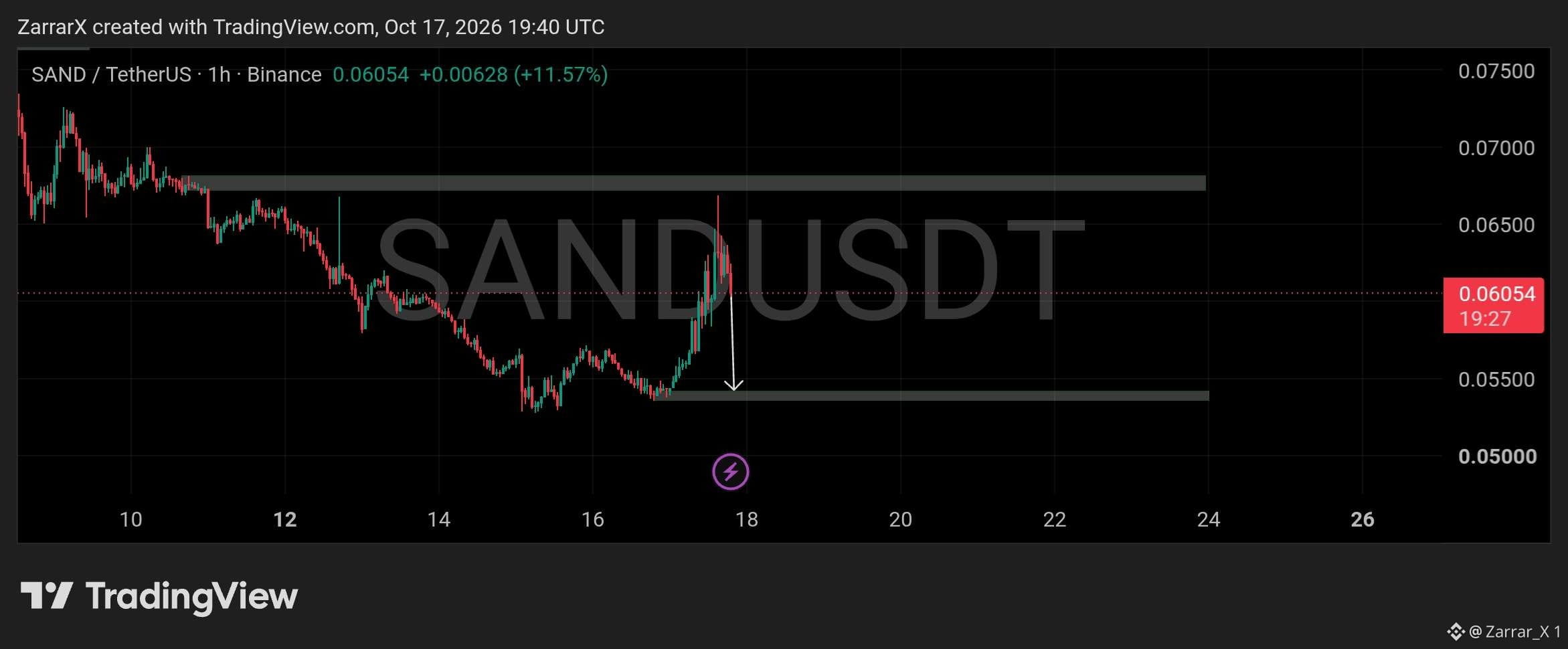
$SAND ha rebotado hasta los $0.0605, con una subida de más del 11% tras recuperarse desde la zona de demanda de $0.0530–$0.0540. Sin embargo, la estructura general de 1 hora sigue siendo débil, y existe la posibilidad de que el reciente repunte dé paso a una corrección más profunda.
El precio podría volver a probar la zona de demanda en torno a los $0.0540 antes de intentar otra recuperación. Si los compradores defienden esta zona, podría producirse un nuevo movimiento alcista, mientras que la región de $0.0670–$0.0680 sigue siendo la principal resistencia a vigilar.
Si no logra mantenerse por encima de la zona de demanda, aumentará el riesgo de nuevas caídas. Por ahora, la reacción en torno a los $0.0540 será importante para determinar si este rebote puede convertirse en una recuperación más sólida o se desvanece.
#SAND #TemporadaDeAltcoins# #Cripto
$SAND ha rebotado hasta los $0.0605, con una subida de más del 11% tras recuperarse desde la zona de demanda de $0.0530–$0.0540. Sin embargo, la estructura general de 1 hora sigue siendo débil, y existe la posibilidad de que el reciente repunte dé paso a una corrección más profunda.
El precio podría volver a probar la zona de demanda en torno a los $0.0540 antes de intentar otra recuperación. Si los compradores defienden esta zona, podría producirse un nuevo movimiento alcista, mientras que la región de $0.0670–$0.0680 sigue siendo la principal resistencia a vigilar.
Si no logra mantenerse por encima de la zona de demanda, aumentará el riesgo de nuevas caídas. Por ahora, la reacción en torno a los $0.0540 será importante para determinar si este rebote puede convertirse en una recuperación más sólida o se desvanece.
#SAND #TemporadaDeAltcoins# #Cripto
El precio podría volver a probar la zona de demanda en torno a los $0.0540 antes de intentar otra recuperación. Si los compradores defienden esta zona, podría producirse un nuevo movimiento alcista, mientras que la región de $0.0670–$0.0680 sigue siendo la principal resistencia a vigilar.
Si no logra mantenerse por encima de la zona de demanda, aumentará el riesgo de nuevas caídas. Por ahora, la reacción en torno a los $0.0540 será importante para determinar si este rebote puede convertirse en una recuperación más sólida o se desvanece.
#SAND #TemporadaDeAltcoins# #Cripto
29
·
--
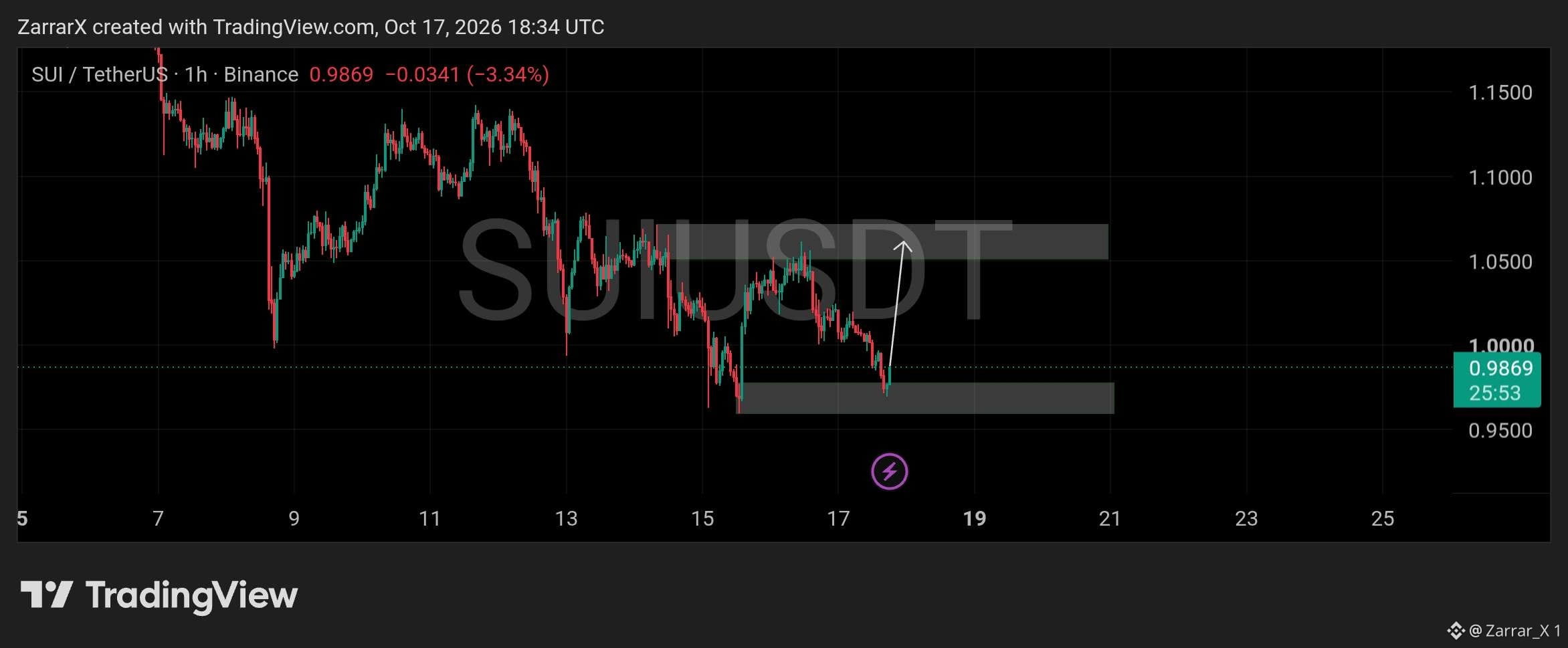
$SUI está poniendo a prueba la zona de demanda de $0.9600–$0.9750 tras una caída prolongada en el gráfico de 1 hora. El precio se encuentra actualmente en torno a $0.9869, y esta zona podría servir de base para una recuperación a corto plazo si intervienen los compradores.
Un rebote exitoso podría impulsar a #sui hacia $1.0200 antes de poner a prueba la zona de resistencia más amplia de $1.0500–$1.0700. Los compradores tendrán que ganar impulso para superar la presión vendedora que hay por encima.
Si la demanda no logra mantenerse, es posible que el precio siga cayendo. Por ahora, la reacción en torno a $0.96–$0.975 será clave para determinar si puede desarrollarse una recuperación o si continúa la tendencia bajista.
#Perspectivas Macro# #Temporada de Altcoins#
$SUI está poniendo a prueba la zona de demanda de $0.9600–$0.9750 tras una caída prolongada en el gráfico de 1 hora. El precio se encuentra actualmente en torno a $0.9869, y esta zona podría servir de base para una recuperación a corto plazo si intervienen los compradores.
Un rebote exitoso podría impulsar a #sui hacia $1.0200 antes de poner a prueba la zona de resistencia más amplia de $1.0500–$1.0700. Los compradores tendrán que ganar impulso para superar la presión vendedora que hay por encima.
Si la demanda no logra mantenerse, es posible que el precio siga cayendo. Por ahora, la reacción en torno a $0.96–$0.975 será clave para determinar si puede desarrollarse una recuperación o si continúa la tendencia bajista.
#Perspectivas Macro# #Temporada de Altcoins#
Un rebote exitoso podría impulsar a #sui hacia $1.0200 antes de poner a prueba la zona de resistencia más amplia de $1.0500–$1.0700. Los compradores tendrán que ganar impulso para superar la presión vendedora que hay por encima.
Si la demanda no logra mantenerse, es posible que el precio siga cayendo. Por ahora, la reacción en torno a $0.96–$0.975 será clave para determinar si puede desarrollarse una recuperación o si continúa la tendencia bajista.
#Perspectivas Macro# #Temporada de Altcoins#
28
·
--
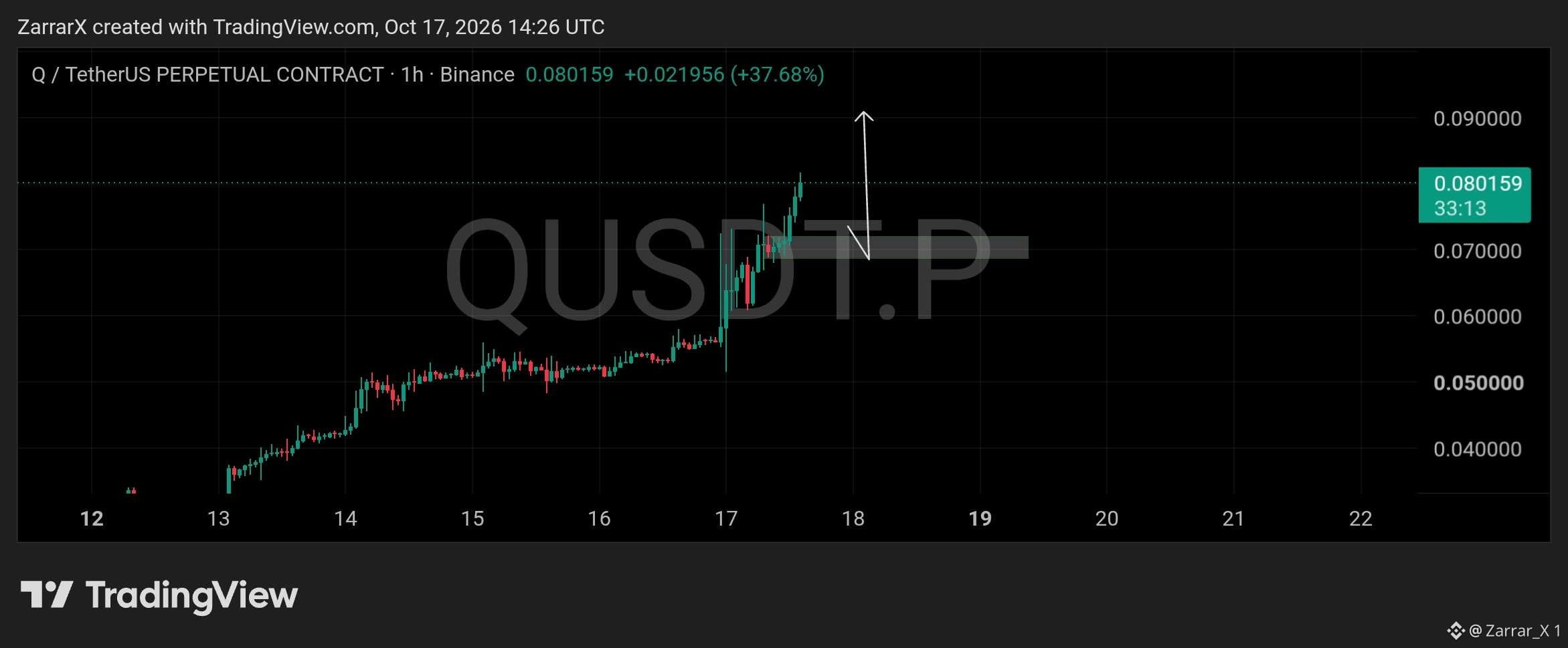
$Q ha subido casi un 38% hasta los $0.0802 en el gráfico de 1 hora, prolongando un ascenso constante desde niveles inferiores a $0.04. Los compradores siguen al mando, pero el fuerte repunte aumenta la posibilidad de un retroceso a corto plazo.
La zona de $0.0690–$0.0720 es el área clave que conviene vigilar para un nuevo test. Si los compradores defienden esta antigua zona de ruptura, el precio podría recuperar impulso y avanzar hacia los $0.0850–$0.0900.
No lograr mantenerse en esta zona debilitaría la estructura alcista inmediata y podría dar lugar a una corrección más profunda. Esperar una confirmación en torno al soporte es más prudente que perseguir el repunte actual.
#Temporada de altcoins# #Cripto #Alfa de memes#
$Q ha subido casi un 38% hasta los $0.0802 en el gráfico de 1 hora, prolongando un ascenso constante desde niveles inferiores a $0.04. Los compradores siguen al mando, pero el fuerte repunte aumenta la posibilidad de un retroceso a corto plazo.
La zona de $0.0690–$0.0720 es el área clave que conviene vigilar para un nuevo test. Si los compradores defienden esta antigua zona de ruptura, el precio podría recuperar impulso y avanzar hacia los $0.0850–$0.0900.
No lograr mantenerse en esta zona debilitaría la estructura alcista inmediata y podría dar lugar a una corrección más profunda. Esperar una confirmación en torno al soporte es más prudente que perseguir el repunte actual.
#Temporada de altcoins# #Cripto #Alfa de memes#
La zona de $0.0690–$0.0720 es el área clave que conviene vigilar para un nuevo test. Si los compradores defienden esta antigua zona de ruptura, el precio podría recuperar impulso y avanzar hacia los $0.0850–$0.0900.
No lograr mantenerse en esta zona debilitaría la estructura alcista inmediata y podría dar lugar a una corrección más profunda. Esperar una confirmación en torno al soporte es más prudente que perseguir el repunte actual.
#Temporada de altcoins# #Cripto #Alfa de memes#
39
·
--
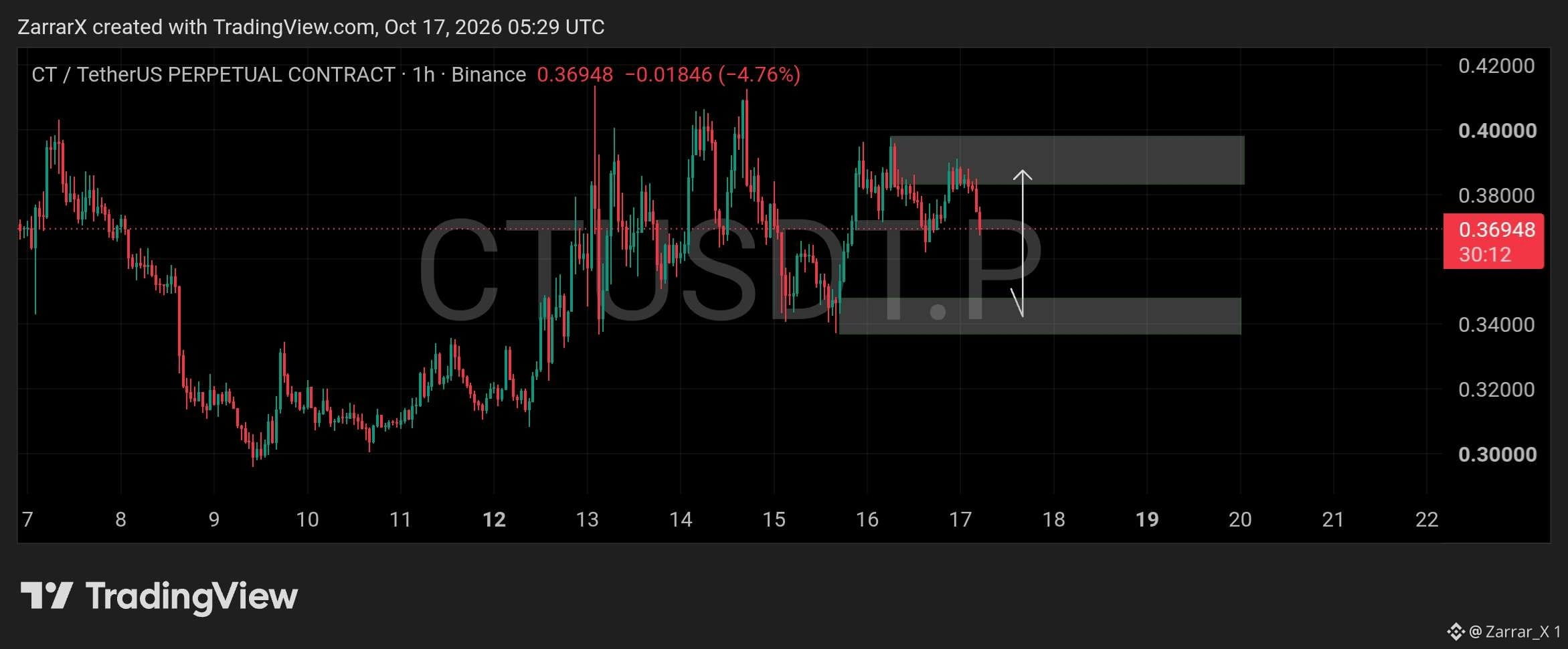
$CT está retrocediendo hacia la zona de demanda de $0.34–$0.35 tras enfrentar repetidos rechazos alrededor de $0.38–$0.40. El precio se encuentra actualmente cerca de $0.3695, y la presión vendedora a corto plazo sugiere una posible continuación a la baja.
Una reacción desde la zona de demanda podría abrir el camino para una recuperación hacia $0.38, seguida de una nueva prueba de la zona de resistencia de $0.383–$0.398. Los compradores tendrían que recuperar impulso para poner a prueba esa zona superior.
Si la zona de demanda se mantiene, CT podría recuperarse dentro de su rango actual. Sin embargo, una caída por debajo de $0.34 debilitaría las perspectivas alcistas y dejaría al precio expuesto a nuevas caídas.
#TemporadaDeAltcoins# #BNBChain# #Cripto
$CT está retrocediendo hacia la zona de demanda de $0.34–$0.35 tras enfrentar repetidos rechazos alrededor de $0.38–$0.40. El precio se encuentra actualmente cerca de $0.3695, y la presión vendedora a corto plazo sugiere una posible continuación a la baja.
Una reacción desde la zona de demanda podría abrir el camino para una recuperación hacia $0.38, seguida de una nueva prueba de la zona de resistencia de $0.383–$0.398. Los compradores tendrían que recuperar impulso para poner a prueba esa zona superior.
Si la zona de demanda se mantiene, CT podría recuperarse dentro de su rango actual. Sin embargo, una caída por debajo de $0.34 debilitaría las perspectivas alcistas y dejaría al precio expuesto a nuevas caídas.
#TemporadaDeAltcoins# #BNBChain# #Cripto
Una reacción desde la zona de demanda podría abrir el camino para una recuperación hacia $0.38, seguida de una nueva prueba de la zona de resistencia de $0.383–$0.398. Los compradores tendrían que recuperar impulso para poner a prueba esa zona superior.
Si la zona de demanda se mantiene, CT podría recuperarse dentro de su rango actual. Sin embargo, una caída por debajo de $0.34 debilitaría las perspectivas alcistas y dejaría al precio expuesto a nuevas caídas.
#TemporadaDeAltcoins# #BNBChain# #Cripto
53
·
--
Provisión de liquidez equilibrada vs. de un solo lado en STONfi.
Al depositar activos en un pool de liquidez de un DEX, la mayoría de los usuarios de DeFi conoce la regla clásica: hay que depositar el mismo valor de dos tokens (un depósito equilibrado 50/50).
Sin embargo, STONfi también ofrece provisión de liquidez de un solo lado. Pero ¿cómo funciona realmente un LP de un solo lado?
Aquí tienes un desglose práctico de ambos métodos:
1️⃣ Provisión equilibrada (estándar 50/50)
En un depósito estándar, aportas el mismo valor en USD de ambos activos; por ejemplo, 50 $ en STON y 50 $ en TON. Como tu depósito coincide con la proporción que requiere el pool, el 100 % de tu capital entra directamente en el pool, sin conversiones internas ni impacto adicional en el precio.
2️⃣ Provisión de un solo lado (comodidad automatizada)
¿Qué pasa si solo tienes TON, pero quieres aportar liquidez al pool STON/TON sin tener que intercambiar manualmente la mitad de tus tokens primero?
Al elegir el depósito de un solo lado, STONfi realiza automáticamente un intercambio interno. Convierte aproximadamente el 50 % de tu activo en el token correspondiente, equilibra la proporción y añade los activos combinados al pool de liquidez en una sola operación.
⚠️ Qué debes tener en cuenta antes de confirmar un LP de un solo lado:
Como la mitad de tu depósito se intercambia automáticamente, esa operación interna está sujeta al impacto estándar en el precio de los DEX y a las comisiones de red. Si el pool de liquidez tiene poca profundidad, la provisión de un solo lado puede generar un impacto inicial en el precio mayor que un depósito equilibrado manual. ¡Revisa siempre la vista previa de la transacción antes de firmar!
Para profundizar en los mecanismos de los AMM y la estructura de los pools de liquidez, visita:
https://whatisdex.com/
$CNPY $BTC #AnálisisDePrecioBTC# #PerspectivasMacro# #TemporadaDeAltcoins#
Provisión de liquidez equilibrada vs. de un solo lado en STONfi.
Al depositar activos en un pool de liquidez de un DEX, la mayoría de los usuarios de DeFi conoce la regla clásica: hay que depositar el mismo valor de dos tokens (un depósito equilibrado 50/50).
Sin embargo, STONfi también ofrece provisión de liquidez de un solo lado. Pero ¿cómo funciona realmente un LP de un solo lado?
Aquí tienes un desglose práctico de ambos métodos:
1️⃣ Provisión equilibrada (estándar 50/50)
En un depósito estándar, aportas el mismo valor en USD de ambos activos; por ejemplo, 50 $ en STON y 50 $ en TON. Como tu depósito coincide con la proporción que requiere el pool, el 100 % de tu capital entra directamente en el pool, sin conversiones internas ni impacto adicional en el precio.
2️⃣ Provisión de un solo lado (comodidad automatizada)
¿Qué pasa si solo tienes TON, pero quieres aportar liquidez al pool STON/TON sin tener que intercambiar manualmente la mitad de tus tokens primero?
Al elegir el depósito de un solo lado, STONfi realiza automáticamente un intercambio interno. Convierte aproximadamente el 50 % de tu activo en el token correspondiente, equilibra la proporción y añade los activos combinados al pool de liquidez en una sola operación.
⚠️ Qué debes tener en cuenta antes de confirmar un LP de un solo lado:
Como la mitad de tu depósito se intercambia automáticamente, esa operación interna está sujeta al impacto estándar en el precio de los DEX y a las comisiones de red. Si el pool de liquidez tiene poca profundidad, la provisión de un solo lado puede generar un impacto inicial en el precio mayor que un depósito equilibrado manual. ¡Revisa siempre la vista previa de la transacción antes de firmar!
Para profundizar en los mecanismos de los AMM y la estructura de los pools de liquidez, visita:
https://whatisdex.com/
$CNPY $BTC #AnálisisDePrecioBTC# #PerspectivasMacro# #TemporadaDeAltcoins#
Al depositar activos en un pool de liquidez de un DEX, la mayoría de los usuarios de DeFi conoce la regla clásica: hay que depositar el mismo valor de dos tokens (un depósito equilibrado 50/50).
Sin embargo, STONfi también ofrece provisión de liquidez de un solo lado. Pero ¿cómo funciona realmente un LP de un solo lado?
Aquí tienes un desglose práctico de ambos métodos:
1️⃣ Provisión equilibrada (estándar 50/50)
En un depósito estándar, aportas el mismo valor en USD de ambos activos; por ejemplo, 50 $ en STON y 50 $ en TON. Como tu depósito coincide con la proporción que requiere el pool, el 100 % de tu capital entra directamente en el pool, sin conversiones internas ni impacto adicional en el precio.
2️⃣ Provisión de un solo lado (comodidad automatizada)
¿Qué pasa si solo tienes TON, pero quieres aportar liquidez al pool STON/TON sin tener que intercambiar manualmente la mitad de tus tokens primero?
Al elegir el depósito de un solo lado, STONfi realiza automáticamente un intercambio interno. Convierte aproximadamente el 50 % de tu activo en el token correspondiente, equilibra la proporción y añade los activos combinados al pool de liquidez en una sola operación.
⚠️ Qué debes tener en cuenta antes de confirmar un LP de un solo lado:
Como la mitad de tu depósito se intercambia automáticamente, esa operación interna está sujeta al impacto estándar en el precio de los DEX y a las comisiones de red. Si el pool de liquidez tiene poca profundidad, la provisión de un solo lado puede generar un impacto inicial en el precio mayor que un depósito equilibrado manual. ¡Revisa siempre la vista previa de la transacción antes de firmar!
Para profundizar en los mecanismos de los AMM y la estructura de los pools de liquidez, visita:
https://whatisdex.com/
$CNPY $BTC #AnálisisDePrecioBTC# #PerspectivasMacro# #TemporadaDeAltcoins#
74
·
--
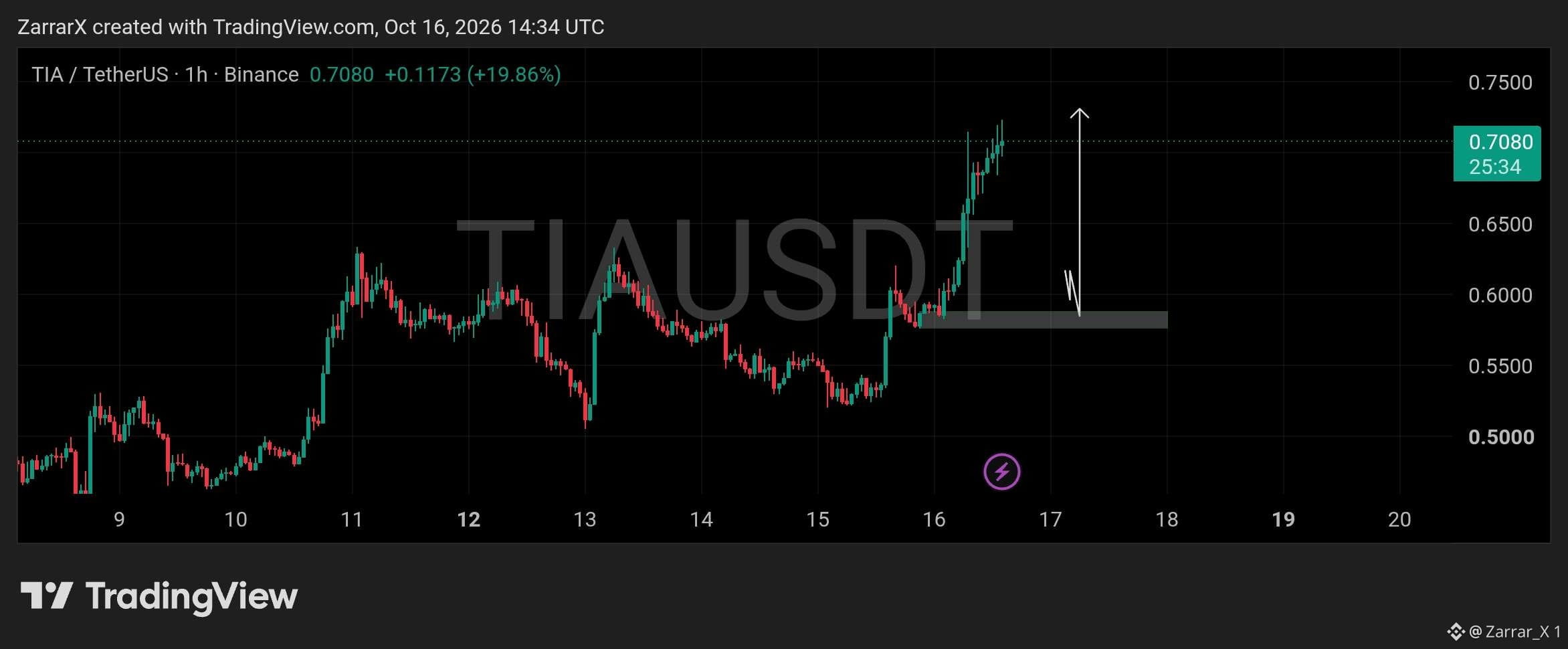
$TIA ha subido casi un 20%, hasta los $0.7080, en el gráfico de 1 hora, y ha superado el rango de consolidación anterior, situado en torno a $0.58–$0.60. Los compradores tienen claramente el control del movimiento actual, aunque el fuerte repunte deja margen para un retroceso a corto plazo.
La zona de $0.576–$0.588 es ahora el área clave que hay que vigilar ante una posible nueva prueba. Si los compradores defienden este nivel, la tendencia alcista podría reanudarse e impulsar el precio hacia $0.730–$0.750.
Podría producirse un retroceso más profundo si pierde fuerza el impulso, por lo que perseguir el repunte conlleva un riesgo adicional. Una nueva prueba exitosa y una renovada presión compradora ofrecerían una confirmación más sólida de la continuación.
#PerspectivasMacro# #Cripto #TIA
$TIA ha subido casi un 20%, hasta los $0.7080, en el gráfico de 1 hora, y ha superado el rango de consolidación anterior, situado en torno a $0.58–$0.60. Los compradores tienen claramente el control del movimiento actual, aunque el fuerte repunte deja margen para un retroceso a corto plazo.
La zona de $0.576–$0.588 es ahora el área clave que hay que vigilar ante una posible nueva prueba. Si los compradores defienden este nivel, la tendencia alcista podría reanudarse e impulsar el precio hacia $0.730–$0.750.
Podría producirse un retroceso más profundo si pierde fuerza el impulso, por lo que perseguir el repunte conlleva un riesgo adicional. Una nueva prueba exitosa y una renovada presión compradora ofrecerían una confirmación más sólida de la continuación.
#PerspectivasMacro# #Cripto #TIA
La zona de $0.576–$0.588 es ahora el área clave que hay que vigilar ante una posible nueva prueba. Si los compradores defienden este nivel, la tendencia alcista podría reanudarse e impulsar el precio hacia $0.730–$0.750.
Podría producirse un retroceso más profundo si pierde fuerza el impulso, por lo que perseguir el repunte conlleva un riesgo adicional. Una nueva prueba exitosa y una renovada presión compradora ofrecerían una confirmación más sólida de la continuación.
#PerspectivasMacro# #Cripto #TIA
52
·
--
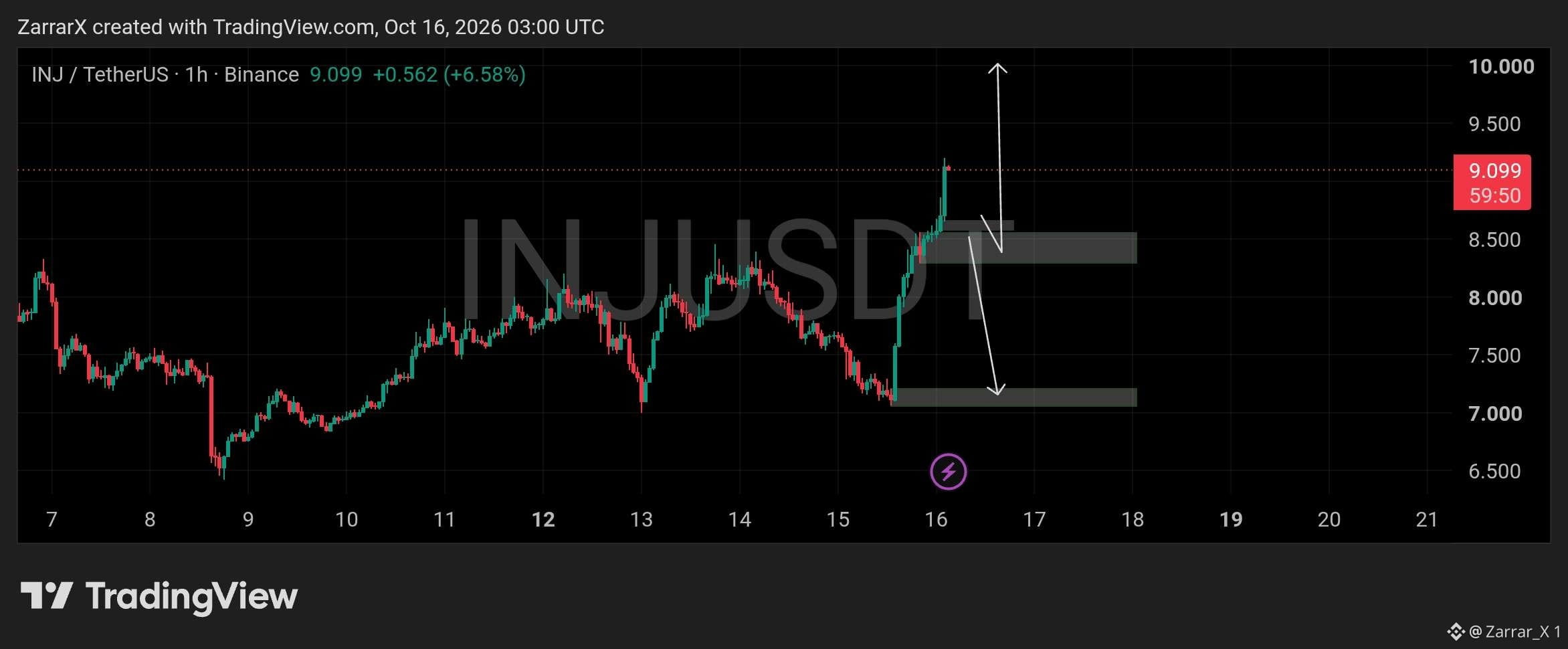
$INJ registró una fuerte expansión impulsiva en el marco temporal de 1 hora, subiendo para poner a prueba los $9.099 tras una marcada recuperación desde niveles inferiores de acumulación.
El precio está interactuando con un bloque de oferta inmediato por encima, cerca de la zona de $8.300 – $8.600, mientras que el soporte estructural más profundo se encuentra en el nivel de demanda de $7.050 – $7.200.
La hoja de ruta técnica contempla un posible retroceso hacia la zona de demanda inferior para barrer la liquidez pendiente y volver a poner a prueba la estructura antes de continuar su fase de revalorización general hacia objetivos más altos.
#INJ #Injective #TemporadaDeAltcoins#
$INJ registró una fuerte expansión impulsiva en el marco temporal de 1 hora, subiendo para poner a prueba los $9.099 tras una marcada recuperación desde niveles inferiores de acumulación.
El precio está interactuando con un bloque de oferta inmediato por encima, cerca de la zona de $8.300 – $8.600, mientras que el soporte estructural más profundo se encuentra en el nivel de demanda de $7.050 – $7.200.
La hoja de ruta técnica contempla un posible retroceso hacia la zona de demanda inferior para barrer la liquidez pendiente y volver a poner a prueba la estructura antes de continuar su fase de revalorización general hacia objetivos más altos.
#INJ #Injective #TemporadaDeAltcoins#
El precio está interactuando con un bloque de oferta inmediato por encima, cerca de la zona de $8.300 – $8.600, mientras que el soporte estructural más profundo se encuentra en el nivel de demanda de $7.050 – $7.200.
La hoja de ruta técnica contempla un posible retroceso hacia la zona de demanda inferior para barrer la liquidez pendiente y volver a poner a prueba la estructura antes de continuar su fase de revalorización general hacia objetivos más altos.
#INJ #Injective #TemporadaDeAltcoins#
66
·
--
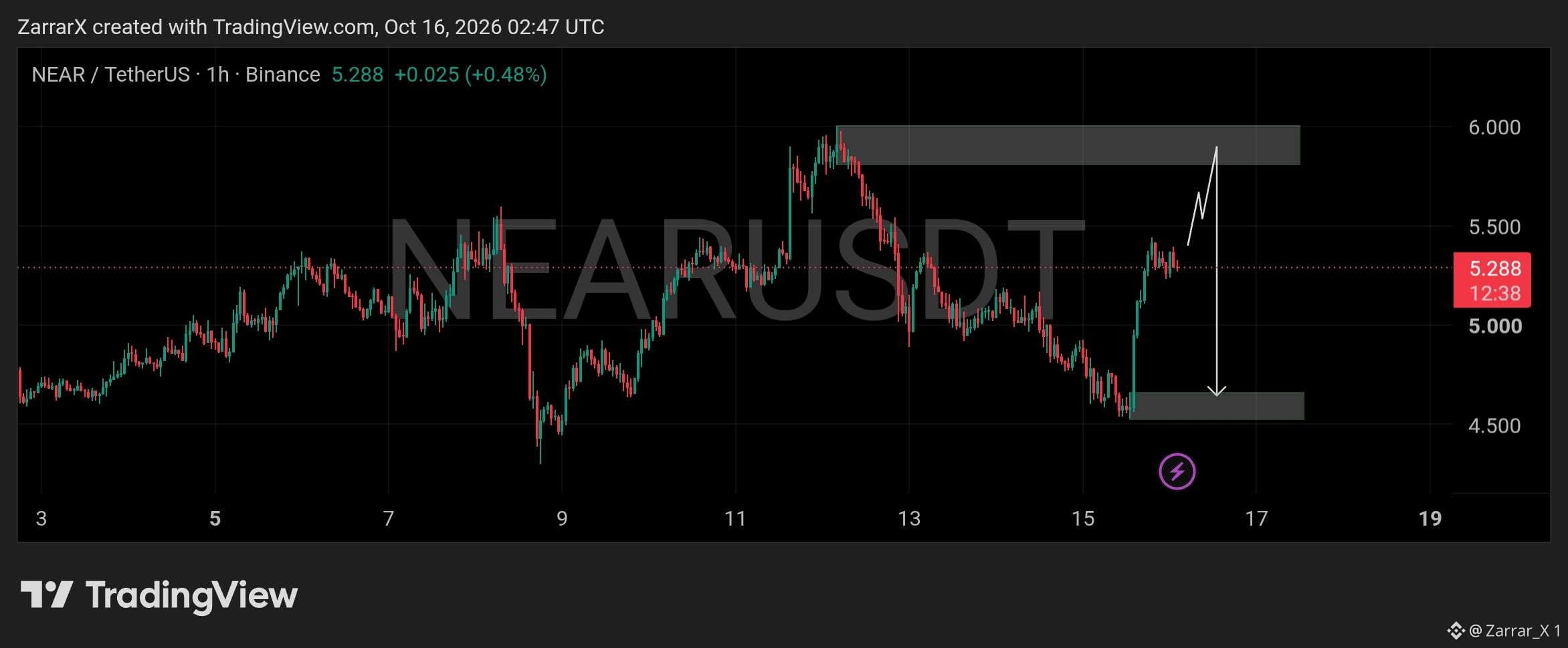
$NEAR se ha recuperado con fuerza desde la zona de demanda de $4.50–$4.65 y ahora cotiza alrededor de $5.288 en el gráfico de 1 hora. Los compradores han recuperado el impulso a corto plazo y han llevado el precio de nuevo por encima de $5.00 tras la reciente caída.
Es posible que el precio continúe avanzando hacia la resistencia de $5.80–$6.00 si se mantiene la recuperación actual. Sin embargo, podría encontrar presión vendedora al acercarse a esta zona de oferta, por lo que la reacción allí será importante.
Si #NEAR es rechazado, podría producirse un retroceso hacia $4.50–$4.65. Por ahora, la recuperación es alentadora, pero los compradores deben mantener el impulso para poner a prueba la zona de resistencia superior.
#TemporadaDeAltcoins# #Cripto
$NEAR se ha recuperado con fuerza desde la zona de demanda de $4.50–$4.65 y ahora cotiza alrededor de $5.288 en el gráfico de 1 hora. Los compradores han recuperado el impulso a corto plazo y han llevado el precio de nuevo por encima de $5.00 tras la reciente caída.
Es posible que el precio continúe avanzando hacia la resistencia de $5.80–$6.00 si se mantiene la recuperación actual. Sin embargo, podría encontrar presión vendedora al acercarse a esta zona de oferta, por lo que la reacción allí será importante.
Si #NEAR es rechazado, podría producirse un retroceso hacia $4.50–$4.65. Por ahora, la recuperación es alentadora, pero los compradores deben mantener el impulso para poner a prueba la zona de resistencia superior.
#TemporadaDeAltcoins# #Cripto
Es posible que el precio continúe avanzando hacia la resistencia de $5.80–$6.00 si se mantiene la recuperación actual. Sin embargo, podría encontrar presión vendedora al acercarse a esta zona de oferta, por lo que la reacción allí será importante.
Si #NEAR es rechazado, podría producirse un retroceso hacia $4.50–$4.65. Por ahora, la recuperación es alentadora, pero los compradores deben mantener el impulso para poner a prueba la zona de resistencia superior.
#TemporadaDeAltcoins# #Cripto
82
Inicia sesión para explorar más contenidos
Únete a usuarios de criptomonedas de todo el mundo en Binance Square
⚡️ Obtén la información más reciente y útil sobre criptomonedas.
💬 Confía en el mayor exchange de criptomonedas del mundo.
👍 Descubre opiniones reales de creadores verificados.
Correo electrónico/número de teléfono
Temas en tendencia
BinancePick
2.6M visualizaciones
142,242 participa(n) en el debate
¡Únete a #TemporadaDeResultados: predice resultados en Binance Pick y comparte tu opinión en Binance Square!
Binance Square Official
·401 «Me gusta»
·338.6k visualizaciones
EarningsSeason
5M visualizaciones
24,432 participa(n) en el debate
FranklinTempletonFilesForTwoDividendToBitcoinETFs
2,462 visualizaciones
129 participa(n) en el debate