
NeonWick
1.3k Publicaciones

NeonWick
139 Siguiendo
5.2K+ Seguidores
1.0K+ Me gusta
Publicaciones
Todo
Cotizaciones
Vídeos
Directo


Devil9
·
--
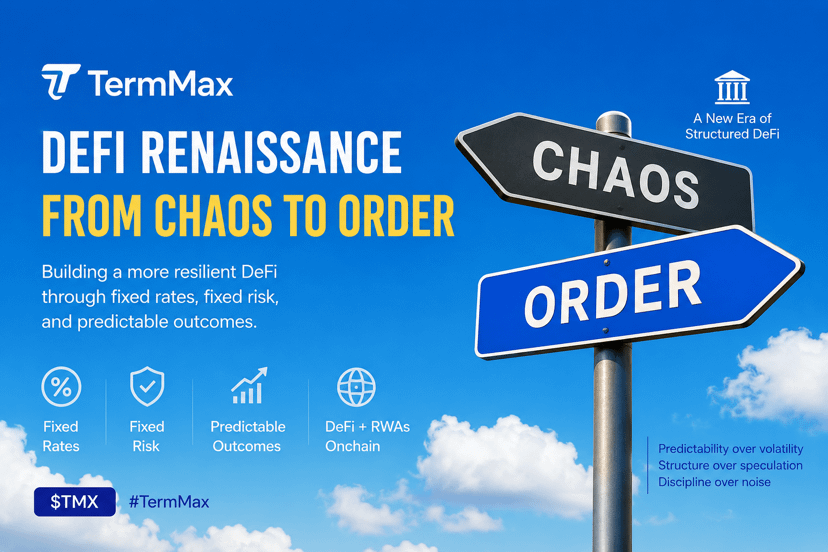
@TermMax #TermMax Hace unos días estuve leyendo de nuevo sobre el Programa Renacimiento de TermMax. Al principio pensé que podría ser solo otra campaña de DeFi. Pero mientras leía sobre tasas fijas, riesgo fijo y resultados predecibles, se me ocurrió una pregunta: si el DeFi ha crecido tanto, ¿por qué todavía estamos tan dispuestos a aceptar costos de endeudamiento y riesgos de liquidación que pueden cambiar tan rápido?
Hay muchas oportunidades en DeFi, pero cuando la volatilidad golpea, incluso una buena estrategia puede quedar limitada a decisiones a corto plazo por el miedo a la liquidación. Cuando el mercado cambia de repente, muchas posiciones pueden verse afectadas al mismo tiempo. El Programa Renacimiento me hizo verlo desde otro ángulo. Su enfoque no es solo mostrar funciones, sino cuestionar junto con la comunidad cómo debería verse el DeFi. Mientras miraba el Pasaporte Renacimiento y las simulaciones de estrategia, surgió otra pregunta: ¿siempre queremos un DeFi donde las personas persiguen un alto rendimiento y un alto riesgo, o también necesitamos un sistema donde el capital pueda planificarse de manera más efectiva?
Aquí es donde el préstamo con tasa fija empieza a parecerme algo práctico. Cuando ya conoces el costo del endeudamiento, la planificación se vuelve más fácil. El apalancamiento con riesgo fijo y los productos estructurados también pueden crear más margen para estrategias a largo plazo. Lo que encuentro aún más interesante es que TermMax no limita esta idea solo al DeFi. También mira hacia los RWAs e intenta llevar estructuras financieras más predecibles a la cadena.
Que el DeFi se vuelva maduro no se trata solo de preguntar ¿Cuánto rendimiento? También es sobre preguntar ¿Cuánto riesgo? ¿Qué tan predecible es el resultado? y ¿Qué tan bien se puede planificar el capital?
Por eso veo el Programa Renacimiento de TermMax como algo más que una simple campaña. Se siente más como una dirección. Ahora quiero ver hasta dónde esta idea de pasar de la Caos al Orden puede realmente traducirse en una adopción real. @TermMax #TermMax
Hay muchas oportunidades en DeFi, pero cuando la volatilidad golpea, incluso una buena estrategia puede quedar limitada a decisiones a corto plazo por el miedo a la liquidación. Cuando el mercado cambia de repente, muchas posiciones pueden verse afectadas al mismo tiempo. El Programa Renacimiento me hizo verlo desde otro ángulo. Su enfoque no es solo mostrar funciones, sino cuestionar junto con la comunidad cómo debería verse el DeFi. Mientras miraba el Pasaporte Renacimiento y las simulaciones de estrategia, surgió otra pregunta: ¿siempre queremos un DeFi donde las personas persiguen un alto rendimiento y un alto riesgo, o también necesitamos un sistema donde el capital pueda planificarse de manera más efectiva?
Aquí es donde el préstamo con tasa fija empieza a parecerme algo práctico. Cuando ya conoces el costo del endeudamiento, la planificación se vuelve más fácil. El apalancamiento con riesgo fijo y los productos estructurados también pueden crear más margen para estrategias a largo plazo. Lo que encuentro aún más interesante es que TermMax no limita esta idea solo al DeFi. También mira hacia los RWAs e intenta llevar estructuras financieras más predecibles a la cadena.
Que el DeFi se vuelva maduro no se trata solo de preguntar ¿Cuánto rendimiento? También es sobre preguntar ¿Cuánto riesgo? ¿Qué tan predecible es el resultado? y ¿Qué tan bien se puede planificar el capital?
Por eso veo el Programa Renacimiento de TermMax como algo más que una simple campaña. Se siente más como una dirección. Ahora quiero ver hasta dónde esta idea de pasar de la Caos al Orden puede realmente traducirse en una adopción real. @TermMax #TermMax
Devil9
·
--
@Dusk $DUSK #dusk Hemos escuchado muchas veces que la transparencia es la mayor fortaleza de blockchain. Pero aquí va una pregunta: ¿hacer todo público realmente es el mejor enfoque para los mercados financieros regulados?Piensa en una empresa que mueve su tesorería o en un inversor que reajusta una cartera grande. Un market maker también podría estar ejecutando una estrategia de trading. Si cada detalle permanece visible en la cadena, la transparencia puede generar confianza. También puede exponer información que las empresas tal vez quieran mantener en privado.
Aquí es donde me resulta interesante dusk.
Dusk no trata la privacidad como lo opuesto a la transparencia. En cambio, analiza cómo la información sensible puede permanecer privada mientras las partes autorizadas aún pueden verificar lo que necesita revisarse. @Dusk #dusk
Eso no significa ocultar información a los reguladores. Las pruebas de conocimiento cero pueden ayudar a demostrar que se cumplen ciertos requisitos de cumplimiento sin obligar a alguien a revelar cada detalle personal o transacción públicamente.
Creo que esta distinción importa muchísimo para las finanzas reguladas.En cripto, la idea de que todo es visible puede ser poderosa. Pero si queremos llevar bonos, acciones, ETFs y otros activos regulados a la cadena, la privacidad tal vez deba convertirse en parte de la infraestructura misma. Por eso, la privacidad programable de Dusk se siente más grande que simplemente tener transacciones privadas. La pregunta real es esta.
¿Pueden los mercados financieros volverse más transparentes sin obligar a cada participante a quedar completamente expuesto?Si blockchain puede equilibrar privacidad, cumplimiento, divulgación selectiva y liquidación predecible dentro de la misma infraestructura, la adopción institucional podría volverse mucho más práctica. Para mí, eso es una de las cosas más interesantes de dusk. No se trata solo de poner las finanzas en la cadena. Se trata de crear un entorno que las finanzas reguladas realmente puedan usar.
¿Qué opinas? ¿La privacidad es igual de importante que la transparencia para la adopción institucional?$AKE $AVAAI
Aquí es donde me resulta interesante dusk.
Dusk no trata la privacidad como lo opuesto a la transparencia. En cambio, analiza cómo la información sensible puede permanecer privada mientras las partes autorizadas aún pueden verificar lo que necesita revisarse. @Dusk #dusk
Eso no significa ocultar información a los reguladores. Las pruebas de conocimiento cero pueden ayudar a demostrar que se cumplen ciertos requisitos de cumplimiento sin obligar a alguien a revelar cada detalle personal o transacción públicamente.
Creo que esta distinción importa muchísimo para las finanzas reguladas.En cripto, la idea de que todo es visible puede ser poderosa. Pero si queremos llevar bonos, acciones, ETFs y otros activos regulados a la cadena, la privacidad tal vez deba convertirse en parte de la infraestructura misma. Por eso, la privacidad programable de Dusk se siente más grande que simplemente tener transacciones privadas. La pregunta real es esta.
¿Pueden los mercados financieros volverse más transparentes sin obligar a cada participante a quedar completamente expuesto?Si blockchain puede equilibrar privacidad, cumplimiento, divulgación selectiva y liquidación predecible dentro de la misma infraestructura, la adopción institucional podría volverse mucho más práctica. Para mí, eso es una de las cosas más interesantes de dusk. No se trata solo de poner las finanzas en la cadena. Se trata de crear un entorno que las finanzas reguladas realmente puedan usar.
¿Qué opinas? ¿La privacidad es igual de importante que la transparencia para la adopción institucional?$AKE $AVAAI
Devil9
·
--
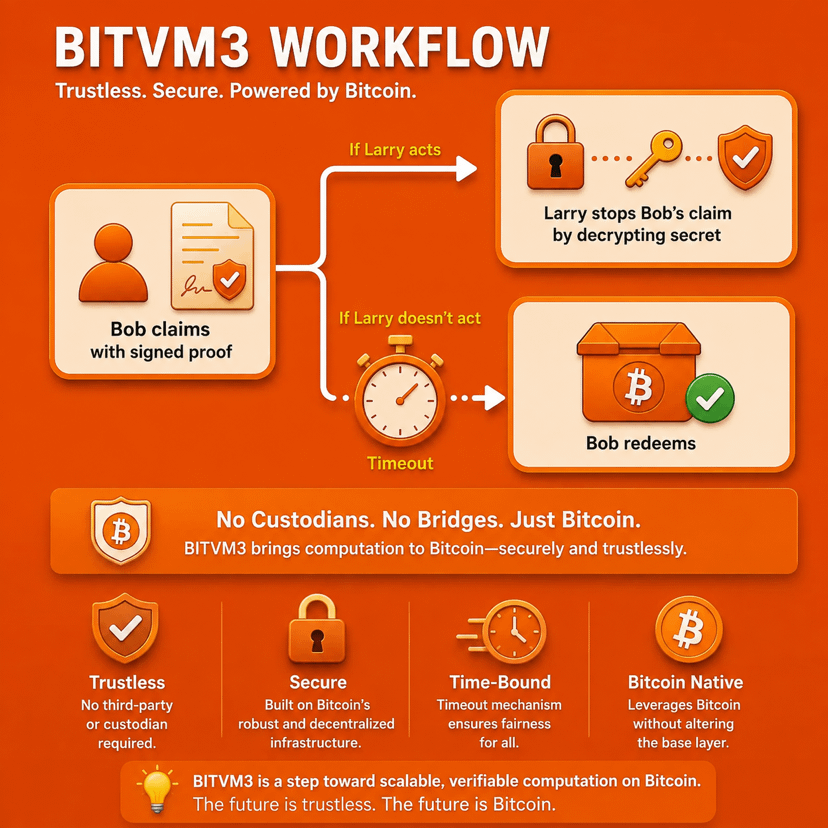
Cuando escuché por primera vez que el TBV elimina la necesidad de custodios y puentes pensé que por fin había desaparecido la mayor fuente de fricción. Pero después de pasar más tiempo entendiendo el diseño me di cuenta de algo interesante: la fricción no se elimina. Simplemente se ha trasladado a otro lugar. @BabylonLabs_io #baby
En lugar de confiar en un tercero para mantener los BTC de los usuarios, bloqueas BTC nativo a través de Taproot. Eso es un gran paso adelante. Sin embargo, el costo es que el propio proceso de liquidación de Bitcoin ahora se convierte en el cuello de botella. Entrar al sistema todavía toma tiempo, y cualquiera que espere un movimiento instantáneo tiene que ajustarse a esa realidad.
El mismo patrón aparece durante la liquidación. Como Bitcoin no fue diseñado para una ejecución de alta velocidad, se necesitan mecanismos adicionales para lidiar con los retrasos de liquidación. El intermediario de confianza puede haber desaparecido, pero el tiempo se convierte en parte de la arquitectura.
Para mí es una mejora significativa porque la seguridad ya no depende de un operador. Depende de las garantías propias de Bitcoin. Aun así, plantea un pensamiento interesante.
Si el costo de participar ya no es confiar en otra persona, sino simplemente esperar más tiempo, ¿las personas aceptarán felizmente ese intercambio? ¿O una parte del capital siempre preferirá sistemas que sacrifiquen un poco de seguridad a cambio de velocidad? @BabylonLabs_io $BABY #baby
$VIC
$BICO
#Write2Earn
#TrendingTopic
#BTC
@CZ
En lugar de confiar en un tercero para mantener los BTC de los usuarios, bloqueas BTC nativo a través de Taproot. Eso es un gran paso adelante. Sin embargo, el costo es que el propio proceso de liquidación de Bitcoin ahora se convierte en el cuello de botella. Entrar al sistema todavía toma tiempo, y cualquiera que espere un movimiento instantáneo tiene que ajustarse a esa realidad.
El mismo patrón aparece durante la liquidación. Como Bitcoin no fue diseñado para una ejecución de alta velocidad, se necesitan mecanismos adicionales para lidiar con los retrasos de liquidación. El intermediario de confianza puede haber desaparecido, pero el tiempo se convierte en parte de la arquitectura.
Para mí es una mejora significativa porque la seguridad ya no depende de un operador. Depende de las garantías propias de Bitcoin. Aun así, plantea un pensamiento interesante.
Si el costo de participar ya no es confiar en otra persona, sino simplemente esperar más tiempo, ¿las personas aceptarán felizmente ese intercambio? ¿O una parte del capital siempre preferirá sistemas que sacrifiquen un poco de seguridad a cambio de velocidad? @BabylonLabs_io $BABY #baby
$VIC
$BICO
#Write2Earn
#TrendingTopic
#BTC
@CZ
Devil9
·
--
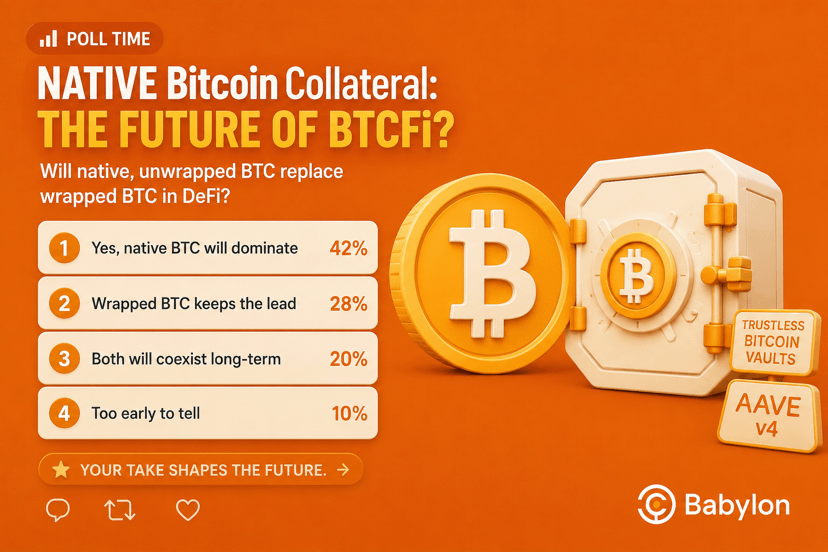
La mayoría de las conversaciones sobre cripto empiezan con “¿Qué puede hacer este protocolo?”. Últimamente, me he estado haciendo una pregunta diferente: ¿qué les pide realmente a los usuarios que renuncien? Por eso Babylon se ha quedado en mi lista de seguimiento. La idea central es mantener Bitcoin nativo, bloquearlo mediante el propio scripting de Bitcoin, evitar wrappers y puentes que ya han causado pérdidas reales, y permitir que esa garantía fluya hacia lugares como Aave v4. Si el BTC ocioso se mueve así a escala, realmente cambia dónde vive la liquidez de Bitcoin on-chain. @BabylonLabs_io #baby
Pero los trade-offs vale la pena nombrarlos. El staking en mainnet bloquea durante aproximadamente quince meses: no puedes deshacer las piezas cuando te apetezca. Delegar a un Proveedor de Finalidad implica heredar su comportamiento, porque el slashing forma parte del diseño. Las liquidaciones añaden otra capa. La deuda en Ethereum necesita liquidarse de inmediato, mientras que liberar BTC en Bitcoin toma tiempo real. Los Proveedores de Liquidez para Liquidaciones cubren ese vacío adelantando capital para una liquidación instantánea. Rapidez para el liquidador, pero la pregunta abierta es si ese mecanismo aparece de manera confiable bajo estrés real o si solo introduce una nueva dependencia.
El BTC envuelto ya tiene años de historial de producción, liquidez profunda e integraciones en prácticamente todos los protocolos importantes. TBV aún está en testnet pública, en medio de una auditoría y sin probarse frente a presión real del mercado. Un diseño más limpio no borra automáticamente una ventaja de varios años. Mi lectura honesta: este es uno de los intentos más serios por resolver la garantía nativa de Bitcoin, pero todavía no es el ganador inevitable. El veredicto real llega después de la testnet, cuando el capital real pone a prueba cada suposición.
Así que la pregunta real sigue siendo: si la garantía nativa, no envuelta de Bitcoin continúa demostrando su valía, ¿la elegirías sobre el BTC envuelto o la liquidez existente es demasiado fuerte para reemplazarla? @BabylonLabs_io $BABY #baby $BLESS $KOMA
✅ Gana el BTC nativo
🔶 El BTC envuelto se mantiene
⚖️ Ambos coexistirán
🤔 Aún es demasiado pronto para saberlo
Pero los trade-offs vale la pena nombrarlos. El staking en mainnet bloquea durante aproximadamente quince meses: no puedes deshacer las piezas cuando te apetezca. Delegar a un Proveedor de Finalidad implica heredar su comportamiento, porque el slashing forma parte del diseño. Las liquidaciones añaden otra capa. La deuda en Ethereum necesita liquidarse de inmediato, mientras que liberar BTC en Bitcoin toma tiempo real. Los Proveedores de Liquidez para Liquidaciones cubren ese vacío adelantando capital para una liquidación instantánea. Rapidez para el liquidador, pero la pregunta abierta es si ese mecanismo aparece de manera confiable bajo estrés real o si solo introduce una nueva dependencia.
El BTC envuelto ya tiene años de historial de producción, liquidez profunda e integraciones en prácticamente todos los protocolos importantes. TBV aún está en testnet pública, en medio de una auditoría y sin probarse frente a presión real del mercado. Un diseño más limpio no borra automáticamente una ventaja de varios años. Mi lectura honesta: este es uno de los intentos más serios por resolver la garantía nativa de Bitcoin, pero todavía no es el ganador inevitable. El veredicto real llega después de la testnet, cuando el capital real pone a prueba cada suposición.
Así que la pregunta real sigue siendo: si la garantía nativa, no envuelta de Bitcoin continúa demostrando su valía, ¿la elegirías sobre el BTC envuelto o la liquidez existente es demasiado fuerte para reemplazarla? @BabylonLabs_io $BABY #baby $BLESS $KOMA
✅ Gana el BTC nativo
🔶 El BTC envuelto se mantiene
⚖️ Ambos coexistirán
🤔 Aún es demasiado pronto para saberlo
Devil9
·
--
La mayoría de las conversaciones sobre cripto empiezan con “¿Qué puede hacer este protocolo?”. Últimamente, me he estado haciendo una pregunta diferente: ¿qué les pide realmente a los usuarios que renuncien? Por eso Babylon se ha quedado en mi lista de seguimiento. La idea central es mantener Bitcoin nativo, bloquearlo mediante el propio scripting de Bitcoin, evitar wrappers y puentes que ya han causado pérdidas reales, y permitir que esa garantía fluya hacia lugares como Aave v4. Si el BTC ocioso se mueve así a escala, realmente cambia dónde vive la liquidez de Bitcoin on-chain. @BabylonLabs_io #baby
Pero los trade-offs vale la pena nombrarlos. El staking en mainnet bloquea durante aproximadamente quince meses: no puedes deshacer las piezas cuando te apetezca. Delegar a un Proveedor de Finalidad implica heredar su comportamiento, porque el slashing forma parte del diseño. Las liquidaciones añaden otra capa. La deuda en Ethereum necesita liquidarse de inmediato, mientras que liberar BTC en Bitcoin toma tiempo real. Los Proveedores de Liquidez para Liquidaciones cubren ese vacío adelantando capital para una liquidación instantánea. Rapidez para el liquidador, pero la pregunta abierta es si ese mecanismo aparece de manera confiable bajo estrés real o si solo introduce una nueva dependencia.
El BTC envuelto ya tiene años de historial de producción, liquidez profunda e integraciones en prácticamente todos los protocolos importantes. TBV aún está en testnet pública, en medio de una auditoría y sin probarse frente a presión real del mercado. Un diseño más limpio no borra automáticamente una ventaja de varios años. Mi lectura honesta: este es uno de los intentos más serios por resolver la garantía nativa de Bitcoin, pero todavía no es el ganador inevitable. El veredicto real llega después de la testnet, cuando el capital real pone a prueba cada suposición.
Así que la pregunta real sigue siendo: si la garantía nativa, no envuelta de Bitcoin continúa demostrando su valía, ¿la elegirías sobre el BTC envuelto o la liquidez existente es demasiado fuerte para reemplazarla? @BabylonLabs_io $BABY #baby $BLESS $KOMA
✅ Gana el BTC nativo
🔶 El BTC envuelto se mantiene
⚖️ Ambos coexistirán
🤔 Aún es demasiado pronto para saberlo
Pero los trade-offs vale la pena nombrarlos. El staking en mainnet bloquea durante aproximadamente quince meses: no puedes deshacer las piezas cuando te apetezca. Delegar a un Proveedor de Finalidad implica heredar su comportamiento, porque el slashing forma parte del diseño. Las liquidaciones añaden otra capa. La deuda en Ethereum necesita liquidarse de inmediato, mientras que liberar BTC en Bitcoin toma tiempo real. Los Proveedores de Liquidez para Liquidaciones cubren ese vacío adelantando capital para una liquidación instantánea. Rapidez para el liquidador, pero la pregunta abierta es si ese mecanismo aparece de manera confiable bajo estrés real o si solo introduce una nueva dependencia.
El BTC envuelto ya tiene años de historial de producción, liquidez profunda e integraciones en prácticamente todos los protocolos importantes. TBV aún está en testnet pública, en medio de una auditoría y sin probarse frente a presión real del mercado. Un diseño más limpio no borra automáticamente una ventaja de varios años. Mi lectura honesta: este es uno de los intentos más serios por resolver la garantía nativa de Bitcoin, pero todavía no es el ganador inevitable. El veredicto real llega después de la testnet, cuando el capital real pone a prueba cada suposición.
Así que la pregunta real sigue siendo: si la garantía nativa, no envuelta de Bitcoin continúa demostrando su valía, ¿la elegirías sobre el BTC envuelto o la liquidez existente es demasiado fuerte para reemplazarla? @BabylonLabs_io $BABY #baby $BLESS $KOMA
✅ Gana el BTC nativo
🔶 El BTC envuelto se mantiene
⚖️ Ambos coexistirán
🤔 Aún es demasiado pronto para saberlo
Devil9
·
--
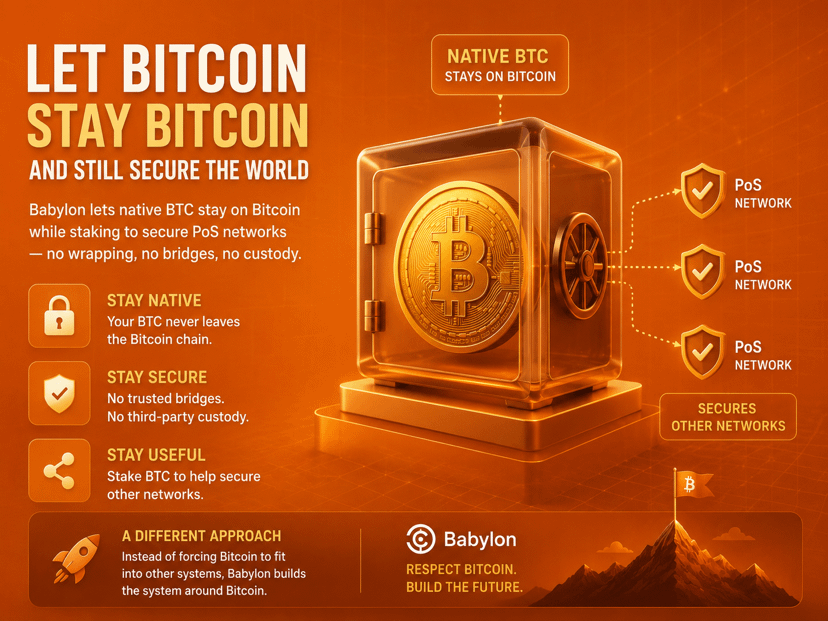
Antes pensaba que Babylon era solo otra forma de hacer que Bitcoin fuera “productivo.Cuando me senté a considerarlo con calma, quedó cada vez más claro que ocurre lo contrario.La mayoría de los proyectos de BTCFi parten del mismo lugar: “¿Cómo sacamos Bitcoin de sus propias reglas para que funcione en otro sitio? Babylon empieza con una pregunta más silenciosa:¿Cómo dejamos que Bitcoin siga siendo exactamente lo que es y, aun así, que siga importando? @BabylonLabs_io #baby
El BTC nativo nunca sale de la cadena de Bitcoin. No se convierte en una versión envuelta de sí mismo. No le pide al titular que confíe en un puente ni en un custodio. Aun así, mediante el diseño de staking, todavía puede ayudar a asegurar otras redes.
Esa única decisión cambia por completo el marco.
Hemos pasado años intentando forzar a Bitcoin para que se comporte como cualquier otro activo, para que pueda encajar en sistemas existentes. Babylon es de los pocos proyectos que parecen estar construyendo el sistema teniendo en cuenta las restricciones de Bitcoin, en lugar de intentar saltárselas.
Todavía no estoy seguro de si esto termina siendo la ruta principal que sigue BTCFi. La adopción, los incentivos y el uso real lo decidirán.Pero la propia idea de que Bitcoin no tiene que convertirse en otra cosa para ser útil es la parte que se me queda.
Es raro cerrar la documentación y sentir que el proyecto realmente respetó el activo para el que fue construido.
Eso es normalmente cuando sé que he leído algo que vale la pena conservar. @BabylonLabs_io $BABY #baby $IDOL $LAB
El BTC nativo nunca sale de la cadena de Bitcoin. No se convierte en una versión envuelta de sí mismo. No le pide al titular que confíe en un puente ni en un custodio. Aun así, mediante el diseño de staking, todavía puede ayudar a asegurar otras redes.
Esa única decisión cambia por completo el marco.
Hemos pasado años intentando forzar a Bitcoin para que se comporte como cualquier otro activo, para que pueda encajar en sistemas existentes. Babylon es de los pocos proyectos que parecen estar construyendo el sistema teniendo en cuenta las restricciones de Bitcoin, en lugar de intentar saltárselas.
Todavía no estoy seguro de si esto termina siendo la ruta principal que sigue BTCFi. La adopción, los incentivos y el uso real lo decidirán.Pero la propia idea de que Bitcoin no tiene que convertirse en otra cosa para ser útil es la parte que se me queda.
Es raro cerrar la documentación y sentir que el proyecto realmente respetó el activo para el que fue construido.
Eso es normalmente cuando sé que he leído algo que vale la pena conservar. @BabylonLabs_io $BABY #baby $IDOL $LAB
Devil9
·
--
Antes pensaba que Babylon era solo otra forma de hacer que Bitcoin fuera “productivo.Cuando me senté a considerarlo con calma, quedó cada vez más claro que ocurre lo contrario.La mayoría de los proyectos de BTCFi parten del mismo lugar: “¿Cómo sacamos Bitcoin de sus propias reglas para que funcione en otro sitio? Babylon empieza con una pregunta más silenciosa:¿Cómo dejamos que Bitcoin siga siendo exactamente lo que es y, aun así, que siga importando? @BabylonLabs_io #baby
El BTC nativo nunca sale de la cadena de Bitcoin. No se convierte en una versión envuelta de sí mismo. No le pide al titular que confíe en un puente ni en un custodio. Aun así, mediante el diseño de staking, todavía puede ayudar a asegurar otras redes.
Esa única decisión cambia por completo el marco.
Hemos pasado años intentando forzar a Bitcoin para que se comporte como cualquier otro activo, para que pueda encajar en sistemas existentes. Babylon es de los pocos proyectos que parecen estar construyendo el sistema teniendo en cuenta las restricciones de Bitcoin, en lugar de intentar saltárselas.
Todavía no estoy seguro de si esto termina siendo la ruta principal que sigue BTCFi. La adopción, los incentivos y el uso real lo decidirán.Pero la propia idea de que Bitcoin no tiene que convertirse en otra cosa para ser útil es la parte que se me queda.
Es raro cerrar la documentación y sentir que el proyecto realmente respetó el activo para el que fue construido.
Eso es normalmente cuando sé que he leído algo que vale la pena conservar. @BabylonLabs_io $BABY #baby $IDOL $LAB
El BTC nativo nunca sale de la cadena de Bitcoin. No se convierte en una versión envuelta de sí mismo. No le pide al titular que confíe en un puente ni en un custodio. Aun así, mediante el diseño de staking, todavía puede ayudar a asegurar otras redes.
Esa única decisión cambia por completo el marco.
Hemos pasado años intentando forzar a Bitcoin para que se comporte como cualquier otro activo, para que pueda encajar en sistemas existentes. Babylon es de los pocos proyectos que parecen estar construyendo el sistema teniendo en cuenta las restricciones de Bitcoin, en lugar de intentar saltárselas.
Todavía no estoy seguro de si esto termina siendo la ruta principal que sigue BTCFi. La adopción, los incentivos y el uso real lo decidirán.Pero la propia idea de que Bitcoin no tiene que convertirse en otra cosa para ser útil es la parte que se me queda.
Es raro cerrar la documentación y sentir que el proyecto realmente respetó el activo para el que fue construido.
Eso es normalmente cuando sé que he leído algo que vale la pena conservar. @BabylonLabs_io $BABY #baby $IDOL $LAB
Devil9
·
--
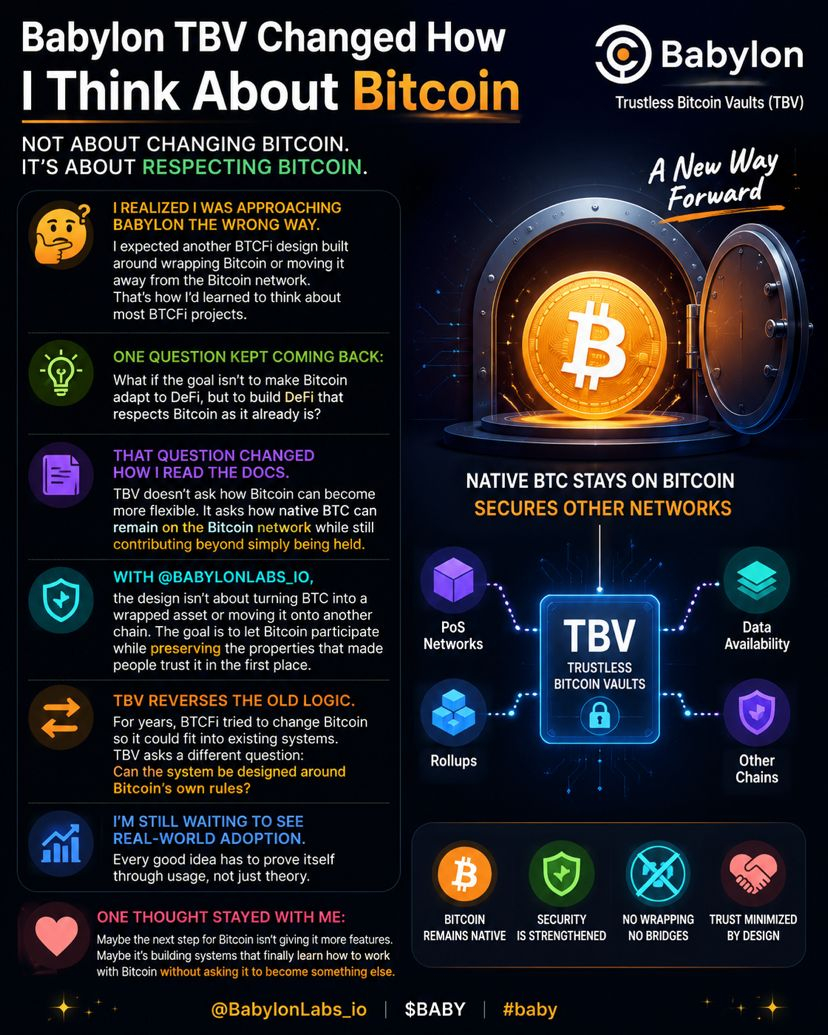
Me di cuenta de que me estaba acercando a Babilonia de la manera equivocada.Abrí la documentación de las Trustless Bitcoin Vaults (TBV) esperando otro diseño de BTCFi construido alrededor de envolver Bitcoin o alejarlo de la red de Bitcoin. Así era como yo había aprendido a pensar sobre la mayoría de los proyectos de BTCFi.Cuanto más leía, más me daba cuenta de que las TBV no estaban intentando resolver ese problema en absoluto.En cambio, una idea no dejaba de volver. @BabylonLabs_io $BABY #baby
¿Y si el objetivo no es hacer que Bitcoin se adapte a DeFi, sino construir DeFi que respete a Bitcoin tal como ya es?Esa pregunta cambió la forma en que leí el resto de la documentación.Las TBV no comienzan preguntando cómo puede volverse más flexible Bitcoin. Comienzan preguntando cómo el BTC nativo puede permanecer en la red de Bitcoin mientras aun así contribuye más allá de simplemente estar en custodia con ese objetivo.Con BabylonLabs_io, el diseño no está centrado en convertir el BTC en un activo envuelto o moverlo a otra cadena. La intención es permitir que Bitcoin participe preservando las propiedades que hicieron que la gente confiara en él desde el principio.Es un pequeño cambio de perspectiva, pero creo que conduce a una filosofía de diseño muy diferente.Durante años, gran parte de la innovación en BTCFi se ha enfocado en cambiar Bitcoin para que pudiera encajar en sistemas existentes.Las TBV parecen revertir esa lógica.En lugar de pedirle a Bitcoin que encaje en el sistema, se pregunta si el sistema puede diseñarse siguiendo las propias reglas de Bitcoin.Aún espero ver cómo funciona este enfoque en el mundo real, porque toda buena idea finalmente tiene que demostrarse mediante la adopción y no solo en la teoría.Pero cerré la documentación pensando en una cosa.
Quizá el siguiente paso para Bitcoin no sea darle más funciones. Quizá sea crear sistemas que, por fin, aprendan a trabajar con Bitcoin sin pedirle que se convierta en otra cosa. @BabylonLabs_io #baby $KOMA $AXTIB
¿Y si el objetivo no es hacer que Bitcoin se adapte a DeFi, sino construir DeFi que respete a Bitcoin tal como ya es?Esa pregunta cambió la forma en que leí el resto de la documentación.Las TBV no comienzan preguntando cómo puede volverse más flexible Bitcoin. Comienzan preguntando cómo el BTC nativo puede permanecer en la red de Bitcoin mientras aun así contribuye más allá de simplemente estar en custodia con ese objetivo.Con BabylonLabs_io, el diseño no está centrado en convertir el BTC en un activo envuelto o moverlo a otra cadena. La intención es permitir que Bitcoin participe preservando las propiedades que hicieron que la gente confiara en él desde el principio.Es un pequeño cambio de perspectiva, pero creo que conduce a una filosofía de diseño muy diferente.Durante años, gran parte de la innovación en BTCFi se ha enfocado en cambiar Bitcoin para que pudiera encajar en sistemas existentes.Las TBV parecen revertir esa lógica.En lugar de pedirle a Bitcoin que encaje en el sistema, se pregunta si el sistema puede diseñarse siguiendo las propias reglas de Bitcoin.Aún espero ver cómo funciona este enfoque en el mundo real, porque toda buena idea finalmente tiene que demostrarse mediante la adopción y no solo en la teoría.Pero cerré la documentación pensando en una cosa.
Quizá el siguiente paso para Bitcoin no sea darle más funciones. Quizá sea crear sistemas que, por fin, aprendan a trabajar con Bitcoin sin pedirle que se convierta en otra cosa. @BabylonLabs_io #baby $KOMA $AXTIB
Devil9
·
--
Me di cuenta de que me estaba acercando a Babilonia de la manera equivocada.Abrí la documentación de las Trustless Bitcoin Vaults (TBV) esperando otro diseño de BTCFi construido alrededor de envolver Bitcoin o alejarlo de la red de Bitcoin. Así era como yo había aprendido a pensar sobre la mayoría de los proyectos de BTCFi.Cuanto más leía, más me daba cuenta de que las TBV no estaban intentando resolver ese problema en absoluto.En cambio, una idea no dejaba de volver. @BabylonLabs_io $BABY #baby
¿Y si el objetivo no es hacer que Bitcoin se adapte a DeFi, sino construir DeFi que respete a Bitcoin tal como ya es?Esa pregunta cambió la forma en que leí el resto de la documentación.Las TBV no comienzan preguntando cómo puede volverse más flexible Bitcoin. Comienzan preguntando cómo el BTC nativo puede permanecer en la red de Bitcoin mientras aun así contribuye más allá de simplemente estar en custodia con ese objetivo.Con BabylonLabs_io, el diseño no está centrado en convertir el BTC en un activo envuelto o moverlo a otra cadena. La intención es permitir que Bitcoin participe preservando las propiedades que hicieron que la gente confiara en él desde el principio.Es un pequeño cambio de perspectiva, pero creo que conduce a una filosofía de diseño muy diferente.Durante años, gran parte de la innovación en BTCFi se ha enfocado en cambiar Bitcoin para que pudiera encajar en sistemas existentes.Las TBV parecen revertir esa lógica.En lugar de pedirle a Bitcoin que encaje en el sistema, se pregunta si el sistema puede diseñarse siguiendo las propias reglas de Bitcoin.Aún espero ver cómo funciona este enfoque en el mundo real, porque toda buena idea finalmente tiene que demostrarse mediante la adopción y no solo en la teoría.Pero cerré la documentación pensando en una cosa.
Quizá el siguiente paso para Bitcoin no sea darle más funciones. Quizá sea crear sistemas que, por fin, aprendan a trabajar con Bitcoin sin pedirle que se convierta en otra cosa. @BabylonLabs_io #baby $KOMA $AXTIB
¿Y si el objetivo no es hacer que Bitcoin se adapte a DeFi, sino construir DeFi que respete a Bitcoin tal como ya es?Esa pregunta cambió la forma en que leí el resto de la documentación.Las TBV no comienzan preguntando cómo puede volverse más flexible Bitcoin. Comienzan preguntando cómo el BTC nativo puede permanecer en la red de Bitcoin mientras aun así contribuye más allá de simplemente estar en custodia con ese objetivo.Con BabylonLabs_io, el diseño no está centrado en convertir el BTC en un activo envuelto o moverlo a otra cadena. La intención es permitir que Bitcoin participe preservando las propiedades que hicieron que la gente confiara en él desde el principio.Es un pequeño cambio de perspectiva, pero creo que conduce a una filosofía de diseño muy diferente.Durante años, gran parte de la innovación en BTCFi se ha enfocado en cambiar Bitcoin para que pudiera encajar en sistemas existentes.Las TBV parecen revertir esa lógica.En lugar de pedirle a Bitcoin que encaje en el sistema, se pregunta si el sistema puede diseñarse siguiendo las propias reglas de Bitcoin.Aún espero ver cómo funciona este enfoque en el mundo real, porque toda buena idea finalmente tiene que demostrarse mediante la adopción y no solo en la teoría.Pero cerré la documentación pensando en una cosa.
Quizá el siguiente paso para Bitcoin no sea darle más funciones. Quizá sea crear sistemas que, por fin, aprendan a trabajar con Bitcoin sin pedirle que se convierta en otra cosa. @BabylonLabs_io #baby $KOMA $AXTIB
Devil9
·
--
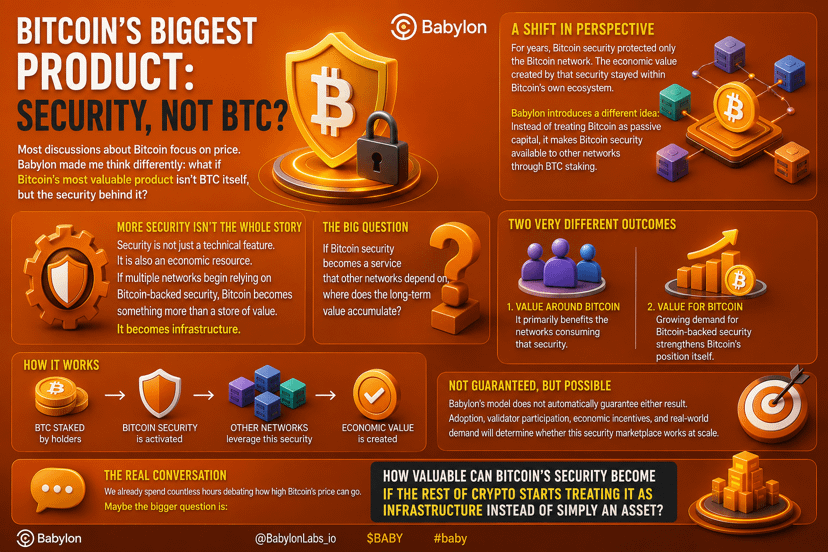
La mayoría de las discusiones sobre Bitcoin se centran en el precio. Babylon me hizo pensar en algo diferente: ¿y si el producto más valioso de Bitcoin no es BTC en sí, sino la seguridad que lo respalda? Durante años, la seguridad de Bitcoin protegió solo la red de Bitcoin. El valor económico creado por esa seguridad se mantuvo, en gran medida, dentro del propio ecosistema de Bitcoin. Babylon introduce una idea diferente. En lugar de tratar Bitcoin como un capital pasivo, intenta poner la seguridad de Bitcoin a disposición de otras redes mediante el staking de BTC. @BabylonLabs_io #baby
Al principio, esto suena sencillo. Cuanta más seguridad, mejor. Pero cuanto más lo analizaba, más interesante se volvía el intercambio. La seguridad no es solo una característica técnica. También es un recurso económico. Si varias redes empiezan a depender de la seguridad respaldada por Bitcoin, Bitcoin se convierte en algo más que una reserva de valor. Se convierte en infraestructura. Eso plantea una pregunta que rara vez veo discutida. Si la seguridad de Bitcoin se vuelve un servicio del que dependen otras redes, ¿dónde se acumula el valor a largo plazo?
¿Primordialmente beneficiará a las redes que consumen esa seguridad? ¿O la creciente demanda de seguridad respaldada por Bitcoin reforzará la posición de Bitcoin en sí? La respuesta importa porque estos son resultados muy diferentes. Uno crea valor alrededor de Bitcoin. El otro crea valor para Bitcoin. El modelo de Babylon no garantiza automáticamente ninguno de los dos resultados. La adopción, la participación de validadores, los incentivos económicos y la demanda en el mundo real determinarán si este mercado de seguridad funciona a gran escala. Aun así, creo que esta es la conversación más importante. Ya pasamos incontables horas debatiendo cuánto puede subir el precio de Bitcoin.
Quizá la pregunta más grande es: ¿cuán valiosa puede llegar a ser la seguridad de Bitcoin si el resto de las criptomonedas empieza a tratarla como infraestructura en lugar de simplemente como un activo? @BabylonLabs_io $BABY #baby $KOMA $SNXX
Al principio, esto suena sencillo. Cuanta más seguridad, mejor. Pero cuanto más lo analizaba, más interesante se volvía el intercambio. La seguridad no es solo una característica técnica. También es un recurso económico. Si varias redes empiezan a depender de la seguridad respaldada por Bitcoin, Bitcoin se convierte en algo más que una reserva de valor. Se convierte en infraestructura. Eso plantea una pregunta que rara vez veo discutida. Si la seguridad de Bitcoin se vuelve un servicio del que dependen otras redes, ¿dónde se acumula el valor a largo plazo?
¿Primordialmente beneficiará a las redes que consumen esa seguridad? ¿O la creciente demanda de seguridad respaldada por Bitcoin reforzará la posición de Bitcoin en sí? La respuesta importa porque estos son resultados muy diferentes. Uno crea valor alrededor de Bitcoin. El otro crea valor para Bitcoin. El modelo de Babylon no garantiza automáticamente ninguno de los dos resultados. La adopción, la participación de validadores, los incentivos económicos y la demanda en el mundo real determinarán si este mercado de seguridad funciona a gran escala. Aun así, creo que esta es la conversación más importante. Ya pasamos incontables horas debatiendo cuánto puede subir el precio de Bitcoin.
Quizá la pregunta más grande es: ¿cuán valiosa puede llegar a ser la seguridad de Bitcoin si el resto de las criptomonedas empieza a tratarla como infraestructura en lugar de simplemente como un activo? @BabylonLabs_io $BABY #baby $KOMA $SNXX
Devil9
·
--
La mayoría de las discusiones sobre Bitcoin se centran en el precio. Babylon me hizo pensar en algo diferente: ¿y si el producto más valioso de Bitcoin no es BTC en sí, sino la seguridad que lo respalda? Durante años, la seguridad de Bitcoin protegió solo la red de Bitcoin. El valor económico creado por esa seguridad se mantuvo, en gran medida, dentro del propio ecosistema de Bitcoin. Babylon introduce una idea diferente. En lugar de tratar Bitcoin como un capital pasivo, intenta poner la seguridad de Bitcoin a disposición de otras redes mediante el staking de BTC. @BabylonLabs_io #baby
Al principio, esto suena sencillo. Cuanta más seguridad, mejor. Pero cuanto más lo analizaba, más interesante se volvía el intercambio. La seguridad no es solo una característica técnica. También es un recurso económico. Si varias redes empiezan a depender de la seguridad respaldada por Bitcoin, Bitcoin se convierte en algo más que una reserva de valor. Se convierte en infraestructura. Eso plantea una pregunta que rara vez veo discutida. Si la seguridad de Bitcoin se vuelve un servicio del que dependen otras redes, ¿dónde se acumula el valor a largo plazo?
¿Primordialmente beneficiará a las redes que consumen esa seguridad? ¿O la creciente demanda de seguridad respaldada por Bitcoin reforzará la posición de Bitcoin en sí? La respuesta importa porque estos son resultados muy diferentes. Uno crea valor alrededor de Bitcoin. El otro crea valor para Bitcoin. El modelo de Babylon no garantiza automáticamente ninguno de los dos resultados. La adopción, la participación de validadores, los incentivos económicos y la demanda en el mundo real determinarán si este mercado de seguridad funciona a gran escala. Aun así, creo que esta es la conversación más importante. Ya pasamos incontables horas debatiendo cuánto puede subir el precio de Bitcoin.
Quizá la pregunta más grande es: ¿cuán valiosa puede llegar a ser la seguridad de Bitcoin si el resto de las criptomonedas empieza a tratarla como infraestructura en lugar de simplemente como un activo? @BabylonLabs_io $BABY #baby $KOMA $SNXX
Al principio, esto suena sencillo. Cuanta más seguridad, mejor. Pero cuanto más lo analizaba, más interesante se volvía el intercambio. La seguridad no es solo una característica técnica. También es un recurso económico. Si varias redes empiezan a depender de la seguridad respaldada por Bitcoin, Bitcoin se convierte en algo más que una reserva de valor. Se convierte en infraestructura. Eso plantea una pregunta que rara vez veo discutida. Si la seguridad de Bitcoin se vuelve un servicio del que dependen otras redes, ¿dónde se acumula el valor a largo plazo?
¿Primordialmente beneficiará a las redes que consumen esa seguridad? ¿O la creciente demanda de seguridad respaldada por Bitcoin reforzará la posición de Bitcoin en sí? La respuesta importa porque estos son resultados muy diferentes. Uno crea valor alrededor de Bitcoin. El otro crea valor para Bitcoin. El modelo de Babylon no garantiza automáticamente ninguno de los dos resultados. La adopción, la participación de validadores, los incentivos económicos y la demanda en el mundo real determinarán si este mercado de seguridad funciona a gran escala. Aun así, creo que esta es la conversación más importante. Ya pasamos incontables horas debatiendo cuánto puede subir el precio de Bitcoin.
Quizá la pregunta más grande es: ¿cuán valiosa puede llegar a ser la seguridad de Bitcoin si el resto de las criptomonedas empieza a tratarla como infraestructura en lugar de simplemente como un activo? @BabylonLabs_io $BABY #baby $KOMA $SNXX
Devil9
·
--
La mayoría de las discusiones sobre Bitcoin se centran en el precio. Babylon me hizo pensar en algo diferente: ¿y si el producto más valioso de Bitcoin no es BTC en sí, sino la seguridad que lo respalda? Durante años, la seguridad de Bitcoin protegió solo la red de Bitcoin. El valor económico creado por esa seguridad se mantuvo, en gran medida, dentro del propio ecosistema de Bitcoin. Babylon introduce una idea diferente. En lugar de tratar Bitcoin como un capital pasivo, intenta poner la seguridad de Bitcoin a disposición de otras redes mediante el staking de BTC. @BabylonLabs_io #baby
Al principio, esto suena sencillo. Cuanta más seguridad, mejor. Pero cuanto más lo analizaba, más interesante se volvía el intercambio. La seguridad no es solo una característica técnica. También es un recurso económico. Si varias redes empiezan a depender de la seguridad respaldada por Bitcoin, Bitcoin se convierte en algo más que una reserva de valor. Se convierte en infraestructura. Eso plantea una pregunta que rara vez veo discutida. Si la seguridad de Bitcoin se vuelve un servicio del que dependen otras redes, ¿dónde se acumula el valor a largo plazo?
¿Primordialmente beneficiará a las redes que consumen esa seguridad? ¿O la creciente demanda de seguridad respaldada por Bitcoin reforzará la posición de Bitcoin en sí? La respuesta importa porque estos son resultados muy diferentes. Uno crea valor alrededor de Bitcoin. El otro crea valor para Bitcoin. El modelo de Babylon no garantiza automáticamente ninguno de los dos resultados. La adopción, la participación de validadores, los incentivos económicos y la demanda en el mundo real determinarán si este mercado de seguridad funciona a gran escala. Aun así, creo que esta es la conversación más importante. Ya pasamos incontables horas debatiendo cuánto puede subir el precio de Bitcoin.
Quizá la pregunta más grande es: ¿cuán valiosa puede llegar a ser la seguridad de Bitcoin si el resto de las criptomonedas empieza a tratarla como infraestructura en lugar de simplemente como un activo? @BabylonLabs_io $BABY #baby $KOMA $SNXX
Al principio, esto suena sencillo. Cuanta más seguridad, mejor. Pero cuanto más lo analizaba, más interesante se volvía el intercambio. La seguridad no es solo una característica técnica. También es un recurso económico. Si varias redes empiezan a depender de la seguridad respaldada por Bitcoin, Bitcoin se convierte en algo más que una reserva de valor. Se convierte en infraestructura. Eso plantea una pregunta que rara vez veo discutida. Si la seguridad de Bitcoin se vuelve un servicio del que dependen otras redes, ¿dónde se acumula el valor a largo plazo?
¿Primordialmente beneficiará a las redes que consumen esa seguridad? ¿O la creciente demanda de seguridad respaldada por Bitcoin reforzará la posición de Bitcoin en sí? La respuesta importa porque estos son resultados muy diferentes. Uno crea valor alrededor de Bitcoin. El otro crea valor para Bitcoin. El modelo de Babylon no garantiza automáticamente ninguno de los dos resultados. La adopción, la participación de validadores, los incentivos económicos y la demanda en el mundo real determinarán si este mercado de seguridad funciona a gran escala. Aun así, creo que esta es la conversación más importante. Ya pasamos incontables horas debatiendo cuánto puede subir el precio de Bitcoin.
Quizá la pregunta más grande es: ¿cuán valiosa puede llegar a ser la seguridad de Bitcoin si el resto de las criptomonedas empieza a tratarla como infraestructura en lugar de simplemente como un activo? @BabylonLabs_io $BABY #baby $KOMA $SNXX
Devil9
·
--
La seguridad de Newton es sin confianza porque los operadores pueden demostrarse incorrectos
Durante años, la seguridad de blockchain se ha medido con una pregunta sencilla: ¿Cuánto cuesta atacar la red? Bitcoin responde con poder hash. Las redes de Prueba de Participación responden con capital en garantía. A mayor costo económico, más seguro se vuelve el sistema.
El Protocolo Newton parte del mismo principio económico, pero lo aplica en un lugar completamente diferente.
En lugar de proteger el orden de las transacciones o la producción de bloques, Newton protege la autorización.
Esa distinción cambia casi todo.
El Protocolo Newton parte del mismo principio económico, pero lo aplica en un lugar completamente diferente.
En lugar de proteger el orden de las transacciones o la producción de bloques, Newton protege la autorización.
Esa distinción cambia casi todo.
Devil9
·
--
@NewtonProtocol $NEWT #Newt Esta publicación es especial para mí. No es solo otra publicación: es la que tengo las mayores esperanzas en esta campaña.
Si le va bien, tengo una oportunidad de llegar al puesto más alto. Si no cumple con las expectativas, esa oportunidad se habrá perdido.
A partir de este punto, el resultado ya no depende de mí. Depende de la calidad de mi trabajo y de cómo se evalúe. Cualquiera que sea el resultado, seguiré aprendiendo y continuaré esforzándome para hacerlo aún mejor. La mayoría de los sistemas de autorización te piden que confíes en quien evalúa las reglas. Newton Protocol toma un enfoque diferente al descentralizar todo el proceso de decisión.
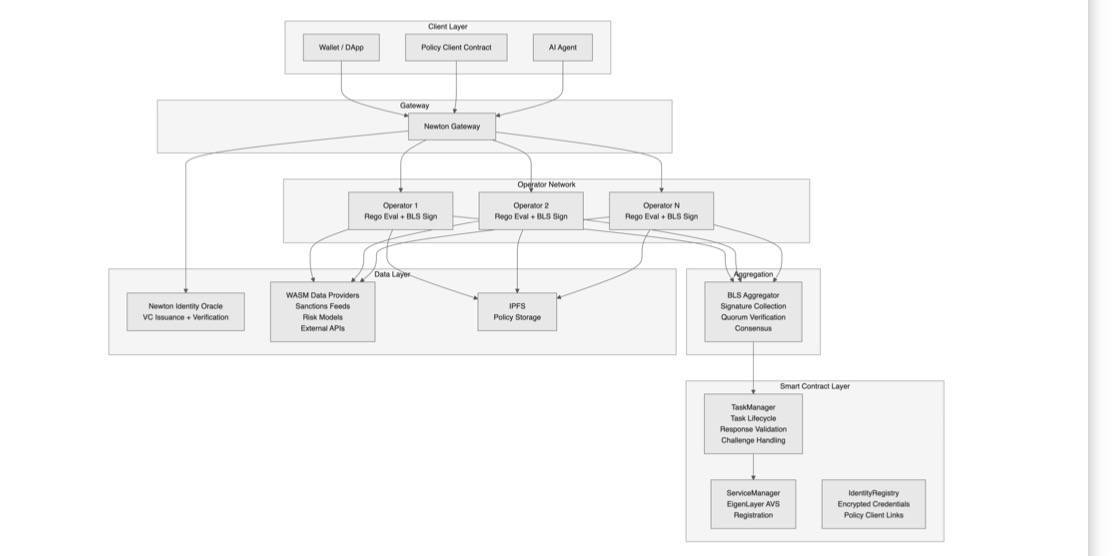
En lugar de depender de un solo servidor, cada intención de transacción se enruta a través de un Gateway rotativo que solo coordina la comunicación. No puede cambiar resultados de la política ni falsificar aprobaciones porque los operadores verifican de manera independiente las mismas entradas y producen atestaciones criptográficas. Incluso si se sospecha que el Gateway censura, las aplicaciones pueden omitirlo mediante inclusión forzada. @NewtonProtocol #Newt
La fortaleza real proviene de cómo se ejecutan las políticas. Cada operador obtiene exactamente la misma política Rego desde IPFS, la evalúa dentro de un entorno aislado (sandbox) y firma el resultado. Como las políticas son programables, Newton no se limita a KYC o cumplimiento. La misma infraestructura puede asegurar agentes de IA, credenciales digitales, control de acceso empresarial o verificación de la cadena de suministro.
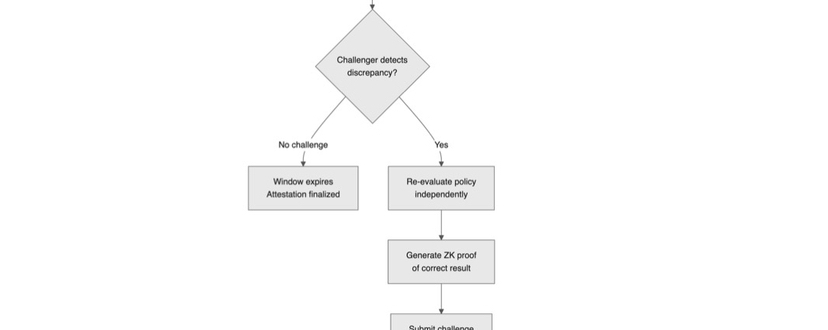
El consenso se respalda con restaking de EigenLayer, donde los operadores tienen una participación económica en juego. Una vez que suficientes operadores ponderados por su participación están de acuerdo, sus firmas se comprimen en una sola prueba BLS, haciendo la verificación eficiente sin sacrificar la descentralización. Si alguien envía un resultado incorrecto, un Challenger puede recalcular la política y demostrar el resultado correcto, lo que conlleva slashing para los operadores deshonestos.
La arquitectura de Newton no intenta descentralizar solo la ejecución. Está descentralizando la autoridad para decir “sí” o “no” mientras hace que cada decisión sea verificable.$VELVET $DN
Si le va bien, tengo una oportunidad de llegar al puesto más alto. Si no cumple con las expectativas, esa oportunidad se habrá perdido.
A partir de este punto, el resultado ya no depende de mí. Depende de la calidad de mi trabajo y de cómo se evalúe. Cualquiera que sea el resultado, seguiré aprendiendo y continuaré esforzándome para hacerlo aún mejor. La mayoría de los sistemas de autorización te piden que confíes en quien evalúa las reglas. Newton Protocol toma un enfoque diferente al descentralizar todo el proceso de decisión.
En lugar de depender de un solo servidor, cada intención de transacción se enruta a través de un Gateway rotativo que solo coordina la comunicación. No puede cambiar resultados de la política ni falsificar aprobaciones porque los operadores verifican de manera independiente las mismas entradas y producen atestaciones criptográficas. Incluso si se sospecha que el Gateway censura, las aplicaciones pueden omitirlo mediante inclusión forzada. @NewtonProtocol #Newt
La fortaleza real proviene de cómo se ejecutan las políticas. Cada operador obtiene exactamente la misma política Rego desde IPFS, la evalúa dentro de un entorno aislado (sandbox) y firma el resultado. Como las políticas son programables, Newton no se limita a KYC o cumplimiento. La misma infraestructura puede asegurar agentes de IA, credenciales digitales, control de acceso empresarial o verificación de la cadena de suministro.
El consenso se respalda con restaking de EigenLayer, donde los operadores tienen una participación económica en juego. Una vez que suficientes operadores ponderados por su participación están de acuerdo, sus firmas se comprimen en una sola prueba BLS, haciendo la verificación eficiente sin sacrificar la descentralización. Si alguien envía un resultado incorrecto, un Challenger puede recalcular la política y demostrar el resultado correcto, lo que conlleva slashing para los operadores deshonestos.
La arquitectura de Newton no intenta descentralizar solo la ejecución. Está descentralizando la autoridad para decir “sí” o “no” mientras hace que cada decisión sea verificable.$VELVET $DN
Devil9
·
--
Confianza antes de la automatización: por qué el Protocolo de Newton me hizo pensar diferente
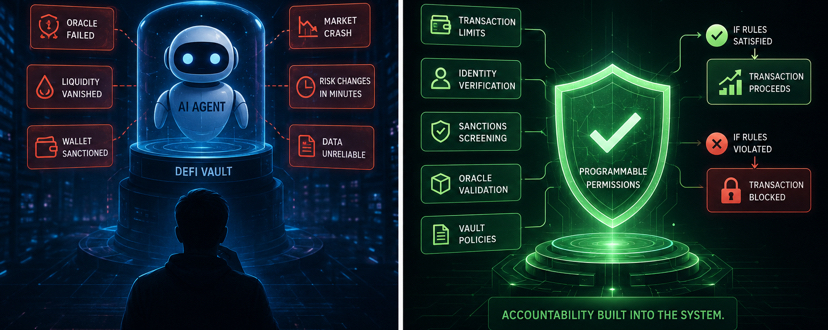
Uno de los temas más importantes en las criptomonedas hoy en día es la automatización. Cada semana, nuevos proyectos prometen agentes de IA que pueden operar más rápido, gestionar carteras y ejecutar estrategias complejas sin la supervisión humana constante. A primera vista, esto parece la evolución natural de la ejecución más rápida de DeFifaster, menores costos y sistemas que operan las 24 horas. ¿Quién no querría eso?
Pero después de pasar más tiempo estudiando el Protocolo de Newton, me di cuenta de algo. Al menos para mí, la conversación ya no trata sobre la velocidad.
Pero después de pasar más tiempo estudiando el Protocolo de Newton, me di cuenta de algo. Al menos para mí, la conversación ya no trata sobre la velocidad.
Devil9
·
--
OpenGradient (OPG) se ha añadido a las Airdrops de Binance HODLer. Los usuarios que suscribieron su BNB en Simple Earn (Flexible/Bloqueado) o en On-Chain Yields son elegibles para recibir el airdrop de OPG.
OpenGradient se lanzó con un suministro génesis total de 1.000.000.000 OPG, con 6.400.000 OPG asignados para las Airdrops de HODLer. Los usuarios elegibles recibirán sus tokens en su Spot Wallet aproximadamente 5 horas después del anuncio. La participación requiere KYC completado y residencia en una región elegible. Además, el OpenGradient Research Report se publicará dentro de las 48 horas posteriores al anuncio. Haz siempre tu propia investigación (DYOR) antes de tomar cualquier decisión de inversión. #OPG @OpenGradient
Una cosa a la que he empezado a prestar más atención con la infraestructura de IA no es la calidad del modelo, sino lo que ocurre después del despliegue.
Cualquiera puede lanzar un modelo. La pregunta más difícil es si los usuarios pueden confiar en sus resultados, si los desarrolladores pueden construir sobre un contexto persistente y si todavía hay alguien dispuesto a seguir ofreciendo inferencia meses después.
Por eso OpenGradient me parece más interesante que un relato típico de IA. Conecta tres elementos que a menudo se comentan por separado: computación verificable, memoria persistente de IA y un sistema de incentivos que anima a los proveedores de cómputo a mantenerse en línea.
Si se rompe cualquiera de esos puntos, la experiencia del usuario se resiente. Los resultados verificados pierden valor sin una infraestructura confiable. La memoria se vuelve inútil sin confianza. Incluso el mejor modelo no puede ayudar si nadie continúa ejecutándolo. #OPG $OPG @OpenGradient
La oportunidad a largo plazo quizá no venga solo de crear una IA más inteligente, sino de construir infraestructura que siga siendo confiable a medida que crece la adopción.
Esa es la parte que más vigilaré.$AIGENSYN $SYN
¿Qué parte de la infraestructura de IA crees que generará el mayor valor a largo plazo?
OpenGradient se lanzó con un suministro génesis total de 1.000.000.000 OPG, con 6.400.000 OPG asignados para las Airdrops de HODLer. Los usuarios elegibles recibirán sus tokens en su Spot Wallet aproximadamente 5 horas después del anuncio. La participación requiere KYC completado y residencia en una región elegible. Además, el OpenGradient Research Report se publicará dentro de las 48 horas posteriores al anuncio. Haz siempre tu propia investigación (DYOR) antes de tomar cualquier decisión de inversión. #OPG @OpenGradient
Una cosa a la que he empezado a prestar más atención con la infraestructura de IA no es la calidad del modelo, sino lo que ocurre después del despliegue.
Cualquiera puede lanzar un modelo. La pregunta más difícil es si los usuarios pueden confiar en sus resultados, si los desarrolladores pueden construir sobre un contexto persistente y si todavía hay alguien dispuesto a seguir ofreciendo inferencia meses después.
Por eso OpenGradient me parece más interesante que un relato típico de IA. Conecta tres elementos que a menudo se comentan por separado: computación verificable, memoria persistente de IA y un sistema de incentivos que anima a los proveedores de cómputo a mantenerse en línea.
Si se rompe cualquiera de esos puntos, la experiencia del usuario se resiente. Los resultados verificados pierden valor sin una infraestructura confiable. La memoria se vuelve inútil sin confianza. Incluso el mejor modelo no puede ayudar si nadie continúa ejecutándolo. #OPG $OPG @OpenGradient
La oportunidad a largo plazo quizá no venga solo de crear una IA más inteligente, sino de construir infraestructura que siga siendo confiable a medida que crece la adopción.
Esa es la parte que más vigilaré.$AIGENSYN $SYN
¿Qué parte de la infraestructura de IA crees que generará el mayor valor a largo plazo?
Devil9
·
--
Más allá del relato sobre la IA, la estructura de mercado de OpenGradient merece atención. Con una capitalización de mercado de 26M, un suministro en circulación de ~198M, casi el 80% de los tokens aún bloqueados y parámetros de trading definidos, el futuro del token no dependerá solo de la tecnología. La adopción, la liquidez y la gestión de desbloqueos determinarán en última instancia si el valor a largo plazo de OPG coincide con su infraestructura. #OPG @OpenGradient
Una cosa que he empezado a cuestionar sobre la IA centrada en la privacidad no es si puede ocultar mi identidad. Es si la privacidad por sí sola es suficiente para que un sistema de IA sea confiable.
Muchos proyectos hacen énfasis en el enrutamiento cifrado, los TEE, los relés o las solicitudes anónimas. Esas son mejoras significativas de infraestructura. Pero proteger quién formuló una pregunta es algo distinto a demostrar cómo se produjo la respuesta.
Por eso creo que a menudo se mezclan dos conversaciones. La privacidad protege a los usuarios. La verificación demuestra que un modelo generó una salida específica sin manipulación. Ninguna de las dos garantiza automáticamente que la respuesta sea fiable, imparcial o incluso útil.
Esto es lo que me llamó la atención sobre OpenGradient Chat. Combina infraestructura que preserva la privacidad con una capa de ejecución de múltiples modelos, pero esas funciones aún deben evaluarse de forma independiente. Una arquitectura sólida no crea automáticamente una adopción duradera.$UB
Al final, los usuarios no elegirán una IA solo porque sea más privada. Seguirán usándola únicamente si la privacidad, el rendimiento y la confianza funcionan juntos sin comprometer la experiencia. #OPG $OPG @OpenGradient
Ese es el estándar contra el cual, creo, eventualmente se medirá cada producto de IA con enfoque en la privacidad.$TAC
¿Lo más importante para el valor a largo plazo de OPG?
Una cosa que he empezado a cuestionar sobre la IA centrada en la privacidad no es si puede ocultar mi identidad. Es si la privacidad por sí sola es suficiente para que un sistema de IA sea confiable.
Muchos proyectos hacen énfasis en el enrutamiento cifrado, los TEE, los relés o las solicitudes anónimas. Esas son mejoras significativas de infraestructura. Pero proteger quién formuló una pregunta es algo distinto a demostrar cómo se produjo la respuesta.
Por eso creo que a menudo se mezclan dos conversaciones. La privacidad protege a los usuarios. La verificación demuestra que un modelo generó una salida específica sin manipulación. Ninguna de las dos garantiza automáticamente que la respuesta sea fiable, imparcial o incluso útil.
Esto es lo que me llamó la atención sobre OpenGradient Chat. Combina infraestructura que preserva la privacidad con una capa de ejecución de múltiples modelos, pero esas funciones aún deben evaluarse de forma independiente. Una arquitectura sólida no crea automáticamente una adopción duradera.$UB
Al final, los usuarios no elegirán una IA solo porque sea más privada. Seguirán usándola únicamente si la privacidad, el rendimiento y la confianza funcionan juntos sin comprometer la experiencia. #OPG $OPG @OpenGradient
Ese es el estándar contra el cual, creo, eventualmente se medirá cada producto de IA con enfoque en la privacidad.$TAC
¿Lo más importante para el valor a largo plazo de OPG?
Devil9
·
--
¿Sientes que la mayor parte de lo que sabemos sobre la IA proviene de escuchar a otras personas hablar de ella?
Probablemente ya hayas oído bastante sobre el tamaño del modelo, las capacidades de razonamiento y el rendimiento. Hoy quiero compartir una idea diferente.
Si los futuros sistemas de IA empiezan a tomar decisiones basándose en nuestros recuerdos a largo plazo, preferencias, objetivos y contexto personal, ¿cómo podemos confiar en que la información que están usando es realmente correcta?
Esta pregunta me vino a la mente al observar proyectos como MemSync.
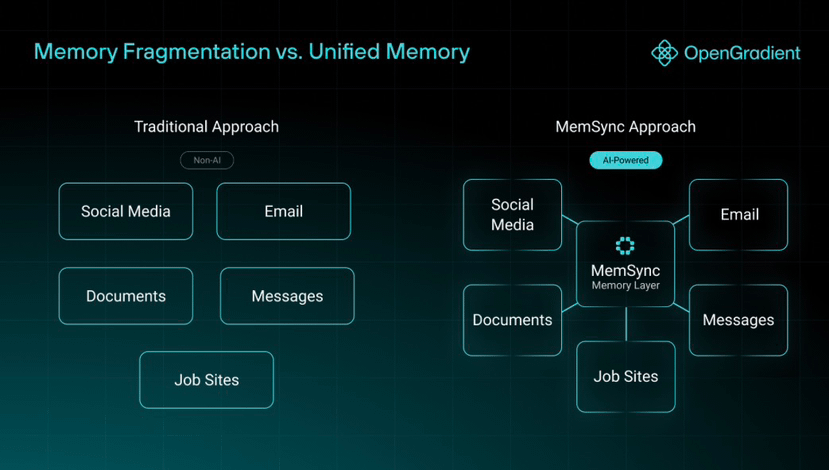
Su enfoque es resolver uno de los grandes desafíos de la IA: la fragmentación de la memoria.
Su tesis es que la IA no debería solo entender la pregunta que se hace hoy. También debería comprender la identidad a largo plazo de un usuario (Memoria Semántica), así como las actividades actuales, los objetivos y los proyectos en curso (Memoria Episódica).
Este enfoque podría hacer que la IA sea mucho más personal y útil con el tiempo.
Pero ahí es donde comienza otro desafío.
A medida que la IA se vuelve cada vez más impulsada por la memoria, la verificación podría volverse incluso más importante que la memoria en sí.
Si un agente de IA usa mi contexto pasado para tomar una decisión:
¿Ese recuerdo era auténtico? ¿Ha sido alterado?
¿Se puede verificar de forma independiente el proceso de razonamiento?
Por eso el enfoque de OpenGradient llamó mi atención.
Muchos proyectos de IA se centran en hacer que la IA sea más inteligente. Sin embargo, OpenGradient está trabajando en una infraestructura de IA verificable, donde la computación, la inferencia y las salidas de la IA puedan verificarse de manera independiente en lugar de simplemente confiar en ellas.
En mi opinión, MemSync y OpenGradient representan capas diferentes de la misma pila futura de IA. #OPG @OpenGradient
MemSync ayuda a la IA a recordar mejor.
OpenGradient ayuda a garantizar que lo que la IA recuerda y utiliza pueda ser confiable.
Quizás la mejor IA del futuro no sea la que lo recuerda todo.
Podría ser la que pueda demostrar tanto su memoria como su razonamiento. #OPG $OPG @OpenGradient
¿Qué crees que importará más para la adopción de la IA a largo plazo: Mejor Memoria o Inteligencia Verificable?$HEI $SLX
Probablemente ya hayas oído bastante sobre el tamaño del modelo, las capacidades de razonamiento y el rendimiento. Hoy quiero compartir una idea diferente.
Si los futuros sistemas de IA empiezan a tomar decisiones basándose en nuestros recuerdos a largo plazo, preferencias, objetivos y contexto personal, ¿cómo podemos confiar en que la información que están usando es realmente correcta?
Esta pregunta me vino a la mente al observar proyectos como MemSync.
Su enfoque es resolver uno de los grandes desafíos de la IA: la fragmentación de la memoria.
Su tesis es que la IA no debería solo entender la pregunta que se hace hoy. También debería comprender la identidad a largo plazo de un usuario (Memoria Semántica), así como las actividades actuales, los objetivos y los proyectos en curso (Memoria Episódica).
Este enfoque podría hacer que la IA sea mucho más personal y útil con el tiempo.
Pero ahí es donde comienza otro desafío.
A medida que la IA se vuelve cada vez más impulsada por la memoria, la verificación podría volverse incluso más importante que la memoria en sí.
Si un agente de IA usa mi contexto pasado para tomar una decisión:
¿Ese recuerdo era auténtico? ¿Ha sido alterado?
¿Se puede verificar de forma independiente el proceso de razonamiento?
Por eso el enfoque de OpenGradient llamó mi atención.
Muchos proyectos de IA se centran en hacer que la IA sea más inteligente. Sin embargo, OpenGradient está trabajando en una infraestructura de IA verificable, donde la computación, la inferencia y las salidas de la IA puedan verificarse de manera independiente en lugar de simplemente confiar en ellas.
En mi opinión, MemSync y OpenGradient representan capas diferentes de la misma pila futura de IA. #OPG @OpenGradient
MemSync ayuda a la IA a recordar mejor.
OpenGradient ayuda a garantizar que lo que la IA recuerda y utiliza pueda ser confiable.
Quizás la mejor IA del futuro no sea la que lo recuerda todo.
Podría ser la que pueda demostrar tanto su memoria como su razonamiento. #OPG $OPG @OpenGradient
¿Qué crees que importará más para la adopción de la IA a largo plazo: Mejor Memoria o Inteligencia Verificable?$HEI $SLX
Devil9
·
--
¿Sientes que la mayor parte de lo que sabemos sobre la IA proviene de escuchar a otras personas hablar de ella?
Probablemente ya hayas oído bastante sobre el tamaño del modelo, las capacidades de razonamiento y el rendimiento. Hoy quiero compartir una idea diferente.
Si los futuros sistemas de IA empiezan a tomar decisiones basándose en nuestros recuerdos a largo plazo, preferencias, objetivos y contexto personal, ¿cómo podemos confiar en que la información que están usando es realmente correcta?
Esta pregunta me vino a la mente al observar proyectos como MemSync.
Su enfoque es resolver uno de los grandes desafíos de la IA: la fragmentación de la memoria.
Su tesis es que la IA no debería solo entender la pregunta que se hace hoy. También debería comprender la identidad a largo plazo de un usuario (Memoria Semántica), así como las actividades actuales, los objetivos y los proyectos en curso (Memoria Episódica).
Este enfoque podría hacer que la IA sea mucho más personal y útil con el tiempo.
Pero ahí es donde comienza otro desafío.
A medida que la IA se vuelve cada vez más impulsada por la memoria, la verificación podría volverse incluso más importante que la memoria en sí.
Si un agente de IA usa mi contexto pasado para tomar una decisión:
¿Ese recuerdo era auténtico? ¿Ha sido alterado?
¿Se puede verificar de forma independiente el proceso de razonamiento?
Por eso el enfoque de OpenGradient llamó mi atención.
Muchos proyectos de IA se centran en hacer que la IA sea más inteligente. Sin embargo, OpenGradient está trabajando en una infraestructura de IA verificable, donde la computación, la inferencia y las salidas de la IA puedan verificarse de manera independiente en lugar de simplemente confiar en ellas.
En mi opinión, MemSync y OpenGradient representan capas diferentes de la misma pila futura de IA. #OPG @OpenGradient
MemSync ayuda a la IA a recordar mejor.
OpenGradient ayuda a garantizar que lo que la IA recuerda y utiliza pueda ser confiable.
Quizás la mejor IA del futuro no sea la que lo recuerda todo.
Podría ser la que pueda demostrar tanto su memoria como su razonamiento. #OPG $OPG @OpenGradient
¿Qué crees que importará más para la adopción de la IA a largo plazo: Mejor Memoria o Inteligencia Verificable?$HEI $SLX
Probablemente ya hayas oído bastante sobre el tamaño del modelo, las capacidades de razonamiento y el rendimiento. Hoy quiero compartir una idea diferente.
Si los futuros sistemas de IA empiezan a tomar decisiones basándose en nuestros recuerdos a largo plazo, preferencias, objetivos y contexto personal, ¿cómo podemos confiar en que la información que están usando es realmente correcta?
Esta pregunta me vino a la mente al observar proyectos como MemSync.
Su enfoque es resolver uno de los grandes desafíos de la IA: la fragmentación de la memoria.
Su tesis es que la IA no debería solo entender la pregunta que se hace hoy. También debería comprender la identidad a largo plazo de un usuario (Memoria Semántica), así como las actividades actuales, los objetivos y los proyectos en curso (Memoria Episódica).
Este enfoque podría hacer que la IA sea mucho más personal y útil con el tiempo.
Pero ahí es donde comienza otro desafío.
A medida que la IA se vuelve cada vez más impulsada por la memoria, la verificación podría volverse incluso más importante que la memoria en sí.
Si un agente de IA usa mi contexto pasado para tomar una decisión:
¿Ese recuerdo era auténtico? ¿Ha sido alterado?
¿Se puede verificar de forma independiente el proceso de razonamiento?
Por eso el enfoque de OpenGradient llamó mi atención.
Muchos proyectos de IA se centran en hacer que la IA sea más inteligente. Sin embargo, OpenGradient está trabajando en una infraestructura de IA verificable, donde la computación, la inferencia y las salidas de la IA puedan verificarse de manera independiente en lugar de simplemente confiar en ellas.
En mi opinión, MemSync y OpenGradient representan capas diferentes de la misma pila futura de IA. #OPG @OpenGradient
MemSync ayuda a la IA a recordar mejor.
OpenGradient ayuda a garantizar que lo que la IA recuerda y utiliza pueda ser confiable.
Quizás la mejor IA del futuro no sea la que lo recuerda todo.
Podría ser la que pueda demostrar tanto su memoria como su razonamiento. #OPG $OPG @OpenGradient
¿Qué crees que importará más para la adopción de la IA a largo plazo: Mejor Memoria o Inteligencia Verificable?$HEI $SLX
Devil9
·
--
¿Sientes que la mayor parte de lo que sabemos sobre la IA proviene de escuchar a otras personas hablar de ella?
Probablemente ya hayas oído bastante sobre el tamaño del modelo, las capacidades de razonamiento y el rendimiento. Hoy quiero compartir una idea diferente.
Si los futuros sistemas de IA empiezan a tomar decisiones basándose en nuestros recuerdos a largo plazo, preferencias, objetivos y contexto personal, ¿cómo podemos confiar en que la información que están usando es realmente correcta?
Esta pregunta me vino a la mente al observar proyectos como MemSync.
Su enfoque es resolver uno de los grandes desafíos de la IA: la fragmentación de la memoria.
Su tesis es que la IA no debería solo entender la pregunta que se hace hoy. También debería comprender la identidad a largo plazo de un usuario (Memoria Semántica), así como las actividades actuales, los objetivos y los proyectos en curso (Memoria Episódica).
Este enfoque podría hacer que la IA sea mucho más personal y útil con el tiempo.
Pero ahí es donde comienza otro desafío.
A medida que la IA se vuelve cada vez más impulsada por la memoria, la verificación podría volverse incluso más importante que la memoria en sí.
Si un agente de IA usa mi contexto pasado para tomar una decisión:
¿Ese recuerdo era auténtico? ¿Ha sido alterado?
¿Se puede verificar de forma independiente el proceso de razonamiento?
Por eso el enfoque de OpenGradient llamó mi atención.
Muchos proyectos de IA se centran en hacer que la IA sea más inteligente. Sin embargo, OpenGradient está trabajando en una infraestructura de IA verificable, donde la computación, la inferencia y las salidas de la IA puedan verificarse de manera independiente en lugar de simplemente confiar en ellas.
En mi opinión, MemSync y OpenGradient representan capas diferentes de la misma pila futura de IA. #OPG @OpenGradient
MemSync ayuda a la IA a recordar mejor.
OpenGradient ayuda a garantizar que lo que la IA recuerda y utiliza pueda ser confiable.
Quizás la mejor IA del futuro no sea la que lo recuerda todo.
Podría ser la que pueda demostrar tanto su memoria como su razonamiento. #OPG $OPG @OpenGradient
¿Qué crees que importará más para la adopción de la IA a largo plazo: Mejor Memoria o Inteligencia Verificable?$HEI $SLX
Probablemente ya hayas oído bastante sobre el tamaño del modelo, las capacidades de razonamiento y el rendimiento. Hoy quiero compartir una idea diferente.
Si los futuros sistemas de IA empiezan a tomar decisiones basándose en nuestros recuerdos a largo plazo, preferencias, objetivos y contexto personal, ¿cómo podemos confiar en que la información que están usando es realmente correcta?
Esta pregunta me vino a la mente al observar proyectos como MemSync.
Su enfoque es resolver uno de los grandes desafíos de la IA: la fragmentación de la memoria.
Su tesis es que la IA no debería solo entender la pregunta que se hace hoy. También debería comprender la identidad a largo plazo de un usuario (Memoria Semántica), así como las actividades actuales, los objetivos y los proyectos en curso (Memoria Episódica).
Este enfoque podría hacer que la IA sea mucho más personal y útil con el tiempo.
Pero ahí es donde comienza otro desafío.
A medida que la IA se vuelve cada vez más impulsada por la memoria, la verificación podría volverse incluso más importante que la memoria en sí.
Si un agente de IA usa mi contexto pasado para tomar una decisión:
¿Ese recuerdo era auténtico? ¿Ha sido alterado?
¿Se puede verificar de forma independiente el proceso de razonamiento?
Por eso el enfoque de OpenGradient llamó mi atención.
Muchos proyectos de IA se centran en hacer que la IA sea más inteligente. Sin embargo, OpenGradient está trabajando en una infraestructura de IA verificable, donde la computación, la inferencia y las salidas de la IA puedan verificarse de manera independiente en lugar de simplemente confiar en ellas.
En mi opinión, MemSync y OpenGradient representan capas diferentes de la misma pila futura de IA. #OPG @OpenGradient
MemSync ayuda a la IA a recordar mejor.
OpenGradient ayuda a garantizar que lo que la IA recuerda y utiliza pueda ser confiable.
Quizás la mejor IA del futuro no sea la que lo recuerda todo.
Podría ser la que pueda demostrar tanto su memoria como su razonamiento. #OPG $OPG @OpenGradient
¿Qué crees que importará más para la adopción de la IA a largo plazo: Mejor Memoria o Inteligencia Verificable?$HEI $SLX
Inicia sesión para explorar más contenidos