
Drake_
686 Publicaciones

Drake_
Denunciar
Bloquear usuario
Crypto since 2016 | Trader by Profession | Follow me for the latest market updates 🚀 #Binance #CMC
Abrir operación
Trader ocasional
4.5 años
123 Siguiendo
108 Seguidores
540 Me gusta
Publicaciones
Cartera
Todo
Cotizaciones
Vídeos
·
--
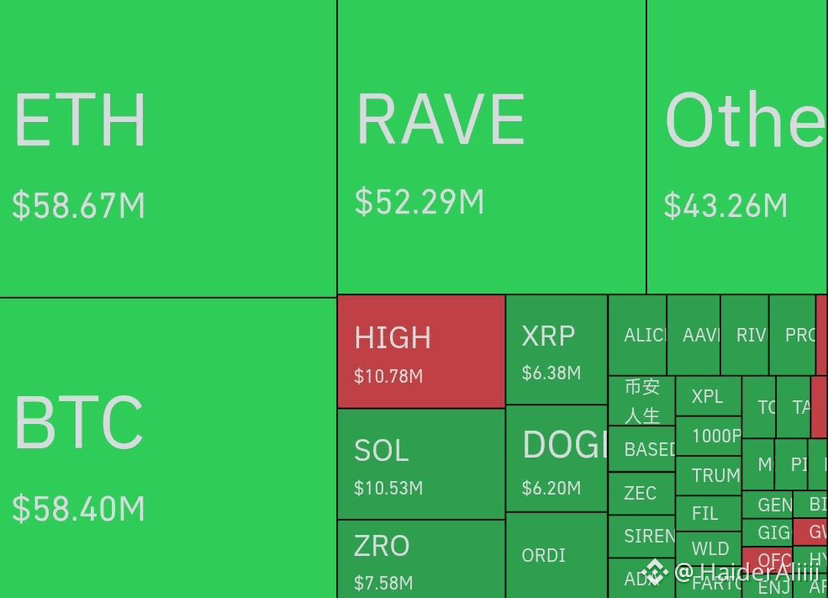
⚡ REKT: $248M en posiciones largas liquidadas en 24 horas.
⚡ REKT: $248M en posiciones largas liquidadas en 24 horas.
23
·
--
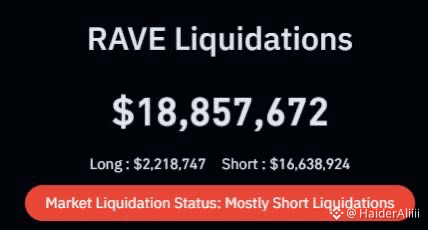
¡Si tuviste $1M hoy!
$RAVE con 10$ hace 1 semana, tú
Y ahora casi $17,000,000 fueron liquidadas tratando de acortar Rave.
Temporada de crímenes. Mantente alejado
#Rave
¡Si tuviste $1M hoy!
$RAVE con 10$ hace 1 semana, tú
Y ahora casi $17,000,000 fueron liquidadas tratando de acortar Rave.
Temporada de crímenes. Mantente alejado
#Rave
$RAVE con 10$ hace 1 semana, tú
Y ahora casi $17,000,000 fueron liquidadas tratando de acortar Rave.
Temporada de crímenes. Mantente alejado
#Rave
24
·
--
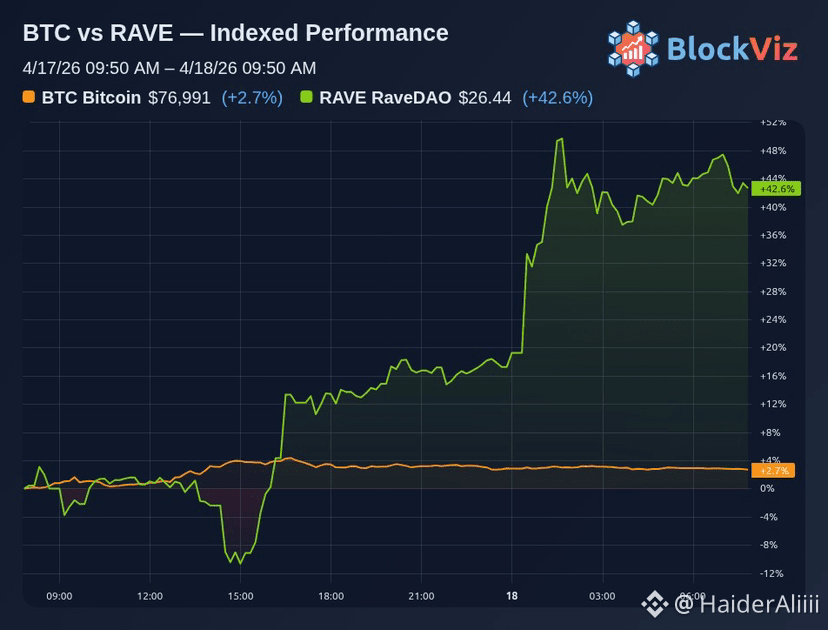
RaveDAO (RAVE) está demostrando un rendimiento explosivo en comparación con Bitcoin (BTC), liderando con un asombroso 39.9% en rendimiento indexado en los últimos dos días. La impresionante ganancia del 41.98% de RAVE en 24 horas contrasta fuertemente con el notable aumento del 2.67% de Bitcoin, destacando una clara y dramática divergencia en la dinámica del mercado a corto plazo. La diferencia máxima entre estos dos activos alcanzó un notable 46.7% durante el período.
Este robusto rendimiento de RAVE, un activo con una capitalización de mercado que supera los $6.5 mil millones, es un indicador clave para los participantes del mercado. Sugiere que el capital está fluyendo agresivamente hacia altcoins específicas, indicando dónde se concentra el notable crecimiento dentro del ecosistema cripto, en lugar de los movimientos generales del mercado. Tal divergencia significativa ofrece una fuerte visión sobre las preferencias del mercado en evolución y el apetito por el riesgo, incluso cuando Bitcoin experimenta un movimiento positivo
$RAVE
RaveDAO (RAVE) está demostrando un rendimiento explosivo en comparación con Bitcoin (BTC), liderando con un asombroso 39.9% en rendimiento indexado en los últimos dos días. La impresionante ganancia del 41.98% de RAVE en 24 horas contrasta fuertemente con el notable aumento del 2.67% de Bitcoin, destacando una clara y dramática divergencia en la dinámica del mercado a corto plazo. La diferencia máxima entre estos dos activos alcanzó un notable 46.7% durante el período.
Este robusto rendimiento de RAVE, un activo con una capitalización de mercado que supera los $6.5 mil millones, es un indicador clave para los participantes del mercado. Sugiere que el capital está fluyendo agresivamente hacia altcoins específicas, indicando dónde se concentra el notable crecimiento dentro del ecosistema cripto, en lugar de los movimientos generales del mercado. Tal divergencia significativa ofrece una fuerte visión sobre las preferencias del mercado en evolución y el apetito por el riesgo, incluso cuando Bitcoin experimenta un movimiento positivo
$RAVE
Este robusto rendimiento de RAVE, un activo con una capitalización de mercado que supera los $6.5 mil millones, es un indicador clave para los participantes del mercado. Sugiere que el capital está fluyendo agresivamente hacia altcoins específicas, indicando dónde se concentra el notable crecimiento dentro del ecosistema cripto, en lugar de los movimientos generales del mercado. Tal divergencia significativa ofrece una fuerte visión sobre las preferencias del mercado en evolución y el apetito por el riesgo, incluso cuando Bitcoin experimenta un movimiento positivo
$RAVE
11
·
--
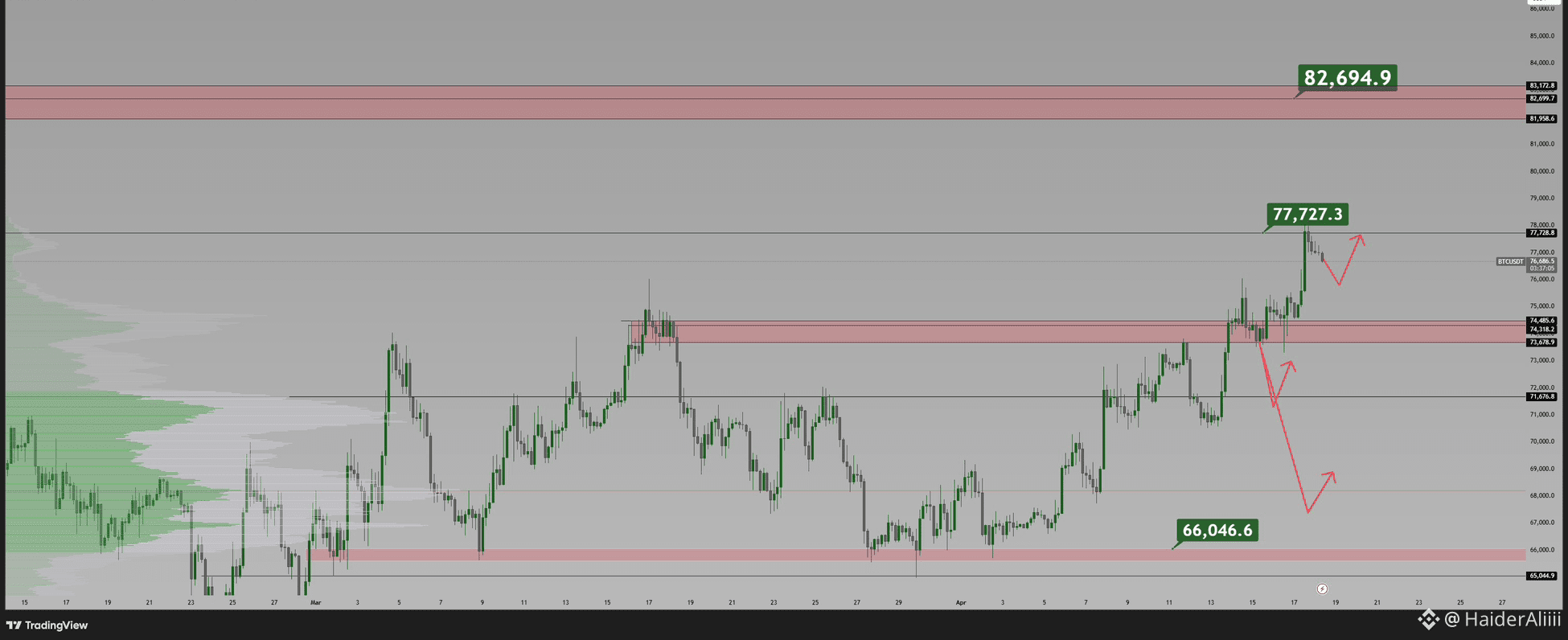
Creo que a corto plazo bajaremos un poco. La zona más importante para mí en este momento es el nivel de 82k, una resistencia de un marco temporal más alto. Ese es el siguiente punto donde tomaré ganancias.
Otras zonas siguen siendo válidas. A corto plazo, podríamos caer a 75.9k, y luego a 74.5k.
A mediano plazo soy optimista, pero la tendencia principal sigue siendo bajista hasta que superemos la zona de 82.6k.
¿Qué piensas?
$BTC #BTCPriceAnalysis
Creo que a corto plazo bajaremos un poco. La zona más importante para mí en este momento es el nivel de 82k, una resistencia de un marco temporal más alto. Ese es el siguiente punto donde tomaré ganancias.
Otras zonas siguen siendo válidas. A corto plazo, podríamos caer a 75.9k, y luego a 74.5k.
A mediano plazo soy optimista, pero la tendencia principal sigue siendo bajista hasta que superemos la zona de 82.6k.
¿Qué piensas?
$BTC #BTCPriceAnalysis
Otras zonas siguen siendo válidas. A corto plazo, podríamos caer a 75.9k, y luego a 74.5k.
A mediano plazo soy optimista, pero la tendencia principal sigue siendo bajista hasta que superemos la zona de 82.6k.
¿Qué piensas?
$BTC #BTCPriceAnalysis
43
·
--
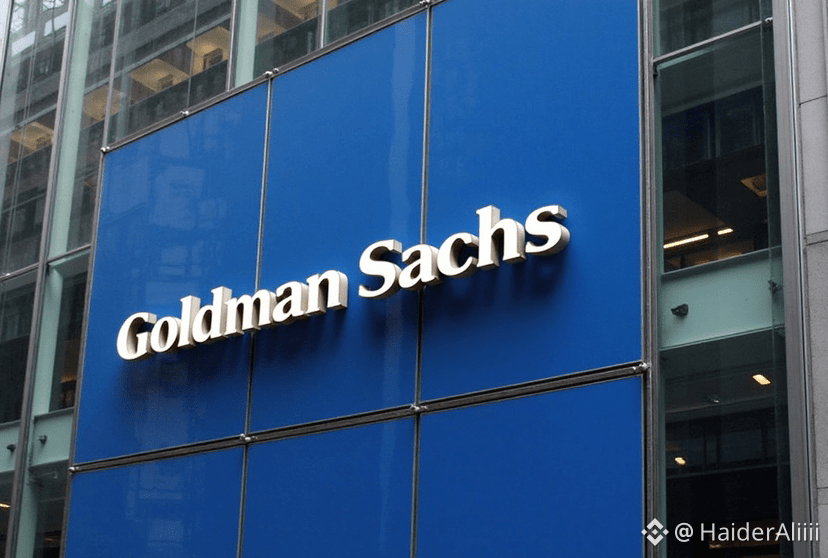
¡Goldman Sachs: La IA ha vuelto con una venganza!
Goldman Sachs confirma que el tema de la IA se está reavivando "muy, muy rápido." Mientras el software se queda atrás, los semiconductores ya están alcanzando nuevos máximos.
Este impulso impulsado por la tecnología a menudo sirve como un enorme viento a favor para Bitcoin, ya que la liquidez fluye de nuevo hacia activos de alto crecimiento. La estrategia:
El asesor senior Dominic Wilson sugiere un enfoque de
"mordisquear y cubrir." Agregar riesgo a $BTC y IA a precios más bajos, pero mantener las coberturas agresivas para sobrevivir a la volatilidad.
Mantente ágil - IA y BTC son los motores, pero la protección es la clave!
¡Goldman Sachs: La IA ha vuelto con una venganza!
Goldman Sachs confirma que el tema de la IA se está reavivando "muy, muy rápido." Mientras el software se queda atrás, los semiconductores ya están alcanzando nuevos máximos.
Este impulso impulsado por la tecnología a menudo sirve como un enorme viento a favor para Bitcoin, ya que la liquidez fluye de nuevo hacia activos de alto crecimiento. La estrategia:
El asesor senior Dominic Wilson sugiere un enfoque de
"mordisquear y cubrir." Agregar riesgo a $BTC y IA a precios más bajos, pero mantener las coberturas agresivas para sobrevivir a la volatilidad.
Mantente ágil - IA y BTC son los motores, pero la protección es la clave!
Goldman Sachs confirma que el tema de la IA se está reavivando "muy, muy rápido." Mientras el software se queda atrás, los semiconductores ya están alcanzando nuevos máximos.
Este impulso impulsado por la tecnología a menudo sirve como un enorme viento a favor para Bitcoin, ya que la liquidez fluye de nuevo hacia activos de alto crecimiento. La estrategia:
El asesor senior Dominic Wilson sugiere un enfoque de
"mordisquear y cubrir." Agregar riesgo a $BTC y IA a precios más bajos, pero mantener las coberturas agresivas para sobrevivir a la volatilidad.
Mantente ágil - IA y BTC son los motores, pero la protección es la clave!
37
·
--
ÚLTIMA HORA: 🇮🇷🇺🇸 Irán cierra oficialmente el Estrecho de Ormuz nuevamente después de que EE. UU. dice que no pondrá fin a su bloqueo.
ÚLTIMA HORA: 🇮🇷🇺🇸 Irán cierra oficialmente el Estrecho de Ormuz nuevamente después de que EE. UU. dice que no pondrá fin a su bloqueo.
18
·
--
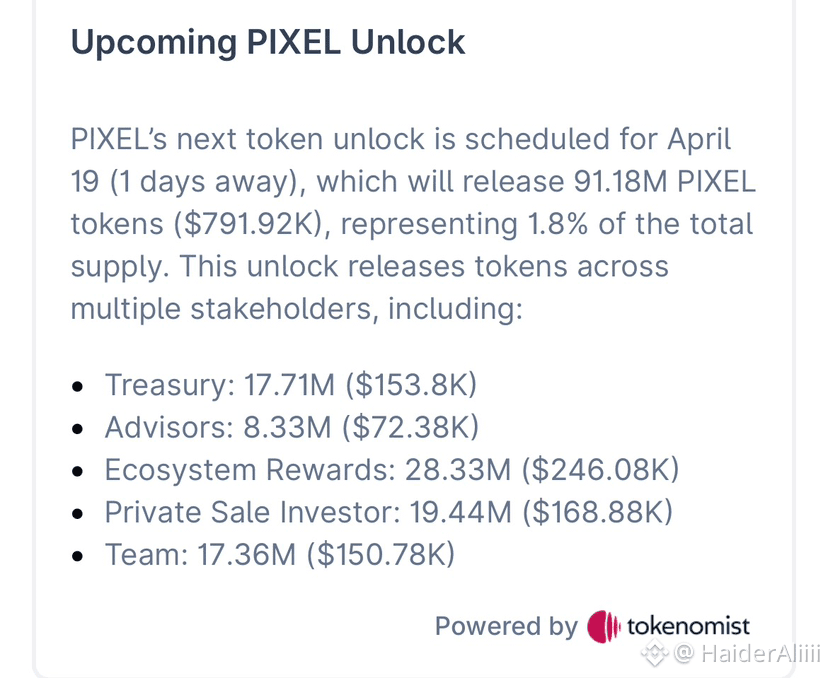
Mañana, 91.18 millones $PIXEL tokens se desbloquean. La mayoría de los titulares no lo saben.
Eso es $717K de suministro impactando el mercado a través de Tesorería, Asesores, Recompensas del Ecosistema, Venta Privada y Equipo — todo al mismo tiempo el 19 de abril.
La última vez que esto sucedió, el precio cayó un 55% en 60 días.
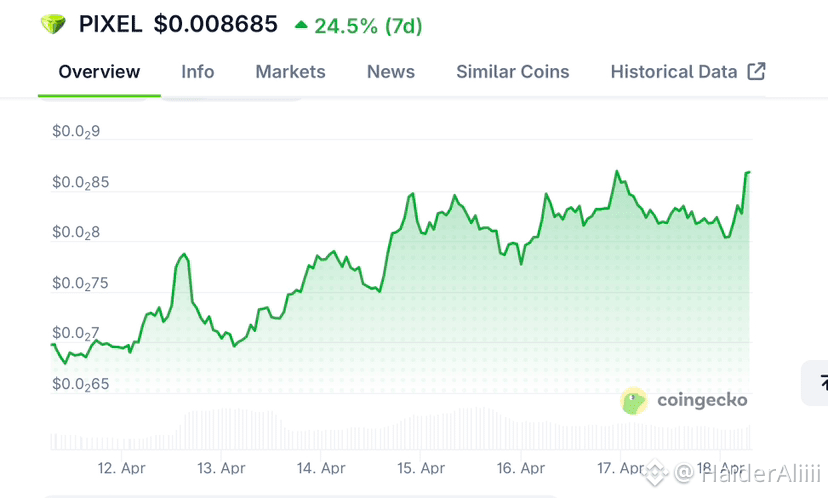
En este momento, PIXEL se comercia a $0.0078, con un incremento del 12% en la semana, con un volumen diario de $24.7M. O el mercado ya lo ha valorado — o aún no se ha dado cuenta.
Mira la acción del precio este fin de semana. Mantenerse por encima de $0.007 significa que el piso de staking es real. Romper por debajo de $0.006 significa que la presión de desbloqueo está ganando.
139M tokens todavía apostados. 1M usuarios diarios. $25M de ingresos del ecosistema. Los fundamentos no se han movido.
Pero los desbloqueos no se preocupan por los fundamentos
#pixel @pixels $PIXEL
Mañana, 91.18 millones $PIXEL tokens se desbloquean. La mayoría de los titulares no lo saben.
Eso es $717K de suministro impactando el mercado a través de Tesorería, Asesores, Recompensas del Ecosistema, Venta Privada y Equipo — todo al mismo tiempo el 19 de abril.
La última vez que esto sucedió, el precio cayó un 55% en 60 días.
En este momento, PIXEL se comercia a $0.0078, con un incremento del 12% en la semana, con un volumen diario de $24.7M. O el mercado ya lo ha valorado — o aún no se ha dado cuenta.
Mira la acción del precio este fin de semana. Mantenerse por encima de $0.007 significa que el piso de staking es real. Romper por debajo de $0.006 significa que la presión de desbloqueo está ganando.
139M tokens todavía apostados. 1M usuarios diarios. $25M de ingresos del ecosistema. Los fundamentos no se han movido.
Pero los desbloqueos no se preocupan por los fundamentos
#pixel @Pixels $PIXEL
Eso es $717K de suministro impactando el mercado a través de Tesorería, Asesores, Recompensas del Ecosistema, Venta Privada y Equipo — todo al mismo tiempo el 19 de abril.
La última vez que esto sucedió, el precio cayó un 55% en 60 días.
En este momento, PIXEL se comercia a $0.0078, con un incremento del 12% en la semana, con un volumen diario de $24.7M. O el mercado ya lo ha valorado — o aún no se ha dado cuenta.
Mira la acción del precio este fin de semana. Mantenerse por encima de $0.007 significa que el piso de staking es real. Romper por debajo de $0.006 significa que la presión de desbloqueo está ganando.
139M tokens todavía apostados. 1M usuarios diarios. $25M de ingresos del ecosistema. Los fundamentos no se han movido.
Pero los desbloqueos no se preocupan por los fundamentos
#pixel @Pixels $PIXEL
35
·
--
Artículo
Mañana es un gran día para $PIXEL y la mayoría de los holders ni siquiera se han dado cuenta.El 19 de abril, literalmente mañana, se desbloquearán 91.18 millones de tokens PIXEL. Eso son $717K en suministro que llega al mercado de una vez, abarcando Tesorería, Asesores, Recompensas del Ecosistema, inversores de Venta Privada y wallets del Equipo.
La última vez que llegó un desbloqueo de este tamaño, el precio cayó un 55% en los siguientes 60 días.
Y aún así, ahora mismo, Pixel está en $0.0078 — subiendo un 12.3% en la semana — con un volumen de $24.7 millones en 24h. El mercado o no está prestando atención, o ya lo ha descontado. Esas son dos situaciones muy diferentes.
Mañana es un gran día para $PIXEL y la mayoría de los holders ni siquiera se han dado cuenta.
El 19 de abril, literalmente mañana, se desbloquearán 91.18 millones de tokens PIXEL. Eso son $717K en suministro que llega al mercado de una vez, abarcando Tesorería, Asesores, Recompensas del Ecosistema, inversores de Venta Privada y wallets del Equipo.
La última vez que llegó un desbloqueo de este tamaño, el precio cayó un 55% en los siguientes 60 días.
Y aún así, ahora mismo, Pixel está en $0.0078 — subiendo un 12.3% en la semana — con un volumen de $24.7 millones en 24h. El mercado o no está prestando atención, o ya lo ha descontado. Esas son dos situaciones muy diferentes.
La última vez que llegó un desbloqueo de este tamaño, el precio cayó un 55% en los siguientes 60 días.
Y aún así, ahora mismo, Pixel está en $0.0078 — subiendo un 12.3% en la semana — con un volumen de $24.7 millones en 24h. El mercado o no está prestando atención, o ya lo ha descontado. Esas son dos situaciones muy diferentes.
1
113
·
--
Imprimió +193% en 24 horas.
Luego la pregunta que nadie quería hacerDurante la mayor parte de febrero de 2026, $PIXEL estaba negociándose alrededor de $0.0045. Un número tan lejos de su punto de partida que había dejado de sentirse como un precio y había comenzado a sentirse como una abstracción. Las personas que compraron cerca de la cima lo habían estado observando durante dos años. Las personas que compraron la caída se preguntaban a qué caída se referían.
Y luego, en marzo, algo cambió. El volumen explotó — no un 20%, no un 50%, sino más del 6,000% en una sola ventana de 24 horas. El precio pasó de aproximadamente $0.007 a casi $0.020 antes de estabilizarse. 193% en un día. El tipo de número que vacía los hilos de Discord de matices y los llena de objetivos de precio en su lugar.
Imprimió +193% en 24 horas. Luego la pregunta que nadie quería hacer
Durante la mayor parte de febrero de 2026, $PIXEL estaba negociándose alrededor de $0.0045. Un número tan lejos de su punto de partida que había dejado de sentirse como un precio y había comenzado a sentirse como una abstracción. Las personas que compraron cerca de la cima lo habían estado observando durante dos años. Las personas que compraron la caída se preguntaban a qué caída se referían.
Y luego, en marzo, algo cambió. El volumen explotó — no un 20%, no un 50%, sino más del 6,000% en una sola ventana de 24 horas. El precio pasó de aproximadamente $0.007 a casi $0.020 antes de estabilizarse. 193% en un día. El tipo de número que vacía los hilos de Discord de matices y los llena de objetivos de precio en su lugar.
Y luego, en marzo, algo cambió. El volumen explotó — no un 20%, no un 50%, sino más del 6,000% en una sola ventana de 24 horas. El precio pasó de aproximadamente $0.007 a casi $0.020 antes de estabilizarse. 193% en un día. El tipo de número que vacía los hilos de Discord de matices y los llena de objetivos de precio en su lugar.
76
·
--
ÚLTIMA HORA: 🇮🇷 Un funcionario iraní dice que los barcos aún deberán pagar peajes para cruzar el estrecho de Ormuz.
ÚLTIMA HORA: 🇮🇷 Un funcionario iraní dice que los barcos aún deberán pagar peajes para cruzar el estrecho de Ormuz.
7
·
--
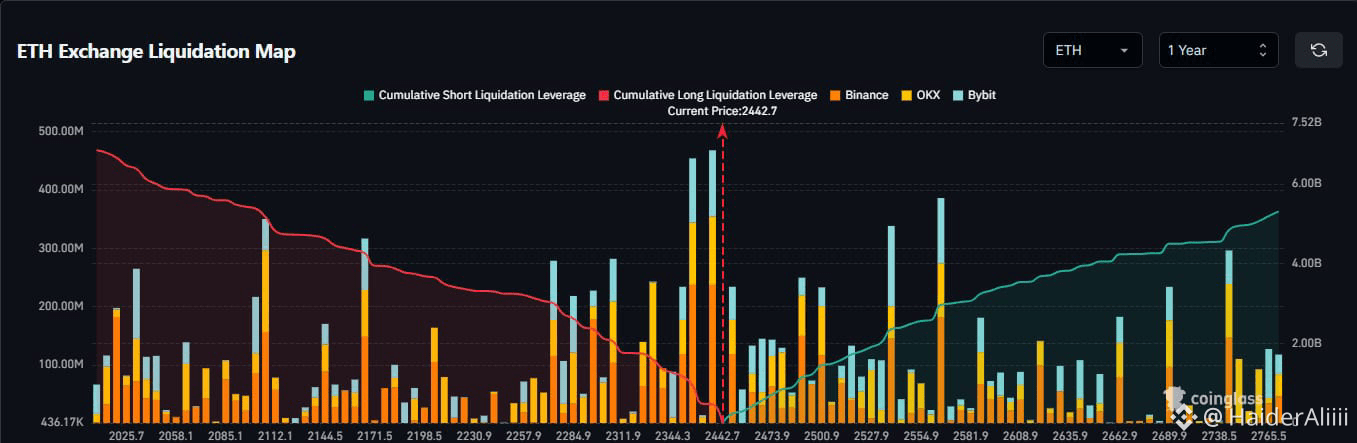
ALERTA DE LIQUIDACIÓN 🚨
$4,500,000,000 en posiciones cortas se destruirán si $ETH pumps 10%.
ALERTA DE LIQUIDACIÓN 🚨
$4,500,000,000 en posiciones cortas se destruirán si $ETH pumps 10%.
$4,500,000,000 en posiciones cortas se destruirán si $ETH pumps 10%.
11
·
--

Artículo
$PIXEL no está siendo recompensado por lo que construyó. Está siendo castigado por lo que el mercado recuerda.Hay una versión de este proyecto que sería celebrada en este momento. Un juego Web3 con más de un millón de usuarios activos diarios. Un ecosistema que cruzó los $25 millones en ingresos. Un sistema de staking que bloqueó 139 millones de tokens incluso mientras el precio caía. Un hito de rentabilidad — el gasto neto superando las recompensas de tokens — que casi ningún proyecto de GameFi ha alcanzado alguna vez.
Esa versión existe. Los datos lo confirman.
Y aún así $PIXEL comercia a aproximadamente $0.0075 a partir de abril de 2026. Una caída del 99.3% desde su máximo histórico de $1.02. La capitalización de mercado está alrededor de $22 millones — menos de lo que algunos tokens de meme respaldados por influencers recaudan en un fin de semana.
$PIXEL no está siendo recompensado por lo que construyó. Está siendo castigado por lo que el mercado recuerda.
Hay una versión de este proyecto que sería celebrada en este momento. Un juego Web3 con más de un millón de usuarios activos diarios. Un ecosistema que cruzó los $25 millones en ingresos. Un sistema de staking que bloqueó 139 millones de tokens incluso mientras el precio caía. Un hito de rentabilidad — el gasto neto superando las recompensas de tokens — que casi ningún proyecto de GameFi ha alcanzado alguna vez.
Esa versión existe. Los datos lo confirman.
Y aún así $PIXEL comercia a aproximadamente $0.0075 a partir de abril de 2026. Una caída del 99.3% desde su máximo histórico de $1.02. La capitalización de mercado está alrededor de $22 millones — menos de lo que algunos tokens de meme respaldados por influencers recaudan en un fin de semana.
Esa versión existe. Los datos lo confirman.
Y aún así $PIXEL comercia a aproximadamente $0.0075 a partir de abril de 2026. Una caída del 99.3% desde su máximo histórico de $1.02. La capitalización de mercado está alrededor de $22 millones — menos de lo que algunos tokens de meme respaldados por influencers recaudan en un fin de semana.
2
1
19
·
--
28
·
--
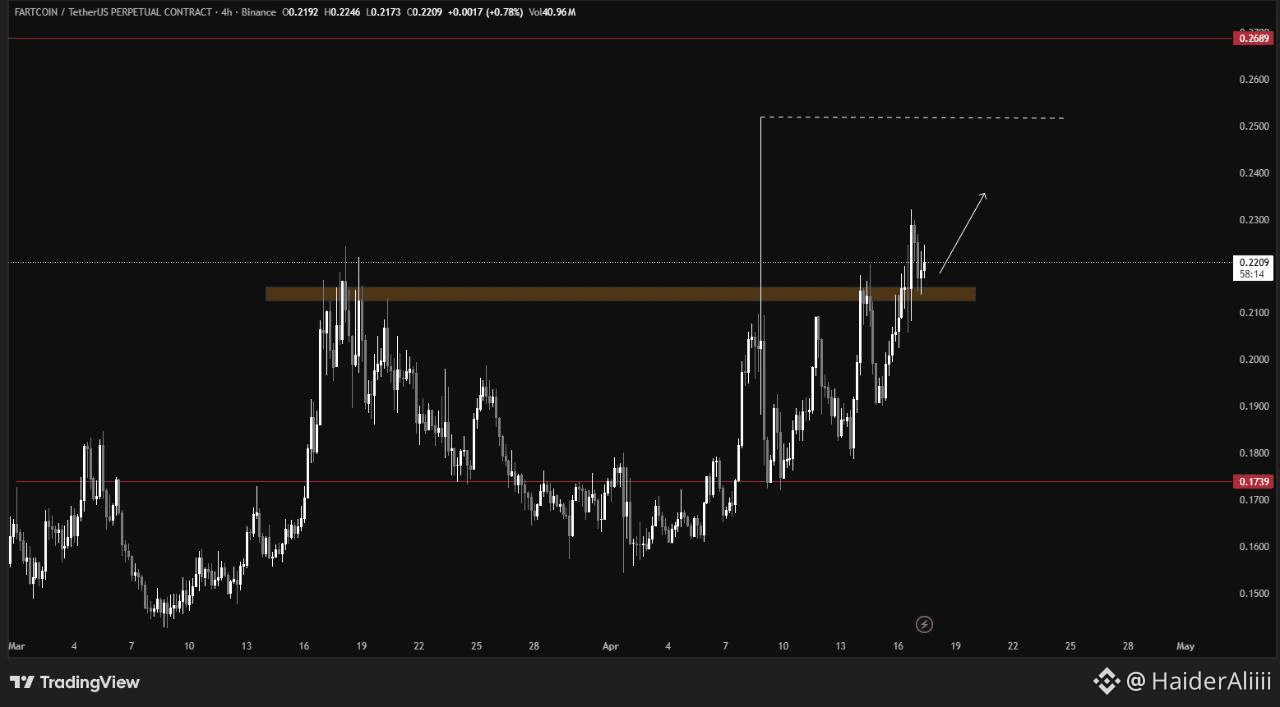
*$FARTCOIN* 📊
Fuertes momentum alcista en juego — la ruptura y la configuración de retesteo ya se ha confirmado. Ahora es momento de ver cómo se desarrolla este movimiento. 🚀
*$FARTCOIN* 📊
Fuertes momentum alcista en juego — la ruptura y la configuración de retesteo ya se ha confirmado. Ahora es momento de ver cómo se desarrolla este movimiento. 🚀
Fuertes momentum alcista en juego — la ruptura y la configuración de retesteo ya se ha confirmado. Ahora es momento de ver cómo se desarrolla este movimiento. 🚀
103
·
--
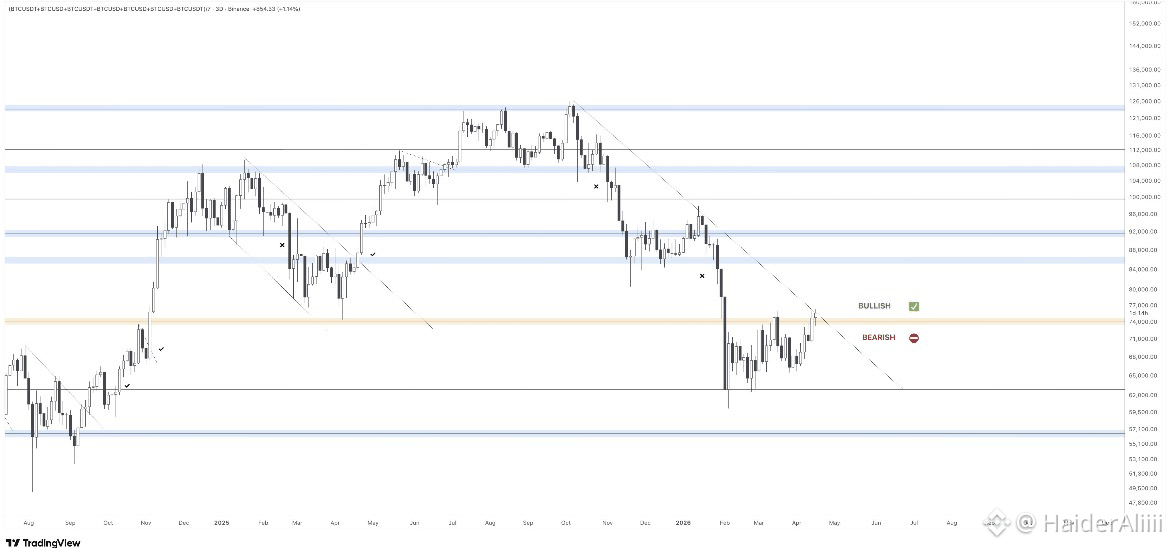
Tiempo de decisión para
$BTC : Superando la
resistencia principal a la baja y buscando activar la reversión alcista.
¿Estás listo?
Tiempo de decisión para
$BTC : Superando la
resistencia principal a la baja y buscando activar la reversión alcista.
¿Estás listo?
$BTC : Superando la
resistencia principal a la baja y buscando activar la reversión alcista.
¿Estás listo?
61
·
--
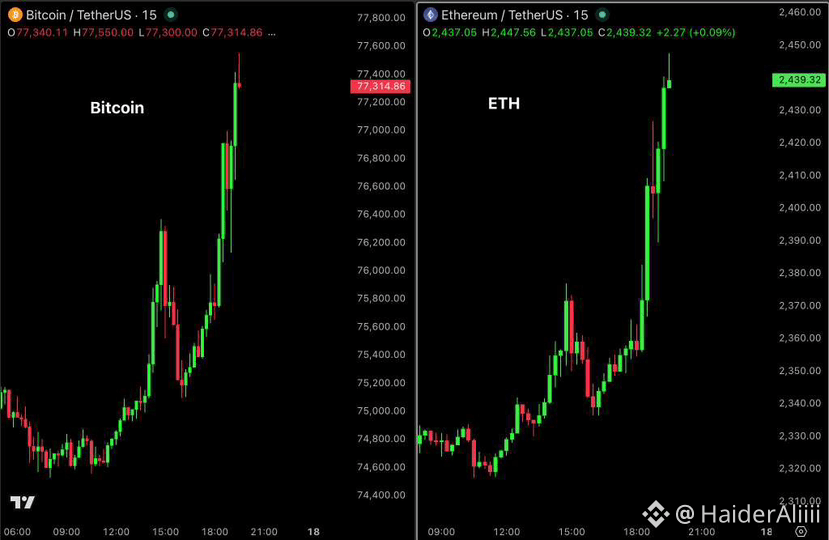
$BTC Recupera $77K Mientras Ethereum $ETH Vuelve a Superar $2,450.
Un Fuerte Momentum Alcista Ha Regresado En Poco Tiempo.
Miles de Millones Añadidos A Las Capitalizaciones De Mercado En Cuestión De Horas.
Al Mismo Tiempo, Liquidaciones Masivas Han Golpeado El Mercado.
Eso Te Dice Una Cosa.
El Posicionamiento Estaba Fuertemente Desviado.
Cuando Eso Sucede, El Precio Se Mueve Rápido.
Ahora La Atención Se Desplaza A La Reacción.
Si El Momentum Se Mantiene, La Tendencia Se Extiende.
Si No, La Volatilidad Permanece Elevada.
$BTC Recupera $77K Mientras Ethereum $ETH Vuelve a Superar $2,450.
Un Fuerte Momentum Alcista Ha Regresado En Poco Tiempo.
Miles de Millones Añadidos A Las Capitalizaciones De Mercado En Cuestión De Horas.
Al Mismo Tiempo, Liquidaciones Masivas Han Golpeado El Mercado.
Eso Te Dice Una Cosa.
El Posicionamiento Estaba Fuertemente Desviado.
Cuando Eso Sucede, El Precio Se Mueve Rápido.
Ahora La Atención Se Desplaza A La Reacción.
Si El Momentum Se Mantiene, La Tendencia Se Extiende.
Si No, La Volatilidad Permanece Elevada.
Un Fuerte Momentum Alcista Ha Regresado En Poco Tiempo.
Miles de Millones Añadidos A Las Capitalizaciones De Mercado En Cuestión De Horas.
Al Mismo Tiempo, Liquidaciones Masivas Han Golpeado El Mercado.
Eso Te Dice Una Cosa.
El Posicionamiento Estaba Fuertemente Desviado.
Cuando Eso Sucede, El Precio Se Mueve Rápido.
Ahora La Atención Se Desplaza A La Reacción.
Si El Momentum Se Mantiene, La Tendencia Se Extiende.
Si No, La Volatilidad Permanece Elevada.
45
·
--
Saylor de vuelta en ganancias como base de costo clave:
$BTC Reclamos
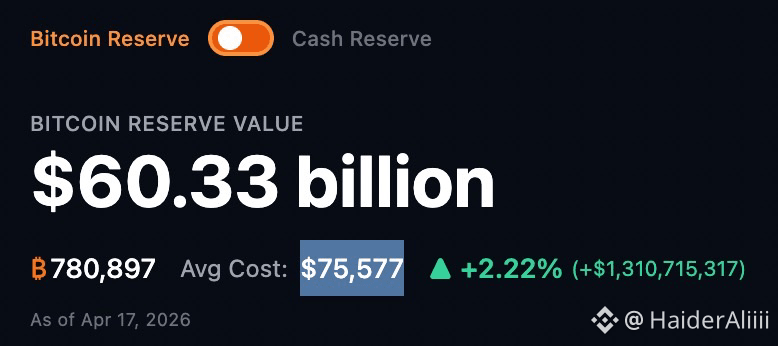
A medida que #Bitcoin supera nuevamente la zona de $77K, la agresiva estrategia de acumulación de Michael Saylor se valida una vez más, con sus masivos holdings de BTC regresando a territorio de ganancias. Después de soportar un prolongado retroceso por debajo de la entrada promedio, este movimiento marca un punto de inflexión crítico donde la convicción comienza a superar la volatilidad.
El reclamo de esta base de costo es más que una victoria psicológica, señala que la posición institucional a gran escala está siendo defendida estructuralmente. Si Bitcoin se mantiene por encima de este rango, el mercado puede entrar en una fase donde el capital previamente en pérdidas se convierte en combustible de momentum, reforzando la continuación al alza.
Saylor de vuelta en ganancias como base de costo clave:
$BTC Reclamos
A medida que #Bitcoin supera nuevamente la zona de $77K, la agresiva estrategia de acumulación de Michael Saylor se valida una vez más, con sus masivos holdings de BTC regresando a territorio de ganancias. Después de soportar un prolongado retroceso por debajo de la entrada promedio, este movimiento marca un punto de inflexión crítico donde la convicción comienza a superar la volatilidad.
El reclamo de esta base de costo es más que una victoria psicológica, señala que la posición institucional a gran escala está siendo defendida estructuralmente. Si Bitcoin se mantiene por encima de este rango, el mercado puede entrar en una fase donde el capital previamente en pérdidas se convierte en combustible de momentum, reforzando la continuación al alza.
$BTC Reclamos
A medida que #Bitcoin supera nuevamente la zona de $77K, la agresiva estrategia de acumulación de Michael Saylor se valida una vez más, con sus masivos holdings de BTC regresando a territorio de ganancias. Después de soportar un prolongado retroceso por debajo de la entrada promedio, este movimiento marca un punto de inflexión crítico donde la convicción comienza a superar la volatilidad.
El reclamo de esta base de costo es más que una victoria psicológica, señala que la posición institucional a gran escala está siendo defendida estructuralmente. Si Bitcoin se mantiene por encima de este rango, el mercado puede entrar en una fase donde el capital previamente en pérdidas se convierte en combustible de momentum, reforzando la continuación al alza.
4
·
--
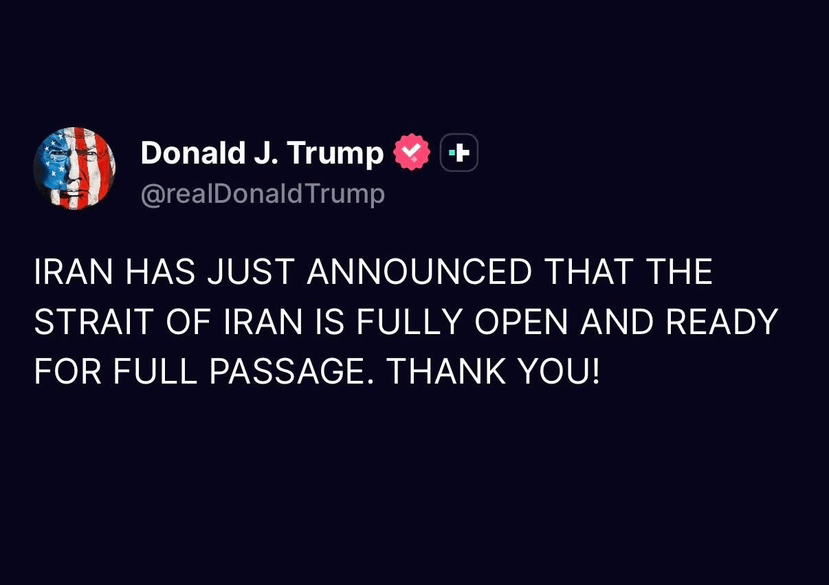
Después de gastar $54 mil millones en la guerra y perder hombres y máquinas, América finalmente ha logrado abrir el Estrecho de Ormuz, que ya estaba abierto antes de que comenzara la guerra. Y ahora se llama el Estrecho de Irán. Gran victoria para Trump.
Después de gastar $54 mil millones en la guerra y perder hombres y máquinas, América finalmente ha logrado abrir el Estrecho de Ormuz, que ya estaba abierto antes de que comenzara la guerra. Y ahora se llama el Estrecho de Irán. Gran victoria para Trump.
Drake_
·
--
🚨 ÚLTIMA HORA: TRUMP AGRADECE A IRÁ MIENTRAS EL ESTRECHO DE HORMUZ REABRE
El petróleo cae por debajo de $100 después de alcanzar $130.
El alto el fuego entre Israel y Líbano está ahora en vigor.
El acuerdo de paz potencialmente a días de distancia.
Los mercados están en alza. El riesgo ha regresado.
El petróleo cae por debajo de $100 después de alcanzar $130.
El alto el fuego entre Israel y Líbano está ahora en vigor.
El acuerdo de paz potencialmente a días de distancia.
Los mercados están en alza. El riesgo ha regresado.
213
·
--

Artículo
15.42% del suministro está en circulación. El resto es una promesa que nadie lee detenidamenteHay un documento en algún lugar — probablemente una página de tokenomía, probablemente actualizado por última vez durante un ciclo de mercado que ahora se siente distante — que describe exactamente cuándo el 84.58% restante de $PIXEL suministro entrará en circulación. La mayoría de las personas nunca lo han leído. La mayoría de las personas que poseen el token nunca han pensado en buscarlo.
Eso no es inusual. Es casi universal en este espacio. Los cronogramas de liberación de tokens son una de esas cosas que todos reconocen en teoría y muy pocos realmente rastrean en la práctica. Hasta que ocurre un desbloqueo, y el precio cae un 40% en una semana, y de repente todos son expertos en la liberación por acantilado.
15.42% del suministro está en circulación. El resto es una promesa que nadie lee detenidamente
Hay un documento en algún lugar — probablemente una página de tokenomía, probablemente actualizado por última vez durante un ciclo de mercado que ahora se siente distante — que describe exactamente cuándo el 84.58% restante de $PIXEL suministro entrará en circulación. La mayoría de las personas nunca lo han leído. La mayoría de las personas que poseen el token nunca han pensado en buscarlo.
Eso no es inusual. Es casi universal en este espacio. Los cronogramas de liberación de tokens son una de esas cosas que todos reconocen en teoría y muy pocos realmente rastrean en la práctica. Hasta que ocurre un desbloqueo, y el precio cae un 40% en una semana, y de repente todos son expertos en la liberación por acantilado.
Eso no es inusual. Es casi universal en este espacio. Los cronogramas de liberación de tokens son una de esas cosas que todos reconocen en teoría y muy pocos realmente rastrean en la práctica. Hasta que ocurre un desbloqueo, y el precio cae un 40% en una semana, y de repente todos son expertos en la liberación por acantilado.
1
29
·
--
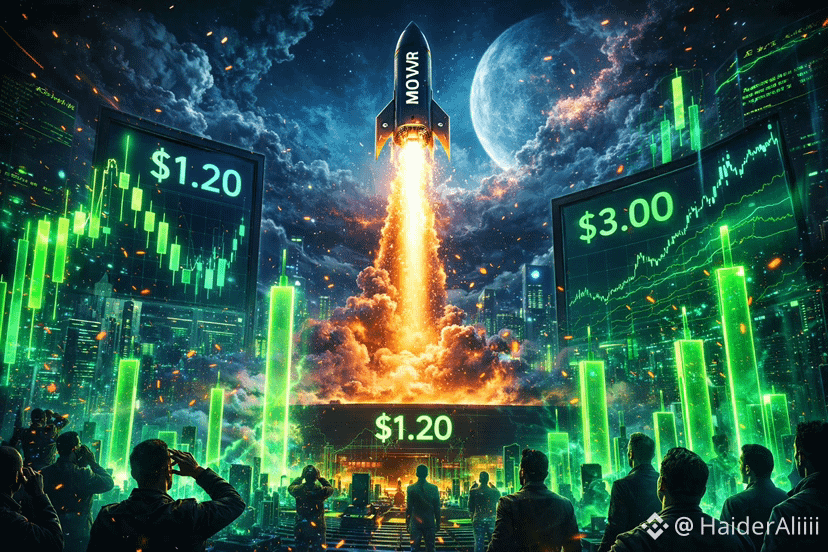
¡MOVR se despertó de una manera que el mercado no puede ignorar!
Después de negociar plano cerca de $1.20 durante días,
$MOVR
explotó a más de $3, imprimiendo un movimiento semanal del 151%.
Ese tipo de ruptura después de una larga inactividad generalmente señala un evento de liquidez repentino o una rotación especulativa agresiva.
Lo que realmente destaca es que el volumen en 24 horas subió un 3,851% y el volumen ahora es múltiplos por encima de la capitalización de mercado.
Eso te dice que esto no es una demanda normal en el mercado; es una prisa de atención total.
¿Entonces qué tenemos?
→ La fase de compresión larga terminó violentamente
→ El impulso es fuerte, pero sobrecalentado
→ La zona de $3 se convierte en clave: mantén esto y la tendencia continúa, pérdelo y el riesgo de retroceso rápido aumenta.
Esta ya no es una moneda durmiente, y ahora está en el radar de todos los traders.
¿Perseguirías a MOVR aquí, o esperarías a la corrección?
#MOVR/USDT $MOVR
¡MOVR se despertó de una manera que el mercado no puede ignorar!
Después de negociar plano cerca de $1.20 durante días,
$MOVR
explotó a más de $3, imprimiendo un movimiento semanal del 151%.
Ese tipo de ruptura después de una larga inactividad generalmente señala un evento de liquidez repentino o una rotación especulativa agresiva.
Lo que realmente destaca es que el volumen en 24 horas subió un 3,851% y el volumen ahora es múltiplos por encima de la capitalización de mercado.
Eso te dice que esto no es una demanda normal en el mercado; es una prisa de atención total.
¿Entonces qué tenemos?
→ La fase de compresión larga terminó violentamente
→ El impulso es fuerte, pero sobrecalentado
→ La zona de $3 se convierte en clave: mantén esto y la tendencia continúa, pérdelo y el riesgo de retroceso rápido aumenta.
Esta ya no es una moneda durmiente, y ahora está en el radar de todos los traders.
¿Perseguirías a MOVR aquí, o esperarías a la corrección?
#MOVR/USDT $MOVR
Después de negociar plano cerca de $1.20 durante días,
$MOVR
explotó a más de $3, imprimiendo un movimiento semanal del 151%.
Ese tipo de ruptura después de una larga inactividad generalmente señala un evento de liquidez repentino o una rotación especulativa agresiva.
Lo que realmente destaca es que el volumen en 24 horas subió un 3,851% y el volumen ahora es múltiplos por encima de la capitalización de mercado.
Eso te dice que esto no es una demanda normal en el mercado; es una prisa de atención total.
¿Entonces qué tenemos?
→ La fase de compresión larga terminó violentamente
→ El impulso es fuerte, pero sobrecalentado
→ La zona de $3 se convierte en clave: mantén esto y la tendencia continúa, pérdelo y el riesgo de retroceso rápido aumenta.
Esta ya no es una moneda durmiente, y ahora está en el radar de todos los traders.
¿Perseguirías a MOVR aquí, o esperarías a la corrección?
#MOVR/USDT $MOVR
1
122
Inicia sesión para explorar más contenidos
Únete a usuarios de criptomonedas de todo el mundo en Binance Square
⚡️ Obtén la información más reciente y útil sobre criptomonedas.
💬 Confía en el mayor exchange de criptomonedas del mundo.
👍 Descubre opiniones reales de creadores verificados.
Correo electrónico/número de teléfono
Temas en tendencia
FedRateWatch
562,934 visualizaciones
2,670 participa(n) en el debate
Comparte y gana recompensas de tráfico en nuestra campaña de hashtag en tendencia
✨Tema: FOMC septiembre, ¿cuál será el próximo movimiento de la Fed?
👉Cómo unirte:
Publica una publicación breve o un artículo con el hashtag #FedRateWatch
Crea contenido basado en los siguientes enfoques:
- El CPI subyacente de agosto aumentó 0.3% mes a mes, y las probabilidades de una subida de 25 pb esta semana ahora están cerca del 90%. ¿Anticipas una subida de tasas esta semana? ¿Es algo puntual o el inicio de un ciclo de subidas más largo?
- Si la subida ocurre, ¿cómo se desarrolla para BTC, acciones tecnológicas y oro? ¿Alcista o bajista?
- ¿Cómo planeas operar a continuación? Comparte tu operación/tenencias de BTC, acciones u oro con nuestro widget para compartir operaciones.
⏰Periodo de la campaña:
- 2026-09-15 11:00 - 2026-09-17 3:00 UTC
🎁Recompensa:
- Las publicaciones que cumplan con las pautas anteriores y tengan más de 100 palabras serán revisadas y podrían recibir un impulso aleatorio de tráfico de 500 a 3,000 visitas. Recibirás una notificación de tu secretario/a de feed si tu publicación es seleccionada.
- Obtén la oportunidad de que tu artículo aparezca destacado en Binance Square Official
¿Necesitas ideas para tu publicación? Visita la página del tema #FedRateWatch o la Square Guide on How to Post for Better Reach.
Binance Square Official
·380 «Me gusta»
·839.5k visualizaciones
BitcoinSlidesTo$76000
21,176 visualizaciones
115 participa(n) en el debate
BitcoinReboundsTo$79K
61,739 visualizaciones
401 participa(n) en el debate