
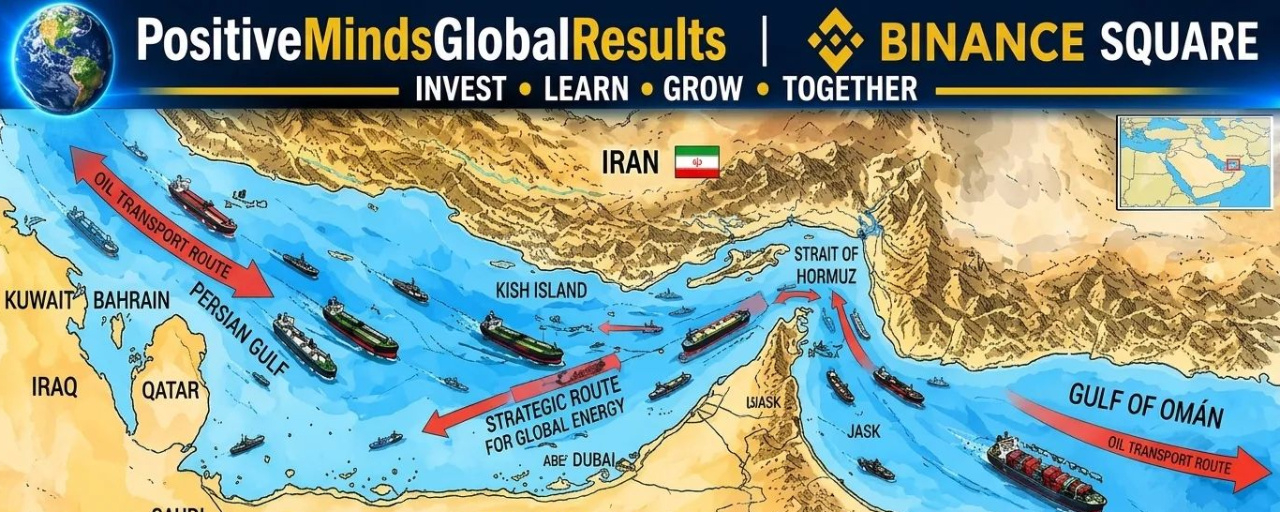

🌍 #PositiveMindsGlobalResults #BinanceSquare #BinanceNews
BINANCE SQUARE | INVEST • LEARN • GROW • TOGETHER
NOVEMBER 25, 2026 | GLOBAL ENERGY • GEOPOLITICS • FINANCIAL MARKETS • CRYPTOCURRENCIES.
THE NEXT GLOBAL ENERGY SHOCK: IRAN’S OPERATION FEREYDUN, THE STRAIT OF HORMUZ CRISIS AND A NEW GEOPOLITICAL POWER STRUGGLE
How escalating US–Iran tensions, China's growing influence and Russia's strategic calculations could reshape global energy security, financial markets, stock markets and cryptocurrencies.
The world is approaching another critical moment in the global energy crisis. What initially appeared to be a regional confrontation between Washington and Tehran is increasingly developing into a wider geopolitical and economic struggle, with consequences extending far beyond the Middle East.
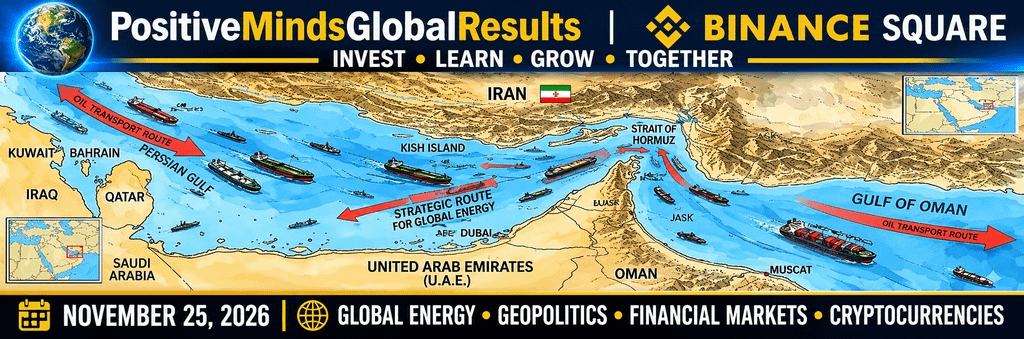
At the centre of this unfolding situation is the Strait of Hormuz, one of the world's most strategically important energy transportation routes. The confrontation surrounding this narrow maritime passage has raised concerns about oil and gas supplies, international shipping, inflation, financial stability and the future balance of power between the United States, China, Russia and regional Middle Eastern governments.
A particularly significant development is the reported proposal known as Operation Fereydun, which has brought renewed attention to Iran's willingness to challenge the US naval blockade and use energy transportation as a source of geopolitical leverage.
However, this is not simply an oil-market story. It is also a test of military deterrence, diplomatic credibility, international alliances and the resilience of the global economy.
1. What is Operation Fereydun? Iran's reported challenge to the US blockade
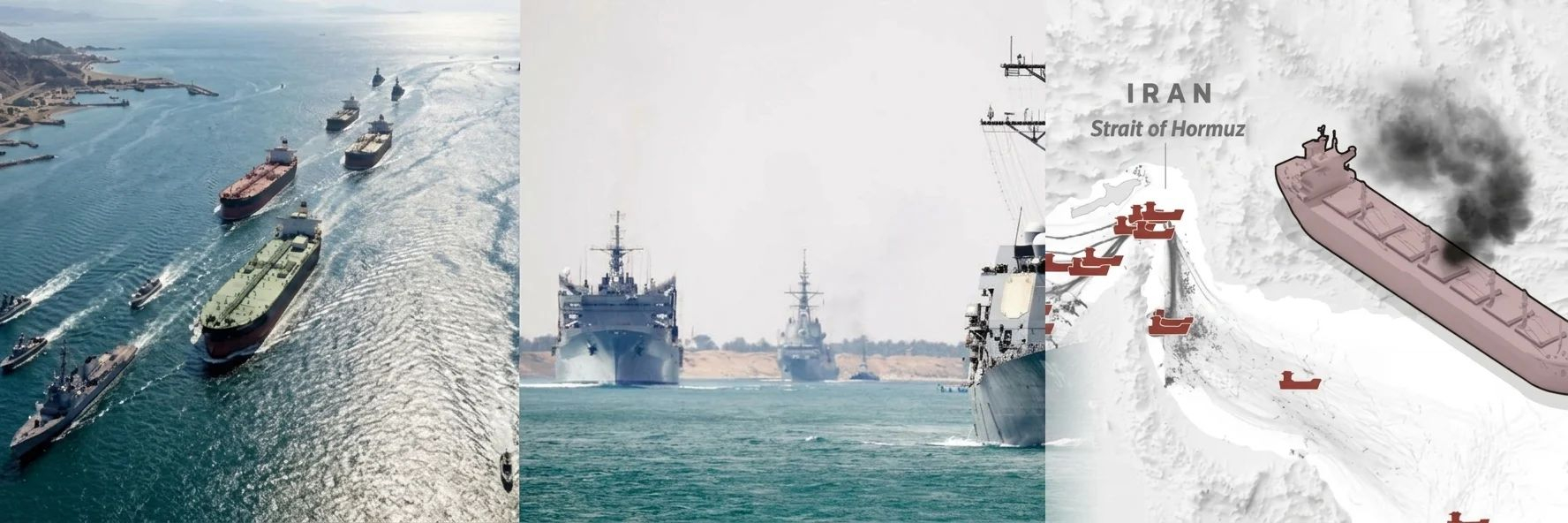
One of the most closely watched developments is the reported Iranian proposal called Operation Fereydun, named after a legendary Persian hero from the Shahnameh, an ancient Persian epic.
According to reporting published on November 21 by Iran International, the proposal appeared in an illustration circulated by Fars News Agency, which is affiliated with Iran's Revolutionary Guard network.
The proposal reportedly involves sending a convoy of Iranian oil tankers towards China, potentially accompanied by Iranian naval vessels, to challenge the US naval blockade.
The proposal also reportedly warns that if Washington attempts to stop the convoy, Iran could retaliate against energy infrastructure in neighboring countries, including:
Saudi Arabia.
United Arab Emirates.
Qatar.
The important distinction is that Operation Fereydun has been reported as a proposed strategy, not a confirmed military operation officially announced by Iran's government. Its actual implementation remains uncertain.
Why is this proposal important?
The proposal represents more than an attempt to move Iranian oil.
It potentially creates a direct confrontation between three interests:
Iran's determination to maintain access to international oil markets.
The United States' objective of enforcing restrictions on Iranian exports.
China's interest in maintaining access to affordable energy supplies.
If Iranian tankers attempt to challenge the blockade, Washington could face a difficult decision: allow the vessels to proceed, risking the credibility of its sanctions policy, or intercept them, potentially triggering a wider military confrontation.
Tehran could also use the presence of international media, civilian representatives or anti-war activists aboard vessels to increase the diplomatic and political consequences of any interception. These possibilities have appeared in discussions surrounding the proposal, but should not be confused with confirmed operational arrangements
The strategic danger: A confrontation involving even one tanker could rapidly become a much larger international crisis if military retaliation affects commercial shipping or energy infrastructure.
2. The Strait of Hormuz: The world's energy supply under pressure
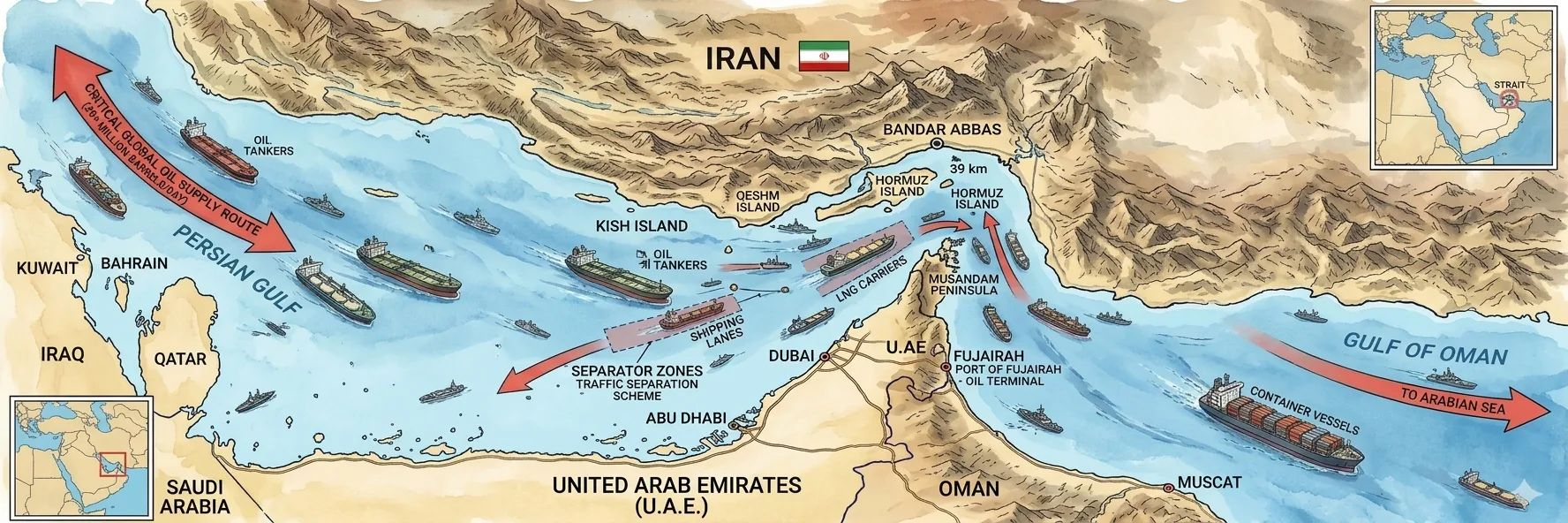
The Strait of Hormuz is a critical maritime gateway connecting the Persian Gulf with the Gulf of Oman and the wider international shipping network.
Its importance comes from the enormous volume of oil and petroleum products transported through the passage, alongside liquefied natural gas supplies.
When shipping through this corridor becomes dangerous or restricted, the consequences extend to economies thousands of kilometers away.
Recent developments are particularly concerning:
More than 25 tankers were reportedly hit during the week covered by Al Jazeera's November 24 report.
Shipping movements between November 17 and 23 were approximately 40% lower than during November 1–7.
Only 28 ships were recorded crossing during the 24-hour period discussed in the report, compared with approximately 125–140 daily crossings before the war.
Brent crude, despite previously rising above $120 per barrel during the crisis, was reported at approximately $88.35 in the November 24 market snapshot.
These figures demonstrate an important point: reduced shipping activity does not automatically mean oil prices will continue rising. Markets also consider available inventories, alternative supplies, demand destruction and expectations of diplomatic progress.
What happens if the disruption continues?
The consequences could include:
Oil: Higher transportation costs, insurance premiums and supply uncertainty.
Natural gas: Greater competition for LNG cargoes, especially among Asian importers.
Shipping: Longer routes, delayed deliveries and increased freight costs.
Manufacturing: Higher production costs for industries dependent on energy and petrochemical products.
Consumers: More expensive petrol, electricity, transportation, food and essential goods.
The crisis is therefore not limited to oil-producing countries. Import-dependent economies could experience some of the most immediate economic consequences.
3. The United States: Strategic advantages and disadvantages in the Middle East
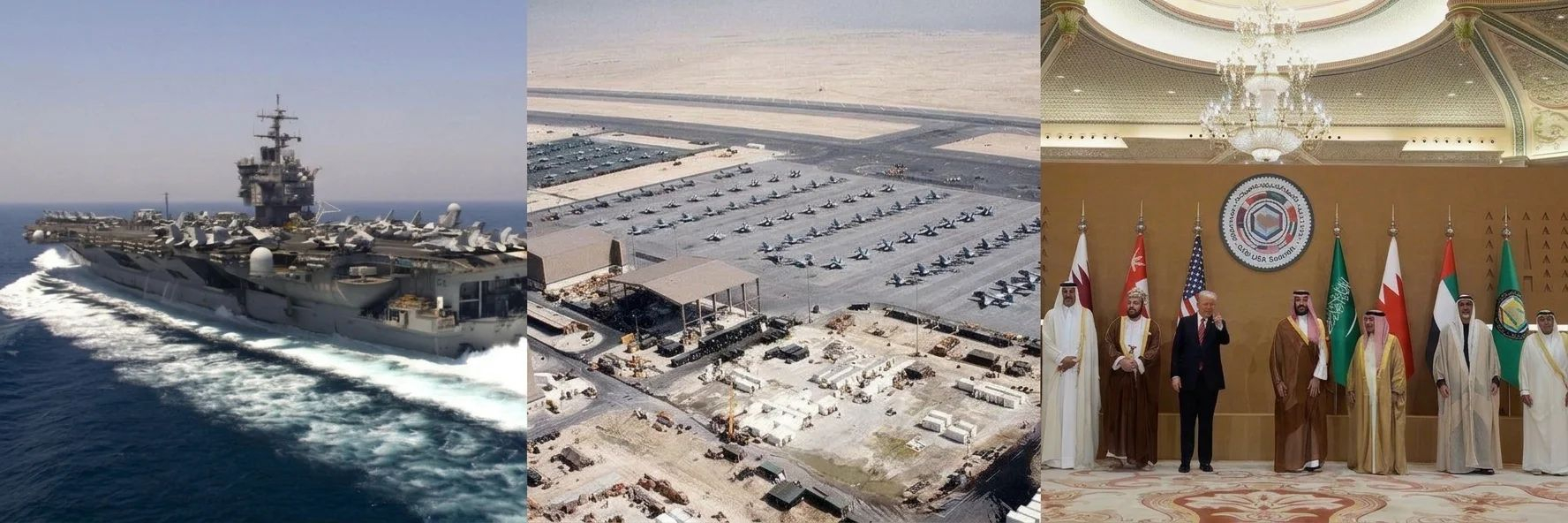
Washington occupies a powerful but increasingly complicated position.
The United States has considerable military capabilities, established regional partnerships, intelligence networks and influence over international financial and economic restrictions.
However, military strength does not automatically translate into long-term political stability.
Advantages for Washington
1. Military deterrence
The US military presence in the region provides Washington with the ability to protect its personnel, support regional partners and discourage attacks against important maritime routes.
2. Energy production flexibility
The United States is a major energy producer. Its domestic oil and gas production gives it more flexibility than countries heavily dependent on imported Middle Eastern energy.
3. Influence over international financial systems
American sanctions and financial restrictions can significantly affect Iran's ability to conduct international trade and access financial markets.
4. Regional security partnerships
Washington maintains important relationships with Israel and several Gulf countries. These partnerships provide diplomatic, military and intelligence advantages.
Disadvantages and strategic risks
1. Credibility of American commitments
If regional partners believe Washington cannot protect important shipping routes or energy infrastructure, confidence in American security guarantees could weaken.
2. Risk of military overextension
A prolonged confrontation could consume military resources, increase defence expenditure and create additional pressure on American foreign policy.
3. Damage to regional relationships
Gulf governments may support American security cooperation while simultaneously seeking to avoid becoming direct participants in a wider conflict.
4. Economic consequences at home
Higher energy prices could increase inflation, raise transportation costs and complicate monetary policy.
5. International perception
If American actions are perceived as contributing to prolonged instability, Washington could face criticism from countries that prioritize diplomatic solutions and unrestricted international trade.
Can the United States protect its regional interests without escalating the conflict?
This is perhaps Washington's most important strategic challenge.
Its objectives include protecting regional partners, maintaining freedom of navigation, preventing attacks on energy infrastructure and limiting Iran's ability to use maritime disruption as leverage.
However, achieving those objectives through military pressure alone could prove expensive and unpredictable.
A combination of maritime security, diplomatic negotiations, international coordination and regional confidence-building measures may offer a more sustainable approach.
Ultimately, American credibility will be measured not only by its ability to project military power, but also by its ability to prevent a wider regional war and maintain confidence among its partners.
4. China and Russia: The other two major powers shaping the crisis
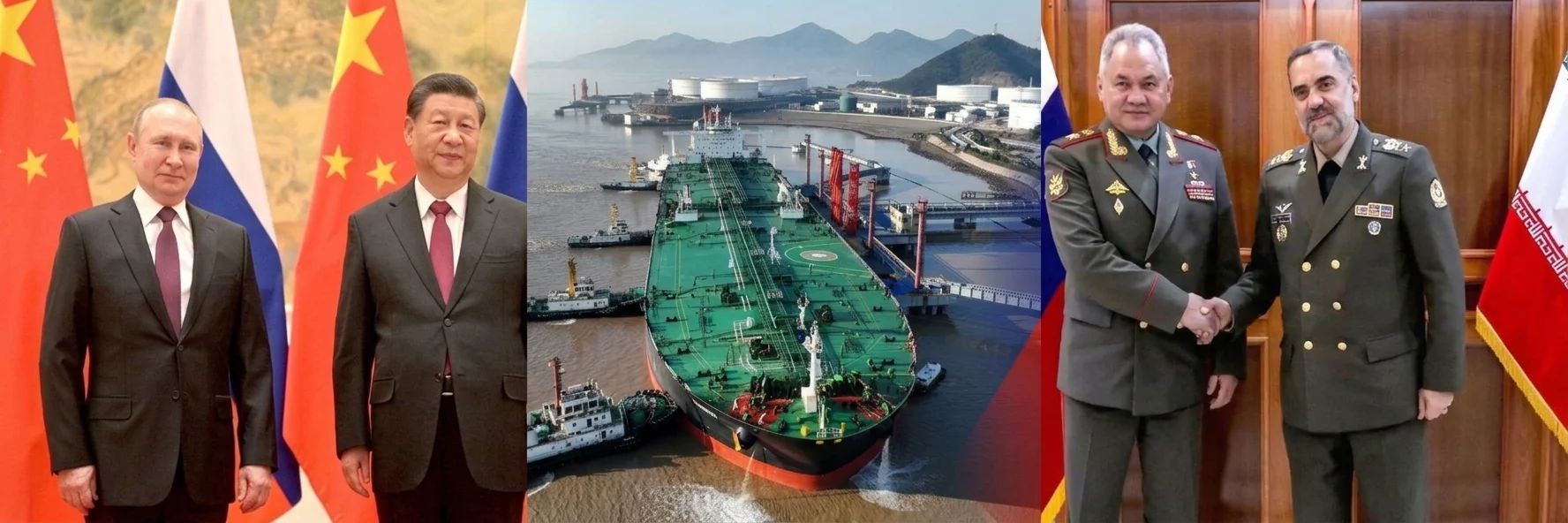
The Middle East confrontation is also becoming an important test of the international influence of China and Russia.
Both countries maintain strategic relationships with Iran, but neither necessarily wants to become directly involved in a military confrontation with the United States.
Their interests are different, and their calculations are primarily driven by national security, energy supplies, economic opportunities and international influence.
China's role: Energy security and economic influence
China is particularly important because it remains Iran's most significant oil customer.
According to reporting by Deutsche Welle on November 19, Chinese buyers accounted for more than 80% of Iran's seaborne crude exports in 2025, based on previously reported estimates.
This gives Beijing substantial economic importance in the Iranian situation
China's advantages:
Access to Iranian oil at potentially discounted prices.
Greater diplomatic influence in the Middle East.
Opportunities to strengthen economic and strategic relationships with regional countries.
Potential to present itself as a diplomatic alternative to Washington.
Greater bargaining power in international energy discussions.
However, China also faces significant disadvantages.
A prolonged Hormuz disruption could threaten its energy security, increase industrial production costs and weaken confidence in international shipping.
China is not simply interested in supporting Iran. It also needs stable energy markets, secure maritime trade and constructive relations with other Gulf producers.
Consequently, Beijing could support diplomatic negotiations while opposing actions that threaten international commercial shipping.
China's central dilemma: It may benefit from maintaining its relationship with Tehran, but it has considerably more to lose from a prolonged regional energy crisis.
Russia's role: Strategic leverage and geopolitical calculations
Russia's relationship with Iran is shaped by military cooperation, regional security interests, economic connections and opposition to certain Western sanctions policies.
Moscow could benefit strategically if Washington becomes increasingly occupied with another major geopolitical confrontation.
Potential advantages include:
Greater diplomatic leverage in negotiations with Washington.
Opportunities to strengthen cooperation with Tehran.
Increased strategic importance of alternative energy suppliers.
Potential changes in international oil trade flows.
Greater influence in discussions about a future Middle Eastern security framework.
Nevertheless, Russia also faces considerable risks.
A prolonged regional crisis could create instability among its partners, disrupt trade and complicate its broader foreign policy objectives.
Furthermore, Moscow is unlikely to sacrifice all its diplomatic flexibility with Washington simply to support Iran.
Deutsche Welle's November 19 analysis highlights this important distinction: Russia and China may support Iran diplomatically and economically, but both must balance that relationship against their wider national interests.
China versus Russia: Different interests, different strategies
Strategic issue China Russia
Primary interest: Energy security and trade. Geopolitical influence.
Relationship with Iran: Major oil buyer and economic partner. Strategic and security partner.
Main opportunity: Energy and diplomatic influence. Greater bargaining leverage.
Main vulnerability: Energy supply disruption. Regional instability.
Likely preference: Negotiated stability Strategic flexibility.
The bigger picture: China and Russia do not need to enter a direct confrontation with Washington to influence the outcome. Their economic relationships, diplomatic positions and international partnerships already give them meaningful leverage.
5. Global financial markets: How another energy shock could affect the world economy
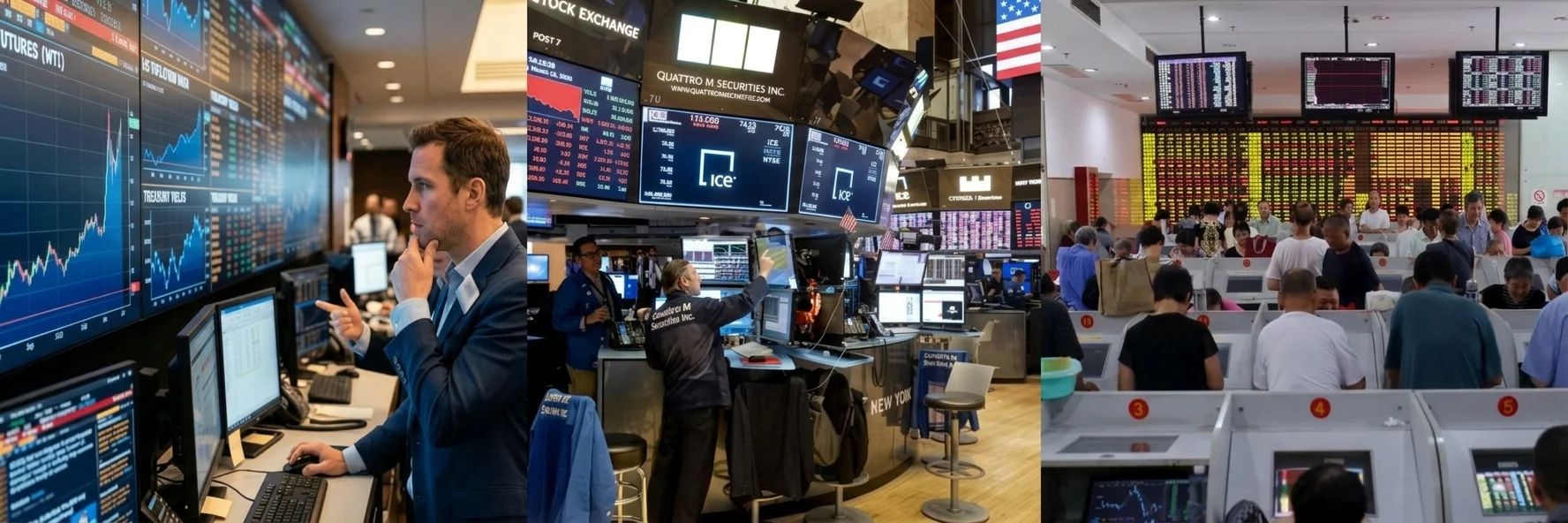
The financial consequences could become more serious if the confrontation continues.
Financial markets are particularly sensitive to geopolitical uncertainty because investors must reassess energy costs, inflation expectations, corporate earnings, interest rates and international trade risks.
The crisis could create different winners and losers across the global economy.
A. Oil and energy markets
Oil markets are likely to remain among the most sensitive indicators.
If shipping through Hormuz remains restricted, traders could demand a higher geopolitical risk premium.
Three possible scenarios deserve attention:
Scenario Potential oil-market reaction
Diplomatic breakthrough Lower geopolitical risk premium.
Continued shipping disruption Higher volatility and elevated prices.
Wider military escalation Potential sharp supply shock and price spikes
B. US stock markets
American equities could experience pressure from higher energy costs and renewed inflation concerns.
The sectors most exposed include:
Airlines and transportation.
Consumer discretionary businesses.
Manufacturing and industrial companies.
Retailers and logistics operators.
Energy-intensive technology companies.
On the other hand, selected oil producers, energy infrastructure companies and defence contractors could benefit from increased demand or higher prices.
The broader challenge for Wall Street is determining whether the crisis represents a temporary geopolitical shock or the beginning of a longer economic slowdown.
C. European stock markets
Europe faces a different vulnerability.
Although its energy supply structure has changed significantly over recent years, the region remains exposed to international energy prices and LNG competition.
A prolonged crisis could increase industrial production costs, weaken manufacturing competitiveness and create additional inflationary pressure.
Germany and other manufacturing-heavy economies could face particular challenges.
D. Asian stock markets
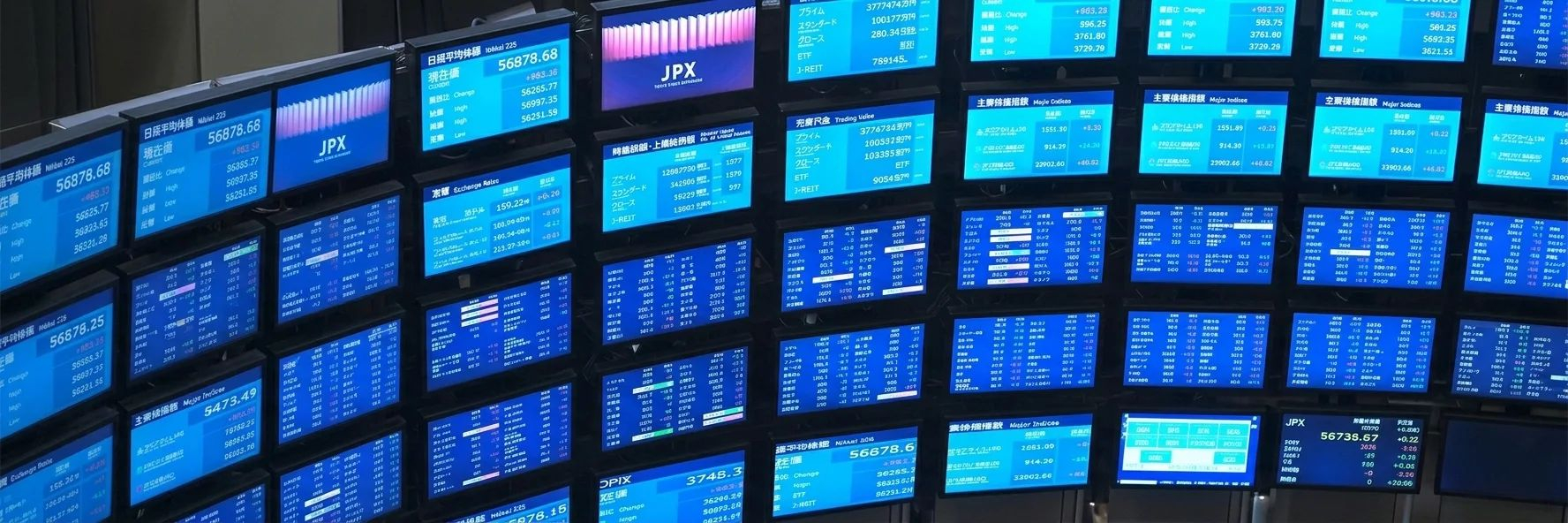
Asia could be among the regions most exposed to a prolonged energy disruption.
Japan, South Korea, India and several Southeast Asian economies depend heavily on imported energy.
Potential consequences include:
Higher electricity generation costs.
Increased fuel import bills.
Currency depreciation pressures.
Higher inflation.
Reduced corporate profit margins.
Greater pressure on government subsidies.
Countries with limited domestic energy resources could face difficult decisions between protecting consumers and maintaining fiscal stability.
E. Inflation, interest rates and the global economy
Perhaps the biggest danger is the possibility of another inflationary shock.
Higher oil and gas prices can spread through the economy by increasing transportation, electricity, manufacturing and food distribution costs.
Central banks could then face a difficult choice:
Maintain higher interest rates to contain inflation.
Reduce interest rates to support economic growth.
Delay monetary easing while waiting for energy prices to stabilize.
This creates a potentially dangerous combination of weaker economic growth and persistent inflation.
If the situation becomes prolonged, the world could face renewed stagflation concerns.
6. Cryptocurrency markets: Bitcoin, Ethereum and the geopolitical risk challenge
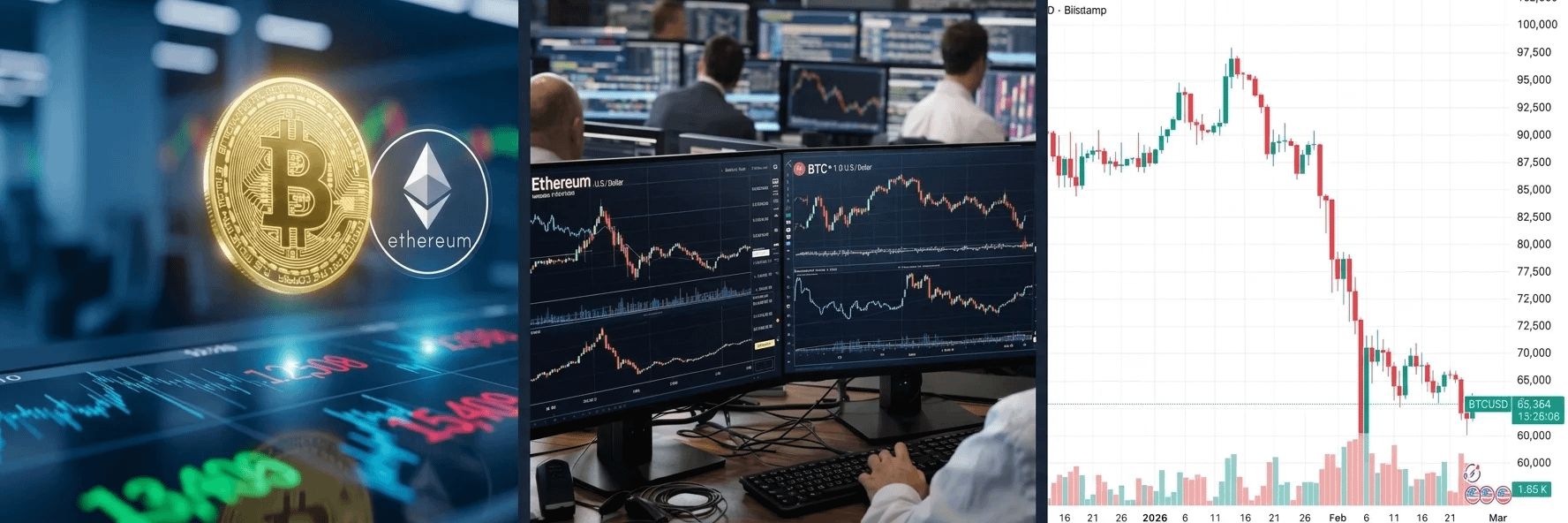
Cryptocurrency markets are not isolated from geopolitical developments.
Although Bitcoin is frequently described as digital gold or an alternative financial asset, its short-term market behavior can resemble that of other risk-sensitive investments.
A serious Middle East escalation could therefore create both opportunities and considerable risks for digital assets.
Why could Bitcoin face selling pressure?
1. Risk-off investor behavior
During periods of geopolitical uncertainty, investors may reduce exposure to volatile assets and increase holdings in cash or traditional safe-haven instruments.
Bitcoin could experience selling pressure alongside technology stocks.
2. Stronger US dollar
If international investors seek dollar liquidity, a stronger dollar could create additional headwinds for Bitcoin and other cryptocurrencies.
3. Interest-rate expectations
An energy-driven inflation shock could delay anticipated interest-rate cuts, reducing the attractiveness of speculative investments.
4. Leveraged liquidations
Sudden market movements can trigger leveraged liquidations, accelerating downward price movements and increasing volatility.
5. Reduced institutional risk appetite
If traditional equity markets experience significant losses, institutional investors may reassess their cryptocurrency exposure.
Could Bitcoin benefit from the crisis?
Yes, but the circumstances matter.
Bitcoin could attract interest if investors become increasingly concerned about currency instability, capital controls or the long-term credibility of traditional financial systems.
However, this does not guarantee that Bitcoin will rise during a military or energy crisis.
Its response will depend on liquidity conditions, institutional positioning, interest rates, dollar strength and broader investor sentiment.
Ethereum and the wider cryptocurrency market
Ethereum could face similar macroeconomic pressures.
A prolonged risk-off environment may weaken demand for speculative digital assets, decentralized finance tokens and smaller cryptocurrencies.
Meanwhile, stablecoins could become increasingly important for international digital payments and dollar-based liquidity, although regulatory and counterparty risks remain.
Three possible cryptocurrency market scenarios
Scenario Potential Market effect
Diplomatic de-escalation Improved investor confidence and potential recovery
Prolonged uncertainty Volatile, range-bound trading
Major military escalation Risk of sharp corrections and leveraged liquidations
What should cryptocurrency investors monitor? The most important indicators include:
Bitcoin's ability to maintain major technical support levels.
Ethereum's relative strength against Bitcoin.
US Treasury yields and dollar movements.
Institutional ETF inflows and outflows.
Stablecoin liquidity and exchange reserves.
Derivatives funding rates and liquidation levels.
Developments in oil prices and international shipping. The key message: Bitcoin's long-term investment narrative and its short-term response to geopolitical uncertainty are two different things. Investors should not assume that every global crisis automatically creates a bullish opportunity for cryptocurrencies.
Who benefits and who loses from another global energy crisis? The consequences will not be equally distributed.
STRATEGIC WINNERS AND POTENTIAL LOSERS
Countries / sectors Potential advantages Major disadvantages
United States Domestic energy flexibility, strategic inflation, military expenditure
influence.
China Diplomatic influence, discounted Supply disruption,
energy opportunities higher import costs.
Russia Greater geopolitical and energy Regional instability,
leverage economic uncertainty
Iran Potential bargaining leverage Sanctions, economic
pressure, infrastructure risks
Gulf producers Potential higher energy revenues Infrastructure and security
threats
Alternative energy increased demand. Capacity and transportation
suppliers constraints
Energy importers Opportunities to diversify supply Higher import bills and
inflation
Technology Opportunities in energy efficiency Higher operating and companies electricity costs
There is an important distinction between benefiting from higher energy prices and benefiting from geopolitical instability.
Even countries that could gain commercially from higher prices may suffer from weaker global economic growth.
8. The wider consequences for developing economies, including Southeast Asia
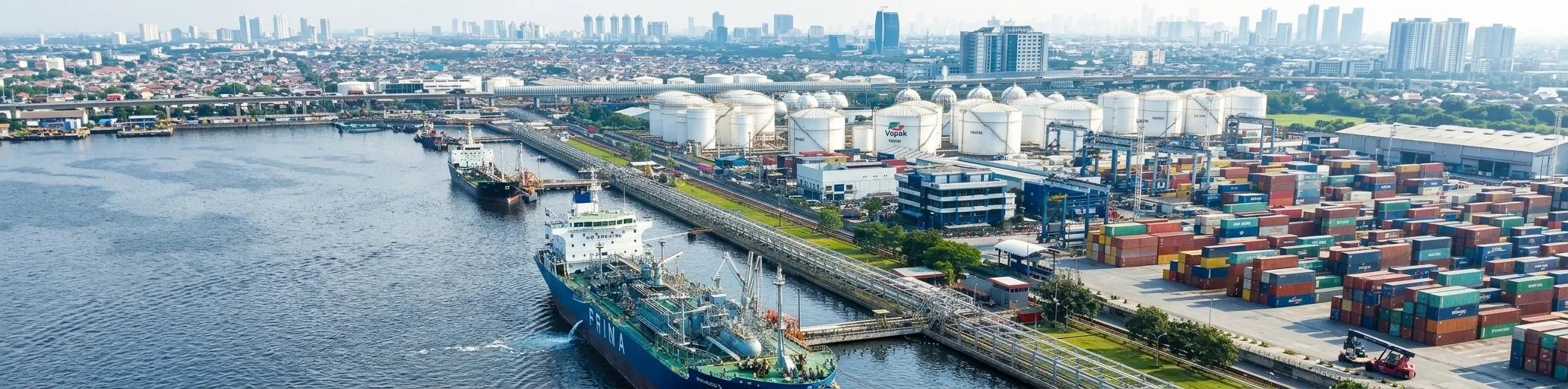
The crisis deserves particular attention across developing economies.
Countries such as Malaysia, the Philippines, Thailand, Bangladesh, Sri Lanka and the Maldives face different levels of exposure to international energy prices.
For import-dependent economies, higher oil prices can increase pressure on foreign exchange reserves, government budgets and domestic transportation costs.
For Malaysia, the situation is more complicated because the country is both an energy producer and an energy consumer.
Higher international energy prices could support some domestic energy revenues, but they could also increase costs for businesses, households and industries.
The Maldives faces a more direct challenge because of its dependence on imported fuel.
A prolonged increase in international oil prices could affect:
Electricity generation.
Airport and maritime transportation.
Resort operating expenses.
Food and essential goods distribution.
Government expenditure.
Household living costs.
This demonstrates why developments in the Persian Gulf are economically relevant even to countries geographically distant from the conflict.
9. What happens next? Five developments the world should watch
The next phase of this crisis will depend on decisions made by Washington, Tehran, Beijing, Moscow and regional governments.
Five developments deserve particular attention.
1. Whether Operation Fereydun moves beyond a proposal
The international community will be watching whether Iran actually attempts to organise an oil tanker convoy and challenge the American blockade.
2. Whether the Strait of Hormuz returns to normal shipping conditions
Restoring safe and predictable maritime transportation would be one of the most important steps towards reducing global energy uncertainty.
3. Whether China becomes more actively involved diplomatically
Beijing has economic reasons to encourage de-escalation, particularly because its energy security depends on stable international shipping.
4. Whether Russia uses the crisis to increase its geopolitical influence
Moscow could seek additional diplomatic leverage, but its willingness to take direct action on Iran's behalf should not be assumed.
5. Whether Washington chooses military escalation or diplomatic compromise
American decisions will influence regional security, the credibility of its international partnerships and the direction of global energy markets.
10. Three possible futures for the global economy
Scenario 1
Diplomatic breakthrough and energy market recovery
Negotiations reduce military tensions, shipping restrictions ease and energy transportation gradually returns to more predictable conditions.
Oil-market risk premiums decline.
Global equities could recover.
Inflation concerns may ease.
Bitcoin and other risk assets could regain investor interest.
Scenario 2
Prolonged confrontation and economic uncertainty
The US–Iran standoff continues without a comprehensive agreement.
Energy prices remain volatile.
Shipping insurance and transportation costs remain elevated.
Stock markets experience sector-specific pressure.
Cryptocurrency markets remain sensitive to macroeconomic developments.
Scenario 3
Wider regional escalation and global economic shock
Military confrontation spreads to additional regional infrastructure or shipping routes.
Oil and gas supplies face further disruption.
Global inflation risks increase.
Equity markets could experience significant corrections.
Investors may move towards cash and traditional safe-haven assets.
Bitcoin and other cryptocurrencies could experience substantial volatility and liquidation risks.
These are analytical scenarios, not predictions that any particular outcome is inevitable.
11. Final perspective: This is about much more than oil
The developing confrontation surrounding Operation Fereydun illustrates how energy, military power, diplomacy and financial markets have become increasingly interconnected.
Iran is attempting to preserve economic and strategic leverage under intense American pressure. Washington is trying to demonstrate that its restrictions and regional security commitments remain credible. China is balancing its relationship with Tehran against its enormous dependence on stable international trade. Russia is assessing how the situation could affect its broader geopolitical position.
Meanwhile, countries that have little direct involvement in the confrontation could face higher fuel prices, inflation, weaker currencies and increased economic uncertainty.
The most important question is no longer simply whether oil prices will rise or fall.
It is whether the international community can prevent a regional confrontation from becoming a much larger disruption to the global economic system.
The Strait of Hormuz has become a test of international cooperation, maritime security and geopolitical influence.
Military strength may determine who controls the immediate confrontation, but economic resilience, diplomatic credibility and international cooperation will help determine who emerges strongest in the longer term.
The world needs a sustainable diplomatic solution, not another prolonged conflict that places the burden on ordinary people, businesses and developing economies.
Market Risk Disclaimer:
This article is intended for educational and informational purposes only. Geopolitical developments, energy prices, financial markets and cryptocurrency valuations can change rapidly. The scenarios discussed are analytical possibilities, not guaranteed outcomes or investment recommendations. Nothing in this publication constitutes financial or investment advice. Always conduct independent research (DYOR) and assess your own risk tolerance before making financial decisions.
Stay positive. Stay informed. Stay secure! 💛🌍
#OperationFereydun #Iran #MiddleEastCrisis #EnergyCrisis #StraitOfHormuz #GlobalOilMarkets #Geopolitics #China #Russia #UnitedStates #GlobalEconomy #StockMarkets #Bitcoin #Ethereum #CryptoMarkets #FinancialMarkets #PositiveMindsGlobalResults

